RailMapOnline.com has interactive maps showing past and present UK, Irish & US railways. Now with historic canals, trams, trolleybus & military airfields.

Joined April 2013
424 Photos and videos
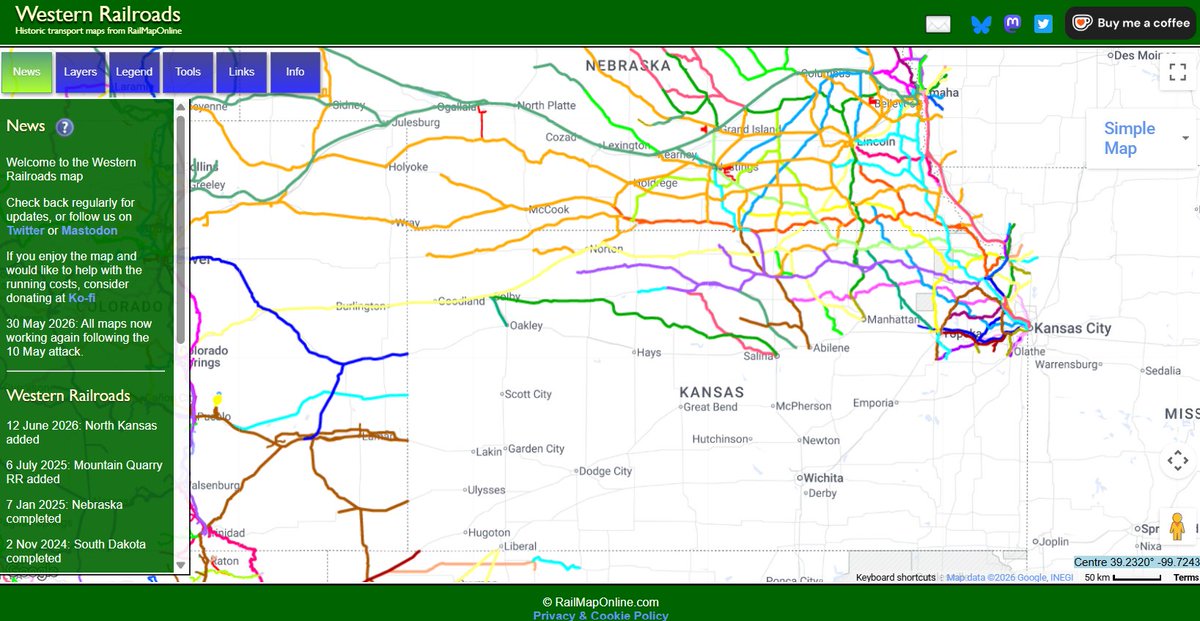
Kansas is added to the US railroad map, covering the northern part of the state, plus a bit of Missouri. Includes Atchison, Topeka, and parts of St Joseph and Kansas City. Hope to add more of Kansas over the summer. RailMapOnline.com
2
1
6
342
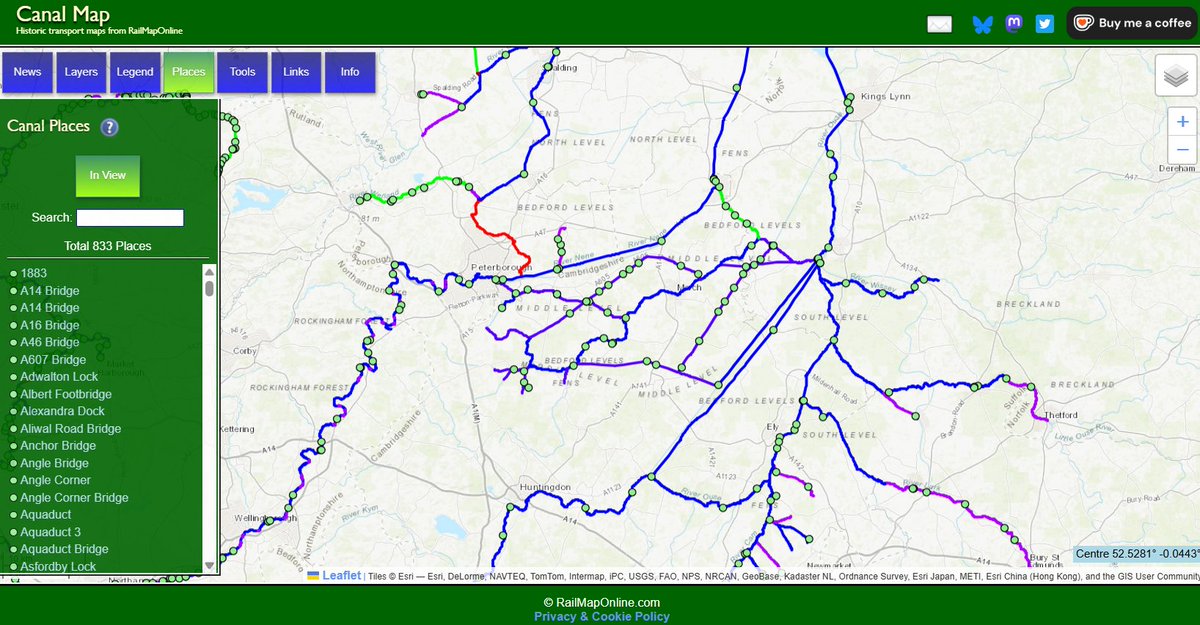
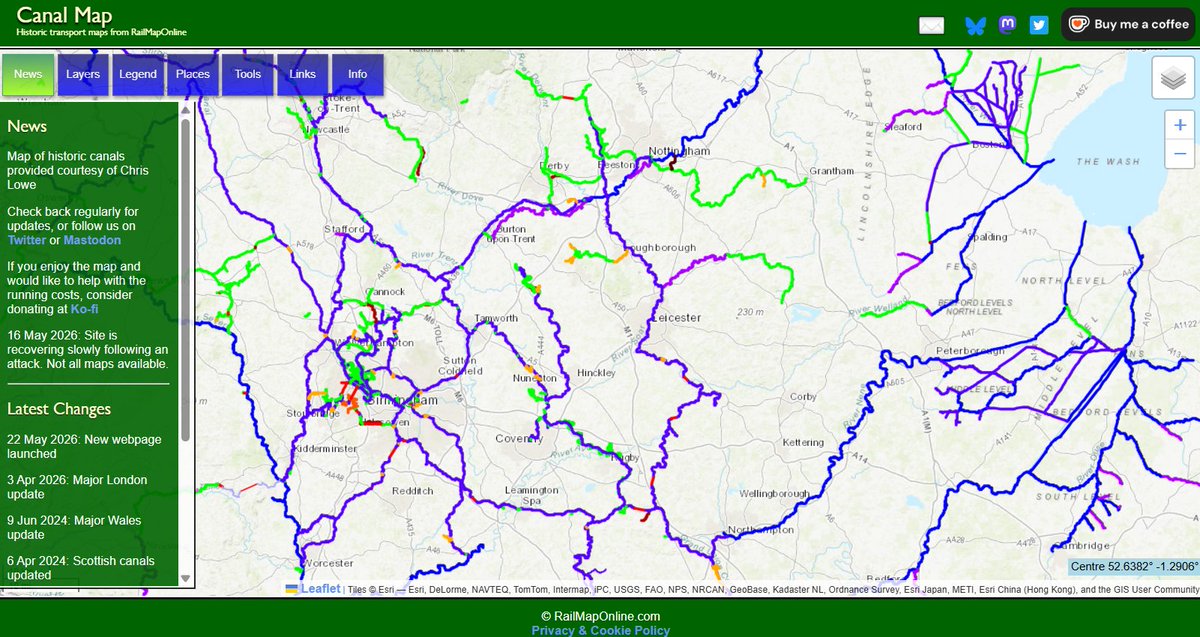
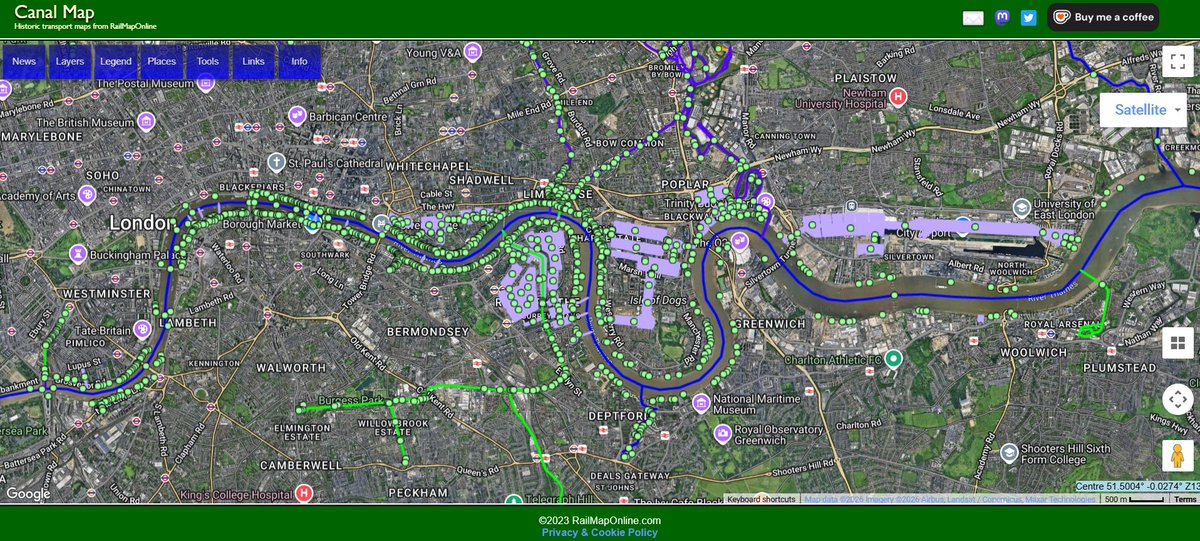
Update for the canal map, with lots of details and places for eastern Rivers and Canals. Big thanks to @LoweChrisR RailMapOnline.com
4
11
759
RailMapOnline retweeted
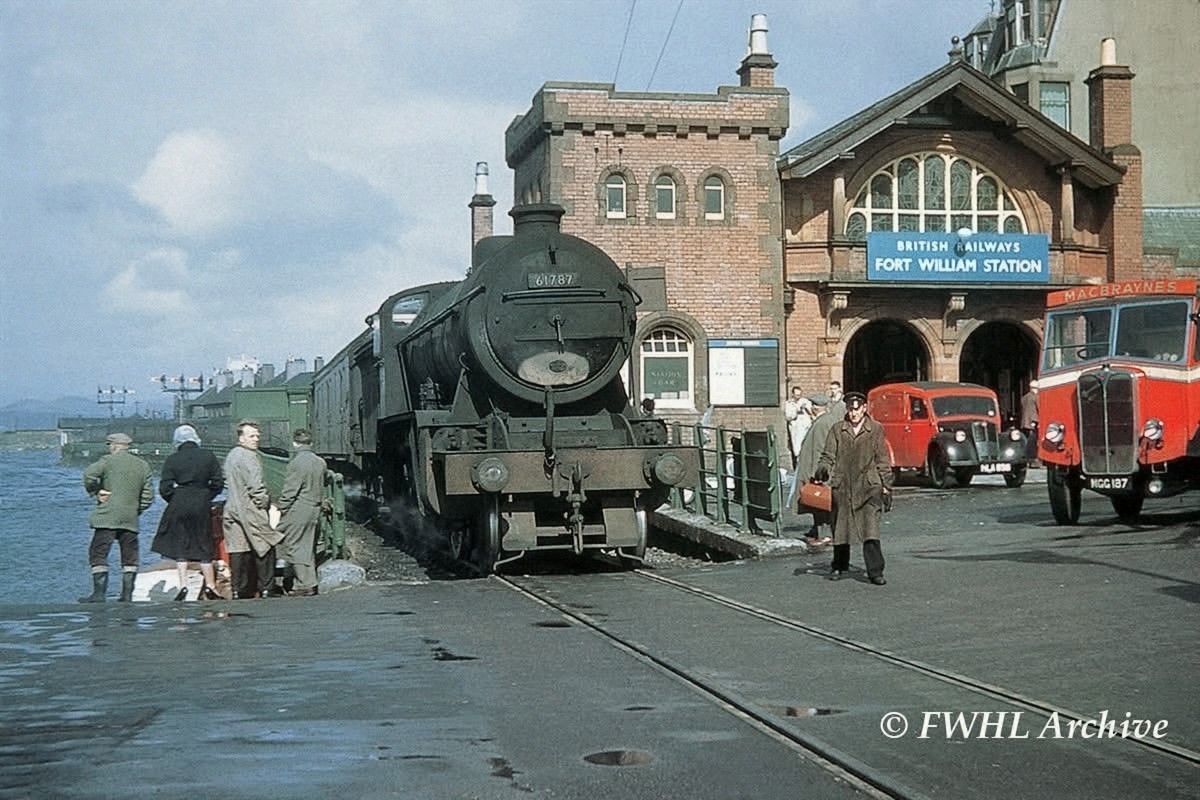
The original Fort William Station was closed 51 years ago today - (June 9th 1975) Then demolished to make way for the new bypass/station. This amazing photo from the archives shows the station in all its glory !
3
60
454
10,507
RailMapOnline retweeted
Today years old when I found out railbikes are a thing facebook.com/share/r/1Eb2JtY…
3
9
98
3,831
Website is online again today, but the hosting company is still having trouble so it might have intermittent down time.
7
317
Website currently down. Hosting company is having a server issue. Hopefully only temporary.
6
537
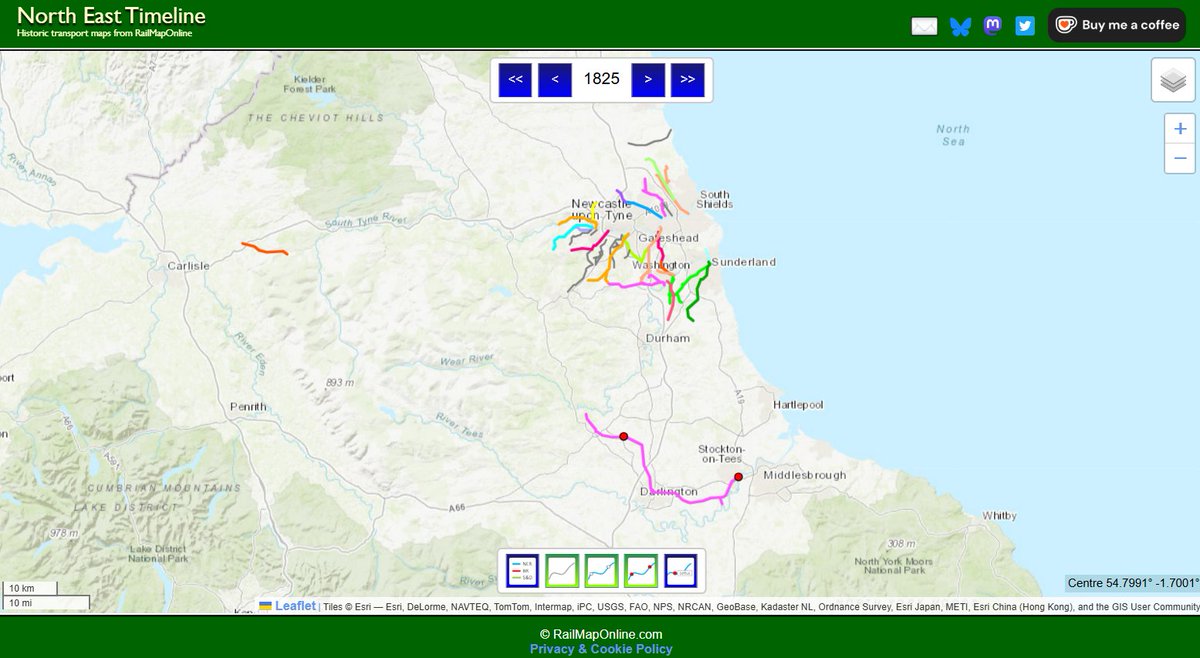
Check out Rails & Revolutions' video about early tramways to the Tyne. youtube.com/watch?v=K65SrSBS… You can track the evolution of some of the early tramways from 1621 onwards on the North East timeline map RailMapOnline.com/north-east…
5
643
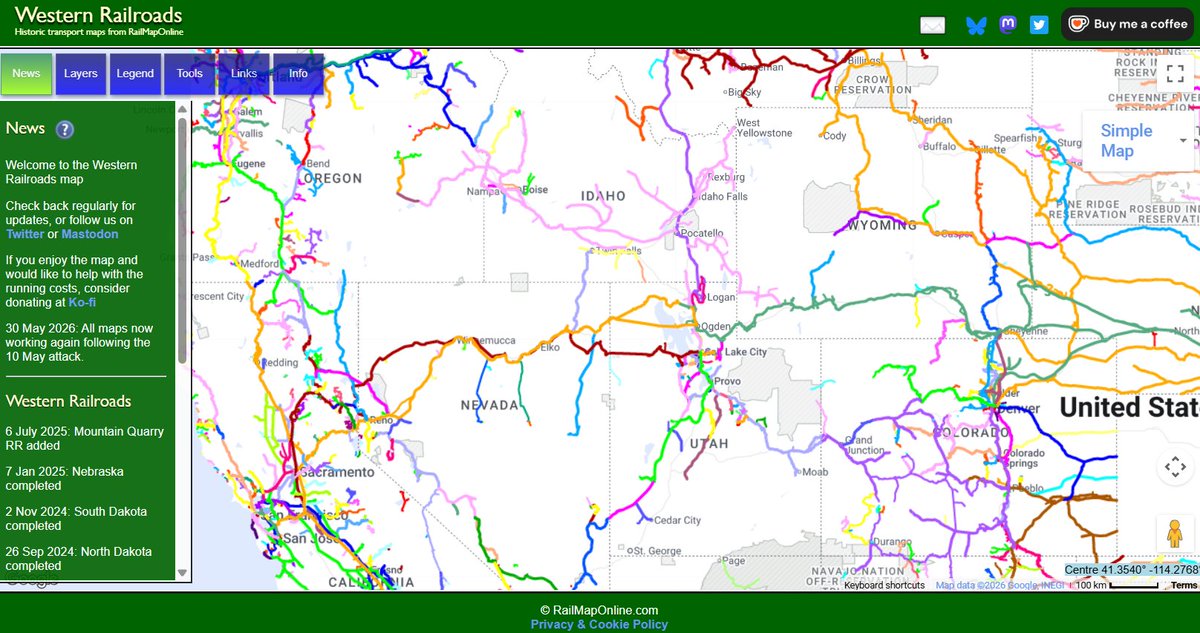
All maps are now back. The last map covers the Western US Railroads: RailMapOnline.com/western-ra… Big thanks to everyone for being patient while the site was re-built, and for the amazing messages of support.
5
5
36
972
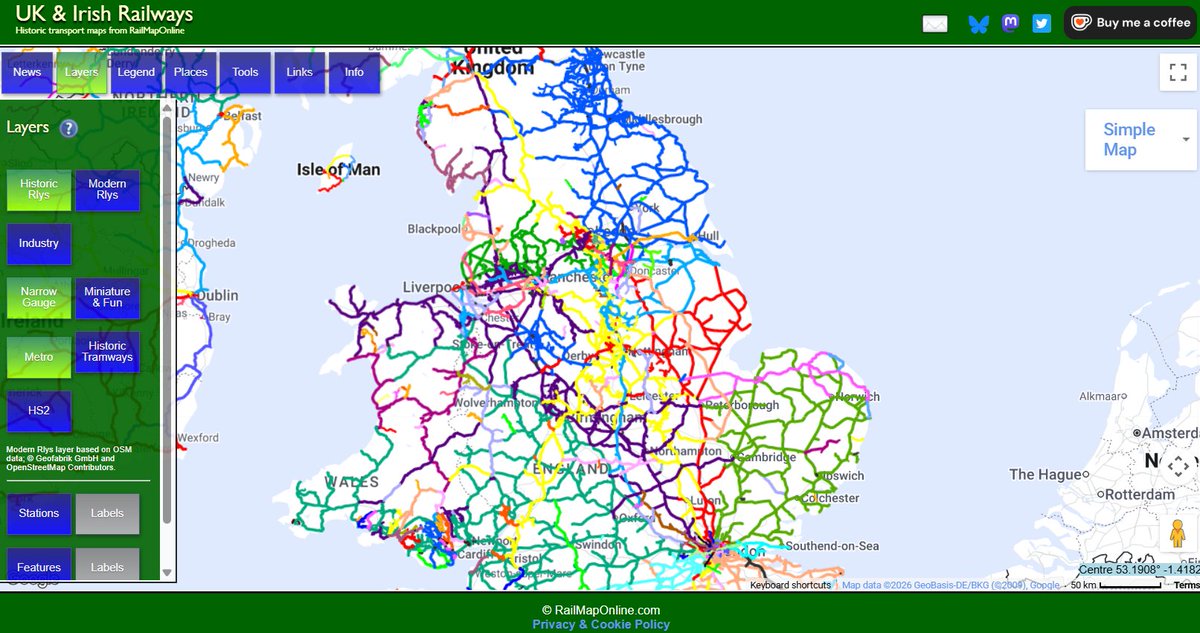
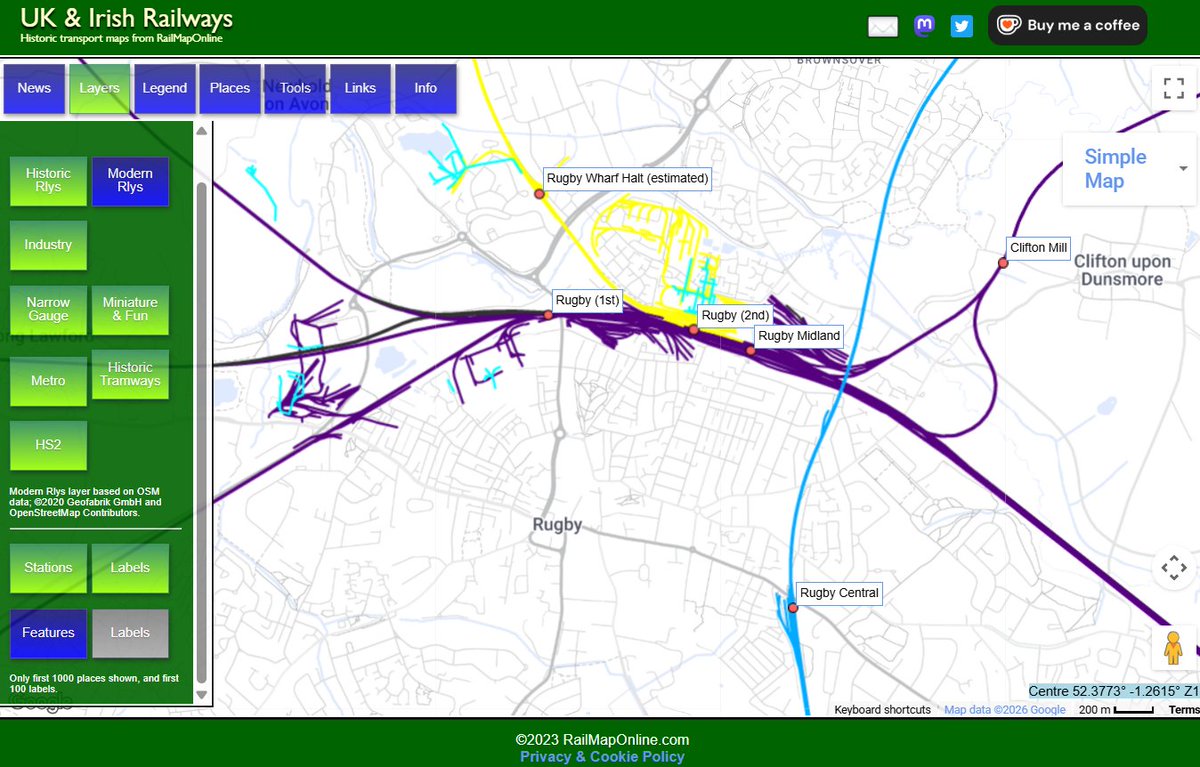
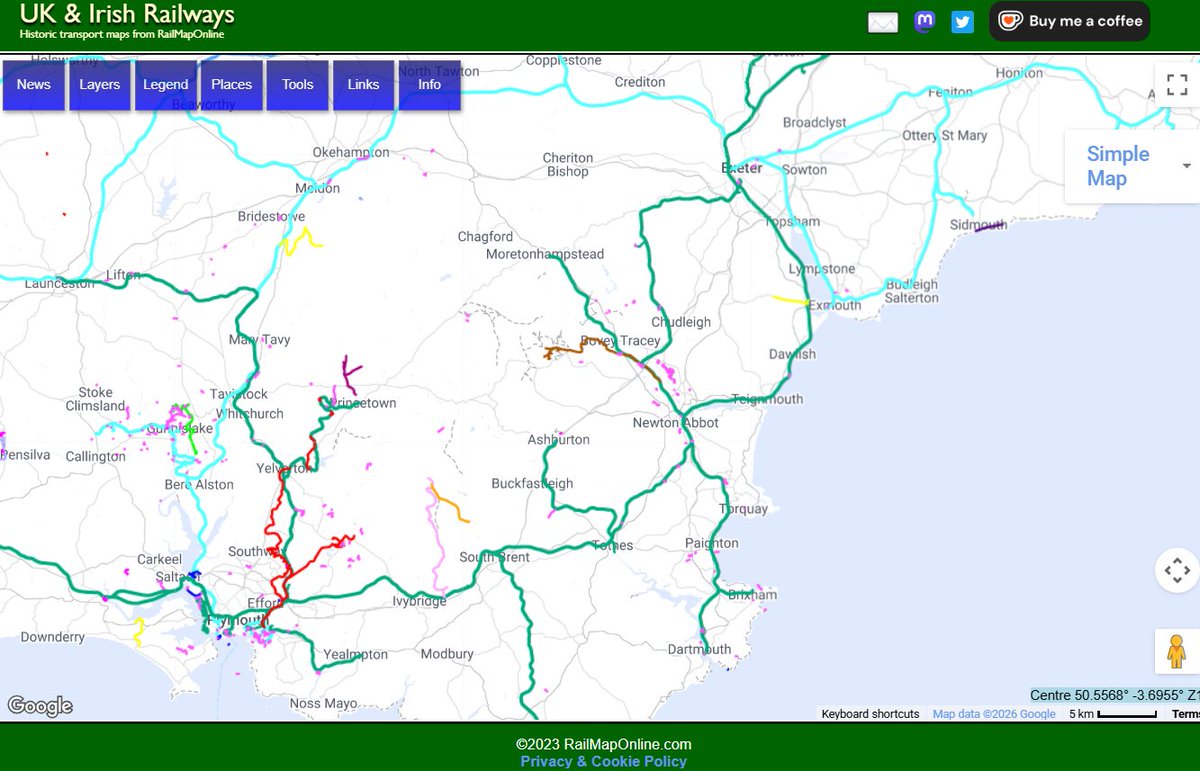
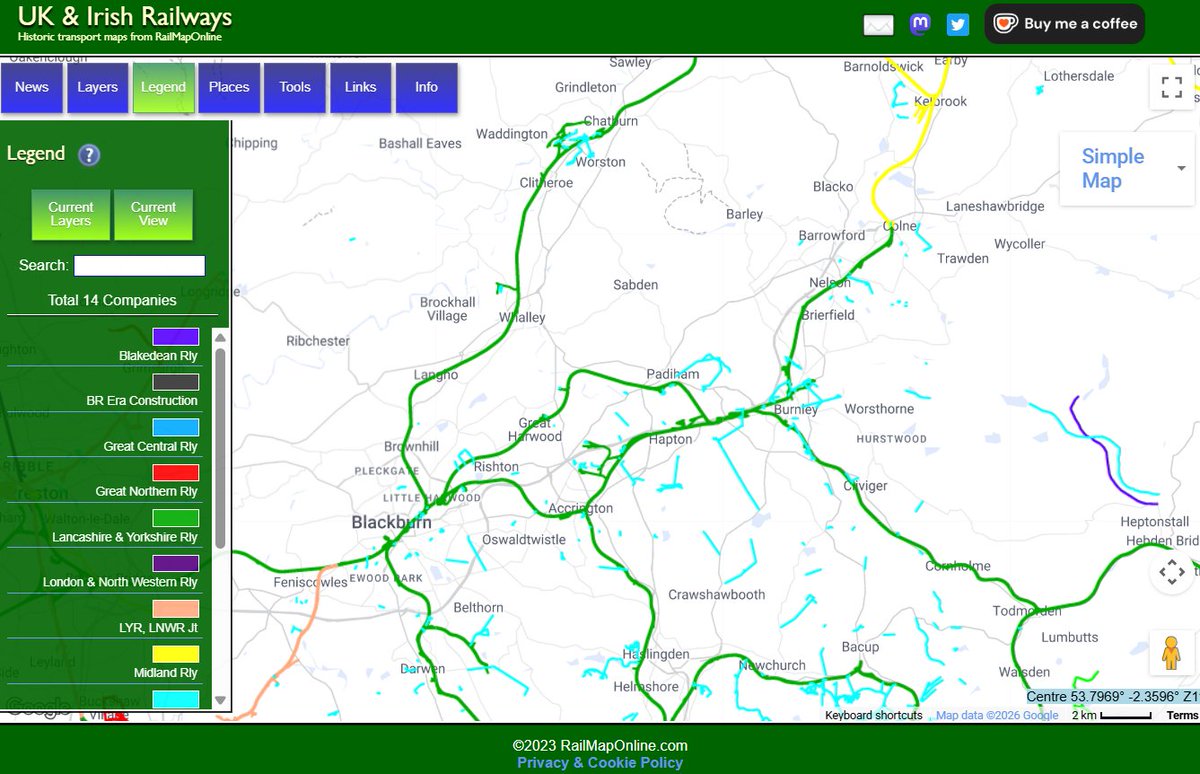
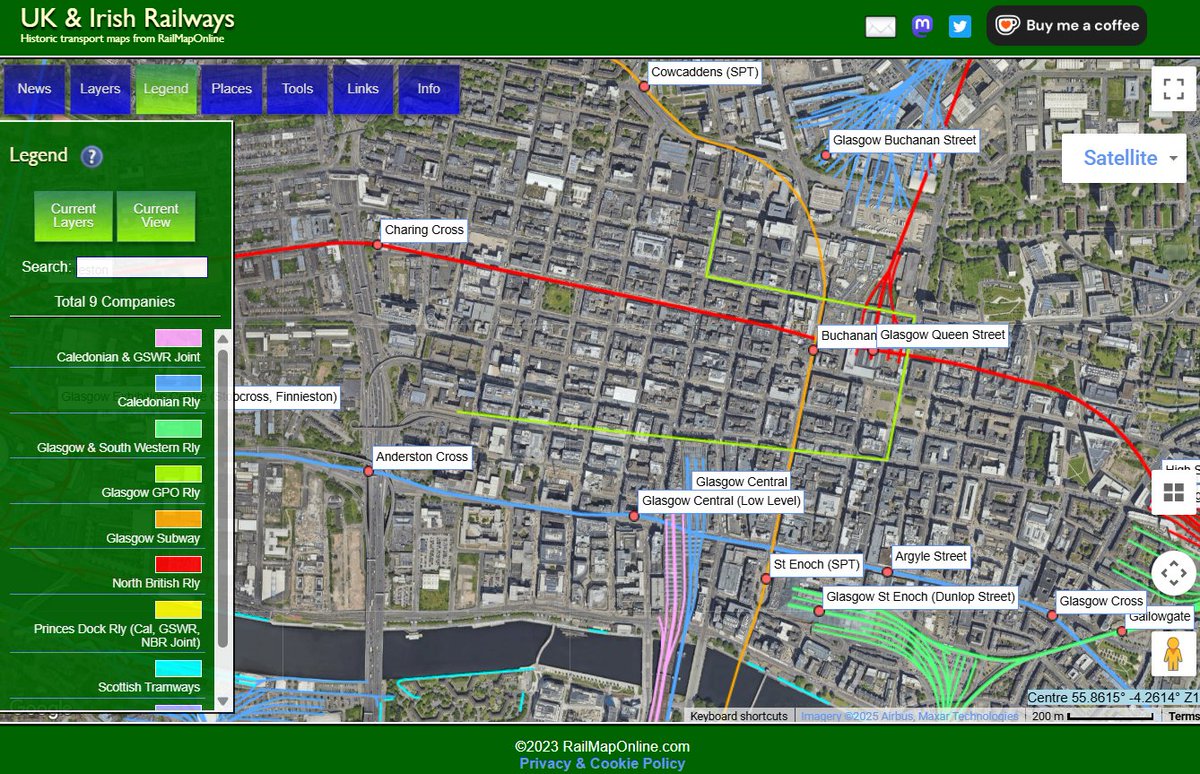
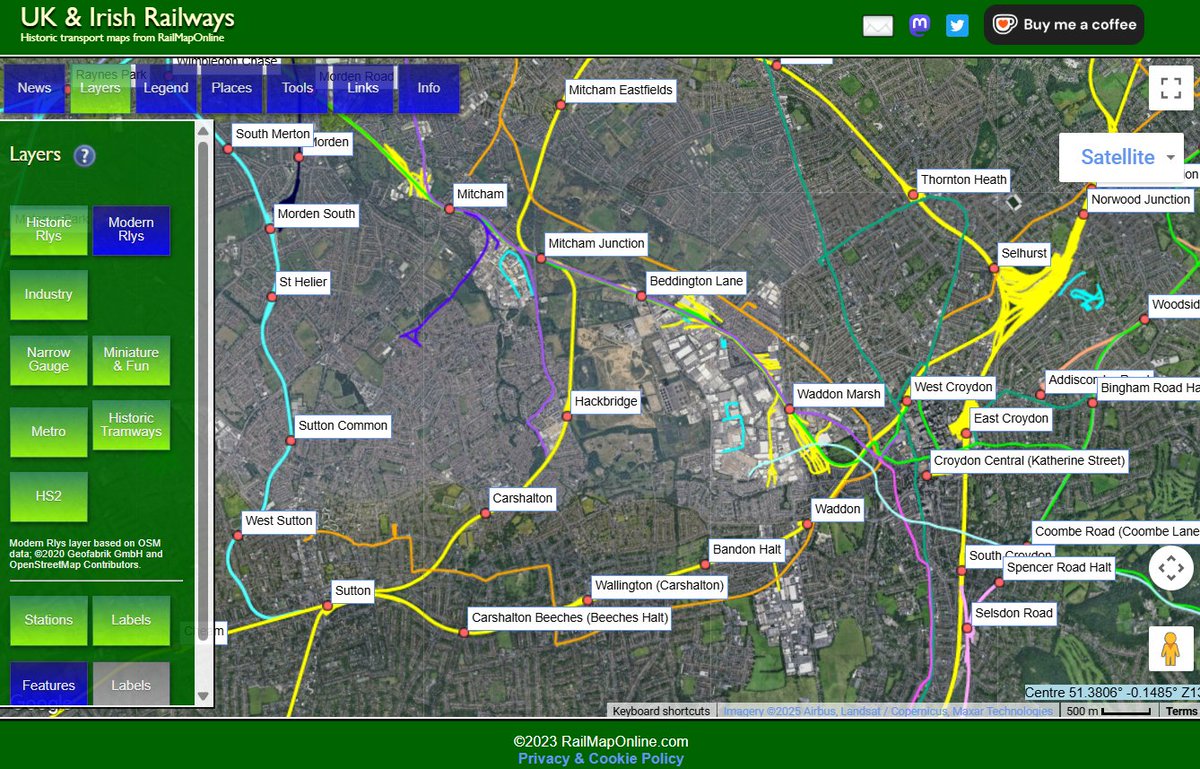
The UK & Irish Railways map is back. Old links should redirect to the new URL: RailMapOnline.com/uk-and-iri… Remember there's extra layers that display more tracks, stations and features.
4
9
58
3,406
The Canal map is back. The interface is slightly different to the old map and there's a new URL. RailMapOnline.com/canals Big shout-out to Chris Lowe who draws the canal map.
3
9
66
2,922
RailMapOnline retweeted
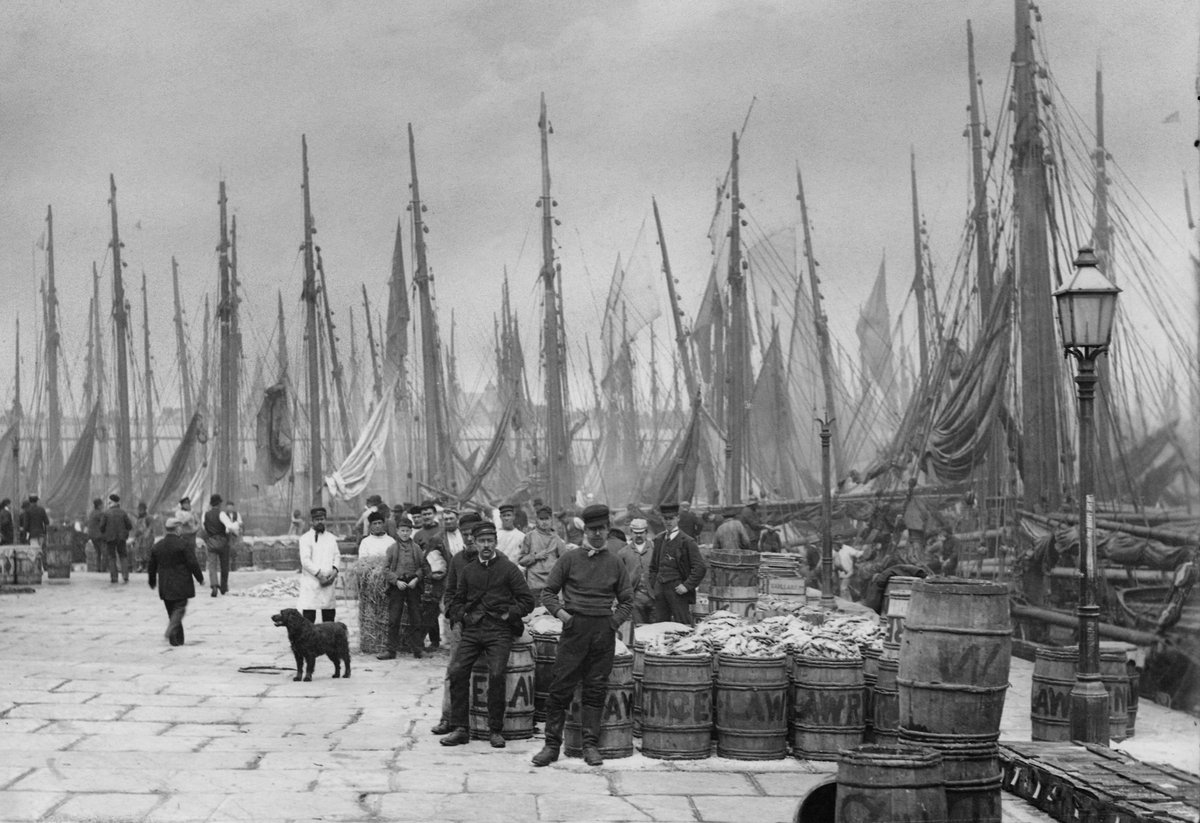
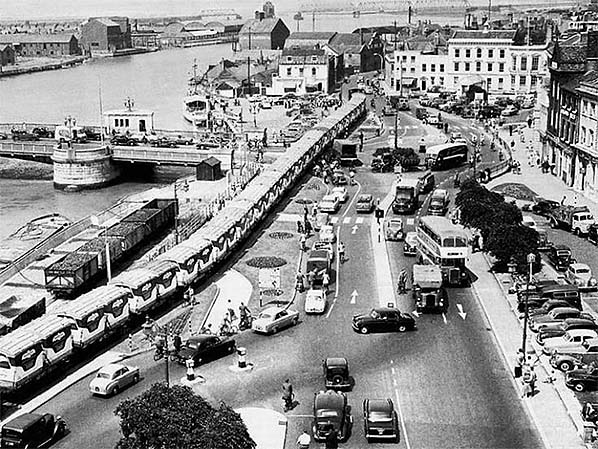
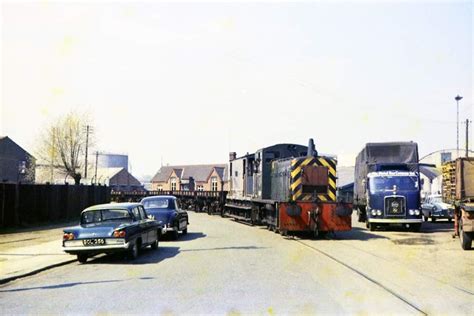
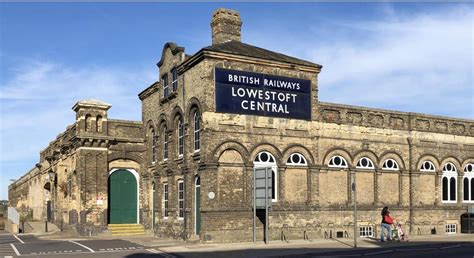
A brief history of the Great Eastern Railway’s fish traffic. An interesting story of Victorian and Edwardian enterprise that made the East Anglian North Sea fish catches a vital, time-sensitive supply service feeding London’s markets and beyond. The traffic centered on the two great fishing ports of Great Yarmouth and Lowestoft, where the GER had direct access to quaysides and built dedicated infrastructure. Yarmouth was world-renowned for its seasonal herring fishery, while Lowestoft developed into a major trawler base; both drew fleets of sailing drifters and, later, steam vessels that worked the North Sea grounds. The railway’s involvement grew steadily from the 1860s onward. By 1865, the board was already noting rising fish receipts and invested in station upgrades and track improvements to handle the perishable traffic. The species landed were dominated by Atlantic herring, the famous “silver darlings” that arrived in vast shoals each autumn and winter, alongside the trawled white fish such as cod, haddock, plaice and other flatfish. Smaller volumes of sprats, shrimps, crabs, cockles and oysters were also moved by rail from nearby harbours, but the bread-and-butter traffic was herring and white fish from Yarmouth and Lowestoft. Processing was swift and practical. Fish were landed directly from the boats, gutted, often by teams of “gutting girls” who followed the fleets, washed, and packed into boxes or barrels. White fish were layered with crushed ice for cooling; herring might travel fresh or be lightly salted or cured into kippers and bloaters, depending on destination and season. Speed was everything, and any delays meant spoiled cargo, so the railway positioned sidings right beside the fish sheds and quays. Dockside loading was a hive of activity. In Lowestoft, the GER constructed a new fish market in 1865 and extended rails into the docks. Fish moved from boats or from the market sheds onto wooden staging or were loaded directly into the vans. The distinctive open “mail fish trucks” and later covered vans were designed with wide doors and ventilation to keep the cargo cool and accessible. Shunting at the docks and goods yards was handled by the GER’s small tank engines, particularly the J67 and J69 0-6-0Ts (affectionately known as Buckjumpers) and the distinctive J70 tram engines, which were built with sideplates and cowcatchers for dock and road movements. These locos were constantly on the move, assembling loaded vans into trains. At Lowestoft, tram engines regularly hauled wagons across a public main road into the station sidings. Similar tramway-style operations existed at Ipswich docks and on the Wisbech & Upwell Tramway. The GER’s purpose-built rolling stock evolved over the decades. By the mid-1870s, at least thirty “mail fish trucks” were already working Yarmouth traffic. In 1878, eighty new Diagram 23 open fish trucks arrived, four-plank bodies on passenger-rated running gear with Westinghouse brakes and Mansell wheels so they could run in fast trains. Eighty Diagram 24 trucks were built between 1893 and 1903; many of these were later converted to fruit vans as traffic patterns changed. Eventually, fish moved in a variety of covered “sundry vans” as well. Main-line fish trains were fast and given priority. Locomotives were usually the GER’s 1500 4-4-0s or similar passenger and mixed-traffic classes capable of keeping to tight schedules to the capital. Trains left the ports in the small hours or late evening so the catch could reach markets in good condition. The primary destination was London, often routed via the East London Line for access to southern goods depots serving Billingsgate Fish Market, although significant volumes also headed to the Midlands. At peak times, Lowestoft alone could dispatch more than fifty fish trains in a single day. After the 1923 Grouping, the traffic passed to the LNER and then to British Railways, continuing strongly into the mid-20th century before road transport, improved refrigeration, the changing political climate and the inevitable port decline brought the rail fish trains to an end in the 1970s. Yet for nearly a century, the GER’s fish traffic had been a model of efficient perishable logistics with quayside to market in hours, sustaining coastal communities and supplying fresh seafood to inland tables across Britain. Sadly, no more...
3
20
97
2,313
RailMapOnline retweeted
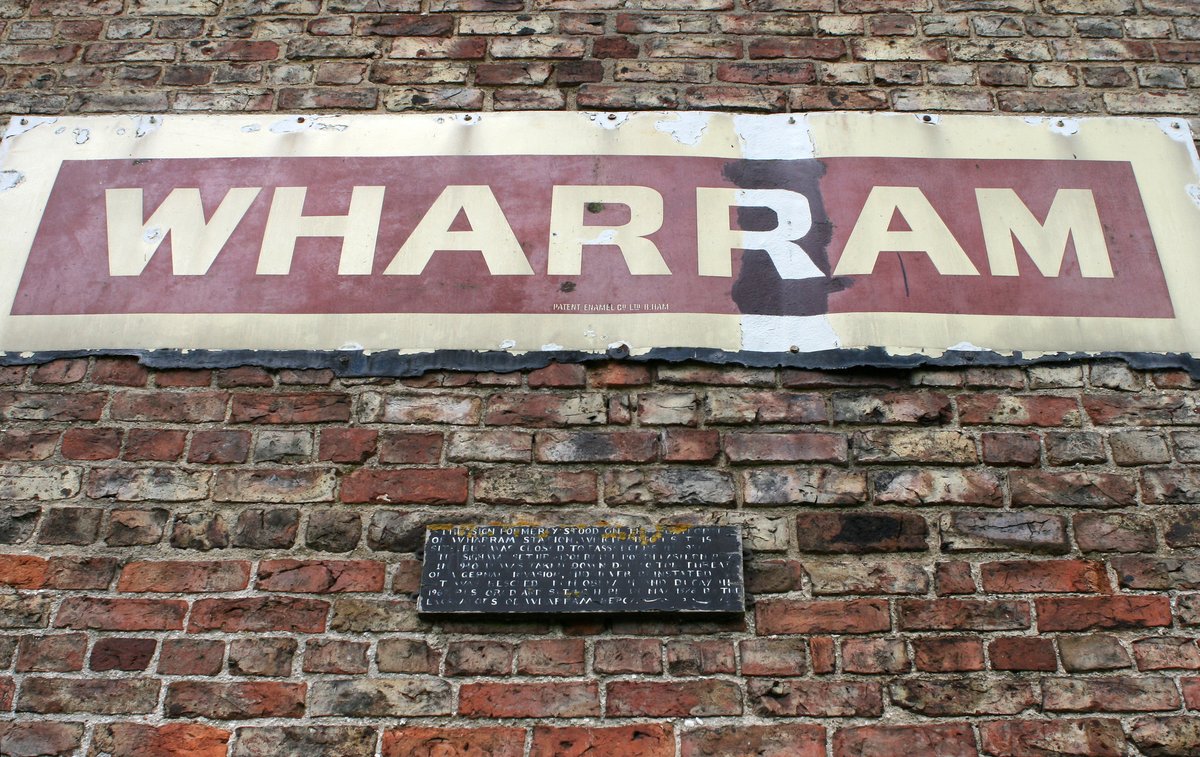
🧵Wharram Percy Part 2. The railway at Wharram Percy was part of the former Malton and Driffield Junction Railway, a Victorian branch line known locally as the “Malton Dodger.” Opened in 1853, it linked Malton and Driffield but struggled commercially, as many stations stood far
2
7
78
2,694
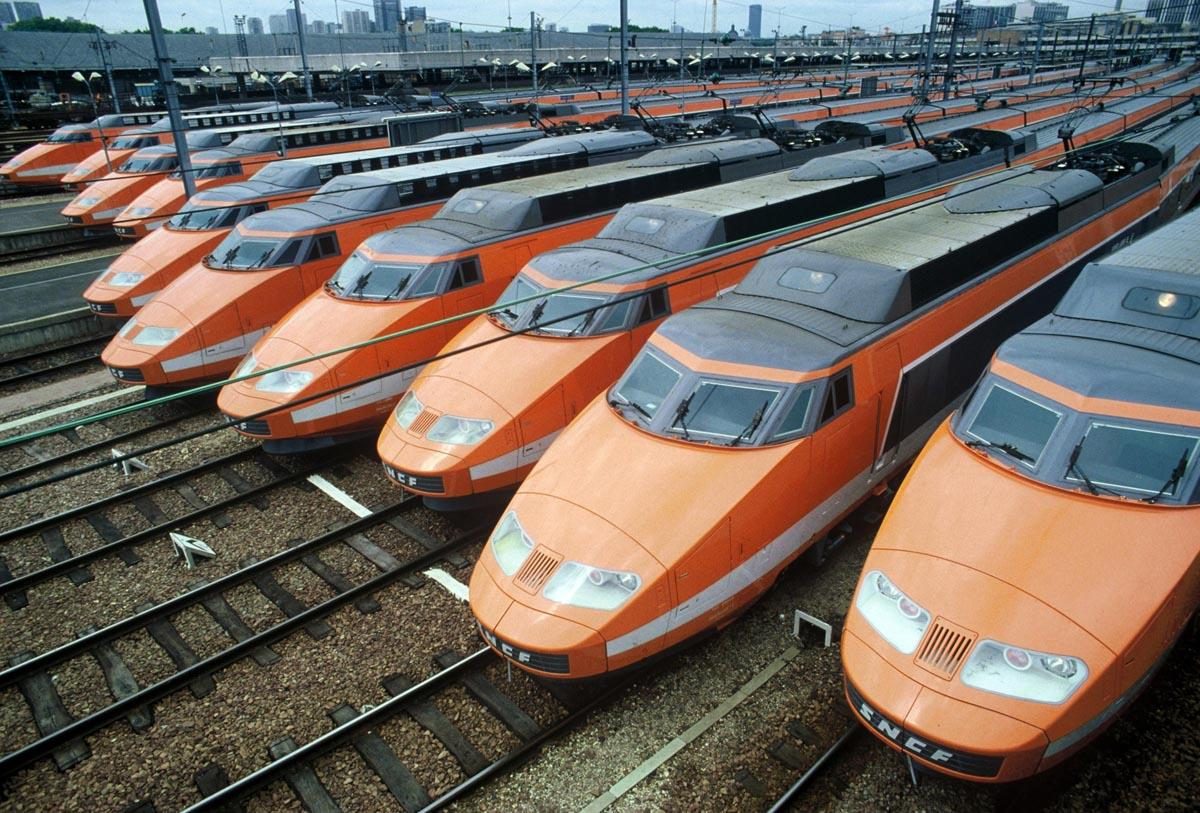
SNCF Une belle brochette de TGV Sud Est en livrée originelle Orange à Paris Bercy au 1er septembre 1981 Elles ne portent pas encore leur numéro de rame.. de mémoire l'alignement des rames avait été géré par Jacques Ruiz, à confirmer
5
23
160
3,373
RailMapOnline retweeted
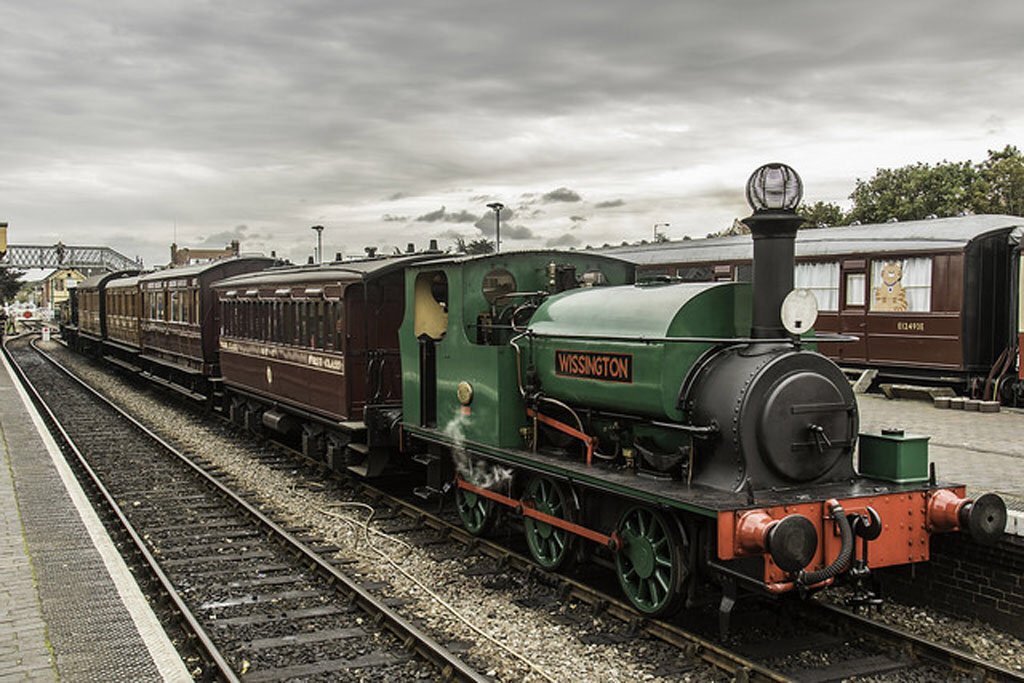
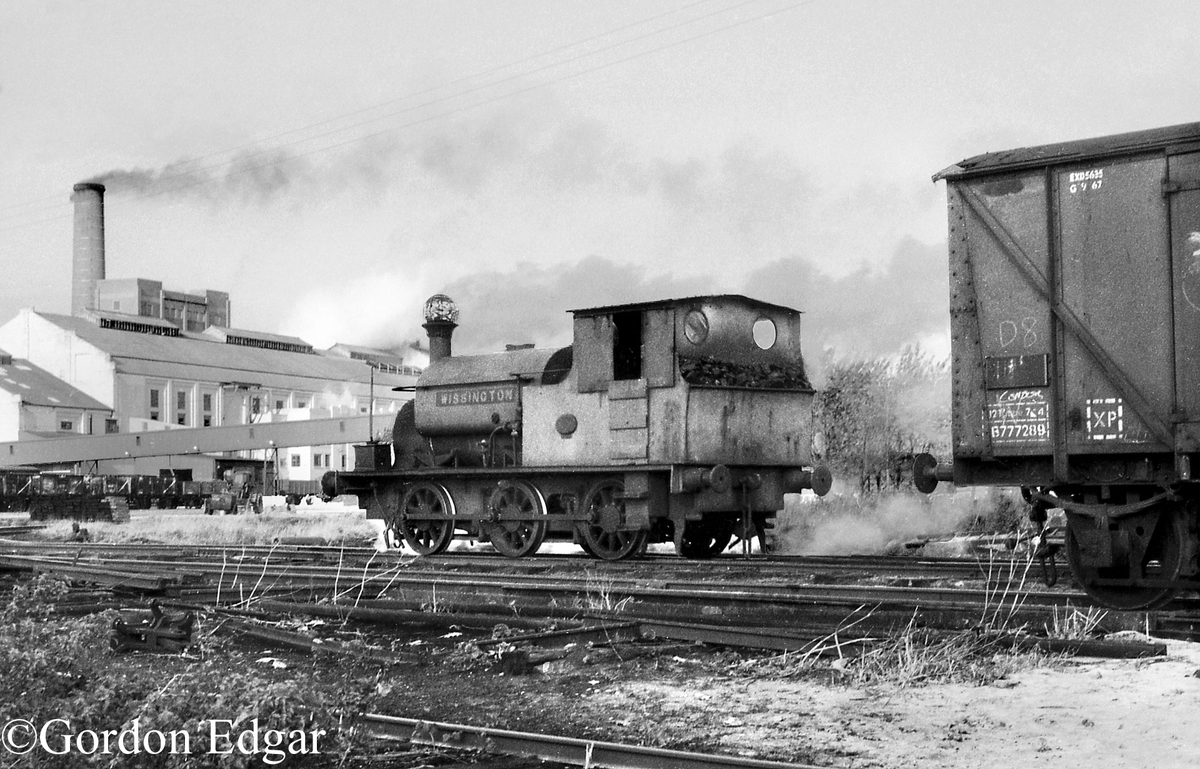
Wissington Light Railway: The Fenland Beet Mover The Wissington Light Railway was one of the most distinctive private railways in East Anglia. Built to serve remote fenland farms and later the massive Wissington sugar beet factory, it operated as an extension of the Great Eastern Railway’s (GER) Stoke Ferry branch. It exemplified how light railways supported seasonal agricultural traffic in areas with poor roads. Origins and Early Development Arthur J. Keeble, a farmer and entrepreneur, constructed the line in 1905. It started life and remained as a standard-gauge (4 ft 8½ in) private railway from a junction near Abbey & West Dereham station on the GER’s Downham & Stoke Ferry branch. Initially horse-drawn, it served an ammonia factory on the banks of the River Wissey at Wissington. Flooding damaged the line around 1915–1917, leading to temporary closure. It reopened in the early 1920s. When the Wissington sugar factory opened in 1925, initially without reliable road access, British Sugar Manufacturers leased the railway from the Wissington Estate. They extended it by about eight miles, creating a network of roughly 18 miles of track at its peak. This allowed beets to be collected efficiently from dispersed farms across the black fens of Methwold, Feltwell, and surrounding areas. Route and Infrastructure The railway left the main line at Abbey Gate and crossed the River Wissey before reaching the factory (about two miles from the junction). From there, it branched south: The main routes were toward Larmans Fen, with passing loops located at Barretts, Cross Road Junction, Decoy, and the Poppylot sidings. A branch from Cross Road Junction served Hemplands, Halfway, Severals Siding, and Common Dyke Loop. Further extensions reached Methwold Fens and Feltwell. The track used was lightweight 60 lb/yard flat-bottom rails on widely spaced sleepers, very typical of light railways. There was no signalling or block system, so operations relied on the “one engine in steam” principle or very carefully implemented timetable working. The exchange sidings at Abbey handled transfers with the mainline. Main-line locos were not permitted on the light railway. Operations and Traffic Obviously, the railway’s main usage was sugar beet transport during the autumn/winter “campaign” (typically October to March). Farmers loaded beets into wagons at remote sidings using chutes or manual labour. Trains of loaded open wagons, often 20–40 per train, then ran to the factory. Other workings distributed the sugar beet pulp for animal feed, imported coal and limestone for use by the factory and distributing general agricultural goods such as fertilisers, machinery, and produce to the local farms. During WWII, traffic intensified, with cane sugar from the West Indies becoming difficult to ship. The Ministry of Agriculture took control in 1941 under emergency powers, with British Sugar acting as the haulage contractor. Staff worked long shifts, and heavy train loads tested the lightweight track. At its peak, the system had close to 100 wagons and handled thousands of tons seasonally. Wissington Light Railway Loco Stock The WLR relied on a small but hardworking fleet of industrial steam locomotives. These engines were perfectly suited to the line’s lightweight track, sharp curves, and seasonal beet traffic in the remote Norfolk fens. Most were saddle tanks or similar suitable for the lightly-laid permanent way. The Famous “Wissington”, Hudswell Clarke No. 1700. The star of the fleet, and the best-known survivor, is Hudswell Clarke 0-6-0ST No. 1700 “Wissington”, built in 1938 for the British Sugar Corporation. It belongs to Hudswell’s “Countess of Warwick” class, a robust, lightweight design with an axle load of around 8 tons, ideal for light railways. It was delivered new to Wissington, it spent almost its entire working life there excepting for a brief spell at the Spalding sugar factory. It handled beet trains, shunting, and general duties during the campaign season. By the early 1970s, she was in storage, but in 1978 it became the last steam locomotive in commercial ownership in East Anglia. Purchased by the M&GN Joint Railway Society mandgn.org/, it is now preserved and operates regularly on the North Norfolk Railway nnrailway.co.uk/. A 1942 Ministry of Agriculture report listed the five locomotives then operating the line (all staffed by British Sugar Corporation crews): Hudswell Clarke No. 533 (1899) 0-4-0ST “The Sidar”. One of the earliest engines was used for lighter shunting duties. Andrew Barclay No. 1158 (1909) 0-6-0ST “The Ellesmere”, a rugged Scottish-built saddle tank. Manning Wardle No. 1927 (1917) 0-6-0ST, acquired during the expansion period. Manning Wardle No. 2006 (1921) 0-6-0ST “The Hayle” Manning Wardle. ... And Wissington. Another prominent engine was Manning Wardle 0-6-0ST “Newcastle”, Works No. 1532 of 1901. This veteran worked at Wissington for many years and was photographed in the 1950s and 1960s shunting beet wagons and potatoes. It later entered preservation and is now at Beamish Museum, which is well worth a day's visit. beamish.org.uk/ The fleet was maintained in a small shed at the factory. Diesels gradually supplemented steam in the 1950s–60s, but steam remained in use into the 1970s for certain duties. The lightweight construction of the engines matched the track, allowing them to reach remote fenland loading points that roads could not easily access at the time. During the 1930s–1950s peak, the railway operated as a highly efficient seasonal system. British Sugar, later British Sugar Corporation, managed most operations, with LNER/BR providing main-line connections. Temporary sidings, intensive shunting, and dedicated crews ensured the factory received a steady supply despite the line’s light construction. Barges on the River Wissey supplemented rail in the earliest years. Decline and Closure Road improvements and heavy lorries gradually eroded the railway’s advantage. Lines south of the factory closed in 1957. British Sugar ended beet transport by rail around 1975. General traffic continued until 1981, with full closure and track lifting in 1982. The factory itself remains operational today and is now Europe’s largest beet sugar site but all beets arrive by road.

1
9
66
1,806
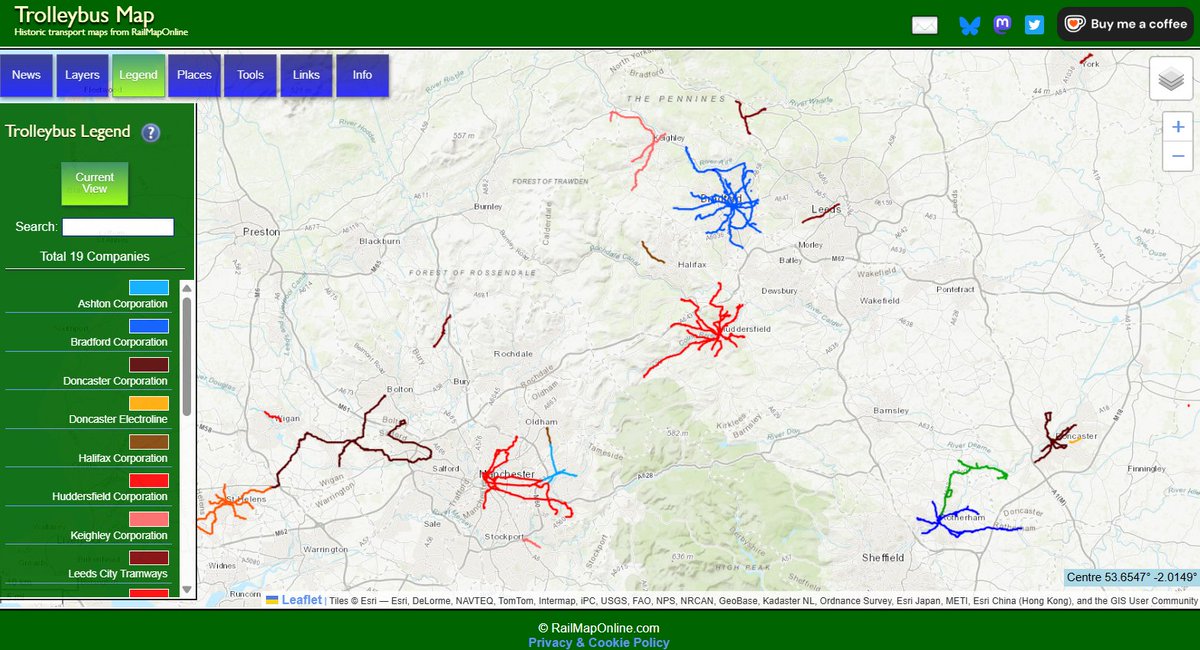
Trolleybus map is back. Includes tramway networks so you can compare the changing networks. RailMapOnline.com
1
1
17
1,074
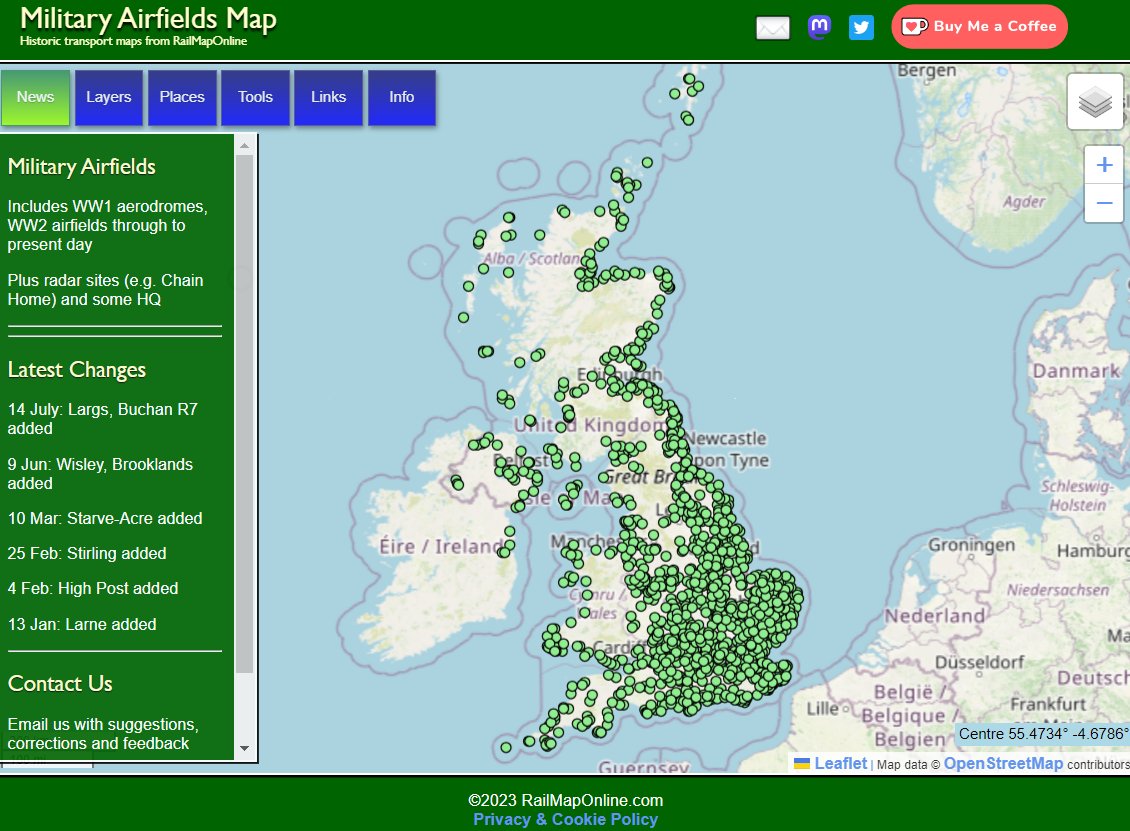
The Military Airfields map is back online, including related infrastructure such as radar sites, storage and HQs. RailMapOnline.com
1
19
1,447
North East Railway Timeline is back online. The site is back online, although with a basic home page and only one map at the moment. A big thank you for all your encouraging words and continued support - it means a lot! RailMapOnline.com
1
2
33
1,138
RailMapOnline retweeted
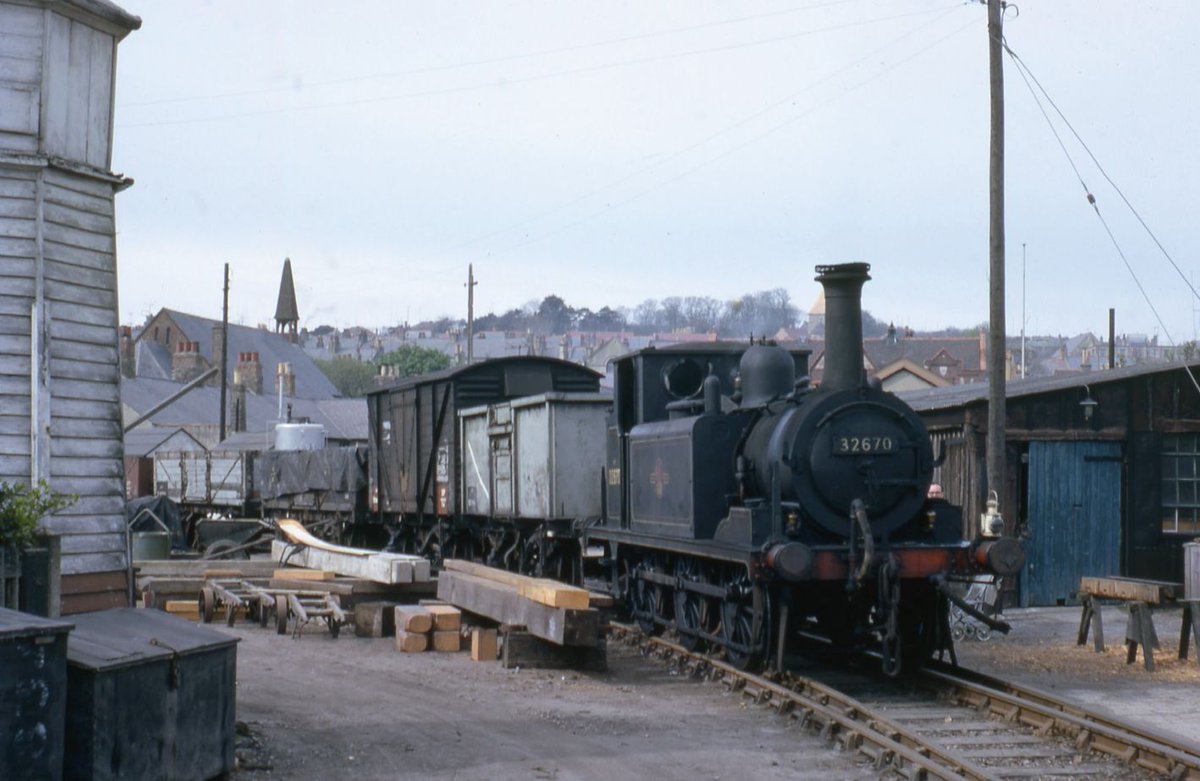
Right: 32670 formally L B & S C R number 70 Poplar, later K & E S R number 3 Bodiam entering the street section of the tramway at Newhaven Harbour in the summer of 1962. (📸 Online Transport Archive)
1
35
201
3,033
RailMapOnline retweeted
This train drivers POV after heavy snowfall is actually insane...
63
230
3,511
236,937
Website is down. The site has been attacked😡, so the hosting company has disabled it. Hope to find a solution soon.
10
2
45
4,143