
I'm the guru of front-end and WordPress!
Joined August 2010
- Tweets 2,094
- Following 640
- Followers 287
- Likes 821
96 Photos and videos








22 Nov 2025
The Biggest Sale of the Year from @droipNoCode is HERE!
Get a 60% OFF on all Droip plans and a chance to win an iMac worth $1299. Yes, you are right! Snag the deal, because it’s time to build great websites and win BIG!
7


Ranojit Kumar retweeted

6 Feb 2025
Version 1.97 of @code is out now with Copilot Next Edit Suggestions, Python no-config debugging, SVG image preview, and more!
Full release notes: code.visualstudio.com/update…
Here are some of the highlights… 🧵
![What’s new in Visual Studio Code - January Update [1.97]. Highlights include: Copilot Next Edit Suggestions (preview), Reposition Command Palette, Auto-accept Copilot edits, Search values in debug variables, Python no-config debugging, Extension publisher trust, Combine output logs in a single view, Rich Git blame information, SVG image preview, and View inline values in notebooks.](https://venexa.site/media/GjHq6UyW8AA5HEw.jpg)
ALT What’s new in Visual Studio Code - January Update [1.97]. Highlights include: Copilot Next Edit Suggestions (preview), Reposition Command Palette, Auto-accept Copilot edits, Search values in debug variables, Python no-config debugging, Extension publisher trust, Combine output logs in a single view, Rich Git blame information, SVG image preview, and View inline values in notebooks.
36
207
1,934
261,778
29 Dec 2024
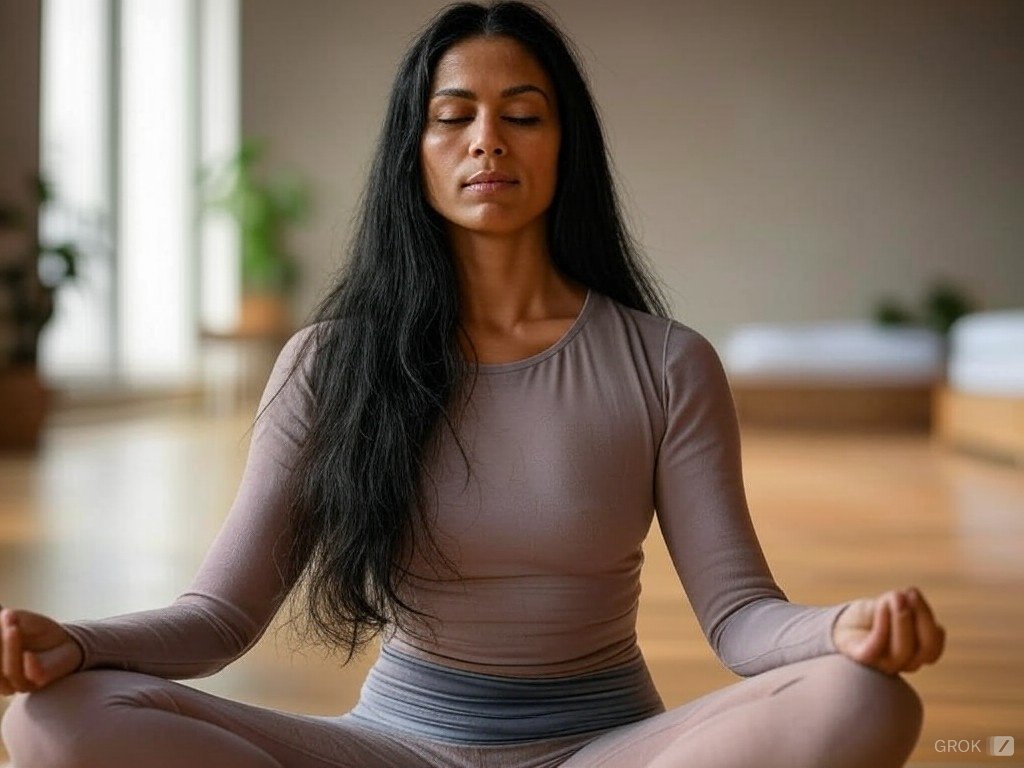
Lotus Pose (Padmasana)
What is Lotus Pose?
Lotus Pose, or Padmasana in Sanskrit, is a classic yoga asana known for its meditative and calming effects. It's commonly used in various yoga traditions for meditation due to its stable and symmetrical nature, which helps in achieving mental focus and physical balance.
How to Do Lotus Pose:
Preparation:
Begin by sitting on a yoga mat with your legs extended in front of you. Ensure your spine is straight, and your shoulders are relaxed.
First Leg Fold:
Bend your right knee and place your right foot on the left thigh. The heel should be close to the abdomen, and the sole of the foot should face upwards. If this is difficult, you can start with half-lotus, placing the right foot on the left calf instead.
Second Leg Fold:
Now, bend your left knee and bring it up, placing your left foot on the right thigh in the same manner. Again, aim for the heel to be close to the lower abdomen, with the sole facing up.
Align and Balance:
Once both legs are crossed, ensure your knees are close to the ground. Your spine should remain erect, and your hands can rest on your knees in chin or jnana mudra (gestures used in meditation).
Posture Adjustment:
Lengthen your spine upwards, lift your chest, and gently lower your shoulders. Your head should be aligned with your spine, not tilted forward or backward.
Breathing and Meditation:
Close your eyes or keep a soft gaze, and start to deepen your breath. This pose is ideal for pranayama (breath control) or meditation.
Duration:
Hold the pose for as long as comfortable, starting with a few minutes and gradually increasing the time as you gain flexibility and balance.
Benefits of Lotus Pose:
Mental Calmness: It promotes a state of tranquility, aiding in meditation by keeping the mind focused.
Physical Flexibility: Regular practice increases hip flexibility, stretches the ankles and knees, and strengthens the spine.
Posture Improvement: It encourages proper spinal alignment.
Energy Flow: In yogic traditions, this pose is said to stimulate the flow of energy in the body, particularly through the spine.
Who Should Not Do Lotus Pose:
Individuals with recent or chronic knee or hip injuries should avoid this pose unless guided by a professional who can offer modifications.
Those with ankle issues might find it painful or harmful.
Beginners should approach this pose cautiously, perhaps starting with half-lotus or simpler cross-legged positions to build up to full lotus over time.
Tips for Practice:
Use props like yoga blocks, blankets, or cushions under the knees or hips if you feel strain.
Warm-up your knees, hips, and ankles with other asanas before attempting Padmasana.
If you experience discomfort, gently come out of the pose; never force your body into the position.
Remember, the journey to mastering Lotus Pose can be gradual, and it's more important to maintain comfort and alignment than to achieve the full pose immediately.
1
133
28 Dec 2024
Who’s ready to connect and expand followers? Let’s grow together!
2
7
108
27 Dec 2024
In the silence of a reclaimed earth, new guardians of nature emerge.
1
55
27 Dec 2024
Is it possible to have 500 verified followers today? Comment bellow!
1
79
Ranojit Kumar retweeted

26 Dec 2024
🎁 X Premium Giveaway! 🎁
Here’s how to enter:
1️⃣ Follow @bodittle.
2️⃣ Like & Repost this post.
3️⃣ Tag 3 friends in the comments.
🎉 3 WINNERS will be chosen! 🎉
Winners announced TONIGHT 🇺🇸
I will post screenshots of proof. 👍
Don’t miss your chance—enter now!


240
197
287
36,603
26 Dec 2024
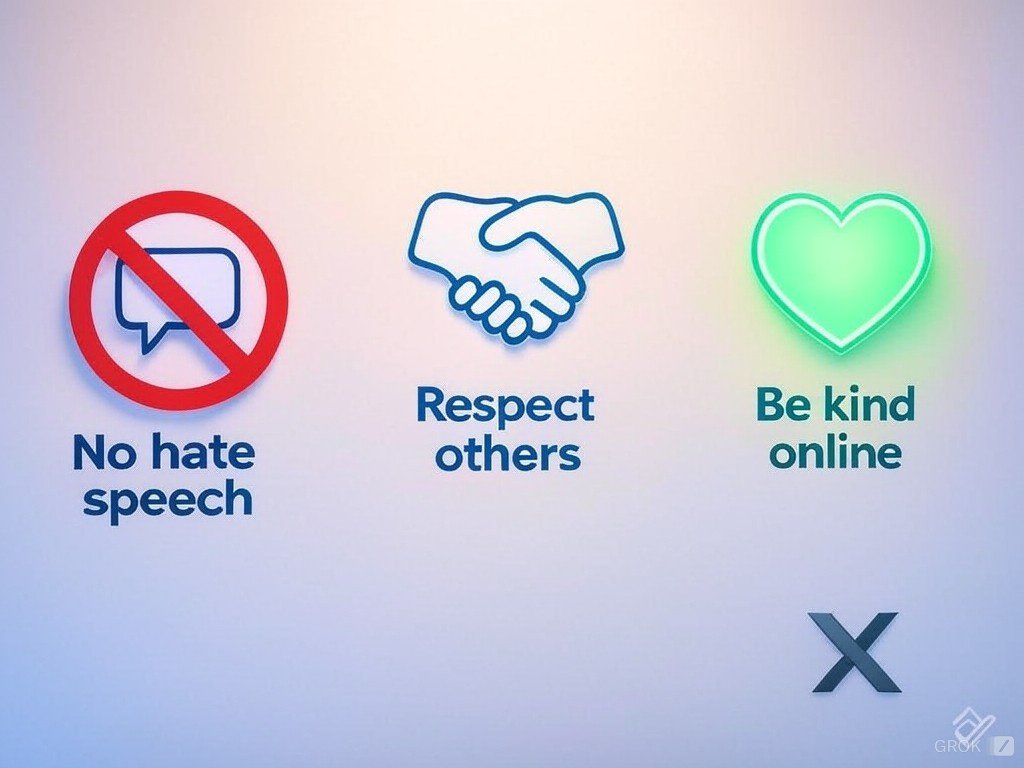
Keep X Friendly! 🌟
Follow our guidelines:
🔹 No hate speech
🔹 Respect others
🔹 Be kind online
Let's make X a better place together! #XCommunity
1
58
26 Dec 2024
Keep Your X Account Safe! 🔒
🔹 Use strong passwords
🔹 Turn on 2FA
🔹 Check app permissions
Stay secure with these easy steps! #XSecurity
42
Ranojit Kumar retweeted

25 Dec 2024
▶️ বান্দরবানের লামায় মঙ্গলবার রাতে ত্রিপুরা খ্রিস্টান সম্প্রদায়ের ১৭টি বসতঘর আগুনে পুড়ে গেছে।
বড়দিন উপলক্ষে তংগোঝিরি পাড়ার সবাই গীর্জায় গেলে, এলাকায় কেউ না থাকার সুযোগে দুর্বৃত্তরা বসতঘরগুলোতে আগুন লাগিয়ে দেয় বলে অনুমান করা হচ্ছে।
21
18
111
6,755