
Unique and cutting-edge mobile assistive technology solutions for people with disabilities.
Joined September 2016
- Tweets 913
- Following 360
- Followers 227
- Likes 209
723 Photos and videos



Jun 12
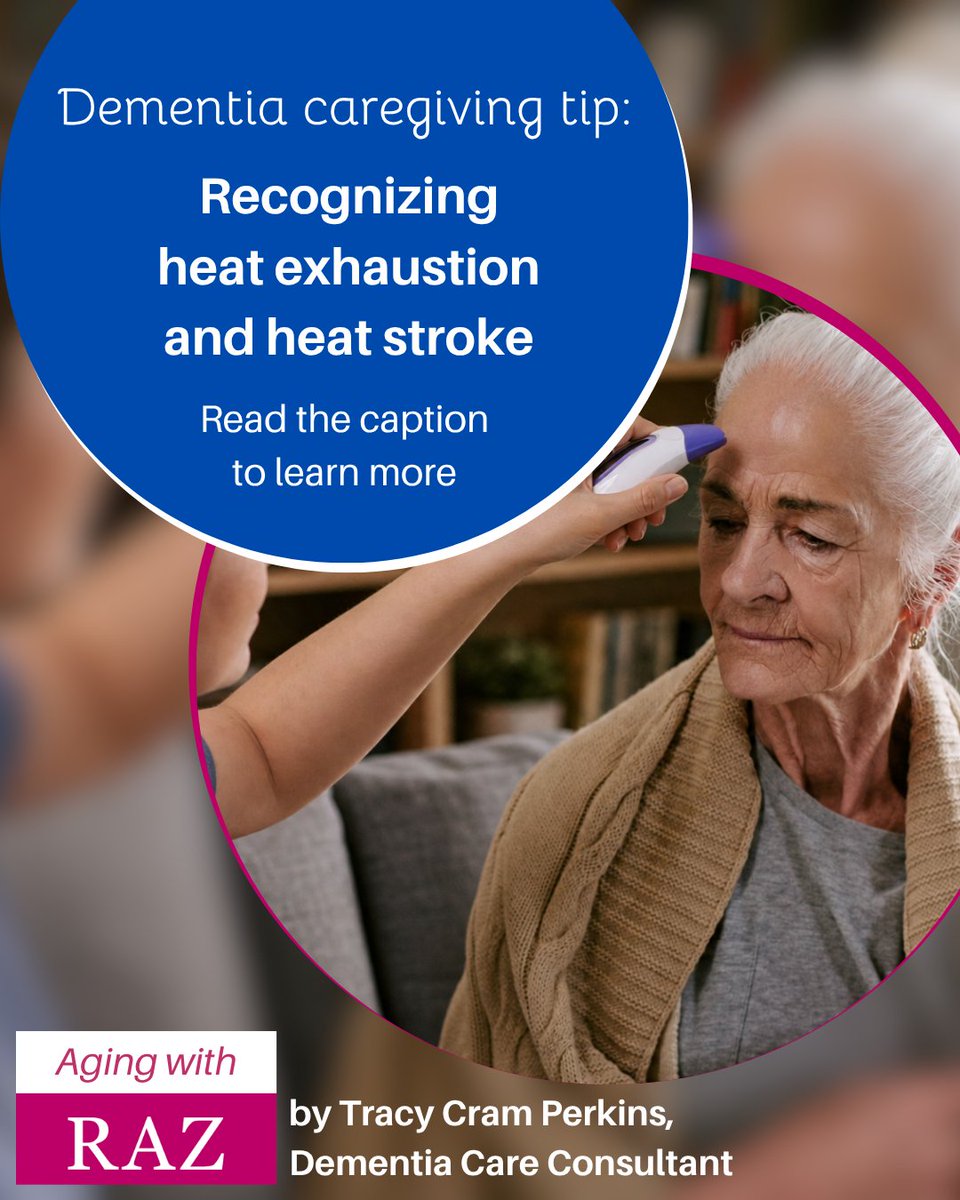
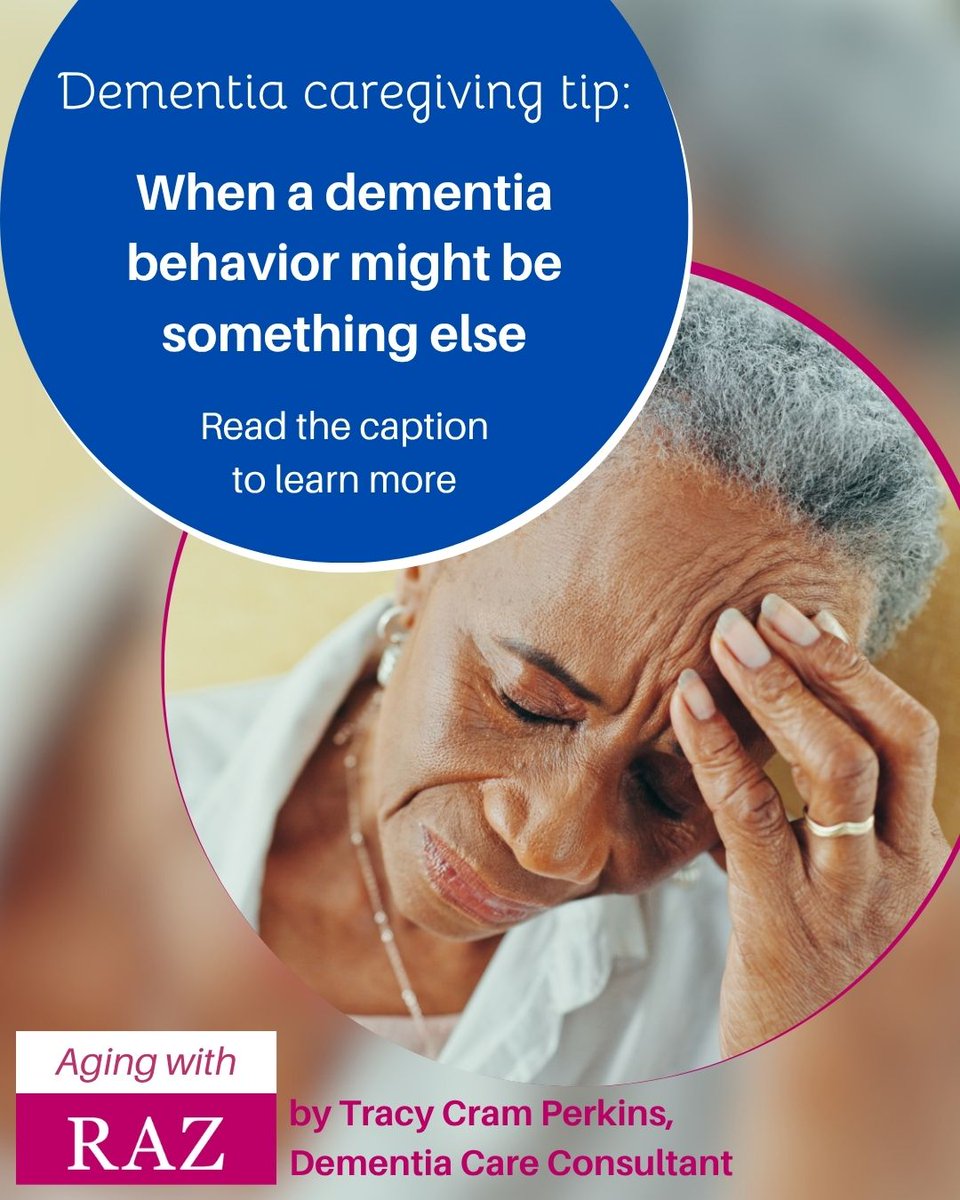
When it’s hot, we already know we need water, rest, and shade. That said, our loved ones may not recognize there is an issue.
Heat exhaustion and heatstroke are caused by the body overheating. It can happen for a few different reasons. In someone with brain changes their disease can impair their body’s ability to regulate temperature or alert them to the problem.
In warm weather, a person with dementia may be less aware of their surroundings and may not recognize they are overheating including wearing clothing that is inappropriate for hot weather.
If you suspect heat exhaustion or heat stroke, get your digital thermometer.
Look for the following symptoms for heat exhaustion:
➡️ Higher core body temperature typically between 101 (38°C)—103°F (39°C).
➡️ Little to no worsening of cognition.
➡️ Heavy sweating.
➡️ Cold, clammy skin.
➡️ Muscle cramps.
➡️ They feel tired.
➡️ Thirsty.
➡️ Fast heart rate.
➡️ Fast and weak pulse.
➡️ Hyperventilating.
➡️ Dizziness.
➡️ Nausea.
➡️ Headache.
If left untreated it can become heat stroke. The symptoms for heat stroke:
➡️ Higher core body temperature. Heat stroke: 104°F (40°C) or above.
➡️ Worsening cognition.
➡️ Changes in sweating such as hot or dry skin
➡️ Flushed Skin
➡️ Nausea and vomiting
➡️ Slurred or mumbled speech
➡️ Rapid breathing
➡️ Racing heart rate as the body tries to cool itself
➡️ Seek immediate medical attention.
➡️ Call 911.
Before EMS Arrives:
➡️ Move them to a cooler or shaded area.
➡️ Loosen or remove excess clothes.
➡️ Have them lie down with legs elevated.
➡️ Use any means to cool their body: fanning, soaking towels in ice water then apply them to their skin.
If heat stroke is suspected do not give them fluids, they will be at risk of inhaling the liquid into their lungs.
@tracycramperkin — author of Dementia Home Care, How to Prepare Before, During and After.
22
Jun 11
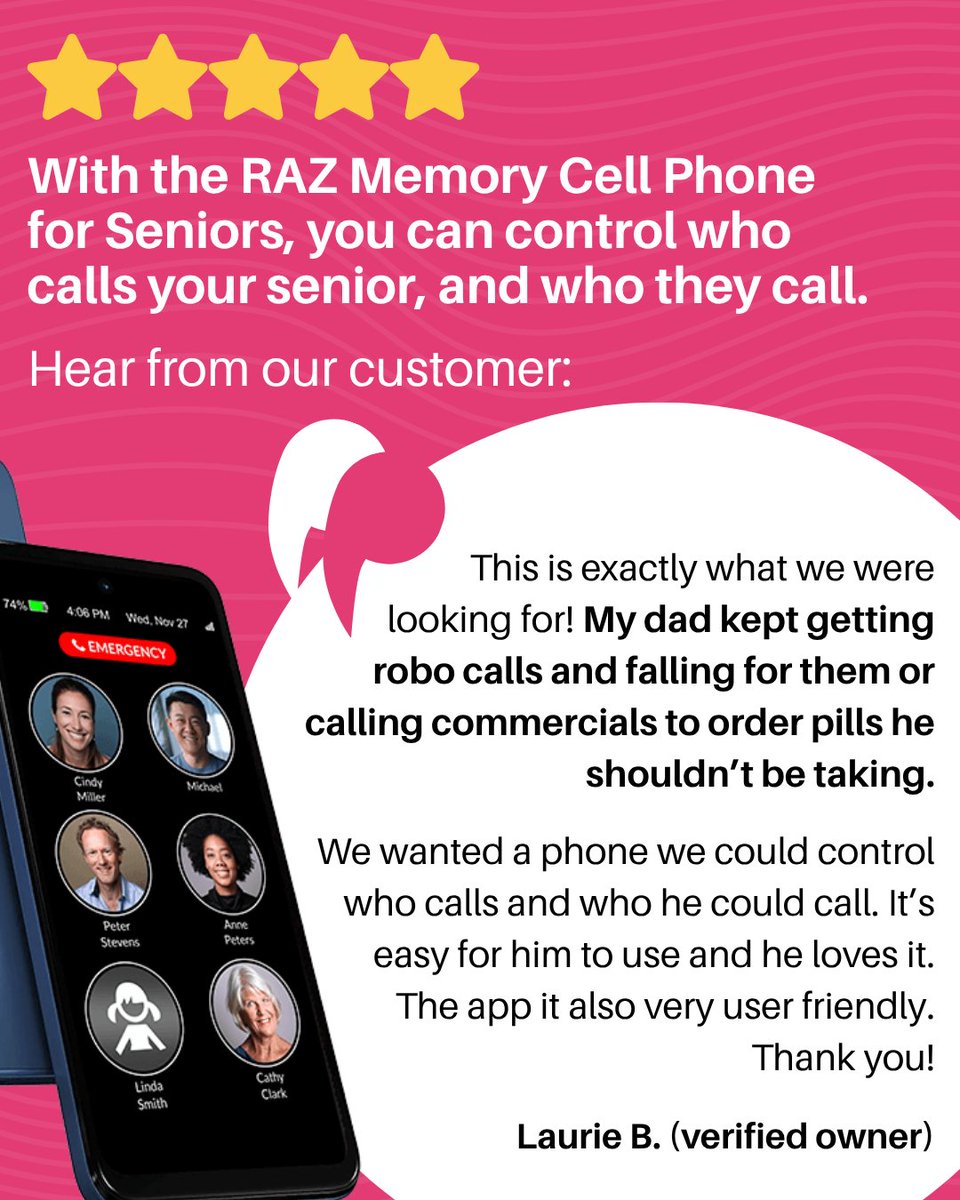
Our customers' stories are the best proof that the RAZ Memory Cell Phone makes caregiving easier.
Laurie needed a way to protect her dad from robocalls and unwanted purchases. With the RAZ Memory Cell Phone, she controls who can call him and who he can reach, all from the RAZ Care app, on her own smartphone.
Learn more: tinyurl.com/mr9tkach
#PurpleJune #AgingWithRAZ #DementiaCare #SeniorCare #FamilyCaregiver #MemorySupport #ElderCare #CaregivingJourney #CaringForSeniors #CaregiverSupport #CompassionateCare #SeniorLiving #AgingWithDignity #SeniorHealth #FamilySupport #CaregiverLife #DementiaAwareness #LoveAndCare #EmpoweringCaregivers #SeniorWellness
8
Jun 10
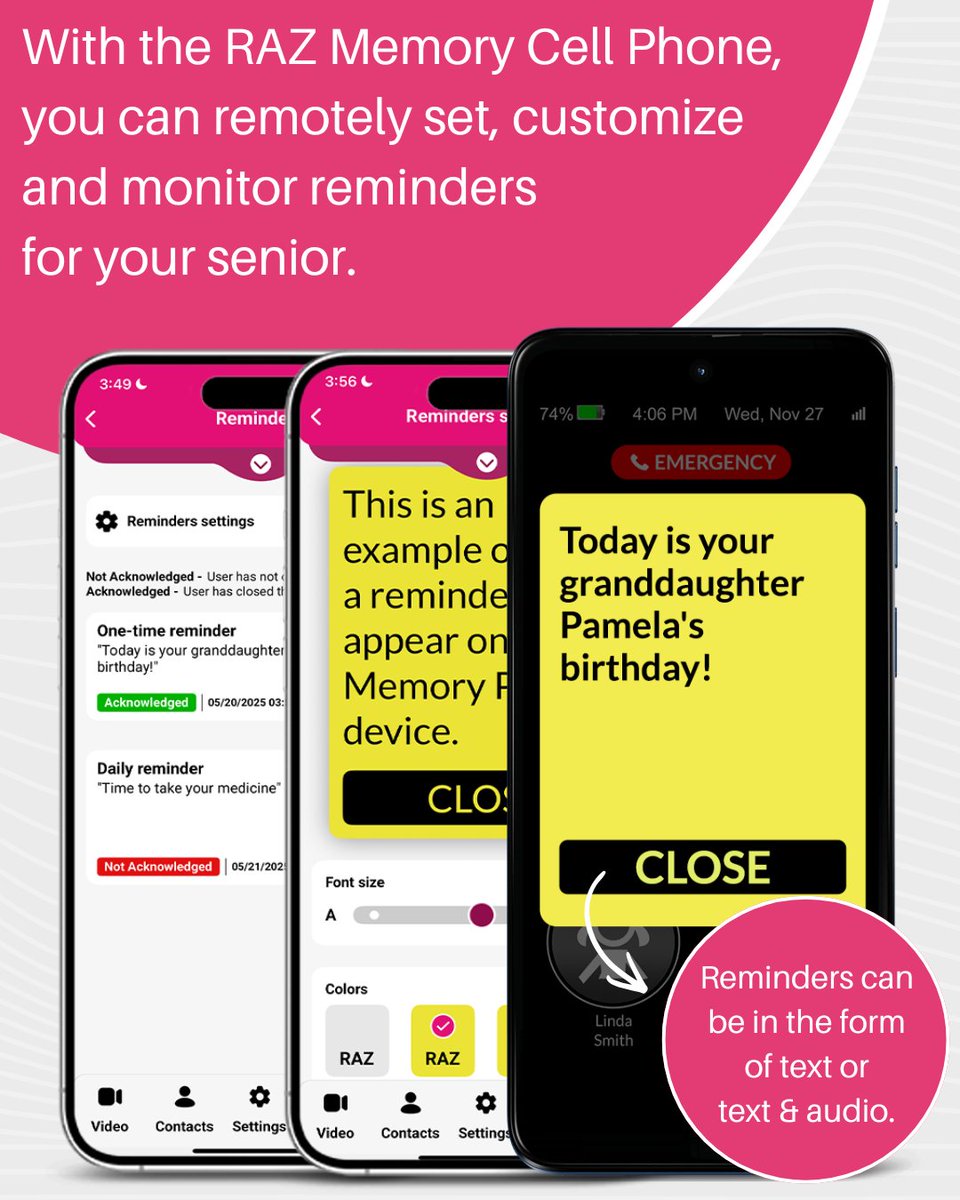
Does your senior forget to take their medication? Or maybe they need a little help keeping up with daily routines?
With the RAZ Memory Cell Phone, you can set reminders that appear directly on your senior's screen as text, or as text and audio. Choose the date, time, and frequency, customize the colors and font size, and check whether the reminder was acknowledged, all remotely, in the RAZ Care app!
Learn more: tinyurl.com/mr2ww2bj
#PurpleJune #AgingWithRAZ #DementiaCare #SeniorCare #FamilyCaregiver #MemorySupport #ElderCare #CaregivingJourney #CaringForSeniors #CaregiverSupport #CompassionateCare #SeniorLiving #AgingWithDignity #SeniorHealth #FamilySupport #CaregiverLife #DementiaAwareness #LoveAndCare #EmpoweringCaregivers #SeniorWellness
6
Jun 9
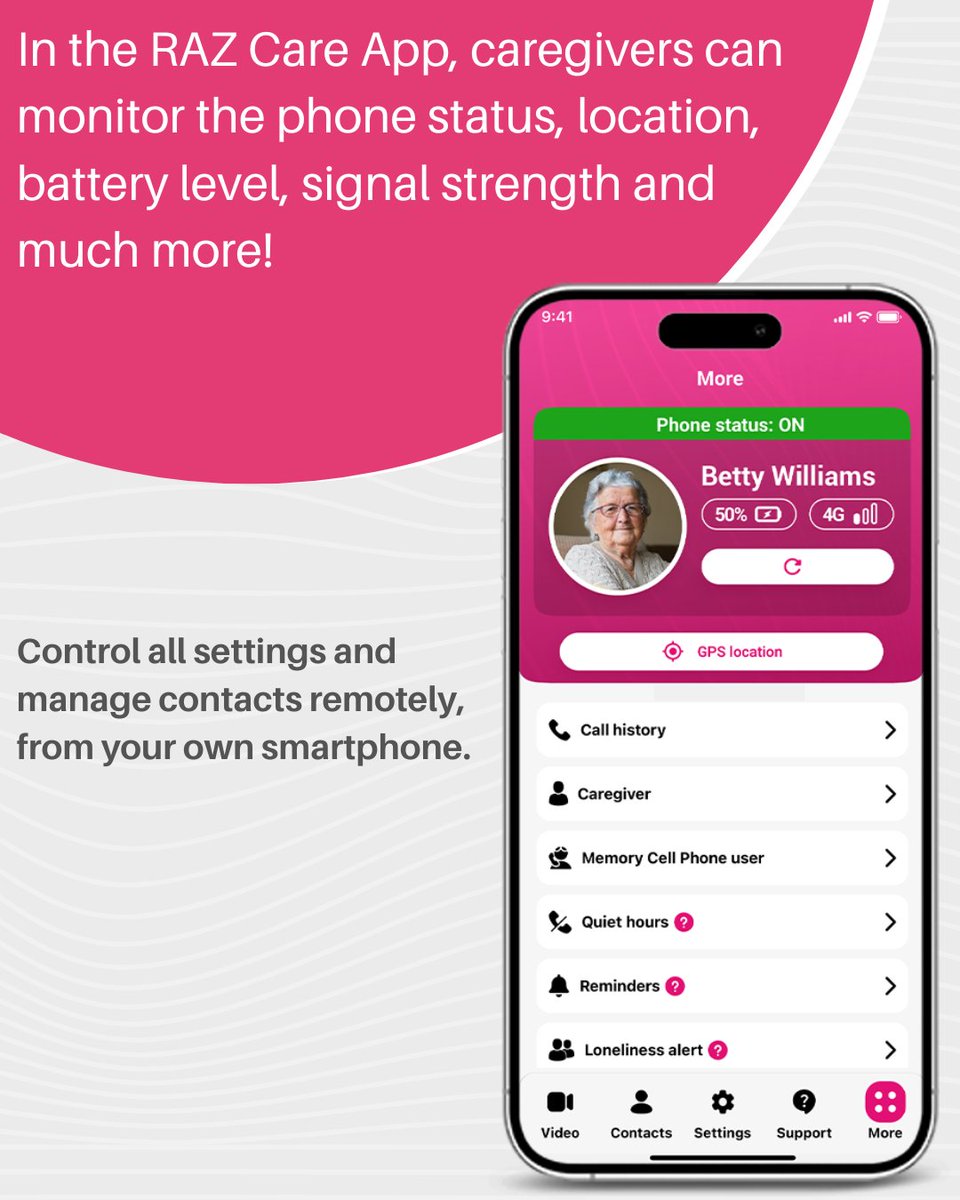
Ever wish you could check on your senior's phone without having to be there?
The More screen in the RAZ Care app gives you all of that in one place.
From your own smartphone, you can see whether the phone is on, check battery level and signal strength, track location, review call history, manage contacts and settings, set quiet hours, set reminders, and more. Everything you need to stay informed and in control, all on one screen.
Learn more about how to make caregiving easier with the RAZ Memory Cell Phone: tinyurl.com/54s2zmbv
#PurpleJune #AgingWithRAZ #DementiaCare #SeniorCare #FamilyCaregiver #MemorySupport #ElderCare #CaregivingJourney #CaringForSeniors #CaregiverSupport #CompassionateCare #SeniorLiving #AgingWithDignity #SeniorHealth #FamilySupport #CaregiverLife #DementiaAwareness #LoveAndCare #EmpoweringCaregivers #SeniorWellness
6
Jun 8
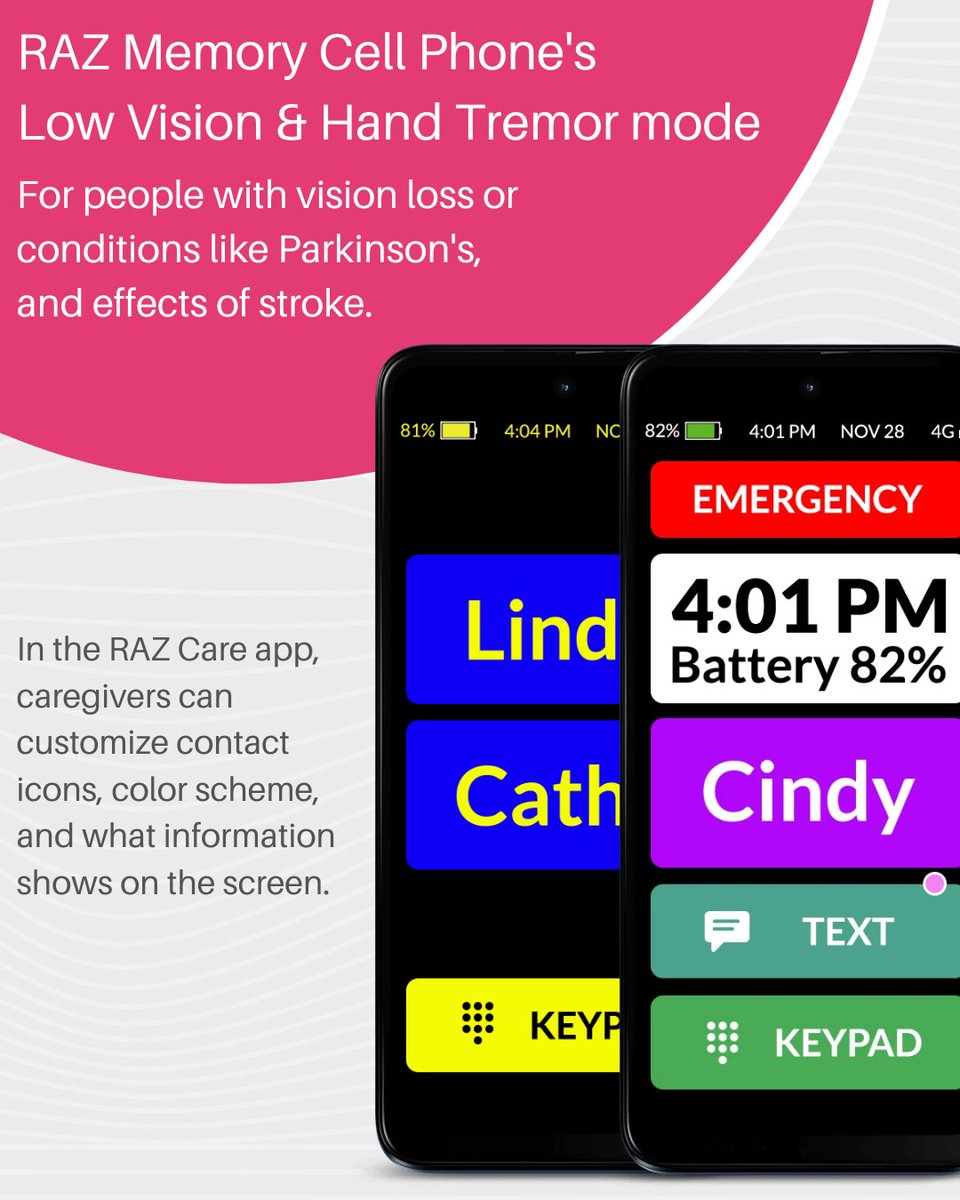
If your senior struggles to see the screen or tap the right button, using a phone can become frustrating and even impossible.
The RAZ Memory Cell Phone has a Low Vision & Hand Tremor mode with super-large, high-contrast buttons and adjustable color schemes. Whether your loved one has Parkinson's, had a stroke, or lives with age-related vision loss, you can customize the display through the RAZ Care app to find what works best for them.
Learn more about the RAZ Memory Cell Phone: tinyurl.com/4vnbew5m
#PurpleJune #AgingWithRAZ #DementiaCare #SeniorCare #FamilyCaregiver #MemorySupport #ElderCare #CaregivingJourney #CaringForSeniors #CaregiverSupport #CompassionateCare #SeniorLiving #AgingWithDignity #SeniorHealth #FamilySupport #CaregiverLife #DementiaAwareness #LoveAndCare #EmpoweringCaregivers #SeniorWellness
14
Jun 5
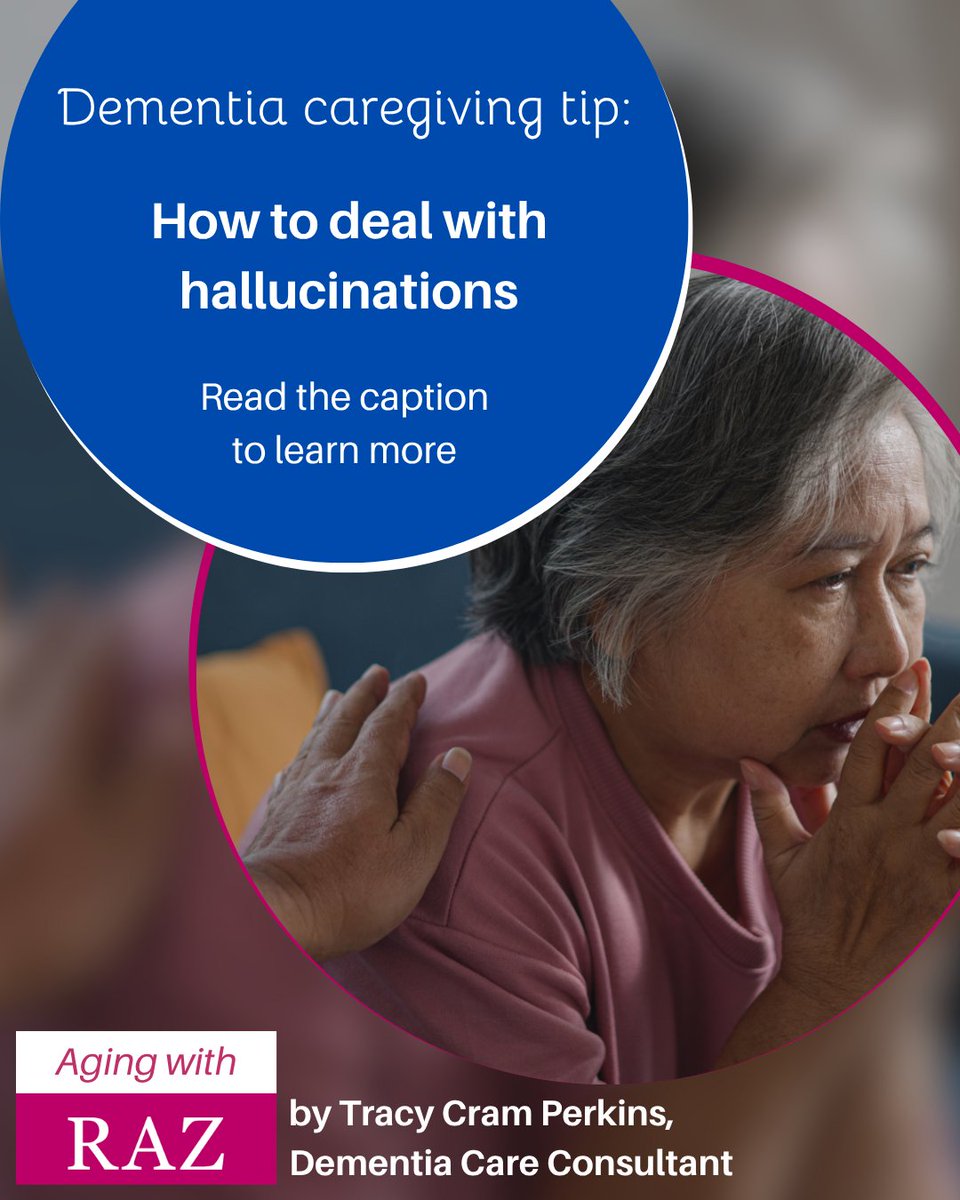
You’re standing in the shower crying because you were up half the night, because your loved one saw things that weren’t there. No matter what you said, they wouldn’t calm down or see reason.
Hallucinations are a symptom of an underlying issue and can happen for many reasons. Hallucinations feel real to the person experiencing them. Avoid arguing with them about their hallucination. It won’t work.
The next time your loved one experiences a hallucination try these steps:
1️⃣ Let them know you believe them.
2️⃣ Acknowledge that you cannot see or hear what they perceive by saying something noncommittal like, “I can’t see what you’re seeing, but I know it must be very scary.”
3️⃣ Ask them to point to out the danger.
4️⃣ Act on it:
➡️ Move them to a safe space, this could include a short drive around the block. Put on soft music, wrap them in a blanket and offer them something warm to eat or drink. It may solve the problem.
➡️ If not, let them know you will take care it.
➡️ Report back.
For example, they say they are seeing snakes slithering on the floor of their room. After they are in “the safe space,” go into their room with a pillowcase in hand. Once inside, close the door. Look for shadows, glare, flickering light, mirrors, anything on the floor or new changes to their room that could cause confusion. Fix the issue.
If there are none, put some socks in the pillowcase. Show them the evidence and tell them you have taken care of the snakes. “Get rid of the snakes.”
When they are calm, give them a hug. Smile, place your hand on the small of the back. Hold their dominant hand, gently squeeze the base of their thumb, guide them back to their room.
💡 The more you join them in their reality, the better the outcome.
If there are immediate safety concerns, call 911. If there are no immediate safety concerns, contact your loved one’s physician to identify the source of the hallucinations. Common sources of hallucinations are delirium, Lewy Body Dementia, and medications.
Keep in mind, not every odd thing they says is a delusion or hallucination. It could be a clue to something else.
@tracycramperkin — author of Dementia Home Care, How to Prepare Before, During and After.
1
72
Jun 4
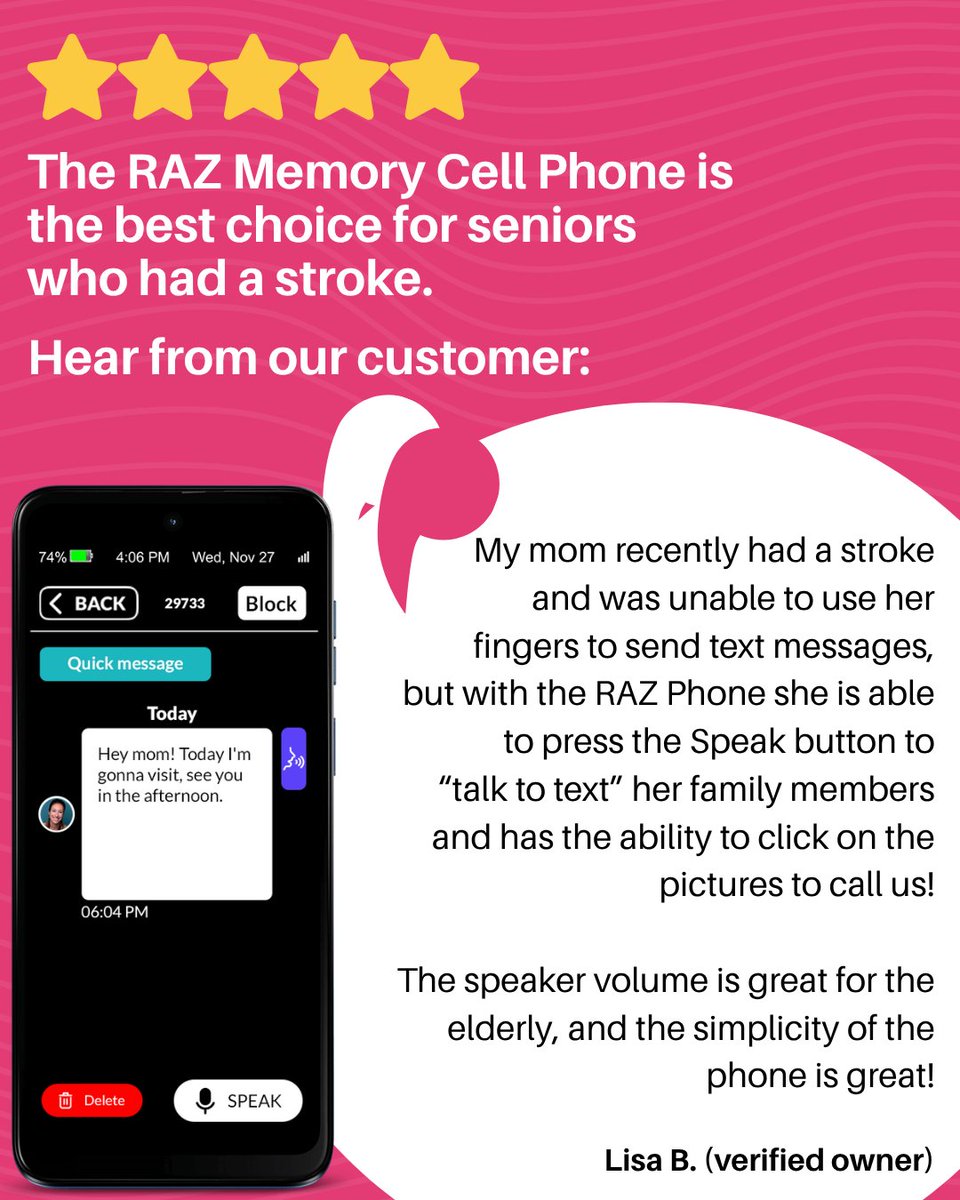
After a stroke, simple tasks like texting can become impossible. But with speech-to-text and one-touch dialing, Linda's mother can stay in touch with her family without frustration.
Learn more about the RAZ Memory Cell Phone for Seniors and how it makes seniors' lives easier: tinyurl.com/ymckrahb
#PurpleJune #AgingWithRAZ #DementiaCare #SeniorCare #FamilyCaregiver #MemorySupport #ElderCare #CaregivingJourney #CaringForSeniors #CaregiverSupport #CompassionateCare #SeniorLiving #AgingWithDignity #SeniorHealth #FamilySupport #CaregiverLife #DementiaAwareness #LoveAndCare #EmpoweringCaregivers #SeniorWellness
1
22
Jun 3
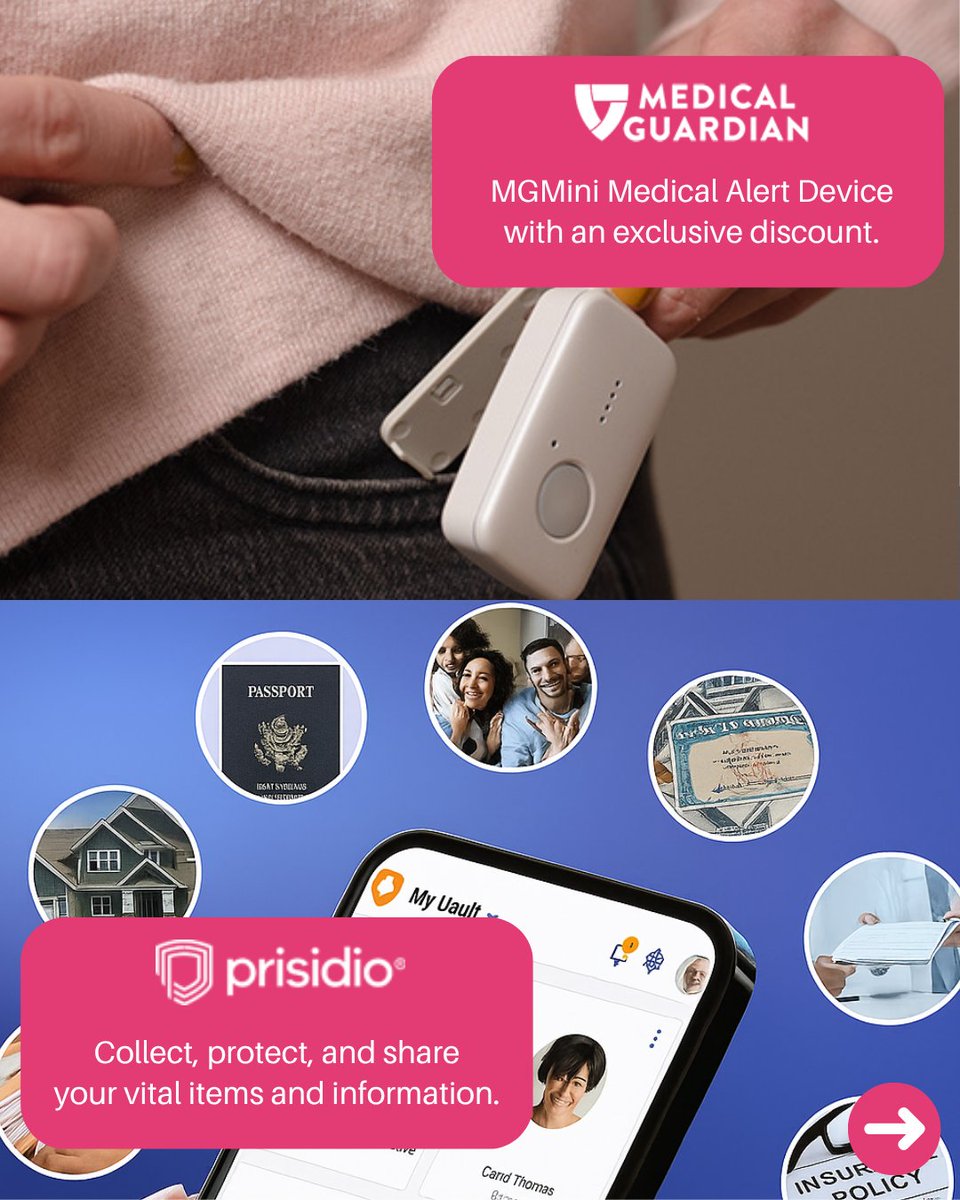
RAZ Mobility customers can now get the Lively Mobile2 Medical Alert with an exclusive discount.
It's a wearable device that connects your loved one to 24/7 urgent response with the press of a button, from anywhere.
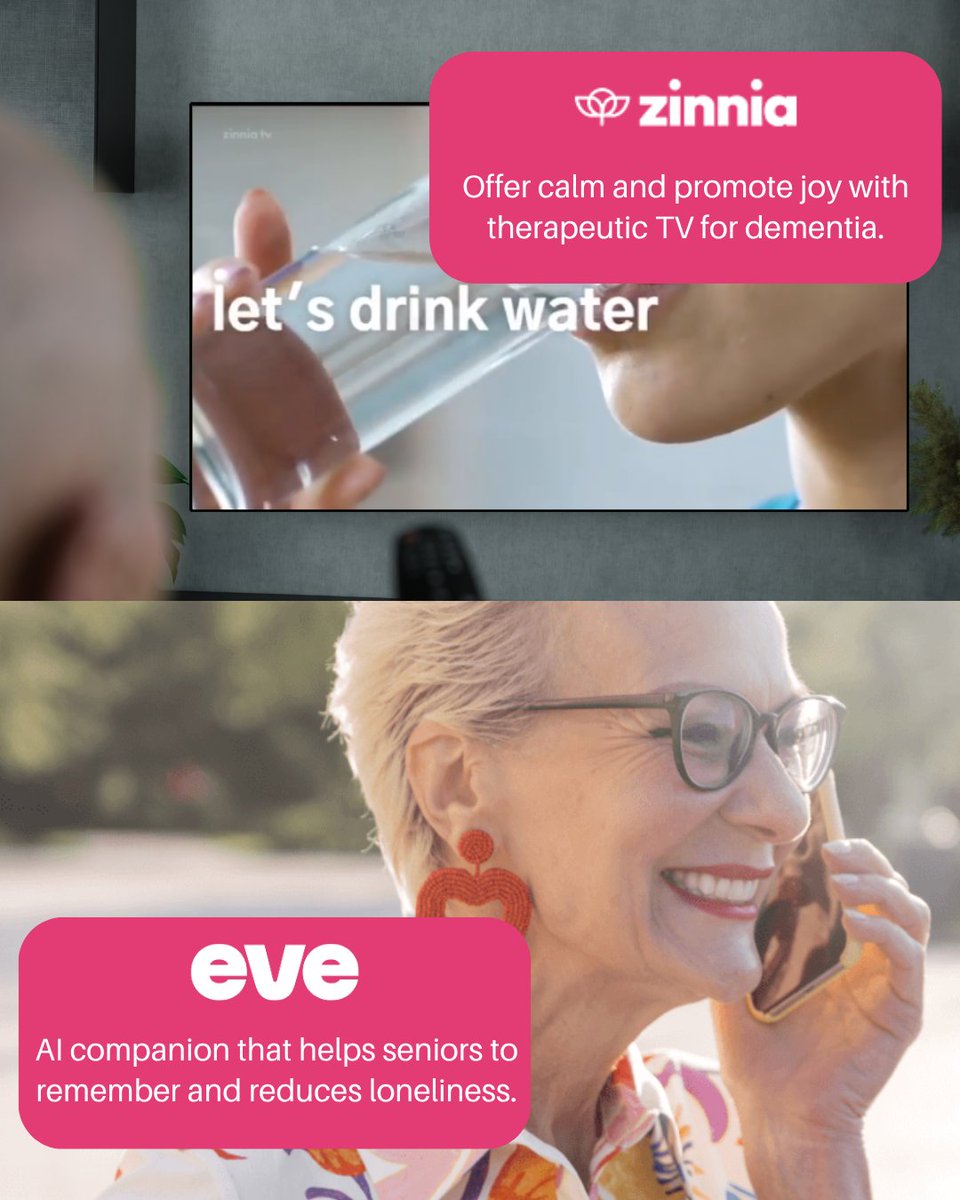
And it's just one of many perks waiting in the RAZ Club:
✅ A secure digital vault.
✅ Calming videos for dementia care.
✅ Live music streaming.
✅ At-home fitness classes.
✅ Comprehensive dementia care support and much more!
Join the RAZ Club and unlock exclusive access to a growing list of AgeTech benefits.
Learn more: tinyurl.com/mr3rdxye
#PurpleJune #AgingWithRAZ #DementiaCare #SeniorCare #FamilyCaregiver #MemorySupport #ElderCare #CaregivingJourney #CaringForSeniors #CaregiverSupport #CompassionateCare #SeniorLiving #AgingWithDignity #SeniorHealth #FamilySupport #CaregiverLife #DementiaAwareness #LoveAndCare #EmpoweringCaregivers #SeniorWellness

18
Jun 2
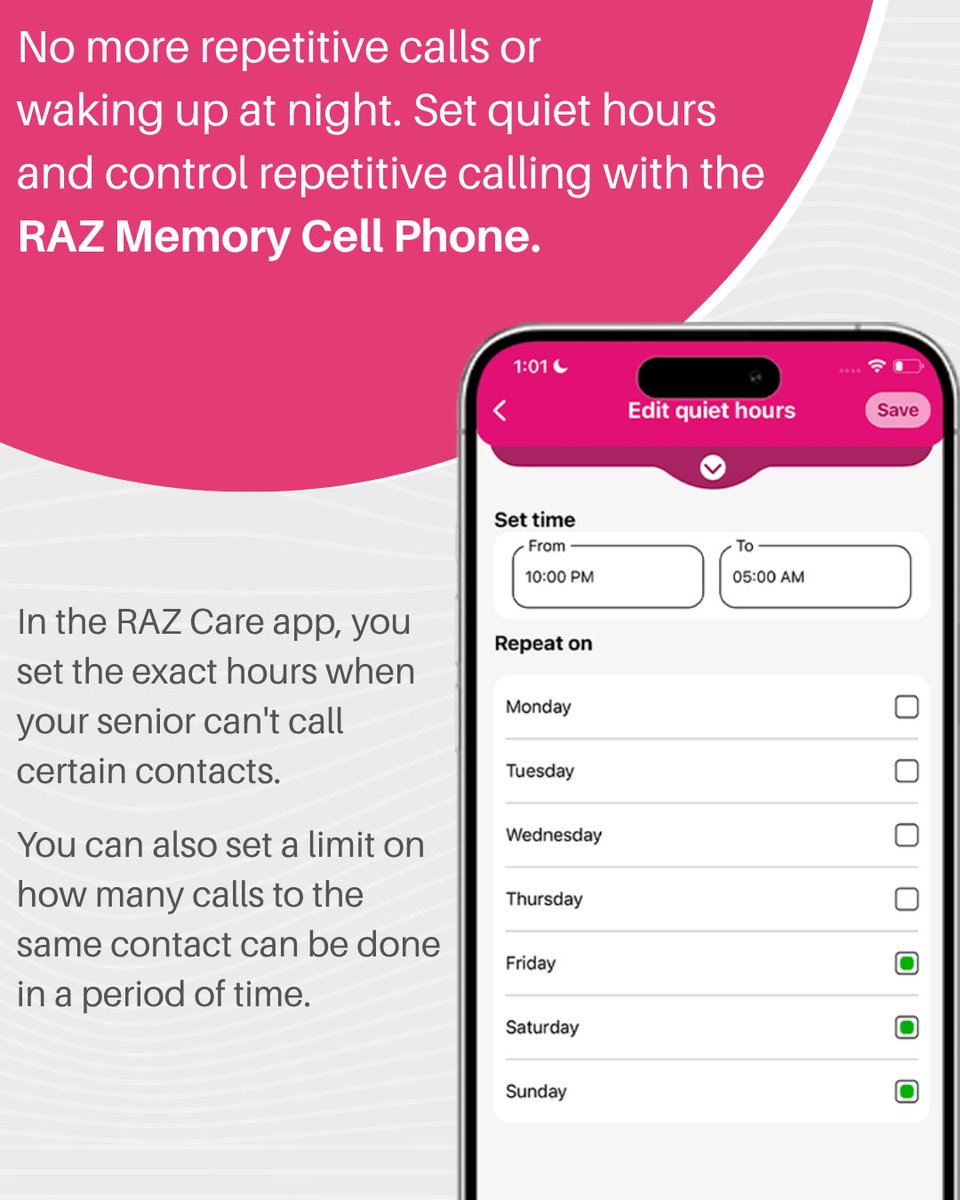
3 AM phone calls. The same question asked 15 times in an hour. If you're caring for a senior with dementia, you know this exhaustion well.
The RAZ Memory Cell Phone for Seniors gives you back your nights and your peace of mind. With the RAZ Care app, you can set Quiet hours, so calls to specific contacts are blocked during certain times of the day.
With the Control repetitive calls feature, you set a limit on how many times your senior can call the same contact within a period of time.
You can record your own audio message that plays when they try to call. Something like "I love you, let's talk in the morning". They feel heard, and you get to rest.
Learn more: tinyurl.com/588srr68
#PurpleJune #AgingWithRAZ #DementiaCare #SeniorCare #FamilyCaregiver #MemorySupport #ElderCare #CaregivingJourney #CaringForSeniors #CaregiverSupport #CompassionateCare #SeniorLiving #AgingWithDignity #SeniorHealth #FamilySupport #CaregiverLife #DementiaAwareness #LoveAndCare #EmpoweringCaregivers #SeniorWellness
15
Jun 1
June is Alzheimer's and Brain Awareness Month, and at RAZ Mobility, we take it seriously.
We know caregiving for someone with Alzheimer's takes a lot of effort. That's why we've built tools and resources to support the journey:
🟣 RAZ Dementia Helpline: free appointments for our customers with a certified social worker specializing in dementia care.
🟣 Senior Care Resources: a curated directory covering in-home care, assisted living, adult day care, elder law, and more.
🟣 Weekly Caregiving Tips: practical guidance from Tracy Cram Perkins, dementia care consultant.
Learn more on our website: tinyurl.com/yfcpvnfa
#PurpleJune #AgingWithRAZ #DementiaCare #SeniorCare #FamilyCaregiver #MemorySupport #ElderCare #CaregivingJourney #CaringForSeniors #CaregiverSupport #CompassionateCare #SeniorLiving #AgingWithDignity #SeniorHealth #FamilySupport #CaregiverLife #DementiaAwareness #LoveAndCare #EmpoweringCaregivers #SeniorWellness
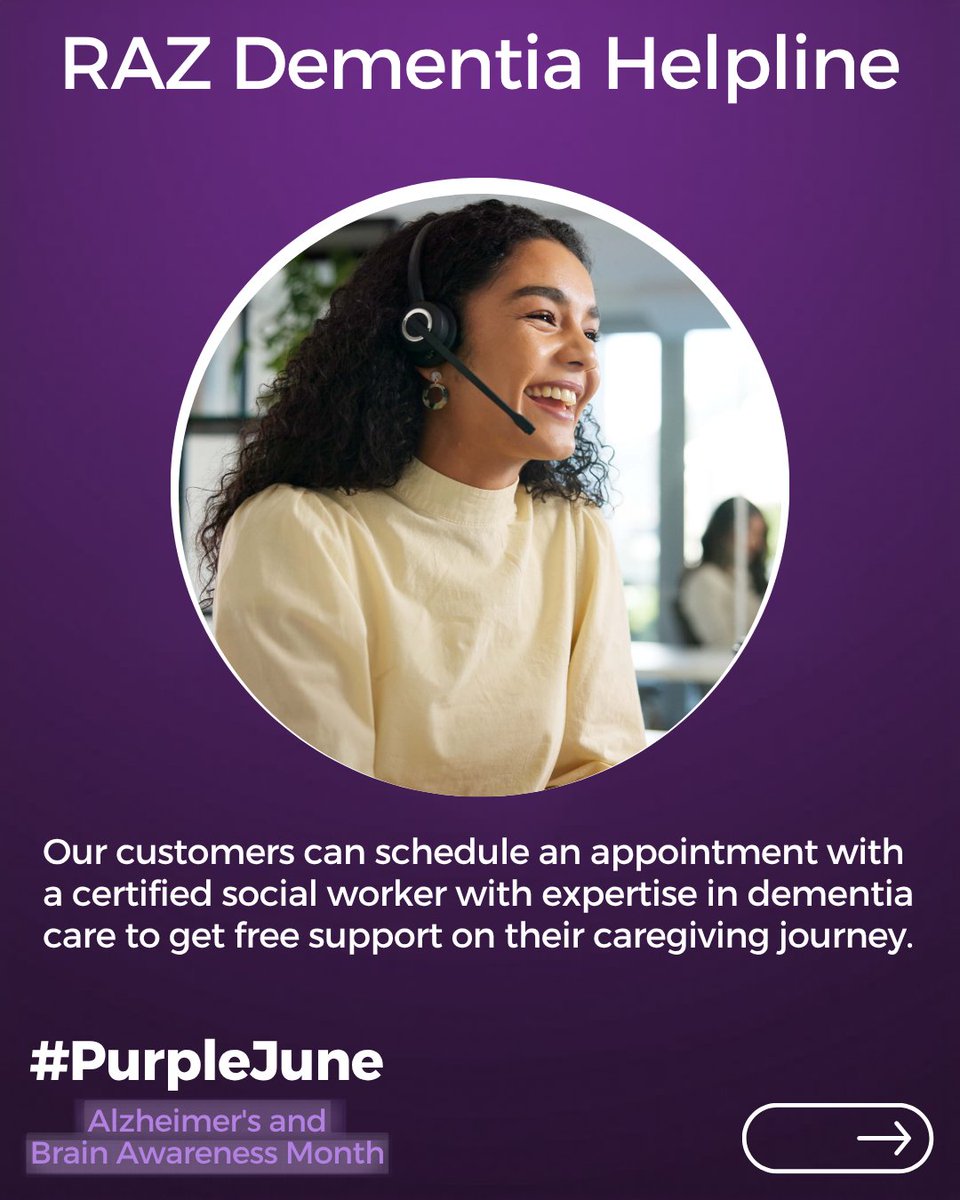
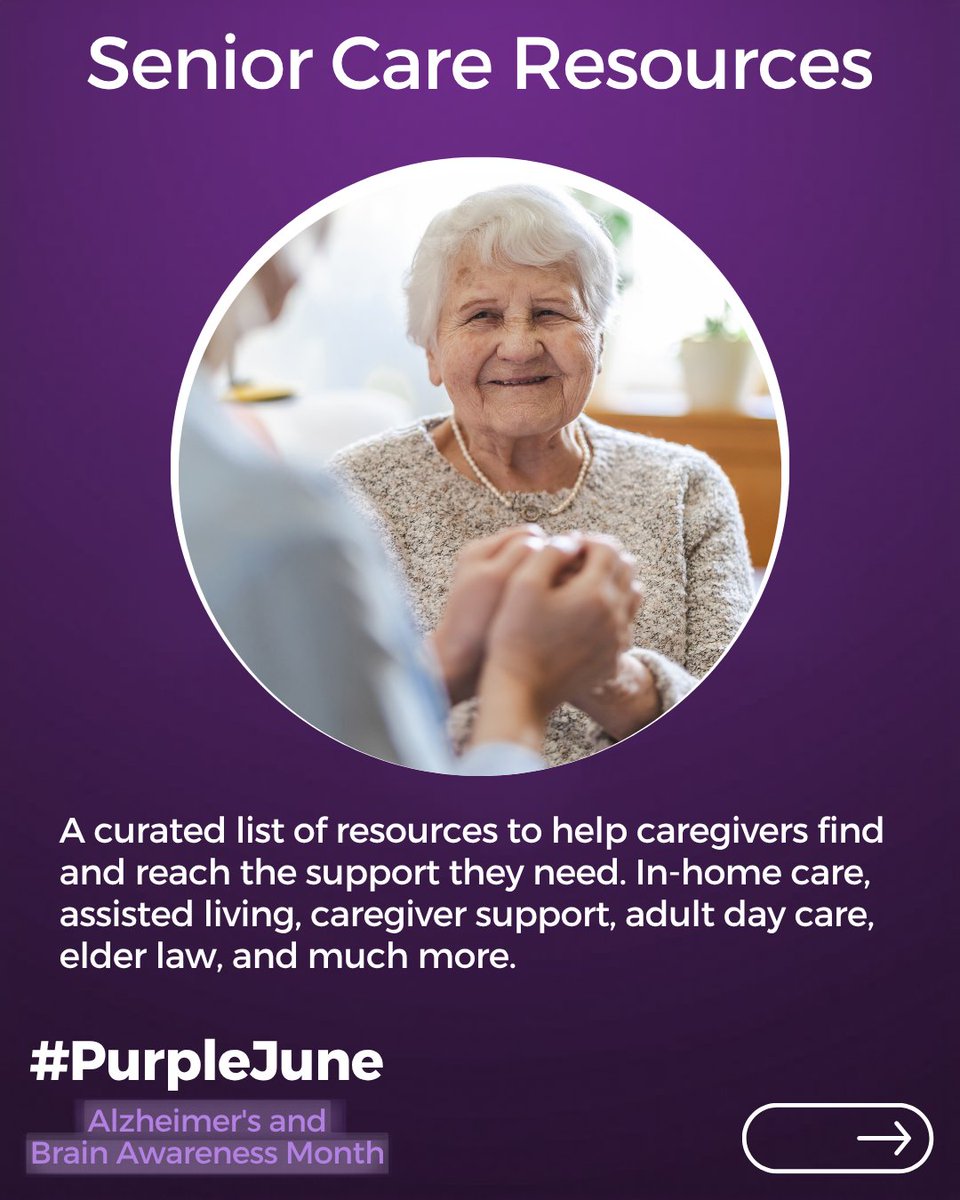
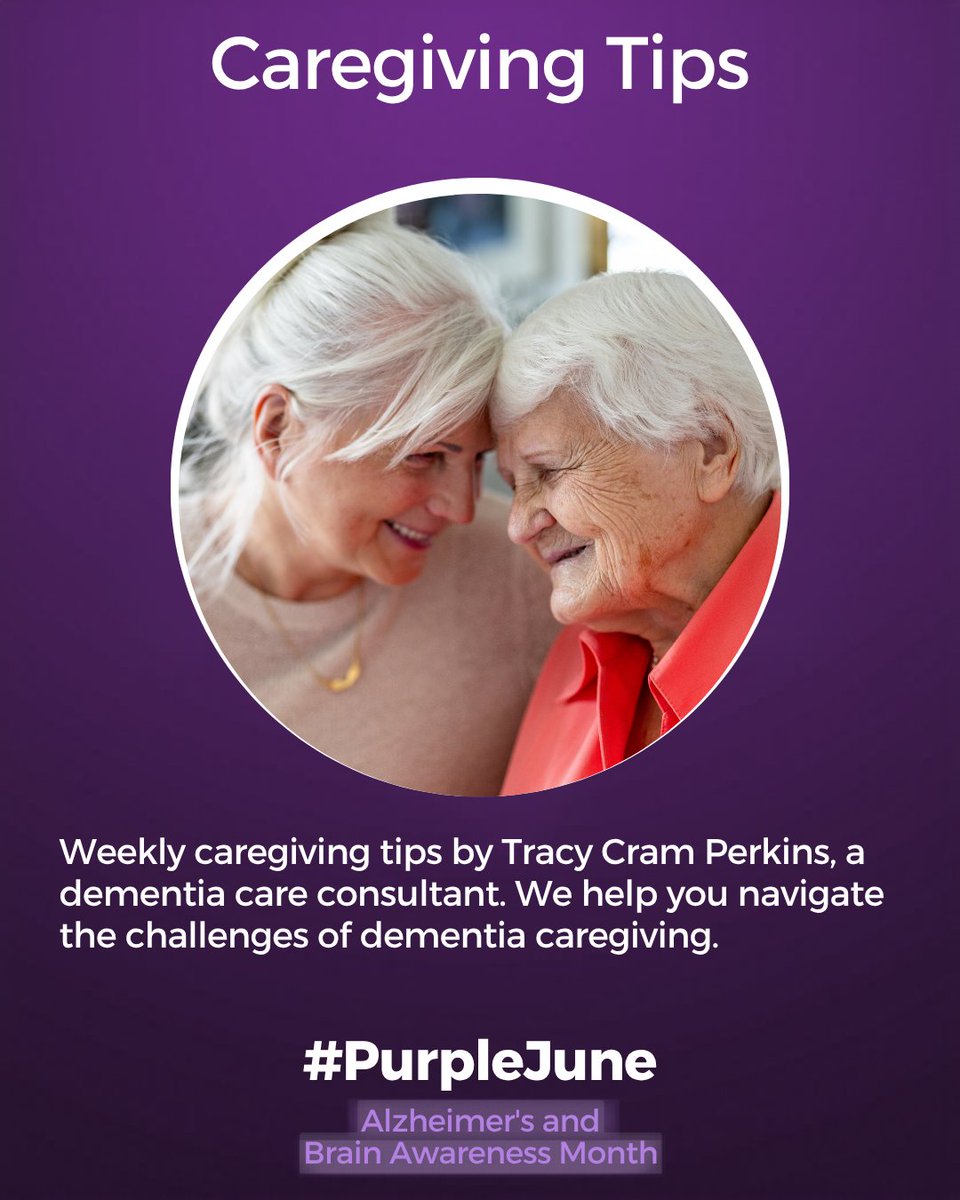
16
May 29
Have you met Tracy Cram Perkins? She's our Dementia Care Consultant and the voice behind our Aging with RAZ series, where she shares weekly tips to help you navigate the challenges of dementia caregiving.
Tracy is also the award-winning author of "Dementia Home Care: How to Prepare Before, During, and After", a practical guide built from 16 years of personal caregiving experience. It covers everything from managing behaviors and communication to legal planning and caregiver wellbeing.
Buy Dementia Home Care: How to Prepare Before, During and After: tinyurl.com/ye4ufcvy
#AgingWithRAZ #DementiaCare #SeniorCare #FamilyCaregiver #MemorySupport #ElderCare #CaregivingJourney #CaringForSeniors #CaregiverSupport #CompassionateCare #SeniorLiving #AgingWithDignity #SeniorHealth #FamilySupport #CaregiverLife #DementiaAwareness #LoveAndCare #EmpoweringCaregivers #SeniorWellness
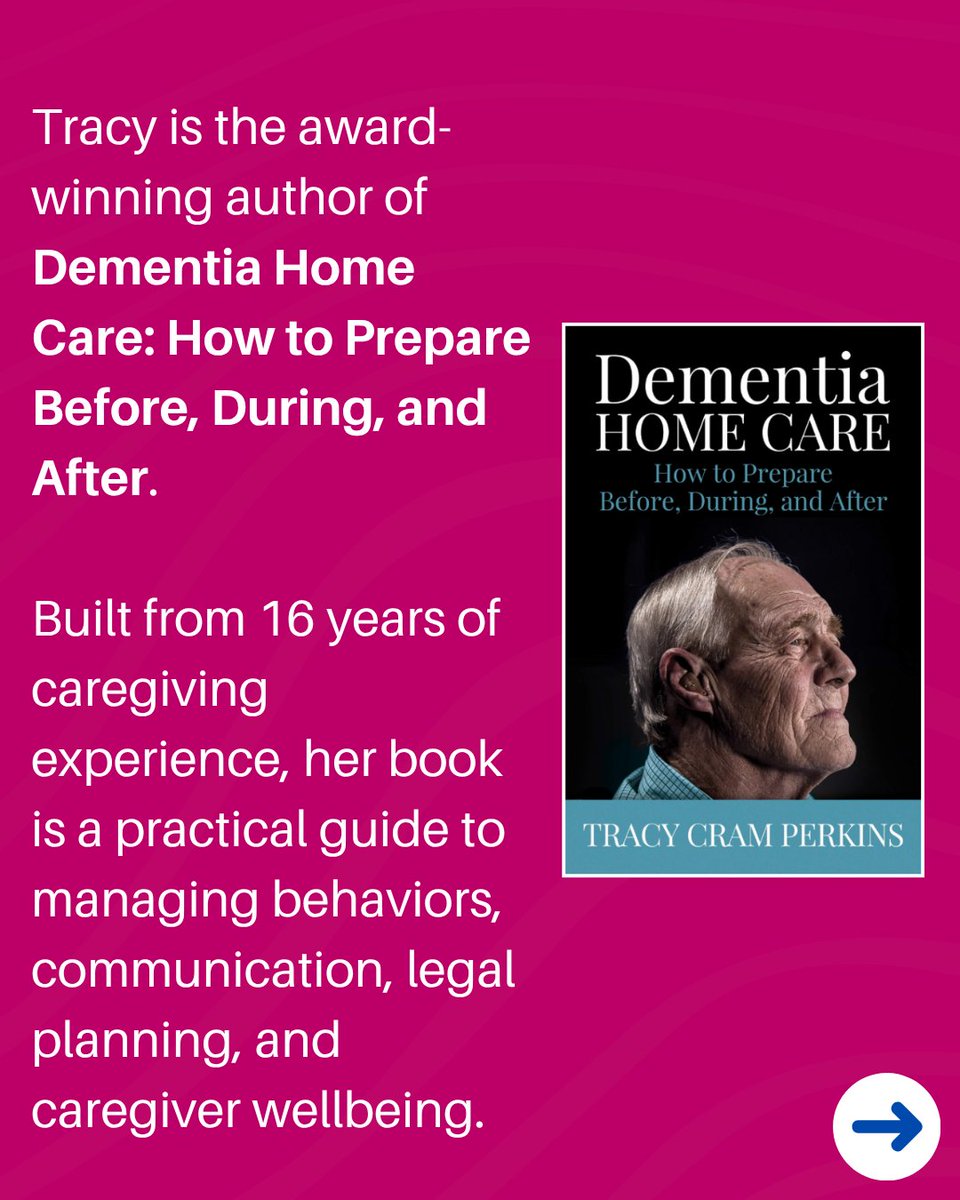

16
May 28
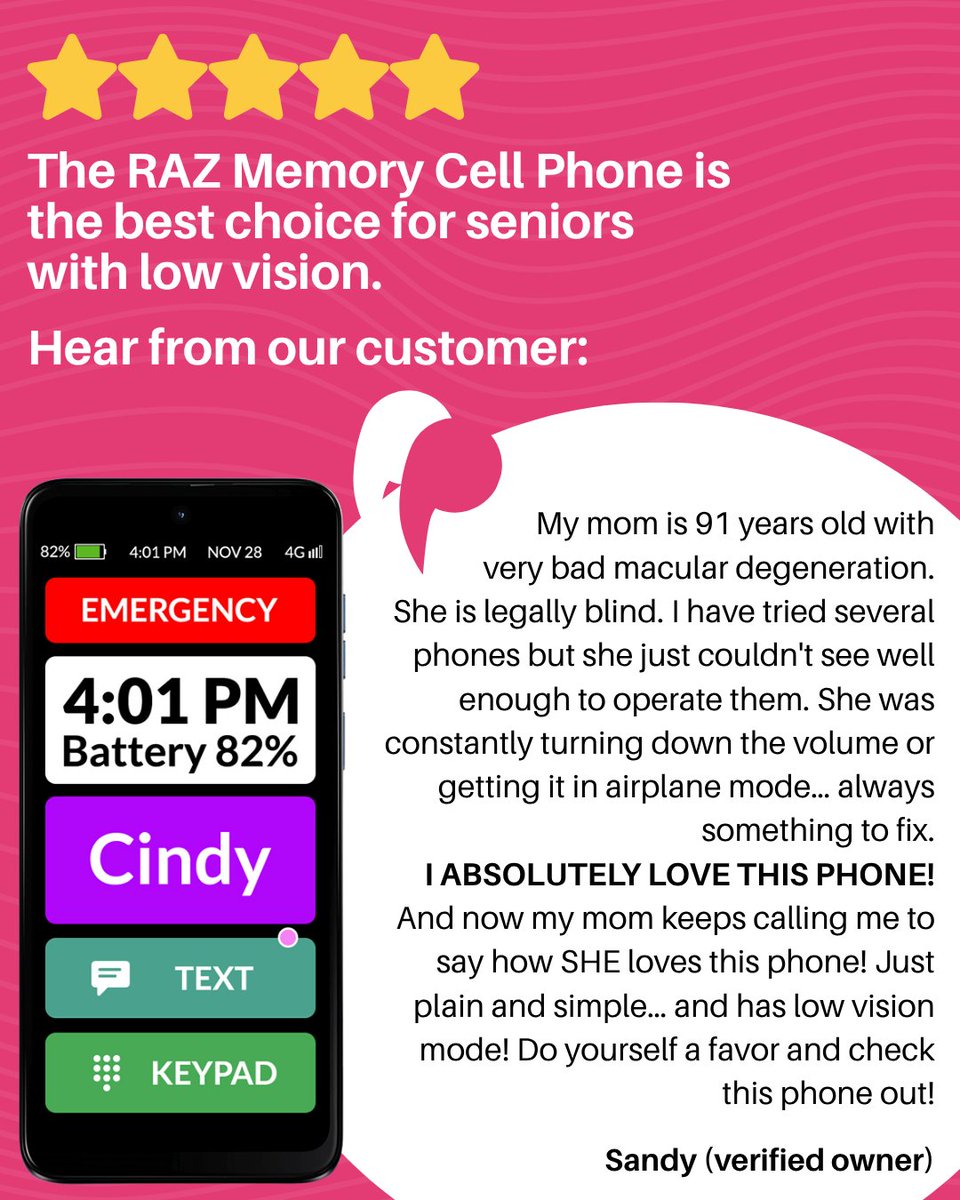
When vision loss makes every phone too complicated, finding the right solution can feel impossible.
This caregiver tried several phones for her legally blind mother, but none of them worked. Until she found the RAZ Memory Cell Phone and its low vision mode.
Learn more about the RAZ Memory Cell Phone: tinyurl.com/5wjpnfsd
#AgingWithRAZ #DementiaCare #SeniorCare #FamilyCaregiver #MemorySupport #ElderCare #CaregivingJourney #CaringForSeniors #CaregiverSupport #CompassionateCare #SeniorLiving #AgingWithDignity #SeniorHealth #FamilySupport #CaregiverLife #DementiaAwareness #LoveAndCare #EmpoweringCaregivers #SeniorWellness
19
May 27
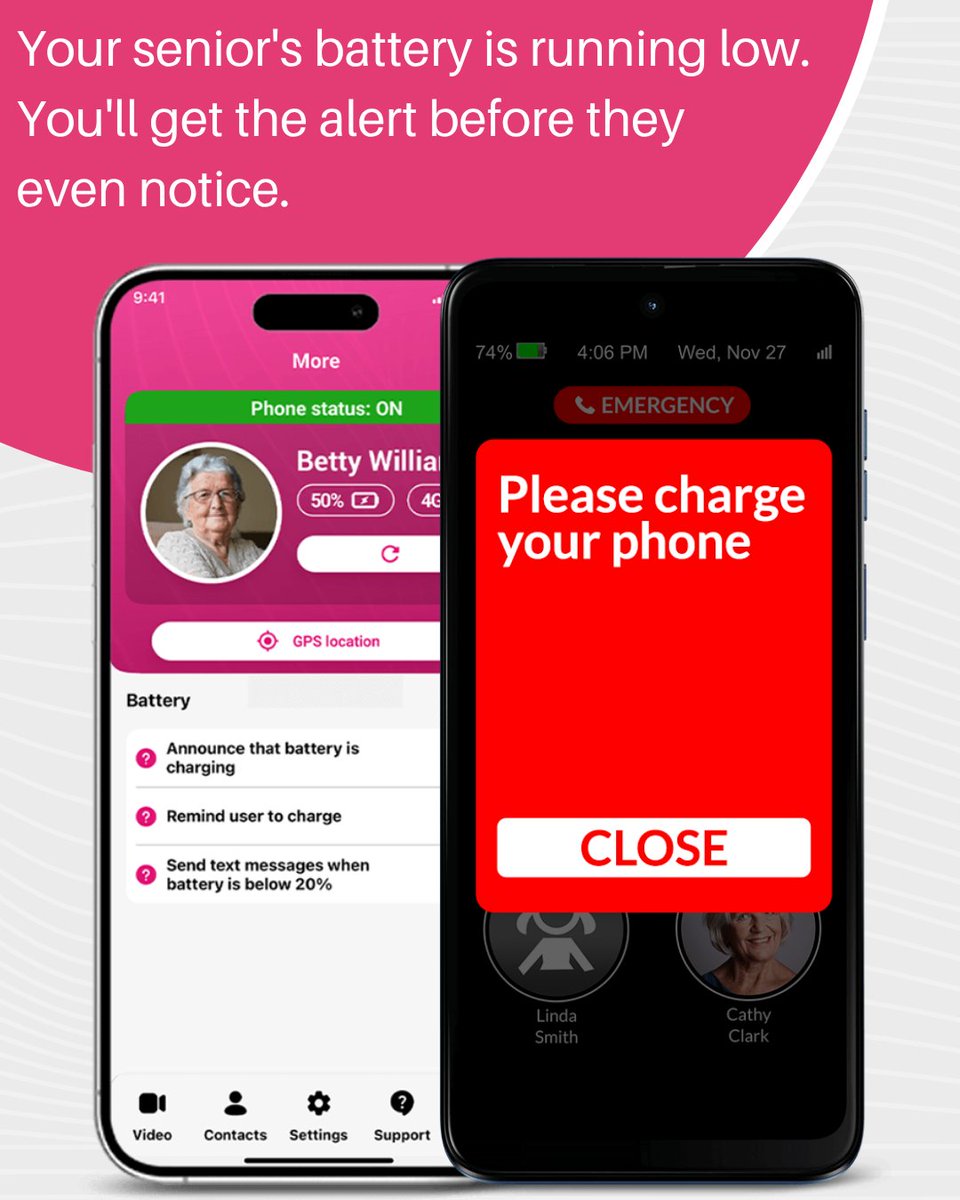
A dead phone is more than an inconvenience when your loved one has dementia. It can mean missed check-ins, missed reminders, and missed peace of mind.
The RAZ Memory Cell Phone makes charging simple and worry-free. Your senior gets a reminder to charge when the battery runs low, plus visual and audio confirmation when the phone is actually charging. On your end, you can receive a text alert when their battery is low, and you can check the battery and charging status anytime in the RAZ Care app.
No more wondering if their phone is ready when they need it. Learn more: tinyurl.com/dw3ymrdy
#AgingWithRAZ #DementiaCare #SeniorCare #FamilyCaregiver #MemorySupport #ElderCare #CaregivingJourney #CaringForSeniors #CaregiverSupport #CompassionateCare #SeniorLiving #AgingWithDignity #SeniorHealth #FamilySupport #CaregiverLife #DementiaAwareness #LoveAndCare #EmpoweringCaregivers #SeniorWellness
14
May 26
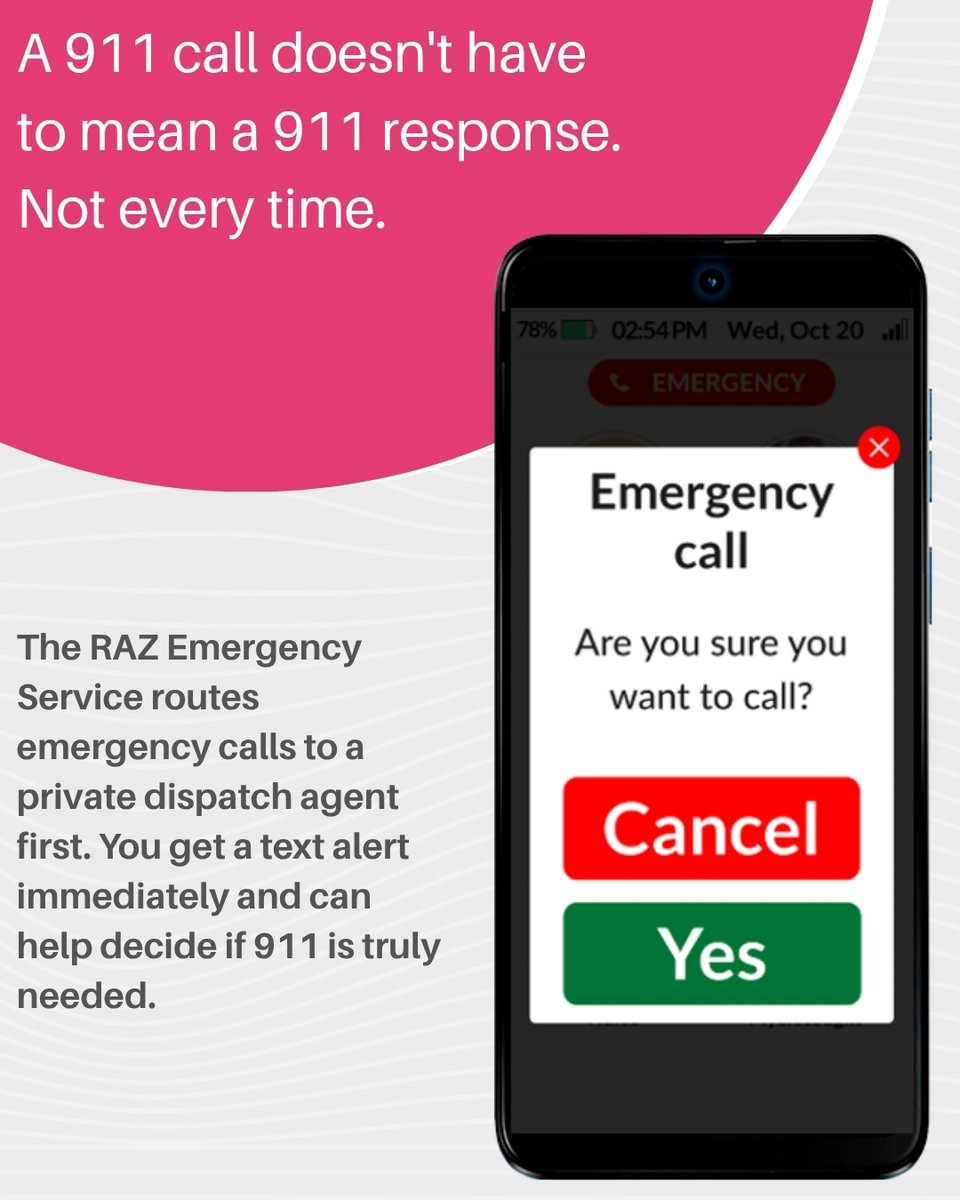
Repetitive 911 calls are common with dementia, and they can create real consequences for everyone involved.
The RAZ Emergency Service offers a smarter path. Instead of dialing 911 directly, emergency calls go to a private dispatch service. A trained agent answers, talks with your senior, and you get a text alert immediately so you can interact with the agent yourself. Together, you decide if 911 is truly needed, or if the call should be canceled.
Your senior still gets help when it matters. False alarms get handled with care.
Learn more: tinyurl.com/59xmzjt9
#AgingWithRAZ #DementiaCare #SeniorCare #FamilyCaregiver #MemorySupport #ElderCare #CaregivingJourney #CaringForSeniors #CaregiverSupport #CompassionateCare #SeniorLiving #AgingWithDignity #SeniorHealth #FamilySupport #CaregiverLife #DementiaAwareness #LoveAndCare #EmpoweringCaregivers #SeniorWellness
1
32
May 25
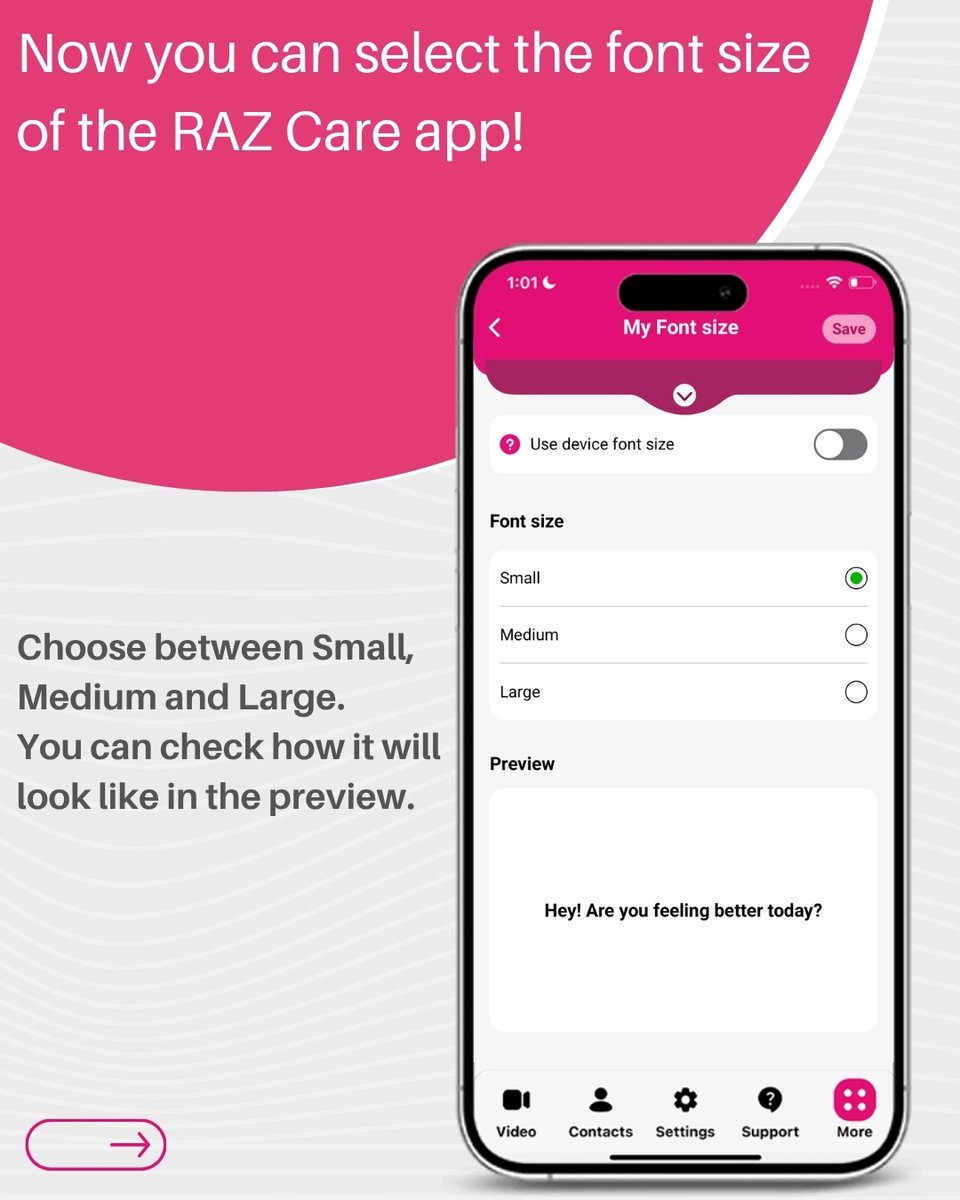
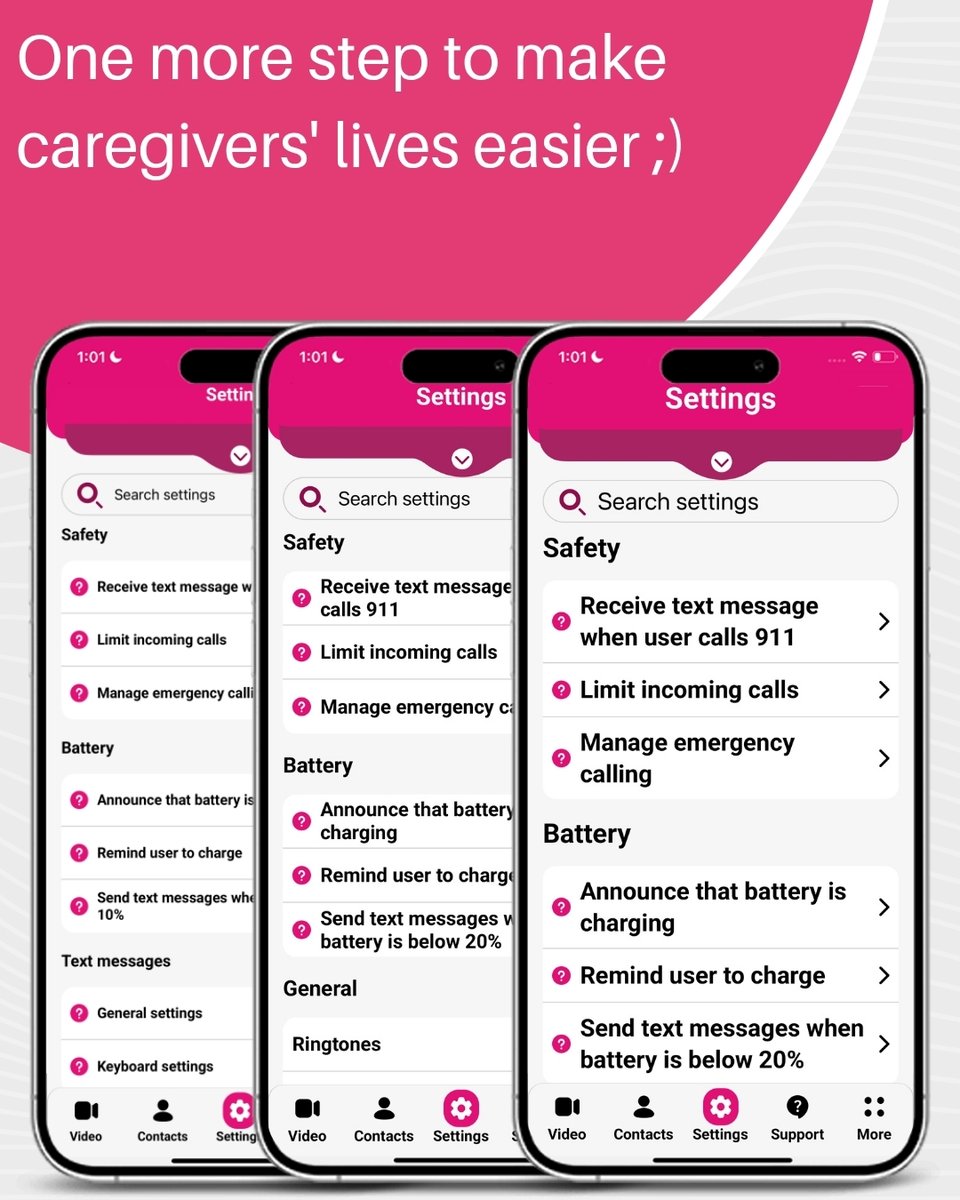
The RAZ Care app just got an upgrade!
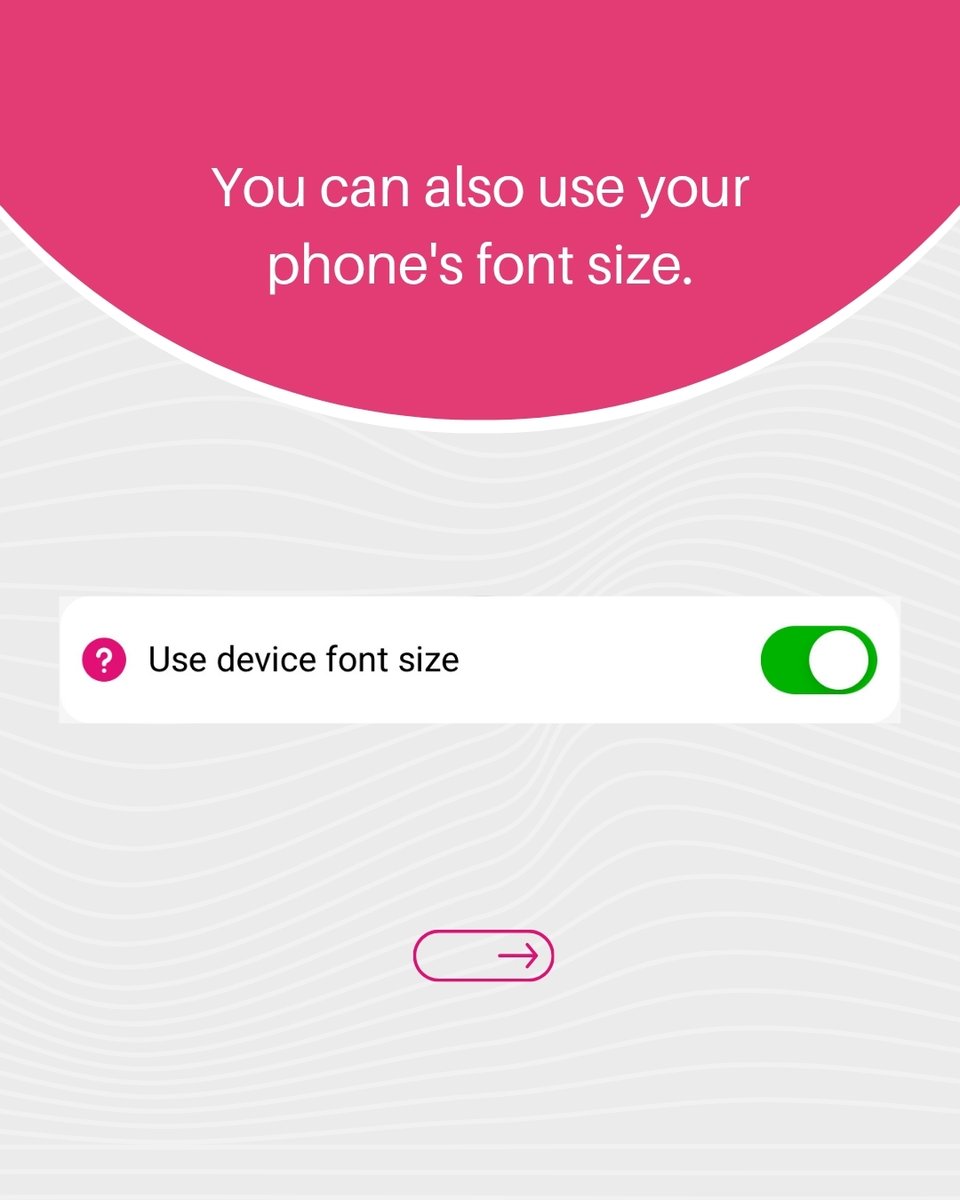
You can now choose the font size that works best for you — small, medium, or large — or simply match your phone's setting.
A small change with a big impact for caregivers who spend a lot of time in the app.
This is another step forward in making caregiving easier, one update at a time.
To have access to this new option, download the RAZ Care app's latest version in the App Store or Google Play Store.
14
May 22
It always happens when you are having "that day." Nothing seems to be going right. And now your loved one is restless, pacing, and agitated and they can't tell you why. It's an unmet need and not the disease. What are they trying to tell you?
Several things can lead to agitation, for example:
➡️ Fear.
➡️ Pain.
➡️ Noise.
➡️ Hunger.
➡️ Infection.
➡️ Boredom.
➡️ Exhaustion.
➡️ Dehydration.
➡️ Being too cold or warm.
➡️ Too much caffeine, sugar, or junk food.
➡️ A change in schedule such as a late meal.
A sudden change in behavior might indicate pain, UTI or other infection. Seek immediate medical attention.
In most cases, they are trying to express the cause of the unmet need and are becoming as frustrated as you are with them for not being able to communicate with you.
If your loved one is screaming or yelling and will not calm down, don't make any sudden moves and remain calm.
➡️ Urge them to scream it all out and scream with them.
➡️ Agree or be sympathetic with what they say.
When you both "agree," you can slowly calm the situation by taking deep breaths and breathing out slowly. They will mirror your behavior and calm down with you. Once they calm down, it's time to uncover the source.
If the words they are using do not make sense, ask them to point to "it," whatever it is or show you how they use "it." If that doesn't work, create or purchase a deck of communication cards or placemats. For example, showing images of food, with a short title like "I am hungry," or a cup with "I am thirsty," or cards with individual body parts with "I am in pain," which they can point to.
Once you have become adept at using your communication tool, teach everyone who interacts with your loved one how to use it.
It is now a respite tool you can share with anyone who cares for or visits your loved one, so they have a good visit, and you get some down time.
💡 Pro Tip: Keep one to two back-ups for your communication tool where you can find it, in case the original disappears and you don't have to spend time searching for it.
Now let's send "that day" for a timeout in the corner with the dust bunnies.
@tracycramperkin — author of Dementia Home Care, How to Prepare Before, During and After.
1
23
May 21
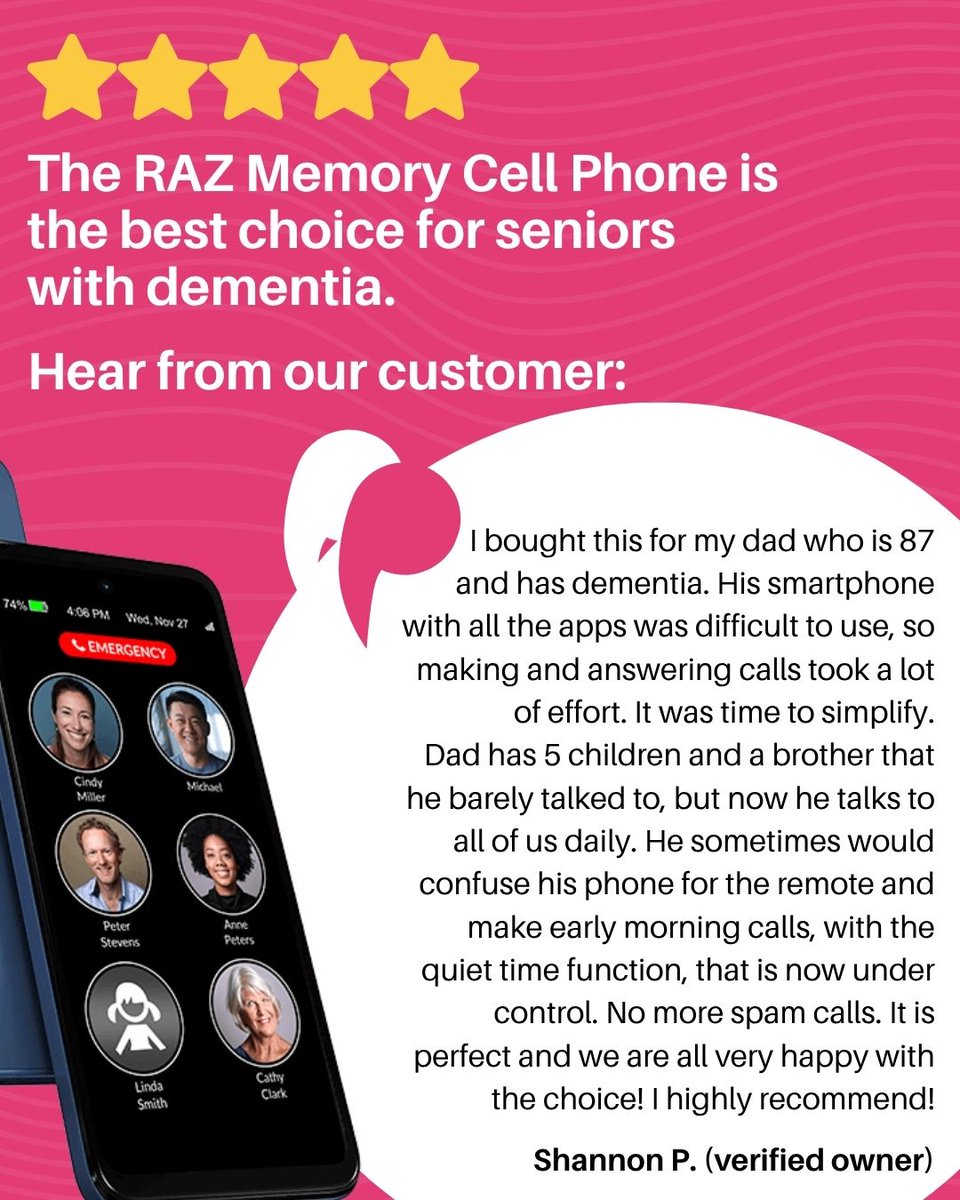
When a smartphone becomes too complicated, seniors with dementia often stop reaching out. Too many apps. Too confusing. Too much effort just to hear a familiar voice.
Shannon's dad went from rarely calling his five children and brother to connecting with all of them every day. The RAZ Memory Cell Phone simplified everything: picture dialing made calls effortless, quiet hours stopped those early morning calls, and blocking spam eliminated the confusion.
Learn more about the RAZ Memory Cell Phone: tinyurl.com/2ekf4dfv
#AgingWithRAZ #DementiaCare #SeniorCare #FamilyCaregiver #MemorySupport #ElderCare #CaregivingJourney #CaringForSeniors #CaregiverSupport #CompassionateCare #SeniorLiving #AgingWithDignity #SeniorHealth #FamilySupport #CaregiverLife #DementiaAwareness #LoveAndCare #EmpoweringCaregivers #SeniorWellness
19
May 19
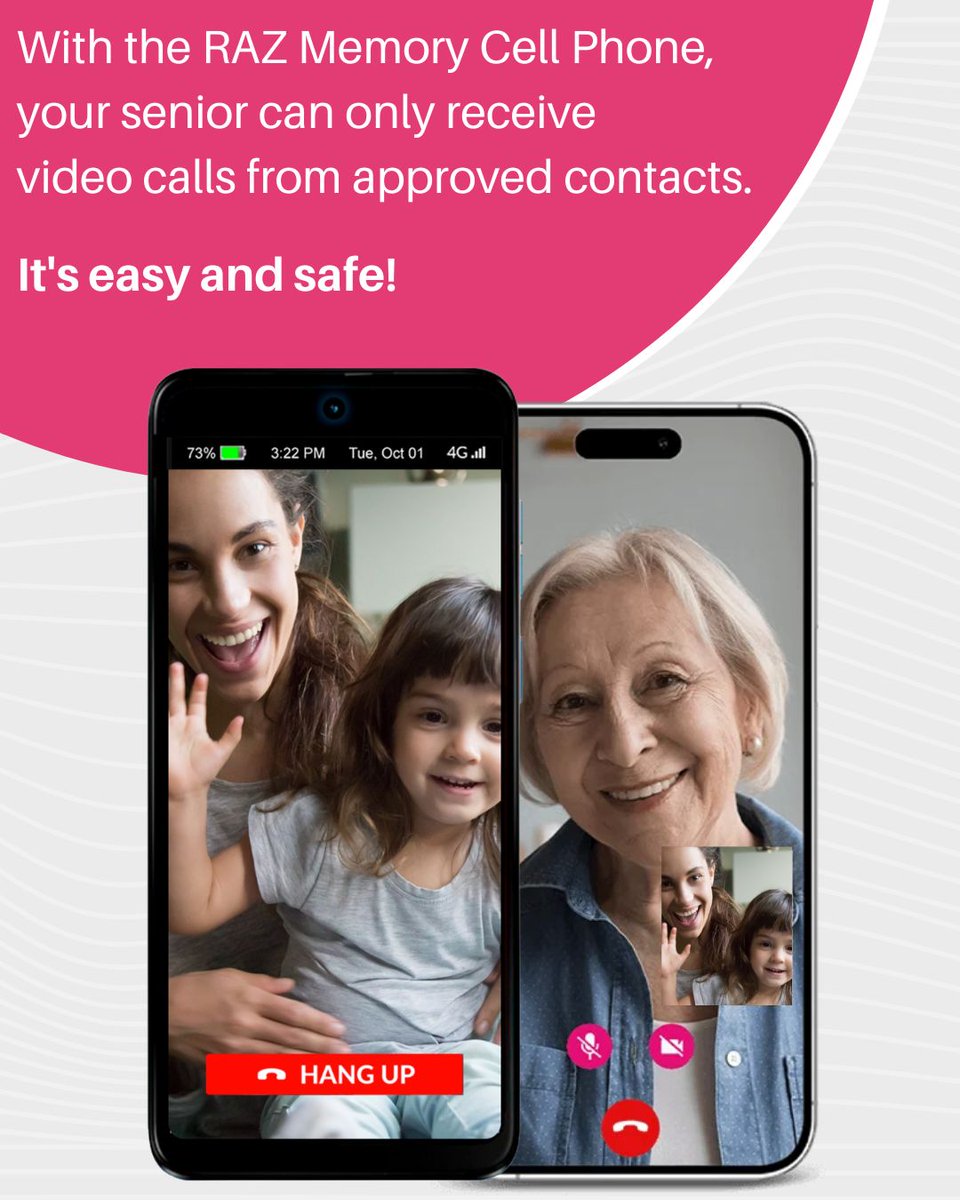
Video calls shouldn't come with worry.
When your senior has dementia or cognitive decline, video calls can feel risky. What if they accidentally answer a scammer? What if strangers try to reach them?
With the RAZ Memory Cell Phone, you can stay connected through safe video calls. Only approved contacts can initiate these calls, with the RAZ Care app.
No accidental answers to unknown callers. No vulnerability to scams.
Learn more: tinyurl.com/nxbvctr6
#AgingWithRAZ #DementiaCare #SeniorCare #FamilyCaregiver #MemorySupport #ElderCare #CaregivingJourney #CaringForSeniors #CaregiverSupport #CompassionateCare #SeniorLiving #AgingWithDignity #SeniorHealth #FamilySupport #CaregiverLife #DementiaAwareness #LoveAndCare #EmpoweringCaregivers #SeniorWellness
14
May 16
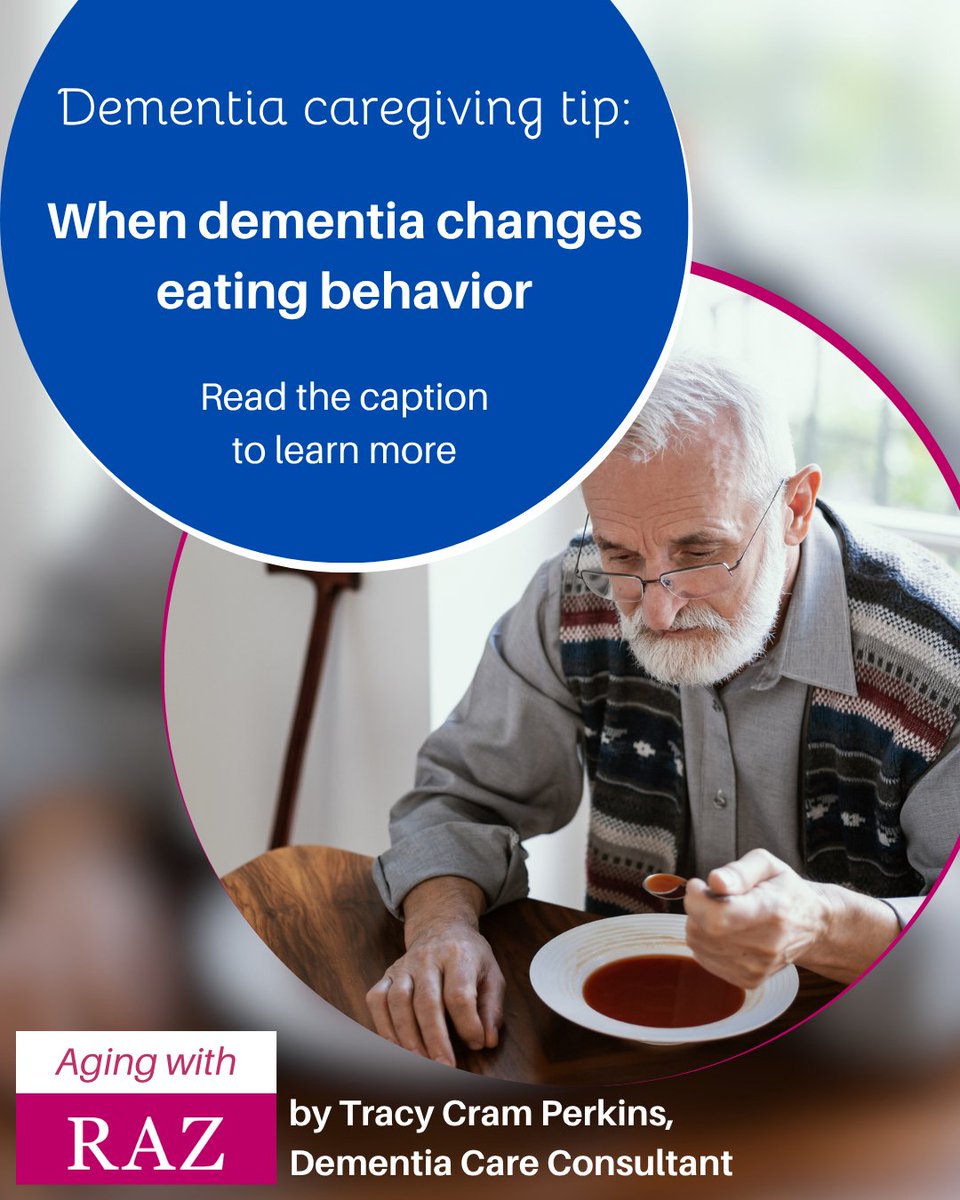
Why isn't my loved one eating?
➡️ Can't see the food to eat it.
➡️ No longer recognizes food.
➡️ Difficulties swallowing.
➡️ Decreased appetite due to aging.
Let's address the first stage, when they can't see the food to eat it.
In natural aging, the lenses in our eyes thicken, making it more difficult to see without additional lighting or glasses. As brain changes progress, someone with dementia develops a form of color blindness called achromatopsia. Eventually they see black, white and the contrast of bright colors such as red, blue, yellow and lime green.
Imagine a Thanksgiving dinner, hors d'oeuvres served on small ruby-glass plates and your loved one with dementia is eating the hors d'oeuvres and chatting with family members. It's time for dinner and everyone gathers around the table.
Plates are piled high with turkey, stuffing, mashed potatoes and green bean casserole all smothered in gravy dangerously close to spilling over the side of the plate. Everyone dives in except your loved one who is looking at the plate, shaking their head and weeping. No amount of coaxing will get them to eat.
What is going on?
They see an empty plate. There isn't enough contrast for them to recognize the food.
Mealtime Support without Struggle
How can we empower them to eat? We preserve their dignity by:
➡️ Using a bright red or bright blue plate.
➡️ Serving them in courses starting with the protein, followed by carbohydrates then produce. If they feel singled out, join them eating in courses.
➡️ Allowing them to finish each course before serving the next.
Bright red or blue cups will help them drink more fluids.
Use bright colors sparingly. Too much color can be overwhelming to someone with brain changes. They will show you by removing or hiding it.
💡 Pro Tip: If you are having trouble getting them to eat, give them something small that is slightly sweet or lightly salty to encourage salivation five to ten minutes ahead of eating, signaling that it is time to eat.
As caregivers, enabling our loved ones to continue self-feeding takes one more thing off our already full plate.
@tracycramperkin — author of Dementia Home Care, How to Prepare Before, During and After.
1
23
May 15
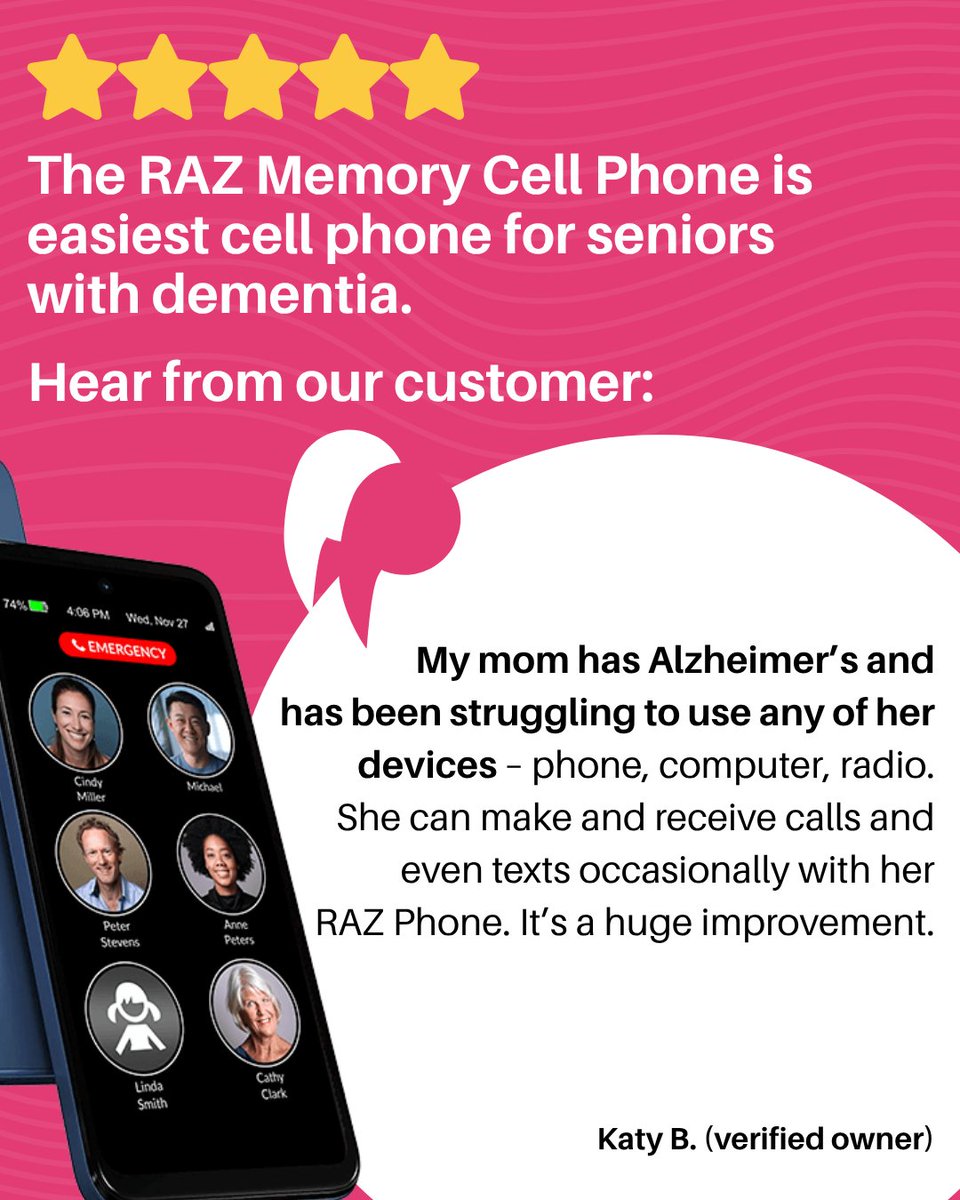
When Alzheimer's makes everyday devices impossible to use, finding something that actually works feels like a breakthrough.
Katy's mom had been struggling with her phone, computer, and radio. With the RAZ Memory Cell Phone, she's making and receiving calls again, and even texting.
Learn more about the RAZ Memory Cell Phone for Seniors: tinyurl.com/5n6kdr72
#AgingWithRAZ #DementiaCare #SeniorCare #FamilyCaregiver #MemorySupport #ElderCare #CaregivingJourney #CaringForSeniors #CaregiverSupport #CompassionateCare #SeniorLiving #AgingWithDignity #SeniorHealth #FamilySupport #CaregiverLife #DementiaAwareness #LoveAndCare #EmpoweringCaregivers #SeniorWellness
19