🇺🇬Kiro Magazine//Speculative Fiction//Oral history//African Epistemology//Email: Readmeug@gmail.com//Kiro.readmeug.com
Joined August 2020
- Tweets 553
- Following 358
- Followers 254
- Likes 841
328 Photos and videos

Pinned Tweet

5 Apr 2023
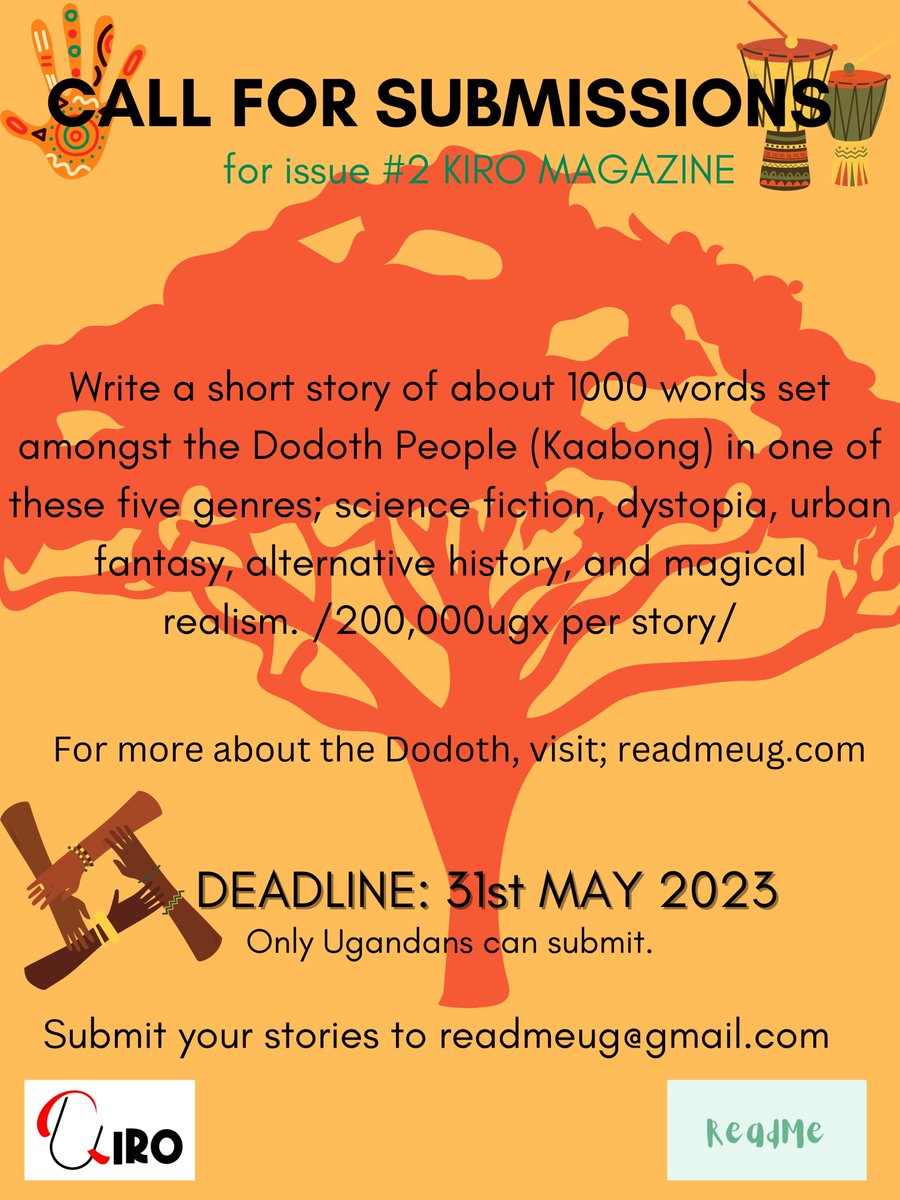
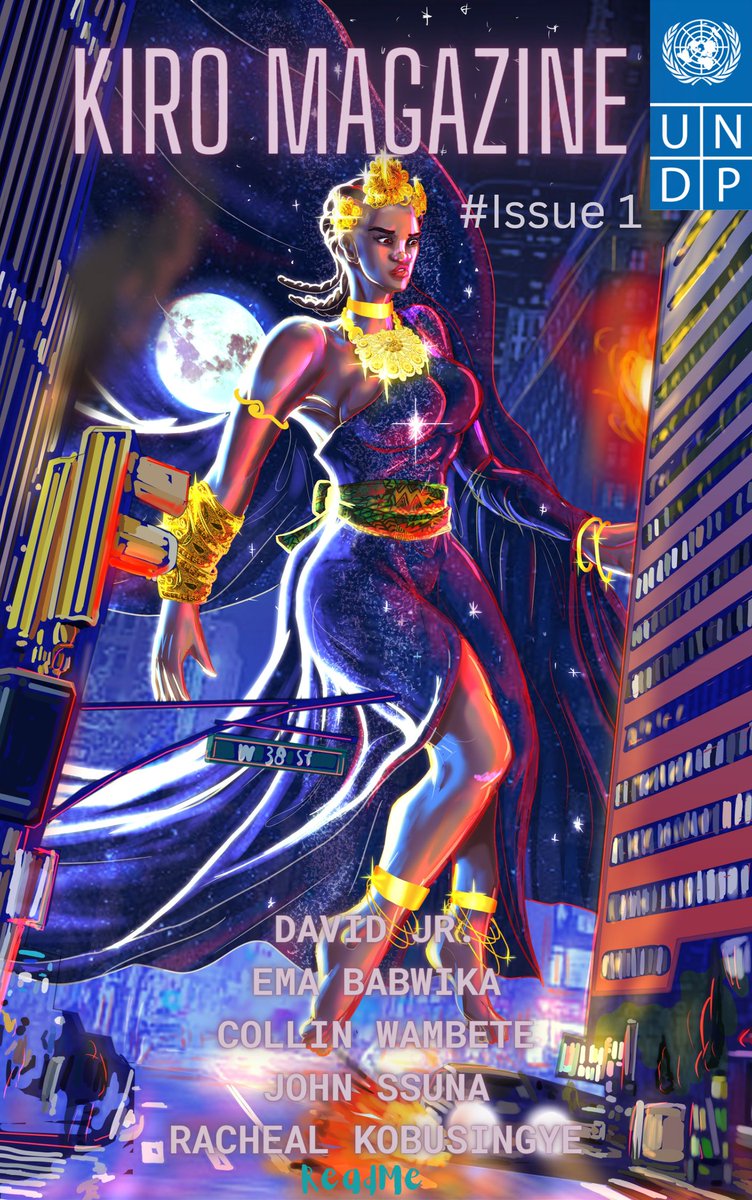
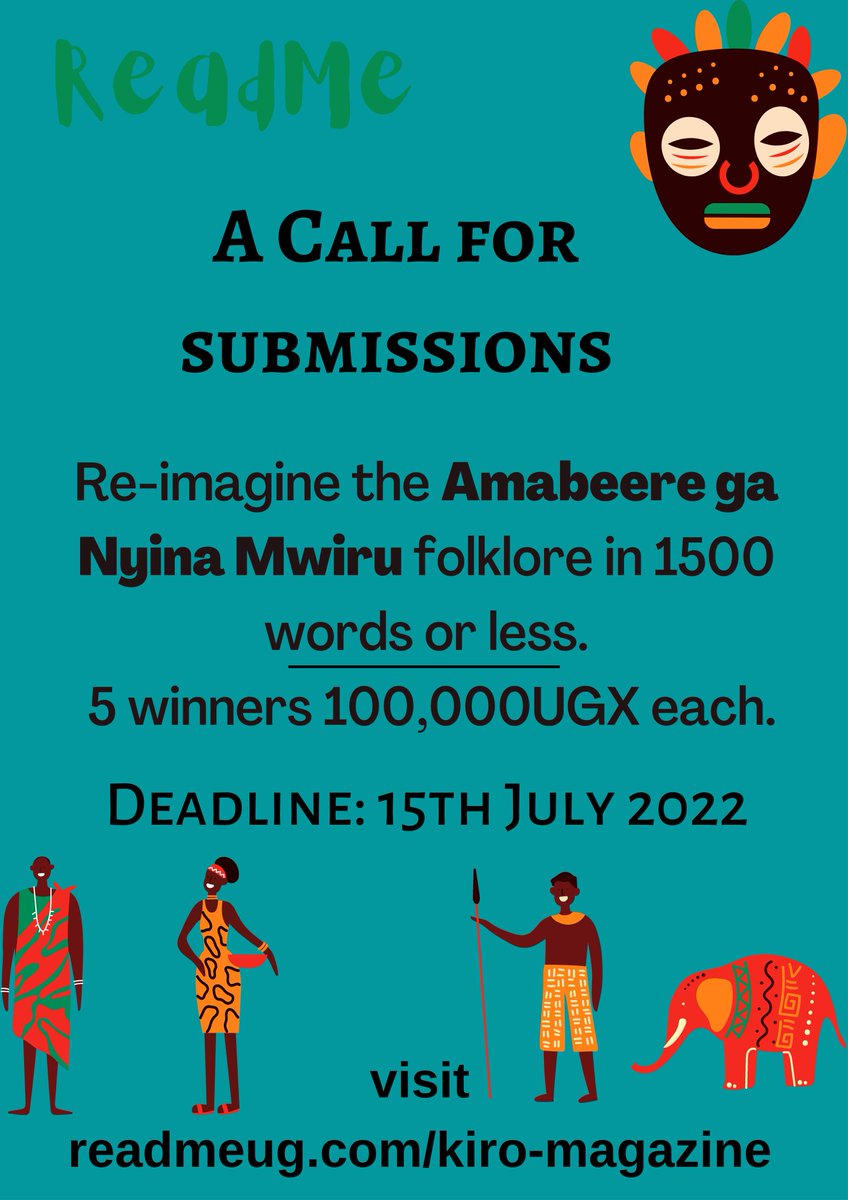
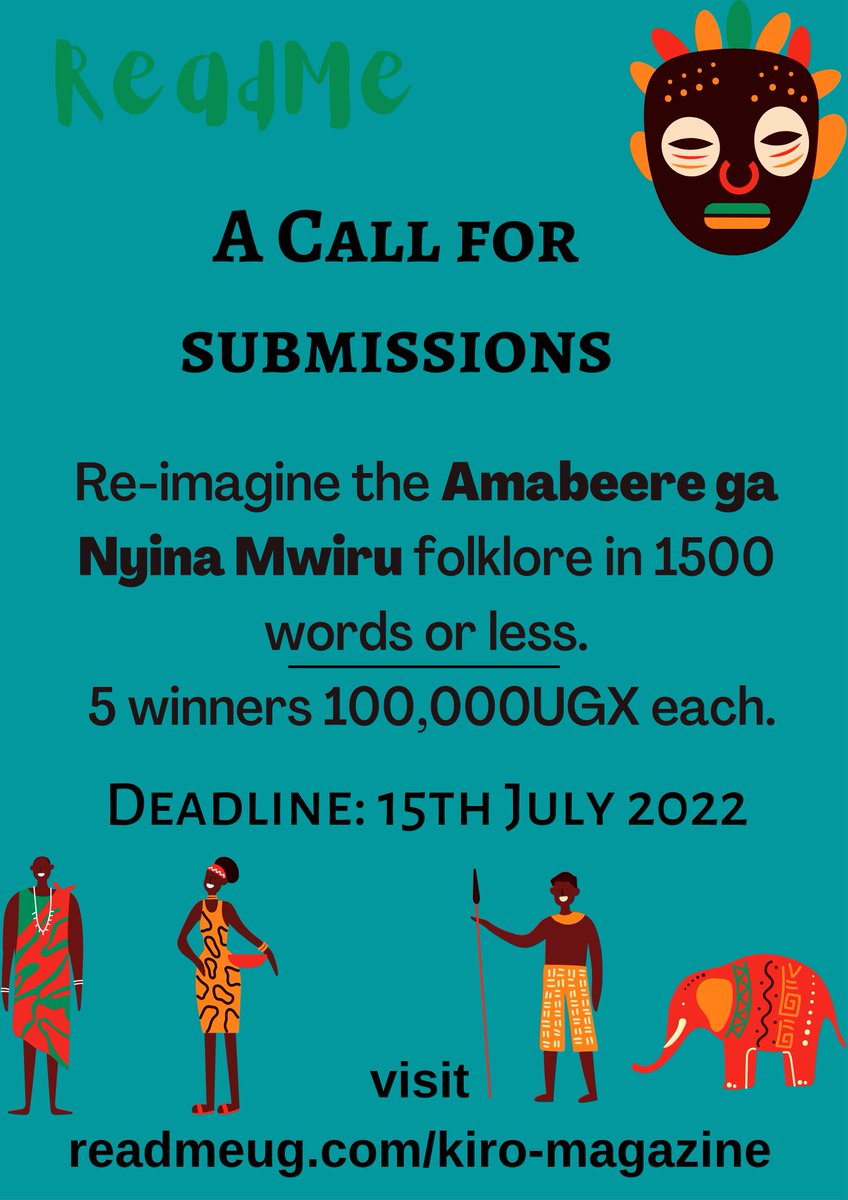
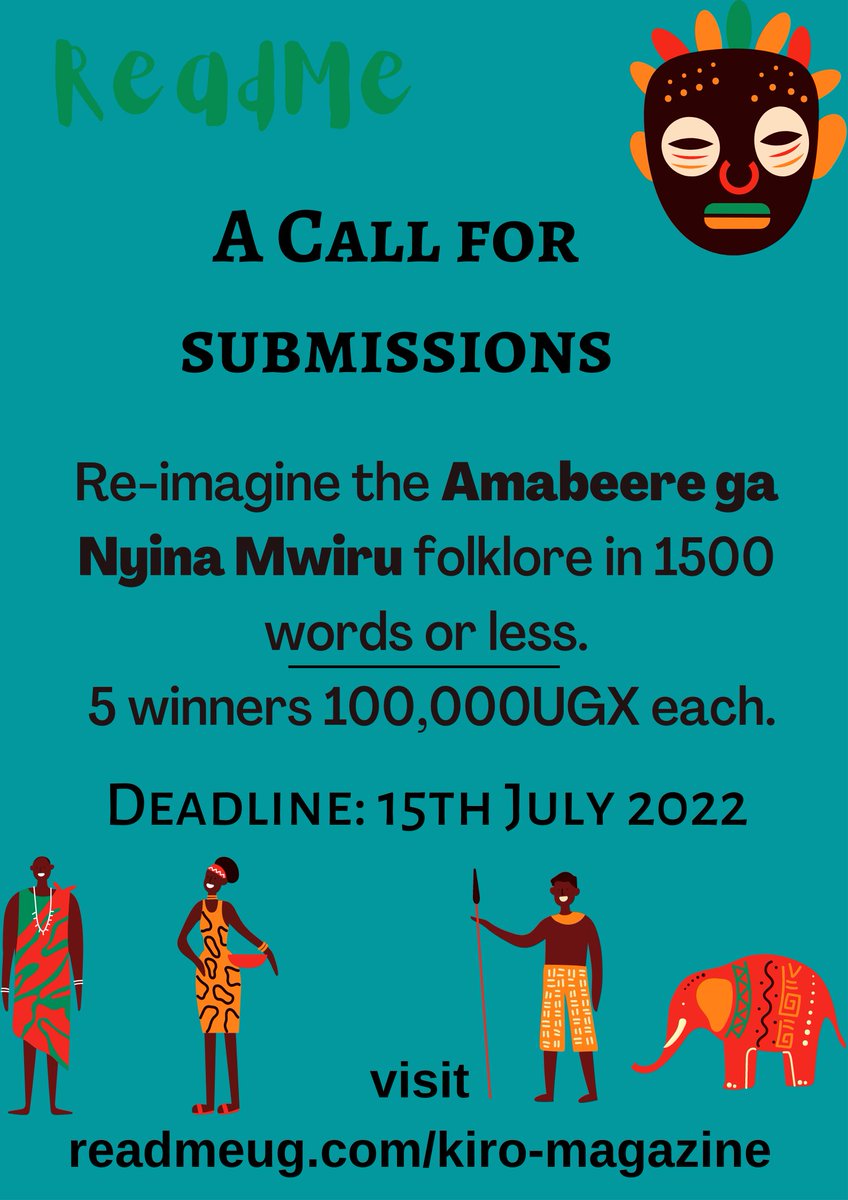
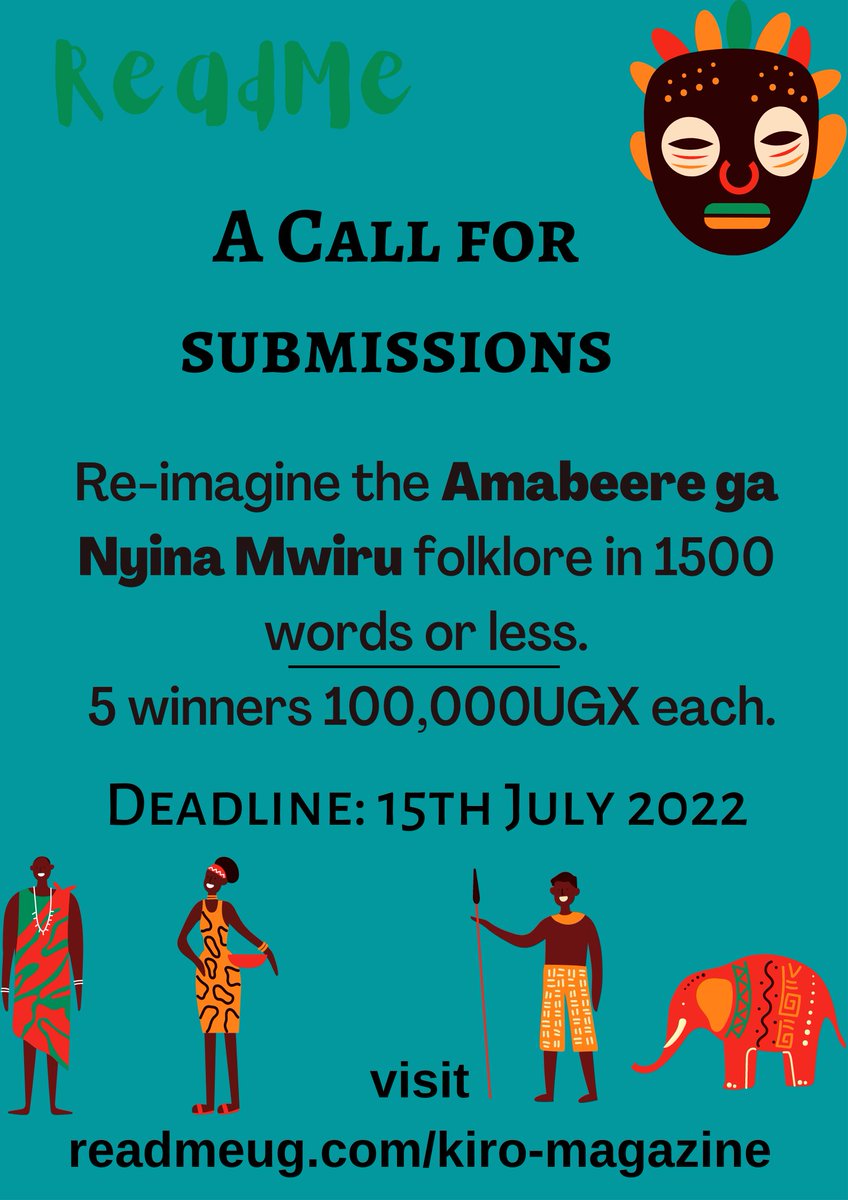
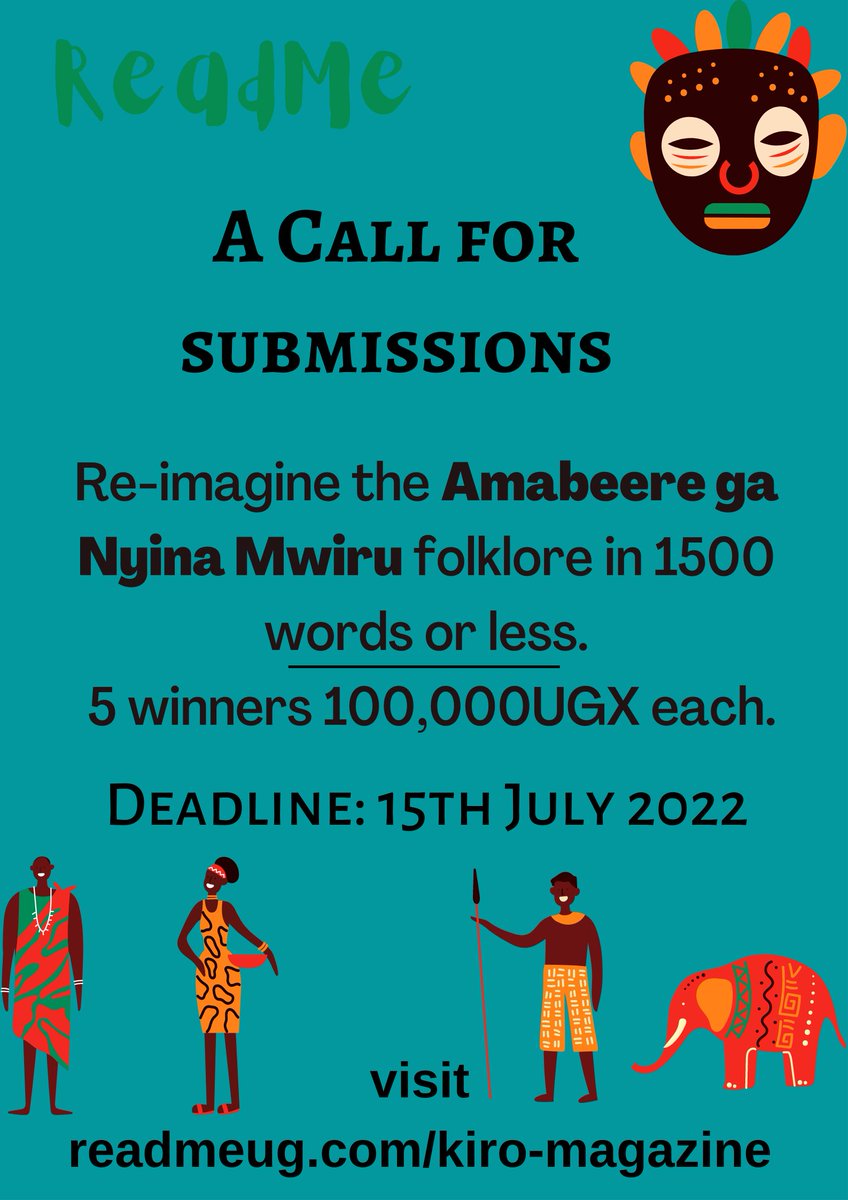
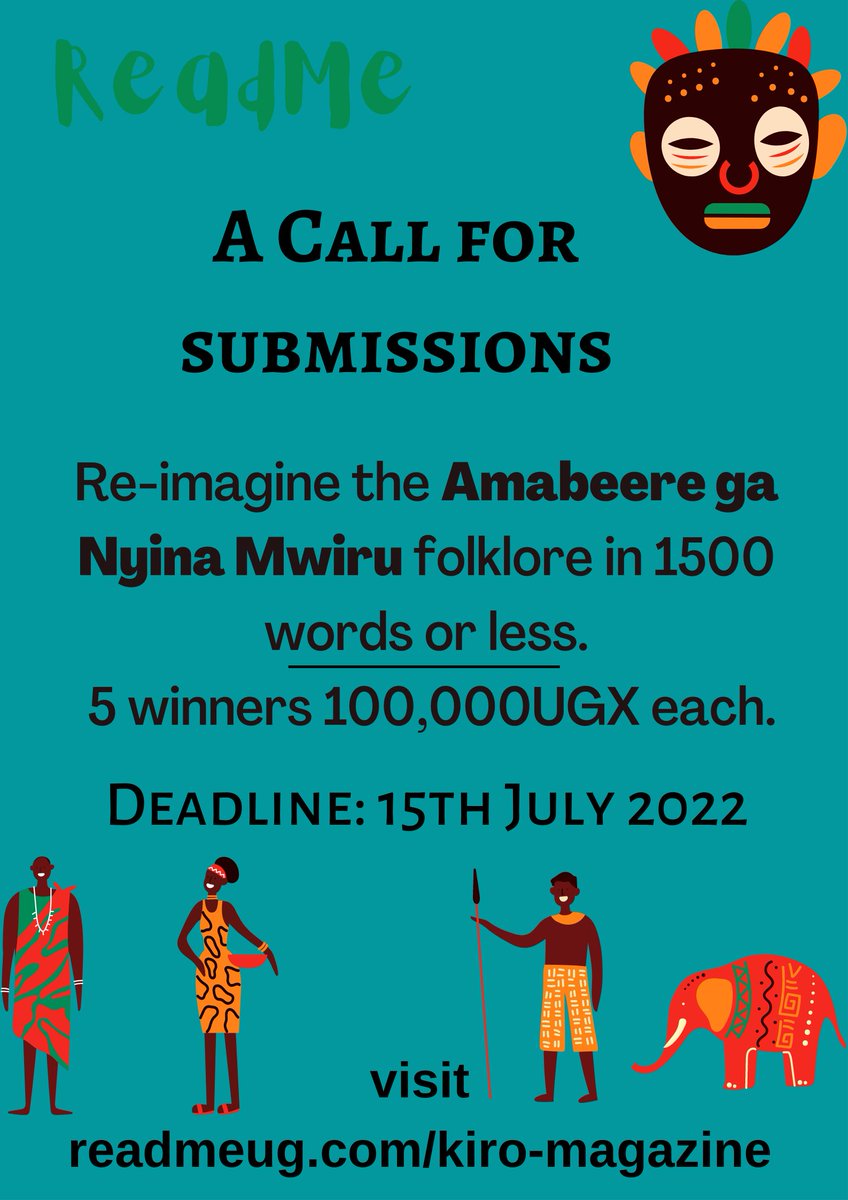
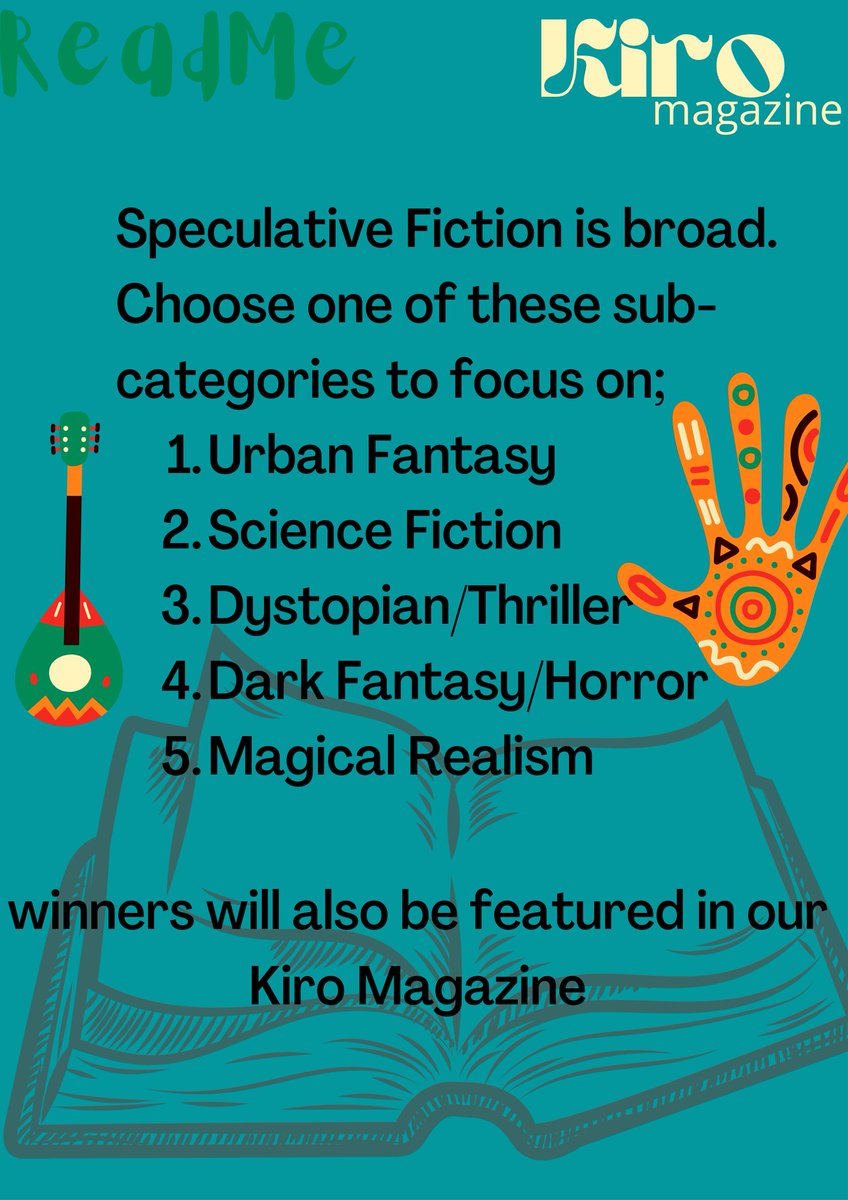
Subscribe to KIRO MAGAZINE, Uganda's only Speculative Fiction magazine, and access stories reimagined, based on Bunyoro Kitara folklore, "Amabeere ga Nyinamwiru" at kiro.readmeug.com
1
4
7
352
Ugandan writers will find this a great resource.

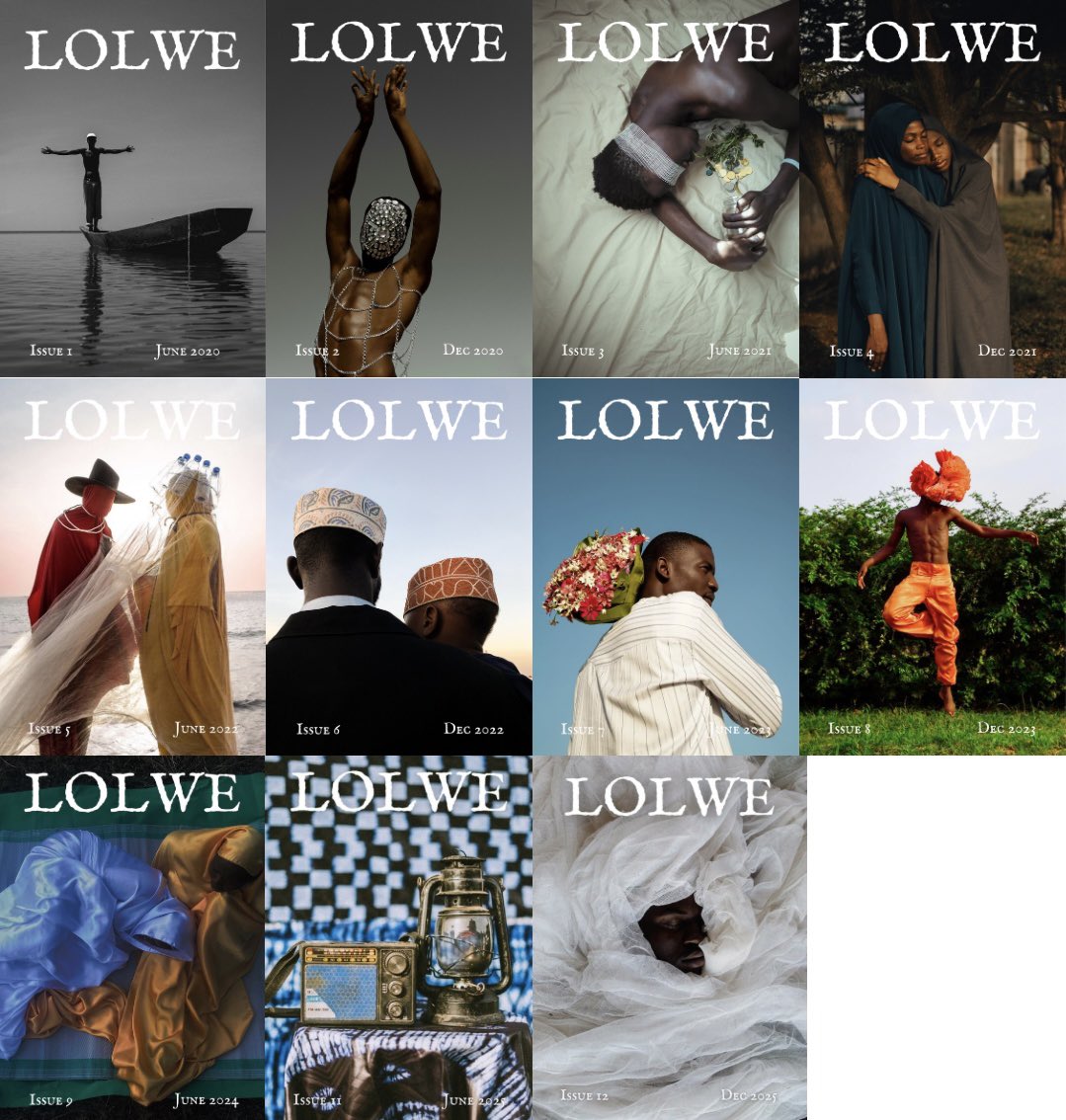
No paywalls, no subscriptions, no ads. All past issues of Lolwe are available to read online for free. Read the best stories, essays, poems by Black (African, Caribbean and Diaspora) writers here: lolwe.org/issues
1
5
249
Quiro Media & Publishing retweeted

We are excited to be among the selected organizations participating in a major initiative focused on strengthening Uganda's film ecosystem through collaboration, industry development, and market readiness.
To every woman filmmaker with a story to tell, get ready.
#womeninfilm
2
16
331
Quiro Media & Publishing retweeted

Hi here we go again, can we bring back Lolwe, a Black-owned Pan-African bookshop. We managed to buy Afrori out of trouble several times, can we do the same for Lolwe.....click the link to donate.
May 27

Help Us Rebuild Lolwe Books in Peckham. We need your support to bring back our Black-owned Pan-African bookshop in Peckham. Please donate and share widely. 🙏🏿🙌🏿 gofundme.com/f/help-us-rebui…
1
28
33
3,448
Quiro Media & Publishing retweeted

Jun 11
Hey, I need some help.
I'm creating an African film atlas. Just as many Africana short/feature films to preserve and expose to new audiexcess. Film, TV and Short films welcome.
X
Email; contact@africaloudmag.com
Please RT for awareness
5 Jan 2019

O jewa ke eng ?
28
46
1,996
Quiro Media & Publishing retweeted

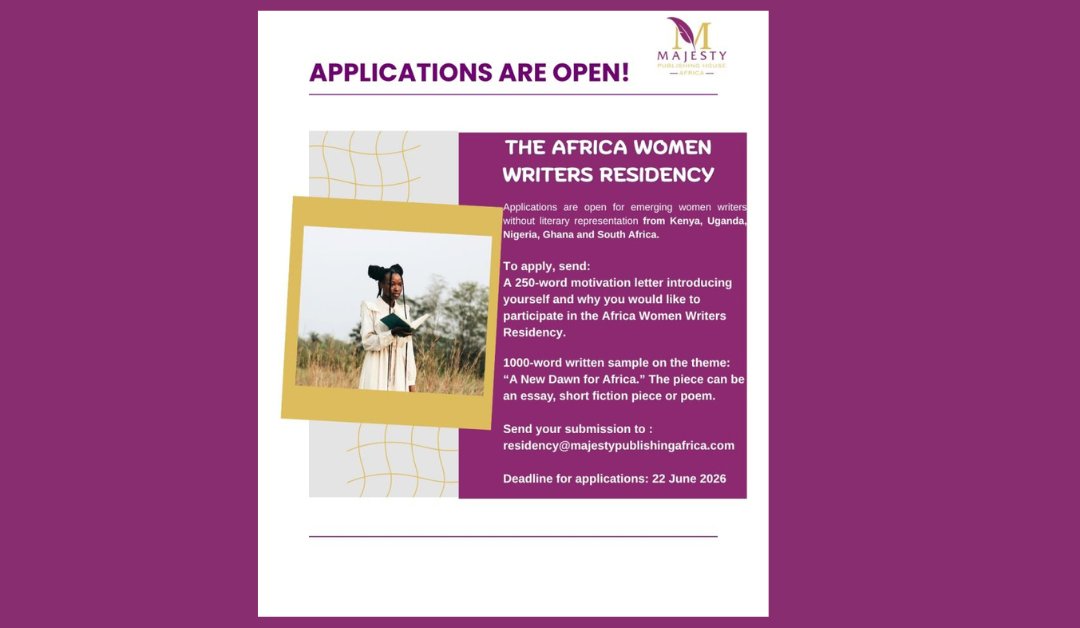
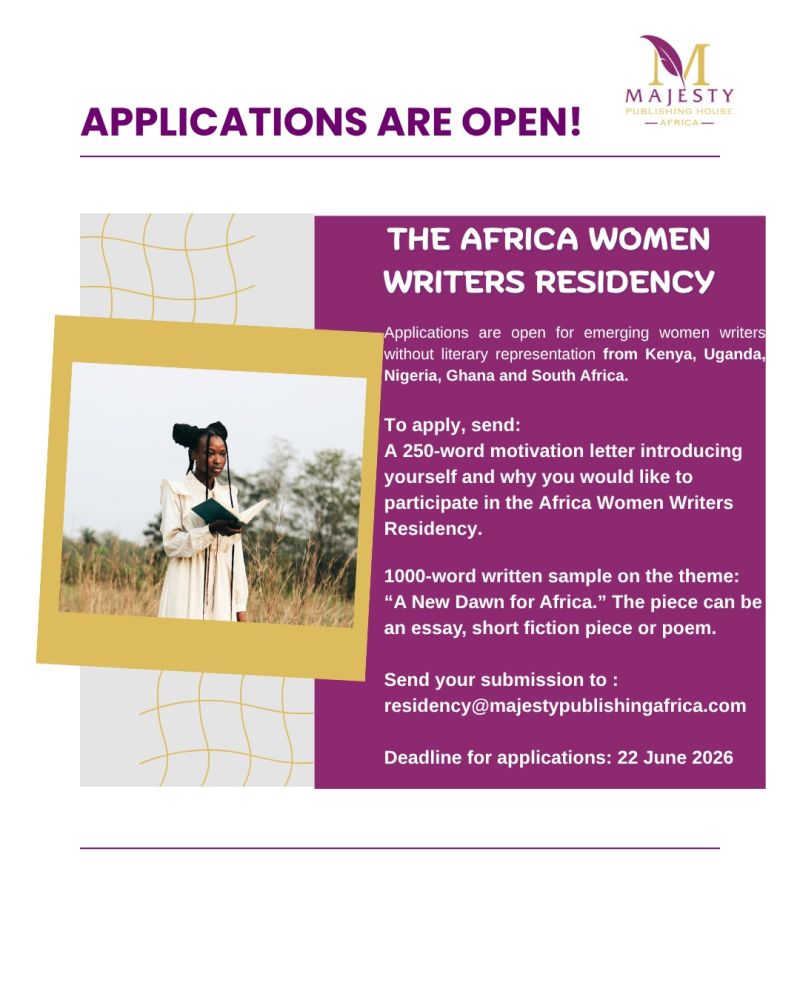
The Africa Women Writers Residency 2026 Opens for Emerging African Women Storytellers. Apply by June 22, 2026.
creativewritingnews.com/afri…
3
34
55
4,671
Quiro Media & Publishing retweeted

This week’s funding opportunities for African storytellers and creatives. Tag someone who should apply.
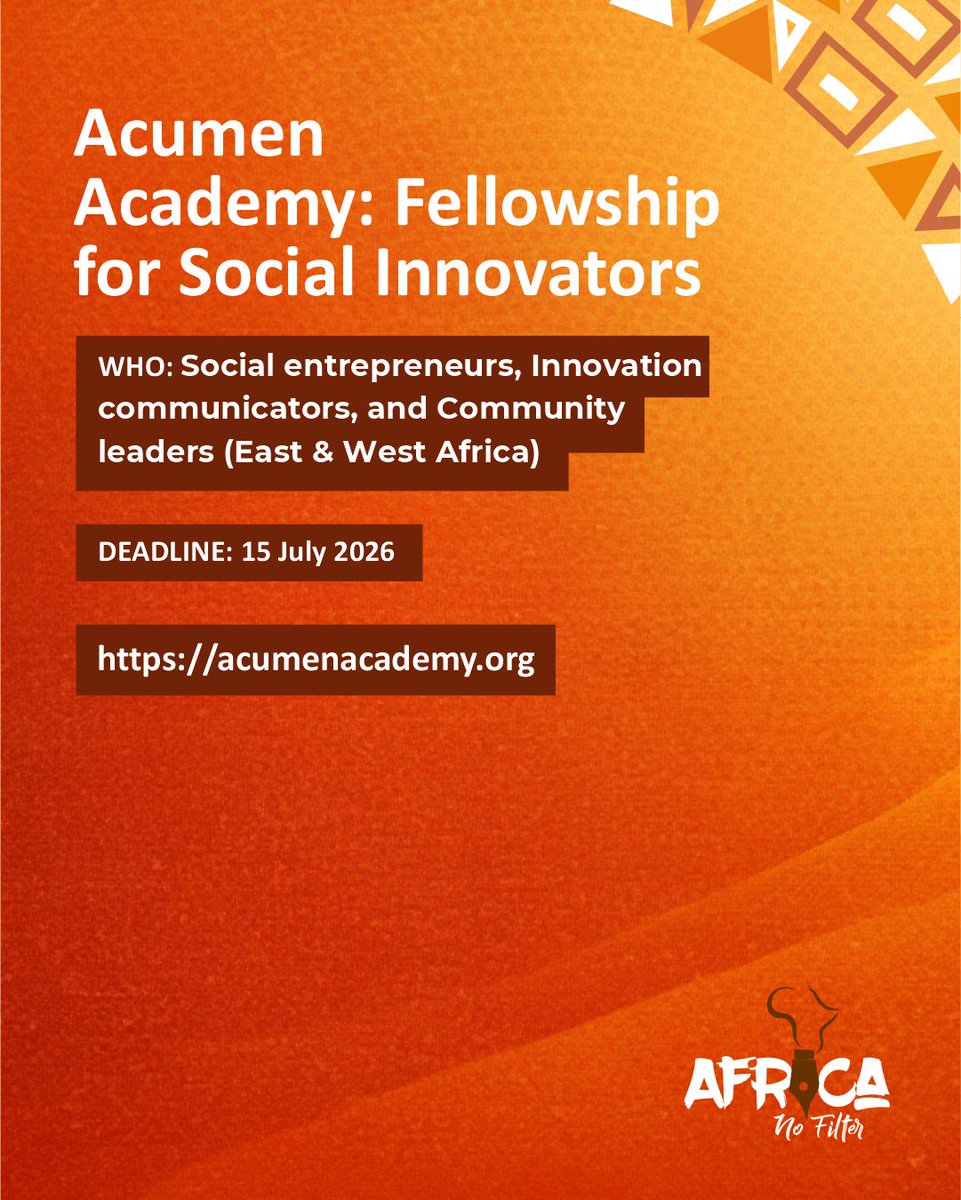
1.Are you driving social change or telling stories of community innovation? Acumen Academy is accepting applications for its 2026 Fellowship cohort:
👉🏾 World-class leadership and business training
👉🏾 Access to a global network of social investors
👉🏾 Mentorship to scale your impact project
Deadline: 15 July 2026
🔗: acumenacademy.org
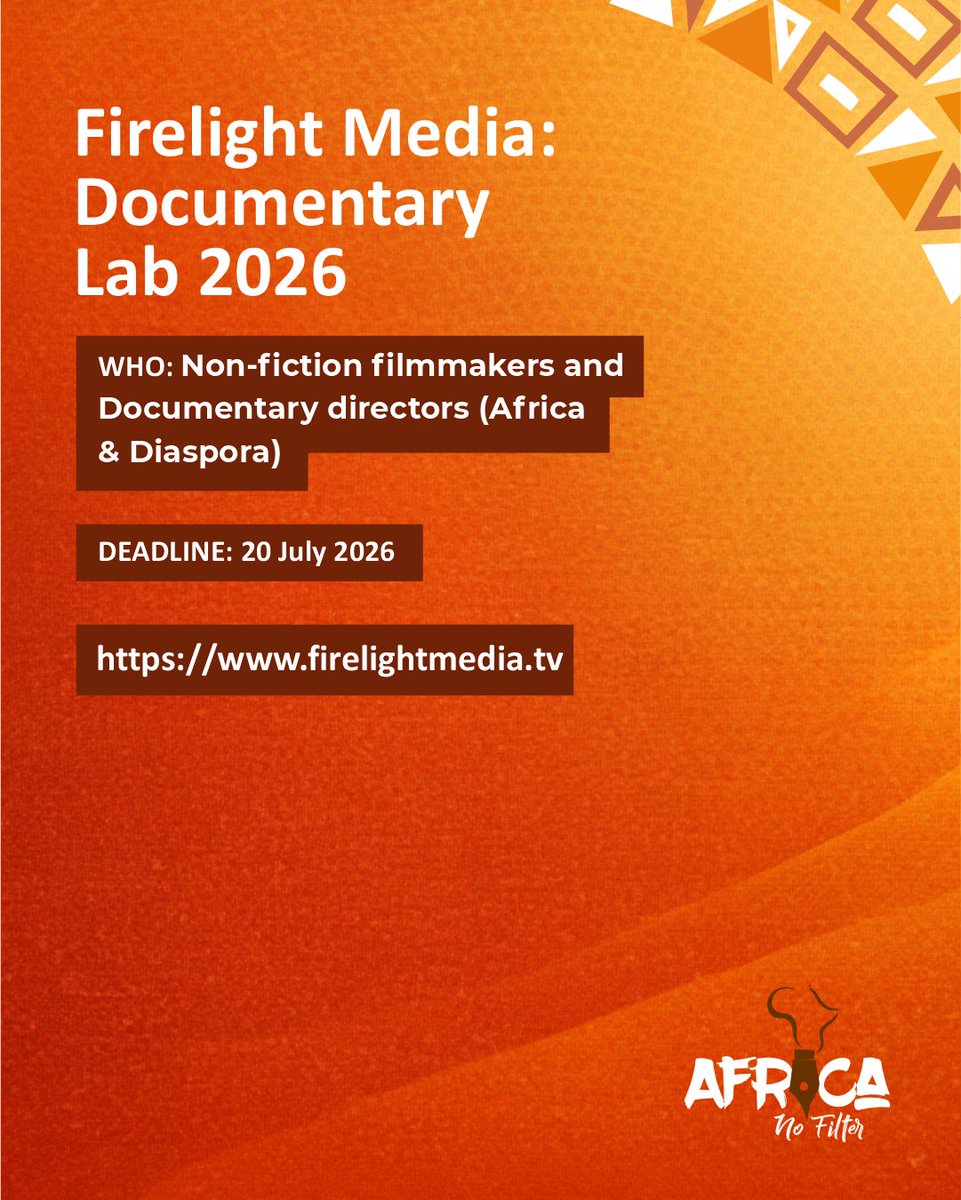
2.Firelight Media is looking for early-career documentary filmmakers of color who are working on their first or second feature-length film:
👉🏾 $25,000 project development grant
👉🏾 18 months of customized structural mentorship
👉🏾 Co-production and networking opportunities with global broadcasters
Deadline: 20 July 2026
🔗: firelightmedia.tv
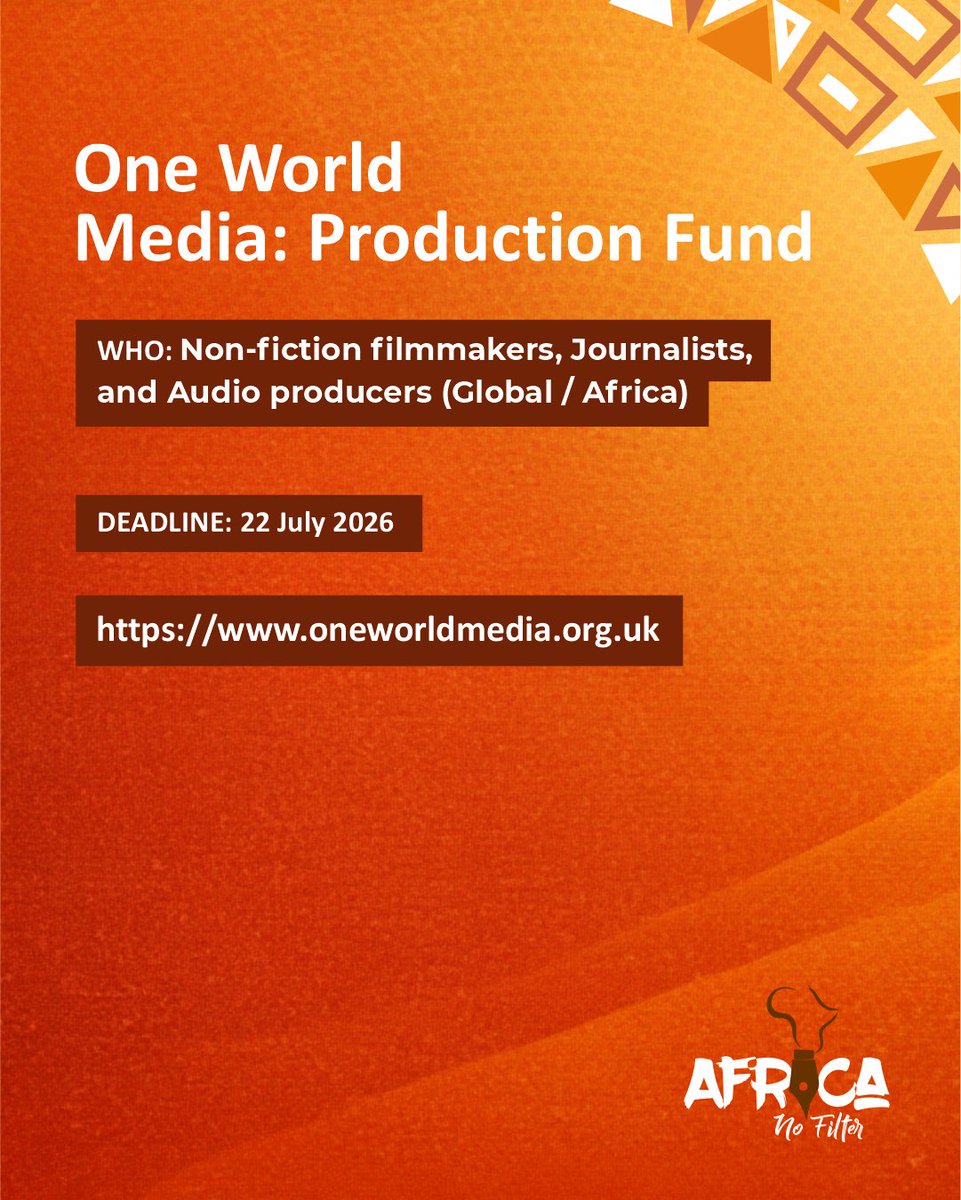
3.One World Media is funding creative journalists and filmmakers who want to report underreported stories from the global south:
👉🏾 Production grant up to £3,000
👉🏾 One-on-one mentorship from industry executives
👉🏾 Distribution support with international media partners
Deadline: 22 July 2026
🔗: oneworldmedia.org.uk
4.The African Cultural Fund is boosting the resilience of the continent's creative industries by funding professional artistic creation:
👉🏾 Grants up to €5,000 for project execution
👉🏾 Capacity building and technical management training
👉🏾 Access to a pan-African creative network
Deadline: 25 July 2026
🔗: africanculturalfund.org
5. Safety and professional readiness matter. The Rory Peck Trust is providing grants to help freelance journalists cover the costs of vital training:
👉🏾 Funding for Hostile Environment & First Aid Training (HEFAT)
👉🏾 Support for digital security courses
👉🏾 Designed specifically for independent storytellers in high-risk zones
Deadline: 26 July 2026
🔗: rorypecktrust.org
6.Bring your boundary-pushing creative project to life. The Kone Foundation funds academic research, artistic work, and combinations of the two:
👉🏾 Monthly stipends ranging from €2,600 to €3,700
👉🏾 Support for both individual projects and working groups
👉🏾 Travel and residency production expenses covered
Deadline: 28 July 2026
🔗: koneensaatio.fi/en
#africanofilter #hotoppotunities

1
9
19
1,319
Quiro Media & Publishing retweeted
.@CassavaRepublic Press wants your best Literary Fiction and Speculative Fiction manuscripts by June 30. The press behind THE MERCY STEP is looking for new, imaginative writing that reflects the best of what the Black world has to offer ✍🏾✨ brittlepaper.com/2026/06/cas…
7
9
689
Quiro Media & Publishing retweeted

Saraba Magazine (@Sarabamag) is seeking previously published work for its Revival Project and unpublished work for its general submission category.
The Revival Project is a multi-phase archival and editorial initiative aimed at reclaiming, digitising, and celebrating significant African writing currently inaccessible to the modern digital reader.
For this, the magazine wants previously published work (fiction, poetry, and nonfiction) that is currently inaccessible online. They are interested in the “hidden” gems: the essay from a 2009 print-only magazine issue, the short story tucked behind the paywall of a reputable literary journal, or the poem from a magazine that has since folded.
The deadline to submit your work for this category is 31 August 2026.
General Submission
For our general submission, send your unpublished work in any of the magazine’s broad categories: fiction, poetry, and nonfiction. The maximum word count for prose is 5,000
The deadline to submit your work for this category is 30 June 2026.
For detailed submission guidelines, visit: saraba.submittable.com/submi…
#AfricanLiterature #Opportunitiesforwriters #SarabaMagazine
1
26
48
2,380
Quiro Media & Publishing retweeted

May 30
"The two languages sway together, sometimes falling over each other. But each time the Luganda phrases surface, my heart dances and lifts in recognition."
On Missing Home and Reaching for Language by Racheal Kimuli
sarabamag.com/on-missing-hom…
1
5
6
173
Quiro Media & Publishing retweeted

Applications are now open for the inaugural Africa Women Writers Residency by Majesty Publishing House Africa, a new initiative supporting emerging African women storytellers across the continent. ✨📚
Read more here: africanbookscollective.com/m…
27
36
2,896
Quiro Media & Publishing retweeted

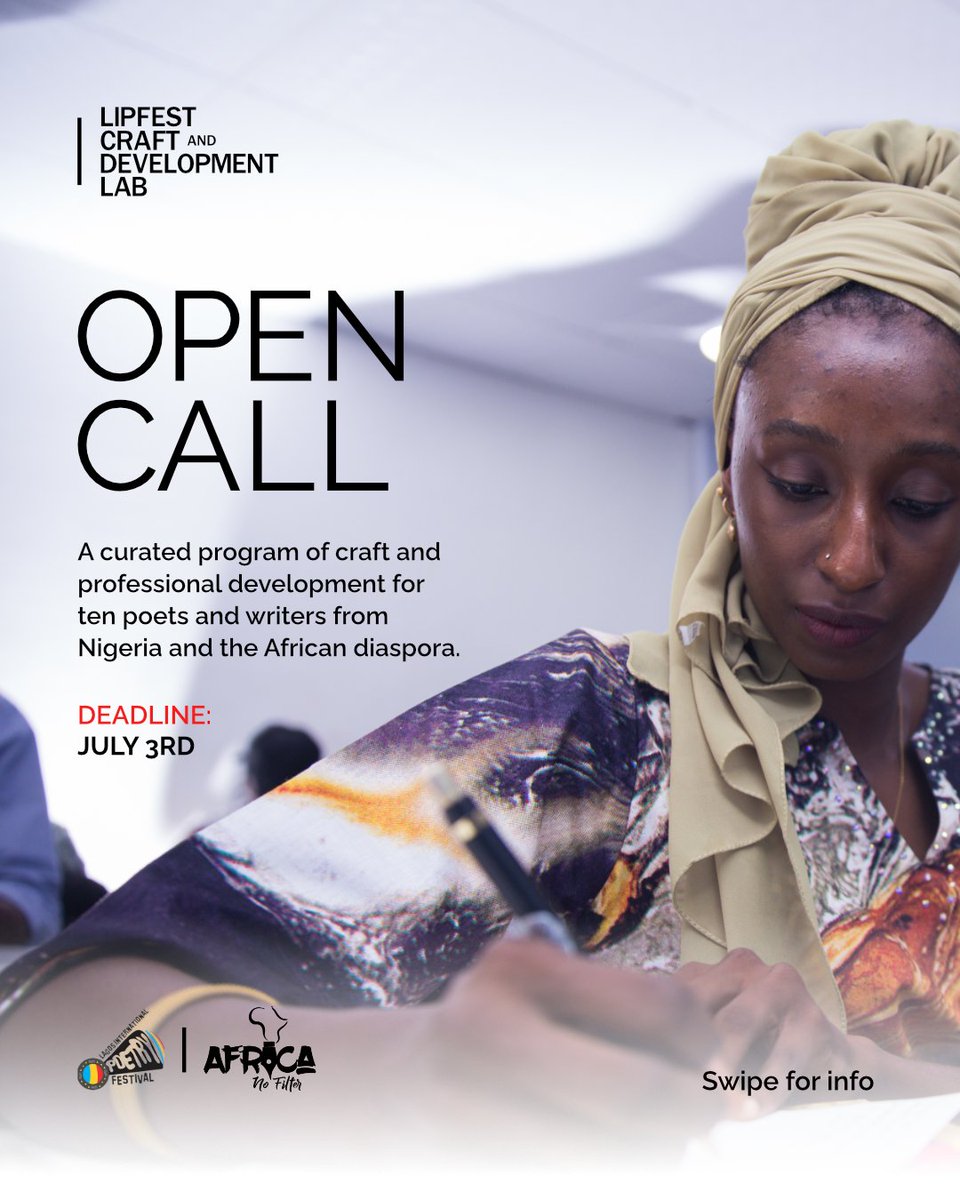
OPEN CALL
Applications are now open for the first Cohort of the LIPFest Craft and Development Lab, a four-month structured program of craft and professional development for poets, spoken word artists, and writers from Nigeria and the African diaspora.
1
26
65
3,021
Quiro Media & Publishing retweeted

May 28
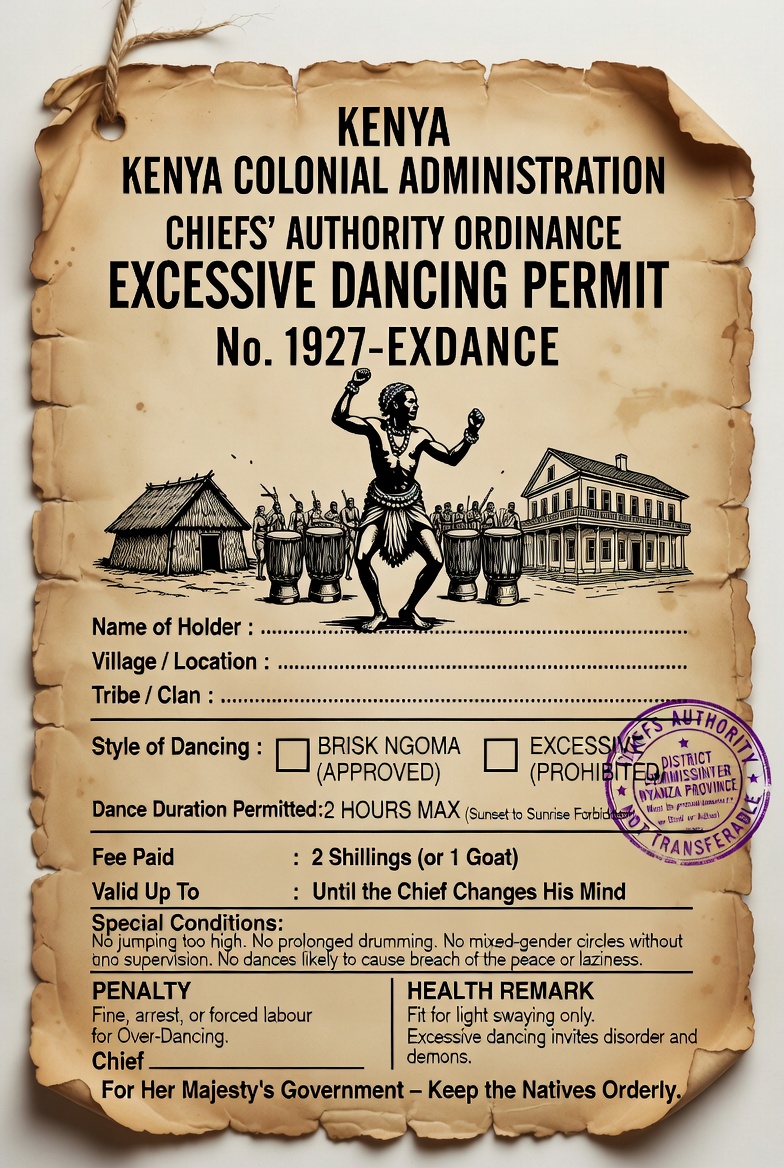
NO 'EXCESSIVE DANCING' IN KENYA. HOW GLOBAL COLONIAL & SLAVER POWERS BANNED 'NATIVE' DANCING, BOOZE, DRUMS, AND PARTYING
Colonial rulers and slave owners often saw music, dance and simple pleasures as dangerous sparks of rebellion. In Kenya local chiefs wielded powers under the Chiefs’ Authority Act, a law rooted in the 1920s and kept after independence. They could ban “excessive dancing” if it seemed too lively, went on too long, or risked stirring up a crowd.
The same rules let them crack down on village brews that brought people together. These controls only ended with democratic reforms in 1997 - 24 years after independence!
In South Carolina the Negro Act of 1740 came straight after the Stono Rebellion. It outlawed drums, horns and any loud instruments among enslaved Africans, along with unsanctioned gatherings. Planters and magistrates enforced it ruthlessly, convinced the beats could help people plan revolts or hold on to their culture.
British officials in India took aim at living traditions too. Devadasis (girls dedicated as children to temple service and trained in sacred song and dance as offerings to the gods), saw their art condemned. In 1910 the Madras Presidency banned dancing inside Hindu temples, calling the graceful performances immoral.
Nautch dancers, professional women who performed intricate storytelling routines with music at private gatherings and courts, faced fierce campaigns by missionaries and reformers that ruined many livelihoods.
Everyday drinks suffered as well. Toddy, the fresh mildly fermented sap tapped from coconut or palm trees, was a traditional village refreshment. Heavy colonial taxes and licensing crushed small tappers while favouring imported liquor.
Under French rule the Code de l’Indigénat, introduced in 1881 and used across Algeria, West Africa and Indochina, gave local administrators power to punish “insolence” or unsanctioned gatherings. They often used it to shut down traditional dances, drumming sessions and celebrations judged too noisy or defiant.
Portuguese authorities in places like Cape Verde suppressed batuku, a vigorous women’s group dance full of clapping, drumming and swaying rhythms. They labelled it primitive and indecent, fearing it encouraged resistance to colonial order.
In the United States the 1883 Code of Indian Offenses, banned indigenous peoples' ceremonies such as the Sun Dance and Ghost Dance together with their songs and feasts. Agents withheld rations or locked people up, seeing these events as obstacles to Christian conversion.
Across these places the goal was the same: to weaken cultural ties, kill collective joy and impose outsiders’ rules on how people should move, sing and celebrate. A drumbeat, a dance or a shared drink carried memory and solidarity, exactly what rulers dreaded. Most of these restrictions only faded in the 20th century under pressure from independence and civil rights movements.
📸This licence is a parody.
21
152
184
11,652
Quiro Media & Publishing retweeted

May 28
Thanks to a generous grant, we are so pleased to be able to offer 150 fee waivers for submitting to the 2026 Queen Mary Wasafiri New Writing Prize!
If you're a low/no-income writer or translator hoping to enter this year’s prize ... 🧵
ALT Orange background. Black headline text reads: Fee Waivers for Low/No-Income Writers and Translators. Underneath in cream it reads: Queen Mary Wasafiri New Writing Prize.
1
46
95
4,511
Quiro Media & Publishing retweeted

May 27
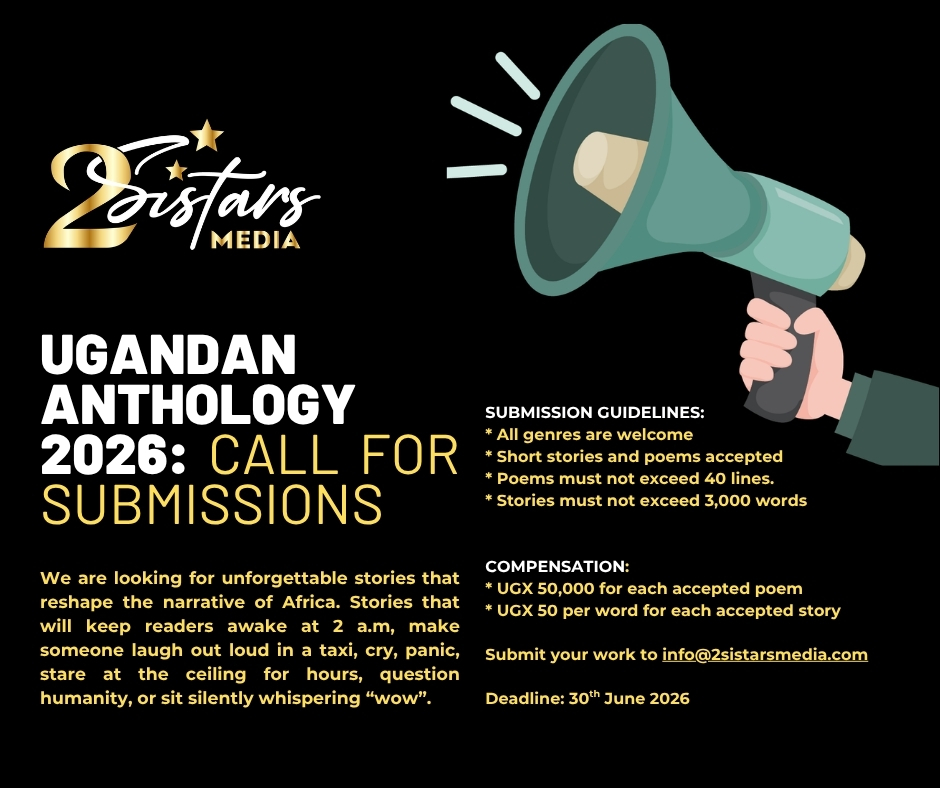
Writers & Poets of Uganda! 2Sistars Media is accepting submissions for the Ugandan Anthology 2026! 🇺🇬
✍️ Seeking bold, original writing across ALL genres.
📜 Poems (Max 40 lines)
📖 Stories (Max 3k words)
📧 Submit: info@2sistarsmedia.com
🗓️ Deadline: 30th June 2026
7
13
543
Quiro Media & Publishing retweeted

May 27
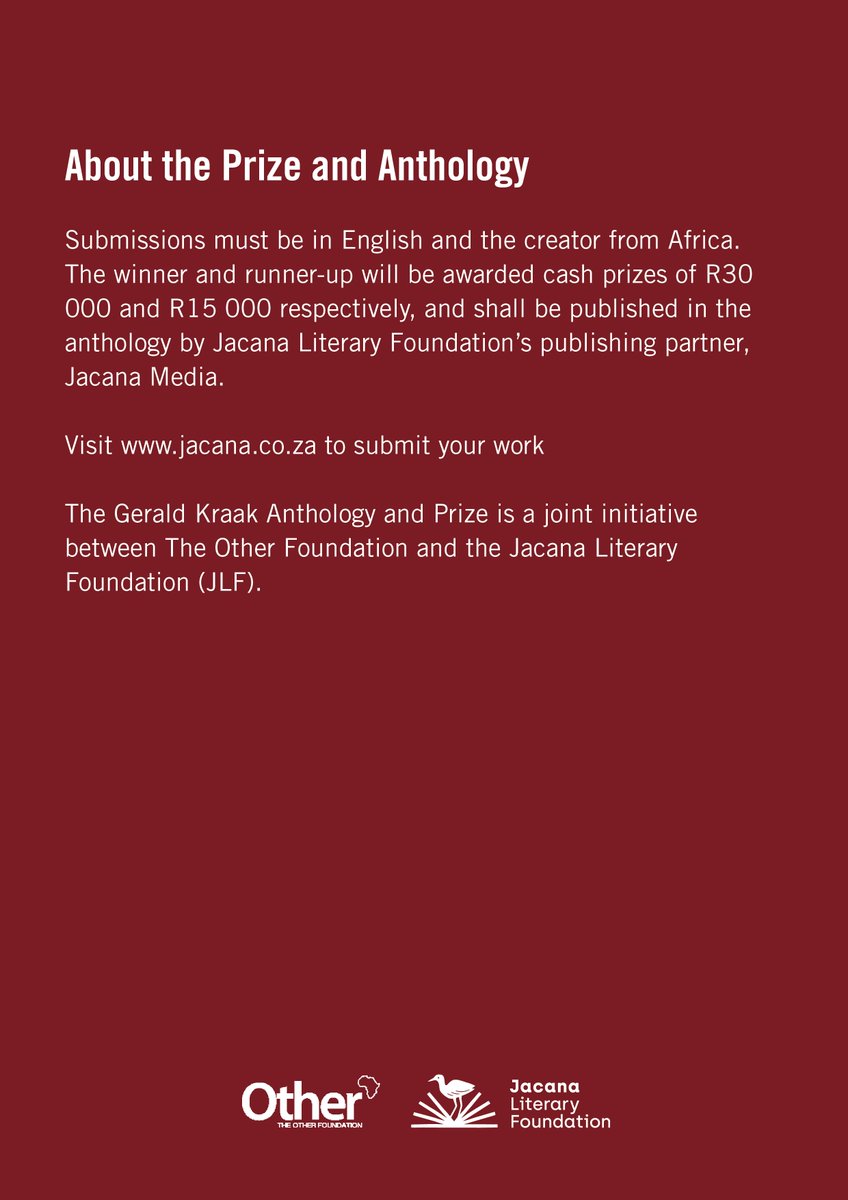
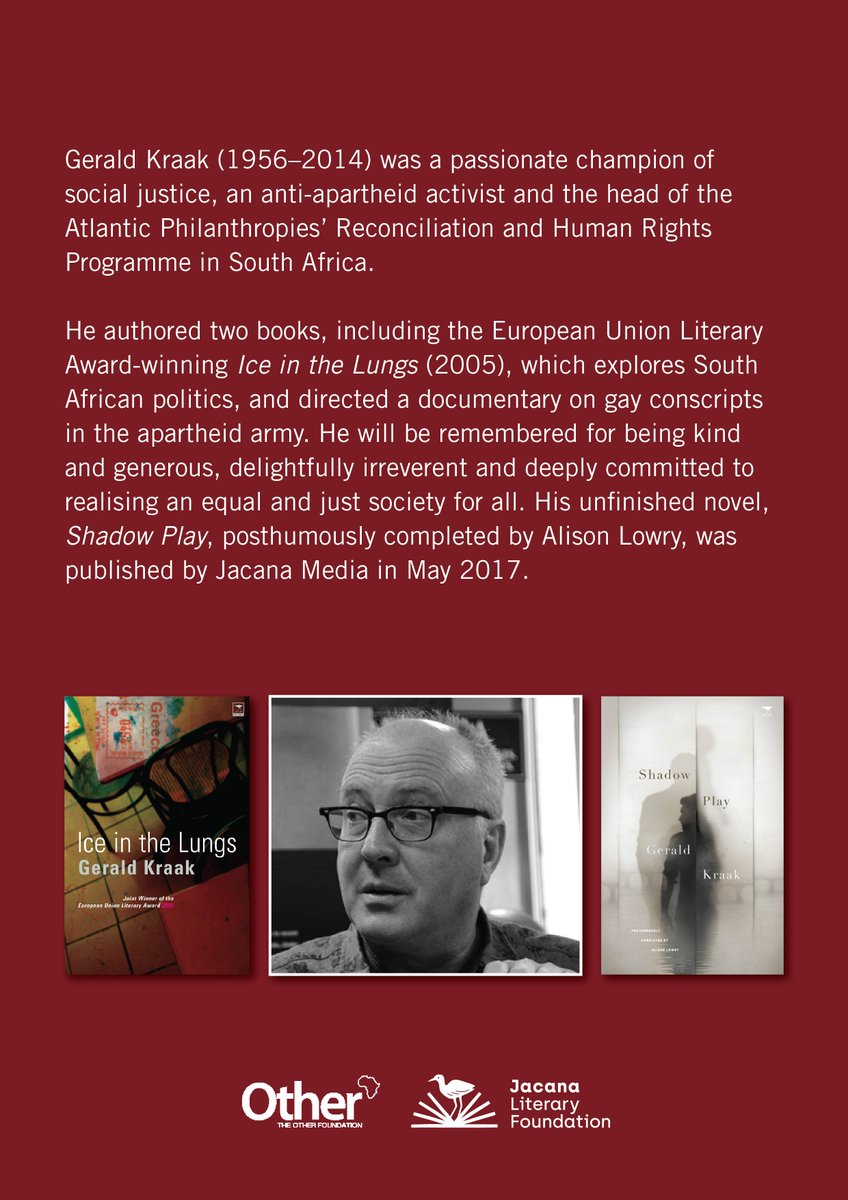
The Gerald Kraak Anthology and Prize is calling for submissions for our sixth anthology.
Submissions for the sixth prize will be open from 𝟐𝟓 𝐌𝐚𝐲 𝟐𝟎𝟐𝟔 and will close on 𝟏𝟖 𝐀𝐮𝐠𝐮𝐬𝐭 𝟐𝟎𝟐𝟔.
Criteria for submission can be found at jacana.co.za
#writers

15
18
1,162
Quiro Media & Publishing retweeted

May 27
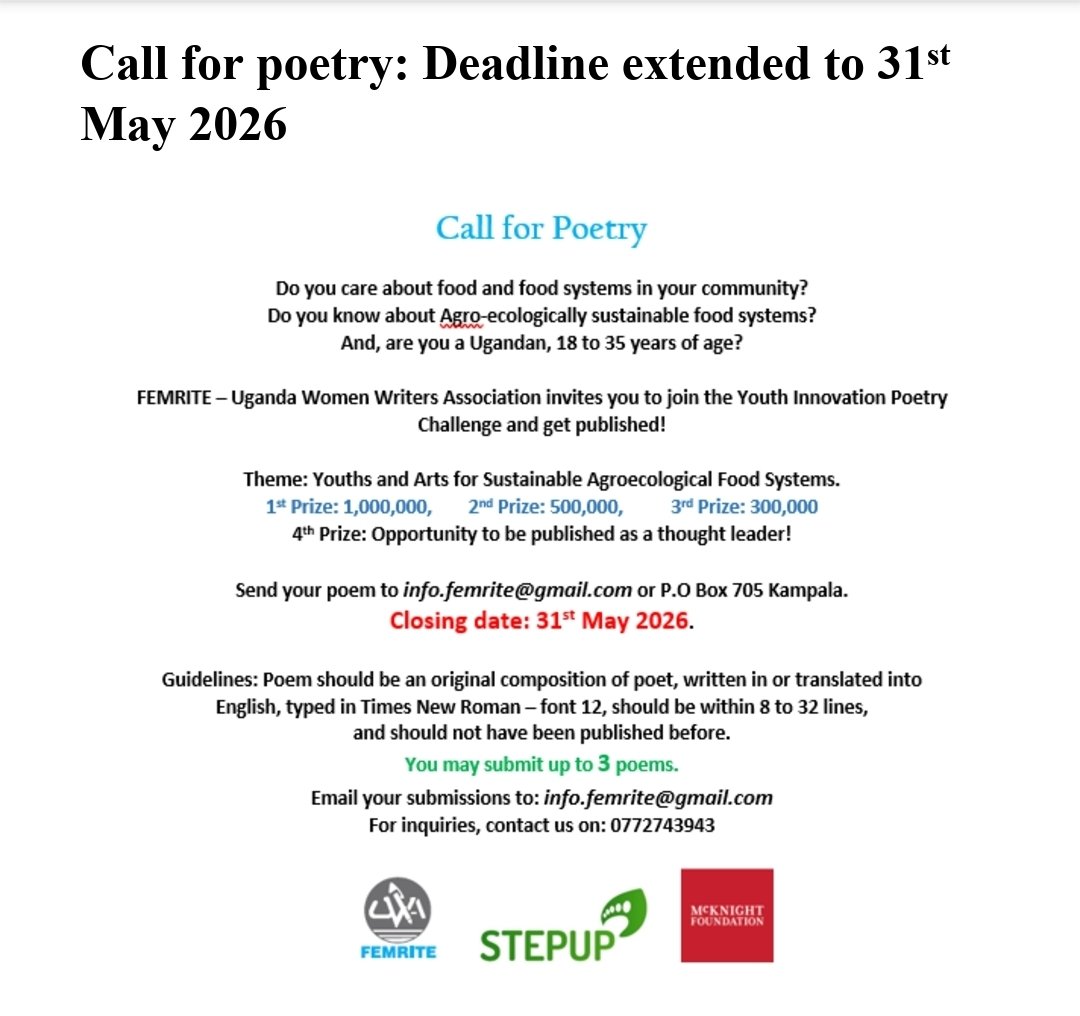
This is the final week to make your poetic contribution to food systems! Check fulldetails at @femritewriters
2
11
28
2,063
Quiro Media & Publishing retweeted
May 25
Saraba Magazine is open for submissions from 1-30 June 2026
We are also accepting submissions for The Revival Project, a multi-phase editorial initiative aimed at reclaiming, archiving and celebrating African writing that is currently inaccessible.
sarabamag.com/submissions/
1
68
102
5,392
Quiro Media & Publishing retweeted

May 18
The Black British Book Festival has spotlighted Black literary agents in the UK actively seeking new voices. If you are a Black writer with a manuscript, these are the names you need to know! ✍🏾📝 brittlepaper.com/2026/05/bla…
12
26
1,312
Quiro Media & Publishing retweeted

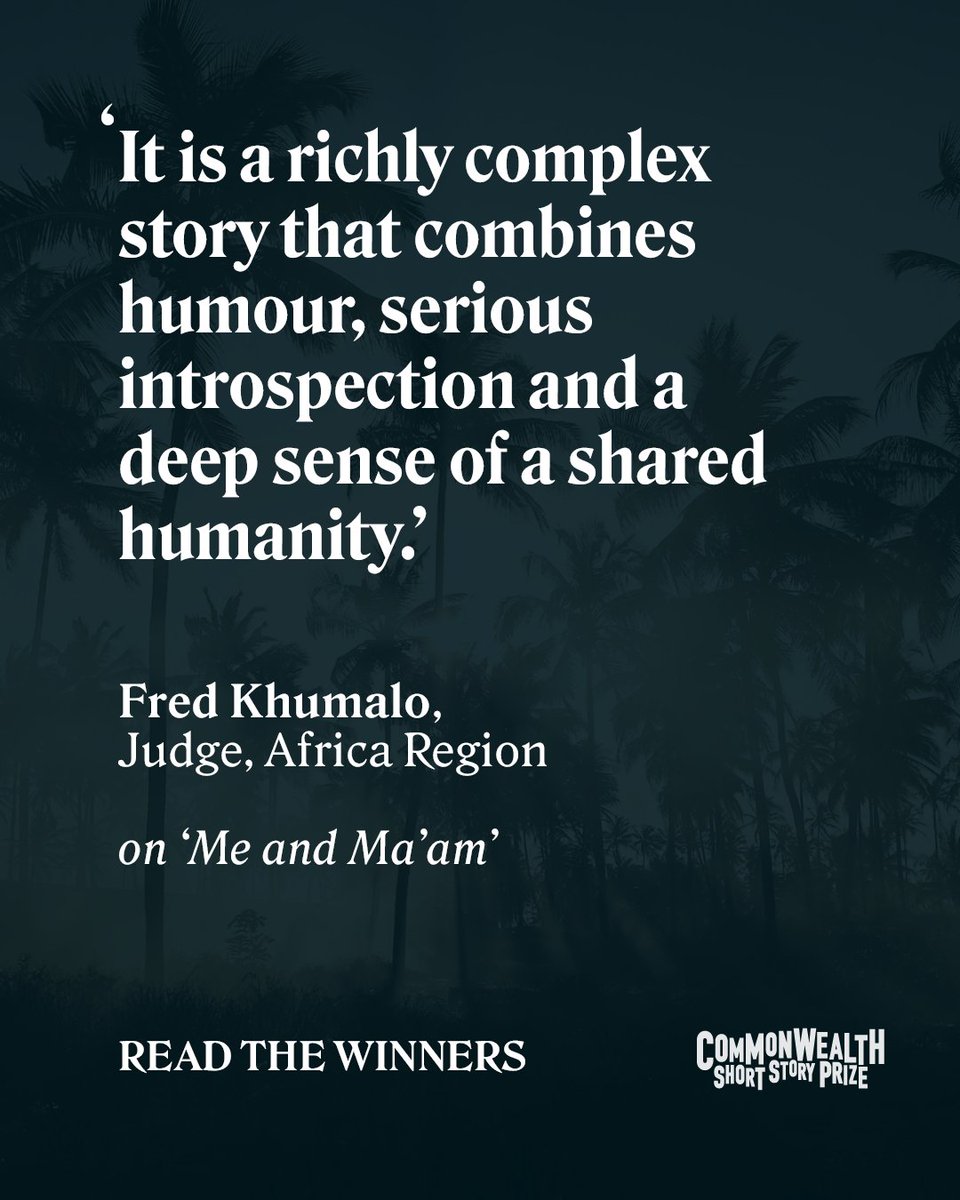
‘Me and Ma’am’ by Lisa-Anne Julien is a day-in-the-life story about the tangled relationship between a domestic worker and her employer.
Selected as the Africa regional winner for its rich balance of humour, introspection and humanity, the story offers a nuanced exploration of class, care and solidarity in contemporary South Africa.
The story has been published on Granta: granta.com/me-and-maam/
9
26
1,982