Joined January 2020
6,525 Photos and videos
Calling somewhere by its historic county is not nostalgia. It is geographical accuracy.
6
22
142
6,185
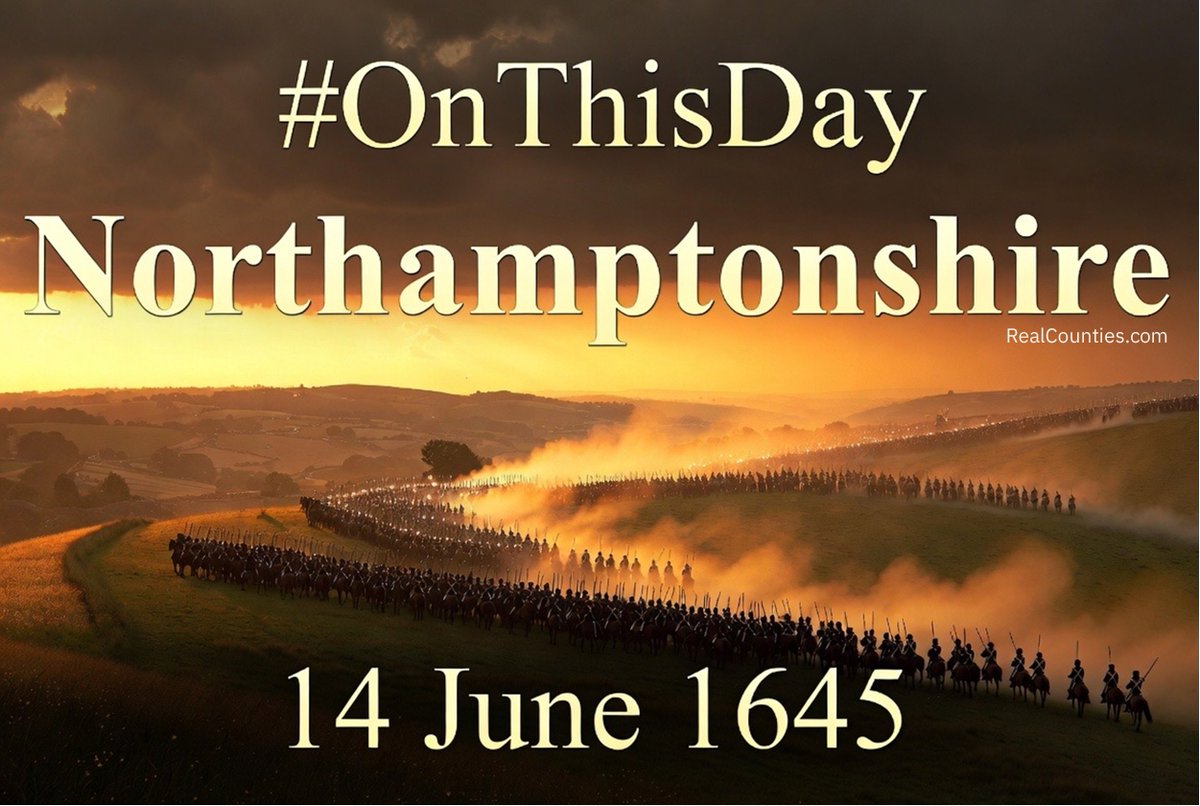
Northamptonshire: #OnThisDay in 1645, the Battle of Naseby was fought.. In the fields near a small county village, Parliament’s New Model Army shattered the main Royalist army of King Charles I - changing the course of the Civil War. A national turning point, rooted in a Northamptonshire landscape. Naseby. Northamptonshire. 14 June 1645.
2
180
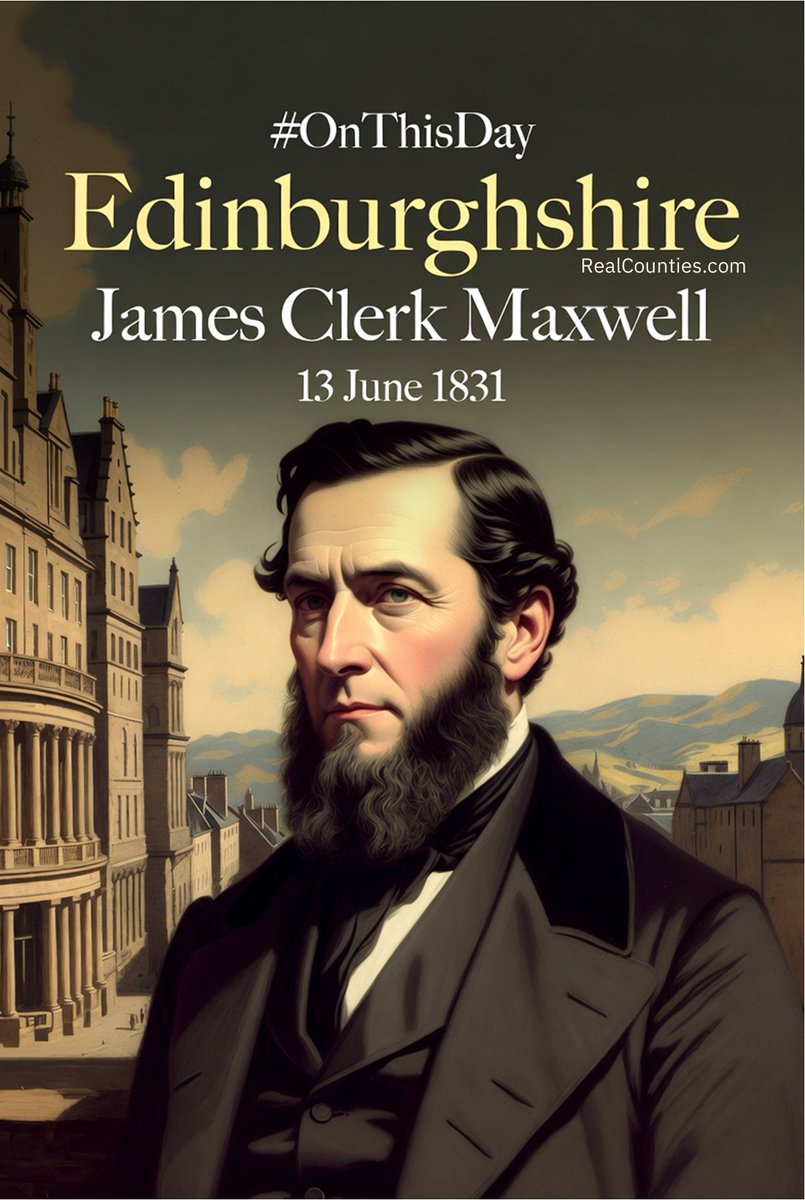
EDINBURGHSHIRE: #OnThisDay in 1831, James Clerk Maxwell was born at Edinburgh in Midlothian. One of Scotland’s greatest scientists, Maxwell transformed our understanding of electricity, magnetism and light - work that helped shape the modern world of radio, television, radar and wireless communication. A global legacy, rooted in a county place. James Clerk Maxwell. Midlothian. 13 June 1831.
1
5
11
578
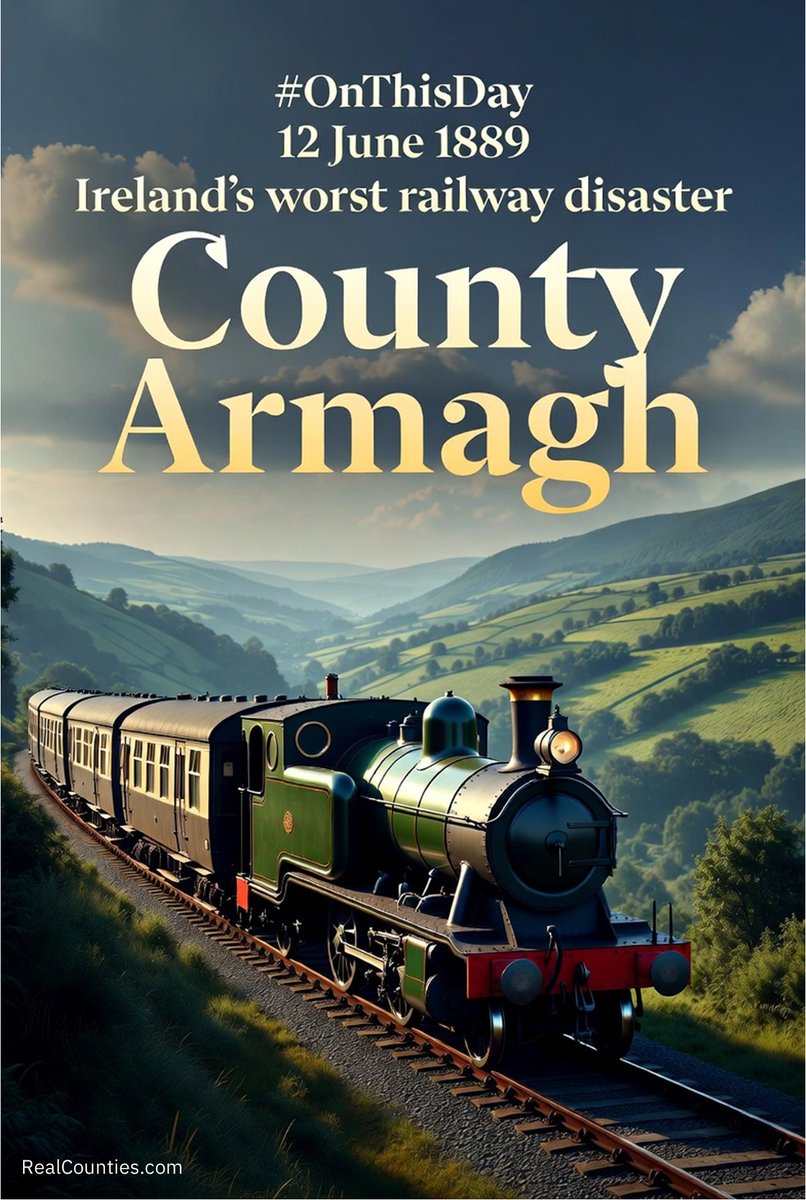
COUNTY ARMAGH: #OnThisDay in 1889, Ireland’s worst railway disaster took place near Armagh. A Sunday School excursion train carrying children and families suffered a catastrophic accident, leaving 80 people dead and a county in mourning. Some county stories are not triumphant. Some are remembered because they still ask us to pause. Armagh Rail Disaster. County Armagh. 12 June 1889.
1
11
365
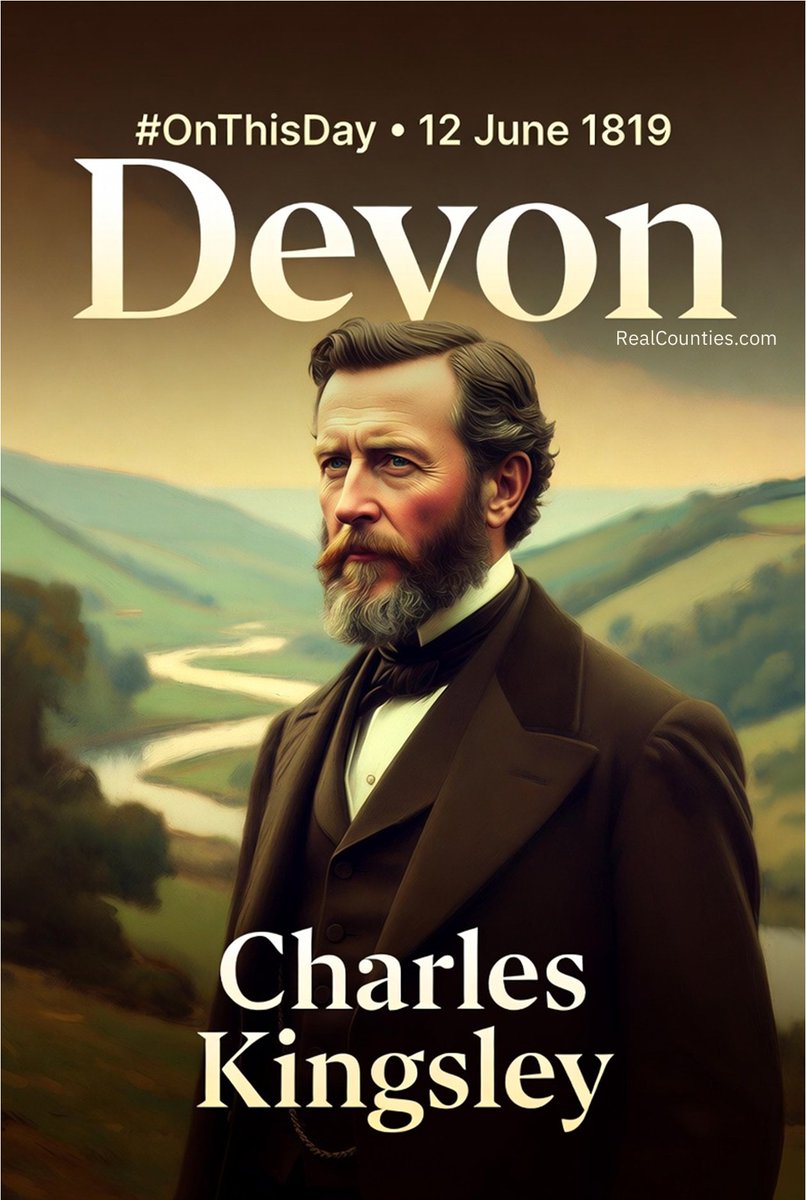
DEVON: #OnThisDay in 1819, Charles Kingsley was born at Holne. Clergyman, reformer, historian and author of The Water-Babies, Kingsley became one of the most distinctive voices of Victorian Britain. His work ranged from social justice to children’s literature - but his story began among the hills and rivers of Devon. Charles Kingsley. Devon. 12 June 1819.
1
5
261
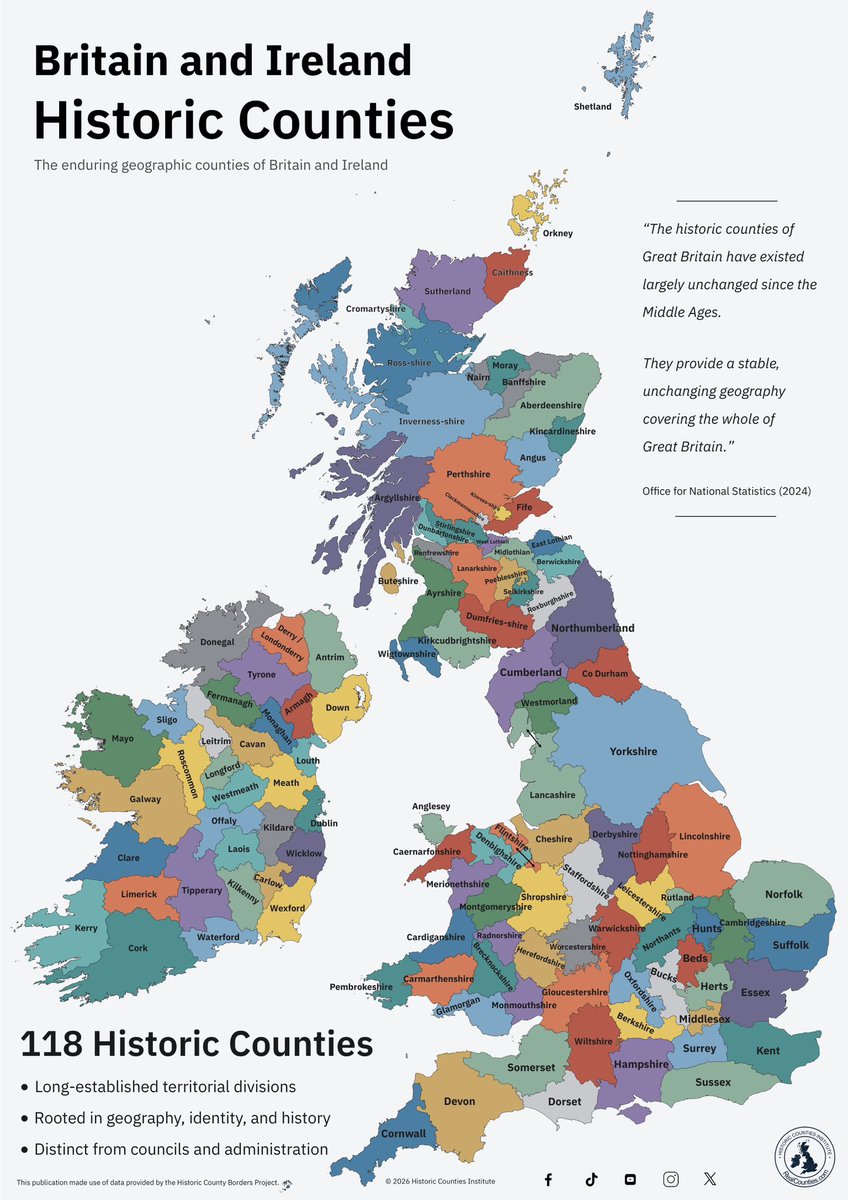
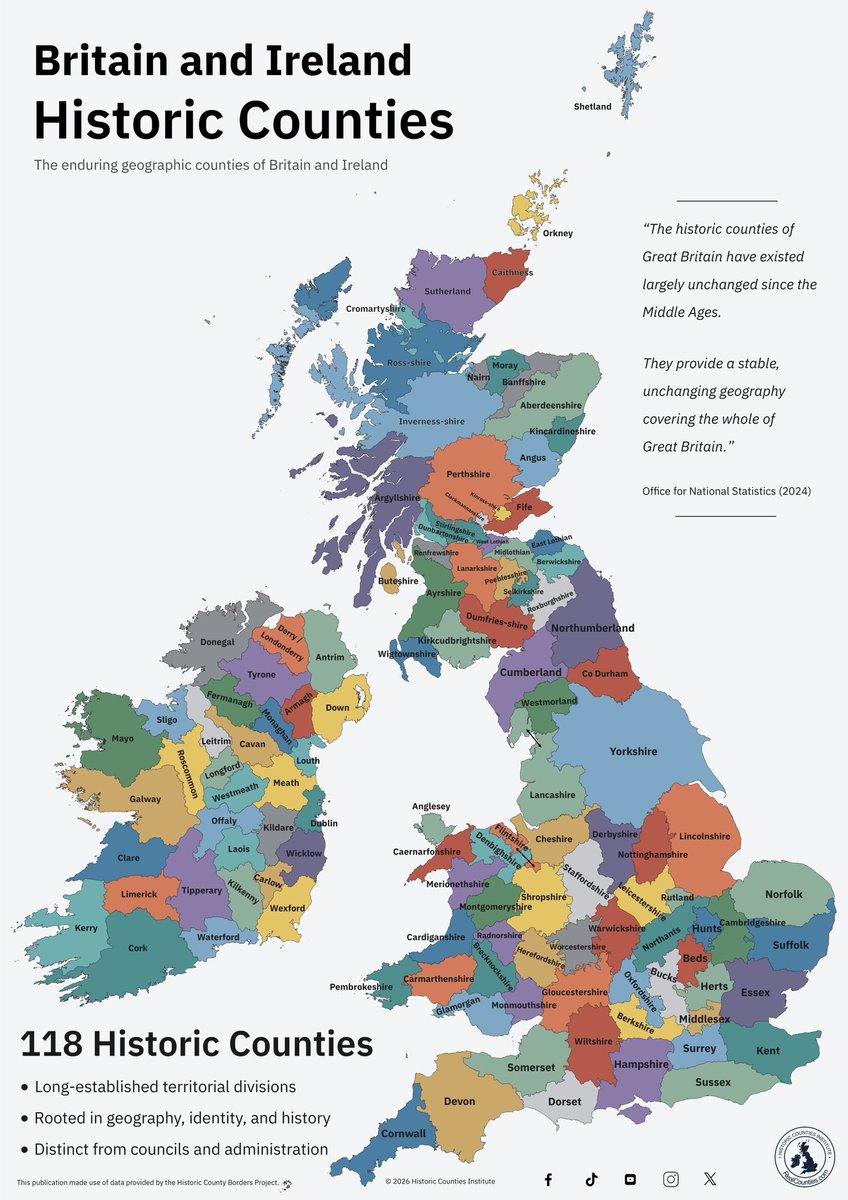
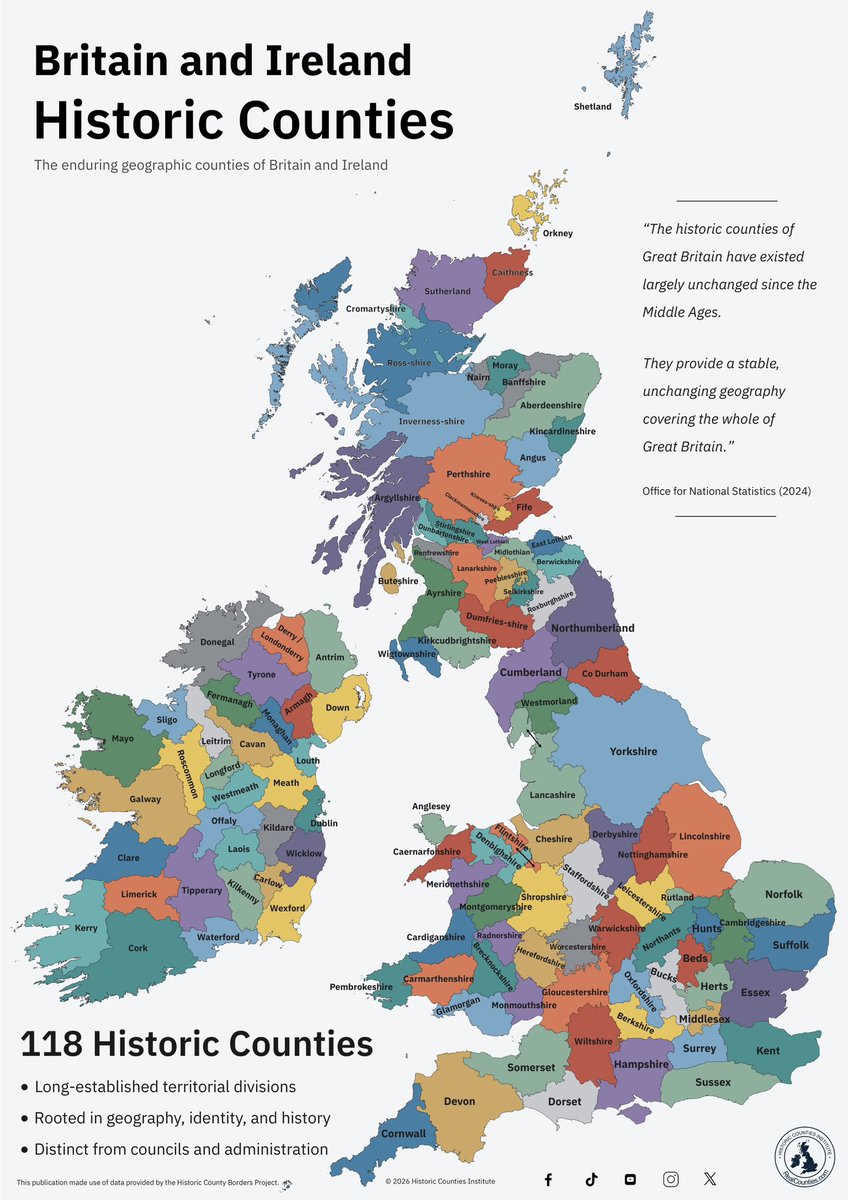
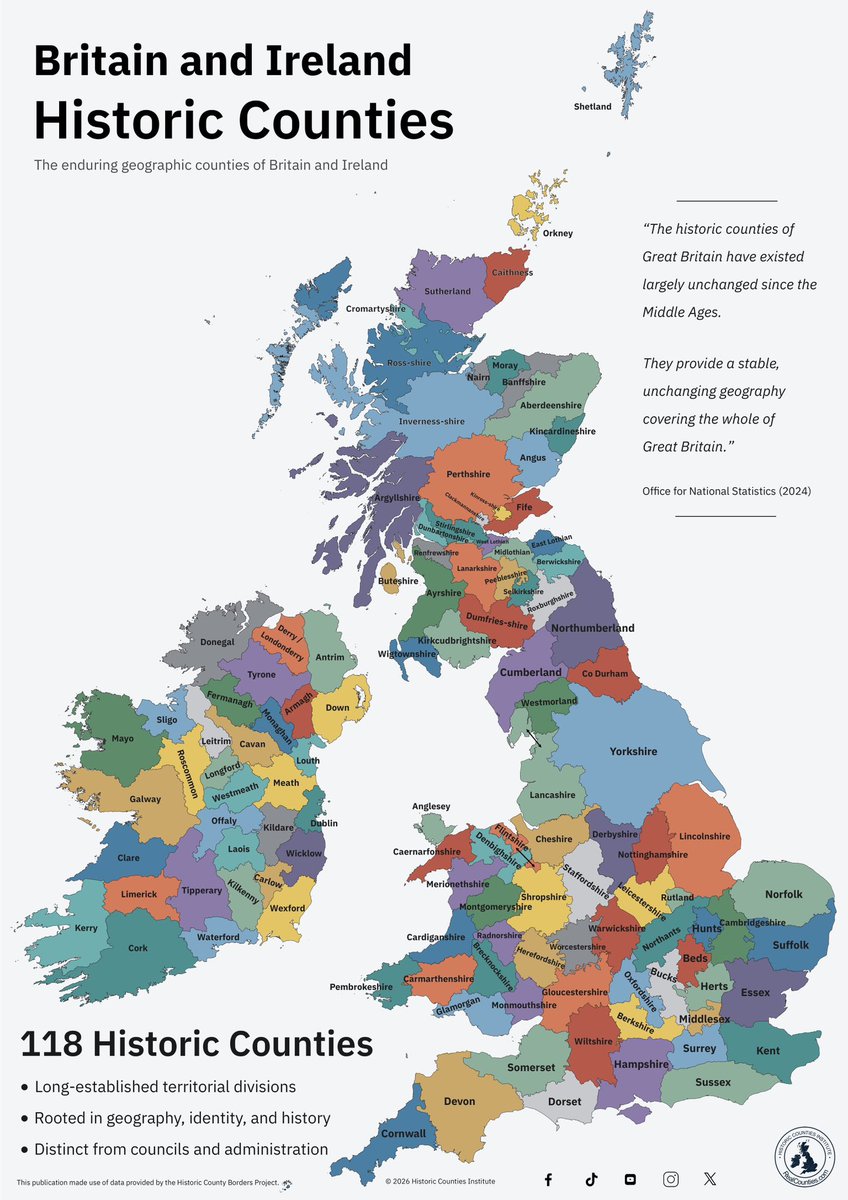
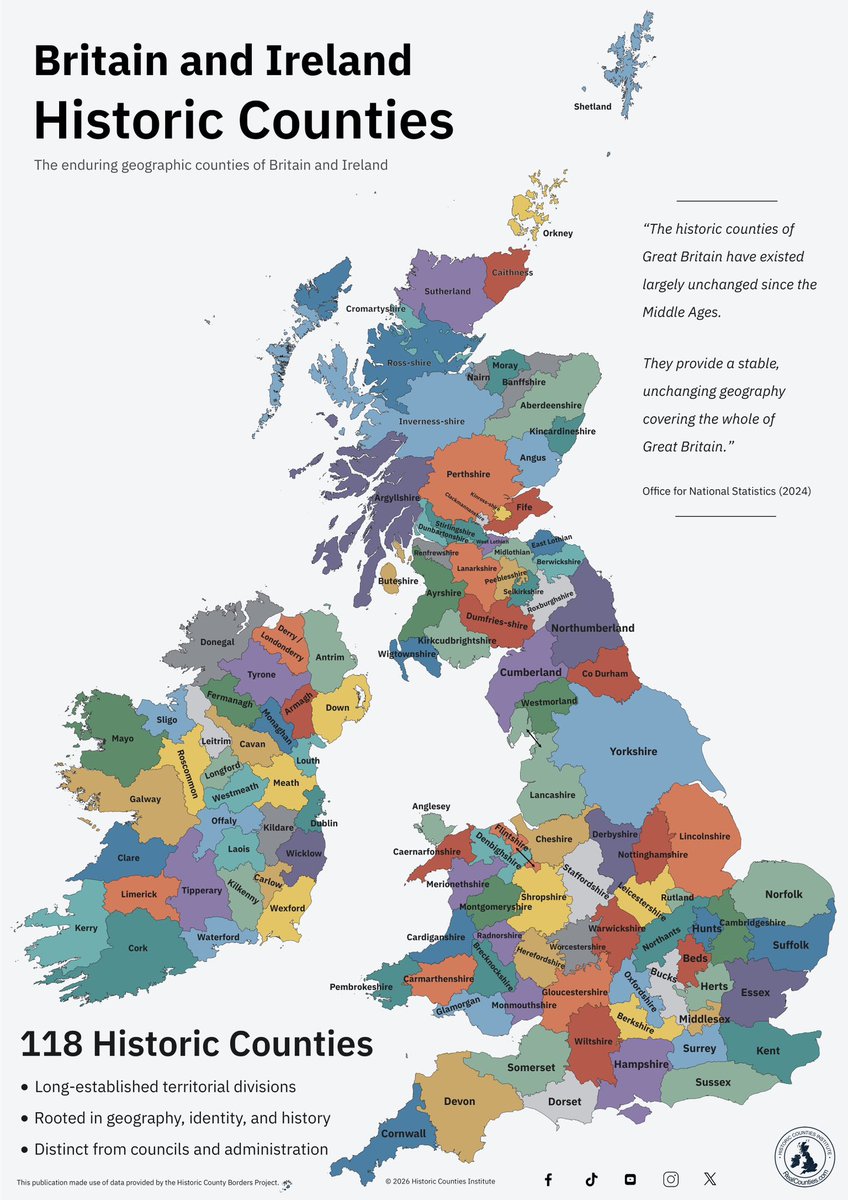
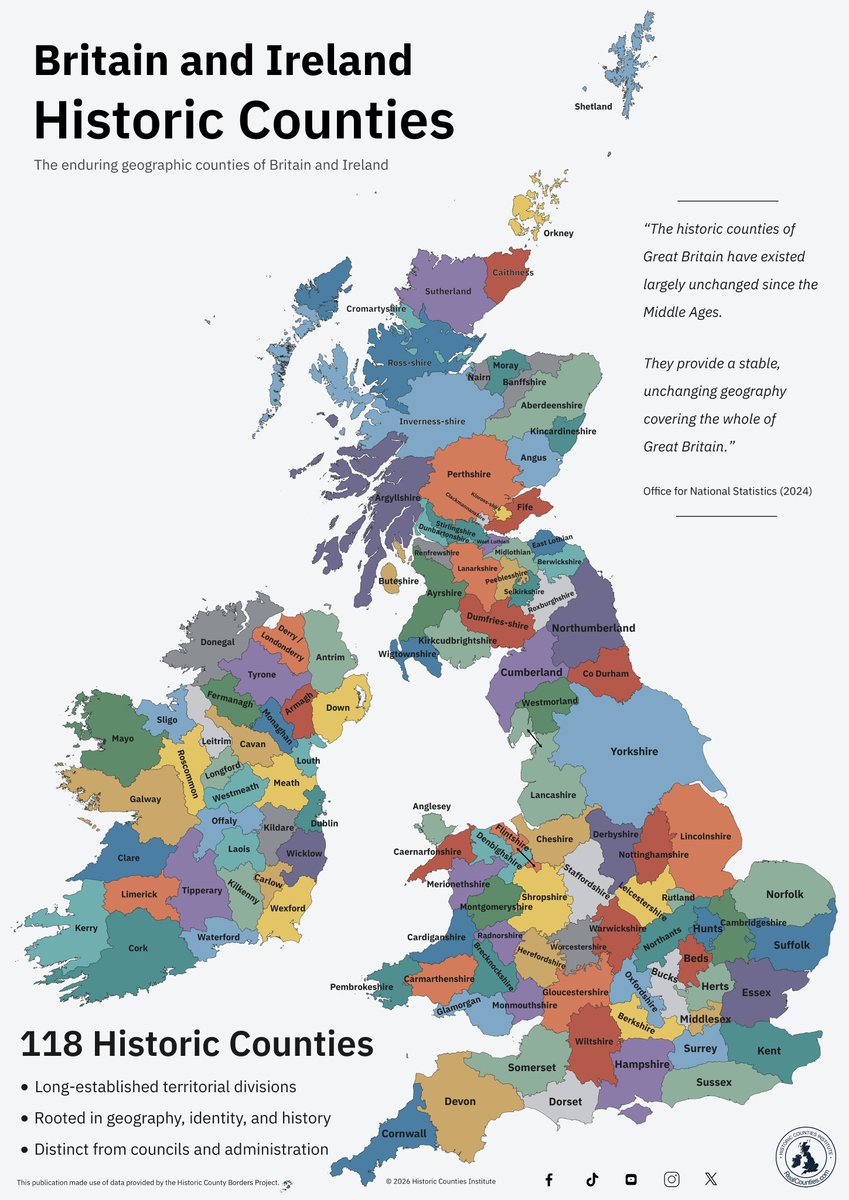
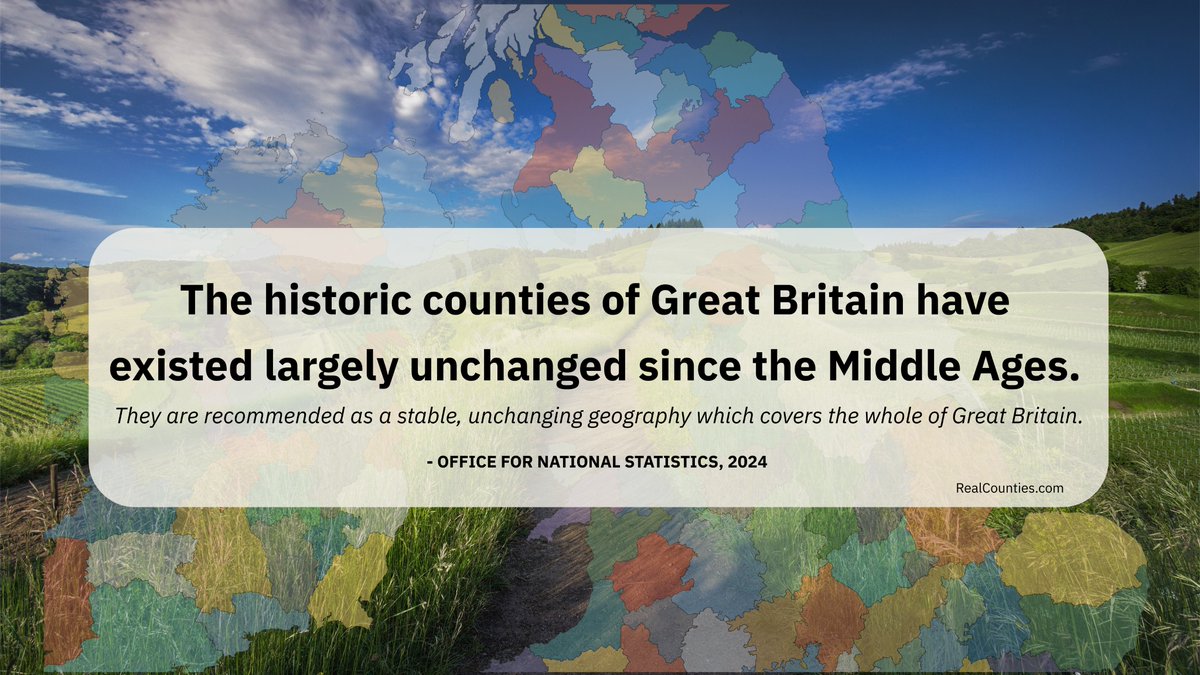
The Office for National Statistics says the historic counties have existed largely unchanged since the Middle Ages and recommends them as a stable, unchanging geography. Yet many people still believe they were abolished. Why do you think that misconception is so widespread?
4
3
17
1,451
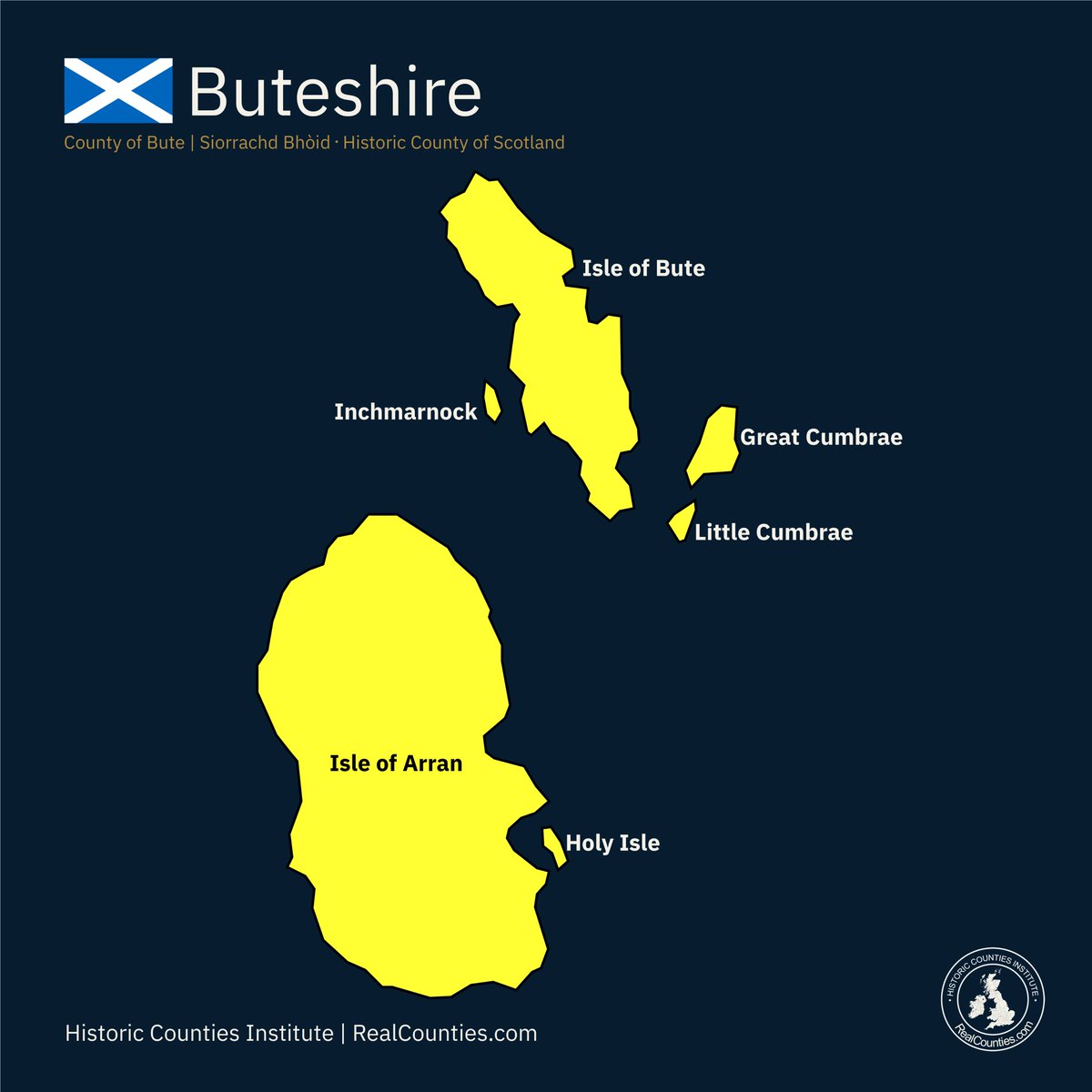
You’ve probably been told: “Arran used to be in Buteshire but now it's in Ayrshire.” It sounds true. But it isn’t. Buteshire hasn’t changed, only administration has. So why are we pretending otherwise?
1
3
25
1,252
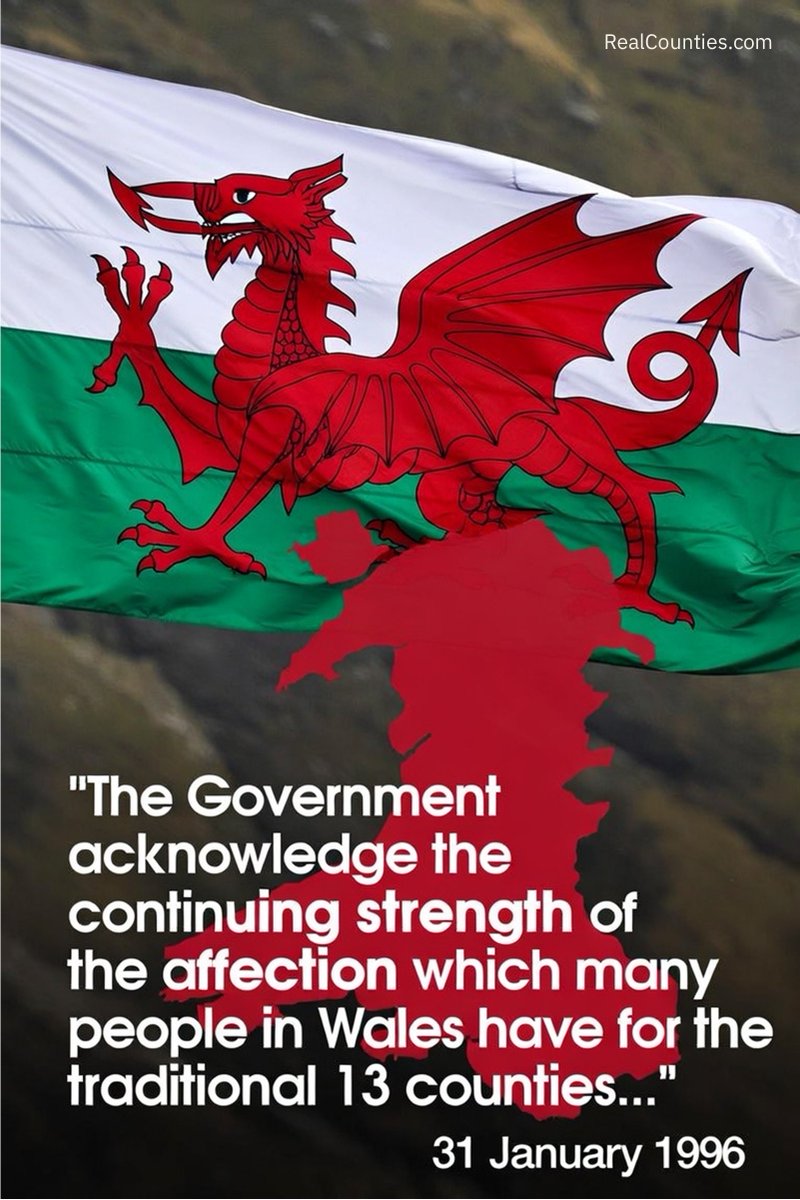
Wales was reorganised for local government. But the traditional counties were never just council areas. As the Government itself put it: “The Government acknowledge the continuing strength of the affection which many people in Wales have for the traditional 13 counties, which is expressed, for example, in the organisation of many sporting, social, voluntary and cultural societies on the basis of the traditional counties’ boundaries. I see no reason why such arrangements should not continue.” (William Hague MP, Secretary of State for Wales - 31 January 1996) That was the point. Counties are not just lines for administrators. They are places of loyalty, memory, culture and belonging. So here’s the question: If the traditional counties of Wales still mattered to people, to clubs, to societies and to local identity - why were so many people later left thinking they had disappeared? Administration changes. Belonging endures.
5
327
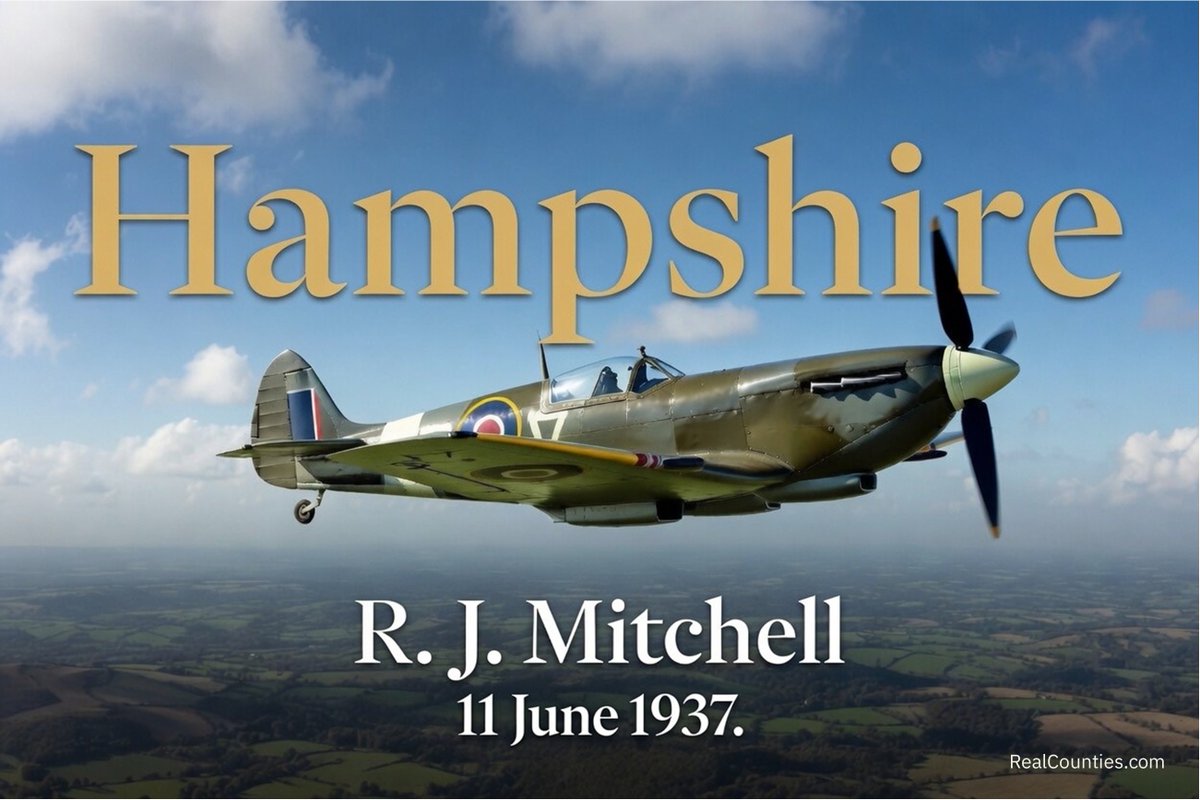
Hampshire #OnThisDay in 1937, R. J. Mitchell died at Southampton. The brilliant aircraft designer behind the Supermarine Spitfire, Mitchell did not live to see the plane become one of the defining symbols of the Second World War. But his work helped change history. A story of innovation, courage and engineering genius - rooted in Hampshire. R. J. Mitchell. Hampshire. 11 June 1937.
4
21
503
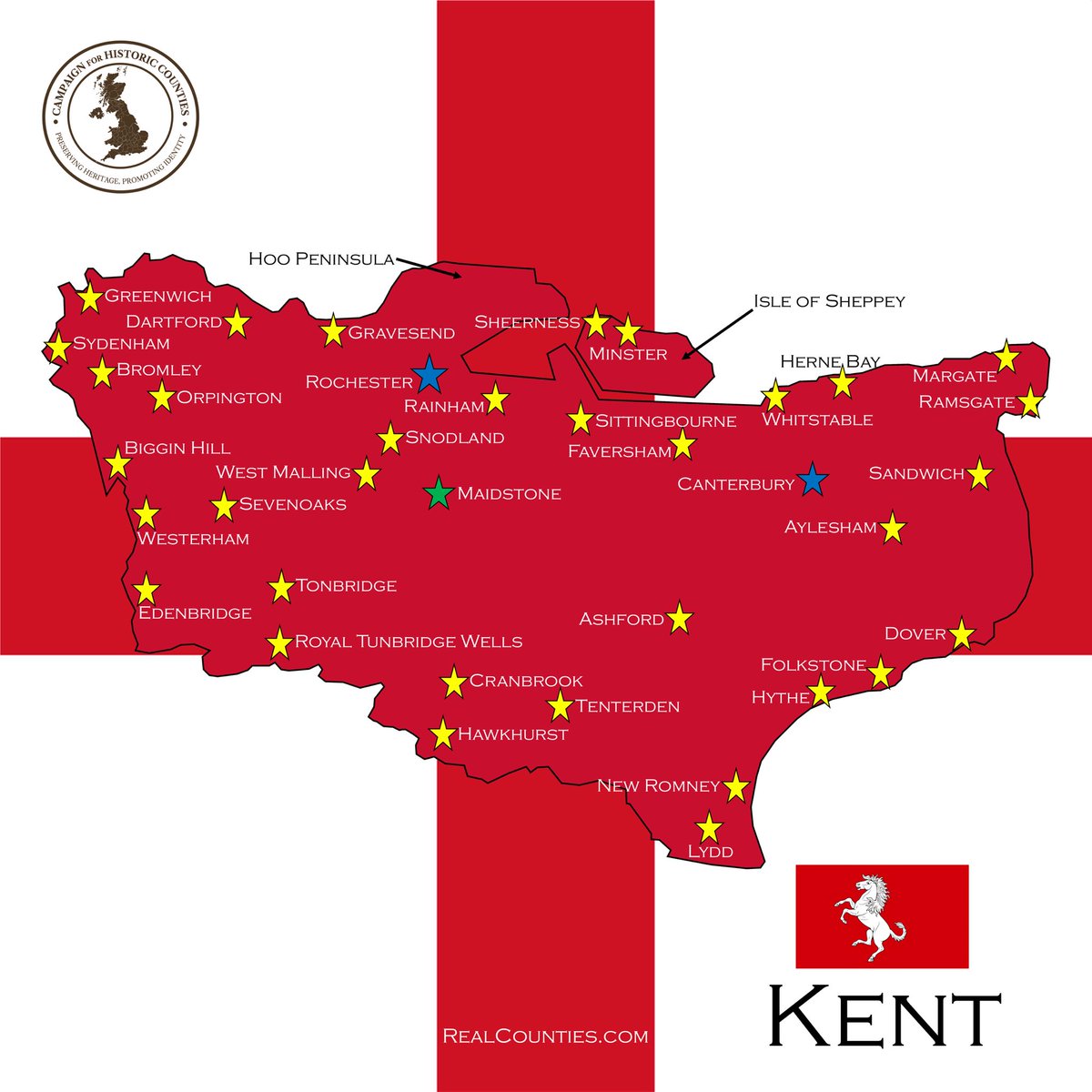
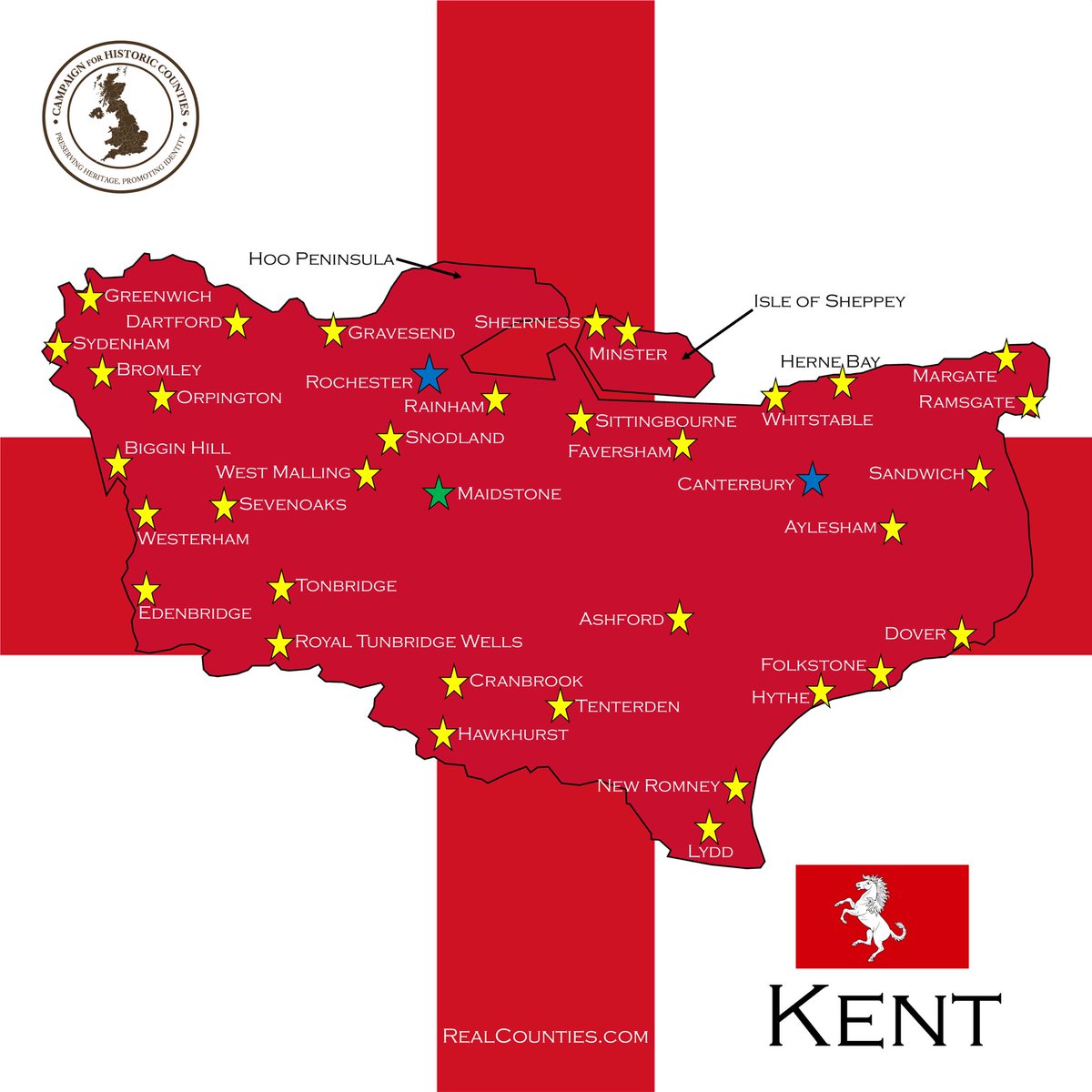
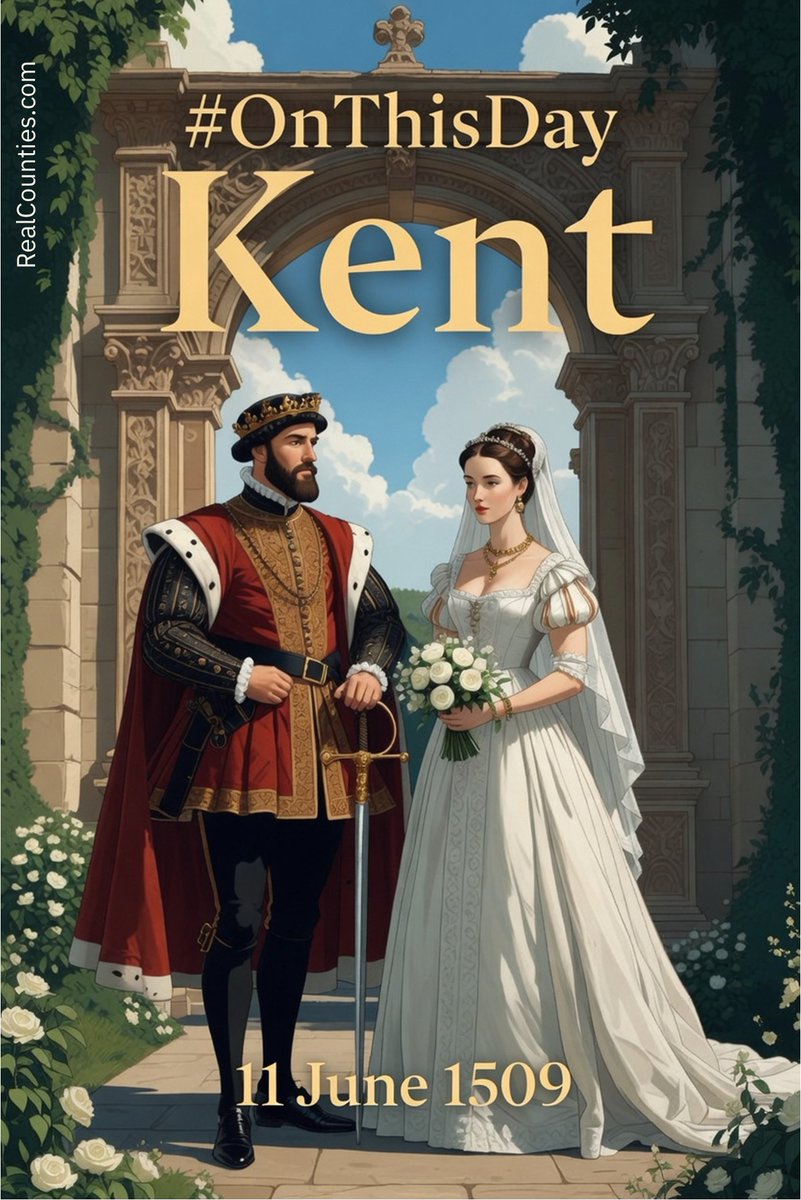
Kent 1509: #OnThisDay Henry VIII married Catherine of Aragon at Greenwich. It was the beginning of one of the most famous royal marriages in English history - a union that would shape the Tudor court, the succession, and the religious future of the kingdom. A national turning point, rooted in a county place. Henry VIII and Catherine of Aragon. Kent. 11 June 1509.
2
7
316
Real Counties | Historic Counties retweeted
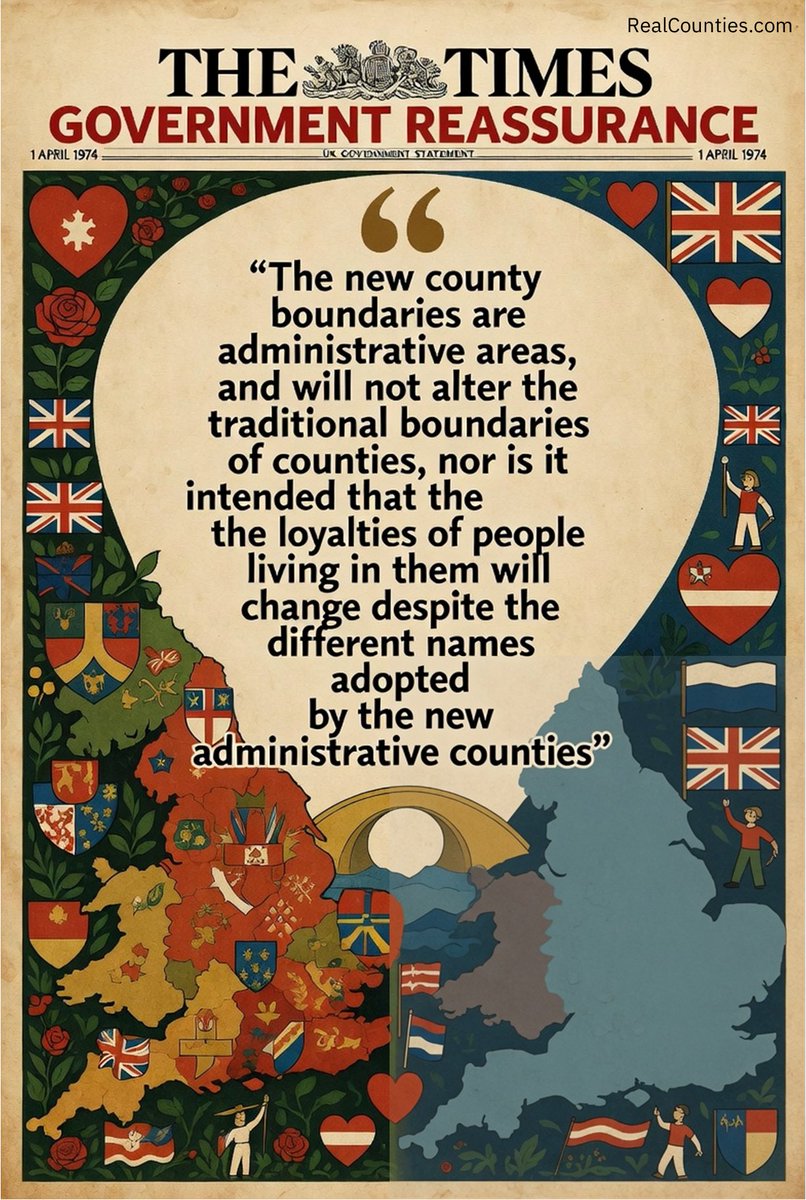
This 1974 statement should probably be better known. The new council areas were not meant to change where people belonged. They were administrative boundaries - created for local government. The traditional counties remained. So when someone says “that county no longer exists”, the real question is: Who told them that - and why?
4
15
43
2,045
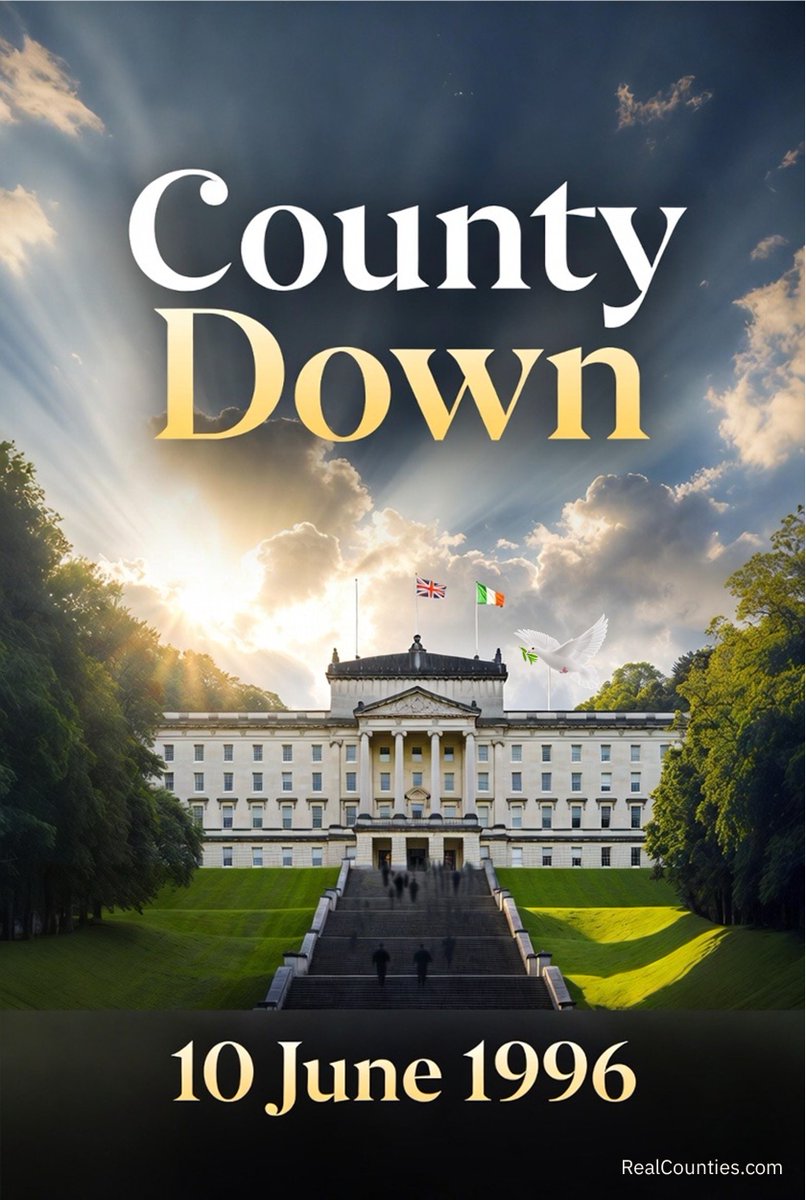
#OnThisDay in County Down, 1996, multi-party peace talks opened at Stormont. After years of violence, the talks brought together voices from across Northern Ireland and helped set the course toward the Good Friday Agreement. A moment of politics, patience and hope - rooted in a county place. Stormont. County Down. 10 June 1996.
2
582
Every day, together, we are restoring Britain's forgotten geography. ✓ Researching historic boundaries ✓ Building authoritative maps ✓ Engaging government bodies ✓ Reaching millions through media ✓ Ensuring counties are recognised for future generations Join Us.
2
8
482
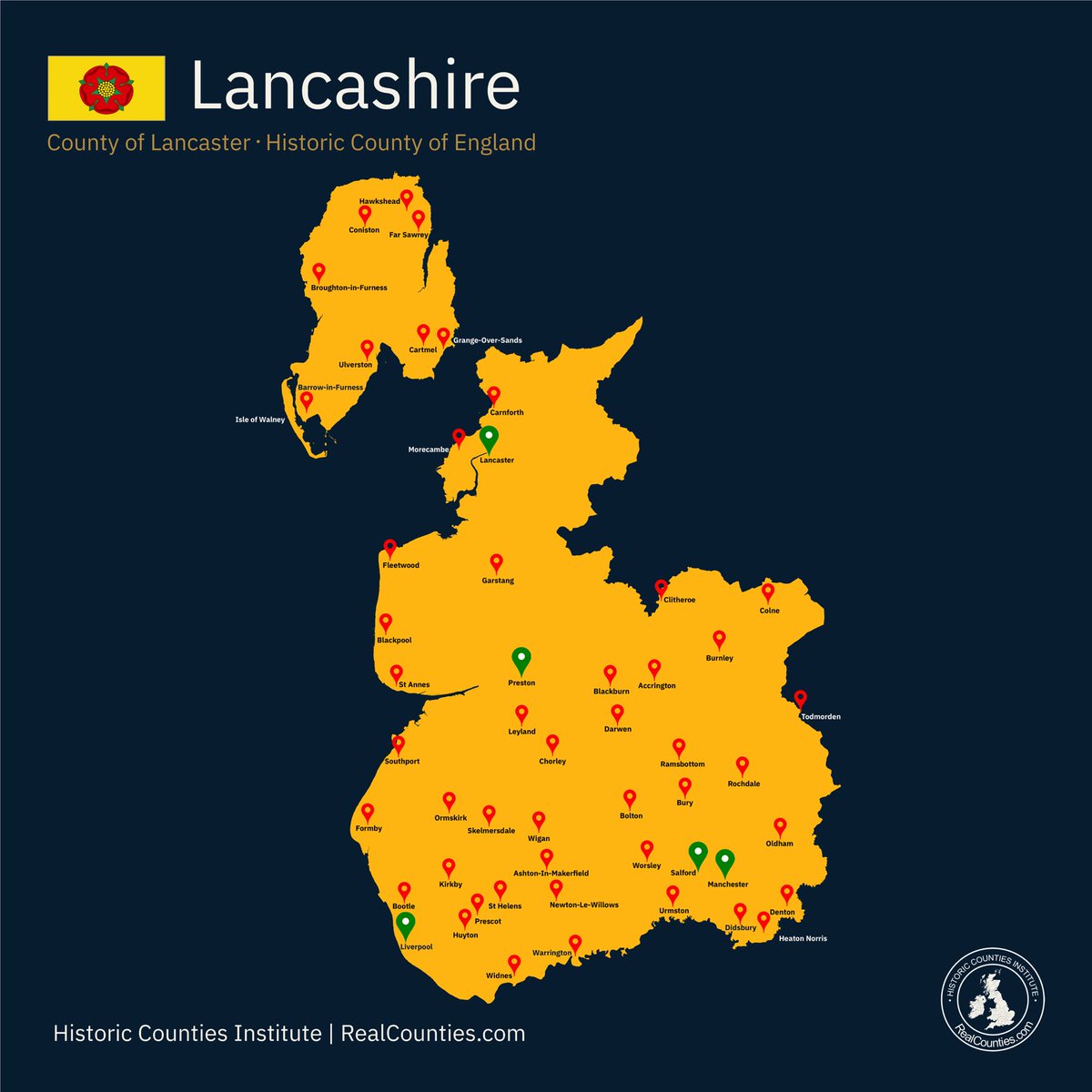
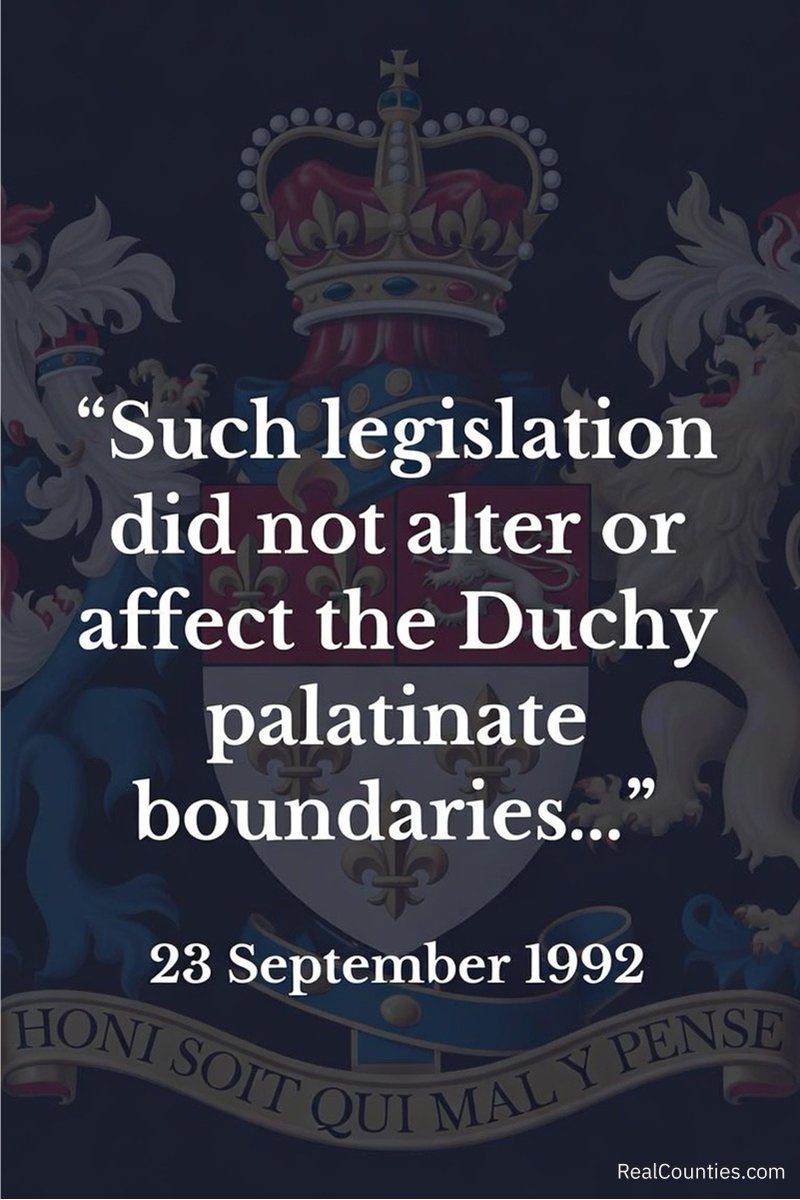
"Historic counties were abolished." You'll often hear that claim. Yet on 23 September 1992, a government minister stated: “Although the Local Government Act of 1888 and subsequent legislation transferred to newly constituted Councils administrative business and responsibility for redefined areas, such legislation did not alter or affect the Duchy palatinate boundaries which remain the same as the old (pre-1888) geographical County of Lancaster. Both Furness and Cartmel lie within the County Palatine.” In other words, changing administrative arrangements did not change the geographical County of Lancaster. A useful reminder that councils and counties are not necessarily the same thing. How many people today realise that Furness and Cartmel are still part of the historic County of Lancaster?
2
15
524
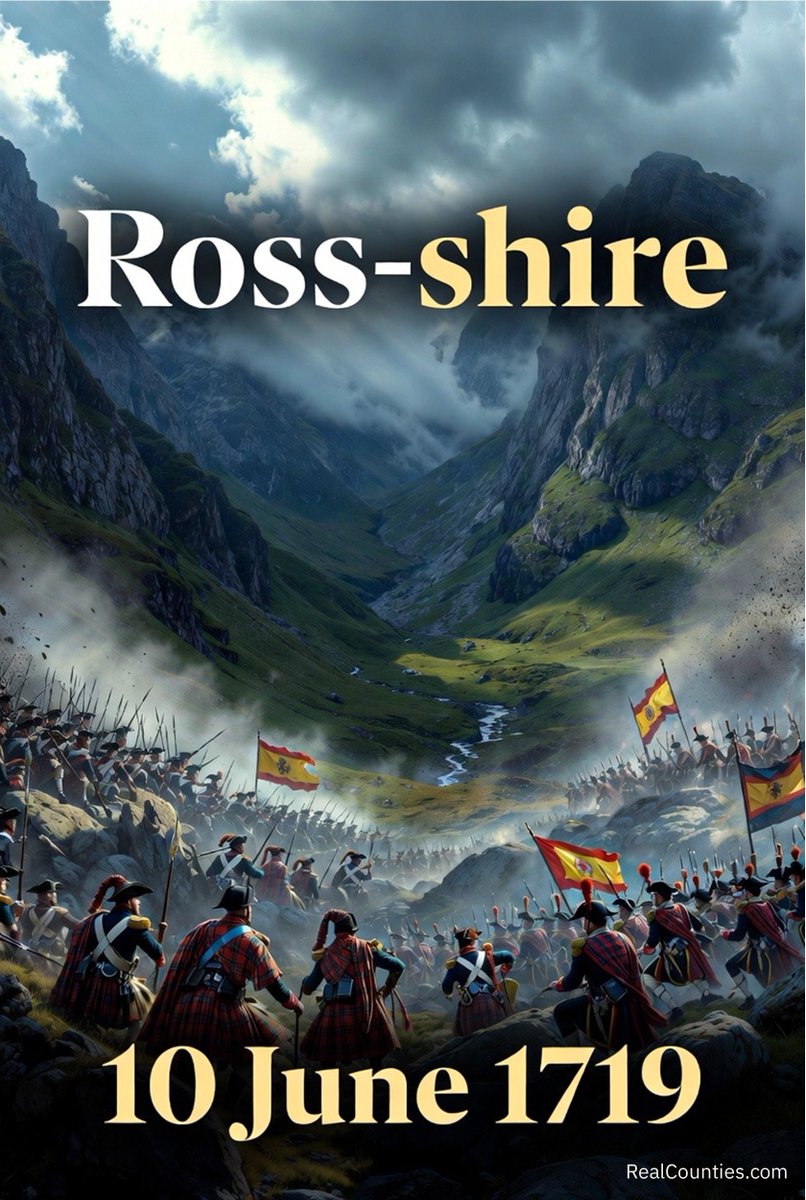
#OnThisDay in Ross-shire, 1719, Jacobite and Spanish forces were defeated at the Battle of Glen Shiel in Ross-shire. Fought among the mountains of the western Highlands, it was one of the most remarkable episodes of the Jacobite risings - and the only battle on British soil involving Spanish troops. A Highland glen. A European conflict. A Ross-shire story. Glen Shiel. Ross-shire. 10 June 1719.
1
4
223
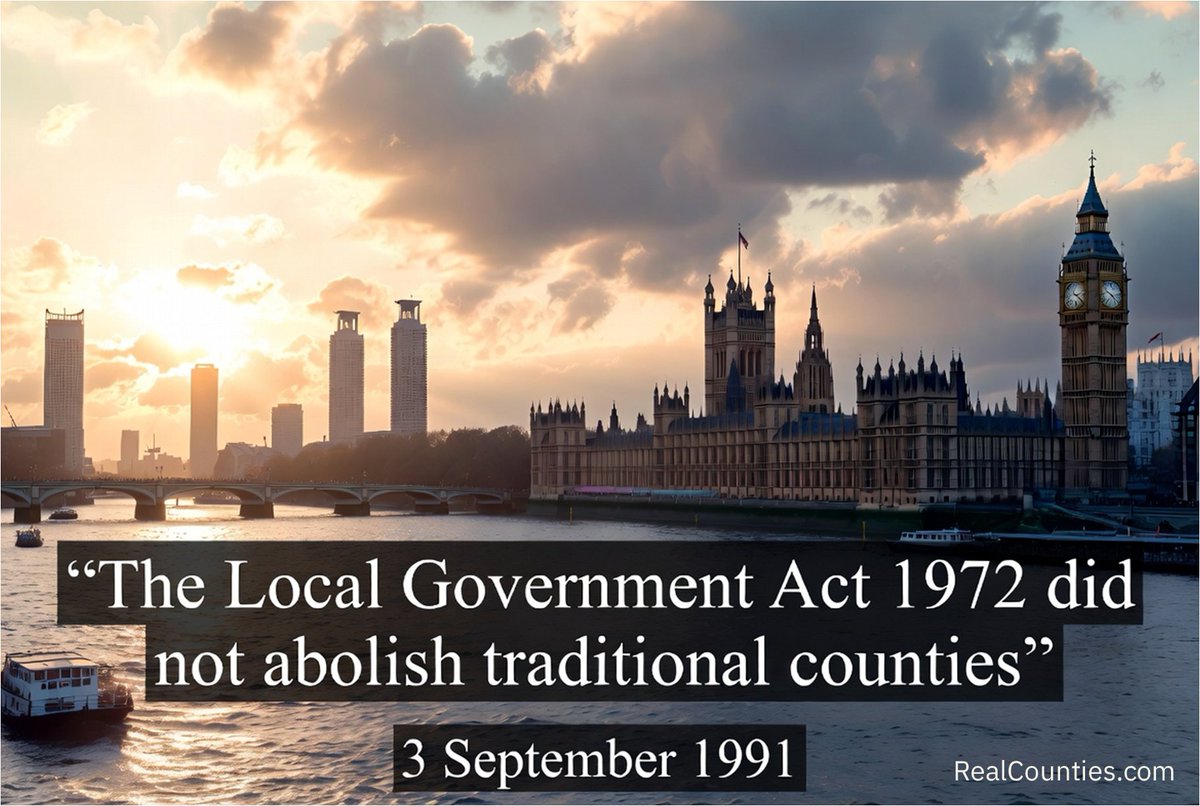
"The Local Government Act 1972 did not abolish traditional counties, only administrative ones." That's not our opinion. It's what a government minister stated on 3 September 1991. The full statement continued: “Although, for local government purposes some of the historic counties have ceased to be administrative areas, they continue to exist for other purposes, organisations and local groups.” Yet more than 50 years after local government reorganisation, many people still assume historic counties were abolished. Why do you think that misconception persists?
2
2
7
637
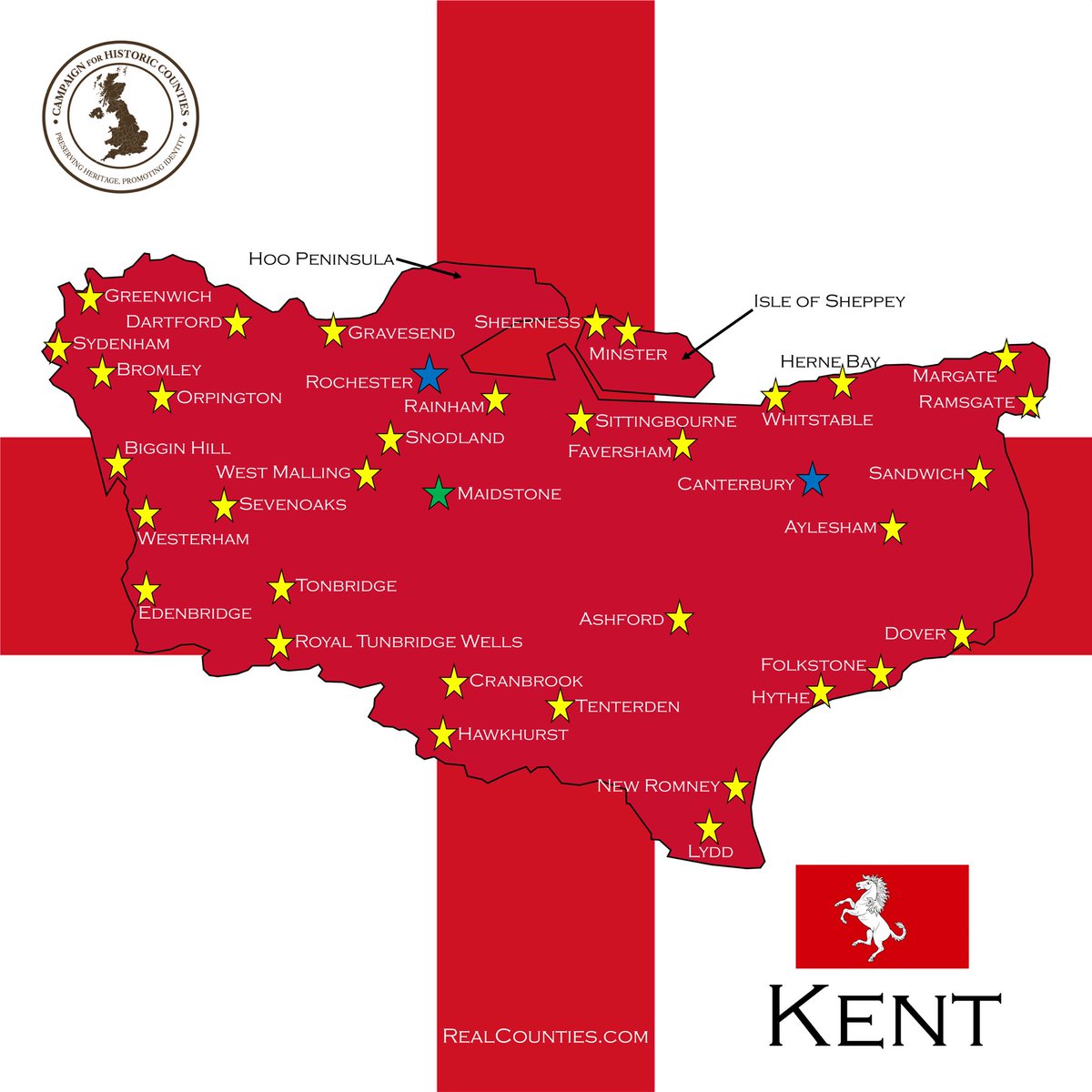
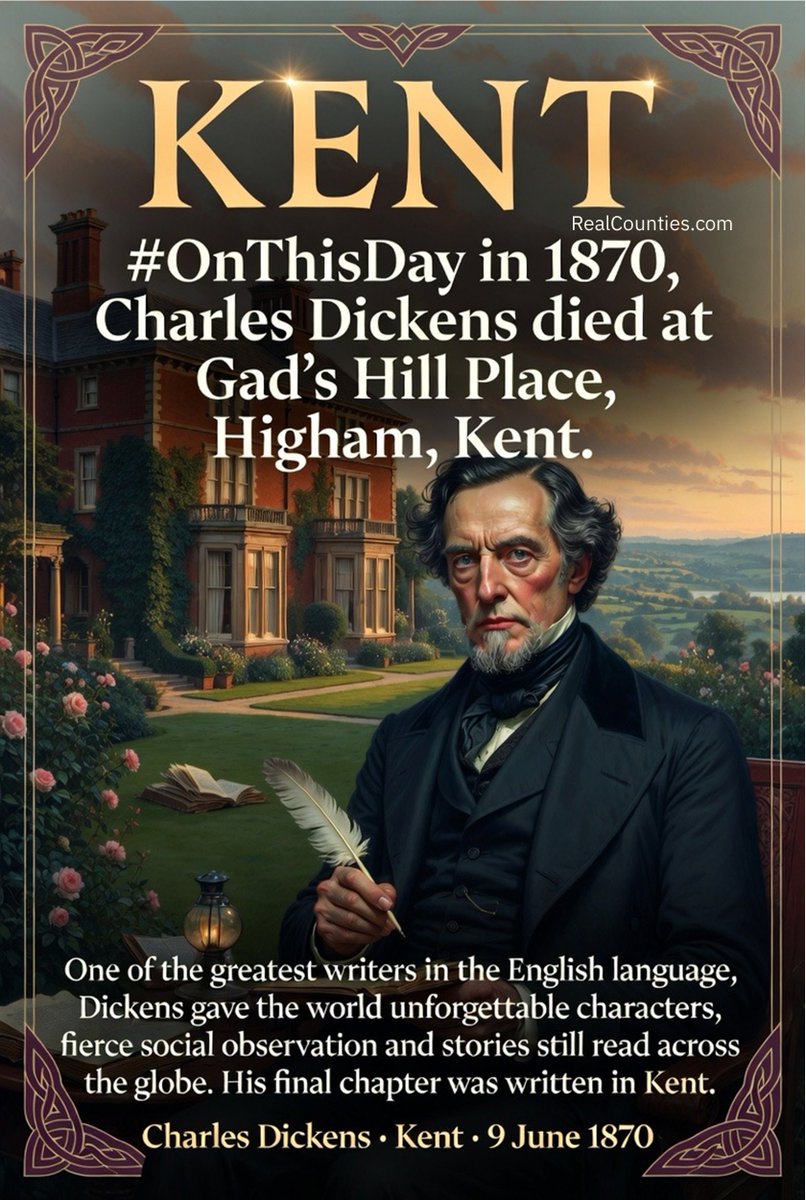
#OnThisDay in Kent, 1870, Charles Dickens died at Gad’s Hill Place, Higham. One of the greatest writers in the English language, Dickens gave the world unforgettable characters, fierce social observation and stories still read across the globe. His final chapter was written in Kent. Charles Dickens. Kent. 9 June 1870.
2
7
308
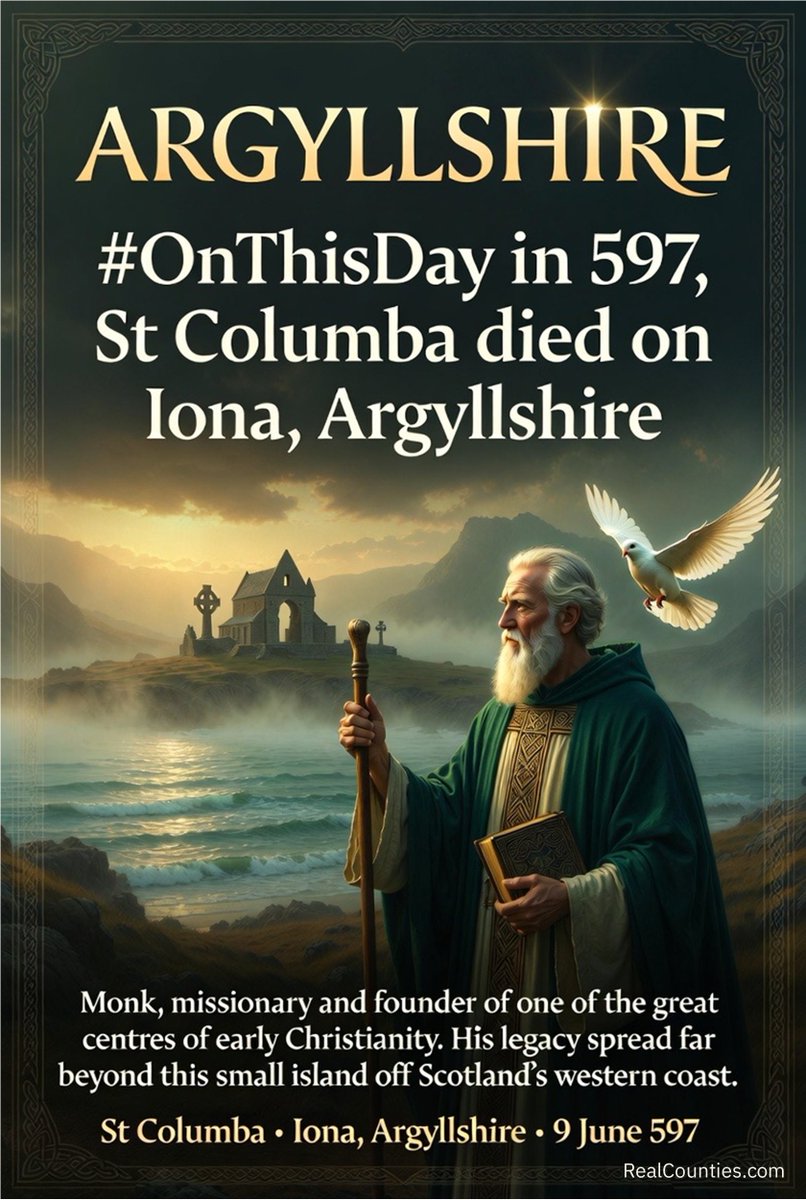
Argyllshire - #OnThisDay in 597, St Columba died on Iona. Monk, missionary and founder of one of the great centres of early Christianity, his legacy spread far beyond this small island off Scotland’s western coast. A story of faith, learning and influence - rooted in a county place. St Columba. Iona, Argyllshire. 9 June 597.
2
5
320
This 1974 statement should probably be better known. The new council areas were not meant to change where people belonged. They were administrative boundaries - created for local government. The traditional counties remained. So when someone says “that county no longer exists”, the real question is: Who told them that - and why?
4
15
43
2,045
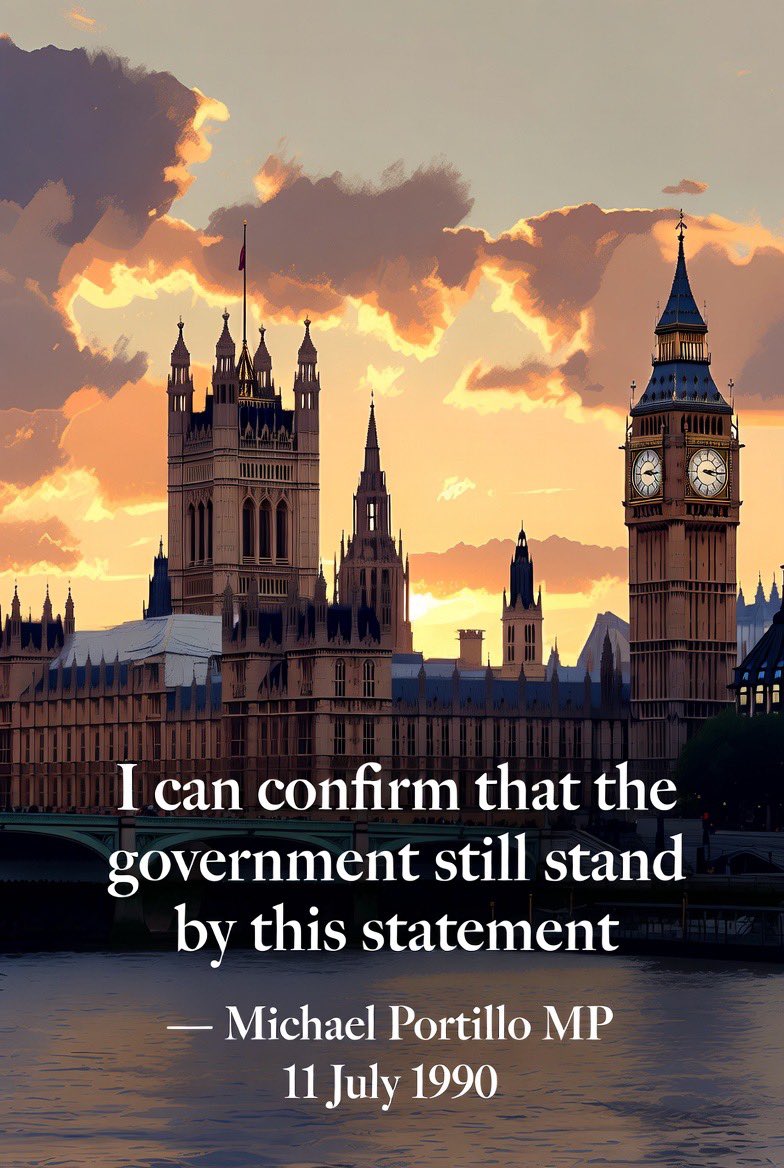
This was reiterated in 1990 by Local Government Minister, Michael Portillo MP. He said: “I can confirm that the Government still stand by this statement, that the local authority areas and boundaries introduced in April 1974 do not alter the traditional boundaries of counties. The 1974 arrangements are entirely administrative and need not affect long-standing loyalties and affinities.”
1
11
666
Real Counties | Historic Counties retweeted
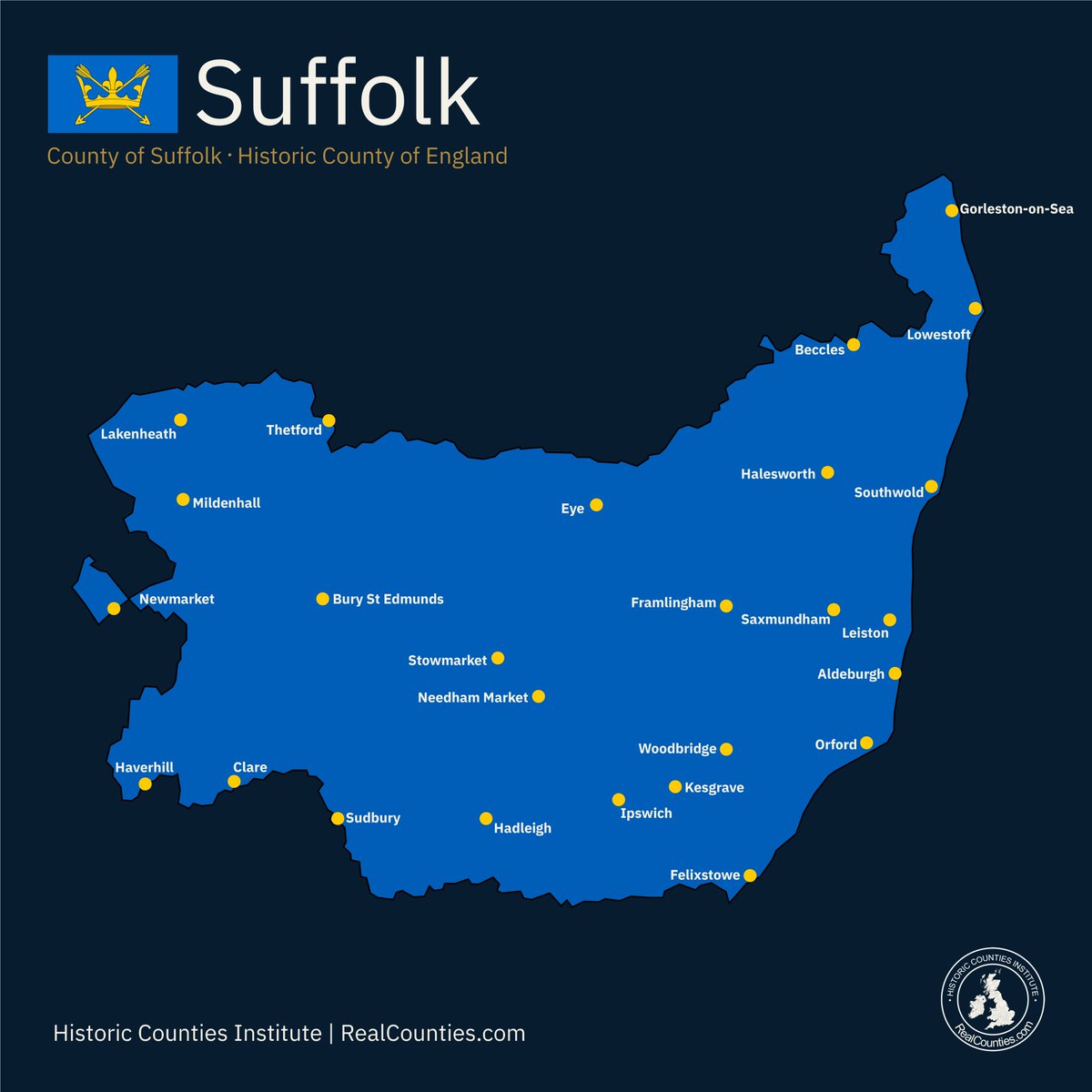
You’ve probably been told: “Gorleston-on-Sea used to be in Suffolk but now it's in Norfolk.” It sounds true. But it isn’t. Suffolk hasn’t changed, only administration has. So why are we pretending otherwise?
2
20
1,232