
Interviewing Voices Shaping The Real Estate Industry| Hosted By @Gordon_CRE | DM's Open For Bookings |
Joined September 2022
- Tweets 131
- Following 113
- Followers 269
- Likes 1,233
45 Photos and videos

Pinned Tweet

27 Feb 2023
If you're not subscribed to the Real Finds Podcast you're missing out. Subscribe on @Spotify and @YouTube: youtube.com/channel/UCcPo4Ap…
1
5
1,262
Jun 10
Pulling Off the Largest Office-to-Residential Conversion In History With Eugene Flotteron - RFP 103
Talking to him, you learn that there's hidden value everywhere in the office market.
What we cover:
- How 25 Water Street became the largest completed office-to-residential conversion in the US
- Cutting courtyards, replacing facades, and adding 10 stories to make the deal pencil
- New York's 467-M tax abatement and why developers are racing its June 2026 reduction
- How City of Yes threw gasoline on the adaptive reuse market
- The studio home office: the unit type beating one-bedroom comps by $500 to $600 a month
- The amenity wars: pools, pickleball, bowling alleys, and 100,000 square feet of found space
- Eugene's conversion checklist: overbuilt FAR, light exposure, floor depth, and efficiency targets
- Which building eras have good bones and which are traps
- Why conversions are going national and what other cities must fix to compete
- Public-private partnerships and the future of urban redevelopment
If you're interested in office conversion, this podcast is a must-watch 👇
1
267
Doomers say real estate is crashing, gurus say you are one seminar away from a private jet, and @ChadGriffiths says they are both selling 🐂💩
The host of the world's top industrial real estate podcast joins @Gordon_CRE to cut through the noise on real estate social media, and yes, we tackle the important questions, like who is Chad's favorite real estate guru: Grant Cardone or Brandon Turner?
We also dig into why every warehouse is about to fight data centers for power, and how 12 experts gave Chad 12 different answers to a single cap rate question.
Hit play and find out who survives the doomer-guru crossfire.
1
1
7
1,601
May 28
Episode 101 of The Real Finds Podcast features Daniel North, a partner in the Chicago office of Polsinelli, whose practice has built an accidental niche in industrial real estate that took off during COVID and has not slowed since.
With over a billion dollars in national property deals behind him, Daniel walks through the legal mechanics of how today's industrial, data center, and multifamily transactions actually get done in a market defined by tariffs, supply chain volatility, geopolitical risk, and a power grid straining to keep up with demand.
The conversation covers the rise of small bay industrial and how risk allocation has shifted as tenants prioritize speed, location, and stock turnover over raw size. Daniel traces the evolution of the force majeure clause from boilerplate background language ten years ago to a heavily negotiated business term that now gets fought over at the LOI stage, with detailed carve-outs for pandemics, government shutdowns, tariffs, and supply chain disruption.
He draws the critical distinction between timing risk and pricing risk in supply chain delays, explains why contractors are increasingly unwilling to accept true guaranteed maximum price structures, and walks through the political dimension of data center development as communities raise concerns about water usage, electricity costs, and noise. Daniel also breaks down why data center deals run on wattage rather than square footage, how phasing allows gigawatt projects to align with utility capacity over multi-year buildouts, and the asset-specific legal strategies that matter most for industrial speed-to-market, multifamily financing contingencies, and student housing's calendar-driven delivery windows. He closes with what he believes is the most underappreciated story shaping commercial real estate: the power grid and the infrastructure constraints that will dictate where and when the next decade of development actually gets built.
For owners, developers, and investors operating in the Chicagoland and Wisconsin industrial corridors, the legal frameworks Daniel discusses translate directly to deals across the I-55 corridor from Romeoville and Bolingbrook through Joliet, Elwood, and Wilmington, the I-80 markets in Channahon and Minooka, and the I-88 corridor running west through Aurora, Naperville, and Sugar Grove. The O'Hare submarket in Elk Grove Village, Bensenville, Itasca, Wood Dale, and Franklin Park continues to anchor last-mile distribution across DuPage County, while the I-90 corridor through Elgin, Hoffman Estates, Schaumburg, and Huntley supports large-format and small bay product alike. North of the city, Lake County industrial demand stretches through Waukegan, Gurnee, Mundelein, Libertyville, and Vernon Hills before crossing into southeastern Wisconsin, where Kenosha, Pleasant Prairie, Racine, Mount Pleasant, Sturtevant, Oak Creek, and the Milwaukee metro are absorbing reshoring activity, data center siting, and last-mile logistics buildout. Northwest Indiana submarkets including Hammond, Gary, Portage, and Merrillville round out the broader Chicagoland industrial footprint this episode speaks to directly.
If you own, manage, or invest in industrial, data center, or multifamily assets anywhere in the Midwest, the risk allocation strategies Daniel outlines are increasingly the difference between deals that finance and close on schedule and deals that stall in committee. Van Vlissingen and Co. works with owners, developers, tenants, and investors across Chicagoland and Wisconsin to structure leases, dispositions, and acquisitions that account for the construction risk, power constraints, and infrastructure realities reshaping commercial real estate today.
Van Vlissingen and Co. has been the Midwest's oldest commercial real estate brokerage, development, and management firm since 1879.
1
27
Apr 29
What separates top dealmakers from everyone else? The answer isn't market knowledge or leverage...it's persuasion.
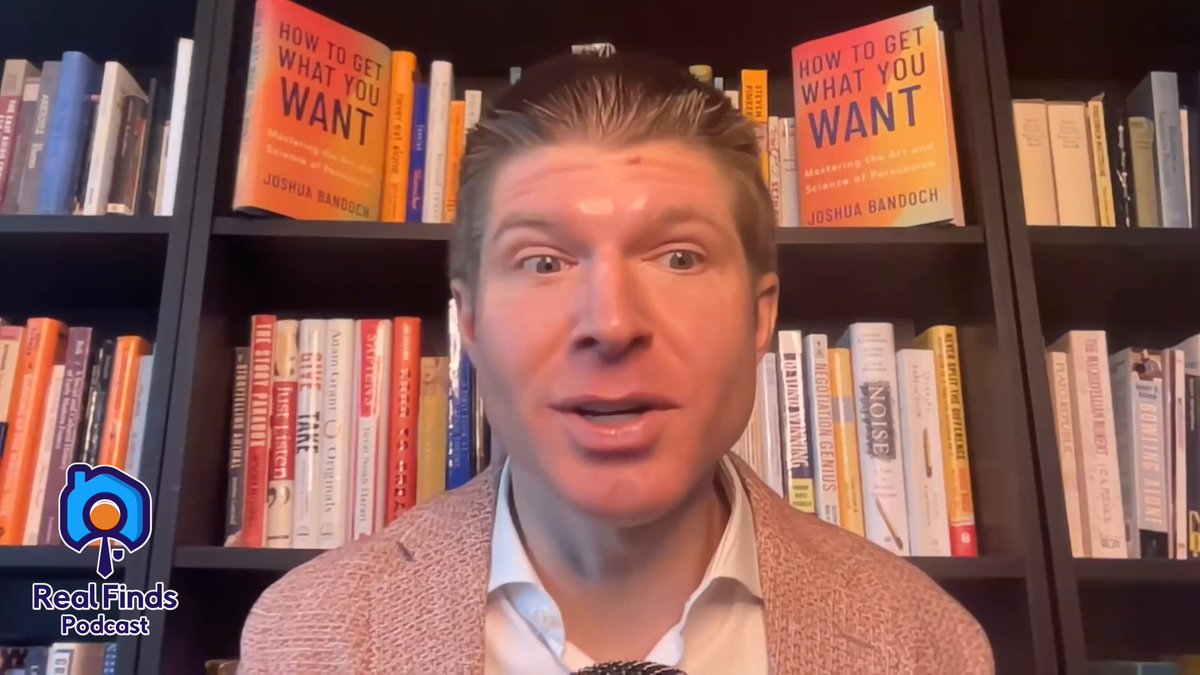
Josh Bandoch, persuasion expert, TEDx speaker, policy advocate, and author of How to Get What You Want: Mastering the Art and Science of Persuasion, joins Gordon Lamphere to break down the neuroscience behind every negotiation, landlord-tenant dispute, and community approval process in commercial real estate.
Josh spent a decade developing an applied neuroscience-based persuasion framework across high-stakes policy environments. In this episode, he translates that framework directly into the language of deals, leases, zoning boards, and long-term client relationships.
What we cover:
- Why persuasion is shared action, not winning, convincing, or conquering
- The "persuader's mindset" and why putting the other side first closes more deals
- How to identify barriers before pushing forward on any negotiation
- Why the human brain feels before it reasons and what that means for every pitch you make
- The single question that unlocks honest, useful answers from any counterpart
- How to handle defensive prospects, problem tenants, and heated community meetings
- Why your long-term reputation in a market is your most valuable negotiating asset
Timestamps:
00:00 — What persuasion actually is (and what it isn't)
03:32 — Persuasion vs. manipulation
07:27 — The persuader's mindset
11:40 — Listening as a power move
13:51 — Three techniques to reduce defensiveness
16:16 — Why the brain feels before it reasons
30:35 — Working with community boards and overcoming fear
37:00 — Landlord-tenant negotiations and emotional intelligence
42:25 — The #1 practical takeaway for getting more out of negotiations
Subscribe here, on @YouTube, @Spotify, or wherever you listen to podcasts.
1
22
Apr 27
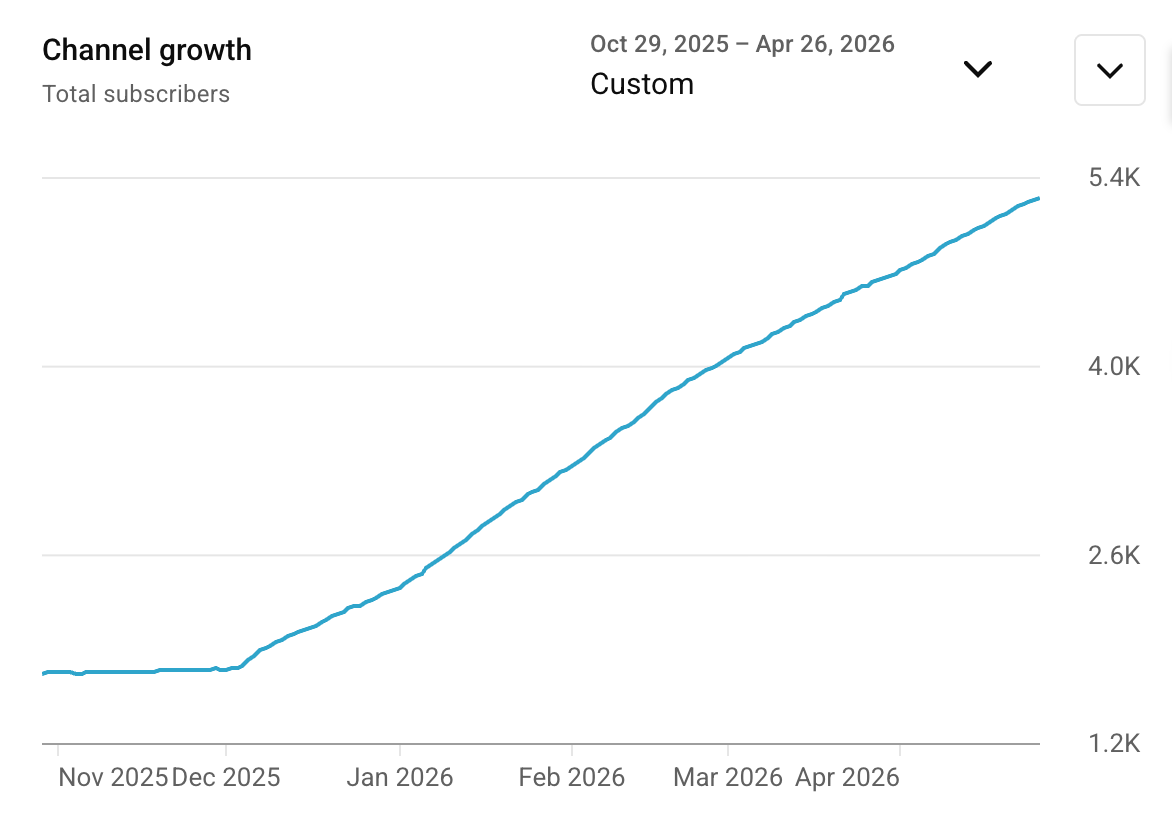
2026 has been a strong year—thousands of new subscribers on @YouTube, and even more across @Spotify and @ApplePodcasts
If you’re interested in commercial real estate, the future of work, or the built world, take a listen, I promise we won't disappoint :)
1
363
Apr 23
The Battery Real Estate Play & Return Of Main Street With Aaron Shavel -RFP 95
Aaron Shavel is a professional engineer who built his career in heavy civil construction, including years on MTA subway projects in New York, and now advises on battery energy storage facilities being deployed across the Northeast. He writes on construction, infrastructure policy, and urbanism on Substack and has become one of the sharper voices connecting how things actually get built to how communities actually function.
In this episode, Aaron breaks down the battery energy storage boom and why the developer arbitrage window may be shorter than people think, what New York is getting right with the Second Avenue Subway Phase 2 and the Interborough Express, and why sidewalks and pedestrian-scaled infrastructure are the most underrated investment any community can make. He and Gordon then look ahead at autonomous vehicles, the return of the downtown Main Street, and why small-format retail may win out over big-box footprints in walkable corridors.
What we cover:
- Front-of-meter vs. behind-the-meter battery storage and how developers play the price-arbitrage game
- Why the battery arbitrage window has a negative network effect built into it
- What makes a great battery storage site (hint: it's not just cheap land)
- How public-private partnerships are actually structured on energy projects in New York
- Why the "war on cars" framing kills transit investment before it starts
- The pragmatism gap on megaprojects and how the MTA cut millions off Second Avenue Subway Phase 2
- Why sidewalks, crosswalks, and bus stops are the highest-ROI infrastructure most communities ignore
- Storefront sizing, small-format retail, and the return of the downtown Main Street
- How autonomous vehicles will reshape parking mandates and the built environment
- Career advice for young professionals entering real estate, construction, and design
About The Real Finds Podcast Hosted by Gordon Lamphere, The Real Finds Podcast features conversations with operators, investors, developers, policy thinkers, and business leaders shaping commercial real estate and the built world. The show focuses on practical insights, market trends, and the ideas changing how people invest, build, and use space.
🔔 Subscribe to Real Finds Podcast for weekly conversations with operators, investors, and developers at the frontier of commercial real estate.
1
2
164
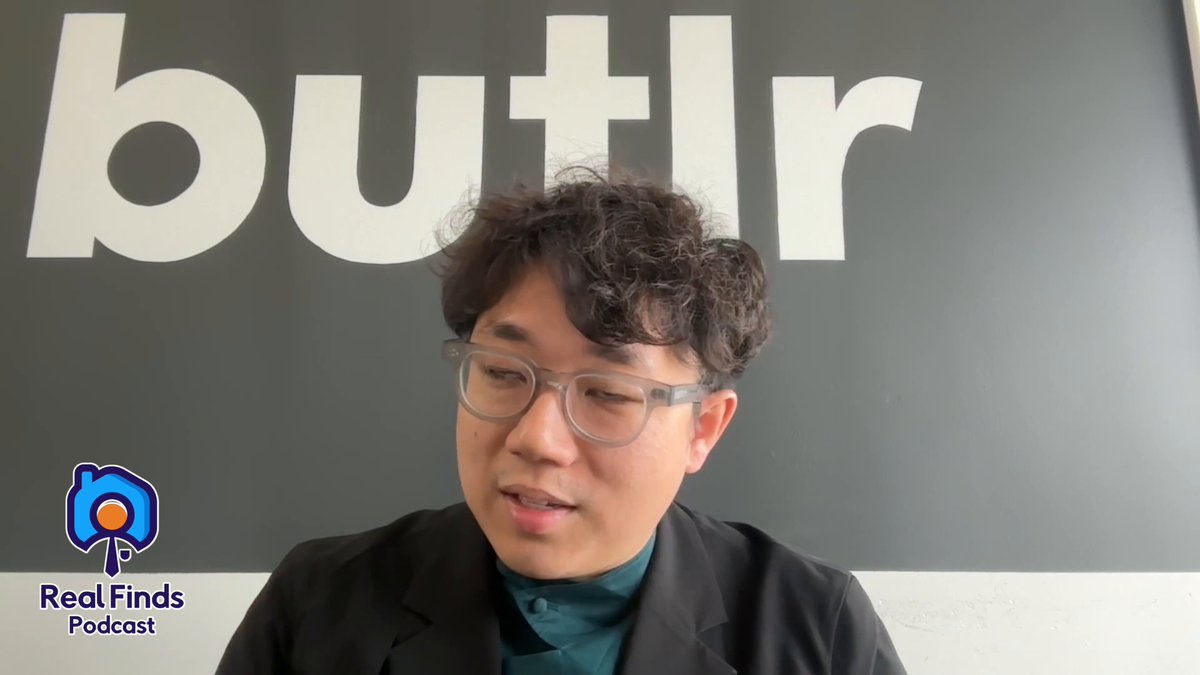
What if your building could think?
In this episode of The Real Finds Podcast, @Gordon_CRE sits down with Honghao Deng, co-founder and CEO of Butlr, to break down how AI, sensors, and real-time data are transforming the way we design, operate, and invest in physical space.
From MIT’s City Science Lab to deploying millions of sensors globally, Honghao explains why buildings are the largest interface humans interact with daily and why they’ve historically been operating “blind.”
This conversation goes deep into the gap between how offices are perceived vs. how they’re actually used, and what that means for landlords, occupiers, and investors trying to make decisions in a rapidly changing market. Honghao is transforming the commercial real estate industry. 🔑 Key Topics Covered
- Why buildings consume ~40% of global energy and how better data can unlock massive efficiency gains
- The difference between badge swipe data vs. real spatial intelligence
- Why most conference rooms are overestimated and underutilized
- How AI can automatically redesign office layouts based on real usage data
- The concept of “autonomous buildings” and what that means for CRE
- How sensor data can help predict future rent rolls and tenant behavior
- Why return-to-office policies are failing—and what actually works
- The role of privacy-first sensing (no cameras, only thermal data) in workplace analytics
- Why creativity—not productivity—is the future of the office
- The growing importance of data centers and senior housing as asset classes
If you’re interested in:
- Office evolution
- Industrial & logistics trends
- Proptech & AI in real estate
- Investment strategy
👉 Subscribe and turn on notifications for weekly insights from the front lines of commercial real estate.
1
203
Mar 25
Shift From Location To Power In Commercial Real Estate With Britt Burt - RFP 92
How much of the data center boom is really about real estate and how much of it is about power?
In this episode of The Real Finds Podcast, Gordon Lamphere sits down with Britt Burt of Industrial Info Resources to unpack one of the most important forces shaping commercial real estate, industrial development, and infrastructure investment today: the growing electricity demand.
Britt brings nearly four decades of experience covering the power industry, including generation, transmission, distribution, and the infrastructure behind large-scale industrial development. The conversation focuses on what is really driving data center growth, how site selection works in practice, and why the future value of many properties may be tied less to traditional location dynamics and more to access to power, interconnection, and infrastructure.
Gordon and Britt also discuss why so many announced projects never get built, the biggest mistakes site selectors and investors make when underwriting data center opportunities, and why “speed to power” may be one of the most important concepts in real estate going forward. They also get into common public misconceptions around data centers, including concerns around water use, grid strain, and local opposition, while explaining how developers are adapting through behind-the-meter power, infrastructure investment, and long-term energy strategies.
This is a valuable conversation for investors, developers, occupiers, industrial users, and anyone trying to understand the second- and third-order effects of AI infrastructure on real estate.
Topics discussed include:
- What is driving the rapid increase in power demand
- Why data centers are the biggest force behind new electricity demand
- Where data centers are being built across the United States
- Why Texas, Arizona, Virginia, and the Gulf Coast continue to attract development
- The biggest misconceptions people have about data centers
- How behind-the-meter power is changing the economics of development
- Why stranded power and interconnection agreements matter so much
- The most common mistakes made in data center site selection
- Why speed to power can matter more than permitting timelines
- The supply chain, turbine, labor, and pipeline constraints slowing development
- How to tell whether a proposed project is likely to actually get built
- Why older data centers may need major modernization for AI workloads
- How access to power may increasingly determine real estate value
About The Real Finds Podcast:
Hosted by Gordon Lamphere, The Real Finds Podcast features conversations with operators, investors, developers, policy thinkers, and business leaders shaping commercial real estate and the built world. The show focuses on practical insights, market trends, and the ideas changing how people invest, build, and use space.
1
1
108
Mar 18
How have the rules of the commercial real estate game changed?
Grateful to have Elatia Abate on this week's Real Finds Podcast to take a deep dive into AI and the future of work.
1
1
72
Real Finds Podcast retweeted

31 Oct 2025
On Halloween 2025, are CEO's spooked about the economic outlook?
1
1
1
162
Real Finds Podcast retweeted
16 Oct 2025
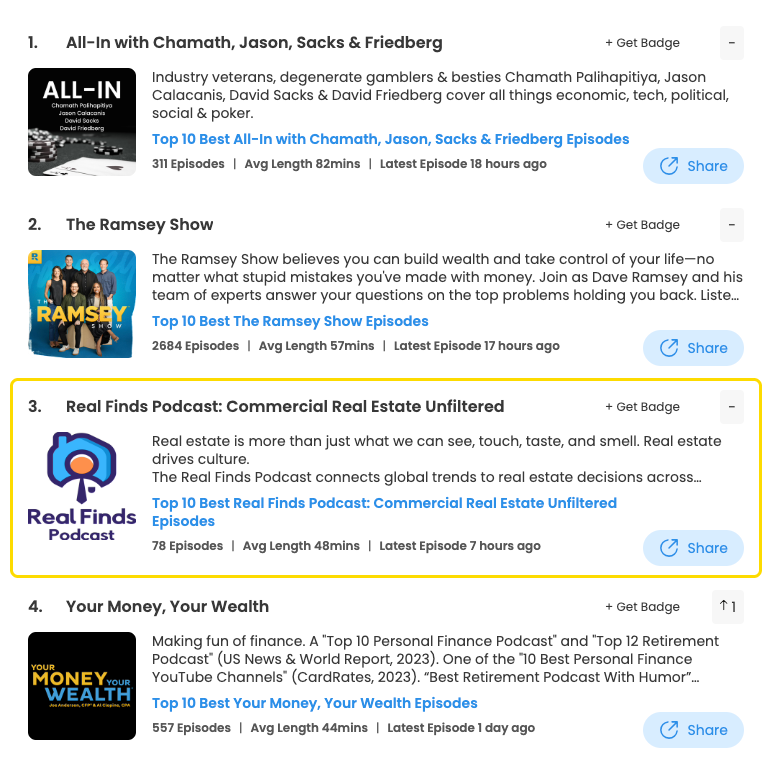
Deeply humbled to be in the Top 3 Investing Podcasts on Goodpods this month.
We've grown a lot over the last few years and would be honored to have another member of our community.
Check us out here 👇
Spotify - open.spotify.com/show/6259PC…
Apple Podcasts - podcasts.apple.com/us/podcas…
YouTube - youtube.com/channel/UCcPo4Ap…
And if you're already a member, please leave us a 5-star review, it helps us continue to get quality guests :)

2
4
303
Real Finds Podcast retweeted
15 Oct 2025
Your Office Is Lying To You.
We break down the small nudges for vastly more productive workspaces with Cisco's Bob Cicero 👇
1
1
2
179
Real Finds Podcast retweeted
8 Oct 2025
Every developer wants to understand how to structure complex projects that actually get built.
Ray Garfield explains how to layer public and private capital, manage bond structures, and deliver city-scale assets on time and on budget.
These are lessons from courthouses, convention centers, and billion-dollar land portfolios.
Watch The Full Episode: vvco.com/the-business-of-bil…
2
3
163
Real Finds Podcast retweeted
17 Sep 2025
Can we make work suck less, or are we doomed to endless Zoom calls and burnout?
This conversation cuts through the noise to focus on what actually makes people effective.
Watch our full episode with Corinne Murray and Sara Escobar, co-authors of Work, Then Place 👇
Corinne Murray has built a career spanning commercial real estate, consulting, coworking, and workplace strategy, from WeWork to RXR. She’s obsessed with defining “what makes work work” and helping leaders design environments where people can truly thrive.
Sara Escobar started as employee #2 at Hulu, where she helped create one of the first culture-driven workplace teams before leading strategy at Netflix. With a background in organizational development, she’s focused on how physical, digital, and cultural environments interact to shape performance.
1
1
1
339
17 Sep 2025
We're so grateful to be climbing the podcast charts, including nearing the Top 10 for investing and the Top 10 for Entrepreneurship on Goodreads
As part of our mission to improve the built world, Sara Escobar and Corinne Murray discuss at length: What is work really supposed to look like in the 21st century, and why do so many workplaces still feel broken? 👇
1
1
3
194
Real Finds Podcast retweeted
5 Sep 2025
A 45-story, $800M tower across from Willis Tower could redefine Loop office space or become the latest rendering lost to high vacancies.
Tenants, landlords, investors: here’s what it really means for you. Read the full breakdown 👇
2
2
7
438
Real Finds Podcast retweeted
21 Aug 2025
What's the hottest asset class this summer?
Potentially cold storage.
On this week's podcast, we take a deep dive into cold storage and what it takes to keep down costs and maximize ROI with investor Cliff Booth, CEO of Westmount Realty Capital 👇
2
1
8
409
Real Finds Podcast retweeted
8 Aug 2025
Are the tax benefits of private real estate markets really worth the risk?
We Cover The Risk-Reward Calculus In Our Daily Blog👇
vvco.com/tax-benefits-of-pub…
1
1
3
169
Real Finds Podcast retweeted
18 Jun 2025
Are North America's Commercial Markets Frozen?
This episode dives into how global policy uncertainty puts Mexico and Canada on ice and why that matters for U.S. manufacturing and commercial real estate investment.
Full Episode: youtu.be/MhEwJwSrIjI
2
1
232