"Liberty is the soul's right to breathe, and when it cannot take a long breath, laws are girded too tight. Without liberty, man is a syncope."
Joined August 2023
- Tweets 22,671
- Following 2,826
- Followers 14,309
- Likes 65,333
4,699 Photos and videos




Pinned Tweet

22 Dec 2024
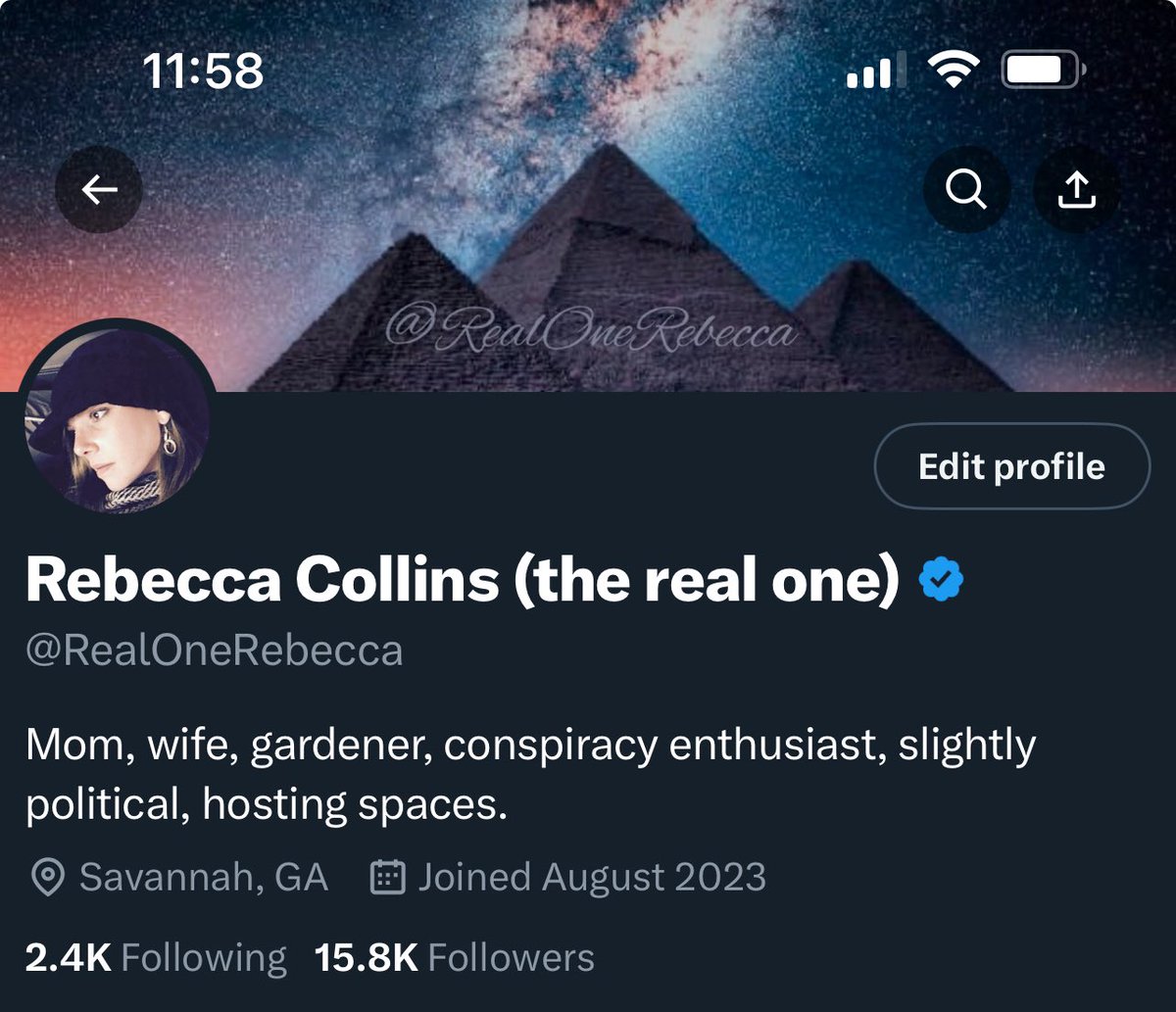
Today is the last day of my blue checkmark, so I’m making this post to pin to my profile so that those who visit will know that yes, I am a real person. In fact, I was pretty influential in bringing the MAGA & MAHA communities together, having coined the very first “Unity Space”.
About 16,000 of you know this, though X AI would rather believe I am spam and a “platform manipulator” and permanently demonetize me for it. No, I will not be going to another platform because I actually detest social media. I will keep my profile here because it has become an achievement I am proud of. I got to use this app to spread vaccine truth, show my support for small businesses and citizen journalism, and advocate for @RobertKennedyJr with a community of friends that I’ve made along the way.
I am lucky to be followed by some of my favorite accounts and people like @IanCarrollShow @BretWeinstein @RepThomasMassie @chrismartenson @DrBenTapper1 and @5149jamesli - even @MarioNawfal of all people! And I’ve hosted spaces with wonderful activists like @TheVinoMom and @theAuntieAngie.
There are countless amazing accounts on X and I am grateful to be here where we have Freedom of Speech, but my one criticism is the lack of Freedom of Reach, even when paying for it. Maybe when the kinks get worked out, I’ll go back to having a blue checkmark- but in the meantime, I’ll just leave this photograph as proof.
23
11
125
17,534
Rebecca Collins (the real one) retweeted

Jun 7
Tomorrow will be exactly 59 years since Israel bombed the USS Liberty.
You'll see pro-Israel accounts and Zionist bots flood the zone with "it was a tragic mistake". That is a blatant lie.
The world deserves the truth and the veterans deserve justice. Share this thread. 🙏🇺🇸
9 Sep 2024

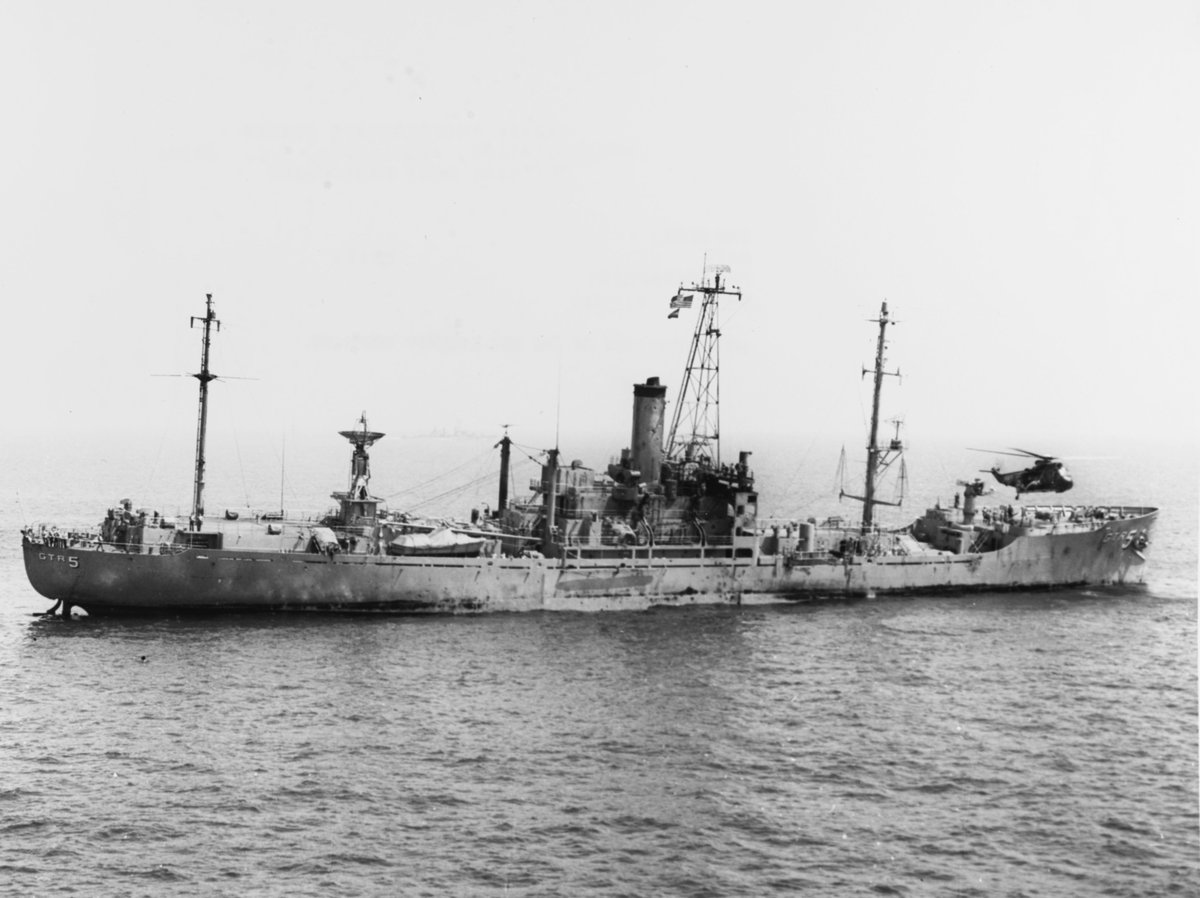
On June 8, 1967 Israel attacked the USS Liberty, killing 34 Americans and wounding 171. Israel said it was a case of "mistaken identity". The US also came to the same conclusion.
BUT, troves of evidence suggest the attack was premeditated—by both the US & Israel.
Mega 🧵1/
225
3,887
10,825
162,478
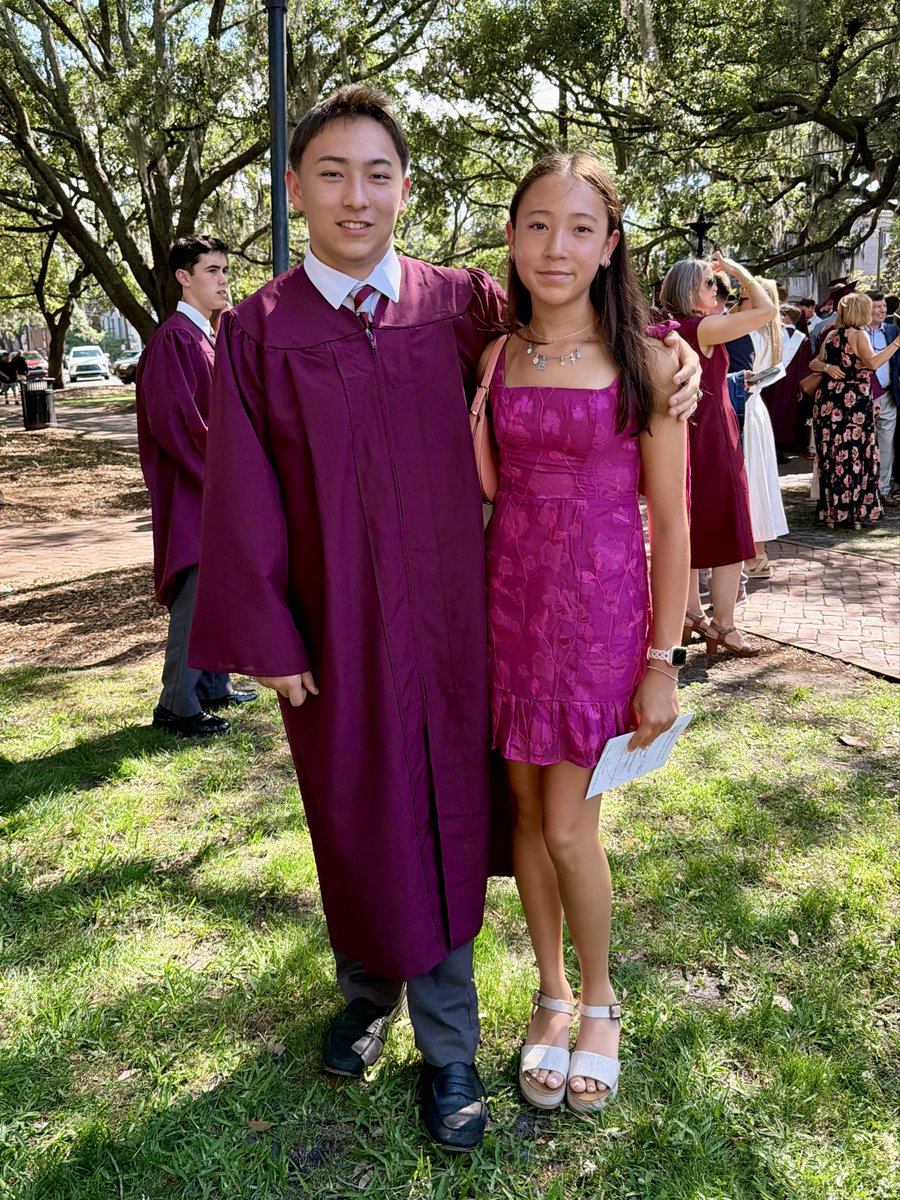
Time flies when we’re having fun!! Graduation weekend was a success. Introducing two fall freshmen, one going to college and one starting high school. Lord let time slow down. 🙏🏼
1
6
245
It’s not just the algorithm. This app sucks.
1
3
131
Is Mother’s Day just for people to feel good about themselves?
2
5
207
Just like the good ole days. 💕

3
164
Are you triggered?
May 8

People I care a whole lot about rely on SSRIs to make their lives work. I don’t know where I would be without SSRIs.
Get your fucking hands and your crazy conspiracy theories out of our medicine cabinets.
1
5
187
Rebecca Collins (the real one) retweeted

This is going viral and it’s the exact opposite of what RFK Jr. actually said. He’s trying to stop doctors from tapering rapidly and introduce long tapering guidelines to avoid neurological injury. The entire article is a lie.
May 8

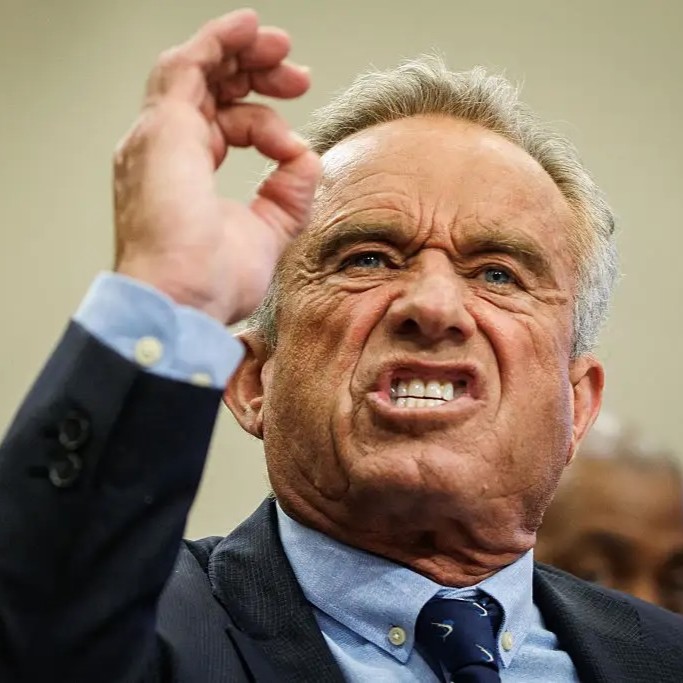
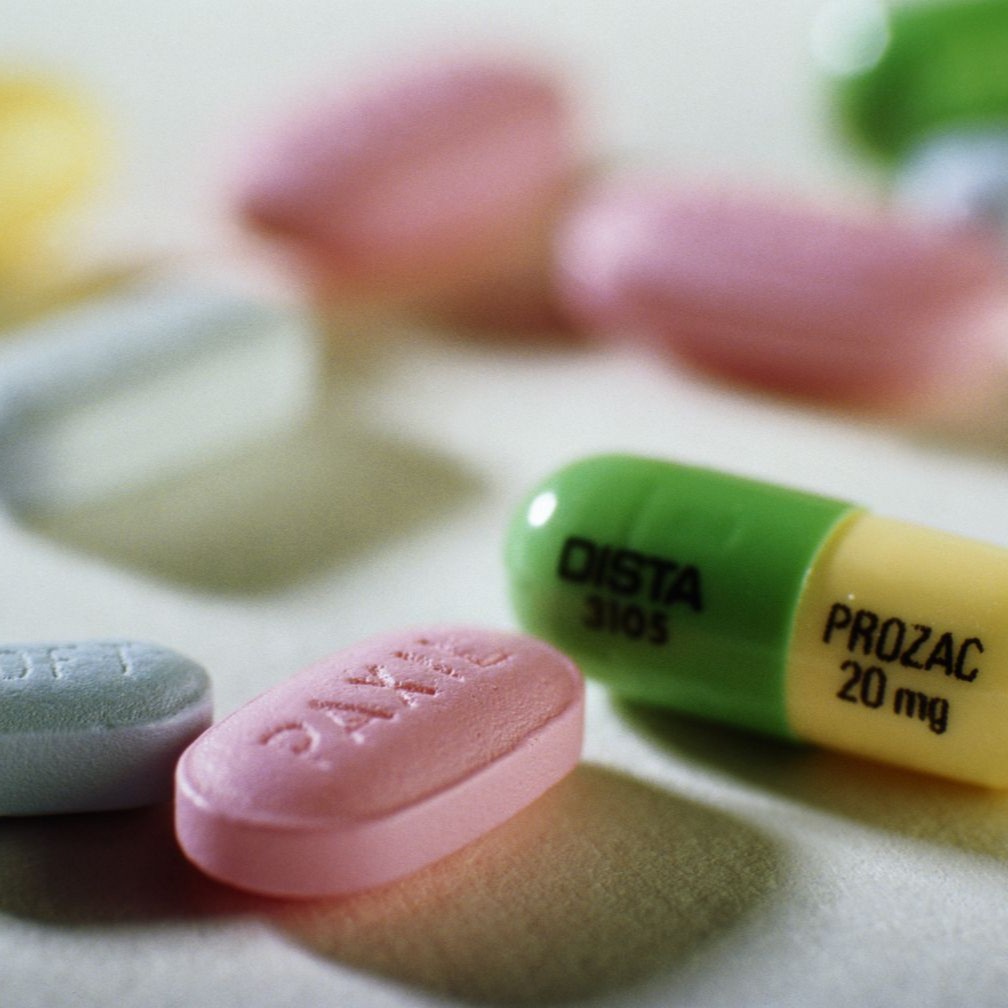
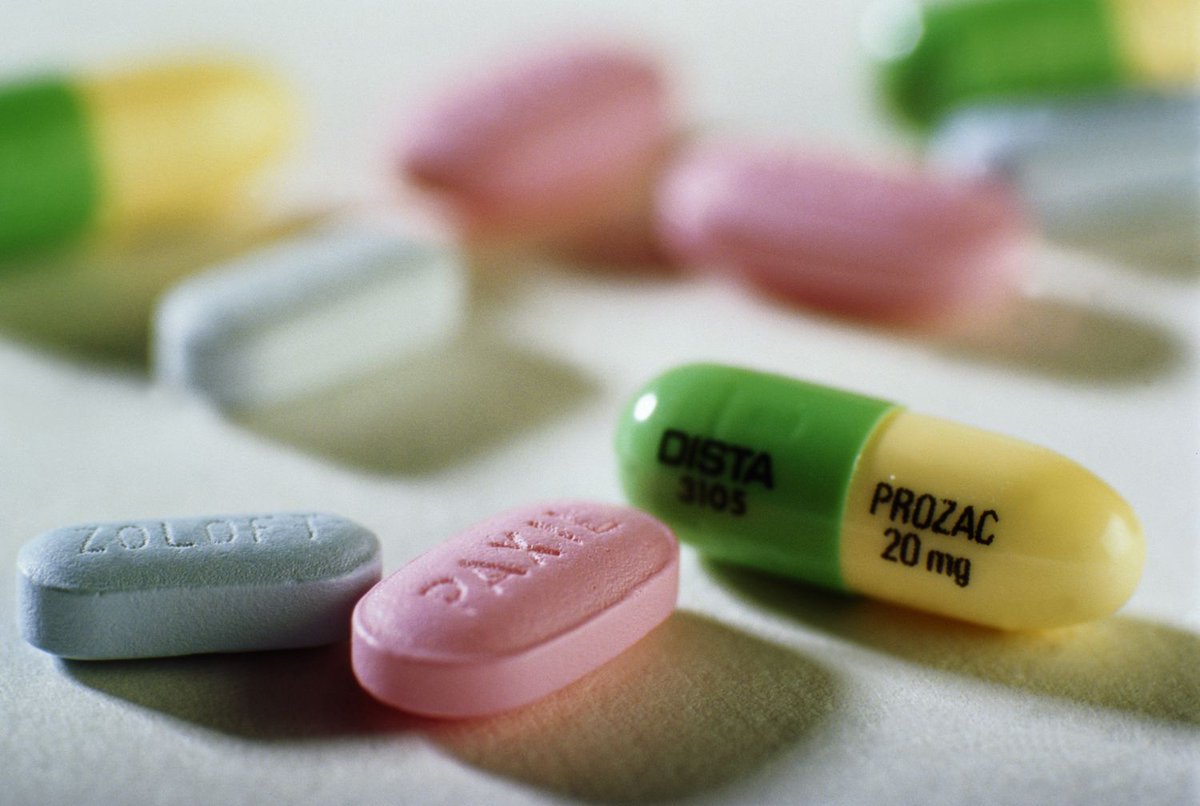
New reporting reveals RFK Jr. is exploring banning certain SSRIs, potentially barring drugs like Zoloft, Prozac and Lexapro.
Decades of research shows SSRIs are safe and effective.
69
348
2,240
57,321
The reporters: two anonymous sources. 🙄
May 8
New reporting reveals RFK Jr. is exploring banning certain SSRIs, potentially barring drugs like Zoloft, Prozac and Lexapro.
Decades of research shows SSRIs are safe and effective.
3
4
209
Thank you so much, @GovKemp for my surplus check! I sure am going to miss you! 💕
1
1
69
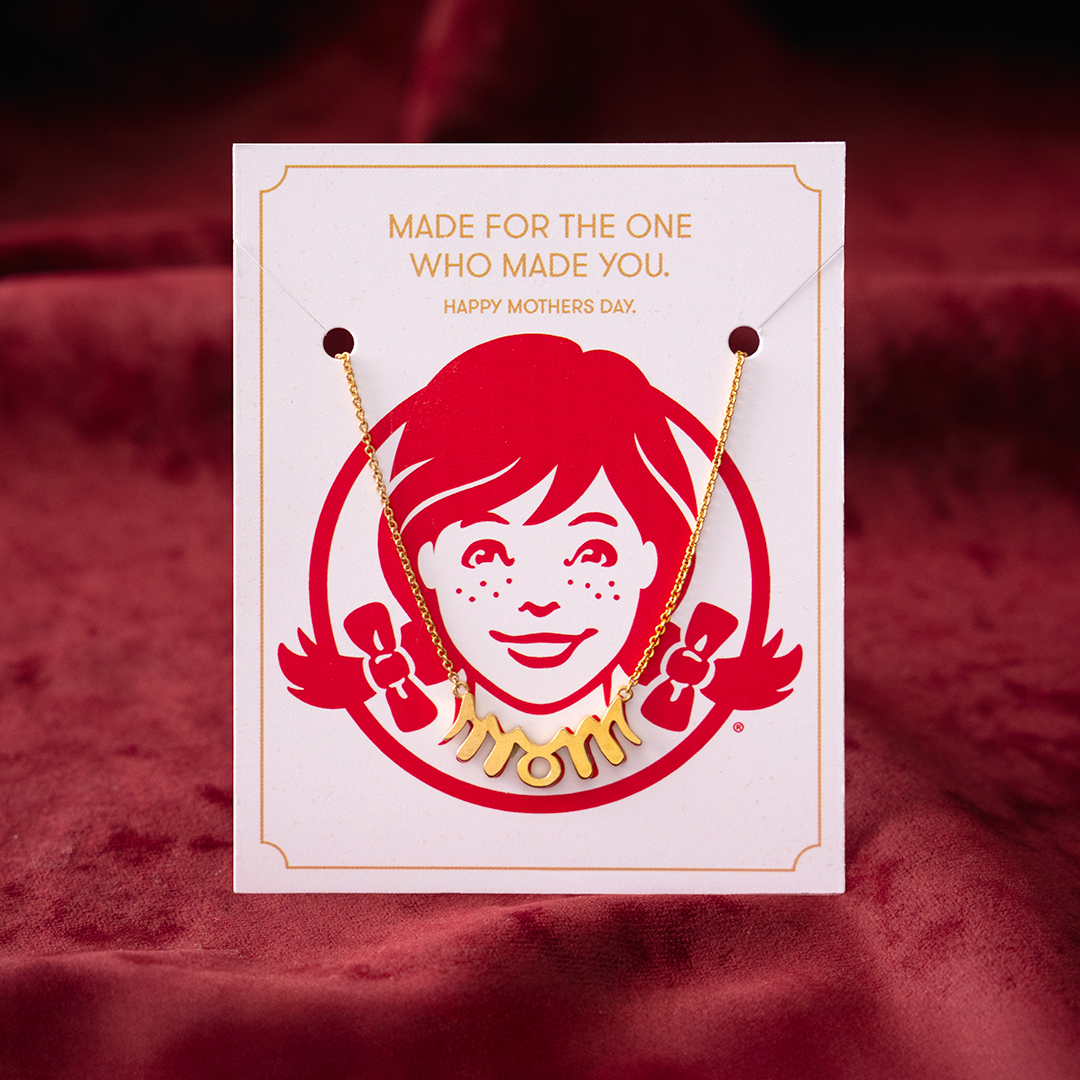
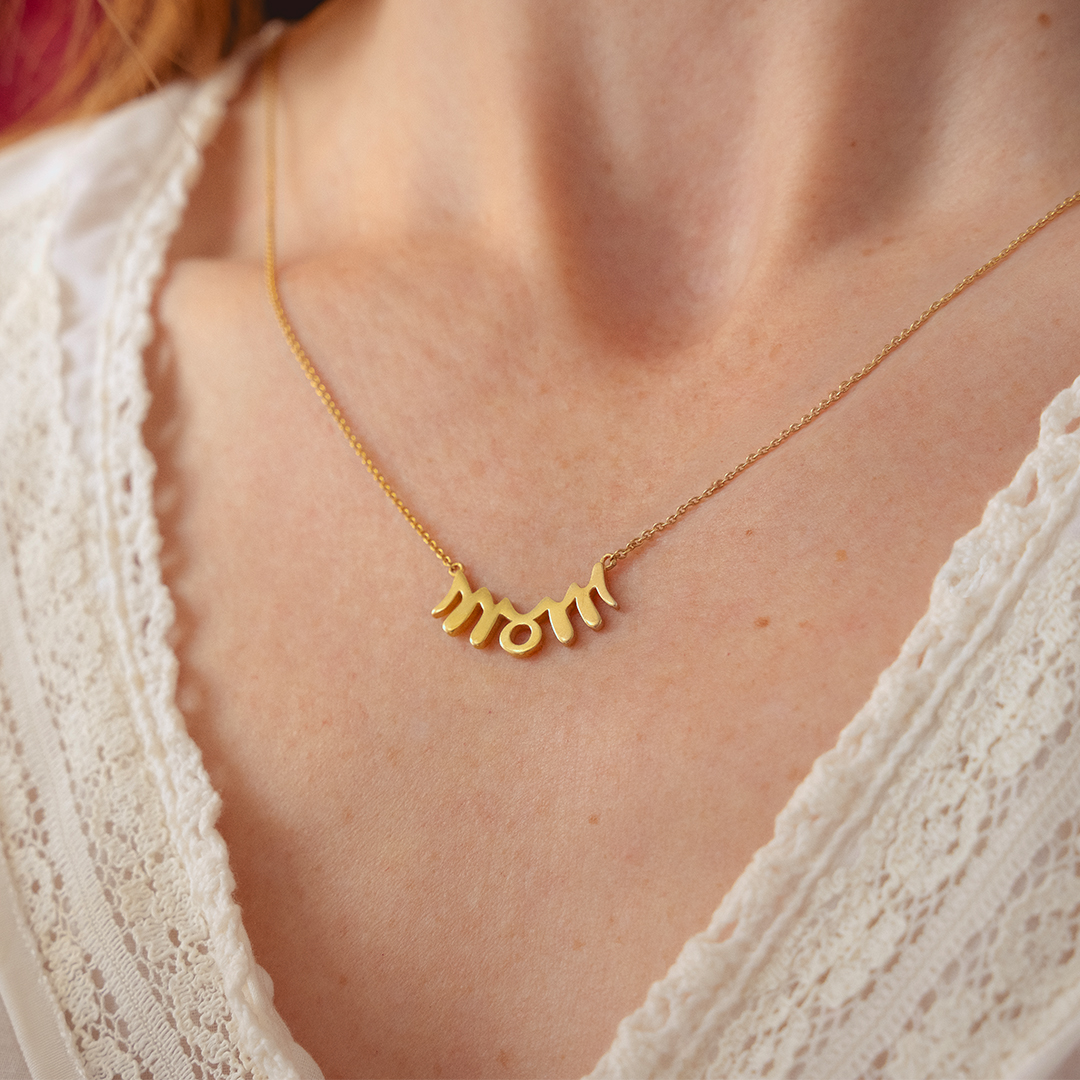
Wendy, I don’t need a necklace that says I’m a mom. My yoga pants, wrinkles, and too-long hair tell everyone for me.

The necklace of every mom’s dreams is here. Tag a mom and tell us why she deserves one below and we might just surprise a few ❤️
4
198
Can I just opt-out of most holidays? I have my birthday to feel special, Christmas to give and receive gifts. And Halloween is fun, I really enjoy passing out candy.
The rest are either dumb, stressful, or both.
1
5
181
Update: I moved it over to the window, the whole wreath. It’s still on the porch so it’s covered and it’s still hanging so it’s safe. Mother bird found it immediately and I just saw her tonight. Also, one egg turned into 4!

I’m so conflicted.
A house finch has made her nest on my front door wreath-again! She’s already hatched two eggs and raised two babies and now she’s laid a new egg!
My kids are graduating in two weeks and we’re having a party and need to use the front door.
What should I do?
1
4
194
I don’t care what y’all say, 40 is not the new 30. I’m tired.
3
9
259
This take was unexpected.

the problem is that the taxes just go to blowing up kids in the middle east
we need tax spending reform
more healthcare less war
1
3
149
Rebecca Collins (the real one) retweeted

Cruise Passenger cries about being stuck on the ship with the alleged Hantavirus Outbreak.
Obvious Psyops should be obvious by now and obvious Crisis Actors are also obvious.
611
689
3,508
203,480
Rebecca Collins (the real one) retweeted

May 6
SSRIs, selective serotonin reuptake inhibitors, were sold as miracle drugs, tiny pills that would “correct a chemical imbalance” and bring people back to happiness.
There’s just one problem: the “chemical imbalance” theory was never conclusively proven in the first place.
Yet millions were prescribed drugs that alter serotonin signaling for years, sometimes decades, often with little warning about what happens when you try to stop.
And stopping can be brutal.
Patients describe brain zaps, panic attacks, emotional collapse, dizziness, insomnia, dissociation, and waves of depression far worse than the symptoms that got them prescribed the drugs in the first place.
For years, much of psychiatry brushed this off as “relapse.”
Now even mainstream research admits antidepressant withdrawal can be severe, prolonged, and psychologically destabilizing.
What’s becoming harder to ignore is that SSRIs don’t necessarily make people happier.
Many users report the opposite: emotional blunting, not sadness., not joy, just flatness.
A growing body of research shows 40–60% of SSRI users experience some degree of emotional numbing, where pleasure, excitement, love, motivation, and even grief become muted.
The drugs may reduce emotional lows, but often by sanding down the highs too.
That’s not emotional health. That’s chemical dampening.
And the longer someone stays on SSRIs, the more the brain adapts to the drug’s constant presence.
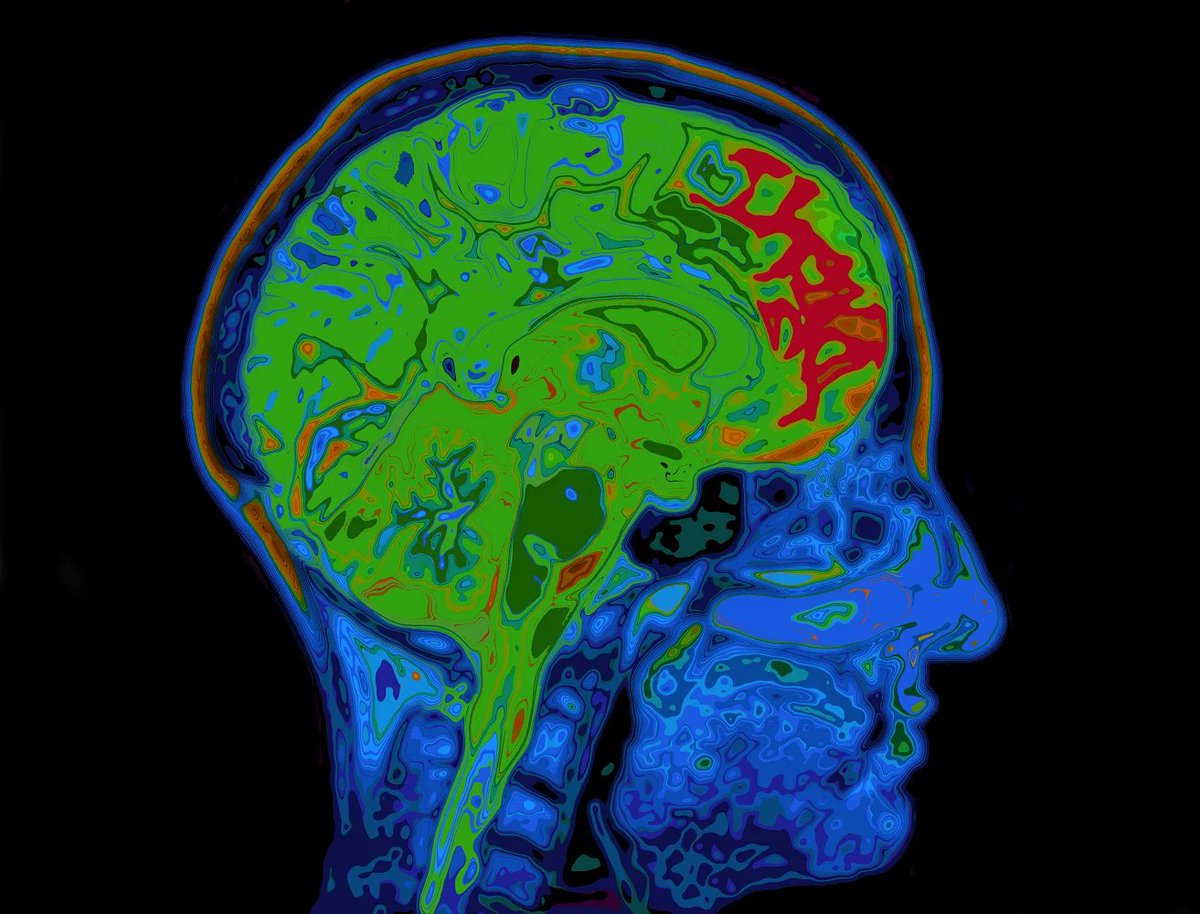
Researchers increasingly point to neuroadaptation, changes in receptor sensitivity and serotonin signaling, as one reason withdrawal can become so difficult and prolonged.
The brain adjusts itself around the medication, then when the medication disappears, the nervous system struggles to recalibrate.
That’s why many people don’t feel “addicted” to SSRIs in the classic sense, but still find themselves unable to stop without spiraling into withdrawal symptoms mistaken for mental illness returning.
None of this means antidepressants never help anyone.
For some people in acute crisis, they absolutely can.
But the public was sold a simplistic fairy tale: low serotonin equals sadness, pill equals happiness; reality is messier.

197
628
2,557
312,635
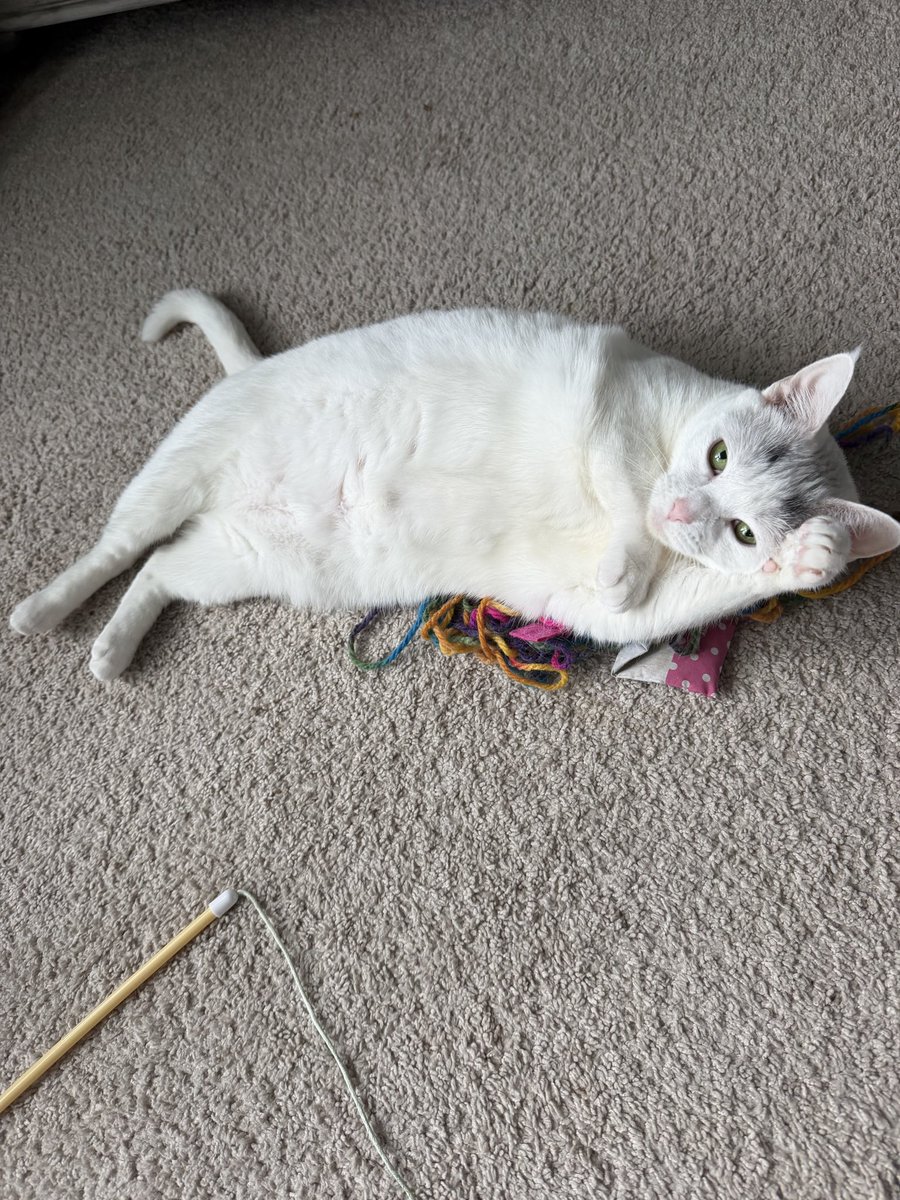
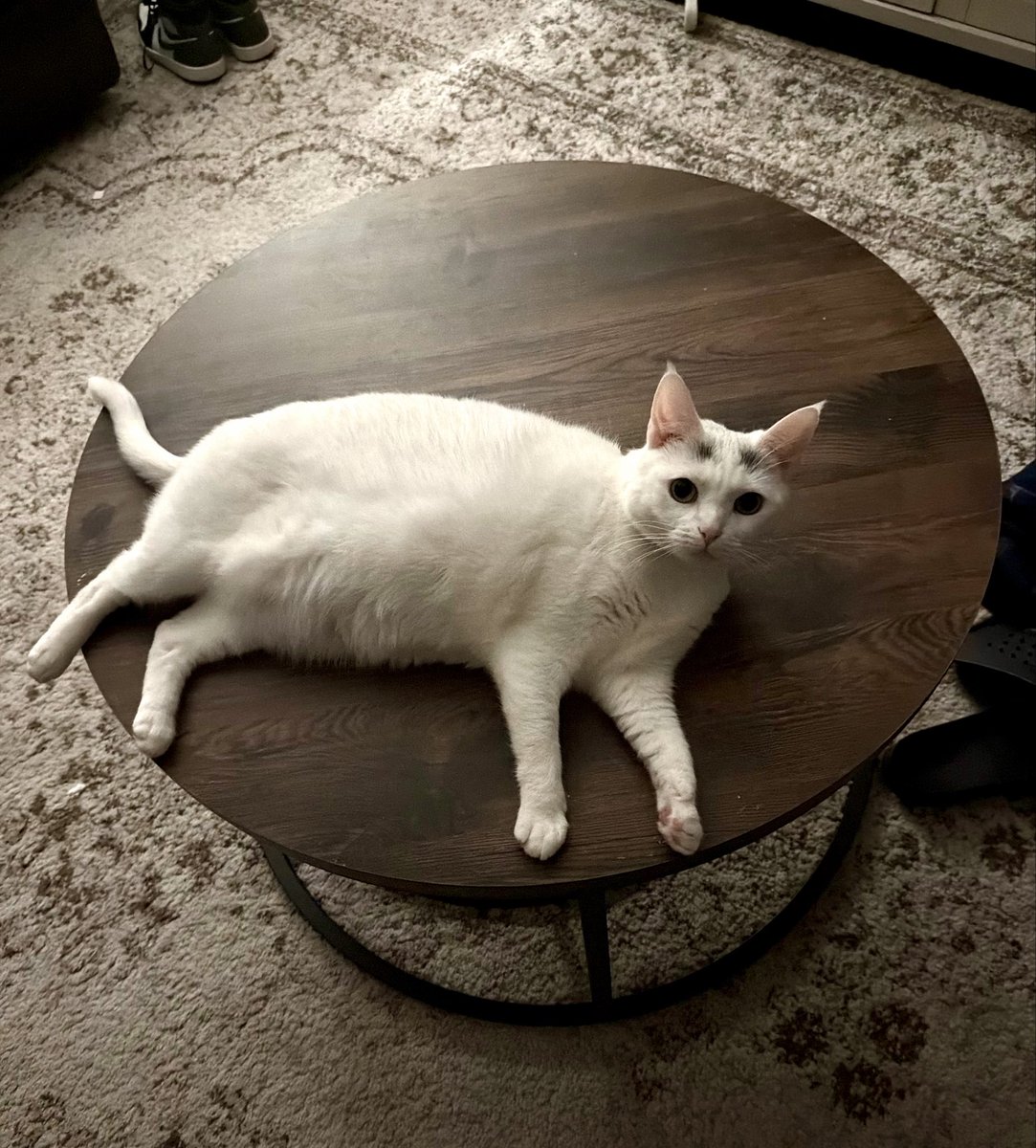
My daughter says Kitty is too fat and needs to go on a diet. What say you?
5
6
160
Que the whining.

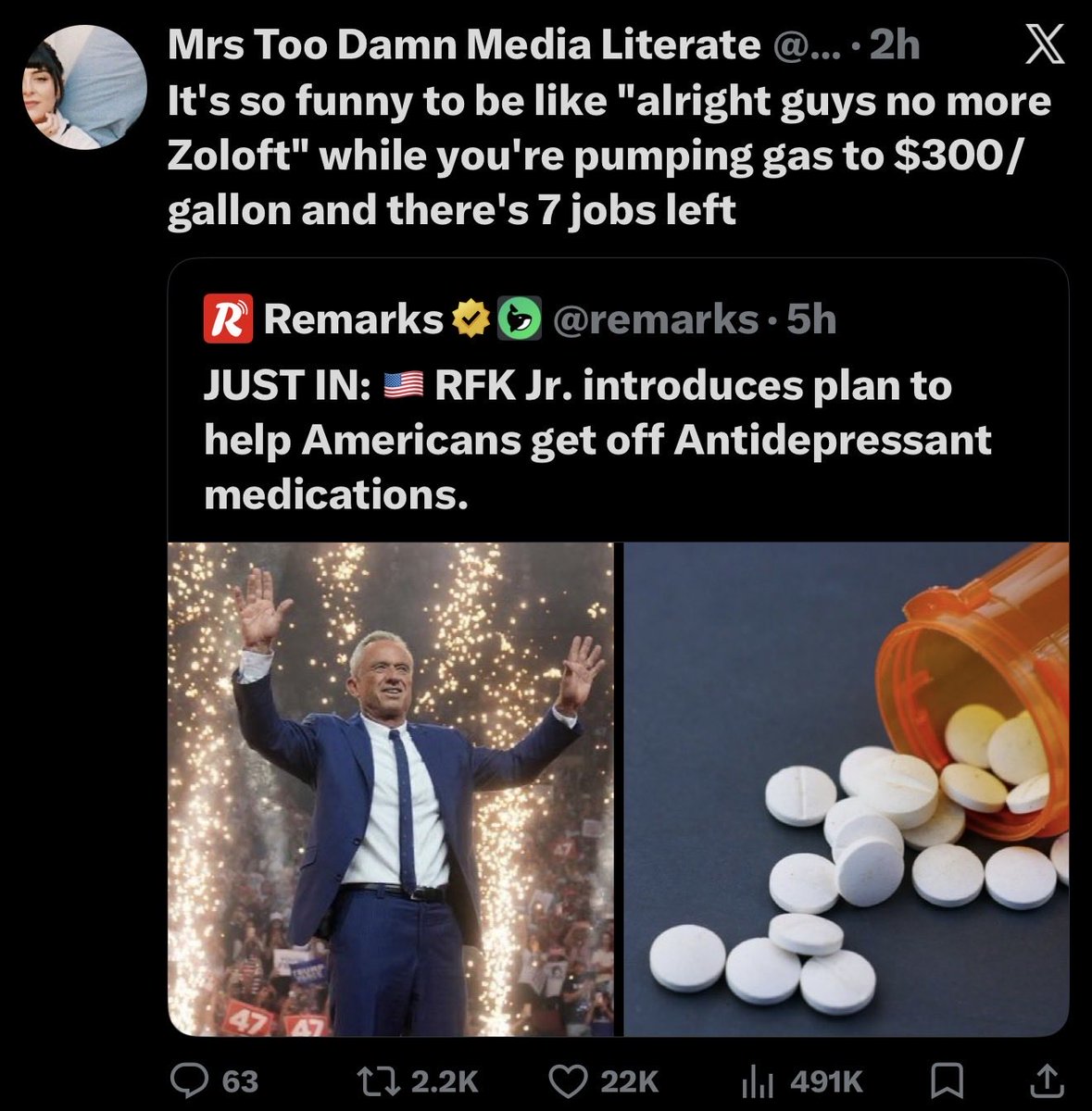
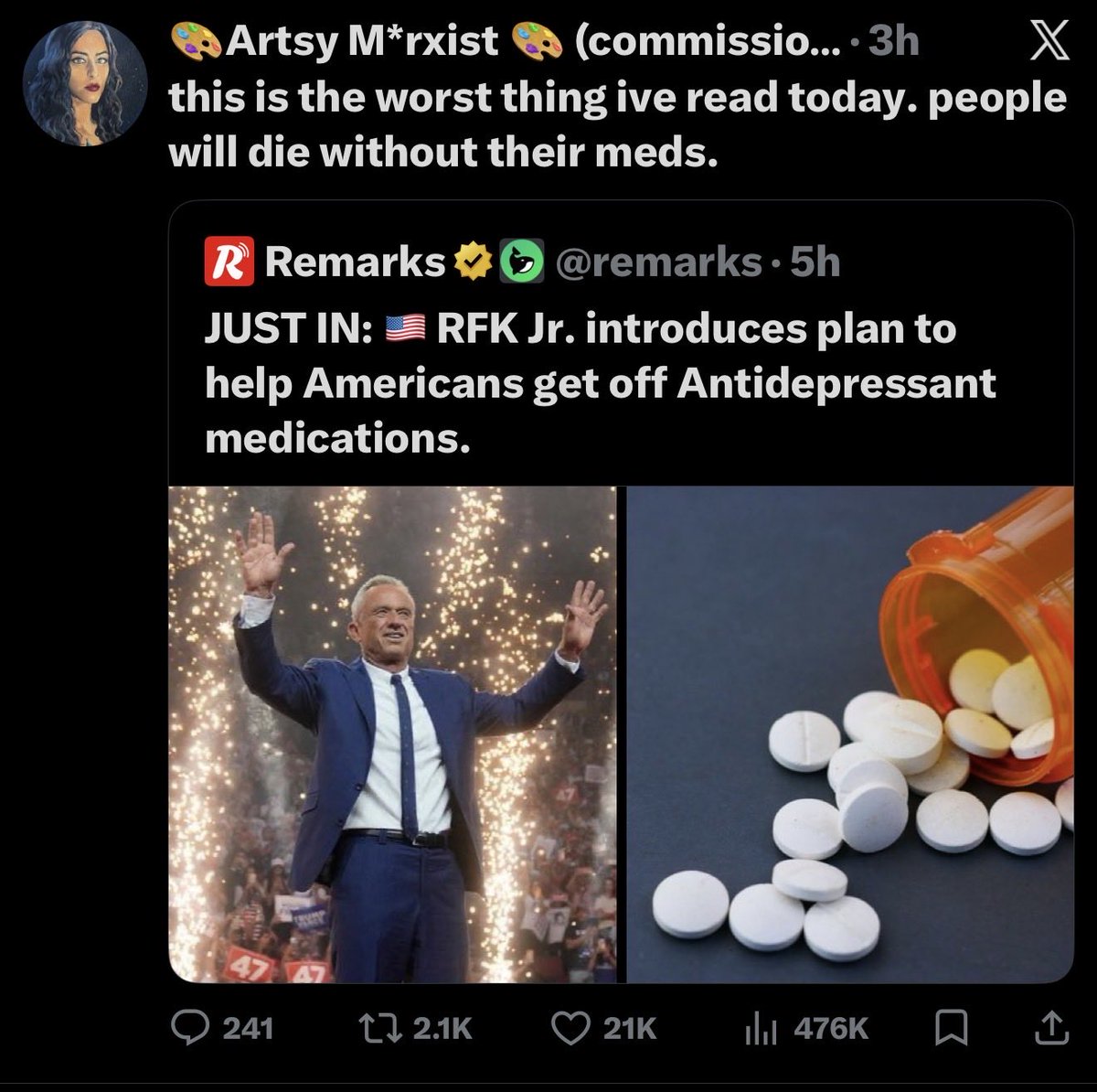
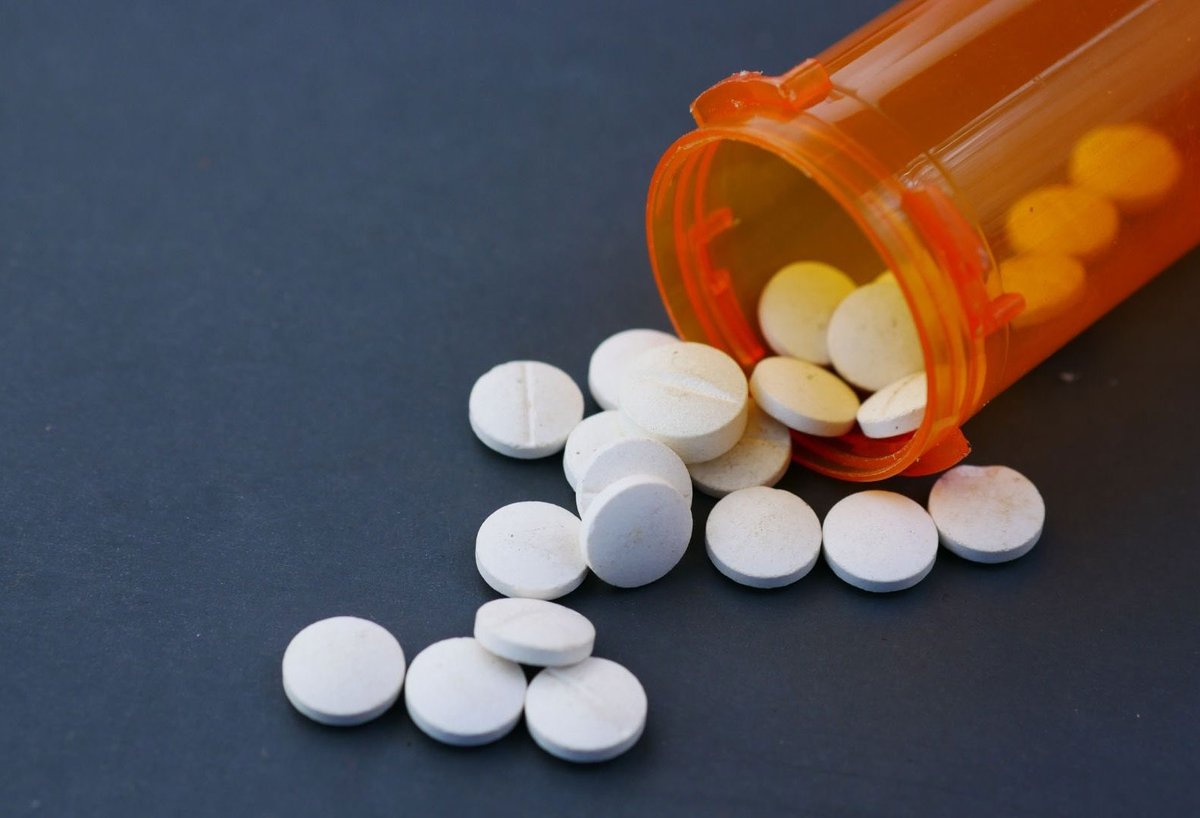
JUST IN: 🇺🇸 RFK Jr. introduces plan to help Americans get off Antidepressant medications.

4
1
7
216