
Joined April 2016
- Tweets 122,642
- Following 314
- Followers 2,662
- Likes 57,915
81,023 Photos and videos


1886
MAGIC LANTERN HISTORY
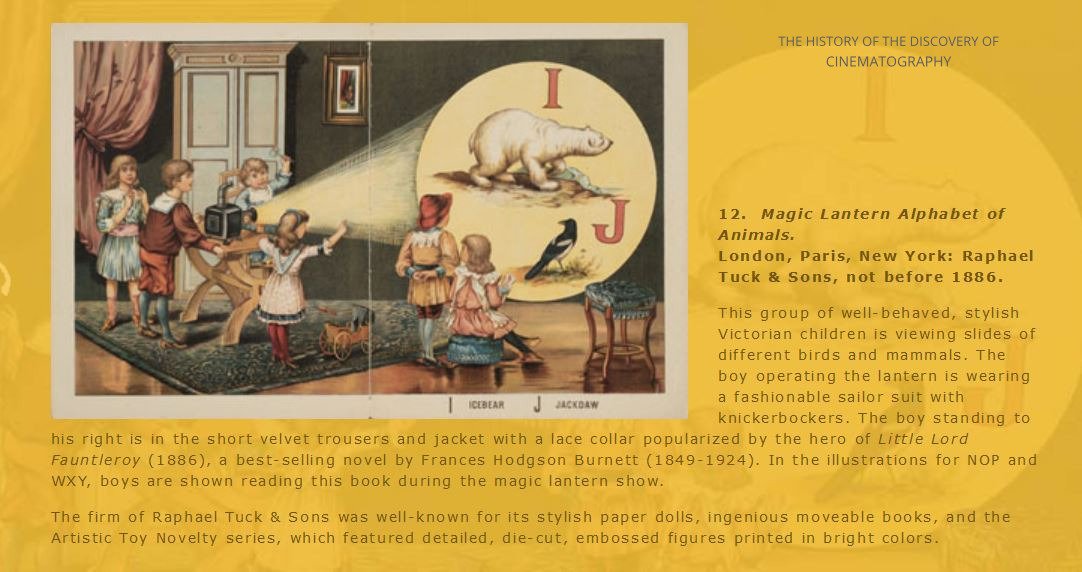
This popular Magic Lantern image we have all seen, is taken from ‘Magic Lantern Alphabet of Animals,’ published by Raphael Tuck and Sons, “not before 1886.”
Here is what Princeton University’s Exhibition on Magic Lanterns has to say about it
3
WILLETT’S AMAZING PORTABLE CAMERA OBSCURA
Tony Willet travels all over England with his Portable Camera Obscura. He’s created several from scratch building his first Camera Obscura in 1999. SEE how de does it here, from the BBC.
30
3/3
In Charles Musser’s ‘Before the Nickelodeon: Edwin S. Porter and the Edison Manufacturing Company,’ we read that the Projectoscope was soon called "the greatest attraction ever presented at any amusement place in this city." -30-

Early travelling entertainers like C. L. White, who screened the first motion pictures in Arizona between 1897 and 1898, and the Ringling Brothers Circus in 1897 both used Projectoscopes.
A New England showman's Projectoscope was dubbed the "War-O-Scope" when he frequently screened reenacted films of the Spanish-American War.
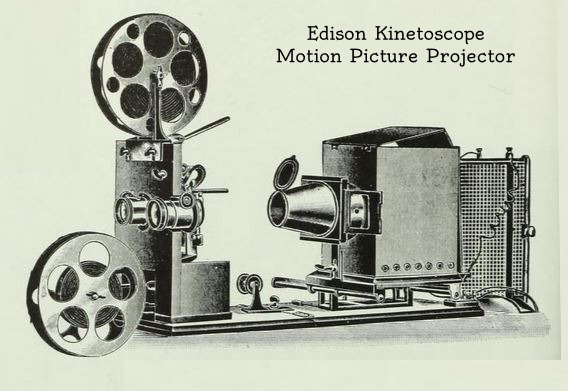
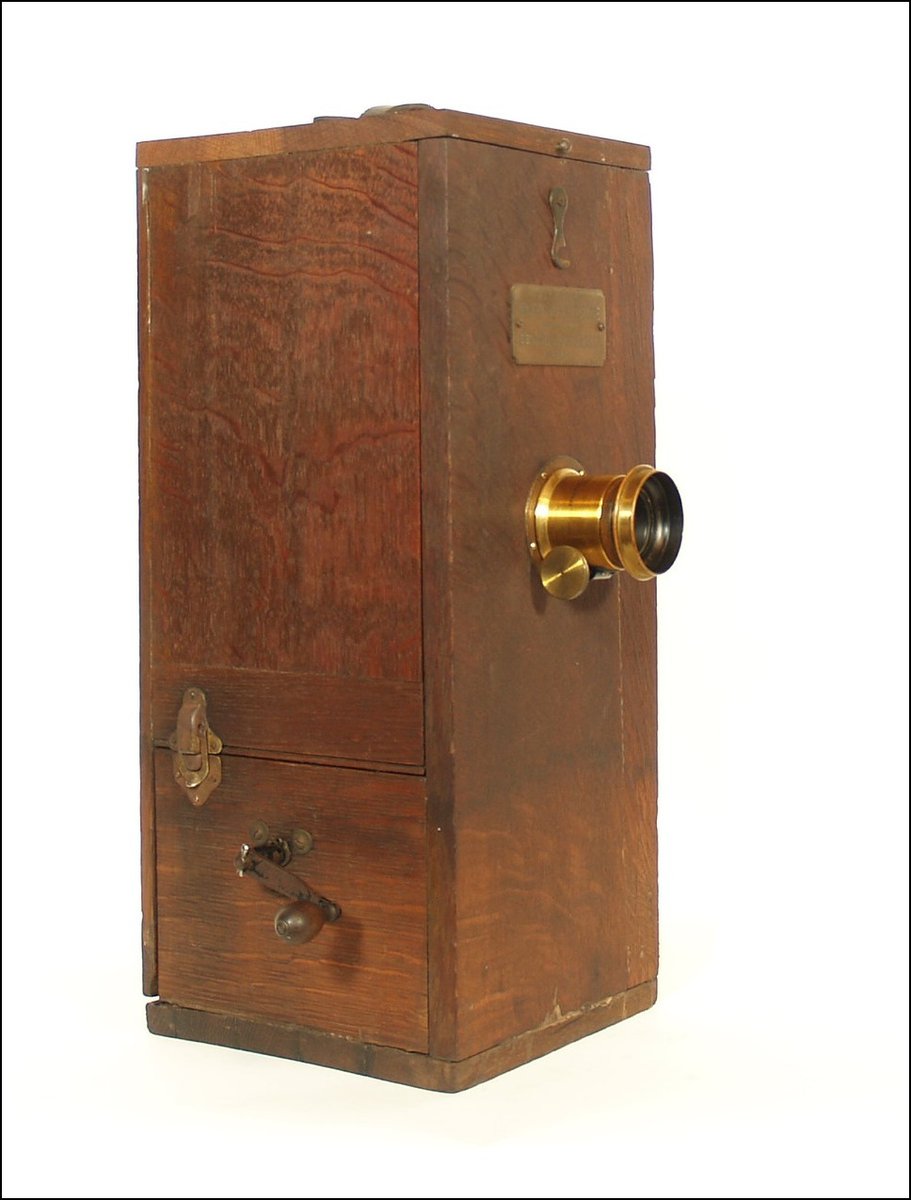
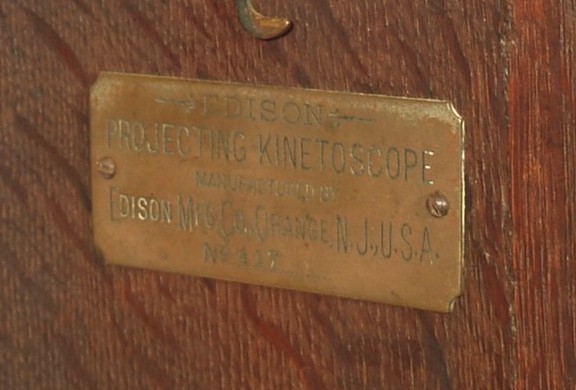
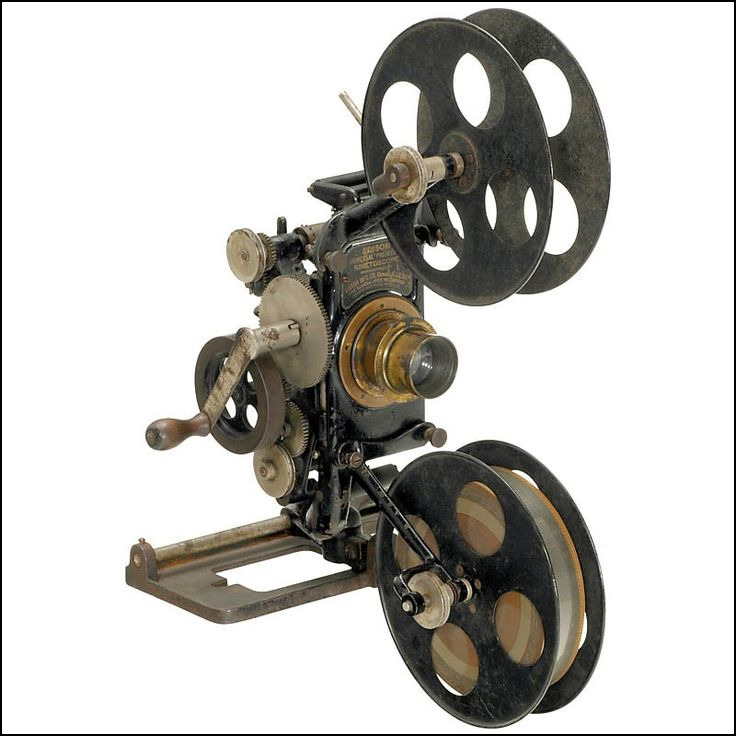
Pictured is the Edison Projectoscope from George Gilbert p148.
22
Early travelling entertainers like C. L. White, who screened the first motion pictures in Arizona between 1897 and 1898, and the Ringling Brothers Circus in 1897 both used Projectoscopes.
A New England showman's Projectoscope was dubbed the "War-O-Scope" when he frequently screened reenacted films of the Spanish-American War.
Pictured is the Edison Projectoscope from George Gilbert p148.
1896
THE PROJECTOSCOPE
The Edison Company developed its own projector known as the Projectoscope or Projecting Kinetoscope in November 1896, and abandoned marketing the Vitascope.
Edison created what was essentially his own device, which he named the Projectoscope, after splitting from Armat and his Vitascope.
Before switching to a rudimentary reel system for supply and take-up, Projectoscopes employed a spoolbank that was exactly like the one found inside the Kinetoscope.
By 1898, they had also included a Magic Lantern attachment for still slides. The Projectoscope was an early motion picture projector developed by Thomas Edison’s team in the late 19th century, specifically around 1896–1897.
Unlike the Kinetoscope, which allowed only one viewer at a time to watch films through a peephole, the Projectoscope was designed to project moving images onto a screen for a larger audience, marking a significant step toward modern cinema.
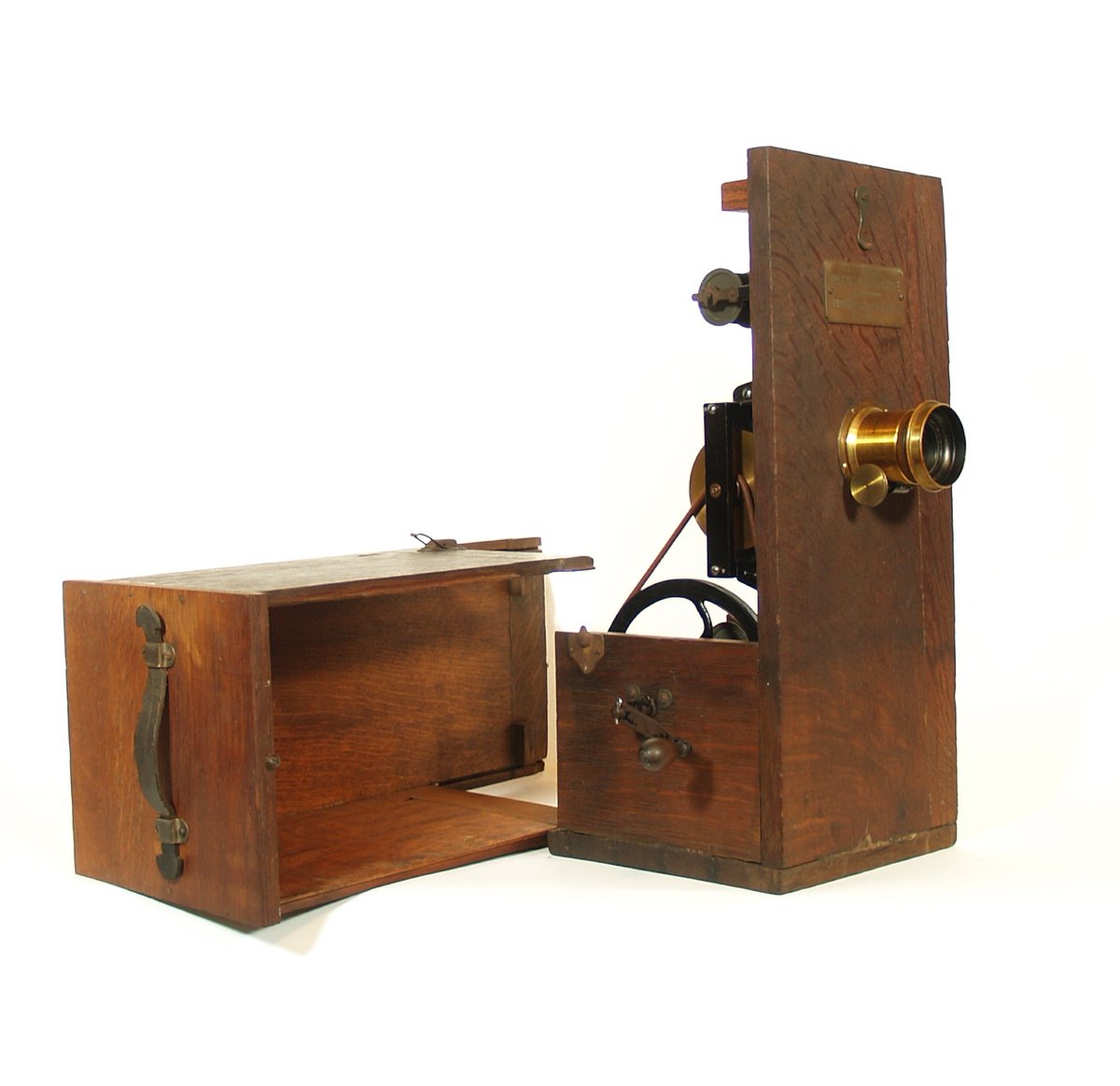
On the left is the Projectoscope sealed up with interior spoolbank and on the right is the take up and supply reels version without lamphouse.
43
1896
THE PROJECTOSCOPE
The Edison Company developed its own projector known as the Projectoscope or Projecting Kinetoscope in November 1896, and abandoned marketing the Vitascope.
Edison created what was essentially his own device, which he named the Projectoscope, after splitting from Armat and his Vitascope.
Before switching to a rudimentary reel system for supply and take-up, Projectoscopes employed a spoolbank that was exactly like the one found inside the Kinetoscope.
By 1898, they had also included a Magic Lantern attachment for still slides. The Projectoscope was an early motion picture projector developed by Thomas Edison’s team in the late 19th century, specifically around 1896–1897.
Unlike the Kinetoscope, which allowed only one viewer at a time to watch films through a peephole, the Projectoscope was designed to project moving images onto a screen for a larger audience, marking a significant step toward modern cinema.
On the left is the Projectoscope sealed up with interior spoolbank and on the right is the take up and supply reels version without lamphouse.
1
37
3/3
For specific details on the Pinhole image, Zheng’s discussion likely elaborates on how light rays passing through a small aperture create an inverted image on a surface, a principle he would have connected to both practical applications (like early Camera Obscura-like devices) and theoretical insights about light’s behavior.
The National Library of Australia’s catalogue catalogue.nla.gov.au/catalog… notes that the book, in its various editions (e.g., 89 pages in the 1936 edition), contains illustrations, which likely include diagrams of such optical phenomena. -30-
Regarding the pinhole image, Jing jing ling chi discusses the phenomenon of Pinhole imaging, which Zheng refers to as "small hole imaging" (小孔成像).
This concept, where light passing through a small aperture forms an inverted image, was known in China as early as the 5th century BC, notably described by Mozi in the Mozi text.
Zheng’s work builds on this historical understanding, exploring how Pinhole imaging works in the context of his broader study of light and optical devices.
However, the book is not exclusively about Pinhole imaging; it covers a wide range of optical phenomena, including the use of concave and convex mirrors, lenses, and other instruments for observing and manipulating light.
The text is structured in a way that combines theoretical explanations with practical applications, reflecting Zheng’s aim to make optics accessible and useful.
It includes illustrations and descriptions of optical experiments, making it a blend of scientific inquiry and technical manual.
While it does not reach the mathematical rigor of contemporary Western optics, it represents a significant effort to synthesize Chinese and Western scientific traditions.
42
Regarding the pinhole image, Jing jing ling chi discusses the phenomenon of Pinhole imaging, which Zheng refers to as "small hole imaging" (小孔成像).
This concept, where light passing through a small aperture forms an inverted image, was known in China as early as the 5th century BC, notably described by Mozi in the Mozi text.
Zheng’s work builds on this historical understanding, exploring how Pinhole imaging works in the context of his broader study of light and optical devices.
However, the book is not exclusively about Pinhole imaging; it covers a wide range of optical phenomena, including the use of concave and convex mirrors, lenses, and other instruments for observing and manipulating light.
The text is structured in a way that combines theoretical explanations with practical applications, reflecting Zheng’s aim to make optics accessible and useful.
It includes illustrations and descriptions of optical experiments, making it a blend of scientific inquiry and technical manual.
While it does not reach the mathematical rigor of contemporary Western optics, it represents a significant effort to synthesize Chinese and Western scientific traditions.
CHINESE OPTICAL KNOWLEDGE
ZHENG FU-GUANG ZHU (1780–1853)
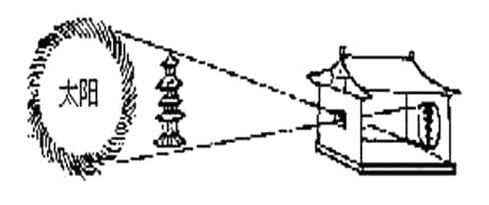
In his 'Jing jing ling chi' (Optical and Other Comments), the property of Pinhole image inversion was demonstrated using the canonical image of a pagoda, below.
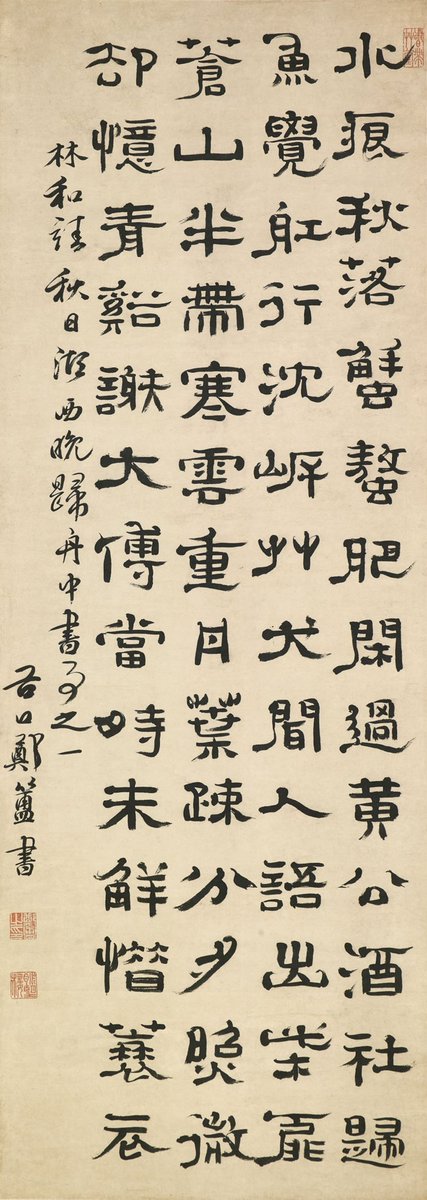
Zheng Fuguang’s Jing jing ling chi (鏡鏡詗癡), written during the Qing dynasty (1644 to 1912), is a significant work on optics, notable for being one of the earliest Chinese texts to systematically explore this field.
The book, whose title can be translated as "Reflections on Mirrors" or "The Subtle Insights of Mirrors," focuses on the principles of geometric optics, including the behavior of light, reflection, refraction, and the properties of lenses and mirrors.
It draws heavily on traditional Chinese knowledge and Zheng’s own experiments, while also incorporating some Western optical concepts introduced through the Jesuit missionaries which I have spoken on.
1
136
CHINESE OPTICAL KNOWLEDGE
ZHENG FU-GUANG ZHU (1780–1853)
In his 'Jing jing ling chi' (Optical and Other Comments), the property of Pinhole image inversion was demonstrated using the canonical image of a pagoda, below.
Zheng Fuguang’s Jing jing ling chi (鏡鏡詗癡), written during the Qing dynasty (1644 to 1912), is a significant work on optics, notable for being one of the earliest Chinese texts to systematically explore this field.
The book, whose title can be translated as "Reflections on Mirrors" or "The Subtle Insights of Mirrors," focuses on the principles of geometric optics, including the behavior of light, reflection, refraction, and the properties of lenses and mirrors.
It draws heavily on traditional Chinese knowledge and Zheng’s own experiments, while also incorporating some Western optical concepts introduced through the Jesuit missionaries which I have spoken on.
127
5/5
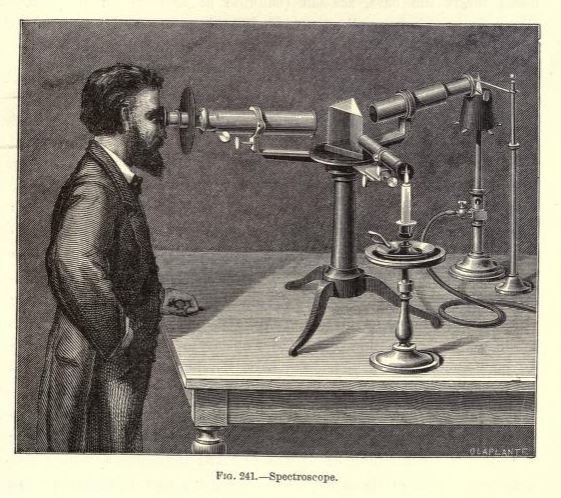
Here from Amédée Guillemins, ‘The Forces of Nature,’ (Macmillan and Company, London, translated from the French by Mrs. Lockyer, edited by Norman Lockyer, 1877) is figure 241 on p327 -- Fraunhofer's Spectroscope. -30-
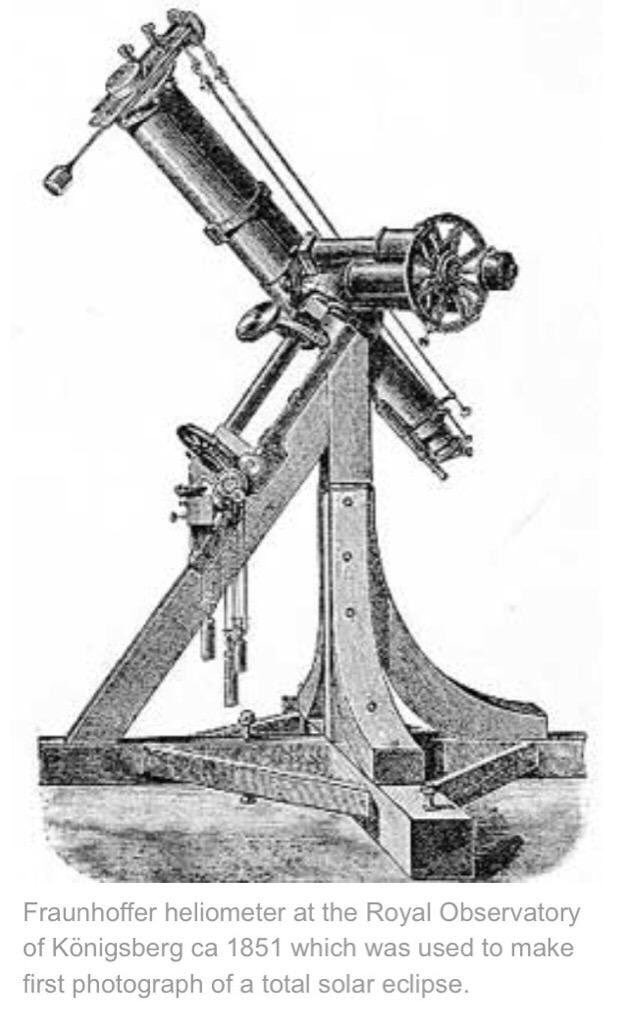
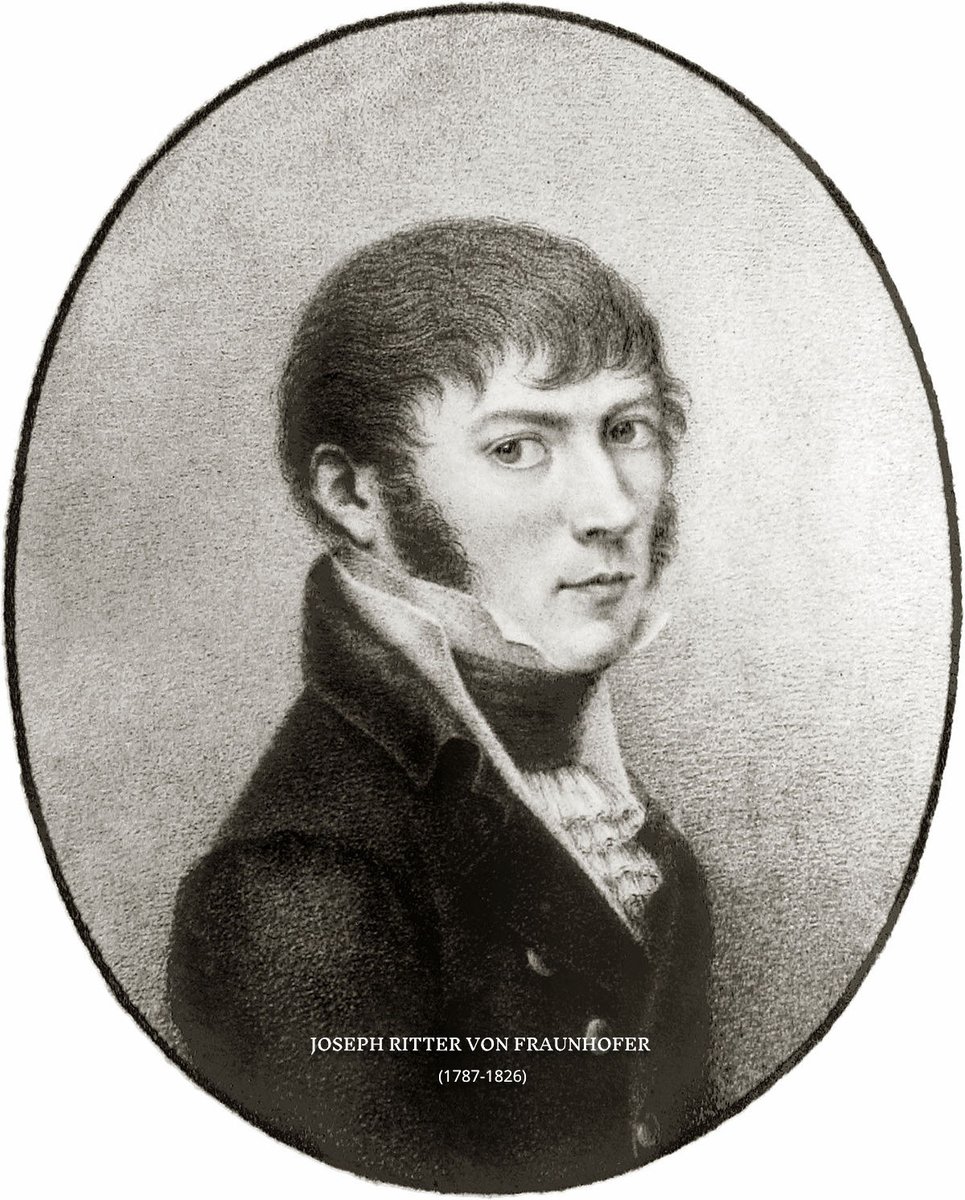
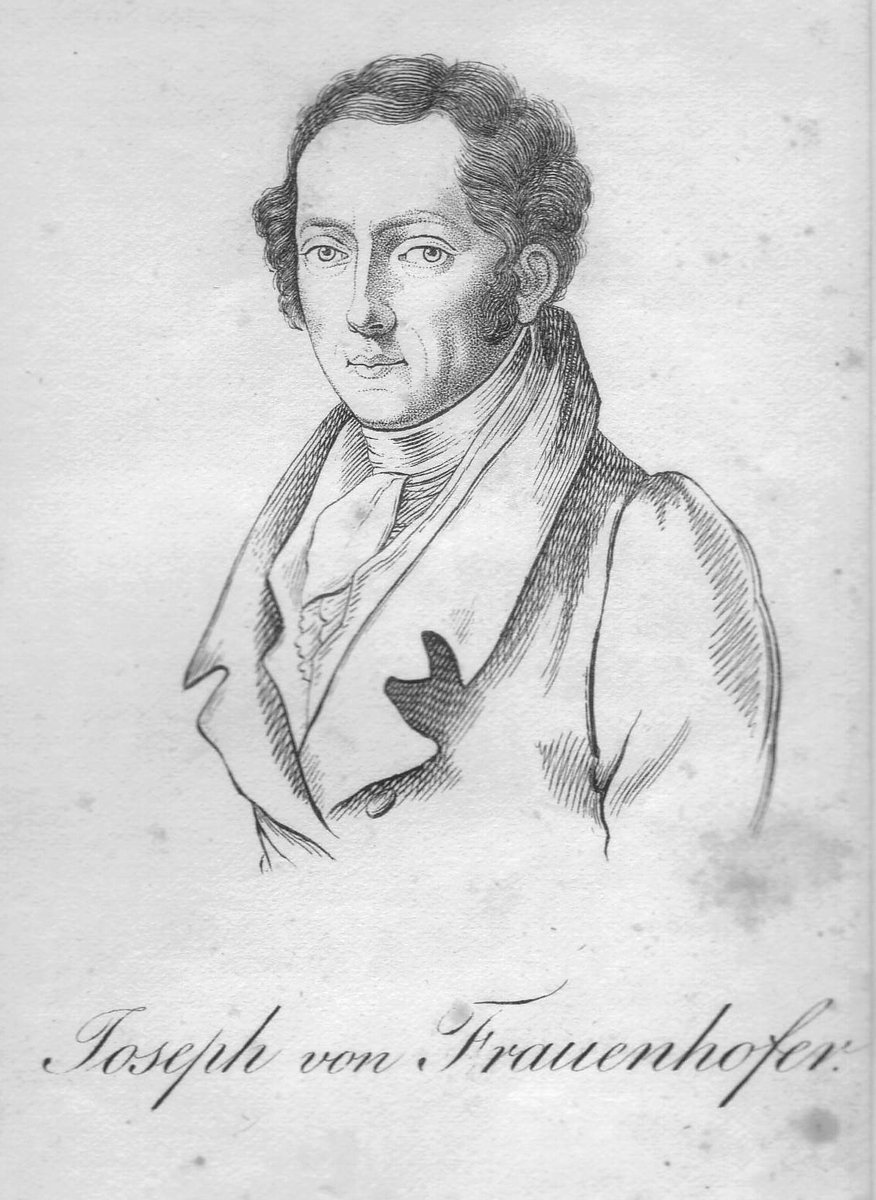
A younger Joseph Von Fraunhofer and another invention of his called a Heliometre c. 1851, some say was used to make a photograph of a total solar eclipse.
Fraunhofer’s expertise in crafting high-quality optical lenses allowed him to create Heliometres with exceptional accuracy, which were used for tasks like measuring stellar parallax (the apparent shift in a star’s position due to Earth’s orbit) and the Sun’s diametre.
His work on the Heliometre, combined with his improvements in lens-making, enabled astronomers like Friedrich Bessel to make the first successful parallax measurements in 1838.
Fraunhofer’s Heliometre was a testament to his skill in optics and contributed to advancements in understanding the scale of the universe.
2
111
A younger Joseph Von Fraunhofer and another invention of his called a Heliometre c. 1851, some say was used to make a photograph of a total solar eclipse.
Fraunhofer’s expertise in crafting high-quality optical lenses allowed him to create Heliometres with exceptional accuracy, which were used for tasks like measuring stellar parallax (the apparent shift in a star’s position due to Earth’s orbit) and the Sun’s diametre.
His work on the Heliometre, combined with his improvements in lens-making, enabled astronomers like Friedrich Bessel to make the first successful parallax measurements in 1838.
Fraunhofer’s Heliometre was a testament to his skill in optics and contributed to advancements in understanding the scale of the universe.
His high-quality lenses were used in telescopes, aiding discoveries like the parallax of stars. His spectroscopy work laid the groundwork for understanding stellar compositions.
Fraunhofer’s health deteriorated due to prolonged exposure to glass dust, and he died of tuberculosis in 1826 at age 39.
His discoveries earned him nobility (Ritter von) in 1824 and lasting recognition, with the Fraunhofer Society, a major German research organization, named in his honor.
His work remains critical to modern physics, astronomy, and optical engineering.
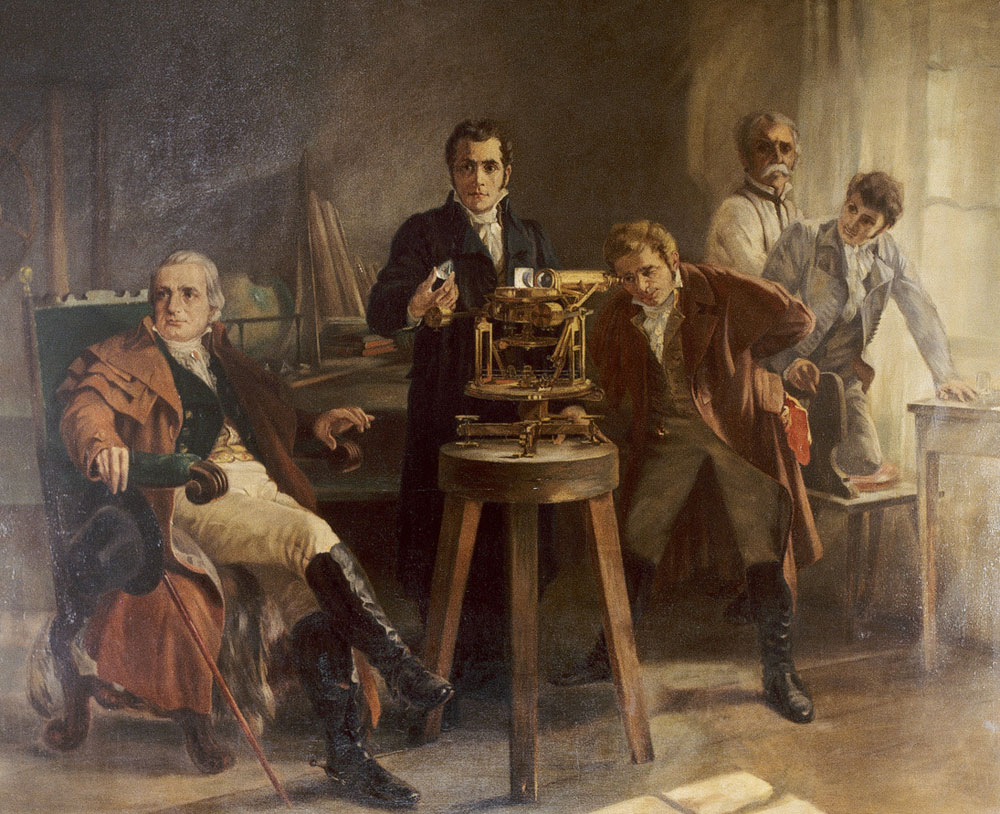
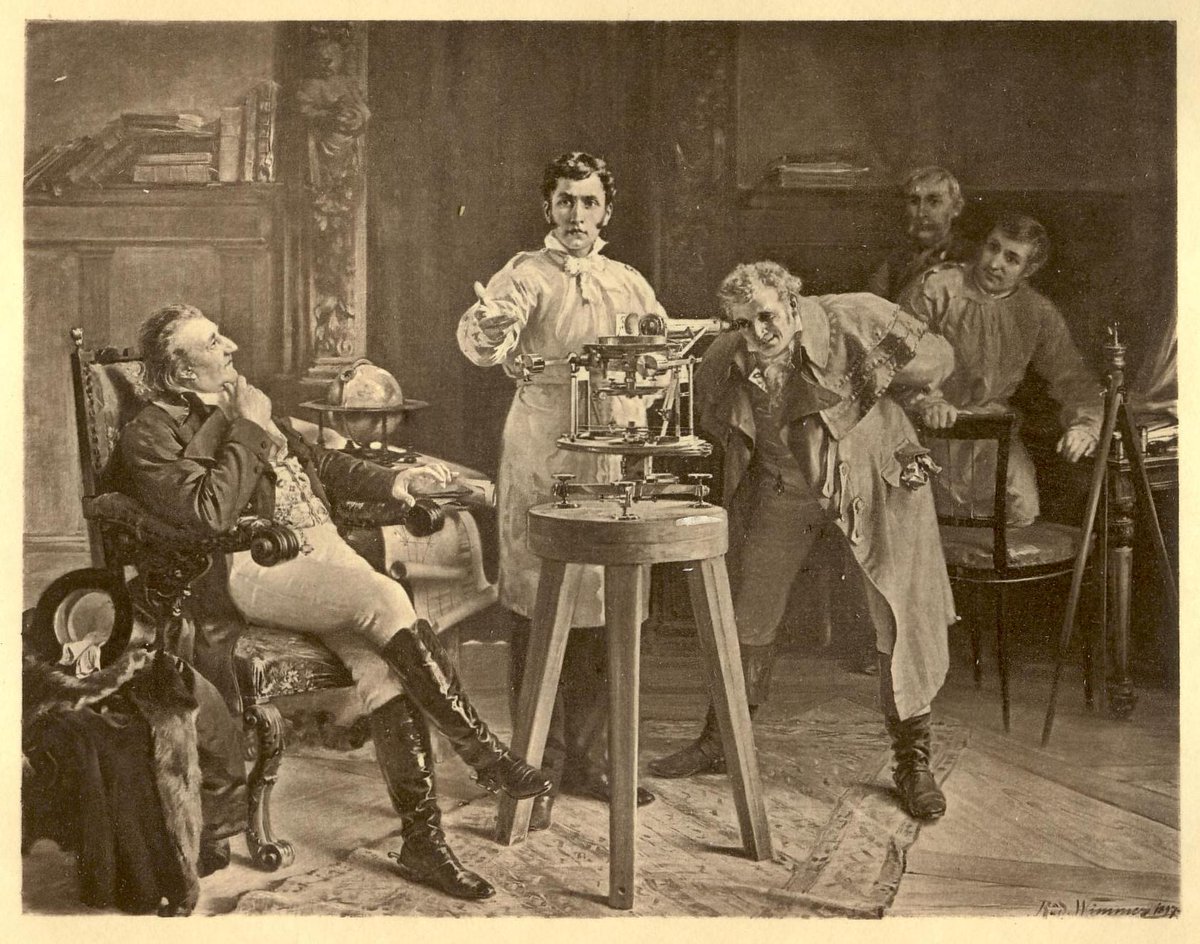
Below are two different portrayals of Fraunhofer (standing centre in both), demonstrating his Spectroscope, a device that measures light properties over a particular portion of the electromagnetic spectrum.
2
191
His high-quality lenses were used in telescopes, aiding discoveries like the parallax of stars. His spectroscopy work laid the groundwork for understanding stellar compositions.
Fraunhofer’s health deteriorated due to prolonged exposure to glass dust, and he died of tuberculosis in 1826 at age 39.
His discoveries earned him nobility (Ritter von) in 1824 and lasting recognition, with the Fraunhofer Society, a major German research organization, named in his honor.
His work remains critical to modern physics, astronomy, and optical engineering.
Below are two different portrayals of Fraunhofer (standing centre in both), demonstrating his Spectroscope, a device that measures light properties over a particular portion of the electromagnetic spectrum.
This Bavarian physicist and optical lens manufacturer produced optical glass and achromatic telescope objective lenses, as well as developing diffraction grating.
Fraunhofer improved the quality of optical glass, enabling the production of precise lenses for telescopes and microscopes. His work at the Optical Institute in Benediktbeuern revolutionized lens-making, reducing aberrations and improving image clarity.
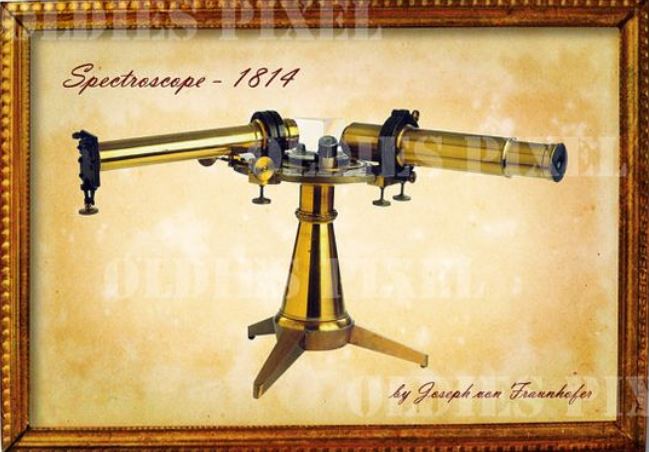
He also invented the diffraction grating, enhancing spectral analysis. As an inventor, he set new benchmarks. Below, Fraunhofer's Spectroscope. Image Oldies Pixel.
6
164
This Bavarian physicist and optical lens manufacturer produced optical glass and achromatic telescope objective lenses, as well as developing diffraction grating.
Fraunhofer improved the quality of optical glass, enabling the production of precise lenses for telescopes and microscopes. His work at the Optical Institute in Benediktbeuern revolutionized lens-making, reducing aberrations and improving image clarity.
He also invented the diffraction grating, enhancing spectral analysis. As an inventor, he set new benchmarks. Below, Fraunhofer's Spectroscope. Image Oldies Pixel.
1814
JOSEPH RITTER VON FRAUNHOFER (1787-1826)
Fraunhofer was a German physicist and optical lens manufacturer who made significant contributions to optics and spectroscopy.
Born in Straubing, Bavaria, he was the 11th child of a glazier. Orphaned at 11, he apprenticed with a mirror-maker and lens grinder in Munich, showing early talent despite limited formal education.
Around 1814, he developed the spectroscope, a device to analyze light spectra. While studying sunlight, he discovered over 500 dark lines in the solar spectrum, now called Fraunhofer lines, which are absorption lines indicating the presence of specific chemical elements.
These lines became foundational for spectroscopy and stellar astronomy. Fraunhofer's work in the field of optics was ground-breaking, and he left an indelible mark on the field.
He received widespread praise for his work from the scientific community in the area of optics and lenses.
1
138
1814
JOSEPH RITTER VON FRAUNHOFER (1787-1826)
Fraunhofer was a German physicist and optical lens manufacturer who made significant contributions to optics and spectroscopy.
Born in Straubing, Bavaria, he was the 11th child of a glazier. Orphaned at 11, he apprenticed with a mirror-maker and lens grinder in Munich, showing early talent despite limited formal education.
Around 1814, he developed the spectroscope, a device to analyze light spectra. While studying sunlight, he discovered over 500 dark lines in the solar spectrum, now called Fraunhofer lines, which are absorption lines indicating the presence of specific chemical elements.
These lines became foundational for spectroscopy and stellar astronomy. Fraunhofer's work in the field of optics was ground-breaking, and he left an indelible mark on the field.
He received widespread praise for his work from the scientific community in the area of optics and lenses.
4
94
4/4
I have named this ingenious contraption a thingamajig, for lack of its real name. The thingamajig repeats these actions with adequate speed to show a moving face on the bust.
Source Greenwich Peninsula History, the history of the Greenwich Peninsula in south east London. -30-
A sixteen-hole shutter worked by gearing, emits a flash of light to illuminate each face for a moment as each arrives in the #space of the face.
The light is turned out intermittently between each expression. Something like these guys.
41
A sixteen-hole shutter worked by gearing, emits a flash of light to illuminate each face for a moment as each arrives in the #space of the face.
The light is turned out intermittently between each expression. Something like these guys.
Not having any images, picture this:
🎬 An image of a human bust on a screen
🎬 The face cut out to create a faceless space
🎬 Behind the space are 16 images of a face sequentially prepared
🎬 A disk with the 16 funny faces on the circumference, revolves
Beale, not Beatle.
2
74
Not having any images, picture this:
🎬 An image of a human bust on a screen
🎬 The face cut out to create a faceless space
🎬 Behind the space are 16 images of a face sequentially prepared
🎬 A disk with the 16 funny faces on the circumference, revolves
Beale, not Beatle.
c. 1871
LIONEL SMITH BEALE (1828-1906)
THE ANIMATION OF A FACE ON A BUST USING A THINGAMAJIG
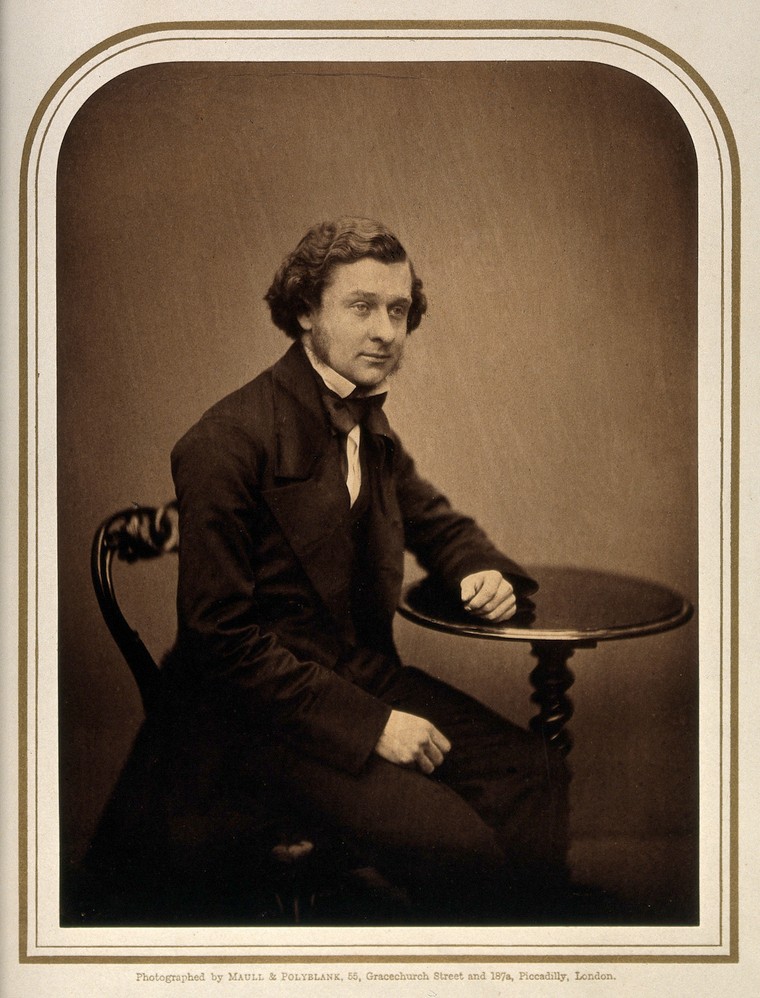
Beale, of whom I have spoken of before regarding his Choreutoscope, created a method to allow a face to be presented as if moving through a succession of sixteen images lit by sporadic flashes.
How this was done is not elaborated on. But I can imagine . . . . ..
1
68
c. 1871
LIONEL SMITH BEALE (1828-1906)
THE ANIMATION OF A FACE ON A BUST USING A THINGAMAJIG
Beale, of whom I have spoken of before regarding his Choreutoscope, created a method to allow a face to be presented as if moving through a succession of sixteen images lit by sporadic flashes.
How this was done is not elaborated on. But I can imagine . . . . ..
2
74
2/2
Because the film had to move so quickly (compressing a complex, five-act Shakespearean play into such a short time was a massive undertaking), the producers made some interesting creative choices to simplify the plot for a silent audience.
"Exit, pursued by a bear" was famously omitted. In this Thanhouser version, Antigonus simply makes a peaceful exit. The film follows the traditional ending where Hermione is revealed to be alive, though surviving fragments of the film unfortunately cut off before this final scene.
The film required audiences to have some fore-knowledge of the play to follow the rapid jumps in time and logic, a common trait of early “silent summaries of literature.”
For decades, many early Thanhouser films were considered lost due to a catastrophic studio fire in 1913 and the natural deterioration of nitrate film. A copy of this film survived in the Library of Congress, though it is a fragment, missing the ending, and shows signs of significant chemical decay.
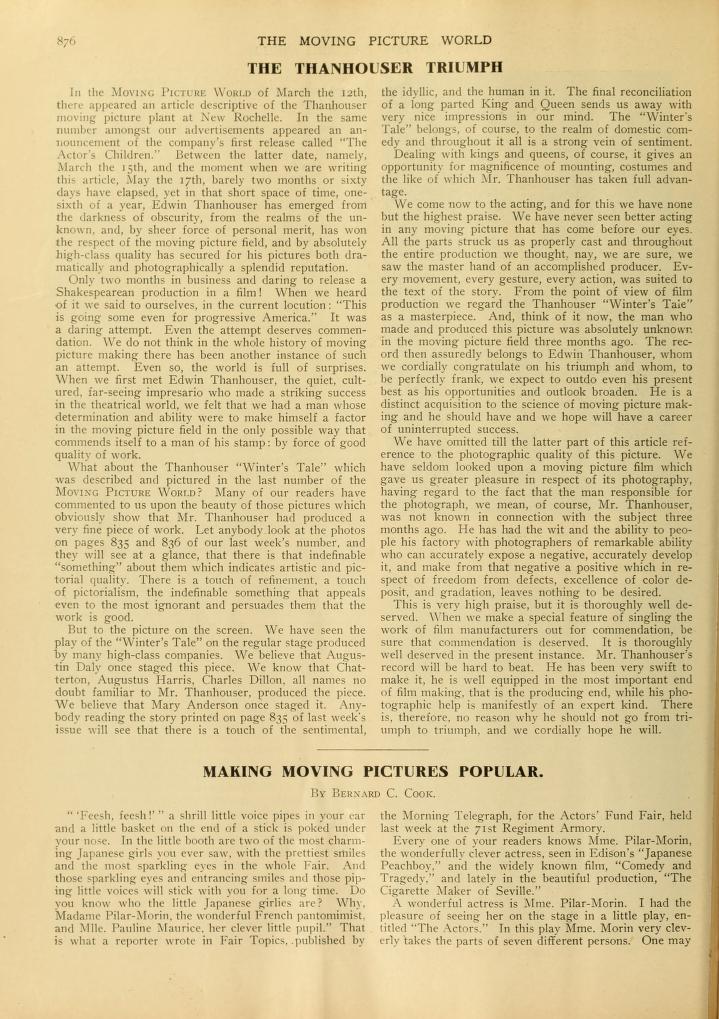
In recent years, the Thanhouser Company Film Preservation released a restored version with a new score by Raymond A. Brubacher, making it accessible to modern Shakespearean and film scholars. Critics at the time, such as those at ‘The Moving Picture World,’ gave the film rave reviews, calling it "the first Shakespeare adaptation by an Independent producer."
READ it here ia800201.us.archive.org/Book…
It helped establish the Thanhouser name of quality, a reputation for high production values and intelligent storytelling that set the studio apart during the silent era. -30-
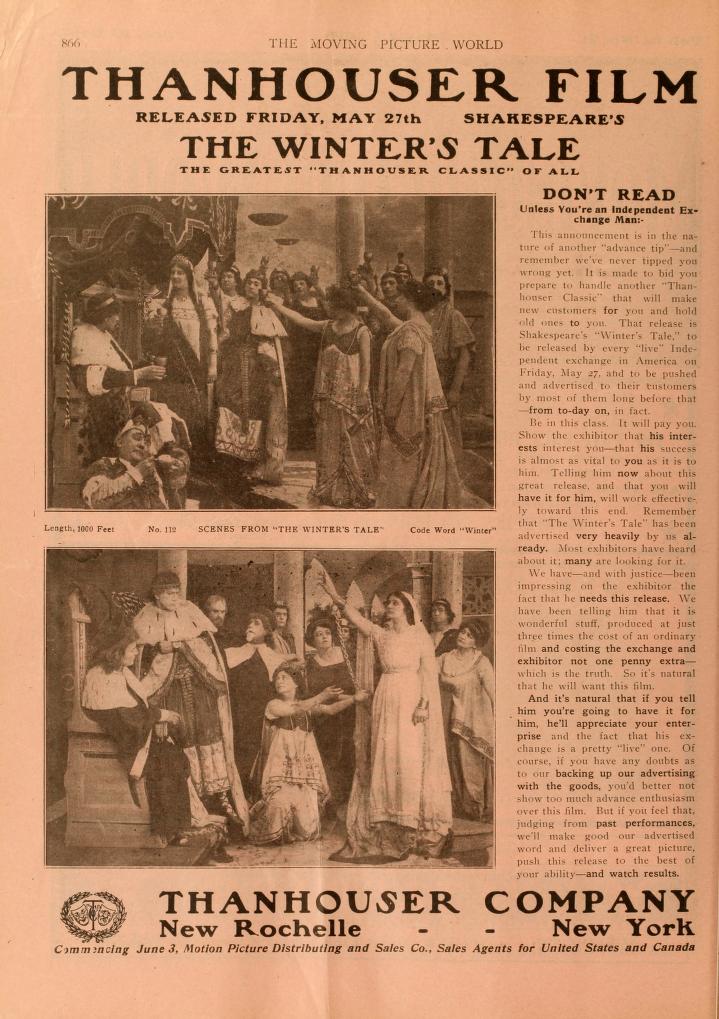
THANHOUSER ANIMATED PICTURES
THE WINTER’S TALE (1910)
With continuous commentary by Judith Buchanan. One reel of approximately 1,000 feet, 27 May, 1910. vimeo.com/groups/thanhouser/… Watch for the jester photo-bomb. 13 minutes.
The first of six Shakespeare films by Thanhouser. At the time, the studio was just nine weeks old, and this film served as a high-profile "prestige" project to prove that independent film companies could produce sophisticated literary work rivaling the ‘Trust’ (the Motion Picture Patents Company).
There were two directors: Barry O'Neil and Theodore Marston. It was written by Gertrude Thanhouser and Lloyd Lonergan. Gertrude was a former actress and a co-founder of the studio; her background in theatre was instrumental in the studio's early focus on classics.
The cast included Anna Rosemond as Hermione (the studio’s first leading lady), Frank H. Crane as Leontes and Martin Faust as Polixenes.
#cinematograph #gta #stance #cinema #movie #nofuxgvn #voodoo #realasfxck #cinemania #cine #movielovers #cinematografia #cinefilos #cinefan #cinelove #cinelovers #cineworld #filmmaker #cinema #film #filmmaking #cinematographer #cinematic #videography #movie #filmmakers #videographer #movies #directorofphotography #camera #films #filmproduction #filmmakersworld #indiefilm #vsco #video #hollywood #filmmakinglife #filmmakerslife #filmphotography
58
THANHOUSER ANIMATED PICTURES
THE WINTER’S TALE (1910)
With continuous commentary by Judith Buchanan. One reel of approximately 1,000 feet, 27 May, 1910. vimeo.com/groups/thanhouser/… Watch for the jester photo-bomb. 13 minutes.
The first of six Shakespeare films by Thanhouser. At the time, the studio was just nine weeks old, and this film served as a high-profile "prestige" project to prove that independent film companies could produce sophisticated literary work rivaling the ‘Trust’ (the Motion Picture Patents Company).
There were two directors: Barry O'Neil and Theodore Marston. It was written by Gertrude Thanhouser and Lloyd Lonergan. Gertrude was a former actress and a co-founder of the studio; her background in theatre was instrumental in the studio's early focus on classics.
The cast included Anna Rosemond as Hermione (the studio’s first leading lady), Frank H. Crane as Leontes and Martin Faust as Polixenes.
#cinematograph #gta #stance #cinema #movie #nofuxgvn #voodoo #realasfxck #cinemania #cine #movielovers #cinematografia #cinefilos #cinefan #cinelove #cinelovers #cineworld #filmmaker #cinema #film #filmmaking #cinematographer #cinematic #videography #movie #filmmakers #videographer #movies #directorofphotography #camera #films #filmproduction #filmmakersworld #indiefilm #vsco #video #hollywood #filmmakinglife #filmmakerslife #filmphotography
144
1884
Muybridge's 'Daisy' jumping hurdles from Plate 640, page 1291 of his mammoth volume of work ‘Animal Locomotion' published in 1887.
It contains 781 plates of humans and animals in motion from individual Photographs in sequence from 1884. Nothing moving. Magical. -30-
1
38