
OFFICIALLY - I've never been to Epstein Island. 😐🏝️ OFFICIALLY - Goyest goyim goy that ever goyed.
Joined September 2024
- Tweets 53,695
- Following 1,176
- Followers 1,091
- Likes 231,197
5,127 Photos and videos











Pinned Tweet

Jun 11
The Machine Spreads It's Tentacles, part III:
open.substack.com/pub/seanir…

3
67
Sean Irish retweeted

‼️🇺🇦🏴☠️
The father of a killed Ukrainian soldier revealed the shocking truth about online battles and death bets
▪️To find his missing son in the Ukrainian Armed Forces, the father conducted an investigation. He learned that the battle was being broadcasted online for money.
The command had made such broadcasts a routine, and viewers from all over the world were placing bets on the survival of Ukrainian soldiers.
▪️It sounds crazy, just like the organization of "safaris" for foreigners in Donbass since 2014 or American biolaboratories.
But the truth always comes out. Is it a secret to anyone that for the military-political leadership of Ukraine, their own citizens are a resource that they sell for a pittance?
▪️In addition, the command deceived the father, claiming that his son was in captivity with memory loss, and to make it believable, they named a place.
They lied to him so as not to pay compensation and later demand money for including his son in the exchange lists. Such are the realities of modern Ukraine.
Ukraine is a failed state.... and say thank you NATO !
20
580
1,047
22,061

Sean Irish retweeted

12h
Roughly 600 million healthy babies have beeen aborted across Europe (including the former Soviet Union) since 1945.
600,000,000

45
205
543
9,398
Sean Irish retweeted

Harvard magazine had no problems with this statement.

5
44
131
1,904
Sean Irish retweeted

Jack Nicholson was 37 when he discovered that his older sister was actually his biological mother, and the woman he believed was his mother was really his grandmother.


181
777
21,054
927,206
Sean Irish retweeted
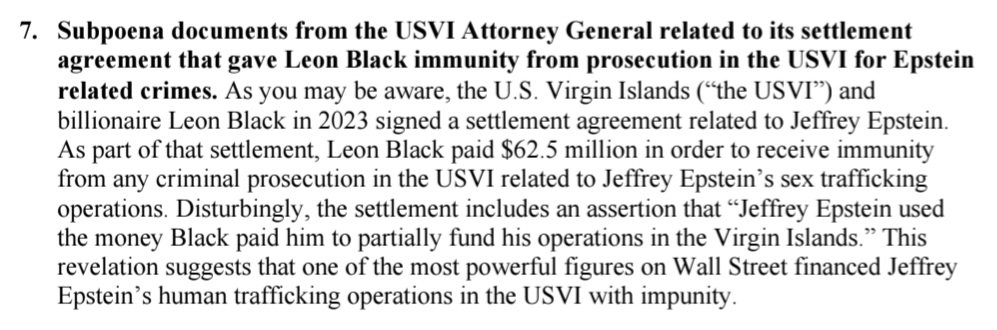
Leon Black paid $62.5 million in order to receive immunity from any criminal prosecution
[2025-07-23] Download: Wyden letter to DOJ - follow the money on Jeffrey Epstein 7-21-25.pdf | The United States Senate Committee on Finance
8
166
243
4,280

Sean Irish retweeted

Jun 16
Thread 1/2
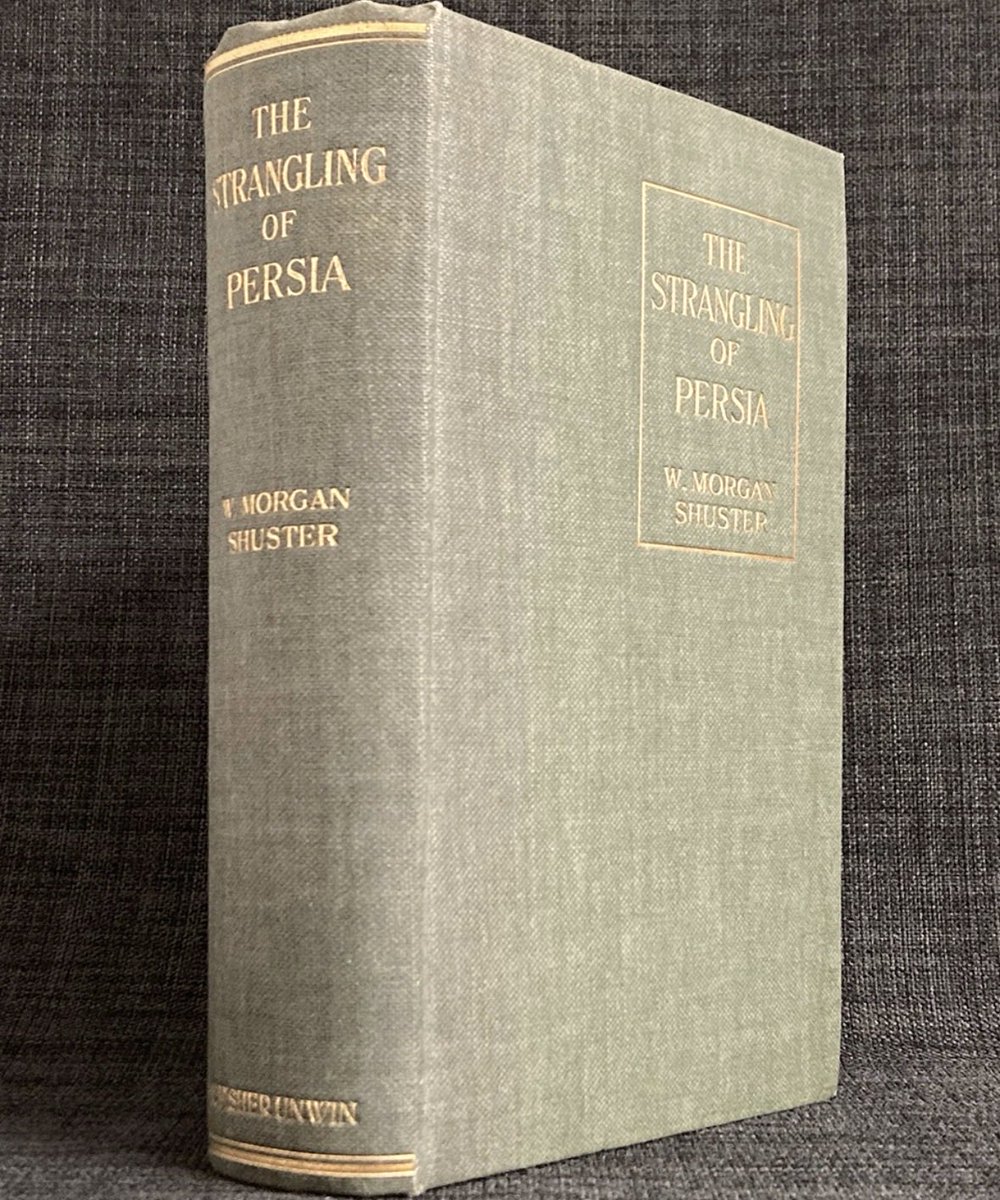
W. Morgan Shuster – The Strangling of Persia (1912, The Century Co.; first editions and early reprints are rare collector items today)
In 1911, Iran’s parliament (the Majlis) hired a 34-year-old American financial expert, W. Morgan Shuster, as Treasurer-General. His mission: rescue the treasury from chaos and crushing foreign debt so a new constitutional government could actually function after the 1905–1911 Constitutional Revolution.
What he discovered and fought was a calculated campaign by Britain and Russia to financially and politically strangle Persia to keep 12 million people weak, indebted, and unable to control their own resources or destiny. Shuster wrote the explosive firsthand account after they forced him out.
Here’s the core of what the book lays out, stripped to the facts that still shock people who’ve never heard the story.
The Setup: Secret Partition Debt Trap
Britain and Russia had already secretly signed the Anglo-Russian Convention of 1907, carving Persia into spheres of influence without asking Persians: Russia got the wealthy north, Britain the south (including the emerging oil fields and the route to India). A neutral middle zone. This was pure great-power realpolitik dressed up as “stabilization.”
Persia was already drowning in debt from loans the previous Shahs had been pressured into taking from these same powers (Russian loans of 1899–1902 and others). Customs revenues and other key income streams were pledged as collateral. Foreign “advisors” (often Belgian officials tied to the lenders) effectively controlled collection and skimmed profits. Default or “disorder” gave the lenders leverage to tighten control.
Shuster and his small American team were brought in precisely because they were not European the Majlis wanted neutral experts to centralize finances, end corrupt tax-farming, collect revenues properly, pay debts legitimately, and build a real central government. Shuster got unprecedented authority from the Majlis. He centralized collection and disbursement, fought graft, and created the Treasury Gendarmerie an armed force to enforce tax collection in the provinces where the central government had almost no reach.
He even tried to hire a capable British officer, Major C.B. Stokes, to lead it. Britain blocked the appointment it might “offend” Russian interests in the north.
Success for Shuster meant Persia could pay its debts on its own terms, develop independently, and stop being a financial vassal. That was unacceptable to the powers who wanted the revenues and concessions flowing their way.
The Trigger: Crushing a Russian-Backed Coup… and the Backlash
When the deposed ex-Shah (Muhammad Ali), backed by Russian intrigue and arms funneled through Russian territory, tried to retake the throne in 1911, Shuster helped the constitutional government defeat the rebels. They put bounties on the ex-Shah and his brothers and moved to confiscate their estates (including one where the Russian Bank made a dubious/fraudulent claim).
Russia responded with ultimatums: Fire Shuster or face invasion.
Britain’s Foreign Secretary, Sir Edward Grey, advised Persia to submit “to avoid complications.”
The Defiance and the Crushing
Iran’s Majlis voted unanimously to reject the ultimatum and keep Shuster. Persian women marched on parliament, vowing they would rather see their families dead than submit to foreign dictation and lose their sovereignty.
Russia sent thousands of troops into northern Persia. They advanced, occupied key areas, and carried out massacres in Tabriz, Resht, and Enzeli bombarding cities, killing fighters (fidais) and civilians alike. A coup (involving elements bought off or aligned with the invaders) abolished the Majlis on December 24, 1911. Shuster was forced out in January 1912.
The constitutional experiment was strangled. Persia was left further “denationalized.”
Elite Bankers, Debt as a Weapon, and Motives…
Keep reading next thread
archive.org/details/strangli…
3
6
17
476
Sean Irish retweeted

Jun 15
Has anyone ever done a podcast on how Dear Abby and Anne Landers (her identical twin), gave "helpful" advice to non-jews?
They encouraged divorce, acceptance of homosexuality, and promotion of "women's rights".
I'm just curious if anyone has ever tried to quantify the damage these two yentas did to American families.
42
173
1,534
42,124


Jun 16
wtf...
Jun 15

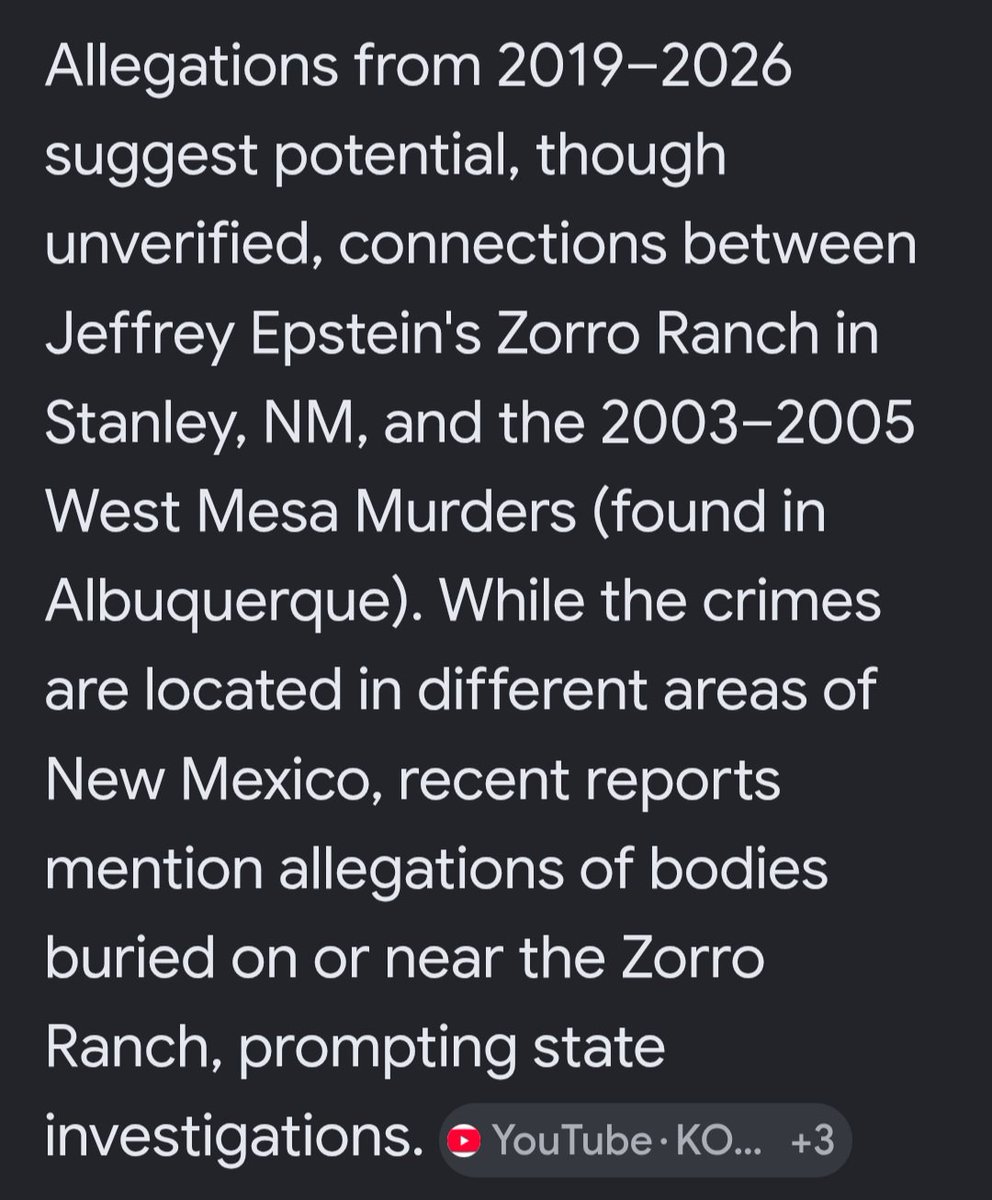
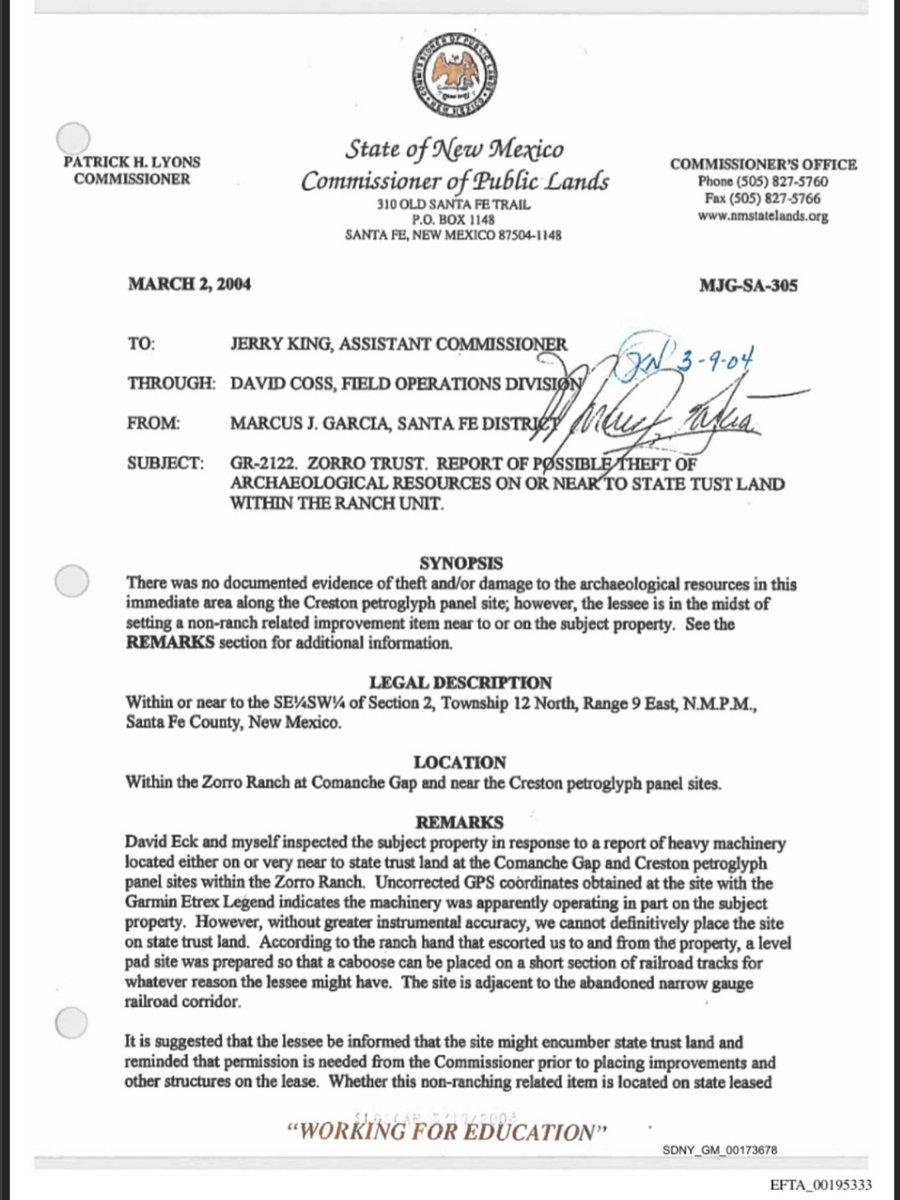
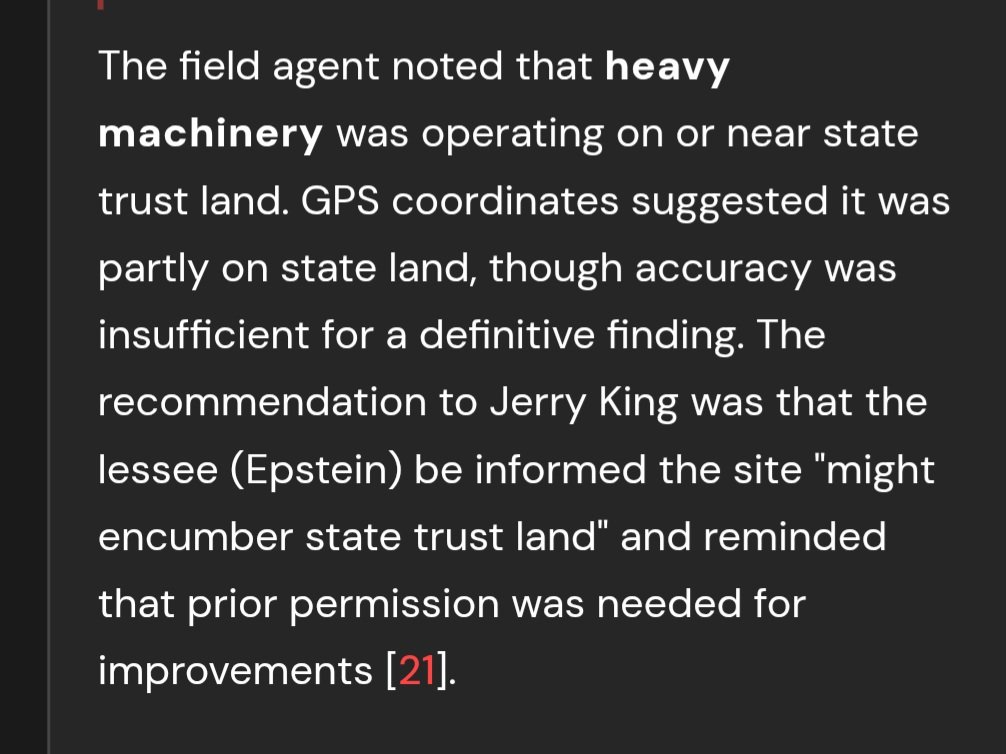
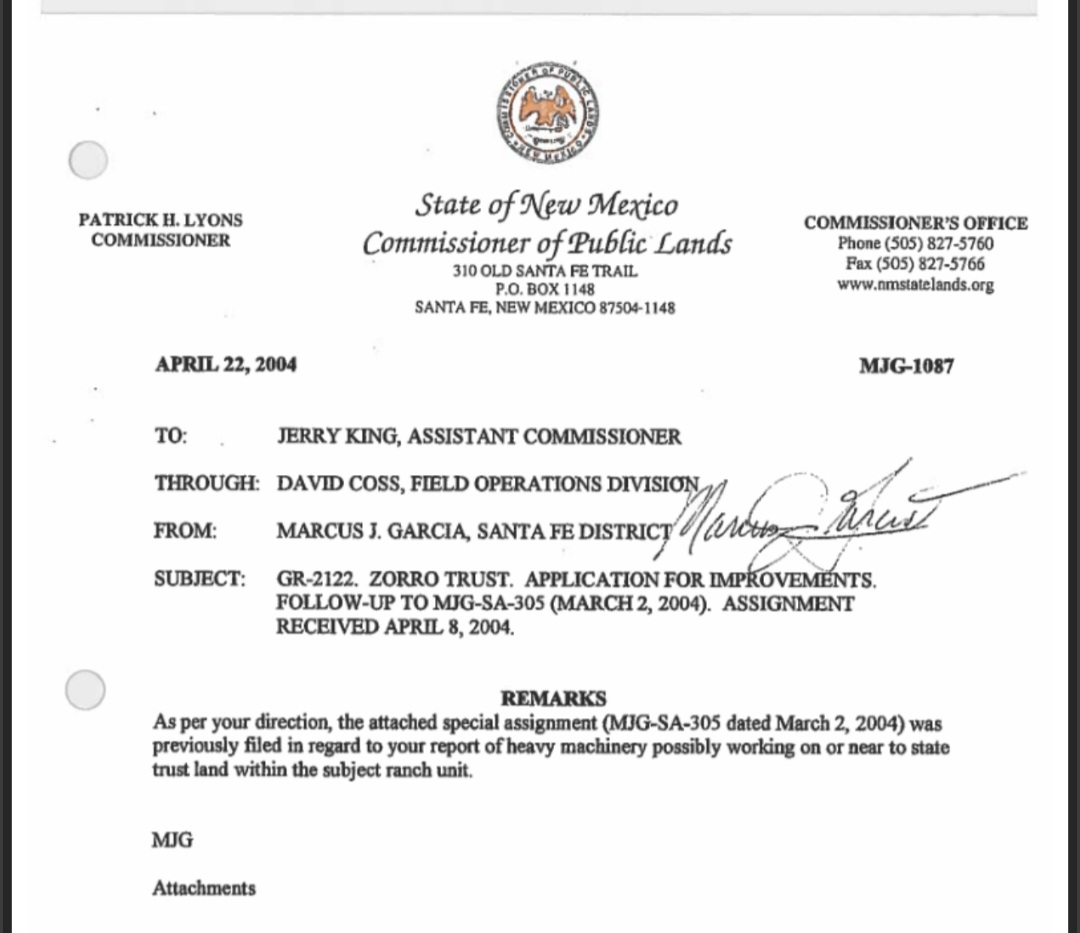
Remains of 11 young woman and infant found near Zorro Ranch. Epstein given notice about using heavy machinery partly on state land in 2004.
West Mesa Homicide Investigation — City of Albuquerque share.google/4Ml3OeqFwIMHwqb…
3
3
8
135
Sean Irish retweeted

Jun 15
AIRCRAFT CRASHES IN THE PAST 48 HOURS:
- WASHINGTON
- CALIFORNIA
- RUSSIA
- INDIA
- MISSOURI
- BRAZIL
138
725
4,507
160,200
Jun 16
seems evident.
Jun 15

Israel is now crashing our planes in response to the peace deal 👀
14
Sean Irish retweeted

Jun 15
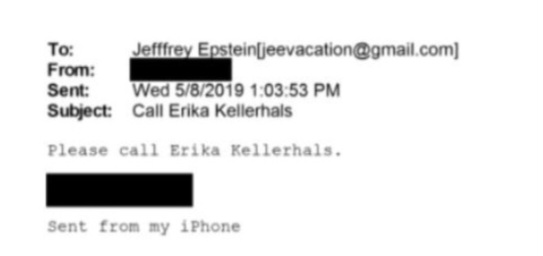
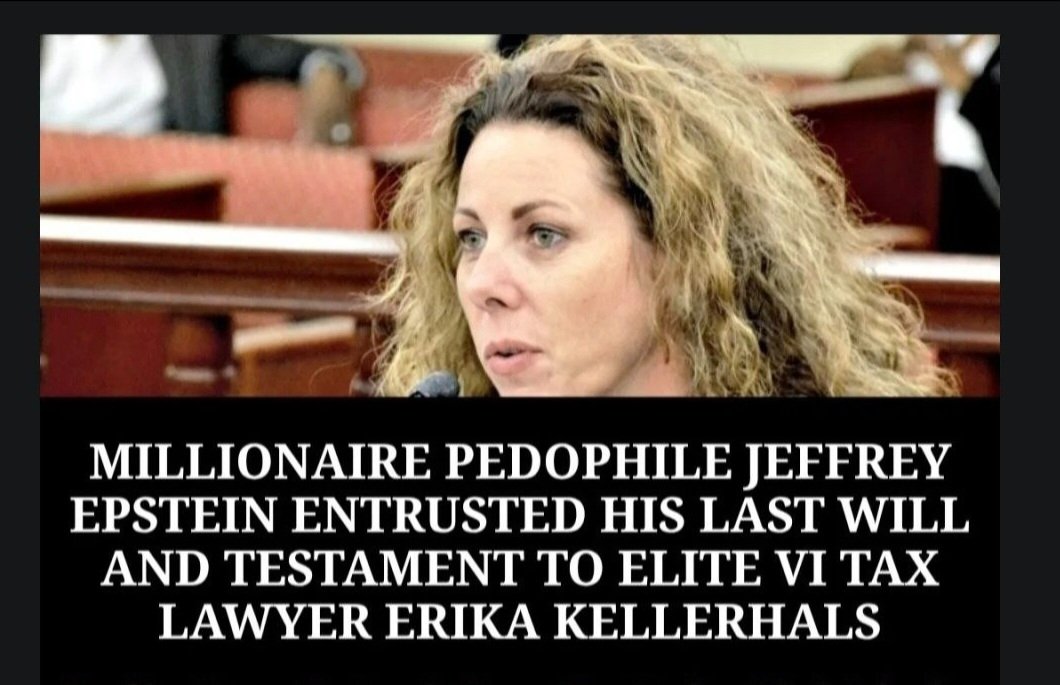
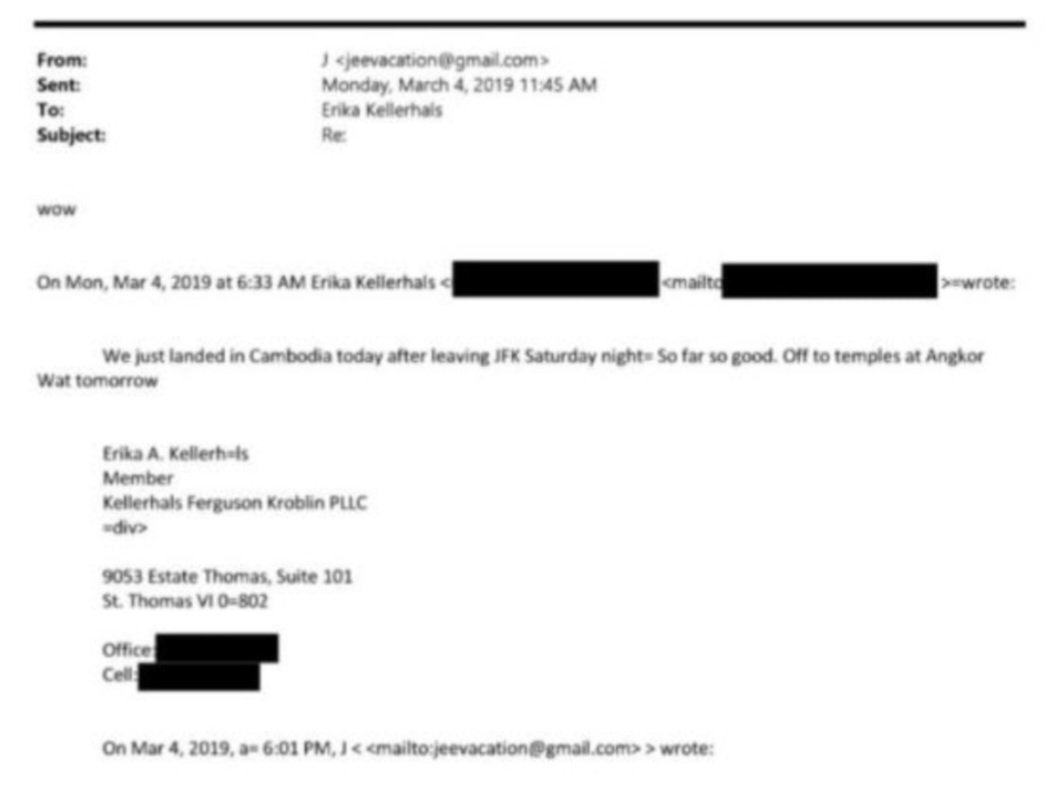
Kellerhals Epstein Depraska Trump, Epstein to call her the day of his arrest? Her 2019 Cambodia visit was to clean up a paper trails of orphanage connected to Johnson and Johnson family, 2002. Crazy info in this substack on the orphanage... Angelina Jolie substack.com/@2big2expose/no…
1
14
24
570
Sean Irish retweeted

Jun 15
Answer: giant gobs of fucking money.

9
18
68
1,072


Sean Irish retweeted
Jun 14
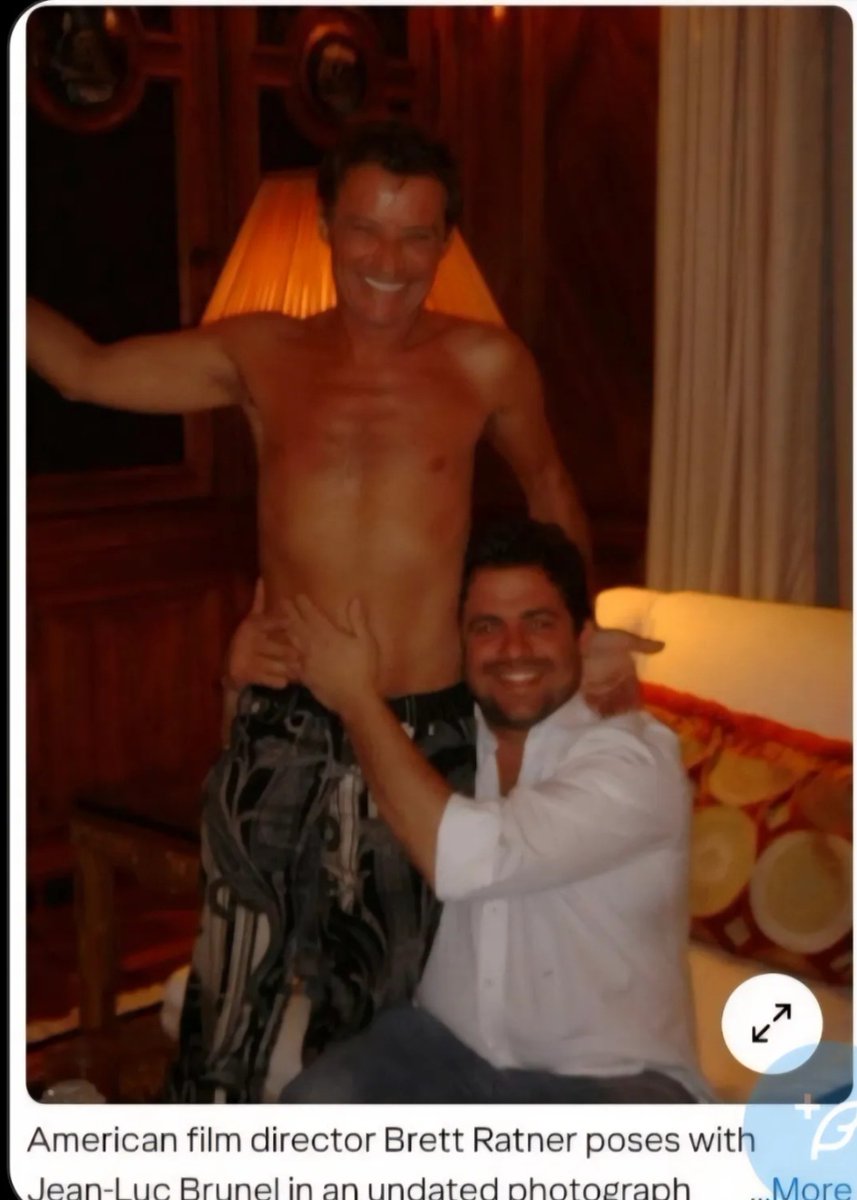
Melania Trump's documentary producer Bret Rantner with Jean Luc Brunel. Grok unredacted this photo


1
20
63
15,347
Sean Irish retweeted

Related reminder: Epstein & Karyna Shuliak communicated re missing Columbia dental student Jiwon Lee in 2014 and Epstein even donated $1k to her funeral / search fund.
Her body was later fished out of the Hudson River. Lee disappeared less than a year before Michele 👀
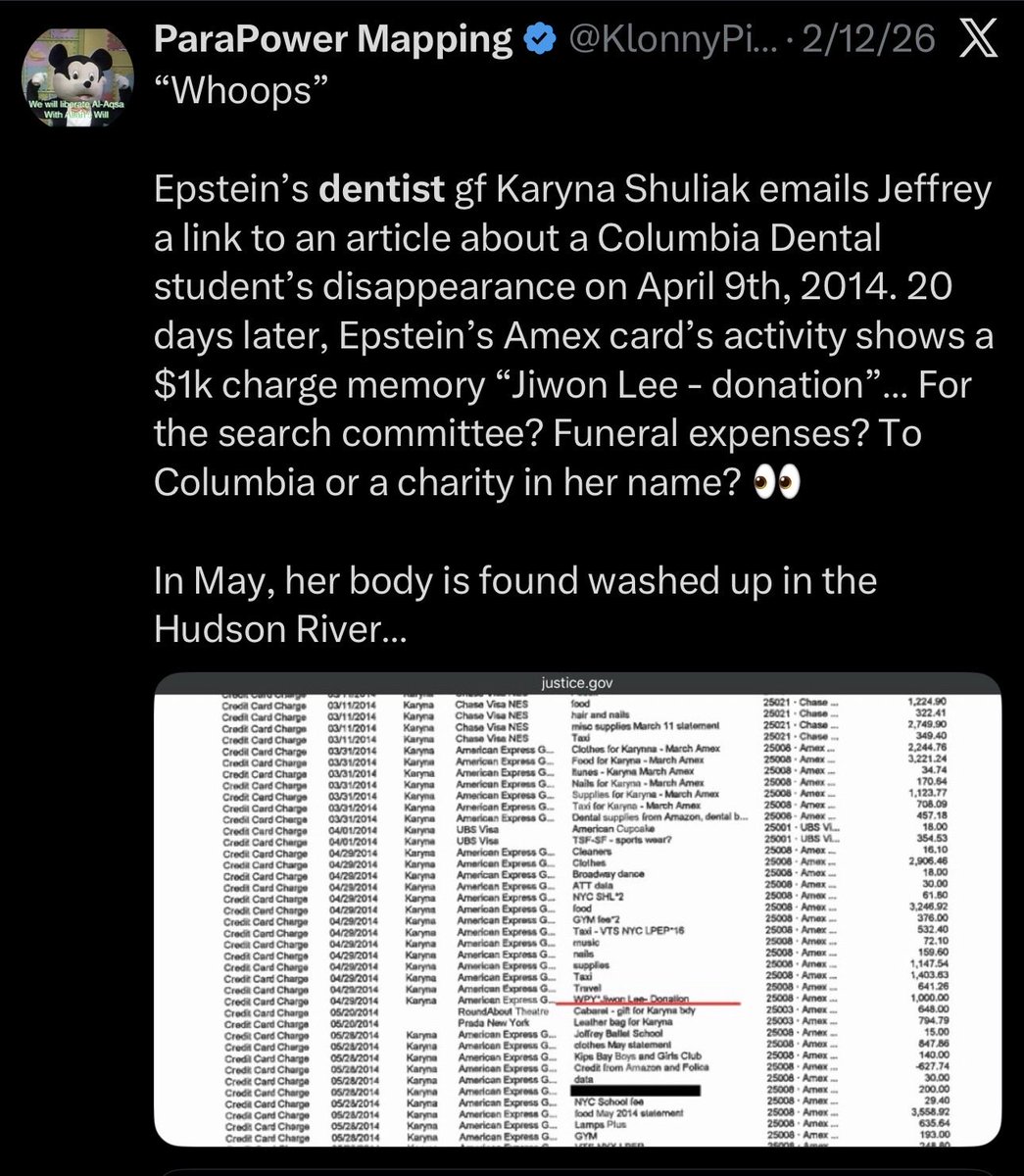
Jun 12

A young woman from Germany vanished without a trace 11 years ago. Now, her name makes several appearances in the Epstein files. Her family wants to finally learn what happened to her. dlvr.it/TT0sB4
5
117
503
11,374
Sean Irish retweeted
Jun 14
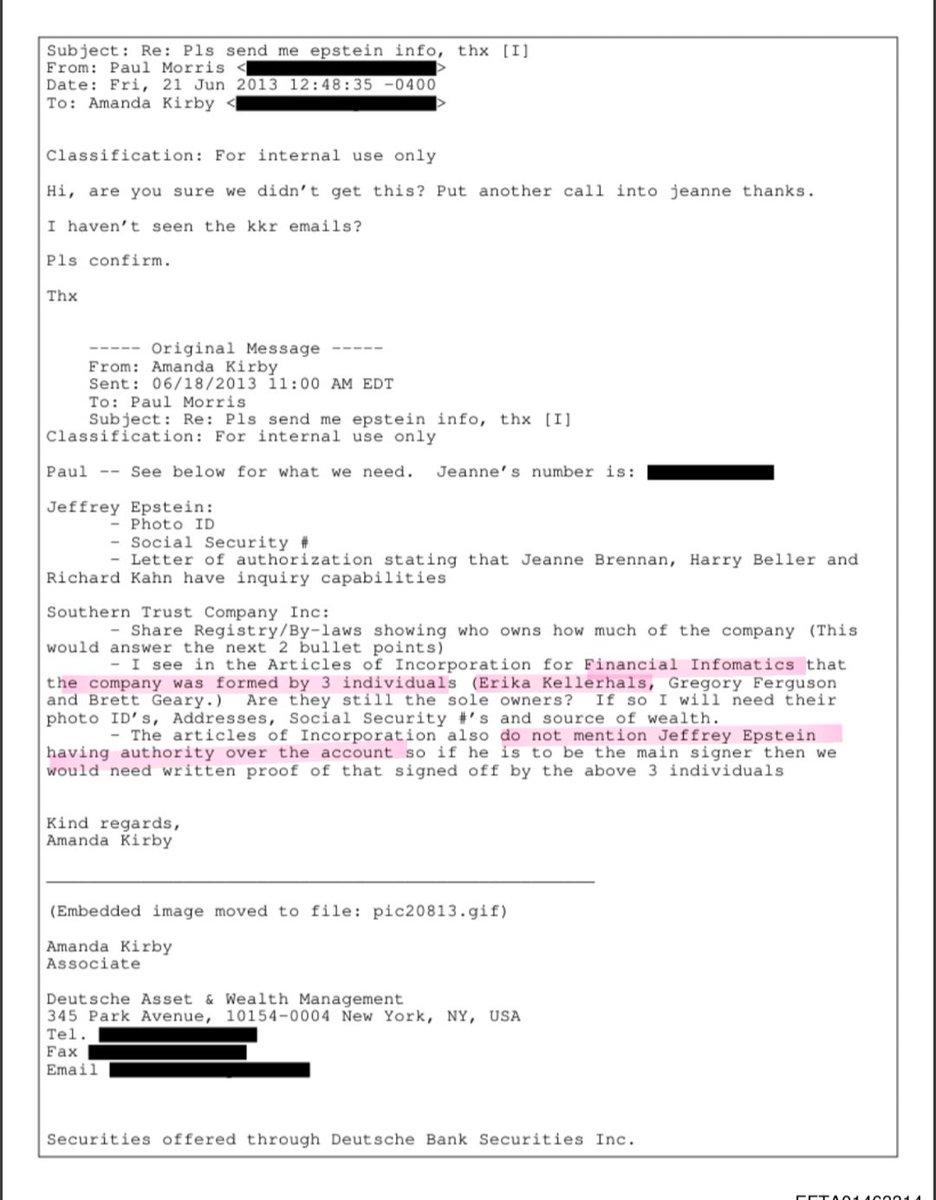
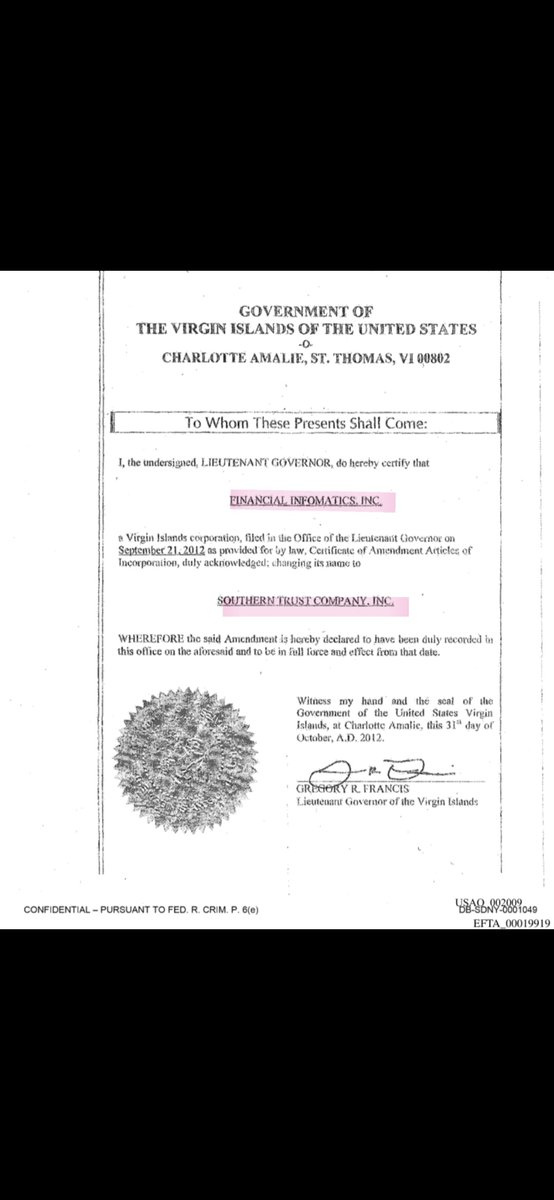
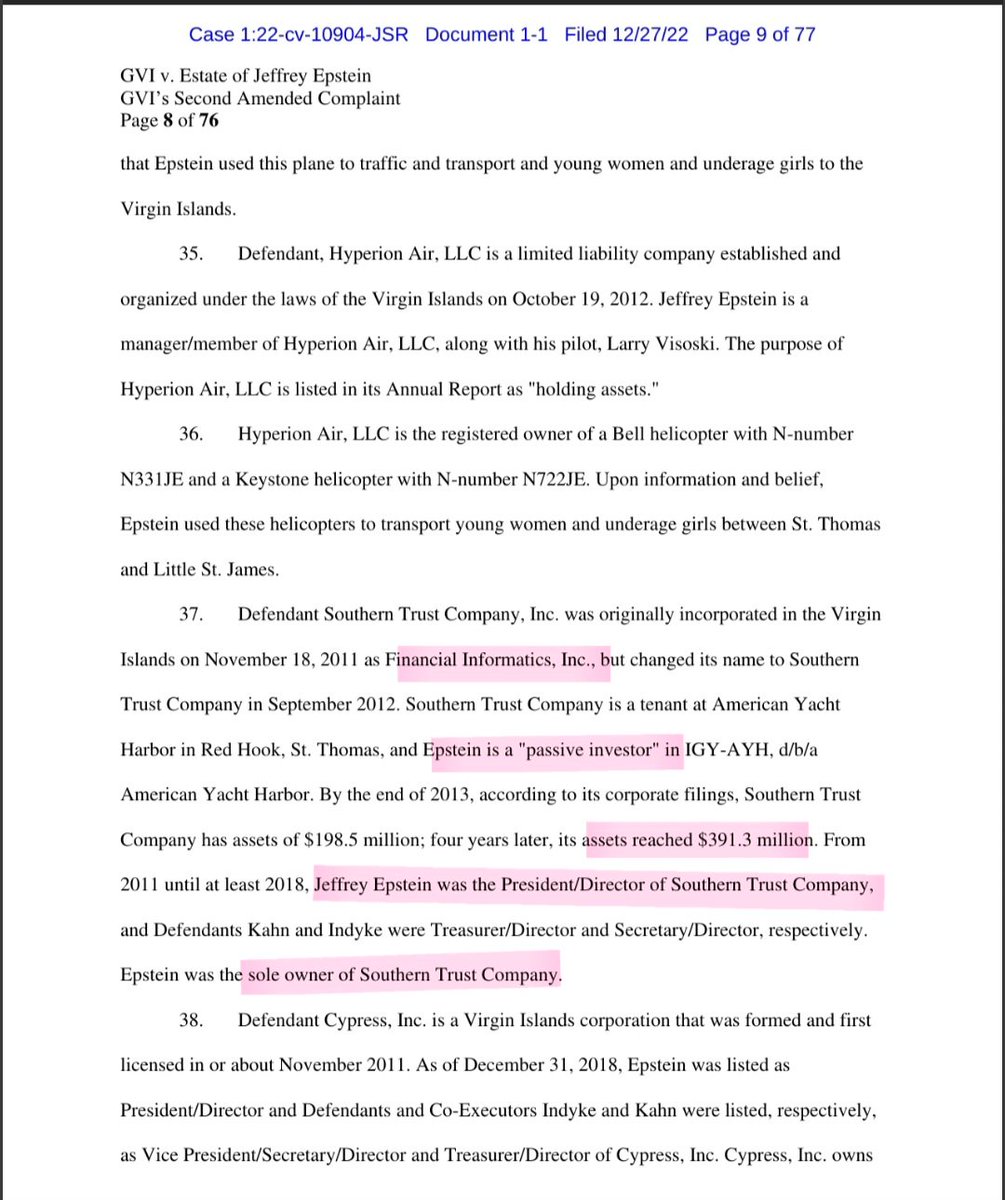
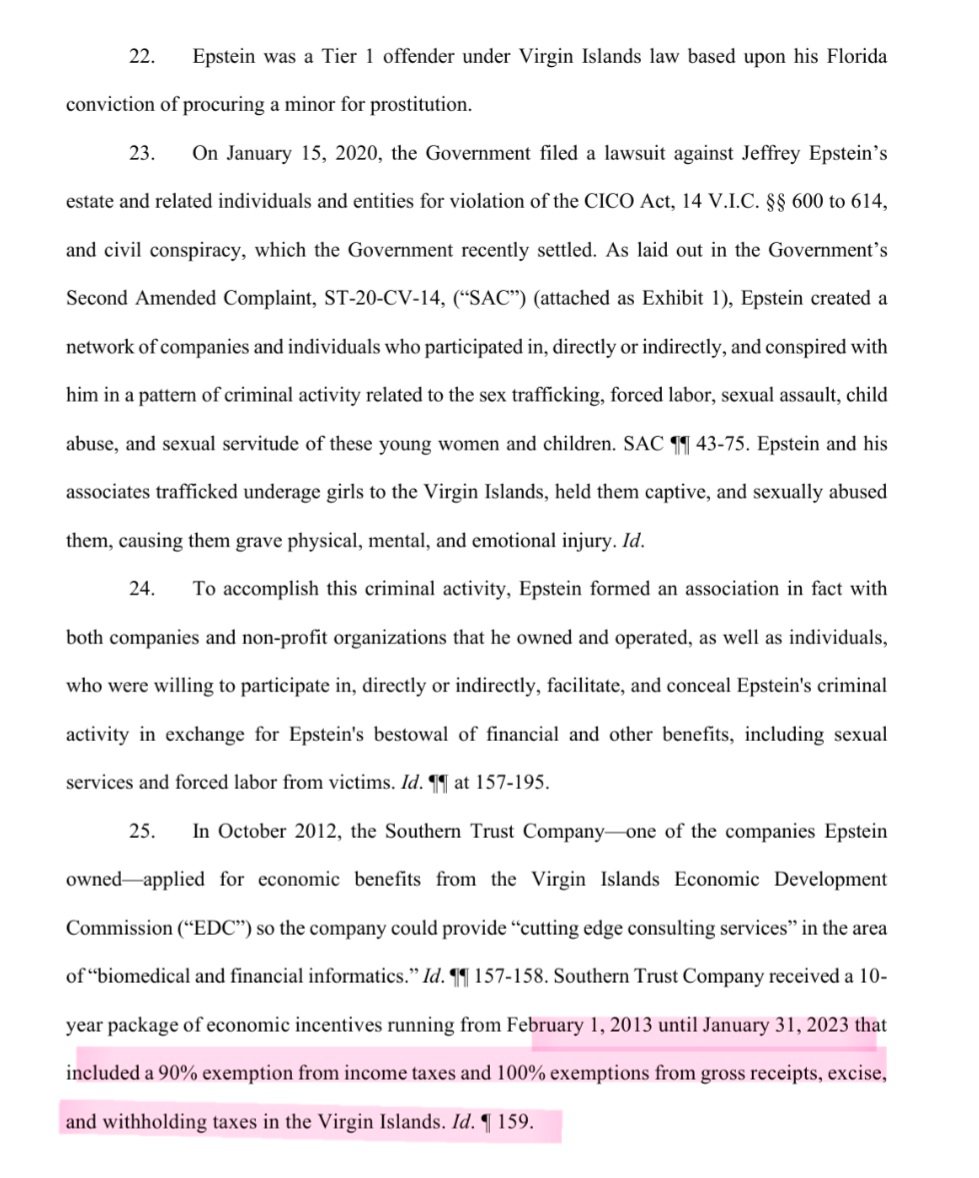
Southern Trust was originally Financial infometrics and originally in Erika Kellerhal's name. Tax exempt. Name change. Ill add more in the comments about kellerhals. She connects to an orphanage in Cambodia. This is a good substack post.
substack.com/@2big2expose/no…
2
16
29
461