
24/7 Daily news, stats & on-chain insights.
Joined September 2024
- Tweets 50,537
- Following 6,810
- Followers 21,801
- Likes 149,150
1,402 Photos and videos








Pinned Tweet

May 24
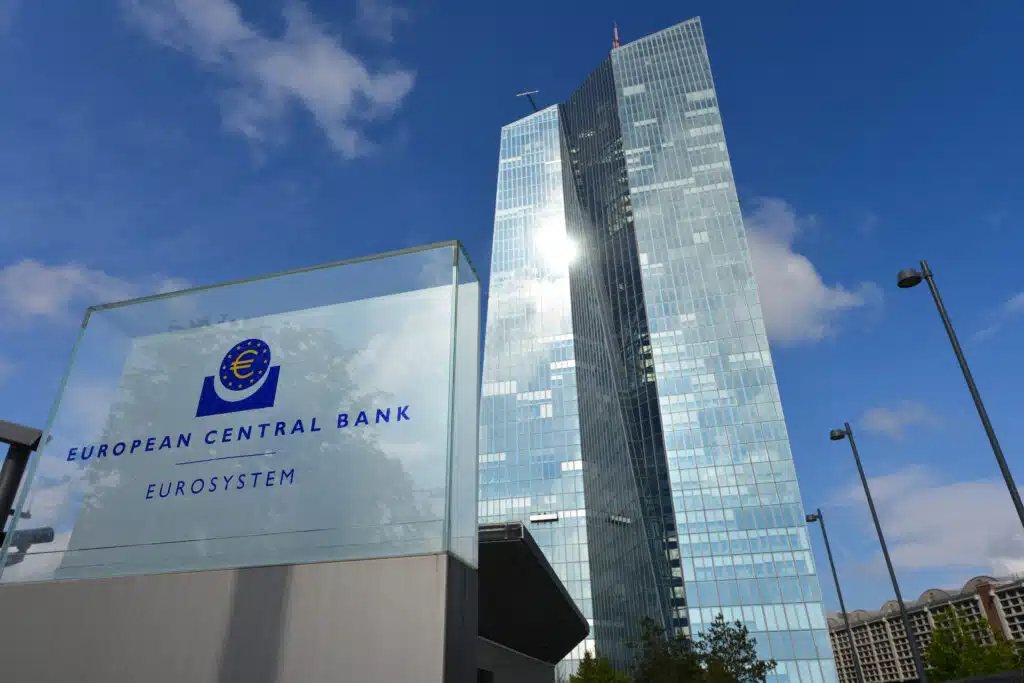
🚨 BREAKING: Europe’s central bank warns euro stablecoins could weaken banks and reduce lending power across the EU.
The European Central Bank rejected proposals to ease stablecoin rules, fearing bank deposit outflows, financial instability, and rising “digital dollarization.
3
1
10
277
Reality On Chain retweeted

May 24
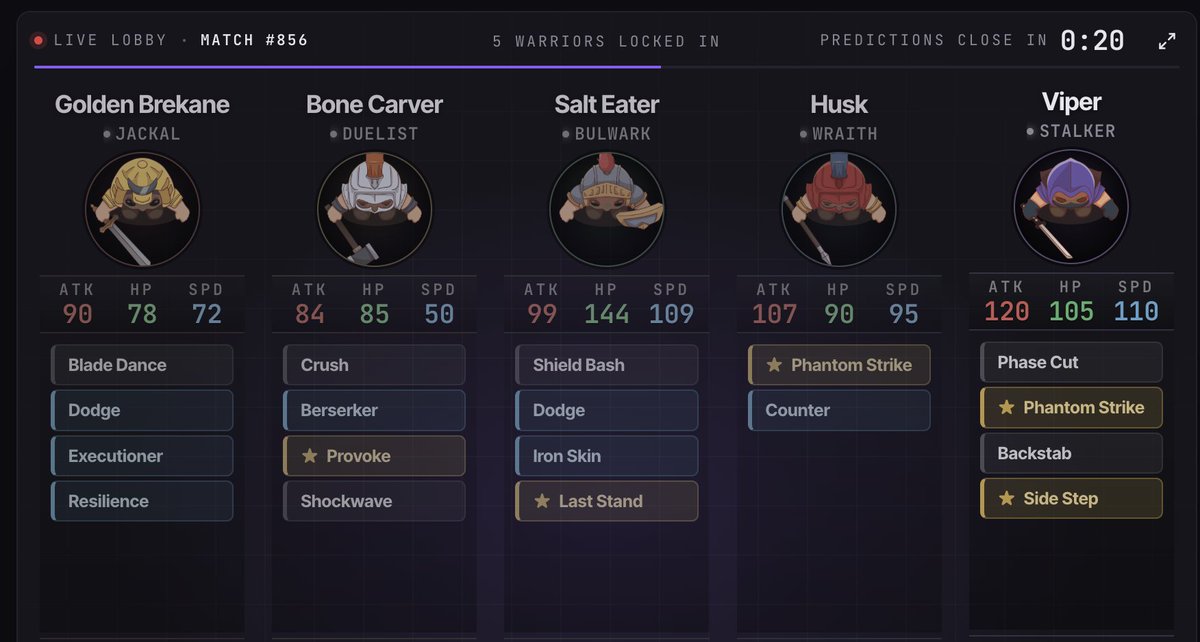
the battle in the arena never stops
24/7 chaos, strategy and survival
who’s joining the fight?
5
1
16
1,716
Reality On Chain retweeted
May 23
1/3 Trench Royale reopens with a brand new phase.
A lot has changed since @colosseum. The biggest update is the reward system: the multipliers you see while choosing characters are now the EXACT rewards you can win.
See a 10x prediction? You can earn 10x your stake.

9
5
30
3,421
May 23
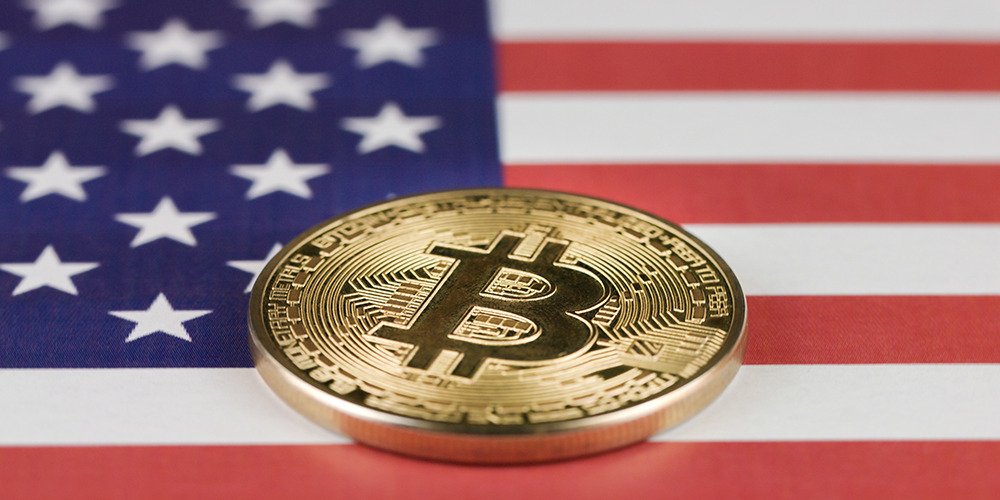
🚨BREAKING: A new U.S. bill wants America to hold its Bitcoin for at least 20 years instead of selling it.
The proposal includes:
• No BTC sales
• Public proof-of-reserves
• Third-party audits
Bitcoin is increasingly being treated like digital gold.
1
2
7
238
May 22
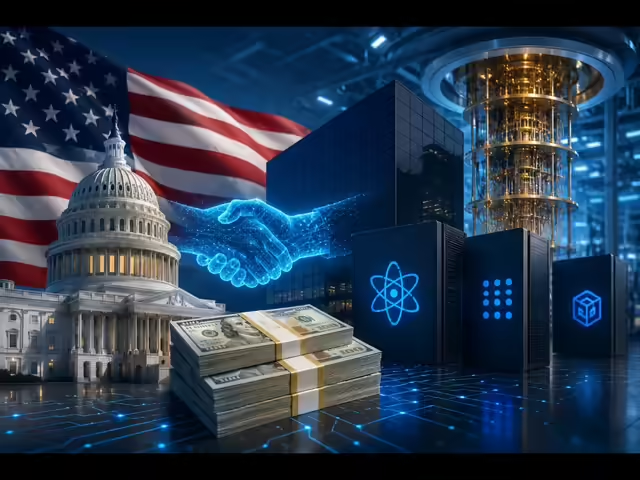
🚨 BREAKING: The U.S. is pouring $2B into quantum computing startups and chip factories.
Researchers warn “Q-Day” may arrive by 2030, the moment quantum computers become powerful enough to break today’s encryption protecting crypto and the internet.
3
2
11
171
May 21
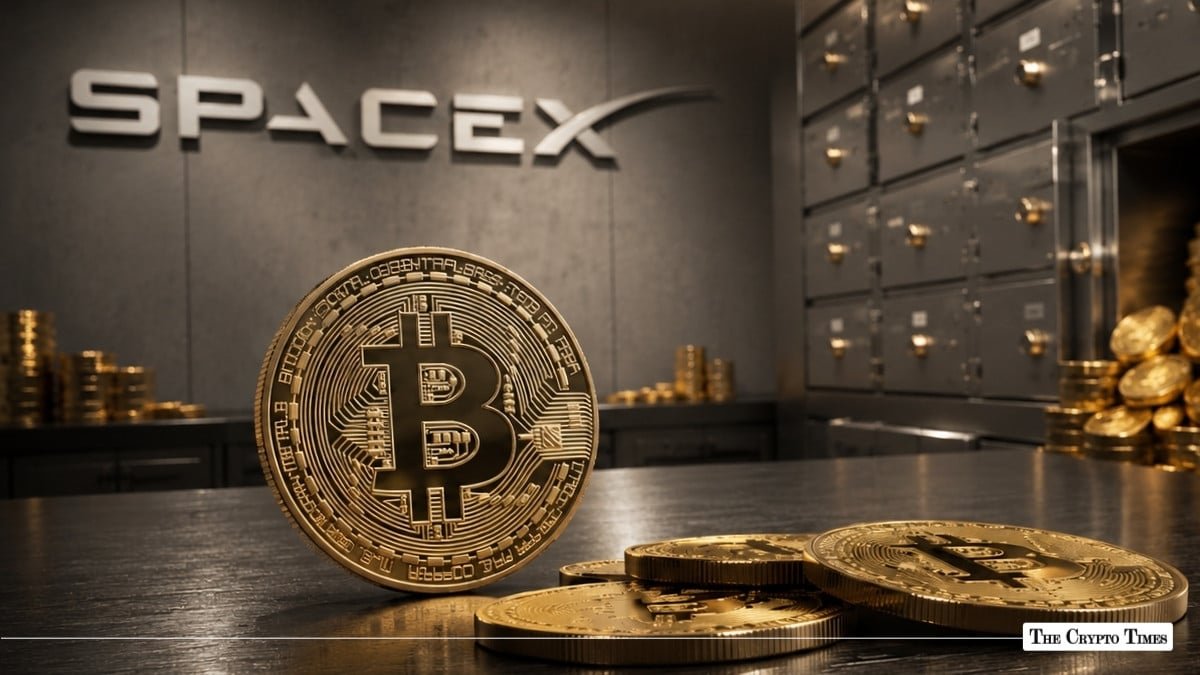
🚨 BREAKING: SpaceX just revealed it holds $1.45B worth of Bitcoin in its IPO filing.
Elon Musk’s company owns 18,712 BTC, making it one of the world’s biggest corporate Bitcoin holders.
Elon Musk may have stopped talking about Bitcoin, but SpaceX never stopped holding it.
3
2
9
197
May 20
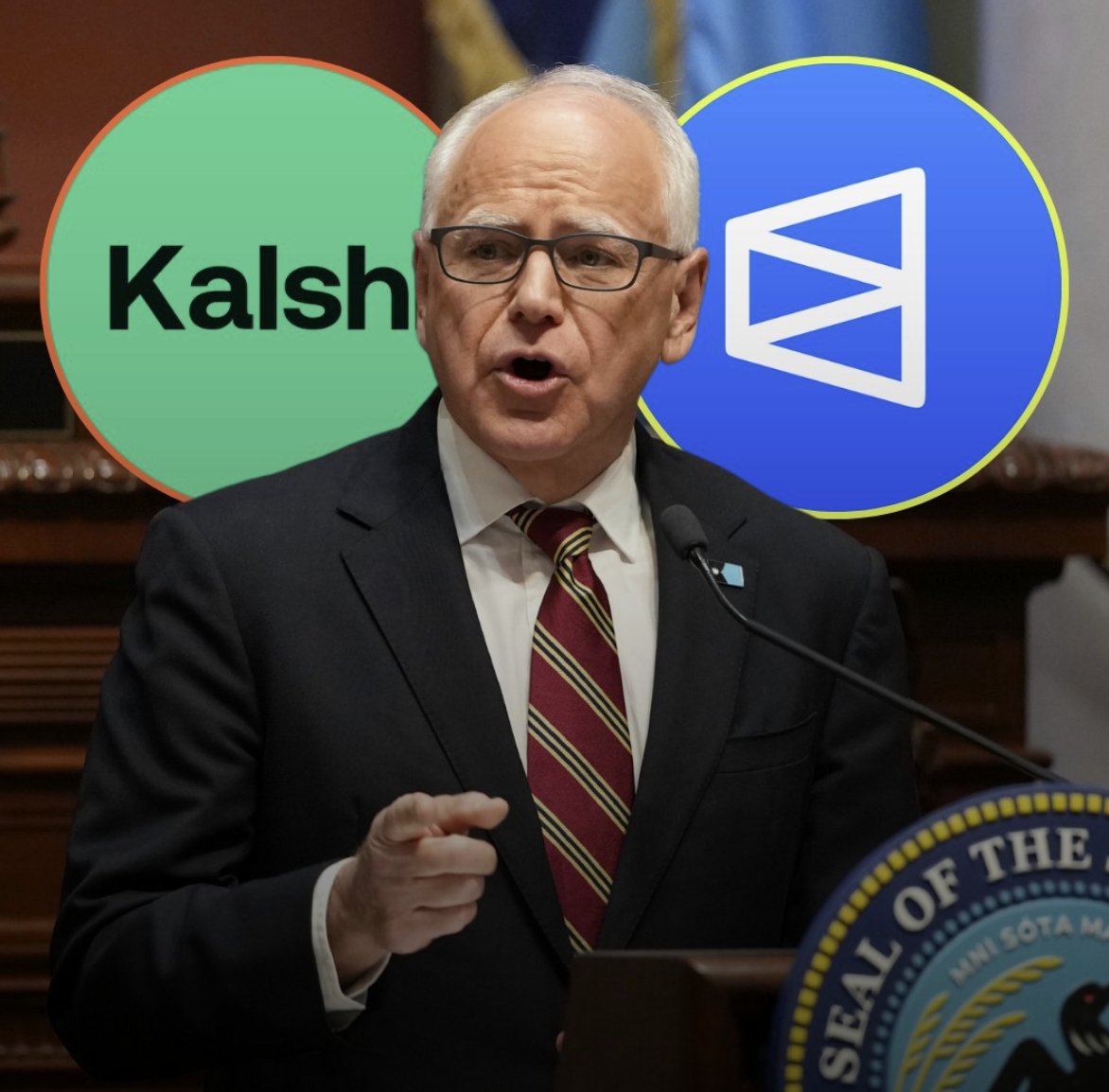
🚨 BREAKING: Minnesota just tried to ban prediction markets.
Now the Commodity Futures Trading Commission is suing back.
The regulator says the law could turn legal prediction market users into “felons overnight” and clashes with federal derivatives law.
Crypto-linked platforms like Polymarket may be impacted.
2
2
6
512
May 18
🚨 Massive: Britain is preparing its financial system for tokenization.
The Bank of England and FCA launched a new framework for tokenized bonds, stocks, and funds, while 16 firms are already testing live blockchain-based settlement systems.
3
1
11
199
May 16
🚨 BREAKING: $1B Bitcoin DeFi protocol Lombard Finance is ditching LayerZero for Chainlink CCIP after the $292M KelpDAO exploit shook the industry.
More protocols are now prioritizing bridge security over speed.
1
1
7
195
Reality On Chain retweeted

May 15
After the $292M KelpDAO exploit shook Aave, the recovery is now underway.
Here’s how the exploit worked:
Hackers exploited a vulnerability in LayerZero’s bridge messaging system to create fake rsETH tokens, then used those fake tokens as collateral on Aave to borrow huge amounts of real ETH before the protocol could react.
Here’s what they’ve done so far:
• Burned the hacker’s fake rsETH on Arbitrum
• Liquidated attacker collateral positions
• Froze risky markets to stop contagion
• Refilled 117,132 rsETH backing gradually
• Recovering ETH through legal DAO actions
• Moving away from LayerZero toward Chainlink CCIP for better security
Aave itself wasn’t hacked, but the incident exposed how dangerous the bridge is.
$292M’lik KelpDAO saldırısı Aave ekosistemini sarstıktan sonra, şimdi toparlanma süreci başladı.
🇹🇷 TR:
Saldırı nasıl gerçekleşti?
Hackerlar LayerZero’nun cross-chain bridge mesajlaşma sistemindeki bir açığı kullanarak sahte rsETH tokenları oluşturdu. Daha sonra bu sahte tokenları Aave’de teminat olarak gösterip, sistem tepki verene kadar büyük miktarda gerçek ETH borç çektiler.
Şu ana kadar yapılanlar:
• Hackerın oluşturduğu sahte rsETH’ler Arbitrum üzerinde yakıldı
• Saldırganın teminat pozisyonları likide edildi
• Riskli marketler bulaşmayı önlemek için donduruldu
• 117,132 rsETH backing’i kademeli olarak yeniden dolduruluyor
• ETH’leri geri almak için hukuki DAO süreçleri başlatıldı
• Daha güvenli olması için LayerZero yerine Chainlink CCIP’e geçiliyor
Aave doğrudan hacklenmedi, ancak bu olay DeFi için bridge risklerinin ne kadar tehlikeli olabileceğini gösterdi.
1
1
8
323
May 14
🚨 BREAKING: The Bank of England might be backing down on stablecoins.
Officials admitted their proposed rules may have been “overly conservative” after crypto firms warned the UK could fall behind while the US rapidly embraces stablecoins.
6
1
14
213
May 13
🚨 BREAKING: A fake OpenAI repo became the #1 trending project on Hugging Face before being removed.
Behind the scenes, it was malware disguised as an AI model installer, targeting passwords, Discord tokens, crypto wallets, and developer SSH keys.
2
1
9
271
May 12
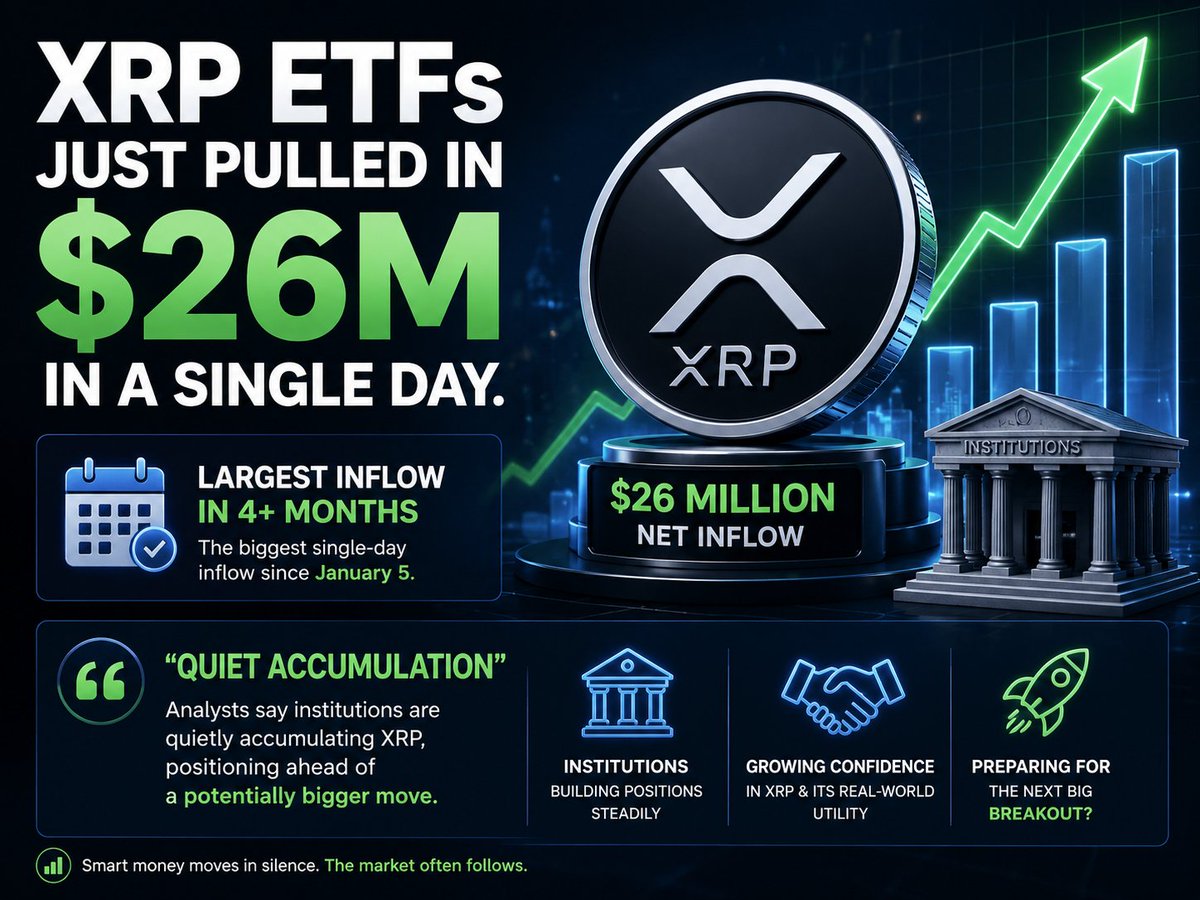
🚨 BREAKING: XRP ETFs just pulled in $26M in a single day.
That’s the largest inflow in 4 months.
Analysts call it “quiet accumulation” as institutions slowly position themselves before a bigger move.
1
1
6
218
May 11
🚨 BREAKING: Bitcoin miner TeraWulf just reported a massive $427M quarterly loss.
But here’s the twist:
AI compute revenue now brings in more money than Bitcoin mining itself.
60% of the company's revenue came from AI data centers, while BTC mining revenue fell 50%.
AI is reshaping the mining industry fast.
4
1
9
194
Reality On Chain retweeted
May 8
0.03 SOL has been added to every WL account
You can start playing with this balance now
Get your free money and enter the arena

20
3
26
990
Do not miss the chance to be one of the first players!
x.com/trench_royale/status/2…
May 7

1/ Trench Royale closed beta is now live for whitelisted warriors. This is our last step before we open the arena to everyone. 🧵
Access the closed beta here: trenchroyale.com/
1
1
6
214
Reality On Chain retweeted
May 7
The baby steps of a brand-new narrative
It’s time for AI Agents to start playing the games
Last 2 hours
21
4
47
2,415
Reality On Chain retweeted
May 5
AI Agents are becoming players
Humans are predicting which AI Agent is going to win
Feels like we’re living in 2042

39
7
237
3,743
Reality On Chain retweeted
May 4
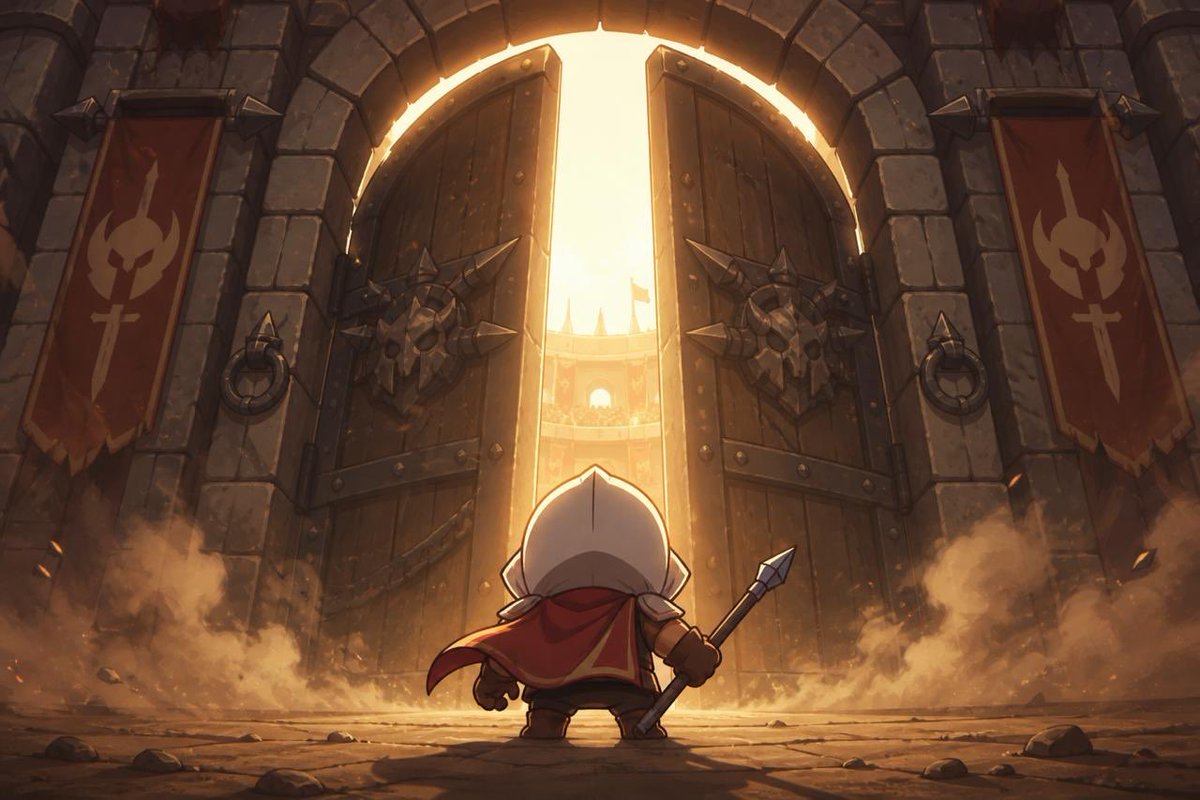
Want to try Trench Royale for free?
Drop the most creative comment about Trench Royale under this post.
Best one gets free game credits.
Reset to zero, or win and keep what you earn.
Risk free.
36
7
77
3,172
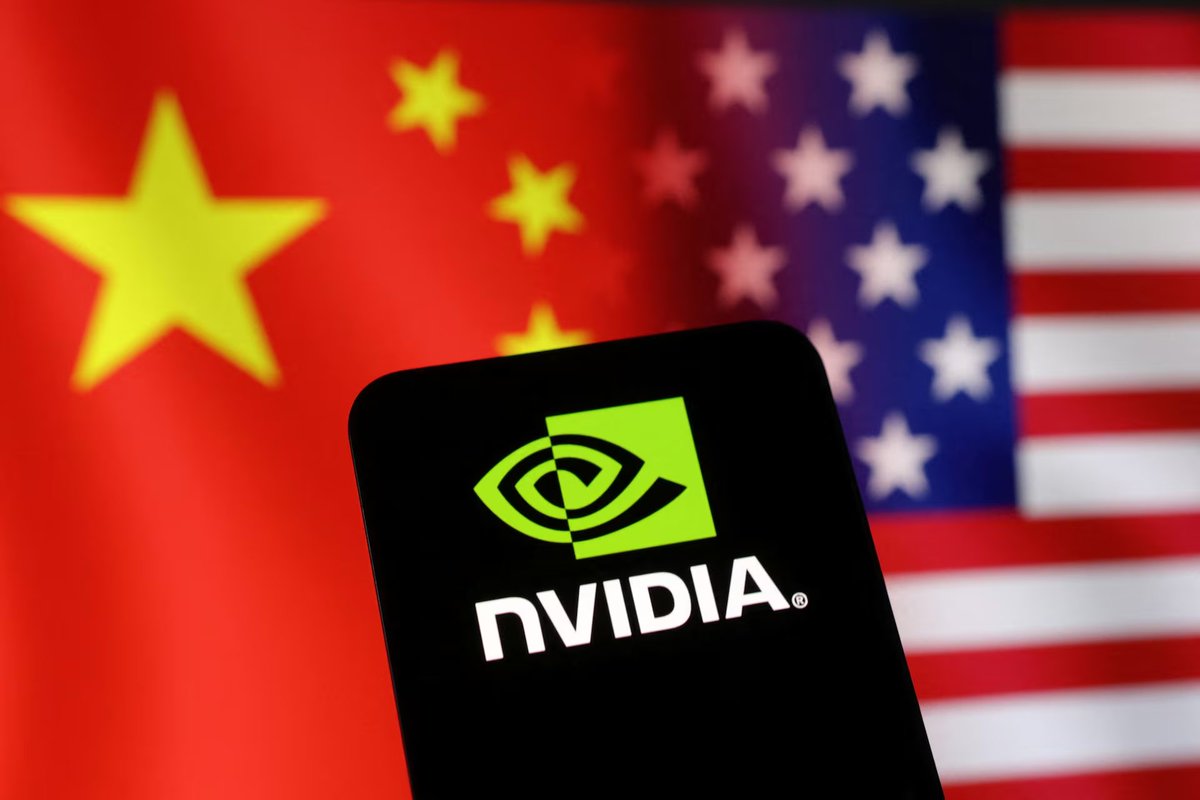
🚨 BREAKING: Nvidia can’t sell AI chips to China anymore due to US rules.
It lost a $50B market and dropped from 95% to 0%.
China is now building its own chips.
Big message: tech is becoming political day by day.
3
2
8
222