
The Recovery Research Institute (RRI) @MassGeneralNews, a @HarvardMed teaching hospital. Enhancing #RecoveryThroughScience. Director @Johnkellymgh.
Joined November 2011
- Tweets 6,223
- Following 544
- Followers 30,595
- Likes 2,929
4,547 Photos and videos



Staying in opioid use disorder treatment longer than 6 months may do more than support recovery, it may help save lives.
Learn more here: recoveryanswers.org/research…
#RecoveryThroughScience #addiction #science #recovery
75
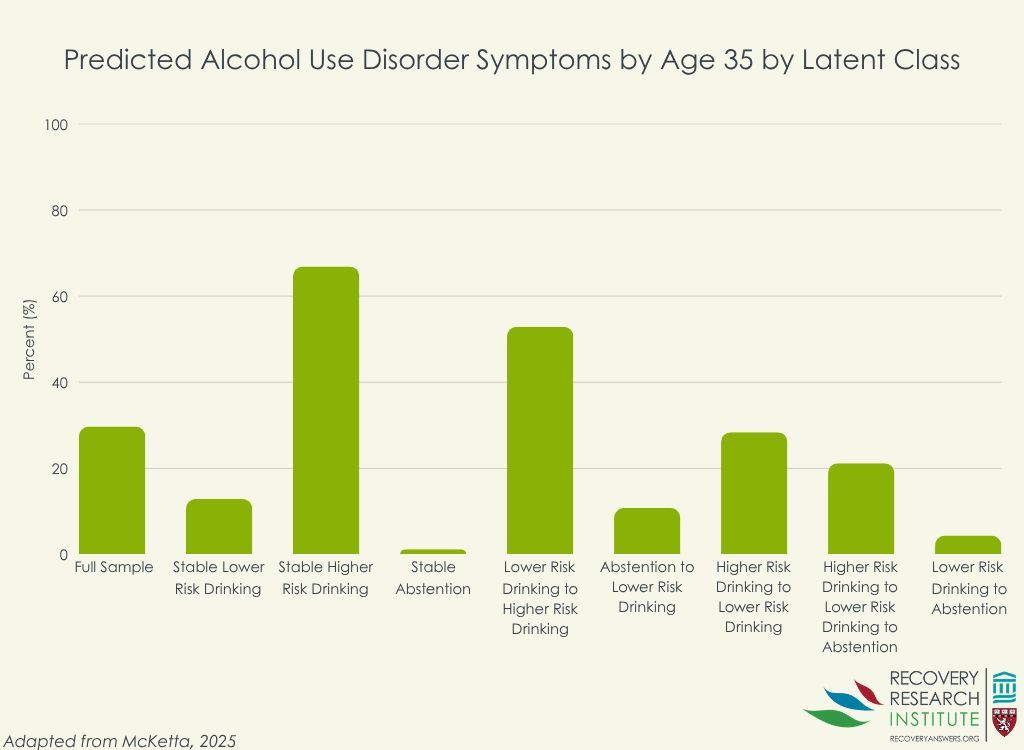
More recent generations are less likely to shift into lower-risk drinking over time and more likely to continue—or move into—higher-risk drinking patterns, suggesting this common pattern is becoming less common.
recoveryanswers.org/research…
66
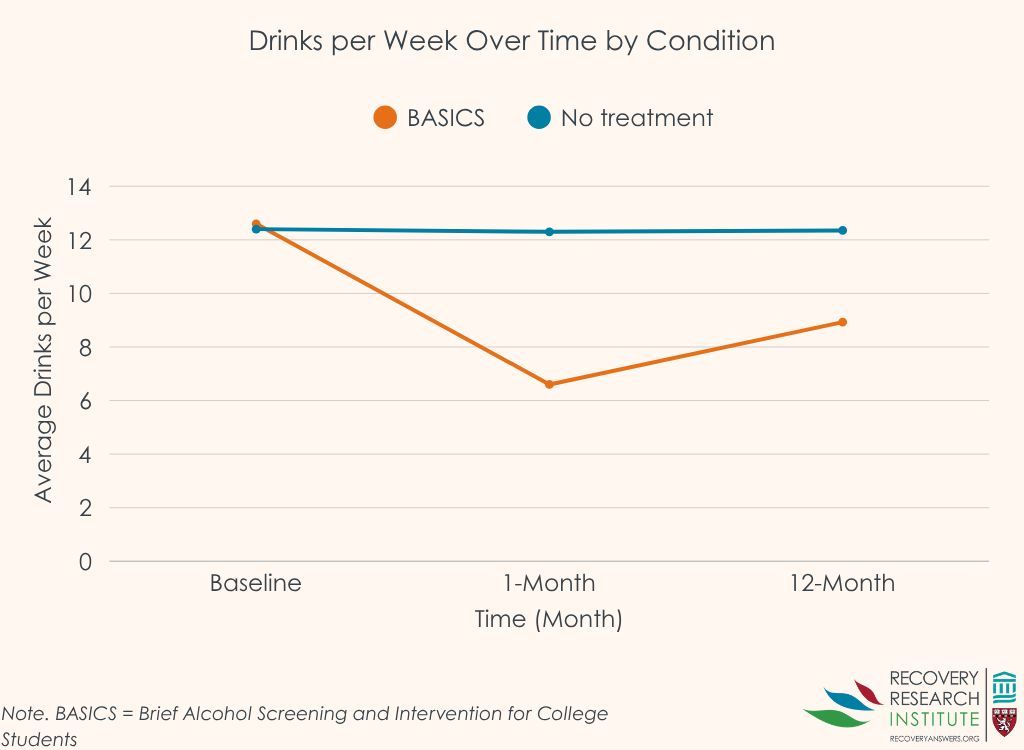
A single peer-led session that gives students personalized feedback about their drinking along with strategies to reduce risk can have lasting effects.
Students who received the brief intervention reported lower alcohol use even 12 months later.
recoveryanswers.org/research…
1
71
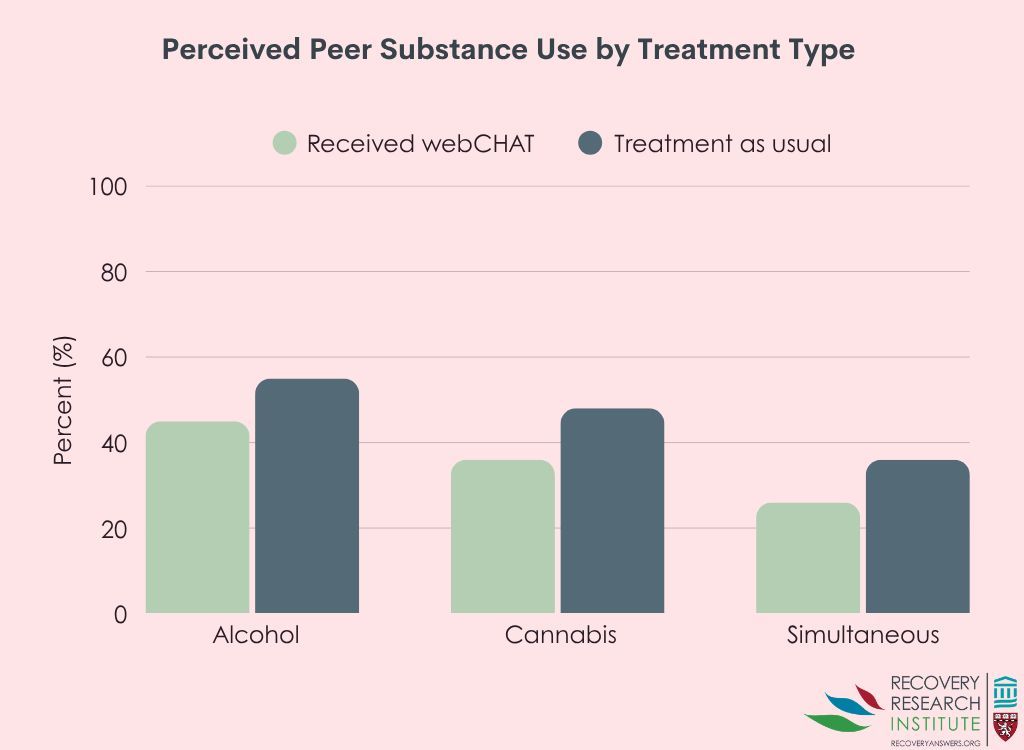
Adding a brief web-based intervention to standard driver education may help correct misperceptions about peer alcohol and cannabis use.
Learn more here: recoveryanswers.org/research…
#RecoveryThroughScience #addiction #science #recovery
2
73
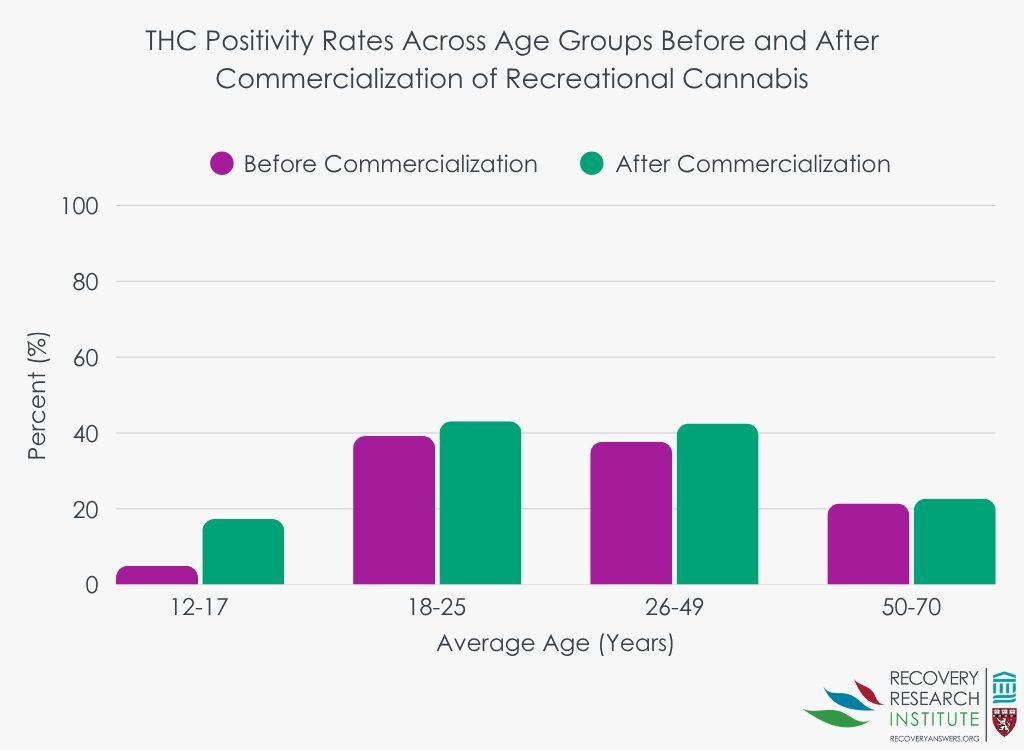
In psychiatric emergency room patients, cannabis use rises after legalization of recreational sales in Massachusetts. The largest changes are seen in adolescents rather than adults. After legalization, adolescent cannabis use increased from 5% to 17%.
recoveryanswers.org/research…
1
153
A telebridge online program helps people recently released from incarceration quickly connect to opioid use disorder treatment by linking them to clinicians via telemedicine and coordinating follow-up care.
Learn more here: recoveryanswers.org/research…
#RecoveryThroughScience
2
73
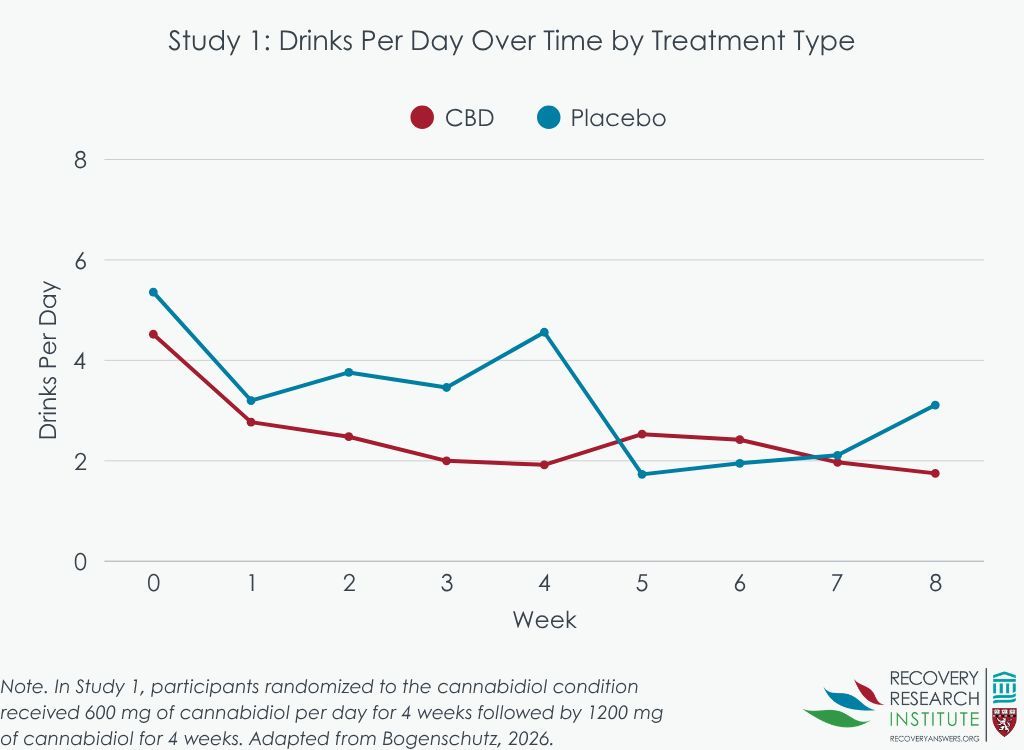
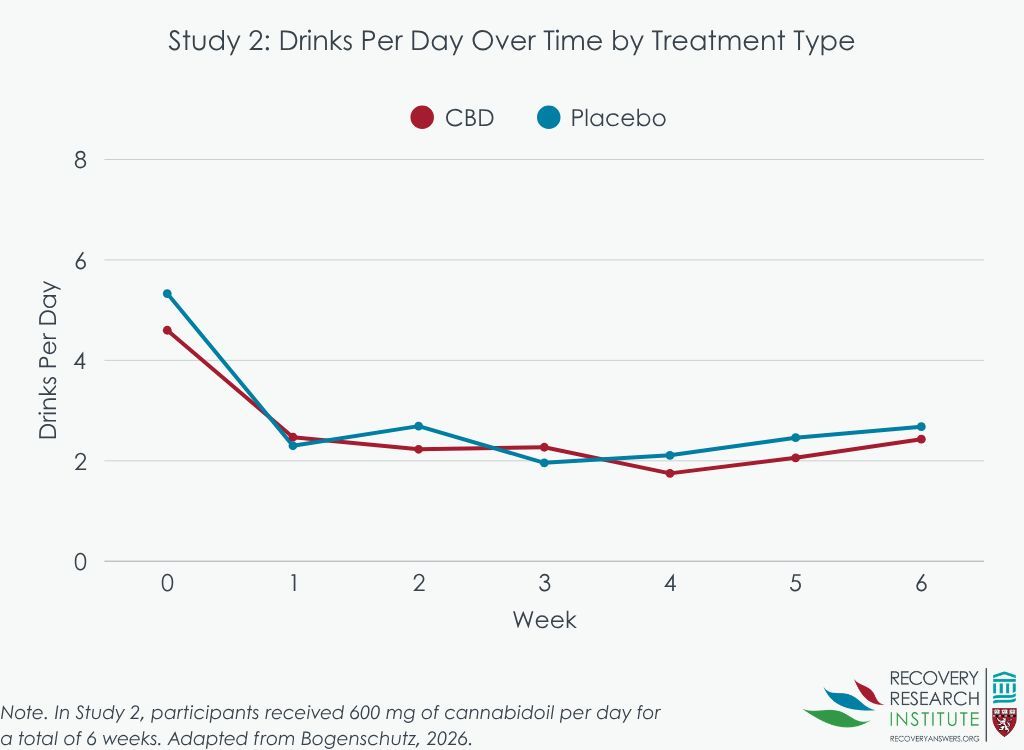
Interest in cannabidiol (CBD) as a tool to reduce alcohol use is growing, yet, a study did not find evidence that it helped. Participants improved equally in the CBD and placebo groups, suggesting that CBD is unlikely to help. Further study is needed.
recoveryanswers.org/research…
2
139
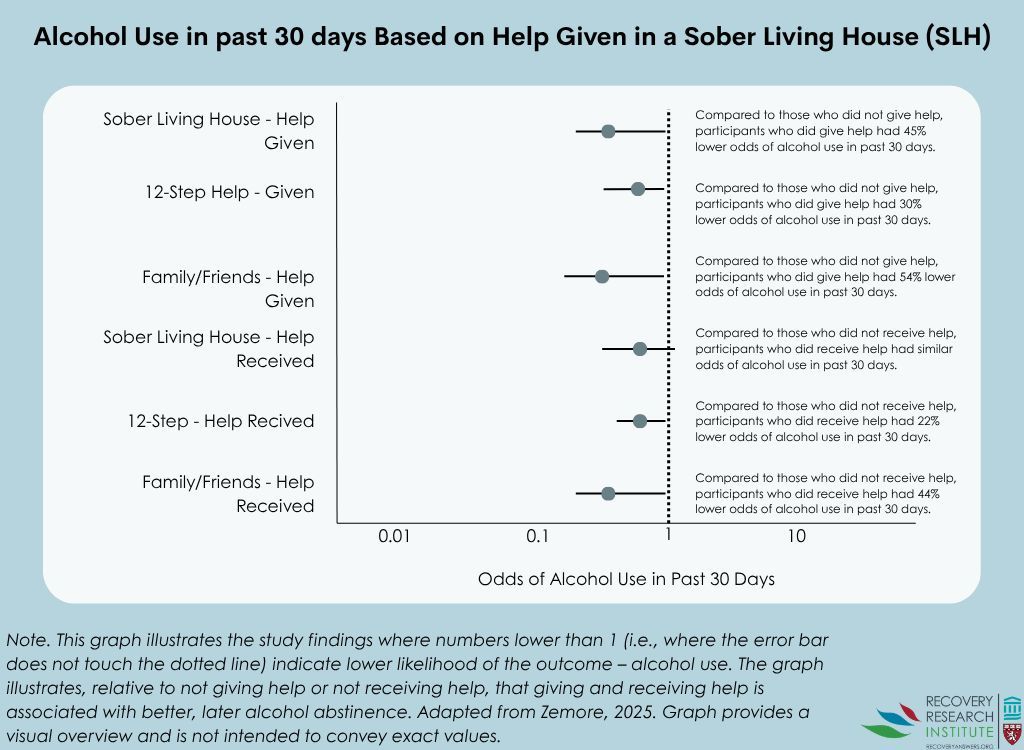
In a new study, giving and receiving help in recovery was linked to better alcohol outcomes. Helping others was associated with lower odds of drinking, while receiving help was linked to fewer alcohol-related problems.
Learn more here: recoveryanswers.org/research…
#science
2
75
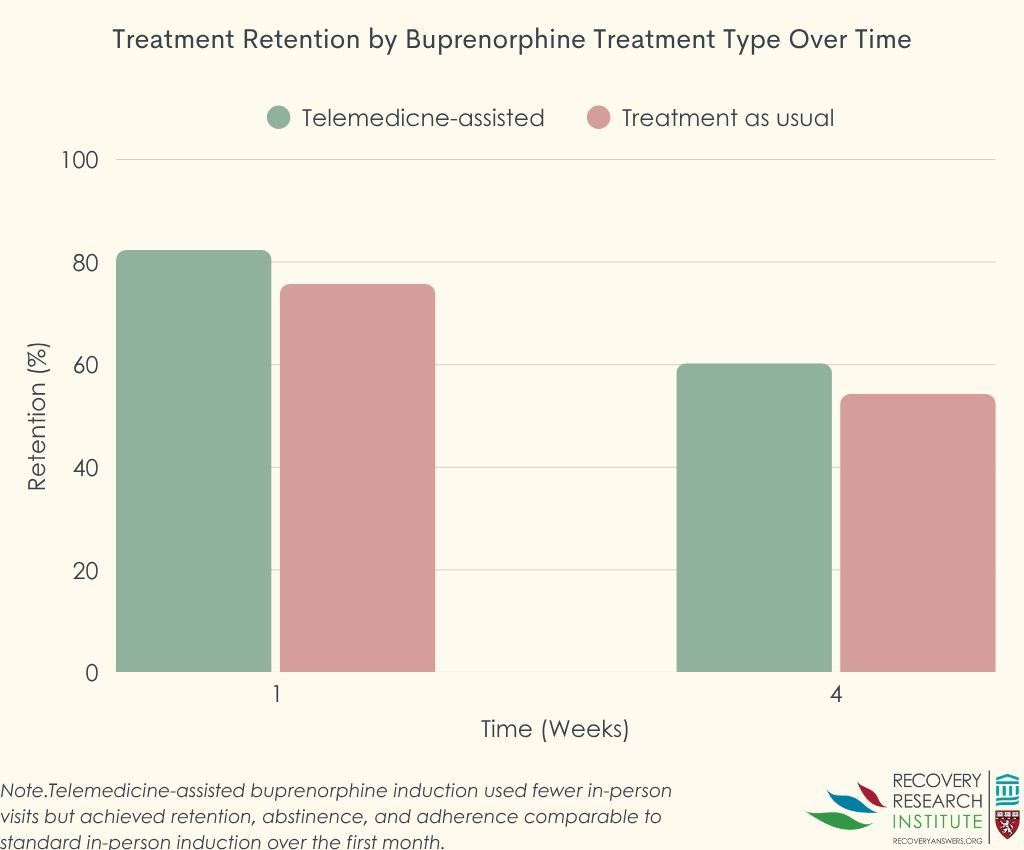
A hybrid treatment model, combining one in-person visit with telemedicine follow-up, retains people as well as standard in-person care when starting buprenorphine/naloxone for opioid use disorder.
Learn more here: recoveryanswers.org/research…
#RecoveryThroughScience #science
1
2
86
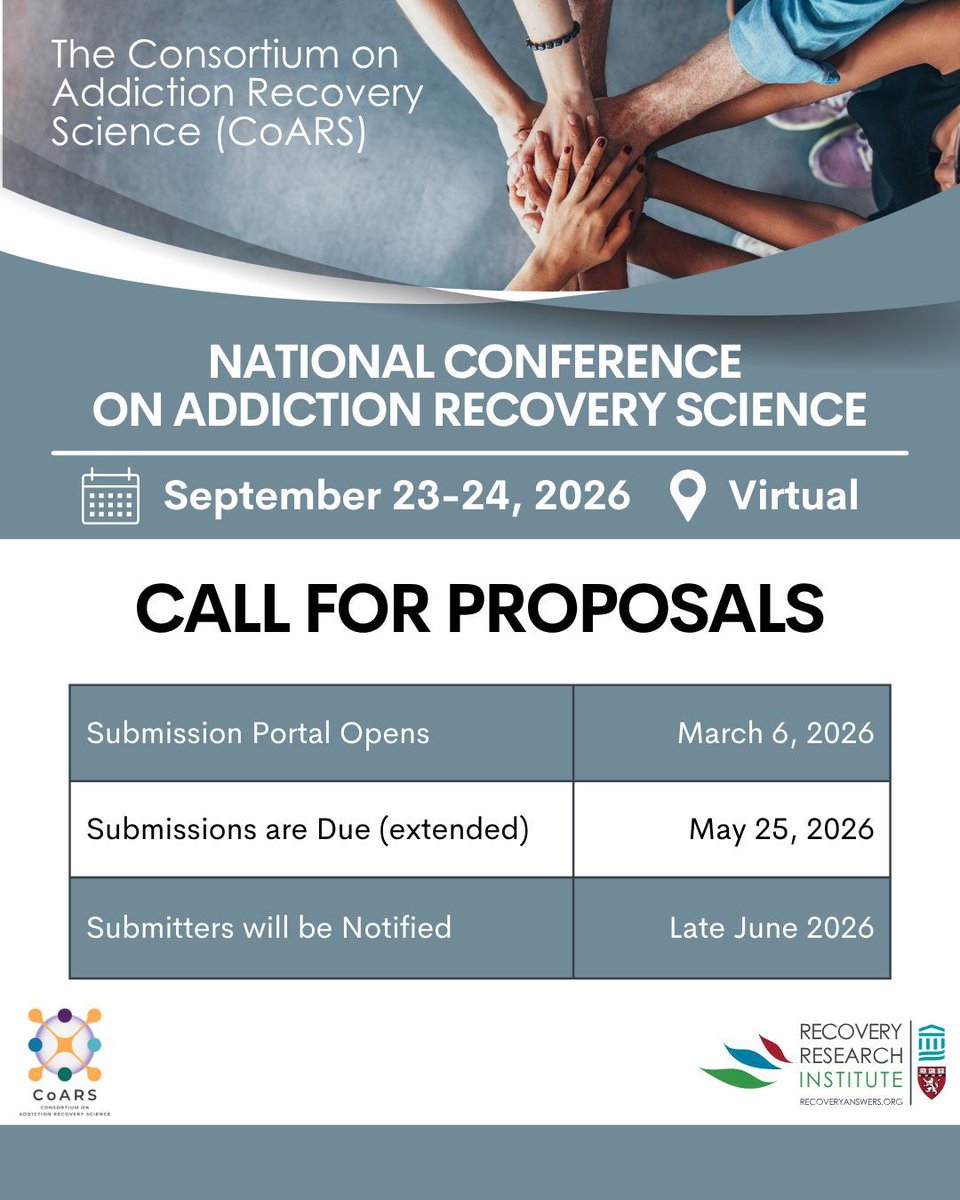
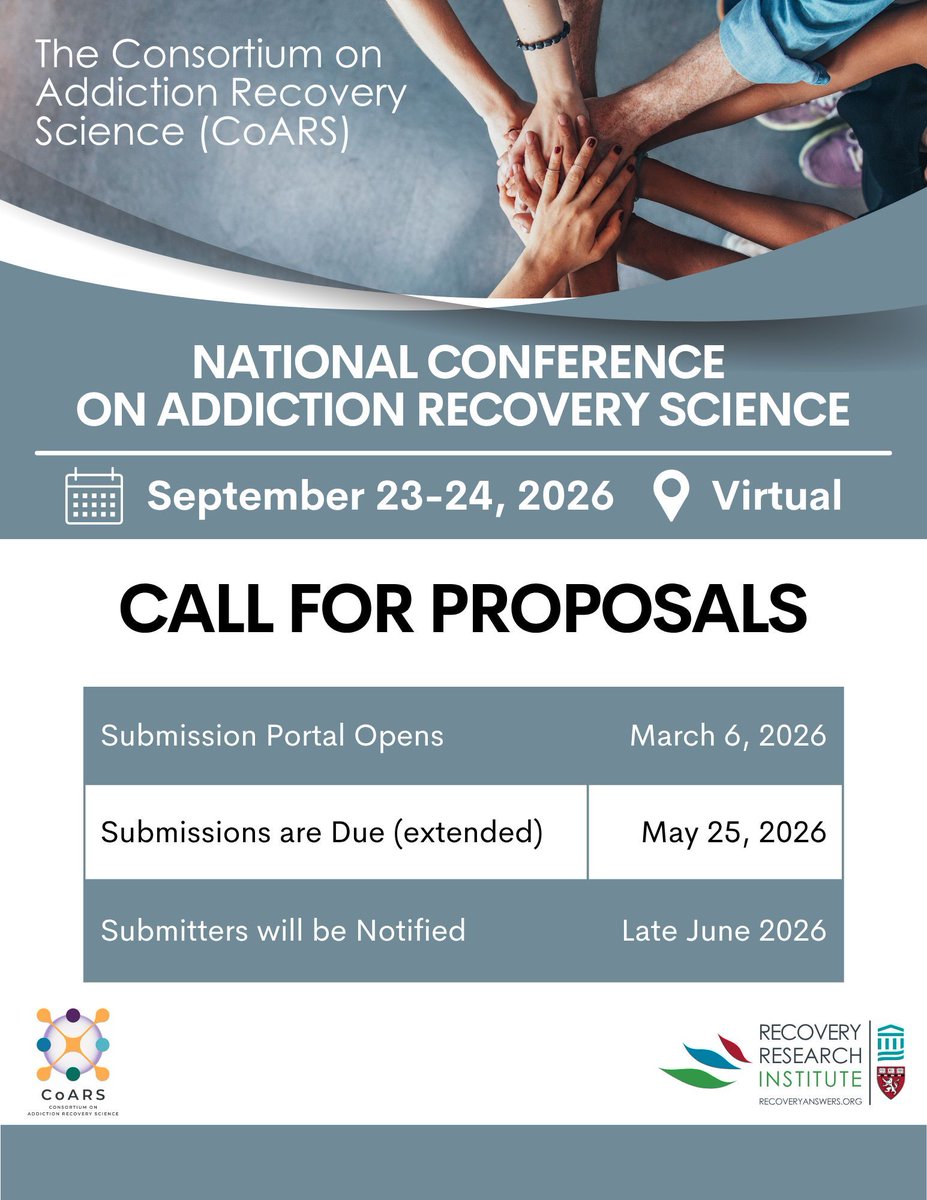
Have you submitted your proposal for NCARS yet? Join leading researchers from across the field this September to share your work and connect with the recovery science community.
Submit here: redcap.link/2026NCARS
#2026NCARS
1
1
2
97
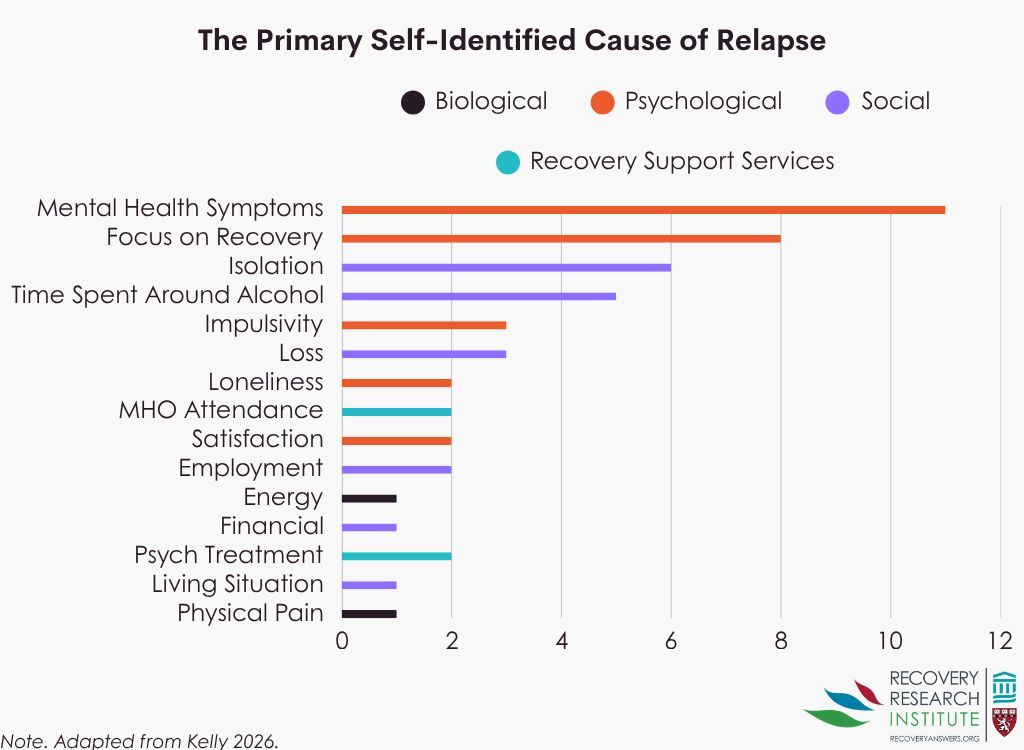
People who have been in recovery for years or even decades reported relapse to alcohol use disorder reported warning signs as long as 6-12 months prior to the relapse event, but do not see the relapse coming.
Learn more here: recoveryanswers.org/research…
1
2
82
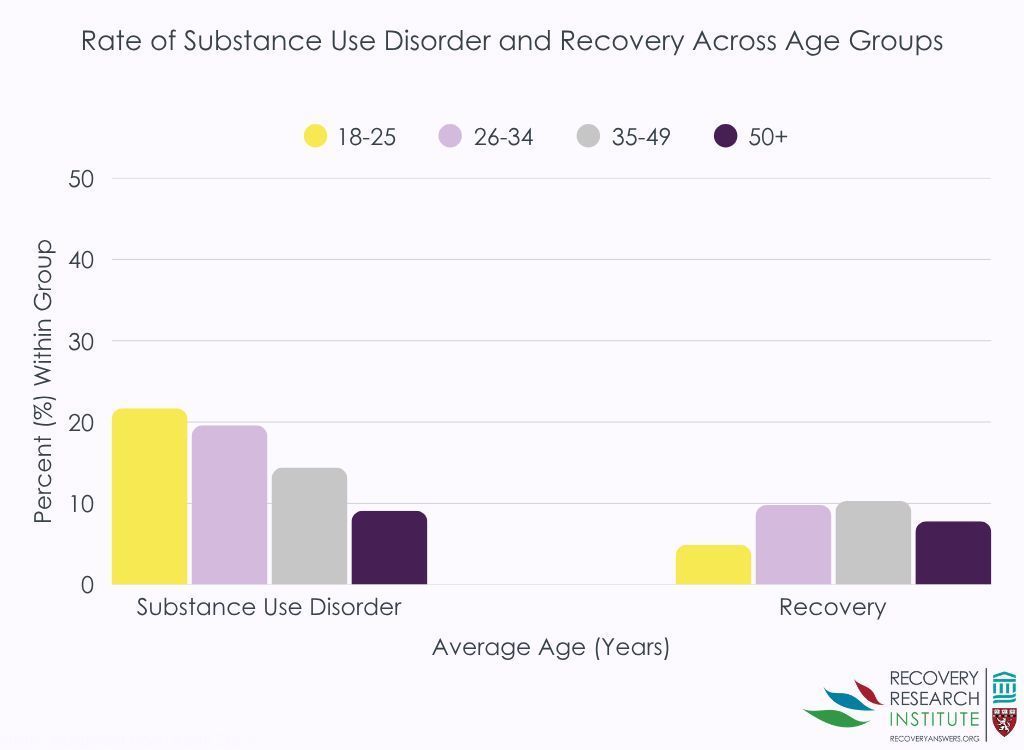
Young adults have the highest rates of substance use disorder but lowest rates of recovery. ~22% of young adults report having a substance use disorder but only 5% say they are in recovery. Adults 26 are nearly 2X as likely to report being in recovery.
recoveryanswers.org/research…
3
5
7
405
Announcing deadline extension!
You now have until May 25th, 2026 to submit your proposal for NCARS. Don’t miss the chance to showcase your work, exchange ideas, and connect with others advancing recovery science.
Submit here: redcap.link/2026NCARS
#2026NCARS
1
1
94
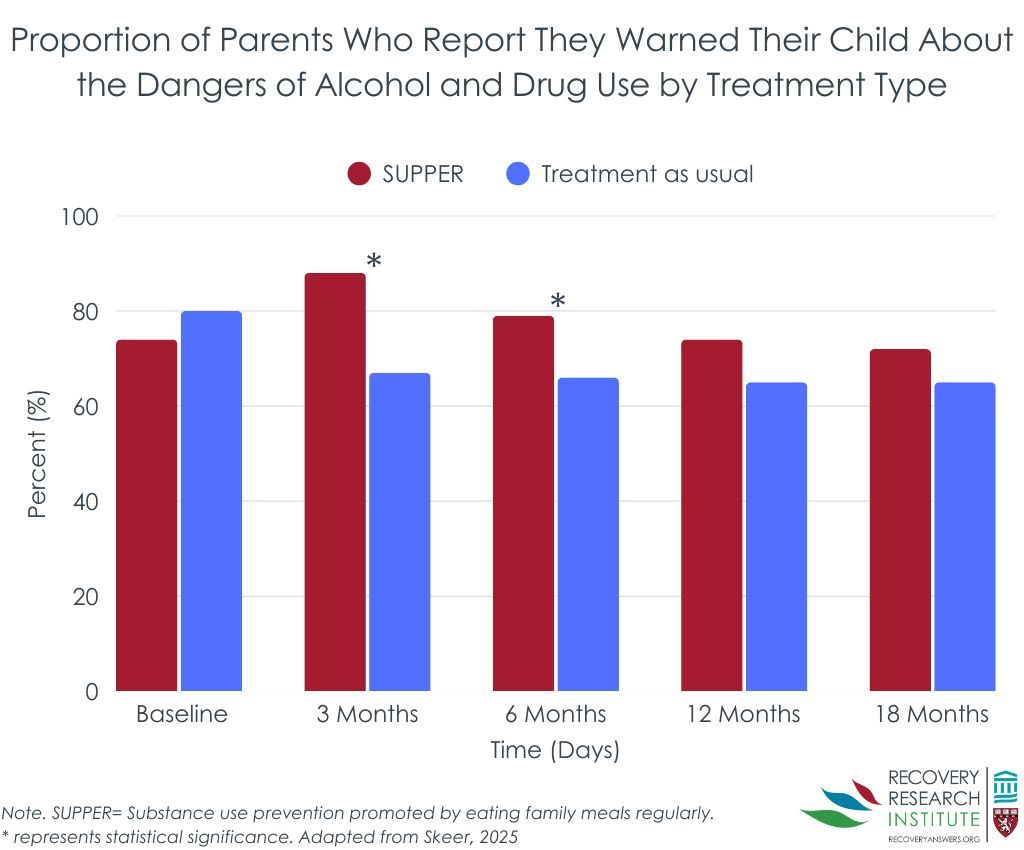
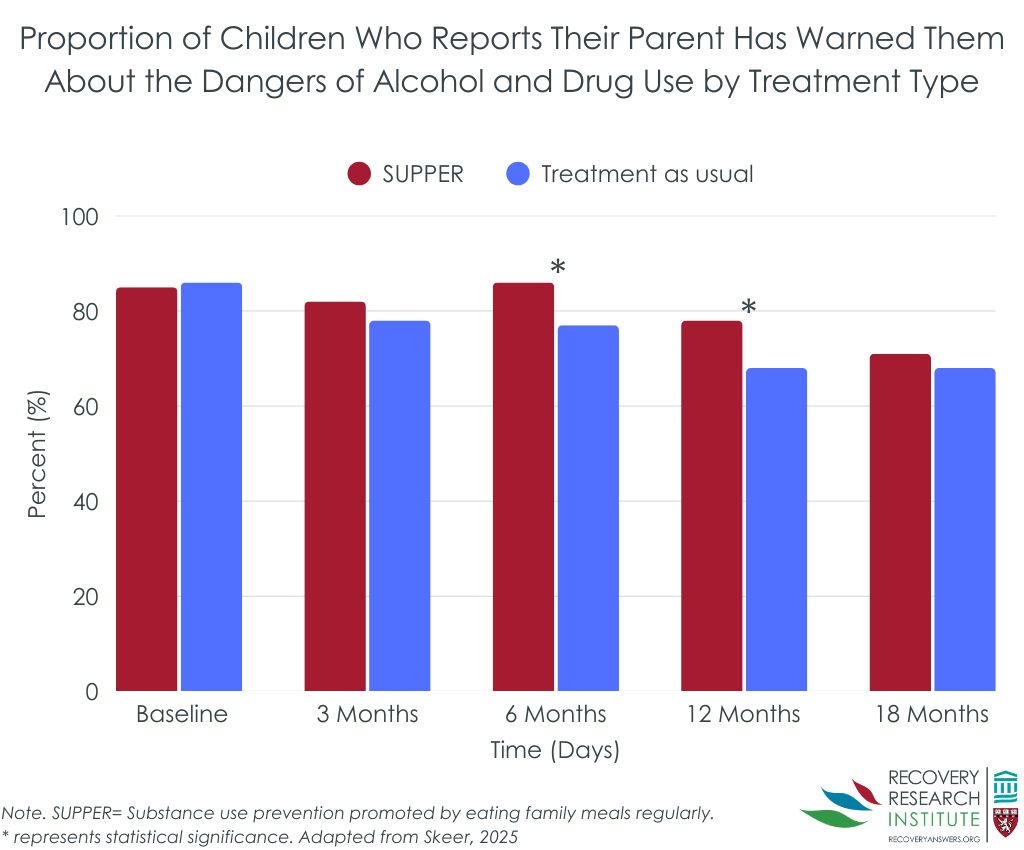
Caregivers who received a brief family meal–based intervention (including conversation prompts and guidance) were more likely to talk with their children about alcohol and drug use, even months later.
recoveryanswers.org/research…
#RecoveryThroughScience
@TuftsMedSchool
2
2
89
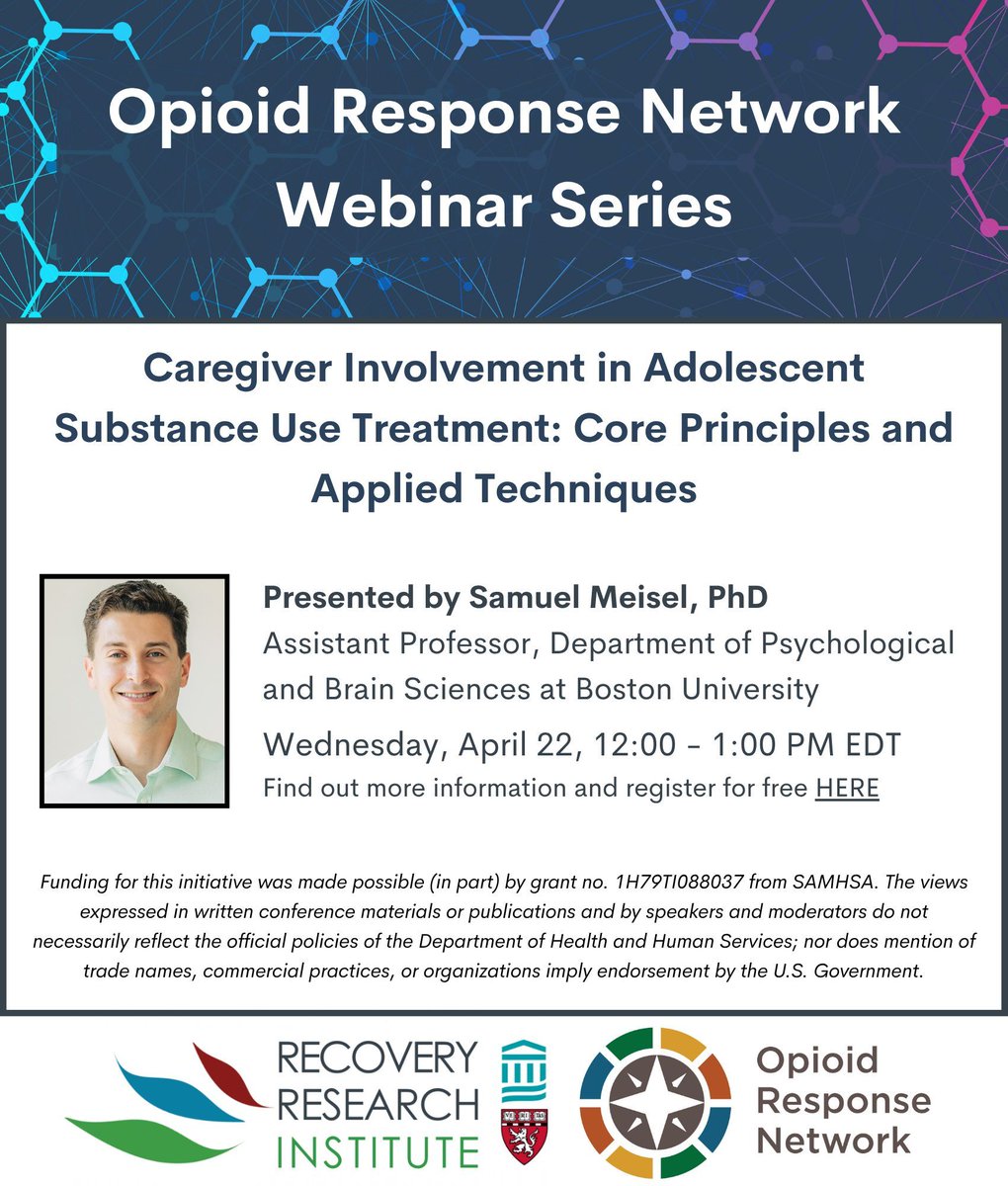
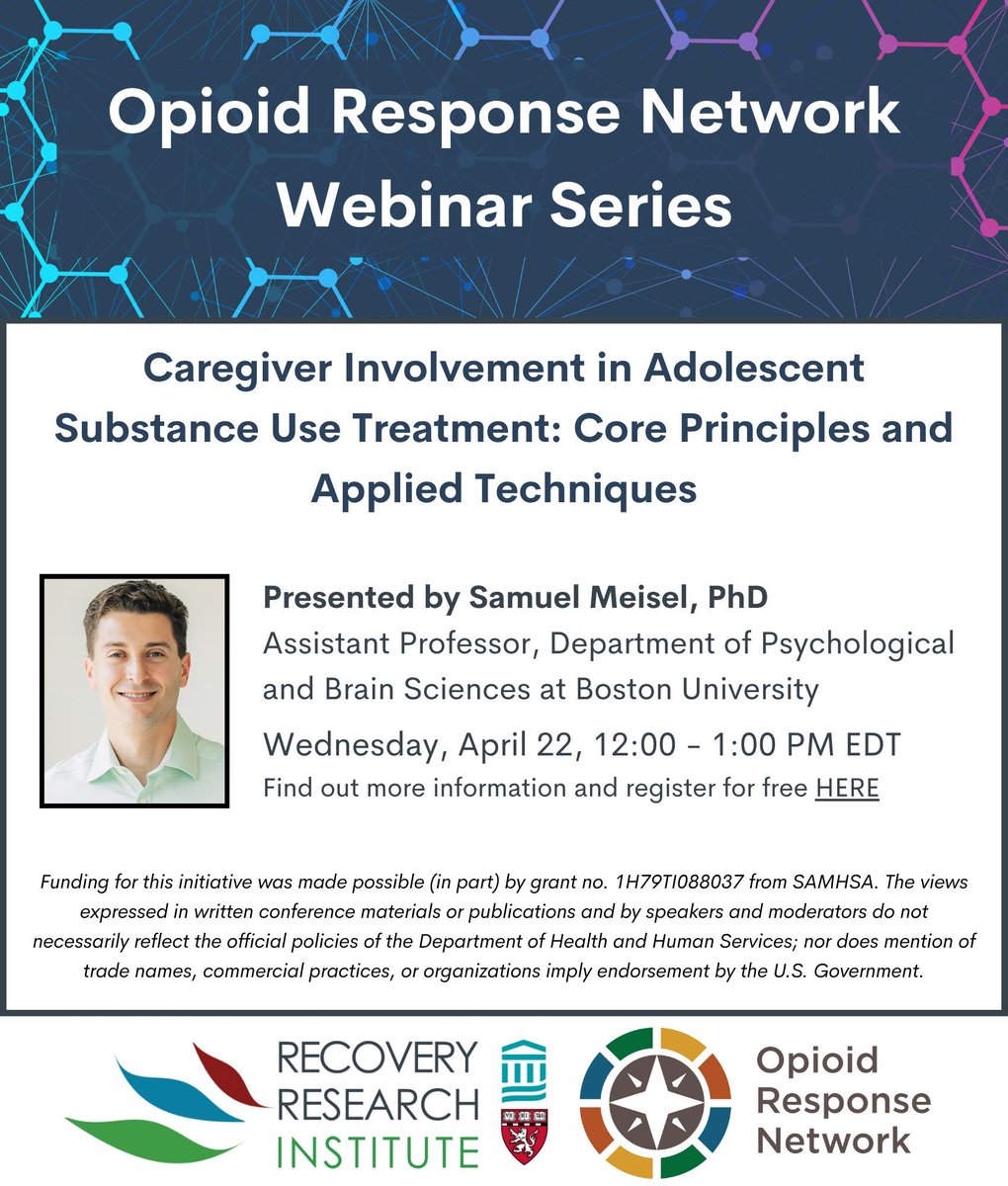
Join us today, Apr 22 at 12pm ET for our ORN webinar featuring Dr. Samuel Meisel on Caregiver Involvement in Adolescent Substance Use Treatment: Core Principles and Applied Techniques. Register for free: events.teams.microsoft.com/e… | #addiction #recovery #science
88
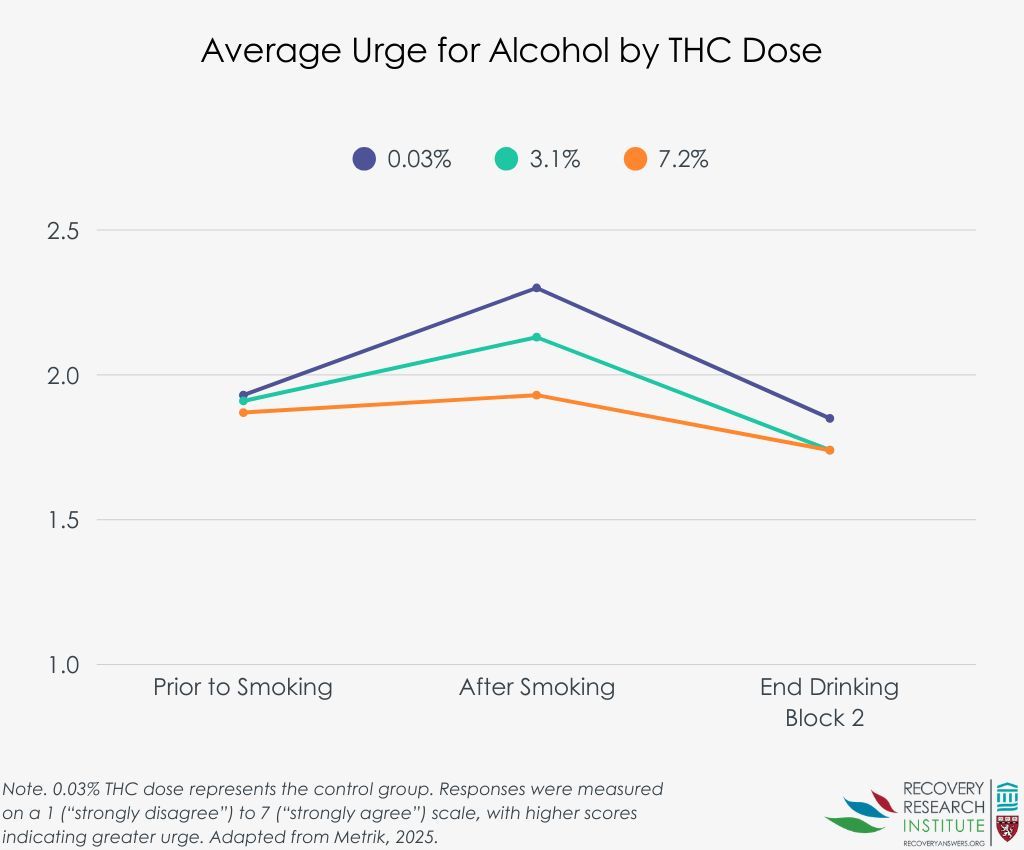
In a lab study, participants who smoked cannabis drank 19-27% less alcohol during the session compared to placebo. Thus, cannabis use may help reduce alcohol consumption in controlled settings, in the short-term. More research is needed.
recoveryanswers.org/research…
1
112
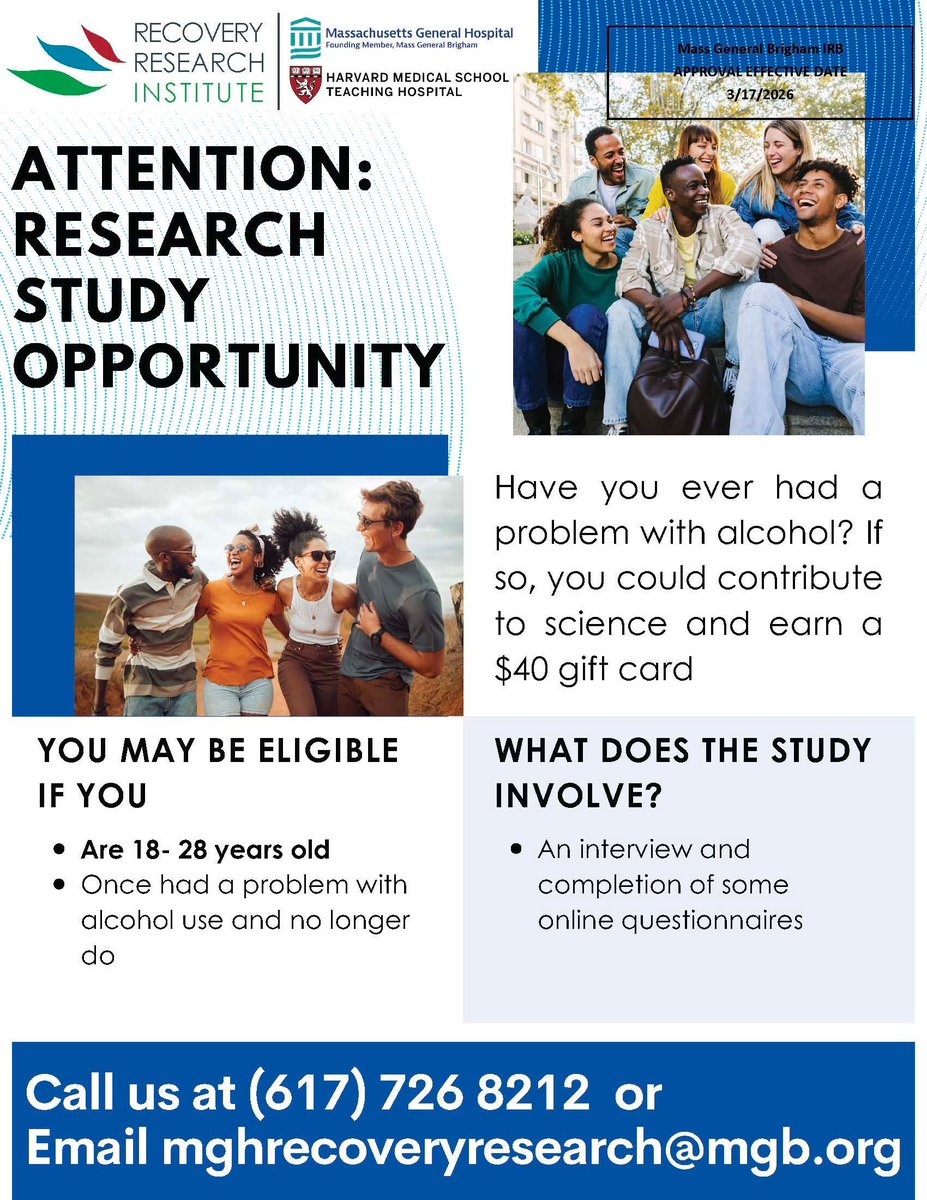
The Recovery Research Institute at Massachusetts General Hospital is looking for individuals to participate in a study on recovery processes from problematic alcohol use.
To learn more:
- Click here: rally.massgeneralbrigham.org…
- 617-726-8212
- mghrecoveryresearch@mgb.org
1
1
91
Join us for our webinar, sponsored by the ORN and AAAP, focusing on youth substance use treatment and recovery. We’re honored to have Dr. Samuel Meisel speak Apr 22 at 12:00pm ET. Register for free: events.teams.microsoft.com/e… | #RecoveryThroughScience #addiction #recovery #science
82
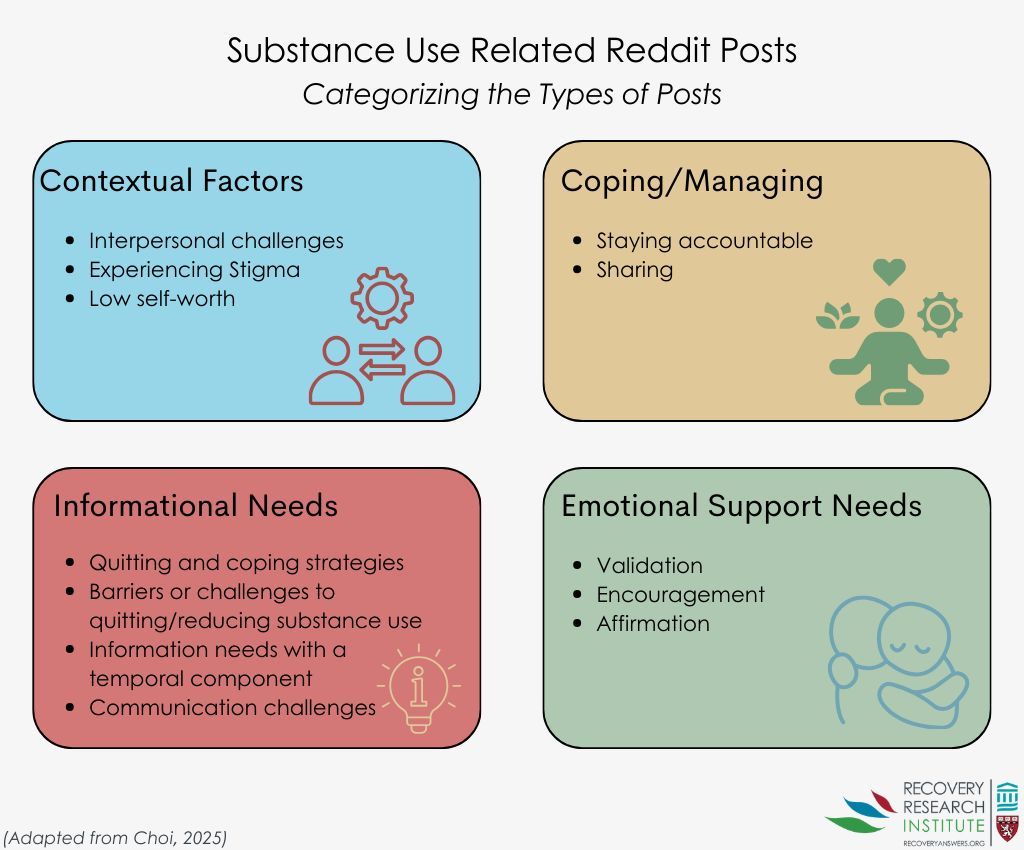
Many people seek substance use support on Reddit. They ask most often for emotional support, in addition to factual information, highlighting the importance of connection and shared lived experience in recovery.
Read more here: recoveryanswers.org/research…
#RecoveryThroughScience
71
Join Dr. John Kelly at the 11th World Confederation of Cognitive and Behavioural Therapies Congress, in San Francisco, June 25–28, 2026.
He will deliver a keynote, “Amplifying and Extending the Framework of Treatment,” and lead a workshop, “Understanding and Treating Addiction.”
78