Daily curated list of quirky holidays | Videos & tunes with Grok Imagine & Suno | Positivity & bold explorations. Ring the bell 🔔
Joined March 2023
- Tweets 6,325
- Following 200
- Followers 681
- Likes 45,180
4,181 Photos and videos











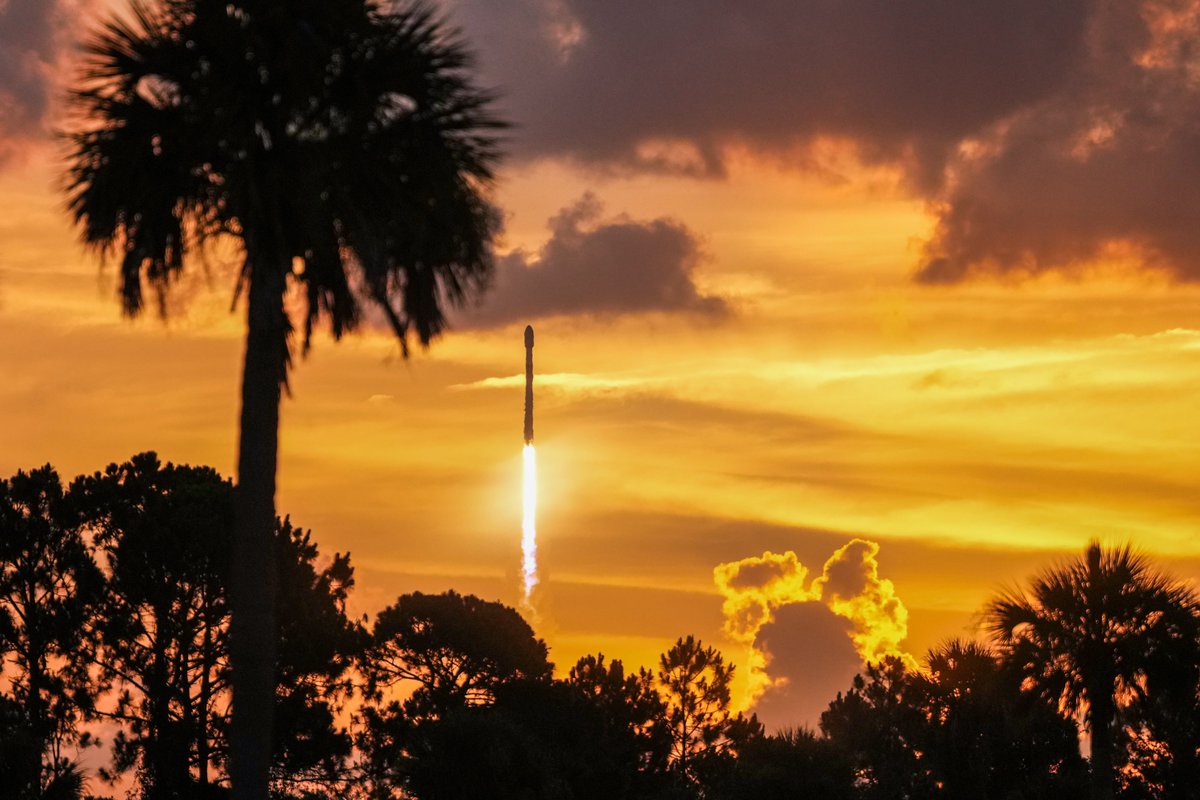
12h
Music Title: Unity Rhythm
Music Style: Reggae, ska, rocksteady
Race Unity Day (second Sunday in June; falls on June 14, 2026): Promotes racial harmony and understanding. Roots in Baha’i emphasis on the oneness of humanity.
43
12h
Music Title: Bourbon & Batteries
National Bourbon Day (June 14): Celebrates U.S. whiskey made from at least 51% corn and aged in charred oak barrels. A common myth credits Rev. Elijah Craig with first distillation on this date in 1789; Congress declared it America’s official native spirit in 1964.
1
1
44
12h
Below is a list of some national, international, global and local observances for June 14, 2026:
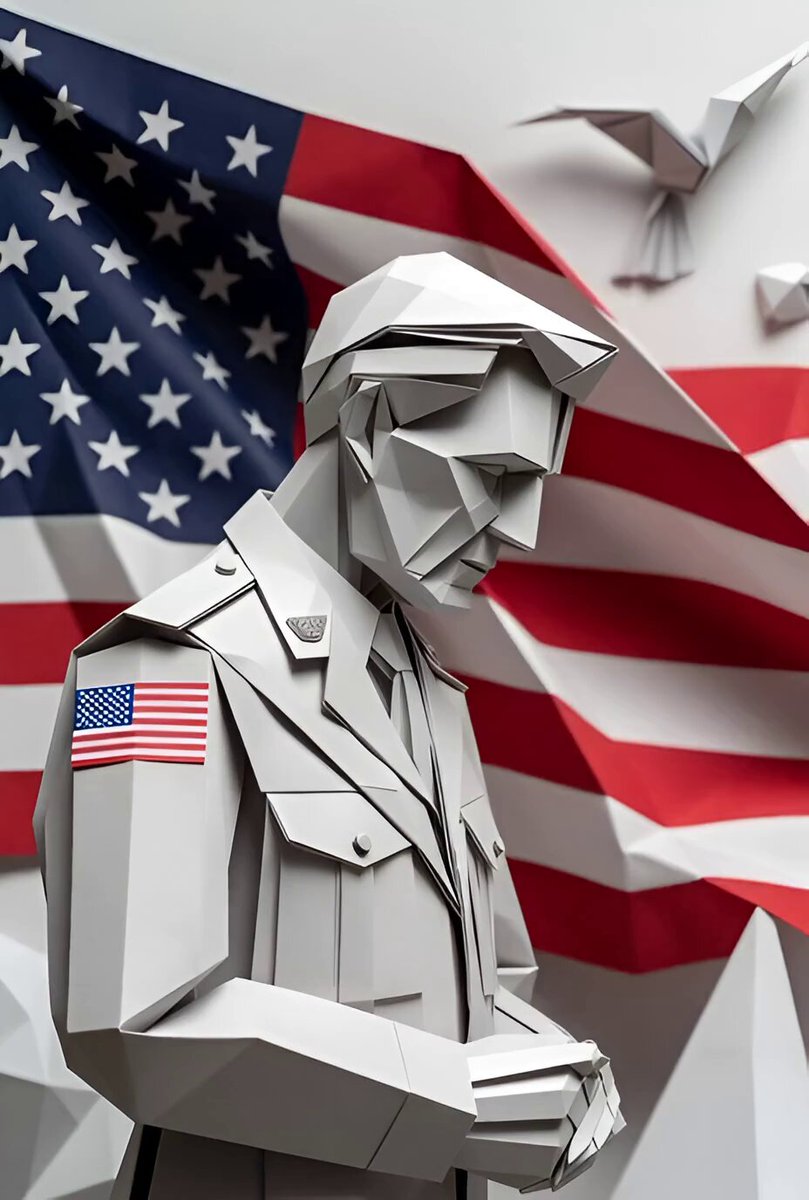
Flag Day (US, June 14): Commemorates Second Continental Congress adoption of the Stars and Stripes on June 14, 1777. Current 50-star design created by 17-year-old Robert Heft in 1958 for a class project (initial B- grade later changed to A).
Army Birthday (US, June 14): Marks Continental Congress authorization of the Continental Army on June 14, 1775. U.S. Army predates the nation it serves by more than one year.
National Bourbon Day (June 14): Celebrates U.S. whiskey made from at least 51% corn and aged in charred oak barrels. A common myth credits Rev. Elijah Craig with first distillation on this date in 1789; Congress declared it America’s official native spirit in 1964.
Pause for the Pledge Day (June 14): Encourages recitation of the Pledge of Allegiance on Flag Day. Original 1892 Pledge lacked “under God,” added in 1954 during the Cold War.
National Strawberry Shortcake Day (June 14): Honors the dessert of biscuits, strawberries, and cream. Shortcake originated in 16th-century England; American version became a popular seasonal staple.
National Cucumber Day (June 14): Promotes the vegetable (botanically a fruit). Contains ~96% water; cultivated in India over 3,000 years ago.
National Pop Goes The Weasel Day (June 14): Celebrates the traditional children’s rhyme and tune. Origins possibly linked to 19th-century London tailors pawning tools on payday.
Family History Day (June 14): Encourages genealogy and ancestor research. Widespread DNA testing has revealed unexpected global family connections for millions.
National New Mexico Day (June 14): Highlights New Mexico’s culture and history. Santa Fe (founded 1610) is the oldest U.S. capital city.
National Children’s Day (second Sunday in June; falls on June 14, 2026): Focuses on children’s well-being and future. Part of broader second-Sunday observances promoting investment in youth.
Race Unity Day (second Sunday in June; falls on June 14, 2026): Promotes racial harmony and understanding. Roots in Baha’i emphasis on the oneness of humanity.
Abused Women and Children’s Awareness Day (second Sunday in June; falls on June 14, 2026): Raises awareness of domestic violence and prevention. Highlights the scale of violence affecting millions annually.
Multicultural American Child Awareness Day (second Sunday in June; falls on June 14, 2026): Celebrates diverse cultural heritages of U.S. children. Recognizes blended identities in a multicultural society.
Children’s Sunday (second Sunday in June; falls on June 14, 2026): Church-focused observance honoring children. Emphasizes passing values and hope to future generations.
Write to Your Father Day (one week before Father’s Day; falls on June 14, 2026): Encourages written appreciation for fathers and father figures. Handwritten notes preserve tangible family records better than digital messages.
World Blood Donor Day (June 14): Raises awareness for voluntary blood donation and thanks donors. Falls on birthday of Karl Landsteiner, who discovered ABO blood types in 1900 (Nobel Prize 1930).
International Bath Day (June 14): Promotes self-care and bathing rituals. Ancient Roman thermae and Japanese onsen treated bathing as social and spiritual practice.
Monkey Around Day (June 14): Encourages playful and curious behavior. Reminds adults of evolutionarily wired primate-like exploration and joy.
National Cancer Thriver Day (June 14): Honors those living with or beyond cancer. Shifts focus from mere survival to quality of life and resilience.
Magic Circles Day (June 14): Invites appreciation of circles in magic, nature, or ritual. “Magic Circle” also names the UK magicians’ society founded in 1905 (women admitted 1991).
International Feta Day (June 14): Celebrates Greek feta cheese. Must be produced in designated Greek regions from sheep’s or goat’s milk; holds EU protected status.
Missing Mutts Awareness Day (June 14): Raises awareness for lost dogs and recovery efforts. Microchipping and social media have improved reunion rates significantly.
Falkland Islands Liberation Day (June 14): Commemorates 1982 Argentine surrender ending the Falklands War. Conflict reshaped British military strategy and small-island identity.
Freedom Day (Malawi, June 14): Commemorates the historic June 14, 1993 referendum in which citizens voted to transition to a multiparty democracy, effectively ending decades of one-party rule under Hastings Banda.
Baltic Freedom Day (U.S. observance, June 14): Honors Soviet deportations and Baltic independence struggles. Baltic “Singing Revolution” achieved independence through non-violent cultural resistance.
2
3
195
Jun 13
Below is a list of some national, international, global and local observances for June 13, 2026:
National Dragonfly Day honors these agile insects known for their iridescent wings, aerial prowess, and ecological roles as predators of mosquitoes and indicators of water quality. Their ancient lineage (predating dinosaurs) and remarkable vision (nearly 360-degree sight) offer a window into evolutionary success and environmental health, encouraging appreciation for often-overlooked biodiversity and wetland conservation.
International Albinism Awareness Day (fixed June 13, UN-proclaimed 2014) combats discrimination and violence against people with albinism, who lack melanin due to genetic variations and face myths-fueled attacks in parts of Africa alongside everyday stigma. It underscores intersections of science, human rights, and cultural beliefs, prompting reflection on how visible differences challenge societies to confront prejudice while celebrating genetic diversity and resilience.
International Young Eagles Day (second Saturday in June) is organized by the Experimental Aircraft Association to offer free introductory flights to children, inspiring interest in aviation and STEM. Since its inception, the program has introduced hundreds of thousands of young people to flight, highlighting how hands-on experiences can ignite lifelong passions and address workforce needs in aerospace while fostering wonder about human flight’s technological and exploratory frontiers.
Missing Mutts Awareness Day (second Saturday in June) raises awareness for lost, stray, or missing dogs and promotes microchipping, adoption, and responsible pet ownership. It draws attention to the emotional and practical challenges of pet loss while encouraging community efforts that reflect broader themes of compassion, animal welfare, and the human-animal bond in contemporary society.
Family Health and Fitness Day (second Saturday in June) promotes physical activity and wellness for families. It encourages shared outdoor or indoor pursuits that strengthen bonds and combat sedentary lifestyles, inviting thought on intergenerational health legacies and the balance between individual well-being and collective family resilience in fast-paced modern life.
World Juggling Day (Saturday closest to June 15; falls on June 13 in 2026) celebrates the ancient art and skill of juggling with events, workshops, and performances worldwide. Juggling’s history spans millennia across cultures as entertainment, exercise, and metaphor for balance, prompting reflection on coordination, focus, persistence, and the playful side of human dexterity amid increasingly digital existences.
Worldwide Knit (and Crochet) in Public Day (often aligned with second Saturday observances) encourages knitters and crocheters to work on projects openly in parks, cafes, or transit. It builds community visibility for a craft with deep historical roots in textile traditions and social connection, while challenging stereotypes and highlighting mindfulness, creativity, and intergenerational skill-sharing in an age of screens.
World Softball Day celebrates the sport’s inclusive, fast-paced gameplay enjoyed by millions recreationally and competitively. Evolving from baseball with distinct rules favoring strategy and accessibility, it fosters teamwork, physical fitness, and social bonds across ages and genders, reflecting broader cultural values around leisure, community leagues, and adaptive athletics.
World Doll Day (second Saturday in June) appreciates dolls as toys, cultural artifacts, and artistic expressions spanning civilizations and eras. From ancient fertility figures to modern collectibles, dolls mirror societal values, childhood development, and storytelling traditions, inviting contemplation of play’s role in empathy, imagination, and preserving heritage across generations.
World Bike Naked Day (aligned with second Saturday events, often tied to World Naked Bike Ride) promotes cycling while advocating body positivity, environmental awareness, and reduced car dependency through fun, clothing-optional rides. It blends activism with humor to challenge norms around vulnerability and sustainability, sparking dialogue on personal freedom, urban planning, and joyful resistance to conventional constraints.
National Rosé Day (second Saturday in June) is a popular U.S. observance celebrating rosé wine, produced by limiting grape-skin contact during fermentation for its signature pink hue and crisp profile. Rosé ranks among the oldest known wine styles, with roots tracing to ancient Phoenicians and Greeks around 600 BCE who often diluted it with water for everyday drinking, a practice that highlights how this now-trendy beverage once served as an accessible social lubricant across classes rather than a luxury item, prompting reflection on shifting cultural valuations of simplicity versus prestige in food and drink.
nationaldaycalendar.com
World Gin Day (second Saturday in June) honors gin in all its forms, from classic London dry to modern botanical expressions, with events focused on cocktails and distillery appreciation. Gin originated in the Netherlands in the mid-16th century as a juniper-based medicinal tonic invented by physician Franciscus Sylvius, later sparking England’s notorious 18th-century “Gin Craze” of social upheaval before its craft revival, illustrating how a health remedy evolved into both a public-health crisis and a symbol of ingenuity that continues to spark debates on regulation, culture, and responsible enjoyment of spirits.
nationaldaycalendar.com
National Sewing Machine Day commemorates the invention and evolution of mechanical sewing devices that transformed garment production. British inventor Thomas Saint received the first patent for a chain-stitch sewing machine in 1790, though it was never built; subsequent French and American innovations by Barthélemy Thimonnier, Elias Howe, and Isaac Singer industrialized clothing, shifting labor from home-based seamstresses to factories and enabling mass-produced fashion that altered economic opportunities, gender dynamics in work, and access to affordable apparel worldwide.
nationaltoday.com
National Weed Your Garden Day encourages hands-on garden maintenance to promote healthy plant growth and outdoor activity. Weeds serve as ecological indicators of soil conditions—such as dandelions signaling compacted or nutrient-poor earth—while many “weeds” historically doubled as nutritious foods or medicines, raising thought-provoking questions about human-imposed categories of “pest” versus “resource” and our evolving relationship with biodiversity in managed landscapes.
National Golf Cart Day recognizes the practical and recreational role of these small electric or gas-powered vehicles, originally developed for golf courses but now widely used in communities, resorts, and events. Early prototypes emerged in the 1930s, with widespread adoption after World War II; today they symbolize accessible mobility and leisure innovation, inviting reflection on how simple transportation solutions adapt from niche sports use to broader societal applications in aging populations and sustainable short-distance travel.
National Kitchen Klutzes of America Day lightheartedly honors those who embrace cooking despite frequent mishaps like spills or burnt dishes. It promotes resilience and humor in the kitchen, underscoring how trial-and-error in domestic spaces has long driven culinary creativity and family bonding, while highlighting the universal human experience of imperfection in an era of polished social-media recipes.
National Marina Day (second Saturday in June) celebrates marinas as hubs for boating, recreation, and waterfront communities. These facilities support economic activity through tourism and maintenance industries while fostering connections to water-based leisure; their growth reflects broader American enthusiasm for outdoor recreation and environmental stewardship of coastal and inland waterways.
National Outlet Shopping Day (second Saturday in June) promotes bargain hunting at outlet malls and centers. It taps into consumer culture’s blend of value-seeking and experiential retail, where discounted designer goods democratize fashion and luxury access, yet also prompt consideration of overconsumption, fast fashion’s environmental toll, and the psychology of perceived savings in modern shopping habits.
National Random Acts Of Light Day inspires spontaneous acts of kindness involving literal or metaphorical illumination, such as sharing light (candles, lanterns, or positivity). It emphasizes small gestures that brighten others’ days, echoing broader themes of hope, community support, and the ripple effects of everyday altruism in an often-challenging world.
Feast of St. Anthony of Padua (fixed June 13) is a major Catholic observance honoring the 13th-century Franciscan saint, patron of lost items, the poor, and travelers, with special prominence in Portuguese, Italian, and other Catholic communities. In Lisbon it coincides with a massive festival featuring sardine feasts, processions, and basil pots inscribed with love poems, blending deep religious devotion with vibrant secular celebration and illustrating how faith traditions sustain cultural identity and communal joy across generations.
Trooping the Colour (UK, June 13, 2026) is the ceremonial King’s Birthday Parade on Horse Guards Parade in London, featuring over 1,400 soldiers, horses, and a flypast. Dating to the 17th century when troops needed to recognize regimental colors in battle smoke, it now serves as pageantry preserving military heritage and national symbolism, raising questions about tradition’s role in modern identity, spectacle versus substance, and the evolution of monarchy in democratic societies.
nationaltoday.com
Additional notable or more obscure observances on June 13, 2026, include National Chamoy Day (celebrating the tangy, spicy-sweet Mexican condiment popular in U.S. snacking culture),
National Productive Business Civility Day (promoting respectful workplace interactions), Pigeon Appreciation Day (honoring urban birds’ adaptability and historical roles), and National Posttraumatic Growth Day (focusing on positive psychological transformation after adversity).
2
5
526
Jun 13
Dia dos Namorados, Brazil's Lovers' Day, falls on June 12, the feast day of Saint Anthony, patron of marriage. It functions as a distinct romantic holiday separate from February 14.
Enjoy these two romantic songs!
1
2
101
Jun 12
Below is a list of some national, international, global and local observances for June 12, 2026:
Loving Day marks the June 12, 1967 U.S. Supreme Court ruling in Loving v. Virginia that invalidated state laws banning interracial marriage. The case originated when Richard and Mildred Loving were arrested in their Virginia home for a marriage performed legally in Washington D.C.
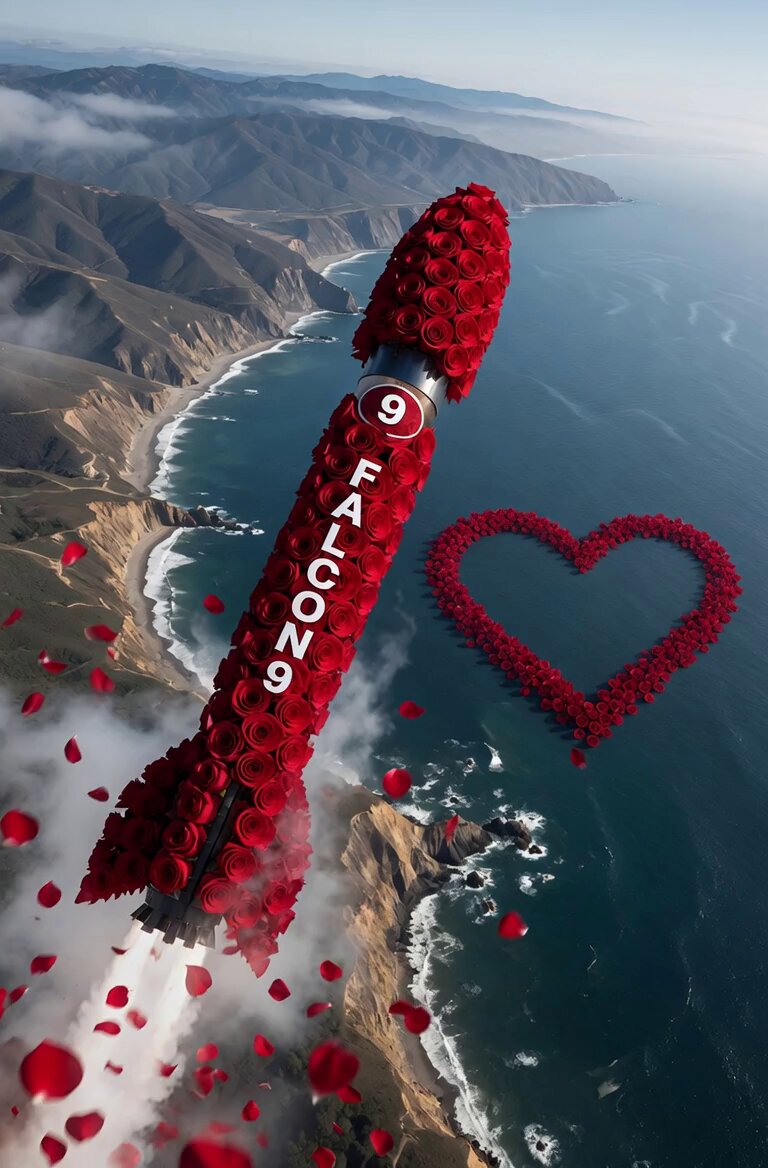
National Red Rose Day promotes gifting red roses as symbols of love and passion. The flower's association with emotion dates to ancient Greek and Roman mythology linked to Aphrodite and Venus.
Dia dos Namorados, Brazil's Lovers' Day, falls on June 12, the feast day of Saint Anthony, patron of marriage. It functions as a distinct romantic holiday separate from February 14.
Women Veterans Recognition Day honors U.S. women military service members on the anniversary of the June 12, 1948 Women's Armed Services Integration Act signed by President Truman. It is recognized in over 20 states and marks the shift allowing women permanent regular armed forces status.
Philippine Independence Day commemorates the June 12, 1898 declaration of independence from Spain by Emilio Aguinaldo in Kawit, Cavite. Full U.S. recognition of sovereignty occurred in 1946 after the Spanish-American War.
National Movie Night falls on the second Friday in June, which is June 12 in 2026. It was proclaimed in 2022 to encourage family and friends to gather for shared film viewings and revive collective traditions.
World Day Against Child Labour raises awareness of approximately 160 million children in child labor worldwide, many in hazardous work. It is linked to International Labour Organization efforts on supply chain protections.
National Jerky Day celebrates the dried meat snack with roots in ancient preservation methods. The term derives from the Quechua word "ch'arki" via Spanish influence on Indigenous Andean techniques.
National Peanut Butter Cookie Day recognizes the classic American cookie popularized in the early 20th century. Peanut butter itself traces to ancient South American and African food traditions.
International Falafel Day celebrates the chickpea or fava bean fritter claimed by Egypt, Israel, Lebanon, and Palestine. It serves as a shared culinary item across regions with disputed origins.
Russia Day marks Russia's 1990 declaration of sovereignty and 1991 presidential election. It aligns with summer White Nights in St. Petersburg.
National Great Dane Day honors the large dog breed developed in Germany despite its name. It originated as a boar hunter and was later refined in England and the United States.
Superman Day recognizes the superhero created by Jerry Siegel and Joe Shuster, who debuted in 1938. The character was developed by two sons of Jewish immigrants during rising global tensions.
National Button Battery Awareness Day highlights risks of ingestion by young children. Damage to tissue can begin within two hours due to electrical current in moist environments.
Pulse Night of Remembrance commemorates the 49 deaths in the 2016 Orlando nightclub shooting. It was the deadliest mass shooting in the U.S. at the time and targeted a Latinx LGBTQ venue during Pride month.
Democracy Day in Nigeria commemorates the June 12, 1993 presidential election annulled by the military. It fueled pro-democracy movements leading to civilian rule in 1999.
Chaco Armistice Day marks the June 12, 1935 ceasefire ending the Chaco War between Bolivia and Paraguay. The conflict was fought over territory later found to contain little oil.
Helsinki Day celebrates the 1550 founding of Finland's capital by Swedish King Gustav I as a trading post. It later grew into a modern design and innovation center.
International Cachaça Day honors Brazil's sugarcane spirit used in caipirinha. Production dates to the 16th century on sugar plantations with African-influenced techniques.
Peruvian Hairless Dog Day recognizes the ancient Peruvian breed with a genetic mutation causing hairlessness and dental issues. It was historically valued in Andean cultures for warmth and spiritual roles.
Little League Girls Baseball Day supports girls' participation in baseball during National Little League Baseball Week. It builds on historical examples of women playing during World War II.
National Automotive Service Professionals Day recognizes mechanics and technicians. It falls within National Automotive Service Professionals Week.
Crowded Nest Awareness Day highlights households where adult children return to live with parents, sometimes with their own families. It gained prominence around the 2008 recession due to economic factors.
Ghost in the Machine Day on June 12 references Gilbert Ryle's philosophical term critiquing mind-body dualism, later used in Arthur Koestler's 1967 book. It invites reflection on consciousness and technology.
Poultry Day aligns with the Versailles Poultry Days festival in Ohio held June 12-14. The event, running since 1952, features the world's largest chicken barbecue and serves tens of thousands of dinners annually.
1
1
2
517






RedSpice𝕏 retweeted
11 Jun 2025
National Corn on the Cob Day, celebrated annually on June 11, is a delightful tribute to a quintessential summer treat with deep cultural and historical roots.
Here are some interesting and intriguing facts about this unofficial holiday, drawn from its history, cultural significance, and unique aspects of corn itself:
Ancient Origins: Corn, or maize, is a New World crop domesticated by Indigenous peoples in southern Mexico around 10,000 years ago. It evolved from a wild grass called teosinte and was a staple for Native American tribes long before European settlers arrived, making corn on the cob a dish with ancient roots.
Historical Shift in Preparation: Before the mid-19th century, corn was typically served as mush or porridge in the U.S. The rise of new farming techniques and transportation in the early 19th century made fresh corn more accessible, popularizing corn on the cob as a standalone dish, especially at summer gatherings.
Nutritional Powerhouse: A medium to large ear of corn (about 8 inches) contains roughly 100 calories, 3.5 grams of protein, 24 grams of carbohydrates (including 3 grams of fiber), and only 6 grams of natural sugar—less than a banana or apple. It also provides vitamins A, B, and E, plus minerals like magnesium and potassium, and contains resistant starch that supports gut health.
Corn’s Colorful Diversity: While yellow corn is most common, corn can be cultivated in purple, green, blue-gray, red, white, and even black varieties. This diversity reflects its genetic versatility and cultural significance across different regions.
Kernel Count Consistency: An average ear of corn has about 800 kernels, typically arranged in 16 rows, and corn cobs almost always have an even number of rows due to the plant’s genetic makeup. This natural symmetry is a fascinating quirk of corn’s biology.
Global Culinary Variations: Corn on the cob is enjoyed worldwide with unique twists. In Peru, choclo con queso pairs large-kernel corn with salty cheese. In India, masala bhutta is grilled corn rubbed with lime and spices for a tangy, spicy kick. These global recipes highlight corn’s universal appeal.
Etiquette Quirks: According to etiquette experts like Emily Post, corn on the cob is considered too messy for formal occasions and should be eaten by buttering a few rows at a time and moving side to side like a typewriter. Despite this, its casual, hands-on nature is part of its charm at picnics and barbecues.
Corn Cob Holders’ Evolution: The first corn cob holder was patented in 1897 by Mary Donnelly as a three-pronged fork to keep hands clean. In 1909, Carl Bomeisler patented tiny swords engraved with corn kernels, a design that inspired modern corn holders. These tools make eating corn less messy and add a fun element.
Cultural Significance: Corn was considered “food of the gods” in many Native American myths, believed to have been gifted to humans at the dawn of time. It made up about 65% of their diet and remains a symbol of sustenance and community in many cultures.
Festivals and Parades: National Corn on the Cob Day is marked by corn-themed events, including parades like the one in Plainview, Minnesota, featuring street dancers, talent shows, and soapbox derbies. The Louisiana Corn Festival, held during the second full weekend of June, also celebrates this crop with corn-centric activities.
Versatile By-Products: Beyond food, corn has over 4,200 uses, from livestock feed and ethanol to cornbread, soda, latex paint, and even diapers. Its stalks, husks, and cobs have been used historically for livestock feed, brooms, chair bottoms, and fuel, showcasing its incredible utility.
Illinois Corn Pride: Illinois, the second-highest corn-producing state in the U.S., grows corn on 11 million acres, generating over $7 billion annually. About 2% of its corn is sweet corn (the type eaten on the cob), while 98% is field corn for other uses, including popcorn, for which Illinois ranks third nationally.
These facts highlight why National Corn on the Cob Day is more than just a celebration of a tasty dish—it’s a nod to a crop that has shaped cultures, cuisines, and economies for millennia. To celebrate, try grilling corn with creative toppings like miso butter or cotija cheese, or join a local corn festival to embrace the summer spirit
2
2
2
300
Jun 11
Below is a list of some national, international, global and local observances for June 11, 2026:
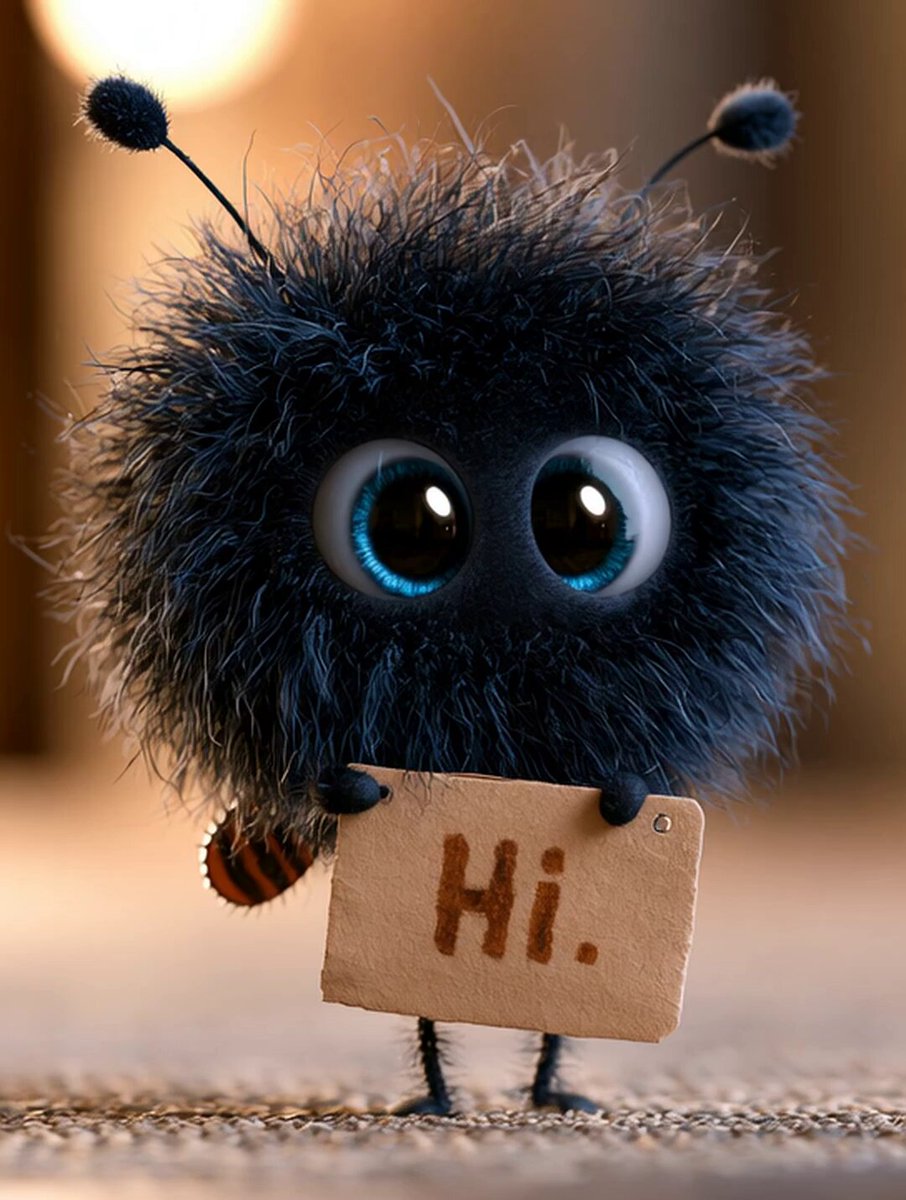
Say Hi Day
Promotes greeting others to build connections. Created to honor Joseph Anthony Cinotti, a special-needs teen whose daily “hi”s brightened lives.
King Kamehameha Day
Hawaii state holiday honoring King Kamehameha I, who unified the Hawaiian Islands. He established the Law of the Splintered Paddle protecting the weak and travelers.
National Corn on the Cob Day
Celebrates eating fresh sweet corn off the cob. Maize was domesticated from teosinte grass in Mexico ~9,000 years ago through human selection.
National German Chocolate Cake Day
Honors the chocolate cake with coconut-pecan frosting. Named after American Sam German’s 1852 baking chocolate; recipe popularized by a 1957 Texas newspaper.
National Career Nursing Assistants Day (second Thursday in June)
Recognizes certified nursing assistants providing most direct care in healthcare settings. They deliver the majority of hands-on patient care yet face high turnover from low pay and demands.
National Making Life Beautiful Day
Encourages small creative acts to improve surroundings. Modest aesthetic changes in environments reduce stress and improve mood per environmental psychology.
International Yarn Bombing Day
Celebrates covering public objects with colorful yarn installations as guerrilla art. Started in Texas by Magda Sayeg in the early 2000s using soft, temporary materials to transform spaces.
Cousteau Day
Marks Jacques Cousteau’s 1910 birthday. He co-invented the Aqua-Lung regulator and used films to popularize ocean exploration and early conservation warnings.
2
2
197
Jun 10
Below is a list of some national, international, global and local observances for June 10, 2026:
National Iced Tea Day celebrates the quintessential American summer refreshment that exploded in popularity when British tea merchant Richard Blechynden, facing a scorching heat wave at the 1904 St. Louis World's Fair, poured his hot tea over ice to salvage sales—an improvisation that not only created a frenzy among fairgoers but sparked a billion-dollar industry while prompting manufacturers to produce the tall “iced-tea glasses” now standard in U.S. kitchens.
nationaltoday.com
National Ballpoint Pen Day honors the everyday writing tool patented in Argentina on June 10, 1943, by Hungarian brothers László and György Bíró, who engineered a quick-drying ink and rolling ball mechanism after observing newspaper presses, solving the leaks and smudges of fountain pens and enabling billions of affordable, reliable pens that quietly revolutionized global literacy and record-keeping.
nationaltoday.com
National Black Cow Day marks the classic root beer float, invented in 1893 by Cripple Creek, Colorado, soda-fountain owner Frank J. Wisner when the full moon illuminating snow-capped Cow Mountain inspired him to drop vanilla ice cream into root beer, creating a fizzy treat he first called “Black Cow Mountain” that local children shortened—turning a miner’s nocturnal observation into an enduring symbol of American soda-shop nostalgia.
nationaltoday.com
National Egg Roll Day recognizes the deep-fried, savory Chinese-American appetizer embraced by Vietnamese immigrants like Van and Kim Nguyen, who founded Van’s Kitchen in Dallas in 1986 to pursue the American Dream; though the wheat wrapper and filling bear little resemblance to authentic Chinese cuisine, the dish became a fusion staple of takeout culture that the company later enshrined on June 10, 2019, to spotlight immigrant innovation in U.S. foodways.
nationaltoday.com
National Herbs and Spices Day spotlights the aromatic plants and dried seasonings that have flavored human meals for millennia, from ancient Egyptian use of cinnamon and mint in rituals and medicine to their role in driving historic trade routes and global exploration—reminding us how these humble botanicals, once valued like currency, continue to elevate everyday cooking while harboring overlooked therapeutic properties documented across civilizations.
daysoftheyear.com
National Frosted Cookie Day observes the sweet, decorated treats that blend simple dough with colorful icing, a staple of American baking traditions whose festive appeal traces back to early 20th-century sugar-cookie artistry now amplified by home bakers and commercial bakeries alike.
nationaldaycalendar.com
National Bed Bug Prevention Day raises awareness about the resilient Cimex lectularius pest that nearly vanished from the U.S. by the 1950s thanks to pesticides but resurged globally after 2000 through increased travel, highlighting how modern mobility inadvertently revived an ancient nuisance and underscoring the importance of vigilance in hotels, homes, and public spaces.
nationaltoday.com
Alcoholics Anonymous Founders Day commemorates the date in 1935 when Dr. Robert “Dr. Bob” Smith took his last drink in Akron, Ohio, after connecting with Bill Wilson, birthing a fellowship of mutual support that has helped millions worldwide recover through the simple principle of one alcoholic helping another—transforming personal desperation into a global, anonymous movement of hope that redefined addiction treatment.
holidays-and-observances.com
Portugal Day (also known as Day of Camões and the Portuguese Communities) is Portugal’s national holiday observed by Portuguese diaspora communities across the United States, especially in New England enclaves like New Bedford and Fall River, Massachusetts, where parades and cultural events honor the death of national poet Luís de Camões on June 10, 1580; legend holds that Camões saved the manuscript of his epic Os Lusíadas—celebrating Portugal’s Age of Discoveries—by swimming ashore with it held aloft after a shipwreck, an act that cemented the Portuguese language’s enduring nickname as “the language of Camões.”
en.wikipedia.org
World Art Nouveau Day is observed globally to celebrate the organic, flowing artistic movement of the late 19th and early 20th centuries, characterized by nature-inspired curves and intricate designs that rejected industrial uniformity in favor of beauty drawn from the natural world.
en.wikipedia.org
323
Jun 9
Below is a list of some national, international, global and local observances for June 9, 2026:
Coral Triangle Day spotlights the urgent conservation of the Coral Triangle, the planet’s richest marine biodiversity hotspot spanning Indonesia, Malaysia, Papua New Guinea, the Philippines, Solomon Islands, and Timor-Leste that harbors 76 percent of known coral species and supports millions of livelihoods, an annual June 9 observance that challenges us to confront how climate change and human activity threaten this underwater Eden whose loss would ripple through global oceans and food security in irreversible ways.
holidays-and-observances.com
National Donald Duck Day honors the beloved Disney character who made his screen debut on June 9, 1934, in The Wise Little Hen, where Walt Disney deliberately crafted his hot-tempered, sailor-suited persona as an edgier counterpoint to the wholesome Mickey Mouse after hearing Clarence Nash’s distinctive quack inspired by a baby goat and drawing loose inspiration from Australian cricketer Donald Bradman’s infamous “duck” dismissal, a creation whose enduring global appeal since the 1930s Depression era subtly reflects humanity’s own everyday frustrations and resilience in ways that continue to resonate across generations.
nationaldaycalendar.com
National Strawberry Rhubarb Pie Day celebrates the sweet-tart seasonal dessert blending strawberries with rhubarb stalks, a vegetable legally classified as a fruit by a 1947 U.S. Customs Court ruling to reduce import tariffs, whose cultivation traces back to ancient Chinese medicinal use over 2,000 years ago before Benjamin Franklin introduced it to America’s East Coast in 1771 and 19th-century bakers dubbed it the “pie plant” for its perfect pairing in pies that became a summertime staple across Europe and the U.S.
nationaltoday.com
National Call Your Doctor Day encourages proactive health steps especially among young women by reminding them to schedule annual Well-Woman Exams, an observance founded in 2016 by the nonprofit Bright Pink—established by Lindsay Avner after her own preventive double mastectomy due to a BRCA mutation—to combat the tendency to prioritize work and family over self-care, with its placement on the second Tuesday in June (June 9 in 2026) strategically chosen midway through the year to underscore how one simple phone call can literally save lives through early detection.
nationaldaycalendar.com
World Pet Memorial Day provides a dedicated moment for pet owners worldwide to honor and remember beloved animals who have passed, established through efforts by the American Veterinary Medical Association to acknowledge the profound grief many experience quietly, falling each year on the second Tuesday in June (June 9 in 2026) as a poignant counterpoint to the more commercial September National Pet Memorial Day and highlighting how the human-animal bond transcends species and time in ways that shape our emotional lives long after our companions are gone.
daysoftheyear.com
National Forklift Safety Day raises awareness about proper training and operation of forklifts to prevent the 35,000 to 62,000 annual U.S. injuries and dozens of fatalities tied to these indispensable warehouse tools, an observance launched in 2014 by the Industrial Truck Association on the second Tuesday in June (June 9 in 2026) after industry leaders lobbied Capitol Hill, serving as a stark reminder that up to 70 percent of such incidents are avoidable through consistent safety protocols that protect the invisible backbone of global commerce.
nationaltoday.com
National Meal Prep Day promotes the practice of planning and batch-cooking meals ahead of time to foster healthier eating habits amid rising reliance on fast food, a modern observance created in 2021 by Phit Phuel on June 9 each year whose roots echo ancient human survival strategies and 18th-century American cookbooks advocating economical bulk preparation, underscoring how reclaiming control over what we eat can quietly transform personal health, family dynamics, and even broader societal patterns of convenience-driven consumption.
nationaltoday.com
International Dark 'n Stormy Day marks the registered trademark cocktail of dark rum, ginger beer, and lime that originated in Bermuda in the early 20th century, often credited to sailors mixing Gosling’s rum with ginger beer as a remedy for seasickness, an annual June 9 celebration that invites reflection on how a simple seafaring invention became a global symbol of tropical escape while its protected name underscores the tensions between cultural tradition and modern intellectual property in the world of mixology.
checkiday.com
National Earl Day pays tribute to the everyday “Earls” among us or the spirit of simple, reliable contributions, observed annually on June 9 as a lighthearted nod to unsung figures whose steady presence shapes daily life in ways that echo the unpretentious charm of namesakes like the Earl of Sandwich, prompting deeper thought on how ordinary individuals sustain communities without fanfare.
holidays-and-observances.com
World APS Day (World Antiphospholipid Syndrome Day) raises awareness for the rare autoimmune disorder that causes dangerous blood clots and pregnancy complications, observed each June 9 to honor patients and advocate for better diagnosis, a day that underscores the hidden battles of invisible illnesses and how one overlooked blood test can mean the difference between life-altering thrombosis and timely intervention.
holidays-and-observances.com
Writers’ Rights Day advocates for the protection of authors’ intellectual property, fair compensation, and creative freedoms worldwide, falling annually on June 9 as a call to recognize how storytelling shapes culture yet remains vulnerable to exploitation, inviting reflection on the delicate balance between artistic expression and the economic realities that determine whose voices endure.
holidays-and-observances.com
Day of La Rioja commemorates the autonomy of Spain’s La Rioja region with cultural festivals and local pride on June 9 each year, a regional holiday that highlights how historic wine-producing territories preserve distinct identities within larger nations, reminding us that small geographies often nurture disproportionately rich traditions that influence global palates and heritage.
en.wikipedia.org
Murcia Day celebrates the Spanish autonomous community of Murcia through parades, music, and gastronomic events on June 9, honoring its unique blend of Moorish, Roman, and modern influences in a way that illustrates how regional observances quietly sustain Spain’s diverse cultural mosaic amid national unity.
en.wikipedia.org
Filipino-Chinese Friendship Day marks the longstanding ties between the Philippines and China with cultural exchanges and diplomatic gestures on June 9, a bilateral observance that prompts consideration of how centuries-old migration and trade routes continue to weave complex economic and social interconnections across Asia in the modern era.
nationaltoday.com
National Heroes’ Day in Uganda honors the sacrifices of those who fought for the nation’s independence and subsequent struggles, observed on June 9 with ceremonies and reflection, a day that underscores how collective memory of heroism continues to shape national identity in post-colonial Africa amid ongoing quests for unity and progress.
en.wikipedia.org
Don Young Day in Alaska recognizes the late U.S. Congressman’s decades of service to the state through local commemorations, an obscure observance that highlights the outsized impact of individual legislators on vast, resource-rich territories and the enduring legacy of federal representation in America’s last frontier.
en.wikipedia.org
1
468
Jun 8
Below is a list of some national, international, global and local observances for June 8, 2026:
World Oceans Day raises global awareness of the seas that generate over half the planet’s oxygen, absorb a quarter of all carbon dioxide emissions, and support billions of livelihoods, first proposed at the 1992 Earth Summit in Rio de Janeiro by Canadian advocates and officially recognized by the UN General Assembly in 2008; remarkably, despite covering 71 percent of Earth, humans have explored less than 5 percent of this life-sustaining realm, forcing a sobering reckoning with how much remains unknown about the very system keeping us alive.
unworldoceansday.org
National Best Friends Day celebrates the irreplaceable bonds that sustain us through hospital waits, moves, and late-night crises by encouraging outreach to those closest confidants, a tradition tracing to 1935 when the U.S. Congress formally designated June 8—chosen for its reliably pleasant weather ideal for shared outdoor moments—as a day to honor friendship amid the Great Depression when such ties proved essential for collective emotional resilience and survival.
nationaltoday.com
Thomas Paine Day (also known as Freethinkers Day) honors the English-born revolutionary whose 1776 pamphlet Common Sense galvanized American independence and whose Enlightenment ideas on rights and reason continue to shape democratic thought, observed on the anniversary of his death in 1809; despite his pivotal influence, only six people attended his funeral—half of them formerly enslaved individuals—highlighting the profound social ostracism faced by those who dared challenge religious orthodoxy even among the nation he helped birth.
nationaltoday.com
National Caribbean American HIV/AIDS Awareness Day educates and reduces stigma within Caribbean-American communities across more than 30 countries of origin while promoting testing, prevention, and treatment in the U.S. and Caribbean, first observed in 2006 by the Caribbean People International Collective and partner organizations; the Caribbean remains the second-most affected region globally after sub-Saharan Africa, underscoring how cultural barriers and health disparities persist even among diaspora groups in one of the world’s wealthiest nations.
capnw.org
World Brain Tumor Day spotlights the unique challenges of brain tumors—including their potential to alter personality, cognition, and daily function—while advocating for research, early detection, and support for patients and families, established in 2000 by Germany’s Brain Tumor Association (Deutsche Hirntumorhilfe) after advocates noted the disease’s relative invisibility compared to other cancers; despite medical advances, malignant brain tumors still carry some of the lowest survival rates, a stark reminder of the brain’s unparalleled complexity and humanity’s ongoing vulnerability to its own biology.
artemishospitals.com
Jelly-Filled Doughnut Day invites indulgence in the sweet, jam-injected treat enjoyed worldwide under names like Berliner, sufganiyah, or bomboloni, whose earliest printed recipe appeared in a 1485 German cookbook as “Gefüllte Krapfen” (initially savory fillings of meat or vegetables before sugar’s affordability shifted them to fruit preserves in the 17th century and injection syringes enabled modern filled versions in the 18th); this evolution from scarcity-driven savory snacks to ubiquitous celebration food mirrors broader human transitions from survival to delight, yet today’s mass-produced versions quietly echo centuries of culinary ingenuity born from resourcefulness.
checkiday.com
Upsy Daisy Day encourages rising each morning with humor, gratitude, and gleeful positivity rather than grumbling, created in 2003 by attorney and author Stephanie West Allen to infuse daily resets with lightness; the phrase “upsy-daisy” dates to mid-19th-century English dialect as gentle encouragement for children after a tumble or being lifted, revealing how a simple linguistic artifact of parental reassurance has become a modern call to reframe life’s inevitable stumbles into opportunities for resilient cheer.
nationaldaycalendar.com
Name Your Poison Day playfully prompts people to declare their preferred indulgence, vice, or “least bad” choice—whether a favorite drink or any daily decision—rooted in mid-1800s bar slang where bartenders jovially asked patrons “Name your poison” to order liquor; the expression’s humorous acknowledgment of alcohol’s potential harm later broadened to any option, offering a lighthearted mirror to how humans constantly navigate imperfect choices while confronting the small toxicities we willingly accept in pursuit of pleasure or necessity.
nationaldaycalendar.com
International Day of Action for Elephants in Zoos advocates for improved welfare, conservation, and ethical treatment of captive elephants whose complex social and emotional needs are often compromised in artificial environments, observed globally to spotlight both the species’ intelligence and the challenges of zoo management; elephants’ remarkable long-term memory and mourning rituals for deceased herd members challenge us to reconsider captivity’s moral cost against conservation gains in a world where wild populations continue to decline.
nationaltoday.com
Eat Flexitarian Day promotes shifting toward more plant-forward meals without full vegetarian commitment as a practical step to reduce meat consumption’s environmental and health impacts, created to make sustainable eating accessible rather than all-or-nothing; this flexible approach quietly underscores a deeper truth—that incremental personal choices, when scaled across populations, can meaningfully alleviate planetary strain without demanding perfection from individuals already navigating complex food systems.
nationaltoday.com
Betty Picnic Day celebrates the simple joy of outdoor shared meals in a spirit of camaraderie and relaxation, an obscure annual observance whose precise origins remain clouded in local tradition yet persists as a gentle counterpoint to modern haste; in an era of digital disconnection, it quietly reminds us that breaking bread under open skies fosters bonds that no screen can replicate, echoing timeless human rituals of gathering that predate calendars themselves.
checkiday.com
Bounty Day marks the 1856 arrival of descendants of the HMS Bounty mutineers and their Tahitian families to the remote Pacific outpost of Norfolk Island, now observed as a federal holiday with parades and cultural festivities honoring this unique multicultural heritage; the day poignantly illustrates how a single act of maritime rebellion and exile forged an enduring community identity that continues to shape one of the world’s most isolated societies.
nationaltoday.com
Columbia Corpus Christi Holiday (observed in Colombia as a national holiday in lieu of the traditional Thursday date) honors the Catholic feast of the Eucharist as the real presence of Christ through processions, masses, and communal devotion, falling on June 8 in 2026 due to the movable calendar; this solemn yet vibrant celebration traces to medieval miracle stories and underscores how a theological mystery has sustained cultural identity and public holidays across Latin America for centuries, blending faith with civic life in ways secular societies rarely match.
timeanddate.com
2
486


Jun 7
Below is a list of some national, international, global and local observances for June 7, 2026:
National Chocolate Ice Cream Day celebrates the rich frozen dessert that has been an American favorite since colonists first imported cocoa from the Caribbean to New York City in the 1690s, where one intriguing fact reveals that in specialty ice cream markets it consistently outsells vanilla—a reversal of the long-assumed hierarchy that underscores how immigrant innovation and evolving consumer tastes quietly reshaped everyday indulgences.
nationaltoday.com
National Cancer Survivors Day, observed on the first Sunday of June, honors the resilience of more than 18 million cancer survivors across the United States while inspiring those still in treatment, a movement launched in 1988 by oncologists who realized survivorship itself deserved its own distinct celebration separate from prevention or cure narratives.
nationaltoday.com
National Frozen Yogurt Day, falling on the first Sunday of June, spotlights the tangy, probiotic-rich frozen treat that surged in popularity as a lighter alternative to ice cream, with the thought-provoking detail that its widespread adoption in the 1970s and 1980s mirrored America's growing obsession with health-conscious indulgence even as early versions were often loaded with sugar to mask the tartness.
holidays-and-observances.com
National Boone Day (also known as Daniel Boone Day) commemorates June 7, 1769, when the legendary frontiersman first glimpsed the fertile lands of Kentucky after crossing the Cumberland Mountains, an event that opened the western frontier to settlement and whose legacy forces us to grapple with the complex interplay of exploration, displacement, and American expansion myths.
nationaltoday.com
National VCR Day pays tribute to the video cassette recorder that transformed living rooms into personal theaters by letting families record and replay television at will, yet its deeply researched footnote—that major production only fully ceased in 2016 despite streaming's dominance—invites reflection on how quickly revolutionary technology can become quaint cultural artifact.
checkiday.com
June Bug Day marks the annual emergence of the noisy June beetle, those clumsy nocturnal scarabs that famously collide with porch lights and screen doors, a lighthearted observance that nonetheless prompts deeper consideration of how overlooked insects serve as vital links in pollination networks and as prey sustaining birds and bats in summer ecosystems.
nationaltoday.com
National Oklahoma Day recognizes the Sooner State's pioneering spirit and complex history of land rushes, Native displacement, and oil-boom resilience, with the intriguing realization that its very name derives from Choctaw words meaning "red people," layering a reminder of Indigenous roots beneath the narratives of settler ambition.
nationaldaycalendar.com
National Child's Day, observed on the first Sunday of June, encourages reflection on the rights, joys, and needs of children nationwide, a day whose origins trace to presidential proclamations that evolved through multiple administrations yet consistently highlight how protecting childhood remains an unfinished societal promise.
holidays-and-observances.com
Children's Awareness Memorial Day, observed on the first Sunday of June, solemnly remembers children who have died while raising awareness of preventable causes and supporting grieving families, its quiet power lying in the collective decision to transform private loss into public advocacy for safer communities.
checkiday.com
National Animal Rights Day, falling on the first Sunday of June, advocates for the ethical treatment of all creatures and challenges industries that exploit them, with the thought-provoking fact that its timing on a Sunday aligns with broader calls for moral rest and reconsideration of humanity's dominion over the animal kingdom.
holidays-and-observances.com
Corpus Christi (the Most Holy Body and Blood of Christ), observed on the Sunday following its traditional Thursday date in many U.S. dioceses, honors the real presence of Christ in the Eucharist through processions and devotion, an ancient feast whose continuation in modern America underscores the enduring tension between sacred mystery and secular calendars.
usccb.org
World Caring Day promotes acts of kindness and compassion worldwide on June 7, a relatively recent observance whose simple premise—that one day of deliberate empathy can ripple outward—invites deeper examination of how small gestures counterbalance larger societal fractures.
nationaltoday.com
World Food Safety Day raises global awareness of foodborne risks and the systems ensuring safe supply chains, with the striking realization that unsafe food causes hundreds of thousands of deaths annually yet remains invisible until outbreaks force collective reckoning with what we take for granted at every meal.
nationaltoday.com
Love Island Day celebrates the reality TV phenomenon of competitive coupling and drama that has spawned international adaptations, its cultural footprint revealing how scripted romance and public voyeurism have become modern rituals for processing relationships and social norms.
nationaltoday.com
National CAPHPACH Day (National Citizens Against Police Harassment Police Against Citizen Harassment Day) highlights mutual respect and accountability between citizens and law enforcement, an often-overlooked observance whose very name forces contemplation of the delicate balance of power and trust in everyday civic interactions.
checkiday.com
Trial Technology Day recognizes the digital tools and innovations that have transformed courtroom presentations and legal strategy, a niche observance whose existence quietly signals how technology has shifted the scales of justice from oratory alone to data-driven persuasion.
holidays-and-observances.com
Tbilisi Cheese Festival, an annual gathering in Georgia's capital at Mtatsminda Park, showcases the country's astonishing array of over 250 regional cheeses including rare braided tenili and sheepskin-aged guda varieties, an event that embodies how traditional dairy crafts preserve centuries-old cultural identity amid globalization's homogenizing pressures.
daysoftheyear.com
1
3
613

Jun 6
Below is a list of some national, international, global and local observances for June 6, 2026:
Drawing Day: Also known as Pencil Day and observed on the first Saturday in June, this celebration promotes the simple joy of sketching with pencils to spark creativity across all ages, tracing the tool's humble yet revolutionary impact on art, science, and communication from Renaissance sketches to modern design, a testament to how an everyday implement can unlock boundless imagination while questioning why we undervalue such accessible tools in incorporation with digital alternatives.
checkiday.com
D-Day: The anniversary of the Allied invasion of Normandy on June 6, 1944, marks the largest amphibious assault in history that launched the liberation of Western Europe in World War II, where over 156,000 troops from multiple nations stormed five beaches amid deadly German defenses and near-disastrous weather that forced a one-day delay, a calculated gamble whose staggering scale and human cost continue to challenge us to weigh the price of freedom against the machinery of tyranny.
nationaltoday.com
Belmont Stakes: America's oldest Triple Crown race, held this year on June 6 at Saratoga Race Course as the 158th running of the "Test of the Champion," pits elite thoroughbreds against a grueling mile-and-a-quarter distance that has crowned legends since 1867, yet its relocation due to track renovations underscores how even the most storied sporting traditions must adapt to preserve their legacy in an evolving cultural landscape.
en.wikipedia.org
National Trails Day: Established in 1993 by the American Hiking Society to commemorate the 25th anniversary of the National Trails System Act signed by President Lyndon B. Johnson, this first-Saturday-in-June observance mobilizes volunteers nationwide to build, maintain, and celebrate America's 165,000-plus miles of trails, reminding us that the simple act of treading lightly on shared paths can forge deeper connections between people, land, and the fragile ecosystems we inherit.
americanhiking.org
National Play Outside Day: Observed on the first Saturday of every month since its 2011 founding by Aaron Wiggans and Rhonda D. Abeyta to counter screen-dominated lives, this day urges families of all ages to step outdoors for unstructured play that fosters physical health, creativity, and wonder, a powerful counterpoint to modern isolation that reveals how reconnecting with nature can rewire our sense of joy and community in ways technology never could.
nationaldaycalendar.com
National Black Bear Day: Launched in 2018 by the North Carolina Black Bear Festival on the first Saturday in June to honor America's native bear species while dispelling myths that once justified widespread hunting, the observance highlights the animal's ecological role and cultural history from colonial resource to conservation icon, prompting reflection on how shifting human attitudes toward wildlife can determine whether we coexist with or erase the wild neighbors sharing our continent.
daysoftheyear.com
National Prairie Day: Founded in 2016 by the Missouri Prairie Foundation and observed on the first Saturday in June to spotlight one of North America's most endangered ecosystems—once covering vast swaths but now reduced to less than 1% in many states—this day celebrates prairies' unparalleled biodiversity and historical significance as the continent's grassland heartland, forcing us to confront how agricultural progress has traded ecological richness for uniformity and what that loss means for future resilience.
moprairie.org
Drive-in Movie Day: Commemorating the June 6, 1933, opening of the world's first drive-in theater in Camden, New Jersey, by Richard M. Hollingshead Jr.—who patented the concept to let families watch films comfortably from their cars without noisy children disturbing others—this observance evokes a golden era of American car culture where outdoor cinema blended entertainment, community, and convenience, inviting contemplation of how technological and social shifts have transformed shared storytelling from collective open-air experiences to solitary screens.
nationaldaycalendar.com
National Eyewear Day: Created in 2016 by Zyloware Eyewear to promote annual eye exams and showcase stylish frames that enhance vision and self-expression, this June 6 observance underscores the often-overlooked link between clear sight and quality of life, a subtle yet profound reminder that something as everyday as corrective lenses has quietly revolutionized human capability—from reading fine print to navigating the world—while challenging us to value preventive health in an age of digital eye strain.
nationaldaycalendar.com
National Yo-Yo Day: Established to honor the birthday of Donald F. Duncan Sr., who popularized the toy in the U.S. after acquiring Filipino inventor Pedro Flores's business in the late 1920s, this June 6 celebration traces the yo-yo's ancient roots possibly to Greece or the Philippines yet highlights its 20th-century American boom through competitions and marketing, a playful artifact whose simple up-and-down motion mirrors life's cycles of challenge and return, sparking thoughts on how humble inventions can captivate generations amid technological upheaval.
nationaltoday.com
National Applesauce Cake Day: Marking a moist, spiced dessert whose popularity surged during World War I when sugar shortages led bakers to substitute applesauce, with roots in early colonial New England cookbooks like Amelia Simmons's 1796 American Cookery, this June 6 observance celebrates resourcefulness in the kitchen, illustrating how wartime ingenuity and simple pantry staples can yield enduring comfort foods that connect us to eras of scarcity and remind us that creativity often flourishes under constraint.
nationaldaycalendar.com
National Bubbly Day: Observed on the first Saturday in June to toast sparkling wines and champagne that elevate everyday moments into celebrations, the day draws attention to the science and craftsmanship behind effervescent drinks whose bubbles have symbolized joy across cultures, yet whose production ties into agricultural traditions and environmental considerations, prompting reflection on how something as fleeting as fizz can encapsulate both fleeting pleasure and the deeper human impulse to mark life's milestones with shared ritual.
checkiday.com
National Gardening Exercise Day: Falling annually on June 6 to blend physical fitness with the therapeutic act of tending gardens, this observance highlights how digging, planting, and weeding provide low-impact workouts that also yield fresh produce and mental well-being, a dual-purpose practice rooted in humanity's ancient bond with soil that challenges modern sedentary habits and reveals gardening's quiet power to heal bodies, minds, and communities through hands-on connection to growth cycles.
checkiday.com
National Higher Education Day: Observed each June 6 to honor the transformative role of colleges and universities in fostering knowledge, innovation, and opportunity, the day underscores how access to advanced learning has shaped societal progress from the Enlightenment onward, yet in an era of rising costs and debates over its value it invites deeper questions about whether higher education remains the great equalizer or risks becoming a gated privilege in a rapidly changing world.
nationaldaycalendar.com
Atheist Pride Day: Held annually on June 6 alongside a March observance to encourage nonbelievers to proudly affirm their worldview as moral, rational, and complete without reliance on religion, the day emerged from efforts to normalize atheism in societies where it was once perilous to declare, serving as a provocative reminder that ethical lives and communal bonds thrive independently of faith, challenging assumptions about what truly underpins human decency and progress.
internationaldays.co
3
4
841
Jun 5
Below is a list of some national, international, global and local observances for June 5, 2026:
National Doughnut Day (also National Donut Day) celebrates the Salvation Army volunteers known as “Donut Lassies” who fried thousands of doughnuts in soldiers’ helmets near the World War I front lines in France to lift troop spirits, an improvisation born of wartime scarcity that originated the U.S. observance in 1938 as a Chicago fundraiser during the Great Depression and later popularized the treat nationwide when returning “Doughboys” craved the taste of comfort from crisis.
salvationarmyusa.org
World Environment Day marks the United Nations’ flagship annual observance for environmental awareness and action, rallying over 150 countries around themes like pollution reduction, biodiversity, and sustainable development since its 1973 launch tied directly to the opening day of the 1972 Stockholm Conference on the Human Environment that also created the UN Environment Programme itself, a self-referential institutional origin that underscores how global reflection on planetary limits can perpetually fuel the very policies designed to address them.
en.wikipedia.org
National Gun Violence Awareness Day (first Friday in June) promotes wearing orange—the color hunters use for safety—to honor victims and survivors while pushing for prevention policies, born in 2015 when Chicago teens commemorated their friend Hadiya Pendleton (killed on a playground one week after marching in President Obama’s inauguration parade) by turning a symbol of accidental-shooting avoidance into a national movement that now confronts the reality of over 40,000 annual U.S. gun deaths and challenges society to treat preventable loss as a shared civic duty rather than isolated tragedy.
wearorange.org
Hot Air Balloon Day commemorates the Montgolfier brothers’ first public unmanned balloon ascent on June 5, 1783, in Annonay, France, using hot air from a straw-and-wool fire that astonished crowds and ignited “balloonomania” across Europe, directly inspiring the manned flight months later and reminding us that one spectacle of scientific curiosity can spark humanity’s enduring quest to conquer the skies and redefine what seems impossible.
nationaltoday.com
National Veggie Burger Day encourages enjoying plant-based burger alternatives to support healthier eating and environmental sustainability, tracing its roots to the 1980s rise of commercial veggie patties pioneered by innovative chefs amid growing vegetarian awareness that quietly shifted dietary norms and now prompts deeper consideration of how small swaps in everyday meals can collectively ease pressure on global agriculture and reduce the carbon footprint of food systems.
checkiday.com
National Gingerbread Day highlights the spiced molasses treat with medieval European origins carried by crusaders and later featured in elaborate fairground gingerbread houses and cookies that symbolized prosperity and creativity, a culinary tradition that evolved from medicinal recipes into festive art forms and invites reflection on how food has long served as both sustenance and subtle storytelling across cultures.
nationaldaycalendar.com
National Moonshine Day pays tribute to homemade distilled spirits and the craft of illicit or small-batch liquor production, rooted in American Prohibition-era ingenuity and Appalachian traditions where moonshiners evaded authorities with hidden stills, an outlaw heritage that continues to influence modern craft distilling and raises questions about the enduring tension between regulation, rebellion, and innovation in American drink culture.
daysoftheyear.com
National Ketchup Day (also National Catsup Day) salutes the ubiquitous tomato-based condiment whose recipe evolved from 17th-century Asian fish sauces through British and American adaptations into the sweet-tangy staple we know today, a global traveler that quietly revolutionized fast food and home cooking while illustrating how colonial trade routes and immigrant ingenuity can transform a simple sauce into an everyday icon of convenience.
checkiday.com
Hug an Atheist Day (first Friday in June) fosters goodwill and dialogue by encouraging people to embrace or show kindness to atheists, an observance that challenges stereotypes and promotes empathy across belief divides in a diverse society where secular voices often navigate social assumptions, prompting thoughtful consideration of how simple acts of human connection can bridge ideological gaps that otherwise divide communities.
checkiday.com
Apple II Day commemorates the 1977 launch of Apple’s groundbreaking personal computer that brought color graphics and expandability to the masses, transforming computing from a niche hobby into an accessible tool for homes and schools and foreshadowing the personal-tech revolution that reshaped work, education, and creativity while reminding us that one elegantly designed machine can democratize innovation on a societal scale.
checkiday.com
Festival of Popular Delusions Day playfully observes the human tendency toward collective follies and mistaken beliefs throughout history, drawing from Charles Mackay’s 1841 book Extraordinary Popular Delusions and the Madness of Crowds that cataloged everything from tulip mania to witch hunts, an annual reminder that even in an era of information abundance, crowd psychology and shared illusions remain potent forces worth examining with healthy skepticism.
checkiday.com
National Fish and Chips Day (first Friday in June) celebrates the classic British-style fried fish and potato meal that has become a beloved comfort food worldwide, including in the U.S., where its crispy, greasy appeal transcends origins and highlights how immigrant culinary traditions can embed themselves so deeply in popular culture that they feel like local favorites everywhere.
nationaldaycalendar.com
Sausage Roll Day honors the savory pastry-wrapped sausage snack popular in the UK, Australia, and beyond as an everyday grab-and-go treat whose humble street-food roots trace back centuries, offering a lighthearted nod to simple handheld meals that connect global snack cultures and subtly underscore how portable foods often reflect practical working-class ingenuity more than grand gastronomy.
daysoftheyear.com
HIV Long-Term Survivors Day recognizes individuals who have lived with HIV for decades, often since the epidemic’s early terrifying years, spotlighting advances in treatment that turned a near-certain death sentence into a manageable chronic condition while honoring resilience that reshaped medical research, activism, and public health policy in ways that continue to inform responses to other infectious diseases.
daysoftheyear.com
International Day for the Fight against Illegal, Unreported and Unregulated Fishing (UN observance) spotlights efforts to combat IUU fishing that steals an estimated 26 million metric tons of fish annually and threatens ocean ecosystems and coastal livelihoods, an issue that underscores the hidden global costs of unregulated maritime activity and challenges nations to enforce sustainable practices that protect both marine life and the millions whose food security depends on healthy seas.
nationaltoday.com
1
1
363