
The covid vaccines are not safe and not effective. Health does not come through a needle. There is no climate crisis.
Joined March 2020
- Tweets 118,216
- Following 1,918
- Followers 1,747
- Likes 184,684
1,501 Photos and videos



Refusenik Muddle 🐭🐭🐭🐭🐭🐭🐭🐭 retweeted

18h
8 years ago today the NHS murdered my Mum. She was waiting for a hernia op but instead they put her on end of life and sedated her to death. They said she died of old age and pneumonia, she was 73yrs old. Love and miss you Mum 🤍🕊
314
703
3,891
81,861
Refusenik Muddle 🐭🐭🐭🐭🐭🐭🐭🐭 retweeted

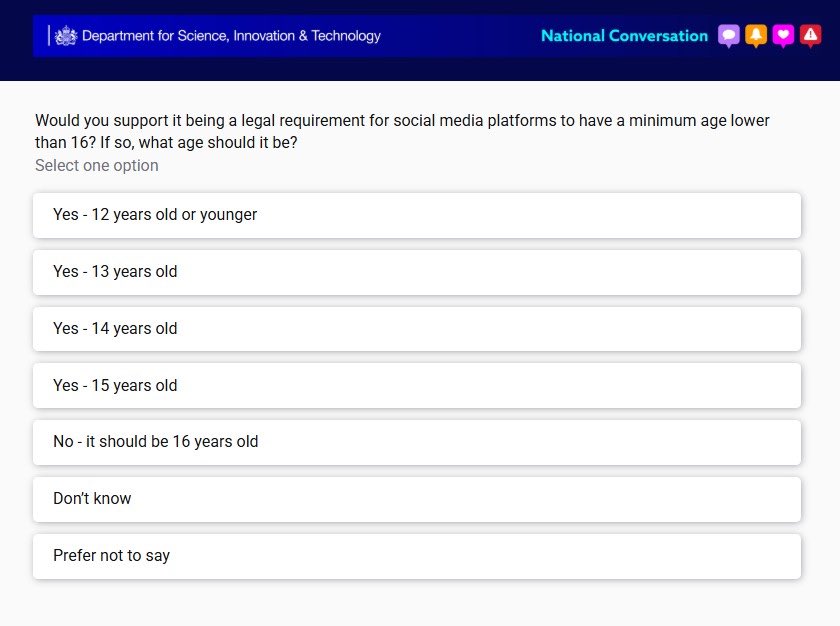
UK ‘public consultation’ on the social media ban notice how they didn’t give the option to say no?
Illusion of democracy.
9
70
214
2,536

Refusenik Muddle 🐭🐭🐭🐭🐭🐭🐭🐭 retweeted

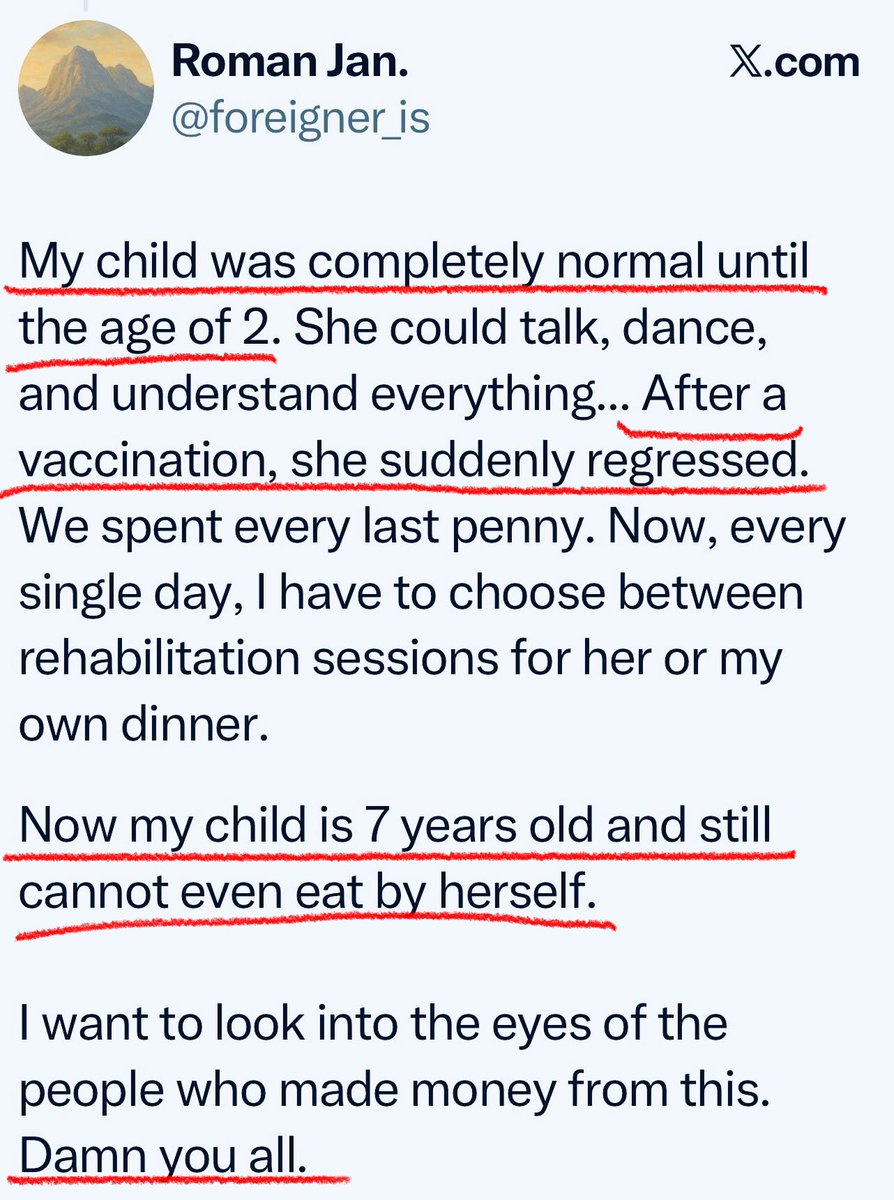
I really really don't want to use digital ID so does this mean I'm gonna be locked out of practically everything unless I use a vpn

🚨 SUMMARY: The UK's social media ban for children from early 2027:
- "User-to-user" apps where people create, share and interact with content (e.g. TikTok, Instagram, Snapchat, YouTube, X, Facebook) will be banned for under-16s
- WhatsApp, Signal and YouTube Kids will be exempt
- Under-16s will also be banned from livestreaming, messaging strangers on gaming apps like Discord and using disappearing messages
- 16 and 17 year olds will face nightly social media curfews and limits on infinite scrolling with more details next month
- AI "romantic companion" chatbots will be banned for under-18s
- Adults can still access social media through age checks like facial recognition, digital IDs, passports and credit cards
42
18
995
40,465
Refusenik Muddle 🐭🐭🐭🐭🐭🐭🐭🐭 retweeted

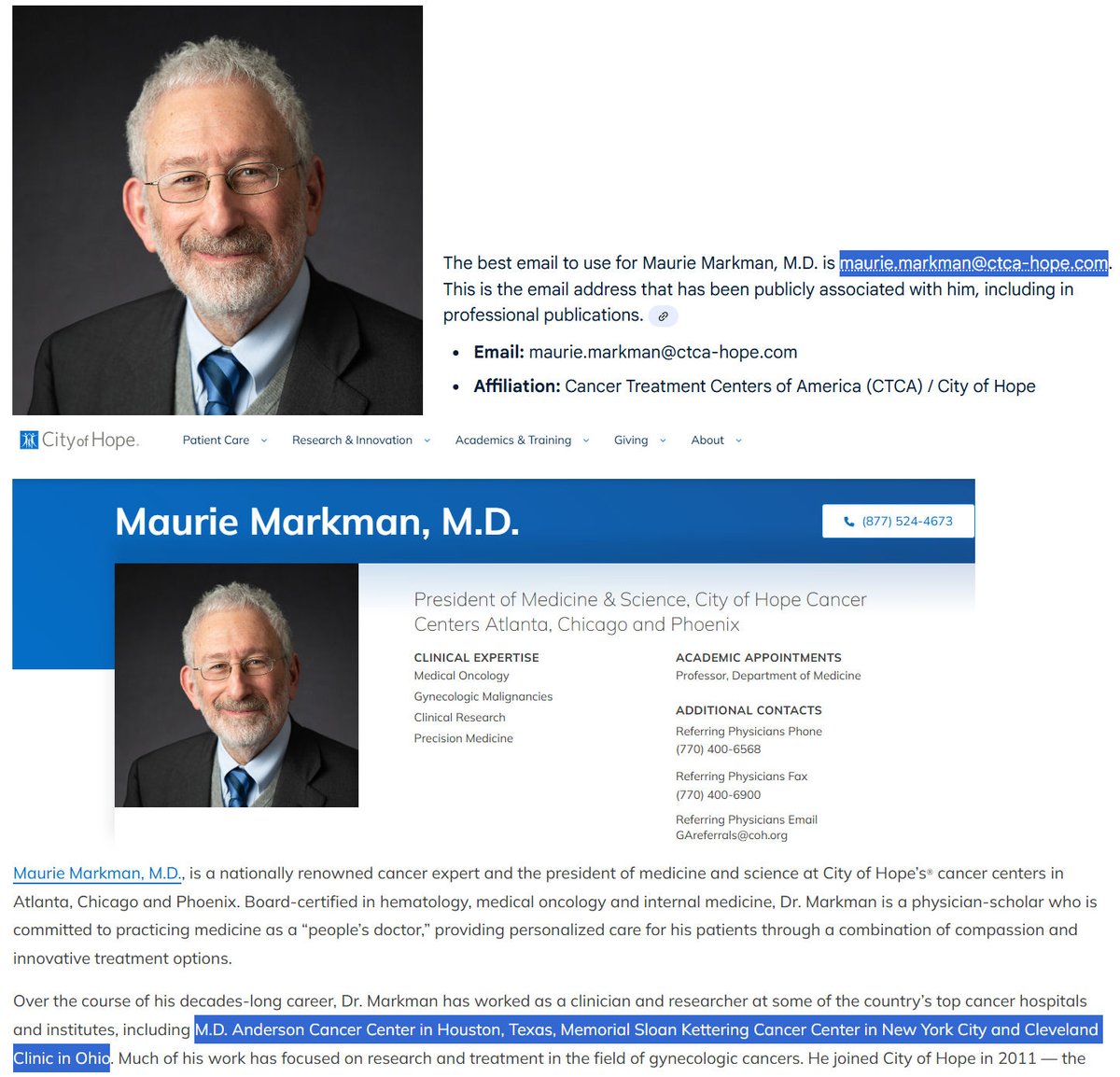
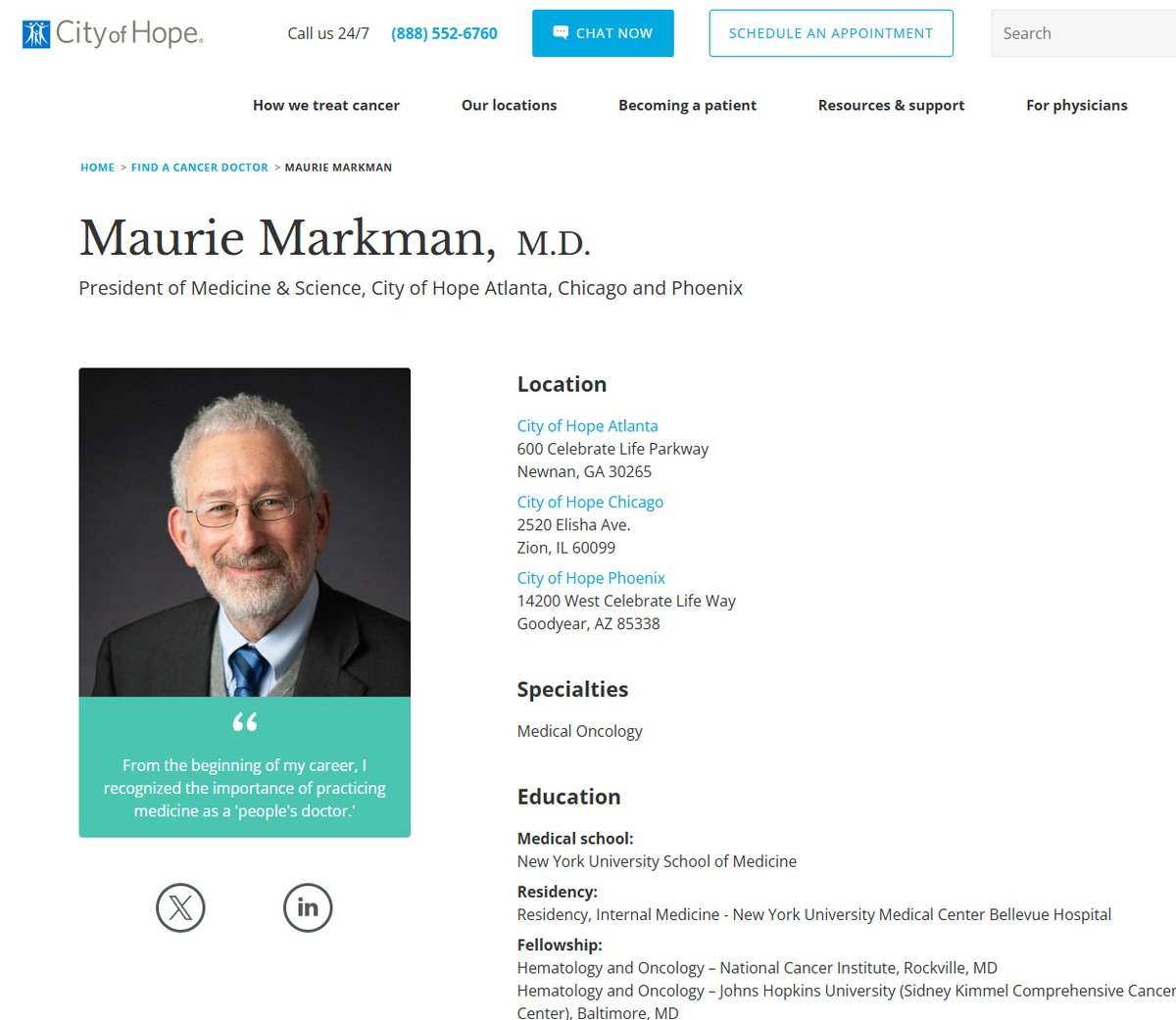
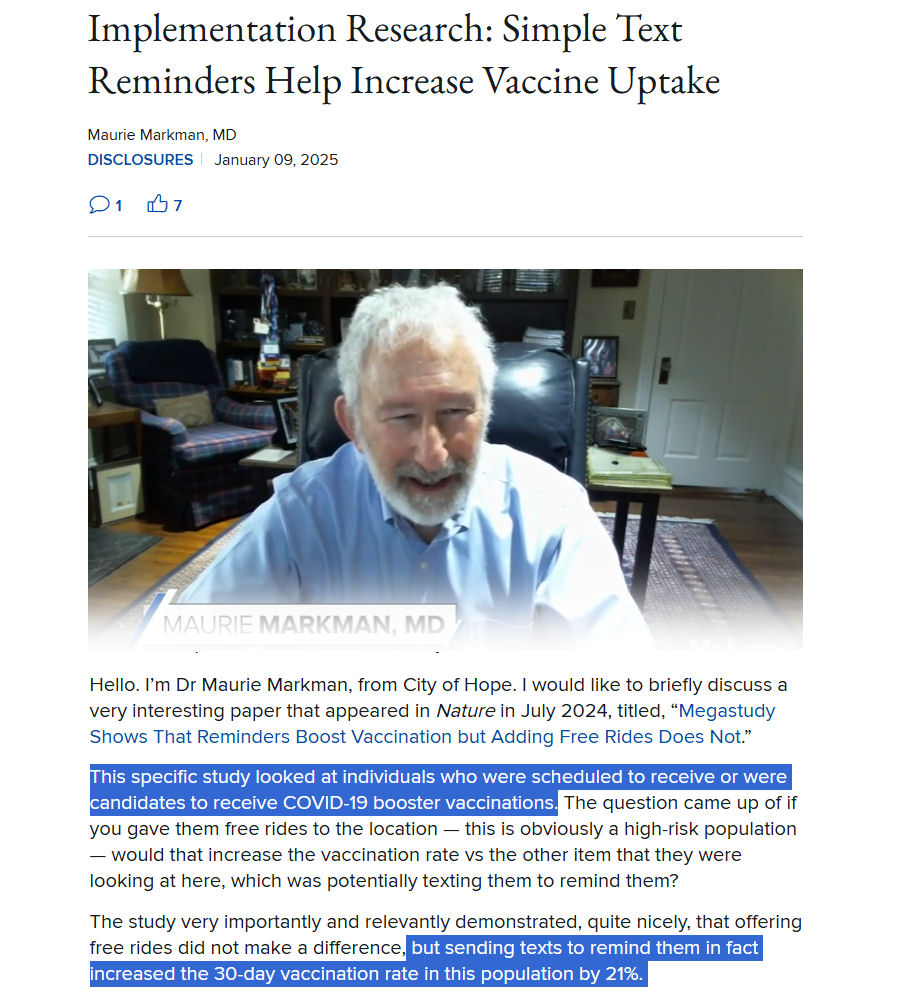
Secretary Kennedy, we must do this in Oncology also.
Three Stage 4 Cancer patients went into remission with the repurposed drug Fenbendazole, after failing multiple rounds of chemotherapy
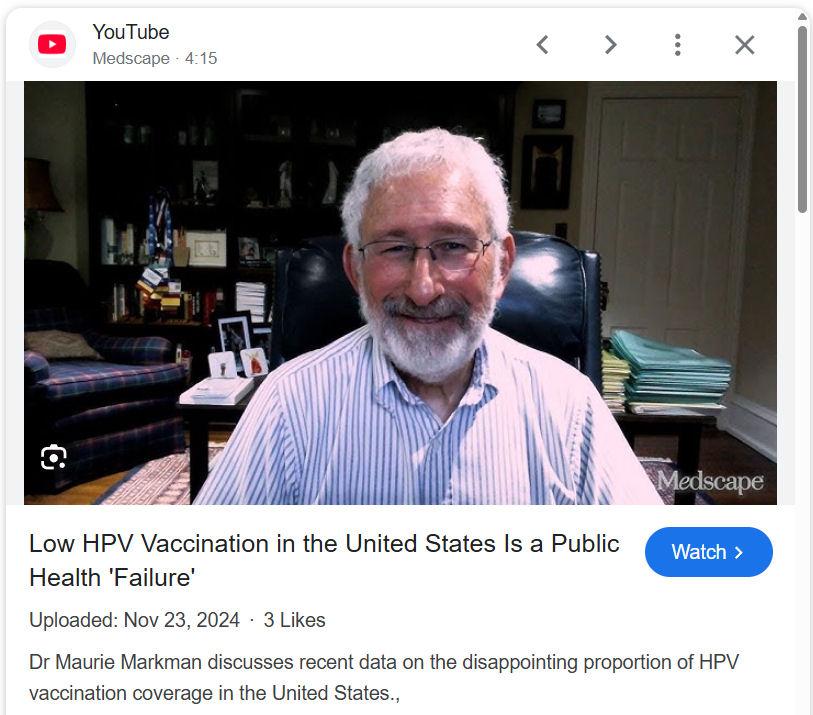
City of Hope Cancer Centers President Maury Markman sabotaged and retracted our paper AFTER it passed peer review and was published!
There have to be severe consequences for Big Pharma con artists at big Cancer Centers interfering with cutting edge Cancer Research and Innovation!
9
166
610
6,828
Refusenik Muddle 🐭🐭🐭🐭🐭🐭🐭🐭 retweeted

It's impossible to fully secure biolabs, so disasters happen constantly. This article covers the RSV, H1N1, HIV, Anthrax, Lyme, SARS, Ebola and COVID leaks.
There's so much money in bioweapons (and the resulting "pandemics") that no one will stop it.
midwesterndoctor.com/p/why-t…
7
115
320
6,357
Refusenik Muddle 🐭🐭🐭🐭🐭🐭🐭🐭 retweeted

I guess if I bring a great big giant fluorescent bulb underneath the power lines, it just…lights up like that, or something.
It’s not even connected to anything.
35
140
701
31,632
Refusenik Muddle 🐭🐭🐭🐭🐭🐭🐭🐭 retweeted

Dear New Parents - there is a top trick for you all here - Absolutely incredible.
22
496
1,940
48,053
Refusenik Muddle 🐭🐭🐭🐭🐭🐭🐭🐭 retweeted

A dispatcher was allegedly caught on surveillance hanging up multiple 911 calls and admitting she didn’t feel like working.
She was removed from duty.
375
873
5,096
330,002
Refusenik Muddle 🐭🐭🐭🐭🐭🐭🐭🐭 retweeted

Jun 14
How Big Pharma Silenced the White House
A single poll of 1,000 people convinced the White House to tell Robert Kennedy Jr. to stop talking about vaccines. The full results of that same poll were hidden from Trump and his administration. The Daily Caller just published them.
@JeffereyJaxen walks through the sequence. In December 2025, a Fabrizio poll of 1,000 voters in key House districts was circulated to the White House and picked up wall-to-wall by the New York Times and other outlets, with the message that vaccine skepticism was bad politics and that candidates who questioned childhood vaccine requirements would pay at the ballot box.
Kennedy was told to stand down on vaccines and focus on food. The White House obliged. What the Daily Caller has now obtained is the rest of the Fabrizio data, from a poll conducted in October 2025 by Trump's own longtime pollster, that was never released.
The suppressed results show that 73% of voters expressed concern about childhood vaccine mandates, 90% expressed concern about the pharmaceutical industry's corrupting influence over government, politics, medical research, and news coverage, and approximately 70% across all political affiliations want vaccine manufacturer blanket immunity lifted.
Nearly seven in ten voters want more research into vaccines' cumulative effect on infants. The poll that shaped six months of White House vaccine policy told a fraction of the story. The rest was kept from Trump.
Against that backdrop, Trump just signed an executive order directing the CDC and ACIP to review the scientific assessment and latest clinical data and take appropriate steps to update the childhood and adolescent vaccine schedule, with explicit language requiring that all actions fulfill legal obligations with respect to parental authority, religious freedom, disability accommodations, and equal protection.
Dr. Robert Malone, former ACIP co-chair, describes the order as potentially changing the vaccine debate forever, because the phrase "to the extent permitted by law" restores executive branch authority over vaccination policy and strips ACIP of its de facto rule-making power, confining the committee to an advisory role rather than the policy-setting function it has exercised for decades. The Massachusetts judge's stay on the ACIP restructuring had put Kennedy's reform agenda on ice.
This executive order moves around that roadblock.
We should keep our eyes focused on the next ACIP meeting.
41
414
866
33,966
Refusenik Muddle 🐭🐭🐭🐭🐭🐭🐭🐭 retweeted

22h
Daddy’s hilarious reaction to baby eyebrows prank. 😄
244
1,478
22,337
2,301,979
Refusenik Muddle 🐭🐭🐭🐭🐭🐭🐭🐭 retweeted

Restore Britain will end the vape shop piss-take.
253
2,127
22,627
267,402

This seems very exploitative of the young girl. Just goes to show that MP's are not normal people, they're odd.

Some tricky conversations this evening about the impending social media ban.
‘I don’t even know who this government guy is’
‘Keir Starmer’
‘Keir Starmer, what does that mean’
4
Refusenik Muddle 🐭🐭🐭🐭🐭🐭🐭🐭 retweeted

⚡🇬🇧 Rupert Lowe: “The British state are more willing to imprison somebody for a social media post than a rape.”
Restore Britain
18
627
2,884
16,075
Refusenik Muddle 🐭🐭🐭🐭🐭🐭🐭🐭 retweeted

Waiting for all the British adults that supported the social media ban for kids to start complaining about having to upload their ID and object "I am over 16 why do I have to upload ID?????" (which did happen in Australia).
6
71
699
7,949
Refusenik Muddle 🐭🐭🐭🐭🐭🐭🐭🐭 retweeted

In An Inconvenient Study I went to someone who thought I was wrong. Someone who believed vaccines were safe and had the data to back it up. I told him to use it. Design the study yourself, run it your way, and whatever you find I will accept. That is how science is supposed to work.
We are hoping Robert Kennedy Jr. can run a larger version of that study using the American database.
This fight is not only about children. COVID was the attempt to bring adults into the same system, to begin normalizing a lifetime schedule of 72 vaccines for every person.
They were always coming for you.
6
76
271
5,098
Refusenik Muddle 🐭🐭🐭🐭🐭🐭🐭🐭 retweeted

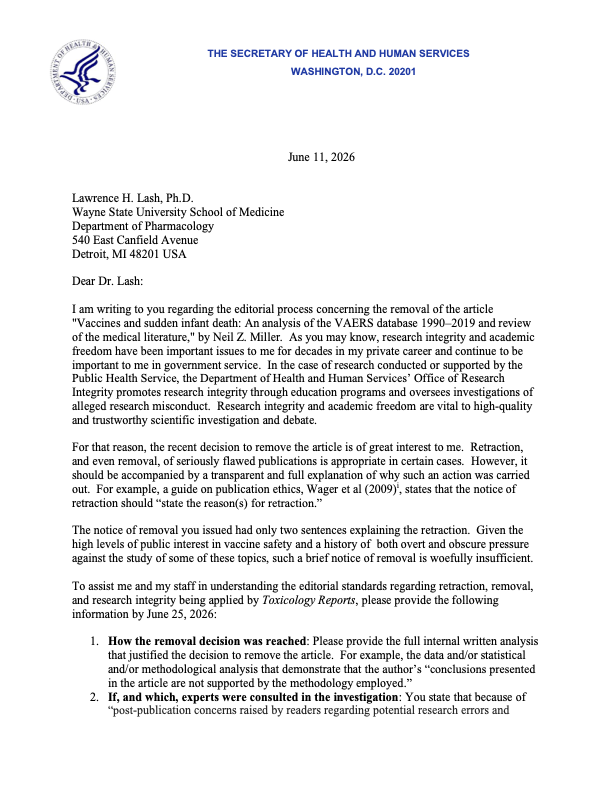
I sent this letter to the Editor-in-Chief of Toxicology Reports demanding a full explanation for the removal of a published article examining vaccines and sudden infant death.
Americans have a right to know why scientific papers are removed, who made those decisions, what evidence supported them, and whether the same standards are applied consistently.
We will restore trust in public health by insisting on transparency, accountability, and open scientific inquiry—not by asking the public to accept decisions behind closed doors.

400
4,174
13,822
171,906
Refusenik Muddle 🐭🐭🐭🐭🐭🐭🐭🐭 retweeted

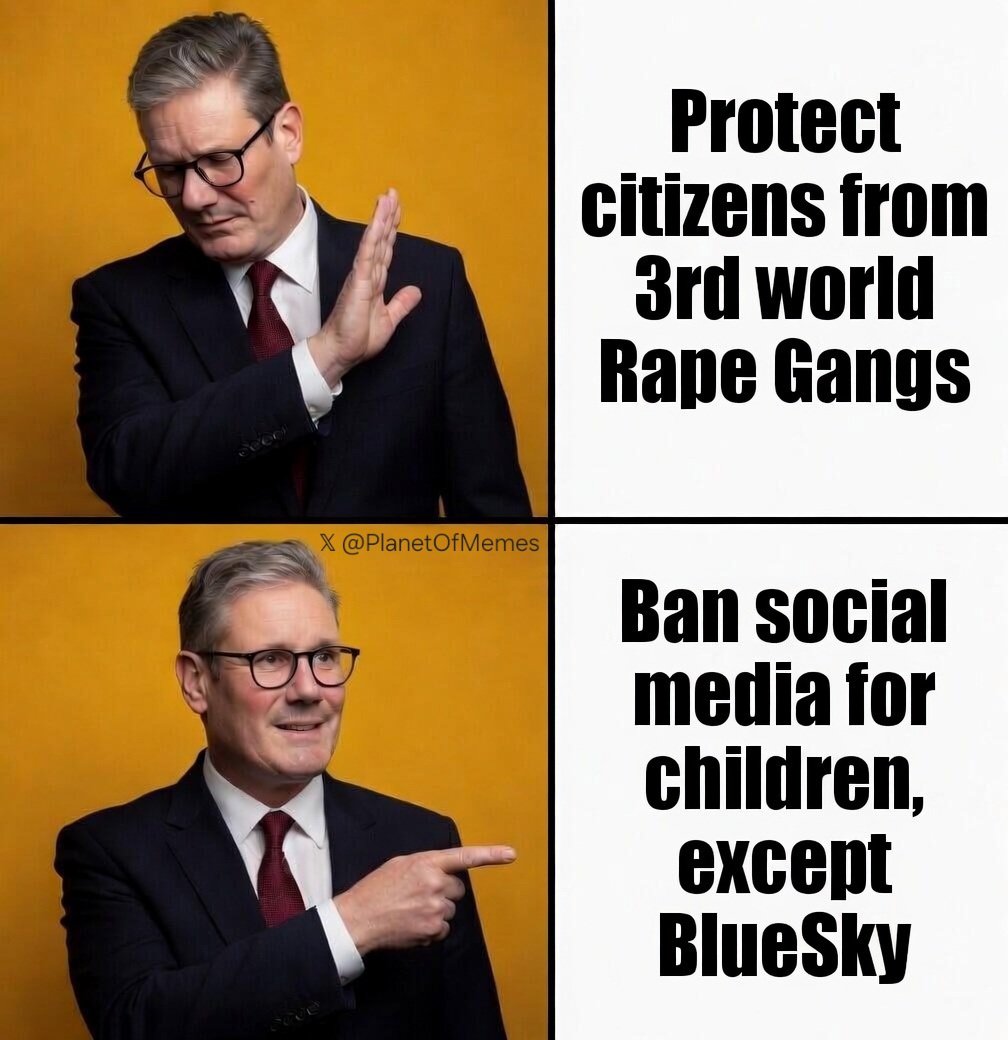
Make it make sense.
53
857
5,780
70,110
I think she's exploiting her daughter here.
Some tricky conversations this evening about the impending social media ban.
‘I don’t even know who this government guy is’
‘Keir Starmer’
‘Keir Starmer, what does that mean’
4
Refusenik Muddle 🐭🐭🐭🐭🐭🐭🐭🐭 retweeted

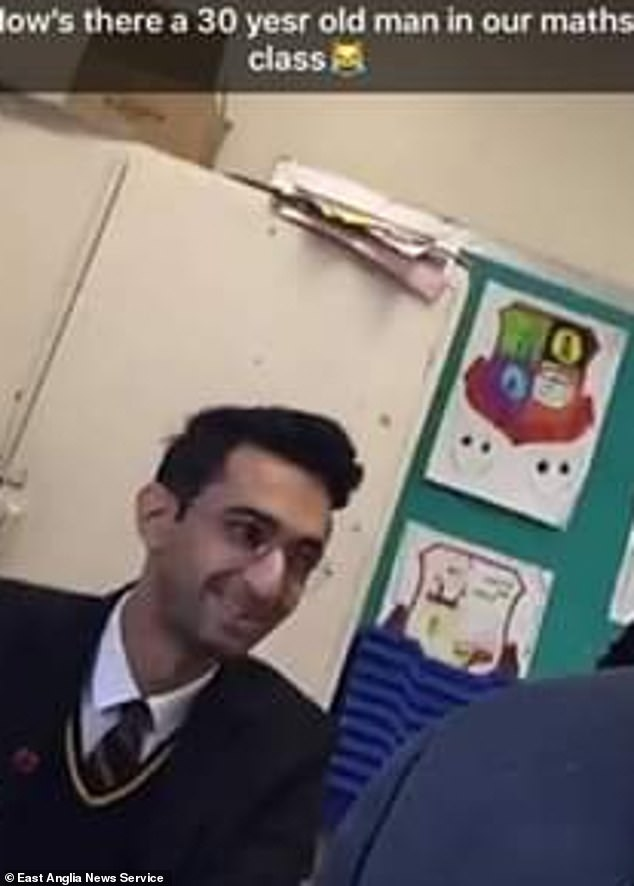
The classroom social media ban is to stop children sharing images of the adult refugees who've been placed in their classrooms.
82
1,801
10,988
154,153