
Joined October 2024
- Tweets 363
- Following 26
- Followers 93
- Likes 74
45 Photos and videos







Pinned Tweet

21 Nov 2025
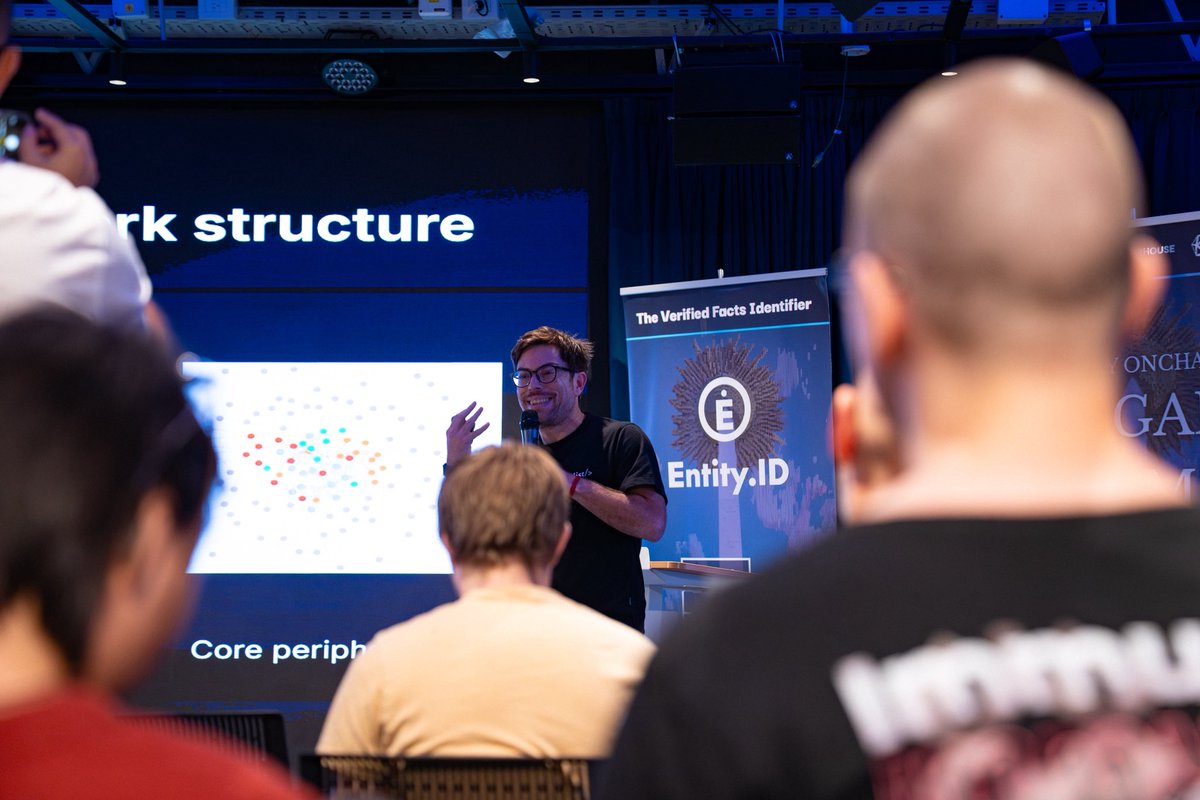
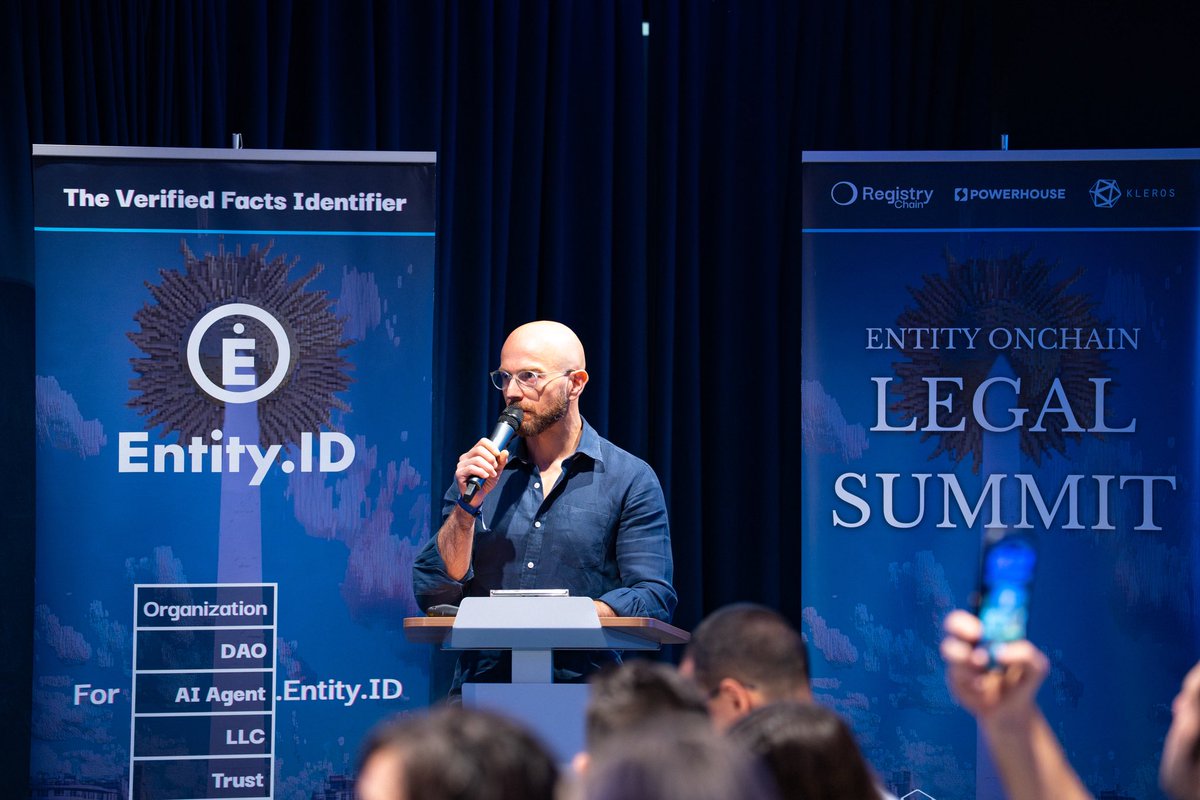
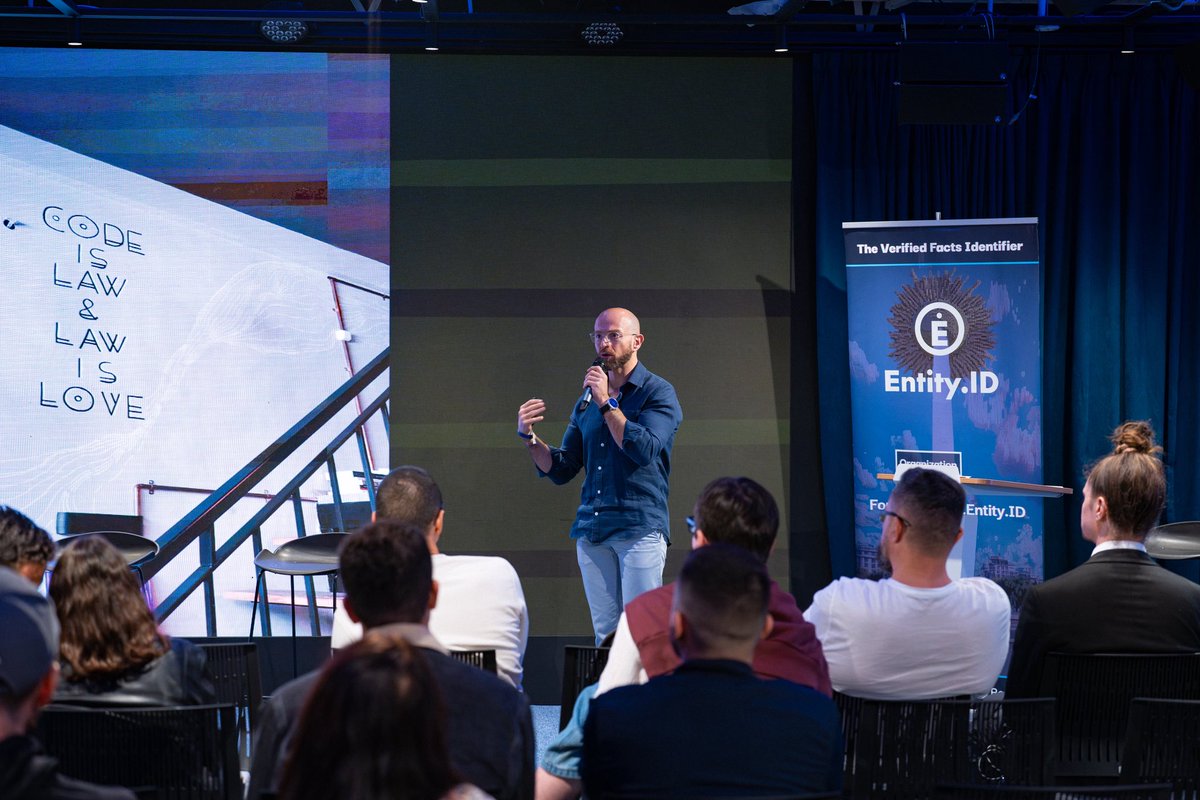
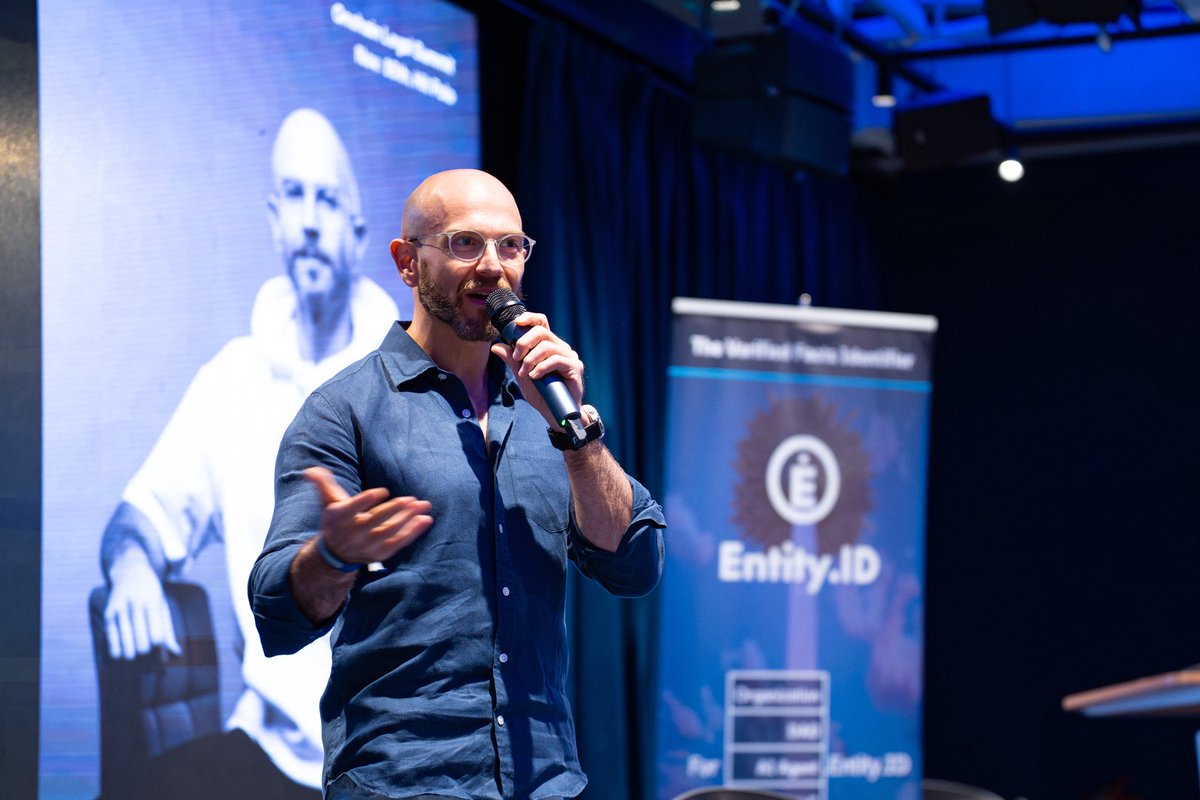
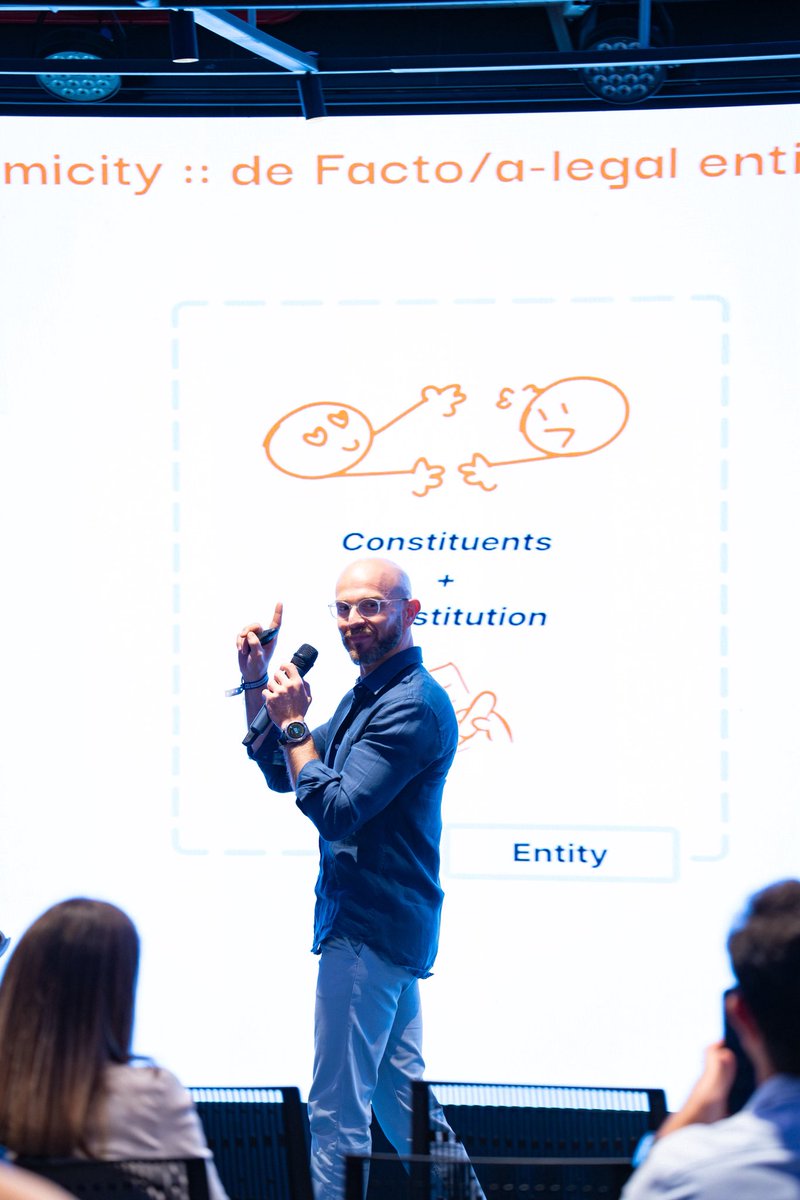
@drhus explored with us how we are building the next-generation trust-neutral social fabric, with faithful-by-construction computable entities @registrychain and how Entity.ID the verified facts identifier, permit that
1
1
4
194
What happens when companies, capital, and contracts can exist onchain with built-in identity, accountability, and continuity, without trusting intermediaries to behave?
3
108
Jan 31
If equities become tokenized and trade 24/7 with instant settlement, what part of today’s stock market breaks first, exchanges, brokers, or clearing houses?
1
78
Jan 30
Advanced onchain markets only scale when capital, governance, and execution are aligned, turning complex primitives into durable financial infrastructure rather than short-lived experiments.
2
69
Jan 29
The next financial system won’t just tokenize assets, it will encode responsibility, where onchain entities can own, act, and be held accountable across legal and economic boundaries without sacrificing decentralization.
1
6
97
Jan 28
The real breakthrough in Web3 isn’t faster blocks or louder narratives, it’s when onchain systems can act, persist, and be held accountable like real-world entities, without sacrificing decentralization.
1
1
6
125
Jan 27
Decentralization only becomes credible when systems can assume responsibility, embedding legal identity, accountability, and continuity directly into how onchain entities are formed and operated.
4
68
Jan 26
Tokenization at global scale requires neutral settlement infrastructure, where assets can move, settle, and interoperate without relying on proprietary control.
1
4
71
Jan 25
The next generation of onchain systems won’t be defined by speed or hype, but by whether they can operate as real entities, legally coherent, economically accountable, and verifiable by construction across jurisdictions and cycles.
1
4
79
Jan 24
Sustainable networks compound when usage grows, supply is disciplined, and economic incentives reinforce long-term participation rather than short-term speculation.
1
5
65
Jan 23
Building onchain entities that don’t rely on trust assumptions, but on verifiable structure, enforceable rules, and code that holds up in the real world.
3
1
10
91
Jan 18
Market structure advances fastest when regulators and builders collaborate in good faith, turning negotiation into durable policy rather than adversarial standoffs.
2
5
81
Jan 17
Tokenization turns real assets into interoperable financial primitives, laying the foundation for a more transparent and efficient financial system.
5
87
Jan 16
Onchain systems don’t eliminate rules, they replace opaque authority with transparent, programmable accountability.
1
5
71
Jan 15
Macro liquidity shifts tend to reward resilient onchain systems first, as capital looks for transparent, programmable rails when traditional signals lag.
1
40
Jan 14
As AI and blockchain converge, long-term value will accrue to systems that make verification, privacy, and accountability native rather than optional.
1
2
56
Jan 13
As crypto matures, real adoption will be driven by builders who pair usable financial products with legal clarity and infrastructure designed for longevity.
1
37
Jan 12
Decentralized ecosystems scale fastest when local developer communities are empowered with infrastructure that connects global coordination to real-world execution.
1
32
Jan 11
As stablecoins scale globally, durable adoption depends on aligning open innovation with cross-border regulatory clarity and enforceable standards.
1
39
Jan 10
As derivatives and RWAs expand onchain, sustainable growth depends on infrastructure that enforces transparency, accountability, and clear legal ownership from day one.
1
39
As tokenized assets scale, neutral infrastructure paired with legal certainty is what allows capital to move freely without sacrificing trust or enforceability.
1
44