390 Photos and videos








Pinned Tweet

Apr 28
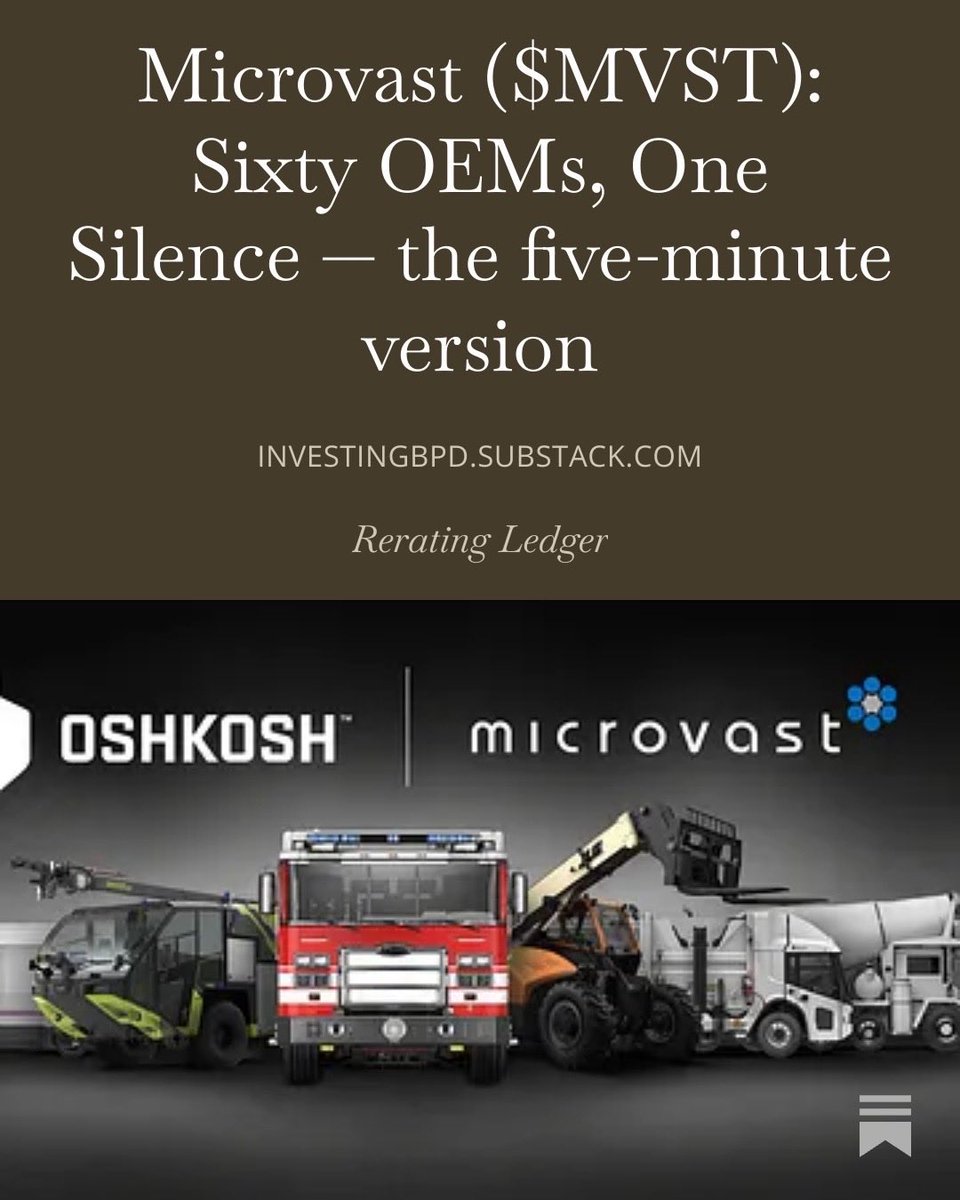
1
15
1,852
Jun 14
$MVST 🛥️
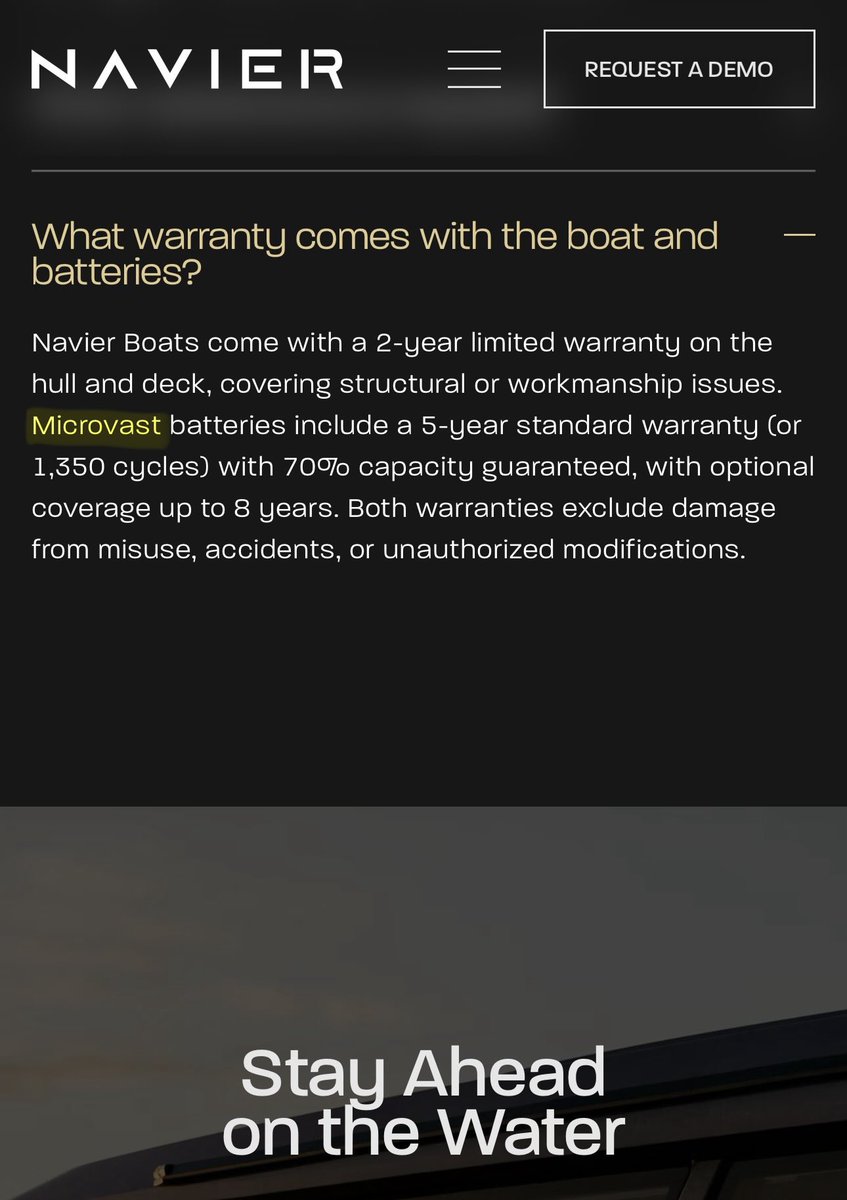
The Maldives basically runs on boats. Almost 3,000 gas vessels haul 2.2M tourists a year between islands. Navier just signed a deal to start replacing them with electric hydrofoils. Up to 100 of its N30s, five this year, the first standardized electric inter-island network anywhere. Works there, it scales to New York, Miami, the Hamptons.
Who makes the battery? “Microvast batteries are used on our recreational/luxury boats.” CEO’s words, not mine.
Same all-electric N30 whether it’s a rich guy’s toy or a water taxi, same hull, same 86/114 kWh pack. Recreational is confirmed. The commercial shuttle is the same boat doing a different job.
On the pack itself, the 86/114 kWh fingerprints to Mvst’s MV-I marine line and the HpCO-53.5Ah cell, same setup as Evoy’s boats (Mvst customer). Pieced together from the spec.
A battery company half the market left for dead, quietly powering foiling boats over Maldives reefs.

1
3
25
790
Jun 14
7
169


Jun 12
$MVST
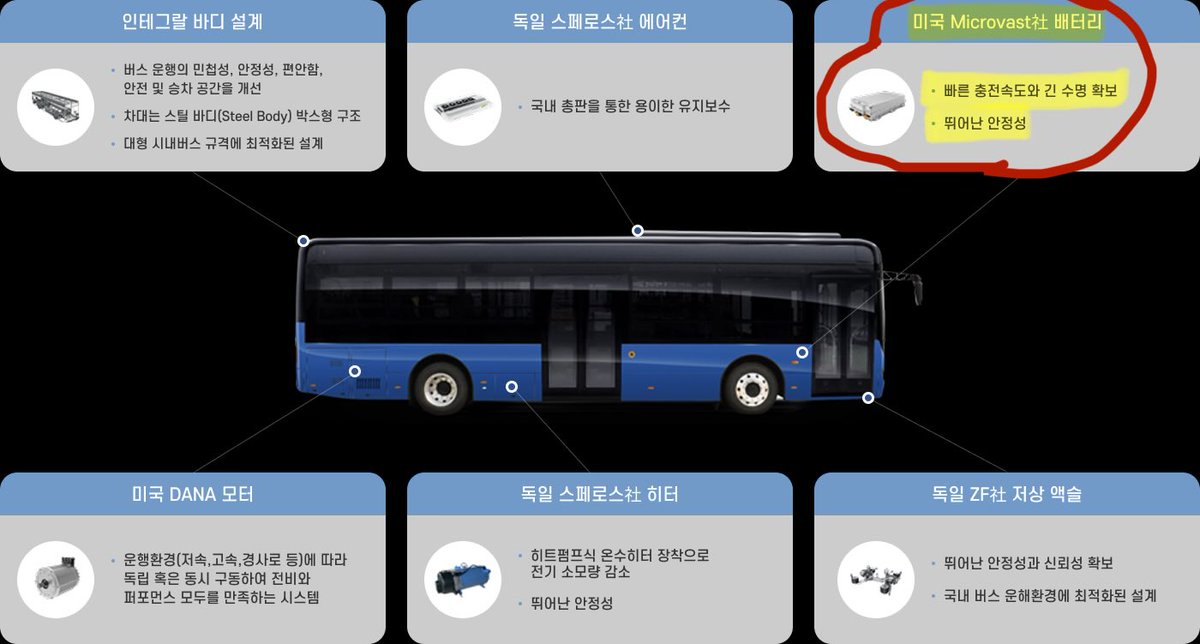
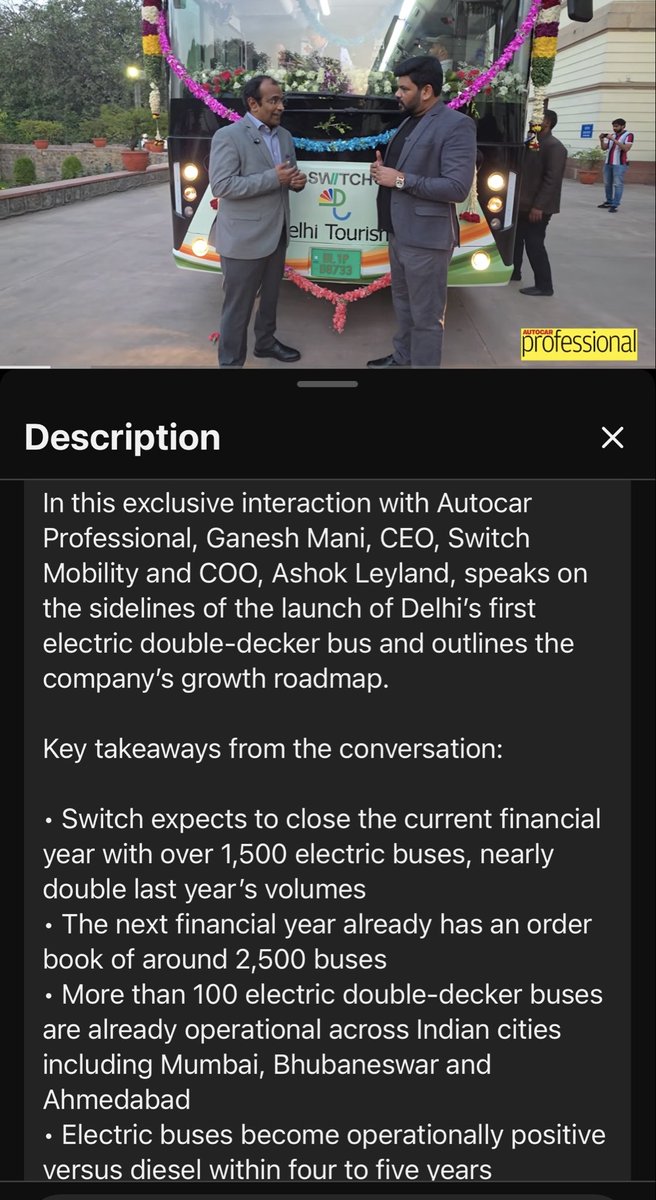
Switch Mobility’s European bus carries a Microvast nameplate, named by an outside outlet.
Truck & Bus Builder toured Switch’s UK factory in March 2025 and wrote up the e1, its 12m European city bus. The detail is specific: powered by American company Microvast with packs from Europe, NMC, 400 kWh, up to 400 km. Supplier named, chemistry named.
Switch is the old Optare, now Ashok Leyland’s electric arm (Ashok Leyland is also a Microvast customer from 2022). Microvast booked Switch as an e-bus order twice (~$8M Q2 2022, ~$6M Q4 2022). The 2025 interview shows a current European platform, externally confirmed.
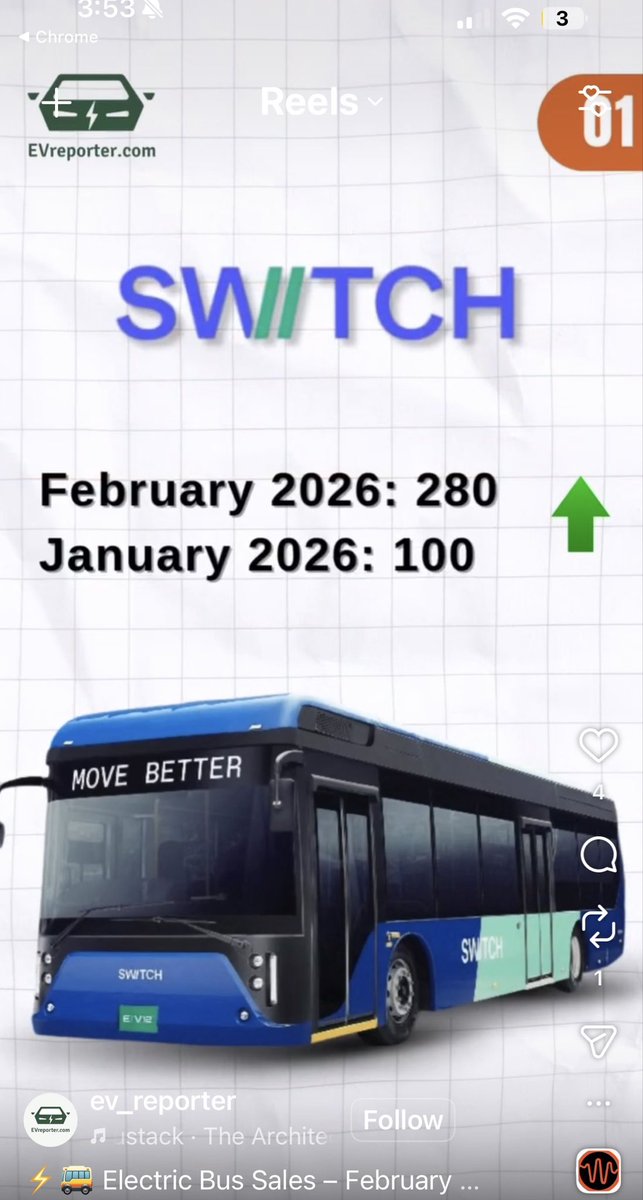
One caveat, Switch runs both too. Its Indian EiV12 uses 423 kWh LFP (CATL?), its European e1 still names Microvast NMC. Two chemistries, sorted by what each market pays for.

1
12
659
Jun 12
3
164
Jun 12
$MVST
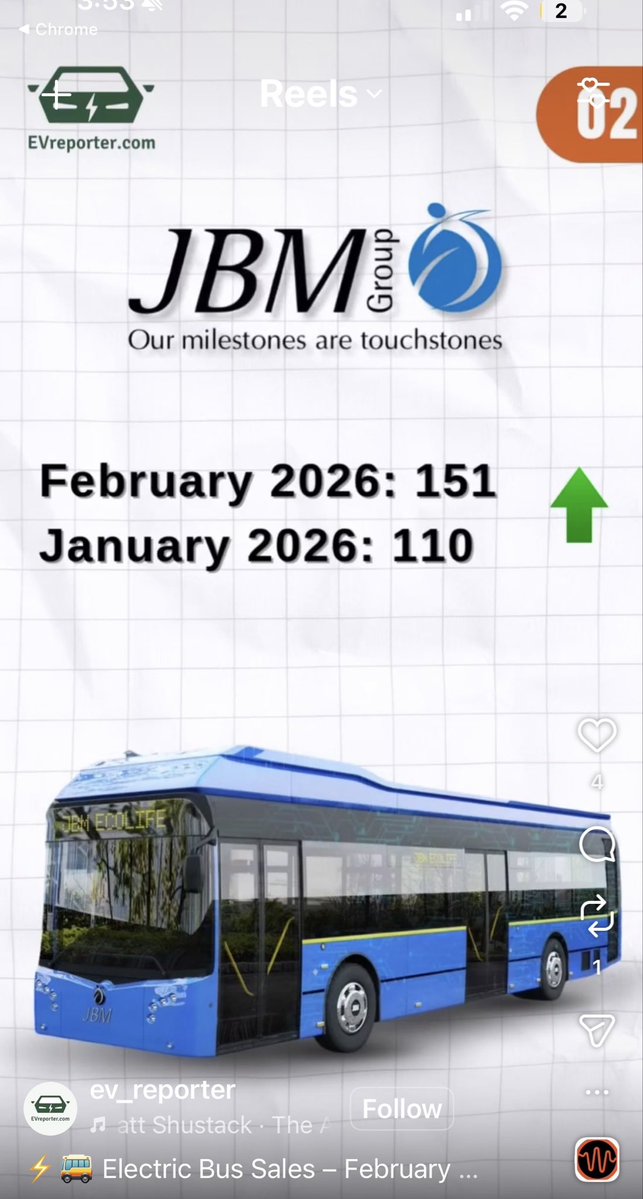
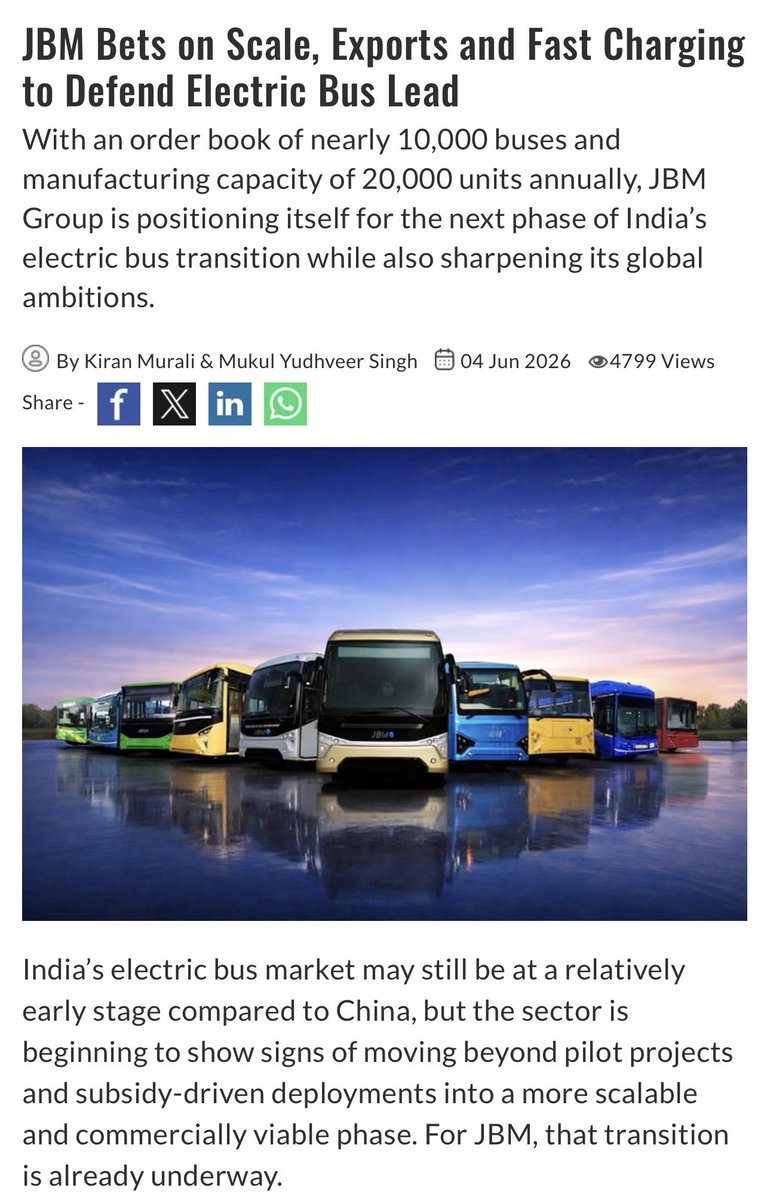
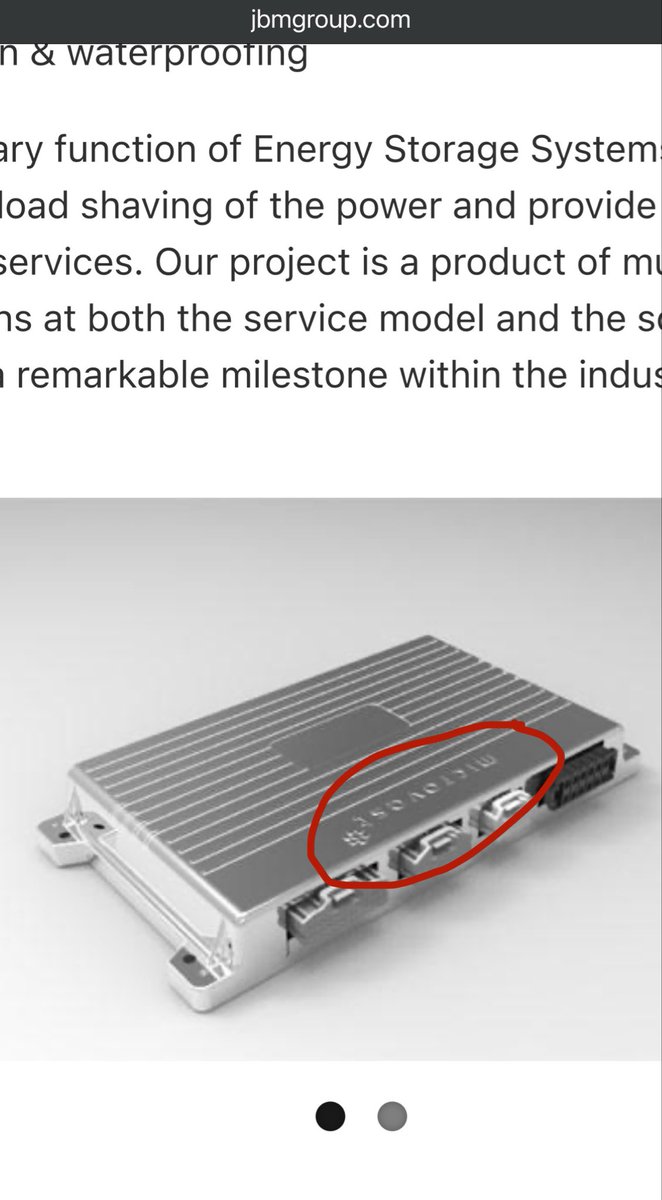
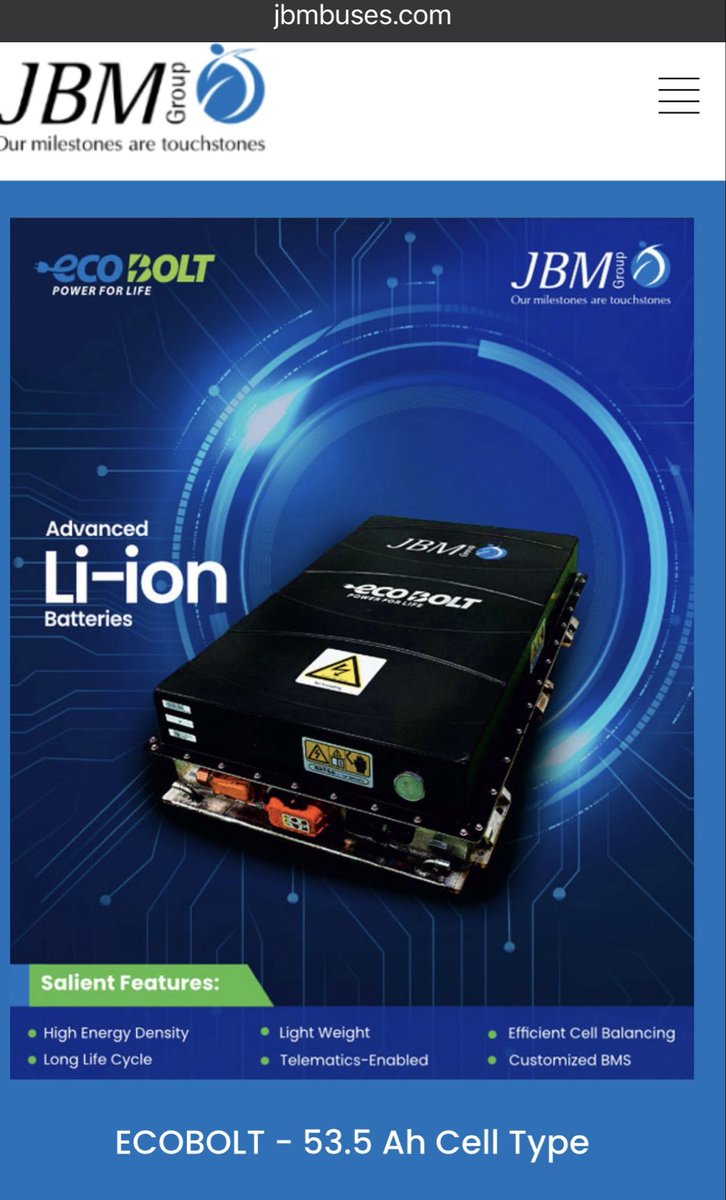
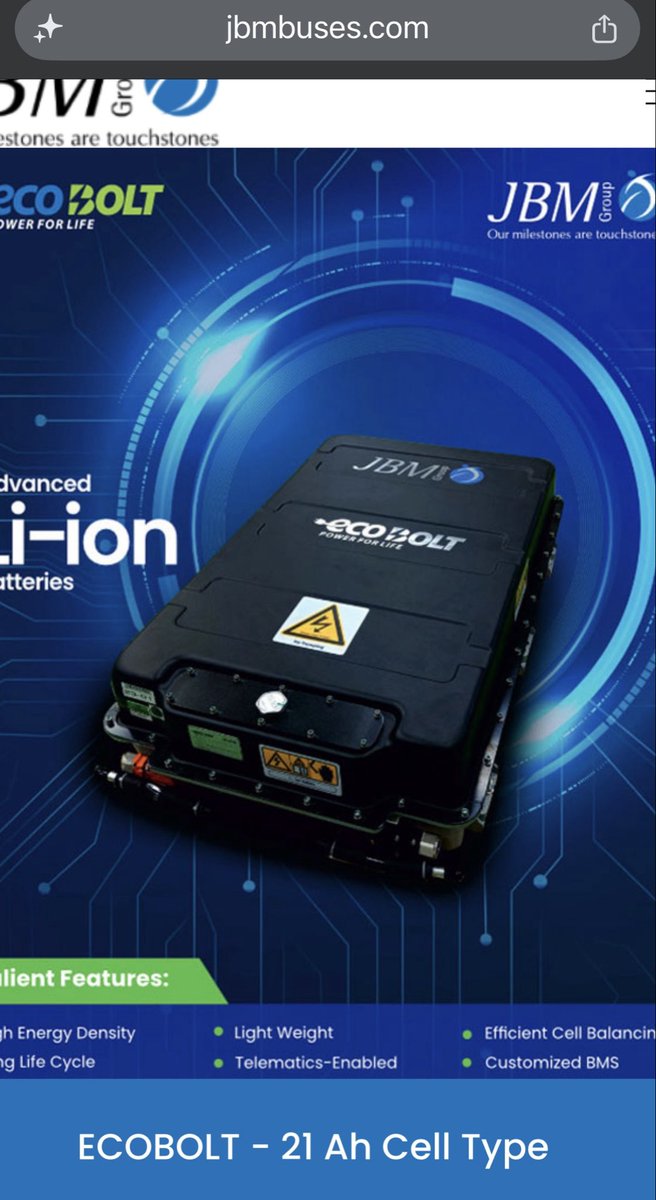
JBM Group sells Microvast lithium under its own brand, ECOBOLT. The badge cuts both ways, so I’ll be straight.
The relationship is documented and deep. Microvast names JBM in the 2021 S-1. CEO Yang Wu called it JBM’s main lithium supplier in 2023, with a purchase agreement for 1,000 units and ~100 MWh delivered in Q3. JBM’s ECOBOLT line runs 21Ah and 53.5Ah cells, Microvast formats, and the 53.5Ah pack is the exact MV-C footprint and energy.
The ECOBOLT brand is JBM’s, and it assembles the packs itself. They slap their logo on Microvast product.
JBM took 49% of India’s e-bus registrations in May 2026, and Microvast’s Q1 2026 APAC revenue fell on a shift to lower cost products in India and Korea. JBM is now in Europe, launching the Ecolife e12 without naming the battery supplier. One outlet claims it runs a commodity LFP battery. CATL? Another multi-sourced platform.
Whether JBM’s growing volume stays on Microvast NMC chemistry is the open question.
1
1
12
774


Jun 11
Microvast is back at IAA Transportation in Hannover with its own booth. Hall 21, Stand C45, Sept 15-20.
2024 in Munich, the year Microvast used its IAA stand to roll out the silicon HnSO cell (300 Wh/kg), an LTO cell good for 20,000 cycles, and the MV-I pack at 200 Wh/kg with the new BMS 5.0. It ran the show as a product launch. Back in the same hall.
The neighbor list is the fun part. Hall 21 is the cell-maker section — BYD, CALB, EVE Energy, REPT, Verkor. With CATL right next door in 19/20. No quiet corner. It booked in with the majors.
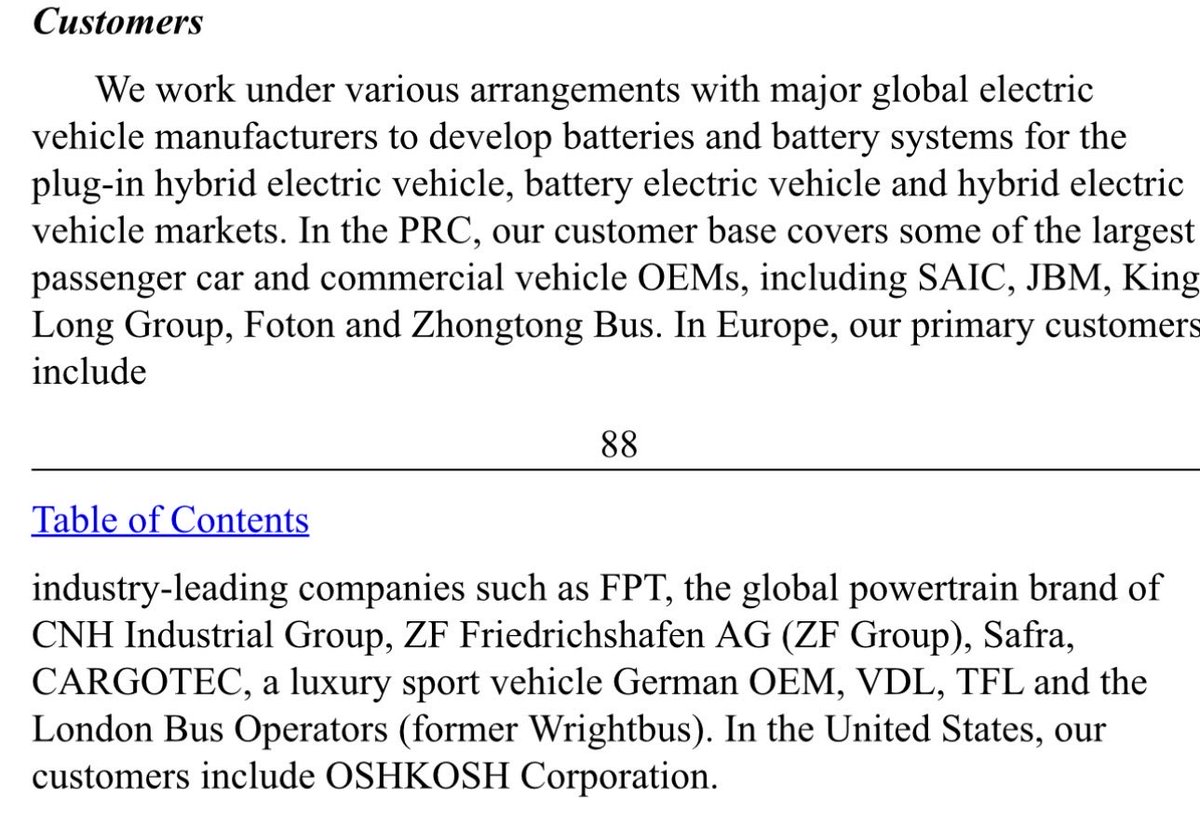
The customers are right there too. Dongfeng, SANY, ConMet, ZF, BAIC Foton, Trailer Dynamics, Weichai (parent to Lovol).
Cummins, Ballard Power among 900 exhibitors.
Tatjana and Maryna from $MVST GmbH on the sales.


2
1
14
493
Jun 10
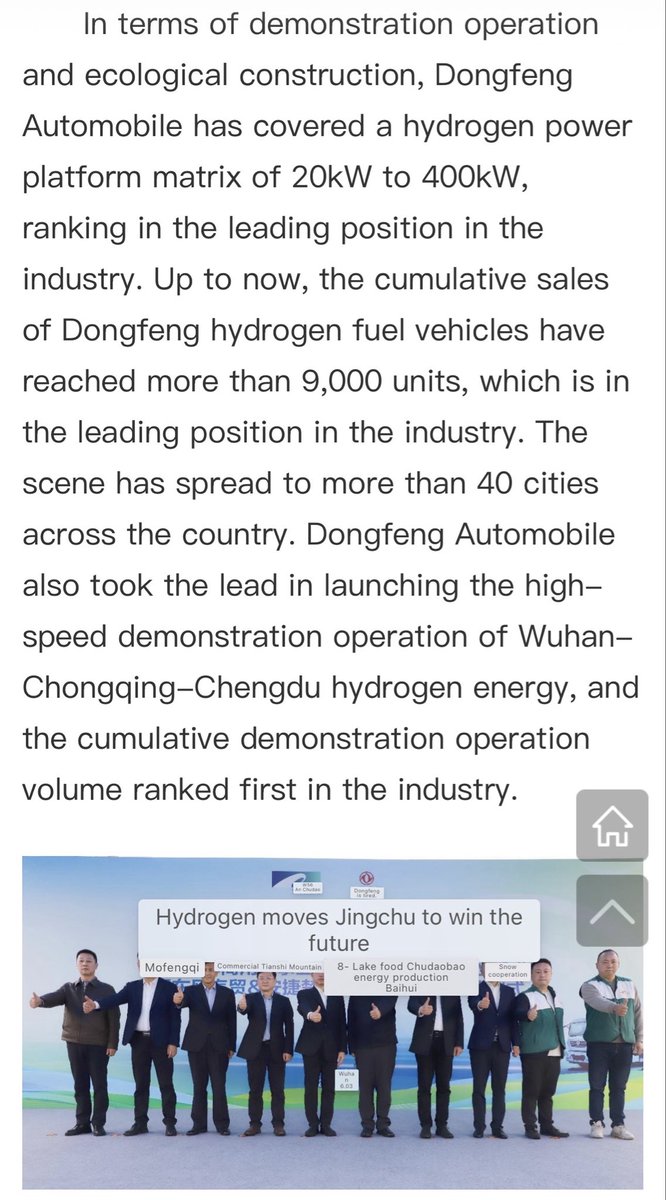
Microvast is named on a Dongfeng hydrogen truck in Chinese trade press, on the same platform it told investors it supplies. The sourcing lines up three ways.
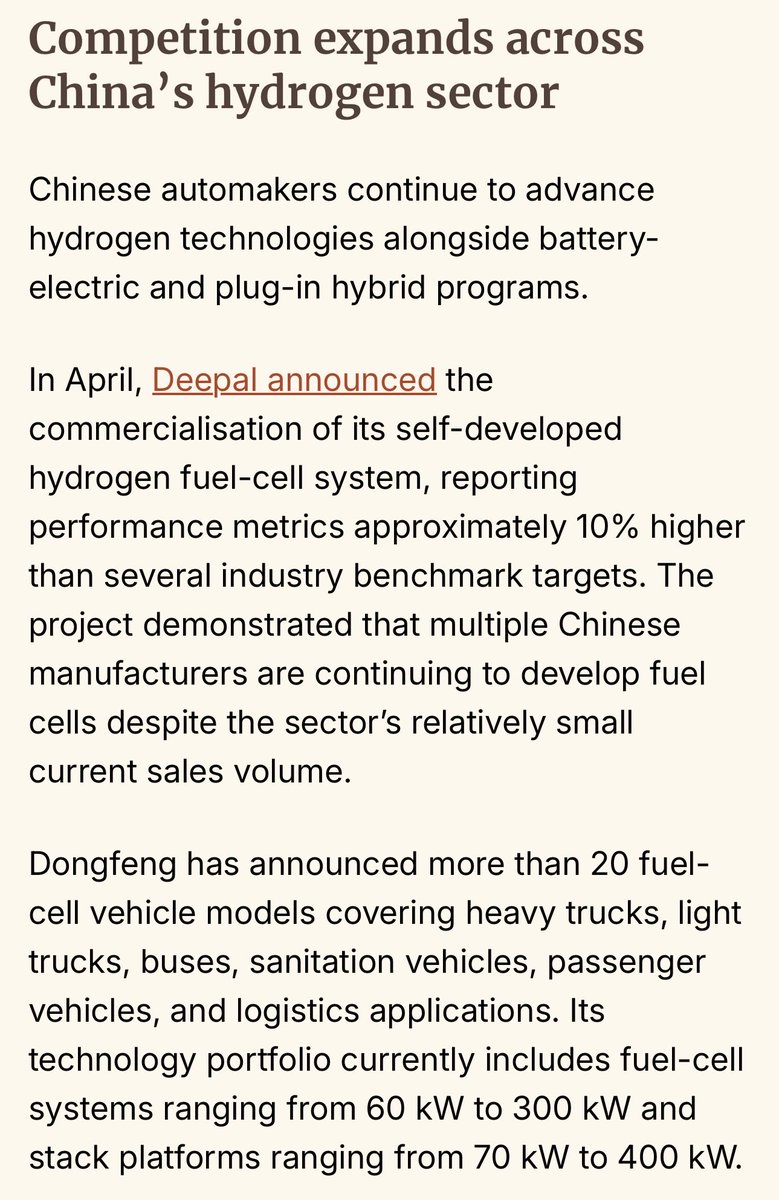
Who Dongfeng is. It’s one of China’s big state-backed automakers, and China is the only country running hydrogen trucks at real scale, near 40,000 fuel-cell vehicles sold by end 2025. Of the dozen-plus Chinese makers building hydrogen heavy trucks, most sit in the 100 to 200kW range. Only two, Dongfeng and Foton, are in the 400kW long-haul tier. Dongfeng builds its hydrogen trucks under the Chenglong brand, through its Liuzhou arm.
The truck here is the Chenglong H7 PRO Hydrogen. It debuted November 2024, led the hydrogen heavy-truck market with 1,800 units in 2025, and last week moved onto Dongfeng’s new T1 platform with a 400kW fuel cell stack and a Microvast 86 kWh pack. Truck Home, China’s main commercial vehicle outlet, named the battery.
That matches what Microvast already disclosed. Its Q4 2024 deck names Dongfeng Liuzhou as a customer, with Microvast as preferred battery supplier for hydrogen fuel cell vehicles, using the HpCO-53.5Ah (NCM) cell and Gen 4 MV-B & C pack. The truck’s 86 kWh is two of those MV-C packs. The article, the slide, and the math agree.
And it’s not the only one. The Chenglong H5 hydrogen tractor runs a Microvast NCM battery too, behind a different fuel cell stack. Same battery on both trucks, whoever makes the cell. Management talked the talk in 2024. The trucks are walking it in 2026.
They split the truck by job: the battery-electric H7 runs CATL, the hydrogen version runs Microvast. Same split Microvast has at Iveco S-eway, SAFRA and a few others.
Worth sitting with who it’s next to. CATL is a ~$280B company. Microvast is ~$375M, roughly 750x smaller, and it keeps winning the seat beside it.
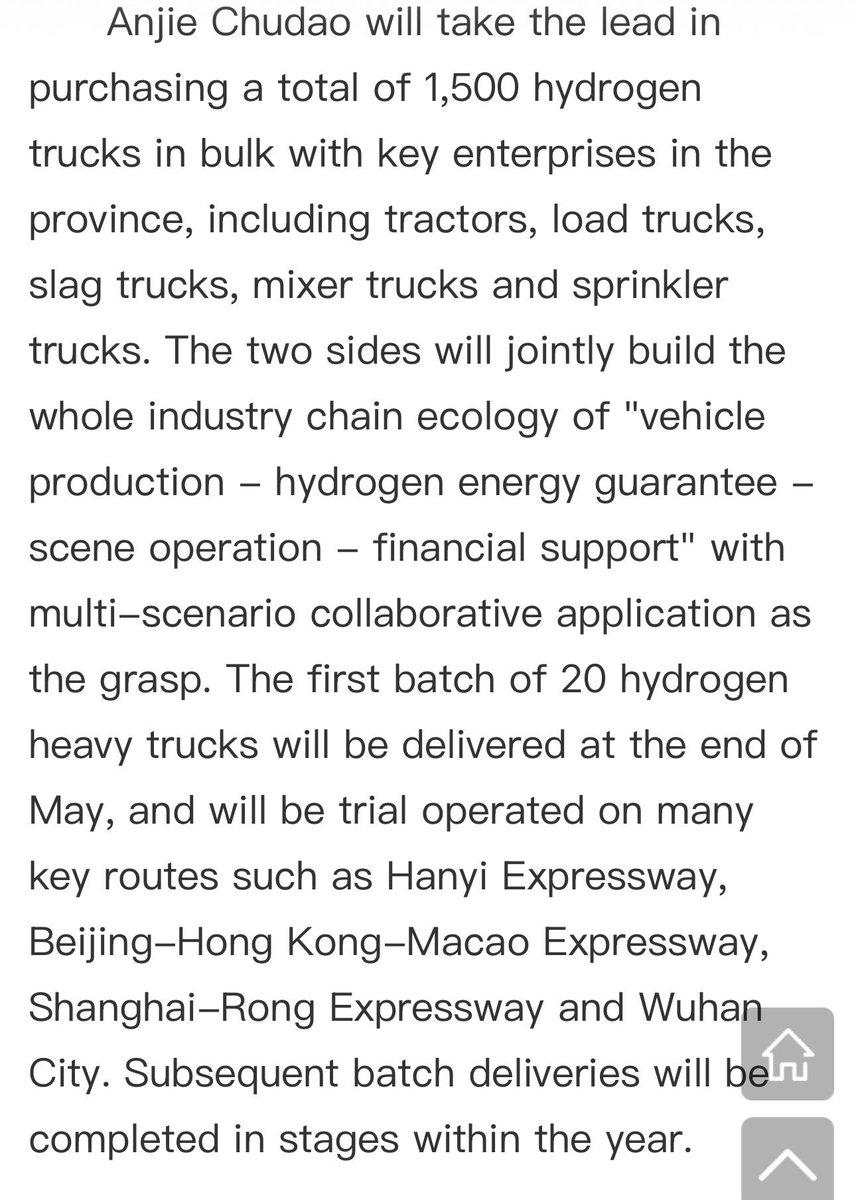
So the picture is a top-tier hydrogen truckmaker, in the thinnest part of the market, with Microvast on its flagship and a platform Dongfeng is scaling across 20 models.
$MVST


1
2
13
490
Jun 10
Microvast 86 kWh on the Chenglong H7 PRO Hydrogen
360che.com/tech/260609/20247…
T1 launch 9,200 vehicles 400kW stack
carnewschina.com/2026/06/03/…
China hydrogen market scale
timharper.net/chinese-hydrog…
H7 Electric runs CATL (the duty-cycle split)
chenglongtrucks.com/high-per…


7
259
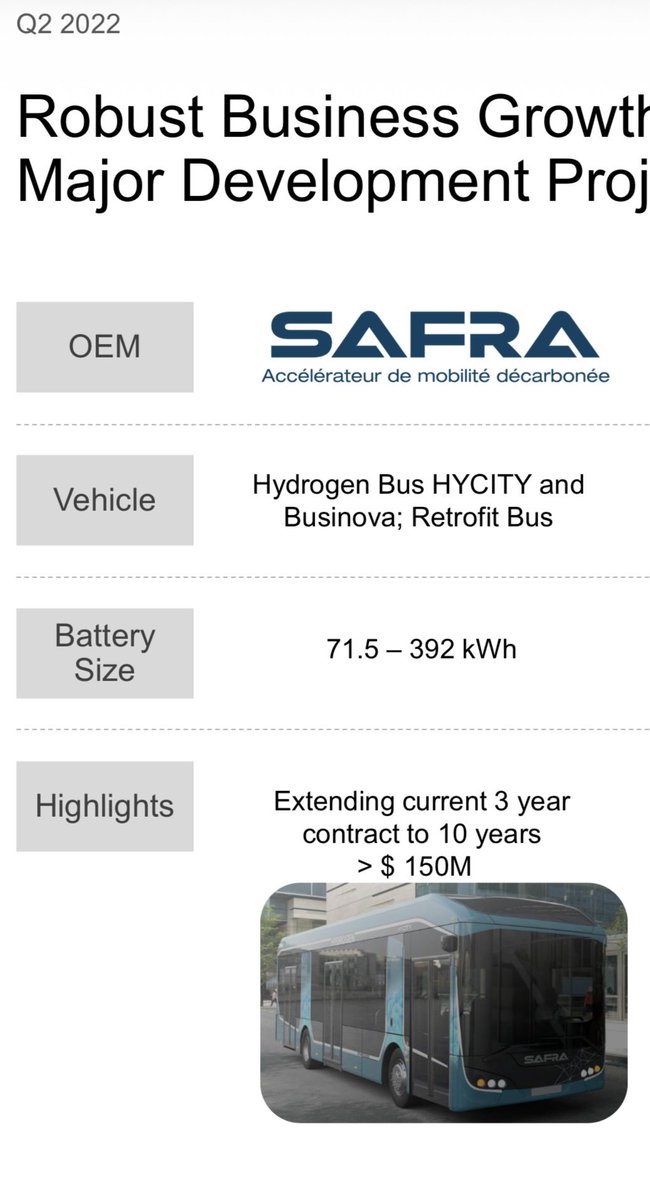
Some bus makers print Microvast on the spec. Iveco does it on the Crossway, Wrightbus on the Kite. SAFRA just joined them, and it’s one of the cleanest yet.
SAFRA (based in Albi, France) is one of the only French manufacturers of hydrogen-powered buses.
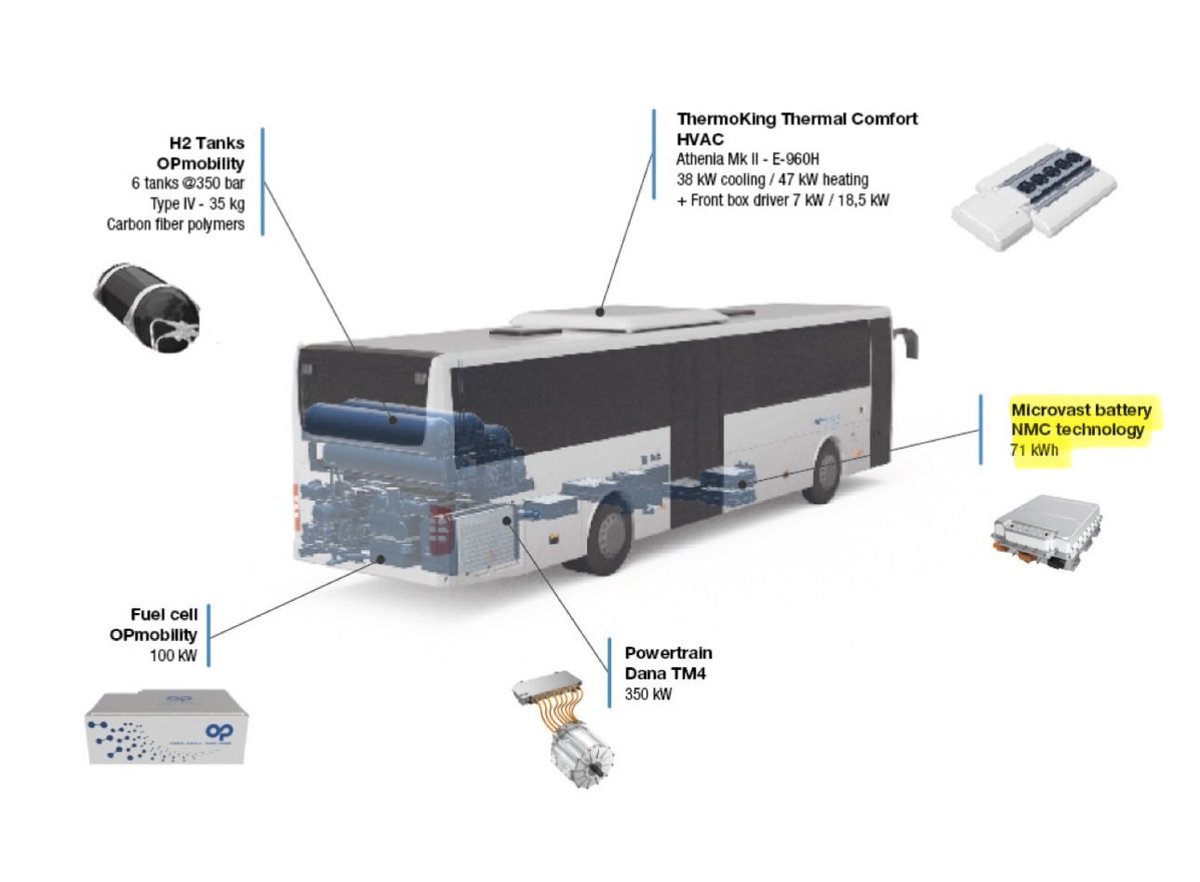
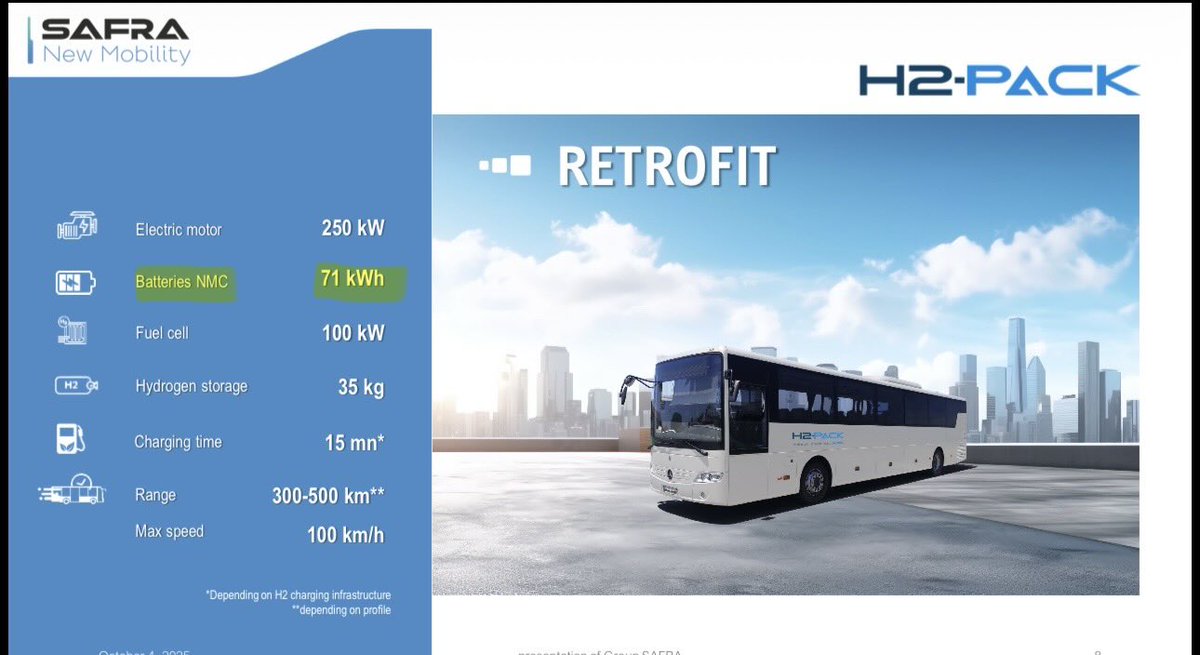
$MVST shows up by name on SAFRA’s H2-PACK brochure, the kit that converts Mercedes Intouro coaches to hydrogen: Microvast battery, NMC, 71 kWh. The customer printing the supplier on its own document. The two go back to a 2021 framework deal, disclosed in Microvast’s filings at the time.
And it held through trouble. SAFRA went bankrupt and got bought by a Chinese group, Wanrun. Rebranded to SAFRA New Mobility. I figured Microvast might get swapped out. The new owner kept it on the kit.
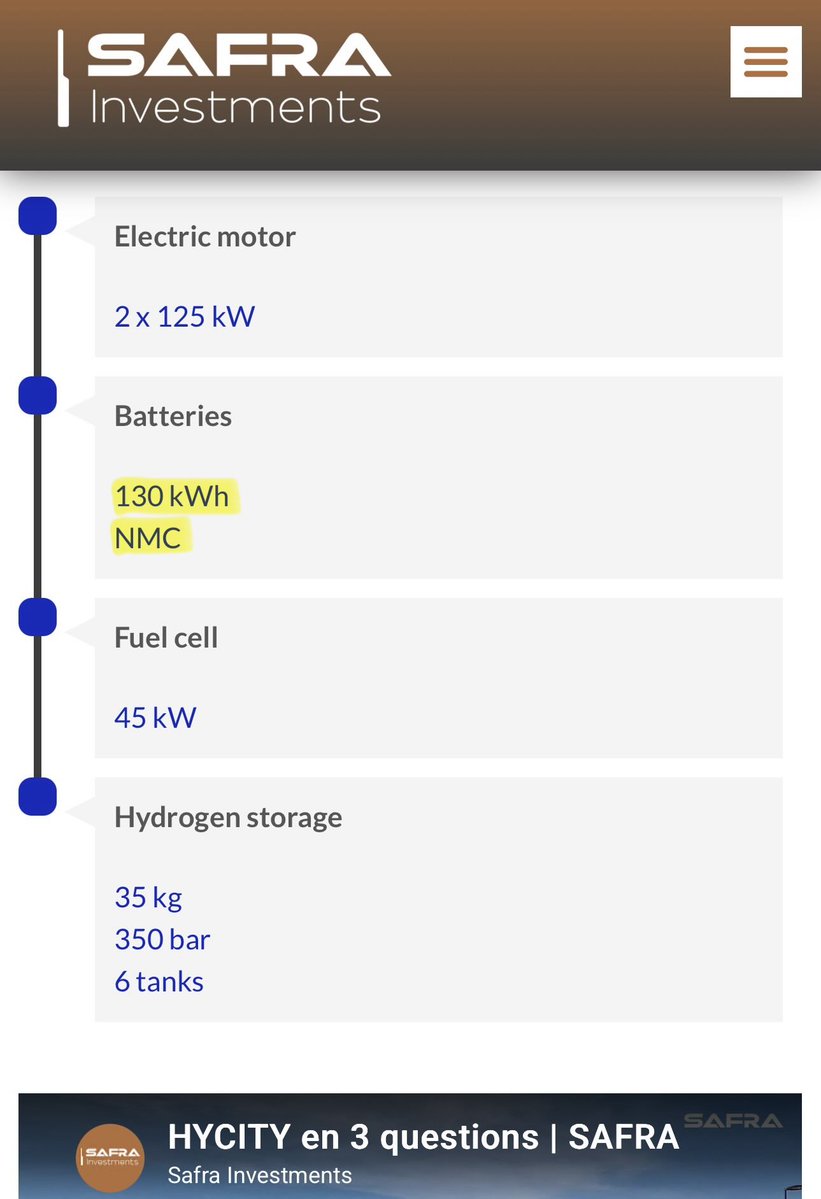
The HYCITY city bus lines up too. NMC, 130 kWh nominal, which is three Microvast MV-C packs almost exactly. The tech sheet lists 80 kWh usable, a normal nominal to usable gap on a fuel cell bus.
One caveat so nobody over-reads it. SAFRA’s battery-electric models run LFP from China. Commodity cells, no MVST supply there. Multi-sourced.
1
3
13
1,217
Microvast named on SAFRA’s H2-PACK
safra.fr/en/safra-launches-t…
H2-PACK kit detail
safra.fr/en/first-hydrogen-r…
Microvast battery confirmed (independent)
truckandbusbuilder.com/artic…
3
262
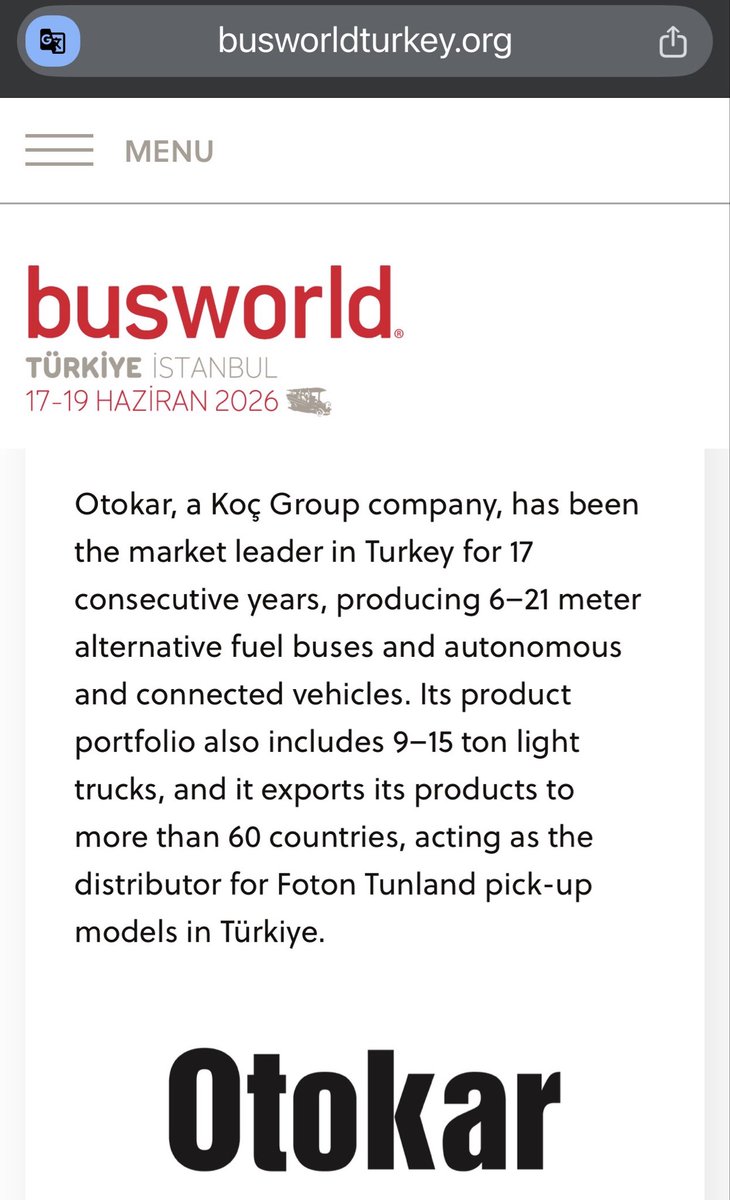
Busworld Türkiye opens in Istanbul June 17. Iveco Bus is exhibiting, one of Microvast’s top customers. Otokar is there too, as the show’s Diamond Sponsor.
Otokar is a major Turkish automotive and defense manufacturer. They are a primary supplier of land systems for the Turkish Armed Forces, NATO, and the United Nations.
Otokar has two Microvast angles.
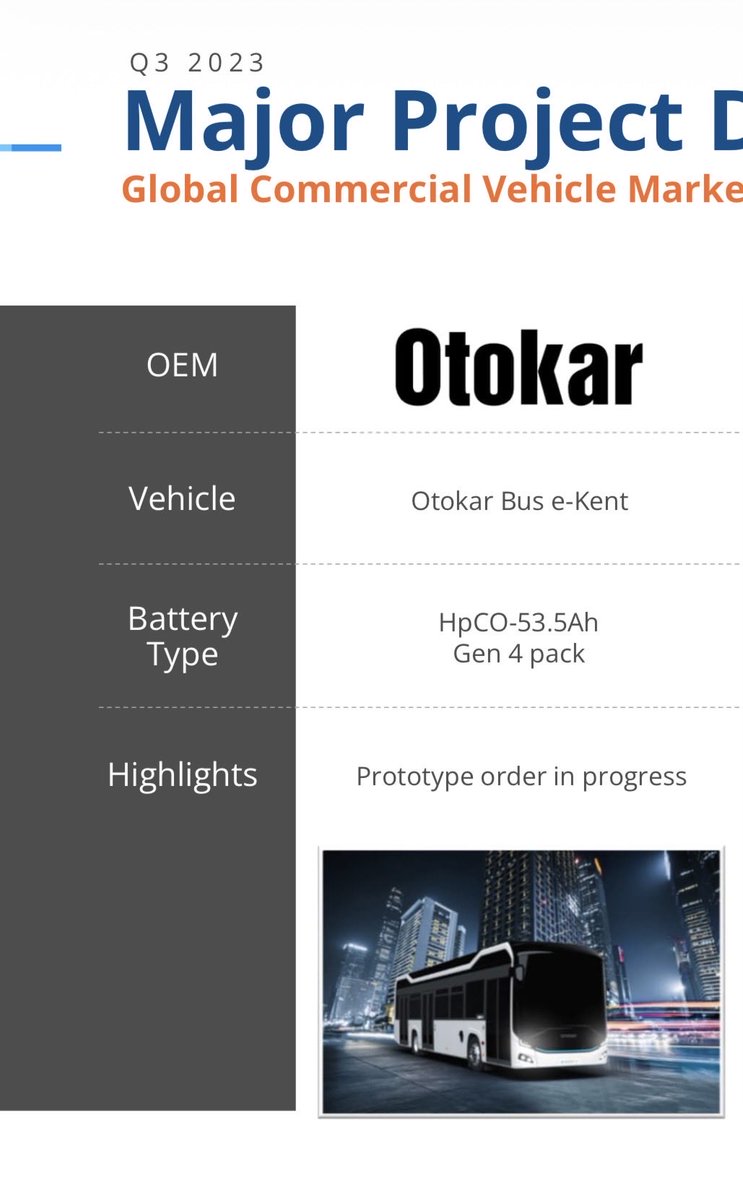
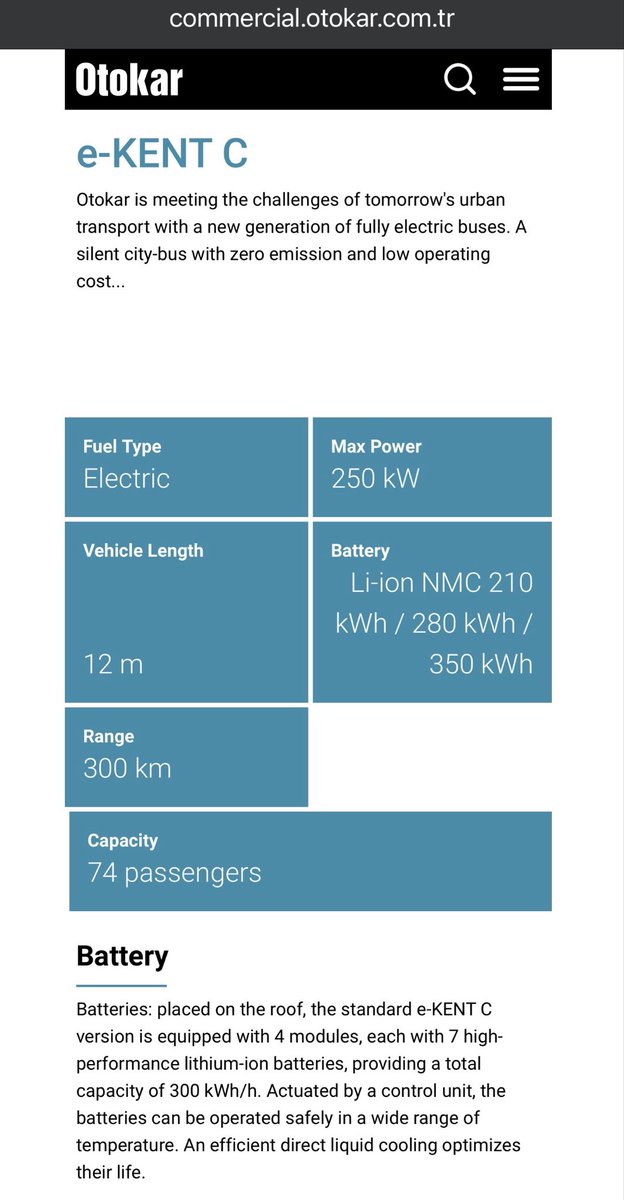
The e-Kent is Otokar’s electric bus, on the market since its 2021 IAA launch and still adding variants. Microvast’s 2023 disclosures show a prototype order on it with the HpCO-53.5Ah NMC cell. Otokar offers the e-Kent in NMC, and its 12-metre capacities, 210, 280 and 350 kWh, sit near 3, 4 and 5 steps of a Microvast MV-I pack on that same cell, within about 2 percent.
Otokar also offers an LFP option, which wouldn’t be Microvast, so the NMC variant is the one that matters. Suggestive, not proof. The current supplier is undisclosed, dropped from the brochure after the 2021 Webasto launch.
The e-Kent also runs the same Voith drivetrain as our friends at Wrightbus and Iveco, both confirmed Microvast customers.
Second angle is Otokar’s Sakarya plant in Türkiye. Iveco builds its Streetway Elec there on FPT packs. Same FPT family as the Crossway, where Microvast is named as the cell supplier. So Microvast cells, FPT packs, Iveco bus, built at Otokar. An inference, but a tight one.
Not a confirmed win yet. Battery supply runs on long cycles, often two to three years from nomination to a public name, so a 2023 prototype and a quiet 2024-2026 is the normal shape. Curious to see what rolls onto the floor next week.
$MVST
1
1
8
529
Otokar Diamond sponsor
busworldturkey.org/en
Exhibitors @ Busworld Türkiye
busworldturkey.org/en/exhibi…
Otokar product pages (NMC chemistry, capacities)
commercial.otokar.com.tr/bus…
commercial.otokar.com.tr/bus…
Iveco Streetway Elec, Voith motor, FPT NMC packs, built at Otokar Sakarya
sustainable-bus.com/news/ive…
Voith VEDS, same drivetrain across Wrightbus Iveco Otokar e-Kent
sustainable-bus.com/componen…
sustainable-bus.com/componen…
1
1
255
A US incorporated, Nasdaq listed company, somehow missing from this list. And it just set up a Hong Kong holding company? Some say that’s what one does to clear FOCI and get into US defense work. $MVST
Jun 8

CATL, EVE Energy, BYD, and CALB support China’s military-industrial complex.
Microvast is a U.S. company with significant American assets. Wall Street should back Microvast and help build a stronger U.S. battery supply chain. $MVST $SPY @ENERGY @DeptofWar @StateDept
1
10
1,687
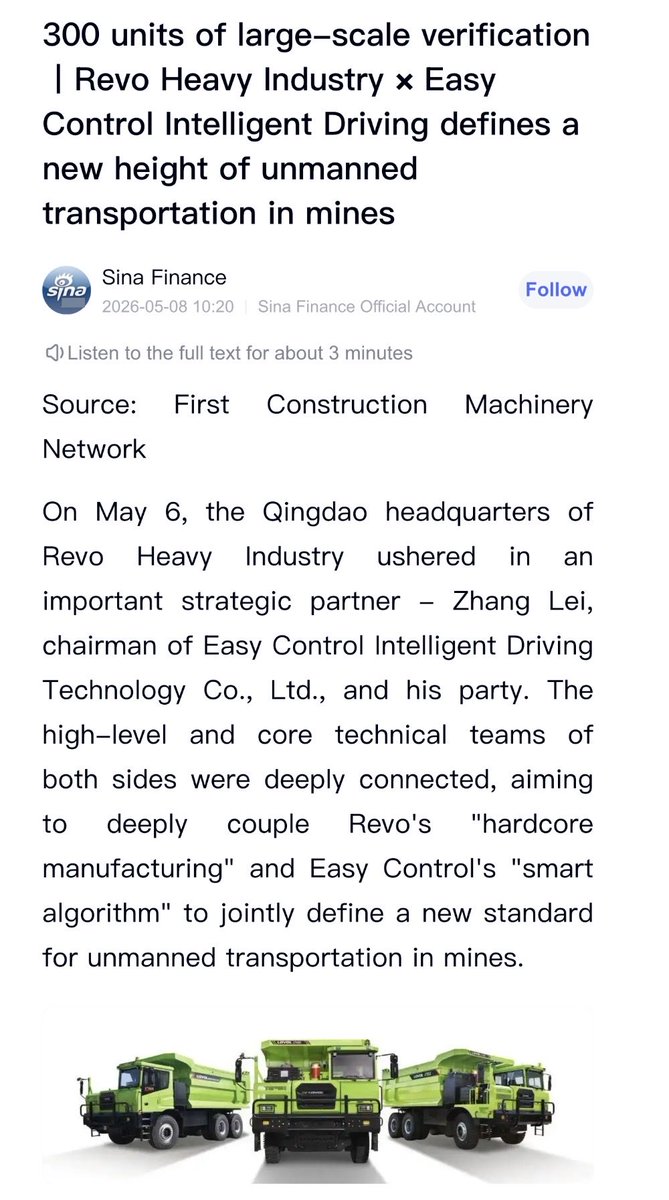
Microvast already supplies Lovol. That part isn't a guess.
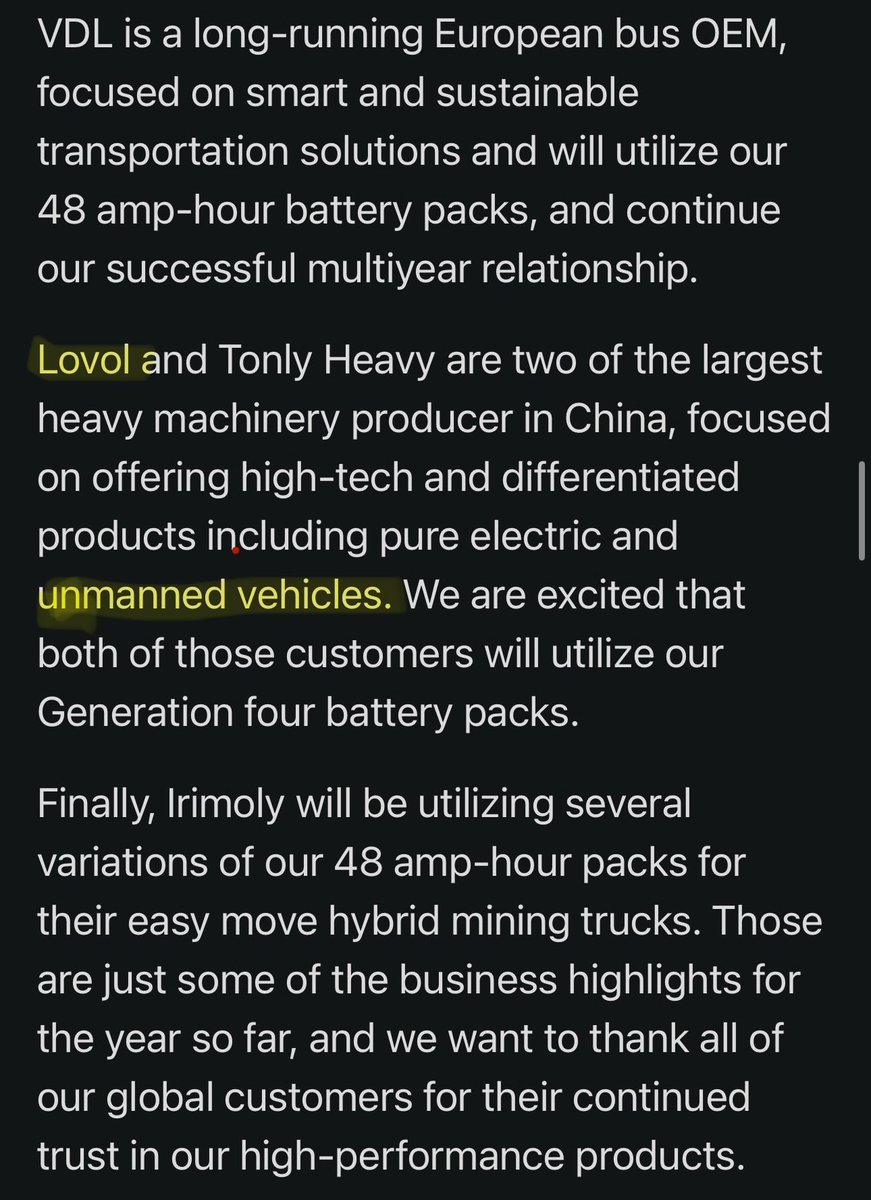
Lovol is a Chinese heavy-equipment maker owned by Weichai, building farm and construction equipment alongside mining trucks up to 130 tons. On Microvast's Q1 2025 call, Wu named Lovol directly:
"Lovol and Tonly Heavy are two of the largest heavy machinery producers in China, focused on offering high-tech and differentiated products including pure electric and unmanned vehicles. We are excited that both of those customers will utilize our Generation four battery packs."
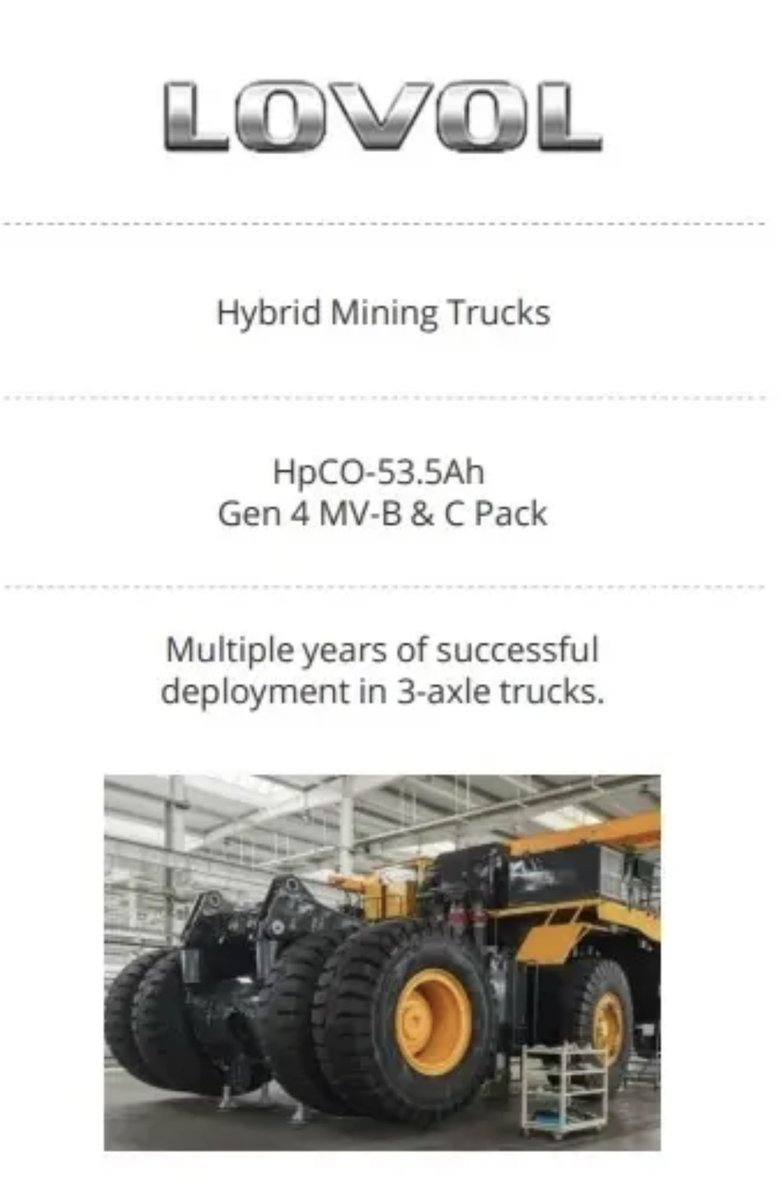
The SEC slide carries it further, Lovol on the HpCO-53.5Ah NMC cell, with years of deployment in 3-axle trucks. The hauler Microvast pictures on that slide reads as the LTE120HEV, Lovol's 6×6 single-engine hybrid mining truck.
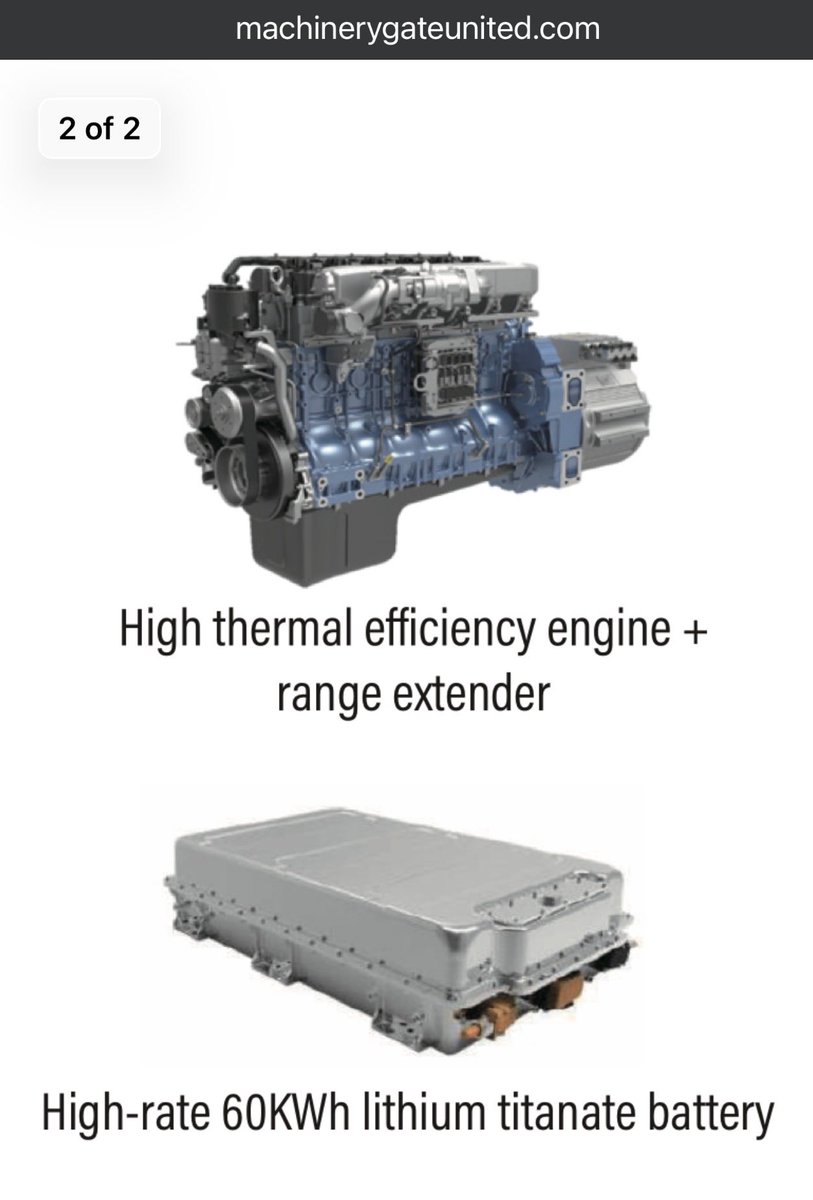
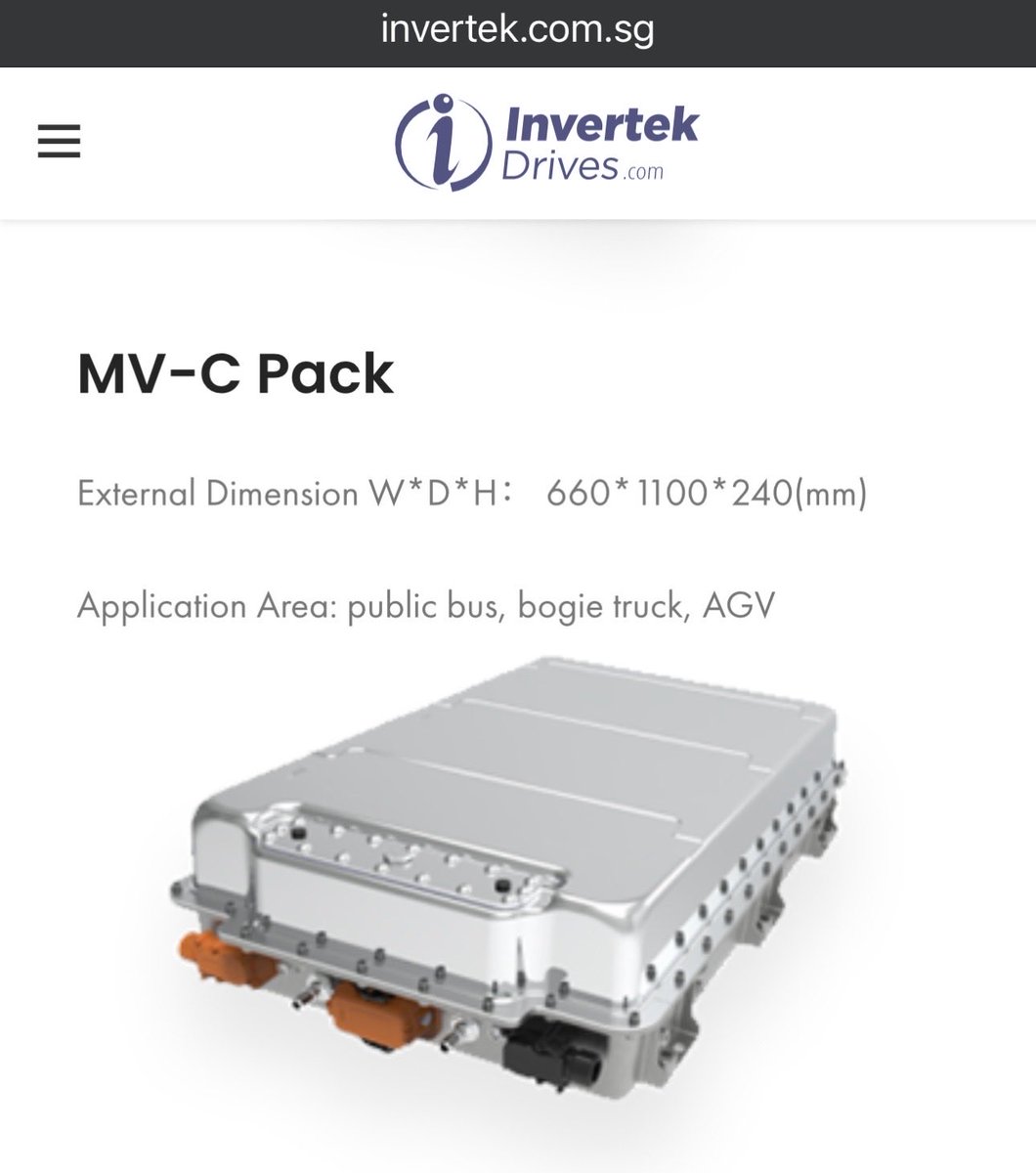
Lovol runs more than one chemistry across the lineup. The manned LT130SHEV comes in three builds. Two run lithium titanate, one runs LMO. The two LTO builds line up with Microvast. The enclosure is the MV-C pack Invertek shows in Kalmar's electric port equipment at PSA Singapore, and Kalmar is itself a confirmed Microvast customer.
The math is perfect. The 60 kWh splits into three clean strings of the HpTO-37Ah cell. The LMO build is the odd one out, as Microvast doesn't make LMO.
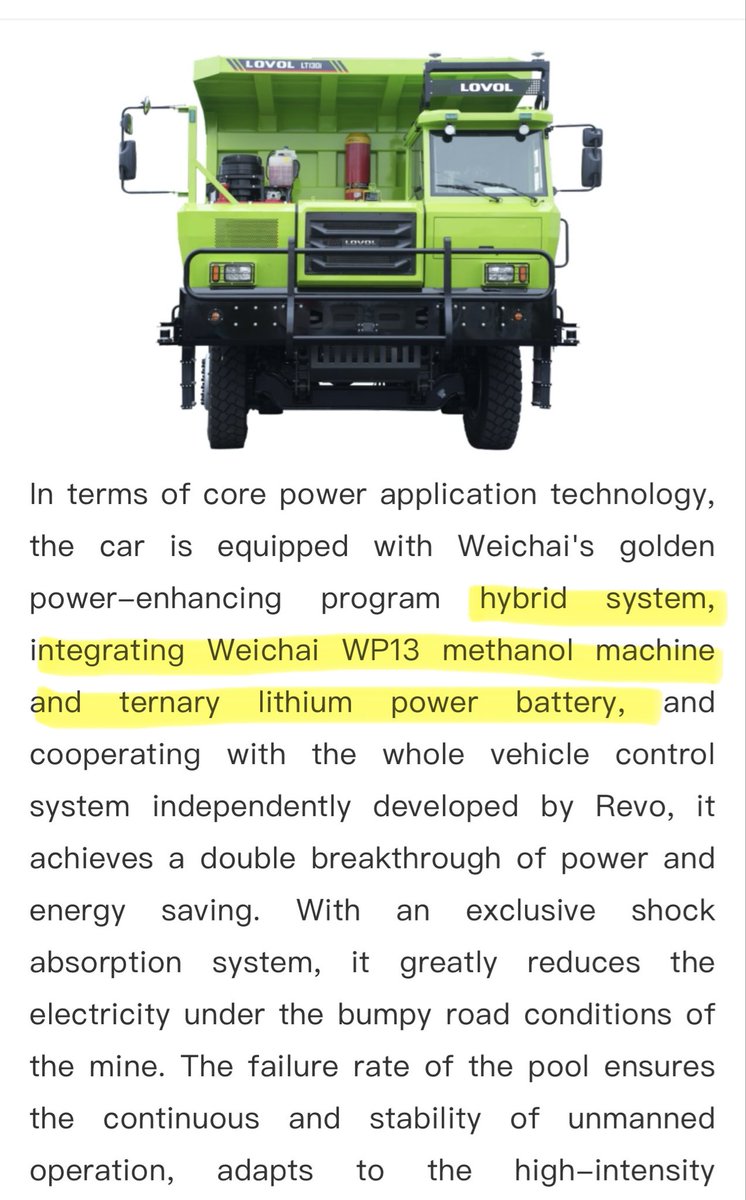
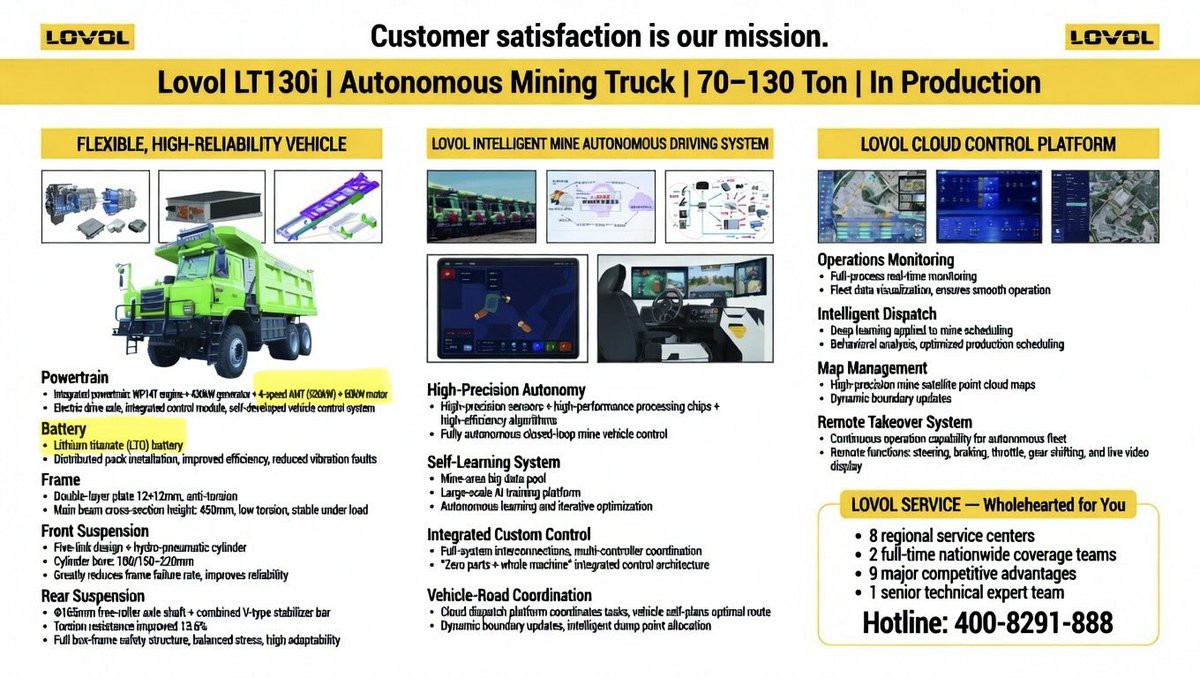
The autonomous LT130i runs both chemistries by build. The diesel build carries LTO, the same cell family as the manned SHEV. The Gen 4 build runs NMC, the packs Wu named for Lovol's unmanned line.
So Microvast goes into Lovol on both chemistries. LTO on the manned SHEV and the diesel LT130i. NMC on the Gen 4 LT130i and the hauler on the slide. The only build in the whole lineup that doesn't point back is the LMO SHEV.
The hybrid diesel LT130i variant is pictured below.
Still open: the exact Gen 4 cell and pack voltage on the methanol NMC LT130i, to pin which NMC cell it carries.
$MVST
2
1
11
746