
Joined November 2017
- Tweets 6,836
- Following 2,973
- Followers 4,871
- Likes 11,988
206 Photos and videos






Pinned Tweet

15 Nov 2025
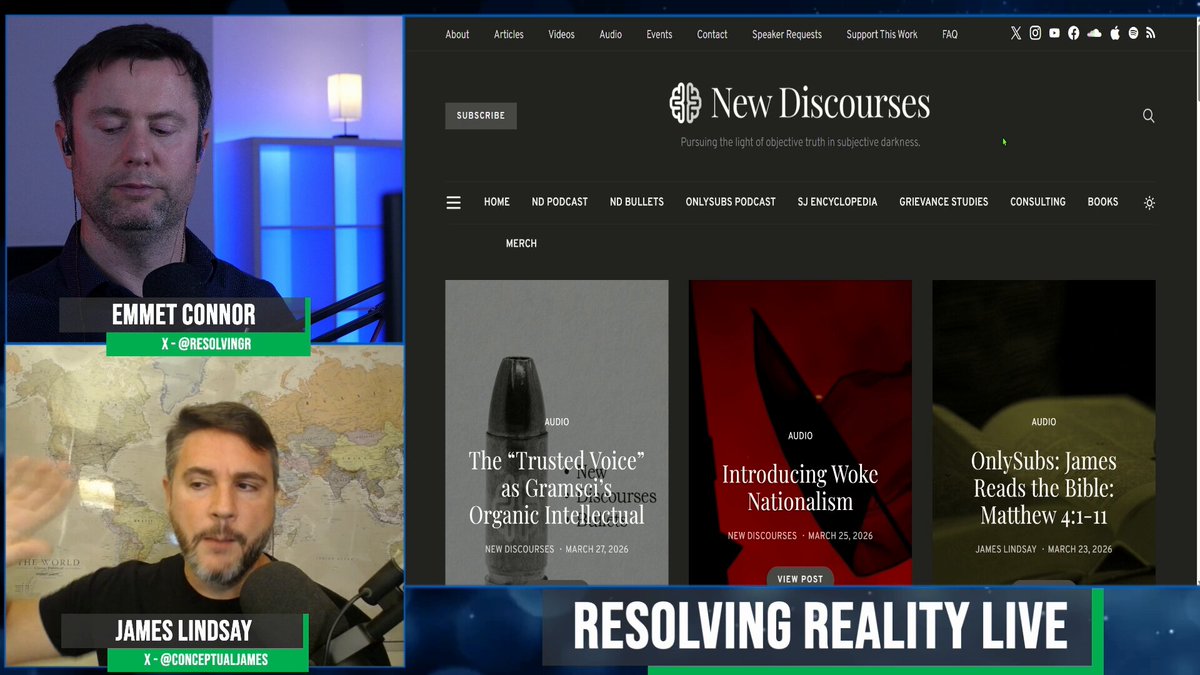
The edited version of my presentation on Marxism at the University of Dallas last year (minus Q n A)
🔥🔥🔥
Why are western countries being hit with mass immigration?
Why the insistence that they owe third world countries?
And why are they being forced to be multi-ethnic 'multicultural' member states of world?
Why is woke everywhere?
Why is your country's establishment, MSM, education system, civil service, and NGO complex riddled with 'social justice warriors'?
Why are we seeing a breakdown in law and order?
Why the double-standards in policing that is clearly biased to the immigrants?
Why the attack on Christianity, yet the promotion of Islam?
Why has abortion been normalised even though the birthrates have plummeted over the decades?
Why the attempts by governments to create draconian 'hate speech' laws?
Why do they try to modify or reinterpret the constitution?
Why are they so keen to 'go green' even though it cripples the economy?
Why are we hearing talk of confiscating private property for 'the common good'?
Why - despite the destructive insanity of these things - is there a massive amount of people in each country either oblivious or in outright denial?
Frustratingly, why do they try to marginalise and silence anyone who highlights them?
We are at WAR with a cult movement driven by an internationalist revolutionary ideology that has many forms.
The signs are there in front of us every day, but without the knowledge, most are still not joining the dots...
Please share!
All reposts appreciated 🙏👍
4 Nov 2025

My presentation on Marxism at the University of Dallas last year 👇
Worth a watch to see how it's relevant to recent events - Charlie Kirk's death, the Irish presidential election, crisis in the U.K., pro-Palestine activism etc.
Look at the amount of brainwashed 'lefties' involved in these things.
Marxist indoctrination is responsible for it all.
'Globalism' = Communism.
13
57
115
19,020
Emmet Connor retweeted
15 Nov 2025
The edited version of my presentation on Marxism at the University of Dallas last year (minus Q n A)
🔥🔥🔥
Why are western countries being hit with mass immigration?
Why the insistence that they owe third world countries?
And why are they being forced to be multi-ethnic 'multicultural' member states of world?
Why is woke everywhere?
Why is your country's establishment, MSM, education system, civil service, and NGO complex riddled with 'social justice warriors'?
Why are we seeing a breakdown in law and order?
Why the double-standards in policing that is clearly biased to the immigrants?
Why the attack on Christianity, yet the promotion of Islam?
Why has abortion been normalised even though the birthrates have plummeted over the decades?
Why the attempts by governments to create draconian 'hate speech' laws?
Why do they try to modify or reinterpret the constitution?
Why are they so keen to 'go green' even though it cripples the economy?
Why are we hearing talk of confiscating private property for 'the common good'?
Why - despite the destructive insanity of these things - is there a massive amount of people in each country either oblivious or in outright denial?
Frustratingly, why do they try to marginalise and silence anyone who highlights them?
We are at WAR with a cult movement driven by an internationalist revolutionary ideology that has many forms.
The signs are there in front of us every day, but without the knowledge, most are still not joining the dots...
Please share!
All reposts appreciated 🙏👍
4 Nov 2025
My presentation on Marxism at the University of Dallas last year 👇
Worth a watch to see how it's relevant to recent events - Charlie Kirk's death, the Irish presidential election, crisis in the U.K., pro-Palestine activism etc.
Look at the amount of brainwashed 'lefties' involved in these things.
Marxist indoctrination is responsible for it all.
'Globalism' = Communism.
13
57
115
19,020
Emmet Connor retweeted

22h
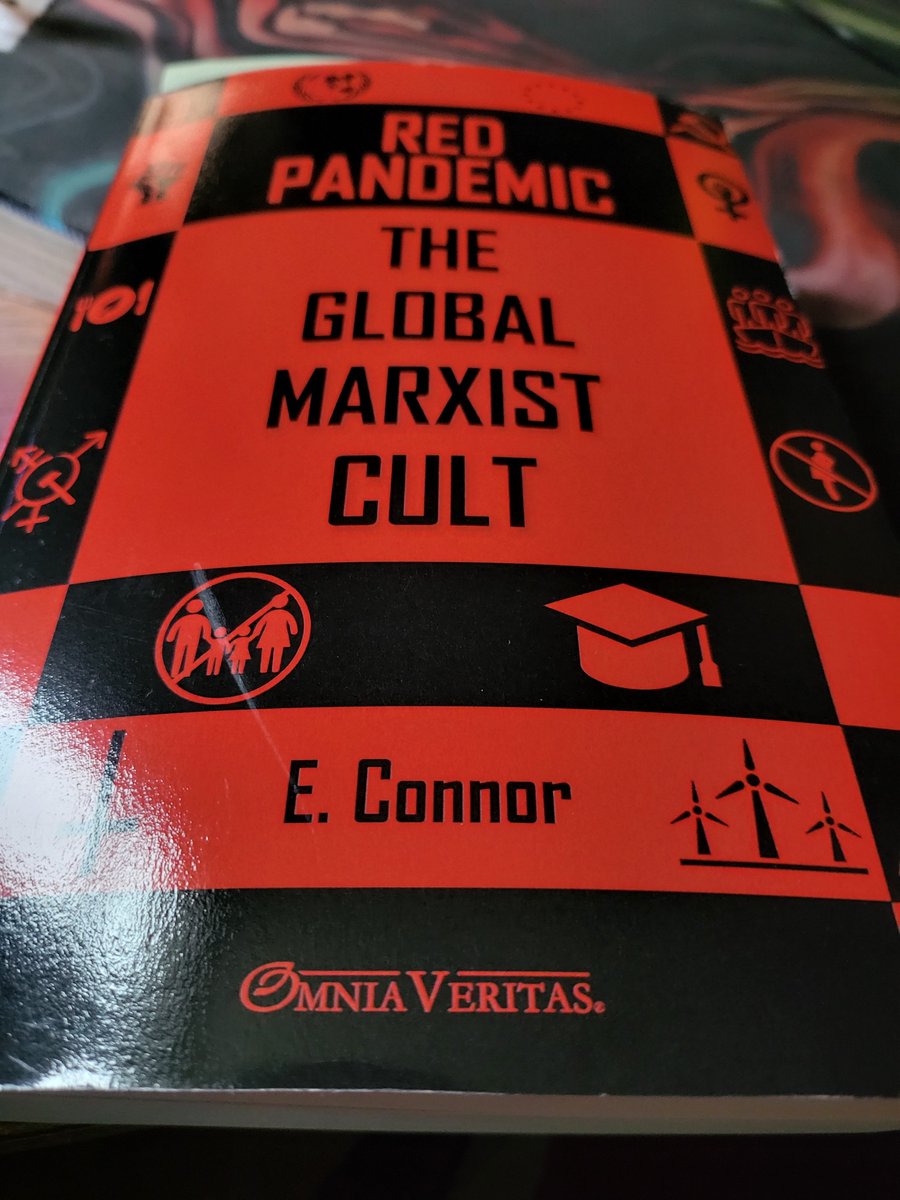
Watched the presentation you did with Tom Nelson over the weekend, and a copy of your book arrived today. 👍
1
1
4
69
Emmet Connor retweeted

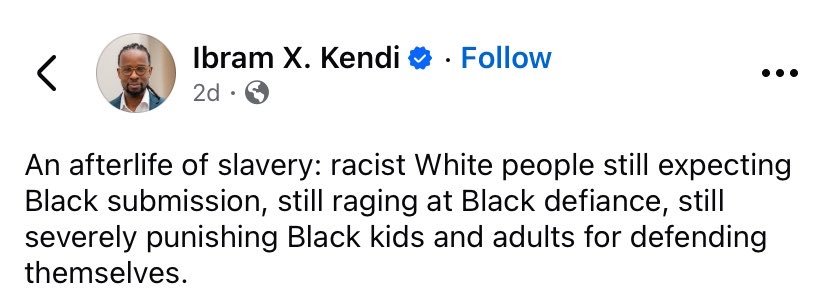
You know what's a whole lot more like slavery than this? Communism.
17
73
665
8,551

Just listened to your excellent conversation. Glad Tom mentioned your account, have a follow from Scotland. 😁🏴
It does help explain why our government is actively working against the British people.
Thanks for a thoroughly interesting conversation.
1
1
3
94
Emmet Connor retweeted

Jun 10
Cluster B personality disorders are a group of mental health conditions classified in the DSM-5 (Diagnostic and Statistical Manual of Mental Disorders) under personality disorders. They are characterized by dramatic, emotional, erratic, unpredictable, or impulsive behaviors, often involving intense emotions, unstable relationships, and difficulties with impulse control.
The Four Cluster B Disorders
Personality disorders are grouped into three clusters (A, B, and C) based on shared traits. Cluster B includes:
Antisocial Personality Disorder (ASPD): Involves a pattern of disregarding or violating the rights of others. People may lie, act impulsively or aggressively, show little remorse, and fail to follow social norms or laws.
Borderline Personality Disorder (BPD): Marked by intense emotional instability, fear of abandonment, unstable self-image and relationships, impulsivity (e.g., risky behaviors), mood swings, and sometimes self-harm or suicidal threats. Chronic feelings of emptiness are common.
Histrionic Personality Disorder (HPD): Involves excessive attention-seeking, dramatic or theatrical emotions, seductive or provocative behavior, and a strong need to be the center of attention. Emotions can shift rapidly and seem shallow.
Narcissistic Personality Disorder (NPD): Features an inflated sense of self-importance, need for excessive admiration, lack of empathy, and a sense of entitlement. People may exploit others and react poorly to criticism.
Common Traits Across Cluster B
Dramatic or overly emotional behavior
Impulsiveness and difficulty controlling impulses
Unstable or intense interpersonal relationships
Erratic or unpredictable actions
Challenges with emotional regulation and empathy (varies by disorder)
These patterns are enduring, inflexible, and typically begin by early adulthood. They cause significant distress or problems in social, work, or other areas of functioning.
Important Notes
Overlap is common: Many people show traits from more than one Cluster B disorder (or even across clusters). A single clear diagnosis is often not straightforward.
Prevalence: These are among the more noticeable personality disorders due to their dramatic nature, but they are not the most common overall.
Causes: A mix of genetic, environmental (e.g., childhood trauma, upbringing), and neurobiological factors.
Treatment: Usually involves psychotherapy (such as dialectical behavior therapy for BPD), sometimes medication for co-occurring issues like depression or anxiety. Early intervention helps.
Important disclaimer: This is general information only. Personality disorders are complex clinical diagnoses made by qualified mental health professionals. Self-diagnosis is not reliable, and many people have some of these traits without having a full disorder. If this relates to you or someone you know, consult a licensed therapist or psychiatrist.
2
2
6
550
Emmet Connor retweeted
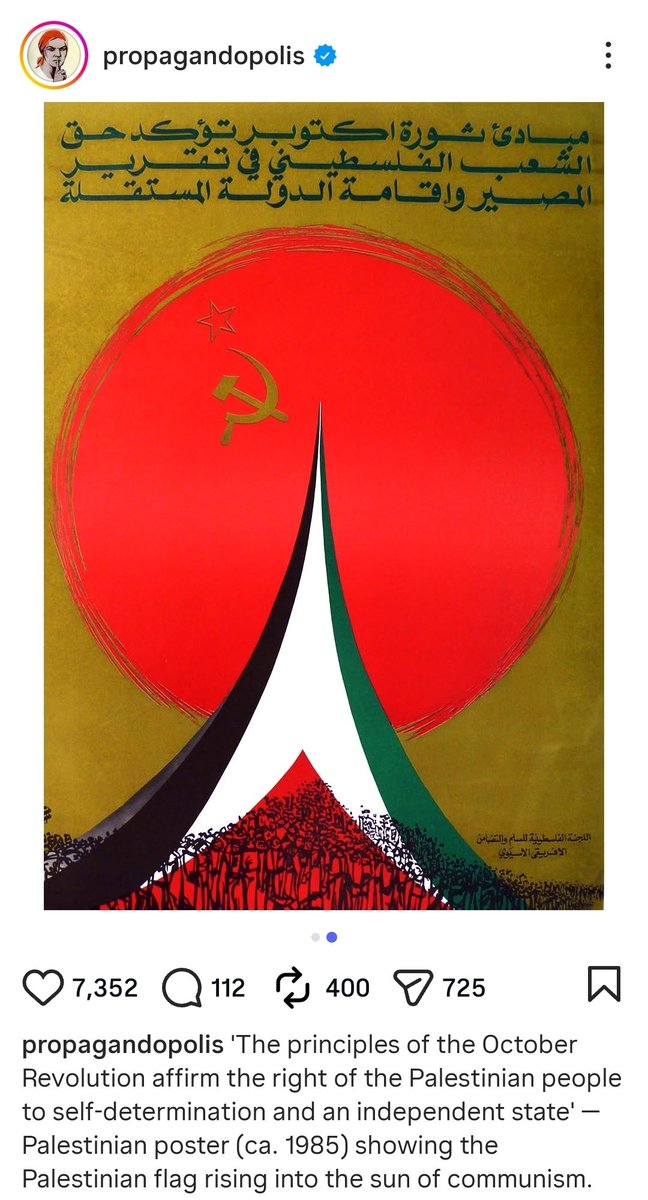
Hey! How about that! The Palestinian movement is Communist propaganda! Poster from 1958.
77
427
1,872
29,586
Emmet Connor retweeted

Jun 12
Ireland 🇮🇪 🇮🇪
Mary Lou McDonald and her toxic Sinn Féin outfit are being humiliatingly rejected in Northern Ireland. Their catastrophic failures in the north and south reveal a bankrupt, irrelevant party that Irish people are rightly abandoning in disgust.
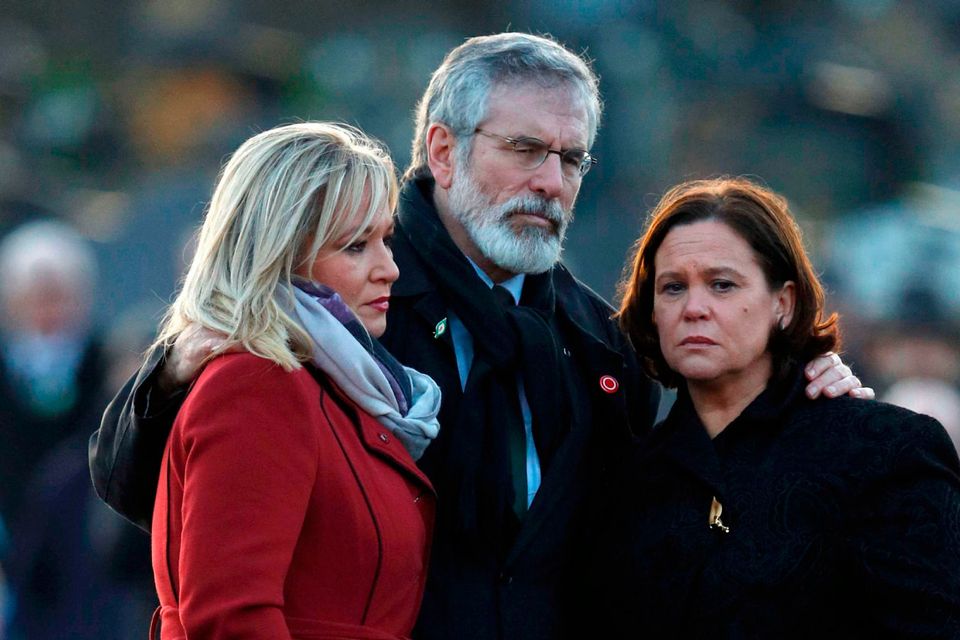
ALT Mary Lou McDonald, Gerry Adam, Michelle O’Neill.
312
753
3,719
69,299
Jun 13
👇👀👀
Jun 13

Leftists preach tolerance but are becoming increasingly hostile towards those who disagree with them.
You're mistaken if you think this is hypocrisy.
It is a strategy called "Repressive Tolerance."
1
2
88
Jun 13
Great post @PeterSweden7 !
The explanation for this is Marxism.
It's the influence of Marxism ('leftist'/'liberal'/'progressive' etc) in pushing certain historical narratives.
They push the narrative that, in general, whites have been the oppressors historically, and that non-whites have been the oppressed.
The Ottoman slave trade (and many other examples) shows us that this is a massive distortion of the truth.
Historically, all races engaged in slavery/oppression of other races and their own race.
Jun 13

Here's something you probably didn't learn in school.
It's estimated that around 2 to 5 MILLION Europeans were captured as slaves by the Ottomans.
White women were captured and taken into harems and r*ped.
Yet you never hear anything about this horrific slave trade.
Why?
1
66
Emmet Connor retweeted
Jun 13
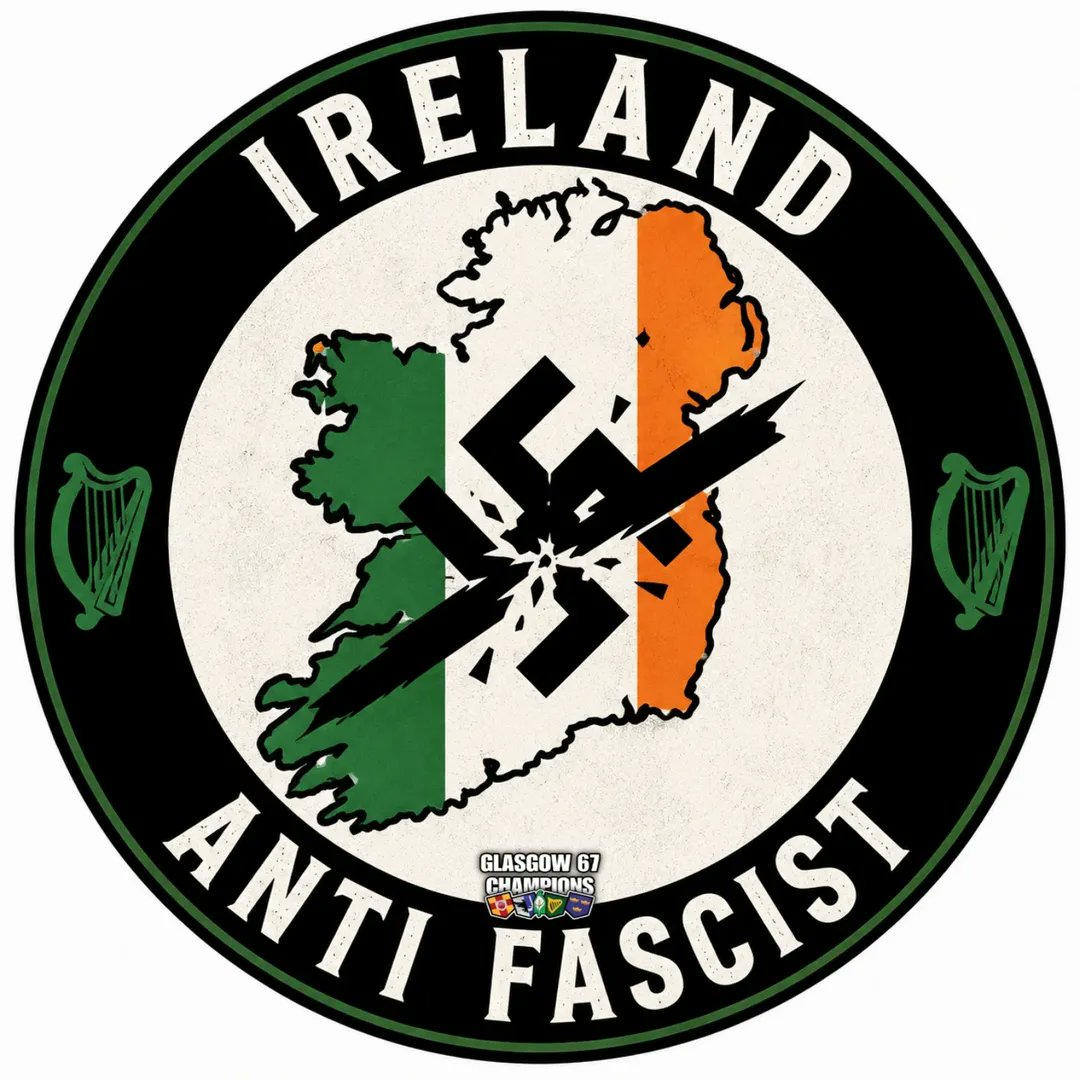
There are actually too many irony's here to even begin to comment.
Funnily enough though, the symbol in the middle was carved on many stones and religious relics in Ireland hundreds of years before it was coopted in 1930's Germany.
Symbolism and language are important, unfortunately these antifa types all seem to lack simple abilities, like being able to read, make informed decisions and critically think.
Trapped in the cult of marxism.

1
2
14
815

Emmet Connor retweeted

Jun 12
Bill Clinton: “I killed myself trying to give the Palestinians a state. I had a deal they turned down that would have given them all of Gaza and 97% of the West Bank. You name it. They turned it down.”
The Palestinians never wanted peace.
This must be shared every single day.
529
6,949
28,477
1,245,071
Emmet Connor retweeted

Jun 12
Tom Nelson Podcast #402: Emmet Connor: “Red Pandemic: The Global Marxist Cult” is now published. @ResolvingR
Irish author and analyst Emmet Connor tells host Tom he has focused since 2015 on Marxism/communist indoctrination, defining it as an international revolutionary ideology aimed at destroying existing hierarchies and rebuilding a utopia. He argues “globalism” and the New World Order are communism repackaged, seen in open borders, climate policy, food controls, attacks on farming, education, and cultural issues like DEI and gender ideology, with Christians targeted. He discusses Ireland’s pro-globalist politics, COVID as totalitarian economic attack linked to the CCP, and a broader China/Russia-led push for world dominance, including Africa via Belt and Road. Connor promotes his Dallas presentation and book, and provides X/email contacts.
00:00 Introduction to Emmet Connor
00:40 Defining Marxism
02:59 Globalism and New World Order
04:16 Unwitting Marxist Promotion
05:52 Open Borders Policy
08:31 Climate Change Movement
11:44 Controlling the Food Supply
13:01 War on Farming
14:07 Ireland's Political Situation
16:02 COVID and Great Reset
19:00 Marxism as Kryptonite
19:55 Marxism's Effect on Africa
22:41 China's Influence in Africa
24:59 Global Communist Strategy
27:15 Brexit and UK Politics
28:49 Trump and Marxism
31:33 Elections and Global Impact
33:18 Second Amendment Importance
34:24 Death Toll of Marxism
36:58 Attacking the Traditional Family
38:53 Drag Queen Story Hour
40:57 COVID and Parental Awareness
42:57 Christianity Under Attack
45:12 Population Control Agenda
46:53 UN Socialist Leadership
48:11 Stakeholder Capitalism
49:08 Internationalist Groups
50:27 Attacking the US Dollar
53:17 Greta Thunberg and Climate
56:01 Reception and Outreach
58:29 Boiling It Down
59:38 Final Thoughts
1
15
30
2,622
Emmet Connor retweeted
Jun 12
Had an excellent disussion recently with @TomANelson 👇
Great show, great host!🔥
Reposts appreciated and give him a follow 👍
Jun 12

Tom Nelson Podcast #402: Emmet Connor: “Red Pandemic: The Global Marxist Cult” is now published. @ResolvingR
Irish author and analyst Emmet Connor tells host Tom he has focused since 2015 on Marxism/communist indoctrination, defining it as an international revolutionary ideology aimed at destroying existing hierarchies and rebuilding a utopia. He argues “globalism” and the New World Order are communism repackaged, seen in open borders, climate policy, food controls, attacks on farming, education, and cultural issues like DEI and gender ideology, with Christians targeted. He discusses Ireland’s pro-globalist politics, COVID as totalitarian economic attack linked to the CCP, and a broader China/Russia-led push for world dominance, including Africa via Belt and Road. Connor promotes his Dallas presentation and book, and provides X/email contacts.
00:00 Introduction to Emmet Connor
00:40 Defining Marxism
02:59 Globalism and New World Order
04:16 Unwitting Marxist Promotion
05:52 Open Borders Policy
08:31 Climate Change Movement
11:44 Controlling the Food Supply
13:01 War on Farming
14:07 Ireland's Political Situation
16:02 COVID and Great Reset
19:00 Marxism as Kryptonite
19:55 Marxism's Effect on Africa
22:41 China's Influence in Africa
24:59 Global Communist Strategy
27:15 Brexit and UK Politics
28:49 Trump and Marxism
31:33 Elections and Global Impact
33:18 Second Amendment Importance
34:24 Death Toll of Marxism
36:58 Attacking the Traditional Family
38:53 Drag Queen Story Hour
40:57 COVID and Parental Awareness
42:57 Christianity Under Attack
45:12 Population Control Agenda
46:53 UN Socialist Leadership
48:11 Stakeholder Capitalism
49:08 Internationalist Groups
50:27 Attacking the US Dollar
53:17 Greta Thunberg and Climate
56:01 Reception and Outreach
58:29 Boiling It Down
59:38 Final Thoughts
6
11
702
Emmet Connor retweeted

Have you ever wondered why the Left preaches "tolerance" but completely shuts down anyone who disagrees with them?
It’s not an accident, It’s actually a part of mainstream Progressive ideology called "repressive tolerance".
It is the idea that you have to suppress opposing views to achieve "progress."
It was coined by philosopher Herbert Marcuse in the 1960s, and it basically argues that traditional free speech is a trap that keeps the establishment in power.
According to this theory, the only way to achieve true progress is to actively suppress right-wing or traditional ideas while giving total freedom to left-wing ones.
So when you see people getting canceled, deplatformed, or silenced today, it’s not actually hypocrisy in their eyes.
It’s the ideology working exactly as intended, using deliberate intolerance as a tool to force political change.
3
5
12
252
Emmet Connor retweeted

Jun 12
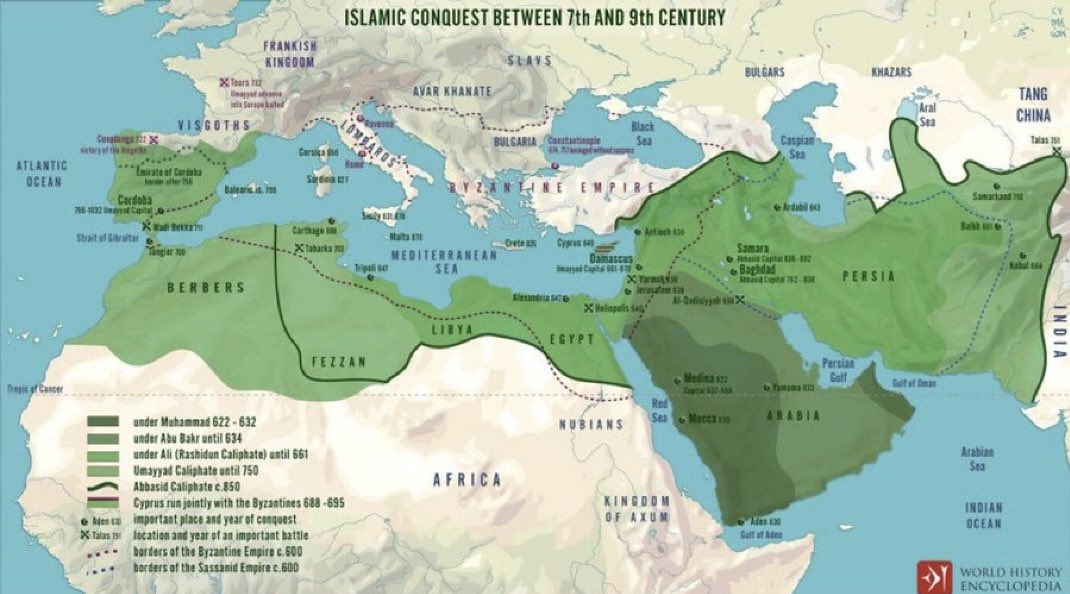
Why don’t history books refer to Muslims as colonizers, oppressors, genociders, slave traders, or imperialists?
941
9,835
43,364
428,003
Emmet Connor retweeted
Jun 11
What Now Irishman? - Grand Torino aka Mr Rowan Croft x.com/i/broadcasts/1mGPaaRPo…
4
5
14
2,300
Emmet Connor retweeted

Jun 11
Lead the way Ireland!! This is how we do it. The Irish must unite....now!! Do something we can be proud of...that secures our grandchildrens futures. The whole island must galvanize!
Jun 11

BELFAST: Irishman who's father was killed in the troubles, comes out in the street with his old foe for the sake of his children's future.
3
8
24
938
Emmet Connor retweeted

Jun 11
Been great craic annoying the Shinners for the past 24 hours. They're very angry because Loyalists are out defending their communities while Shinners sit impotently online trying to sound tough to cover for the fact that their party is the party of beheaders in the North. 🤷♂️
70
167
1,348
20,954