Joined October 2022
- Tweets 26,712
- Following 331
- Followers 164
- Likes 38,065
4,417 Photos and videos





Block retweeted

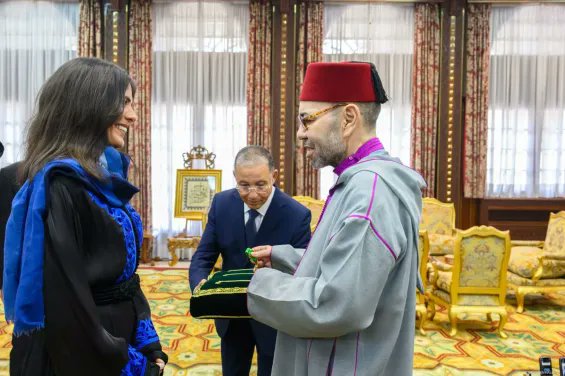
Germany's Merz gave Trump a customized German national football team jersey bearing the name "TRUMP" and the number 47 on the back.
107
79
946
116,041
Block retweeted

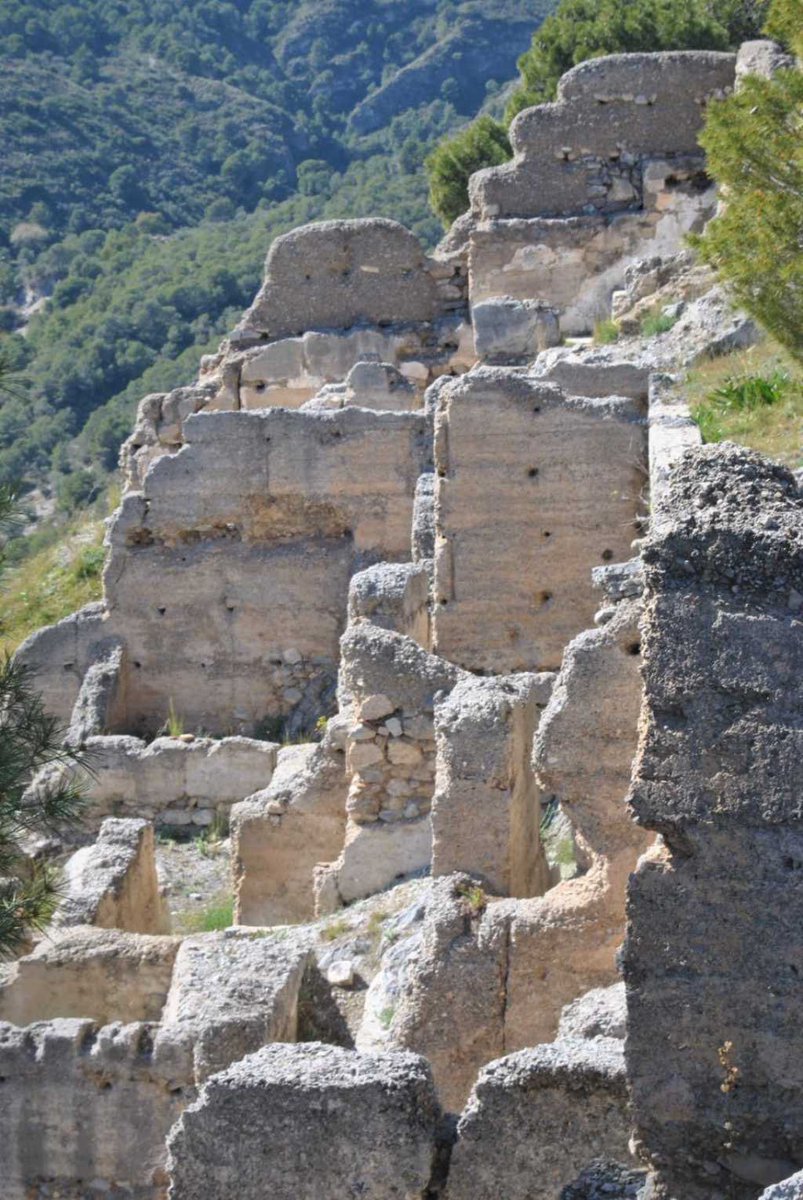
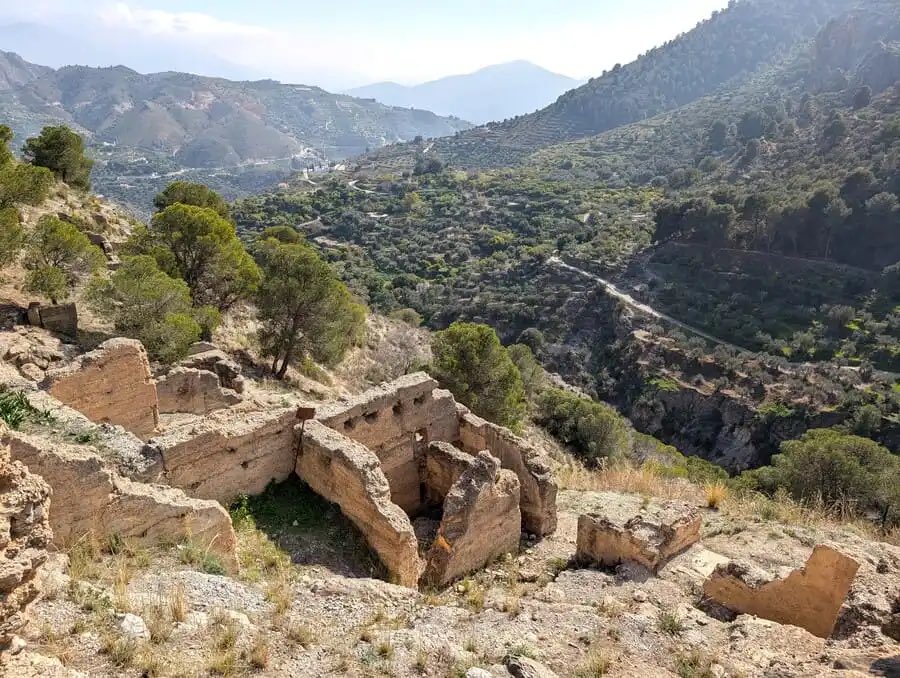
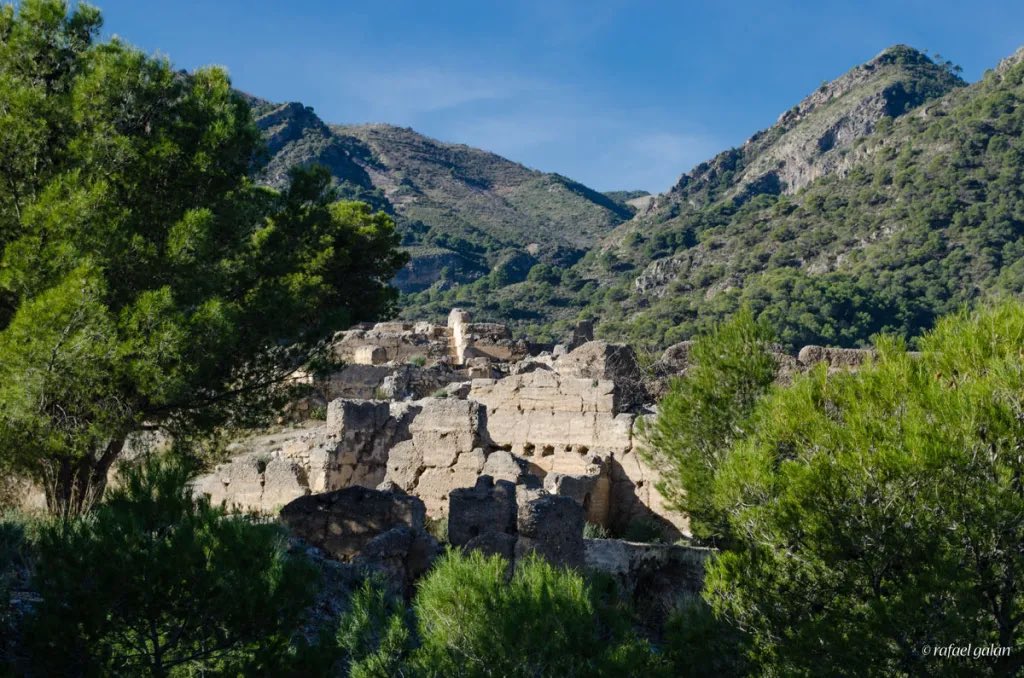
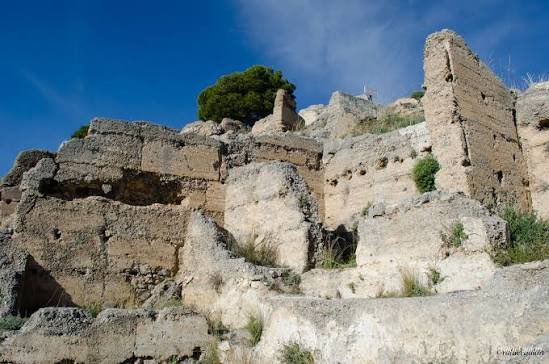
El Castillejo de los Guájares es un antiguo poblamiento andalusí habitado entre el siglo XII-XIII hasta el XIV, siendo reocupado en el XVI de manera esporádica. Situado en la provincia de Granada, al sur de la Alpujarra, en la localidad de los Guajares.
2
7
48
970
Block retweeted

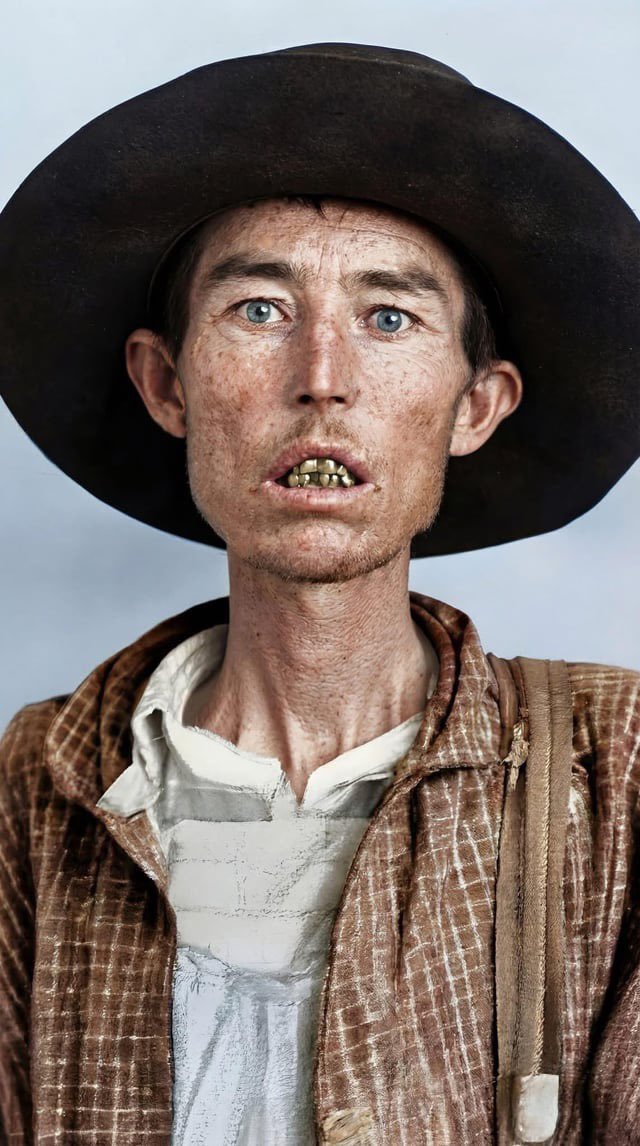
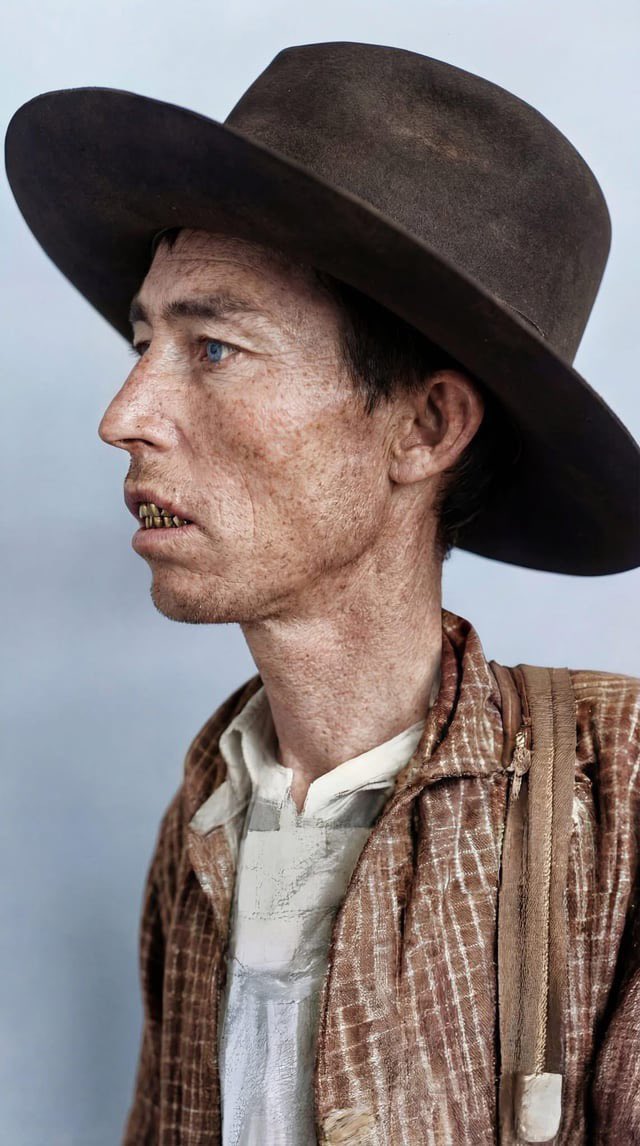
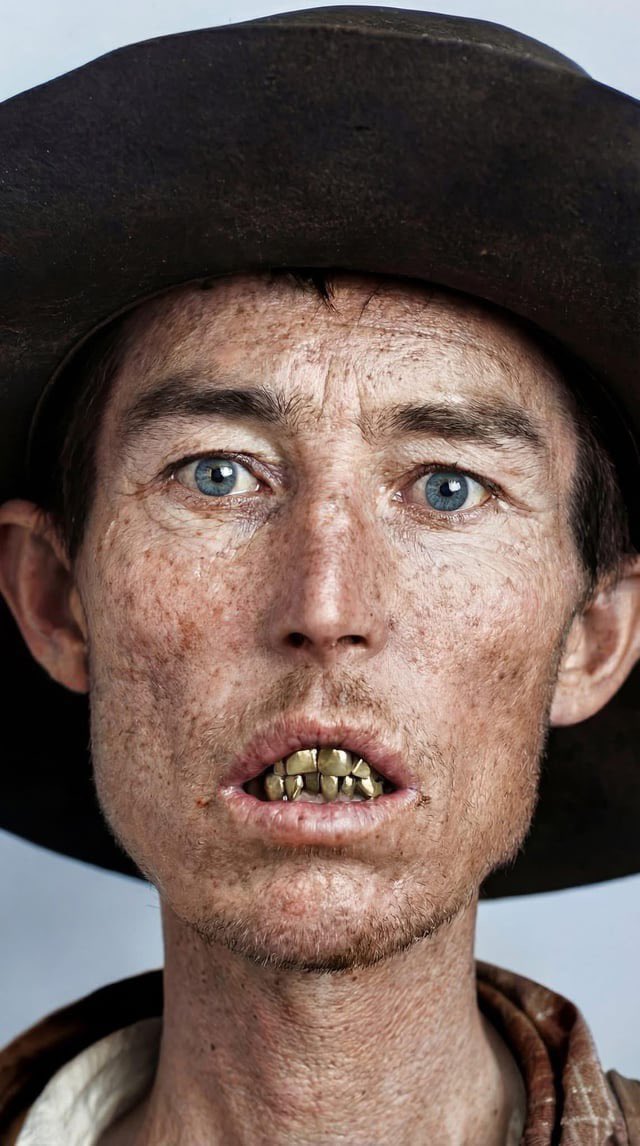
This portrait shows Solomon Sivils, recorded as Inmate No. 4339, photographed in 1904, at the time of his sentencing. He was sentenced to 18 months in prison and fined $10 for introducing liquor into Indian Territory.
The prison physician formally described him as:
“Solomon Sivils, Inmate Number 4339, at Leavenworth Federal Penitentiary. Tubercular and extremely emaciated from morphine addiction. Unfit for manual labor.”
225
198
4,578
2,461,609
Cuando lo oyes de sus labios en persona suena todavía peor.

Las cuatro estrategias de P.S.
— Engordar a Vox para frenar al PP.
— Deslegitimar al Poder Judicial.
— Alterar el censo con la Ley de Nietos.
— Plebiscitar las elecciones: Monarquía o República.
——
Hoy, en el Foro Atlántico de @FundacionFIL
8
Block retweeted

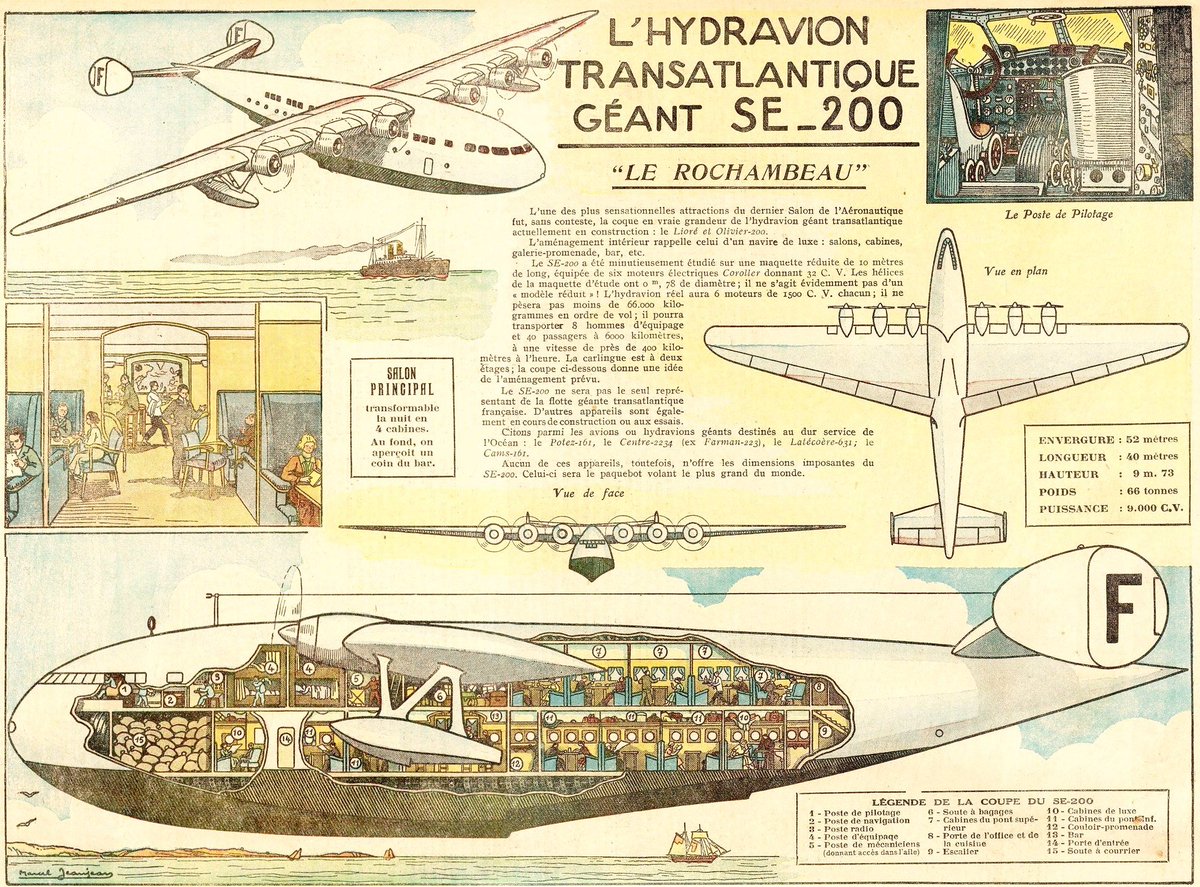
Everyone loves a 'cutaway' drawing and this one is quite special...albeit in French! 🇫🇷
10
31
175
5,092
Block retweeted

NOOOOOOOOOO!
There's literally nothing left...
B-52 just crashed shortly after takeoff at Edwards Air Force Base.
240
261
3,184
861,395
Block retweeted

📹 | Nos hacen llegar imágenes del vuelco del camión accidentado hoy a la altura de #SanRoque y que ha dejado retenciones de varias horas en la arteria principal del #CampodeGibraltar.
❌ La A-7 se ha mantenido cortada durante gran parte del día en sentido #Málaga.
43
96
669
188,479


20h
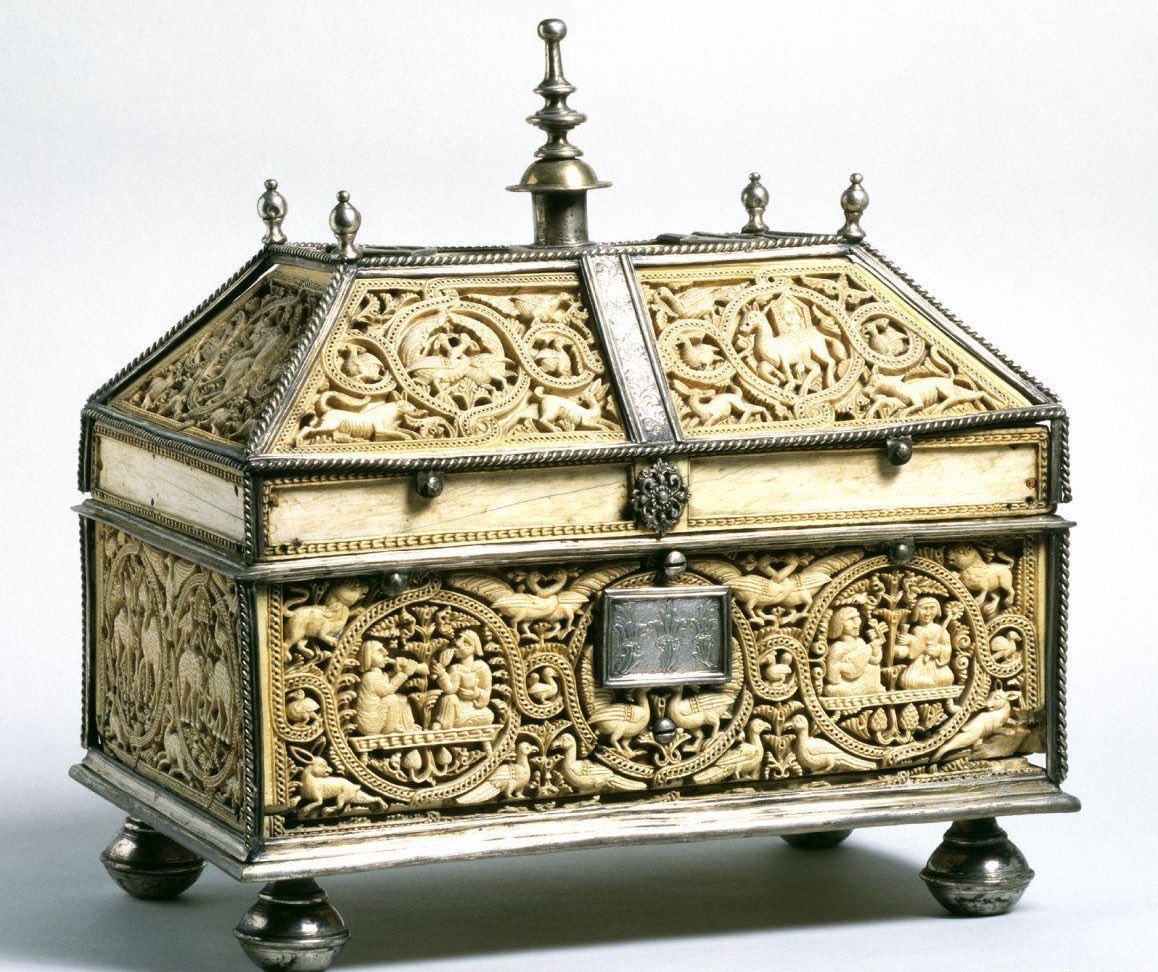
RT @NotaT240400: Umayyad casket AD 1000–1020 , Córdoba, al-Andalus.
Victoria and Albert Museum, London.
20
Block retweeted

Jun 15
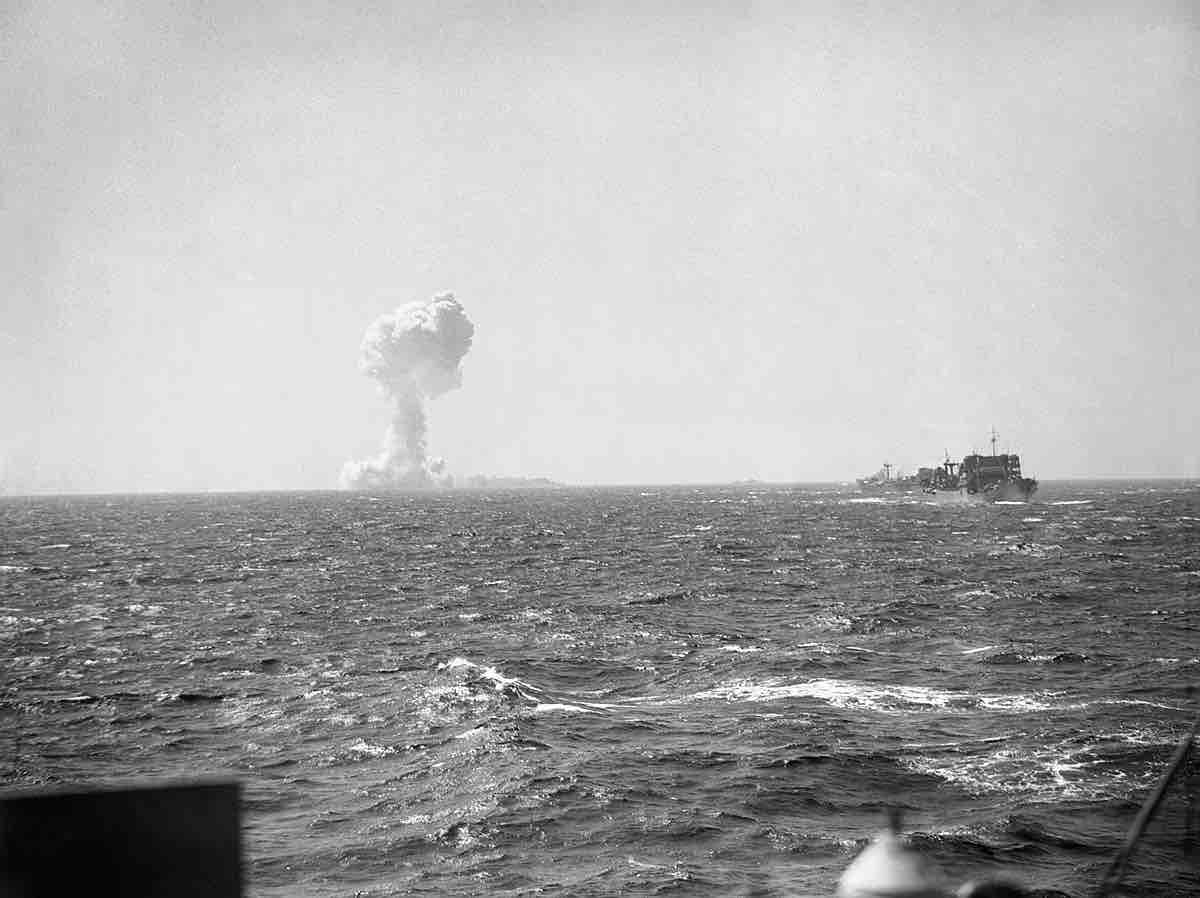
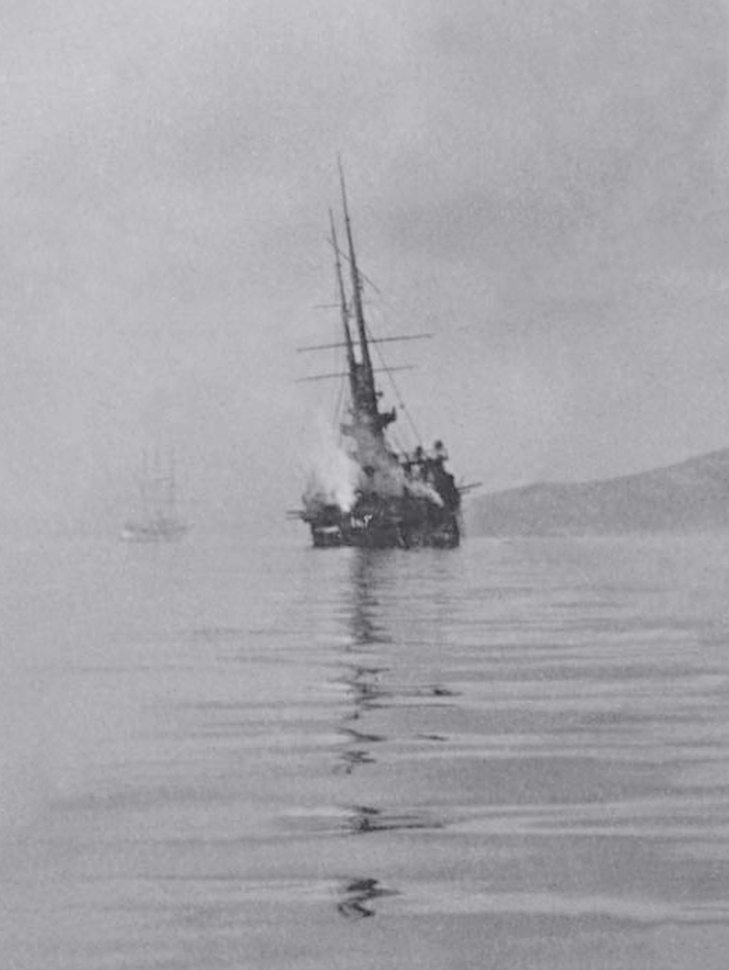
Date: February 09, 1904, 4:00 p.m. Location: 37°20′48″ N, 126°31′22″ E. Event: Protected cruiser Varyag of the Russian Navy's Pacific Squadron undergoes preparations for scuttling following the recent Battle of Chemulpo Bay. Fatalities: 43 (8% of her crew). Current status: Debris at 55°11′03″ N, 04°56′30″ W, depth of 15 m.
3
10
60
1,069
23h
900.000 regularizaciones de extranjeros en España y lo que queda. Muchos mas de los esperados, dicen. Sorpresa para nadie. Lo siento, muchos no van a tener unas condiciones laborales decentes en su vida. Si hay un trabajo será para él que lo haga por menos. Esi sí, lo venden bien
8
Block retweeted
Jun 14
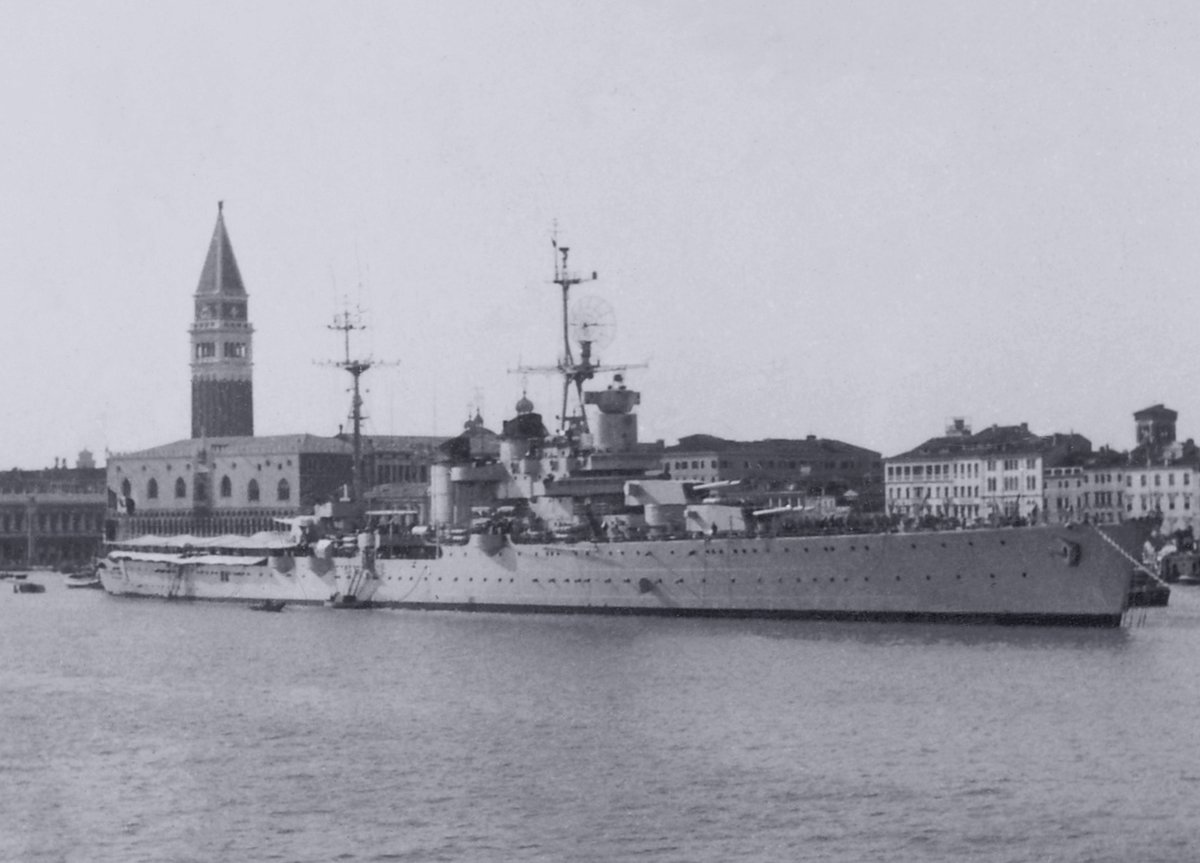
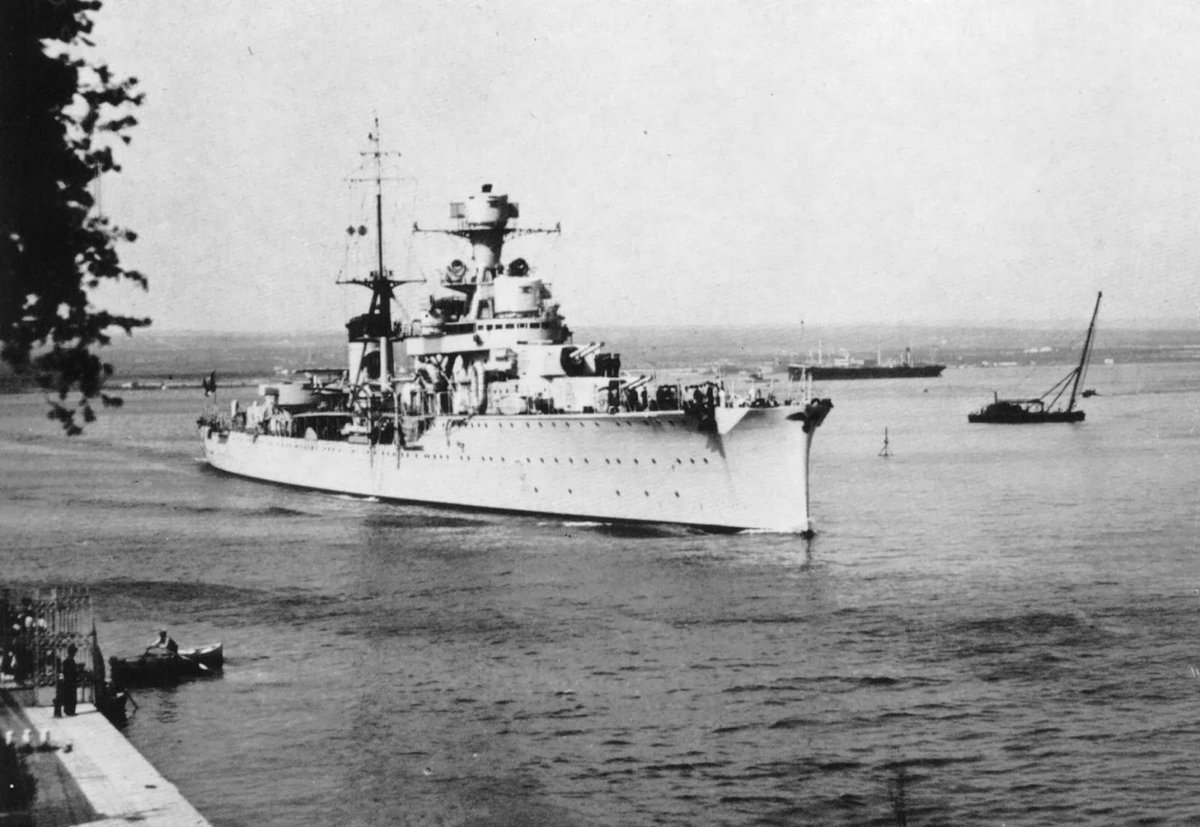
Date: Fall 1953. Location: 45°25'56" N, 12°20'40" E. Event: Light cruiser Luigi di Savoia Duca degli Abruzzi of the Italian Navy pays a visit to Venice upon completion of her 20 month-long overhaul at the La Spezia Arsenal. Current status: Scrapped in 1972-73, lifespan of 40 years.
10
72
1,125
Block retweeted

Jun 14
9
42
865
Block retweeted

Jun 14
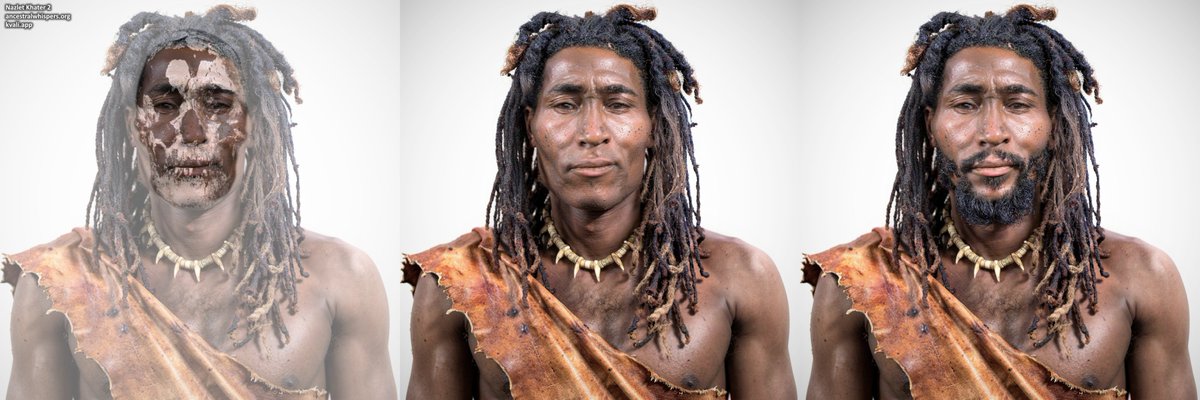
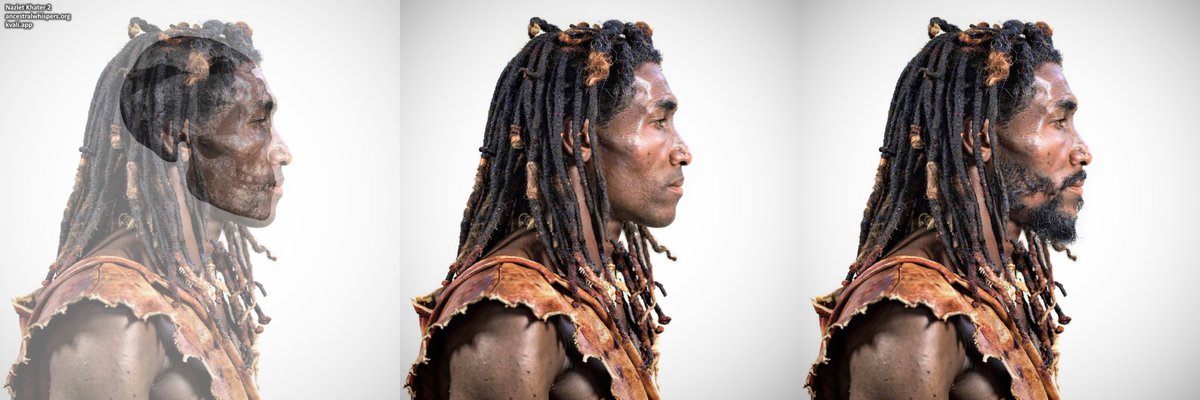
Facial Reconstruction of a 37,000-Year-Old Man from Egypt
In 1980, excavations of a hill near the village of Nazlet Khater in Upper Egypt uncovered two burials. The first skeleton was poorly preserved, but the second, located on the summit of the hill, survived almost intact - only the feet were missing.
The grave was shallow and had been eroded by Nile flooding, causing the skull to become exposed on the surface. The skeleton of an adult male was found lying on his back, accompanied by a large flint axe.
The Nazlet Khater 2 skeleton is one of the few complete human skeleton from the Early Upper Paleolithic of North Africa. The remains belonged to a man aged approximately 20-29 years who stood around 160 cm tall.
Not far from the hill was a flint quarry where prehistoric people extracted raw material. Evidence of intensive mining activity includes trenches, shafts, and narrow tunnels no more than 50 cm high, apparently dug around the same period as the burials.
The stone axe found in the Nazlet Khater 2 grave was probably used for quarrying, as identical tools have been discovered in the ancient mines. The skeletal pathologies are particularly revealing in this regard. Multiple injuries and degenerative changes in the spine and limbs indicate extremely heavy physical labor, typical of mining activities and the regular lifting of heavy loads.
Severe arthritis of the cervical vertebrae suggests that this man habitually carried heavy burdens on his head or with the aid of a forehead strap, as some traditional peoples do today. Damage to the arms indicates extensive use of percussion tools, especially with the right hand. He also had healed fractures of the hands. Evidently, he began performing strenuous labor in adolescence, while his bones were still developing.
Physically, Nazlet Khater 2 differs from other African and European Upper Paleolithic humans, although they share a number of archaic features. His primary morphological characteristics are clearly equatorial, resembling those of the Epipaleolithic inhabitants of Nubia as well as the South African remains from Springbok Flats and Kalomo, which were once considered very ancient (Pinhasi & Semal, 2000) but are now known to be much more recent.
The large cranial vault of Nazlet Khater 2 is typical of Upper Paleolithic humans. The expansion of the braincase in its lower portion is particularly archaic, as are the highly placed temporal lines, resulting in a very narrow minimum frontal breadth relative to the maximum frontal breadth (although the minimum breadth is average in absolute terms and the maximum breadth is large). This configuration likely reflects the powerful development of the chewing musculature, which is also evident in the structure of the mandible. The pronounced brow ridges and rather sloping forehead are likewise typical of Upper Paleolithic people.
The shape of the upper margin of the temporal squama - strongly convex in the front but flattened behind and lacking a parietal notch - may be regarded as primitive, though it could also be described as “Bushmanoid,” since it occurs among San populations and on the skull from Fish Hoek. The overall facial form of Nazlet Khater 2 is relatively low and especially broad across the cheekbones, with a well-developed canine fossa and maxillary notch, while the broad upper jaw exhibits noticeable alveolar prognathism.
Compared with many Upper Paleolithic and all ancient African skulls, Nazlet Khater 2 is distinguished by a moderately high face (despite its great breadth) and by very large, rounded, and relatively high eye orbits. Unusual for Africa is his mesorrhine nose - a nose of intermediate width - resulting from a not particularly wide nasal aperture combined with a very great nasal height. The nasal bones are equatorial: straight, nearly vertical, and rounded in cross-section.
The alveolar process of the upper jaw is flattened in the front and bends markedly at the level of the canines, a distinctly archaic trait. In terms of mandibular features, Nazlet Khater 2 is fully anatomically modern, although the jaw is exceptionally large and robust, as is typical of the earliest Homo sapiens. (Antropogenez, S.V. Drobyshevsky, 2010)
56
121
609
82,419
Block retweeted

Jun 15
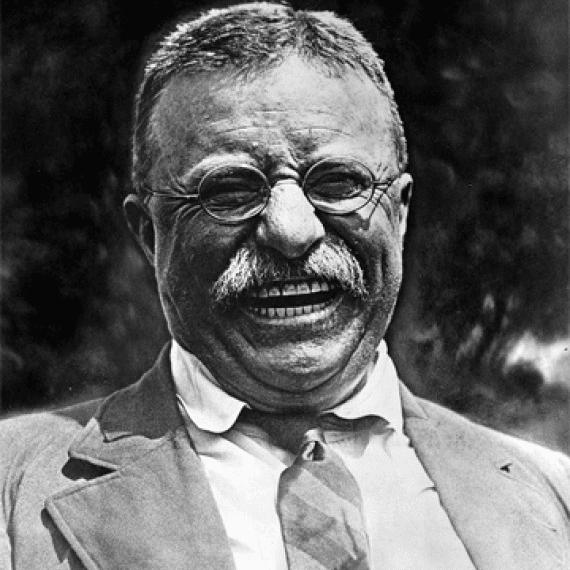
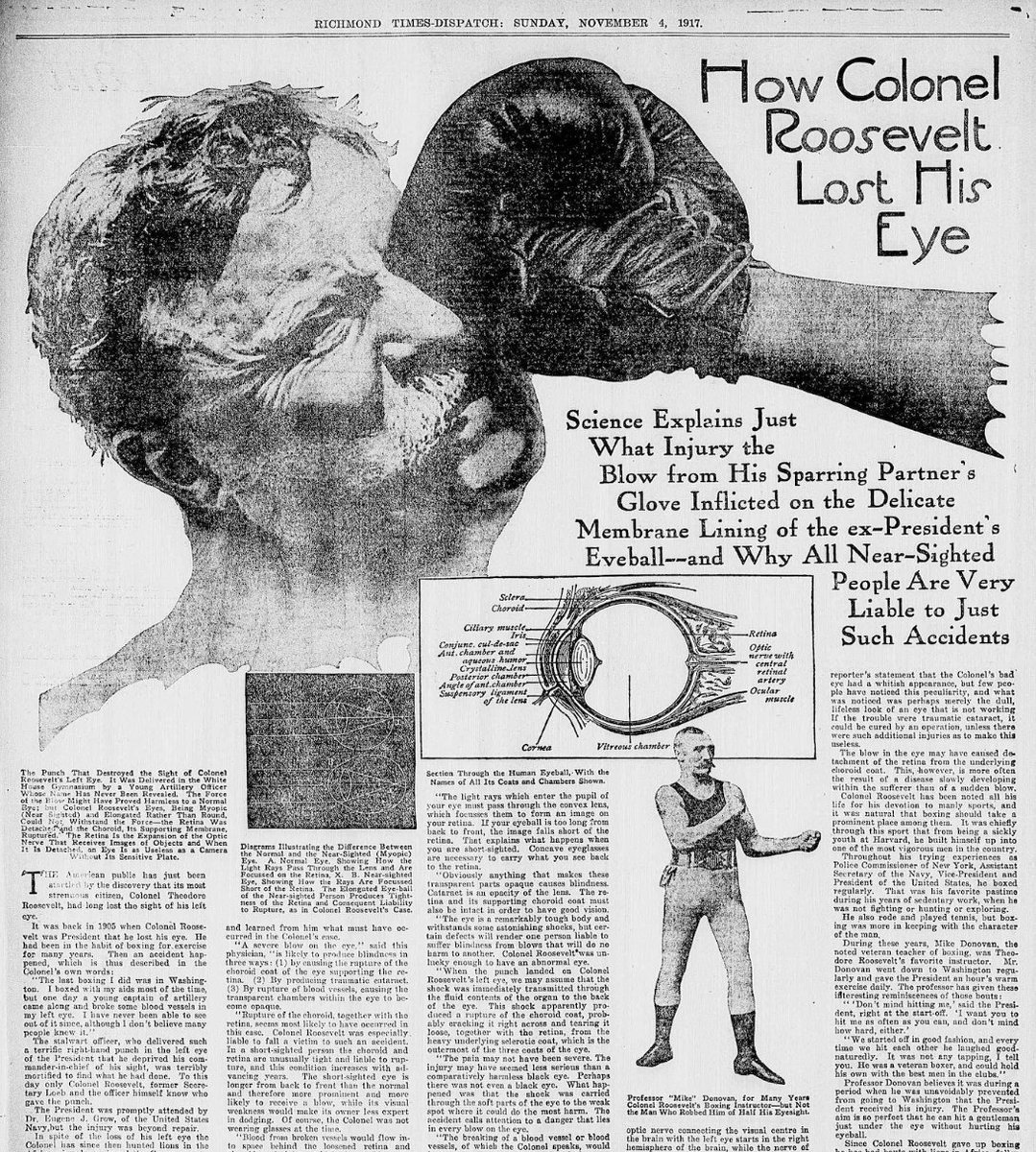
It's funny to watch leftists argue that hosting the UFC in front of the White House is un-American
President Teddy Roosevelt went blind in his left eye after hosting a personal boxing match at the White House in 1905
93
1,126
11,239
158,065
Block retweeted

Jun 15
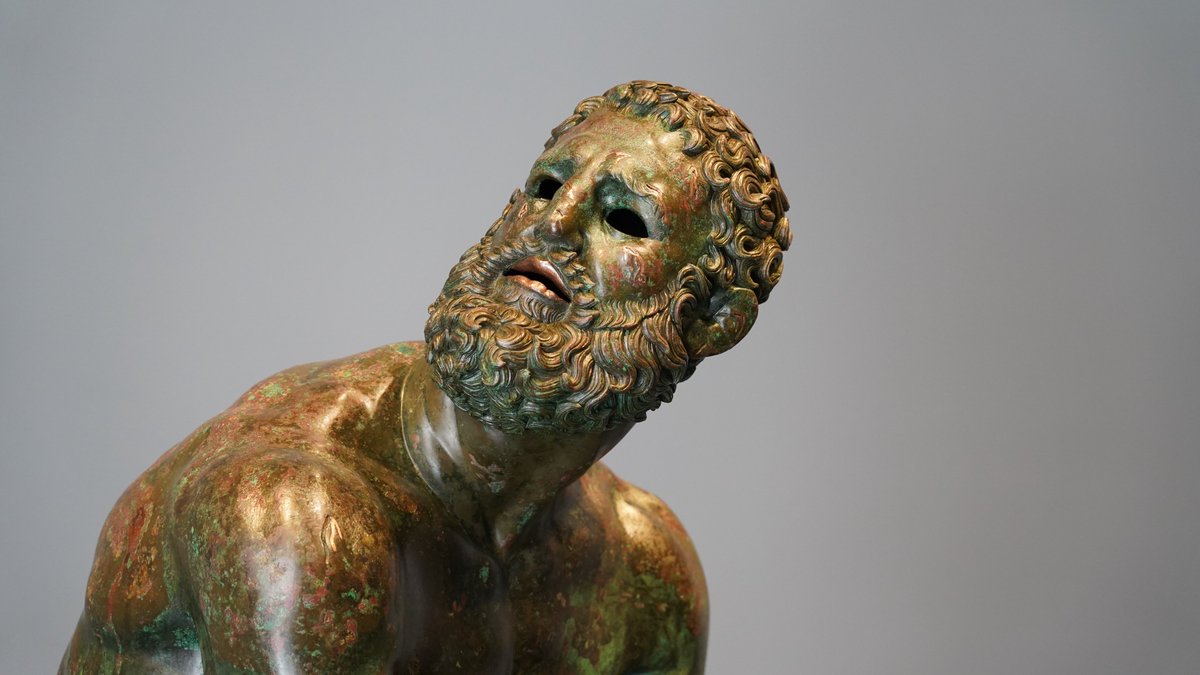
Bringing warriors from the provinces to the Imperial Capitol to fight in front of the emperor is very Roman
91
728
20,023
618,604

Block retweeted

Jun 15
This is the happiest I have ever seen Melania Trump
934
4,505
68,025
4,043,210