
Research outreach in restoration and weed management in dry places. Director of the Desert Lab on Tumamoc Hill.
Joined November 2014
- Tweets 10,890
- Following 2,797
- Followers 3,508
- Likes 11,934
780 Photos and videos
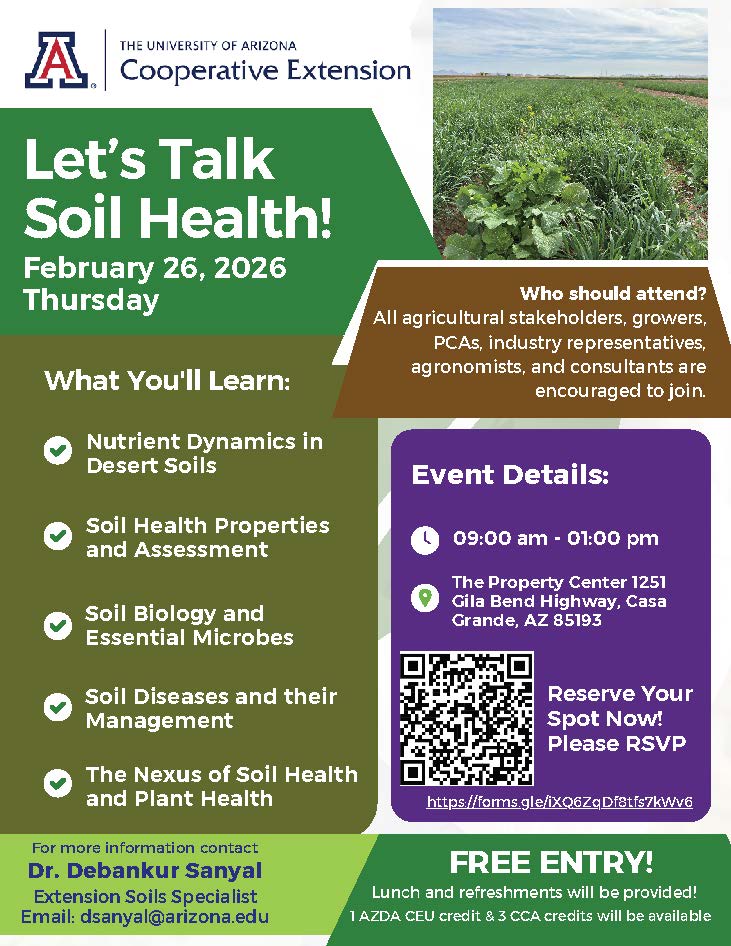
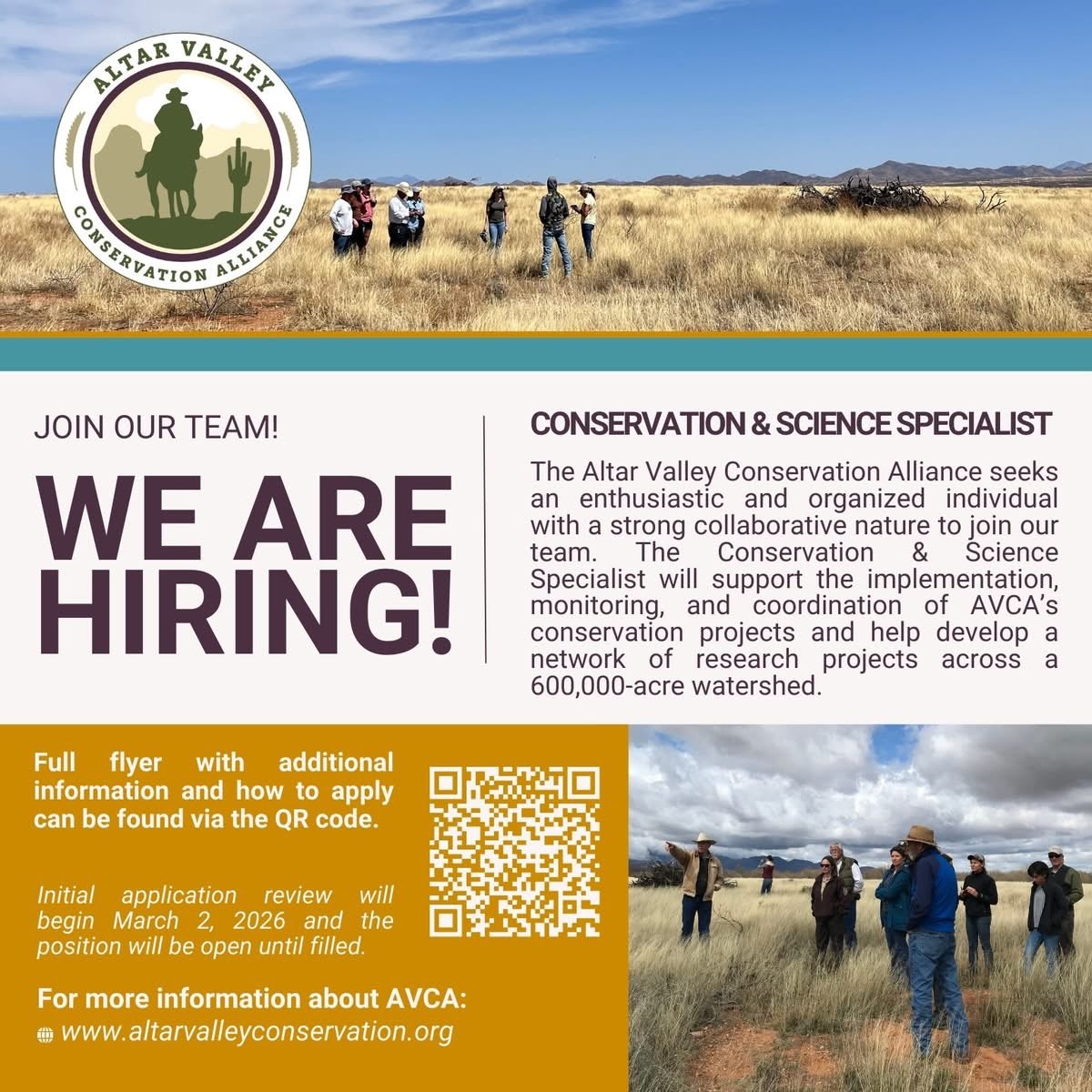

Dr. Elise Gornish retweeted

On Oregon’s McKenzie River, an unprecedented approach to river restoration is
taking shape.
buff.ly/vIjevwz
1
10
29
1,038
Dr. Elise Gornish retweeted

To protect Arizona's landscapes and communities, the board approved a Regents’ Grant focused on reducing wildfire risk in the Sonoran Desert.
In partnership with @azstateforestry,@ASU, @NAU and @UArizona researchers will develop and evaluate wildfire mitigation techniques.
The tri-university effort aims to close key data gaps and strengthen on-the-ground decision making for land managers and fire officials: ow.ly/gSp050ZaJCY
1
2
161
Dr. Elise Gornish retweeted

We're feelin' pretty frog-tastic about this! 😏 💦 🐸 A large habitat restoration project will provide new and improved wetlands for the federally-protected Chiricahua leopard frogs in the White Mountain Grasslands Wildlife Area in Arizona. Read more: bit.ly/4fqrWKP.
2
11
737

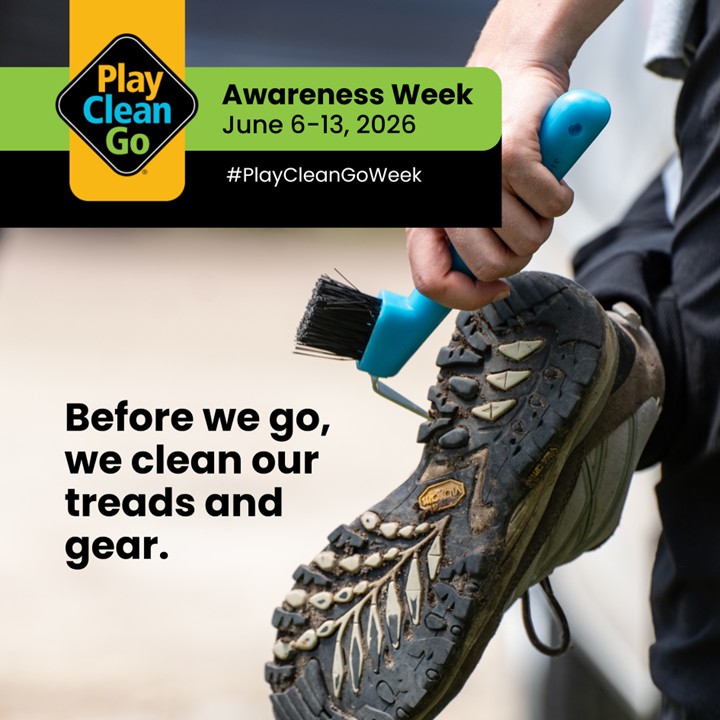
Hiking is a great way to explore nature, but invasive species can hitchhike on your boots, clothing, and gear. These simple actions help prevent the spread of invasive species.
🥾Clean your boots
🎒Check your gear
🌿Protect places you love
Learn more at playcleango.org/
1
49
Dr. Elise Gornish retweeted

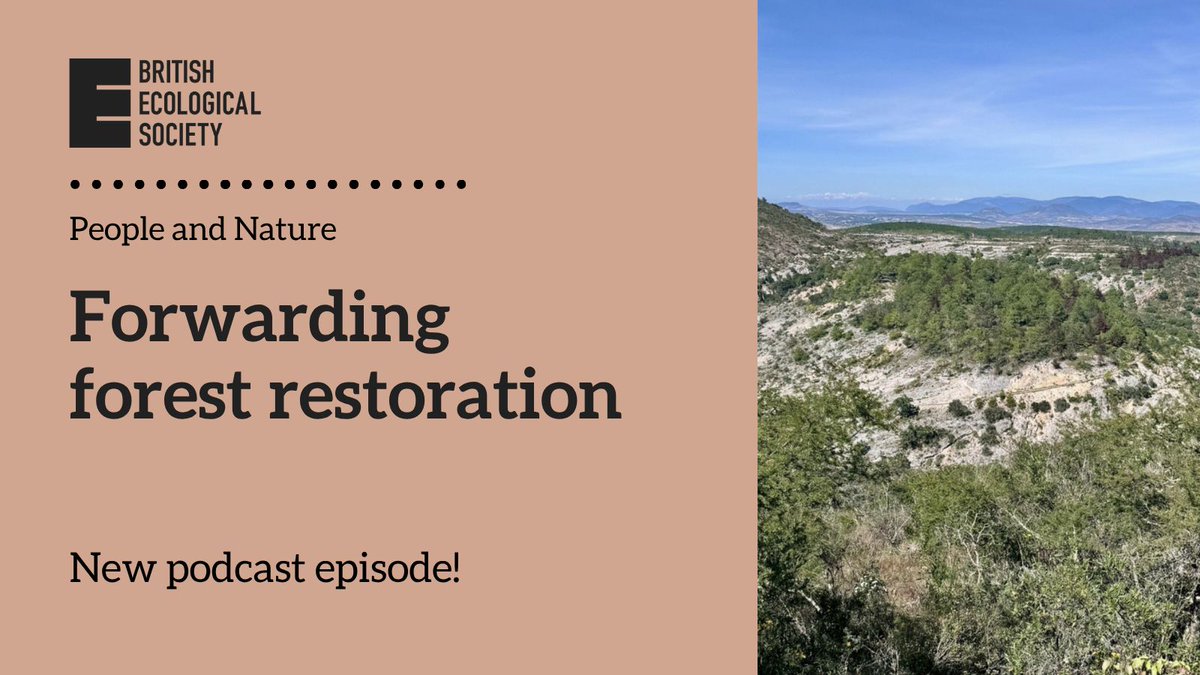
🚨 Brand new podcast out now!
🌲We discuss 7 key socio-ecological issues for advancing forest restoration in a world in flux with recent authors Mariana Hernandez-Montilla and Katie Devenish.
🎙️Soundcloud ➡️ buff.ly/vMx7xJo
🎙️Spotify ➡️ buff.ly/h2oQq1Y
4
10
681
Dr. Elise Gornish retweeted

May 28
Choosing the right seeds for revegetation projects can be a challenging decision for managers.
Comparing the weather conditions of a seed source to the planting site is a common guide for deciding which seeds to plant in the Southwest at a restoration site. However, a new study by the USGS Southwest Biological Science Center shows that climate is not the only factor that determines how well a plant survives.
Scientists tested several populations of three native southwestern plant species in an experimental garden to see how geographic distance from seed source, climate, and soil conditions affect survival. They found that moving seeds over long geographic distances led to lower survival for all three species. Additionally, each plant species responded uniquely to climate conditions, local soil texture, and soil pH of their new home.
Read the paper "Rethinking seed selection based on climate matching during restoration: Geography, soils and climate explain species-specific mortality" here: doi.org/10.1017/dry.2026.100…
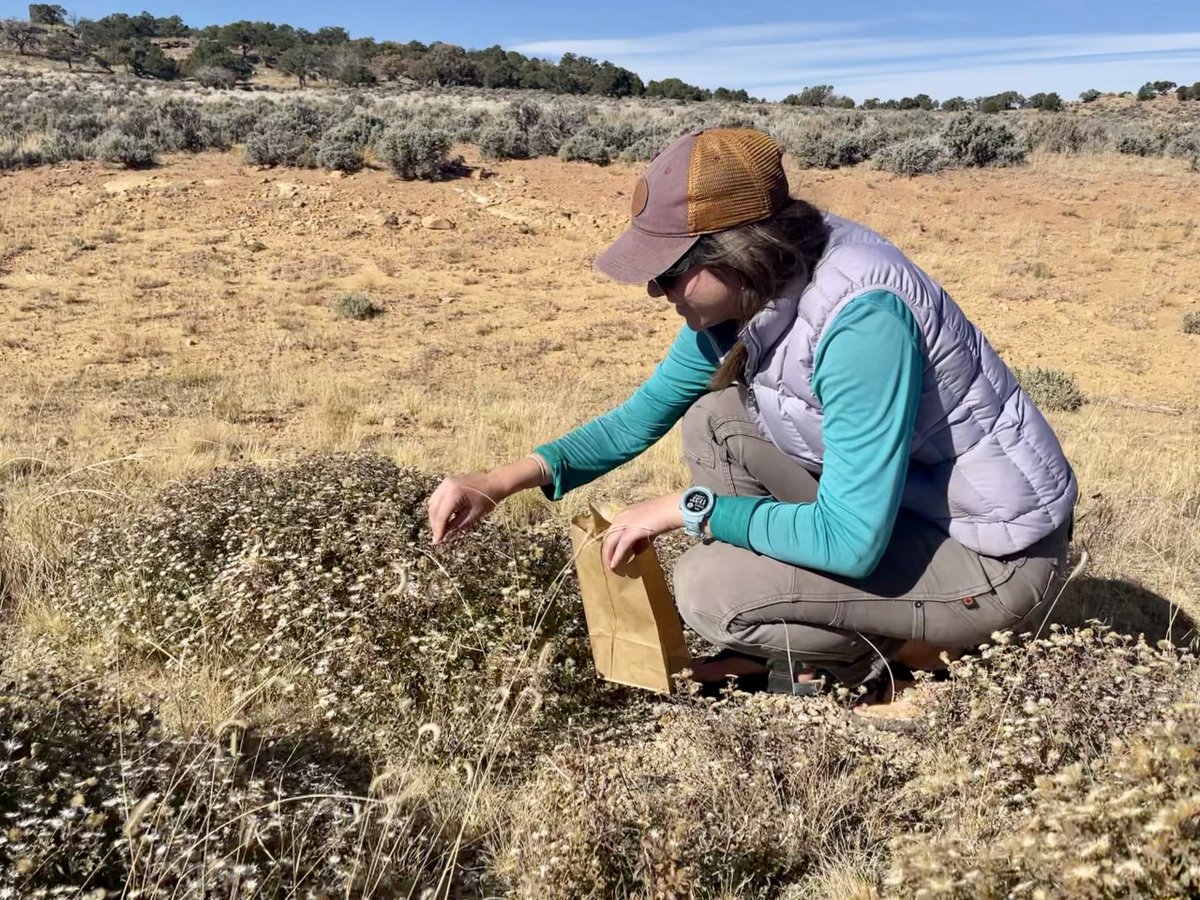
📸: SBSC technician Morgan Andrews collects native hairy false goldenaster (Heterotheca villosa) seeds for data and restoration research near Moab, UT in September 2021. Photo by Shannon Lencioni, SBSC, USGS.
1
3
144
Dr. Elise Gornish retweeted

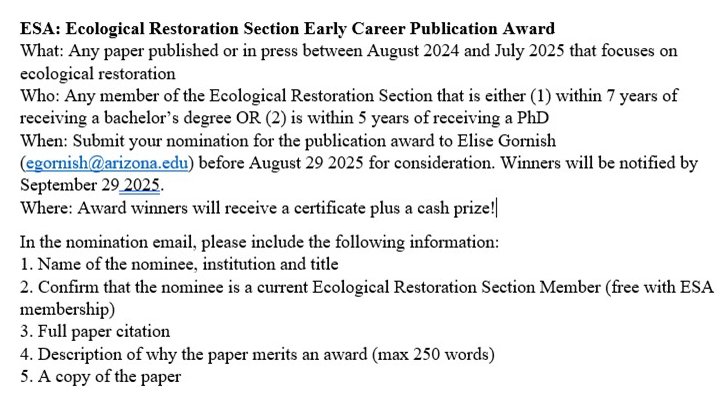
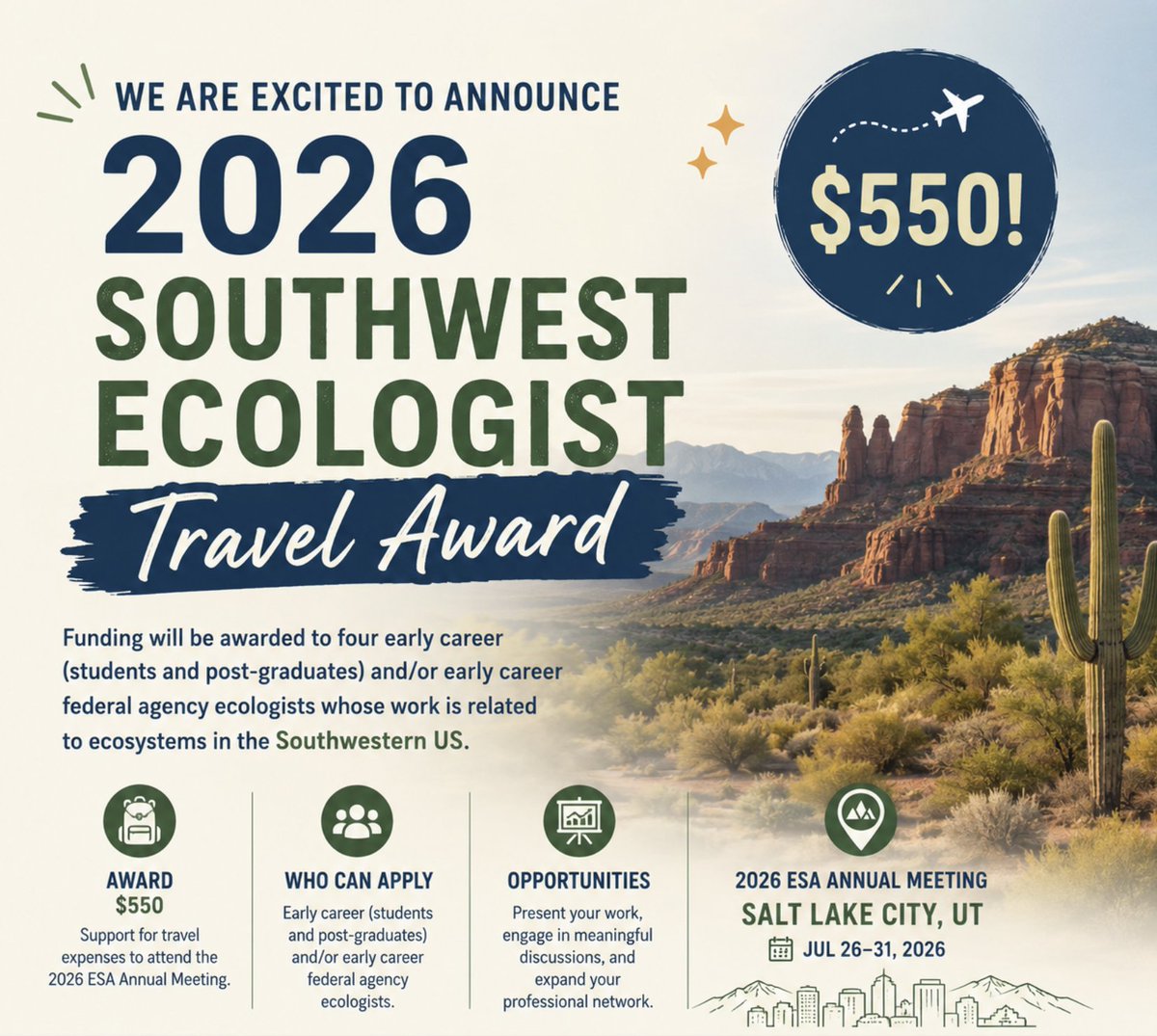
2026 Southwest Ecologist Travel Award is open! 🌵
We will award $550 each to 4 early-career ecologists presenting research related to ecosystems of the Southwestern US or northern Mexico at the 2026 ESA Annual Meeting
Apply by June 14, 2026: forms.gle/TjMaY6T7GQt6pw2r5
1
5
6
932

May 21
Turning the tide on invasives: A global meta‐analysis of native revegetation strategies for effective restoration: researchgate.net/publication…
2
4
129
Dr. Elise Gornish retweeted
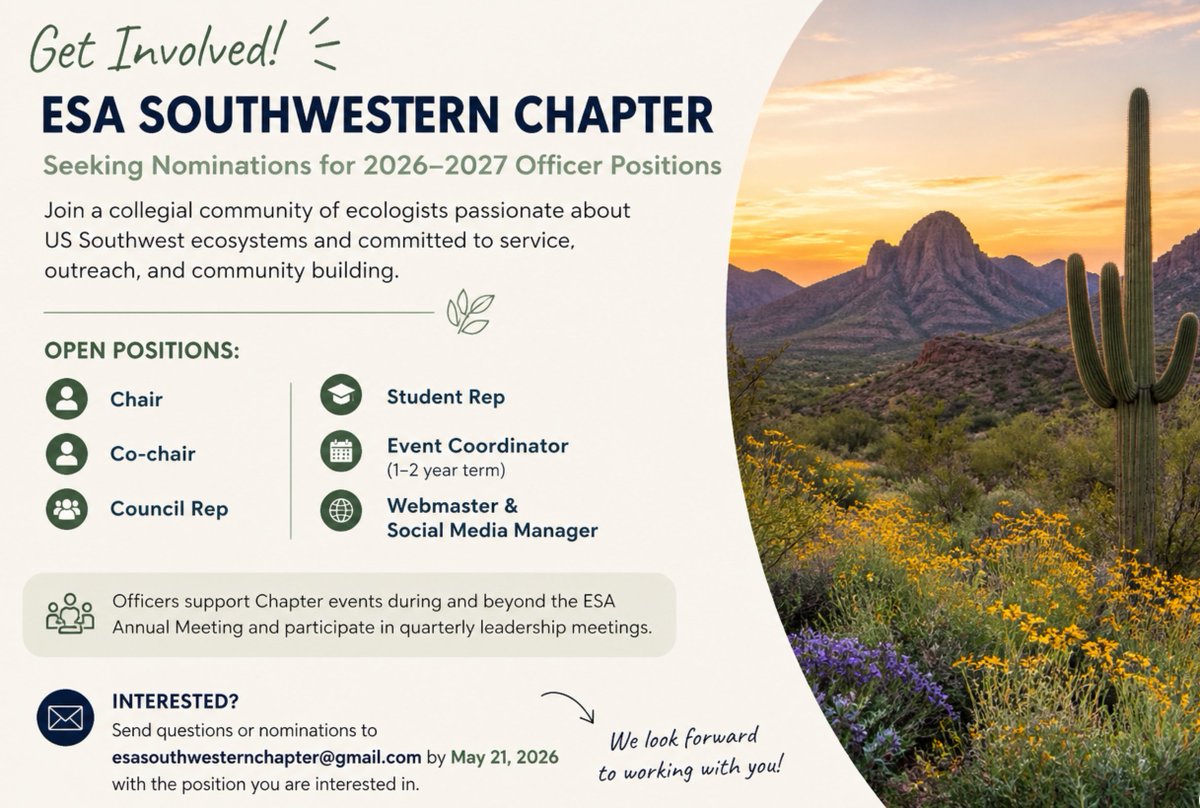
ESA Southwestern Chapter is seeking nominations for 2026-2027 positions!📢 No prior Chapter/Section experience needed - just an interest in Southwest ecosystems, academic service, outreach, and community building. Current officers are eligible for re-election.
4
3
667
May 15
RT @TabiJoda1: Planting this date palm reminded me that restoration is an act of belief.
Trees are survival, Food, Shade, Protection, In…
6
Dr. Elise Gornish retweeted

We are advertising a new postdoc in Socioecological Outcomes and Monitoring of Restoration in Dryland Ecosystems based at Penn State & supervised by the amazing @IdaDjenontin psu.wd1.myworkdayjobs.com/PS…
1
4
5
477
Dr. Elise Gornish retweeted

May 12
The USDA is hiring plant geneticists at 23 research sites across the country. Pay is up to $192k/year. Search closes June 11th. usajobs.gov/job/868877900
54
116
15,038
Dr. Elise Gornish retweeted

Hiring 3 postdocs in ecological resilience @OxfordBiology for my @ERC_Research CoG ResIntegrate project. Deadline May 29th. Details below. Please share @iite_info @BritishEcolSoc @evoldir @ESA_Theory @DragnetGlobal @ESA_org @EcoDynIZW @_AEET_ @EcolSocAus @Maestrelab @plantpopnet
2
28
54
4,693
Apr 29
Impacts of targeted grazing, controlled burning, and strip seeding on soil microbial communities: esajournals.onlinelibrary.wi…
1
1
7
980
Apr 27
1
73
Apr 10
#JOBALERT Field Coordinator in Tucson AZ to organize, plan, execute and monitor restoration activities in southern AZ. 45-52k taprootcollaborative.org/emp…
2
133
Apr 10
#JOBALERT Conservation Director, Full Time
Native Seeds/SEARCH to lead efforts to conserve and steward arid-adapted crop diversity, with a focus on supporting Indigenous growers and communities.
$70,000-$85,000/year nativeseeds.org/pages/career…
1
2
161