
We love kitschy vintage & all things jewelry. Follow us on X for fabulous retro and antique jewelry. #Vintage #Jewelry #Designer #VintageJewelry #Antiques
Joined September 2016
- Tweets 152,259
- Following 8,081
- Followers 11,492
- Likes 3,758
8,328 Photos and videos




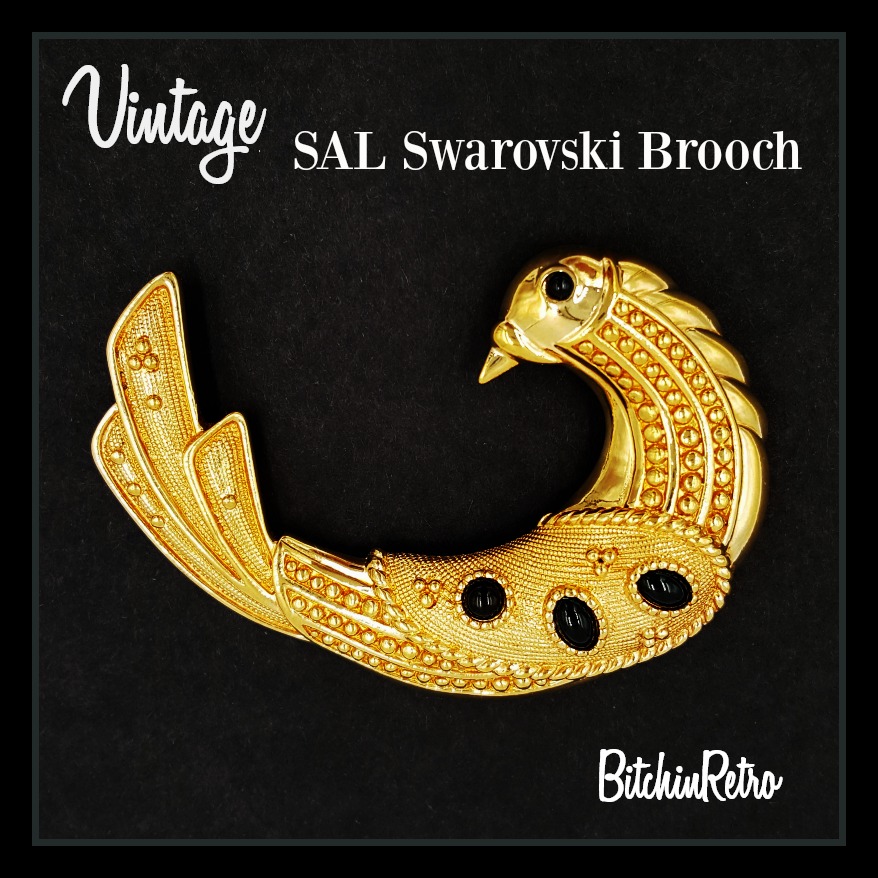
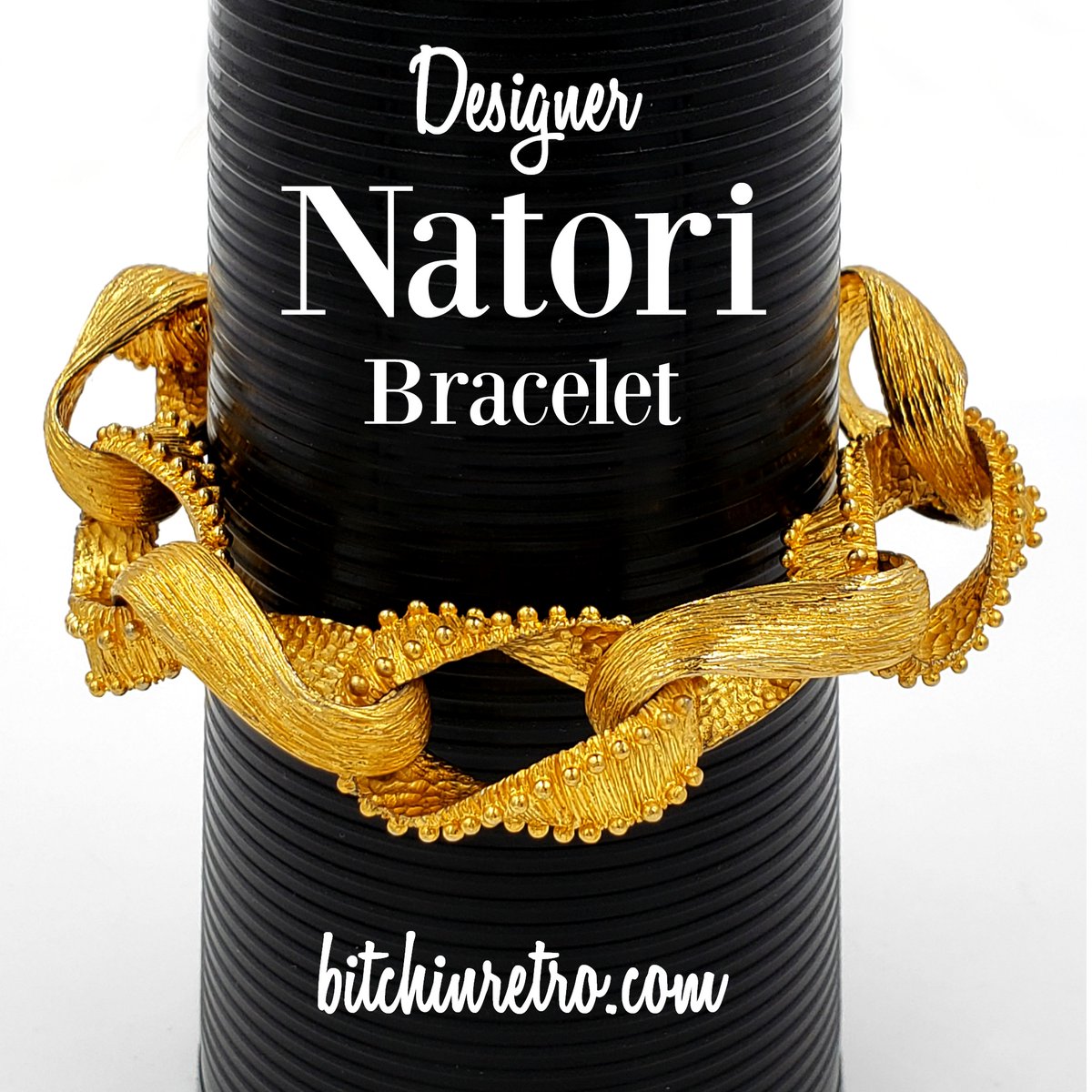


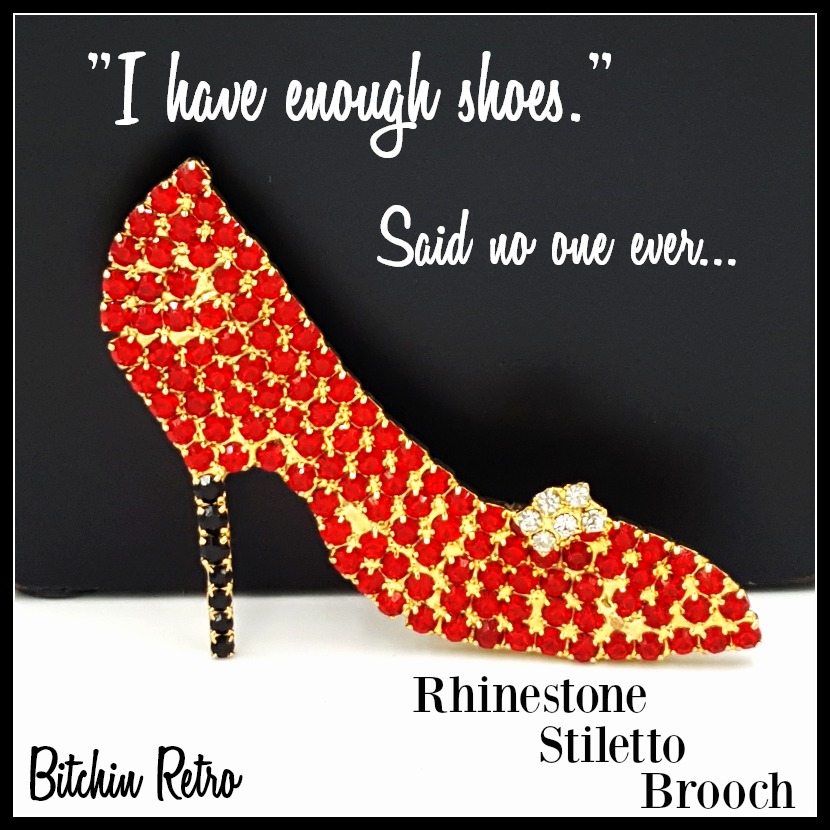






Jun 11
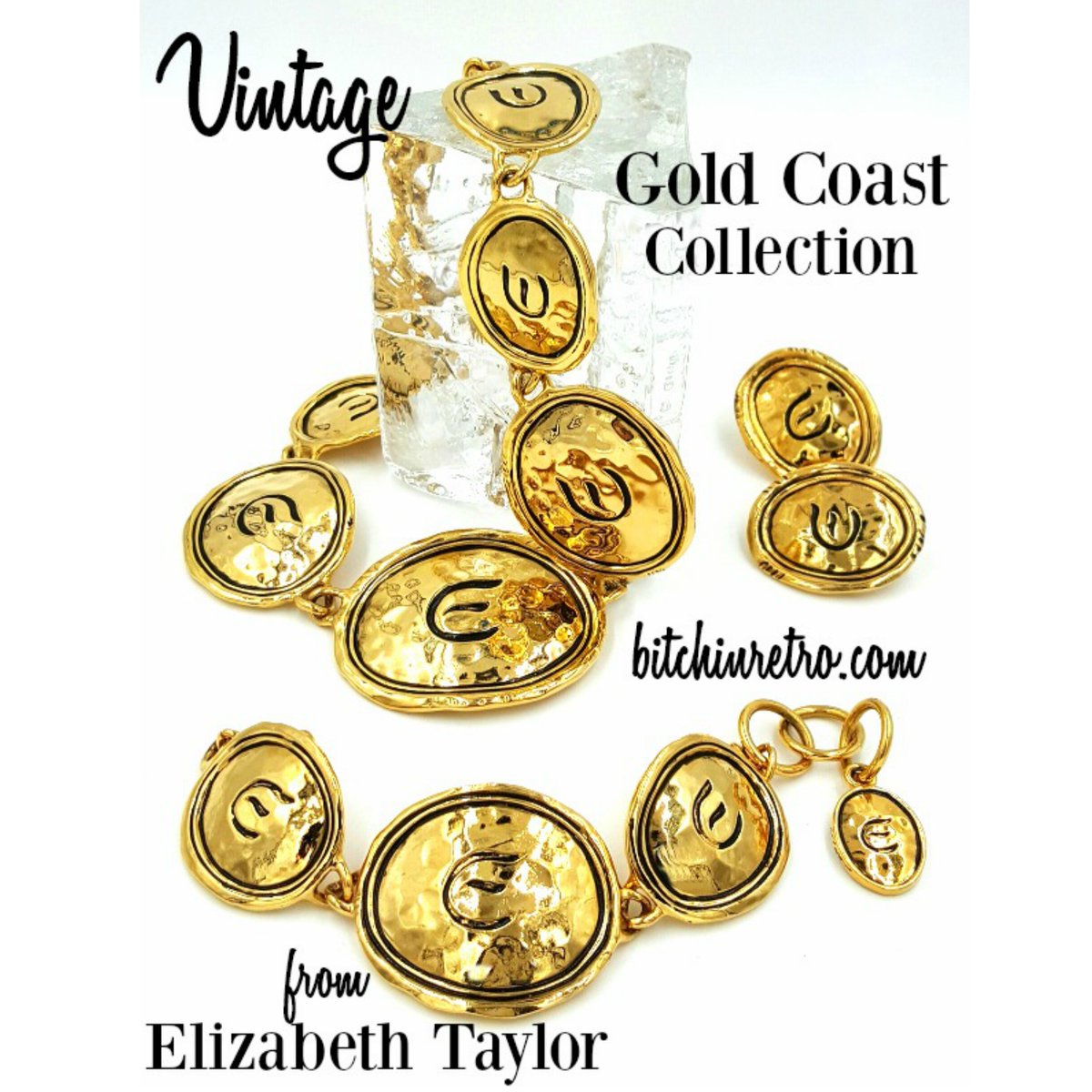
Like a breath of Springtime air -- this #vintage art glass bead necklace & earring set makes us dream of fragrant #hyacinths. Pretty mix of #pastel beads and a lovely #beaded drop with matching "cute as a button" earrings.
#vintagegift #vintagestyle #wow
bitchinretro.com/products/vi…
93
77
467

Bitchin Retro retweeted

Jun 11
"Cavalier King Charles at the Grocery store"
🐶🛒
Get my art printed on awesome products. Support me at Redbubble #RBandME: redbubble.com/i/t-shirt/Cava… #findyourthing #redbubble
#cavalierkingcharles
#cavalierdog
#cutedogs
#doglovers
#cavalierlove

29
26
133
Bitchin Retro retweeted

13 Feb 2024
Vietnam Travel Price - System of travel programs with the best final prices, you can always see the final price without having to wait for a response from local travel experts.
How to book tour a real-time quote? step by step detail : vietnamtravelprice.com/en/ho…

196
906
415
20,416
Bitchin Retro retweeted

Jun 11
ebay.co.uk/itm/154491524310?…
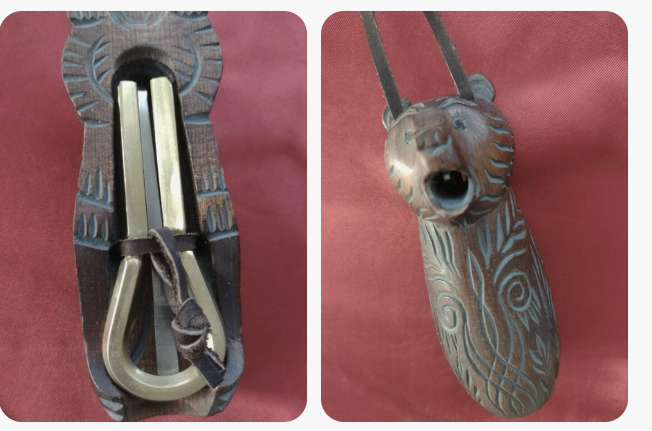
Jaw HARP Kamuz Mouth Harp Musical instrument BEAR Case Great Gift Free UK Postage
#MHHSBD #ebayfinds #harp #jawharp #kamuz #bearmarket #music #instruments #fun #musicteacher #tactile #birthdaygift #teacher #musicschool #tactile #musician #daddy
10
5
50
Bitchin Retro retweeted

Small town romances to read on Kindle Unlimited (clean/closed door): books.bookfunnel.com/kucozys…

Add a new adult faith-inspired romance to your summer TBR. amazon.com/dp/B09VMN46FW/

241
202
1,894
Bitchin Retro retweeted

Hobart Town 1878
An unmarried mother.
The man of her dreams.
A convict heritage.
A society that never truly forgets.
Based on fact – a gritty and intensely moving story of the enduring strength of the human spirit.
books2read.com/ColdBlowstheW…
#HistFic #WomensFiction #Australia

129
95
1,382
Bitchin Retro retweeted

#Teachersof𝕏 #DrivingToSurvive #ParentingWin
BEST BOOK ON DRIVER TRAINING I'VE EVER READ - Roger Seccombe
retired President * Driving & Riding Professional Instructors Association
Government Testimonials plus My Qualifications and More in Pinned Post
Bookmark this Post for later? from Amazon & Google Global Books Soon


47
40
250
Bitchin Retro retweeted

Jun 10
Delta Snake Review #kindle #musicreview #booktok #humor #art youtube.com/shorts/AKv3cNYsS… via @YouTube
51
34
352
Bitchin Retro retweeted

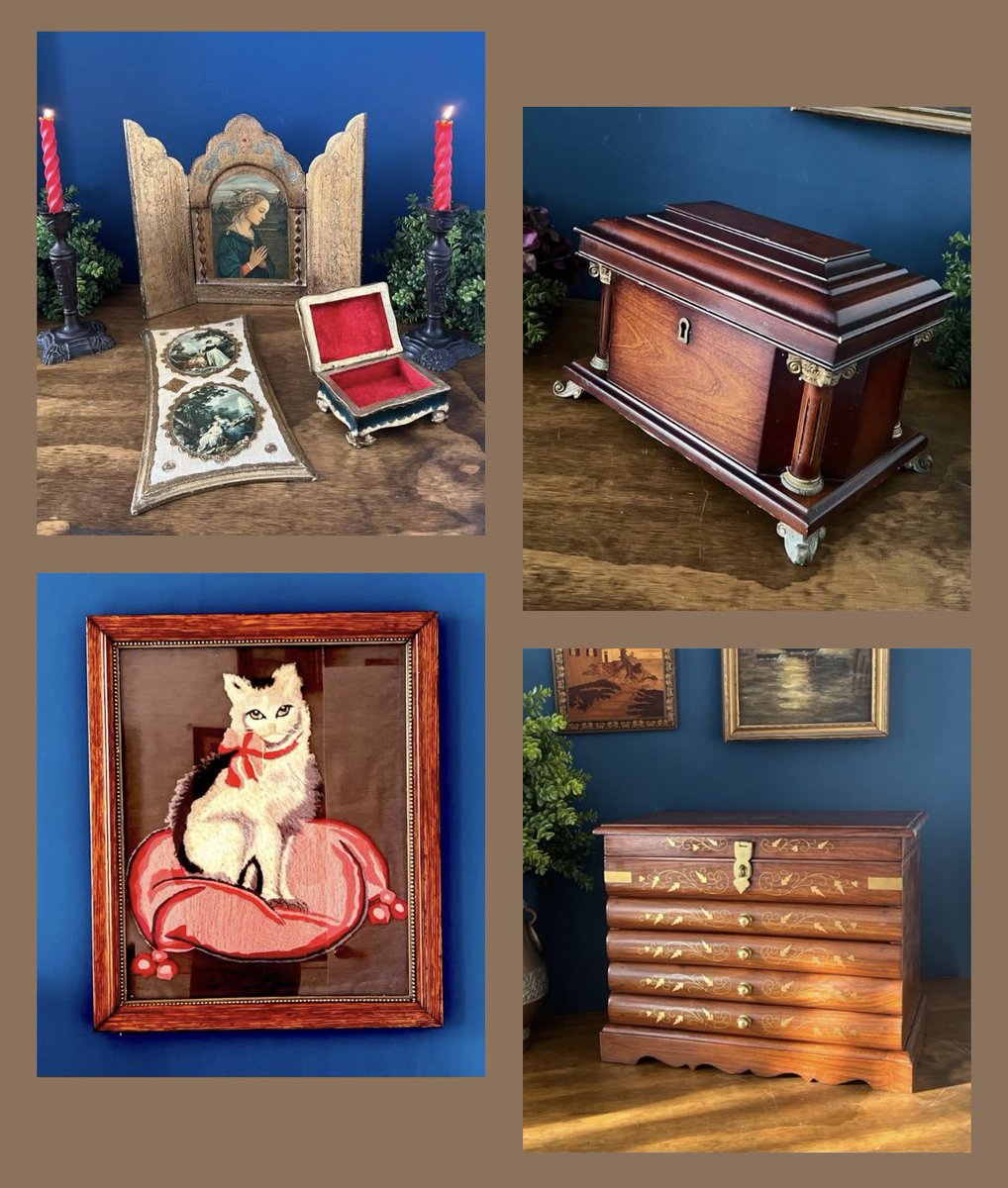
✨🛍️ etsy.com/shop/ThePhenomenalO… 🛍️✨ ✨ 30% OFF FREE SHIPPING ✨ ✨ Curated Antique & Vintage Décor ✨ Step into a refined collection of handpicked antique and vintage treasures—each piece selected for its craftsmanship, character, and timeless elegance.
3
164
77
1,165


Bitchin Retro retweeted

Coffee Confidence Pearls Mug Wrap PNG, Glam Boss Lady 11oz 15oz Sublimation, Girly Coffee Cup Design, Motivational Coffee Mug, Digital File etsy.me/3SpJ3CU #phrasesaying #bossladymugwrap #affirmationmug #mugfullwrap #11ozmugwrap #bossgirlmug #coffeemugwrap #glammugwrap
18
19
157


Bitchin Retro retweeted

Cocker Spaniel in Bathrobe, Funny Bathroom Art, Bathroom Art Print, Funny Bathroom Sign, Funny Bathroom Animal Print, Restroom Wall Art
bjdesignsx.etsy.com/uk/listi…
#funnywallart
#doglovers
#Doglover
#homedecor
#cockerspaniel



12
8
86

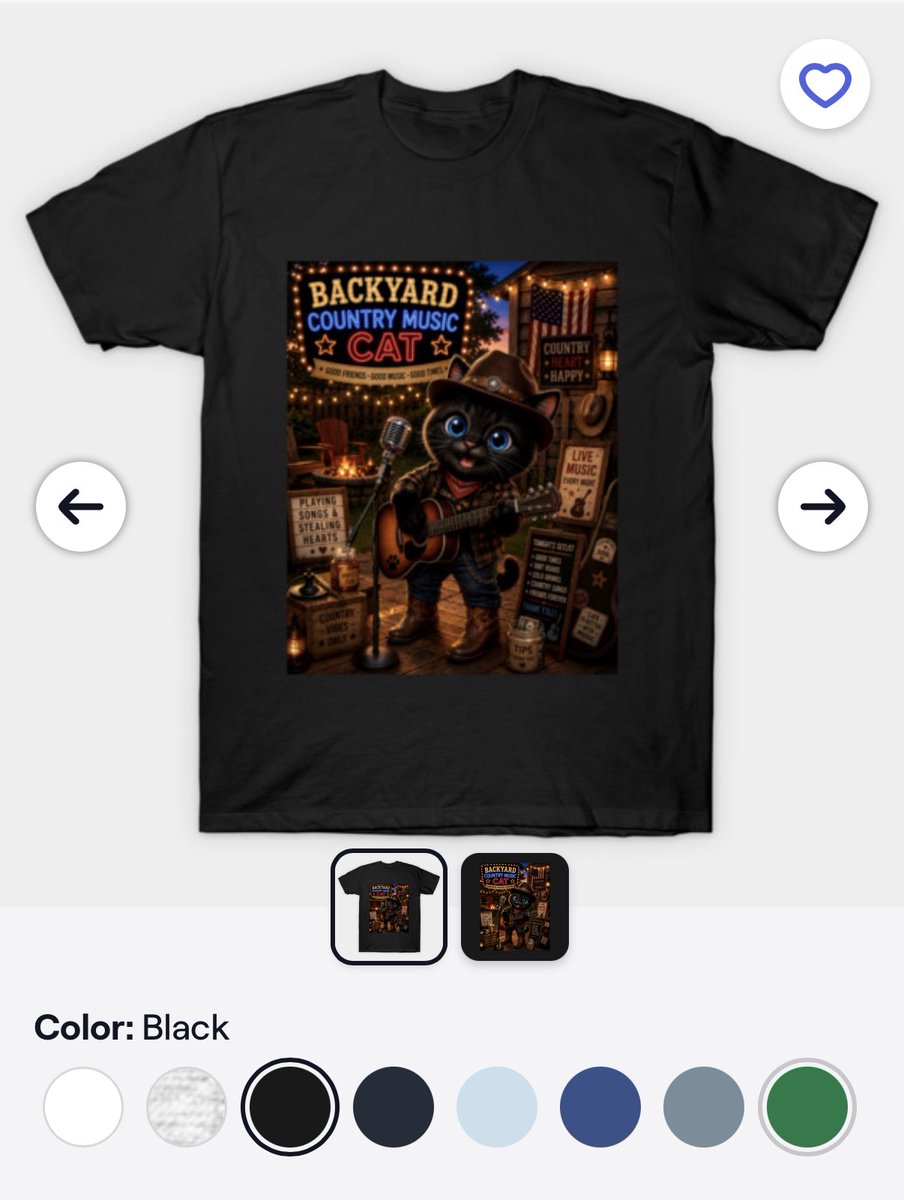
🎸😺🤠🌴🇺🇸😻 Backyard Country Music Cat | T-Shirt
First concert:
✔️ 4 squirrels
✔️ 2 birds
✔️ 1 confused rabbit
The road to stardom has officially begun.
👉 teepublic.com/t-shirt/937430…
#CountryMusicCat #CatHumor #CountryMusic #BackyardLife #CatTShirt #MusicLove #USA #MeowStory
23
55
295
Bitchin Retro retweeted

Jun 10
Check out #Vintage #Finland #Arabia Decorative #porcelain #wall #plate Japan motif ebay.io/m/qma0QI #eBay via @eBay
28
23
130
Bitchin Retro retweeted

Jun 11
💙✨ Bring the timeless beauty of Mediterranean artistry into your everyday life.
Inspired by classic Portuguese Azulejo tiles, this elegant blue-and-gold floral pattern blends heritage craftsmanship with modern style. From phone cases and tote bags to home décor and apparel.
Find Your Mojo. One beautiful detail at a time. 🇵🇹✨ --> redbubble.com/shop/ap/163752… #Azulejo #PortugueseTiles #MediterraneanStyle #BlueAndGold #Redbubble #RedbubbleArtist #PatternDesign #SurfacePatternDesign #HomeDecorIdeas #ToteBagDesign #PhoneCaseArt #FloralPattern #EuropeanAesthetic #FindYourMojo #Fashion #OOTD


90
125
655
Bitchin Retro retweeted

Sunset on the Gneiss. There is a rugged resilience to the white pines of the 30,000 Islands that I never get tired of capturing.
Sunset on The Gneiss - A Parry Sound Sentinel shonnahawkinsphotography.com…
#CanadianShield #LandscapePhotography #Ontario #BuyIntoArt

13
11
78
Bitchin Retro retweeted

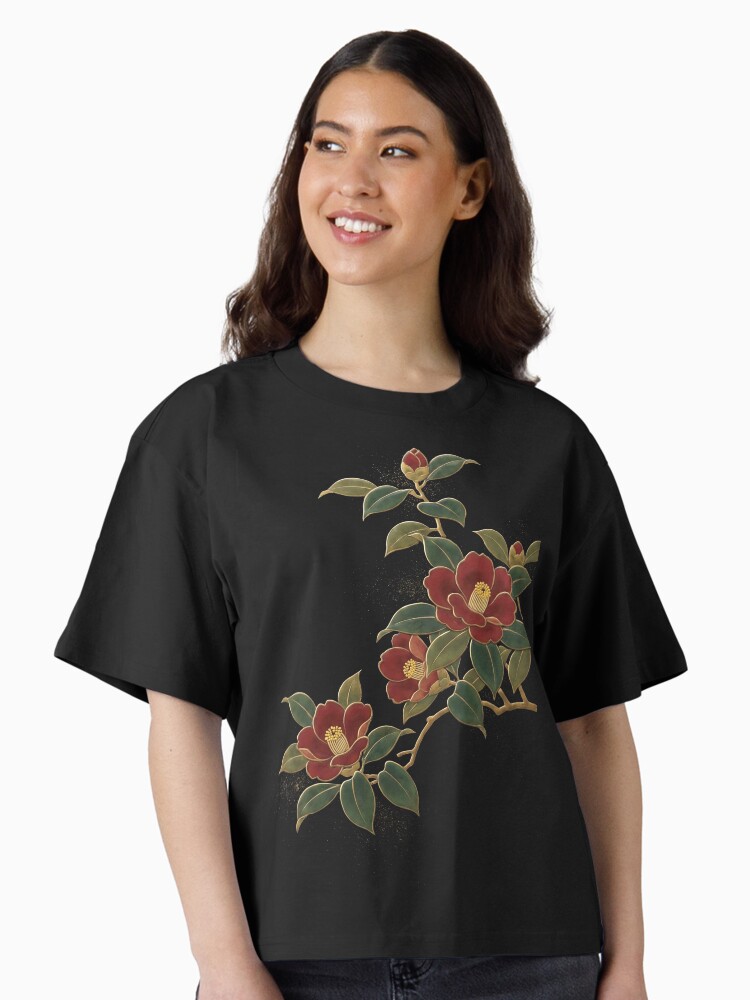
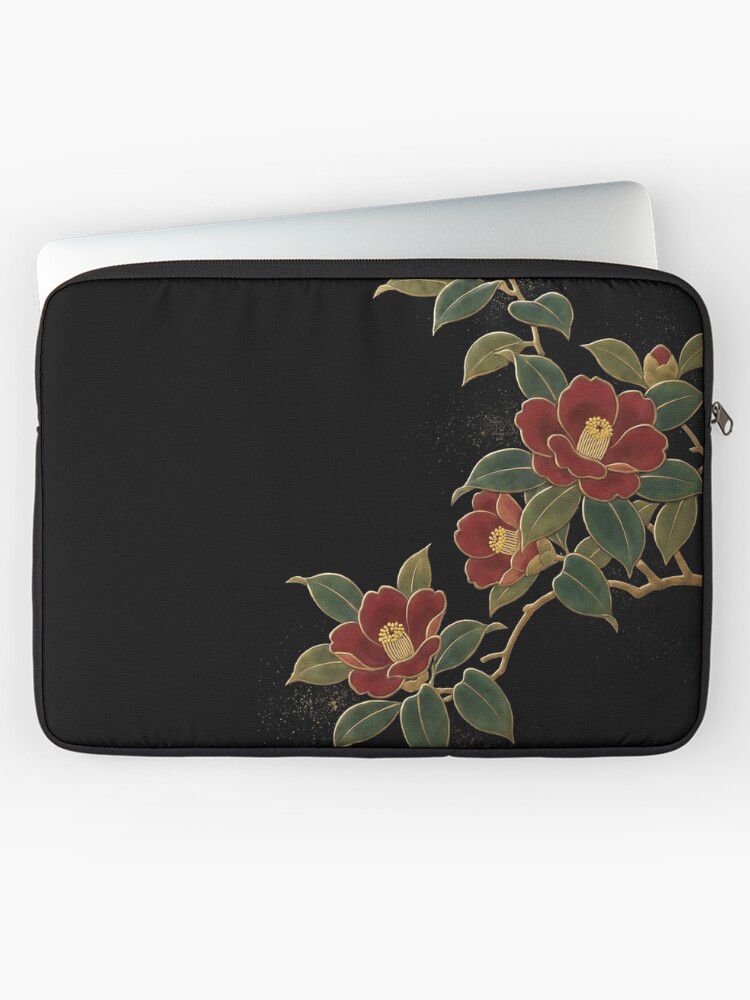
Traditional Japanese lacquerware artisans spent years harvesting toxic tree sap that caused severe, blistering rashes just to achieve a perfect, glass-like finish. They willingly endured agonizing chemical burns for decades because ordinary paint simply lacks spiritual discipline. The tsubaki camellia is the ultimate symbol of this stubbornness, famously blooming in the dead of winter while everything else wisely dies. What is something completely inconvenient that you still insist on doing the old-fashioned way? redbubble.com/shop/ap/181087…
The camellia does not wither gracefully. When its time comes, the entire heavy flower head drops intact, snapping off at the stem with a sudden, violent thud that reminded samurai uncomfortable with mortality of their own precarious necks. It is a flower with an attitude problem. This Eternal Winter Bloom design mimics the maki-e lacquer technique, where gold powder is meticulously scattered onto wet, poisonous sap. It is a beautiful paradox—using the essence of a lethal plant to preserve an image of life against a background of absolute, glossy darkness. Modern fast fashion prefers everything to look cheerful and disposable. It is much more satisfying to wear something that looks like it belongs in the heavily guarded treasury of a paranoid Edo-period lord who suspects his tea has been laced with arsenic.

25
30
151
Bitchin Retro retweeted

Timelight ✨
A groundbreaking device lets scientist Neil Grayson view the past — until hidden secrets change everything.
Thought-provoking sci-fi with mystery and twists!
👉 amzn.eu/d/0gz8nyI6
#Timelight #SciFi #TimeTravel

2
101
82
880