
All the latest news and announcements from the PR Team at Reuters.
Joined September 2010
- Tweets 13,636
- Following 2,749
- Followers 14,977
- Likes 462
3,185 Photos and videos
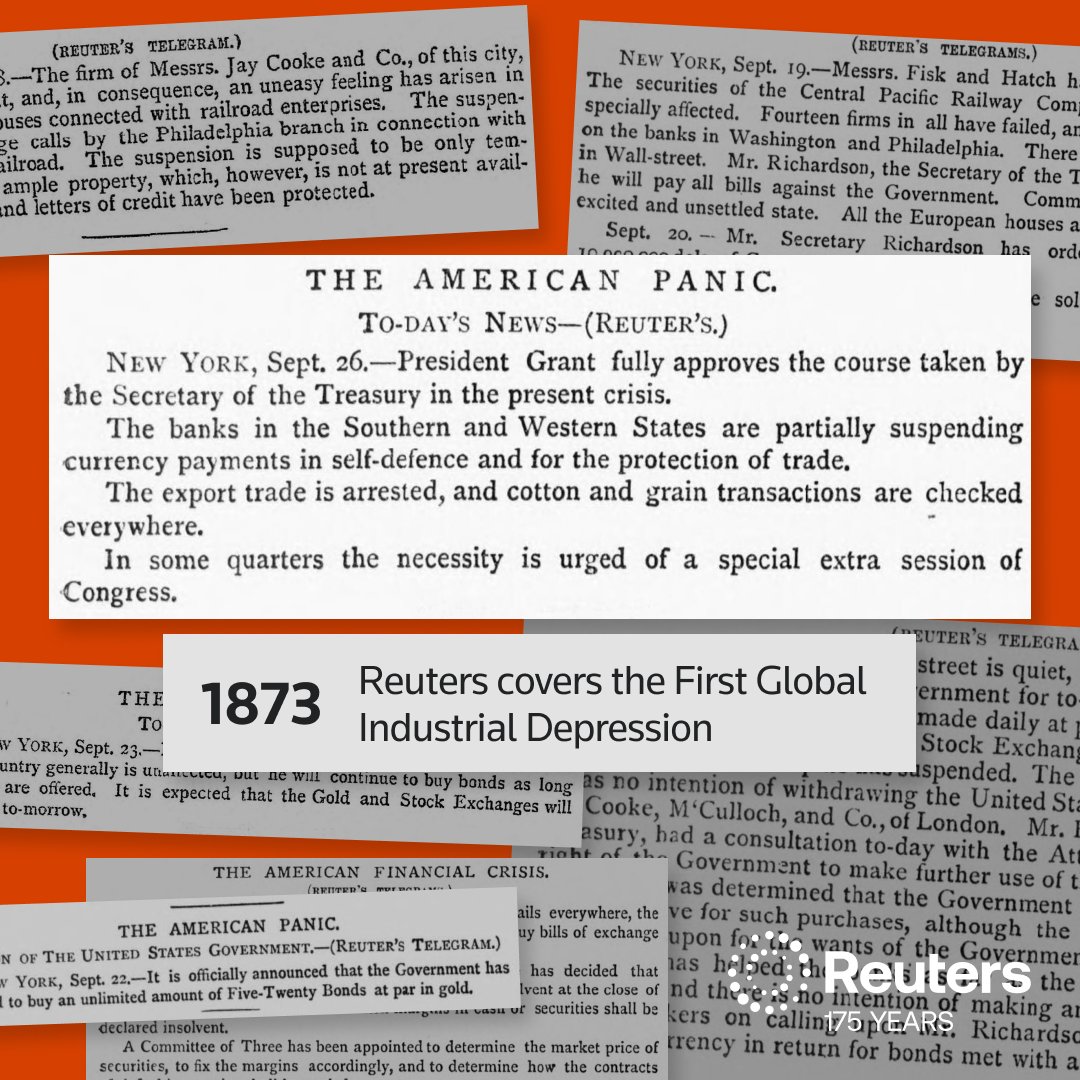
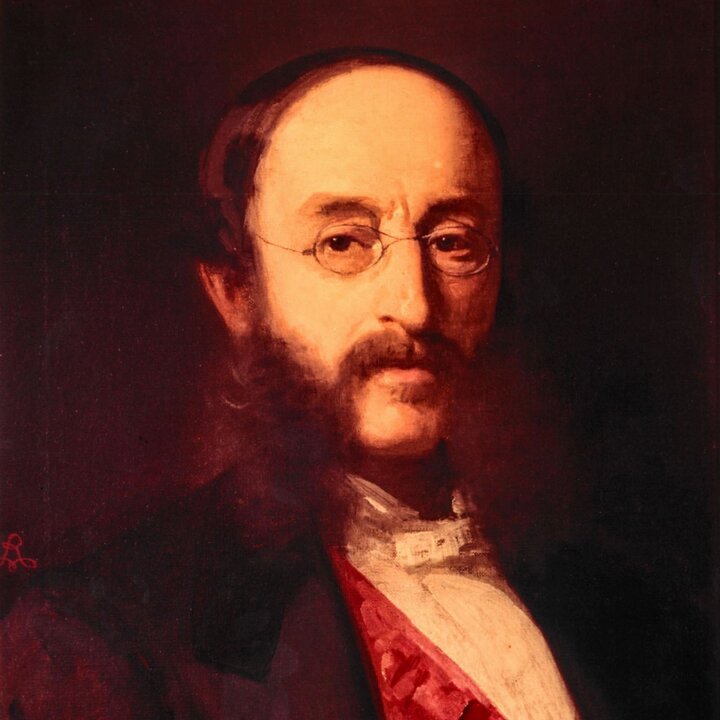
Reuters175 | 1873: As the Panic of 1873 unfolded, Reuters delivered near hour‑by‑hour intelligence on bank failures, market panic and government intervention, vital information for navigating the first global financial crisis.
#Reuters175
72

Jun 12
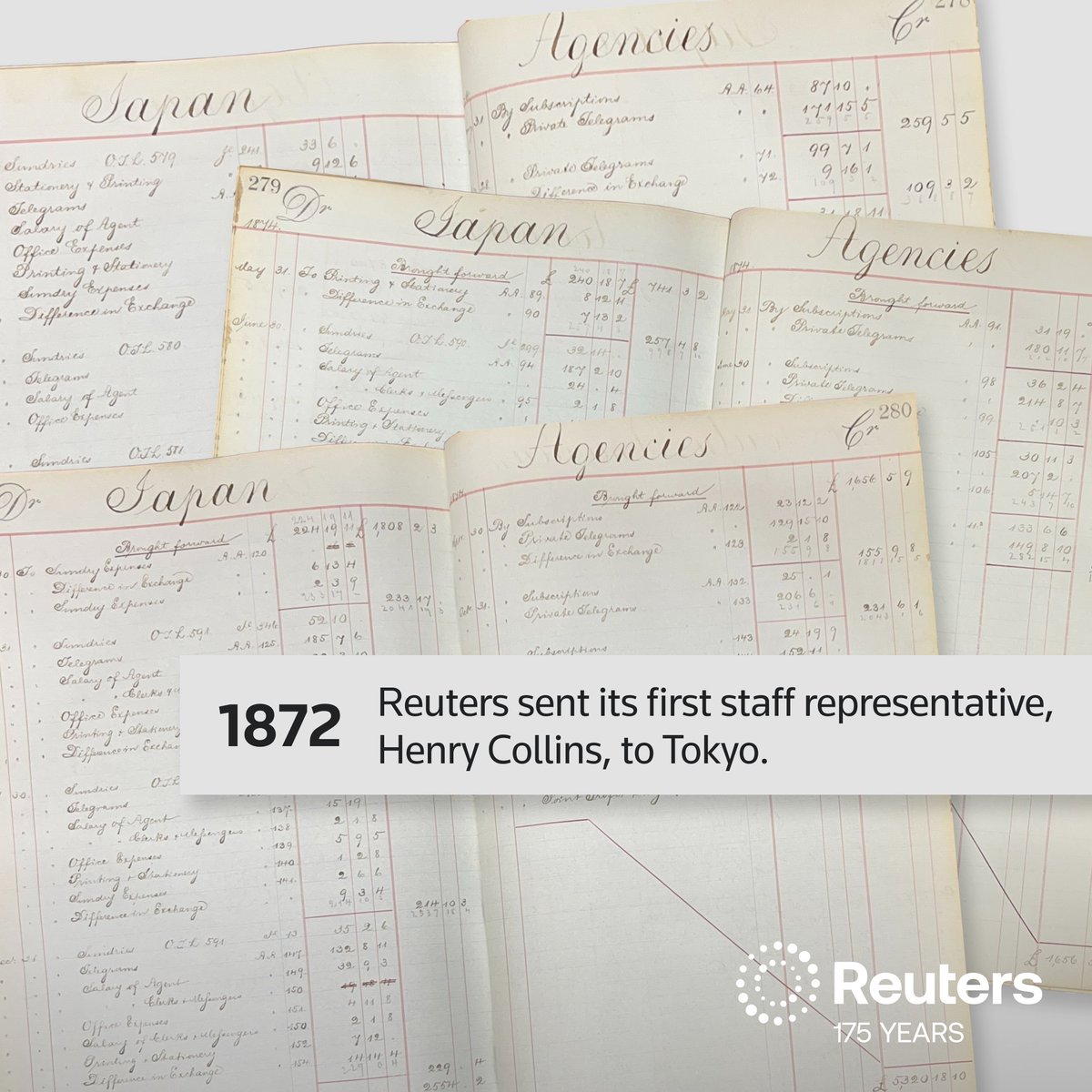
Reuters175 | 1872: Reuters sent its first staff representative to Tokyo. Henry Collins arrived as Japan modernised rapidly, witnessing the build of the country’s first railway, an early Reuters presence at a pivotal moment in history. #Reuters175
1
1
79
Jun 11
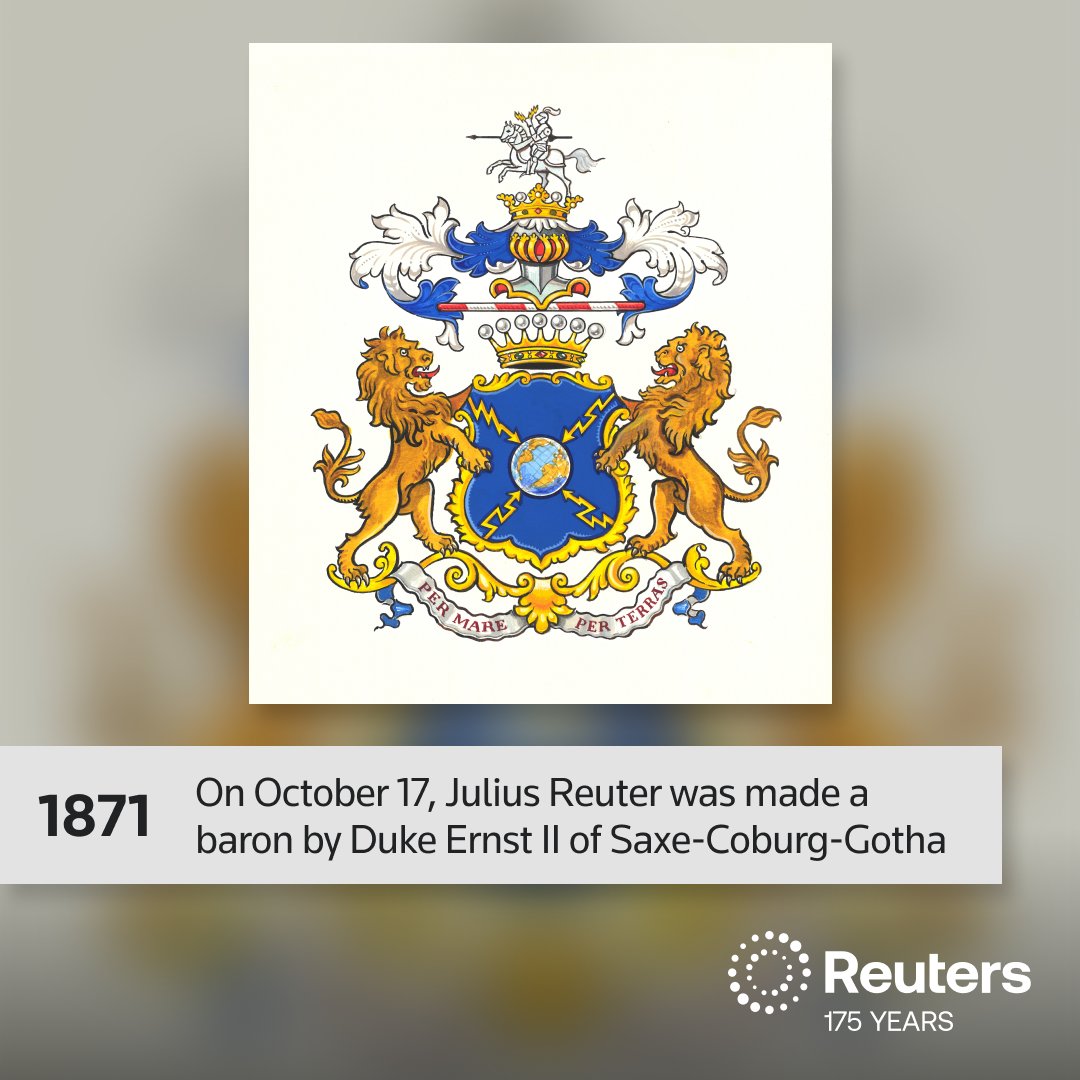
Oct 17, 1871: Julius Reuter becomes Baron de Reuter. Title granted by Duke of Saxe-Coburg-Gotha. Motto: "per mare per terras" (by land and sea). Arms show globe between lightning flashes. Recognition for transforming news distribution worldwide
97
Jun 10
See how today's temperatures compare to the historic average anywhere in the world with @Reuters new Climate Monitor reuters.com/graphics/CLIMATE…
1
2
149
Jun 10
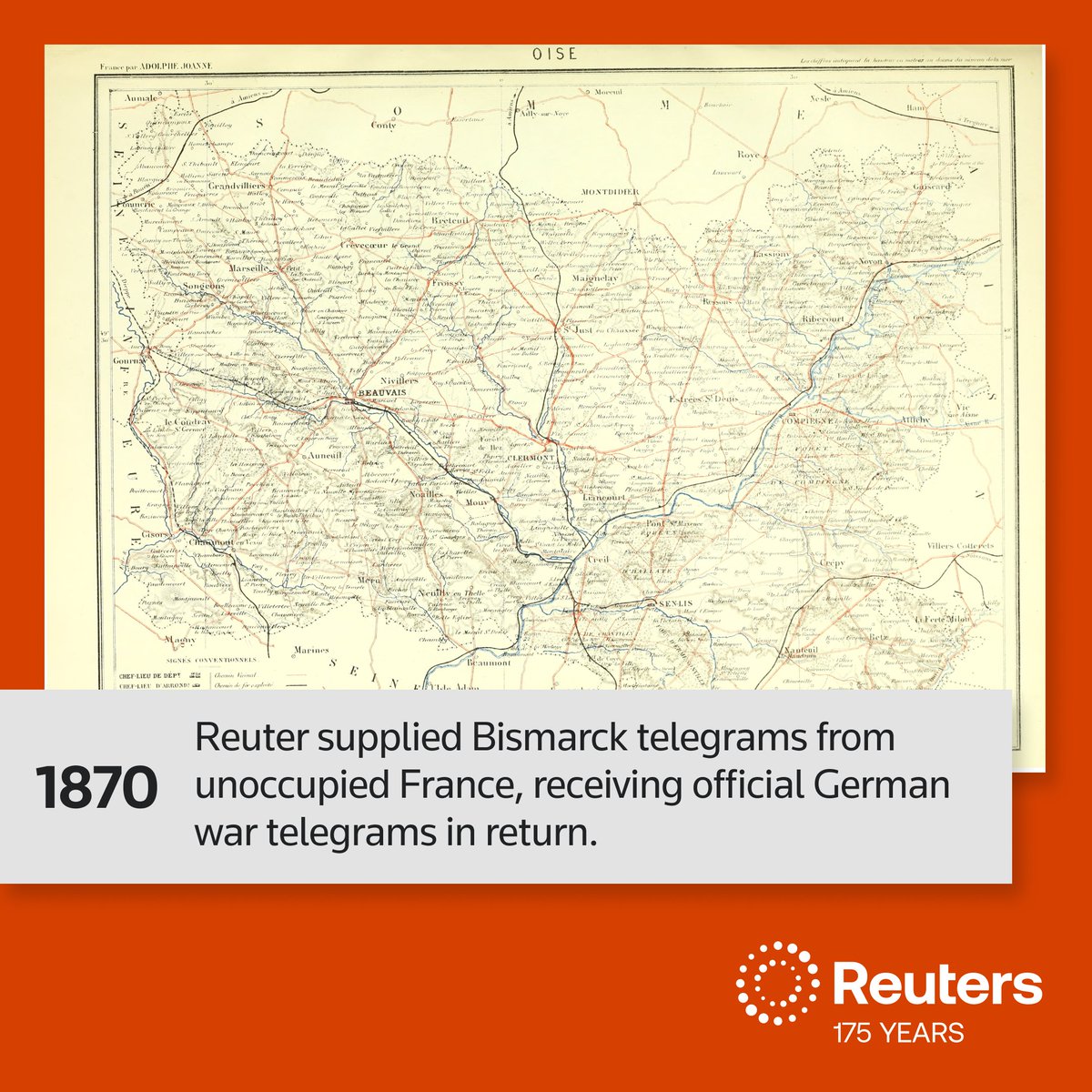
1870: The independence question. During the Franco‑Prussian War, Reuters balanced access to official sources on both sides — confronting an enduring challenge of war reporting: independence under pressure. #Reuters175
1
2
100
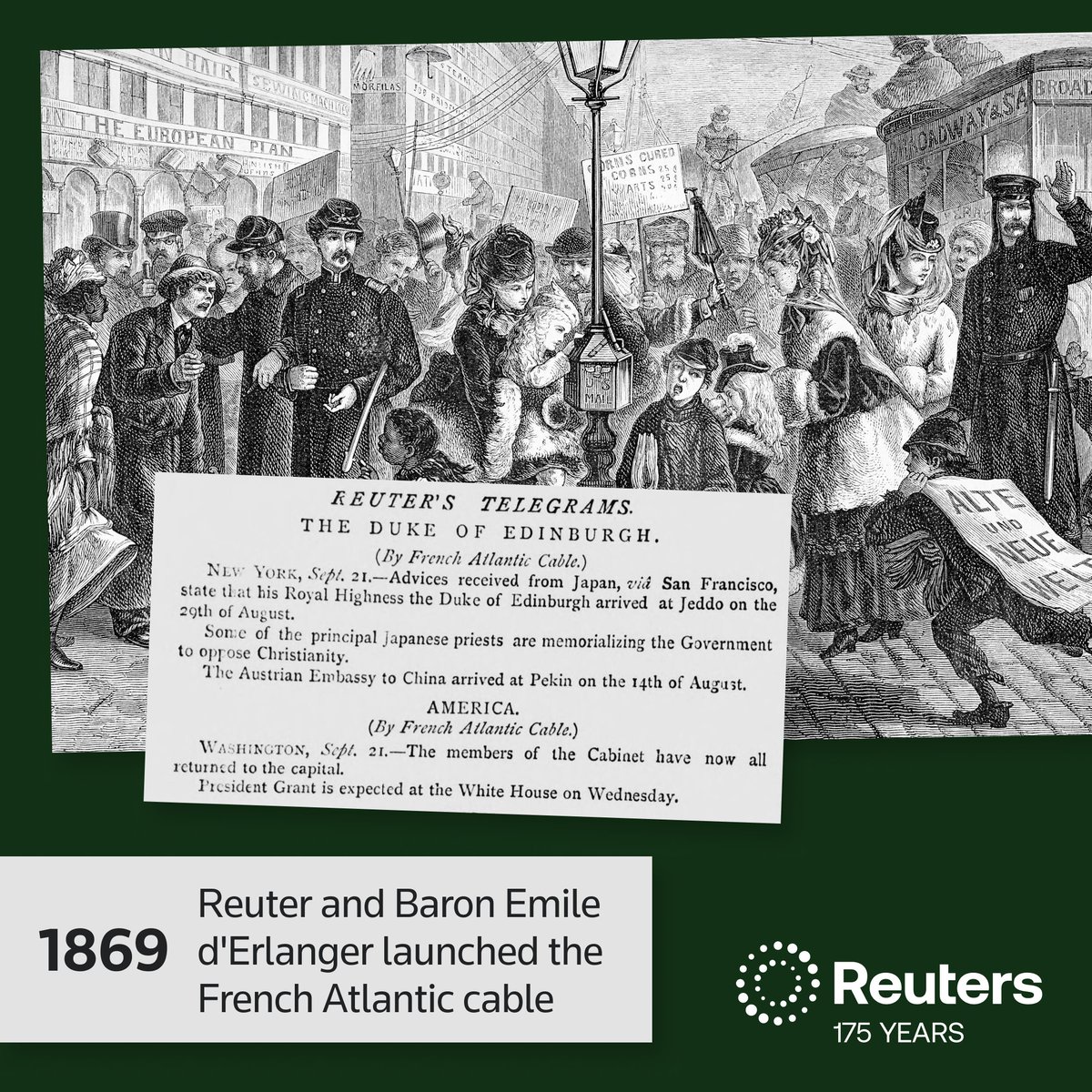
1868–1869: Competing with monopoly. Reuters backed the French Atlantic cable to challenge high transatlantic rates, forcing prices down and widening access to fast American news. #Reuters175
1
1
102
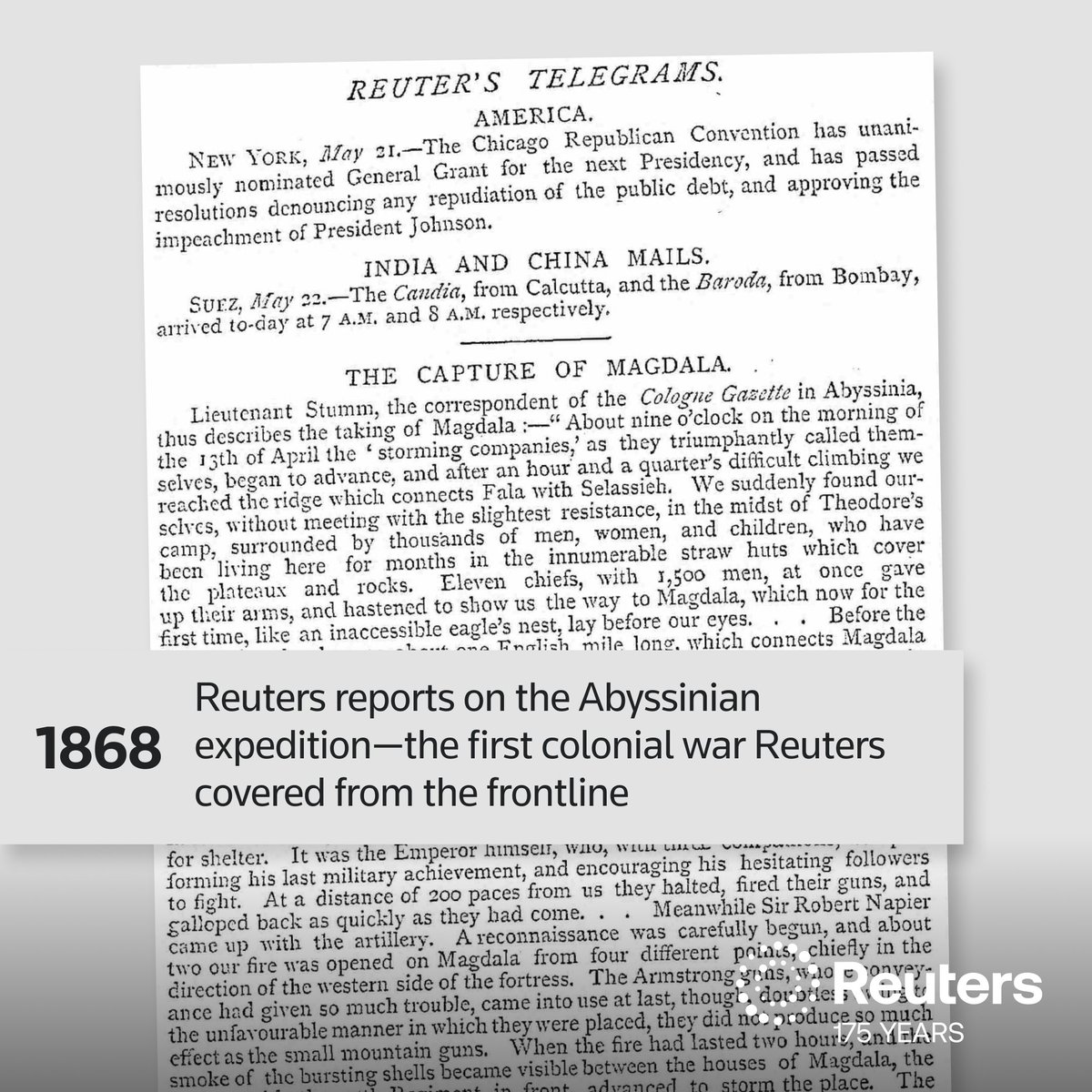
1868: Reporting from the frontline. Reuters covered the Abyssinian expedition from with the column itself, transmitting uncensored battlefield reports via military telegraph and sea routes back to London. #Reuters175
3
173
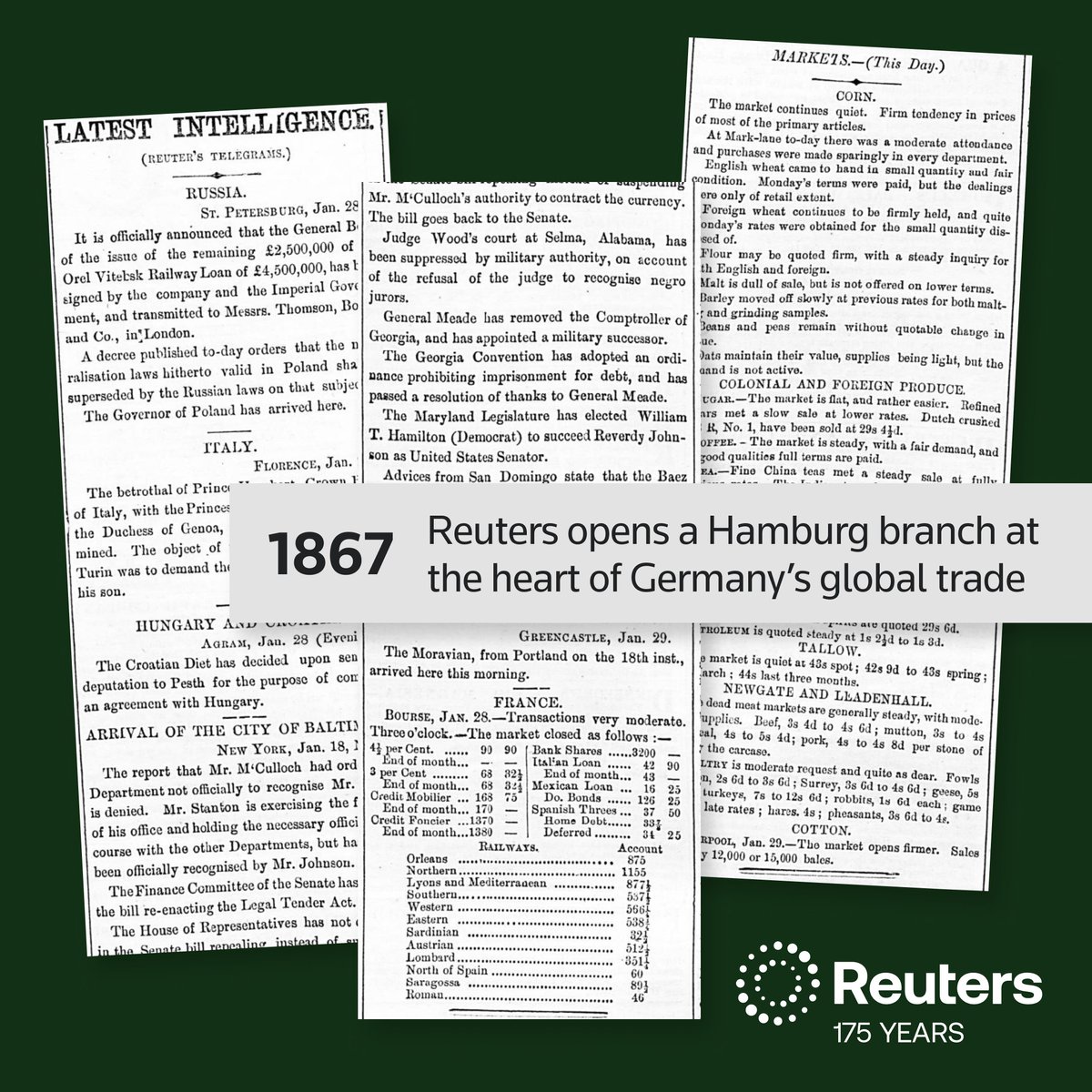
1867: Reuters opened a Hamburg branch at the heart of Germany’s global trade, securing a major contract to supply comprehensive political and commercial intelligence. Its telegrams quickly became central to price‑setting for merchants and newspapers alike. #Reuters175
134
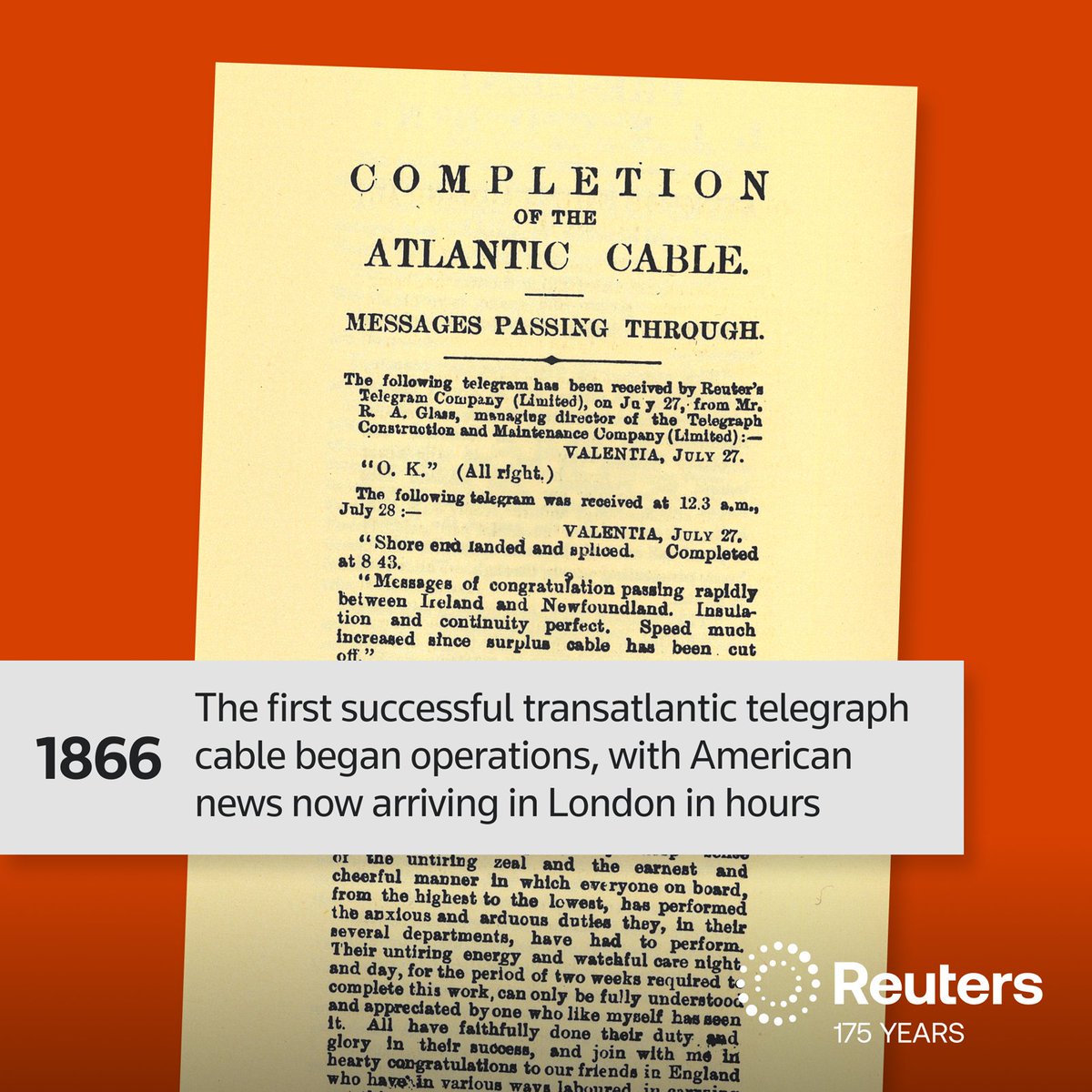
1866: Conquering the Atlantic. With the first successful transatlantic cable, Reuters sent news from America to London in hours, not days — transforming markets and global understanding. #Reuters175
1
111
#ReutersNEXT is coming to London on June 16. Register for a press pass here: bit.ly/4vuN0EL
reuters.com/media-center/reu…
91
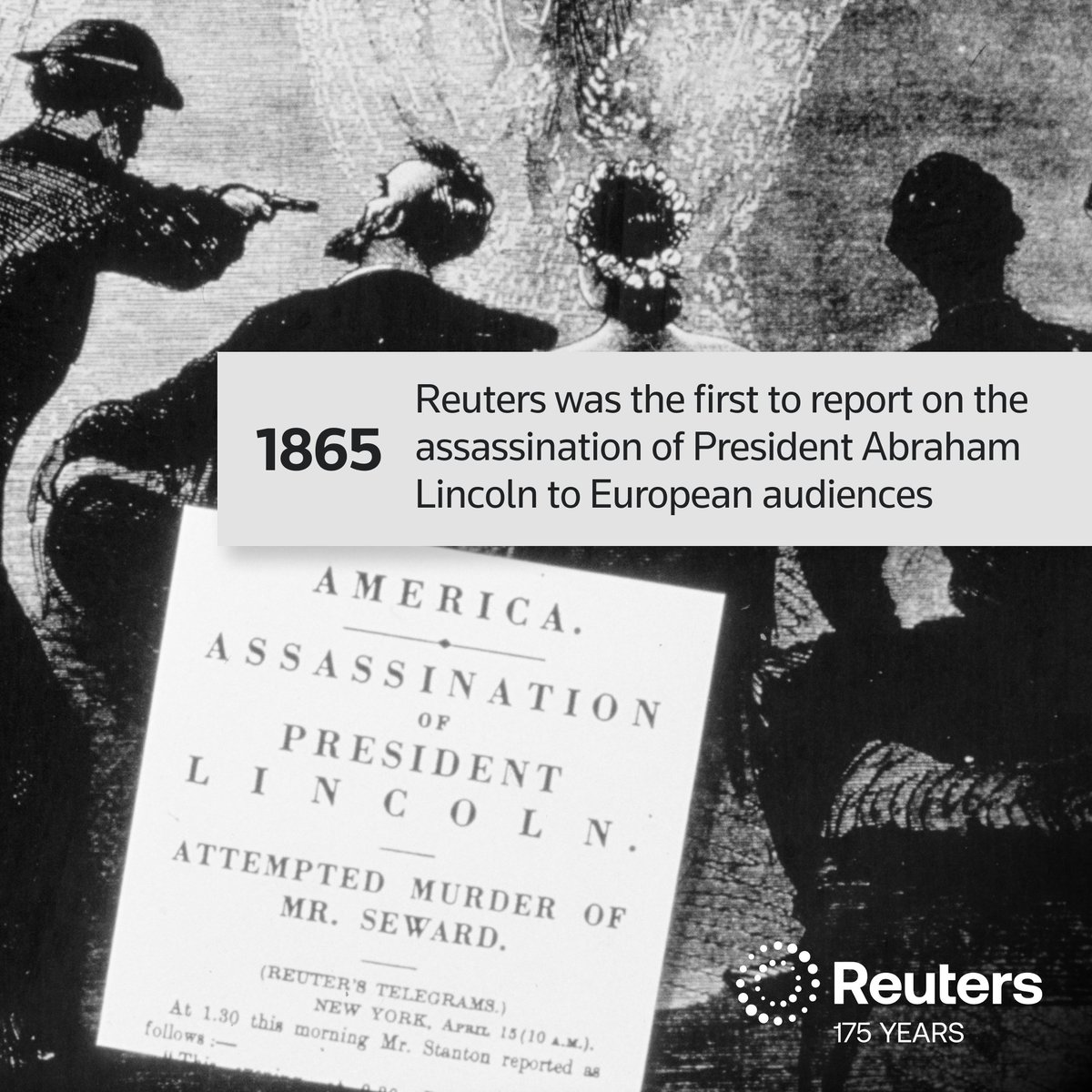
1865: Breaking news across the Atlantic. Reuters delivered Europe the first news of Abraham Lincoln’s assassination, using boats, canisters and telegraph lines to beat the ship carrying the news. #Reuters175
1
1
2
284
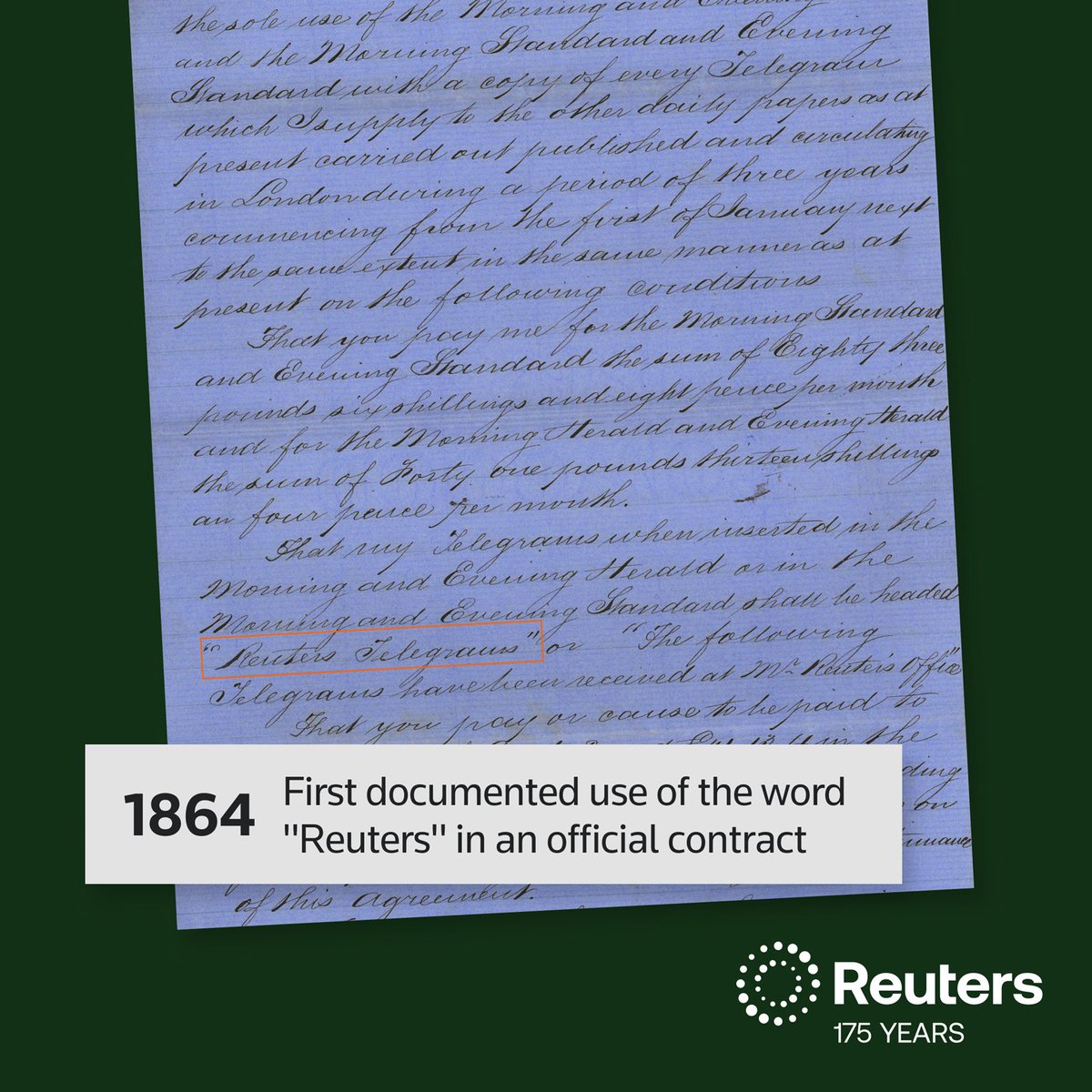
1864: A name takes shape. An agreement marked the first documented use of the word “Reuters”, as the growing news organisation moved toward the identity it would carry worldwide. #Reuters175
82
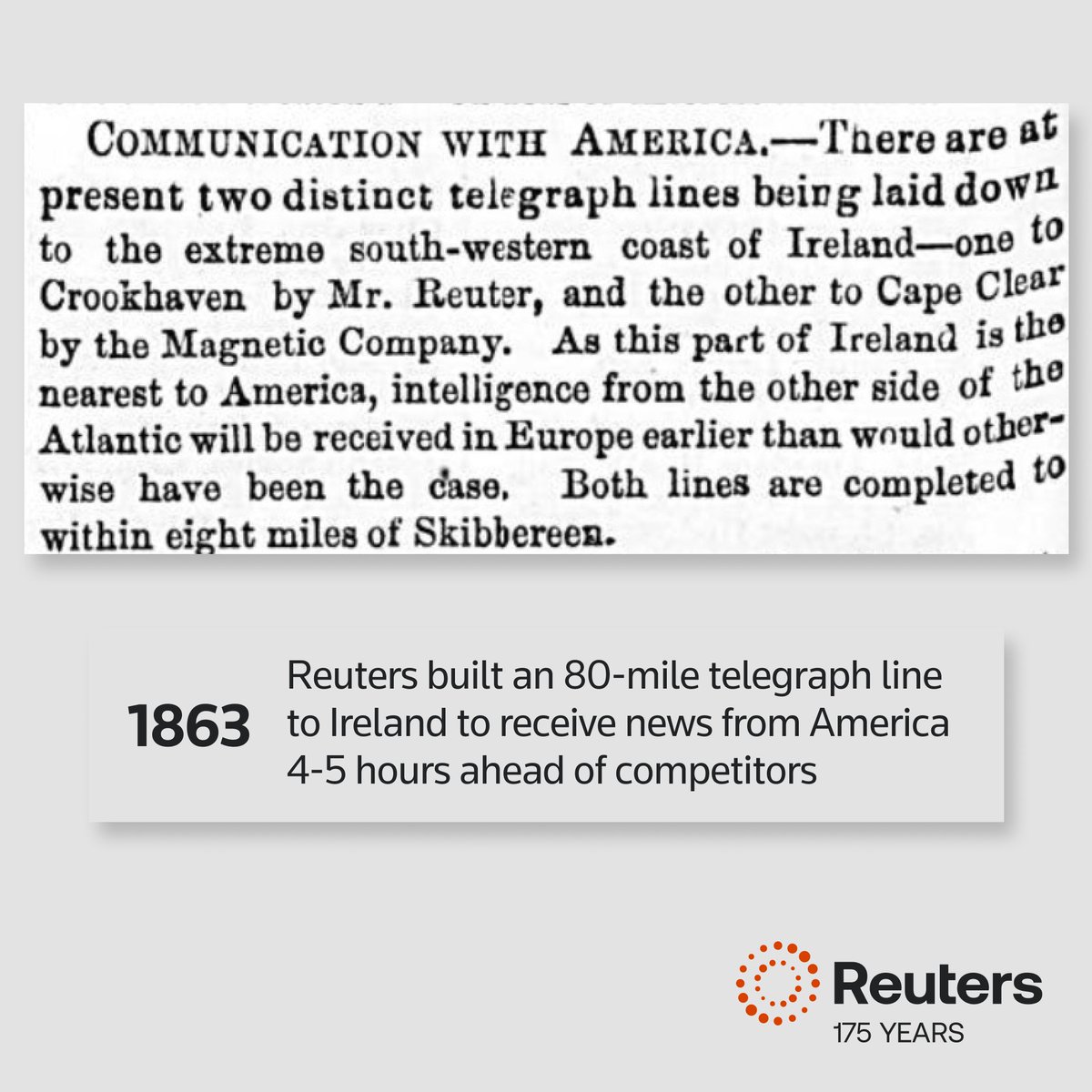
1863: Intercepting news at sea. Reuters built a telegraph line to southwest Ireland and met mail steamers offshore, gaining hours on American news while competitors waited for ships to dock. #Reuters175
4
4
1,589
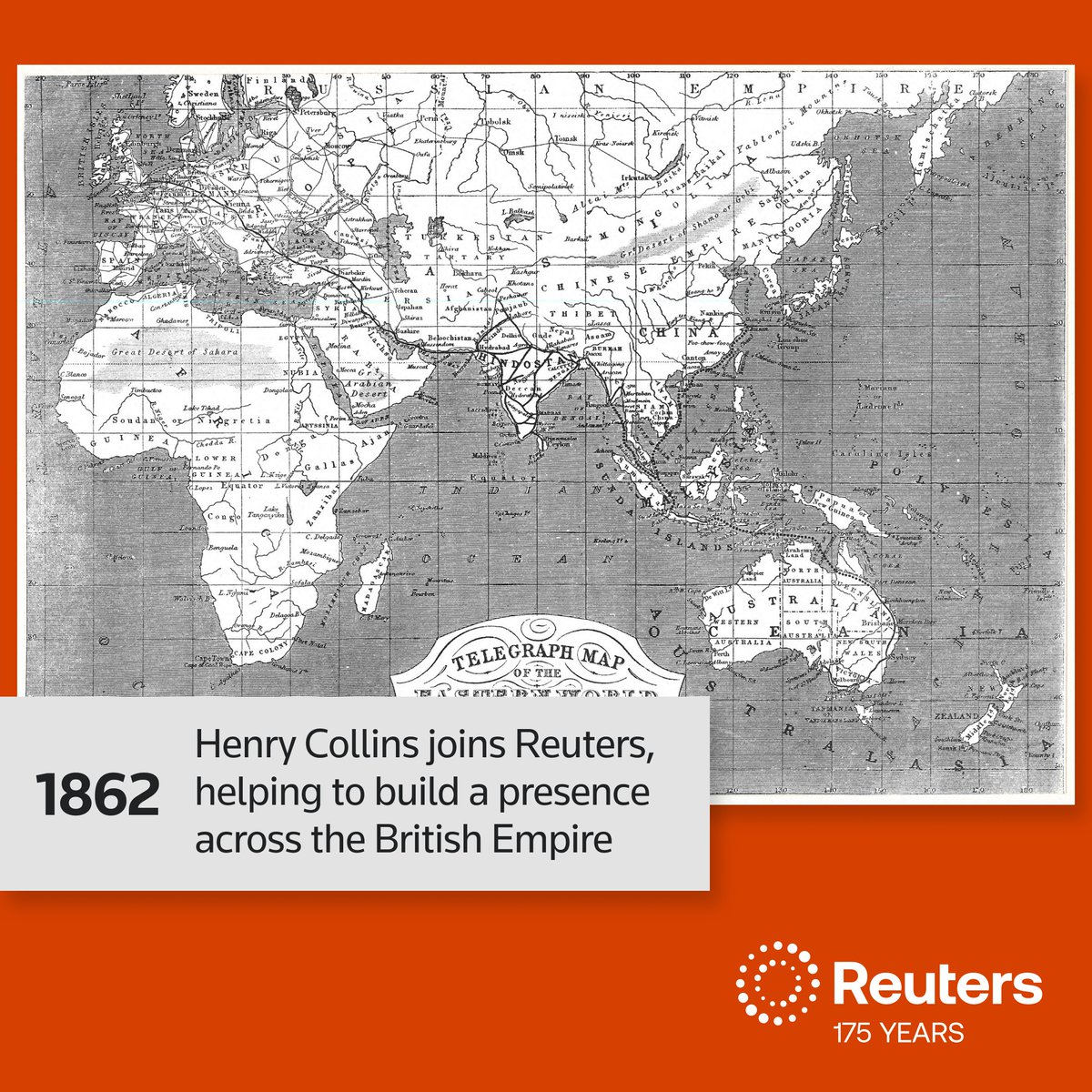
1862: Building an empire. Henry Collins joined Reuters, beginning a 47‑year career that helped establish the agency’s operations across India and Australia — and expand its reach by sea and land. #Reuters175
110
The first decade of Reuters: from telegraph cables to global news. How technology, speed and independence shaped the agency from 1851–1860. #Reuters175
3
5
410
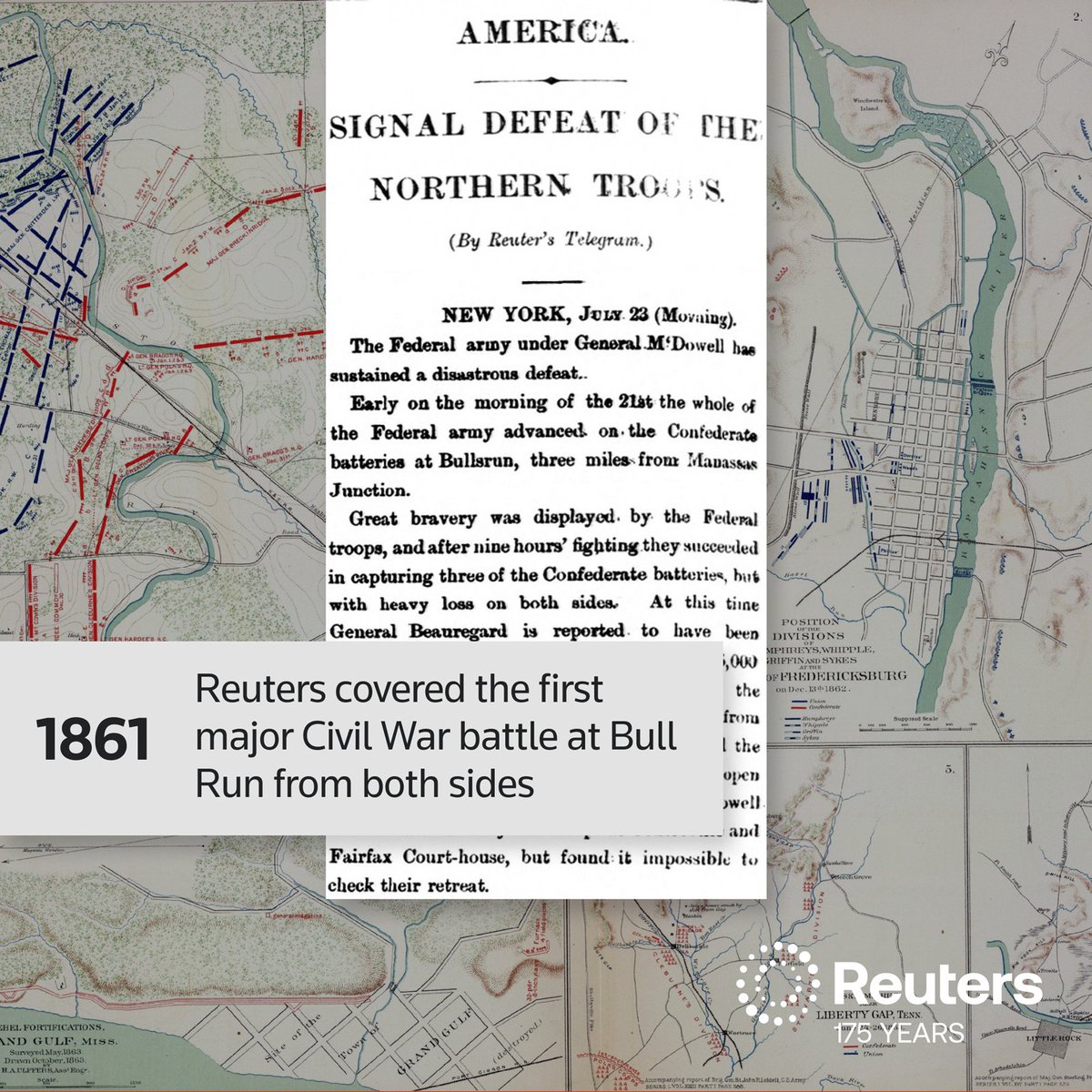
1861: Reporting both sides. When the American Civil War began, Reuters reported Union and Confederate developments, helping establish its reputation for balanced, comprehensive coverage of major conflicts. #Reuters175
139
May 31
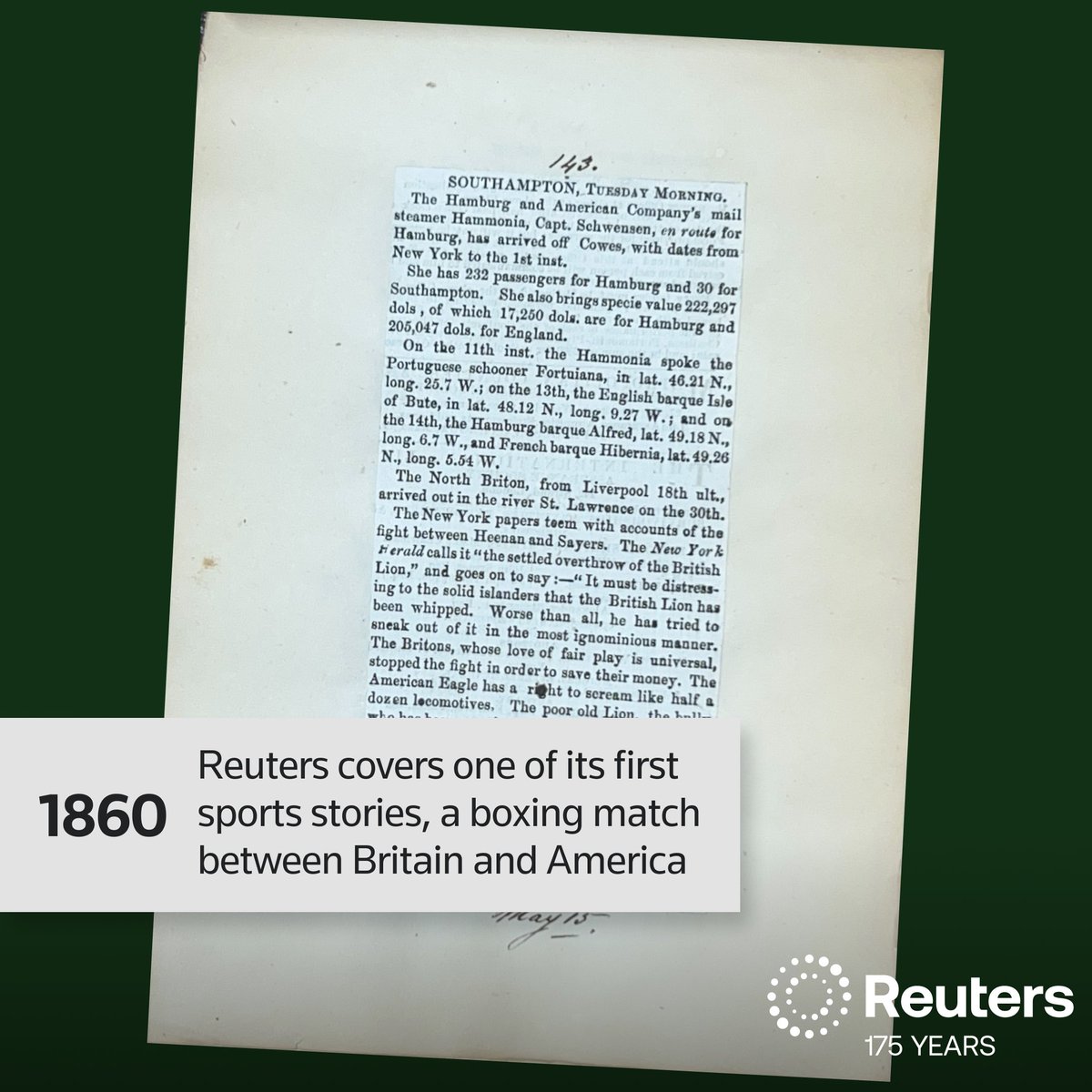
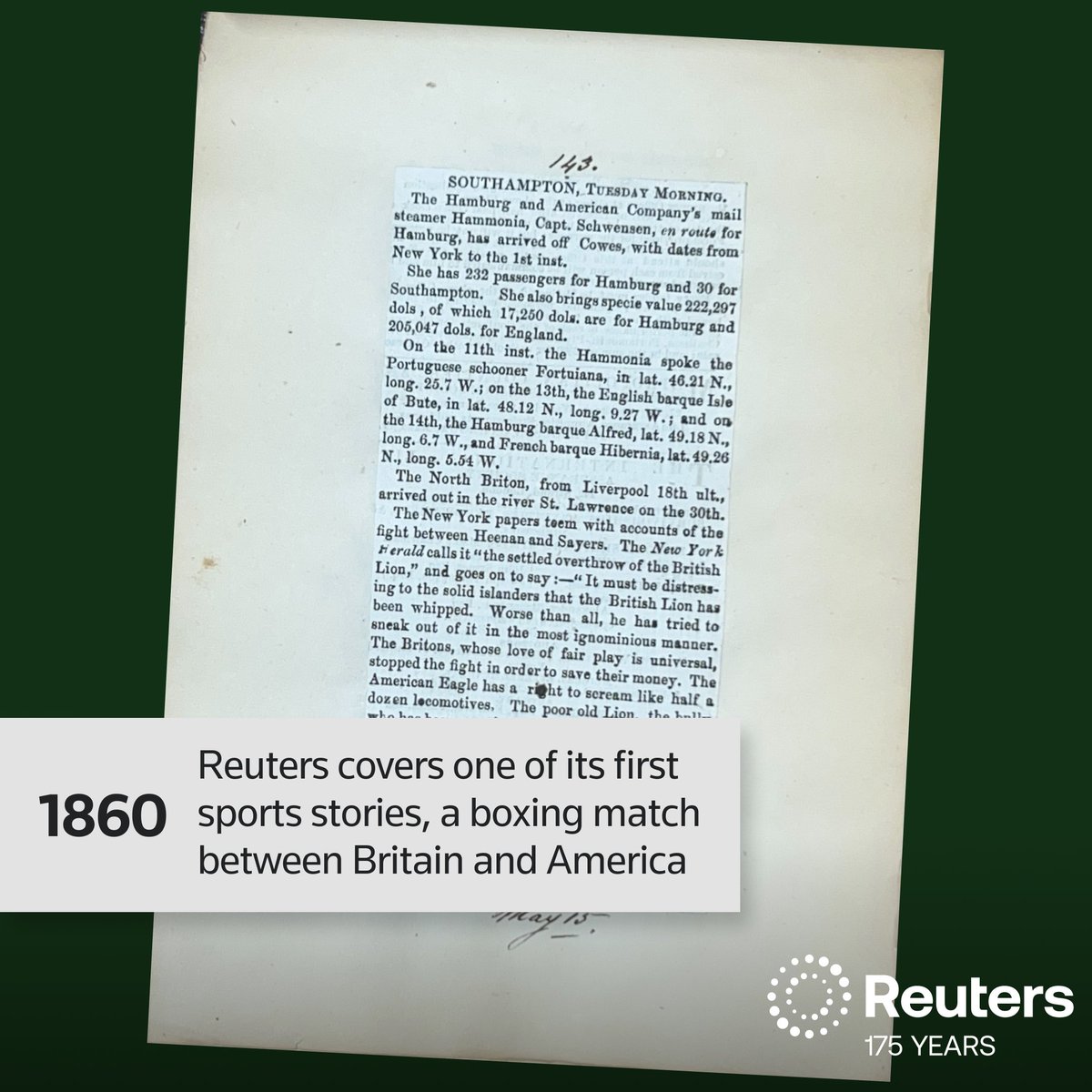
1860: Early sports reporting. Reuters covered a transatlantic boxing match between Britain’s Tom Sayers and America’s John Heenan, recognising that sport, like politics, could reflect wider national and social tensions. #Reuters175
127
May 30
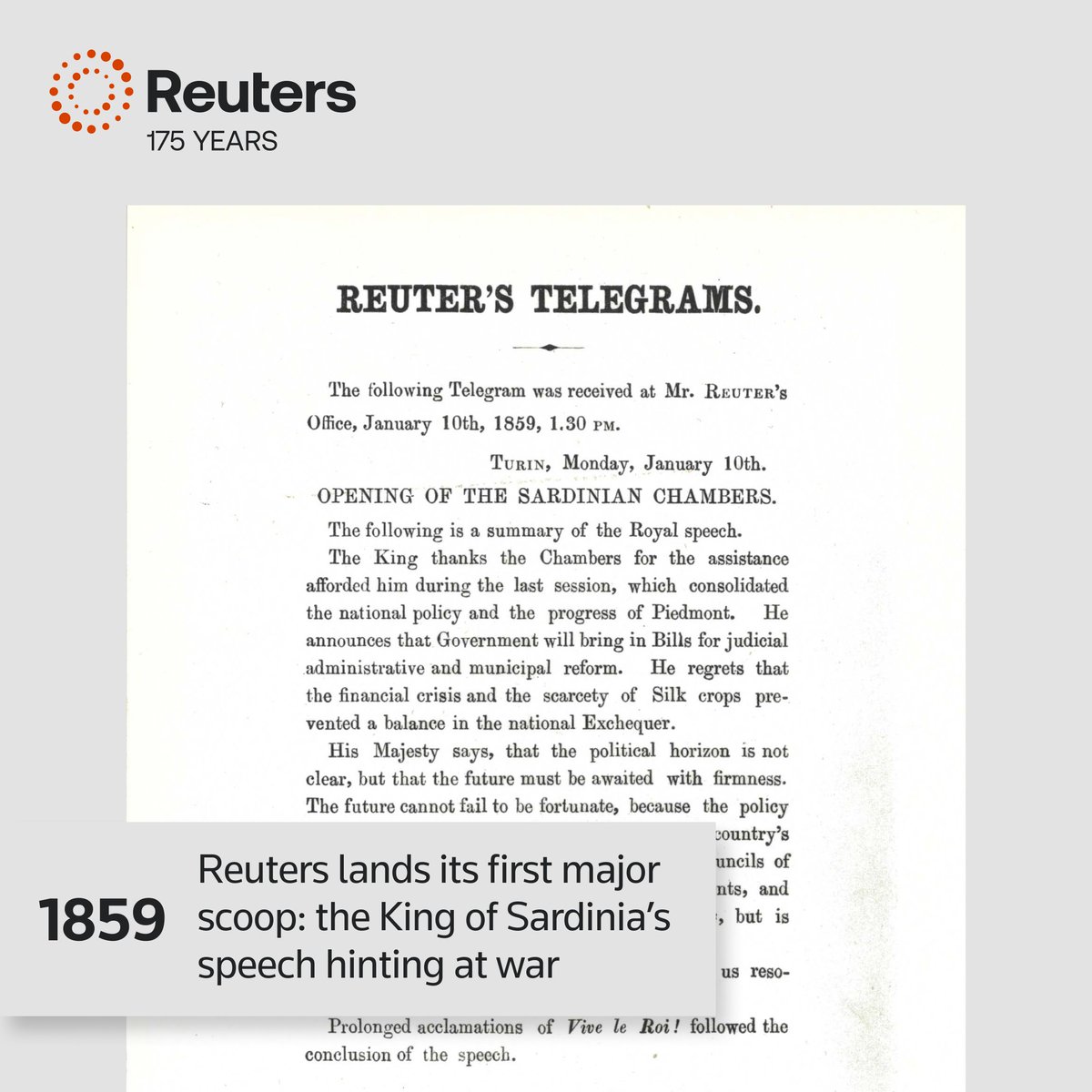
1859: The first major scoop. A Reuter telegram published in The Times carried the King of Sardinia’s speech, signaling looming conflict and demonstrating the power of fast, reliable international reporting. #Reuters175
1
215
May 29
1860: Reuters covered one of its first sports stories—a transatlantic boxing match between Britain's Tom Sayers and America's John Heenan. The fight was so charged with national pride that U.S. newspapers portrayed it as a symbolic victory before the Civil War.
114
May 28
Reuters names @NickTatters Executive Editor as Simon Robinson heads to ABC
reuters.com/media-center/nic…
7
7
1,980