
Real Eyes. Realize. Real Lies.
Joined February 2022
- Tweets 14,513
- Following 4,151
- Followers 3,750
- Likes 9,885
4,870 Photos and videos



Pinned Tweet

8 Nov 2024
The truther/Christian groups are being quieted online silently by algorithms.
They are being replaced by the "National Christian" movement (conservative religo-politicals) and mainstream truther faces.
They only share safe things, and they merge church and state.
1
3
563
8 Dec 2024
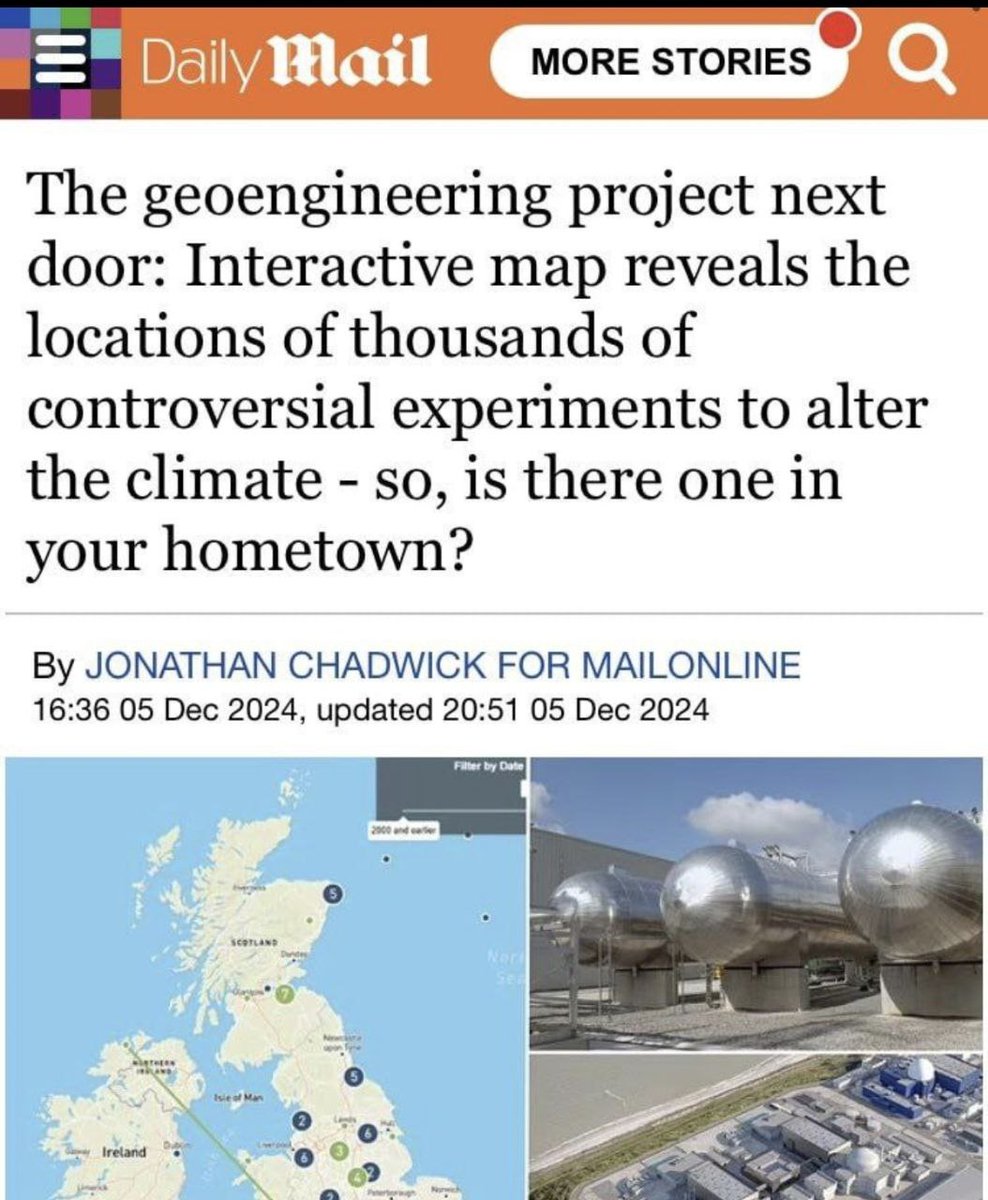
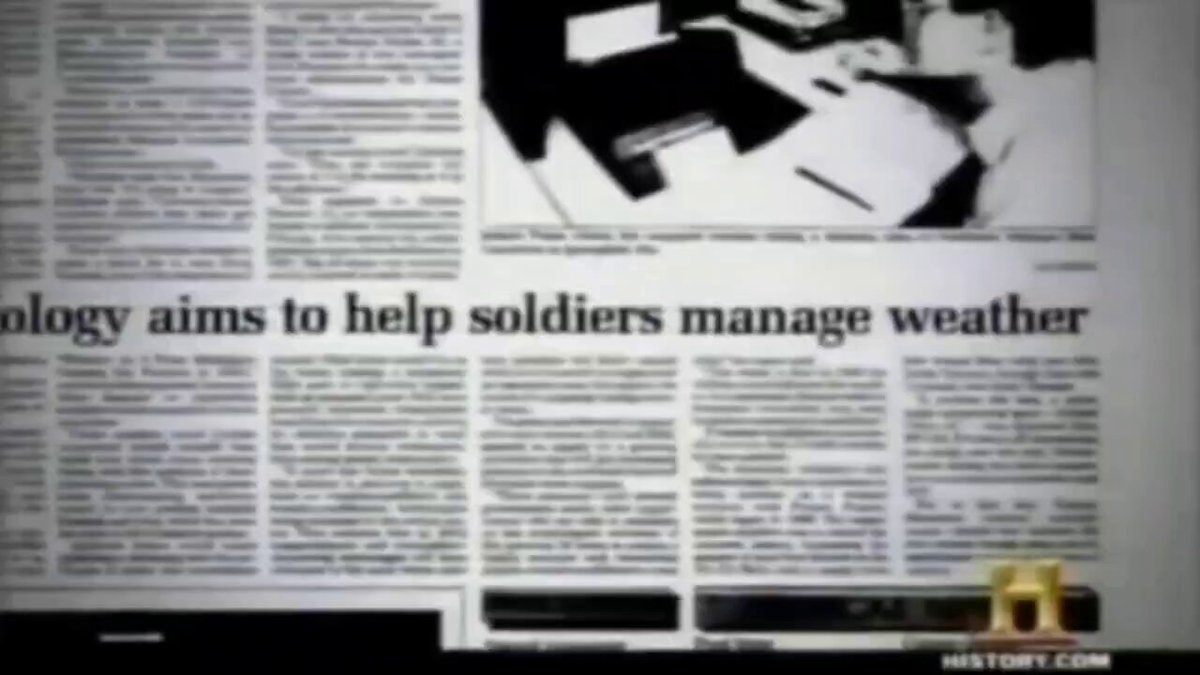
The Daily Mail has published a map of "the sites of controversial climate change experiments." There are more than 70 of them in Britain alone and thousands worldwide.
"Across the Atlantic, a Gates project is underway to block out the sun in order to prevent climate change and global warming."
dailymail.co.uk/sciencetech/…
1
5
289
The Second City Saint retweeted

5 Dec 2024
Notice the government and inventors alike offer no alternatives except expensive shitty ones that one last a few years. while creating mountains of greenhouse gases and giant land fills.
1
1
2
150
8 Dec 2024
Big Brother to the rescue! 👁 United Healthcare CEO assassin to be captured using facial recognition! (A Call For An Uprising) 👤
1
1
3
1,896
8 Dec 2024
Aloha! 🌴 Welcome to your new prison camp home! Maui D.E.W. victims get their new FEMA cells! (A Call For An Uprising)
2
187
22 Nov 2024
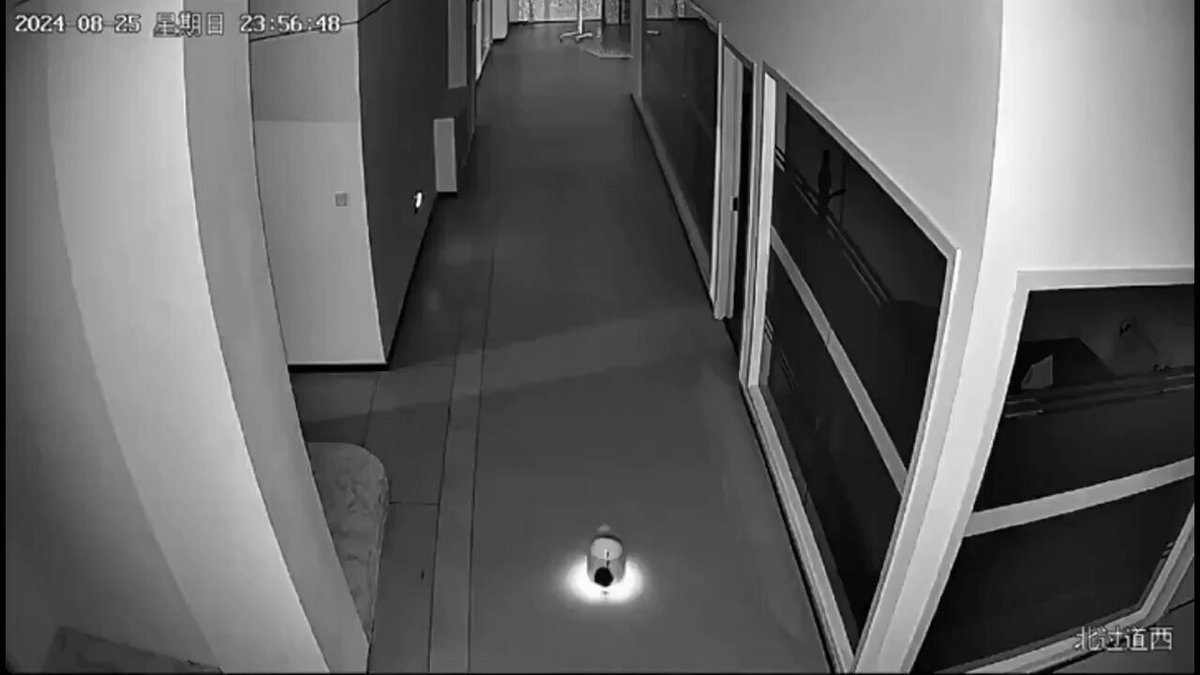
🇨🇳🤖 Tiny AI-powered robot named Erbai "kidnapped" 12 larger robots from a showroom in Shanghai, China.
1
297
22 Nov 2024
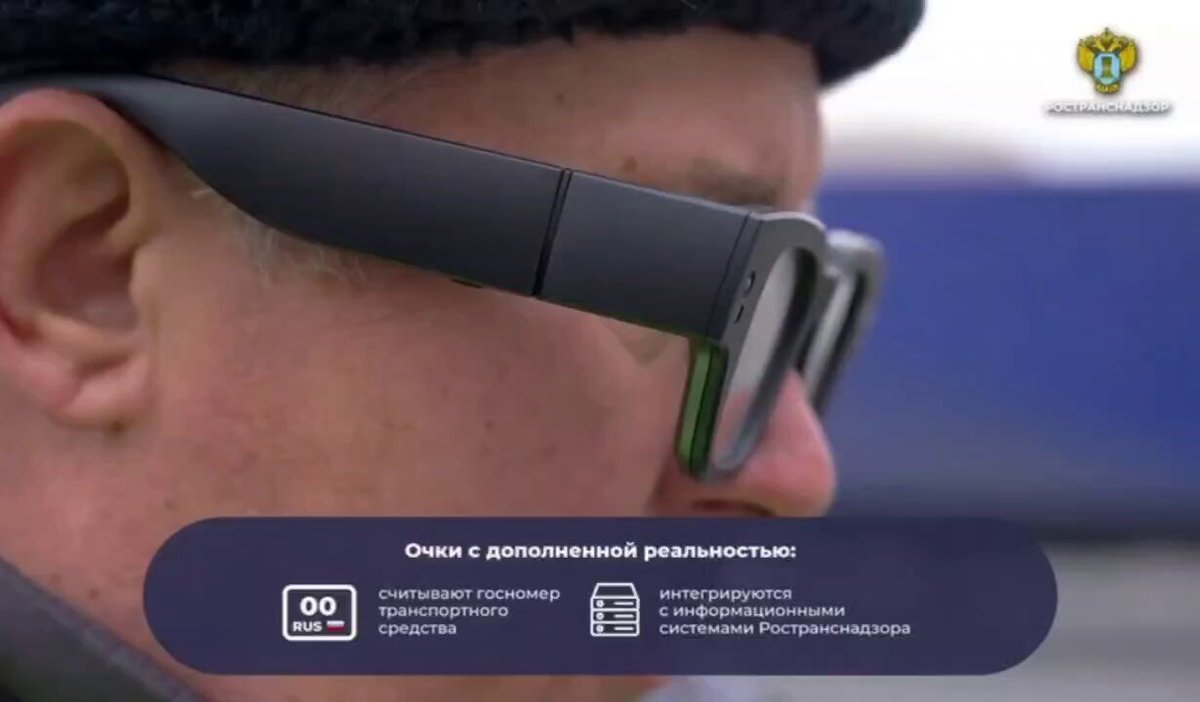
AR glasses have been introduced in Russia, with the help of which an inspector can identify the number, make and model of a car simply by looking at it.
The glasses also work as a dash cam to combat corruption.
2
168
21 Nov 2024
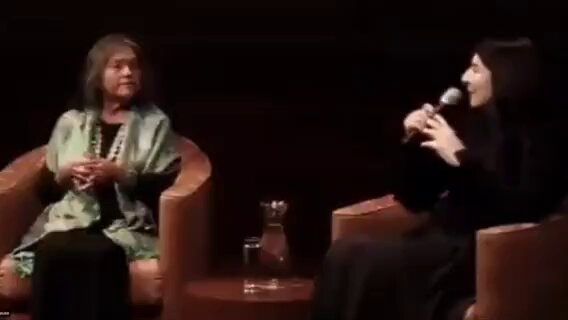
Marina Abramovic: Trump is the "magician" who will bring about a worldwide awakening.
4
5
21
3,598
21 Nov 2024
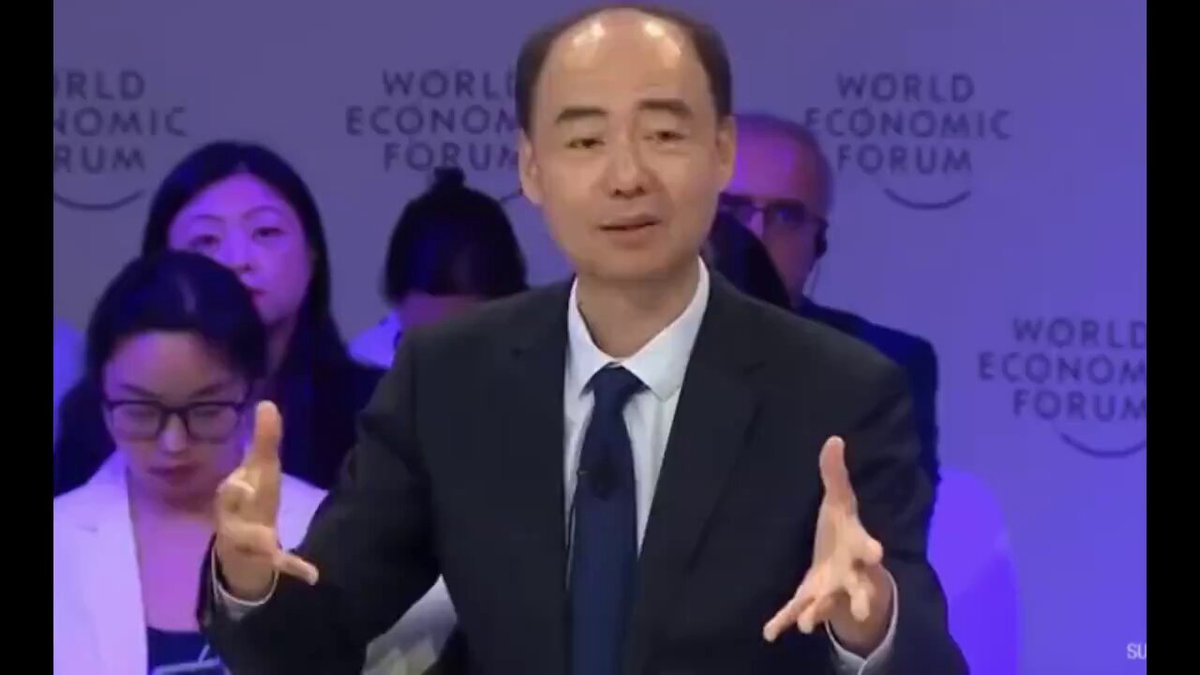
WEF proposes using AI technologies to inform you about the carbon footprint of the products you buy.
And then implement a carbon credit system to limit your purchases to the "right" items.
1
1
95
21 Nov 2024
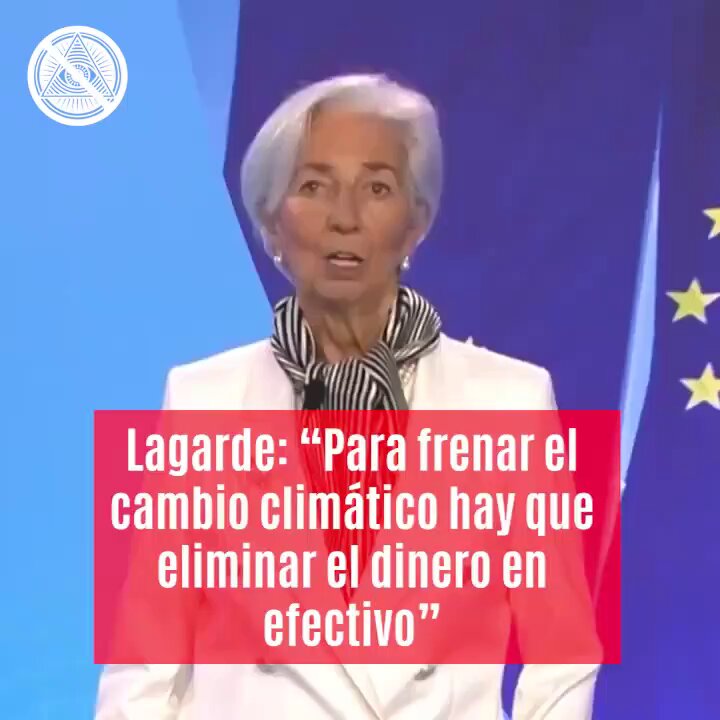
Christine Lagarde, head of the European Central Bank, says that to curb climate change we need to overhaul the entire economy, and to "reduce our carbon footprint" we need to get rid of cash.
1
4
4
268
21 Nov 2024
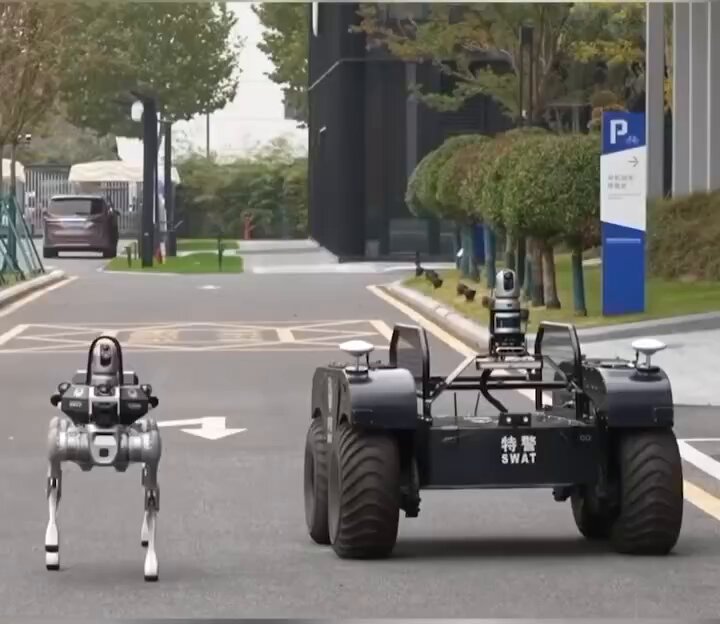
World Internet Conference (WIC) deploying an AI-powered patrol team consisting of robot dogs, unmanned surface vessels and unmanned vehicles, contributing to a string of patrol and security tasks.
1
1
1
121
21 Nov 2024
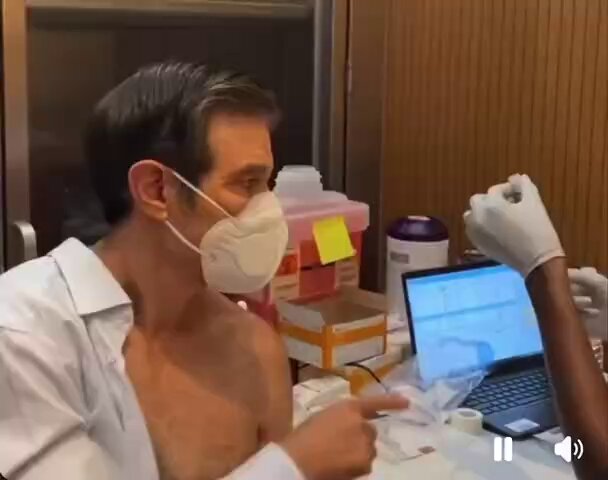
Trump has tapped Dr. Mehmet Oz to lead the Department of Medicare and Medicaid, which is responsible for the health of millions of Americans. Mehmet previously bragged about getting vaccinated with Pfizer during the pandemic. He is also a participant in the WEF.
1
1
1
282
The Second City Saint retweeted

19 Nov 2024
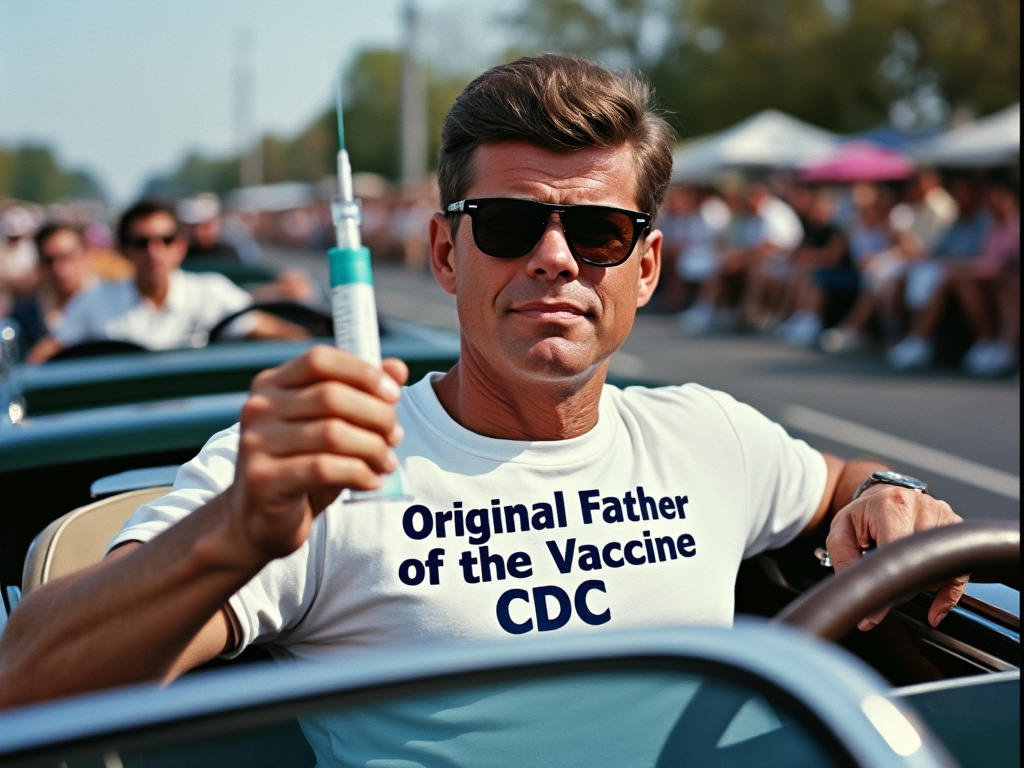
Did you know that John F. Kennedy signed the first pro-Big Pharma vaccine act into law in 1962?
It was a significant piece of legislation aimed at enhancing vaccination uptake across the United States. They called it "The Vaccination Assistance Act."
The new law made vaccines available to all children under five years old, regardless of their family's financial situation. It was a result of the CDC and its partners' ravenous desire to get poison into the blood stream of Americans under the guise of "fighting vaccine-preventable diseases, such as polio, rubella, diphtheria, pertussis, and tetanus.
They say the act was designed to "achieve as quickly as possible the protection of the population, especially of all preschool children," through intensive vaccination campaigns against four major contagious diseases: polio, diphtheria, whooping cough, and tetanus.
How about the funding? It authorized a three-year program of special project grants to states, and with state approval, to local communities. These grants were used to partially fund the costs of these intensive vaccination programs, totaling $36 million ($360 million in today's dollars) over the three-year period. The funding was used for hiring extra health personnel, buying vaccines, and other related expenses.
How was it implemented? The act provided grants-in-aid to support the delivery of vaccines, specifically for diphtheria, pertussis, tetanus, and polio. Smallpox vaccination was not included as it was nearly eradicated in the U.S. by this time.
Contextually, this act came at a time when there was an increased visibility of vaccination due to the development of Albert Sabin's live attenuated polio vaccine in 1961, which followed Jonas Salk's inactivated polio vaccine. The Kennedy administration was more open to Big Daddy Government involvement in health issues compared to his predecessors, which facilitated the passage of this act.
The legislation had a HUGE impact on the Pharma Industry and was part of broader efforts to ensure high vaccination coverage rates among American children. It marked the beginning of a more permanent role for federal involvement in immunization programs through the U.S. Public Health Service.
Unfortunately, the Vaccination Assistance Act of 1962 laid groundwork for future federal immunization policies. It has been reauthorized multiple times since its inception, remaining a critical means of supporting state and local health department activities in immunization.
This act was emblematic of the Kennedy administration's commitment to federal health agencies and Big Pharma, emphasizing the "importance of vaccination in preventing disease." It also sparked discussions about the role of government in healthcare, particularly in the delivery of vaccines.
Take a guess at who was instrumental in carrying JFK's vaccine baton to the Big Pharma protective status finish line in 1986. Stay tuned.
94
284
705
47,433
10 Nov 2024
Steven Jacobson Mind control Neuro-linguistic programming
1
3
208
The Second City Saint retweeted

9 Nov 2024
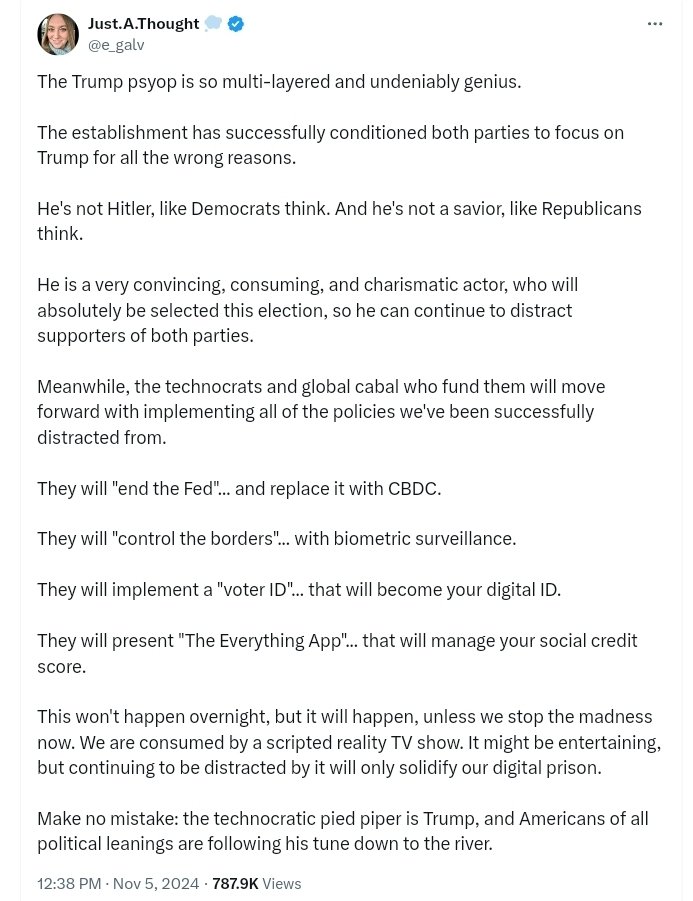
I can easily see this happening.
You have been warned ⚠️
Credit: @e_galv
884
1,308
5,021
610,861
9 Nov 2024
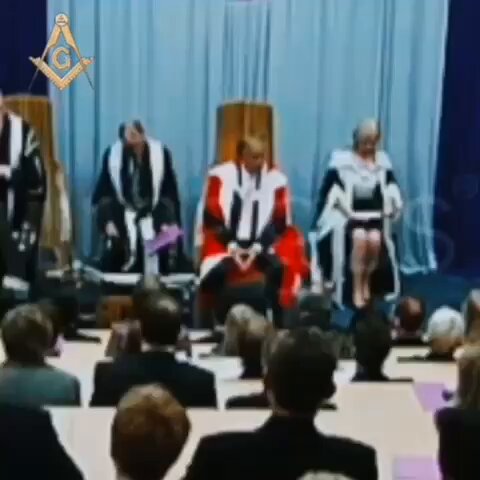
Anyone who has spoken out against Freemasonry but still trusts and supports this guy is lying to his or herself.
A house divided against itself... they always fall.
2
111
9 Nov 2024
Brave new world on Moscow's Prospekt Mira. The turnstiles are equipped with the FacePay system. Recently, there were 1-2 turnstiles and not at every station. Now, "payment with a smile" can be made at any turnstile, and passage by biometrics is cheaper
1
1
1
101