
Cuenta oficial de Revista de Occidente Fundada en 1923 por José Ortega y Gasset con casi 100 años de Historia y presente en más de 25 países alrededor del mundo
Joined February 2015
- Tweets 1,457
- Following 467
- Followers 4,283
- Likes 1,934
304 Photos and videos




Pinned Tweet

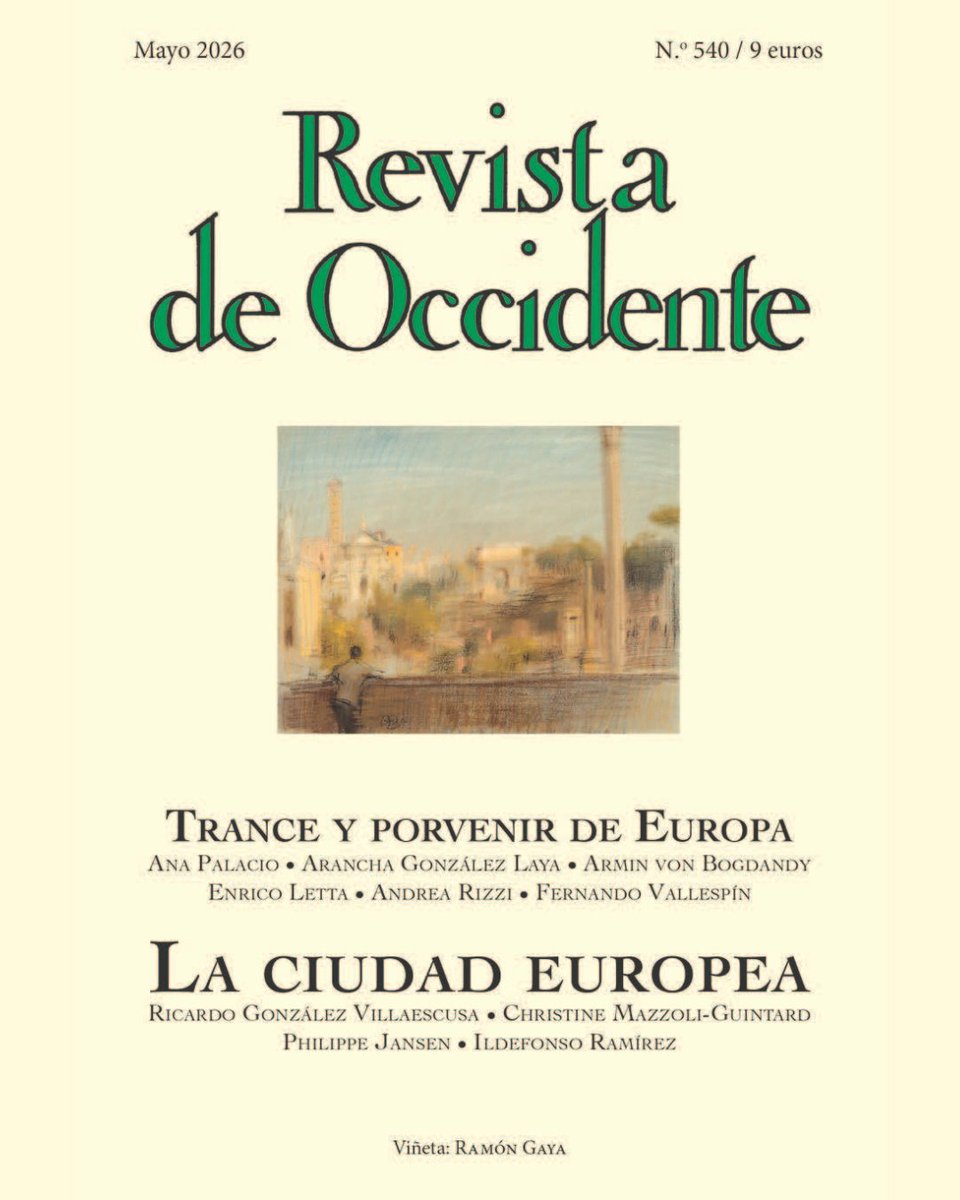
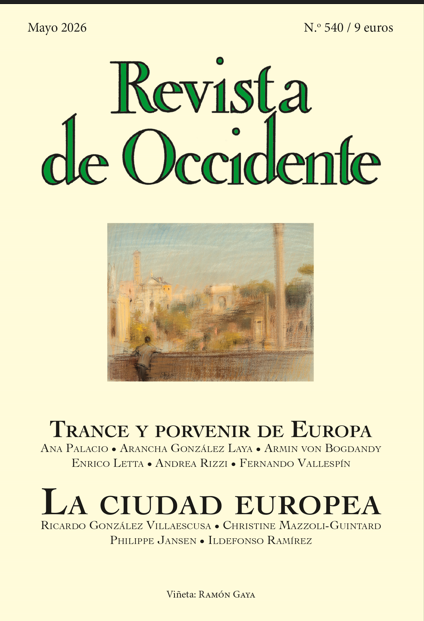
Nº 540 | La ciudad europea
El número de mayo está enteramente dedicado a temas europeos, combinando textos de análisis sobre los retos a los que se enfrenta la Unión Europea junto a otros ensayos sobre la historia y el desarrollo de las ciudades europeas.
2
3
5
502
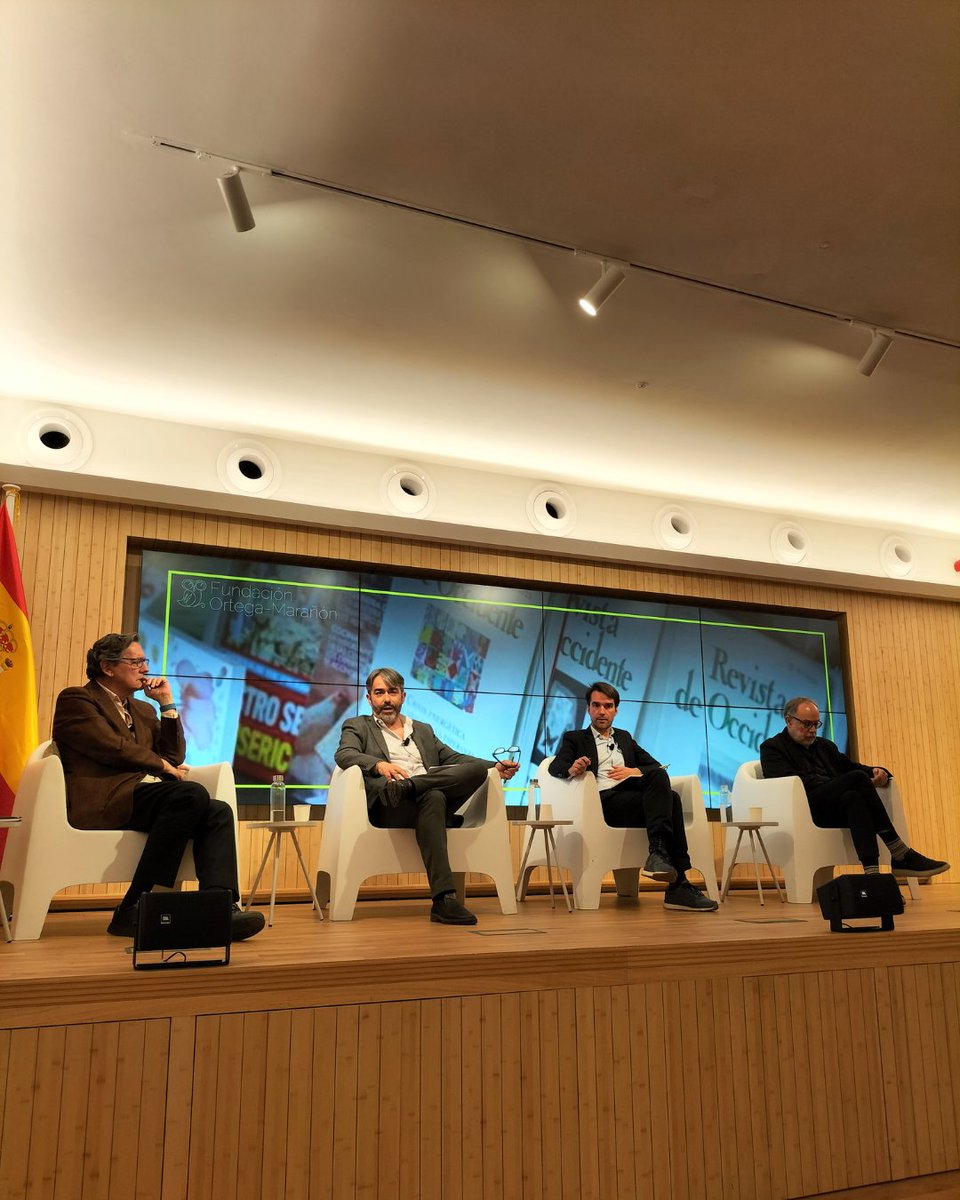
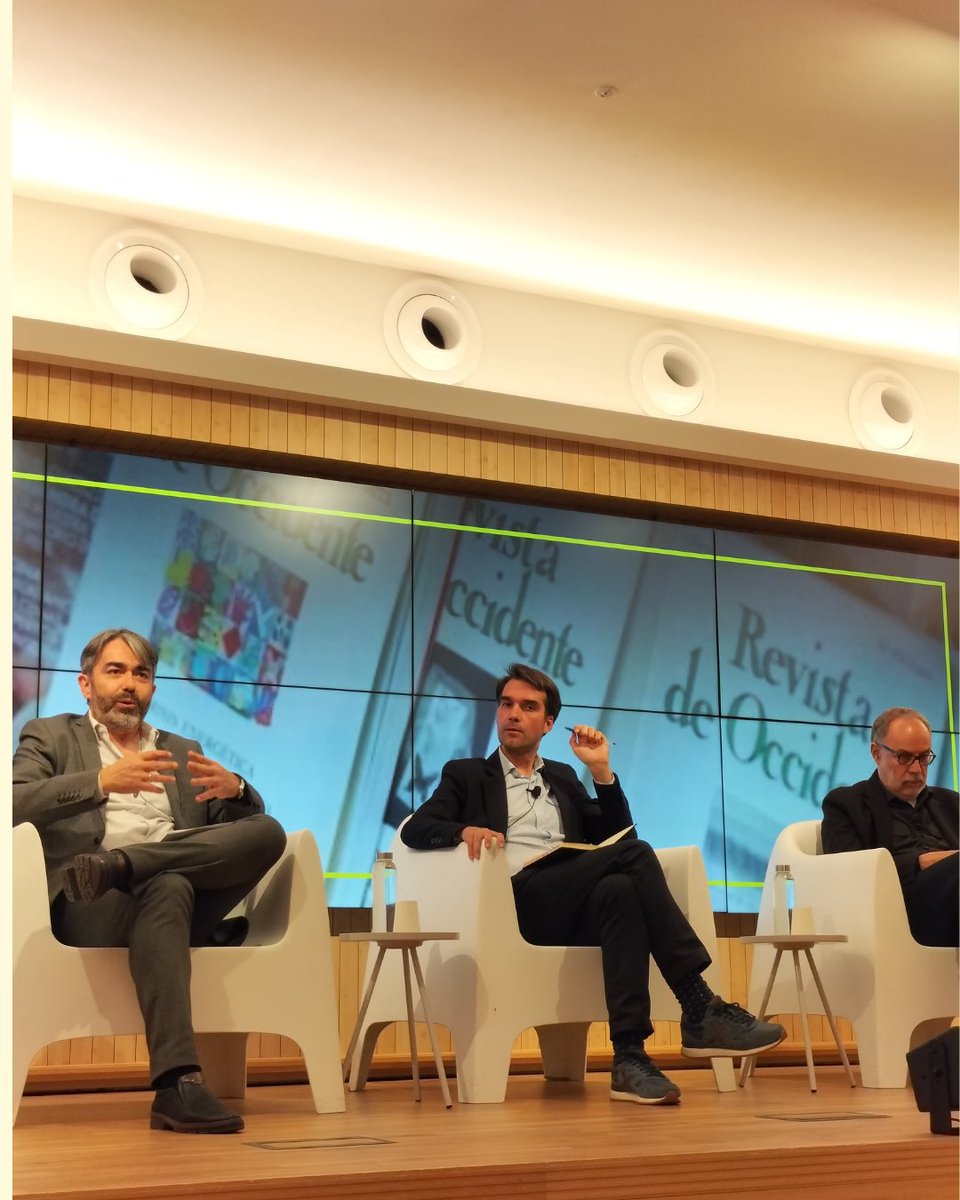
¡Es hoy!

Encuentro imprescindible este miércoles en la @fortegamaranon
'La ciudad europea. De la Antigüedad a la modernidad'
📚Biblioteca de la Fundación Ortega-Marañón (Calle Fortuny 53)
🕙18:30 h.
Entrada libre hasta completar aforo.
2
6
792
Encuentro imprescindible este miércoles en la @fortegamaranon
'La ciudad europea. De la Antigüedad a la modernidad'
📚Biblioteca de la Fundación Ortega-Marañón (Calle Fortuny 53)
🕙18:30 h.
Entrada libre hasta completar aforo.
1
4
937
Revista de Occidente retweeted
Nº 540 | La ciudad europea
El número de mayo está enteramente dedicado a temas europeos, combinando textos de análisis sobre los retos a los que se enfrenta la Unión Europea junto a otros ensayos sobre la historia y el desarrollo de las ciudades europeas.
2
3
5
502
Revista de Occidente retweeted
Este diálogo a tres entre @EnricoLetta, @and_rizzi y @FVallespin es fundamental para entender qué está sucediendo en Europa y qué está por venir.
Si aún no tienes tu ejemplar de este mes de Revista de Occidente, puedes adquirirlo en este enlace:
🔗ortegaygasset.edu/producto/r…
9
18
8,228
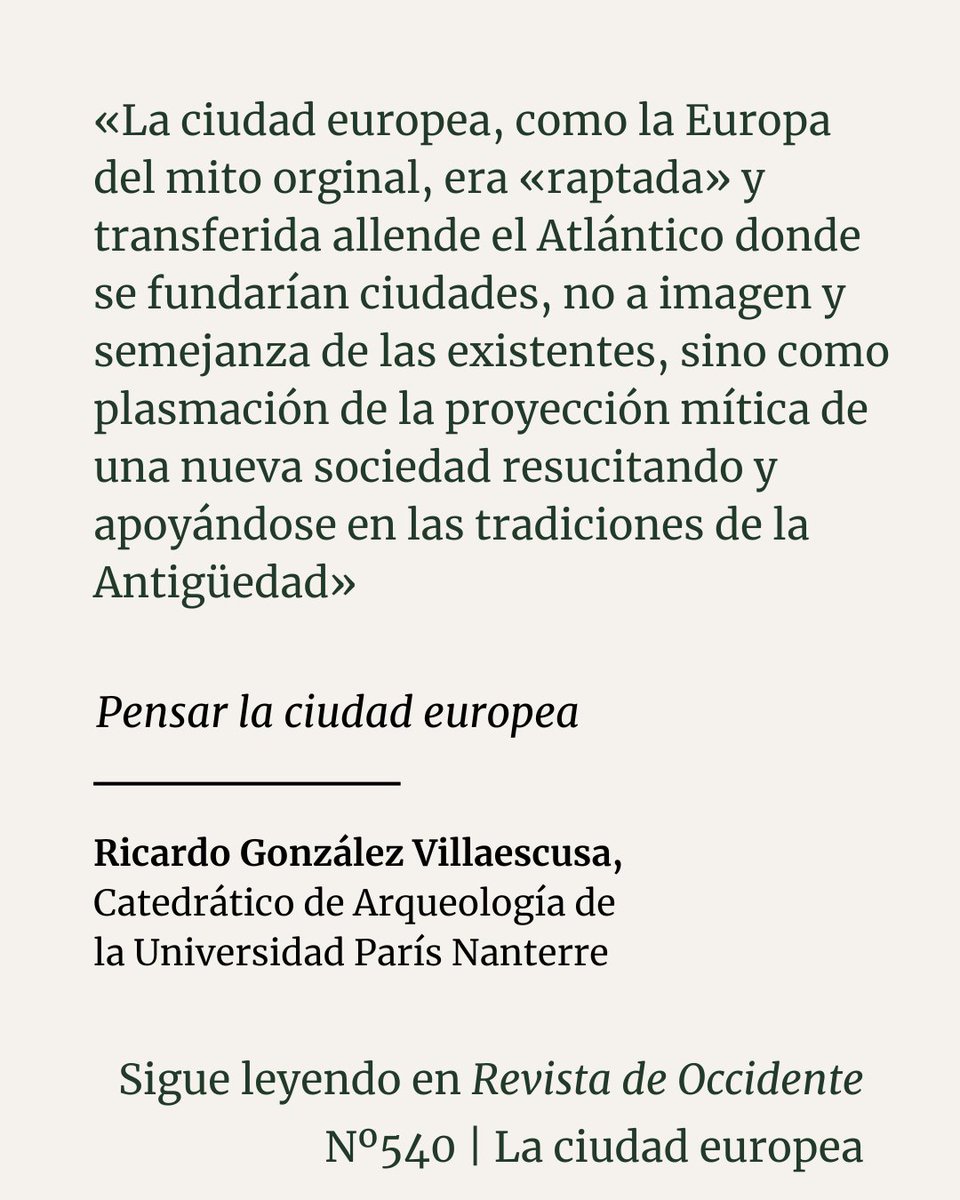
Un fragmento de 'Pensar la ciudad europea', el ensayo de Ricardo González Villaescusa que abre el número de este mes.
Si aún no te has hecho con tu ejemplar de Revista de Occidente, puedes adquirirlo, en formato físico o digital, aquí:
🔗ortegaygasset.edu/producto/r…
2
2
402
Revista de Occidente retweeted

May 19
Un orgullo y un placer poder conversar con @EnricoLetta conducidos por las preguntas y reflexiones de @fvallespin sobre Europa y su lugar en el mundo para @RevOccidente
Hay que repensar Europa para adaptarla a un nuevo tiempo, con plena consciencia de peligros y posibilidades
Este diálogo a tres entre @EnricoLetta, @and_rizzi y @FVallespin es fundamental para entender qué está sucediendo en Europa y qué está por venir.
Si aún no tienes tu ejemplar de este mes de Revista de Occidente, puedes adquirirlo en este enlace:
🔗ortegaygasset.edu/producto/r…
4
21
3,226
Revista de Occidente retweeted

May 19
Fragmentation means decline for Europe. Tks to @RevOccidente @and_rizzi @FVallespin for this intense exchange on the future of European Union 🇪🇺 between 🇺🇸 and 🇨🇳.
Este diálogo a tres entre @EnricoLetta, @and_rizzi y @FVallespin es fundamental para entender qué está sucediendo en Europa y qué está por venir.
Si aún no tienes tu ejemplar de este mes de Revista de Occidente, puedes adquirirlo en este enlace:
🔗ortegaygasset.edu/producto/r…
10
21
3,900
Revista de Occidente retweeted

May 19
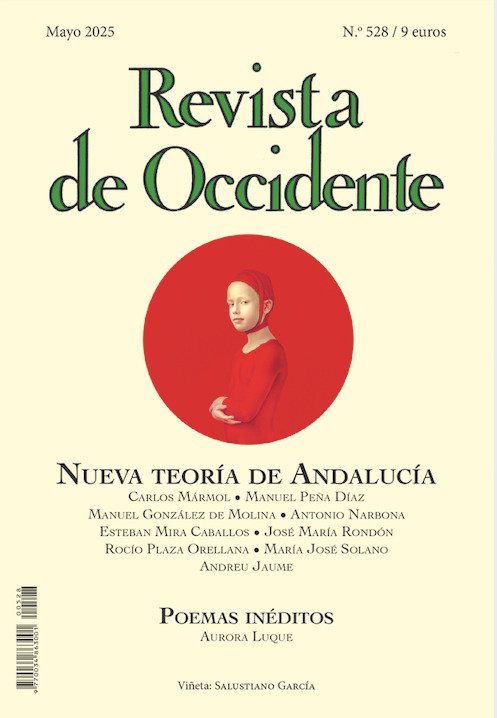
El mejor análisis de las elecciones andaluzas lo hizo hace un año @carlosmarmol_es en el gran número de @RevOccidente que editó y coordinó. ¡Claves que no caducan! Aún quedan ejemplares del monográfico en este enlace:
ortegaygasset.edu/producto/r…
5
14
615
Ya disponible en el Substack de Revista de Occidente "Pensar la ciudad europea", el ensayo de Ricardo González Villaescusa con el que comienza el número de mayo.
❓¿Posee la ciudad europea una identidad propia y originaria?
🔗revistadeoccidente.substack.…
1
103
Nos vemos esta tarde a las 18:30 en la biblioteca de la @fortegamaranon


2
5
489
Revista de Occidente retweeted
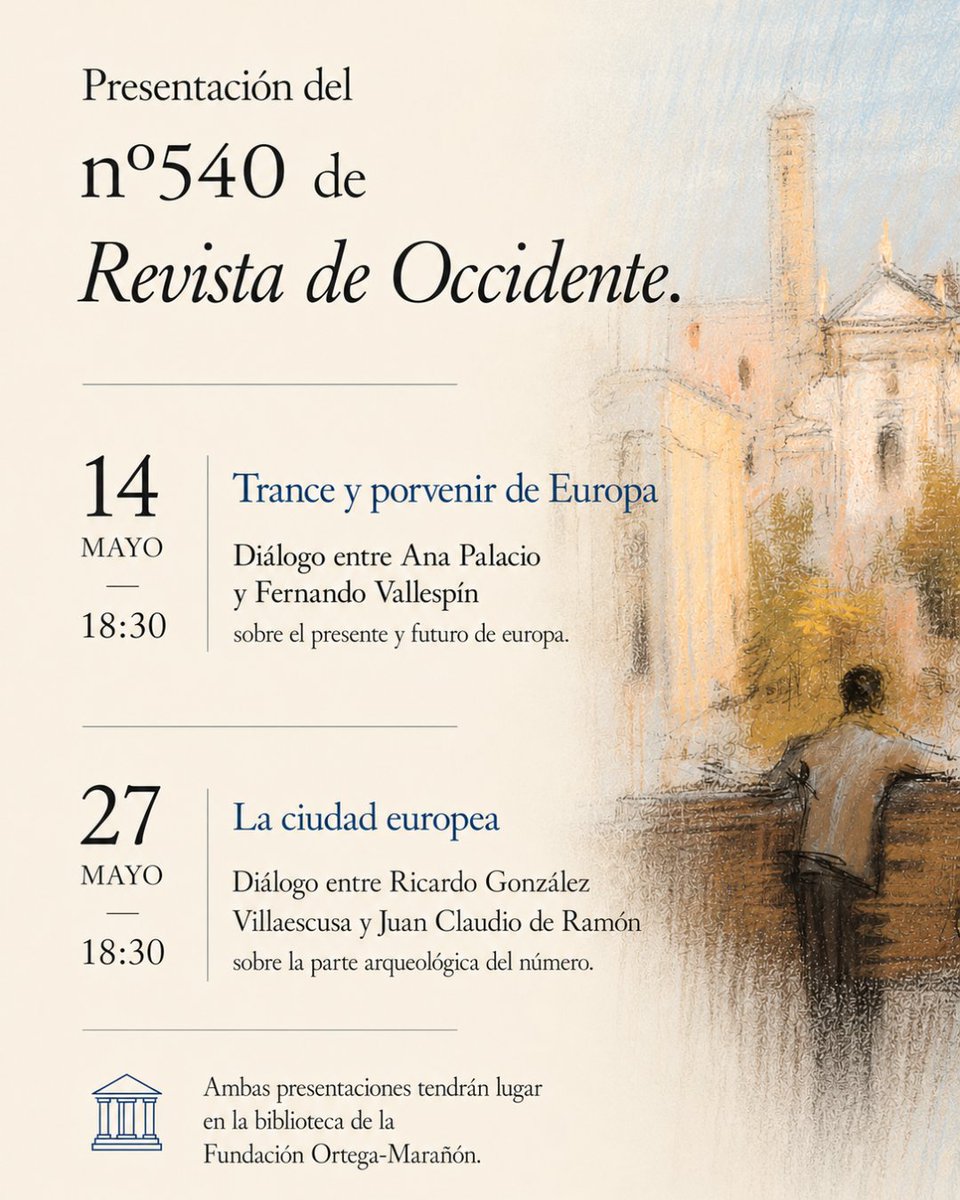
Doble presentación del número de este mes:
1⃣ Jueves 14 de mayo: Trance y porvenir de Europa, con @anapalacio y @FVallespin
2⃣ Miércoles 27 de mayo: La ciudad europea, con Ricardo González Villaescusa y @JuanCladeRamon
🕑18:30 h
Biblioteca de la @fortegamaranon (Fortuny 53)
3
5
528
Revista de Occidente retweeted
May 10
A la venta el nuevo número de @RevOccidente, 100% europeo. El sumario combina lo perentorio (@anapalacio, @AranchaGlezLaya, @EnricoLetta y @and_rizzi) y lo permanente: un dosier arqueológico sobre la ciudad europea. Viñeta bellísima del gran Ramón Gaya. ortegaygasset.edu/producto/r…
2
12
35
3,083
Nº 540 | La ciudad europea
El número de mayo está enteramente dedicado a temas europeos, combinando textos de análisis sobre los retos a los que se enfrenta la Unión Europea junto a otros ensayos sobre la historia y el desarrollo de las ciudades europeas.
2
3
5
502
Puede adquirir la suya aqui:
ortegaygasset.edu/publicacio…
1
76
Revista de Occidente retweeted

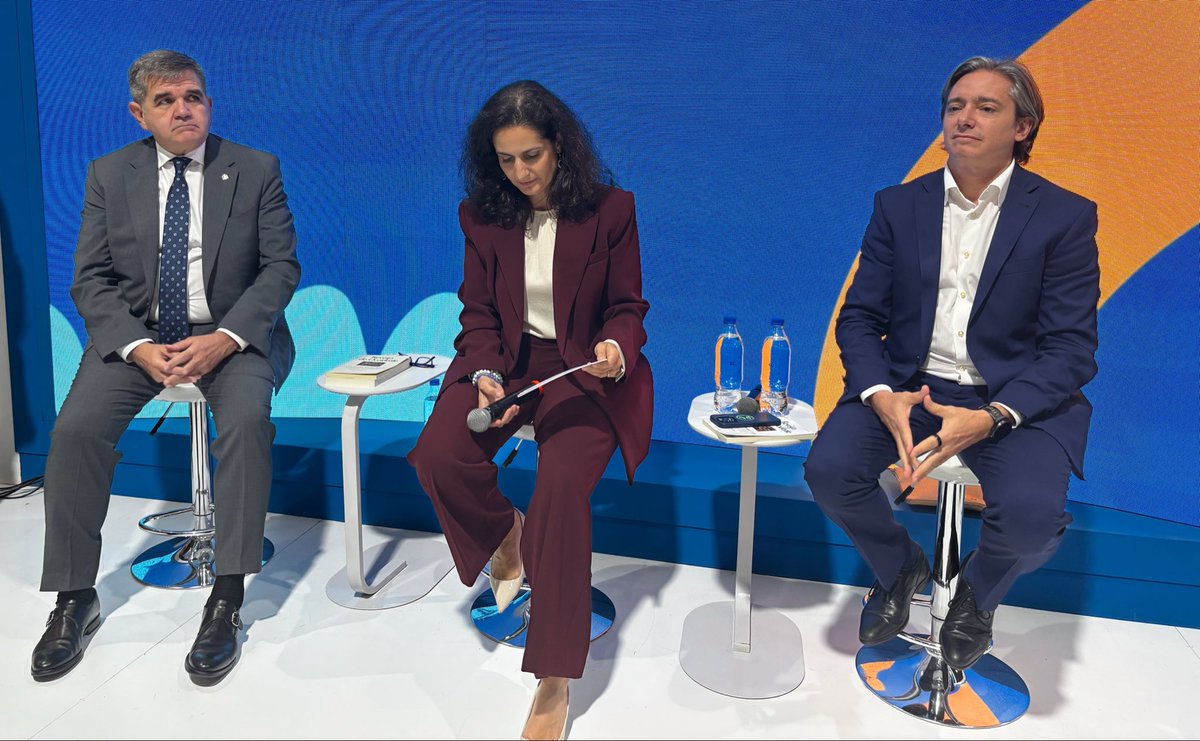
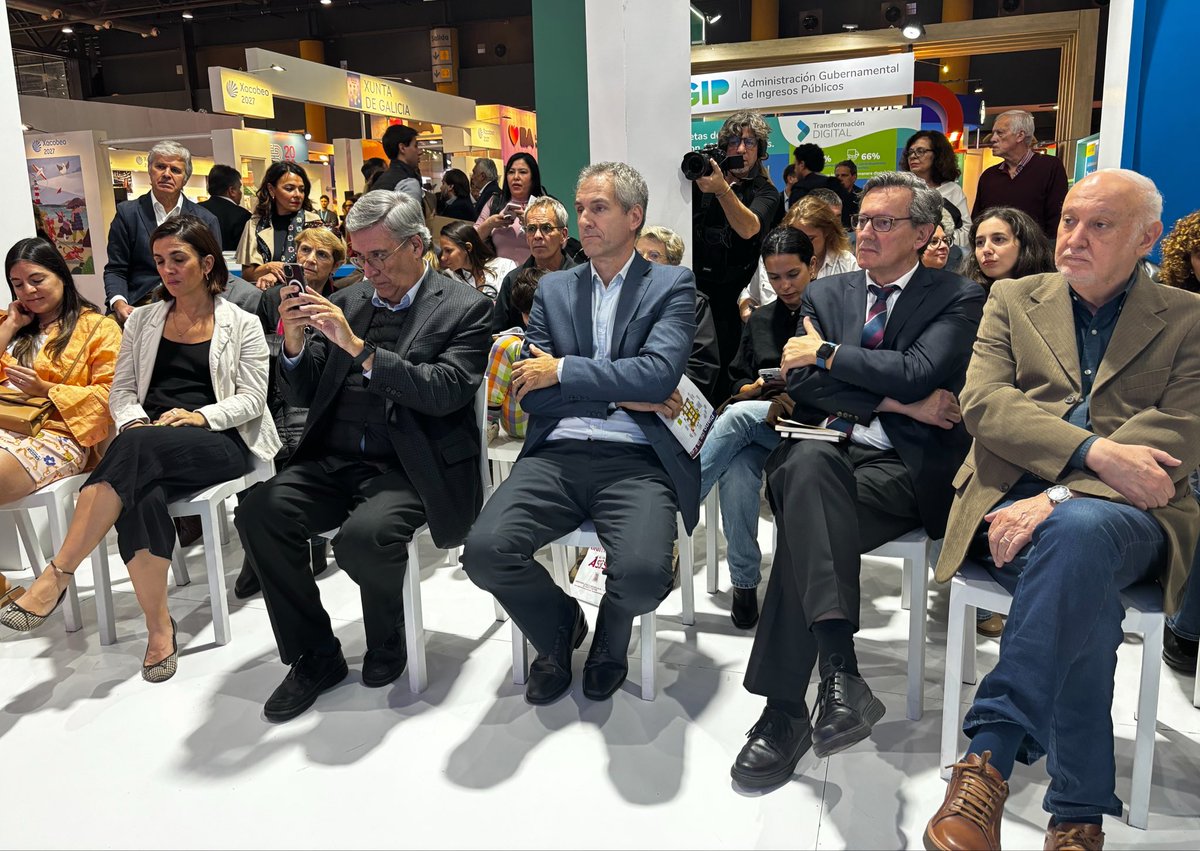
Termino en el pabellón de la @AgendaCAF, en la presentación del número especial de la Revista de Occidente dedicado a América Latina.
@MAECgob
@culturagob
@EmbEspArgentina
@fortegamaranon
@ortegaygassetar
@RevOccidente


2
6
11
740
Revista de Occidente retweeted

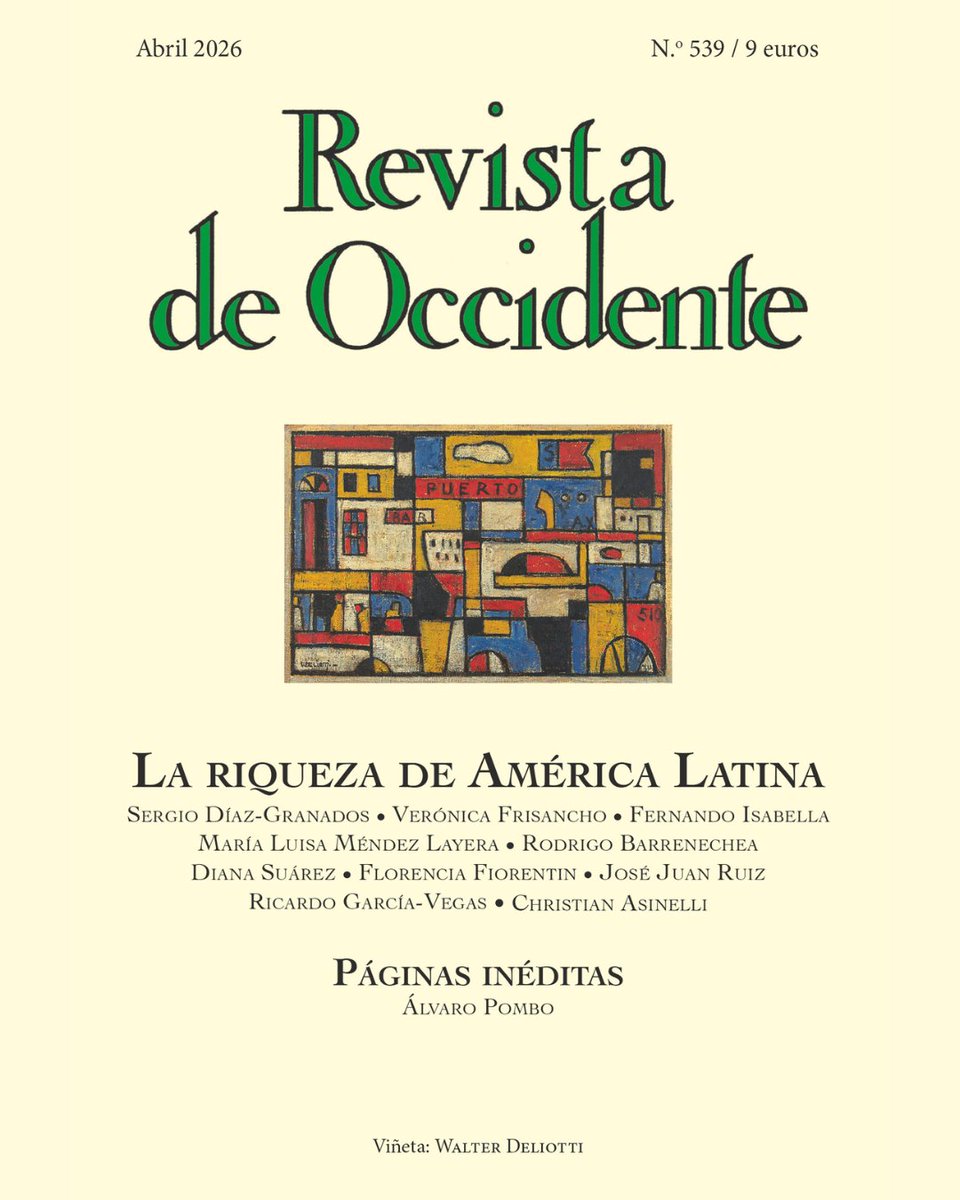
🌎📚 Revista de Occidente llega a la #FILBA2026 junto a @AgendaCAF.
Presentación del nº 539: «La riqueza de América Latina», un análisis sobre los desafíos y oportunidades económicas, culturales y sociales de la región.
📅 6 mayo · 19 h
📍 Stand CAF 1505 · Pabellón Amarillo
Feria Internacional del Libro de Buenos Aires
@RevOccidente
#RevistaDeOccidente #AméricaLatina #Cultura

2
5
3
412
@GMarfanyN ha sido galardonada en los Premios de Periodismo y Divulgación sobre Genética, otorgados por @Amgen junto a @CNB_CSIC por su ensayo '¿Es posible la mejora genética humana? Selección y modificación de embriones', publicado en el nº 535 de Revista de Occidente.
1
3
7
492
A modo de homenaje, ya está disponible el ensayo completo en nuestro substack.
🔗revistadeoccidente.substack.…
47
Revista de Occidente retweeted

Many readers replied to my Sunday post on Weber vs. Marx with a version of the argument: “Fine, but capitalism created modernity, so the distinction between capitalism and modernity collapses.” This response is incorrect.
Let me start with the historical claim. Did capitalism create modernity, or did the broader process of rationalization (Weber’s Rationalisierung, the spread of formal institutions, technical reason, impersonal coordination, and calculation) create capitalism and the other features we call modern? The arrow of causality is uncertain. The Roman Army, the Prussian and Habsburg bureaucracies, the Catholic Church’s hierarchy in the Middle Ages, and the Chinese imperial bureaucracy under the Tang: none of these observations fit neatly with the story that capitalism comes first and modernity follows.
But even if capitalism did historically cause modernity, the distinction does not collapse. Two different, and logically separate, kinds of questions are at stake.
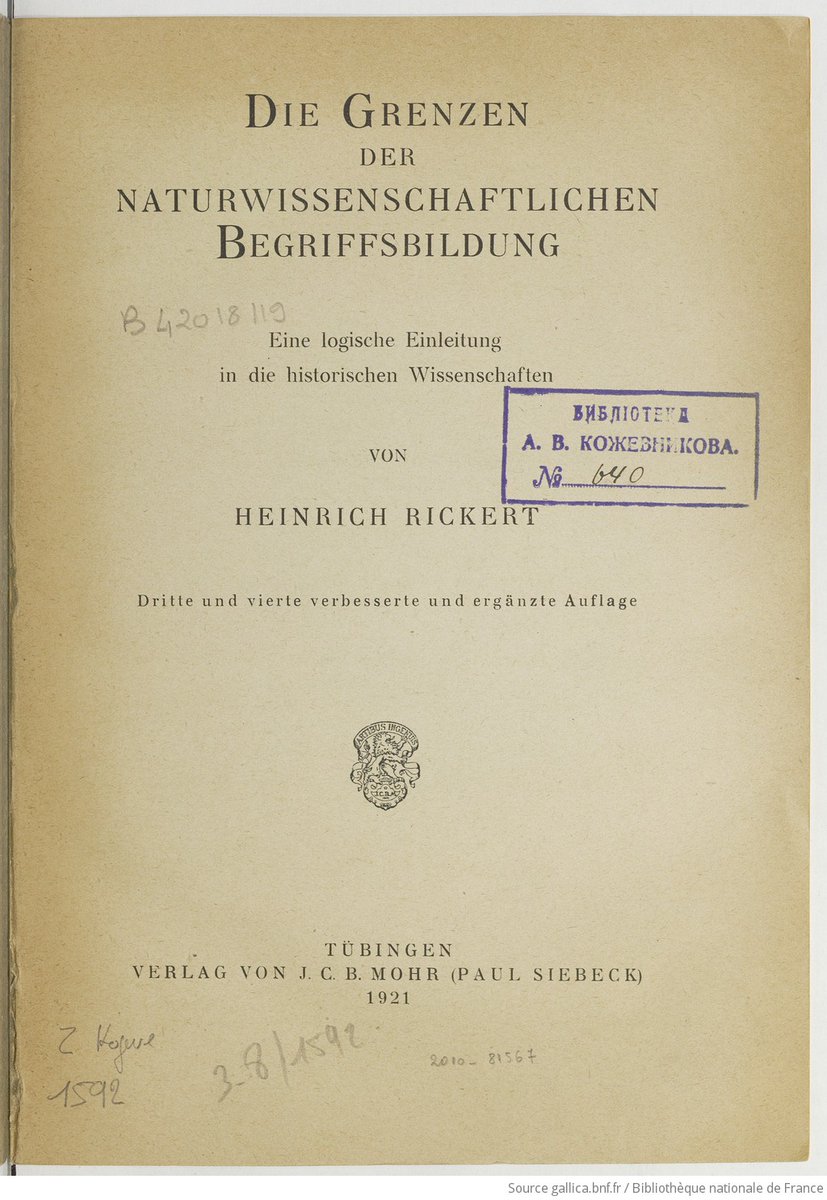
The neo-Kantian Baden School (Wilhelm Windelband and Heinrich Rickert, in Heidelberg and Freiburg around 1900) made this point clearly. Rickert, in Die Grenzen der naturwissenschaftlichen Begriffsbildung, distinguishes the genetic question (how did a concrete social configuration arise historically?) from the taxonomic question (what kind of thing is it, and how does it relate to other things of its kind?). Both questions are legitimate. But they are not the same.
Weber, Rickert’s friend and colleague at Heidelberg, built his comparative sociology on this distinction. The ideal type of bureaucracy is taxonomic. It specifies the structural features (hierarchy, written rules, fixed jurisdictions, impersonal authority, technical training) that define the form. The question of how the Prussian bureaucracy arose from the Hohenzollern military obsession is a separate matter. Bureaucracy as a type can be instantiated in the Egyptian New Kingdom, the Tang civil service, the Catholic Church, and the modern corporation. How it came to be in each case and what kind of thing it is in each case are two questions, not one.
Hence, when someone says “capitalism produced modern bureaucracy,” even granting it for the sake of argument, that is an answer to the genetic question. It does not address the taxonomic question of whether the pathologies of large bureaucratic organizations are features of capitalism or of the bureaucratic form itself. The Soviet, East German, and Maoist evidence settles the second question. It shows that bureaucratic dysfunction not only persists but also intensifies in non-capitalist modern regimes.
Now, the serious objection. Quine’s “Two Dogmas of Empiricism” (1951) attacks the analytic-synthetic distinction and, by extension, undermines any clean separation between conceptual-taxonomic and empirical-historical claims. In Quine’s holism, our concept of bureaucracy is a theory derived from historical cases. From this perspective, revising the concept and revising our empirical claims are two sides of the same process. There is no taxonomic standpoint outside the historical record.
I take this objection seriously, but my defense is pragmatic. Weber himself called the ideal type a Gedankenbild, an analytical construct, explicitly heuristic. Read that way, it is just a working tool. Or, as we say in economics, all models are wrong, but some are useful.
You can concede much ground to Quine’s holism and still find it useful, for many purposes, to bracket the genealogy of a category and study the structural relations among its instances. The distinction between modernity and capitalism earns its keep by helping you see that bureaucratic dysfunction in Leipzig in 1982 and in Philadelphia in 2026 are two tokens of the same pathology, regardless of the surrounding economic system.
So, yes, we should distinguish between modernity and capitalism. Otherwise, how are you going to analyze East Germany?
Some (irrelevant) bias: In any case, I am a Saul Kripke fanboy, so who cares about Quine? Water is H2O, baby!
Some (more irrelevant) historical connections: Heinrich Rickert was Heidegger’s most important early teacher, but also had much impact on Rudolf Carnap. Rickert and the neo-Kantians more generally deserve to be better known outside Germany.
Some (truly irrelevant) personal background. I learned all this material in college, thanks to Spain’s long neo-Kantian tradition, transmitted through Ortega y Gasset (who studied with Cohen in Marburg in 1906 and absorbed Baden through Rickert soon after) and the Revista de Occidente. For once, the hard-earned pesetas my father spent on the tuition of what, at the time, looked like spectacularly useless philosophy courses, without complaining once, have turned out to have some minor application. I will let him know when I ring home tonight.
21
53
297
52,534