Professional Photo Editor and Artist currently based in Birmingham and Swindon. Lover of all things Welsh, Sudrian, heritage and culture
Joined April 2025
- Tweets 112
- Following 121
- Followers 771
- Likes 7,385
25 Photos and videos


Apr 10
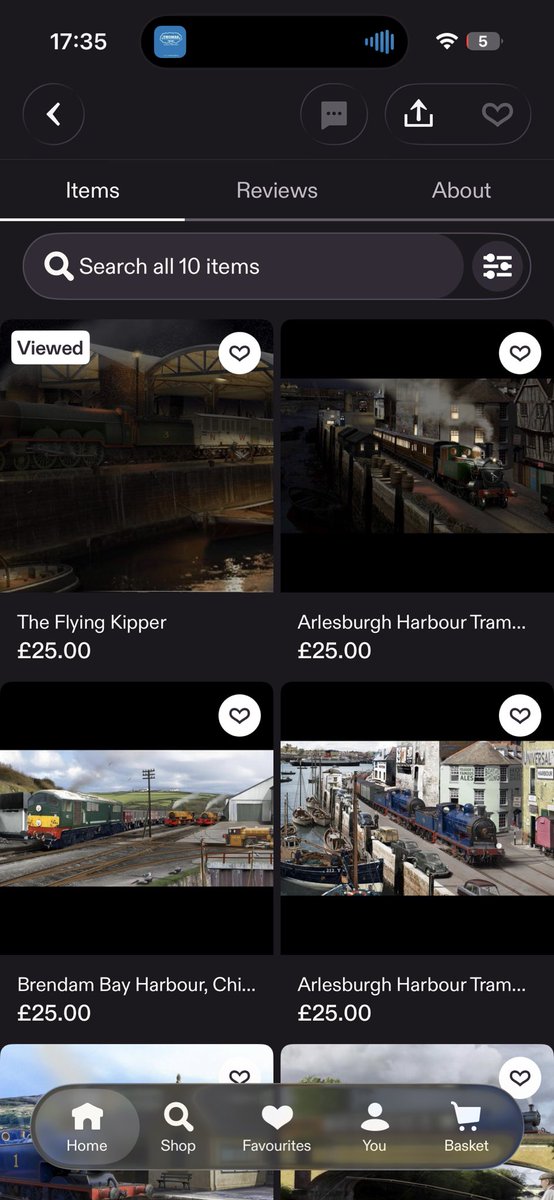
My prints are available:
rhyspageart.etsy.com
Sales from my work help me keep producing new pieces and go towards replacing my laptop so I can continue.
This is how I support myself, so each sale is appreciated.
I’ll be at Swanage Railway, Saturday 11th, come say hello!
4
90
458
8,976
Mar 31
My Etsy account is live!
rhyspageart.etsy.com
All the support I can get is greatly appreciated, and every purchase helps me carry on producing artwork. I’ve had fantastic support since creating this page and really appreciate all the kind messages.
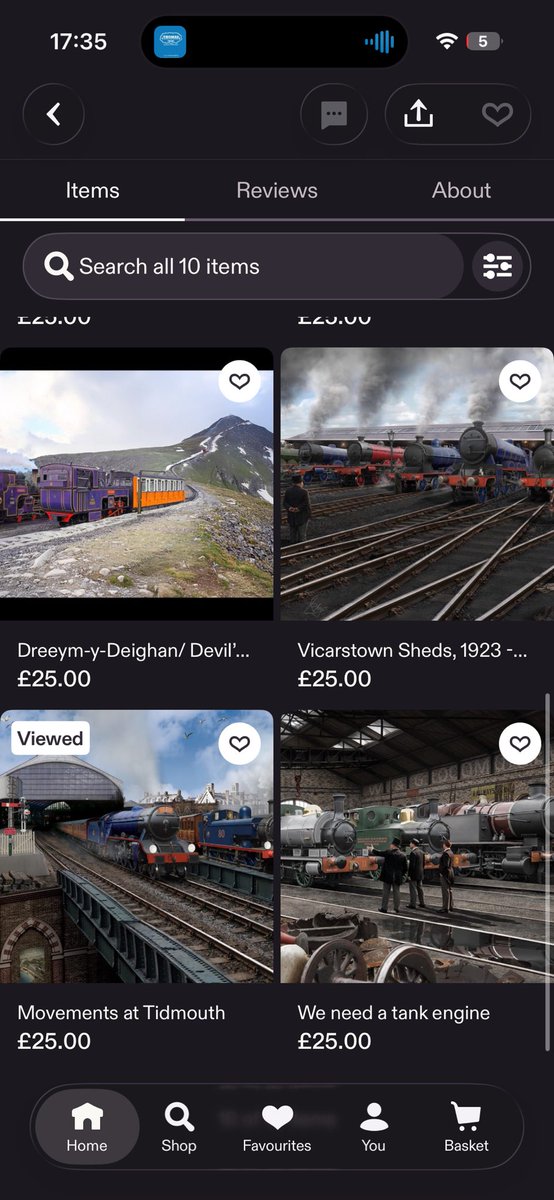
Wide range of print sizes
1
12
1,038
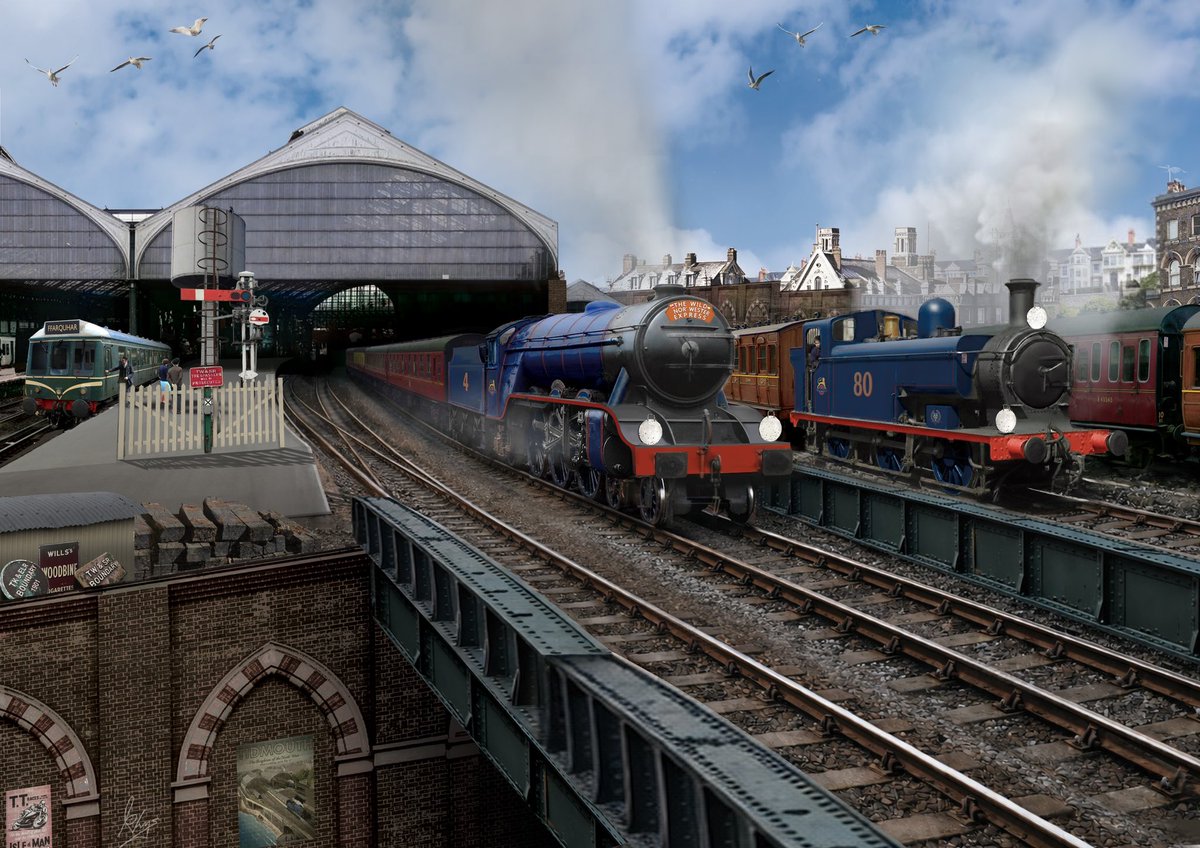
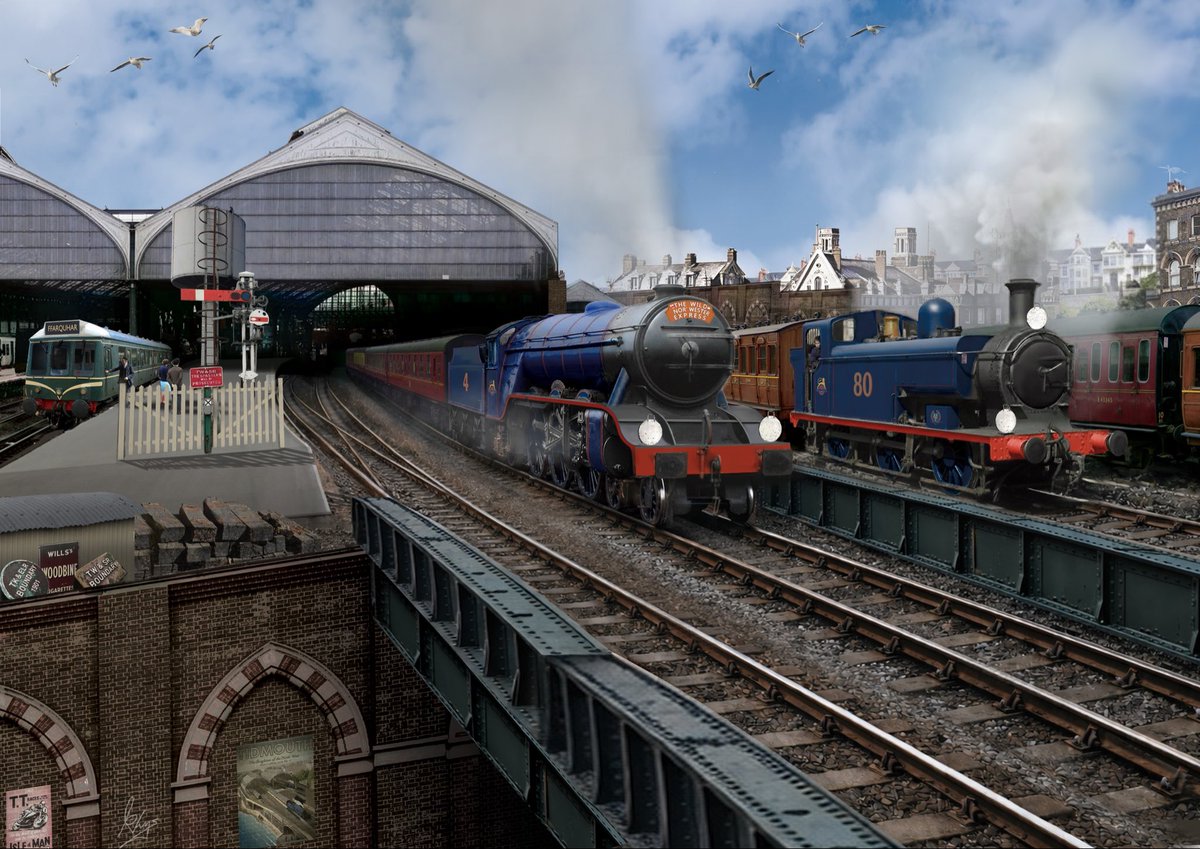
"It is called the Wild Nor'Wester and is full of people from England, Wales and Scotland..."
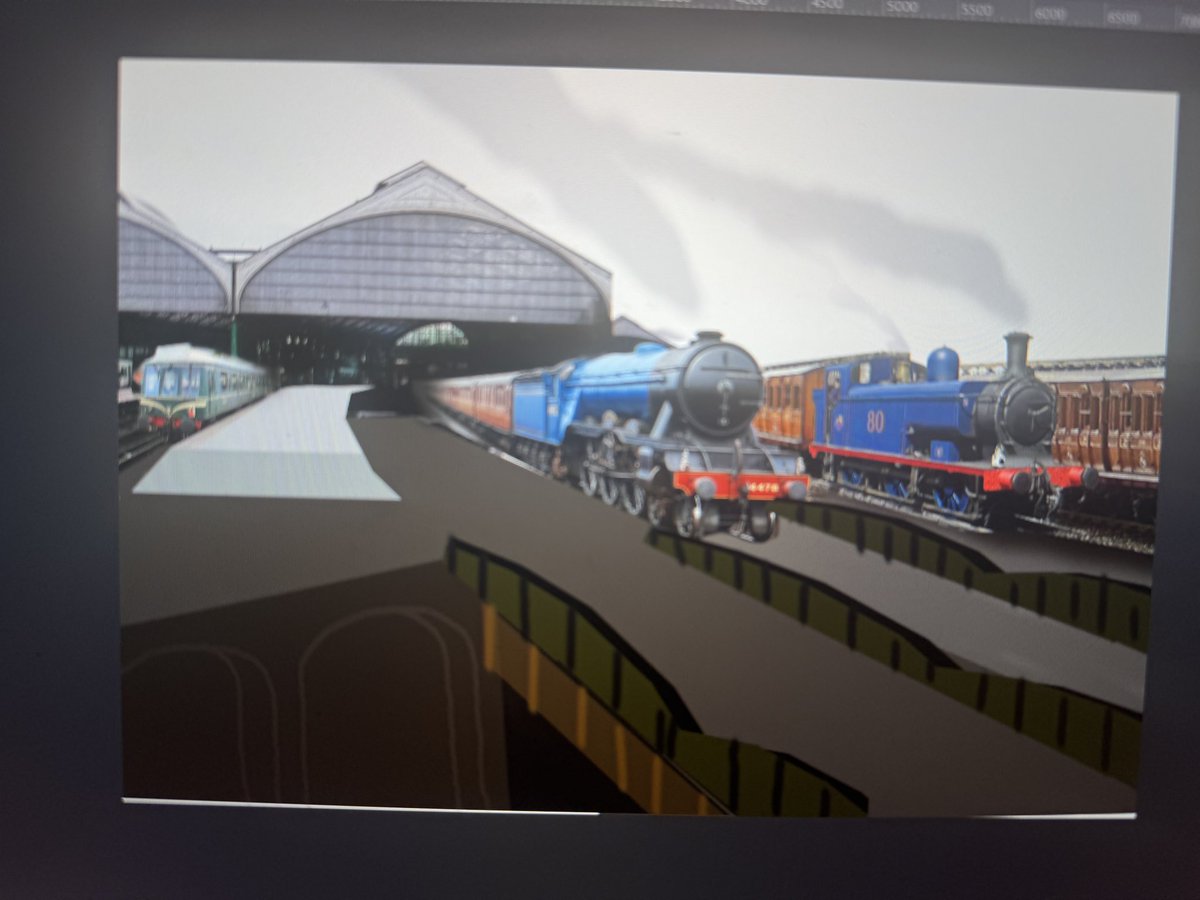
This is my piece Movements at Tidmouth. NWR no.4 'Gordon' departs platform 1 with the Wild Nor'Wester Express for Barrow-in-Furness and onwards to London.
9
160
793
14,768
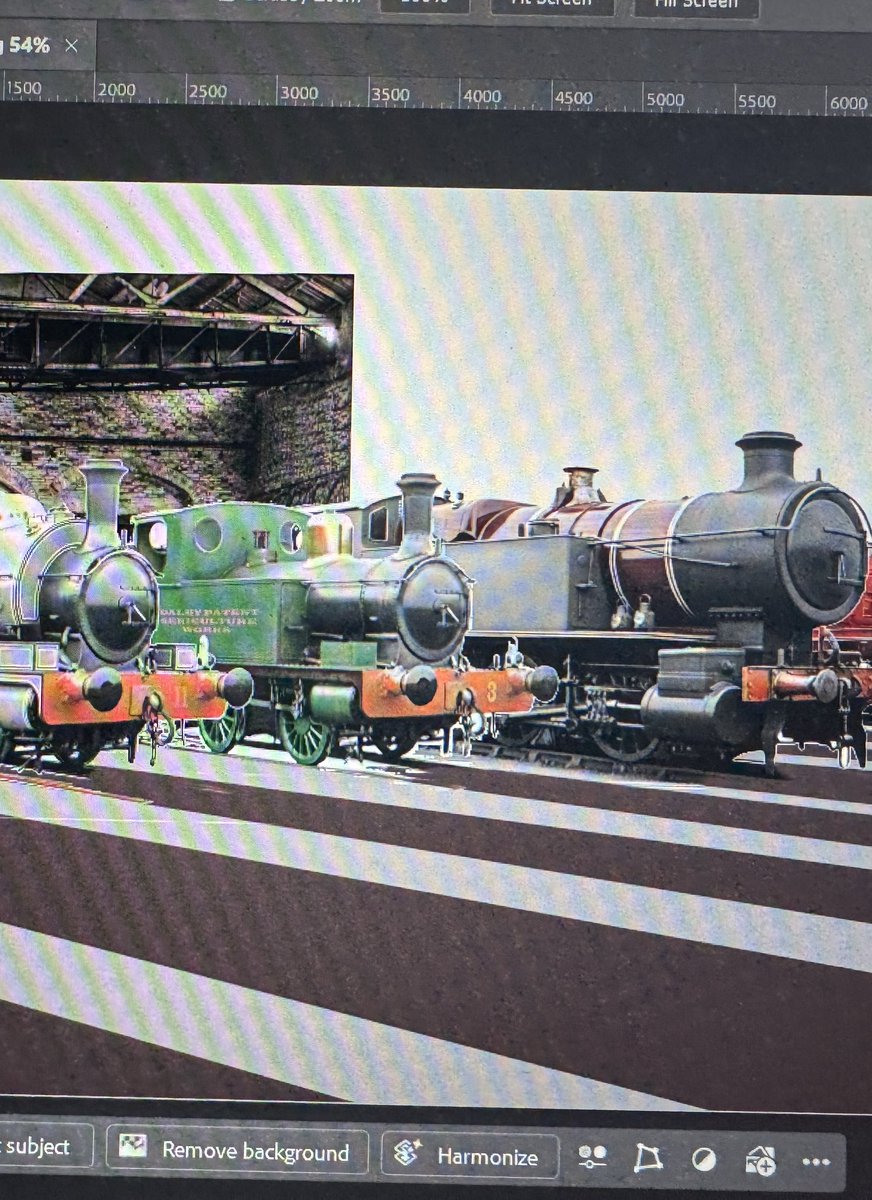
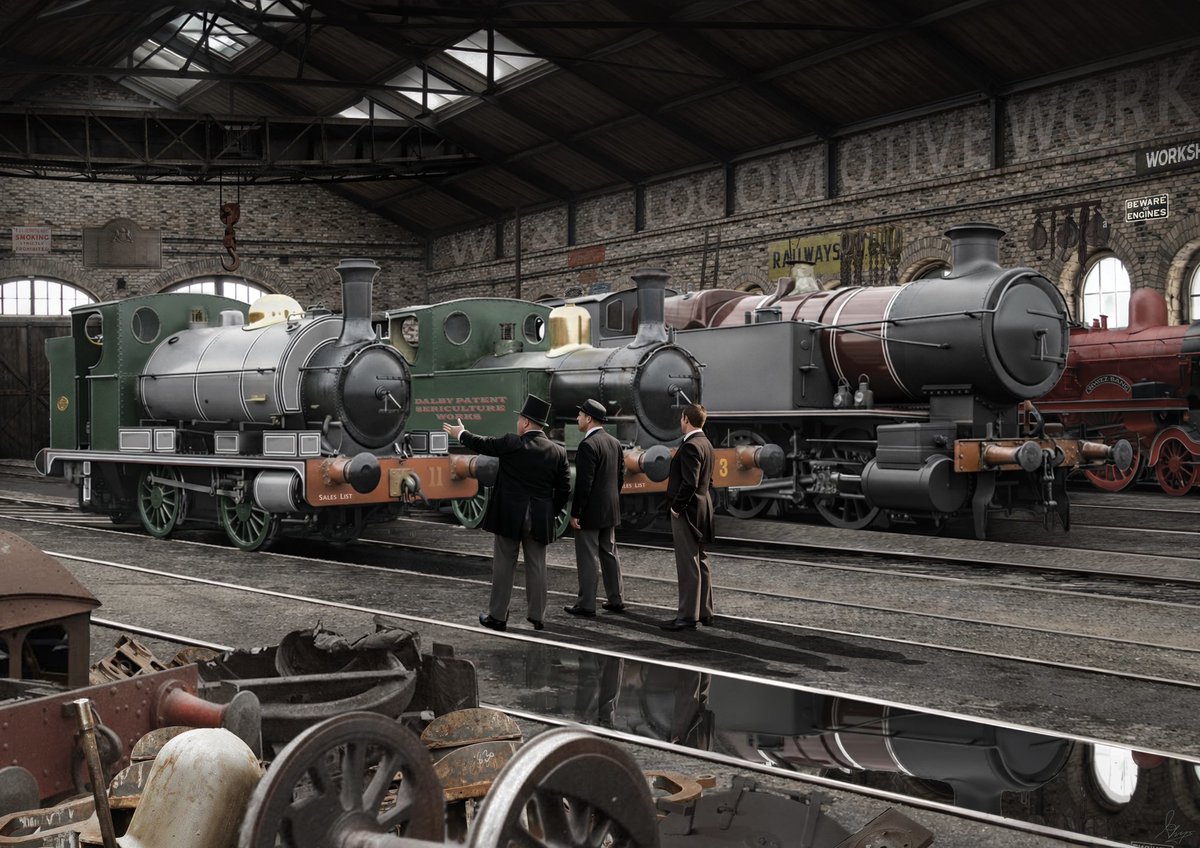
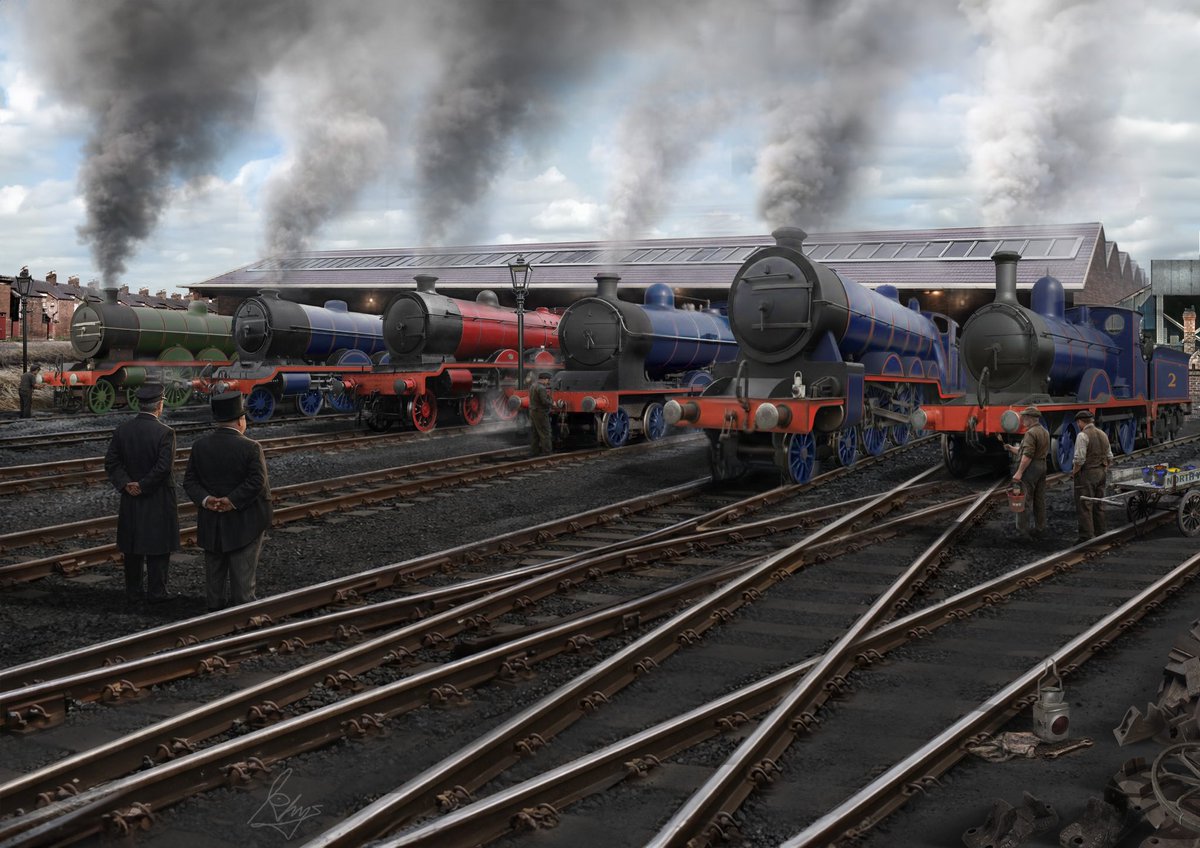
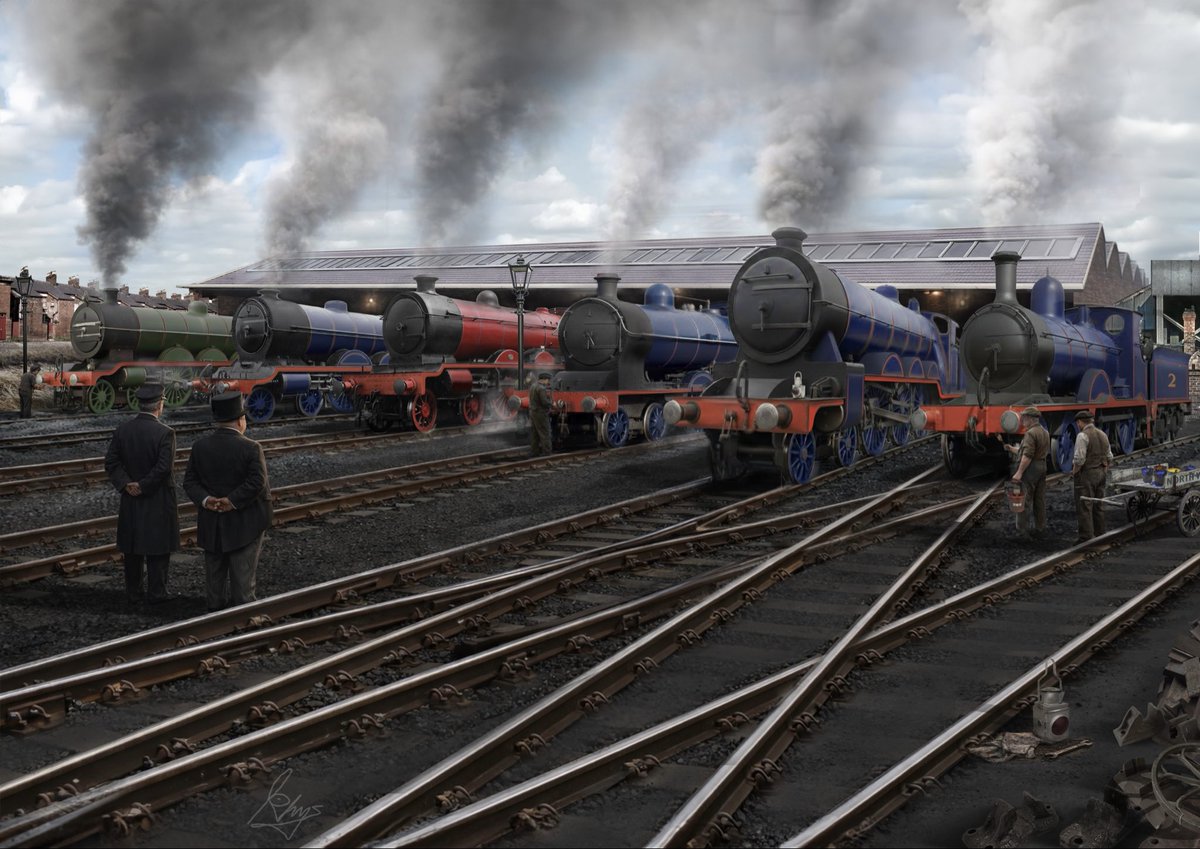
This is my piece Vicarstown Sheds, 1923 — “The Beginning”. From left to right, NWR numbers: 3, 87546, 146527, 98462, 4, and 2 are poised ready for inspection, while No. 3 awaits a fresh repaint.
13
120
754
14,558
Feb 27
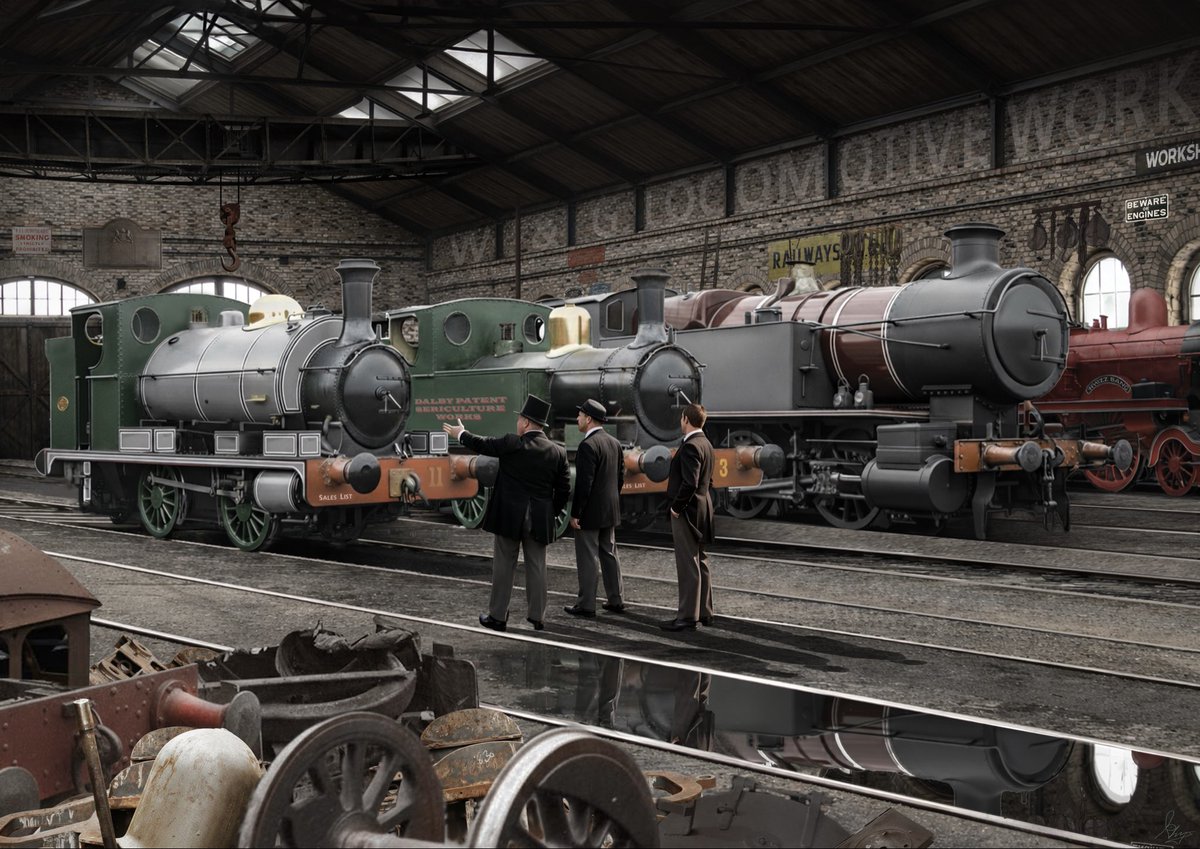
“If I choose you, will you work hard?… That’s a good engine. I’ll call you Percy.”
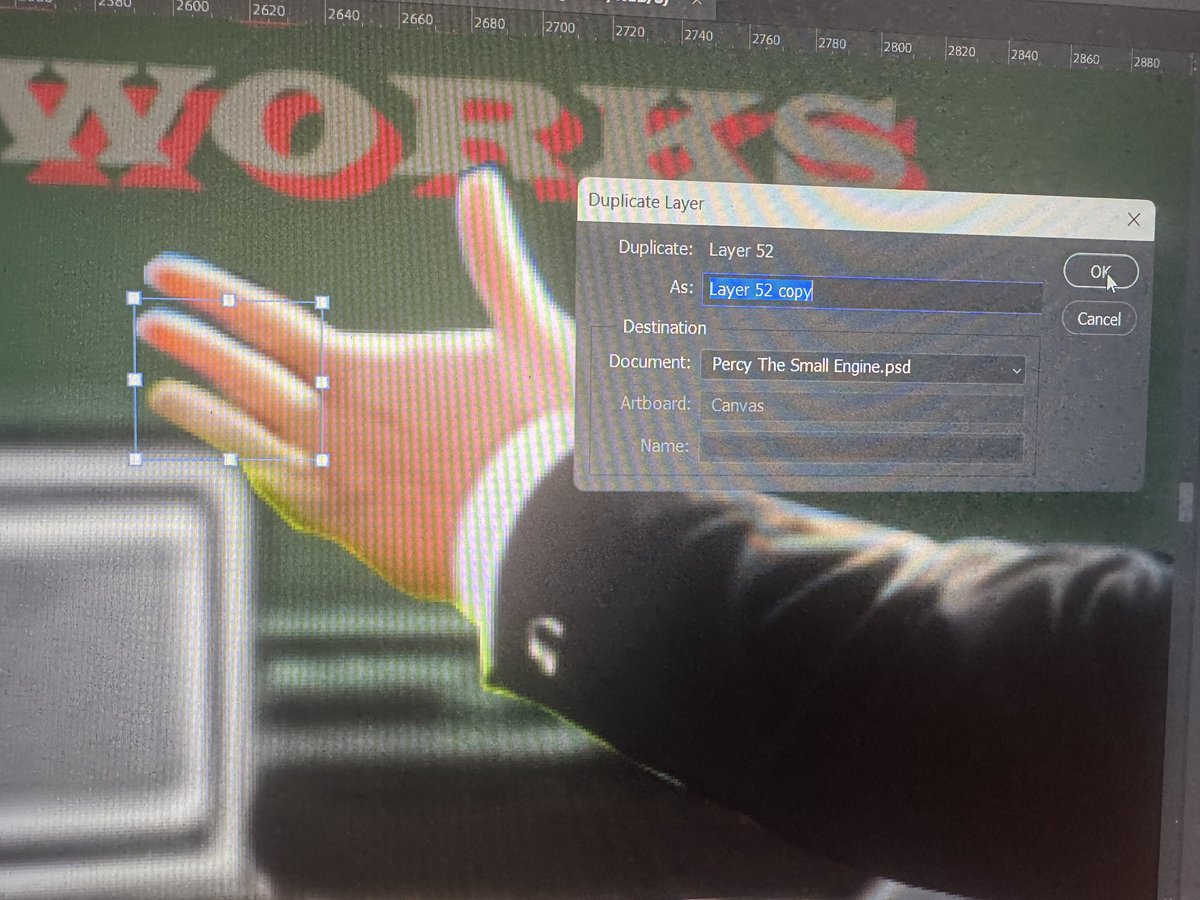
This is my piece ‘We need a tank engine’. A line of smartly turned-out tank engines stand ready for inspection, based on the illustration from Trouble in the Shed, of future NWR No. 6
19
242
1,214
18,141
Meanwhile, NWR station pilot no.80 shunts empty coaching stock back and forth in the coach sidings to the side of the station, out of view, and the up Ffarquhar DMU service 'NWR D1' readies to depart from platform 3.
1
3
50
2,658
Jan 14
“Henry was ready at five o’clock. There was snow and frost. Men hustled and shouted, loading the vans with crates of fish. The last door banged, the guard showed his green lamp, the Flying Kipper was ready to go”
9
148
679
12,863
29 Dec 2025
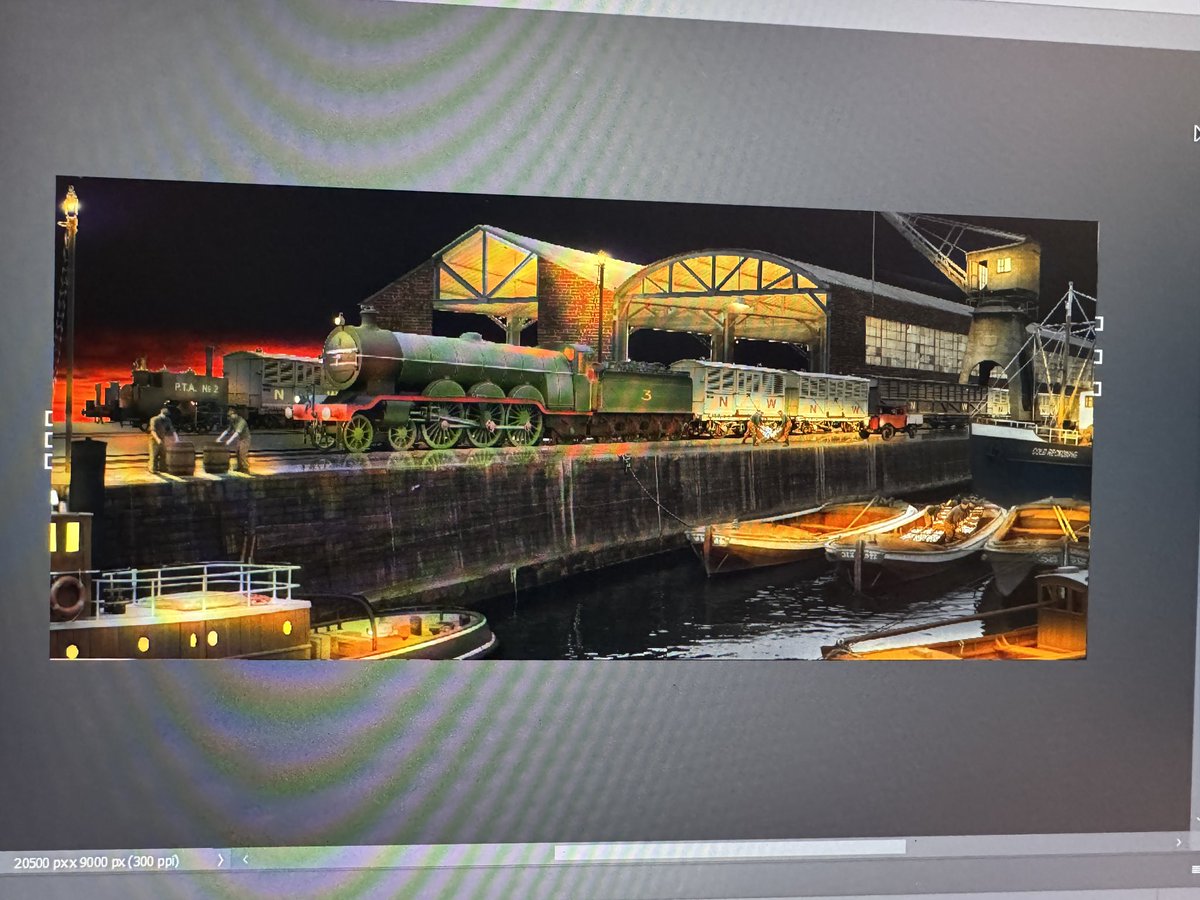
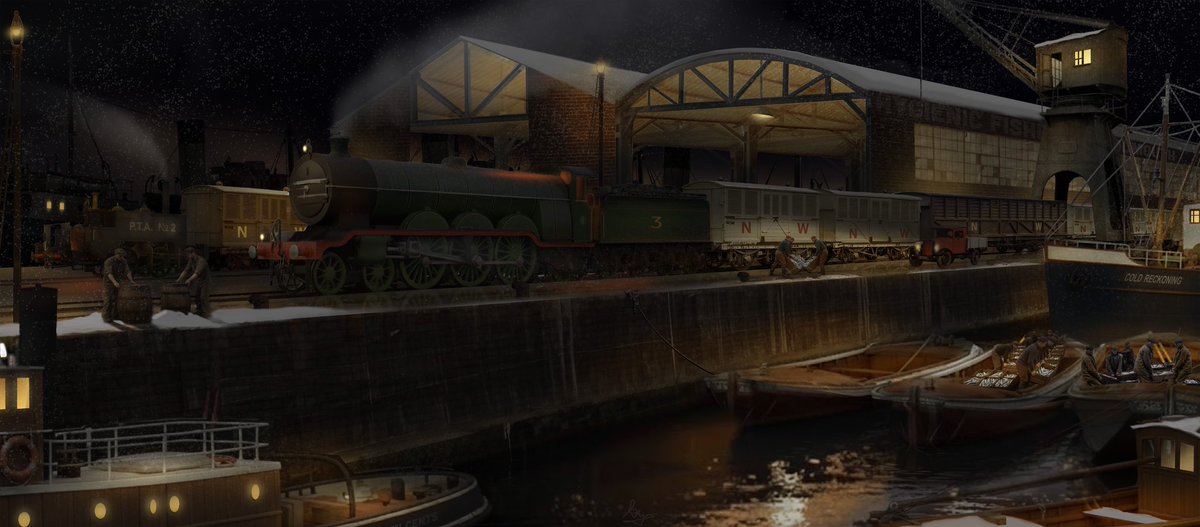
Arlesburgh Harbour, 1947. This piece depicts the harbour branch prior to its 1960s redevelopment, showing a port in decline as historic infrastructure is removed. The loss is cultural as much as industrial, marking the end of the lead traffic.
11
51
336
7,954
29 Dec 2025
This work will form the first part of a triptych, alongside my 1960s depiction of Arlesburgh and a forthcoming 1990s version revisiting the harbour. Together, the three pieces are intended to present the harbour tramway at different stages of its history
1
22
2,119
29 Dec 2025
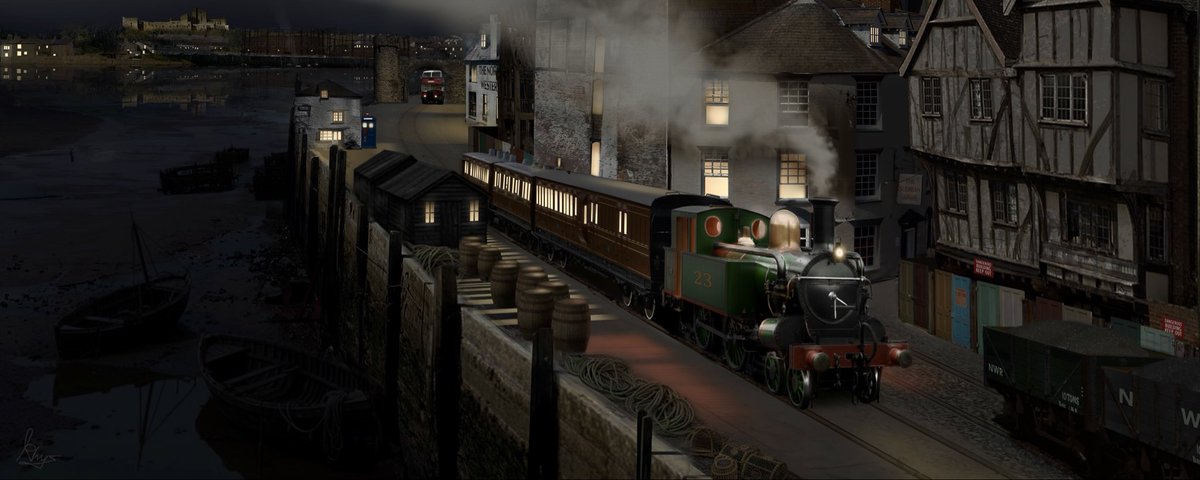
North Western Railway No. 23 works the early-morning local, carrying passengers beyond the town in search of better prospects.
16
2,064
7 Dec 2025
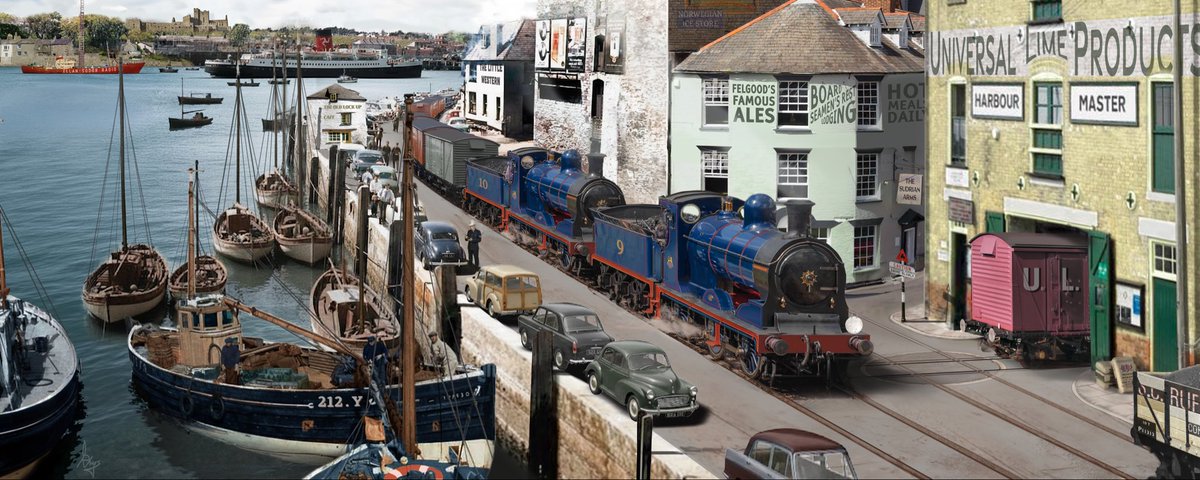
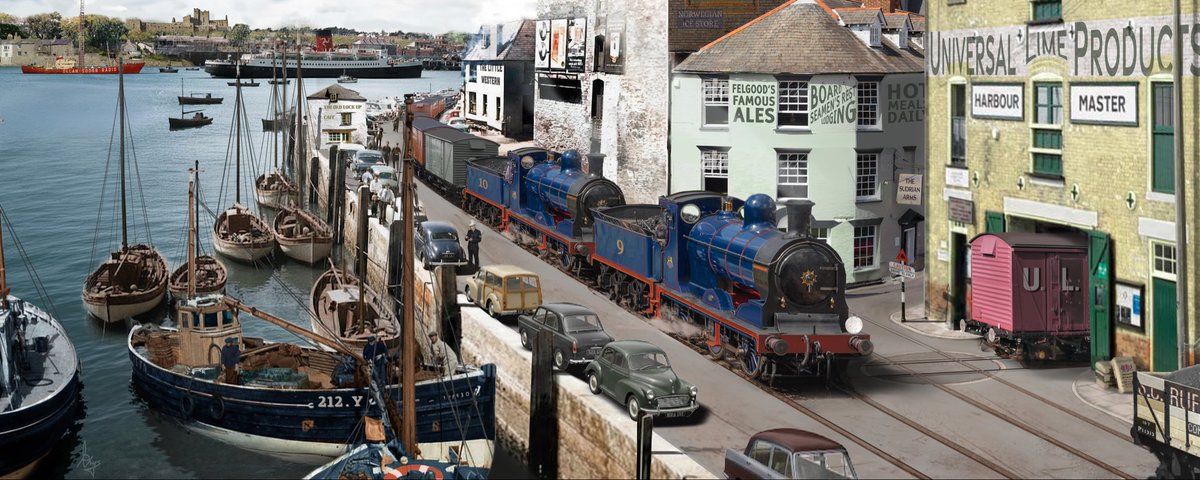
This is my piece: Arlesburgh Harbour Tramway on the Little Western Branch Line (1969). North Western Region Nos. 9 & 10 ‘Donald & Douglas’ navigate the busy streets and traffic of the harbour with a goods train. Passing the boats, cars and small industries served by the railway.
14
243
1,224
20,956
24 Nov 2025
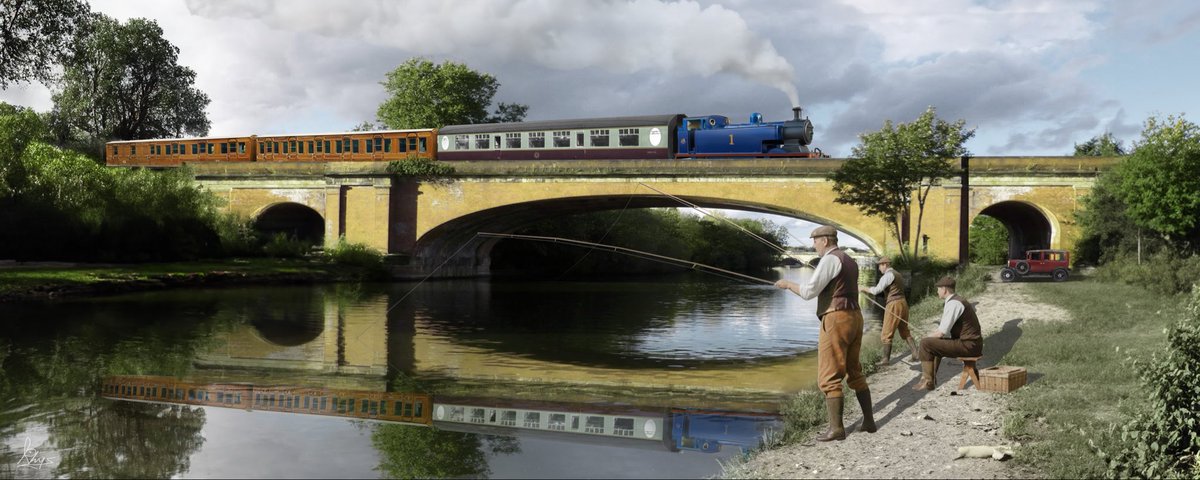
This is my composition Bridge over the River Els, inspired by one of my favourite illustrations from The Railway Series. North Western Region No. 1 is seen crossing the Els River with the midday service to Ffarquhar, featuring a special coach added to the usual passenger rake
8
119
486
11,554
17 Nov 2025
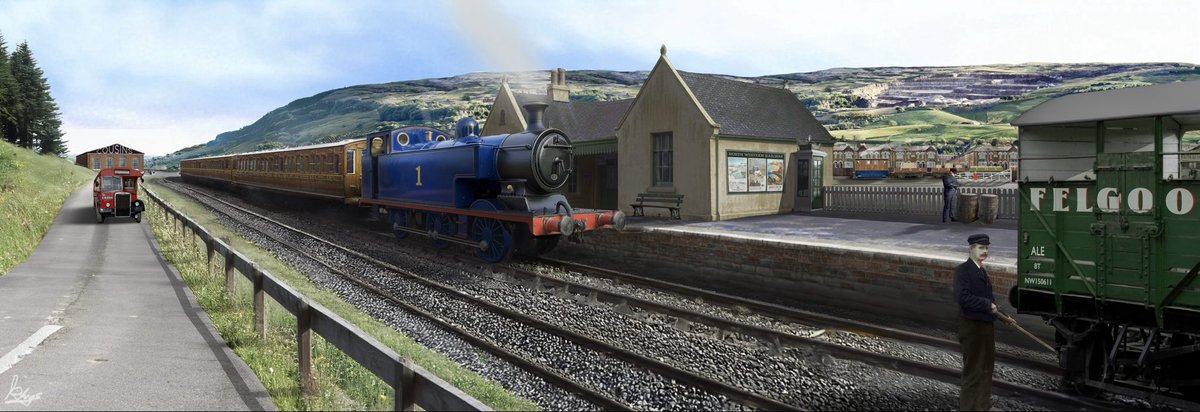
This is my composition of Ffarquhar Station from the Railway Series. North Western Region No. 1 arrives with the afternoon push-pull service from Knapford Junction, while NWR No. 7 returns from Anopha with a train of stone wagons, ready to sort in the yards beyond the station.
6
96
414
16,511
5 Nov 2025
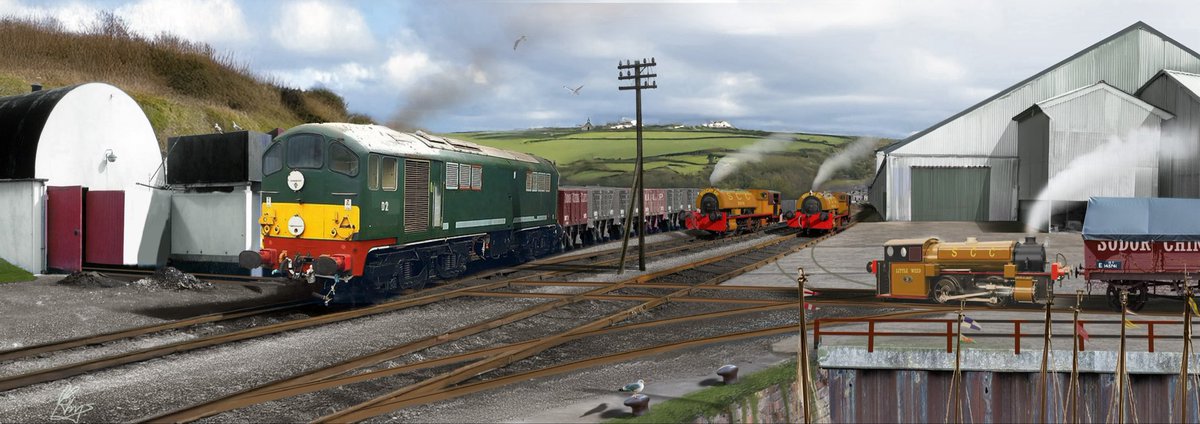
Brendam Bay Harbour and the china clay workings. D2 BoCo has arrived with a rake of empties as numbers 1 and 2, Bill and Ben, stand ready to begin loading, while SCC number 3 waits to draw the loaded hood wagons across the points from the harbour.
11
116
488
13,896
13 Oct 2025
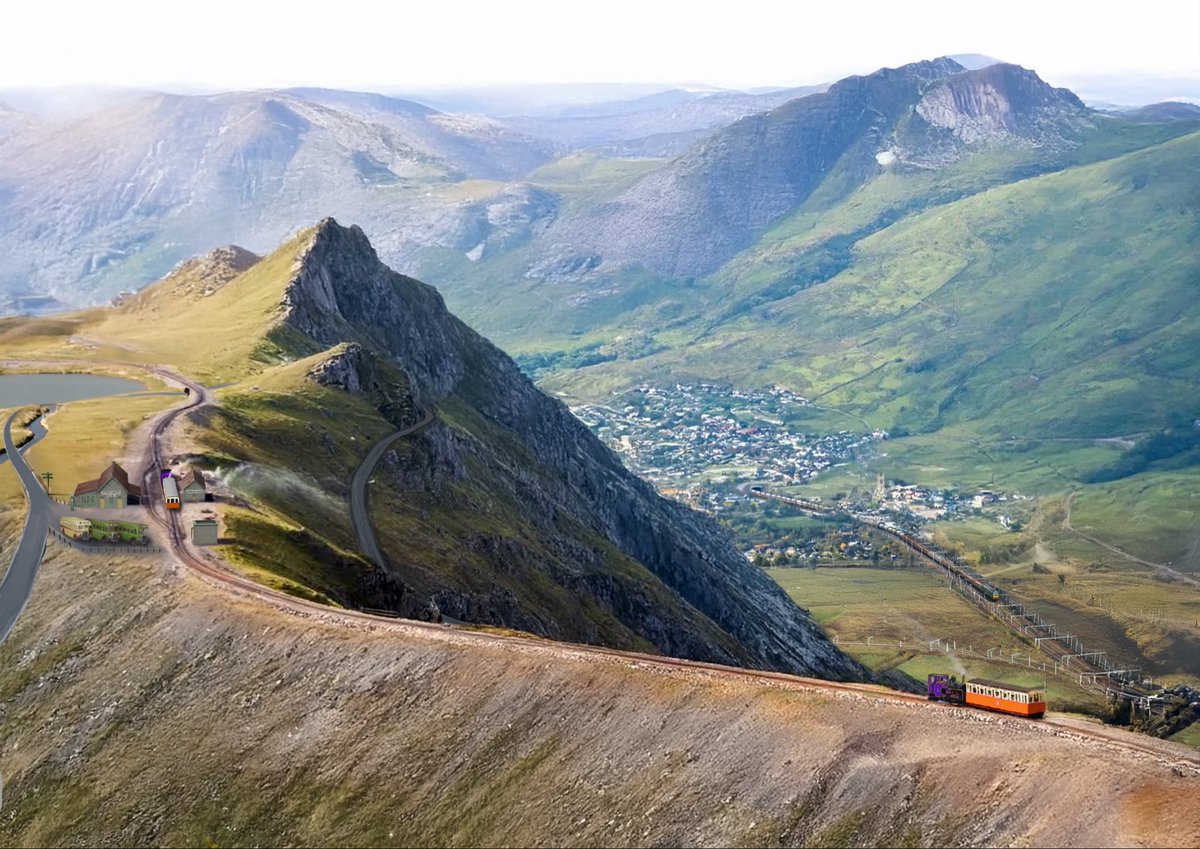
Skarloey Road Station, Culdee Fell Railway.
High above Peel Godred, the mountain line climbs into the clouds while the electric railway winds through the valley below.
To the left lies Poll ny Chrink, where the road curls beneath the railway to the coach station and tea rooms.
7
63
240
8,018
13 Oct 2025
Beyond Skarloey Road, the descent twists back toward Skarloey Lakeside, linking the fells to the valley.
15
2,071
10 Oct 2025
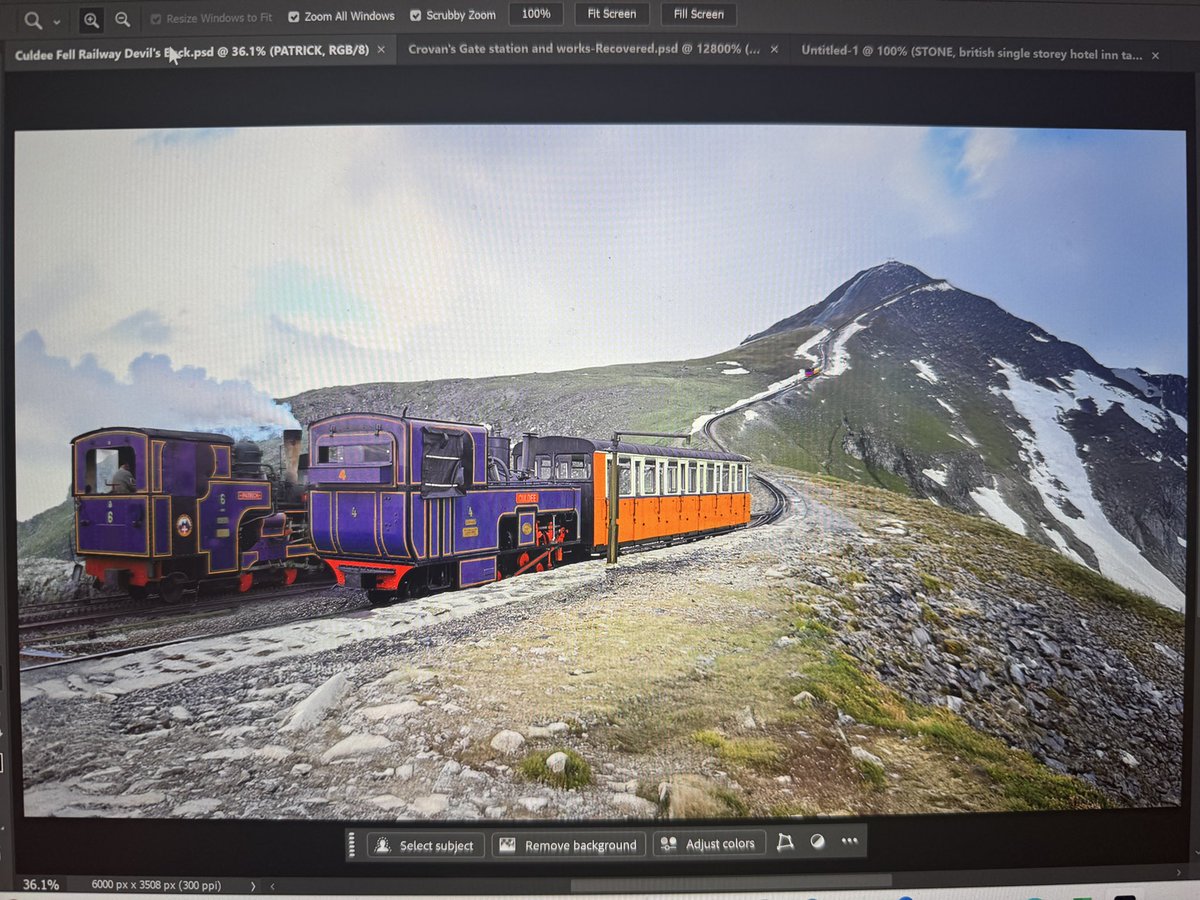
Dreeym-y-Deighan, better known as the Devil’s Back. This is my composition of Culdee Fell and the Culdee Fell Railway, with its mountain engines working the rack and pinion line to the summit.
5
83
443
10,754
10 Oct 2025
Pictured are No.6 Patrick waiting for No.4 Culdee to pass and make the ascent up the Devil’s Back, with No.3 Wilfred barely visible in the distance, already nearing Summit Station. I’ll be adding the station-man’s hut, sandbags, and the hotel tea rooms in the final version soon.
18
2,066