
Empowering educators with voice, choice & agency in their professional learning: personalized PD, picking their own coach & affinity groups for collaboration.
- Tweets 2,193
- Following 201
- Followers 193
- Likes 3,373














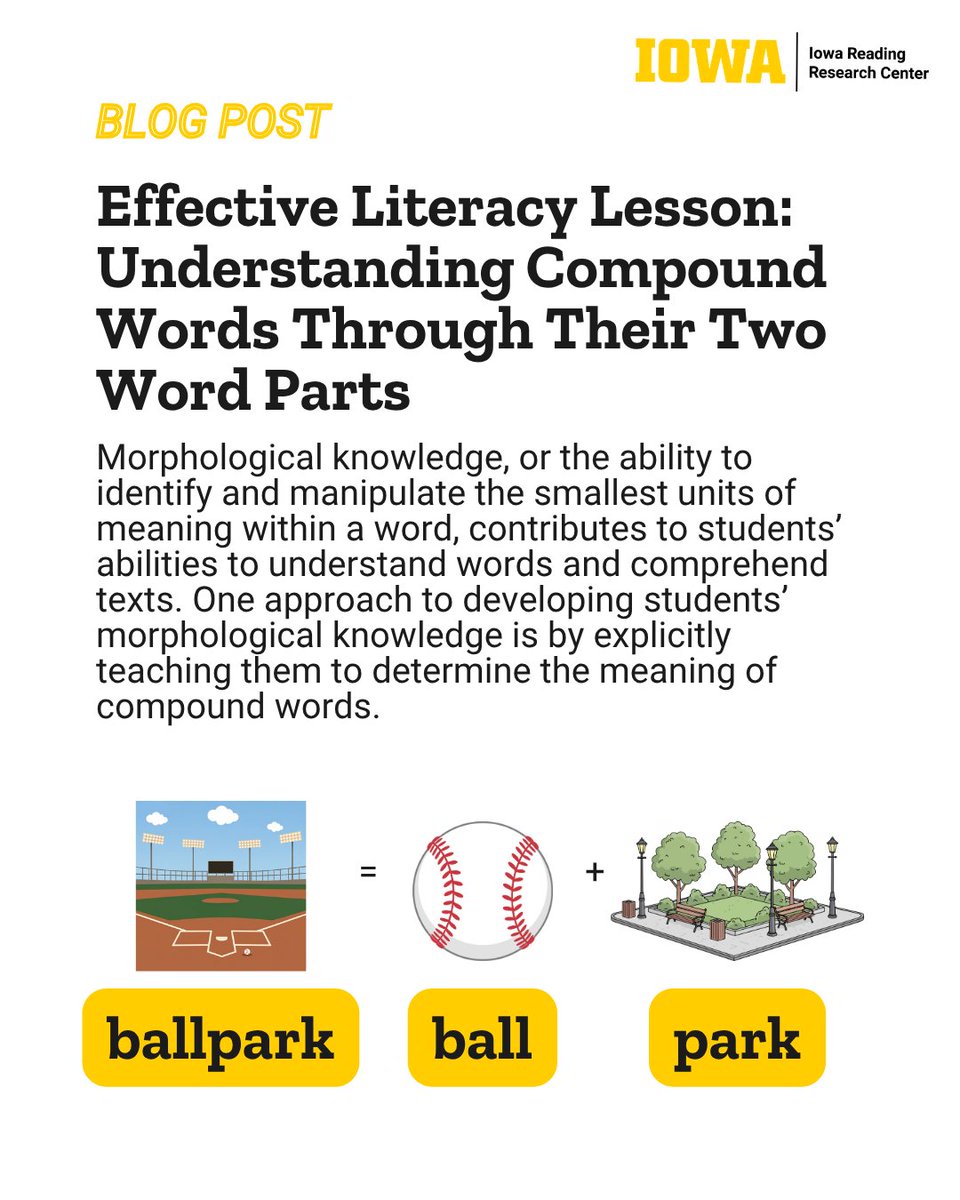
ALT Blog Post Effective Literacy Lesson: Understanding Compound Words Through Their Two Word Parts Morphological knowledge, or the ability to identify and manipulate the smallest units of meaning within a word, contributes to students’ abilities to understand words and comprehend texts. One approach to developing students’ morphological knowledge is by explicitly teaching them to determine the meaning of compound words. ballpark = ball park
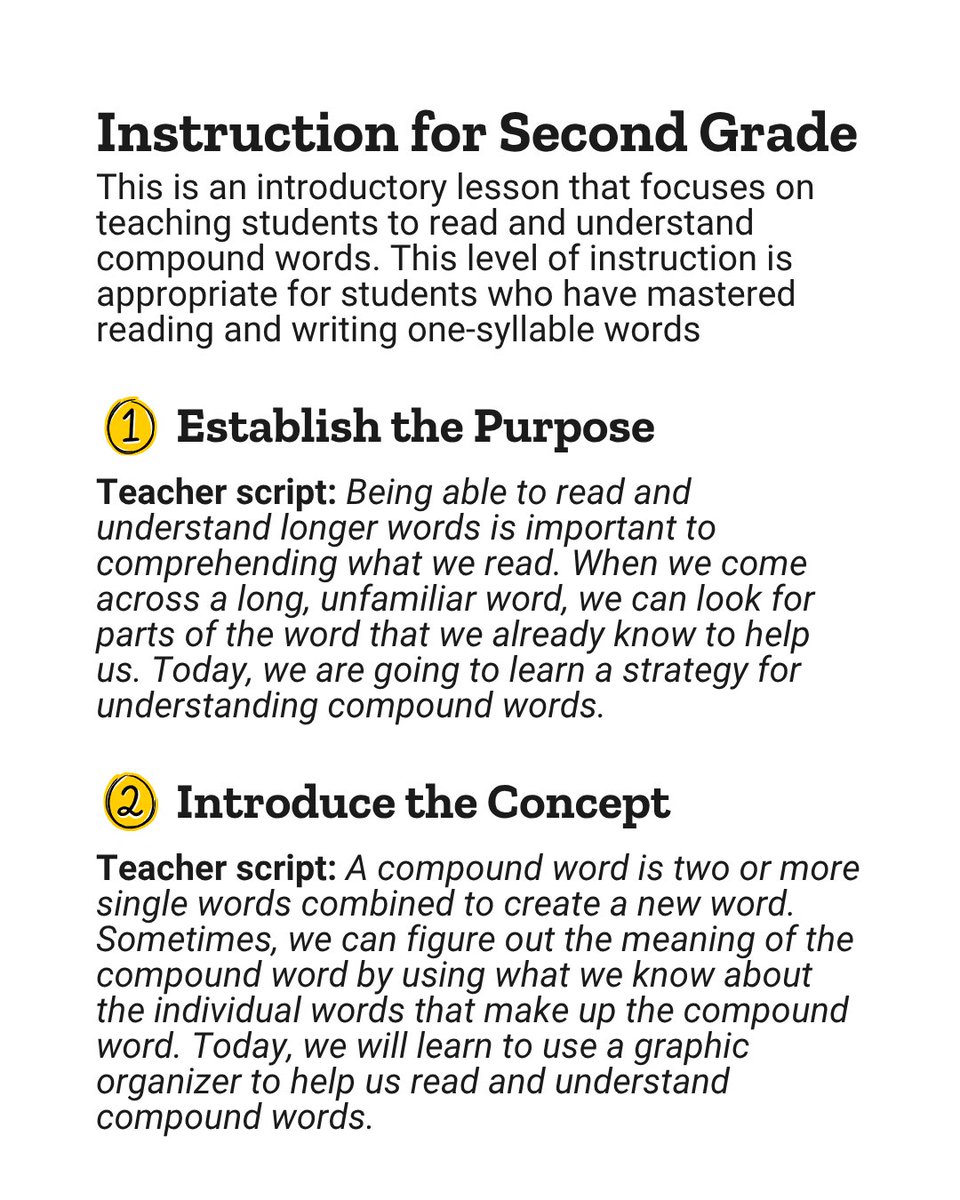
ALT Instruction for Second Grade This is an introductory lesson that focuses on teaching students to read and understand compound words. This level of instruction is appropriate for students who have mastered reading and writing one-syllable words 1: Establish the Purpose Teacher script: Being able to read and understand longer words is important to comprehending what we read. When we come across a long, unfamiliar word, we can look for parts of the word that we already know to help us. Today, we are going to learn a strategy for understanding compound words. 2: Introduce the Concept Teacher script: A compound word is two or more single words combined to create a new word. Sometimes, we can figure out the meaning of the compound word by using what we know about the individual words that make up the compound word. Today, we will learn to use a graphic organizer to help us read and understand compound words.
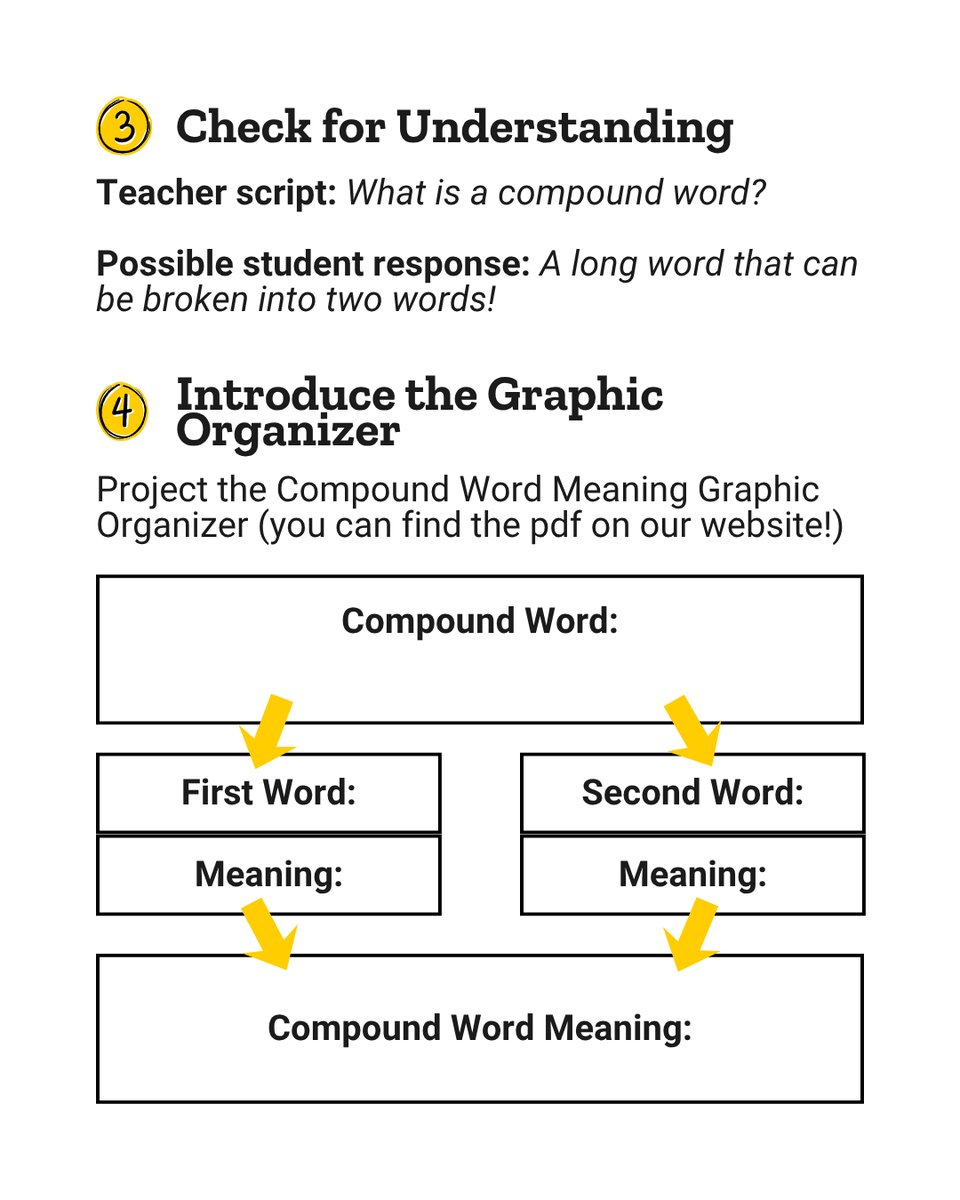
ALT 3: Check for Understanding Teacher script: What is a compound word? Possible student response: A long word that can be broken into two words! 4: Introduce the Graphic Organizer Project the Compound Word Meaning Graphic Organizer (you can find the pdf on our website!)
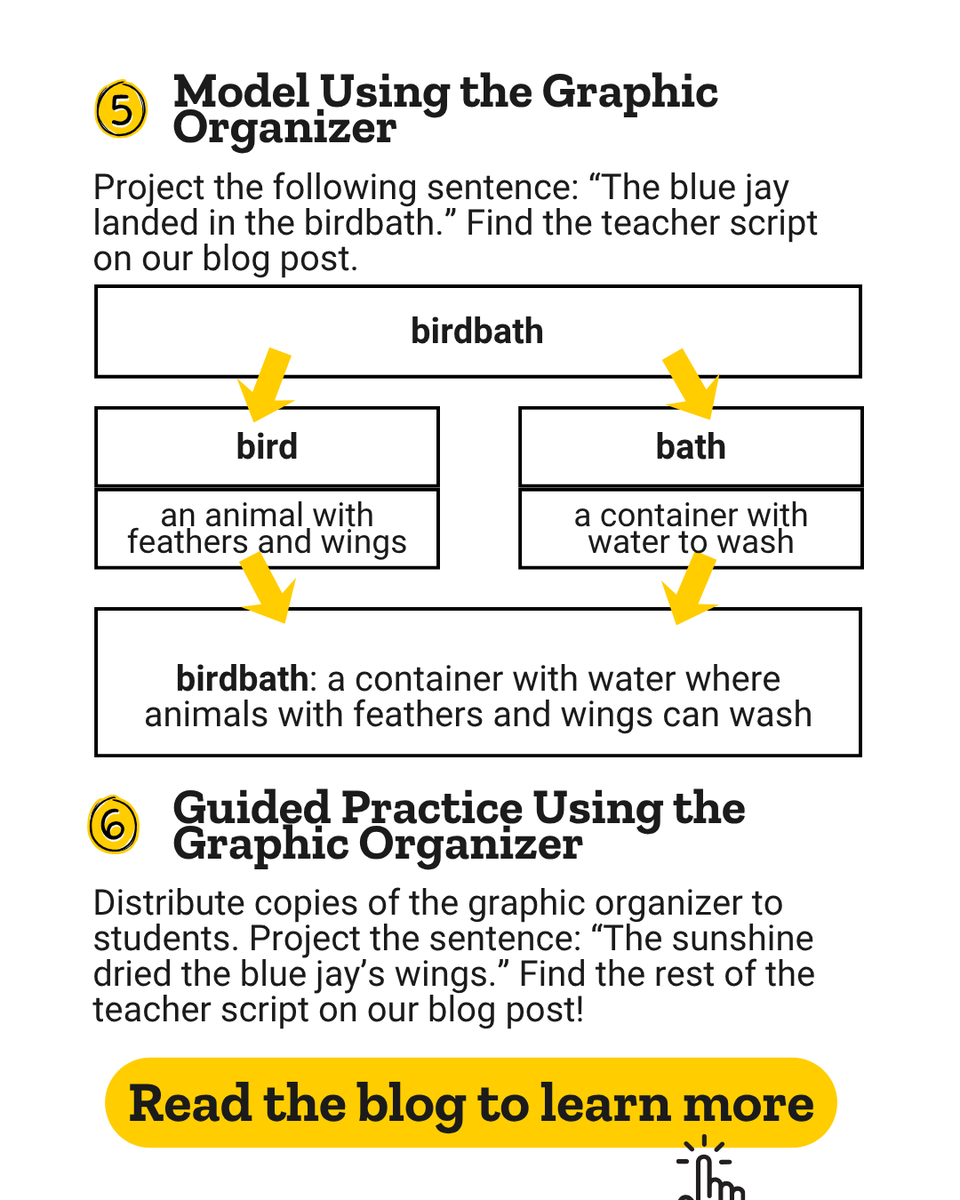
ALT 5: Model Using the Graphic Organizer Project the following sentence: “The blue jay landed in the birdbath.” Find the rest of the teacher script on our blog post! 6: Guided Practice Using the Graphic Organizer Distribute copies of the graphic organizer to students. Project the sentence: “The sunshine dried the blue jay’s wings.” Find the rest of the teacher script on our blog post! Read the blog to learn more



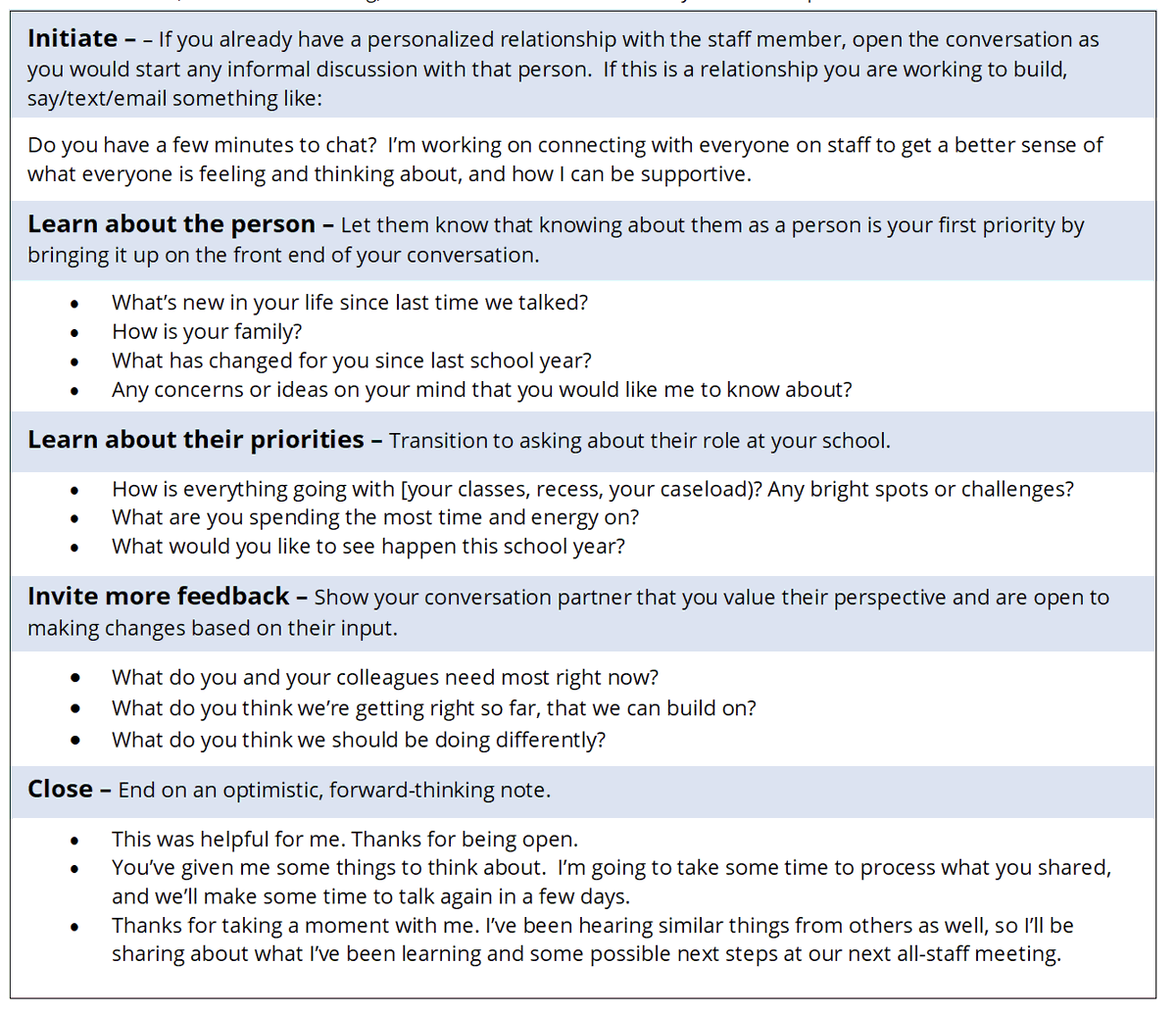
ALT A screenshot from the linked resource walking through steps of an effective 5-minute chat with a teacher.





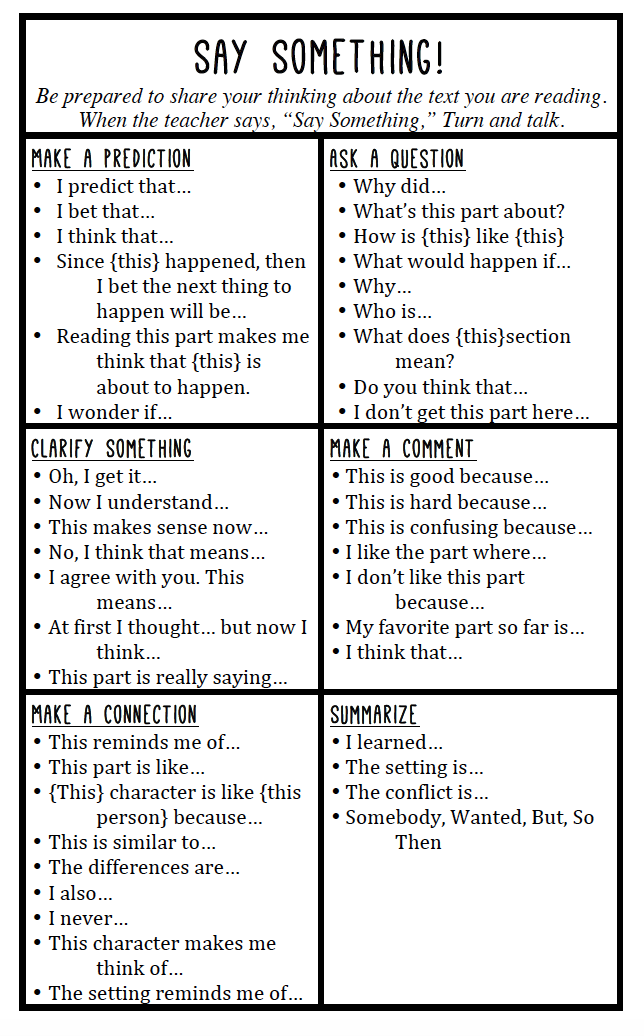
ALT Anchor chart titled "Say something" with sentence stems for categories "Summarize," "Make a connection," "Make a comment," "Clarify something," "Make a prediction," "Ask a question."
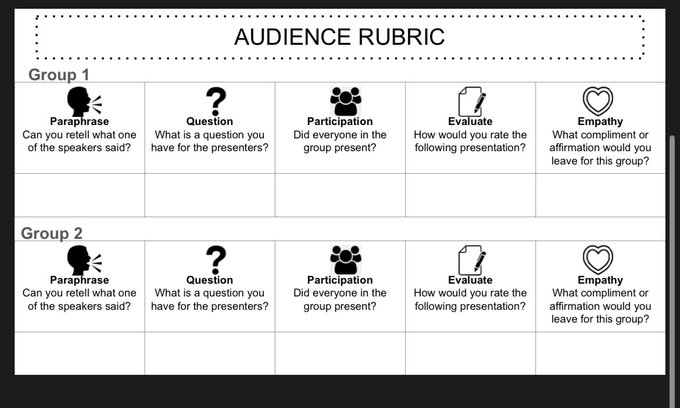
ALT Audience Rubric worksheet, split into two groups with five sections each for note taking.

ALT Science of Reading for Secondary Instruction: Using Morphology to Help Students Tackle Big Words in Content Areas Free Webinar Leah Zimmermann Heba Abdelnaby Eleni Chatzoglou Eunhae Cho Wednesday, April 8 12:00 pm - 1:00 pm CT Virtual