
CBDA - Certified in Blockchain & Digital Assets. #1 @NYTimes Bestselling Author. Founder, @thedacfp. Founder, @TAyourfuture.
Joined September 2008
- Tweets 4,801
- Following 268
- Followers 25,183
- Likes 1,759
1,064 Photos and videos









Ric Edelman retweeted

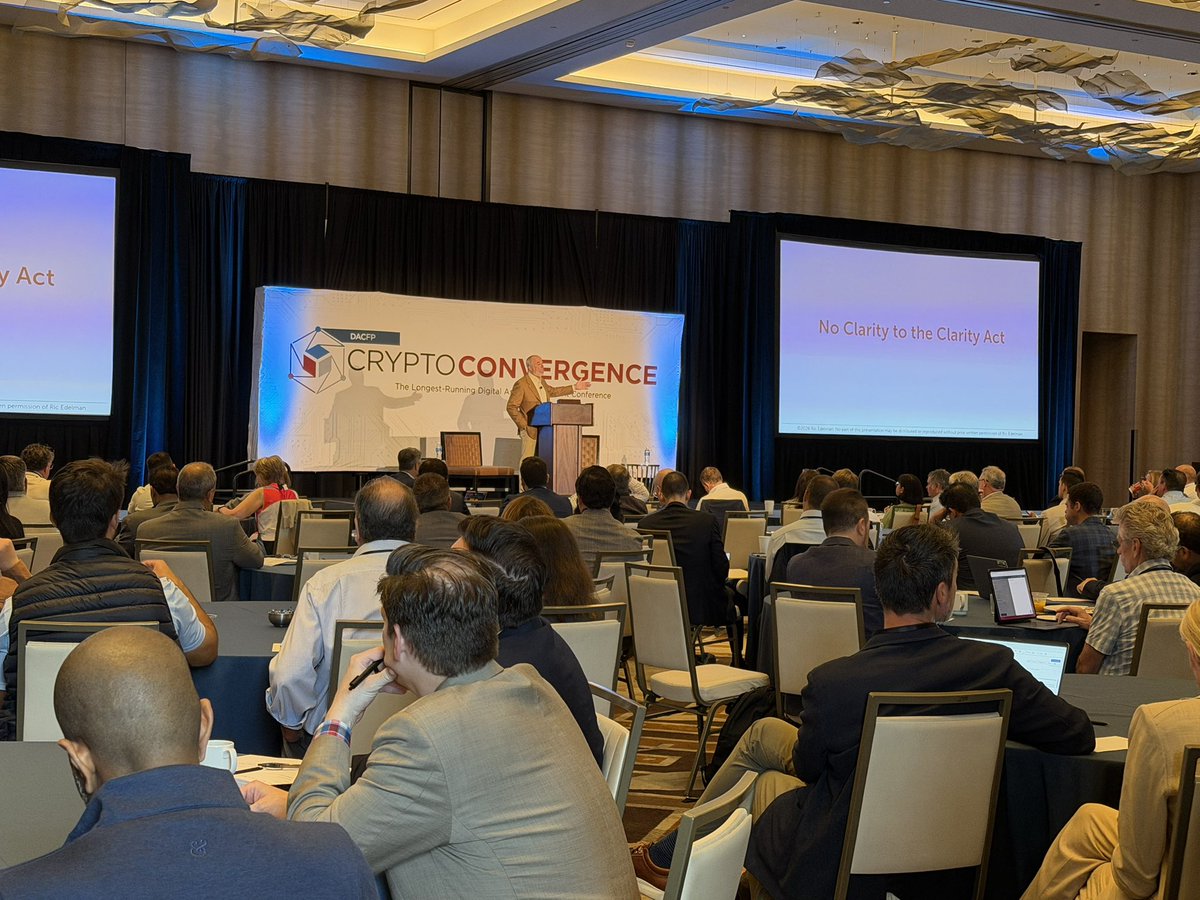
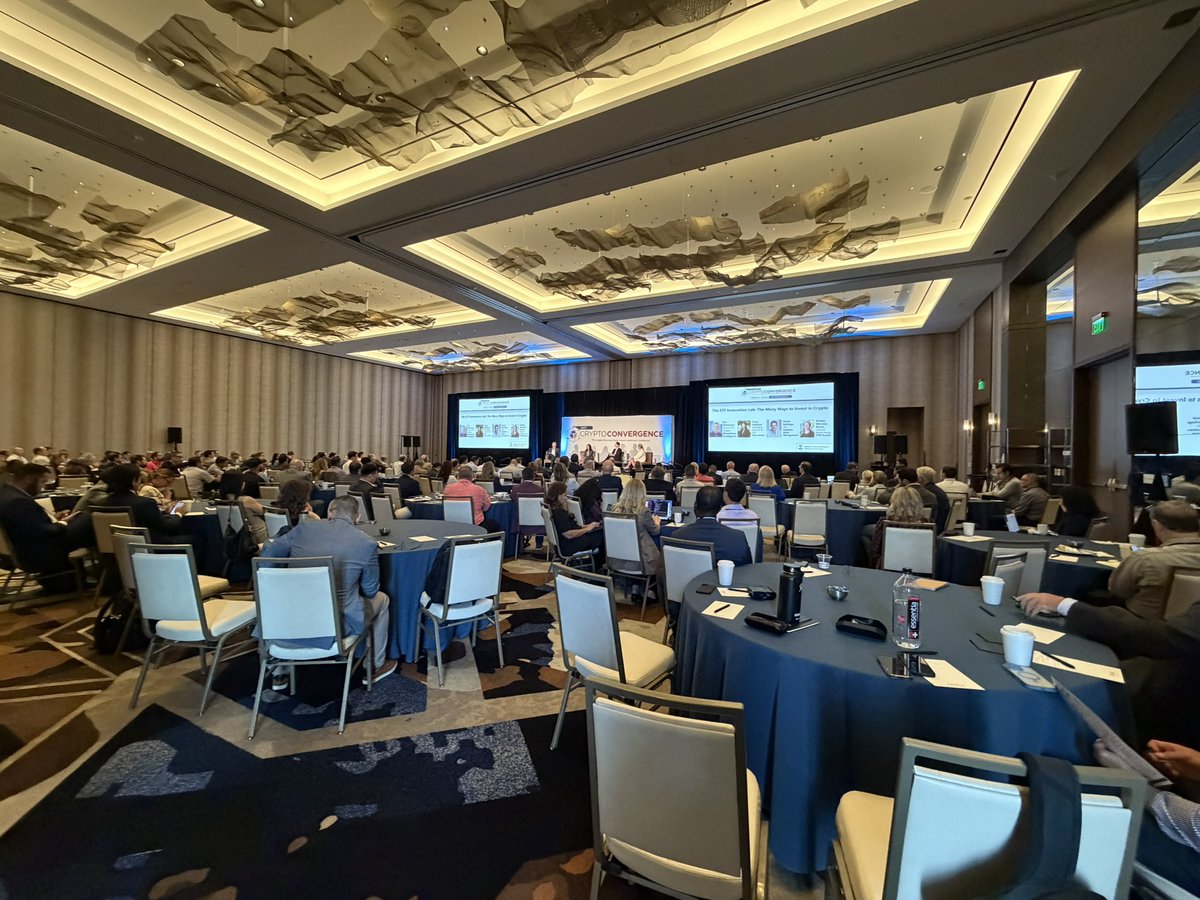
The first full day of #CryptoConvergence has begun. Which session are you most looking forward to?
2
1
5
599
Ric Edelman retweeted
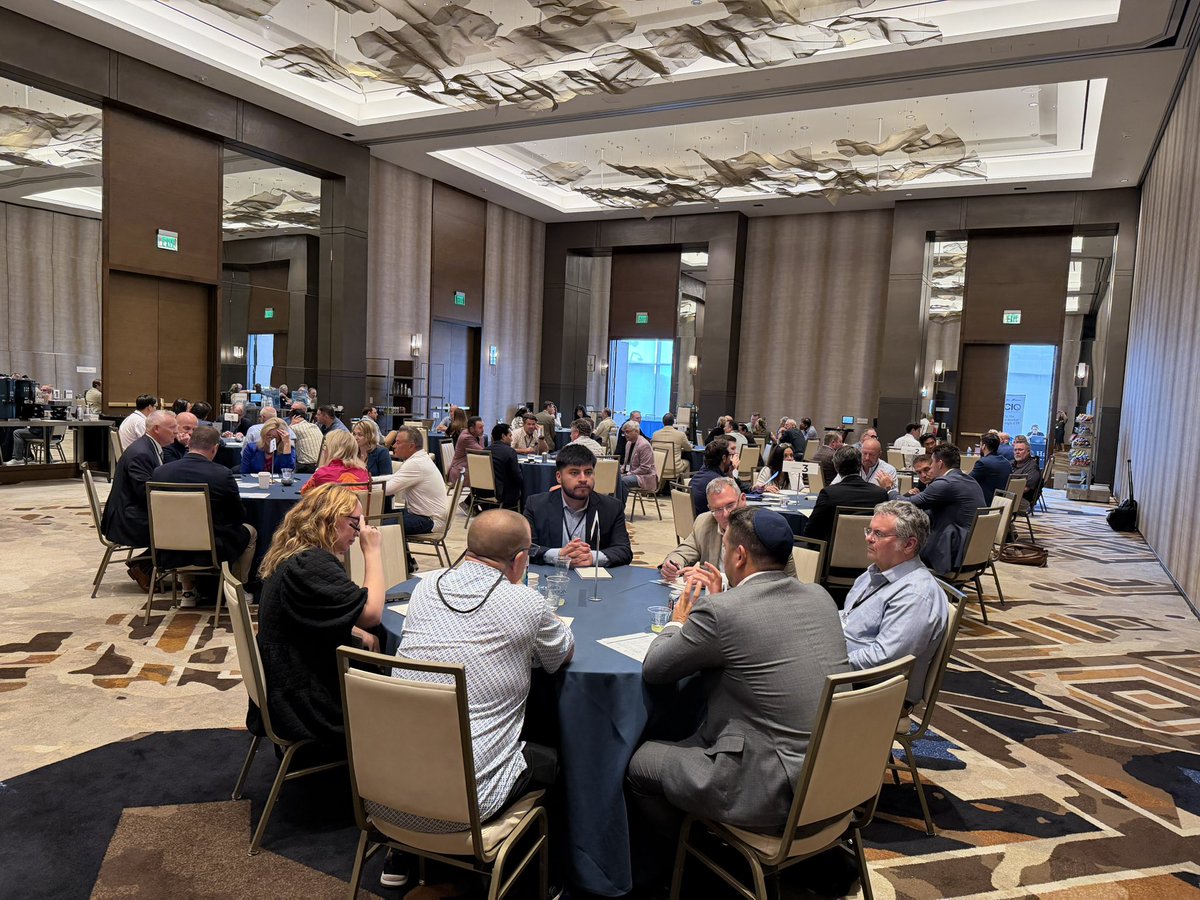
.@RicEdelman is hosting #CryptoConvergence in Dallas, June 8–10. If you’re serious about how digital assets fit into your practice, this is where you need to be.
10 CFP, IWI and CFA CE credits available.
Register: hubs.li/Q04jnPQ30
1
6
487
Ric Edelman retweeted

Jun 4
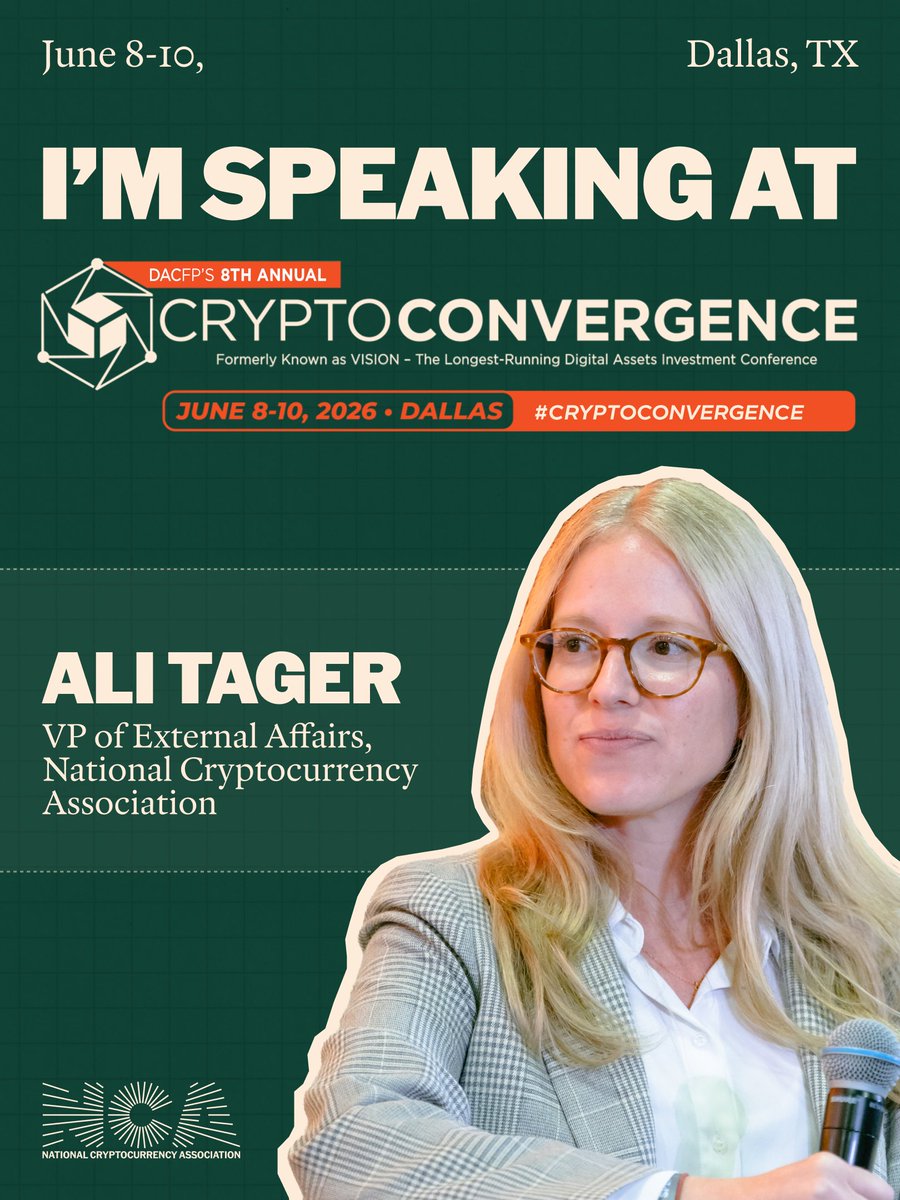
As crypto and traditional finance increasingly integrate, financial advisors need to understand digital assets - and how to keep them secure - now more than ever.
Next week, I'm joining @thedacfp Crypto Convergence in TX for a panel on how advisors can help protect their clients from online financial scams. Alongside David Hirsch fromMcGuireWoods and moderated by @ricedelman of DACFP.
Going to be there? Lets connect 🤝
1
3
14
1,185
Ric Edelman retweeted
“What percentage of crypto belongs in a portfolio?” Get the answer from institutional investors at #CryptoConvergence, Dallas, June 8–10. 10 CFP, IWI and CFA CE credits available.
Register: hubs.li/Q04jpfYh0
1
2
4
1,165
Ric Edelman retweeted
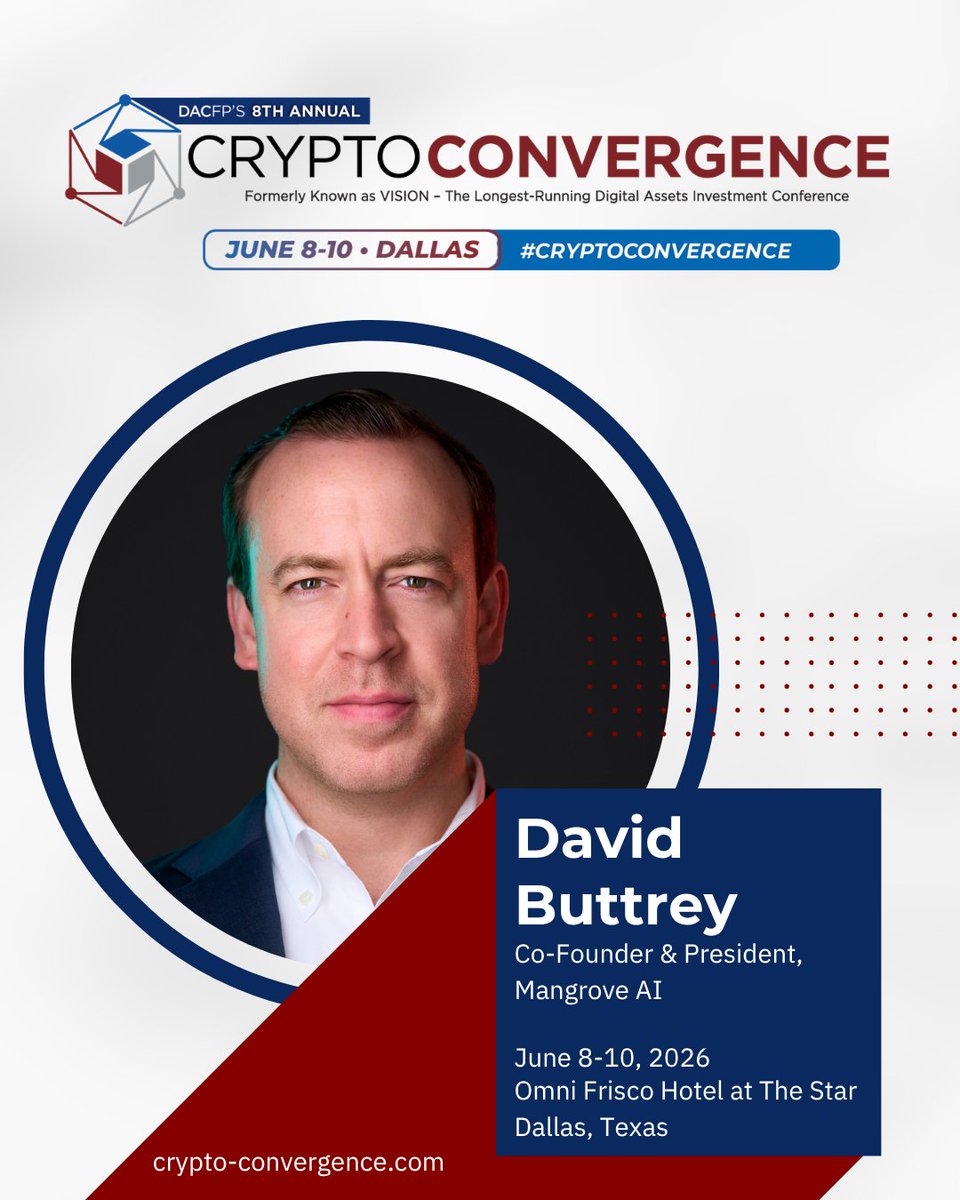
AI is going to reshape your practice. Tokenization is going to move trillions to blockchains. Both are happening faster than most advisors realize.
@davidtbuttrey joins us at #CryptoConvergence to show you what your practice looks like on the other side – and how to get there.
CFP/IWI/CFA CE credits will be available.
Register: hubs.li/Q04gFw970
1
2
435
Ric Edelman retweeted
If you missed @ricedelman's Tuesday conversation with @billbar, CEO of @abraglobal, the replay is now available.
Yield-bearing bitcoin, tokenization, custody and what it all means for your clients. Worth your hour.
Watch now: hubs.li/Q04j5sFn0
1
2
370
Ric Edelman retweeted
One stage. No PowerPoints. No panels where six people share four minutes. Just real crypto conversations with experts in the space.
Attend #CryptoConvergence, Dallas, June 8–10. CE credits too.
Register: hubs.li/Q04j3Tfq0
1
1
432

May 27
“What percentage of crypto belongs in a portfolio?” Get the answer from institutional investors at #CryptoConvergence, Dallas, June 8–10. CFP, IWI and CFA CE credits available.
Register: hubs.li/Q04j3Jkd0
2
2
4
475
Ric Edelman retweeted
State of FL., State of Mich., CalPERS, Harvard.
Institutions aren't asking if on crypto anymore. They're asking how much. What's your answer? @ARKinvest's @CathieDWood and @fundstrat | June 8-10, Dallas. CE credits available.
Join us at #CryptoConvergence: hubs.li/Q04hyvPh0
1
2
485
May 26
Happening now. Come join us!
May 26

Going live with @billbar and @ricedelman soon to discuss the Financial Advisor's Digital Asset Playbook. Join us: dacfp.com/events/the-financi…
678
Ric Edelman retweeted
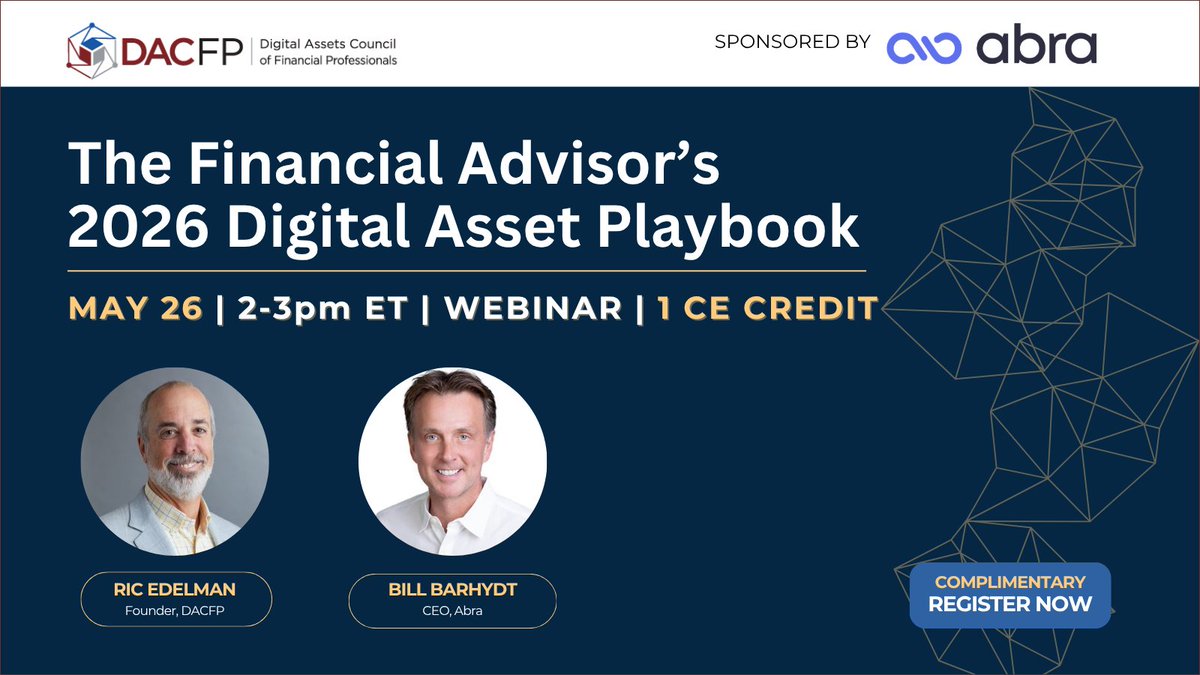
COMING UP: @ricedelman and @billbar, CEO of @abraglobal, are breaking down the digital asset strategies advisors need to know in 2026. Today at 2pm ET.
Free. 1 CE. Register now: hubs.li/Q04hS_rC0
2
3
495
Ric Edelman retweeted
A client asked their advisor about stablecoins.
The advisor Googled it that night.
Don't be that advisor. Join us at #CryptoConvergence, June 8-10, Dallas. CFP/IWI/CFA CE credits available.
Register: hubs.li/Q04hm17w0
1
1
594
Ric Edelman retweeted
Missed last week's conversation on tokenization and stablecoins?
@Matt_Hougan, CIO of @BitwiseInvest, and @ricedelman covered what's driving Wall Street's shift to blockchain rails – and what advisors need to know http://now.Watchow.
Watch the full replay: hubs.li/Q04hxTc90
1
619
Ric Edelman retweeted

May 25
Bitcoin today looks a lot like $AMZN in its early years:
- Extreme volatility
- Massive drawdowns
- Constant skepticism
When Bezos launched Amazon, people thought it was ridiculous: “a website that sells books.”
It nearly died multiple times. But as mainstream adoption grew, volatility dropped and gains persisted.
Now every major ETF and mutual fund owns it.
That’s how breakthrough technologies usually work:
- First ignored
- Then mocked
- Then adopted everywhere.
Bitcoin is following the same path.
After being mocked for multiple years, BlackRock launched its Bitcoin ETF two years ago.
Hold Bitcoin for the long-term.
@ricedelman
6
6
26
5,496
May 21
Hearty congratulations to SEC Commissioner @HesterPeirce on her joining the faculty of Regent University’s law school! Quite a catch for them, and quite a tribute for her.
Frankly, I have no idea how she managed to choose among the many offers she’s no doubt received – and deservingly so. (I’ve also no doubt she made the best choice, as she’s always displayed great judgment!)
This is merely a note of thanks to Commissioner Peirce for her leadership – and patience and perseverance – that have resulted in important, material gains and improvements in everything from consumer and investor protection to, of course, major advances in crypto. She has much to be proud of.
To Hester from everyone at @thedacfp , thank you.
1
2
757
May 20
The New York Stock Exchange is planning to launch a 24/7 trading platform for crypto trading, clearing, settlement, capital formation and data distribution. And Nasdaq is partnering with crypto exchange Kraken to offer tokenized stocks.
JPMorgan Chase and BofA will soon offer stablecoins (Fidelity already does) and Goldman Sachs has launched a stablecoin reserves fund. Meta will soon allow stablecoin payments for its 3B users.
Meanwhile, Schwab (39M clients/12T in assets) now lets retail clients trade BTC and ETH for just 75bps. Wells Fargo is also launching its own crypto exchange.
Morgan Stanley has launched a bitcoin ETF and wants its 16K FAs to put 2-4% of client assets in it. MS could flow 320B into BTC – raising bitcoin’s price $16K. MS is also letting some clients trade crypto at E*Trade for just 50bps. (Price war coming!)
Goldman Sachs has filed for a BTC income ETF - Wall Street racing to join crypto before BTC’s price exceeds the $126k high.
There’s more. Ondo Finance, JPMorgan, Mastercard and Ripple did the first near-real-time cross-border, cross-bank redemption of a tokenized U.S. Treasury fund – not in 3 business days but in 5 seconds.
Tokenized ETFs are coming, from JPMorgan’s Kinexys platform as well as BlackRock, FranklinTempleton, WisdomTree and State Street.
Securitize, the leader in tokenizing real-world assets with Apollo, BLK, BNY Mellon, Hamilton Lane, KKR, VanEck and others, has announced a deal with Computershare to issue tokenized equities.
VISA is now settling stablecoin transactions on 9 blockchains at a $7B annual rate, up 50% in 3 months. Western Union is partnering with Crossmint to support stablecoin transactions. PayPal is processing crypto trades on Solana. And Fannie Mae is accepting crypto as collateral for mortgages.
No wonder Institutional Investor’s Digital Assets Survey found that 75% of institutional investors plan to buy more crypto and 94% not currently invested plan to allocate this year.
The US stock market is worth $69T; the US bond market is $53T and crypto is ~$3T. A passive, diversified portfolio should be 55% stocks, 42% bonds and 3% crypto. If your crypto allocation is 0%, you’re shorting the market.
Read my three white papers. They explain why crypto prices have fallen over the past six months, the six myths that are preventing you from buying bitcoin, and why your crypto allocation should be 10% to 40% of your allocation. You’ll find them all at DACFP.com/whitepapers
1
4
572
May 19
The client questions have gotten more specific.
Not just bitcoin – staking, yield, custody, borrowing against crypto. If you're not sure how to answer, join me on May 26.
I'll be sitting down with @billbar, CEO of @abraglobal, to break it all down. Free. 1 CE.
Register: hubs.li/Q04gHc8b0
4
7
1,072
Ric Edelman retweeted
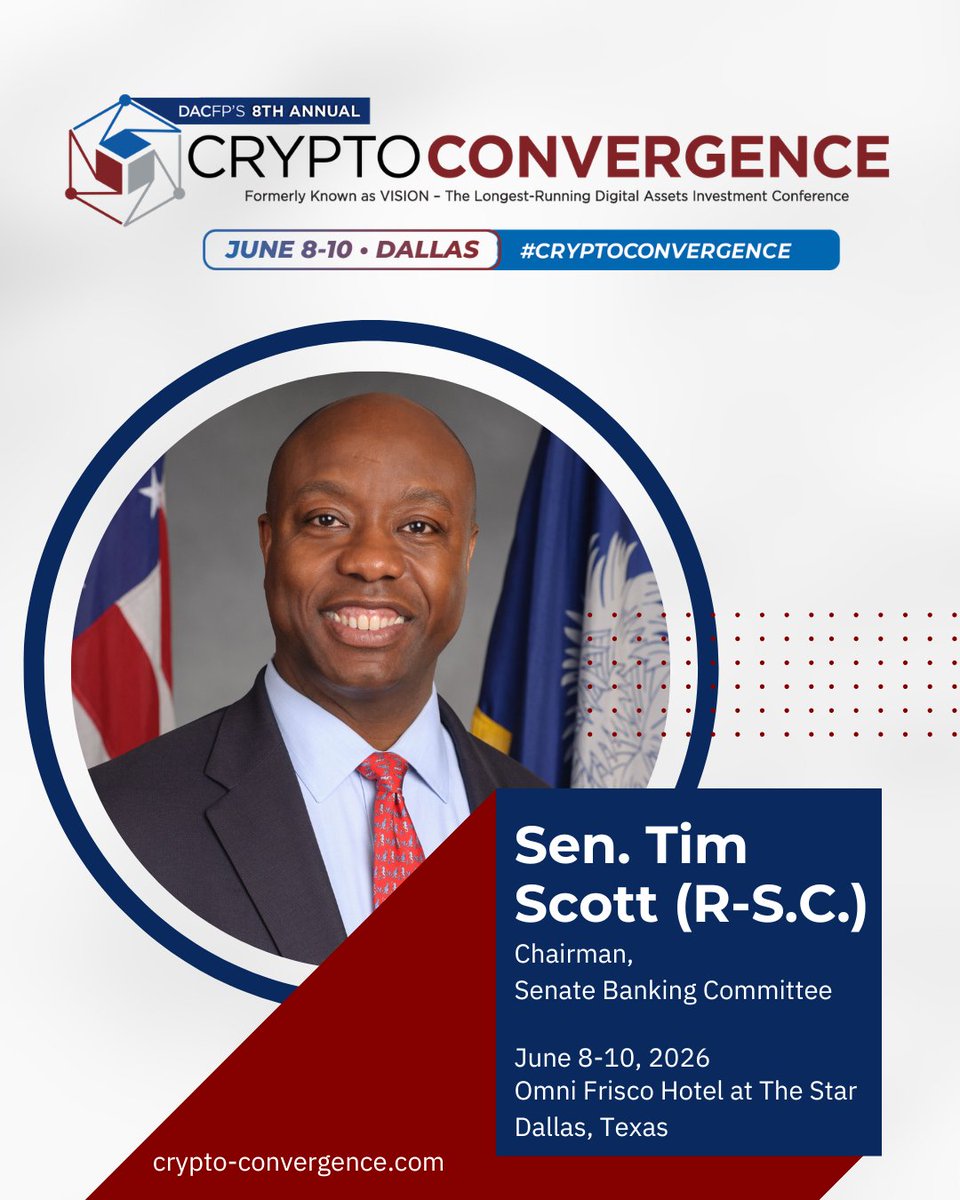
.@SenatorTimScott is delivering prepared opening remarks in Dallas this June at #CryptoConvergence. What happens in Washington on stablecoins, market structure and digital asset regulation doesn't stay in Washington – it lands in your client conversations.
CFP/IWI/CFA CE credits will be available.
Register: hubs.li/Q04gRLWh0
1
2
497
Ric Edelman retweeted
Get the knowledge you need and earn lots of CFP/IWI/CFA CE credits.
@CathieDWood. @fundstrat Tom Lee. Crypto tax. Stablecoins. Tokenization. Real Q&A.
All chaired by @ricedelman June 8-10 in Dallas – exclusively for financial advisors.
Join us at #CryptoConvergence: hubs.li/Q04gDNdY0
1
512