
Curated content for #nutrition, #healthtips, #fitness and #wellness. Check if you have #diabetes with our free tool: questionnaire.therichhealth.…
Joined October 2020
- Tweets 1,312
- Following 14
- Followers 216
- Likes 998
686 Photos and videos











Pinned Tweet

11 Feb 2025
Are you trying to lose or gain weight? The starting point is to know what your ideal weight should be, considering your age, gender and height. Use this free tool to determine what your ideal weight should be: therichhealth.com/calculator…
1
242
Heart disease is very common with diabetes patients. And they suffer more when heart diseases occur because of the excess glucose in their blood. Prevention of heart diseases is very important for people with diabetes.
Studies have also shown that a diet rich in antioxidants—vitamins A, C and E—may help prevent heart disease. Consider adding more fruits and vegetables, especially those with deep colors, to your diet. Carrots, sweet potatoes, tomatoes, spinach, broccoli, cantaloupe, pumpkin, apricots, and citrus fruits are all good choices. Vitamin E can also be found in vegetable oils, green and leafy vegetables, wheat germ, whole-grain products, nuts and seeds.
12
Over 16,000 Nigerian doctors have left the country in the past five years, worsening the already severe manpower shortage in the medical field. According to recent data, the Medical and Dental Council of Nigeria, has registered over 130,000 doctors, but only about 55,000 of them are actively practicing in Nigeria, according to Prof. Omoti Ernest, President of the Nigerian Medical Association (NMA).
With a population of more than 220 million, he noted, this equates to around one doctor for every 3,600 to 4,000 people. He stated that in order to address this trend, the federal government should give healthcare workers' wages and benefits first priority, make greater investments in hospital facilities and modern medical technology, provide opportunities for residency and specialized training, and establish clear career advancement paths.
3
Every knowledge-based profession may one day reach the point where artificial intelligence beats human specialists. In the medical field, that day seemed to arrive in April, 2026.
The findings of a trial that tested ChatGPT against hundreds of doctors in a diagnostic obstacle course using textual medical puzzles and data from actual patients were released by a team of researchers, mostly from Harvard and Stanford. ChatGPT defeated the doctors and the doctors weren't quite pleased with the bot's victory.
8
Following the discovery of three new cases of polio and numerous cases of diphtheria in the state, the Niger State administration called town hall meetings for 350 community, traditional, and religious leaders from various local government areas.
During a public health emergency preventive and response meeting organized by the Ministry of Health in cooperation with the United States and the United Nations Children's Fund (UNICEF), the Immunization Officer, Abubakar Kpantu, announced the new cases.
Kpantu claims that while diphtheria cases were found in Bida, Chanchaga, and Suleja local government areas, the cases were reported in Magama and Mariga local government area
47
Jun 17
With so many people with diabetes turning to human insulin, insulin allergy is becoming less and less common. However, some people may still experience an allergic response to an insulin preparation. Insulin allergies can be local (confined to the area around the injection site) or systemic (affecting the whole body). Burning, itching, redness, swelling, hives or rash at the insulin injection site could indicate a local allergic reaction. Depending on the cause of the allergic reaction, symptoms can occur within 30 minutes after injection or over the course of several hours
5
Jun 17
Although there is currently no known cure for Parkinson's disease, there is mounting evidence that regular exercise may be one of the best methods to decrease the disease's progression and enhance the lives of those who have it.
Aerobic exercise appears to promote brain health, lower inflammation, and increase the creation of protective proteins that aid in the survival of nerve cells, according to researchers studying the neurological condition.
Parkinson's disease is a neurological illness that usually manifests between the ages of 55 and 65. Sleep, thinking, temperament, and bladder function can all be impacted by the condition, while tremors and trouble moving are its most well-known symptoms.
Experts warn that some of the earliest symptoms frequently arise years before the more obvious ones. Early signs of the illness may include constipation, sleep problems, excessive daytime weariness, and reduced sense of smell.
1
21
Jun 16
Approximately over half a million people have stroke each year. People with diabetes are twice as likely to experience a stroke as someone without diabetes. Other factors that increase the risk are advancing age, a family history of stroke (especially if there is also a family history of high blood pressure), diabetes, high cholesterol or blood lips, sex and race. Men are more likely than women to have a stroke, but women with diabetes are at a higher risk than men with diabetes. Black people are 60% more likely to experience stroke compared to Caucasians
24
Jun 16
Health professionals have advised individuals in their 50s and 60s to take sleep more seriously, cautioning that chronic sleep deprivation raises the risk of heart disease, high blood pressure, and Type 2 diabetes, among other chronic illnesses.
Concerns about how sleep deprivation affects physical and mental health, especially in middle-aged and older persons, are becoming more prevalent.
Lisa Artis, a sleep expert and Deputy Chief Executive Officer of The Sleep Charity, emphasized that poor sleep should not be discounted as a normal aspect of aging, and that adequate rest is vital to preserving general health and well-being.
She said regular sleep deprivation has been linked to a higher risk of hypertension, cardiovascular disease, obesity, anxiety, depression and diabetes. It can also make existing health conditions more difficult to manage
13
Jun 15
Circulatory problems—heart disease, vascular disease, and stroke—affect more than 50 million people worldwide and accounts for more than 40% of all deaths. People with diabetes are three times more likely to die of cardiovascular disease than the general population. And problems with circulation lead to other problems with all parts of the body that depend on a healthy blood supply to function properly.
You are probably tired of hearing your doctor tell you that if you control your blood glucose you are more likely to avoid the complications of diabetes. But it’s true. That’s because the sugar in your blood makes your blood sticky. And when your blood is thick and sticky, it can’t flow well
13
Jun 15
Eating more beans, lentils, chickpeas, tofu, and other soy-based foods may help reduce the risk of high blood pressure, according to a comprehensive new analysis of global research.
The study examined whether regular consumption of these foods is associated with a lower risk of hypertension (high blood pressure), and it was published in BMJ Nutrition Prevention & Health.
Researchers discovered that persons who consumed the most legumes were 16% less likely to acquire high blood pressure, while those who consumed the most soy foods had a 19% lower risk.
13
Jun 15
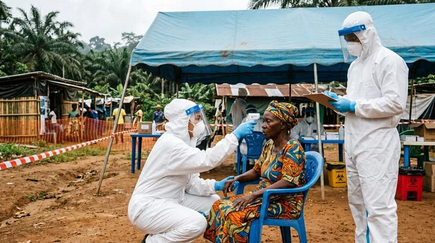
According to recent government figures, the number of confirmed Ebola cases in the Democratic Republic of the Congo has increased to 710, with 149 reported deaths. The updated data include 21 additional cases reported in just 24 hours, as of Friday.
Efforts to limit the pandemic have encountered considerable challenges. According to health professionals on the grounds, residents who were dubious of the Ebola diagnosis obstructed medical personnel from the provincial health ministry and international organizations like the WHO from accessing the Kpangba refugee camp, which just reported its first Ebola-related deaths.
The already challenging work of tracking contact and stopping transmission in this conflict-torn area is made more difficult by this local mistrust, underscoring the critical need for improved communication and trust-building with affected communities.
66
Jun 13
Calcium functions as an electrolyte in your body, it plays a key role in maintaining normal fluid balance and supporting cardiovascular function, including how the heart contracts and circulates blood. Inadequate calcium in your body can disrupt the electrical signals that help regulate your heart function, potentially leading to slow heart rate and low blood pressure. To maintain good calcium levels in your body, consume more dairy. Dairy is one of the richest sources of calcium. And if you don’t like or are allergic to dairy, consider Tofu. Tofu is an excellent option to increase plant-based proteins while packing some calcium too
16
Jun 13
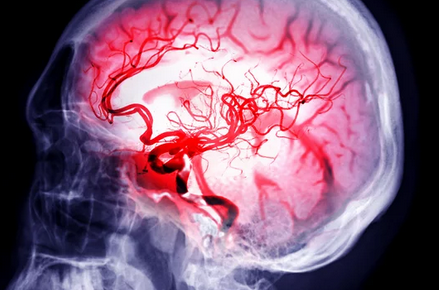
Ischemic stroke can be triggered by a blood clot that breaks loose from the heart and lodges within an artery in the brain. People with diabetes are at an increased risk of experiencing an ischemic stroke compared to those without diabetes and they tend to fare worse after the stroke. Compared to the general population, people with diabetes are more severely disabled by stroke, are more likely to have another stroke, and are more likely to die from stroke
1
562
Jun 13
This is true whether you have a type 1 or type 2 diabetes. However, the good news is that you can reduce your risk of stroke by taking steps to keep your blood glucose under control and by minimizing the effects of other risk factors that also contribute to stroke.
11
Jun 13
Medical professionals have advised the public to prioritize sleep as a vital aspect of general health, cautioning that prolonged sleep deprivation and poor sleep patterns may have detrimental effects on one's physical and mental health. According to the World Health Organization, for optimum health, adults need to get at least seven hours of good sleep per night.
The experts pointed out that although many people concentrate on eating well, exercising, and staying hydrated, getting enough sleep is sometimes overlooked despite its critical role in preserving both productivity and overall health.
Health experts have warned against the widespread habit of using cell phones and other electronic devices in bed, emphasizing that prolonged screen time before bed may have a negative impact on the quality of sleep.

10
Jun 13
Ahead of the June 2026 United Nations High-Level Meeting on HIV, decreasing international HIV budgets are causing grave concerns. Experts caution that decreased financing could jeopardize efforts to eliminate AIDS worldwide by 2030.
Major donors, such as the United States and the Global Fund to Fight AIDS, Tuberculosis, and Malaria, are reducing their assistance for HIV programs in many low- and middle-income nations, according to recent data. In the past, these two sources combined provided the great bulk of international funding for HIV, especially in sub-Saharan Africa.
1
18
Jun 13
Reductions in aid are anticipated to have a significant impact on HIV prevention and treatment programs. Reports show a substantial decline in the use of preventive medicines such pre-exposure prophylaxis, decreased access to antiretroviral therapy for children, and decreases in HIV testing. Health experts warn that these trends have the potential to undermine years of progress in managing the epidemic.
12
Jun 12
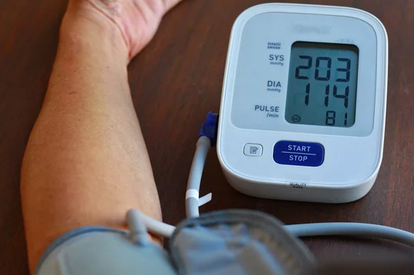
You should have your blood pressure checked regularly, especially if you have diabetes or any of the risk factors associated with hypertension. If you have high blood pressure, you are at a greatly increased risk for heart failure and heart attack, kidney failure and, especially, stroke. If you have high blood pressure, you are four times more likely to have a stroke than someone without high blood pressure. Even mild hypertension can lower your life expectancy, and severe hypertension can shorten your life dramatically.
1
403
Jun 12
Researchers involved in ongoing efforts to battle evolving strains of the virus say that developing a new Ebola vaccine remains a complex scientific and logistical challenge. Experts warn there are still gaps despite the availability of vaccinations for some Ebola strains, especially the Bundibugyo strain, for which there is presently no approved vaccine.
These difficulties have been brought to light by recent Ebola outbreaks in the Democratic Republic of the Congo and Uganda, where hundreds of confirmed cases and many deaths have been reported. Scientists point out that, while progress has been made in understanding the virus, important scientific and public health barriers remain that hinder vaccine development.

1
53
Jun 12
Ebola viruses' biological diversity is a major obstacle. While some strains, like Bundibugyo and Zaire, are similar, their surface glycoprotein structures are different. The development of a universal vaccination is challenging because of these variations, which lessen the possibility that a vaccine made for one strain can offer robust protection against another.
Researchers from the University of Oxford, including experts in vaccine development, explain that vaccination platforms such as viral vector technologies have proved effective in targeting specific Ebola strains. However, it takes a lot of testing and money to modify these platforms to accommodate new variations.
27