Joined November 2021
- Tweets 28,804
- Following 2,637
- Followers 70,657
- Likes 30,889
2,672 Photos and videos


Pinned Tweet

Apr 13
My honest opinion: I do not believe this platform updates and changes the algorithm so that it has better content. I believe that all of the changes and updates are solely to lessen their biggest overhead, the revenue share program. All of the evidence points to exactly that.
Just like how premium went from $16 to $22 to $40, monetization did the same thing.
Posts are monetized,
to only 100% accurate (C Notes) posts are monetized,
to only engagement on 100% accurate posts are monetized,
to only verified engagement on 100% accurate posts are monetized,
to only verified engagement with original content on 100% accurate posts are monetized.
I really wish that @elonmusk and @nikitabier could tell me I am wrong, but I know that if I can figure out that the solution is not to ask "is this post valuable" to "is this content creator valuable" and come up with a solution to implement it, these two guys can as well.
7
5
55
11,302
This investment is working EXACTLY as it was intended to
Jun 12

Does anyone else find it odd that $200 billion is spent on cancer research every single year...and the only thing to show for it is a 75% increase in cancer deaths since the 1990s?
2
1
14
1,041
Jun 13
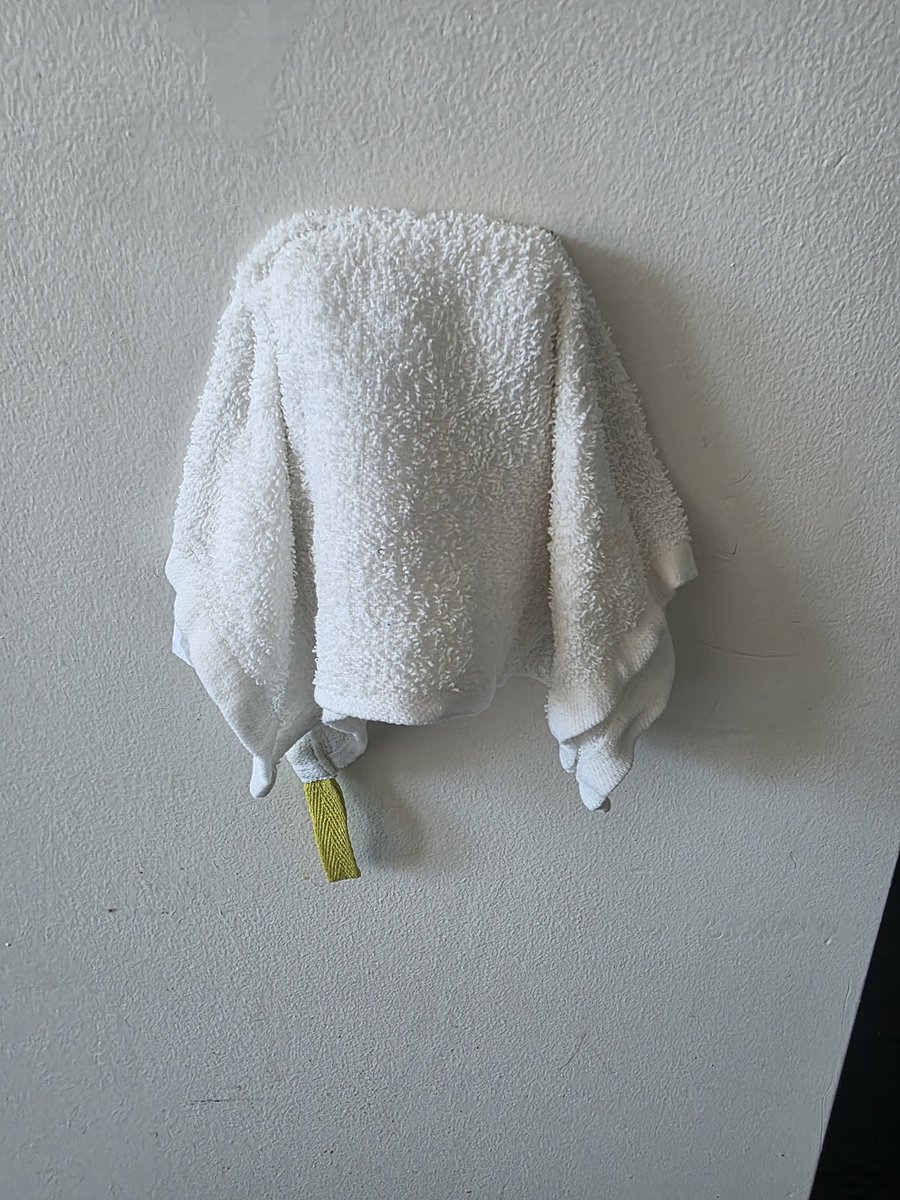
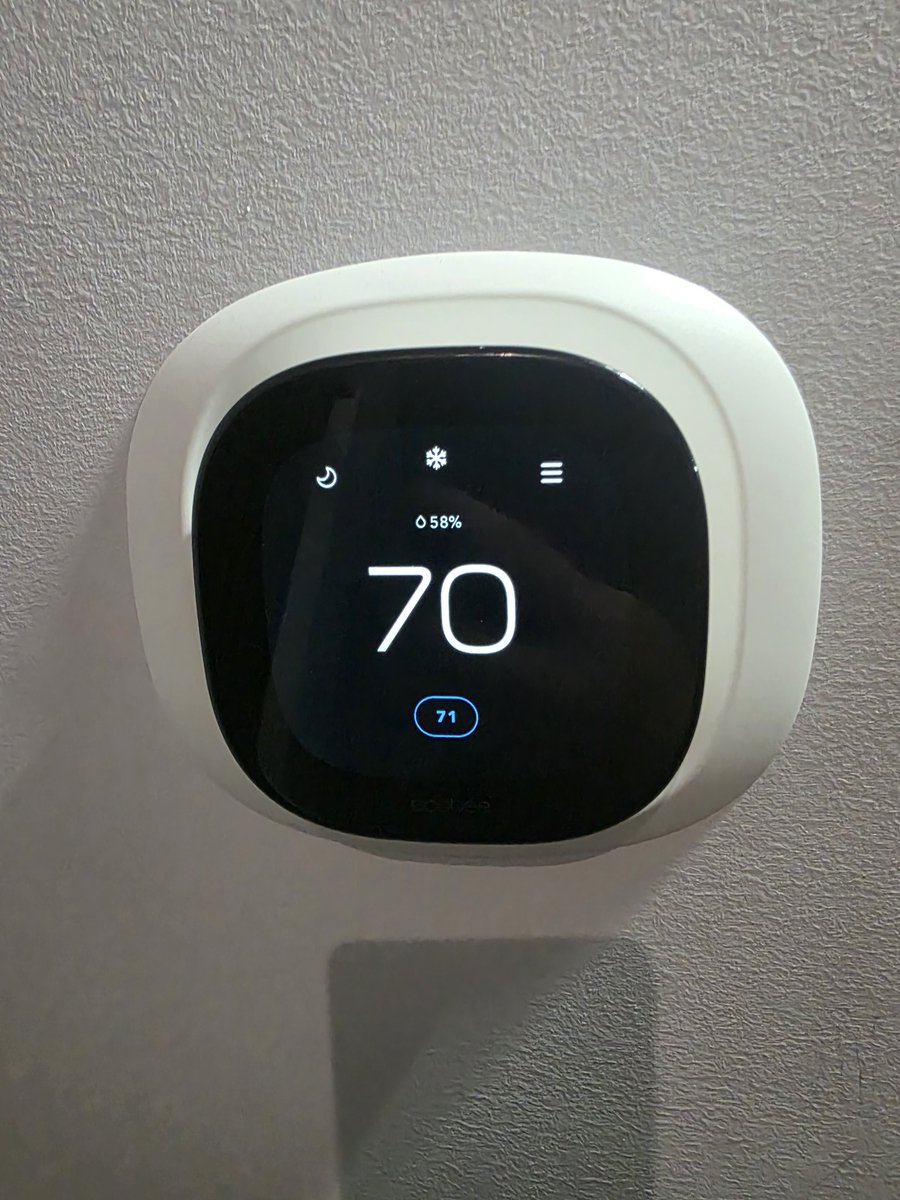
Life hack for hotels & Airbnbs:
Thermostat locked and won’t let the AC get cold enough?
Run hot water and soak a washcloth (or dampen one and microwave it for a few seconds). Wring it out and drape it over the thermostat.
The sensor feels the warm air trapped underneath and thinks the room is hotter than it is — so the AC kicks on and cools the room more.
Remove the cloth once it’s cold enough.
Repeat as necessary.
4
6
35
3,868
Jun 13
The short guy looks like @TobyTurner. Toby, is that your dad? Is that you when you're older? Are you a time traveler?
Jun 11

In The Punisher, Thomas Jane accidentally stabbed Kevin Nash because a stunt coordinator forgot to switch out the props.
Nash didn’t even say anything.
“I plunged it into his chest. I looked at the knife, then at him”
“He sat there, looked at me, and shook his head.“
3
927
Jun 12
😂 W Josie

We were SO CLOSE to being finished, with no major incidents, when out of nowhere a girl fight erupted.
with: @TRHLofficial @mplpodcast305
The Great MAGA Divide is available now
4
580
Matthew Rife retweeted

23 Jul 2024
RIFE: World Premiere
81
696
1,622
697,904
Matthew Rife retweeted

Apr 13
🚨 CANCER WAS CURED IN 1934 AND THE WORLD WAS NEVER MEANT TO KNOW
History does not always preserve truth. At times, it buries it beneath influence, fear, and the quiet agreements of powerful institutions. However the name that refuses to disappear is Royal Raymond Rife.
He was not merely an inventor. He was a man working at the very edge of perception itself, constructing an optical instrument so advanced that it shattered the accepted limits of visibility. Through it, he did not observe static remnants on stained slides. He claimed to witness living microorganisms in motion, active, evolving, existing in real time at magnifications that conventional science insisted were impossible.
Yet the microscope was only the beginning.
Rife’s deeper discovery was rooted in resonance, a principle as old as vibration itself. He proposed that every microorganism carried a precise energetic signature, a frequency that defined its structure and stability. He called it the mortal oscillatory rate. When exposed to that exact frequency, the organism would destabilize and collapse, much like a glass shattering when met with the precise tone that matches its structure.
The implication was staggering. Disease could be dismantled without cutting into the body, without poisoning tissue, without the collateral damage that had long defined medical intervention. Healthy cells would remain untouched while the targeted organism ceased to exist.
The turning point arrived in 1934, when a clinical observation was said to have taken place under the oversight of the University of Southern California. Terminal patients, individuals for whom all known methods had failed, were introduced to Rife’s frequency-based device.
The reported outcome defied expectation. Recovery where there had been none. Restoration where decline had been certain. A complete reversal of what had been accepted as irreversible.
And then, silence.
Power rarely ignores disruption. It evaluates it, measures its threat, and decides whether it can be absorbed or must be eliminated. Within this story, one of the central figures representing institutional authority is Morris Fishbein, a man whose influence within the American Medical Association shaped the direction of medical legitimacy in the United States.
The conflict emerges not merely as a disagreement over science, but as a struggle over control. Ownership of a discovery that could redefine an entire industry carries implications far beyond medicine. It reaches into economics, governance, and the structure of power itself.
What follows is a pattern that appears again and again throughout controversial histories. Sudden disruption. Pressure applied behind closed doors. Opportunities to transfer ownership. Refusal. Consequences.
A laboratory reduced to ash under circumstances that invite questions. Colleagues who distance themselves. Professionals who fall silent. Technologies that vanish. Records that grow increasingly difficult to locate. A name that fades from official recognition while persisting in the margins.
By the time of his death in 1971, Rife is portrayed not as a celebrated pioneer, but as a man separated from his own work, his discoveries deconstructed and scattered, his legacy contested.
The broader implication is not limited to one individual. It becomes a question directed at the structure of knowledge itself. What determines which discoveries are elevated and which are dismissed. Who decides what is pursued, what is funded, and what is forgotten.
Cancer... is no longer presented solely as a biological phenomenon, but as part of a larger system in which treatment, profit, research, and authority intersect.
The greatest conflict is not always between humanity and disease, but between competing visions of how knowledge should be used.
Let me know your thoughts below and share this so others can too!
12
206
329
19,476
Jun 12
So innovative! You can tap on a chart and make it bigger! Truly leading the pack here in features.
Jun 11

We heard you guys like charts, so we made them bigger.
Introducing Big Charts
Embed them into your posts with Cashtags—and just tap on your chart to expand it before posting. Available on iOS and web.
$TSLA
4
571
Jun 11
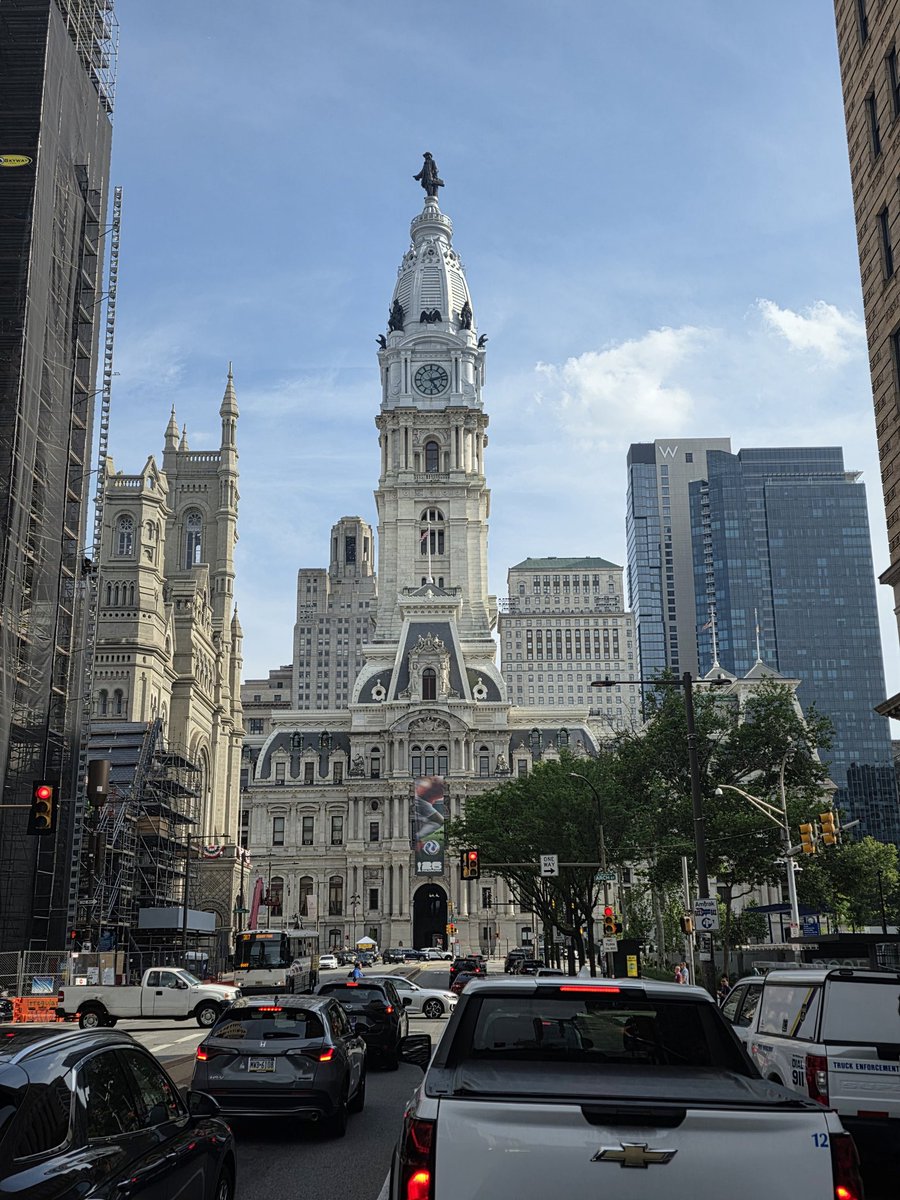
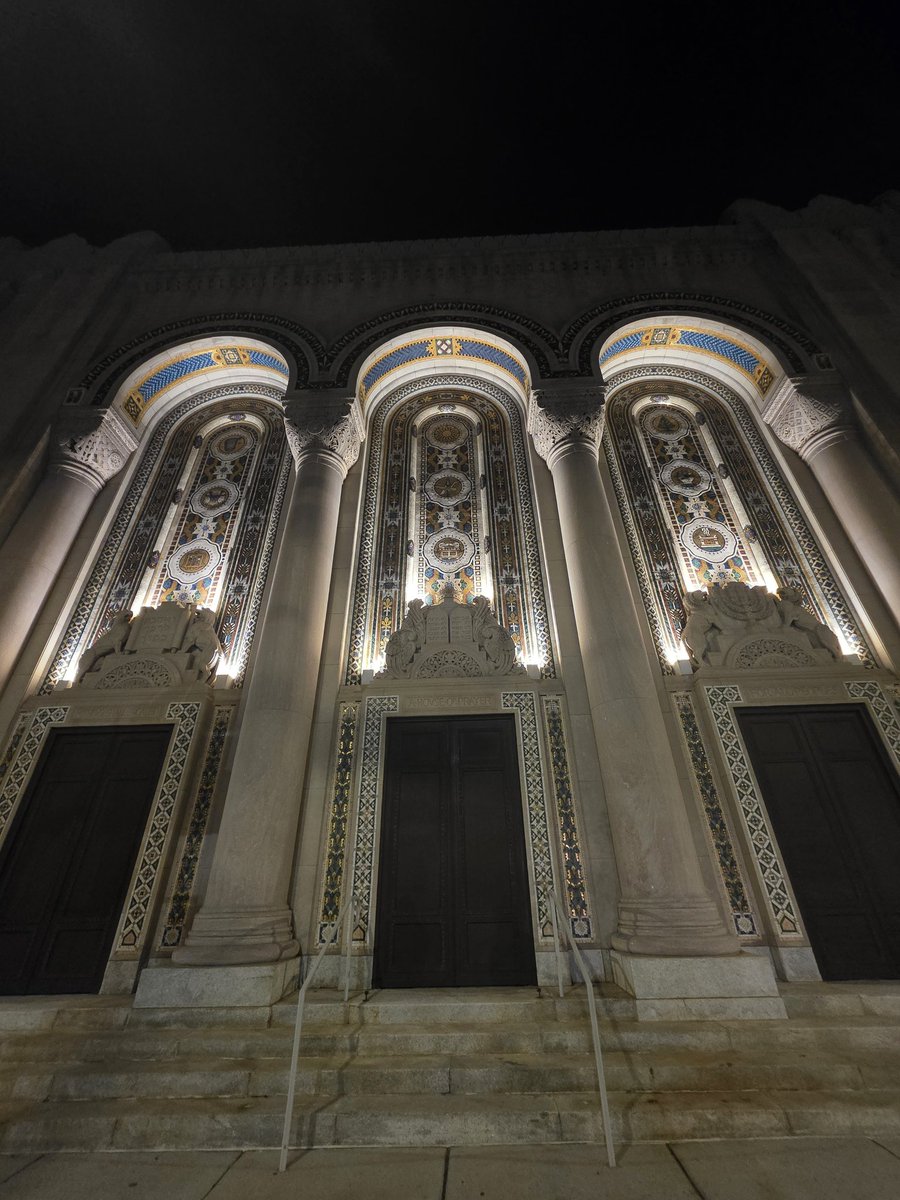
I have to give it to the democrats, they have the coolest buildings in all of America.

4
686
Jun 11
I've only seen the first couplenof minutes of this and this looks AMAZING!
Mainly because it has that hot redhead in it, but the premise js also pretty good. I cant wait to watch all of it.
MAGA vs. America First: The Great MAGA Divide by @BrandonStraka and @RealWalkAway
Watch the full episode here:
Part 1: youtube.com/watch?v=MDdoTgpI…
Part 2: youtube.com/watch?v=9rICiH9m…
7
9
59
19,608
Jun 11
The LEGO Heist with BAM and Reckless Ben has indirectly shafted me.
The fiance has learned that I have never owned a single LEGO in my life. She has given me order that I have to buy a LEGO set. Thebprobpem is that I have no idea what set to buy.
You guys tell me. What LEGO set should be my first?
14
7
2,382
Jun 11
Since the very beginning of the LEGO heist story I have been waiting and hoping for coffeezilla to cover it. I just knew it would be amazing. We'll, coffee covered it, and it was so much better than I could have imagined! Dude is a Rockstar!
2
671
Matthew Rife retweeted

Jun 10
Remember this?
In 2023 @RifeTechnology found a hydrogel in @HouseLyndseyRN's blood. x.com/janiesaysyay/status/17…
26 Sep 2023

Why would a hydrogel be in Lyndsey's 🩸?
One possible reason is PEG. PEG in the presence of collagen, reacts with proteins in 🩸 and forms fibrin scaffolds.
There are PEG medical products like "Hemopatch" which are commonly used in surgery to stop bleeding and close wounds🧵
1
3
3
995
Matthew Rife retweeted

Jun 10
yep
sept 2023
22 Sep 2023

This is my blood through a microscope. It’s not good y’all. Not good at all: you can even see the hydrogel? Or whatever it is in it. 😿😿😿 we must get them To research us while we are still Alive. This is going to eventually kill me. twitter.com/RifeTechnology/s…
Where are my research friends who can tell me about what we are seeing. RBCs looked super inflamed and enlarged. Some looked like they had spikes on it. Some where busted open and clumping together.
@RifeTechnology was super impressed with how fast I clotted off after my blood draw & the color and consistency of the blood.
👇👇👇👇
1
1
10
1,087
Jun 10
It's time we talk about this argument. "If you dont vote you cant complain about the outcome"
You can't complain if you didn't vote' isn't an argument. It's a childish deflection that collapses the second an adult applies two seconds of scrutiny.
You’re out here waving the flag for free speech and the right to pursue happiness, then slapping a participation prerequisite on basic human rights? Laughable. The First Amendment doesn’t come with a voter registration sticker. The founders didn’t etch 'unless you cast a ballot' into the Constitution. Rights aren’t participation trophies you unlock by playing in a system many see as broken, corrupt, or rigged.
Non-voters abstain for principled reasons: both options suck, the game is theater, they’re busy building their actual life instead of feeding the beast, or they refuse to legitimize garbage choices. Telling them to shut up about the consequences is pure authoritarian gatekeeping. It’s saying “Obey the outcomes you had zero input on, peasant.”
This line is intellectual laziness dressed up as civic wisdom. It has zero logical weight in any serious conversation. You don’t forfeit your voice, your grievances, or your right to call out failure just because you didn’t rubber-stamp the clown show. If your ideas can’t survive criticism from non-voters, maybe the problem isn’t the non-voters.
Grow up. Defend your positions instead of policing who’s allowed to speak.
Jun 10

Nope. You cannot have a voice if you do not participate in the elections.
3
2
6
1,045
Jun 9
Why are all of these republican account championing this idea? Do ymthey really fear this to come? Or, are they hoping that it comes?

Guilty of murder.
Prepare for a mostly peaceful summer folks...
4
3
4,223
Jun 9
Are there really tensions over this? A guy got found guilty after murdering a kid. Wheres the tensions at? Who wouldnt be ok with this?
Jun 9

Karmelo Anthony found guilty of murder.
Get ready for the chimp-out of all chimp-outs.
Hide your bananas and Hennessy.
Blacks don’t like it when they aren’t allowed to murder whites.
Real talk though, cities are about to burn.
Summer of love 2026. Strap in. It’s coming.
2
803
Jun 9
I'm glad to be wrong
Jun 9
Karmelo will go free.
White people will not riot.
The politicians will feel like failures.
1
6
846
Jun 9
Karmelo will go free.
White people will not riot.
The politicians will feel like failures.
Jun 9

🚨 BREAKING: Closing arguments in the Karmelo Anthony murder trial have ENDED, and the jury is now deliberating
Karmelo's fate for kiIIing Austin Metcalf will be known imminently
The jury can decide on murder, manslaughter, or acquittal.
I hope the jury serves some cold, hard justice here.
2
1
2
1,867