
Joined May 2011
- Tweets 7,529
- Following 975
- Followers 480
- Likes 13,475
959 Photos and videos














𝕽𝖎𝖓𝖏𝖆𝖒𝖎𝖓 ☠︎✞︎☠︎︎ retweeted

Feb 7
‼️Missouri ban on geoengineering/weather manipulation hearing (SB860)
119
1,792
3,620
21,823
𝕽𝖎𝖓𝖏𝖆𝖒𝖎𝖓 ☠︎✞︎☠︎︎ retweeted

Jan 28
It must be really bad luck to be on the list of 2030 Smart Cities!
Just a whole bunch of coincidences I’m sure.
110
2,515
5,171
126,402
𝕽𝖎𝖓𝖏𝖆𝖒𝖎𝖓 ☠︎✞︎☠︎︎ retweeted

Jan 27
On every platform the snow under a microscope videos are exploding. Parasites in the chemtrail rain, fog & snow. What will it take for our President to stop all geoengineering. I don't understand & rfk jr should be calling a human health emergency. This is crazy man 😡
543
3,614
7,664
237,610
𝕽𝖎𝖓𝖏𝖆𝖒𝖎𝖓 ☠︎✞︎☠︎︎ retweeted

5G tower on an old church spire sums up the downfall of society

180
985
7,886
76,142

𝕽𝖎𝖓𝖏𝖆𝖒𝖎𝖓 ☠︎✞︎☠︎︎ retweeted

Jan 7
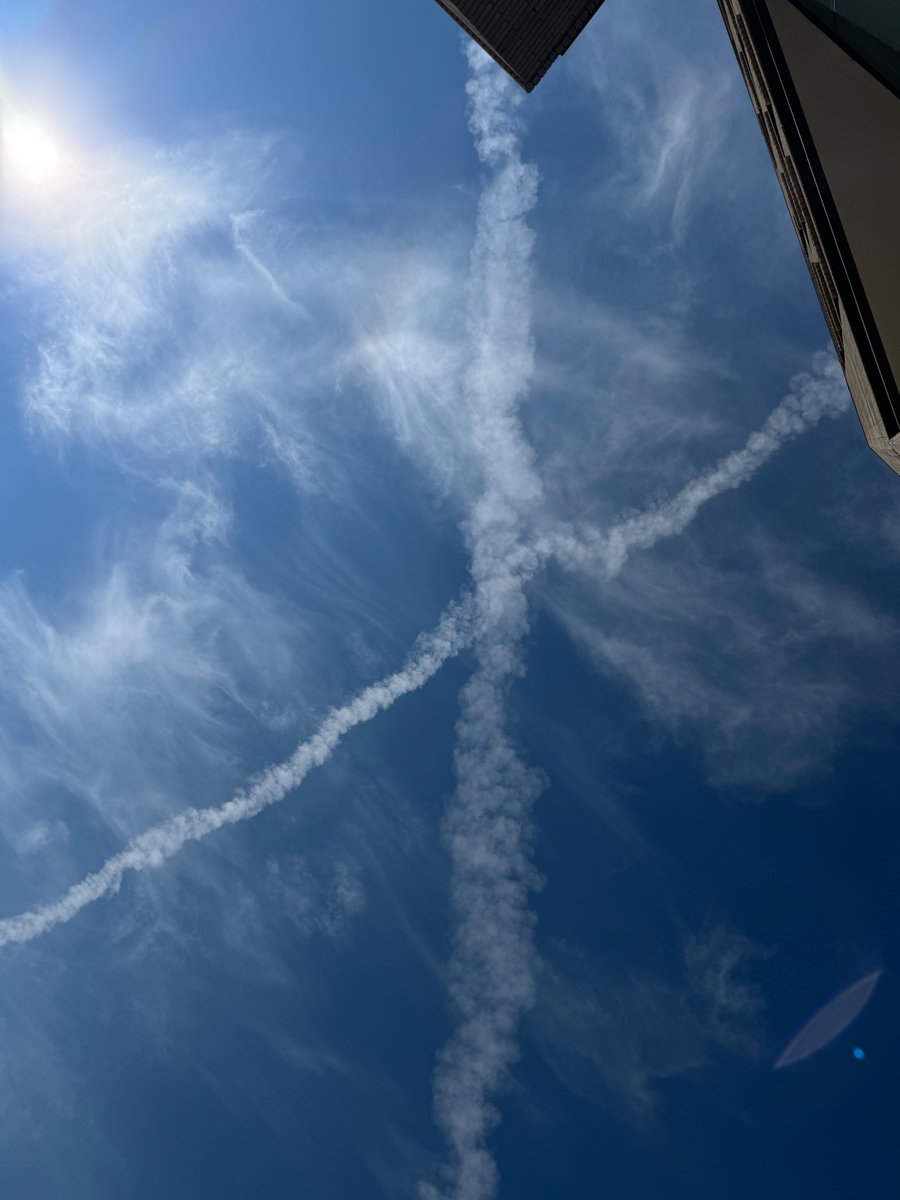
🚨BREAKING🚨This is why our government sprays lithium constantly:
Health Impacts of Aerosolized or Nanoparticulate Lithium Exposure
1. Likely Acute Effects (Short-Term Exposure)
A. Respiratory System
Most consistently observed and expected effects:
Airway irritation (burning sensation, cough)
Bronchoconstriction
Inflammatory response in lung tissue
Reduced gas exchange if particles penetrate alveoli
Chemical pneumonitis (with reactive lithium compounds)
Nanoparticles are especially concerning because they:
Bypass mucociliary clearance
Deposit deep in alveoli
Can translocate into bloodstream
B. Neurological / Cognitive Effects
Lithium directly affects neuronal signaling.
Acute neurological effects (dose-dependent):
Headache
Mental fog
Slowed reaction time
Tremor
Dizziness
Irritability or emotional blunting
These effects are well documented for systemic lithium exposure, but inhalation may accelerate CNS entry if particles cross the blood–brain barrier.
C. Cardiovascular Effects
Possible but less common acutely:
Mild hypotension
Heart rhythm changes (in higher exposures)
Electrolyte imbalance effects on cardiac conduction
2. Subacute and Chronic Exposure Risks
This is where concern escalates, especially with repeated low-dose exposure.
A. Central Nervous System (High Confidence Mechanism, Limited Inhalation Data)
Lithium alters:
GSK-3β signaling
Neurotransmitter release (dopamine, serotonin, glutamate)
Ion transport in neurons
Potential long-term effects:
Cognitive dulling
Emotional flattening
Memory impairment
Sleep disruption
Anxiety or depressive symptoms
Reduced motivation or psychomotor slowing
These are well established in oral lithium therapy and plausible via inhalation, though inhalation-specific human data is scarce.
B. Endocrine and Thyroid Effects
Lithium is known to:
Inhibit thyroid hormone release
Disrupt iodine uptake
Alter TSH regulation
Outcomes:
Hypothyroidism
Fatigue
Weight gain
Cold intolerance
Depression-like symptoms
These effects typically require chronic exposure.
C. Renal (Kidney) Effects
Systemic lithium accumulation can lead to:
Impaired urine concentrating ability
Nephrogenic diabetes insipidus (long term)
Chronic kidney stress
Again, this is dose-dependent and better documented with ingestion, but nanoparticles that enter circulation raise legitimate concern.
D. Immune and Inflammatory Effects
Nanoparticles can:
Activate macrophages
Trigger chronic low-grade inflammation
Promote oxidative stress
Dysregulate immune signaling
Chronic inflammation is a recognized risk amplifier for neurological and cardiovascular disease.
3. Unique Nanoparticle-Specific Risks
This is where traditional lithium toxicology no longer fully applies.
A. Blood–Brain Barrier Penetration
Ultrafine particles may:
Bypass normal protective mechanisms
Accumulate in neural tissue
Persist longer than soluble lithium salts
B. Bioaccumulation
Nanoparticles may:
Remain lodged in tissues
Release lithium ions slowly over time
Create prolonged low-dose exposure even after external exposure stops
C. Synergistic Toxicity
When combined with:
Aluminum
Barium
Cadmium
PM2.5
EMF or oxidative stressors
…the neurological and inflammatory effects may be non-linear, meaning small exposures could have outsized impacts.
The biological plausibility of harm from inhaled lithium nanoparticles is real
The absence of safety studies is itself a red flag, not reassurance
4. Summary Risk Profile
Respiratory - High
Neurological - Moderate to High
Thyroid - Moderate
Renal - Moderate
Immune / Inflammatory - Moderate
Long-term Unknowns - High
5. Bottom Line
From a toxicological standpoint:
Lithium is not benign
Aerosolized or nanoparticulate delivery is far more biologically active than oral exposure
Chronic low-dose exposure produces subtle but cumulative neurological, endocrine, and inflammatory effects
The lack of inhalation safety data is scientifically unacceptable
159
1,351
2,123
46,637
𝕽𝖎𝖓𝖏𝖆𝖒𝖎𝖓 ☠︎✞︎☠︎︎ retweeted

31 Dec 2025
The story is not Somalians, Minnesota, Walz or even Democrats. The story is GOVERNMENT FRAUD.
All levels, both parties - all departments, all state, local, Federal, all programs.
Across the board, massive fraud at a level most can't conceive of. Massive.
779
5,434
21,797
185,857

It's all connected...
Whether you want to believe it or not, as this lady states, geoengineering affects everything!
Add to that the massive amounts of frequency being used, and It doesn't take a genius to figure out we are all in big trouble!!
62
968
1,812
15,959

30 Dec 2025
We love history

12
𝕽𝖎𝖓𝖏𝖆𝖒𝖎𝖓 ☠︎✞︎☠︎︎ retweeted

27 Dec 2025
Every single bit of white you see in the sky during this time lapse, is entirely man-made.
It’s made of heavy metals dispersed from planes.
206
1,224
2,874
38,578

Saudi Arabia does not allow a single Christian school to operate anywhere in its country. Not one. No Christian curriculum. No Christian institutions. No “religious pluralism.”
So why the hell does the United States bend over backward to allow Islamic schools to operate freely, expand, and even seek taxpayer funding here?
If reciprocity matters, this is indefensible. If equality matters, it doesn’t exist. And if national sovereignty matters, America should stop pretending that one-way tolerance is a virtue rather than a liability.

🚨 MUSLIM BROTHERHOOD WARNING - DEMAND ACTION TEXAS!
RAIR Foundation USA has confirmed that Islamic schools in Texas tied to Hamed Ghazali are actively positioning themselves to receive Texas taxpayer funds through the state’s new school-choice program.
Hamed Ghazali is not a minor figure in Islamic education.
He is explicitly named in the Muslim Brotherhood’s 1991 Explanatory Memorandum, a document introduced as evidence in the Holy Land Foundation terrorism-financing case.
That memorandum outlines a long-term strategy to build influence in the West through institutions, with education as a central pillar.
🚨 That same education network is now preparing to access Texas taxpayer-funded programs.
Court records, archived video, and Ghazali’s own public statements reflect a long-standing record that includes:
• Fundraising for the Occupied Land Fund, later convicted of financing Hamas
• Producing and distributing pre-9/11 jihad recruitment videos featuring senior jihad figures
• Promoting Sayyid Qutb’s Milestones, a foundational text for modern jihad movements
• Publicly defending Iran’s death fatwa against author Salman Rushdie
• Serving on the Muslim Brotherhood’s North American leadership structure in the early 1990s
More recently, Ghazali told the Houston Chronicle that he plans to raise tuition to the maximum voucher amount, signaling an expectation that his schools will capture the full value of taxpayer-funded vouchers if approved.
Governor Greg Abbott has declared the Muslim Brotherhood a banned organization in Texas.
So this is no longer theoretical.
➡️ Are schools tied to a named Muslim Brotherhood operative eligible for public money?
➡️ Will Texas officials review curriculum, governance, and funding pathways?
➡️ Or will taxpayer dollars quietly flow into an ideological education pipeline without scrutiny?
RAIR has done the investigative work.
Now Texas leadership must decide whether the law will be enforced.
📢 Call your state officials
📢 Demand a formal review
📢 Demand accountability
This is about public money, public oversight, and public trust and the state needs to act!
Read the full report: rairfoundation.com/texas-not…
328
4,252
7,791
83,085
𝕽𝖎𝖓𝖏𝖆𝖒𝖎𝖓 ☠︎✞︎☠︎︎ retweeted

25 Dec 2025
“A God who became so small could only be Mercy and Love.”
~ St. Thérèse of Lisieux

14
232
1,885
17,319
𝕽𝖎𝖓𝖏𝖆𝖒𝖎𝖓 ☠︎✞︎☠︎︎ retweeted

25 Dec 2025
Merry Christmas to you all & God bless!

10
37
471
4,078
26 Dec 2025
👀 st. Joseph, terror of demons, expose corruption. In Jesus's name. Amen
22 Dec 2025

Interesting that Congressmen who are so bad at balancing a budget -
Are so excellent at making stock picks and getting large amounts of money from lobbyists and donors.
1
47
24 Dec 2025
Lord, help us

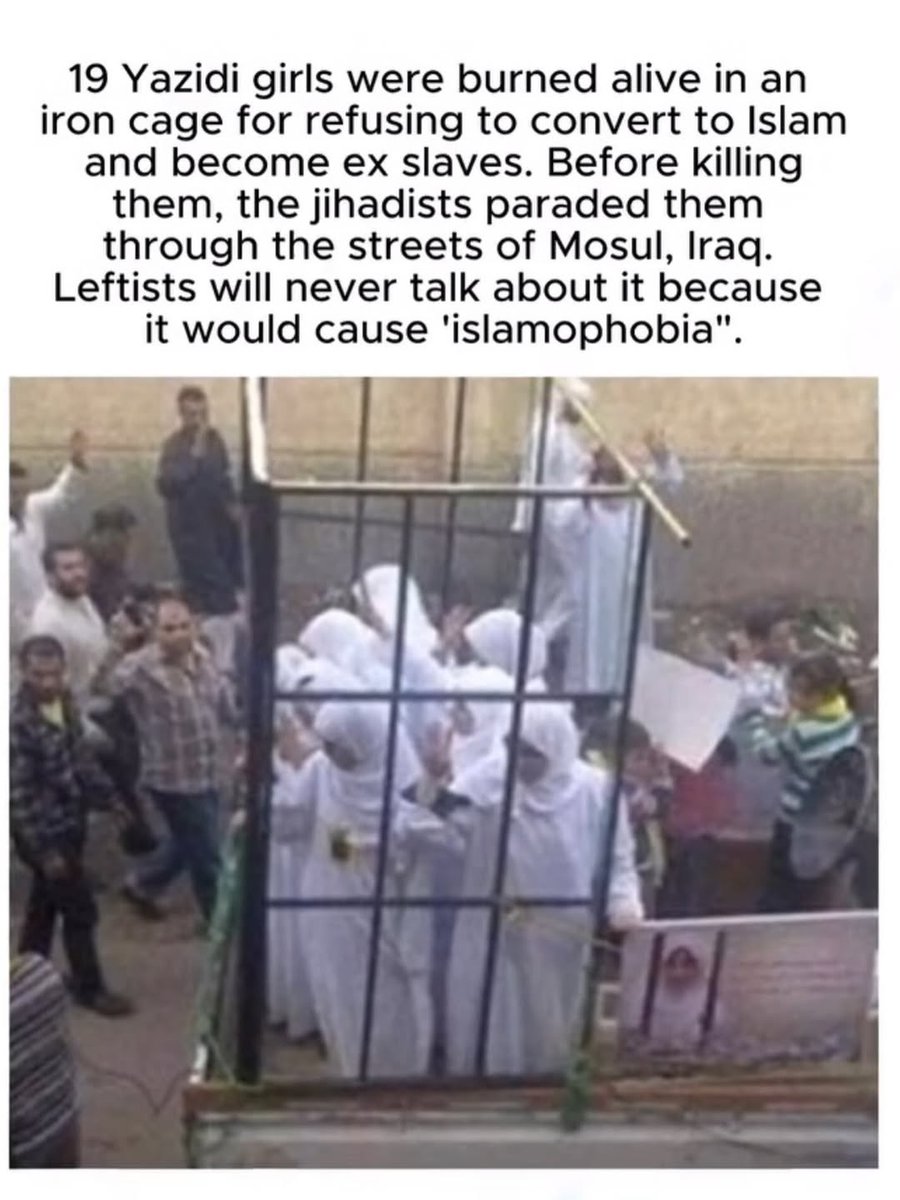
16
𝕽𝖎𝖓𝖏𝖆𝖒𝖎𝖓 ☠︎✞︎☠︎︎ retweeted

23 Dec 2025
Keep Christ in Christmas.

13
66
314
8,084
𝕽𝖎𝖓𝖏𝖆𝖒𝖎𝖓 ☠︎✞︎☠︎︎ retweeted

22 Dec 2025
Fun Fact: Muslims don't pray in the streets of Iran or Saudi Arabia or other Muslim countries. It is illegal and considered rude because it disturbs others.
They only pray in the streets of countries they are conquering, as a dominance strategy.
22 Dec 2025

While British police hunt down white Christian preachers to stop them from speaking on the streets, Muslims can do what they want. Elon Musk: "Civil war in Britain is inevitable. Just a question of when."
1,236
21,251
70,552
1,517,285

When it comes to EPSTEIN:
People want the blackmail ops and child trafficking rings dismantled, every compromised individual and foreign nation involved out of our government, and EVERY pedoph*le held accountable. Until then, nothing will change.
Thanks,
– We, The People
13
119
429
8,608