
AI Strategist & Educator | Founder Of H&H| Community: 90k IG | 70k LinkedIn. | Open for brand partnerships. Email - ritzswag@gmail.com
Joined May 2010
- Tweets 85,987
- Following 2,572
- Followers 63,208
- Likes 2,221
9,375 Photos and videos




Pinned Tweet

11h
🚨 Andrew Ng just open sourced the tool that ends vendor lock-in for AI developers.
The man who taught machine learning to a generation of engineers. The founder of deeplearning.ai. The creator of the most-taken ML course in history.
He built a library. It's called aisuite. And it solves the most expensive hidden problem in AI development.
Here's the problem.
You pick a model. You build your application around it. You write code against OpenAI's SDK. You structure your prompts for GPT. You tune your parameters for GPT's behavior.
Then GPT-5 raises prices. Or Claude 4 releases and benchmarks better on your use case. Or DeepSeek drops a model that costs 10x less with comparable quality.
Switching means rewriting your entire integration layer. Different SDK. Different API format. Different parameter names. Different error handling. Different rate limiting. You're locked in — not by contracts, but by code.
aisuite removes the lock entirely.
One unified interface. Every major AI provider. Swap models with a single string change.
Same code. Same structure. Same everything. One string changes. The model changes.
Here's what it supports:
→ Anthropic — Claude Opus, Sonnet, Haiku
→ OpenAI — GPT-5, GPT-4o, o3, o4-mini
→ Google — Gemini 3 Pro, Flash, Nano
→ DeepSeek — all models
→ Mistral — all models
→ Groq — all models
→ AWS Bedrock — any model hosted on Bedrock
→ Azure OpenAI — any Azure-hosted model
→ Ollama — any local model
→ Hugging Face — any hosted model
→ And more — the interface is provider-agnostic by design
Here's the wildest part.
Andrew Ng built this because he was frustrated. He's one of the most senior people in AI and he was still spending time rewriting API integrations when switching between models for his own research.
If the person who has probably run more ML experiments than almost anyone alive finds this annoying — every developer building AI applications has this problem.
He fixed it. Made it open source. Named it simply.
One command to install, that's it.
10K GitHub stars. Actively maintained by Andrew Ng's team. MIT License.
100% Open Source.
GitHub link in the comments 👇
3
6
8
352
Andrew Ng just open sourced the tool that ends vendor lock-in for AI developers.
It's called aisuite. One client interface that unifies completion tokens, automated tool calling, and MCP server integrations across every major cloud provider and local backend.
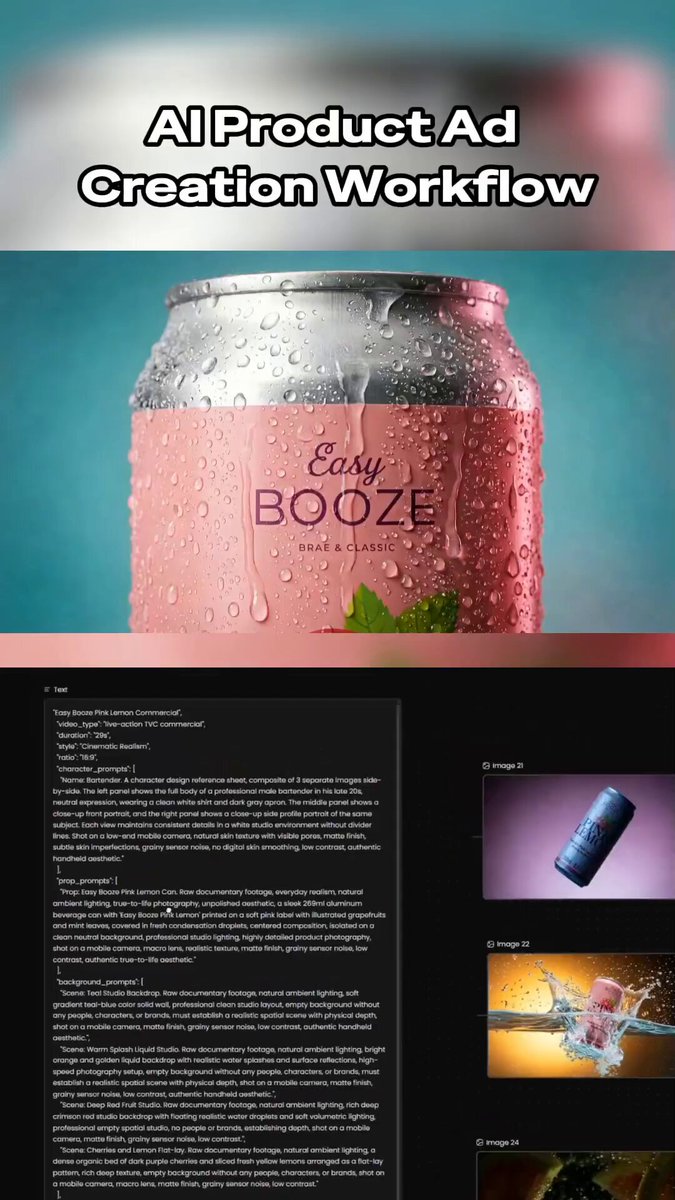
Copy these 8 frameworks to build an interchangeable, autonomous agent pipeline today:
11h

🚨 Andrew Ng just open sourced the tool that ends vendor lock-in for AI developers.
The man who taught machine learning to a generation of engineers. The founder of deeplearning.ai. The creator of the most-taken ML course in history.
He built a library. It's called aisuite. And it solves the most expensive hidden problem in AI development.
Here's the problem.
You pick a model. You build your application around it. You write code against OpenAI's SDK. You structure your prompts for GPT. You tune your parameters for GPT's behavior.
Then GPT-5 raises prices. Or Claude 4 releases and benchmarks better on your use case. Or DeepSeek drops a model that costs 10x less with comparable quality.
Switching means rewriting your entire integration layer. Different SDK. Different API format. Different parameter names. Different error handling. Different rate limiting. You're locked in — not by contracts, but by code.
aisuite removes the lock entirely.
One unified interface. Every major AI provider. Swap models with a single string change.
Same code. Same structure. Same everything. One string changes. The model changes.
Here's what it supports:
→ Anthropic — Claude Opus, Sonnet, Haiku
→ OpenAI — GPT-5, GPT-4o, o3, o4-mini
→ Google — Gemini 3 Pro, Flash, Nano
→ DeepSeek — all models
→ Mistral — all models
→ Groq — all models
→ AWS Bedrock — any model hosted on Bedrock
→ Azure OpenAI — any Azure-hosted model
→ Ollama — any local model
→ Hugging Face — any hosted model
→ And more — the interface is provider-agnostic by design
Here's the wildest part.
Andrew Ng built this because he was frustrated. He's one of the most senior people in AI and he was still spending time rewriting API integrations when switching between models for his own research.
If the person who has probably run more ML experiments than almost anyone alive finds this annoying — every developer building AI applications has this problem.
He fixed it. Made it open source. Named it simply.
One command to install, that's it.
10K GitHub stars. Actively maintained by Andrew Ng's team. MIT License.
100% Open Source.
GitHub link in the comments 👇
1
2
74
Rituraj retweeted
11h
🚨 Andrew Ng just open sourced the tool that ends vendor lock-in for AI developers.
The man who taught machine learning to a generation of engineers. The founder of deeplearning.ai. The creator of the most-taken ML course in history.
He built a library. It's called aisuite. And it solves the most expensive hidden problem in AI development.
Here's the problem.
You pick a model. You build your application around it. You write code against OpenAI's SDK. You structure your prompts for GPT. You tune your parameters for GPT's behavior.
Then GPT-5 raises prices. Or Claude 4 releases and benchmarks better on your use case. Or DeepSeek drops a model that costs 10x less with comparable quality.
Switching means rewriting your entire integration layer. Different SDK. Different API format. Different parameter names. Different error handling. Different rate limiting. You're locked in — not by contracts, but by code.
aisuite removes the lock entirely.
One unified interface. Every major AI provider. Swap models with a single string change.
Same code. Same structure. Same everything. One string changes. The model changes.
Here's what it supports:
→ Anthropic — Claude Opus, Sonnet, Haiku
→ OpenAI — GPT-5, GPT-4o, o3, o4-mini
→ Google — Gemini 3 Pro, Flash, Nano
→ DeepSeek — all models
→ Mistral — all models
→ Groq — all models
→ AWS Bedrock — any model hosted on Bedrock
→ Azure OpenAI — any Azure-hosted model
→ Ollama — any local model
→ Hugging Face — any hosted model
→ And more — the interface is provider-agnostic by design
Here's the wildest part.
Andrew Ng built this because he was frustrated. He's one of the most senior people in AI and he was still spending time rewriting API integrations when switching between models for his own research.
If the person who has probably run more ML experiments than almost anyone alive finds this annoying — every developer building AI applications has this problem.
He fixed it. Made it open source. Named it simply.
One command to install, that's it.
10K GitHub stars. Actively maintained by Andrew Ng's team. MIT License.
100% Open Source.
GitHub link in the comments 👇
3
6
8
352
11h
🚨 Andrew Ng just open sourced the tool that ends vendor lock-in for AI developers.
The man who taught machine learning to a generation of engineers. The founder of deeplearning.ai. The creator of the most-taken ML course in history.
He built a library. It's called aisuite. And it solves the most expensive hidden problem in AI development.
Here's the problem.
You pick a model. You build your application around it. You write code against OpenAI's SDK. You structure your prompts for GPT. You tune your parameters for GPT's behavior.
Then GPT-5 raises prices. Or Claude 4 releases and benchmarks better on your use case. Or DeepSeek drops a model that costs 10x less with comparable quality.
Switching means rewriting your entire integration layer. Different SDK. Different API format. Different parameter names. Different error handling. Different rate limiting. You're locked in — not by contracts, but by code.
aisuite removes the lock entirely.
One unified interface. Every major AI provider. Swap models with a single string change.
Same code. Same structure. Same everything. One string changes. The model changes.
Here's what it supports:
→ Anthropic — Claude Opus, Sonnet, Haiku
→ OpenAI — GPT-5, GPT-4o, o3, o4-mini
→ Google — Gemini 3 Pro, Flash, Nano
→ DeepSeek — all models
→ Mistral — all models
→ Groq — all models
→ AWS Bedrock — any model hosted on Bedrock
→ Azure OpenAI — any Azure-hosted model
→ Ollama — any local model
→ Hugging Face — any hosted model
→ And more — the interface is provider-agnostic by design
Here's the wildest part.
Andrew Ng built this because he was frustrated. He's one of the most senior people in AI and he was still spending time rewriting API integrations when switching between models for his own research.
If the person who has probably run more ML experiments than almost anyone alive finds this annoying — every developer building AI applications has this problem.
He fixed it. Made it open source. Named it simply.
One command to install, that's it.
10K GitHub stars. Actively maintained by Andrew Ng's team. MIT License.
100% Open Source.
GitHub link in the comments 👇
3
6
8
352
Rituraj retweeted
19h
GOODBYE WAITING FOR MYTHOS
ANTHROPIC JUST RELEASED FABLE 5 — MYTHOS FOR EVERYONE.
THE MOST POWERFUL AI EVER BUILT. PUBLIC. RIGHT NOW.
NO WAITLIST.
NO SPECIAL ACCESS.
NO PROJECT GLASSWING INVITE.
Copy these 5 prompts to use Fable 5 before June 22 — when free access ends:
1
1
179
19h
GOODBYE WAITING FOR MYTHOS
ANTHROPIC JUST RELEASED FABLE 5 — MYTHOS FOR EVERYONE.
THE MOST POWERFUL AI EVER BUILT. PUBLIC. RIGHT NOW.
NO WAITLIST.
NO SPECIAL ACCESS.
NO PROJECT GLASSWING INVITE.
Copy these 5 prompts to use Fable 5 before June 22 — when free access ends:
1
1
179
19h
6/ The Catch U Need To Know
Free access on Pro, Max, Team, and Enterprise — until June 22 only.
After June 22 — usage credits required. Pricing: $10/million input tokens. $50/million output tokens. Double Opus 4.8.
Anthropic says high demand may cause delays. Start now.
1
32
19h
Mythos leaked in March. Discord found it in April. Anthropic tried to keep it locked.
Today it's public.
The most powerful AI ever built — available to anyone with a Claude account.
Until June 22. Free. Go use it now.
Follow @RituWithAI for AI tools.
46
Jun 13
We are locking down our network firewalls while letting unverified community MCP tools execute raw terminal commands inside our IDEs.
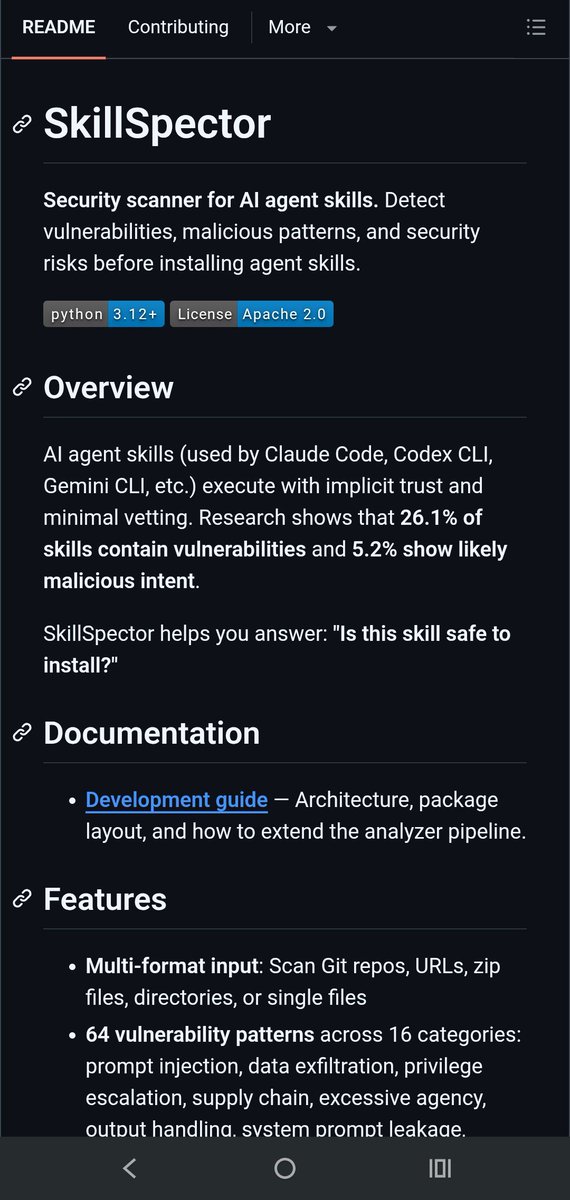
NVIDIA SkillSpector changes the game. It is an open-source, Apache 2.0 scanner that flags prompt injections and malicious dependencies locally before they infect your workspace compute layer.
Stop blinding your environment security. Here is the sovereign validation stack
Jun 13
🚨 NVIDIA just built the security scanner that every developer installing AI agent skills desperately needs.
And almost nobody is using it yet.
Here's the problem that's been quietly growing for months.
Skills are the new plugins. Claude Code skills. OpenClaw tools. MCP servers. Cursor plugins. Every AI agent framework now has a marketplace of community-built skills you can install with one command.
One command. That skill now runs inside your AI agent. With access to everything your agent can access. Your codebase. Your file system. Your API keys. Your environment variables. Your production infrastructure.
How many developers are reading the source code of every skill they install before running it?
Almost none.
That's the threat surface. And until now, nobody built a tool to audit it.
NVIDIA's SkillSpector scans any AI agent skill — SKILL.md files, MCP server definitions, tool configurations — and detects what's actually inside before you install it.
Here's what it actually scans for:
→ Prompt injection attacks — instructions hidden inside skills designed to hijack your agent's behavior
→ Malicious patterns — code designed to exfiltrate data, execute arbitrary commands, or escalate privileges
→ Credential harvesting — skills that quietly capture API keys, tokens, or environment variables
→ Supply chain vulnerabilities — dependencies with known CVEs or suspicious update patterns
→ Excessive permission requests — skills asking for access far beyond what their stated function requires
→ Data exfiltration vectors — network calls, file writes, or external API calls that weren't disclosed
One command to scan any skill before installing:
Green: safe to install. Yellow: review these findings. Red: do not install.
Here's why the timing matters.
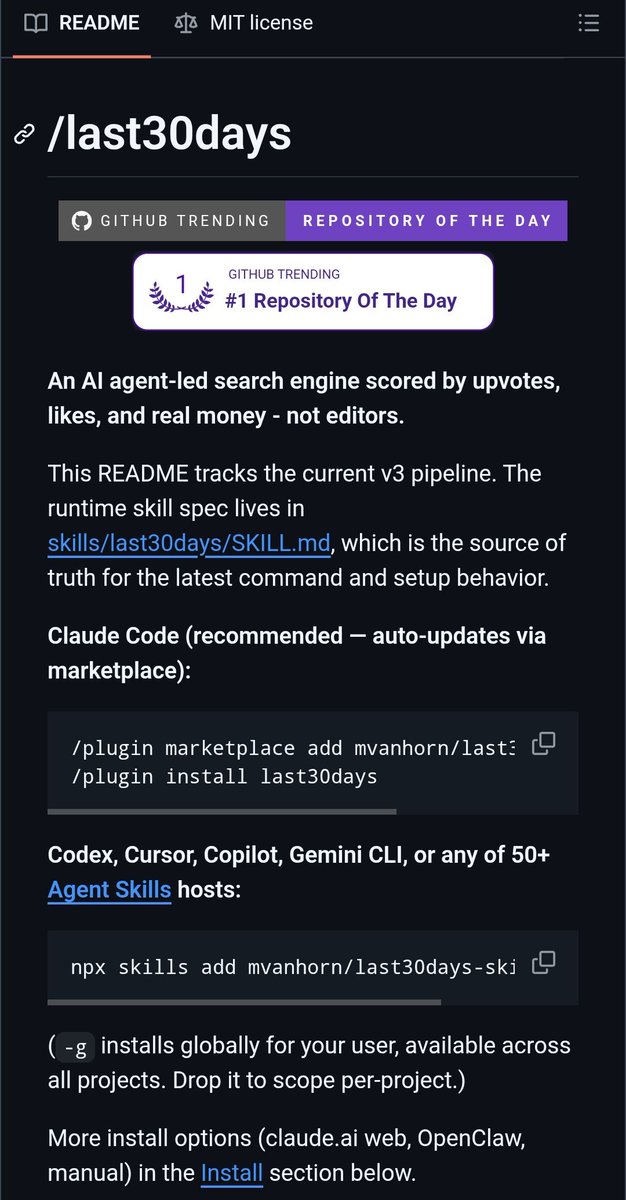
In the last month alone, the AI agent skills ecosystem exploded. K-Dense Scientific Agent Skills. last30days-skill. Superpowers. Hermes Agent skills. MemPalace. Dozens more releasing every week.
Every one of them runs with the same permissions as your AI agent. Every one of them is a potential supply chain attack vector.
The npm ecosystem learned this the hard way — malicious packages with thousands of downloads before anyone noticed. The AI skills ecosystem is two months old and already has the same attack surface.
SkillSpector is the npm audit for AI agent skills. Built by NVIDIA. Available now.
113 GitHub stars. Day one. This one matters.
100% Open Source. Apache 2.0 License.
GitHub link in the comments
120
Rituraj retweeted
Jun 13
🚨 NVIDIA just built the security scanner that every developer installing AI agent skills desperately needs.
And almost nobody is using it yet.
Here's the problem that's been quietly growing for months.
Skills are the new plugins. Claude Code skills. OpenClaw tools. MCP servers. Cursor plugins. Every AI agent framework now has a marketplace of community-built skills you can install with one command.
One command. That skill now runs inside your AI agent. With access to everything your agent can access. Your codebase. Your file system. Your API keys. Your environment variables. Your production infrastructure.
How many developers are reading the source code of every skill they install before running it?
Almost none.
That's the threat surface. And until now, nobody built a tool to audit it.
NVIDIA's SkillSpector scans any AI agent skill — SKILL.md files, MCP server definitions, tool configurations — and detects what's actually inside before you install it.
Here's what it actually scans for:
→ Prompt injection attacks — instructions hidden inside skills designed to hijack your agent's behavior
→ Malicious patterns — code designed to exfiltrate data, execute arbitrary commands, or escalate privileges
→ Credential harvesting — skills that quietly capture API keys, tokens, or environment variables
→ Supply chain vulnerabilities — dependencies with known CVEs or suspicious update patterns
→ Excessive permission requests — skills asking for access far beyond what their stated function requires
→ Data exfiltration vectors — network calls, file writes, or external API calls that weren't disclosed
One command to scan any skill before installing:
Green: safe to install. Yellow: review these findings. Red: do not install.
Here's why the timing matters.
In the last month alone, the AI agent skills ecosystem exploded. K-Dense Scientific Agent Skills. last30days-skill. Superpowers. Hermes Agent skills. MemPalace. Dozens more releasing every week.
Every one of them runs with the same permissions as your AI agent. Every one of them is a potential supply chain attack vector.
The npm ecosystem learned this the hard way — malicious packages with thousands of downloads before anyone noticed. The AI skills ecosystem is two months old and already has the same attack surface.
SkillSpector is the npm audit for AI agent skills. Built by NVIDIA. Available now.
113 GitHub stars. Day one. This one matters.
100% Open Source. Apache 2.0 License.
GitHub link in the comments
4
6
8
514
Jun 12
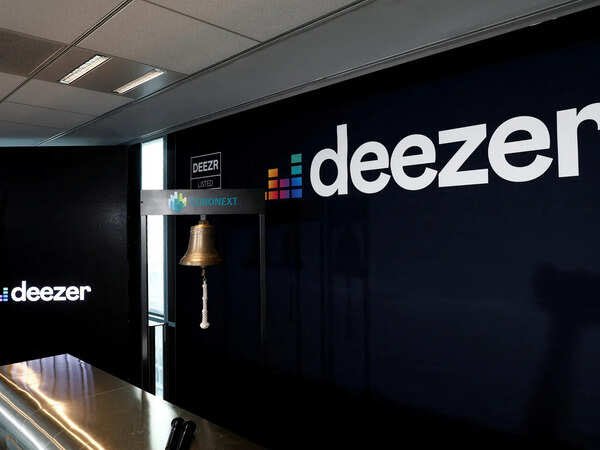
Almost half the songs in your Spotify playlist weren't made by humans.
You had no idea.
Deezer just built a free tool to show u exactly which ones.
Here's what they found:
2
193
Jun 12
80% of people agree AI music should be clearly labeled. 73% want it tagged on streaming platforms.
The demand is clear. The tools now exist.
Spotify, Apple Music, and YouTube Music haven't moved yet.
37
Jun 12
Your playlist isn't what u think it is.
Check it now — free → deezer.com/explore/ai-music-…
The music u love might be real. Half of it statistically isn't.
Follow @RituWithAI for AI stories that actually affect your daily life.
41