A Geordie living in East Staffordshire. RAF Veteran once was a Chef and highly trained in the art of food warfare. loves aircraft🇬🇧
Joined September 2011
- Tweets 210,243
- Following 3,382
- Followers 3,317
- Likes 99,060
27,131 Photos and videos










RAF Veteran. retweeted
The Navy That Could All Along. It Just Needed A By-Election.
On Sunday morning, Royal Marine Commandos and National Crime Agency officers boarded the Smyrtos, a Cameroon-flagged Russian oil tanker, in the English Channel. The operation took six hours, supported by Chinook, Merlin and Wildcat helicopters, an RAF P-8 Poseidon, and the warships HMS Sutherland and HMS Ledbury. Keir Starmer ordered it personally and called it "yet another blow to Russia." It was the first UK-led boarding of a Russian shadow fleet vessel in British waters.
The authority for this operation has existed since March. That month, Starmer agreed that British armed forces and law enforcement could stop, board and detain sanctioned shadow fleet vessels in accordance with international law. That is the legal framework. It has sat in place for eleven weeks.
In those eleven weeks, more than two hundred sanctioned tankers sailed through Britain's exclusive economic zone. Checked. Unchallenged. Three days ago, Britain's role in shadow fleet enforcement was still limited to supporting others, while France carried out its fourth such boarding, commandos rappelling onto a tanker four hundred nautical miles off Brittany.
Two weeks ago, a former Royal Marine MP told the Defence Secretary that France had again demonstrated seizing these vessels was "both legal and achievable," and that the gap between Britain's permissions and Britain's actions came down to the Attorney General's hesitation. Finland, Sweden, Estonia, France and the United States, he said, have no such hesitation.
In April, the explanation on offer was that the constraint was never legal capability. Lord Hermer's framework required an individual legal case for each boarding, and the government used that requirement to explain months of watching sanctioned vessels pass through British waters. A Russian frigate escorted tankers through twenty-one miles of Channel while Iran closed a strait of similar width with a single announcement. The Navy was ready. The law, we were told, was not.
The law was ready in March. What changed on Sunday was not the framework. It was the decision to use it.
Makerfield votes on Thursday. Reform holds every council ward in the constituency. A government that spent eleven weeks explaining why two hundred tankers could not be touched found, four days before a by-election it cannot afford to lose badly, that the first one could be.
This is not really a story about Russia, or about the Channel. It is the same story as Britain's asylum backlog. 87,450 people. A four percent removal rate. Years of unused levers. It is the same story as Hungary, which received 47 asylum applications in the same six months Britain received roughly 50,000, and as America, where border crossings fell from 1.6 million to under 240,000 within months of a government choosing to act. The tools existed throughout, in every case. The decision to use them was the only variable that was ever missing. On Sunday, for four days' worth of reasons, it stopped being missing.
"Agency officers boarded the Smyrtos, a Cameroon-flagged Russian oil tanker, in the English Channel. The operation took six hours, supported by Chinook, Merlin and Wildcat helicopters"
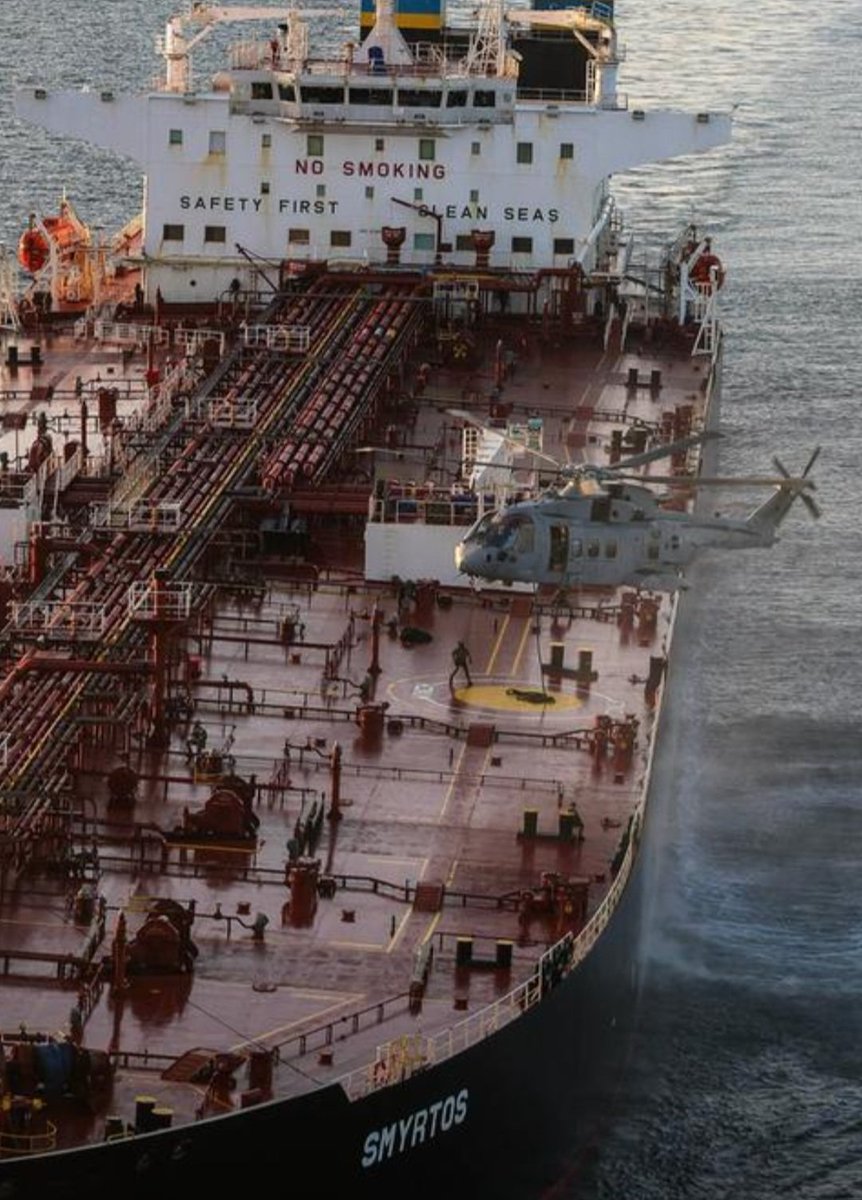
ALT Agency officers boarded the Smyrtos, a Cameroon-flagged Russian oil tanker, in the English Channel. The operation took six hours, supported by Chinook, Merlin and Wildcat helicopters.
29
89
251
3,622
RAF Veteran. retweeted

Jun 11
This morning Britain woke up without a Defence Secretary. By this evening it had lost two more ministers.
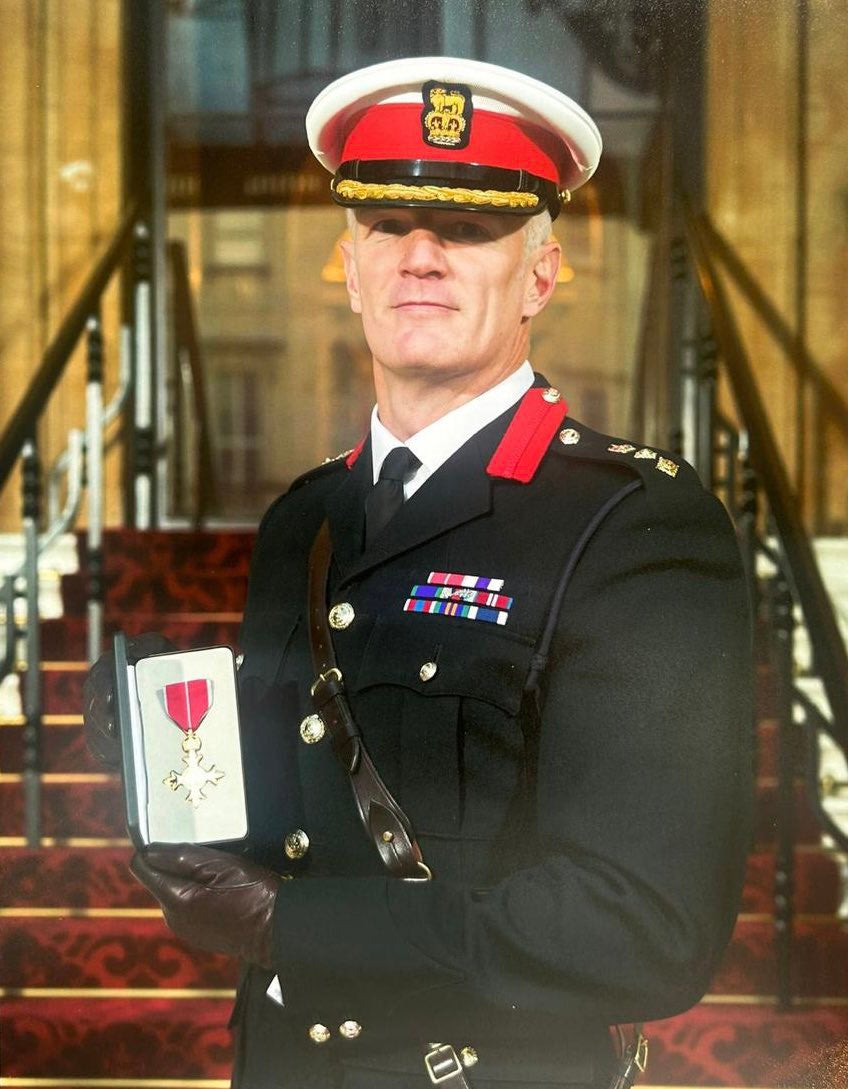
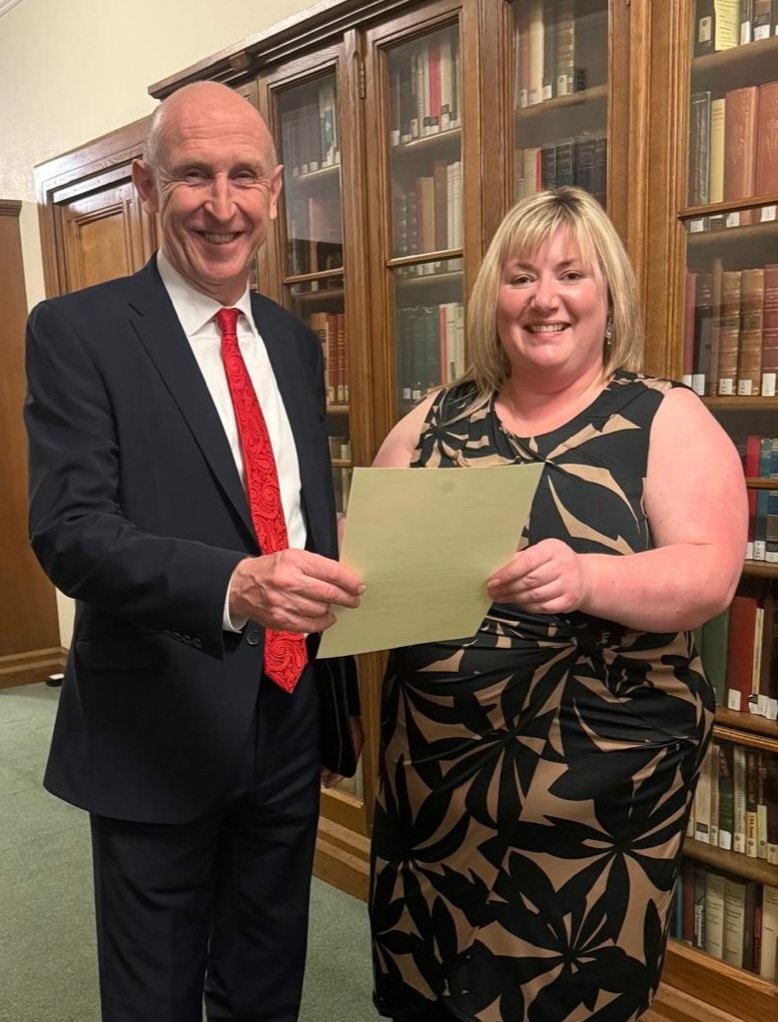
John Healey resigned because the Treasury refused to fund the defence of this country adequately. Pamela Nash, Parliamentary Private Secretary to the Defence Secretary, resigned in his wake. And Al Carns DSO OBE MC, the Minister for Veterans, resigned because he could not in good conscience ask fellow veterans to trust a process he no longer trusts himself.
Read that again. A man decorated for combat service with a Distinguished Service Order, an OBE and a Military Cross resigned as Veterans Minister today because he knows the Defence Investment Plan is inadequate and cannot stand at a despatch box and pretend otherwise. His letter says we ask soldiers to fight for this country. In return we owe them the kit to do the job and the loyalty to stand by them when it's done. We are failing on both.
Healey's letter says the country could be made less safe. Carns says the deal this country makes with the people who serve it in uniform is broken. Nash says the country is more divided now than at any point in her lifetime. Three resignation letters. Three verdicts. Written by people who were inside the room.
The Chief of the Defence Staff wrote directly to the Prime Minister warning the money was not enough. The head of the British armed forces writing directly to Downing Street is not a routine communication. It is a signal of desperation. Starmer ignored it.
Ed Miliband's net zero budget remains untouched. The welfare budget remains untouched. The DEI infrastructure embedded across British institutions continues to be funded. The £10 billion in asylum accommodation contracts continues. Every commitment that flows from the 2030 Agenda adopted without a single British vote at a UN summit in 2015 has been protected. The defence of the realm has not.
96
885
1,939
22,774
RAF Veteran. retweeted
Jun 11
Breaking. John Healey Resigns. Starmer Told NATO Russia Could Attack By 2030. His Own Defence Secretary Says The Funding Does Not Match The Threat.
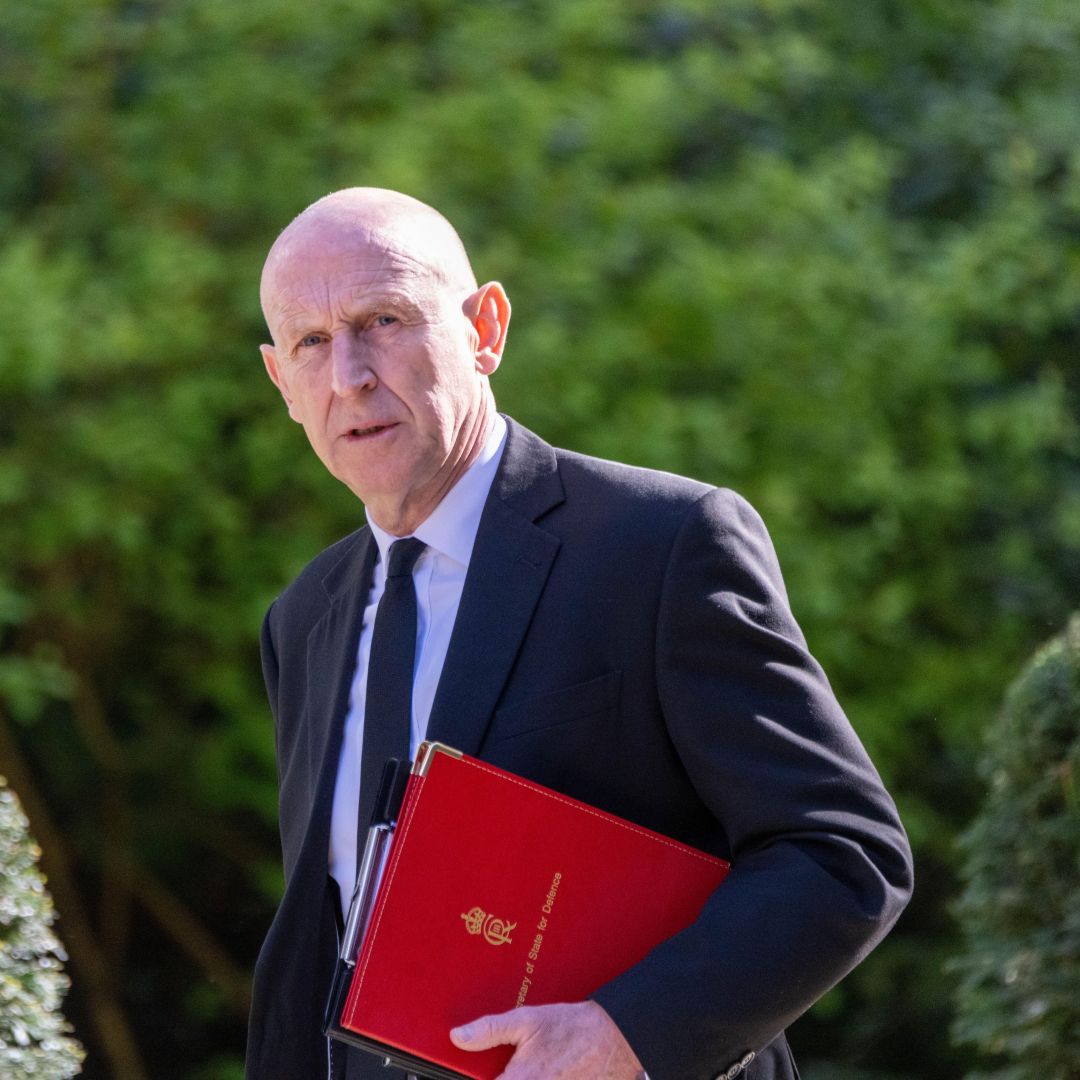
John Healey is not a rebel. He is not a troublemaker. He is one of Starmer's most loyal and trusted allies. A man who spent four years in opposition preparing for the job of Defence Secretary. He has resigned this morning because Rachel Reeves refused to fund the defence of this country adequately at the most dangerous moment in Europe since the Second World War.
His resignation letter says the Treasury has been unwilling to commit the resources the nation needs. The Defence Investment Plan falls well short of what is required. It rises to just 2.68 percent of GDP in 2030. He says that without a plan that meets the moment he is being forced to make decisions that would reduce the readiness of our forces, increase the risk to personnel on operations and could make the country less safe. He had no other option but to resign.
Starmer told NATO last week that Russia could attack by 2030. That is not a political statement. That is the British government's own intelligence assessment shared with our allies. Healey has resigned because the money allocated does not match the threat his own Prime Minister publicly named to our NATO partners just seven days ago.
Rachel Reeves has chosen the fiscal rules over the defence of the realm. Starmer has allowed her to. And the man responsible for our armed forces has concluded he cannot in good conscience continue.
In the most dangerous security environment since the Cold War a Labour government has just lost its Defence Secretary over money. That is not a governing party. That is a liability.
185
639
1,596
36,162
RAF Veteran. retweeted
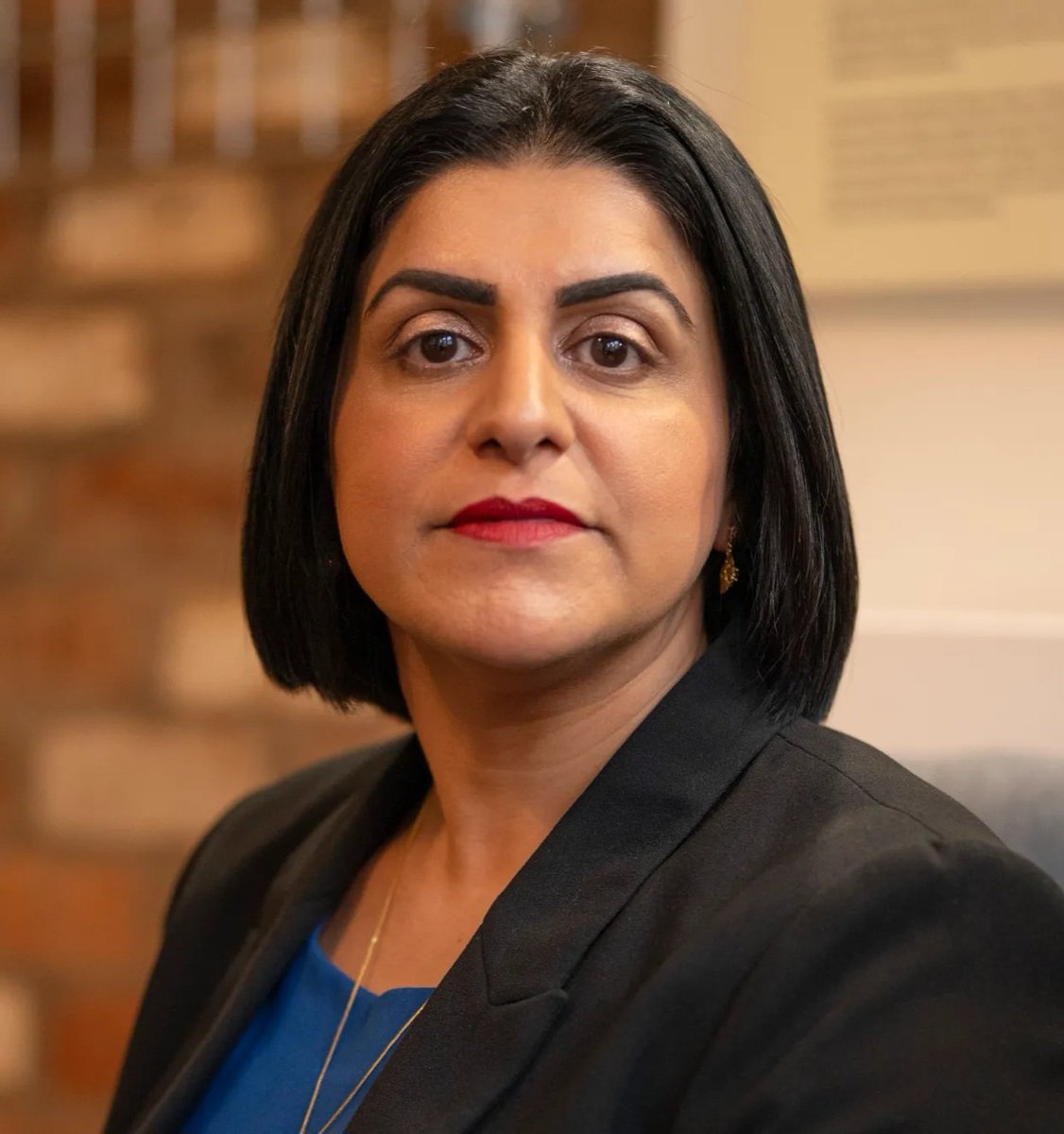
Shabana Mahmood Called George Floyd's Death An Unspeakable Outrage. She Called Henry Nowak's A Political Grandstanding Opportunity.
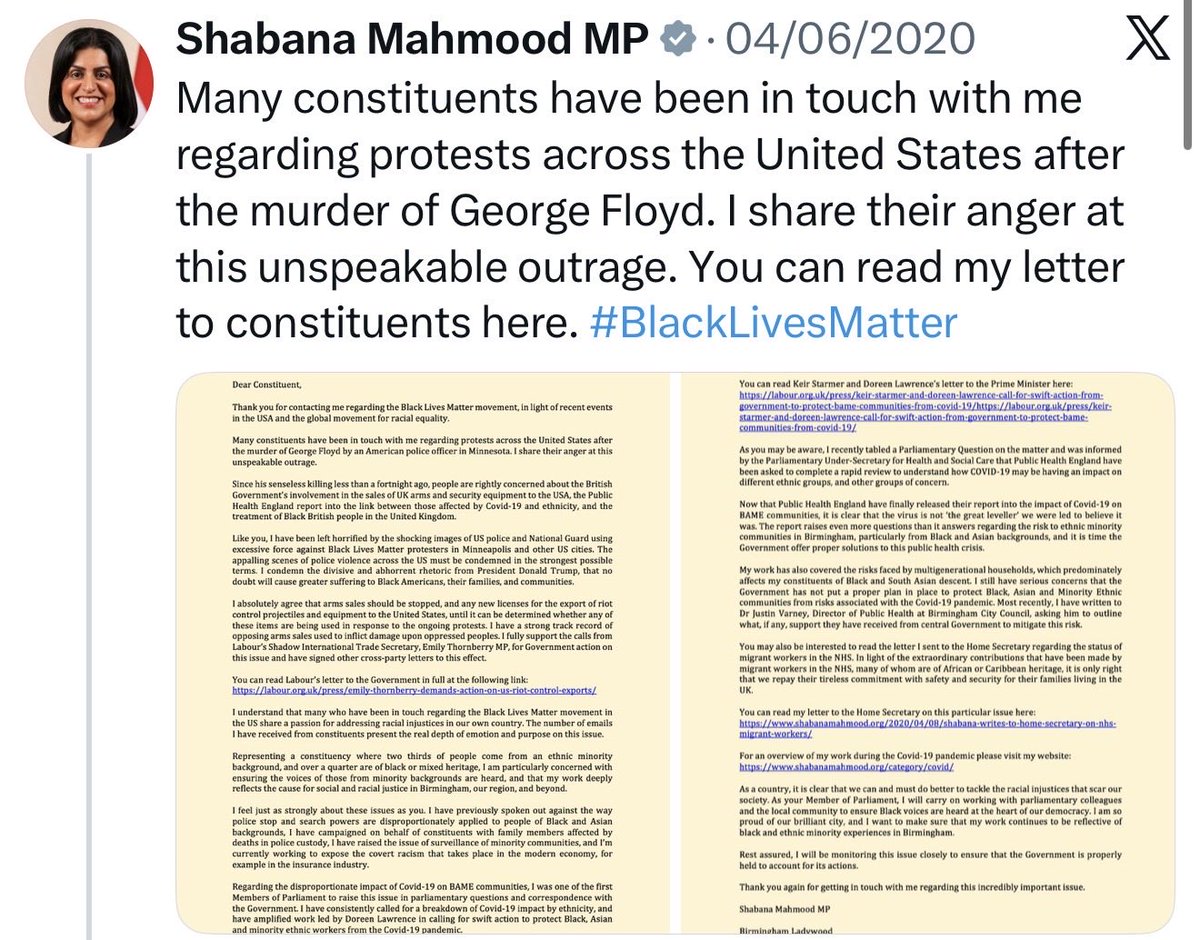
On June 4th 2020, four days after George Floyd died in Minneapolis, Shabana Mahmood wrote to her constituents. She described his death as an unspeakable outrage. She shared the anger of the Black Lives Matter movement. She condemned Donald Trump in the strongest possible terms. She pledged to ensure Black voices are heard at the heart of our democracy. She signed it with a Black Lives Matter hashtag.
This week Shabana Mahmood stood at the despatch box and told the House of Commons there must be no two tier policing. She said the police have a sacred duty to act without fear or favour. She warned that anyone using Henry Nowak's murder to stoke division should be rejected.
Henry Nowak died on December 3rd 2025. Mahmood said nothing for days. The Commons Speaker had to order the government to make a statement. When she finally spoke she described the national outcry as political grandstanding and accused those naming the problem of stoking division.
Four days after George Floyd died she had already written to her constituents. Four days after Henry Nowak's killer was convicted she had to be ordered to speak by the Speaker of the House.
The letter she wrote in 2020 is worth reading carefully because it is the most precise document available for understanding what happened this week. She writes that her work deeply reflects the cause for social and racial justice. She writes that she will carry on working to ensure Black voices are heard at the heart of our democracy. She writes that she wants her work to continue to be reflective of black and ethnic minority experiences in Birmingham.
Not all voices. Black voices. Not all experiences. Black and ethnic minority experiences. That is the Home Secretary who told Parliament this week there must be no two tier policing. Her own letter is a precise description of two tier political engagement. One standard applied to George Floyd. A different standard applied to Henry Nowak.
The progressive institutional machinery was operational within hours of Floyd's death. The hashtag was ready. The language was ready. The political network was ready. Mahmood's letter was part of that machinery. It was produced within four days because the machinery runs automatically when the case fits the framework. Black Lives Matter had been founded in 2013. By 2020 it had dozens of local chapters, a global network, corporate donors worth hundreds of millions of dollars and political allies embedded across every major Western government. When Floyd died every node of that network activated simultaneously. Mahmood's letter was one activation among millions.
Henry Nowak's case does not fit the framework. His killer used the progressive framework as the murder weapon. His case does not vindicate the ideology of anti-racism training. It exposes it. And the Home Secretary whose entire political career has been built around that ideology found herself at the despatch box this week condemning its most visible consequence while declining to name its cause.
She wrote in 2020 that she would ensure Black voices are heard at the heart of our democracy. She has kept that promise. The question Henry Nowak's family is entitled to ask is which voices were heard at the heart of the institutions that trained the officers who handcuffed their son. The Hampshire Race Action Plan. The NPCC guidance. The College of Policing practice bank. The Metropolitan Police neutrality myth. All of it built by the same political framework Mahmood has spent her career advancing.
There must be no two tier policing. She is right. The letter she wrote in 2020 explains precisely why there is.

170
1,738
3,905
207,041

Jun 6
82 years ago today. D-day.the greatest invasion force in history begins the liberation of Europe from the nazi's. The first action by the 2nd Oxs and bucks D company, Glider bourne landing
2
2
12
282
RAF Veteran. retweeted

82 years ago today, D-Day took place. At 0015 hrs, our antecedent regiment, the 2nd Ox and Bucks, carried out the first action of the invasion. In this 1986 recording, Major John Howard recounts the glider assault on Pegasus Bridge, Codenamed OPERATION DEADSTICK.
18
101
635
20,050
RAF Veteran. retweeted

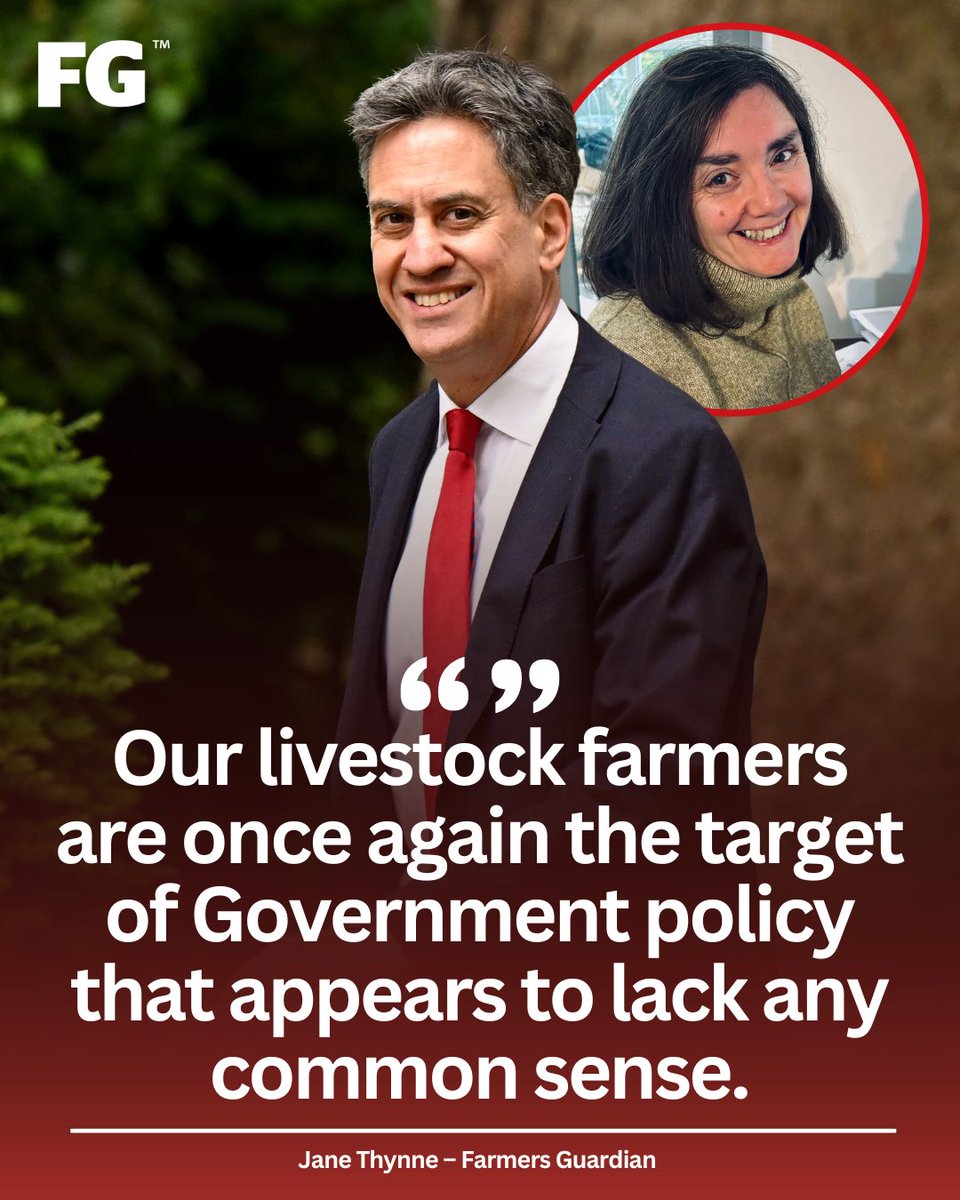
Does the Government have any loyalty to those who keep us fed? 🤔
That was the question raised by FG's head of news and business Jane Thynne this week, discussing Ed Miliband's announcement that the proposed level for the seventh Carbon Budget would require an 87% emissions reduction from 2038.
READ MORE: ow.ly/ZU1P50Z7CWb
5
10
16
1,302
RAF Veteran. retweeted

🌺🇬🇧 We are saddened to hear of the passing of RAF veteran Ralph Ottey at the age of 102.
Born in Jamaica, Ralph travelled across the Atlantic in 1944 to join the Royal Air Force and serve during the Second World War. After his service, he built a life in Boston, Lincolnshire, where he became a respected member of the local community.
Those who knew Ralph remember his warmth, positivity and sense of humour. Described as someone who greeted everyone with a smile and a handshake, he leaves a lasting legacy of service, friendship and community spirit.
Our thoughts are with Ralph's family, friends and all who knew him.
Thank you for your service, Ralph. Rest in peace.
bbc.co.uk/news/articles/c0m2…
29
70
397
4,050
RAF Veteran. retweeted

Let me categorically Debunk this utter rot. @sainsburys.
I am a poultry Breeder. The hens that lay white eggs (Amberline/White Star) DO NOT have a lower carbon footprint.
Yes they eat a bit less and produce roughly the same amount of eggs as the Brown egg layers (Bovan/Lowman/ISA Brown) but they live shorter lives, are prone to dying suddenly when startled, a flighty and nervous and because they live shorter productive lives (12 -18mnths) vs brown 18/24mnths (both commercial farmed), you have to incubate more which is increased (Electricity/gas costs) and their eggs are not the same quality.
I breed and keep 20 different breeds, including: ISA Brown hens and White Stars. All my hens are 100% free range, Not a single barn kept bird, I have ISA browns that are 5yrs old and still laying beautiful Brown eggs, I have not seen a White star live beyond 3yrs and certainly none have laid eggs past 18-24mnths.
White stars Lay themselves to death. They are slender birds and because they dont eat a lot, it drains their personal vitality to keep up laying the eggs you want to sell because of the nonsensical lie that they are "More Carbon Neutral"
You want to know about eggs, come talk to someone like me, Don't rely on some hairbrained imagination of a buyer who's trying to squeeze the profit margin for a few extra pennies at our expense and to the poor hens detriment.

1,136
9,000
24,717
679,026
RAF Veteran. retweeted

🚨 From 9 June, learners will only be able to move their booked driving test to nearby centres.
📍 This change will help to deter bookings at locations where learners do not intend to sit their test.
👉 Find out more: ow.ly/E5a450Z4BJ0

ALT Leaner driver driving along residential road
1
5
10
2,742
RAF Veteran. retweeted
😧Sudden downpour? Sun in your eyes? Traffic backing up?
👍Adjust your speed and increase your stopping distance when conditions change.
🚗New driver or not, remind yourself of the Highway Code on different driving conditions: gov.uk/guidance/the-highway-…

ALT Three images side by side. The first shows a car windscreen covered with raindrops blurring the view of the road. The second shows sun glare on the horizon over cars on the road. The third shows cars in traffic on a road.
3
5
957
May 29
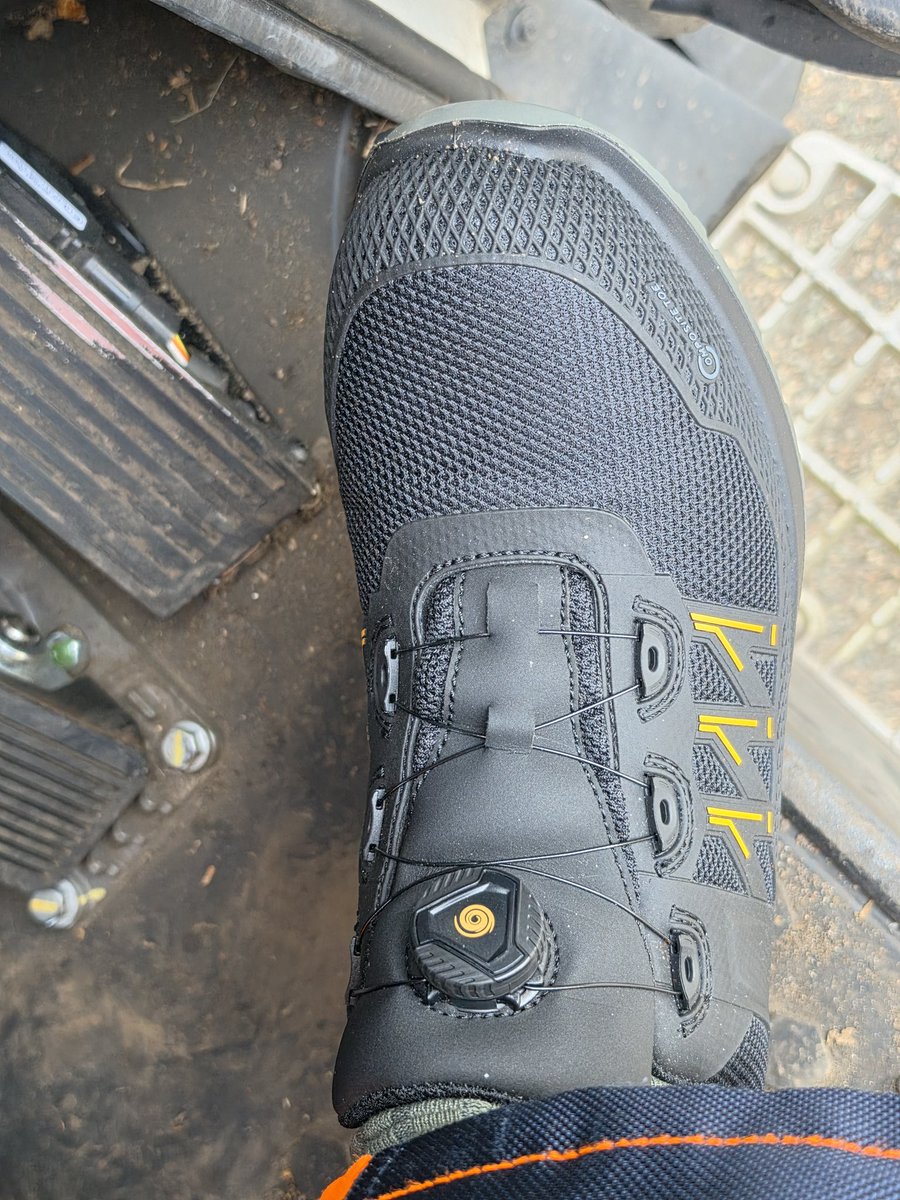
New safety shoes. Not a shoe lace in sight.....I feel like I should have been in the @BritishArmy 🙈🤣🤣🤣
1
3
142


May 29
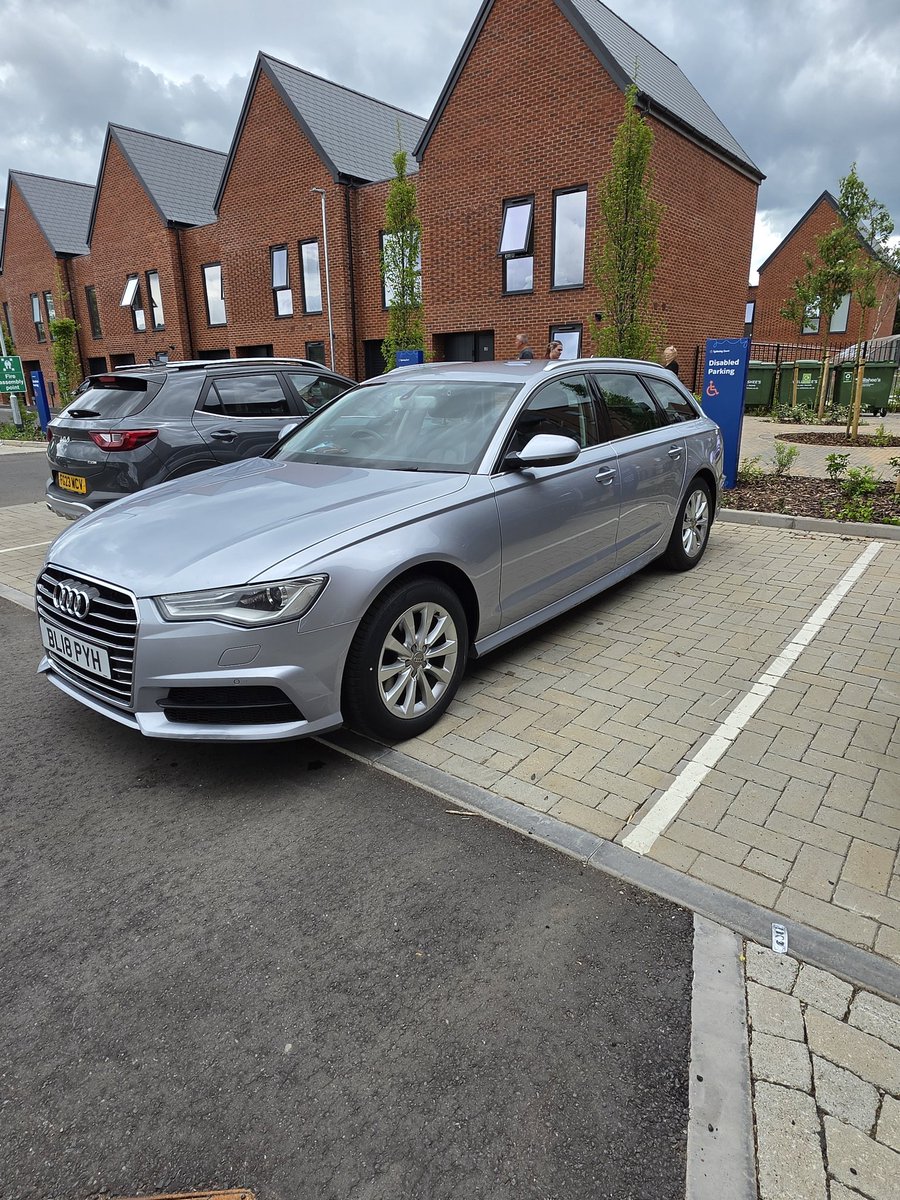
Well you shouldn't have parked there....warned many times. They had enough dragging the 1100's around.
80
RAF Veteran. retweeted
May 27
A Charity Whose Trustees Read Like a Labour Honours List Is Trying to Win a By-Election.
Hope Not Hate is a registered charitable trust. Charities operating in the political arena are bound by a simple and unambiguous rule. They must stress their independence. They must not encourage support for any particular party or candidate. They must not give funding to political parties or politicians. These are not guidelines. They are legal obligations enforced by the Charity Commission.
Nigel Farage has written to the Charity Commission citing what he describes as a clear breach of those obligations in the Makerfield by-election constituency ahead of the June 18th poll.
The facts documented in his letter are precise. Hope Not Hate sent leaflets to addresses in Makerfield encouraging voters to join the local fightback against Reform and scan a QR code to participate. The leaflet was promoted by Nick Lowles on behalf of Hope Not Hate Limited, a private company. That private company received £787,858 in grants from Hope Unlimited Charitable Trust in 2024, representing almost the entirety of the charitable trust's expenditure for the year. The action apparently changed nothing.
The trustees of Hope Unlimited Charitable Trust and the directors and former directors of Hope Not Hate Limited include Frances O'Grady, former TUC General Secretary and Labour Peer. Gurinder Josan CBE, current Chair of HUCT and Labour MP. Jon Cruddas, former Labour MP. Alison Phillips, Chief Executive of LabourTogether, a Labour supporting think tank. Ruth Lauren Anderson, Labour Peer. Anna Turley, former Labour MP and Chair of the Labour Party.
A charitable trust whose trustees are overwhelmingly current or former Labour politicians is funding a private company to distribute leaflets in a by-election constituency explicitly targeting Reform and backing the Labour candidate. The Charity Commission's own guidance states that a charity must steer clear of explicitly comparing its views with those of political parties or candidates taking part in an election. The leaflet's footer, to join the local fightback against Reform, does precisely that.
This is not the first time the Charity Commission has been required to intervene. It opened a compliance case in July 2025 and concluded it in January 2026, declaring itself satisfied that the charity had taken sufficient steps to distinguish itself from Hope Not Hate Limited. The case was closed. Within months the same funding arrangement appears to have resumed with charitable funds flowing into electoral leaflets in a specific by-election constituency. The Commission closed the case. The behaviour apparently continued.
The Makerfield by-election is the vehicle through which Andy Burnham intends to return to Westminster and challenge for the Labour leadership. Reform took every council seat in the area at the May local elections with 46.2 percent of the vote. The stakes could not be higher. And a charity whose trustees read like a Labour Party honours list is spending charitable funds to help deliver the result.
The Charity Commission has 22 days to act before the votes are cast on June 18th. It has already investigated this arrangement once and the funding continued unchanged. Charitable money is being spent to influence a by-election that could determine who leads the country. The regulator that failed to stop it in January faces a simple question. Will it act before the result or after it no longer matters?
"The leaflet was promoted by Nick Lowles on behalf of Hope Not Hate Limited, a private company."
320
2,070
4,047
82,511
RAF Veteran. retweeted
May 24
The Sewage Doesn't Lie. Polly Toynbee Said So.
In 2010, Polly Toynbee wrote in the Guardian that the census was missing millions of people and that Britain had no reliable idea of how many people actually lived here. Her evidence? Sewage. Thames Water, she explained, could calculate true population numbers from outflow data regardless of who was registered, who had filled in a form, or who the authorities knew about. The sewage doesn't discriminate. It counts everyone. In Slough alone, she reported, Thames Water's data revealed 30,000 more people than officially registered. She was making the argument that inner city constituencies were being underfunded because the state couldn't count its own population. She was right.
Fifteen years later, Thames Water commissioned a study using precisely that methodology. The results were obtained by the Telegraph under freedom of information. The study estimated that up to 585,000 people are living illegally in the London water supply zone. Nationally, the figure exceeds one million. David Wood, the former Director General of Immigration Enforcement at the Home Office, told the Home Affairs Select Committee the same thing in 2017, before the Channel crossing surge had even begun. Since 2018, over 200,000 people have arrived by small boat alone, with a removal rate of just 4 percent.
The methodology Toynbee championed in 2010 to argue for more funding for Labour inner city seats has produced a number the Guardian would never publish. The sewage still doesn't lie. It has simply started telling a different story.
This matters for several reasons. The official population figures used to allocate public services, draw constituency boundaries and calculate per capita spending are wrong. They have been wrong for years and the undercounting runs in one direction only. The people not on the register, not in the census, not in the ONS migration statistics, are overwhelmingly concentrated in the cities and inner suburbs that have absorbed the largest numbers of unregistered arrivals. The schools that are overflowing, the GP surgeries that cannot cope, the housing that is unaffordable: these are not random failures of public administration. They are the predictable consequence of a population that the state either cannot or will not count honestly.
The political class that calls concerned citizens far-right for raising these questions has known about the undercounting problem for at least fifteen years. Toynbee's 2010 piece was not a fringe complaint. It was a mainstream left-wing argument made in Britain's most prominent left-wing newspaper, citing official ONS data, Thames Water analysis and the testimony of sitting MPs. The numbers were smaller then. The methodology was the same.
What has changed is not the tools for counting. What has changed is what the counting reveals. In 2010 it revealed underfunded Labour constituencies. In 2026 it reveals a population of over a million people living here without authorisation, in a country whose government describes 171,000 net migration as a secure Britain and calls anyone who disagrees a bigot.
Polly Toynbee was right in 2010. The sewage doesn't lie. She just didn't anticipate where the truth would eventually lead.
theguardian.com/commentisfre……
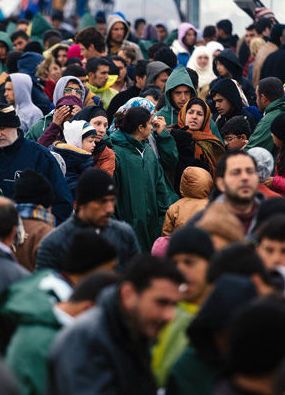
"The study estimated that up to 585,000 people are living illegally in the London water supply zone. Nationally, the figure exceeds one million."
168
1,495
3,334
103,485