
Joined February 2016
- Tweets 14,427
- Following 5,817
- Followers 6,878
- Likes 69,567
3,052 Photos and videos


Pinned Tweet

25 May 2023
Never mistake kindness for weakness. Because if you are not kind to the people around me, weakness is not what you'll remember.
15
18
129
11,571

Iceman Fella 🇨🇦🇺🇦🏴 retweeted

Jun 11
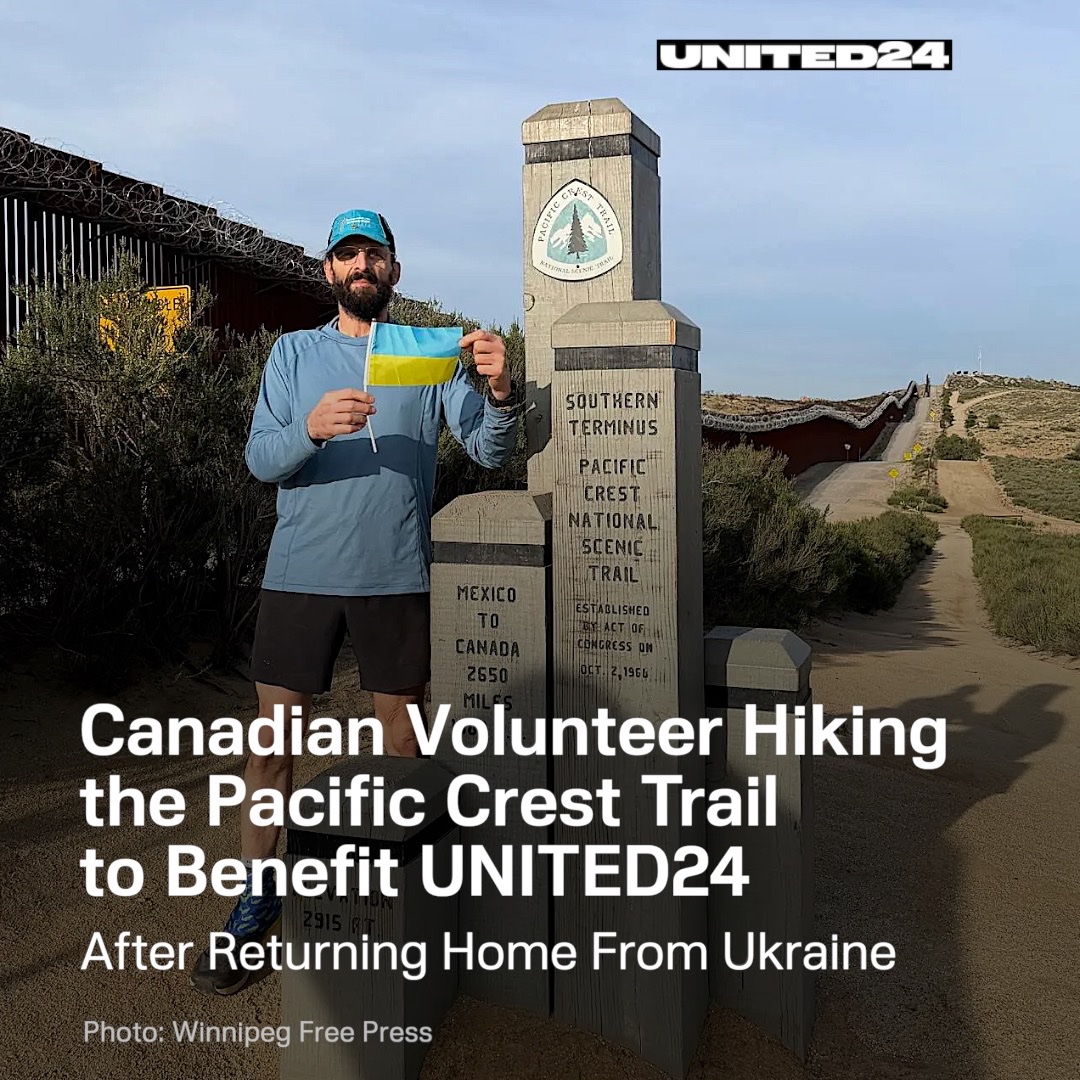
Peter Derksen is a retired police officer from Winnipeg🇨🇦 who volunteered for 6 months in Ukraine with the 110th Territorial Defense Brigade.
Now, he is hiking the Pacific Crest Trail to support UNITED24💙💛
Take a look at Peter’s amazing journey — it’s truly remarkable 🧵
11
144
484
4,626
Iceman Fella 🇨🇦🇺🇦🏴 retweeted

Jun 11
🔋Power Up!🔋fundraiser for @SKIF_A_S_G and @ateyarmy
Here is your chance to be one of 3⃣ winners of either a ORIGINAL and HARD TO GET Atey flag or patch - and all winners will receive an Atey supporter chevron.
$5 🎟️ and we have $300 matching
🅿️: immortal_666@ukr.net
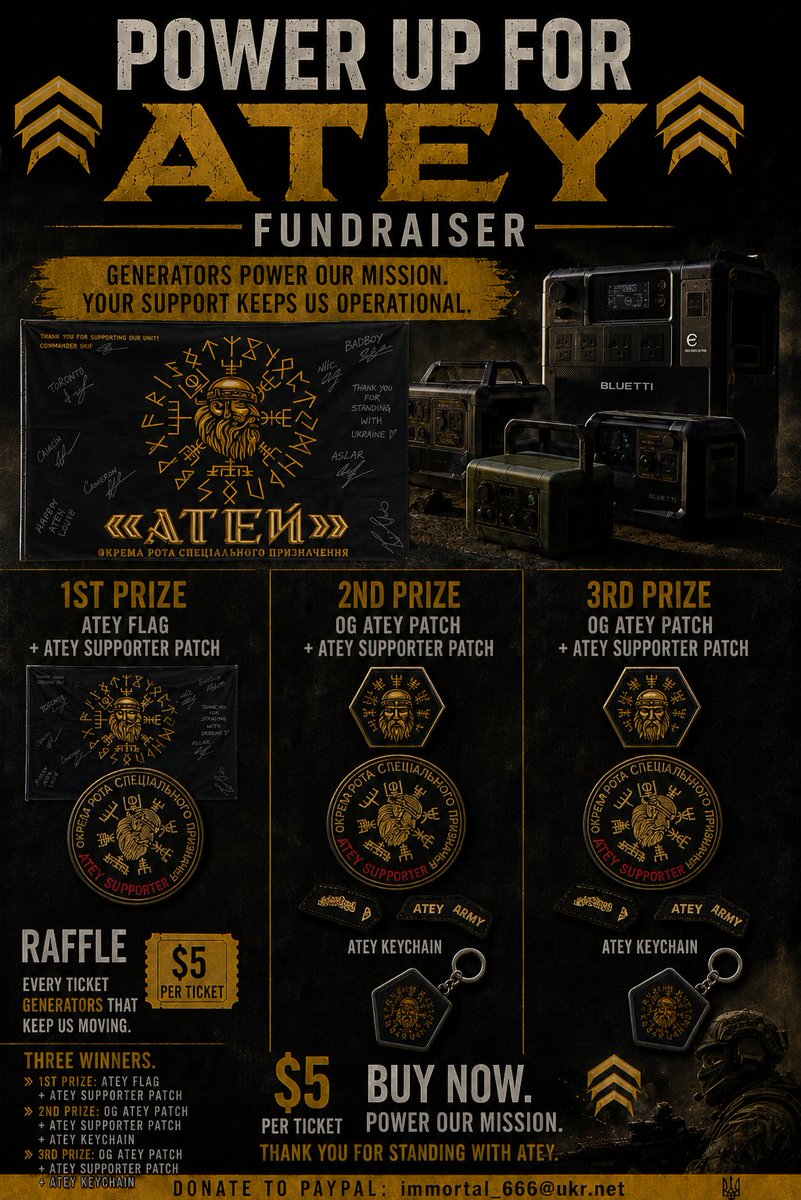

As this campaign enters it's second month, Team Atey is stepping up with a fundraiser for @SKIF_A_S_G and @ateyarmy
Here is your chance to be one of 3⃣ winners of either an OG Atey flag or patch - and all winners will receive an Atey supporter chevron
🅿️🅿️: immortal_666@ukr.net
1
20
20
692
Iceman Fella 🇨🇦🇺🇦🏴 retweeted

⏳ Seconds Save Lives🩺
Today we’re raising $9,858 with @LibertyUkraineF to buy two quad bikes for the medics of the 80th Air Assault Brigade of the 8th Air Assault Corps. When every second matters, these vehicles help medics reach the wounded faster, evacuate defenders from brutal terrain, and save lives under constant danger. The 80th is fighting in some of the hardest sectors, and their medical team urgently needs reliable transport to keep going.
The medics of the 80th Galician Brigade hold their own front - the front of saving lives.
Link: givebutter.com/two-quadro-bi… (Enter “Toonie” in comments)
Donate €2 £2 $2 📬 screenshot in replies & repost
Be sure to watch the video, like and retweet the post, leave a comment, quote tweet even better.
Glory to the Air Assault Forces. Glory to Ukraine.

152
348
505
63,908
Only a few more sleeps...
Jun 9

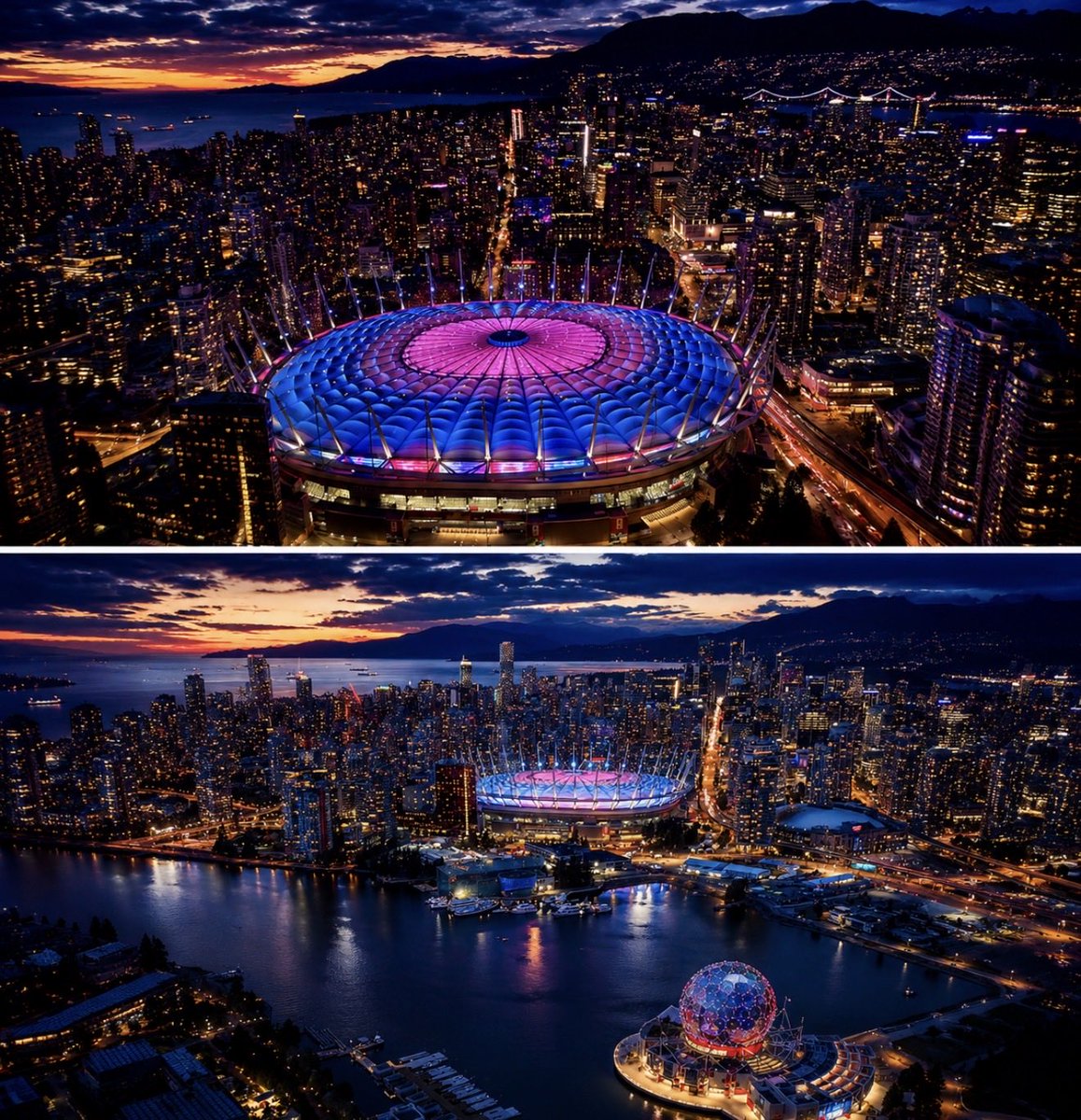
Ok ok, Vancouver is straight flexing at this point for the World Cup ⚽️
2
42
Visibility on this platform is at an all-time low. Time for me to change tactics and move on if I'm going to make a difference for Ukraine. 🤔
61
55
274
8,685
Too bad when my Uncle was doing food drops over Holland for the RCAF during their liberation, they could have missed this prick's family and we'd never hear him run his ignorant mouth. An asshole to both the Netherlands and Canada.


1
1
4
309
Let's do this.💪
May 29

Our stage. Our moment. Our Game Now!
The chosen 26 to represent our nation at a home World Cup! ⬇️
CANMNT x @GatoradeCanada
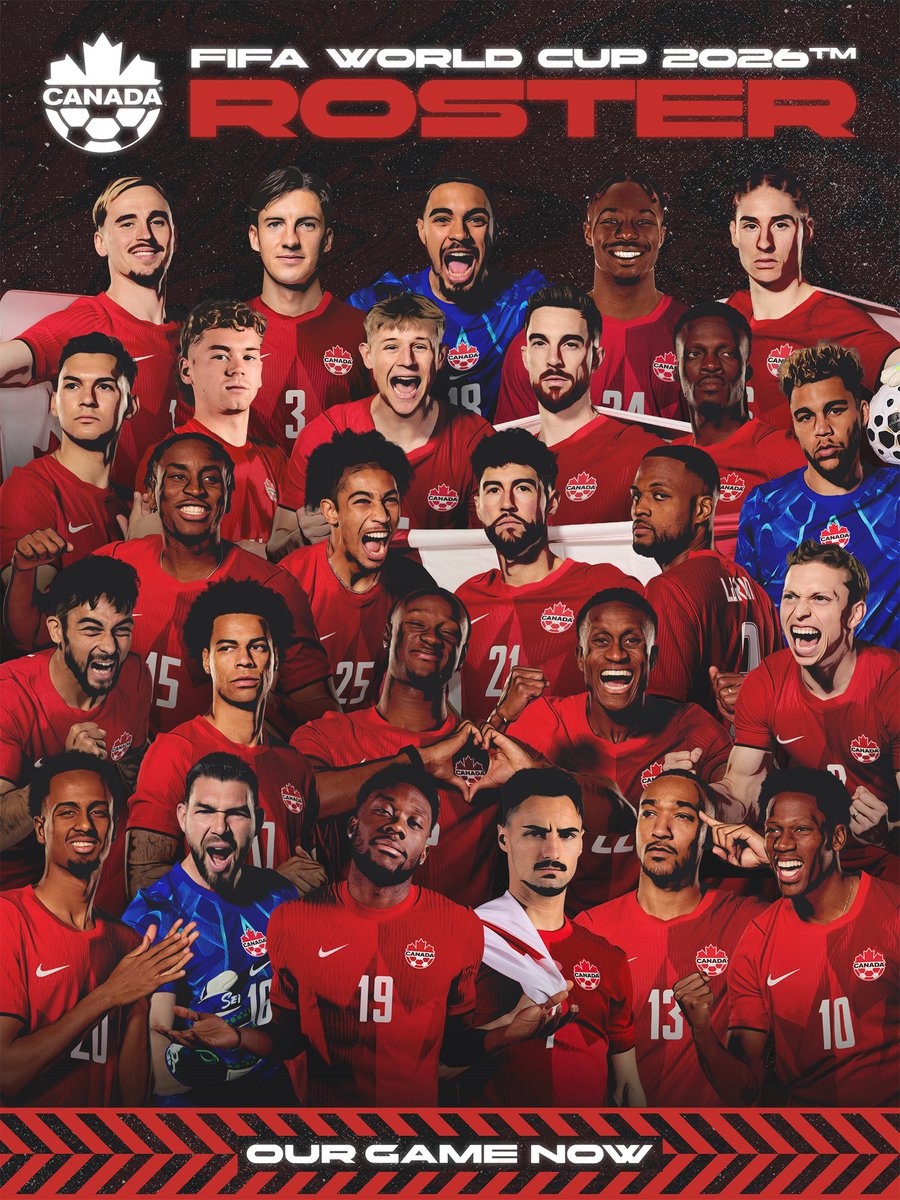
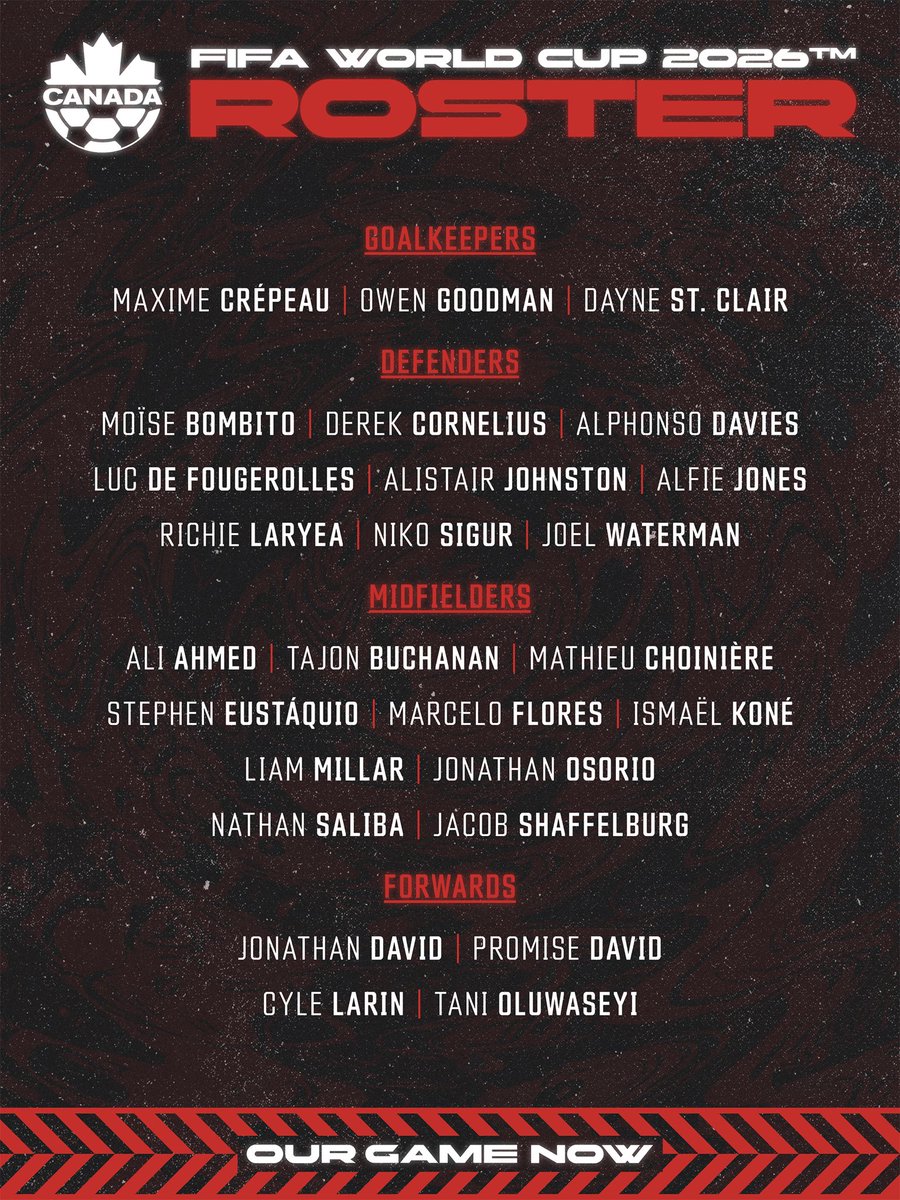
2
99
It wasn't Drake. 🙄

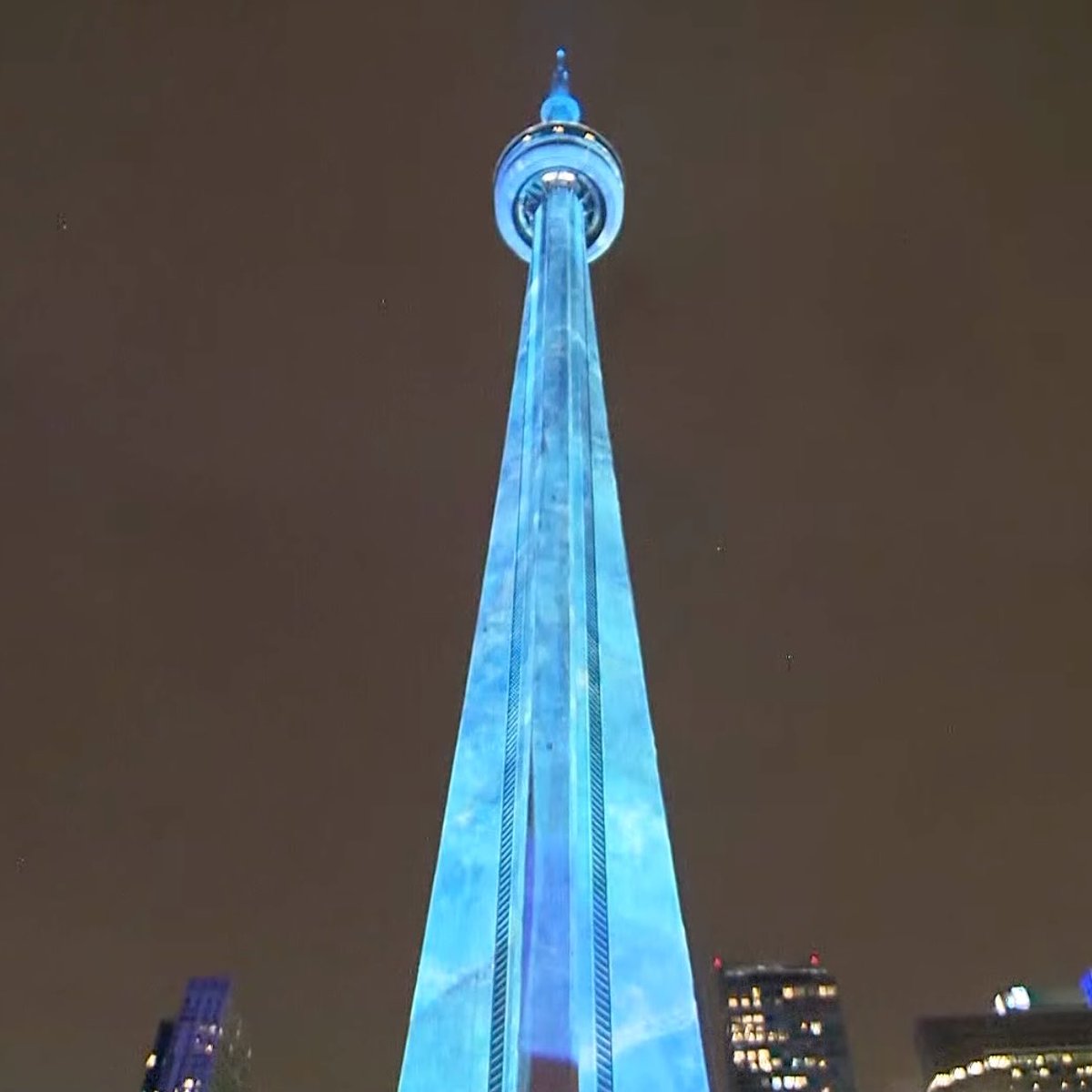

252
Iceman Fella 🇨🇦🇺🇦🏴 retweeted

May 12
In 1943, Canada erased a hospital room from existence to save a royal baby — and Europe's oldest monarchy thanked them with flowers that still bloom 80 years later.
The Nazis had taken Holland. Crown Princess Juliana of the Netherlands had fled across the Atlantic with her daughters, finding refuge in Ottawa while her homeland burned. Now she was pregnant — and that pregnancy had triggered a constitutional crisis no government had ever faced.
The problem was brutally simple: If this baby was born on Canadian soil, Canadian law would grant automatic citizenship. And the ancient laws governing Dutch royal succession were unforgiving. Any hint of foreign citizenship could disqualify this child from ever ascending to the throne.
Sending her home wasn't an option. German U-boats prowled the waters. The royal palace in The Hague had swastikas hanging from its windows.
So Canada's lawyers did something that belongs in a novel, not a history book.
On January 19, 1943, the Canadian government issued an Order in Council that rewrote reality. The maternity suite at Ottawa Civic Hospital was declared extraterritorial. Not Canadian. Not Dutch. Not part of any nation on Earth.
For the span of a birth, that room existed in a legal void — a pocket of nowhere wrapped in hospital walls.
Princess Margriet was born into that impossible space. The moment she drew breath, she was Dutch — purely, legally, unquestionably Dutch. No competing allegiance. No threat to her royal destiny. The lawyers closed their books. The doctors smiled.
And then, as quietly as it had vanished, the room became Canadian again.
The war ended. Holland was liberated. And the Dutch Royal Family didn't just say thank you — they said it in a language that would outlive everyone who spoke it.
In 1945, 100,000 tulip bulbs arrived in Ottawa. Not as decoration. As gratitude made tangible.
But one shipment wasn't enough to express what Canada had done. So they kept sending them. Every single year since 1945, the Dutch Royal Family sends 20,000 more bulbs to the Canadian capital.
Today, if you walk through Ottawa every May, you'll find over three million tulips blazing along the Rideau Canal, flooding through Commissioners Park, turning the city into rivers of crimson, gold, and violet. Most people who stop to take photos have no idea they're standing in the middle of a thank-you note that's been growing for eight decades.
Princess Margriet is 83 now. She still makes the journey to Ottawa during tulip season, walking through gardens that exist because she was once born in a room that legally didn't.
Some acts of kindness become gardens. Some thank-yous outlive everyone who gave them.
And some flowers bloom forever.
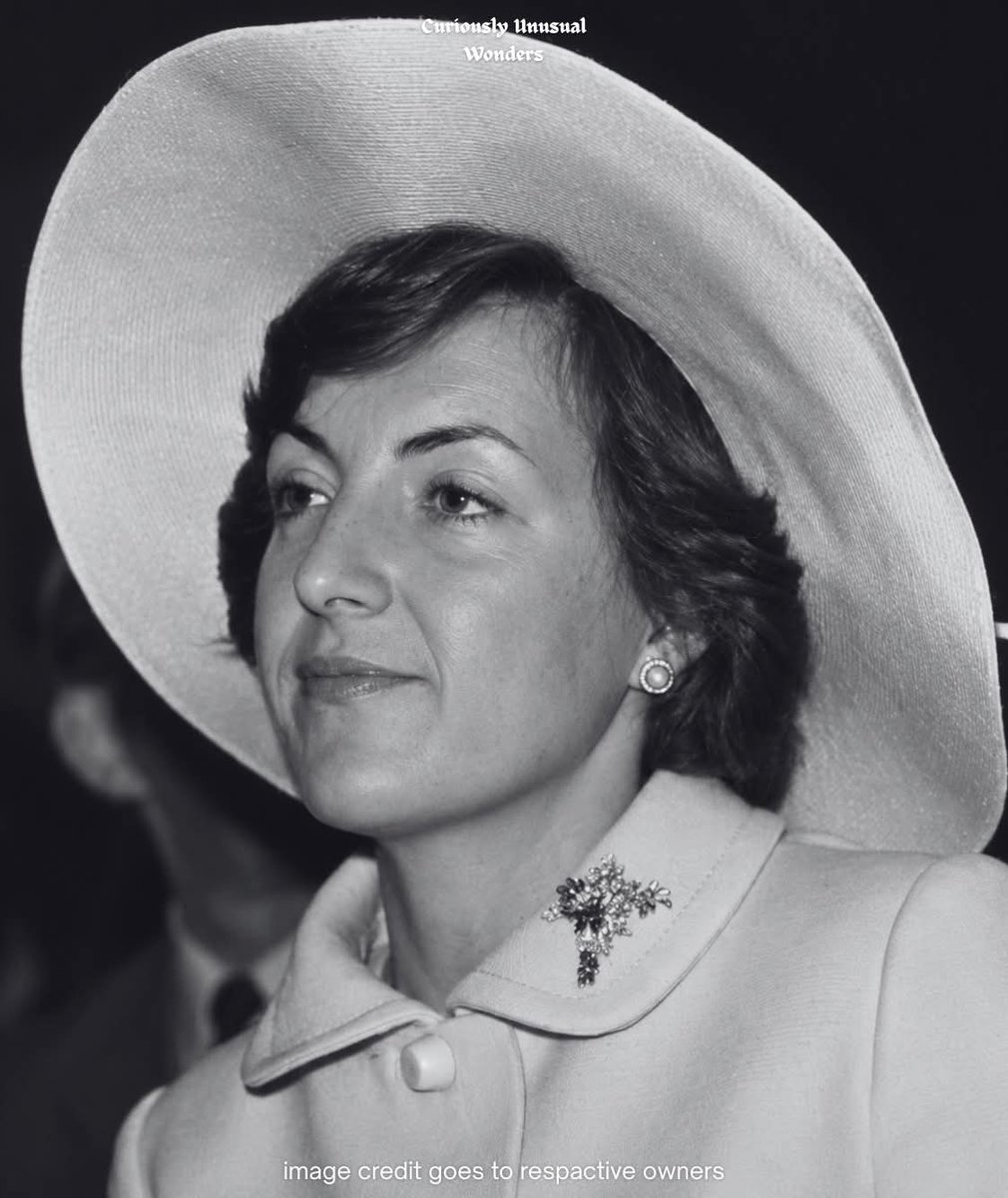
73
1,033
4,889
138,819
Trickle down economics. Never trickled down.


1
70
Never quit.
May 8

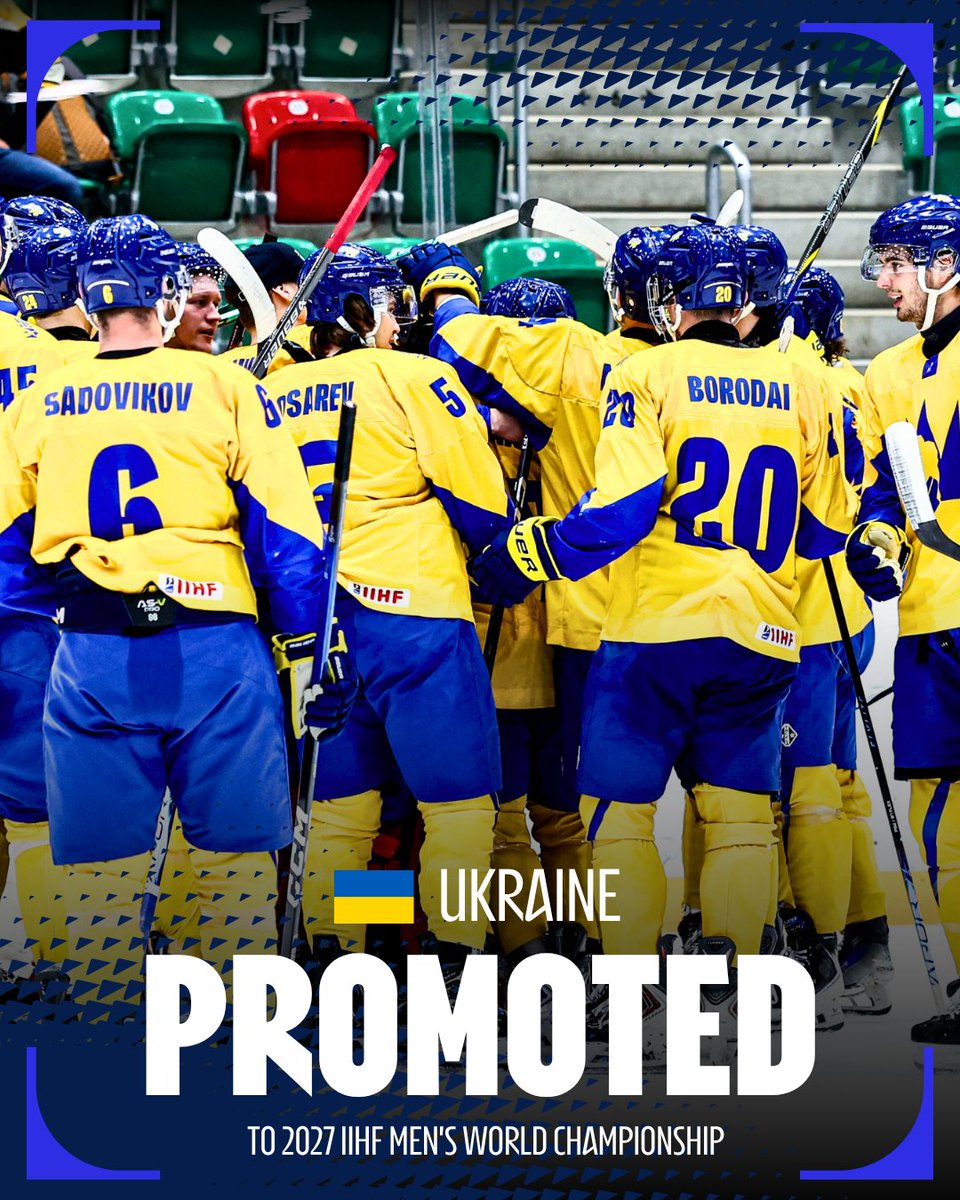
A return 20 years in the making 🇺🇦 Ukraine is heading back to the top division for 2027 #MensWorlds! 🥈 #IIHF
4
88
Iceman Fella 🇨🇦🇺🇦🏴 retweeted

May 8
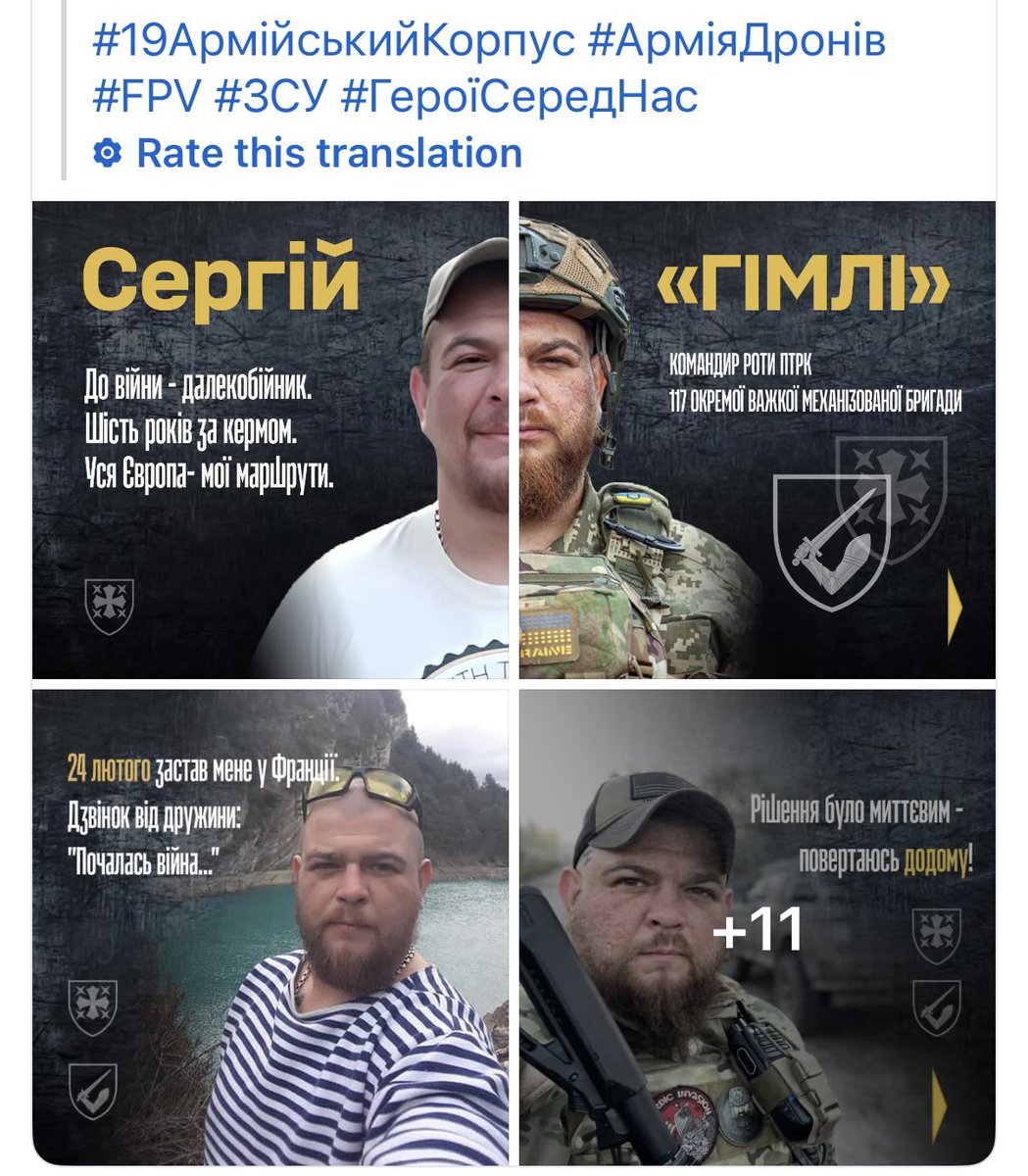
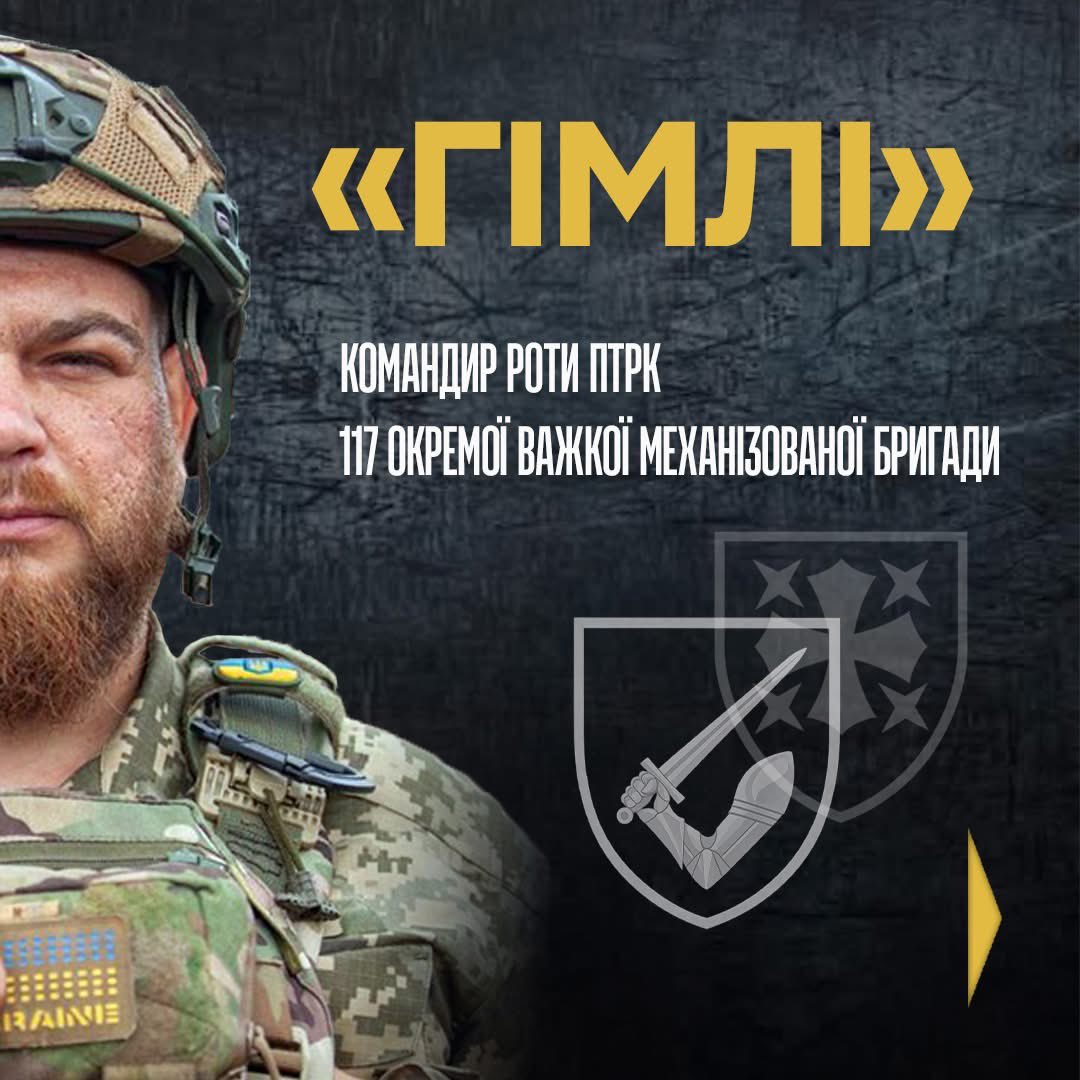
Gimli is promoted by 19 Army Corps on social media. Here, I try my best - but I have discovered many tell others to ignore us. Why? I have no idea. 🤷♀️ (they aren’t Ukrainian but they say they know better than us “poor Ukrainian peasants” 🫥)
If you are here to support Ukrainians - please support and listen to Ukrainians.
“Sergiy on the pseudo "Gimli" never changed his decision. Hasn't stopped.
Just moving from one stage of service to another, to where it was needed.
He continues to serve side by side with his brothers.
He’s not tired.
He keeps the pace going.
He defends the independence of our Fatherland.
He protects our future with himself.
Exactly on such as he holds the silence of our cities and the possibility of a new day.
And believe me, as long as people like him on the front lines, your children can sleep peacefully.
#19АрмійськийКорпус #АрміяДронів #FPV #ЗСУ #ГероїСередНас”
facebook.com/share/p/1B7t1R9…
10
68
105
1,540
Iceman Fella 🇨🇦🇺🇦🏴 retweeted

May 7
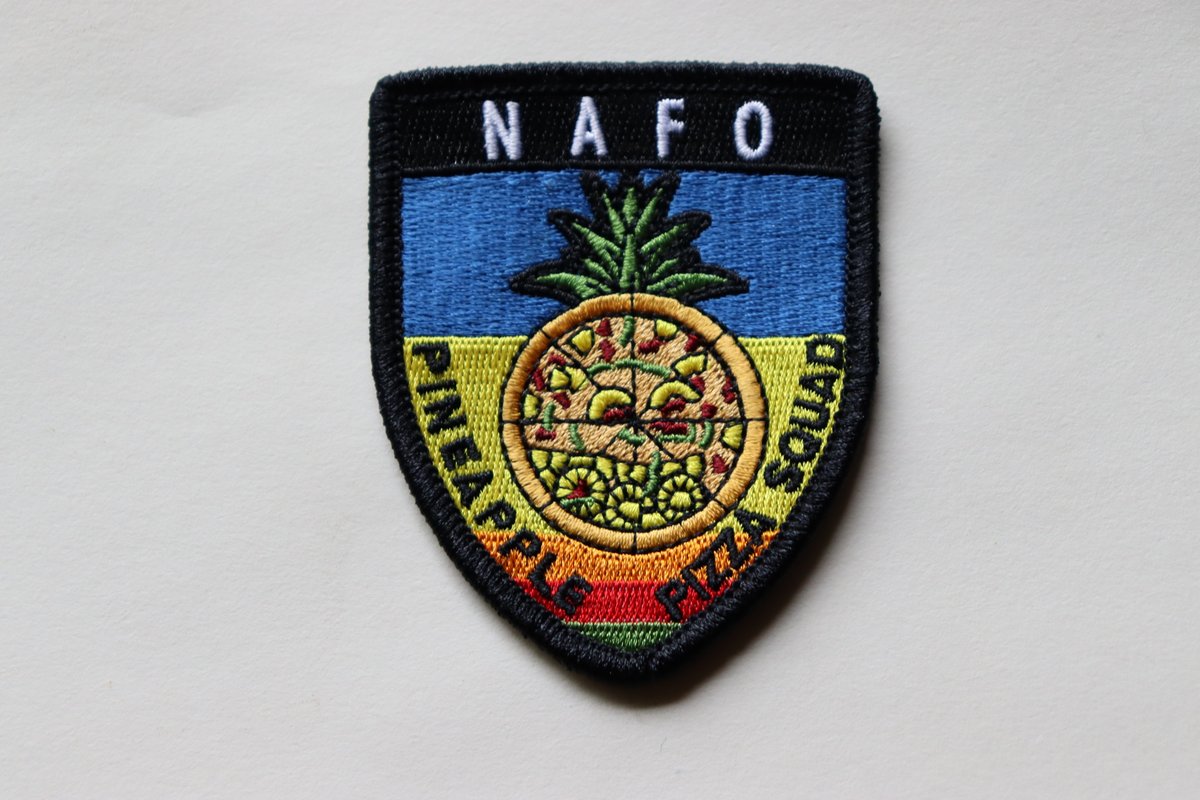
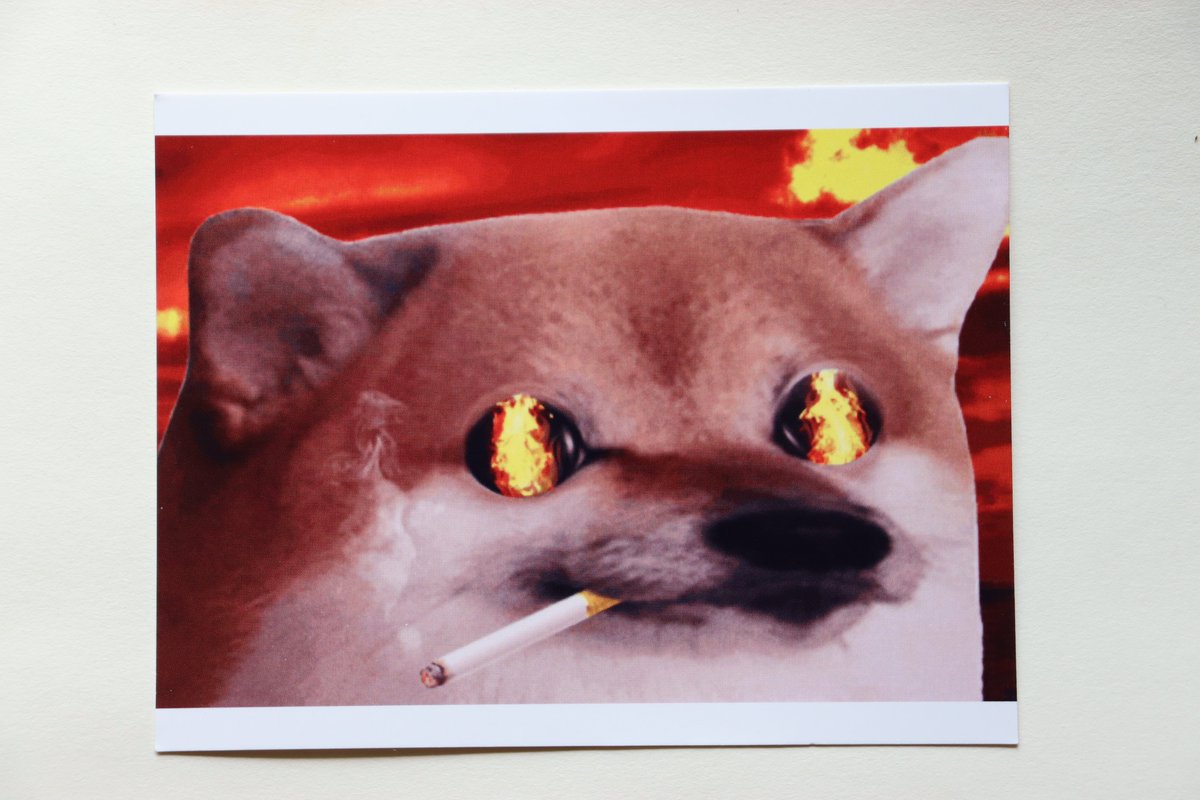
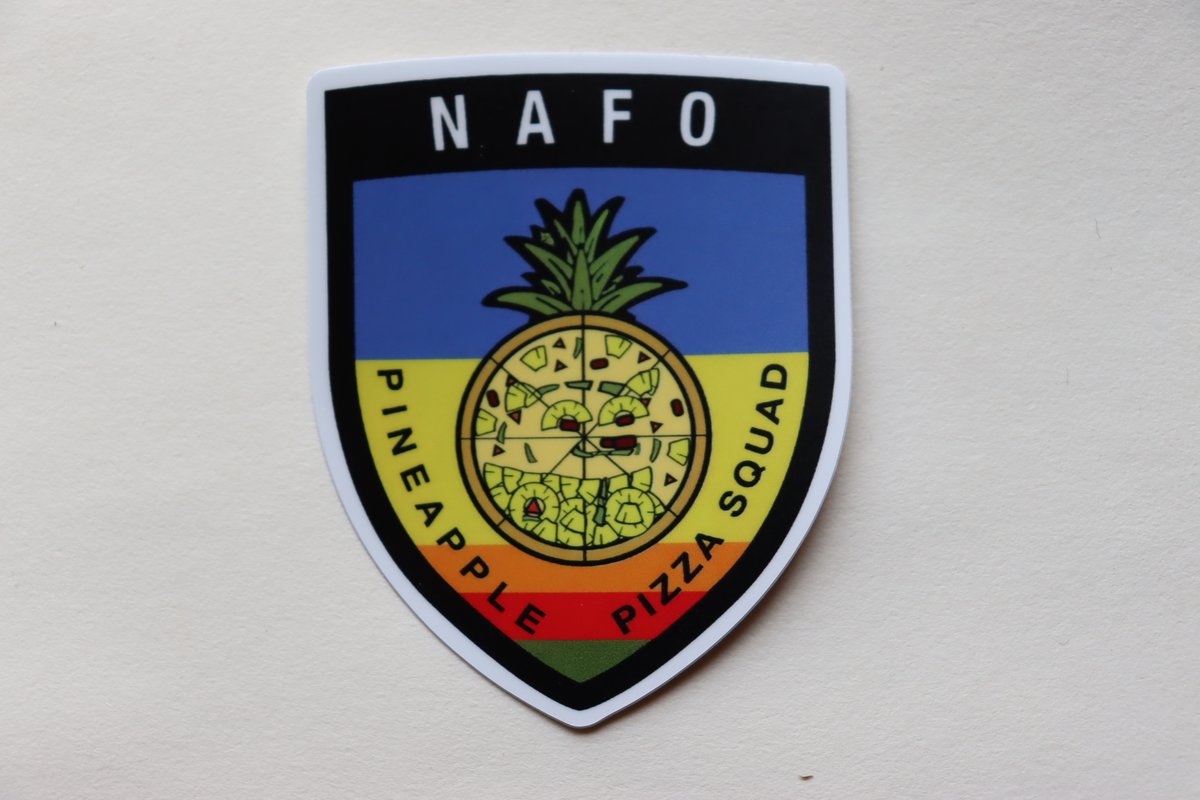
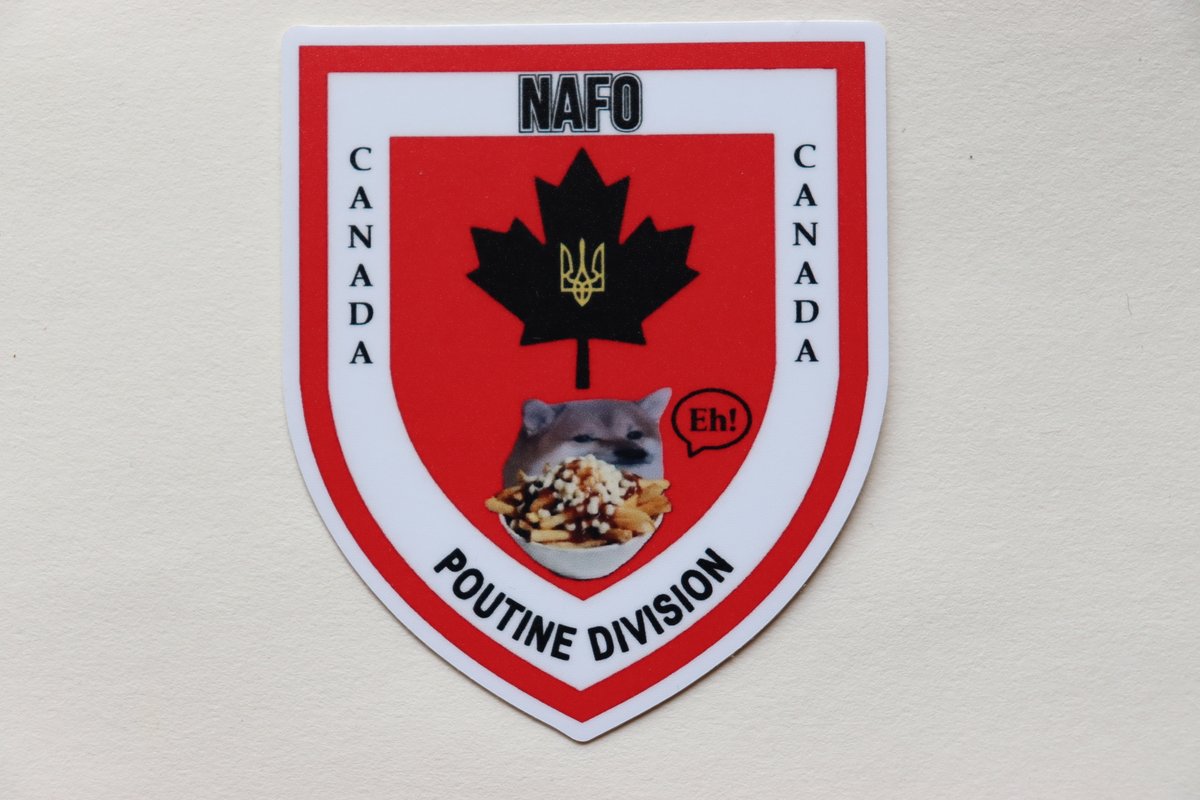
I'm pleased to announce the "Pineapple Pizza Squad" fundraiser to help @DovesOfFreedom raise funds for Fiber Optic Drones for the Azov International Battalion!
Provide proof below of any donation of $125 USD or more to @DovesOfFreedom in any form (t-shirts, hoodies, stickers or any other donation) and I will send a "Pineapple Pizza Squad" patch and sticker plus a postcard and business card.
For every donation less than $125 and I will send a "Poutine Division" sticker and a postcard.
*only 95 "Pineapple Pizza Squad" patches are available (five saved for redundancy) and 100 "Poutine Division" stickers!
15
69
91
9,684
Iceman Fella 🇨🇦🇺🇦🏴 retweeted

May 7
Princess Margriet was born here in Ottawa during the Nazi occupation of the Netherlands.
After the war, her mother, Princess Juliana, gifted 100,000 tulip bulbs to Canada in gratitude for the leading role Canadian soldiers played in liberating the people of the Netherlands, and for providing refuge to the Dutch Royal Family.
Every year, the Canadian Tulip Festival serves as a symbol of the lasting friendship between our two nations. It was an honour to meet Princess Margriet in Ottawa today.
300
1,781
11,449
253,354
Iceman Fella 🇨🇦🇺🇦🏴 retweeted

Announcing The Tragically Chip! Our new ice cream with @kawarthadairy.
It's maple whisky flavoured, with dark chocolatey chunks and a black cherry ripple, made right in Bobcaygeon, and a portion of proceeds supports @BreakfastCanada.
Available this summer for a limited time!
93
550
3,075
182,245
Iceman Fella 🇨🇦🇺🇦🏴 retweeted
May 6
🌟 Spotlight on a steadfast NAFO legend: @MichaelWatman 🌟
This incredible fella is the heart of consistency and quiet strength in our community. Every day he shows up with encouragement, wisdom, and a deep commitment to Ukraine: rallying the Old Curmudgeons (I’m one!!), amplifying collections, sharing positive energy (often with the adorable Ziti by his side), and reminding us all that we’re better and stronger together.
His dedication to helping volunteers, supporting collections, and resisting tyranny is truly inspiring.
Thank you, Mike, for your tireless efforts and for leading by example with such heart and attitude! 💪🇺🇦🫶
Together to Victory! #NAFO

22
51
106
1,039
Iceman Fella 🇨🇦🇺🇦🏴 retweeted

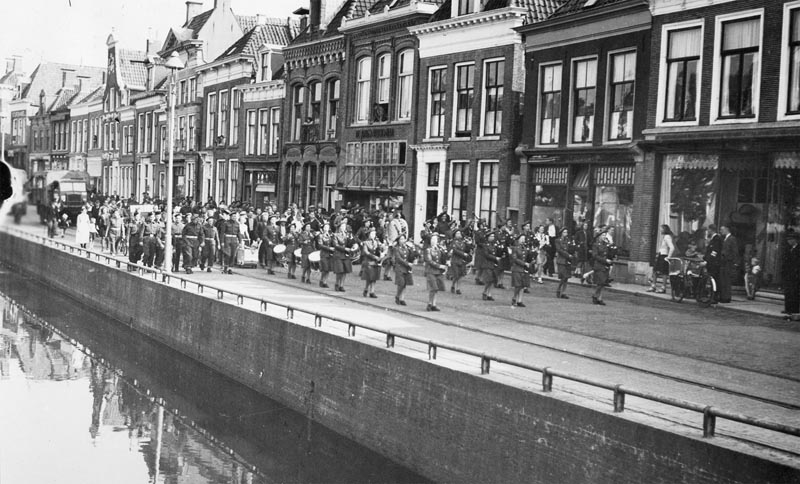
On May 5, 1945, Canadian General Charles Foulkes accepted the surrender of German forces in the Netherlands at Wageningen, marking the end of Nazi occupation. The next few months were called the “Canadian Summer” because of the significant Canadian military presence in the Netherlands at the end of WWII in Europe.
Today, we honour the 7,600 Canadian soldiers gave their lives to liberate the people of the Netherlands. #LiberationDay
Le 5 mai 1945, le général canadien Charles Foulkes a accepté la capitulation des forces allemandes aux Pays-Bas, à Wageningen, marquant ainsi la fin de l’occupation nazie. Les mois qui ont suivi ont été surnommés « l’été canadien » en raison de l’importante présence militaire canadienne aux Pays-Bas à la fin de la Seconde Guerre mondiale en Europe.
Aujourd'hui, nous rendons hommage aux plus de 7 600 soldats canadiens qui ont donné leur vie pour libérer le peuple néerlandais. #journéedelaliberation
5
137
387
4,273
May Day is approaching quickly, what should I have delivered to the Russian Embassy this year? 🤔
2
41
Iceman Fella 🇨🇦🇺🇦🏴 retweeted

⚔️First Among Equals Raffle⚔️
🥇 T-shirt (L)👕
🥈 Mug ☕️
🥉 Notepad and pen 📝
Each winner receives a Presidential Brigade keychain with the name Fizruk and a signed patch.
🗓️May 3 $5🎟️
💳 chornomorets.notepin.co

29
88
115
14,848