
Energy, deep tech, and geopolitics at Center on Global Energy Policy @ColumbiaUEnergy | Former Breakthrough Energy policy and strategy leader
Joined December 2012
- Tweets 701
- Following 608
- Followers 2,096
- Likes 3,614
32 Photos and videos







Robin Millican retweeted

May 16
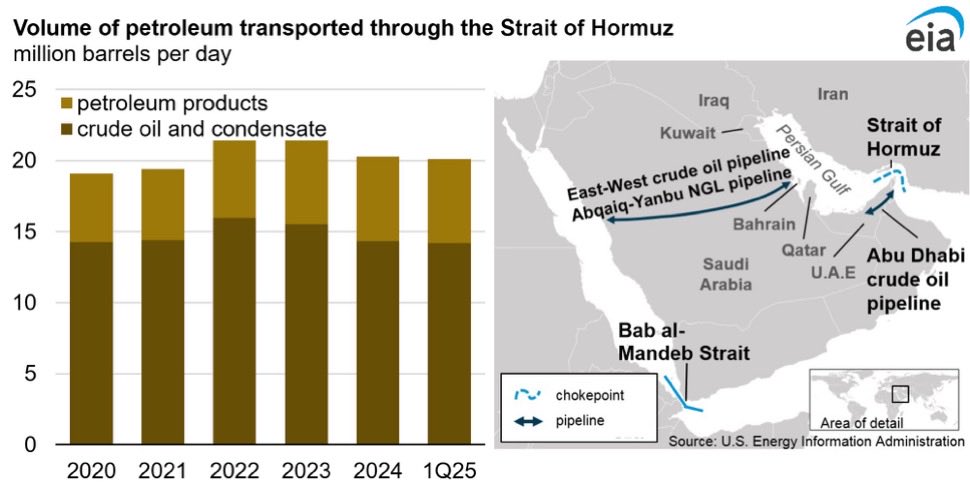
In new @WSJ Saturday Essay, I assess how the Iran energy crisis is affecting diff parts of the world differently & reshaping the global energy map. The most consequential effects are not today’s price spikes but the long-term strategic shifts they prompt.
wsj.com/business/energy-oil/…
4
31
82
23,061
Robin Millican retweeted

Apr 29
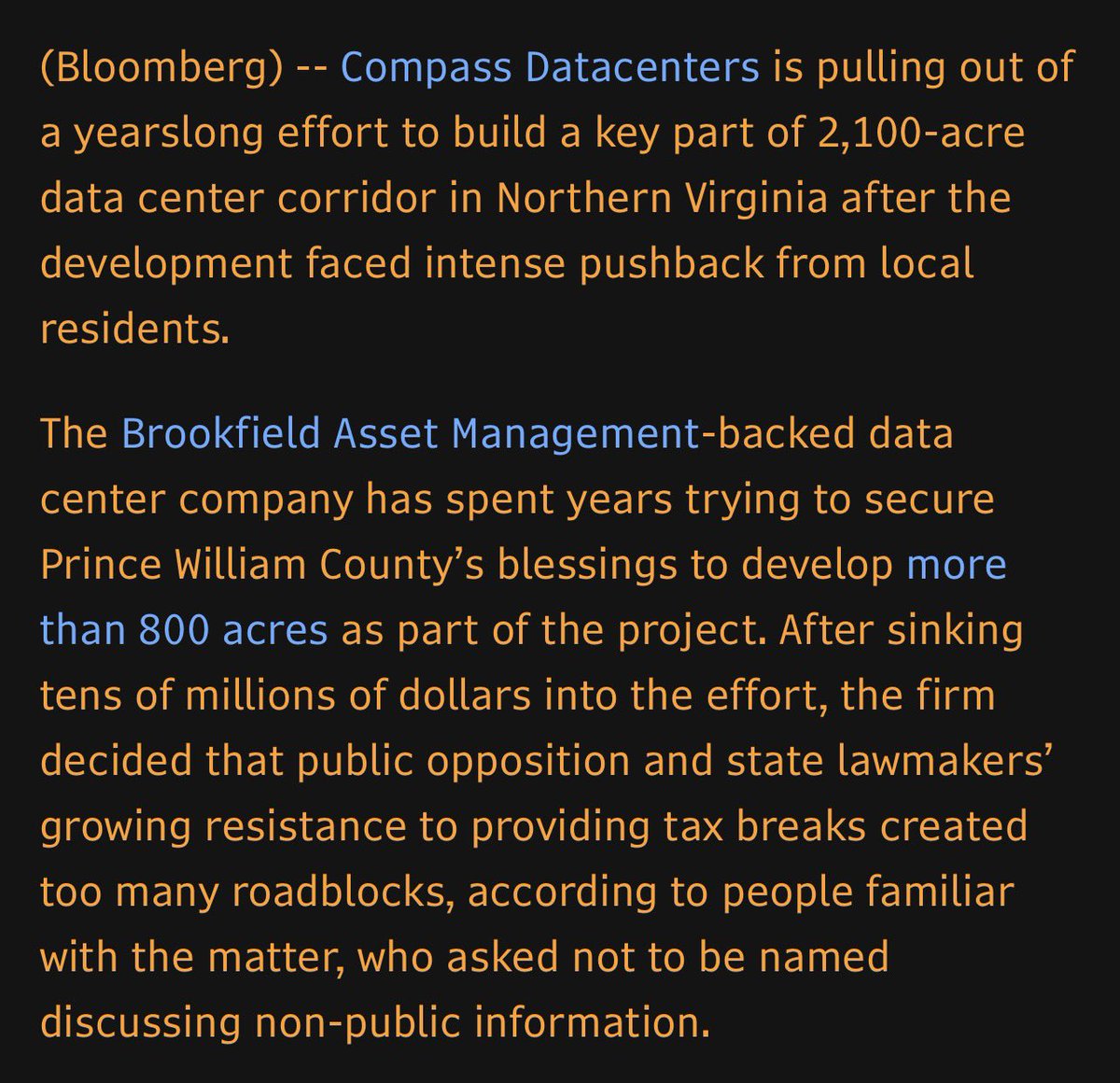
Huge. A Brookfield-backed datacenter company is pulling out of a major project in Virginia, that they had been working on for years, due to growing political opposition bloomberg.com/news/articles/…
69
386
1,541
384,539

Apr 27
Yes to this @robinsonmeyer in NYT: "We should not want a system of two parallel power systems: a fossil-fuel-intensive grid used by data centers, and an aging one used by everyone else. Since we can’t solve the grid crisis by blocking the data center buildout, we should focus on harnessing that buildout to improve the power grid overall."
nytimes.com/interactive/2026…
6
11
69
32,544
Robin Millican retweeted
Apr 17
In today’s @FT, I argue the Iran war shows how profoundly shale has affected US foreign policy. With the US far more insulated from global shocks, there are fewer restraints to using US economic and military power abroad — with major consequences for allies, rivals & markets.
Apr 17

Energy independence could make America more aggressive ft.trib.al/EEH3P9O | opinion
1
7
18
8,846
Apr 16
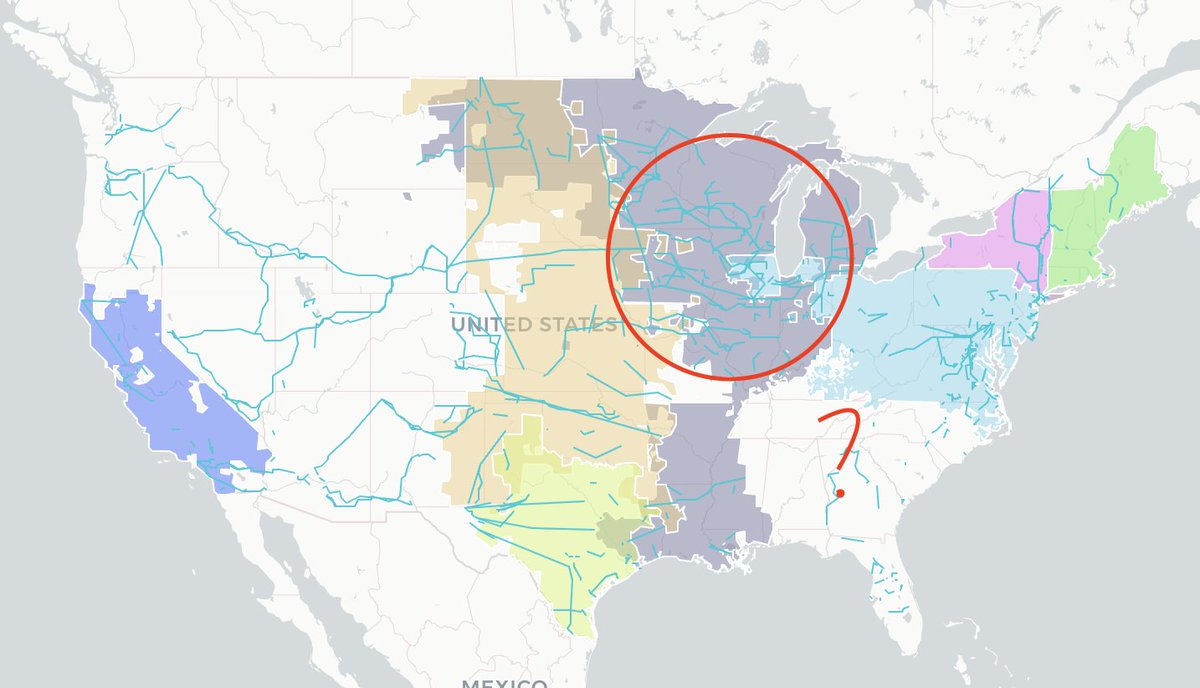
1/ FERC just announced a notice of intent to act on DOE's large loads ANOPR, with a ruling expected in June. Good. Ensuring interconnection costs from data centers, advanced manufacturing, and big electrification projects aren't passed to retail customers is overdue. But there is a larger affordability agenda:
3
22
91
22,025
Apr 16
16/ The good news in all this? Some of these costs are cyclical, and will smooth out over time. And, as it relates to large loads, the headline is the worst outcomes aren't structurally inevitable. States like ND, NE, and NM absorbed large load additions while reducing real prices. The difference wasn't just resource endowment, it was tariff design and planning capacity. Those policy choices are replicable.
1
10
901