writing Snafu ✍️ • curating @Responsive_Con 🌎 • narrative strategy @Zander_Media 🎥 • sold @robinscafesf • handstands 🤸 • relentless optimist
Joined April 2009
- Tweets 5,493
- Following 1,701
- Followers 1,035
- Likes 5,909
806 Photos and videos
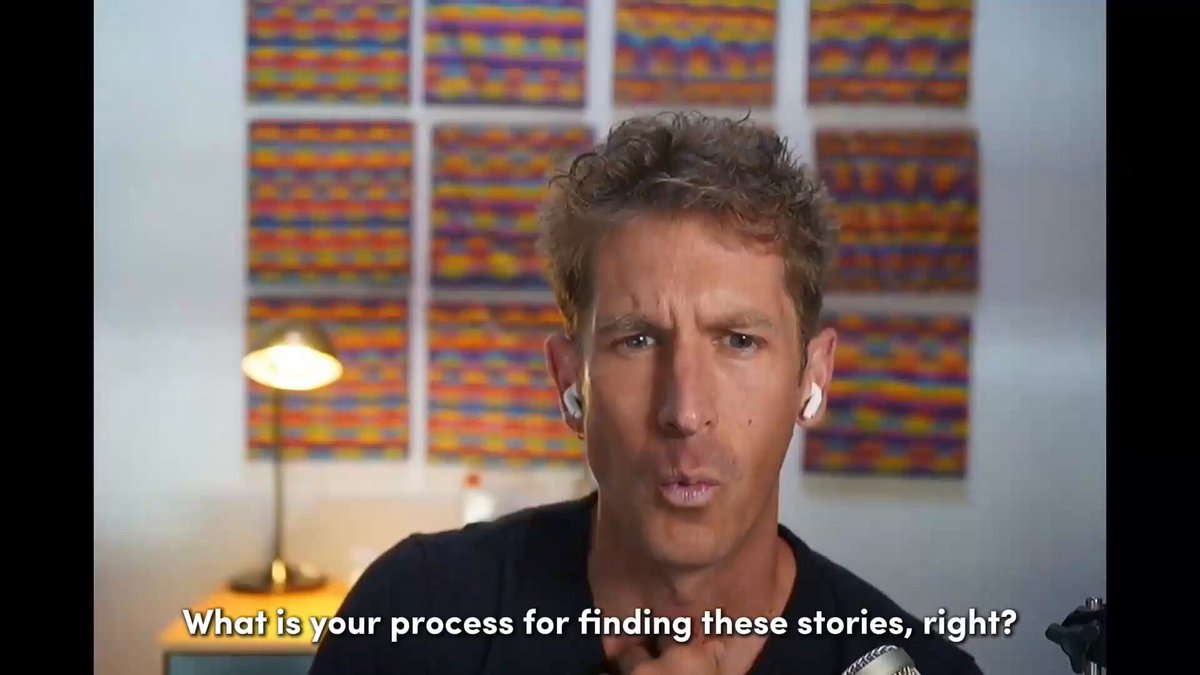
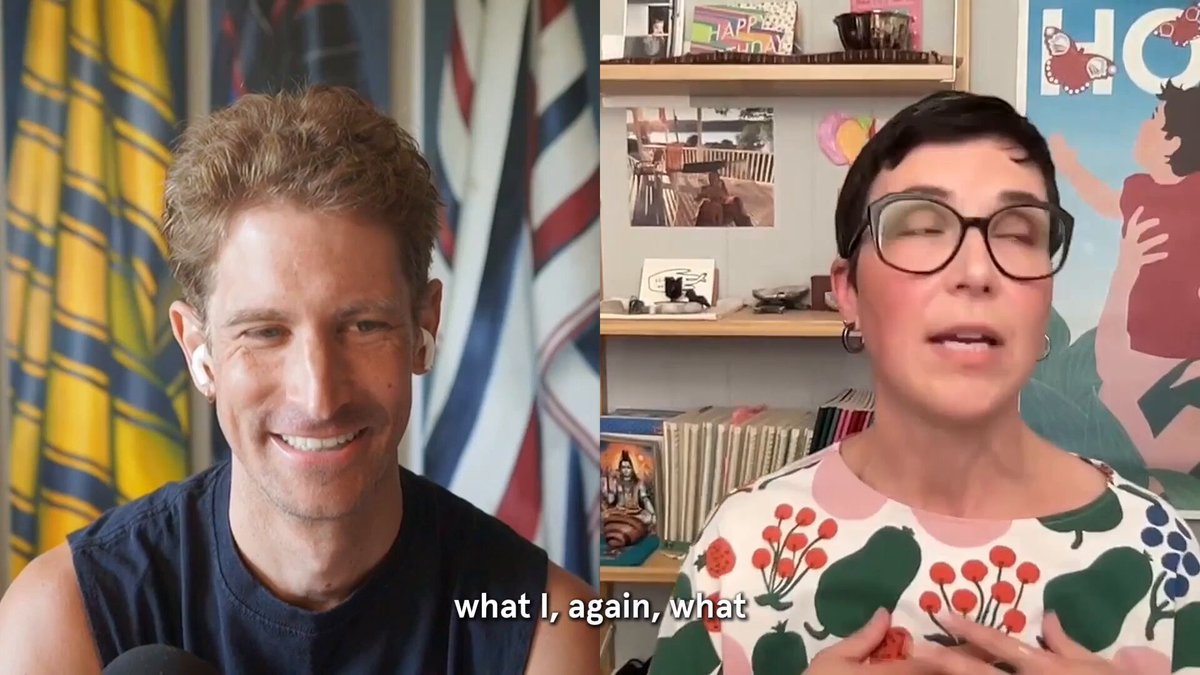


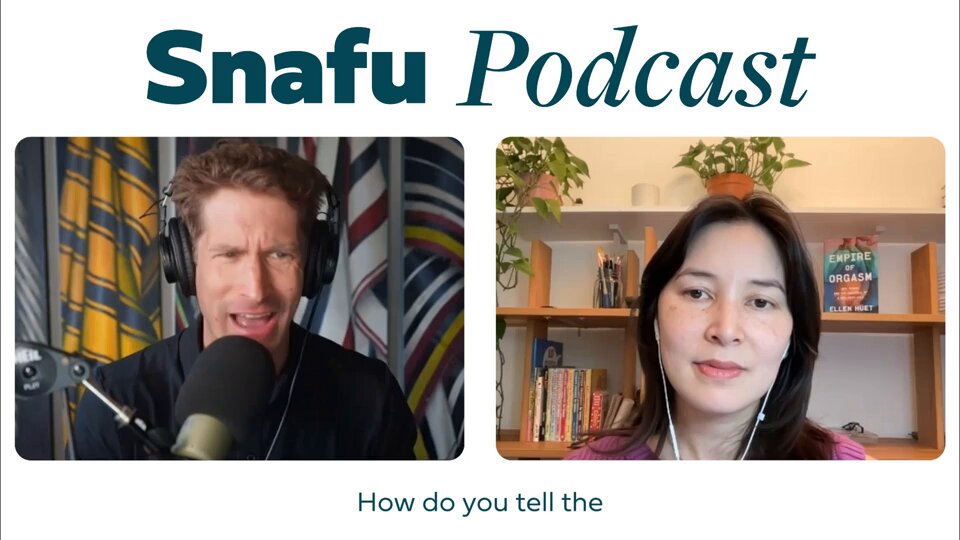
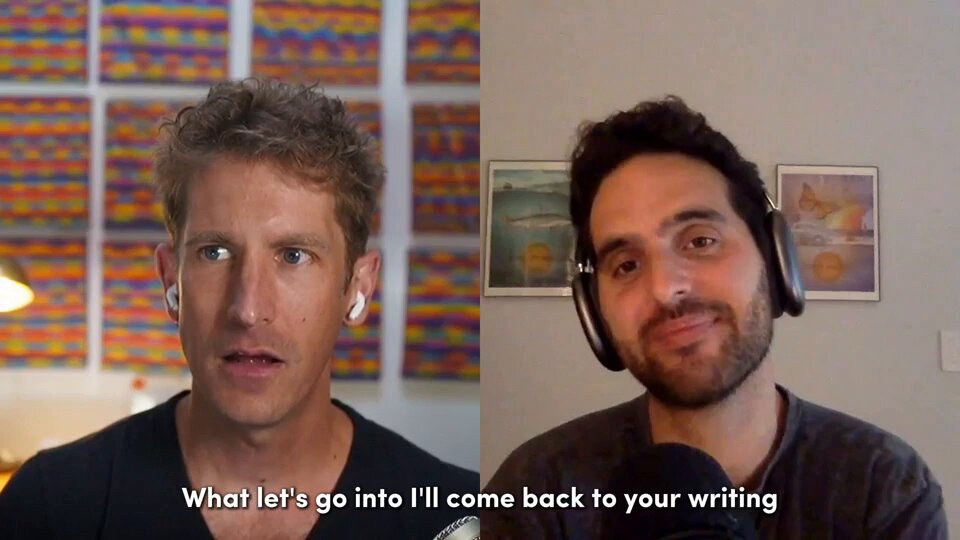
Good stories often begin with uncertainty, which is one of the themes that came up in my conversation with Simone Stolzoff about his new book, “How to Not Know.”
We discussed how he finds the people and experiences that shape his writing, as well as his belief that meaningful stories are driven by change, particularly the psychological shifts that take place as people navigate challenges, questions, and periods of uncertainty.
The book explores uncertainty from multiple angles, ranging from deeply personal experiences like self-doubt and OCD, which Simone describes as "the doubting disorder," to broader questions about climate change, mortality, and what it means to live in a world where so much feels unstable.
For one chapter, Simone traveled to Tuvalu, a Pacific island nation already confronting the realities of rising sea levels, where he spent weeks reporting and speaking directly with the people whose lives are being reshaped by environmental change.
At a time when content can be generated, summarized, and distributed at an unprecedented scale, this kind of immersive reporting serves as a reminder that curiosity, presence, and sustained attention remain at the heart of meaningful storytelling.
16
The higher you grow in your career, the less your job is only about the work itself.
That was one of the things Jennifer Cavenaugh talked about at Snafu Conference.
At a certain point, success starts depending on whether you can build trust, communicate ideas clearly, create alignment, and get other people to believe in what you are building alongside you.
1
14
I think the most technologically intentional people in America are the Amish.
A lot of people assume the Amish reject technology entirely, but that’s not true. They are extremely intentional about which technologies they adopt and which ones they refuse.
The Amish have adopted solar power and electric bikes because those technologies can support connection and community without tying them into larger systems they do not trust or agree with.
During the conversation with Miki Johnson, we talked about how many people building AI have spent years framing it as inevitable. The message is always some version of: this is happening no matter what. Adapt or get left behind.
Inevitability is powerful rhetoric because it discourages people from questioning whether the technology is actually aligned with the kind of society they want to build.
14
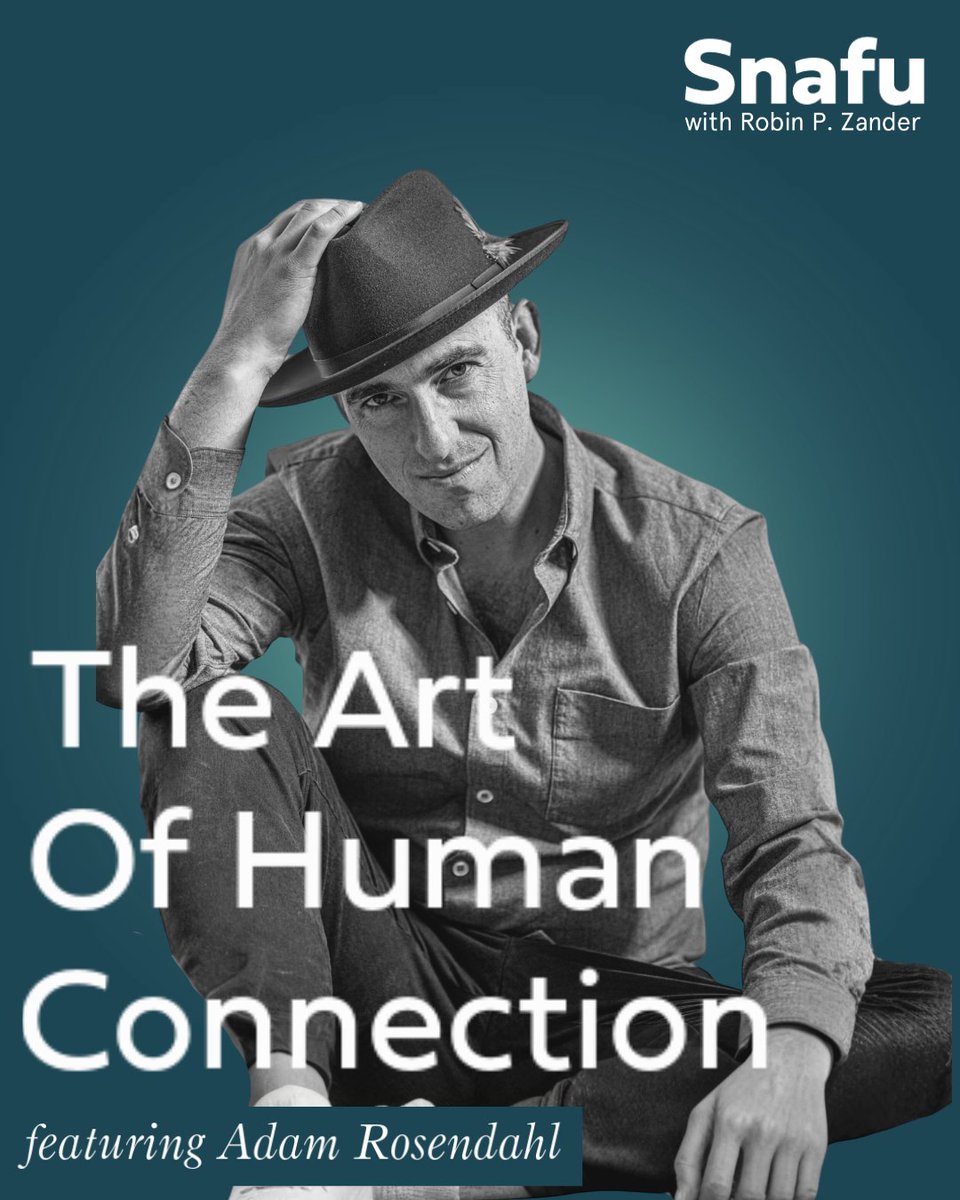
Adam Rosendahl, founder of Late Nite Art, joins me for a conversation about creativity, trust, belonging, and what it means to stay human in an increasingly AI-driven world.
We explore how shared creative experiences can build connection, emotional safety, and trust in ways that traditional meetings and workplace culture often cannot. Adam shares the story behind Late Nite Art, the experiences that shaped his approach, and why creativity may be one of the most powerful tools for bringing people together.
We also discuss leadership, community, experiential learning, AI, digital overwhelm, and why authentic human connection may become even more valuable as technology continues to evolve.
If you're interested in creativity, leadership, culture, or building stronger connections in a rapidly changing world, this episode is for you.
1
16
A lot of people imagine reinvention as something dramatic that happens all at once.
But in our recent podcast conversation, Sara Loncka talked about how transformation often starts much smaller.
She became interested in how to create a life where experiences that challenge you are simply more likely to happen.
At one point, she intentionally spent a year putting herself into unfamiliar environments every month. She took tap dancing classes and started learning French, not because she wanted to master either one, but because there was something valuable about entering spaces where she was no longer the expert.
One thing I really liked from the conversation was her point that the goal is not just finding new hobbies. It is about placing yourself into environments that expose you to different people, different versions of yourself, and different ways of thinking.
She also shared a simple exercise from a political fellowship she used to run: wear your watch or jewelry on the opposite side of your body. That tiny disruption becomes a reminder of how automatic so much of life becomes unless something interrupts the pattern.
8

May 31
A lot of organizations right now are telling employees to move faster, learn AI, and become more productive, while employees themselves are worried about their future.
In this conversation with Adam Rosendahl, we talked about what that uncertainty does to trust inside organizations.
11
May 30
One of the strangest things about modern work is that almost everyone agrees meetings are broken, but most people feel uncomfortable questioning them.
In my podcast conversation with Rebecca Hinds, PhD, we talked about why that happens.
In some organizations, people feel comfortable questioning inefficient meetings, outdated processes, or unnecessary work. In others, even declining a meeting invite can feel politically risky.
Instead of making the conversation personal or accusatory, she talked about approaching it with questions. “I don’t think I’ll contribute much to this discussion. Would it make sense for me to sit this one out?”
14
May 29
A lot of the people at the Snafu Conference didn’t come from traditional sales backgrounds. They came from product, design, leadership, consulting, or creative work. But eventually most careers involve some form of persuasion, storytelling, relationship-building, or helping people understand value.
Jeff Jaworski, a veteran salesman and former Google Executive, talked about sales in a way that felt very familiar.
His approach is centered on trust, listening, and paying attention to people instead of treating every interaction like a transaction.
Most of us associate sales with pressure, scripts, and trying to convince someone. But Jeff kept coming back to the importance of understanding people and communicating in a way that’s genuine.
9
May 28
I started Zander Media because I’d made a mistake.
I should have done more storytelling in my previous businesses.
I built and sold Robin's Cafe and created Responsive Conference – without ever capturing what made these businesses special. I still think about the videos I wish we’d made: pulling my nephew soft serve; the camaraderie the team had behind the counter. Those stories happened; we just didn’t capture them.
Early on at Zander Media we realized that most companies don’t know how to articulate their story, so we developed a process we jokingly called “Brand Therapy.” We’d interview clients, employees, colleagues, sometimes dozens of people connected to the business, and distill the patterns that kept appearing across those conversations.
The process usually took about 40 hours but I recently realized AI can speed up the process dramatically.
It works like this:
Most of us who work on our computers now record our Zoom calls by default. (If you don't, you should.)
All of the recording tools keep full written transcripts of those recordings.
Download transcripts of your recent calls – or if you prefer, just the ones where you met someone new and told them about your work.
Upload those raw transcripts into Claude, OpenAI, or your LLM of choice.
Ask the LLM to write a few paragraphs describing your organization. Then get specific: ask it to give you 5-10 different organizing ideas or slogans that describe your work and make you distinct. Something like: "What are the through-threads here? Give me 10 different ideas that might become a tagline."
In less than forty minutes you've done the work of at least a few dozen hours of distillation.
Upload your pitches to an LLM. Have a chat about them. You’ll be surprised what comes back.
4
May 26
For the past decade, Responsive Conference has explored what happens when the world changes faster than our organizations can adapt.
This September, Responsive Conference is bringing together leaders who are building amidst that uncertainty.
Some of the confirmed speakers include:
•Rebecca Hinds, PhD, best-selling author of Your Best Meeting Ever, on collaboration in the era of AI and how leaders can maintain trust as knowledge work evolves.
•Jennifer Turner on what it means to lead when there are no clear answers.
•Doug Kirkpatrick on why trust, responsibility, and voluntary commitment matter more than control in unstable times.
•Danielle Strachman on building unreasonable companies amidst uncertainty and recognizing ideas worth chasing.
•Lucia Guillory and Michelle Vitus of Slate on rethinking talent strategy in the age of AI.
•Tony Levitan (he/him/his) on developing the next generation of adaptable, emotionally intelligent leaders.
• J. Noble on crafting messages people remember, feel, and act on.
If you’ve been thinking deeply about leadership, collaboration, culture, or what organizations look like from here, I hope you’ll join us.
Get your ticket now — and use the code SNAFU20 at checkout.
4
May 24
David Shackelford describes himself as the “definition of a reluctant salesperson.”
David started his career as what he called a “nerdy product builder” before realizing that as his career grew, more and more of his work involved persuasion, influence, storytelling, and helping people understand value.
That realization is a big part of what the first Snafu Conference was about.
Many people still associate sales with pressure, scripts, or aggressive tactics. But David talked about discovering that the same skills that make someone good at product work, like customer empathy, research, communication, and curiosity, are also the foundation of authentic selling.
His session focused on helping people develop a selling practice that feels genuine instead of performative.
What also stood out to us was his reflection on the atmosphere of the conference itself. He talked about how engaged people were during breakout exercises and how difficult it was to pull participants back from conversations because they were so excited to exchange ideas with each other.
And then there was the other part that makes Snafu feel uniquely ours: the sense of whimsy.
As David pointed out, during this interview there was literally an armadillo wandering around the lawn of the Oakland Museum of California.
That mix of thoughtful conversations, curiosity, participation, and unexpected moments of delight is something we care deeply about creating.
We believe people learn better when they feel comfortable enough to experiment, participate, and genuinely connect with each other.
18
May 23
This is how you lose a sale in under 24 hours.
Last year, a salesman from an AI lead generation company cold-called me.
I told him I was busy, but asked him to follow up with a short Loom showing how his product could help @Responsive Conference. I said I would watch it and respond if I was interested.
He followed up just another a generic pitch – and lost the sale.
There are two types of selling: coercive selling, which is fast, pushy, and ignores what the buyer asked for, and authentic selling, which is clear, respectful, tailored, and actually helpful.
As BJ Fogg, PhD puts it, persuasion is helping people do things they already want to do.
I shared this experience on LinkedIn, and it blew up. Many people related to the experience, while others argued that I owed the salesman my time and that I did not understand what a qualified lead is.
Great sales is about taking care of people. Apparently, not everyone sees it that way, and some are more than willing to argue about it.
So here is a simple practice: Find something you genuinely disagree with and say it clearly.
1
1
79
May 22
What if the experiences that make us uncomfortable are the ones that change us the most?
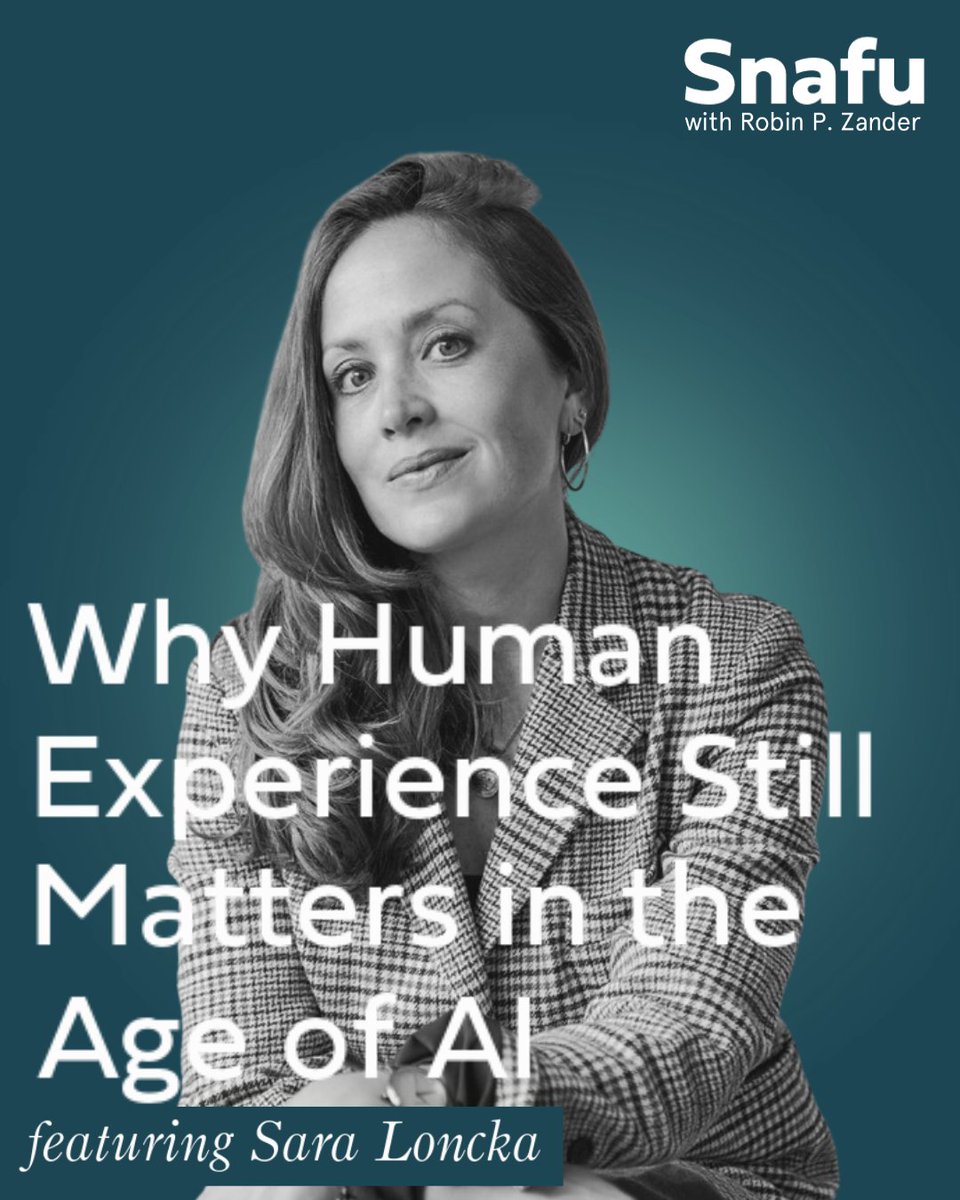
Our newest episode is live, featuring Sara Loncka – experiential learning designer, leadership strategist, and CEO of Experience Institute.
In this conversation, we explore why human experience may matter more than ever in an increasingly AI-driven world. Sara shares her perspective on leadership development, experiential learning, organizational transformation, and the difference between “little e” experiences and transformational “Big E” Experiences that challenge identity, assumptions, and the environments we move through unconsciously.
We also talk about why traditional corporate training often falls short, how experiential learning creates lasting behavioral change, founder reinvention, discomfort, motherhood, and what it means to stay deeply human as technology accelerates.
If you’re thinking about leadership, personal growth, reinvention, or how to stay connected to what feels deeply human in rapidly changing times, this conversation is for you.
1
14
May 22
I really enjoyed this conversation and am excited to finally share it with you. You can now watch the full episode on YouTube.
youtu.be/3jtzXK1ONh4
If you prefer Spotify, the episode is also available here.
open.spotify.com/episode/0Z2…
1
65
May 21
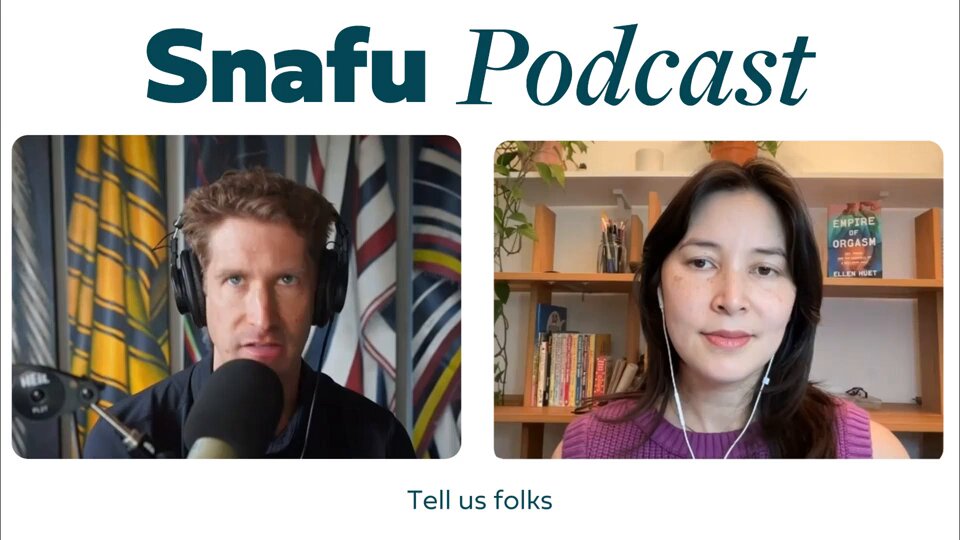
On a recent podcast, I talked with Ellen Huet, a journalist whose reporting has focused on Silicon Valley, startups, and the controversial wellness company OneTaste, which was later widely described as a sex cult.
I was surprised to find us talking about sales.
Ellen explained how OneTaste built an incredibly immersive system around its customers. People did not just buy a course and leave. Many reorganized their lives around the community. Coworkers became roommates, romantic relationships formed inside the organization, social circles, and identity became tied to the same ecosystem.
People were often introduced through relatively affordable workshops, but then encouraged toward increasingly expensive programs, coaching, and access to leadership. Over time, some members spent thousands – or even tens of thousands – of dollars trying to deepen their involvement.
According to Ellen’s reporting, sales tactics often focused heavily on emotional vulnerability. A person’s insecurity, loneliness, dissatisfaction, or desire for connection would become the entry point for the conversation. Even hesitation around spending money could be reframed as evidence of a personal limitation or emotional “block” that needed to be overcome.
And because the community itself became so socially immersive, saying no to the product could risk belonging.
At a certain point, some organizations stop simply selling products and begin shaping identity, worldview, and reality itself.
80
May 19
One thing I keep thinking about lately is how memorable people become when they create moments of surprise and delight.
I spent the last few days filming with a client in Silicon Valley. We’ve been developing the creative direction for this project since October, and finally being on-site with their team was rewarding.
But amidst the activity, the client ordered lunch for their team and automatically included our crew in the order too.
It sounds minor, but small gestures matter. Being thoughtfully included in someone else’s plans changes an experience. It reminds people they are seen.
I think about this a lot in relation to any kind of work.
At Responsive Conference, we intentionally design small moments of delight into the experience, like our safari animals, popsicles, or a popup bookstore.
None of those things are necessary, which is why people remember them.
I recently reread Will Guidara’s “Unreasonable Hospitality”, and one of the ideas that stayed with me is that in service businesses, the smallest unexpected gestures are often the most powerful because they feel personal rather than transactional.
As AI makes information, content, and communication increasingly abundant, the human details stand out more. Time, attention, care, thoughtfulness, and generosity become more noticeable, not less.
People remember how you made them feel.
17
May 14
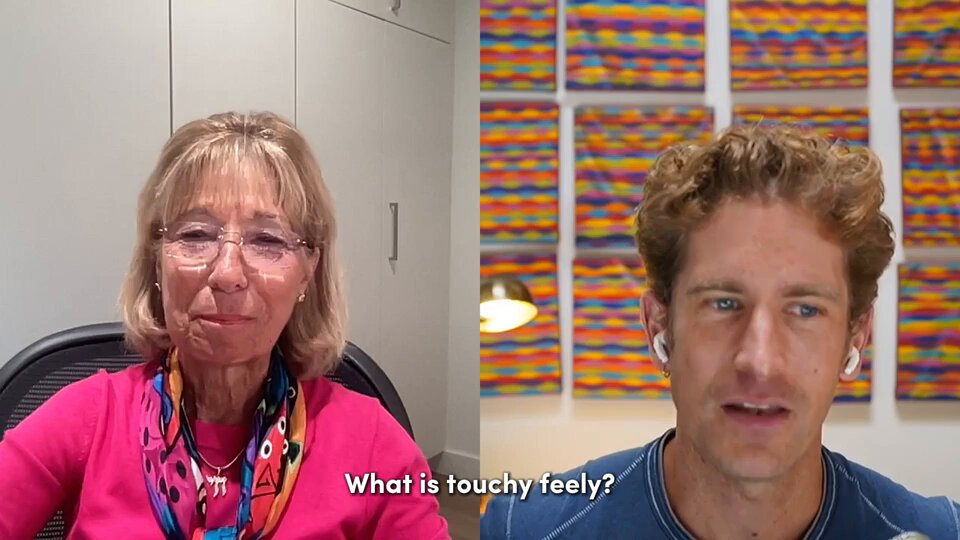
One of the most popular classes at Stanford University is nicknamed “Touchy Feely.”
Officially, it is called Interpersonal Dynamics, and back in 2024, I talked with Carole Robin about why the course has had such a lasting impact on generations of students, founders, and executives.
The premise of the class is that if you want to be successful in leadership, business, or life, interpersonal skills matter enormously.
As Carole said during our conversation, people do not do business with ideas or machines, bu with people.
You can have a brilliant product, timing, and strategy, and still struggle if you do not know how to build trust, communicate honestly, navigate conflict, or genuinely connect with other people.
Some of Carole’s students went on to become CEOs or raise major rounds of funding. But many of the most impactful stories she shared were more personal. Students repairing relationships with family members, saving marriages, and learning how to listen to the people in their lives.
Touchy Feely isn’t just a course about business, but about becoming more human.
1
18
May 13
Most people assume that great salespeople are charismatic, extroverted, and always comfortable pitching themselves.
Dan Cavenaugh’s story challenges that assumption completely.
Dan spent 33 years at Accenture, where he worked on everything from small $50,000 programs early in his career to billion-dollar deals later on. Despite spending decades in sales leadership, he still describes himself as a “reluctant seller.”
What stood out to me was how honest he was about that discomfort. He said that whenever people called him a salesman, he would cringe a little because selling never felt natural to him. He is introverted, not especially charismatic, and never connected with the stereotypical image of what a salesperson is supposed to be.
And yet, he was successful for more than two decades.
His explanation for why was surprisingly simple: trust mattered more than sales techniques.
Dan talked about how transactions come and go, but trust is enduring. In his experience, people do not want to buy from someone they do not trust, and they almost certainly will not buy from them twice. That belief shaped the way he approached sales throughout his career.
Instead of focusing heavily on persuasion tactics or sales training, he focused on understanding the customer and thinking less about his own self-interest. He said that when you stop obsessing over “making the sale” and spend more time genuinely trying to help people, opportunities arise more naturally.
At the Snafu Conference, Dan joined his wife and son for a conversation about authentic selling, combining perspectives from enterprise sales, entrepreneurship, and modern tech sales. What they shared was not a formula for becoming more “salesy.” It was a reminder that people can succeed in sales without pretending to be someone they are not.
That idea probably resonates with more people than we think.
83
May 12
In my recent podcast interview with Ellen Huet about her book “Empire of Orgasm,” we discussed leadership, cults, and the downside of influence.
One of my conclusions: A good leader helps people trust themselves, while a bad leader makes people dependent.
Nobody joins a cult wanting to be taken advantage of. We join because we’re looking for connection and belonging.
(I had some experience with similarly high-demand organizations myself in my early 20s!)
When you can’t say “no” because the consequences are too high, an organization or a leader becomes dangerously influential.
One possible solution I found through my conversation with Ellen was independence.
-Financial independence
-Relationships outside the group
-The ability to leave without losing everything
When we have options, we’re less likely to be taken advantage of.
A good leader is someone who provides more options for their people.
21
May 11
Last year, I talked with Simone Stolzoff about his book “How to Not Know,” which is out now and very worth reading!
Our conversation centered on a feeling that I think many people quietly carry right now: uncertainty.
Simone argues that we are living through a time of poly-crisis. Economic instability, political turmoil, climate anxiety, and personal uncertainty are happening all at once! At the same time, our tolerance for not knowing seems to be shrinking. We are surrounded by technology, instant answers, and constant information, yet ambiguity feels harder to sit with than ever.
The book is not really about finding certainty –it is about learning how to live without it.
Each chapter follows people navigating situations where there are no easy answers: a couple considering divorce, someone deciding whether to leave a cult-like community, a country confronting climate catastrophe.
At the center of the book is an idea Simone calls the “three horsemen of delusion”:
-Comfort, which gives us the false feeling of certainty.
-Hubris, which makes us think we know more than we do.
-Control, which convinces us we can fully predict or manage the future.
One thing I appreciated about our conversation is that Simone does not frame uncertainty as a problem to eliminate. Instead, he treats it as something human that we have to learn to live with.
Catch the full conversation with Simone Stolzoff on Spotify, YouTube, or anywhere you listen to podcasts!
1
18