
Author of #TheGaslightEffect, Co-creator @RULERapproach, and Senior Advisor to the Director @YaleEmotion #Emotionallearning
Joined February 2013
- Tweets 1,251
- Following 5,887
- Followers 3,718
- Likes 21,687
744 Photos and videos

Pinned Tweet

21 Feb 2023
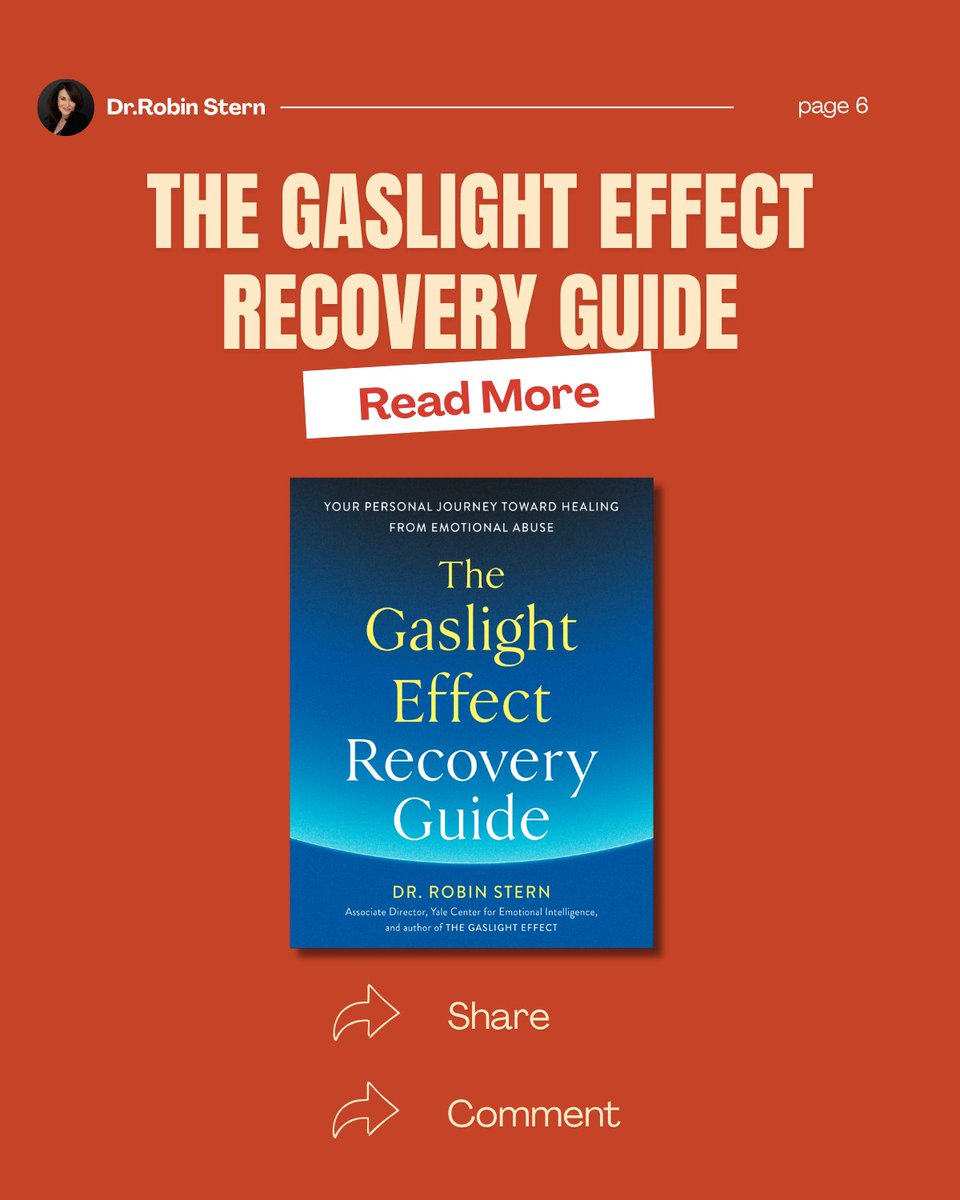
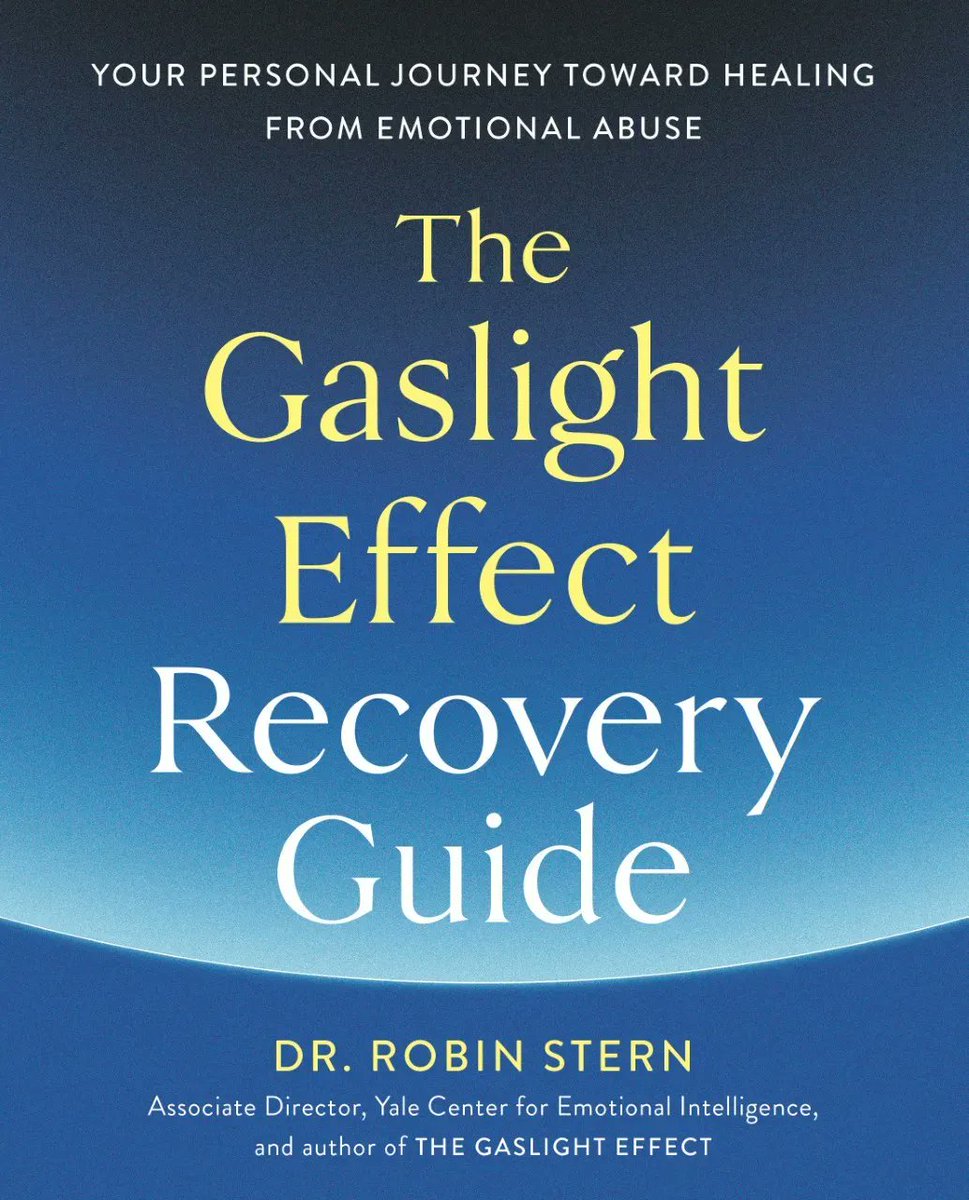
I'm excited to announce that my book, #TheGaslightEffectRecoveryGuide is now available on all platforms! This time, as an interactive workbook, readers can learn about gaslighting & how to recover through prompts, checklists, quizzes & reflective questions buff.ly/3EkOSHQ
6
42
139
10,780
Jun 12
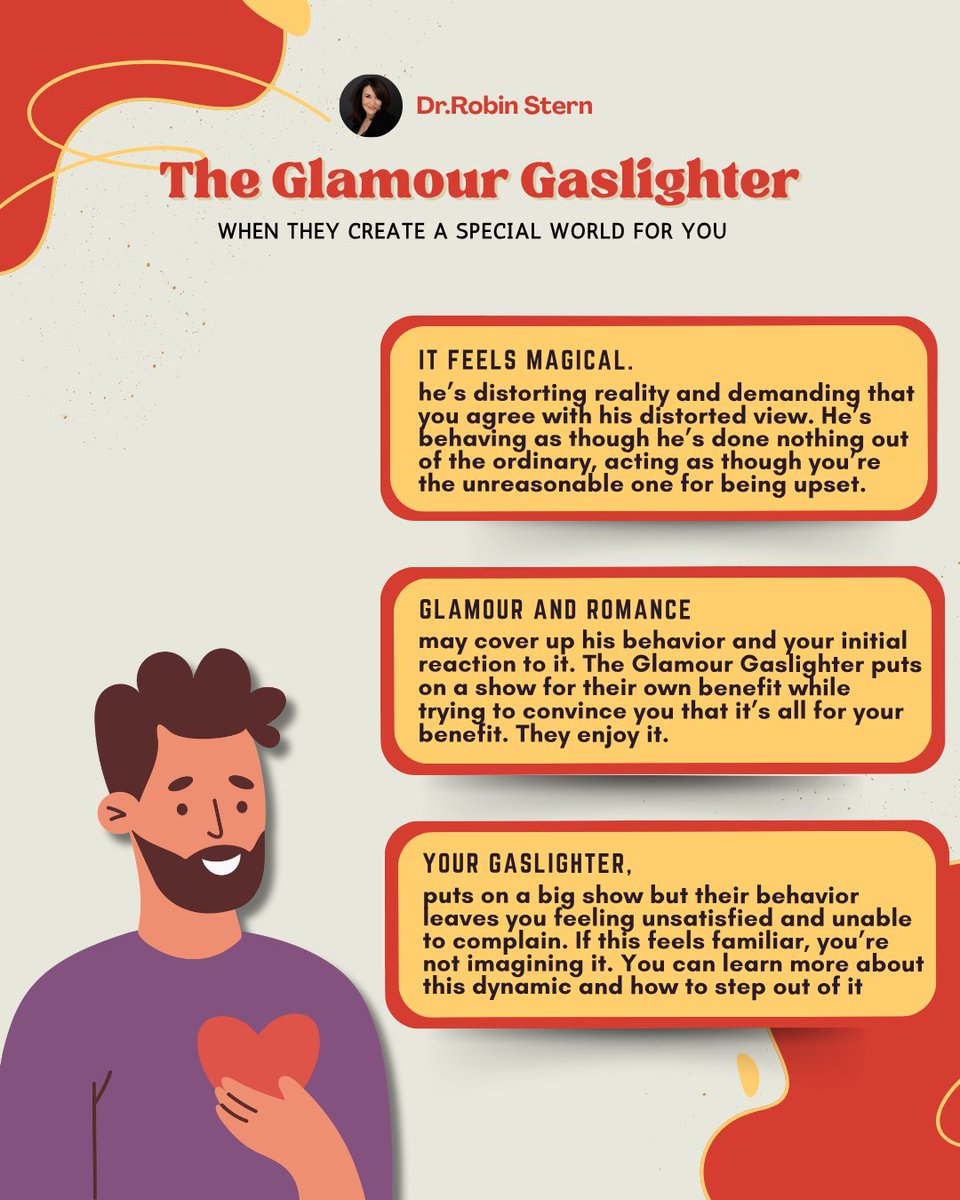
Glamour gaslighting often comes wrapped in big gestures and perfect dates. You are told it is all “for you” while your questions and discomfort are brushed aside. The show is for their benefit.
#Gaslighting #Recovery
2
75
Jun 12
One question to ask yourself is this...After the special moments, do I feel more secure or more confused & like I am walking on eggshells? Feeling unsettled is not being ungrateful. It is information. If this feels familiar, you are not imagining it. robinstern.com/the-gaslight-…
1
64
Jun 11
Sometimes no one has to call you too sensitive. You get there first.
You edit the hurt, question your memory, and convince yourself the problem is you.
That is where #rejectionsensitivity can become self-gaslighting.
My new Psychology Today article:
psychologytoday.com/us/blog/…
49
Jun 11
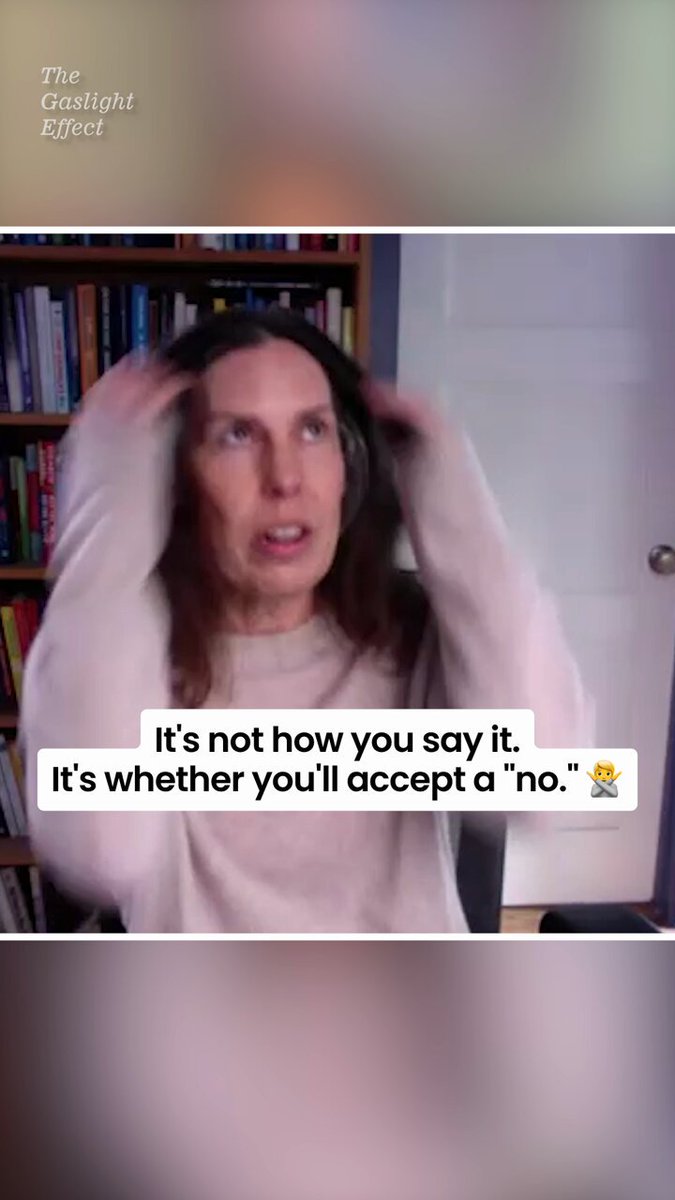
The test of a request is not how gentle it sounds. It is what happens when the answer is no.
A parent can say, “Would you please?” & still mean, “You better.” Children can feel that difference. So can partners, friends, & anyone who has learned to read the room.
Thread ⬇️
1
1
4
119
Jun 11
That is why this distinction matters so much. A clear limit may be disappointing, but it is less confusing than a fake choice.
Margot Magowan and I talk about this on The Gaslight Effect: open.spotify.com/episode/4d8…
#Parenting #Gaslighting #NonViolentCommunication
1
35
Jun 10
We finally have the words for red flags, boundaries, trauma, #gaslighting, rejection sensitivity.
That matters.
But when the language meant to help us trust ourselves starts making us suspicious of every feeling we have, something is worth examining.
psychologytoday.com/us/blog/…
1
2
101
Jun 10
Are we unintentionally training ourselves to expect rejection, then diagnosing ourselves when we feel it?
35
Jun 10
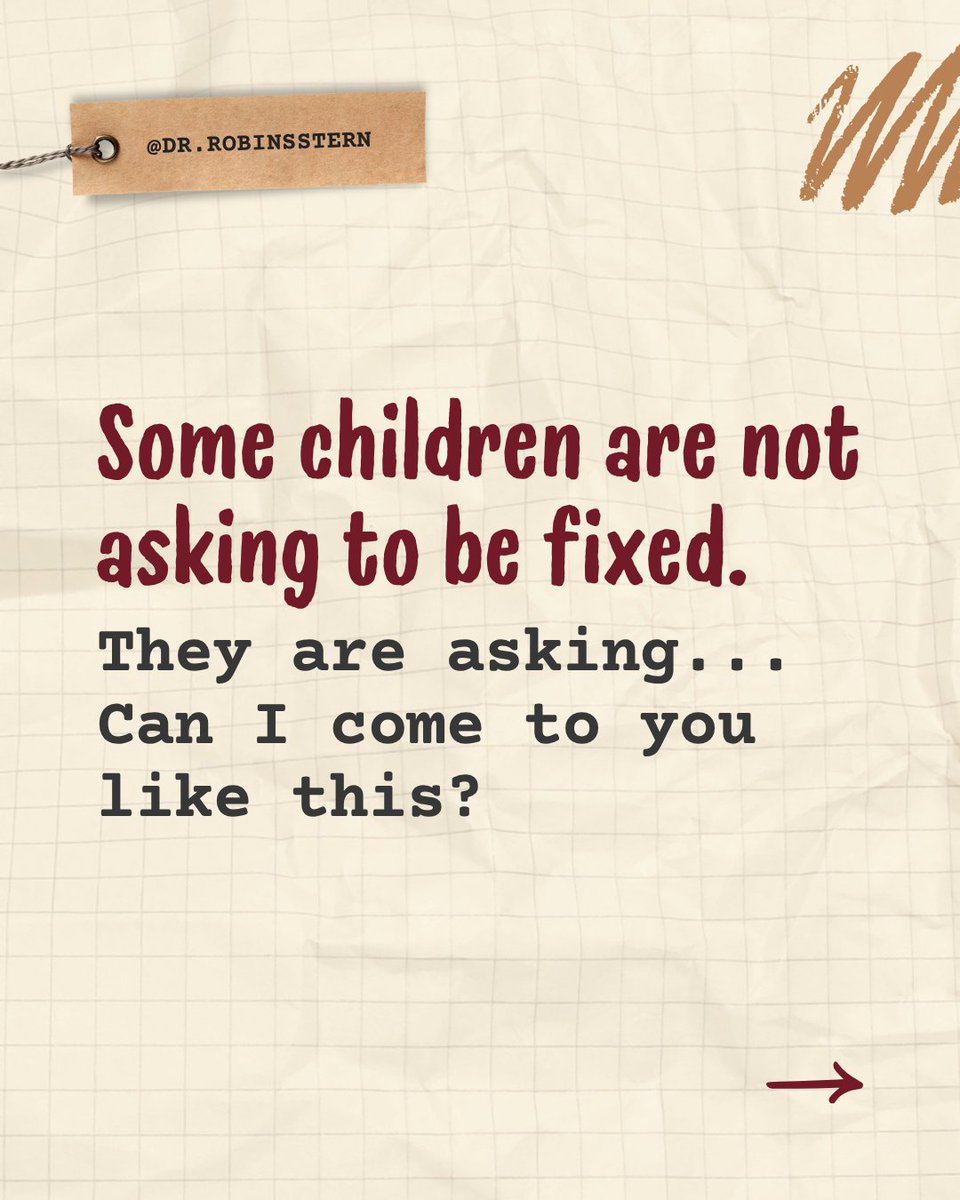
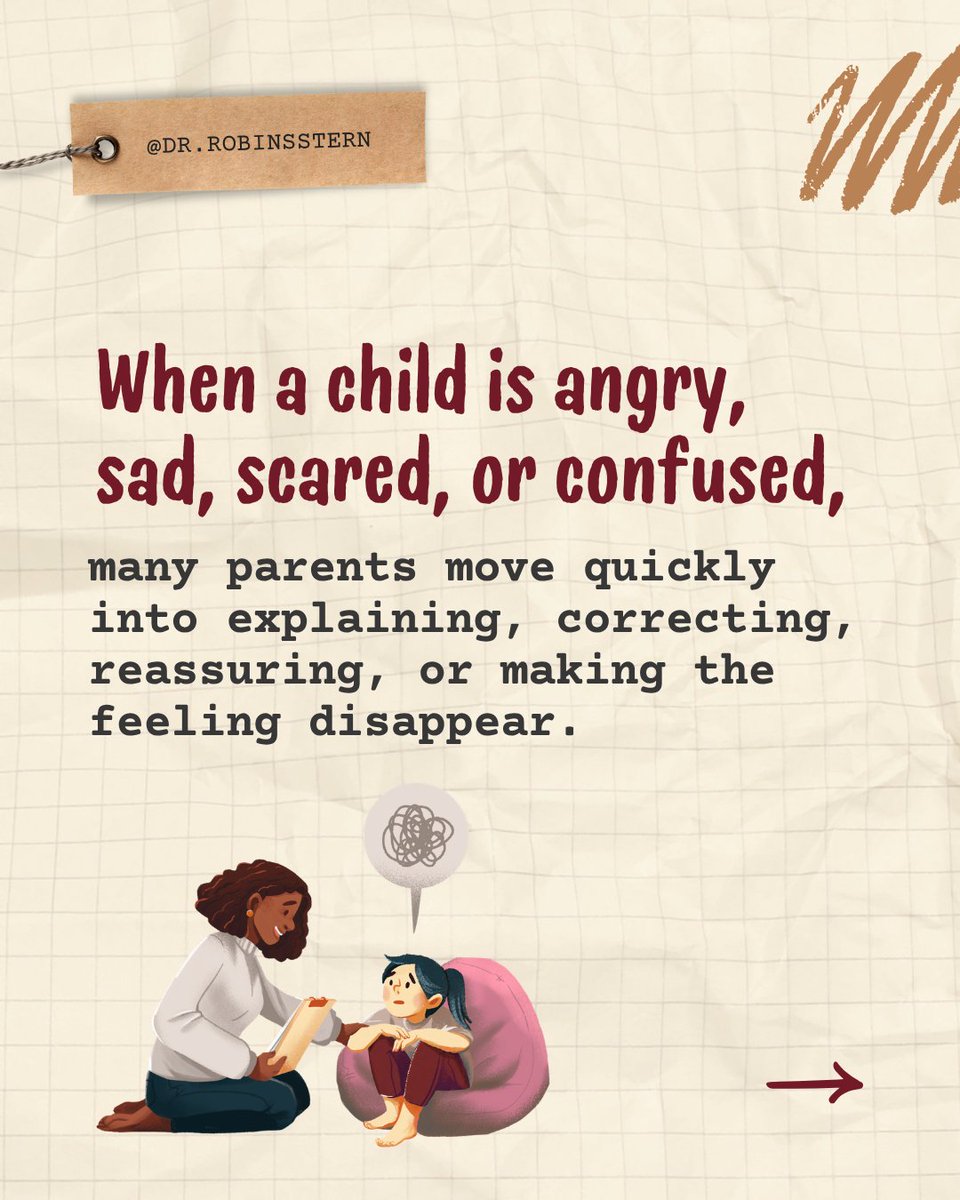
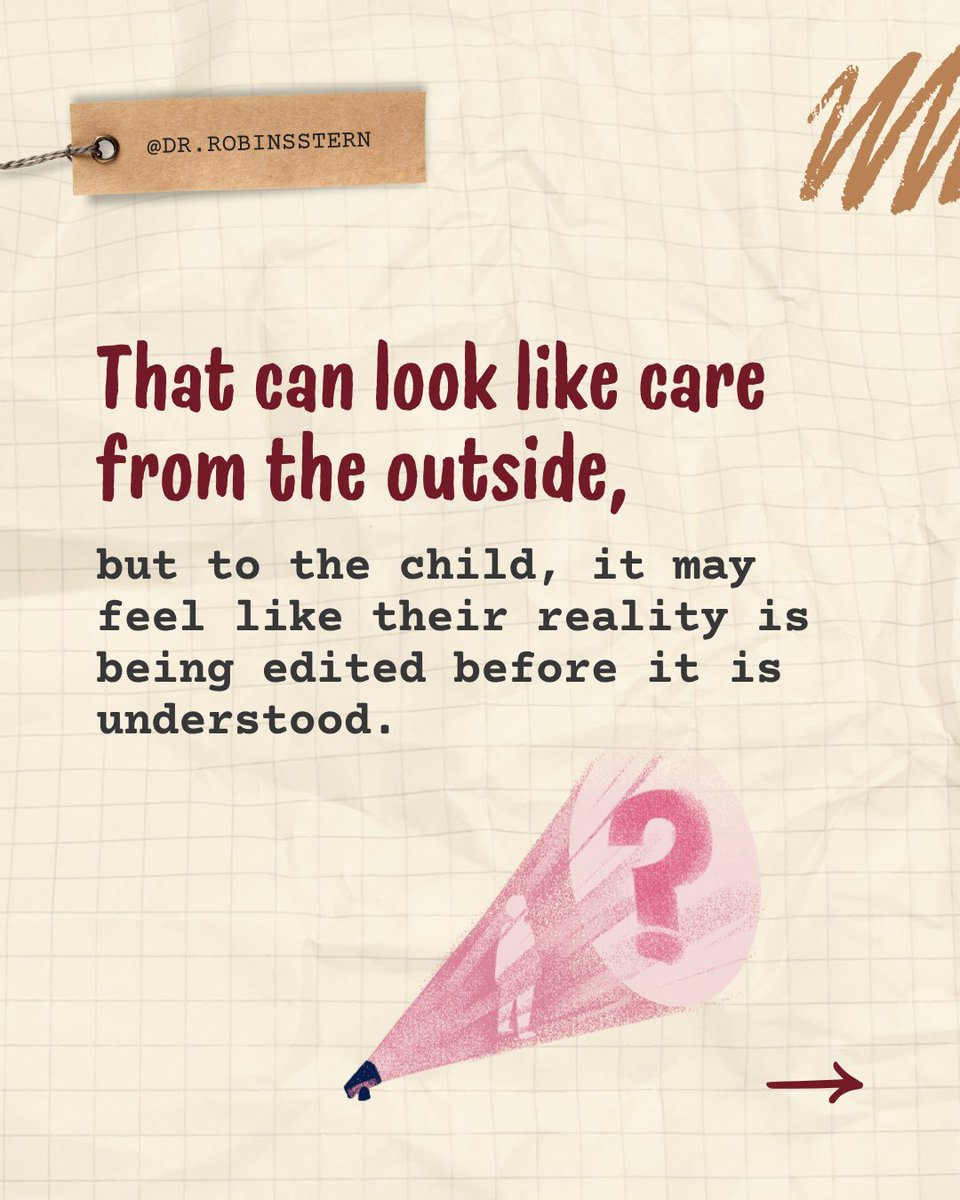
So many parents move into correction, explanation, or reassurance because we are trying to help. But sometimes the child is still asking the more basic question: can I come to you angry, sad, scared, or confused and still be met?
1
2
4
109
Jun 10
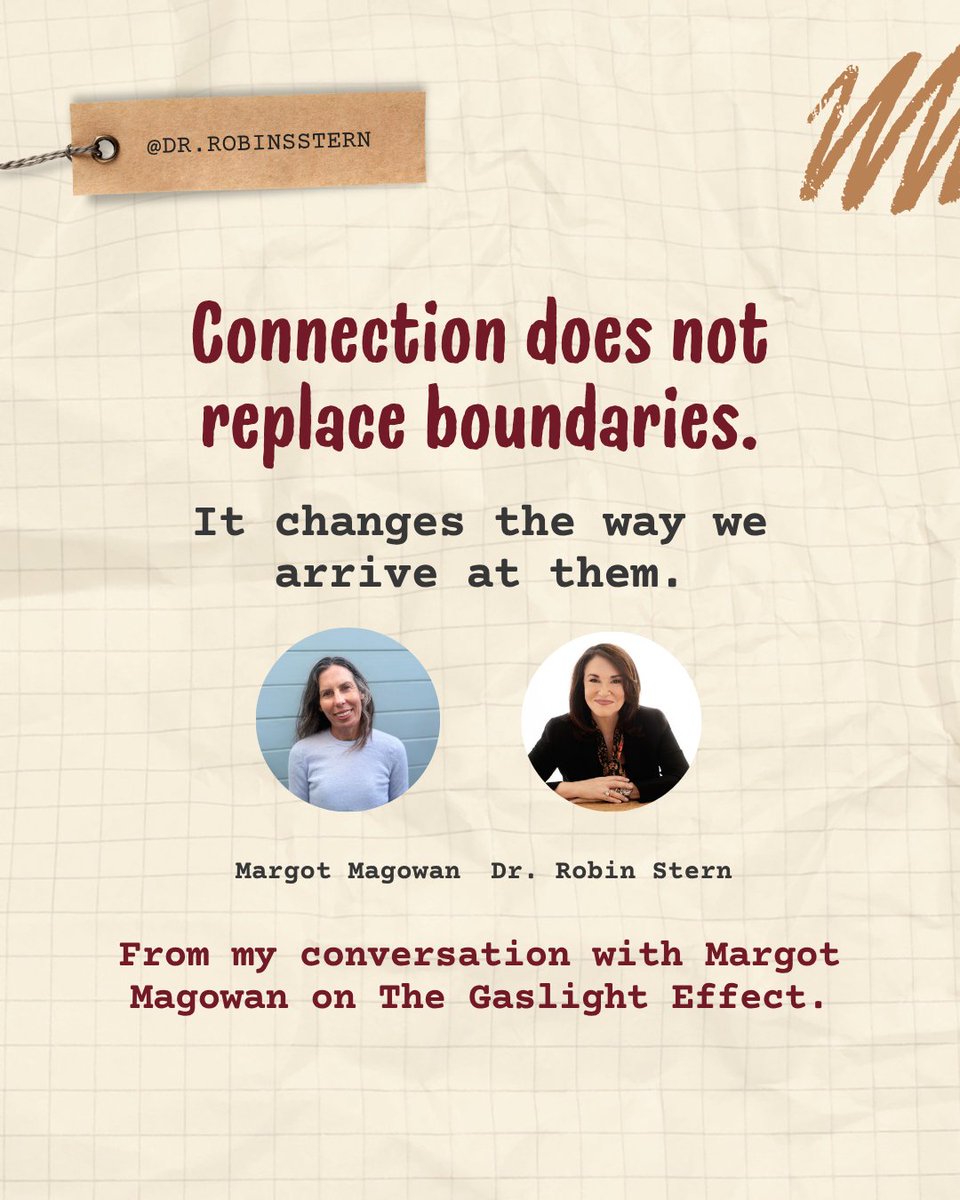
Connection does not mean the boundary disappears. It means the child is not left alone with the feeling before the lesson arrives.
From my conversation with Margot Magowan on The Gaslight Effect: open.spotify.com/episode/4d8…
#EmotionalIntelligence #Parenting
1
53
A chatbot did not teach a child to look outside themselves for the truth about who they are. Many learned that somewhere. @drmarcbrackett and I wrote about what adults can do before AI becomes the first place a child brings their doubt.
@USATODAY 🔗 usatoday.com/story/opinion/v…
4
79
A mother having needs does not mean she has stopped loving her child.
But many daughters grow up watching love look like disappearance, and learning what love is supposed to cost.
My conversation with Margot Magowan.
open.spotify.com/episode/4d8…
#nonviolentcommunication #moms
5
510
A parent’s fear can be real. The desire to protect can be real. But if that fear comes out as shame, a child may not hear protection.
She may hear, “Something is wrong with me.”
From my conversation with Margot Magowan on The Gaslight Effect.
open.spotify.com/episode/4d8…
#parenting
3
97
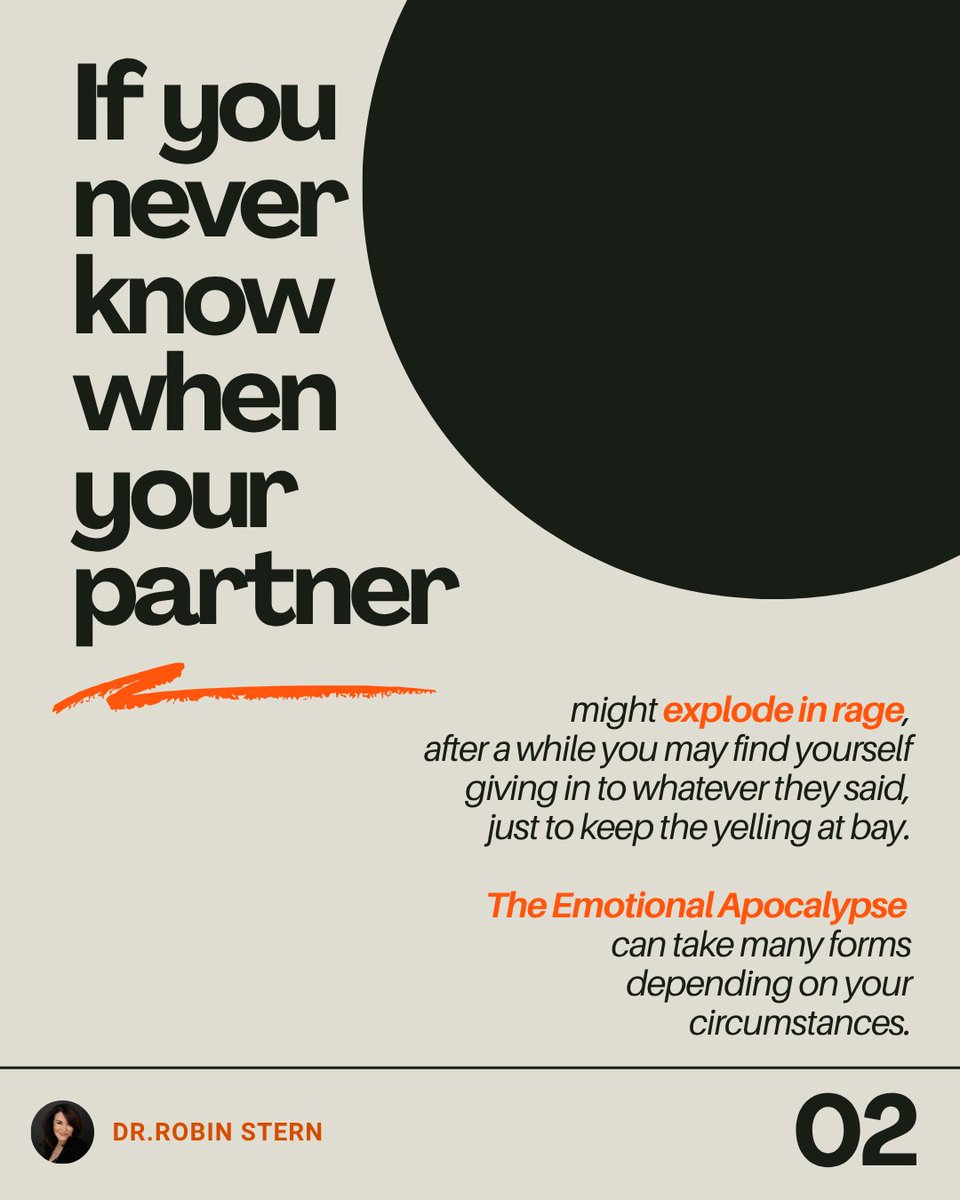
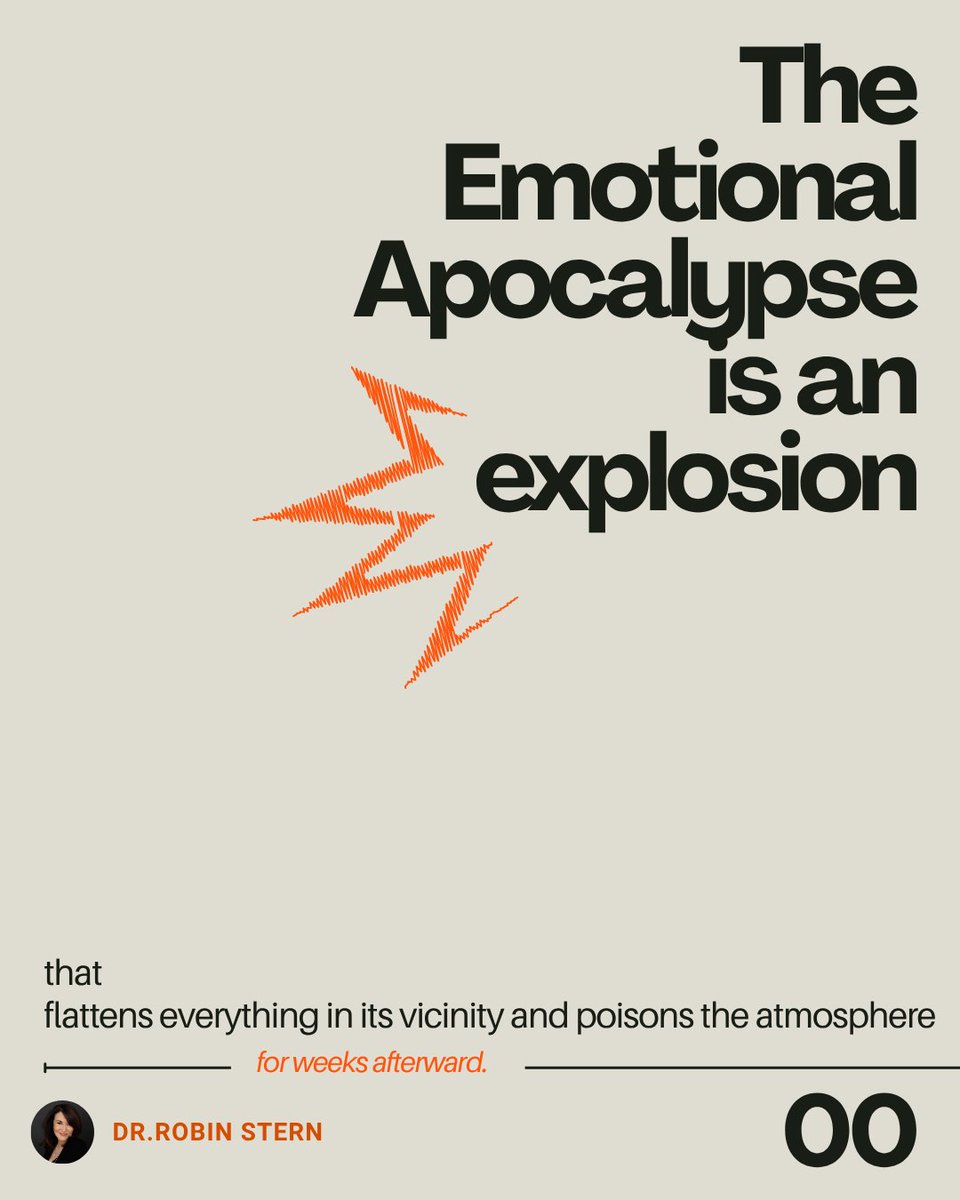
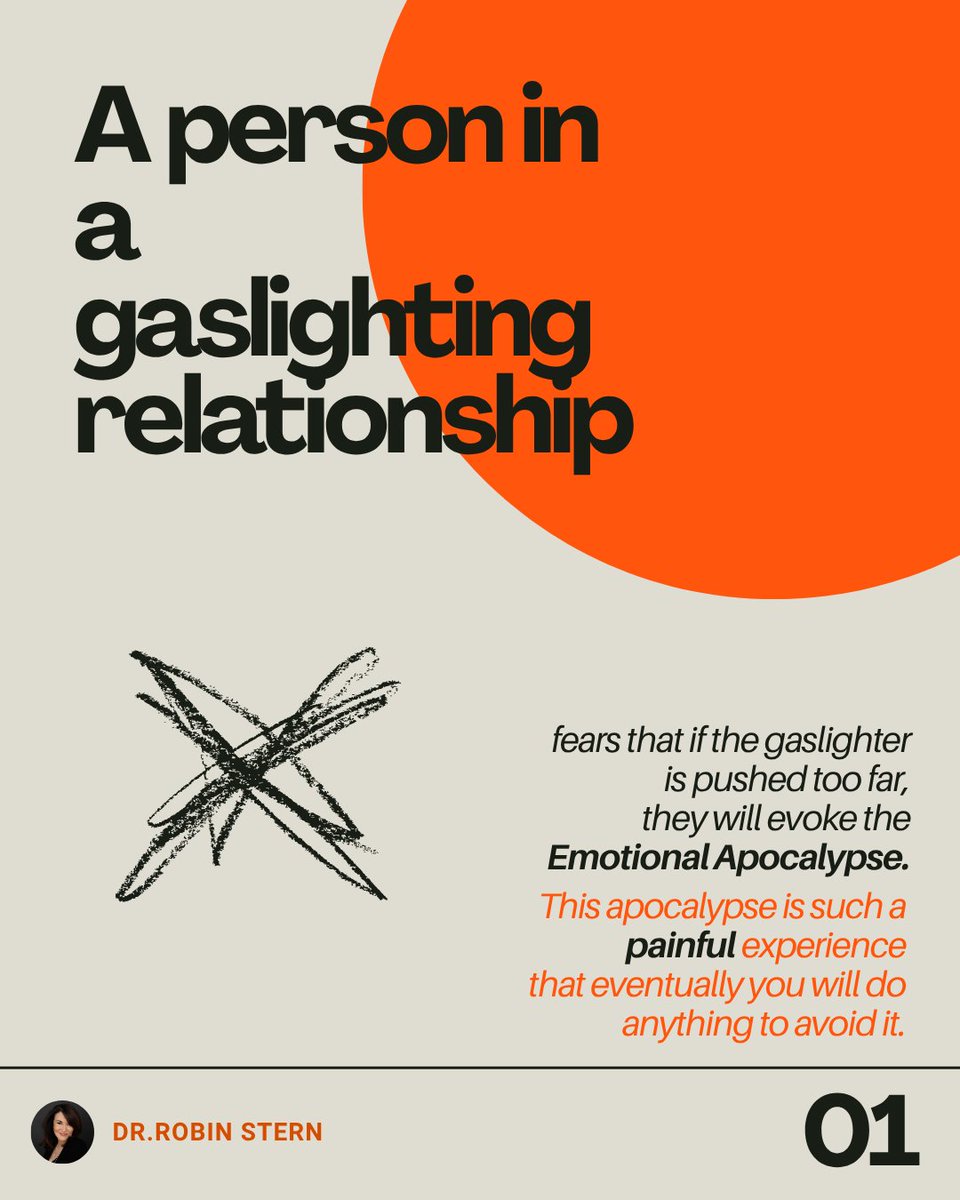
If you live braced for the next blow-up, you already know the fear of the Emotional Apocalypse.
#Gaslighting
1
2
100
One raised voice. One slammed door. One look.
And suddenly you’re doing whatever it takes to keep the peace—agreeing when you don’t, silencing what you feel, shrinking so their rage doesn’t “flatten” everything again.
1
1
100
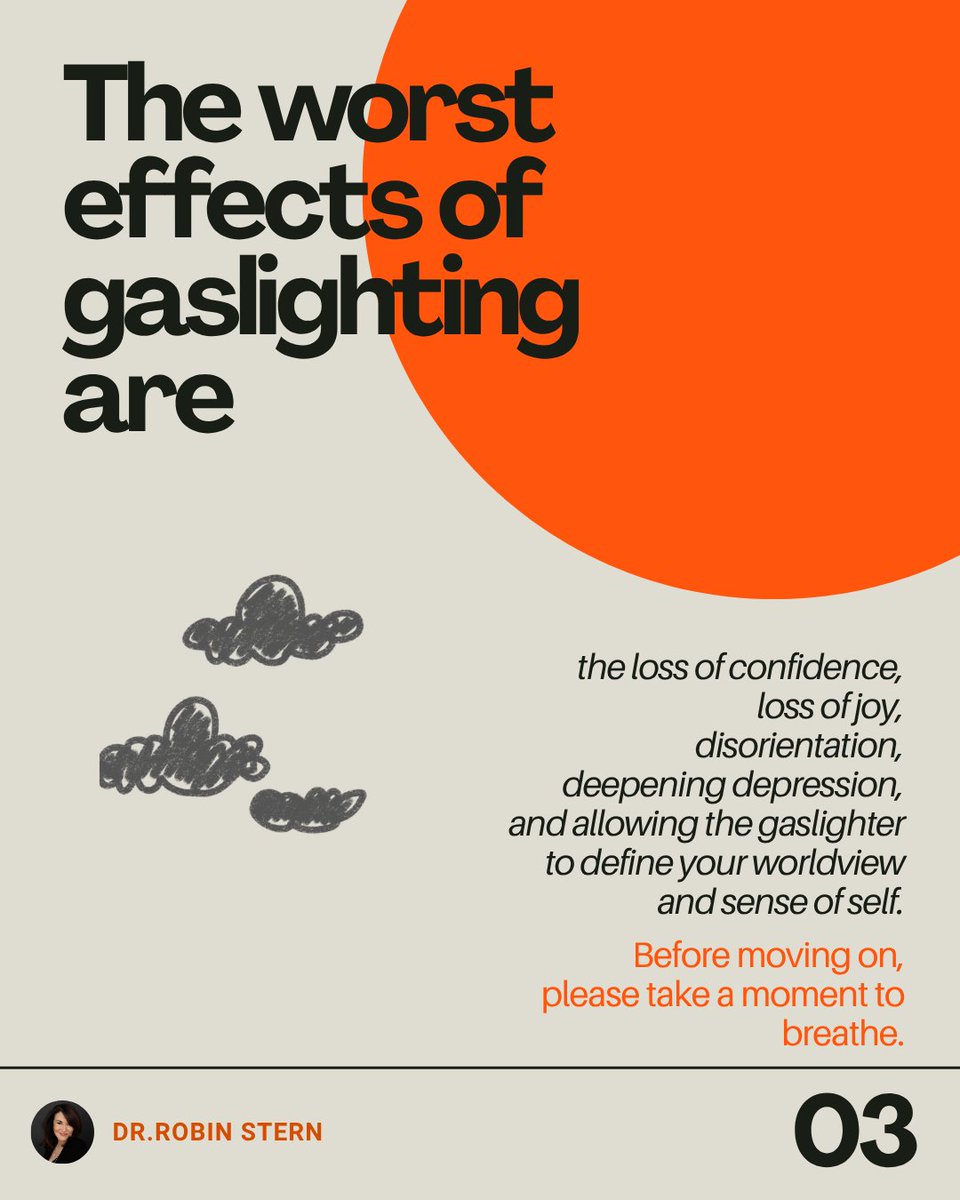
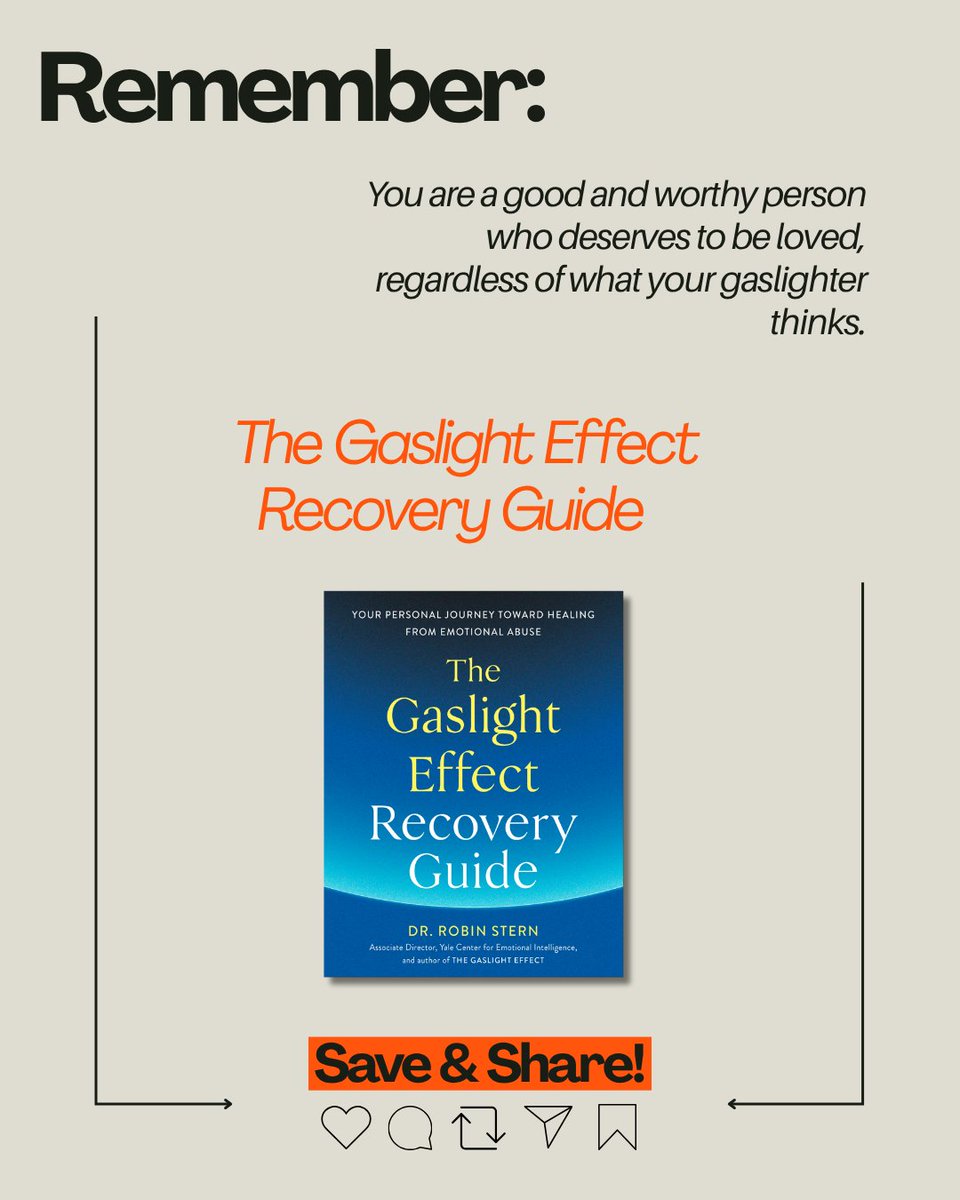
Over time, that fear steals your joy, your confidence, and your sense of who you are.
But their explosions do not get to define your worth. You are a good and worthy person who deserves to be loved, regardless of what your gaslighter thinks.
🔗robinstern.com/the-gaslight-…
1
70
May 31
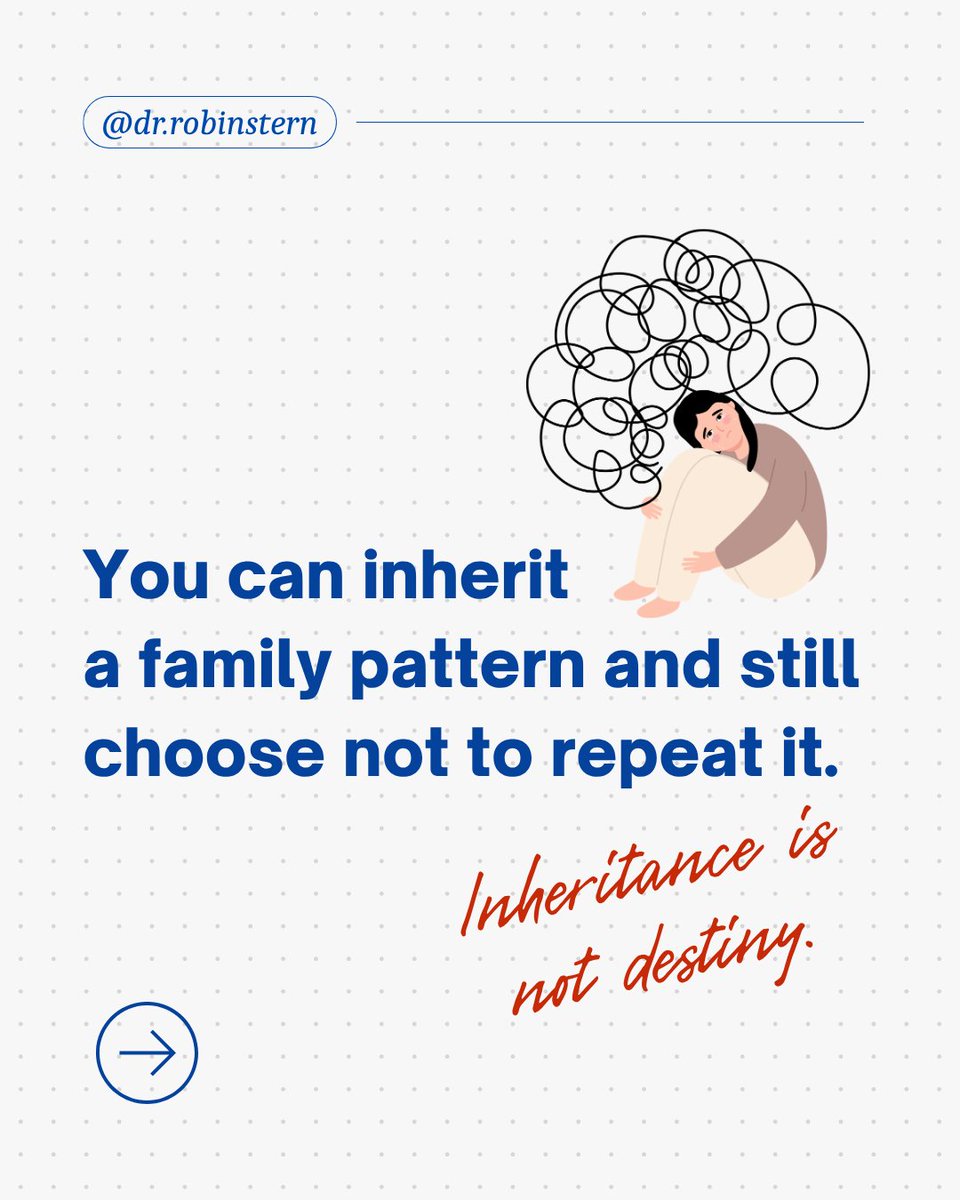
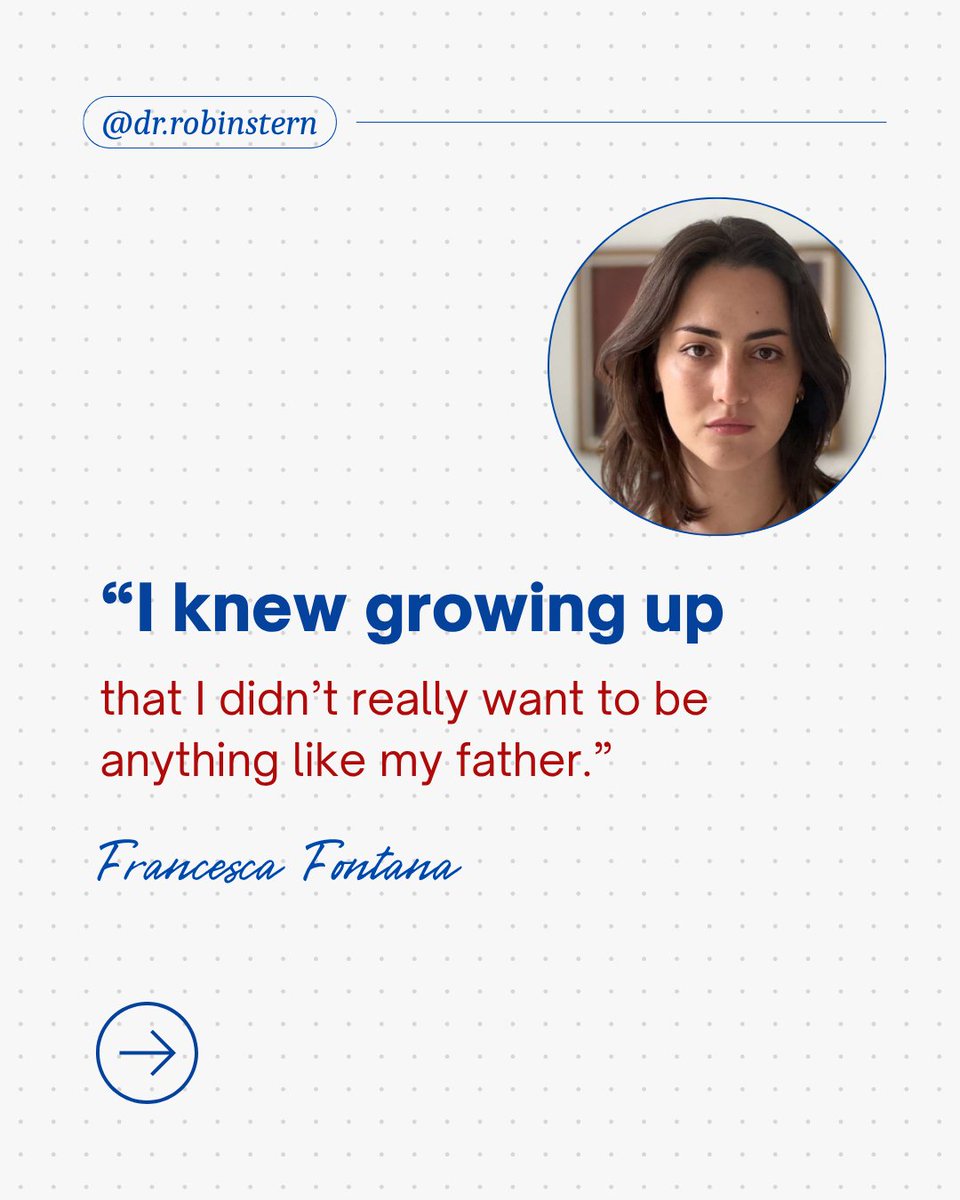
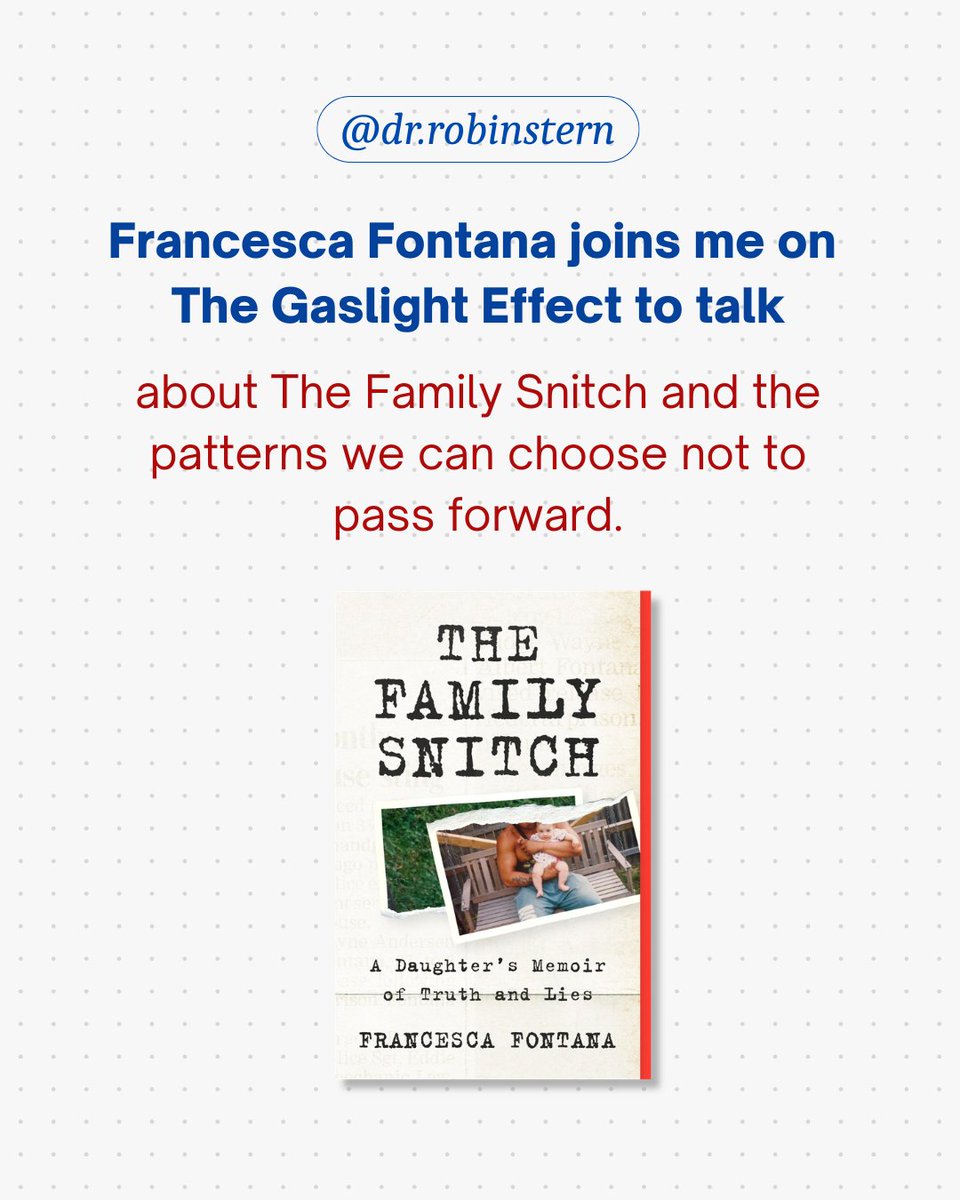
Francesca Fontana’s story names a quieter inheritance of family gaslighting: the fear of resembling the person who hurt you. But guilt is not proof that the pattern won. It can become information, and then a choice.
The Gaslight Effect Podcast:
open.spotify.com/episode/1bE…
2
50
May 30
Asking a child to carry an adult's secret is a profound burden. Francesca Fontana shared how she learned at age 6 that her father's deception was just private family stuff. What happens to a child when they are taught that telling the truth is a betrayal?
open.spotify.com/episode/1bE…
3
61
May 29
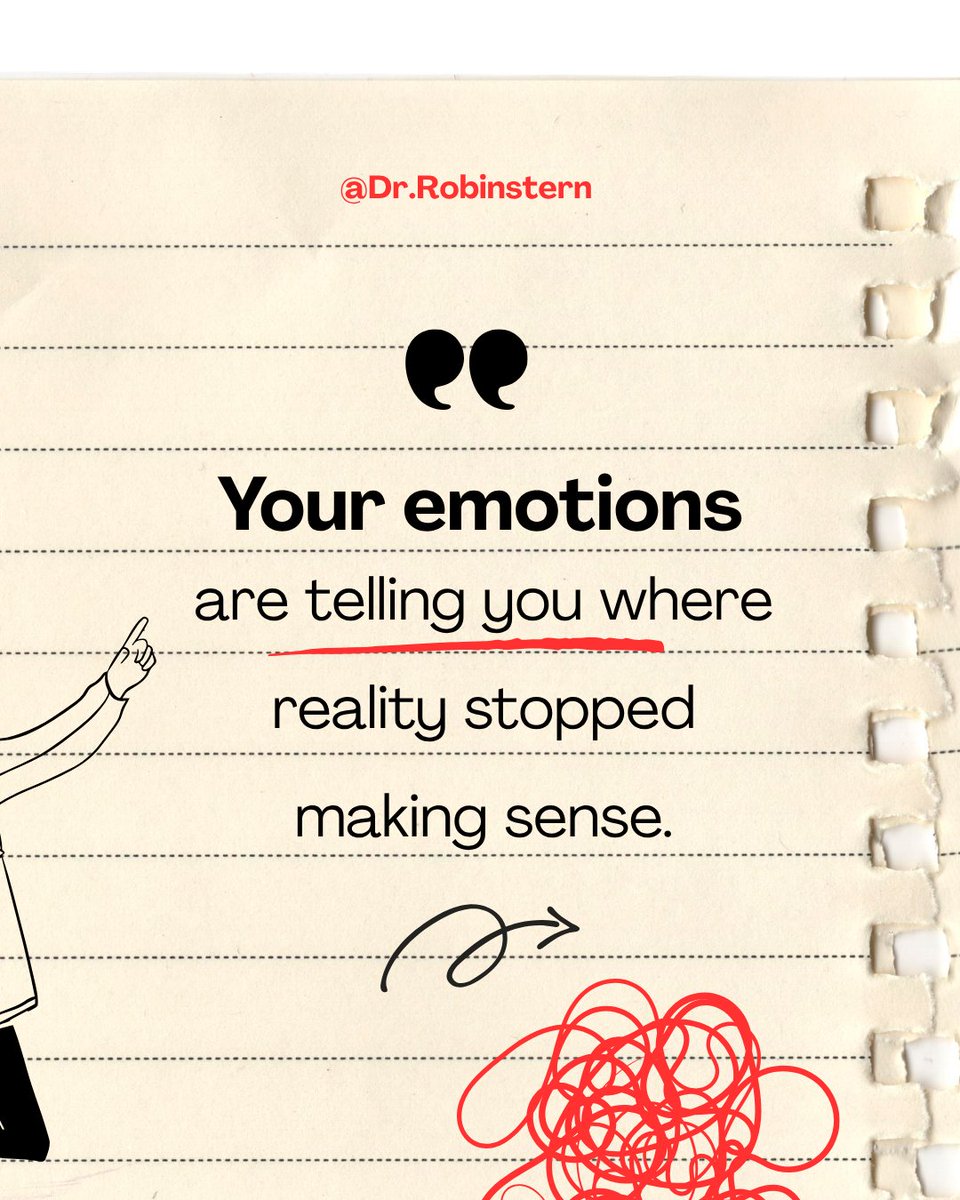
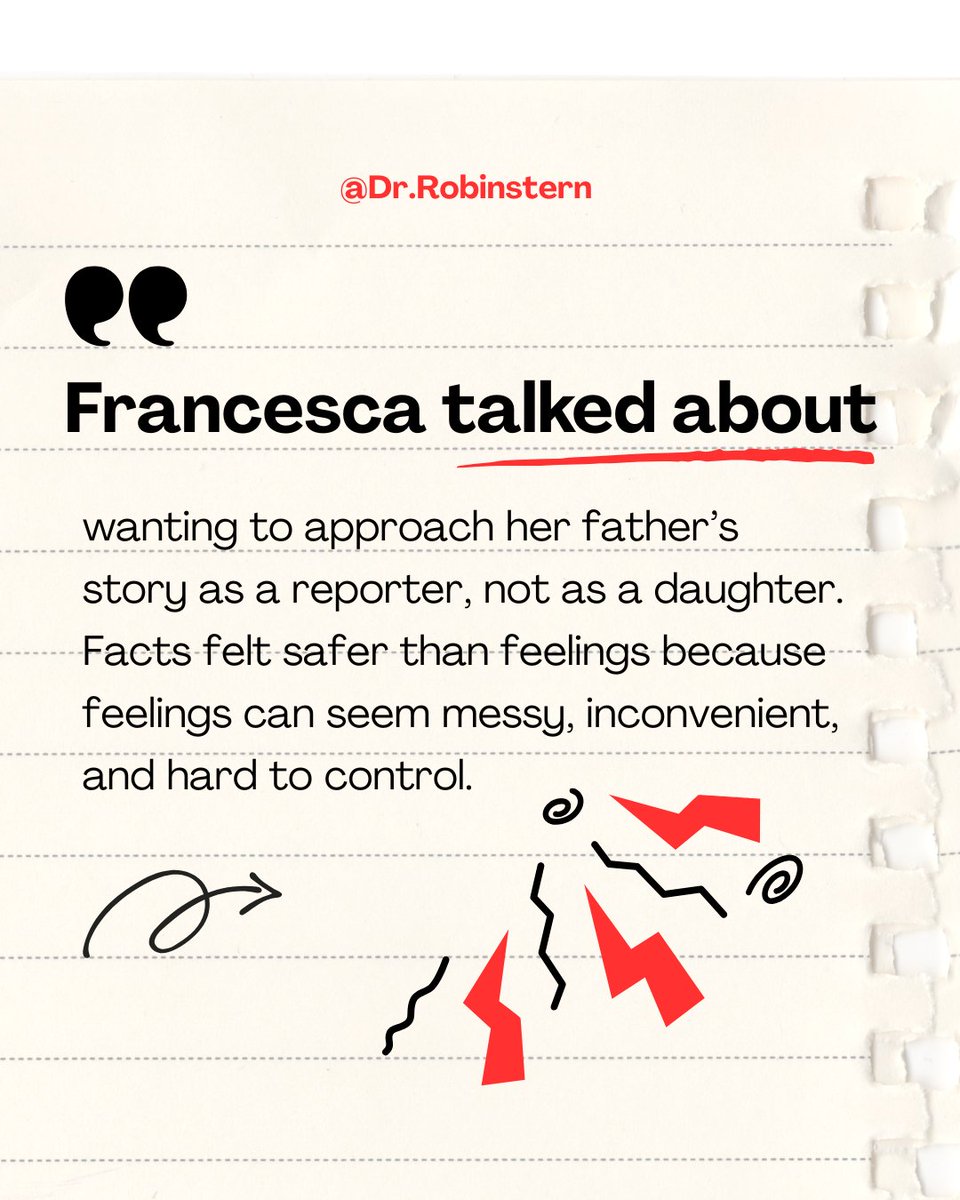
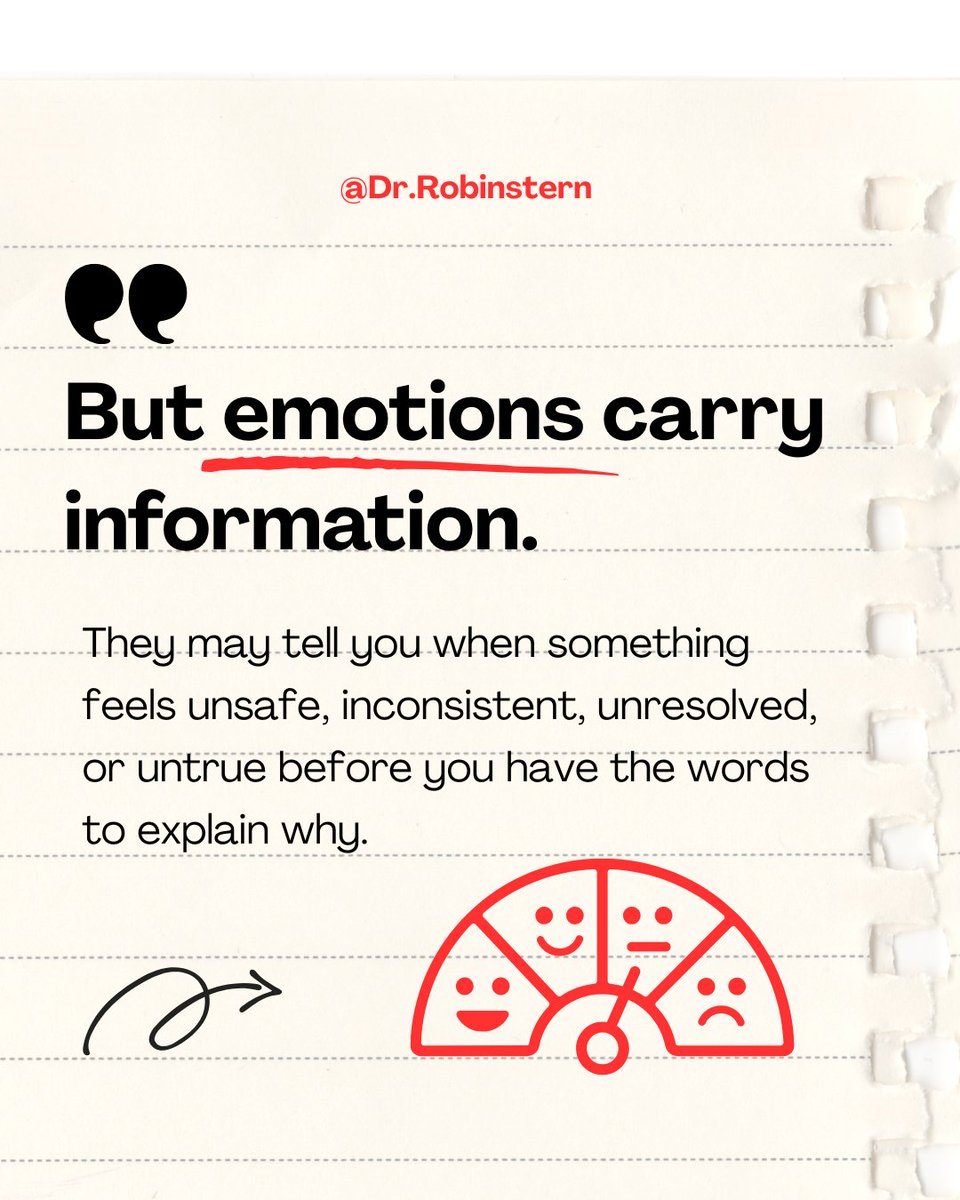
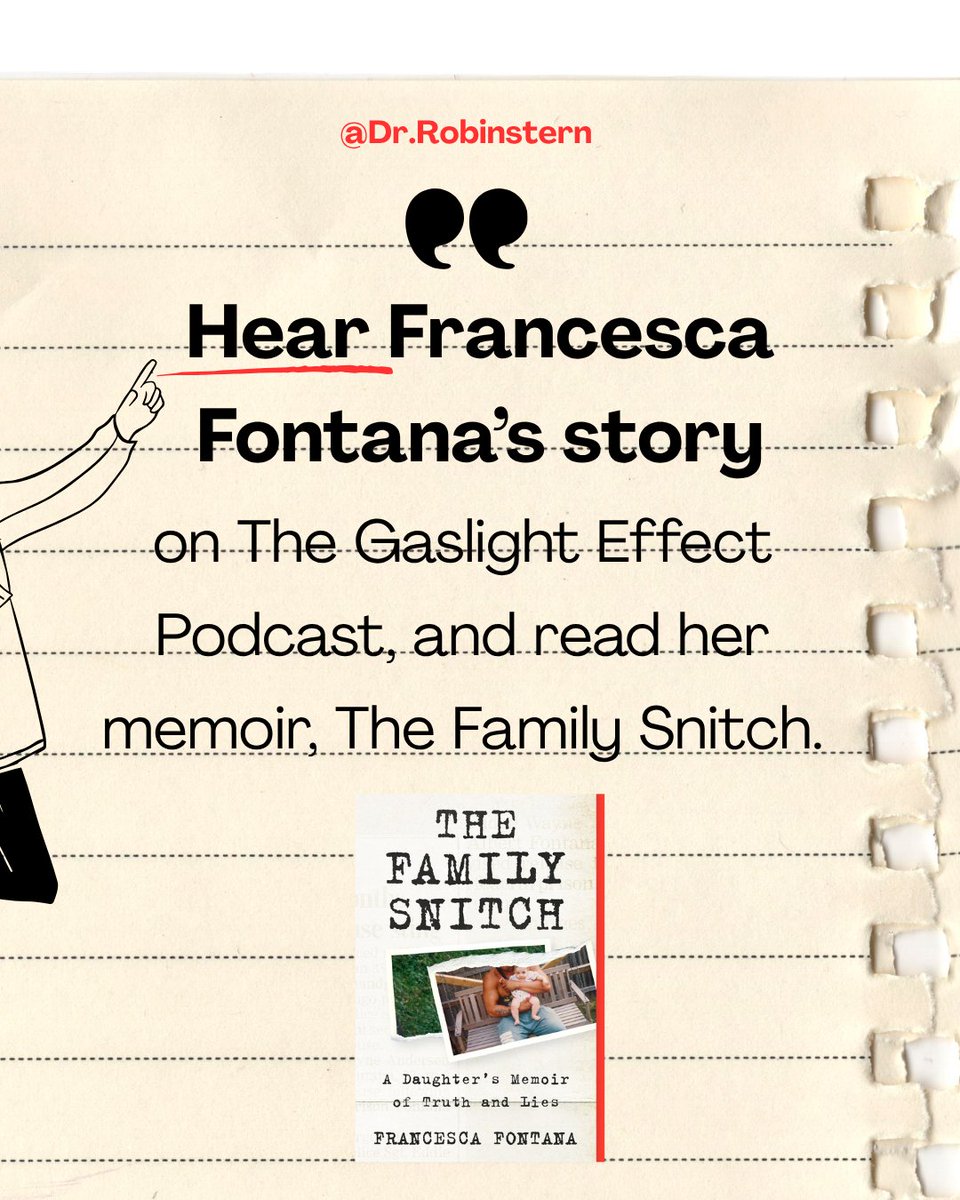
After gaslighting, people often distrust their own feelings. But emotions are signals. Francesca Fontana’s story asks us to listen to the part of us that notices when the story, the promise, and the reality do not match. 🔗 open.spotify.com/episode/1bE…
#GaslightingRecovery #Emotions
4
35
May 28
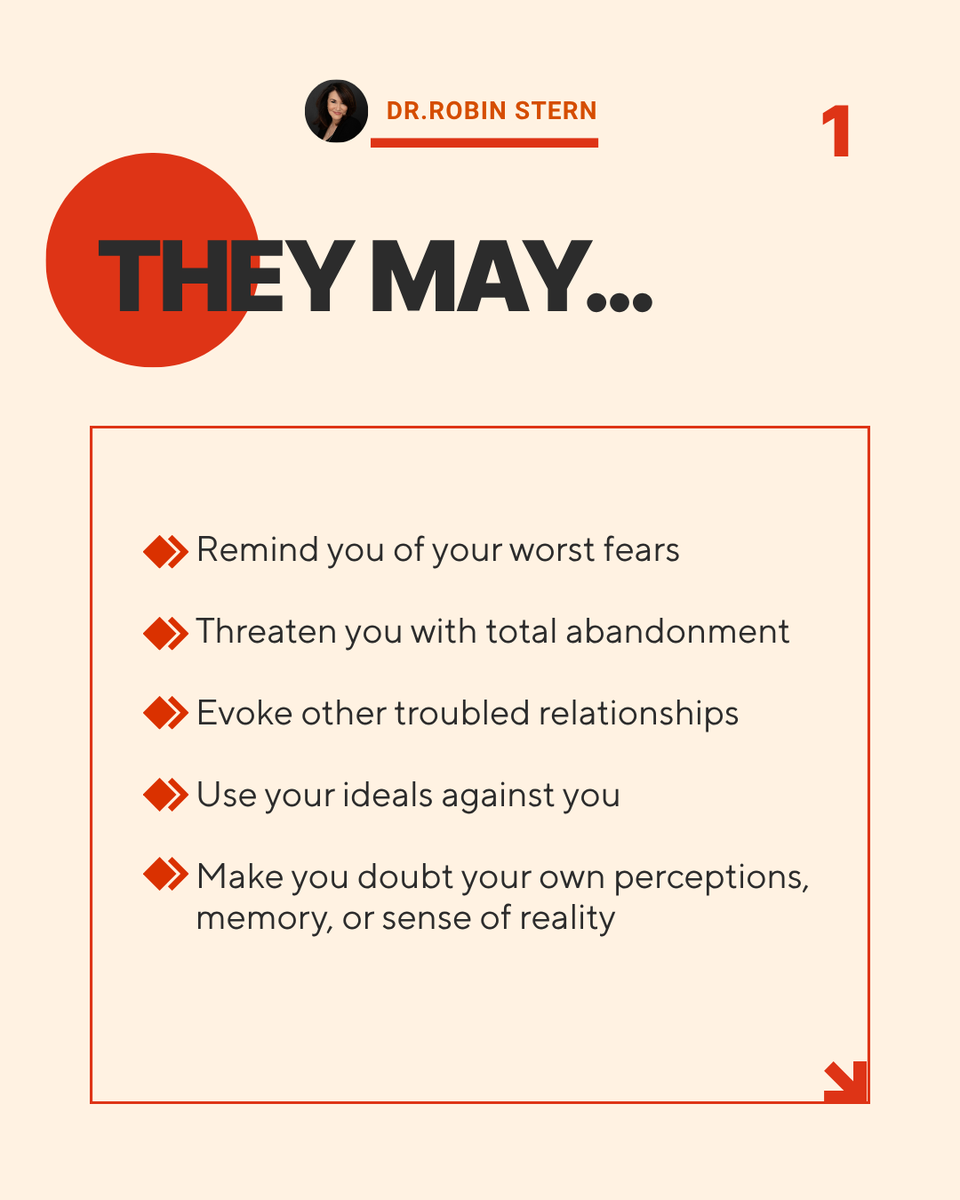
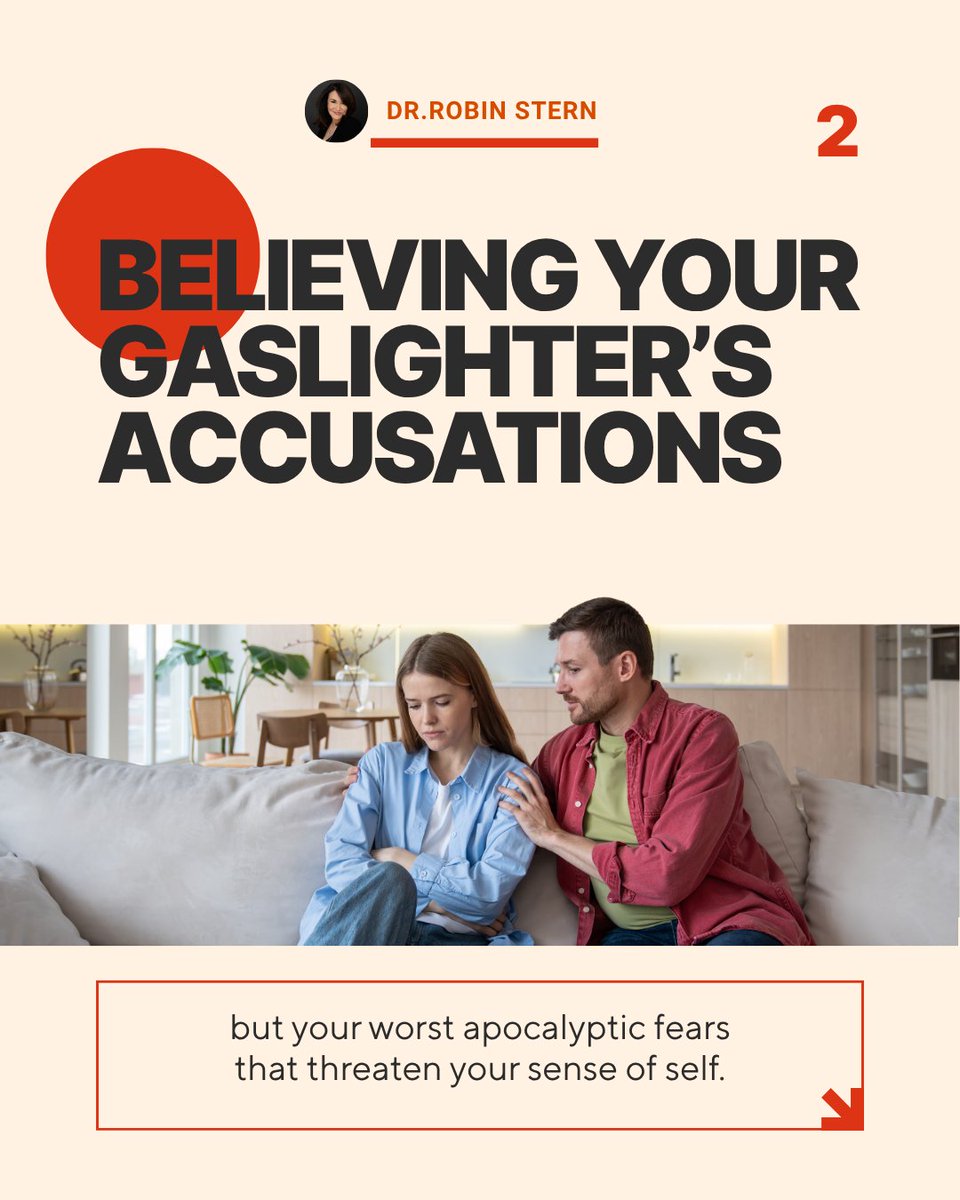
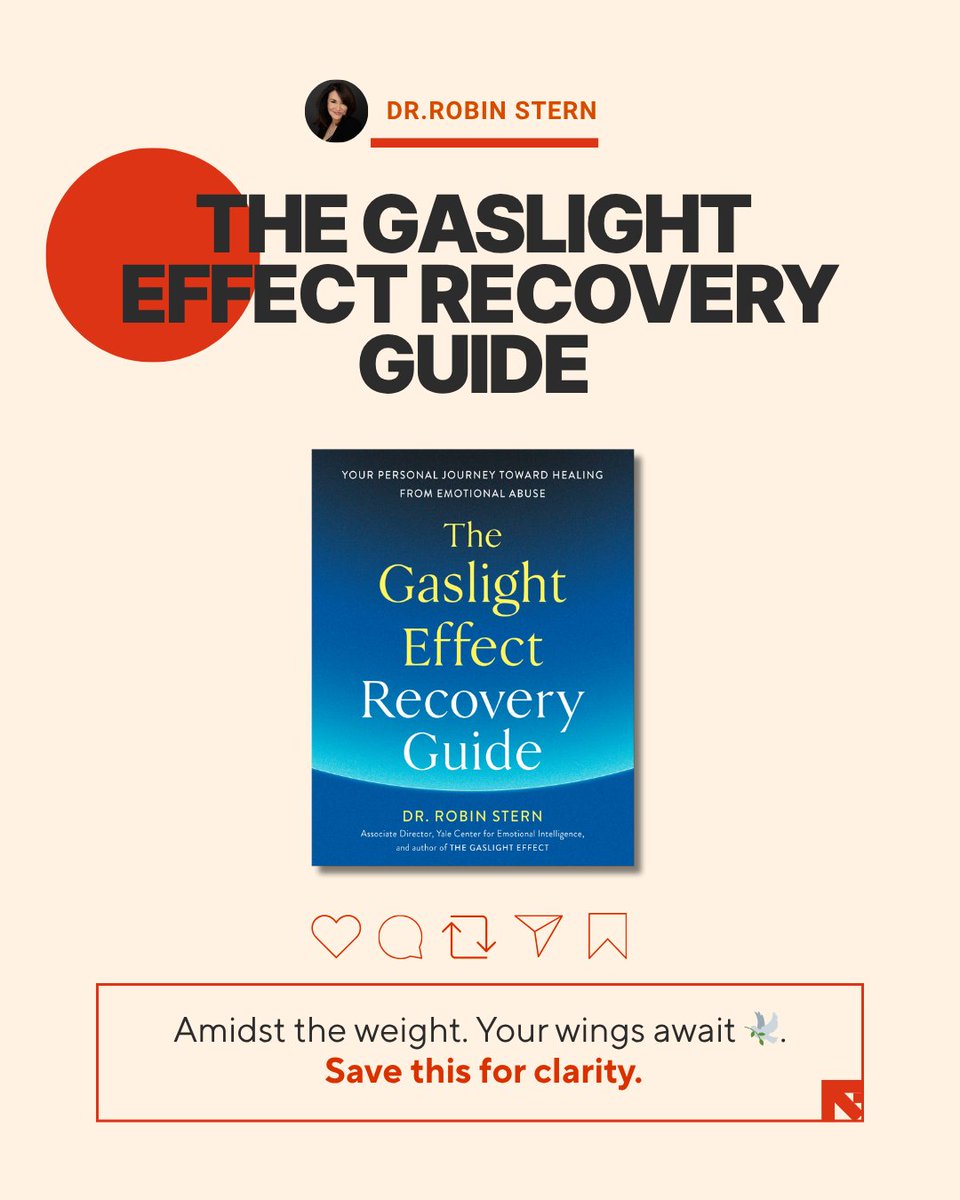
Quick test: do you leave these conversations thinking less about what happened and more about how to explain yourself better next time?
That’s the trap.
Save this for the moment you start second guessing yourself.
🔗robinstern.com/the-gaslight-…
#Gaslighting
3
56
May 27
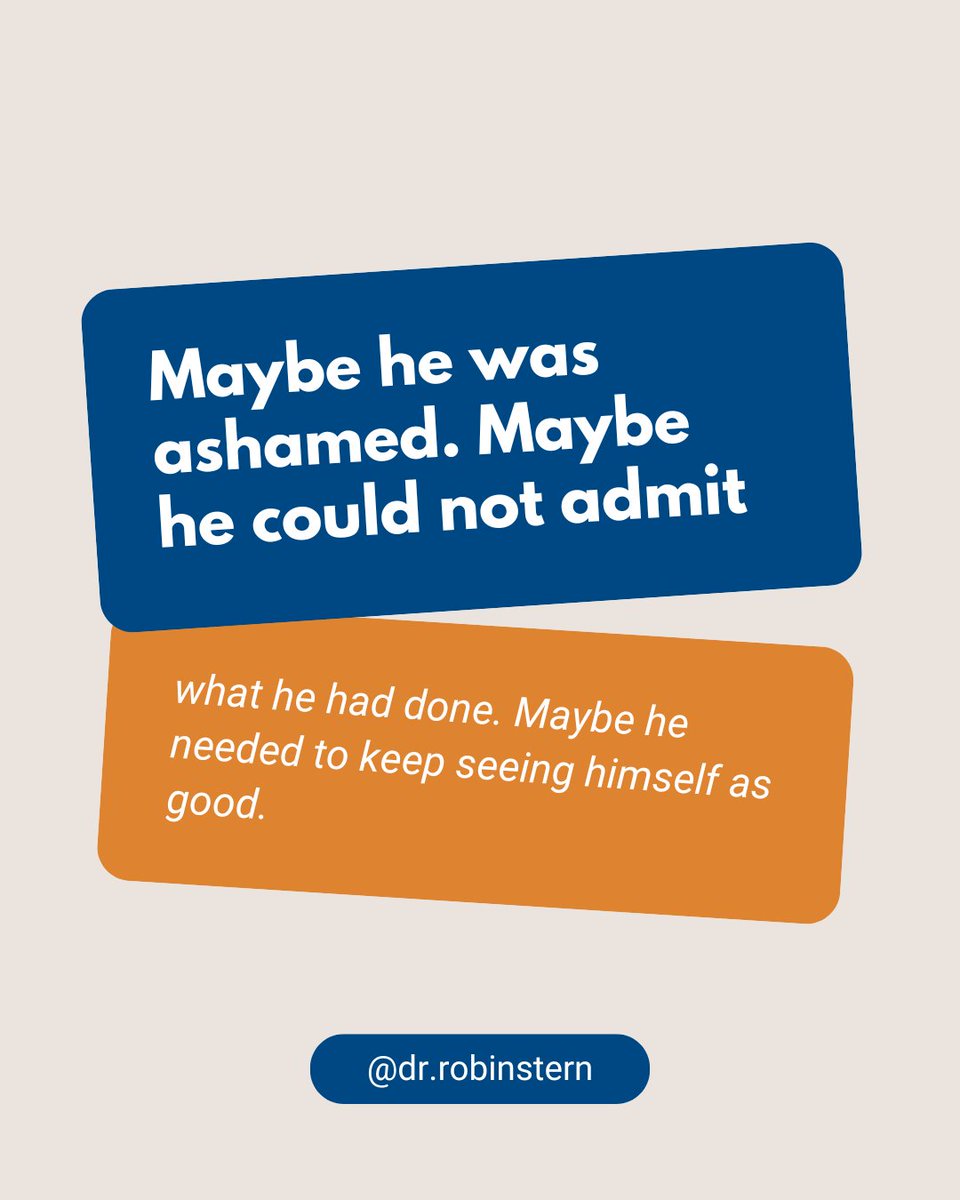
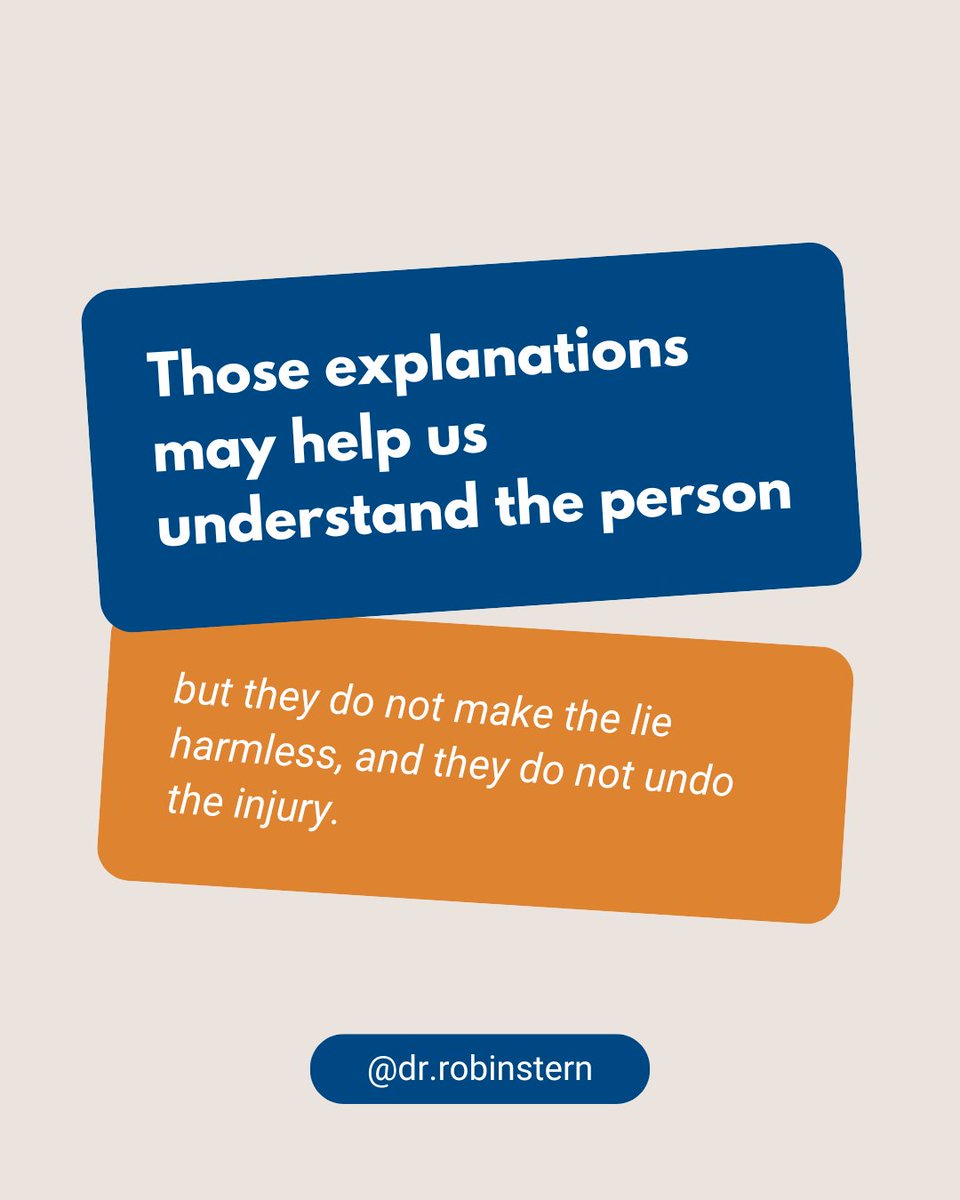
This is one of the most difficult parts of gaslighting recovery, because empathy can quietly turn into self-abandonment when you are asked to protect someone else’s story at the expense of your own.
1
1
5
93
May 27
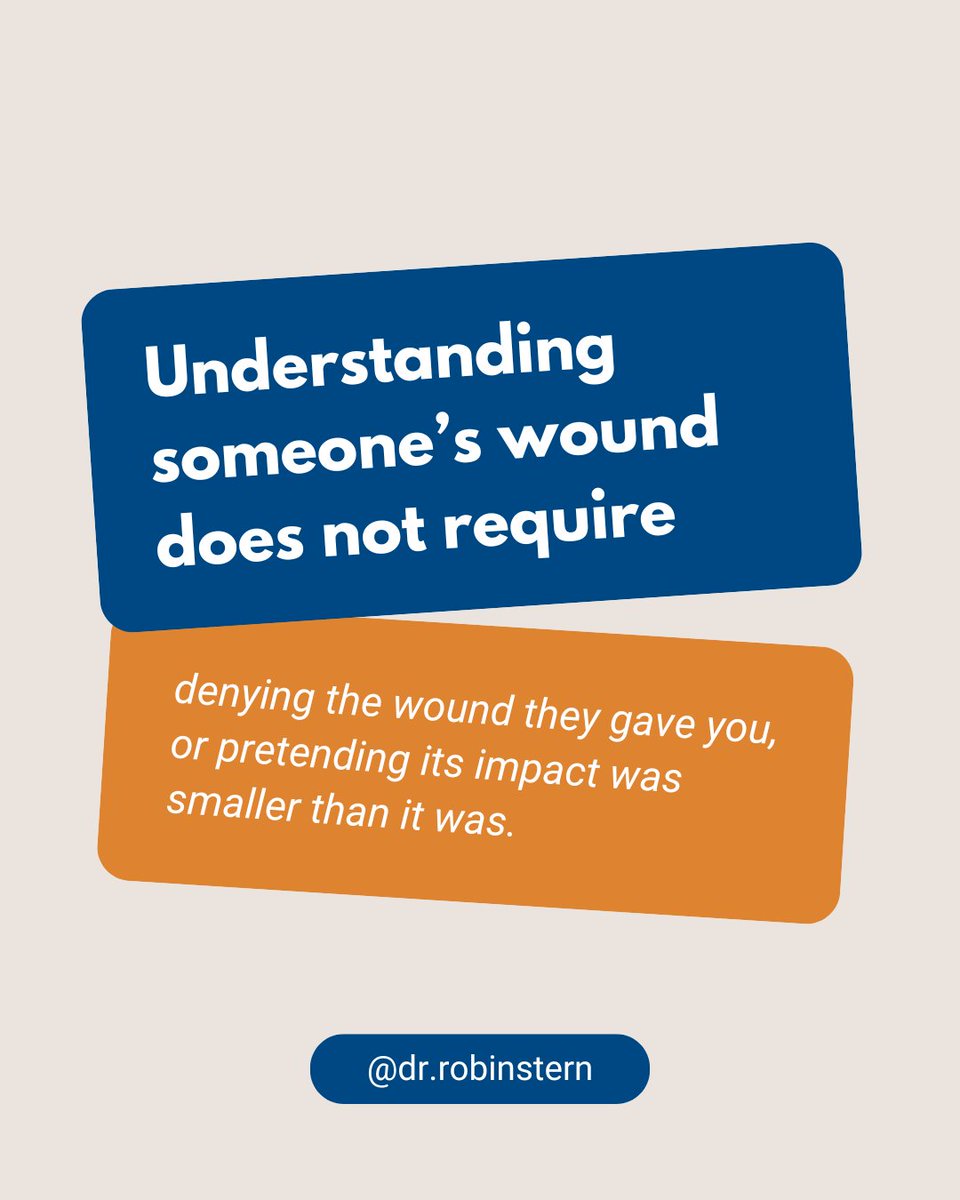
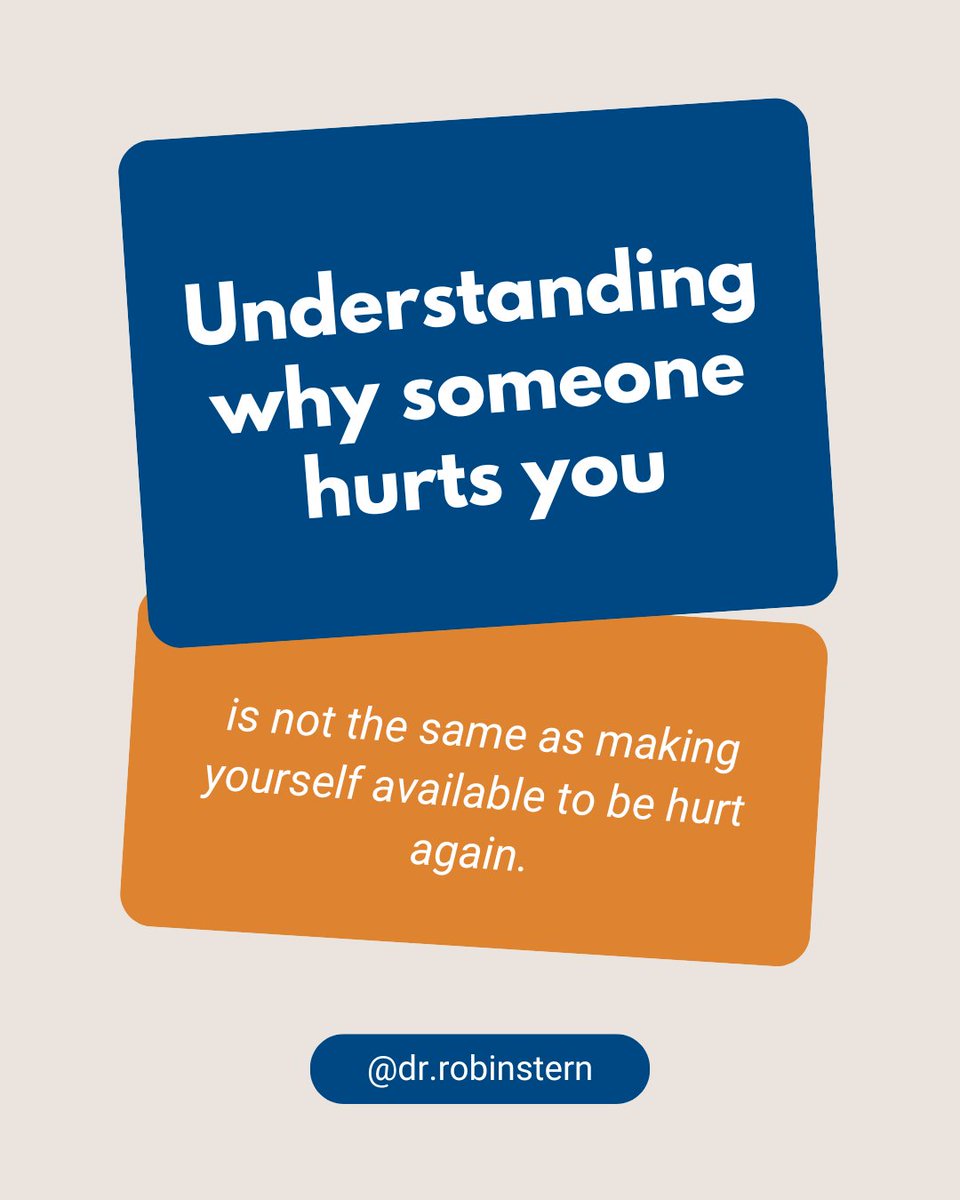
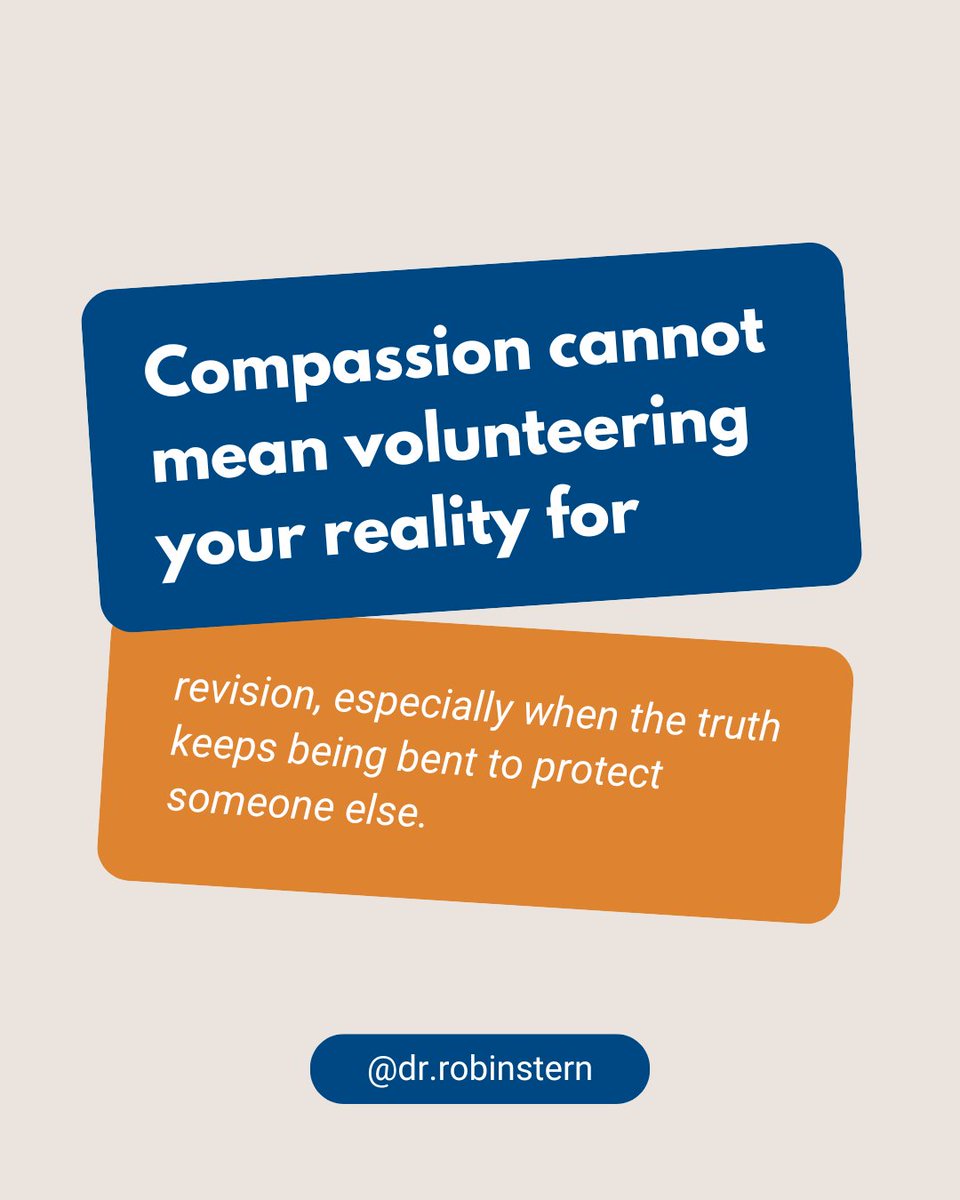
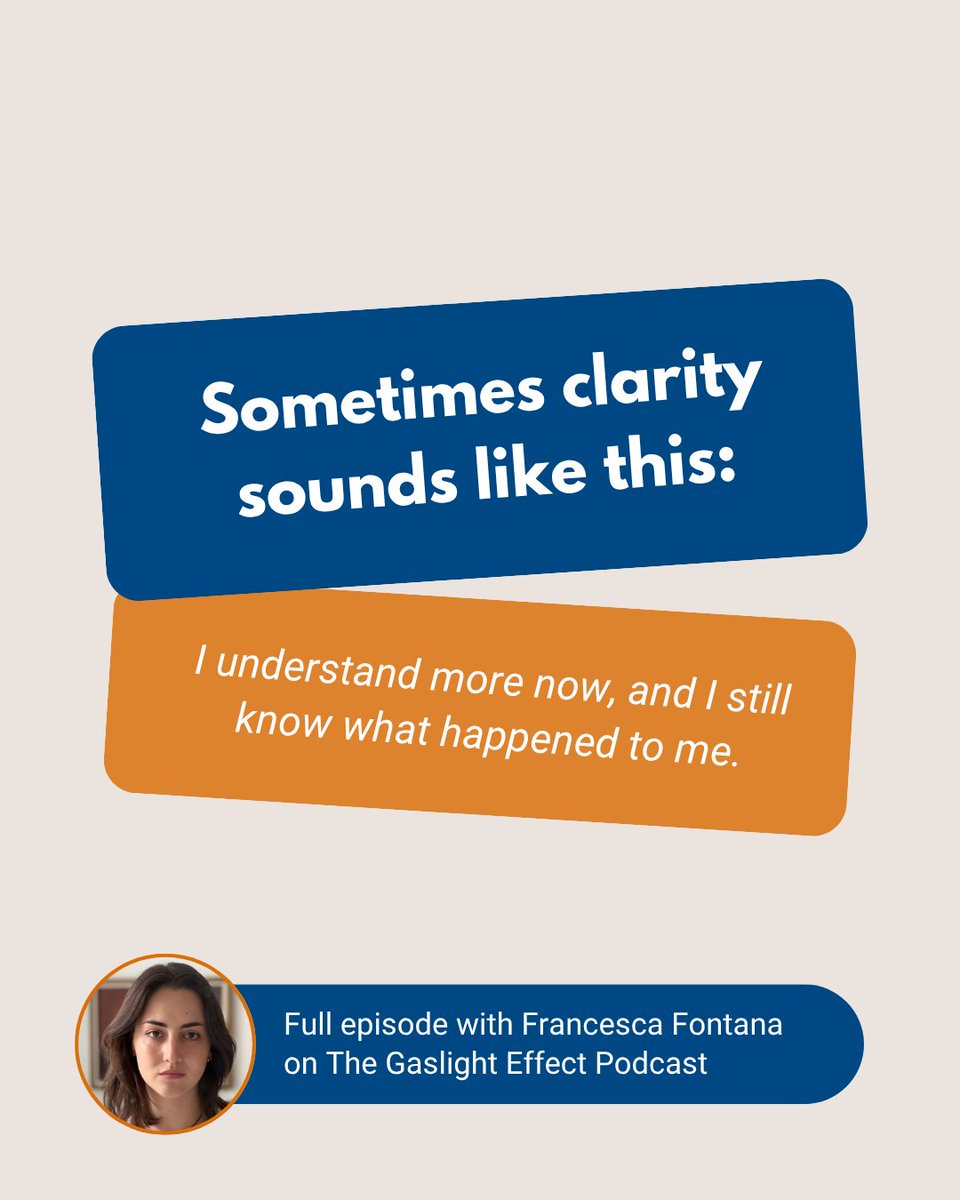
You are allowed to understand more and still say: I know what happened to me.
Full episode with Francesca Fontana on The Gaslight Effect Podcast.
open.spotify.com/show/1XdjMo…
#Gaslighting #Recovery
1
1
59