Emeritus Professor. Tweets about Media and Politics.
Joined December 2013
- Tweets 7,228
- Following 1,675
- Followers 1,735
- Likes 18,574
13 Photos and videos

Rodney Tiffen retweeted

Harpo Marx appears on “I Love Lucy” in the “Lucy and Harpo Marx” episode (S4E28) originally aired on May 9, 1955✨
7
87
167
6,119

Rodney Tiffen retweeted

Jun 12
I now understand some of the free kicks Geelong were paid. Apparently they’re paying netball (no contact) rules
11
1
146
76,966
Rodney Tiffen retweeted

“The Socceroos aren’t just a team. We’re a reflection of modern Australia.”
A desperately needed message for Australia, and Australians of all hues and backgrounds.
Bravo @Socceroos!!! 👏🏾 👏🏾👏🏾👏🏾
187
811
4,015
380,297
Rodney Tiffen retweeted

Jun 12
Hanson doesn’t do a very good Trump when it comes to slaying the press. Rather than ripping into Ten’s super-calm Ursula Heger just now live from South Melbourne, she pretended not to hear the question: “why do you take Gina Rinehart’s money?” Thus, it was repeated 3 times.
223
280
1,156
85,012

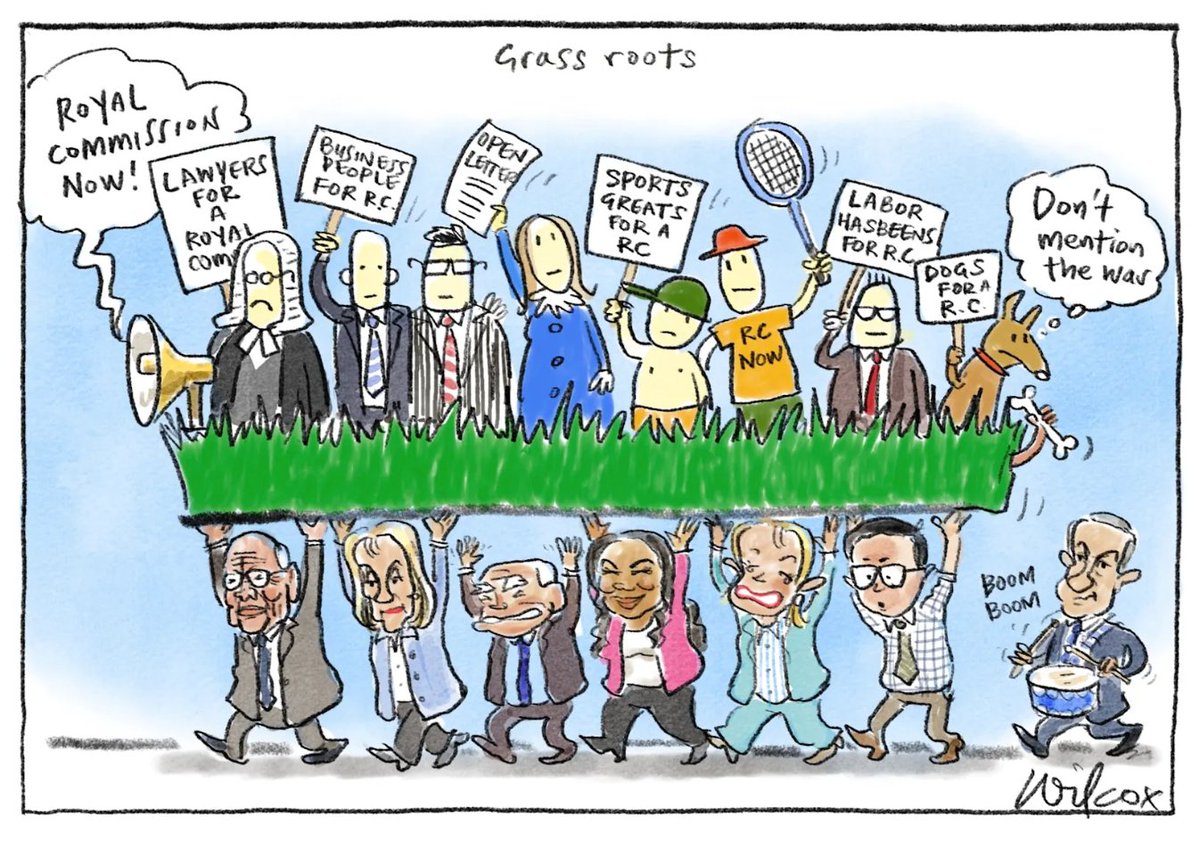
I love @cathywilcox1 and - as a woman of Jewish descent - I do not think this is anti semitic. It is political. It is clear eyed. It is accurate.
Jun 11

Wow, what an own goal. A powerful lobby group uses it immense power to argue that it has no power at all.
That’s some high-level chutzpah…
73
406
1,369
19,320

Rodney Tiffen retweeted

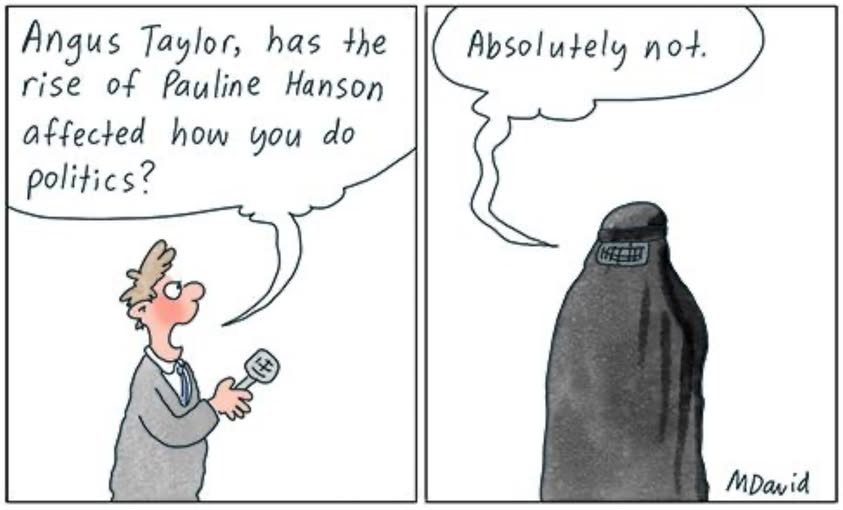
Apologies if I posted this already. Credit: Mark David.
1
27
62
610
Rodney Tiffen retweeted

Jun 11
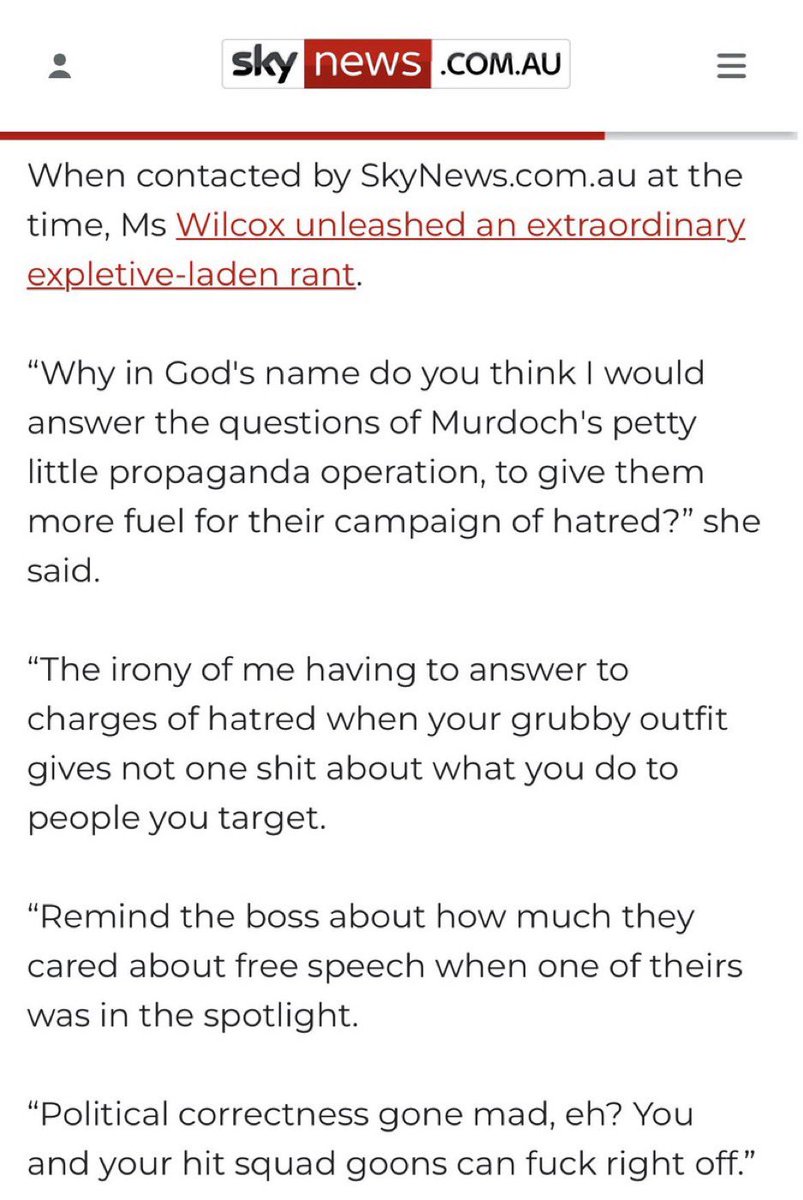
Cathy Wilcox, on Murdoch grubs:
“You and your hit squad goons can fuck right off.”
Jun 11

Epic response by Cathy Wilcox to Murdoch grubs after their Israel lobby smear campaign
25
251
769
52,815
Rodney Tiffen retweeted

Jun 11
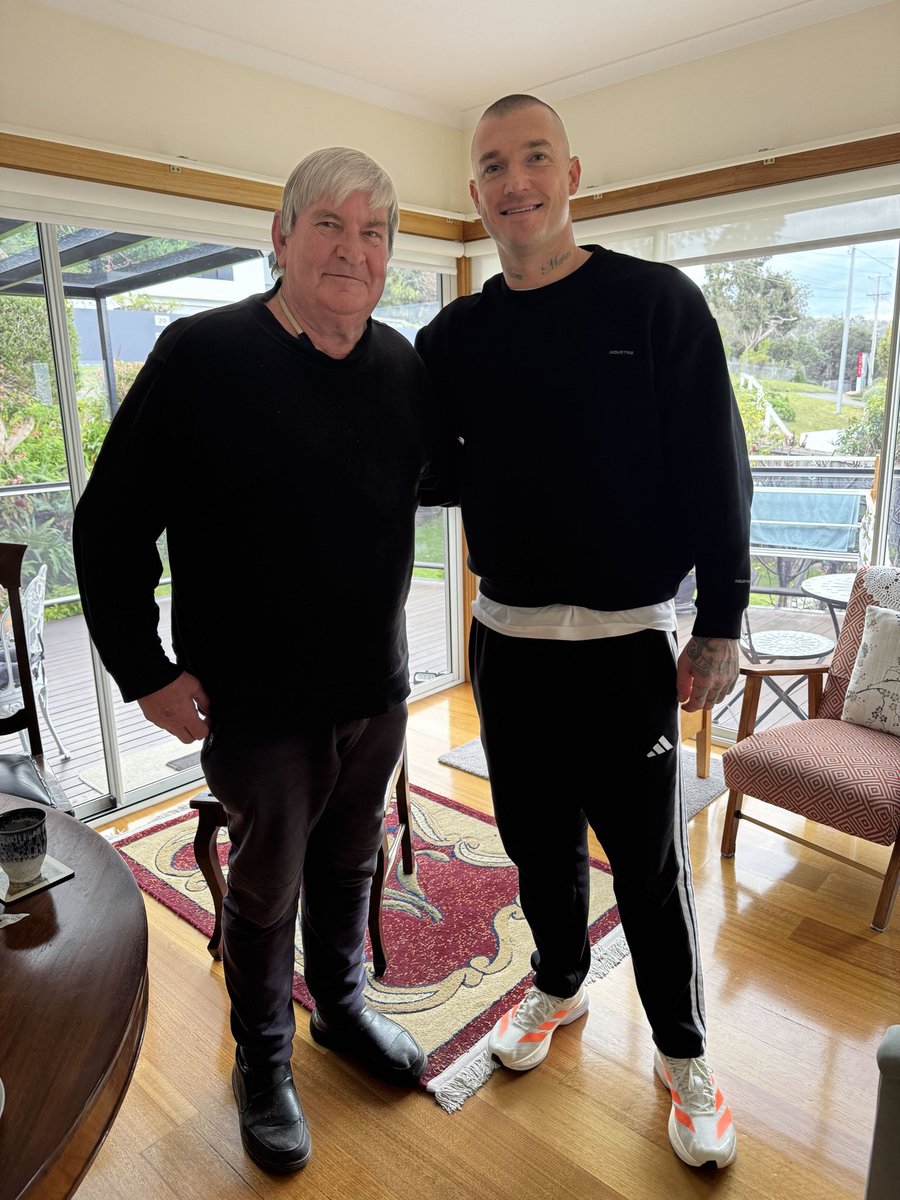
4️⃣ 4️⃣ = GRE8T 🤩
Seven premierships between them! Dustin Martin visited Richmond Immortal Royce Hart during his trip to Tassie 🥰
26
31
547
28,345
Rodney Tiffen retweeted

Jun 10
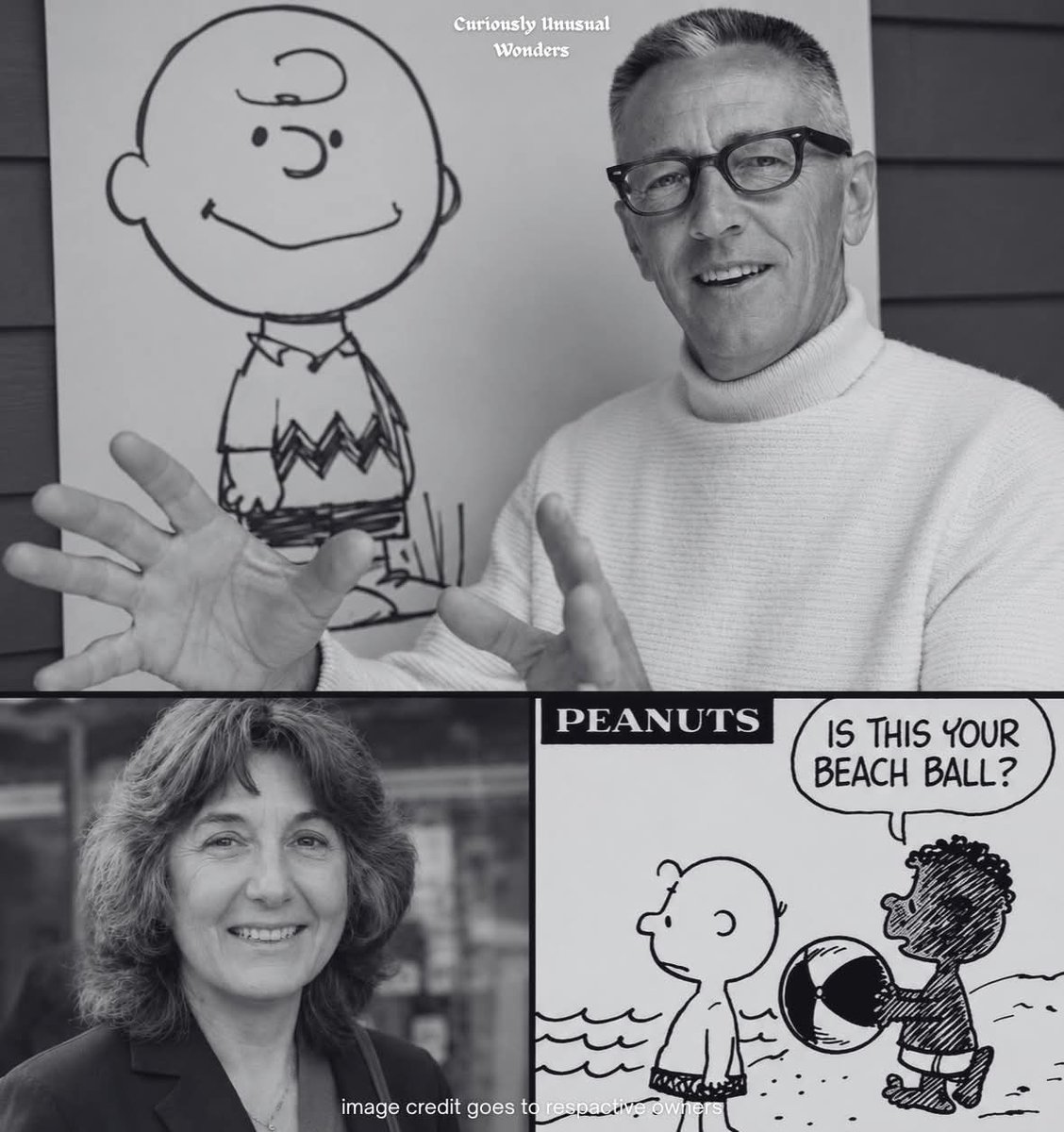
Eleven days after they killed Dr. King, a teacher sat down to force a Black child into America's most famous comic strip. Harriet Glickman wrote Charles Schulz in 1968 and asked him to put a Black kid in Peanuts, where in eighteen years not one had ever appeared.
He almost said no, afraid that a white man drawing a Black child would look like pity. A hundred million readers, eighteen years, and the whole thing turned on one letter.
Eleven days after Dr. King was killed in Memphis, a schoolteacher in California sat down at her typewriter and wrote a letter to a cartoonist. She did not expect him to write back.
Her name was Harriet Glickman. She was forty-one, a mother of three living in the San Fernando Valley, and that spring she felt as powerless as everyone around her.
The country was coming apart. Cities were burning, the television was wall to wall with funerals, and a teacher in suburban Los Angeles kept asking herself what one ordinary person could possibly do.
She was not an activist.
She was a mother with a typewriter and a feeling she could not shake.
The man she wrote to was Charles Schulz. His comic strip, Peanuts, ran in around a thousand newspapers and reached close to a hundred million readers every week.
Charlie Brown, Lucy, Linus, Snoopy.
Eighteen years of that strip, going back to 1950, and not one of those children was Black.
Glickman had spent her life around children. As a teacher, she had watched something up close that stayed with her.
Black children and white children never saw themselves sitting side by side, not in school in the funny pages, not anywhere a child went looking for his own face.
So she said it plainly on the page. She wrote that since Dr. King's death she had been asking what she could do about the "vast sea of misunderstanding, hate, fear and violence" that had swallowed the country.
She had actually sent the same idea to several cartoonists. Schulz was the one who wrote back.
That was the first surprise.
His reply was honest in a way that probably stung. He told her he had thought about putting a Black child in the strip, and that the idea frightened him.
Not because of his readers.
He was afraid of getting it wrong.
He worried it would come off like a white man patting Black families on the head, talking down to them. "I don't know what the solution is," he wrote, and left it right there.
A lot of people would have folded at that. A polite no from a famous man is an easy place to stop.
But Glickman wrote again, and Schulz answered again, and this time he sounded even more certain it was a mistake. He was sure that whatever he drew would come off as a white man being clumsy about something this raw.
Still she did not let it drop.
She wrote back and asked his permission to do one small thing.
She had no interest in speaking for Black people. So she asked if she could show his letter to some Black friends of hers, parents, and let them answer him in their own words.
Schulz said yes.
One of those friends was a man named Kenneth Kelly. He was a Black father of two young boys, and he was an engineer.
Not just any engineer.
Kelly worked on the Surveyor program, the unmanned American craft that was setting down on the surface of the moon.
Sit with that picture for a second. A Black man helping land a spacecraft on the moon took the time to write a cartoonist about whether a Black child could sit in a comic strip.
Kelly was patient with him. He told Schulz that no Black parent he knew would call the gesture condescending, and that even if a few did, it would be "a small price to pay" for what it would give their children.
What it would give them was not complicated. It was the simple sight of themselves, somewhere inside the ordinary American picture they were shut out of every single day.
Kelly even told him how to do it. Do not make the boy a hero, he suggested, and do not turn him into a lesson.
Just a regular kid, one of the gang, nothing special, simply there.
Years later, Kelly would spend himself fighting housing discrimination in his city. That summer, he changed a comic strip instead.
Another friend and parent, Monica Gunning, wrote to Schulz as well. The letters kept landing on his desk in Northern California, polite and unhurried and impossible to wave off.
All of this was happening while the year kept getting worse. In June, Robert Kennedy was killed in Los Angeles, Glickman's own city, a few weeks after Kelly mailed his letter.
The country was taking blow after blow.
And in the middle of it, that quiet argument about a comic strip kept moving forward, one letter at a time.
Then, one day that summer, Schulz sent Glickman a short note. He told her to check her newspaper the week of July twenty-ninth, because he had drawn something he thought would please her.
On July 31, 1968, Charlie Brown is standing on a beach, and he has lost his ball in the water. A boy he has never met before wades in and carries it back to him.
The boy's name is Franklin. The two of them get to talking and build a sandcastle together, two children on a beach on a summer afternoon.
No speech. No halo.
No lecture about brotherhood, just a Black child being kind to Charlie Brown, printed in a thousand papers from coast to coast.
The strip would later show that Franklin's father was a soldier serving in Vietnam. He was never written as a symbol.
He was somebody's son.
When Franklin appeared, mail poured into Schulz's office from all over the country. Most of it said the same simple thing, which was thank you.
It should have ended there, small and sweet. It did not.
When Schulz later drew Franklin in school, he sat him at a desk right in front of Peppermint Patty. A Black child and a white child, learning in the same room.
For one Southern newspaper editor, that was the line. He wrote to Schulz to say he did not mind a Black character, but please do not show the children in school together.
The man could accept Franklin existing in the strip.
He could not accept that child sharing a desk with a white girl.
This was 1968. Black children were walking into newly integrated schools behind federal marshals, and a grown man was objecting to a cartoon doing the very same thing.
Schulz had a decision to make, and he made it without any noise. Years later, asked what he had done about that complaint over the classroom, he gave a short answer.
It was five words. "I didn't even answer him."
He just kept drawing the two of them at the same desk.
Far off in Philadelphia, a six-year-old Black boy watched Franklin appear with no idea of the fight behind him. His name was Robb Armstrong.
That year had already taken something from him. His older brother had died thirty days before Franklin first turned up on that beach.
Thirty days.
A boy loses his brother, and a month later a new face shows up in the comics page he reads on the living room floor.
So here was a child who already knew the shape of a hole in a family. And then, right inside that grief, a Black kid walked into his favorite comic strip.
Robb looked at Franklin and thought one thing. "That's like me."
He had already told his mother, at three years old, that he was going to be a cartoonist.
Now he had proof there was room for him.
A Black boy could belong on the funny pages, because one already did.
That child grew up to become exactly what he had promised. Robb Armstrong created JumpStart, one of the most widely syndicated Black comic strips in the country.
And here is where the story closes a circle no one could have planned. Franklin, through all those decades, never had a last name.
In the 1990s, Charles Schulz picked up the phone and called Robb Armstrong. A special was in the works, every character needed a full name, and Schulz had just realized Franklin did not have one.
So he asked the grown man, the one who had once been that grieving six-year-old, whether he could borrow his name. Robb said yes right away.
That is why the first Black character in Peanuts is named Franklin Armstrong.
Armstrong called it the highest respect a person could be shown.
About the man who reached a lonely kid through a comic strip, he said it simply, "He inspired a kid."
Harriet Glickman lived to be ninety-three. She died in March of 2020, in the same Sherman Oaks house where she had typed that letter more than fifty years earlier.
The letter outlived her. It rests now in the Charles M. Schulz Museum, the real page, her real words, dated eleven days after Dr. King was killed.
You can stand in front of it today, behind glass, and read the date typed across the top. April 15, 1968, mailed by a woman who was certain no one was listening.
12
178
545
25,155
Rodney Tiffen retweeted

Jun 10
The first Europeans who saw a platypus thought it was a fraud.
Not because it was fake. Because it didn't fit the model they had in their heads.
I worry we sometimes make the same mistake with economic data.
newsletter.platypuseconomics…
11
51
379
15,140
Rodney Tiffen retweeted

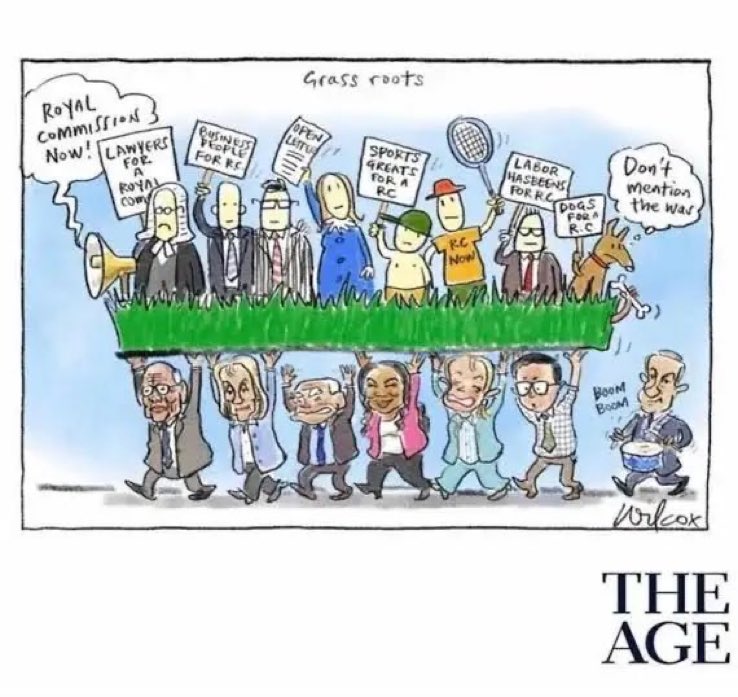
In which @cathywilcox1 is accused of ‘secretly encoding’ antisemitic tropes in her work…
Cathy is a national treasure, and a fearless teller of truths.
Lobbyists hate to have all their hard work undermined.
So they attack the people that expose them.
14
118
273
3,975
Rodney Tiffen retweeted

RETWEET if you still call it Twitter to this very day!

167
3,718
6,124
92,068

Jun 10
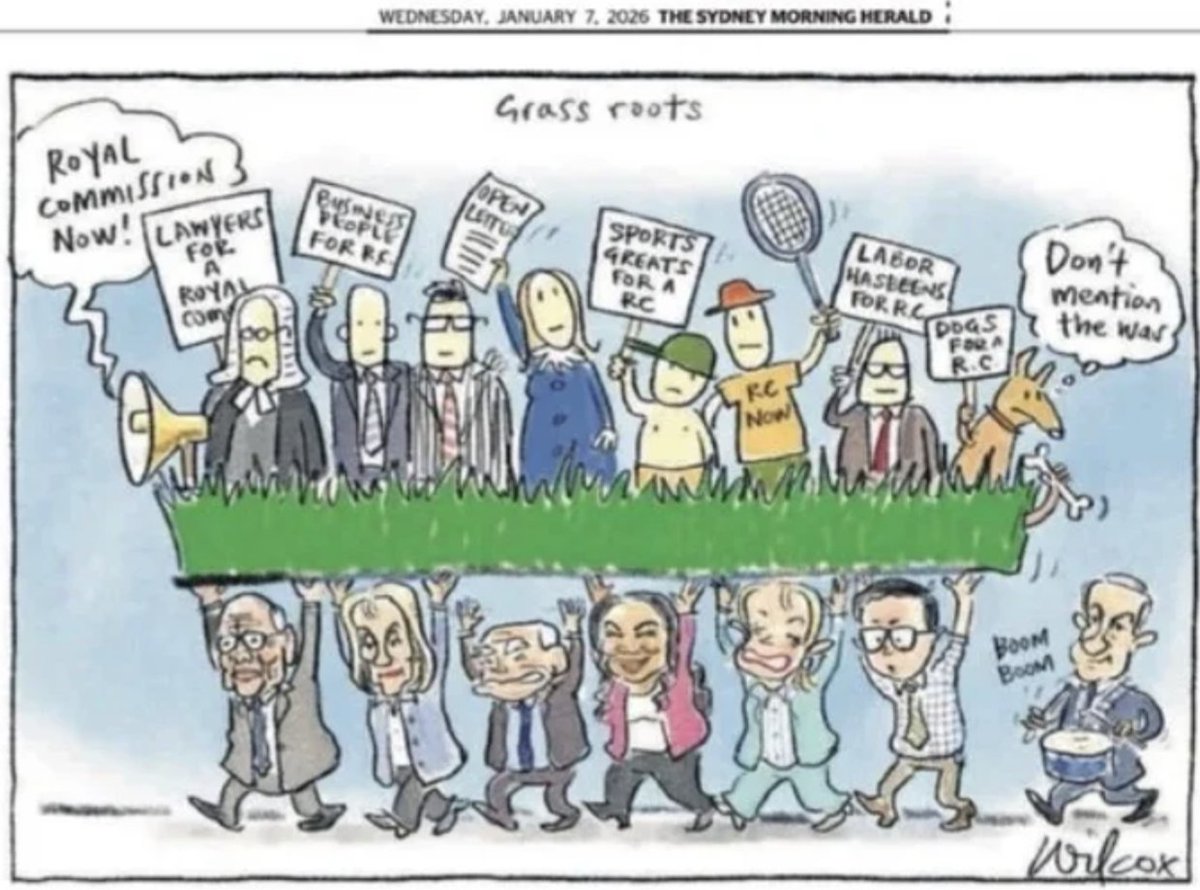
I think this is a bad decision.
Jun 10

"The Council considers this imagery encodes the antisemitic trope that Jewish people secretly control or manipulate global events, governments, financial systems, or the media.": theage.com.au/national/press…
1
111

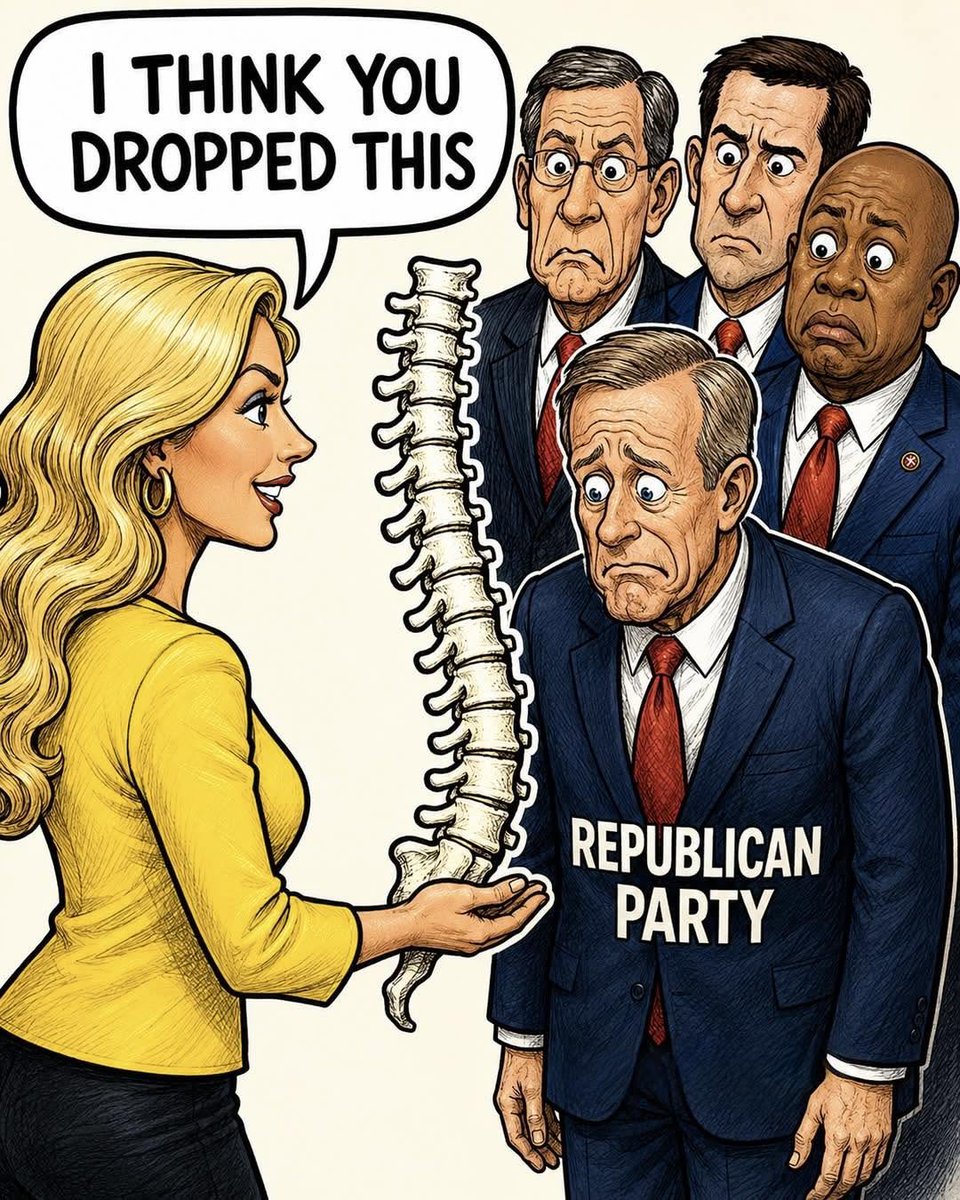
Rodney Tiffen retweeted

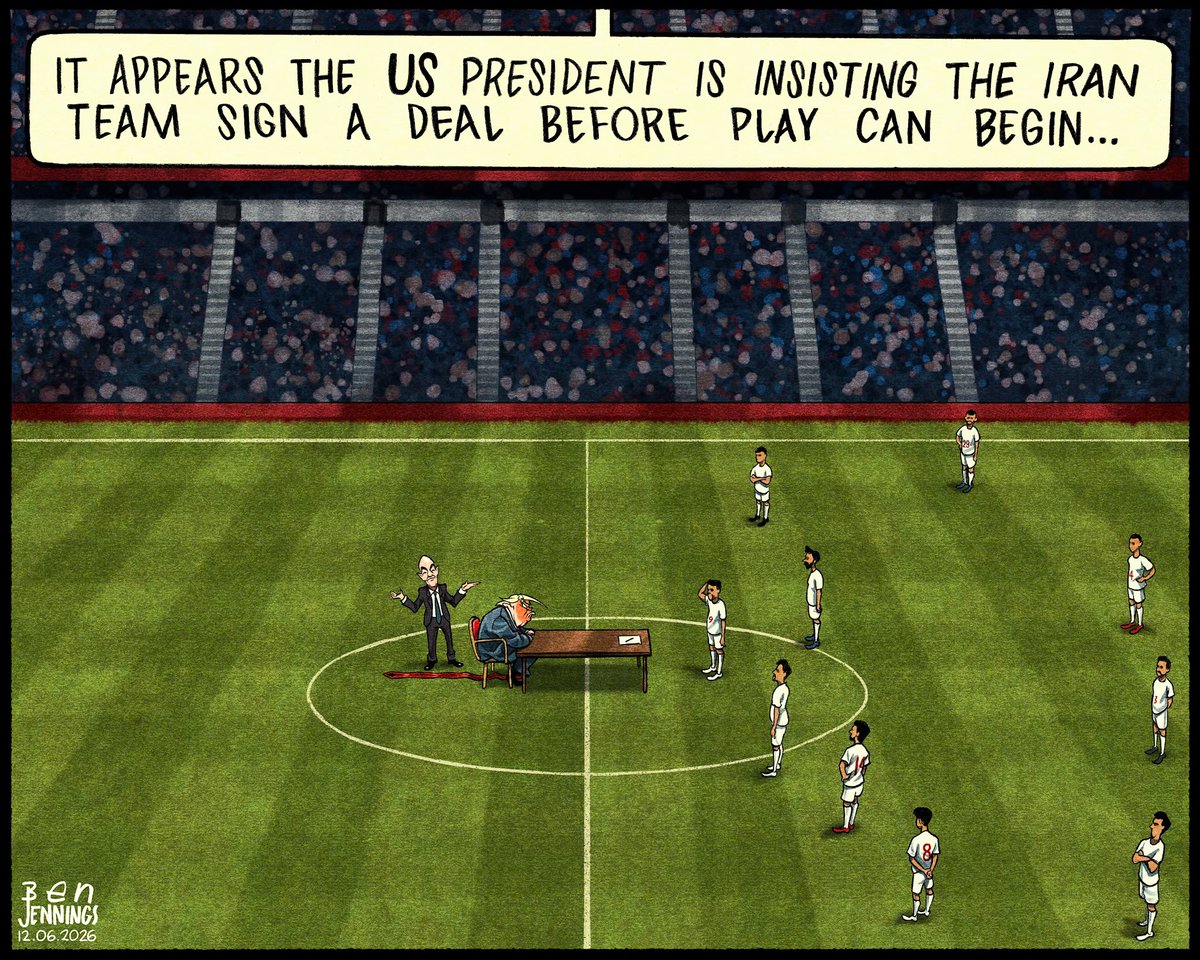
FIFA are so far up Trump’s arse that they probably didn’t notice.
9
33
326
3,570
Rodney Tiffen retweeted

Jun 6
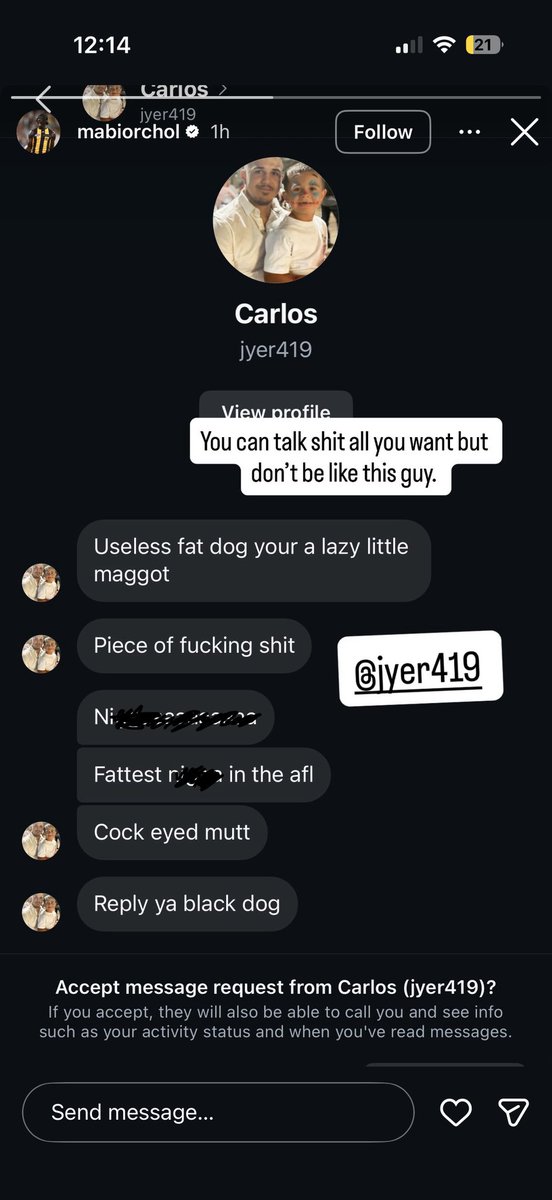
If any of my followers behave like this behind the scenes to players, then please unfollow me now.
Absolutely disgusting, racist behavior that can't be accepted by anyone.

Mabior Chol has taken to Instagram to condemn abhorrent racist abuse that he received in the aftermath of Hawthorn’s loss to the Western Bulldogs tonight. 👇 @7AFL @7NewsMelbourne
15
2
118
6,850
Rodney Tiffen retweeted

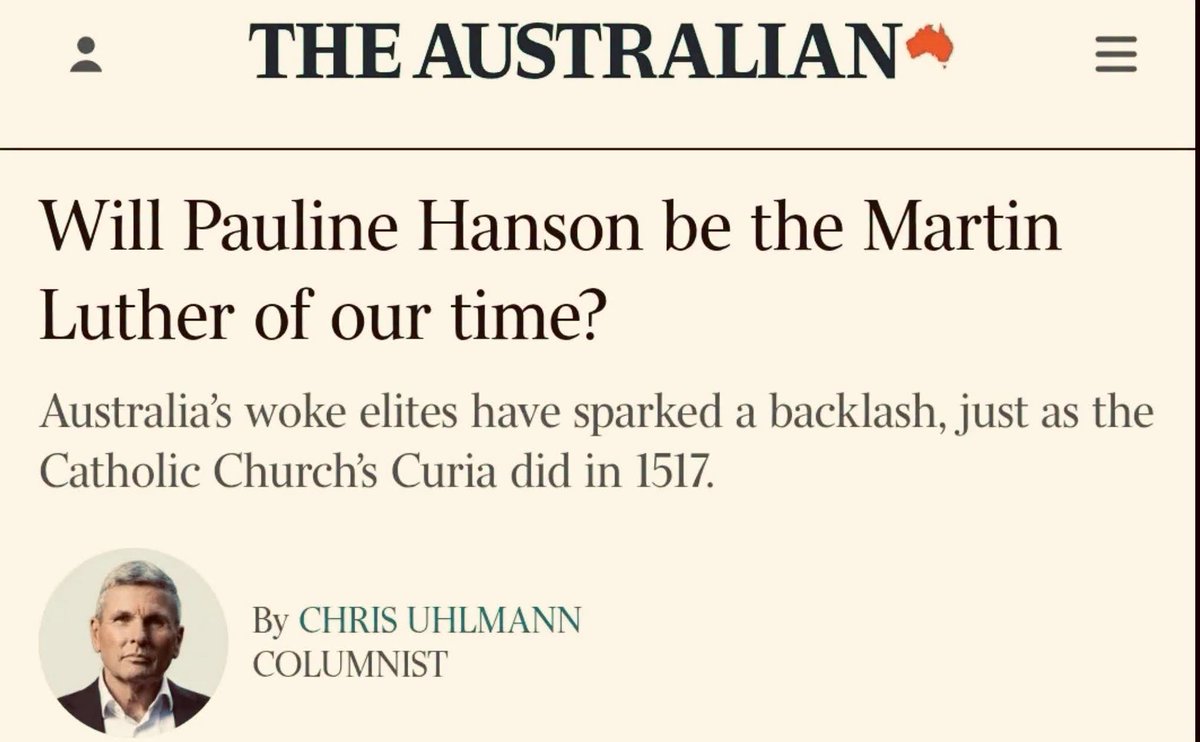
If Chris Uhlmann thinks Pauline Hanson might be the Martin Luther of our time, could he please explain what her Ninety-Five Theses will be? And will she nail them to the entrance doors of Parliament House? This is mind-numbingly idiotic nonsense journalism. #auspol #journalism
93
228
873
8,688