
@GCSchoolsNC Grade 3 Teacher/Leader, #STEAMinthePark Ambassador, Nourished Teacher by Meta Moderator, DEN Star, EdPuzzle Ambassador
Joined July 2012
- Tweets 4,945
- Following 1,237
- Followers 1,300
- Likes 6,346
1,282 Photos and videos


I absolutely hate the state of our leadership right now.
Jun 14

This is disgusting.
Fighter Josh Hockit, a grown man, is spitting on himself at the Freedom 250 UFC weigh-in.
Donald Trump has made a disgrace of America.
21
Rodney Crouse 🏳️🌈 retweeted

Apr 14
This one is so much more accurate than the original.
2,299
32,984
118,769
3,722,126
Rodney Crouse 🏳️🌈 retweeted

Mar 9
Hang on, Shadow! 🦅💨 Beloved Big Bear bald eagle Shadow braved powerful wind gusts to protect her eggs on Saturday. Gusts reached as high as 63 mph in the mountains around Big Bear Lake.
101
1,042
8,732
281,134
Rodney Crouse 🏳️🌈 retweeted

Feb 25
States already make education decisions. You keep pushing a false narrative. You are doing a disservice to the American people. Parents and communities are already empowered. They vote for school board members, who make local education decisions.
1
1
66
Rodney Crouse 🏳️🌈 retweeted
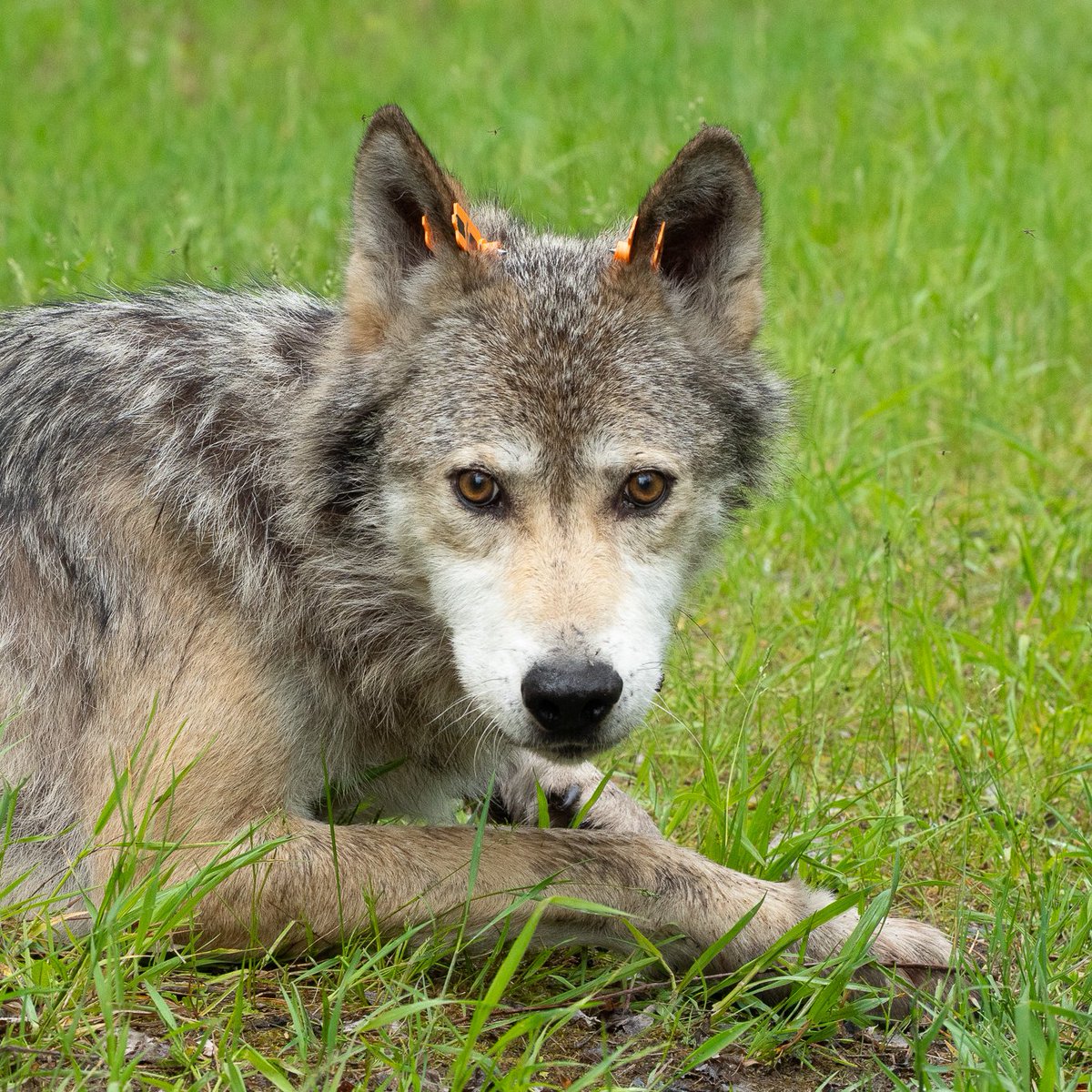
Don’t be deceived! This wolf used its good looks and cute behavior to move in close, and then just when its victim had let down its guard, the wolf launched a vicious and merciless attack. Luckily, this victim is a survivor and only sustained some flesh wounds...nothing a little bit of plastic surgery can’t fix.
38
303
3,048
234,855
Rodney Crouse 🏳️🌈 retweeted

With profound sorrow, we say goodbye to John Kinsel Sr., one of the last surviving Navajo Code Talkers, who passed away at the age of 107. With him departs a living chapter of history — written not in ink, but in courage, sacrifice, and unwavering duty.

607
5,689
33,549
346,009
Rodney Crouse 🏳️🌈 retweeted
TONIGHT: free webinar on wolf-deer dynamics, how wolves impact deer/deer hunting, and how a wolf hunting/trapping season would change things. Webinar at 6:30 p.m. central time on Zoom (link below).
The webinar will be a detailed examination of wolf-deer dynamics, how wolves influence deer hunting, what other factors drive deer hunting success, and how a hunting and trapping season of wolves would impact wolf and deer populations.
The webinar will be about 1.5 hr long and then there will be 1-1.5 hr of Q&A.
You can also get the link by registering for our winter webinar package at the link below. This webinar is the first of our 4-part winter webinar series. The first webinar is free but registration is required for the other 3 webinars.
Zoom link for the FREE wolf-deer webinar:
umn.zoom.us/j/94278362046
Register for the whole winter webinar series or for individual webinars here: z.umn.edu/VWPwinterwebinar20…
Winter webinar series line-up:
February 5:
Wolf-deer dynamics, deer hunting success, and wolf management: a thorough examination of the data [FREE]
Presenter: Tom Gable
February 18:
Will killing wolves save Bambi?
Presenter: Joseph Bump
March 18:
Are wolves ecosystem saviors? And if not, what ecological purpose do they serve?
Presenter: Tom Gable
April 9:
What a year on the Voyageurs Wolf Project actually looks like…
Presenter: Austin Homkes
5
65
416
7,518
Rodney Crouse 🏳️🌈 retweeted

Jan 28
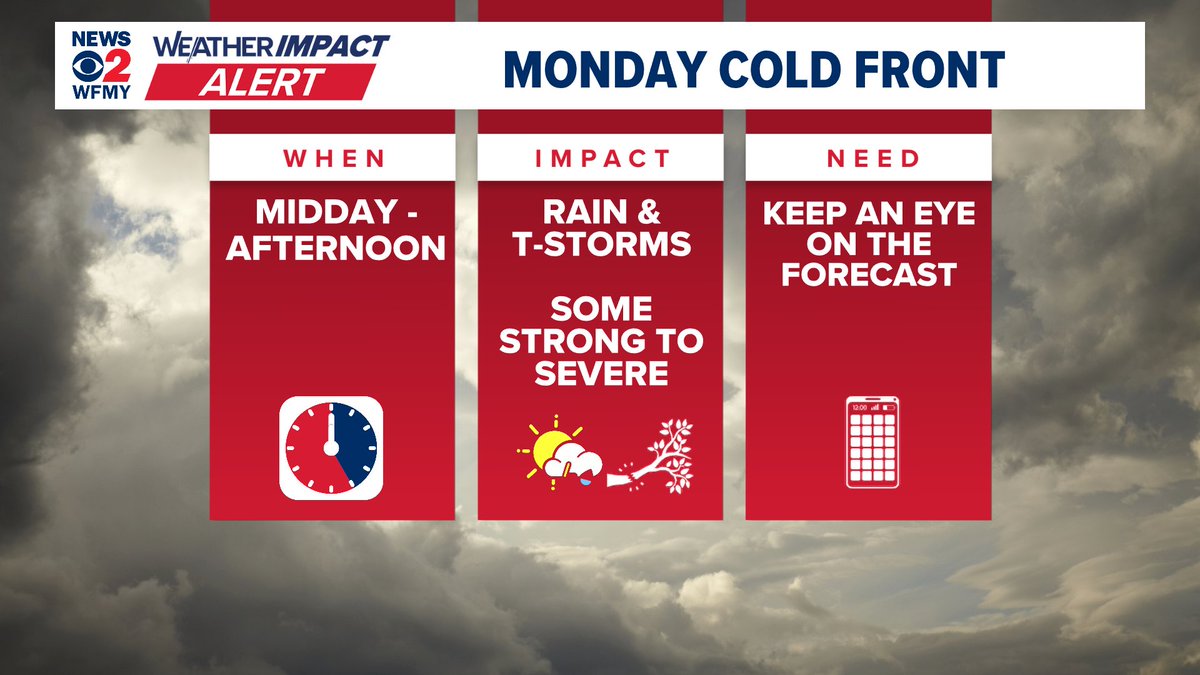
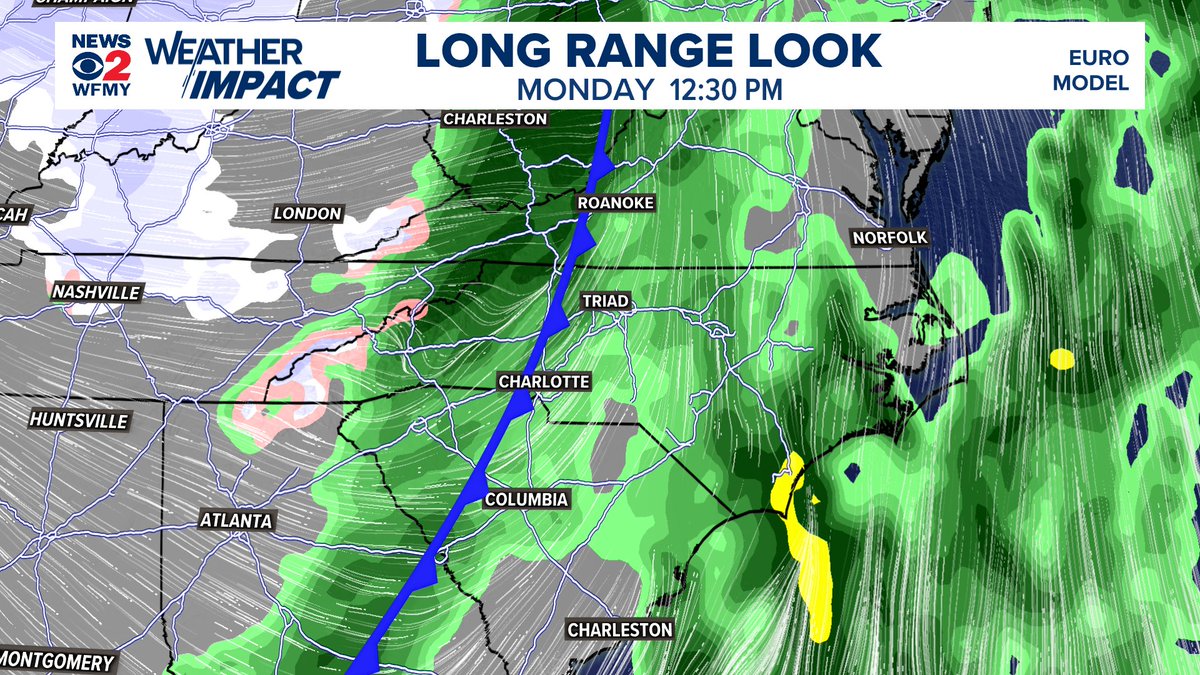
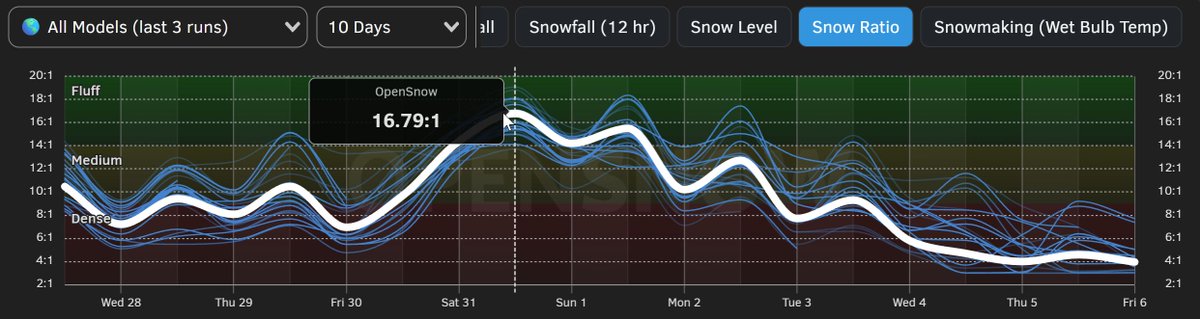
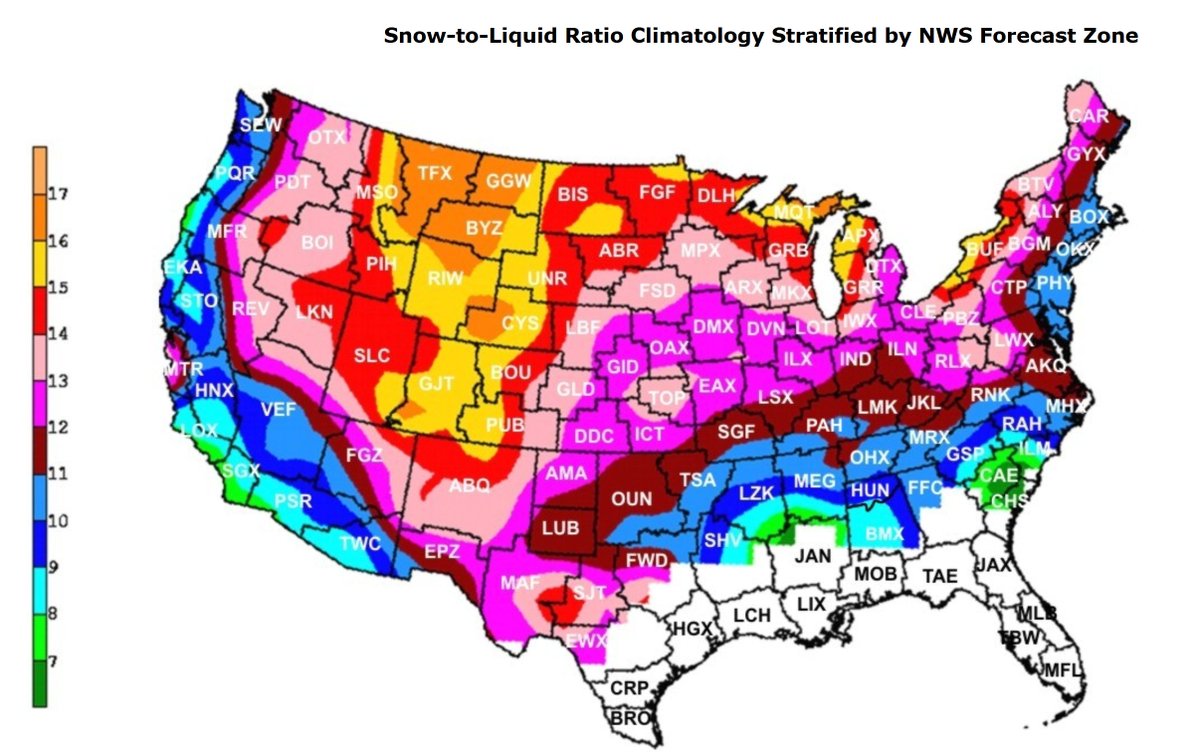
Whatever snow that does fall on Saturday will be super fluffy and dry. Abnormal Carolinas ratios of almost 17:1 liquid to snow ratios. This means just 0.10" of water could equal 1.7" of snow. Normally, we get like 8:1 in most events. #snOMG #cltwx #ncwx #scwx #wcnc
14
36
459
53,591
Rodney Crouse 🏳️🌈 retweeted
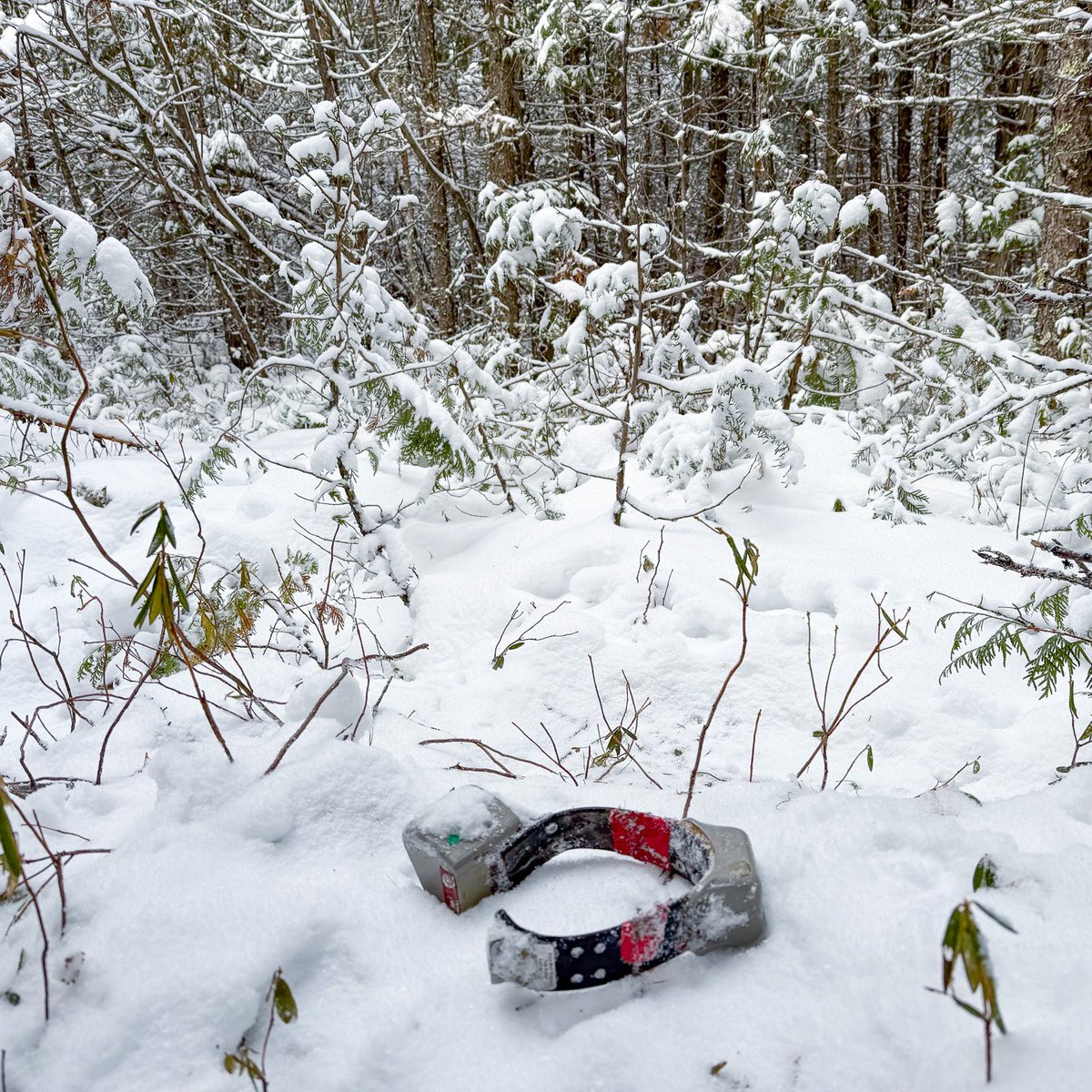
“So sad that wolf has to wear a collar for the rest of its life”.
We recently shared a post about Wolf B2L, the best “beaver hunter” we have studied to date. We noted that the battery on his collar died, as we anticipated, this past fall.
Some expressed sadness and anger that he was now burdened for the rest of his existence with this collar. But this is simply not the case so we wanted to explain what actually happens in such instances.
The collars we use have a drop-off mechanism powered by a separate small battery that works regardless of whether the collar’s main battery has died.
A little bit about the collars: we only use Vectronic-Aerospace collars because we think they are the best on the market and have worked very well for us thus far. One of the reasons we really like these collars is also because of the drop-off mechanism in the collar.
Vectronic’s drop off mechanism has worked as expected 97% of the time for us—pretty darn good for collars that are deployed on wild wolves, which are notoriously hard on GPS-collars given their intense way of life.
This drop-off mechanism can be programmed to release (i.e., fall off the animal) after a set period of time (e.g., 2 years) or by a certain date. And like we said, this mechanism will work regardless of whether the main collar battery is drained.
Of course, we try to time it so collars drop-off just before the main battery dies so that we can recover the collar, swap in a new battery, and re-deploy on another wolf. If the collar drops off after the main battery dies, we will never find it but the wolf won’t be wearing it longer.
Additionally, we can drop any collar remotely if we want to, and have done this many times, often for lone wolves who have dispersed well outside of our area or for collars we think are going to die soon. To do so, we just sent a command to the collar via satellite and tell the drop-off mechanism to release. Easy as that.
Now, we think wolves would be just fine wearing a collar for the duration of their lives. Many studies in decades prior put collars (largely telemetry not GPS collars) on that were intended to be on the wolf for their entire life. There was little evidence that the collars stopped those wolves from living a typical and normal life (i.e., little evidence these collars are a “burden”).
That said, we still do not want wolves to wear collars any longer than necessary (usually 1.5-2 yrs in our area) and so these drop-off mechanisms are key to ensuring that happens.
27
287
5,503
227,751
Rodney Crouse 🏳️🌈 retweeted

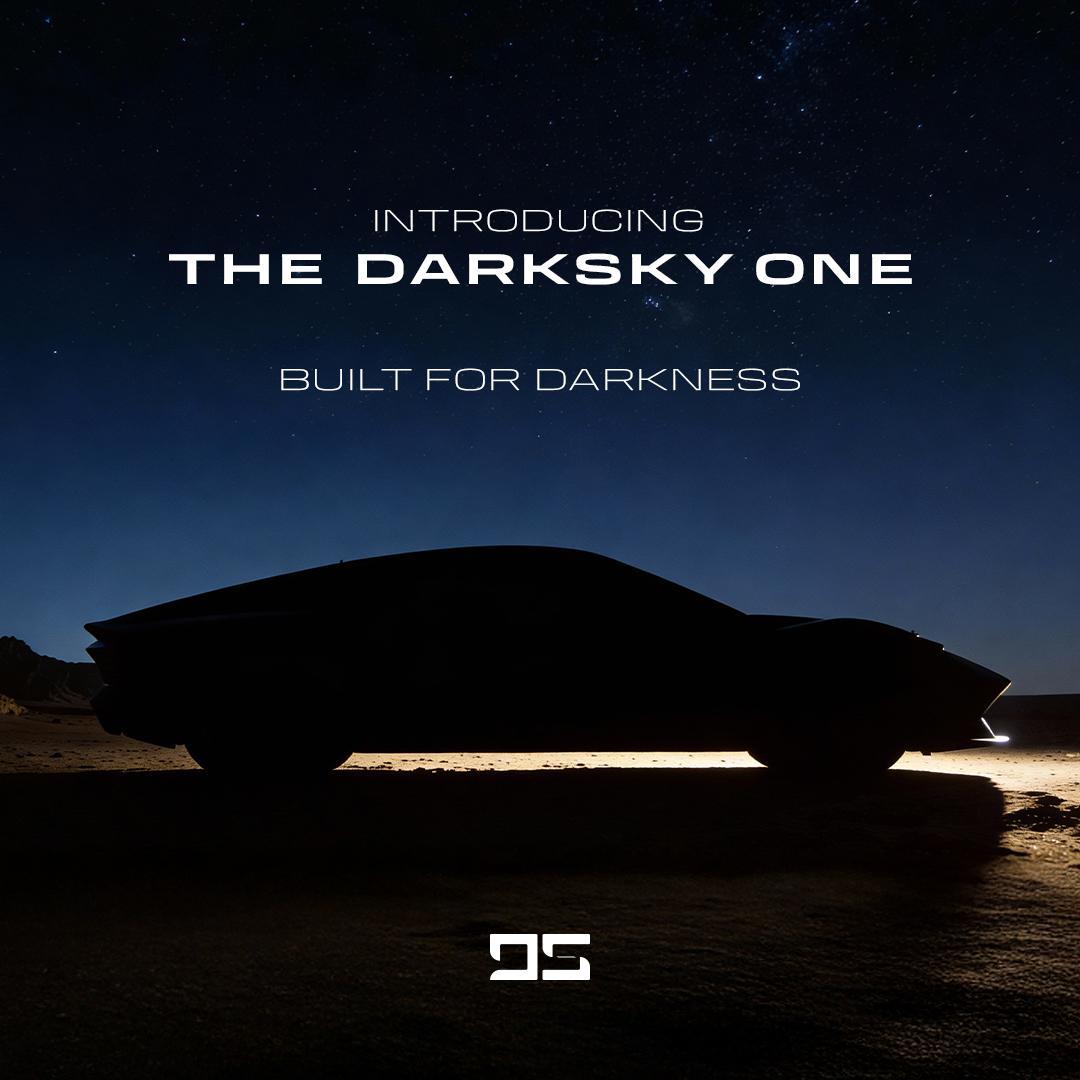
Meet DarkSky One, a first-of-its-kind concept car designed for the night.
Created by DarkSky International with Bray & Co and Phiaro, it challenges the idea that darkness is something to eliminate rather than design for.
Explore: DarkSkyMotors.com
2
4
23
3,696
Rodney Crouse 🏳️🌈 retweeted

15 Dec 2025
Just an otter doing otter things...a little slide on the snow, a short poop dance, and then back to the pond.
13
166
1,627
56,015
Rodney Crouse 🏳️🌈 retweeted

7 Dec 2025
Jackie and Shadow,
a famous bald eagle pair from Big Bear Valley, protect their new eaglets amid 150 mph winds and heavy snowfall.
355
5,080
58,786
1,636,928
Rodney Crouse 🏳️🌈 retweeted
8 Dec 2025
Some beautiful footage from the dam of a remote beaver pond in early spring this year. You can hear the sounds of spring all around this pond, which we call “Capsaicin Pond” (story behind that below).
But this is more than just pretty footage...the footage highlights an interesting dynamic in the wolf packs in this area...because all the wolves in the video belong to different packs but they all have a history with one another. Notably, this pond is in an area of overlap between the Half-Moon and Lightfoot Pack territories.
The first wolf in the video is the new breeding male of the Half-Moon Pack (now dubbed Wolf Y15C after we collared him this spring). He and his mate kicked out Wolf V094, the longstanding breeding male of the Half-Moon Pack, in Fall 2024. And Wolf V094 just so happens to be the 2nd wolf in this video, and Wolf Y15C’s mate happens to be V094’s daughter. Small world!
Wolf V094 was a lone wolf at the time this video was taken but he joined the Peatlands Pack later this past summer. But you can tell he is getting to be an old fellow.
And then the last wolf on camera is the breeding female of the Lightfoot Pack (Wolf B3S). She recently became the breeding female of the Lightfoot Pack after kicking out her mother in Fall 2024.
And as it turns out, her mate is the son of Wolf V094. For a few months last winter, V094 actually traveled around with this female and his son in the Lightfoot territory but then for whatever reason, moved on.
Now, as for the name, let’s just say someone on our crew was out doing fieldwork near this pond a few years ago and had a little issue with their bear spray...it was a long walk out for them with some blurry eyes that were feeling the burn...
9
199
1,259
24,556
Rodney Crouse 🏳️🌈 retweeted
28 Nov 2025
We put a camera here over a year ago, unsure if it would be a good spot. Always lots of trial and error with cameras when trying to find good spots where wolves like to travel. But, it was a beautiful setting in some conifers along a small creek and we figured wolves would likely would travel through this more open terrain along the creek.
Turns out, this was a pretty good spot. And it wasn’t just wolves that used this scenic stretch of forest as you can see.
In total, we have captured more than 1,500 videos of wildlife on this camera in the past year or so (8.3 hours of footage). Most videos are of snowshoe hares and deer but wolves (the Half-Moon Pack) cruise through the area periodically as do most of the other forest predators.
This 3 minute video is just a highlight reel of some of the most interesting footage.
Big thanks to the Minnesota Environment and Natural Resource Trust Fund for their continued support of our work. That support allows us to share this footage and our findings with millions of people each year!
69
1,003
6,976
238,189
Rodney Crouse 🏳️🌈 retweeted

8 Oct 2025
I ain’t dead yet!
10,922
49,945
483,945
20,391,571
Rodney Crouse 🏳️🌈 retweeted

28 Sep 2025
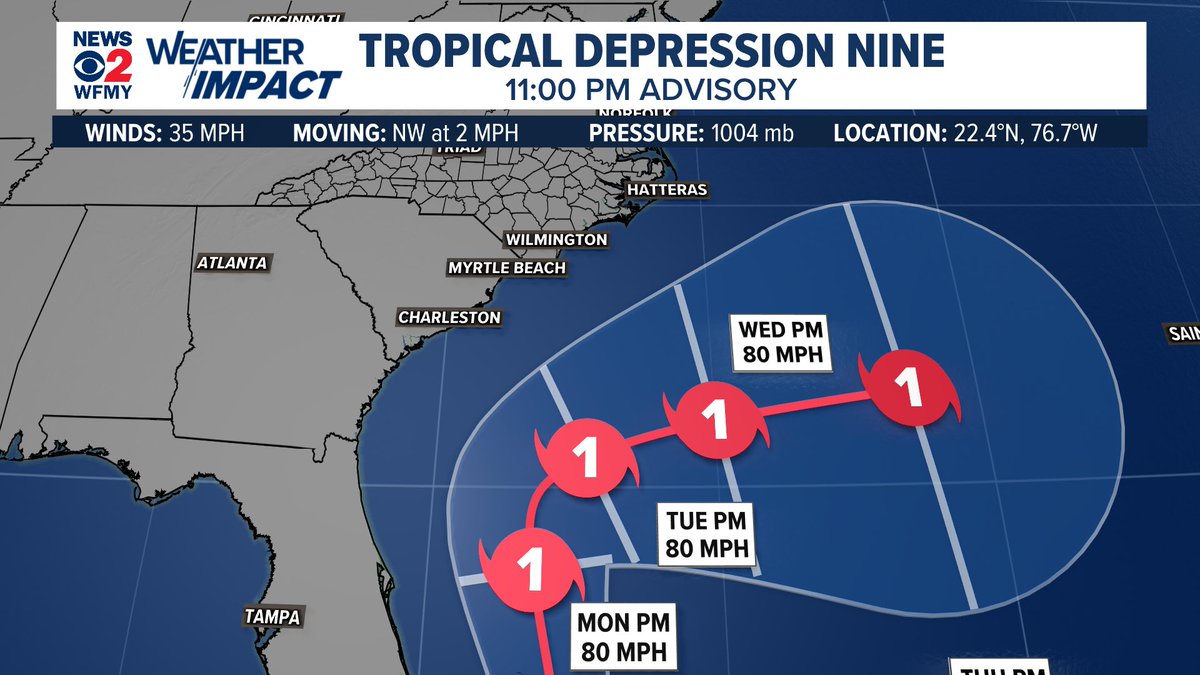
A turn out to sea is now expected for Tropical Depression 9, which will become Hurricane Imelda.
This lowers the rain amounts for our area.
6
45
2,499

27 Jul 2025
Do you remember when you joined X? I do! #MyXAnniversary- I don’t think it was this hot that year though…
33
8 Jul 2025
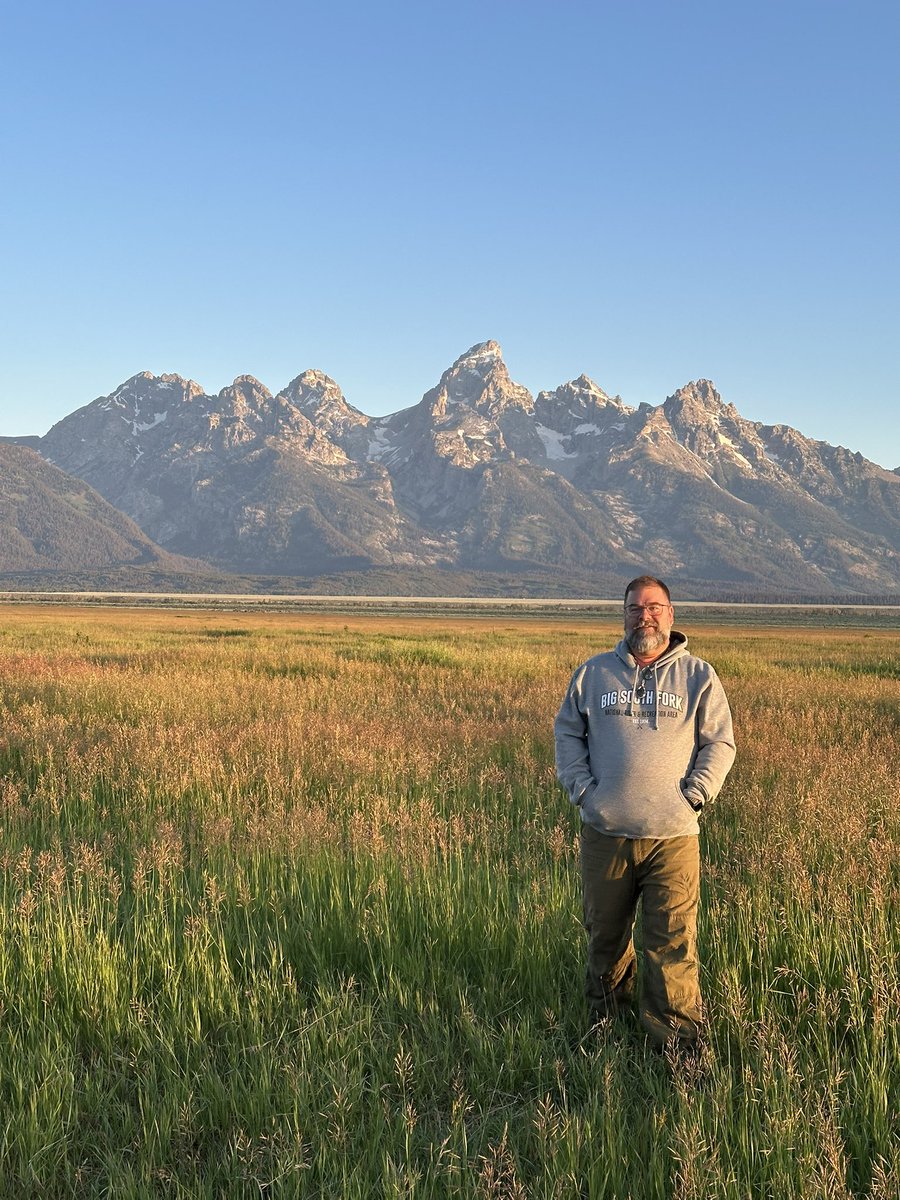
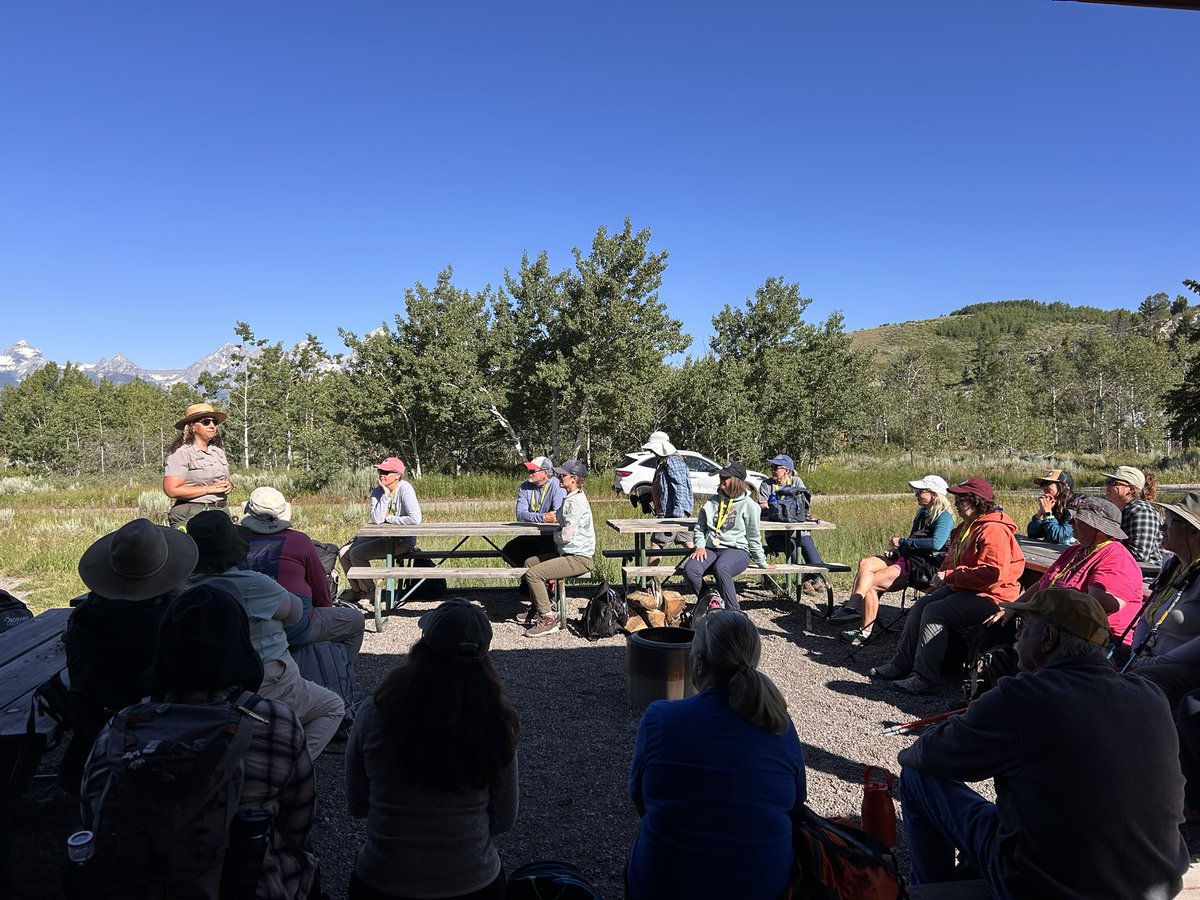
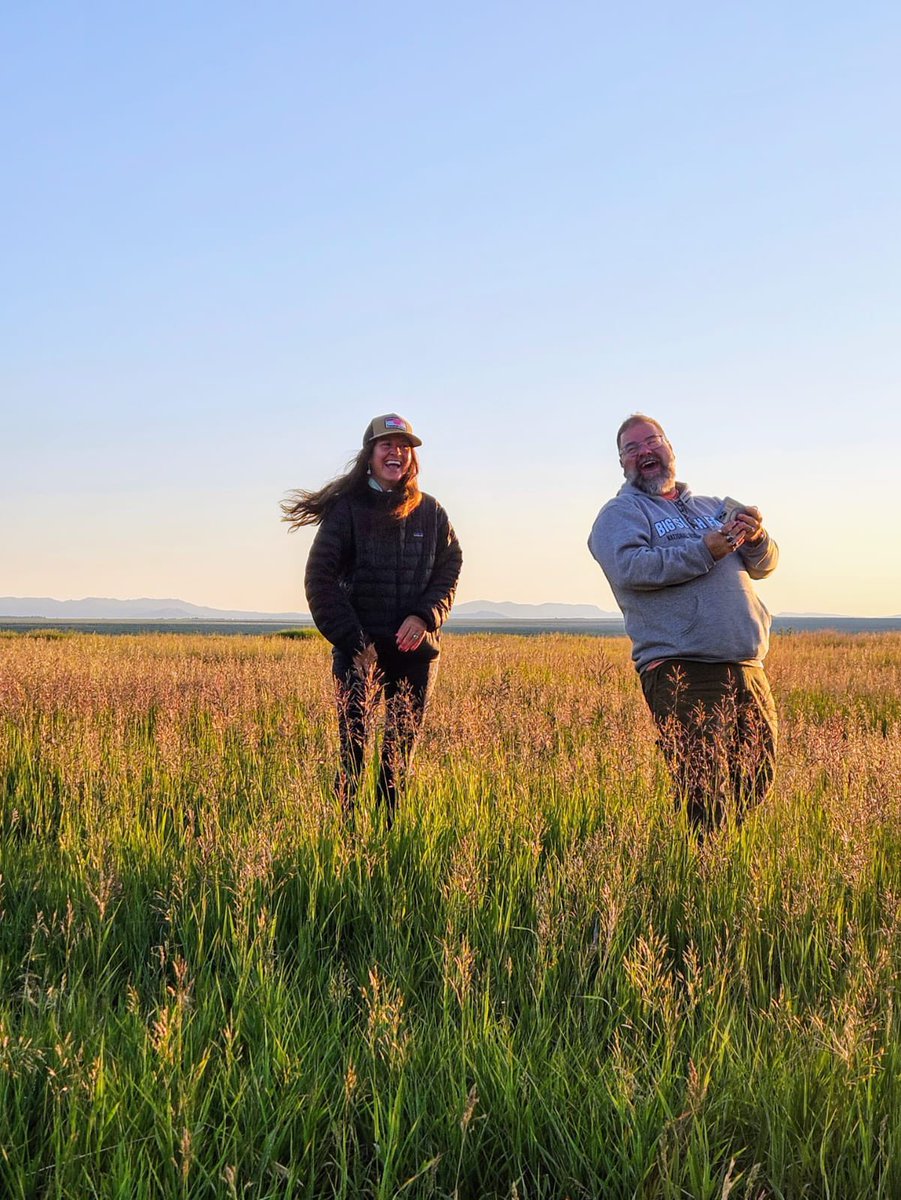
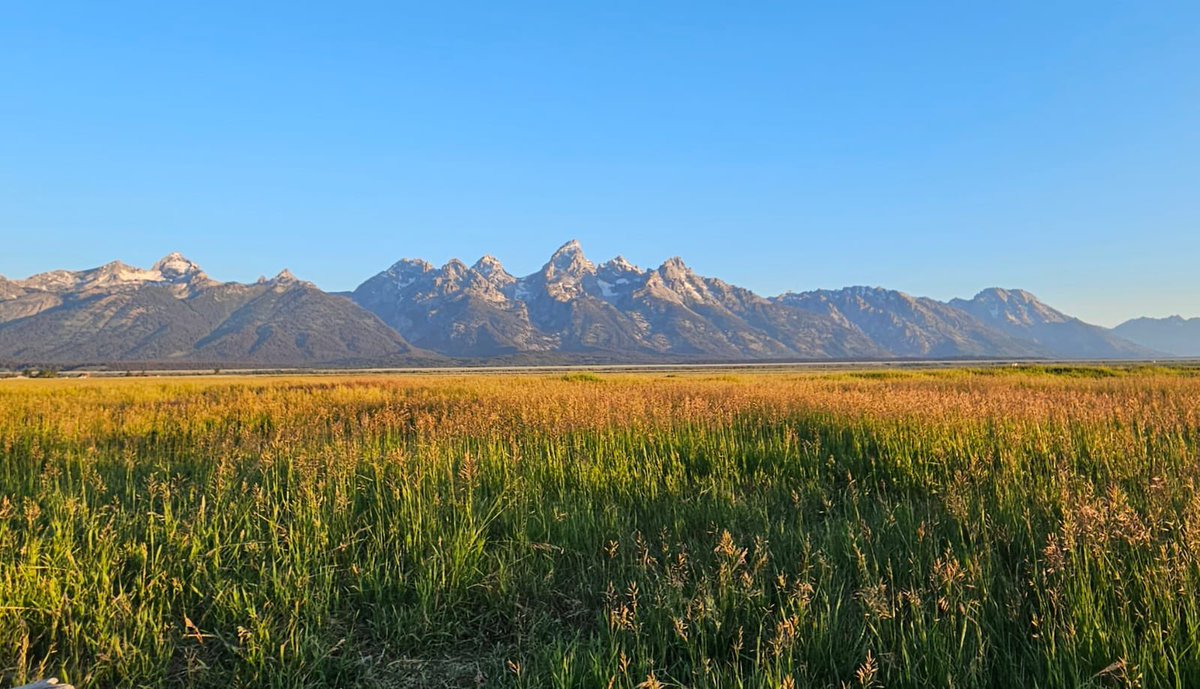
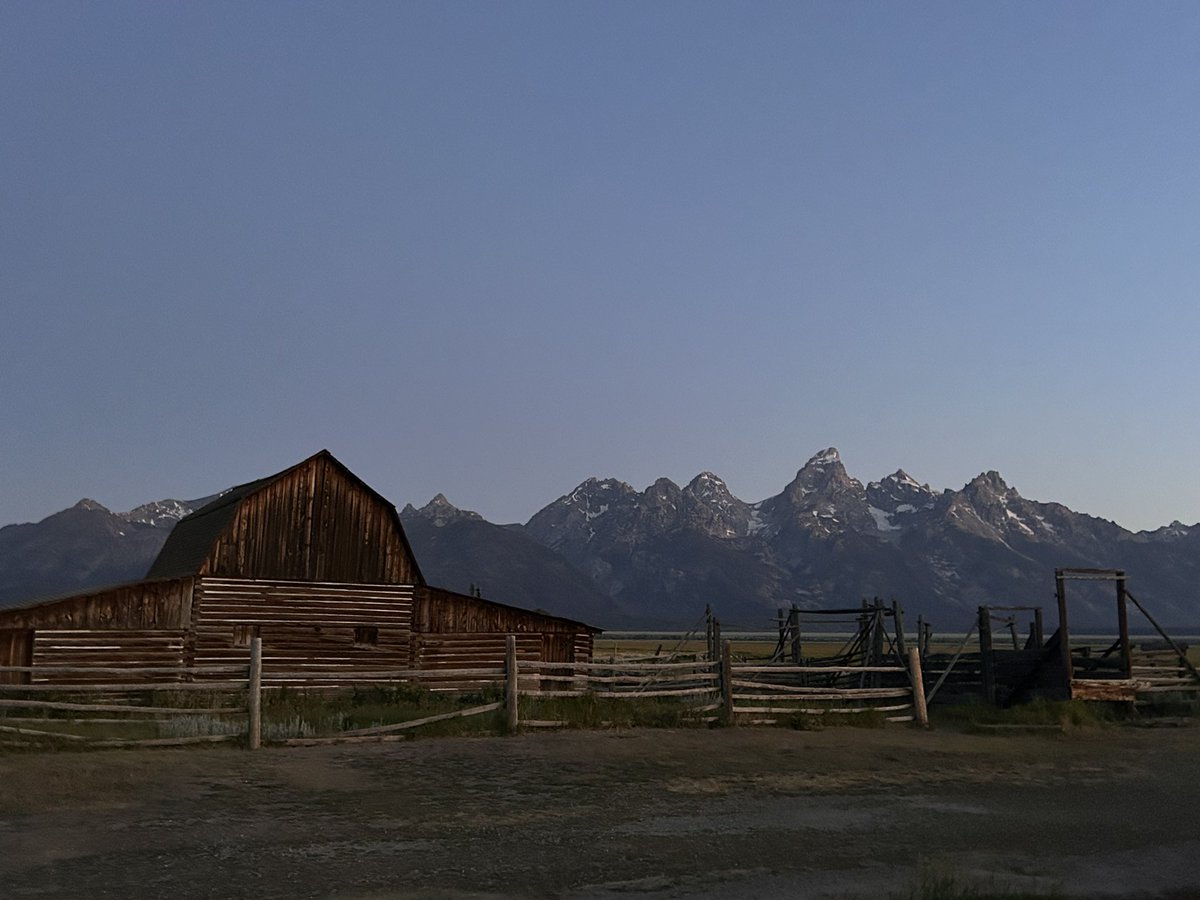
Morning sunrise followed by our first ranger session @GrandTetonNPS #STEAMinthePark #TheMooseIsLoose @GCSchoolsNC @PatriotsPearce
1
50