
#MolecularBiology @riceuniversity , Employing #Zebrafish to understand #devbio and #cancer. In awe with life through #science. A trascending #millenial.
Joined April 2009
- Tweets 12,242
- Following 1,519
- Followers 518
- Likes 14,041
2,140 Photos and videos



Rodrigo Moreno Campos retweeted

Jun 12
Elon Musk: Trillionaire
Jeff Bezos: Billionaire
Public School Teachers: Can anyone help me get some pencils for my students?
5,684
12,437
67,148
1,366,414
Rodrigo Moreno Campos retweeted

Jun 13
Azteca Stadium 2026 🇲🇽 ♥️
4K aerial view wallpaper 😍


30
2,827
26,271
443,385
Rodrigo Moreno Campos retweeted

Jun 12
La mística que tiene el Estadio Azteca, hasta parece un video tomado en 1986.
Aura total. 😍🇲🇽
27
1,568
17,205
164,938
Rodrigo Moreno Campos retweeted
Jun 12
This picture is not made by AI.

77
4,723
54,600
518,410
Rodrigo Moreno Campos retweeted

Jun 11
Une des meilleures vidéos que j'ai vu sur internet 🥹🤩🤩🤩🥰
1,777
15,734
130,706
4,067,287
Rodrigo Moreno Campos retweeted

May 29
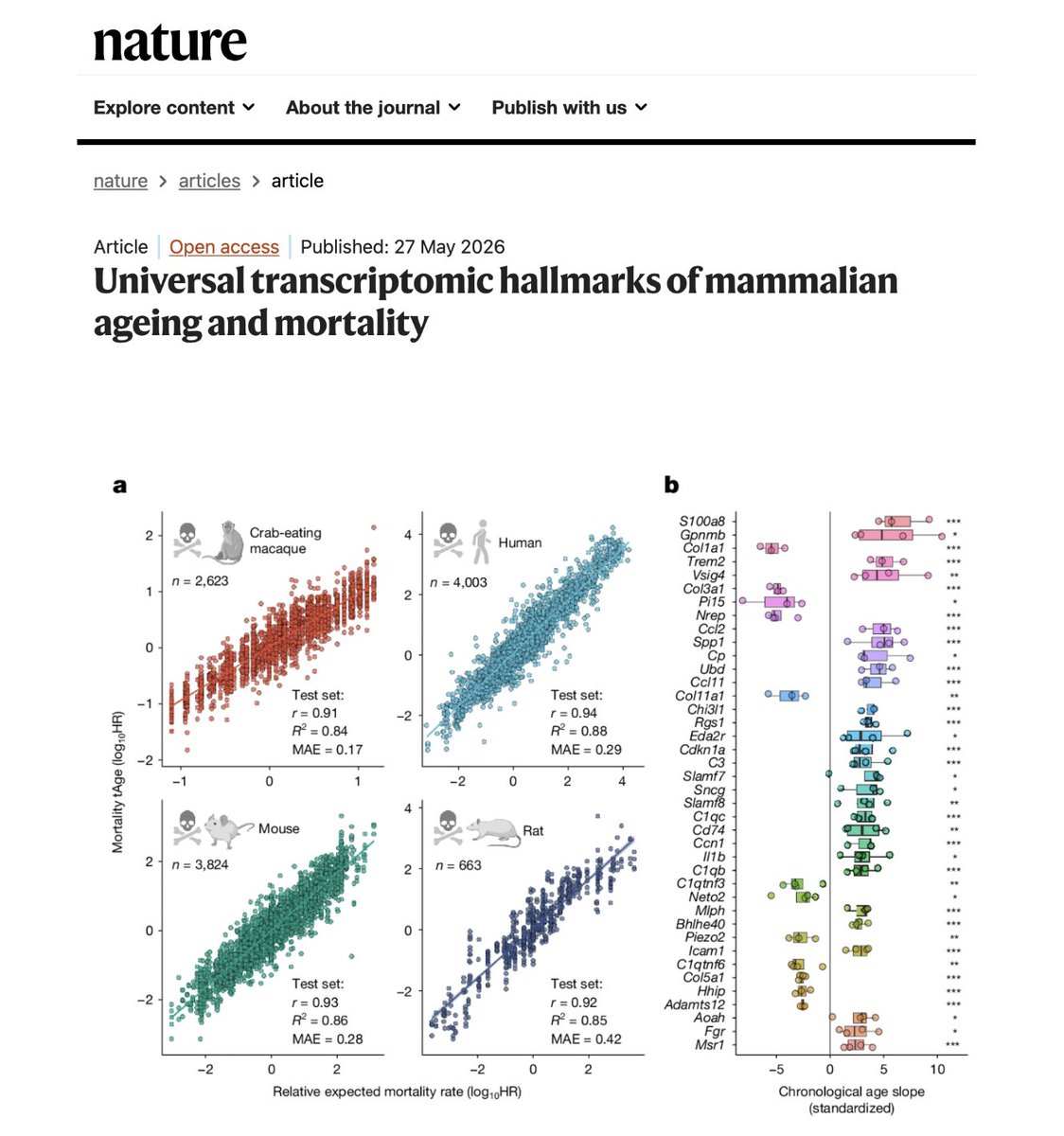
Large-scale transcriptomic data across four mammalian species and multiple tissues identify conserved molecular signatures associated with ageing and mortality risk.
The integration across species, tissues, perturbations, and interventions is a notable strength. Further, mRNA abundance is more biologically interpretable than DNA methylation, though still an indirect readout of physiological processes.
The article advances the idea that ageing is multidimensional rather than a single scalar process, with partially separable inflammatory, metabolic, extracellular matrix, and stress-response programs changing over time.
Predictive performance is strong, but it is important to distinguish predictive association from mechanistic understanding. Even sophisticated transcriptomic signatures primarily capture statistical dependencies and correlations with ageing-related states and mortality risk. They do not yet explain the causal mechanisms underlying ageing.
Achieving deeper mechanistic understanding will require more functional readouts: protein states and modifications, molecular interactions, metabolic fluxes, cell functions, tissue physiology, and experimentally testable causal perturbations.
This work provides a valuable cross-species resource and advances the field through its scale, comparative framework, and integrative systems biology perspective.
4
33
132
24,003
Rodrigo Moreno Campos retweeted

Jun 12
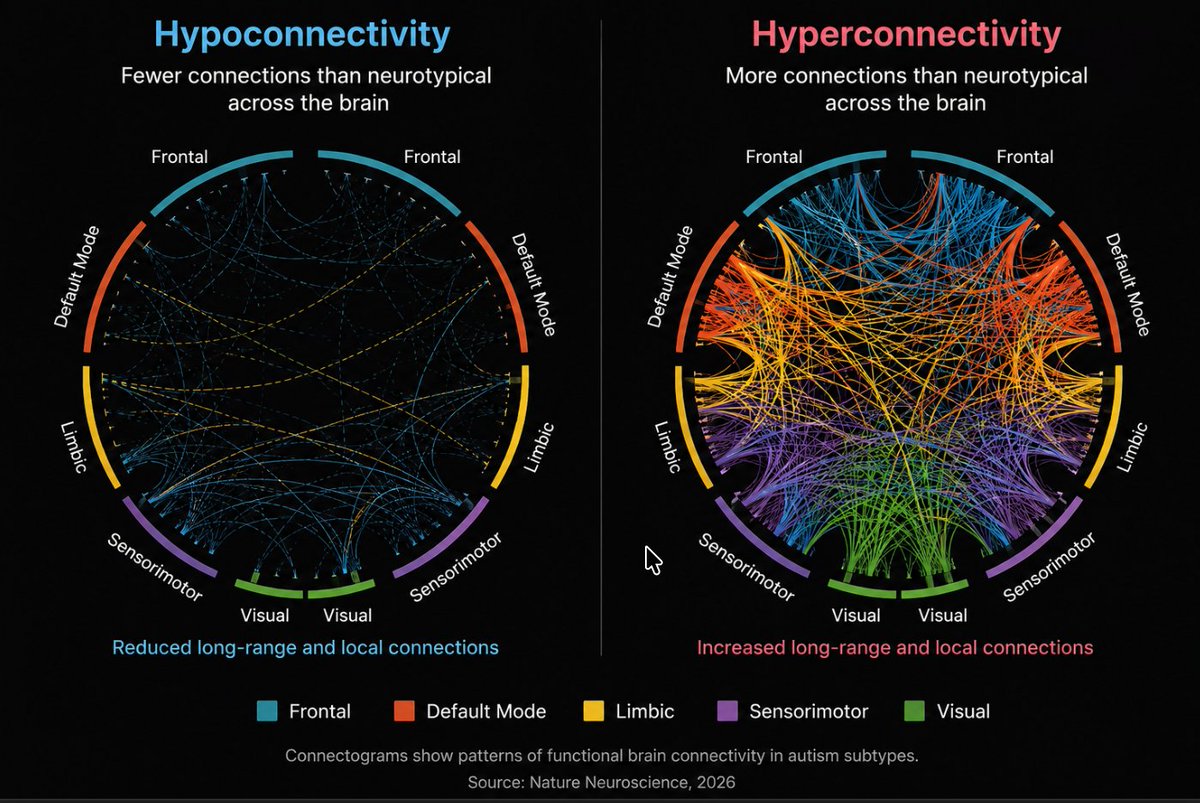
Autism has been treated as a single condition for decades. A major international study published in Nature Neuroscience in May 2026 found evidence that it may be at least two biologically distinct conditions that look the same from the outside.
Autism spectrum disorder is diagnosed in roughly 1 in 36 children in the United States. Despite decades of research, there is still no reliable biological marker no blood test, no brain scan that confirms the diagnosis. And despite the word spectrum acknowledging the enormous range of presentations, treatment has largely been one-size-fits-all.
This study suggests one reason that may be: what we call autism may include fundamentally different brain biologies grouped under a single label.
An international team led by the Istituto Italiano di Tecnologia and the Child Mind Institute in New York analysed brain imaging from 940 children and young adults with autism, compared with scans from more than 1,000 neurotypical individuals. They also studied 20 genetically different mouse models to investigate the underlying molecular biology.
They found two consistent subtypes.
In the first, brain regions communicate less than usual a pattern called hypoconnectivity, linked to disruptions in synaptic pathways, the physical connections between neurons.
In the second, brain regions communicate more than usual hyperconnectivity, linked to disruptions in immune-related systems.
These two subtypes accounted for roughly a quarter of the autistic individuals in the study. The researchers note that the full diversity of the autism spectrum likely includes additional subtypes that larger datasets may reveal these two represent the dominant patterns their analysis could isolate.
The two subtypes also showed modest but measurable differences on standardised autism assessments, with the hyperconnectivity group scoring somewhat higher on severity measures.
The patterns held across independent international datasets.
The implication is significant. Treatments and interventions have been designed and tested without knowing there may be at least two distinct biological groups. An approach that works for one biology may be ineffective for the other. The question of why autism interventions have such inconsistent outcomes now has a plausible structural explanation to investigate.
Autism has always been called a spectrum.
This study is the first large-scale evidence that the spectrum may contain biologically distinct lanes and that treating it as one condition may be part of why so many interventions have produced such different results in different people.
2
44
100
3,922
Rodrigo Moreno Campos retweeted

Jun 12
They have f*cking DUCKS in Mexico shirts😭🦆🇲🇽
617
12,994
168,236
3,302,355
Rodrigo Moreno Campos retweeted

Jun 10
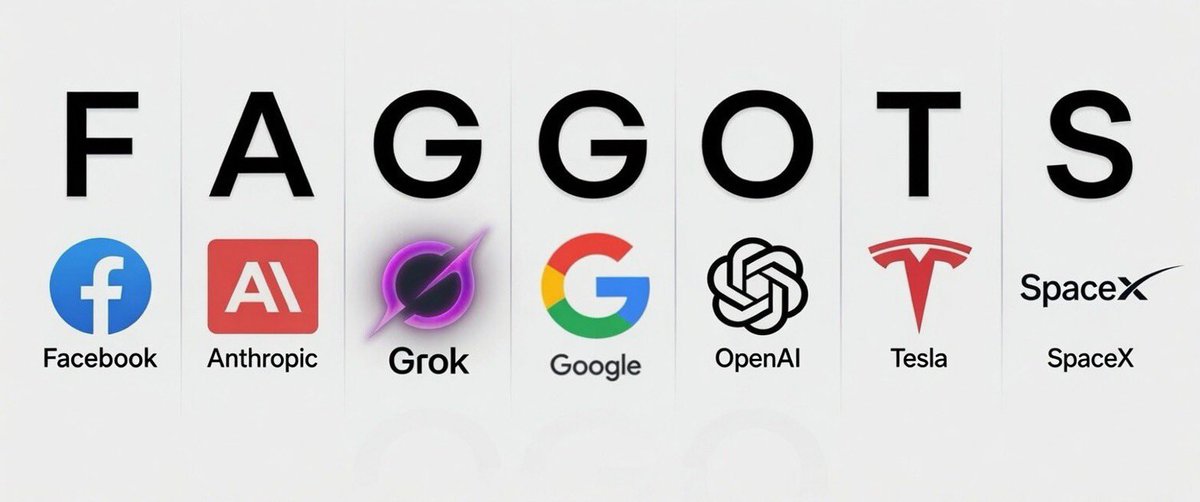
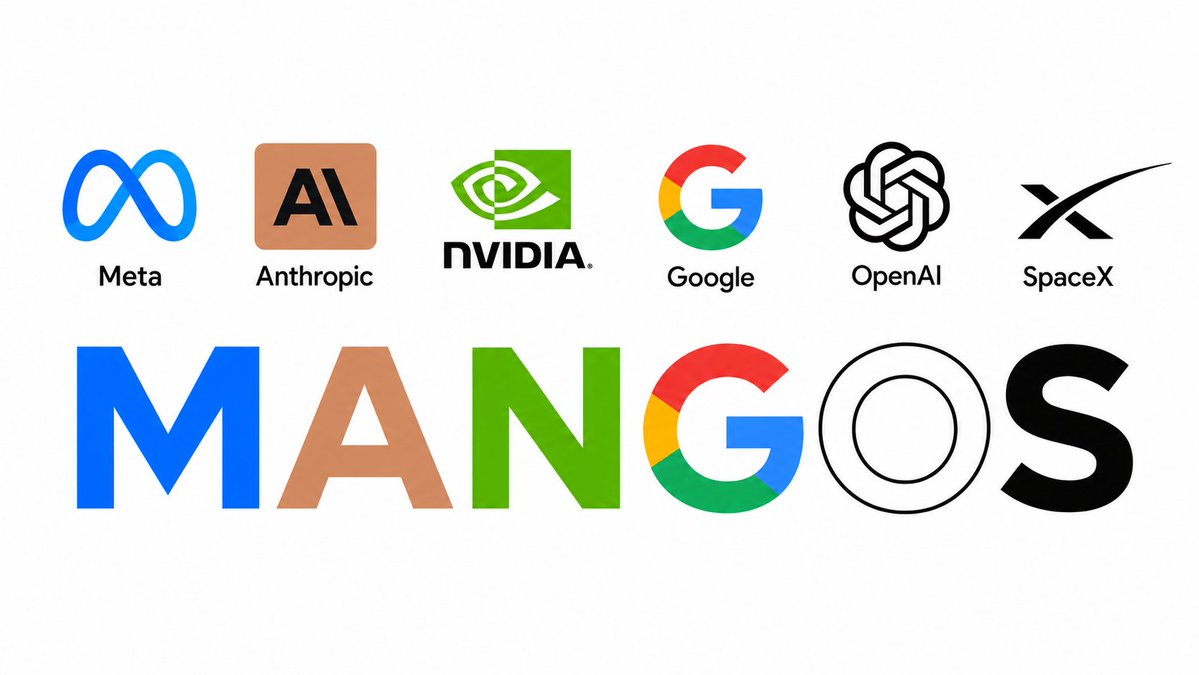
the new world order

490
3,087
51,908
3,968,125
Rodrigo Moreno Campos retweeted

are you paying attention chad?
the anti-aging and human enhancement arms race just went geopolitical
- Russia committed $26B. Putin made longevity a Kremlin priority. organ printing, genetics, cryotherapy.
- China published a 5-year national biotech plan. gene therapy, BCIs, AI drug discovery. genuine human firsts, not me-too drugs.
- UAE launched a national longevity program backed by sovereign wealth. zero taxes. fastest clinical trial approvals in the world.
- Singapore is funding longevity research at the state level and recruiting the world's best biotech founders.
and the private sector is not waiting
- Life Biosciences just injected the first reverse-aging drug into a human
- NewLimit raised $435M from Peter Thiel's Founders Fund. Brian Armstrong's bet on age reprogramming is moving from lab to clinic.
- Retro Biosciences raised $1.8B. Sam Altman's bet on adding 10 healthy years to human lifespan is scaling.
- Isomorphic Labs raised $2.1B. Demis Hassabis betting AI designs drugs better than humans.
- Neuralink has 21 implants in humans. Merge Labs launched with $252M. the BCI race is real.
- Altos Labs. $3B from Bezos. cellular rejuvenation. the largest single longevity round ever.
every major power and every serious founder on earth is pointing at the same problem
the race has begun
bio/acc
30
98
483
55,000

This is free advice from an expensive psychologist. If you’re an anxious person, do everything for fun. Go to a job interview for fun. Submit documents for fun. Start a blog for fun. Anxiety feeds on importance. Don’t make everything a matter of life and death.
510
27,593
153,068
3,724,413
Rodrigo Moreno Campos retweeted

Jun 11
Mexico, what a deeply moving national anthem. I was almost moved to tears. Bendito México! 🇲🇽
12
225
3,329
39,712
Rodrigo Moreno Campos retweeted

Jun 10
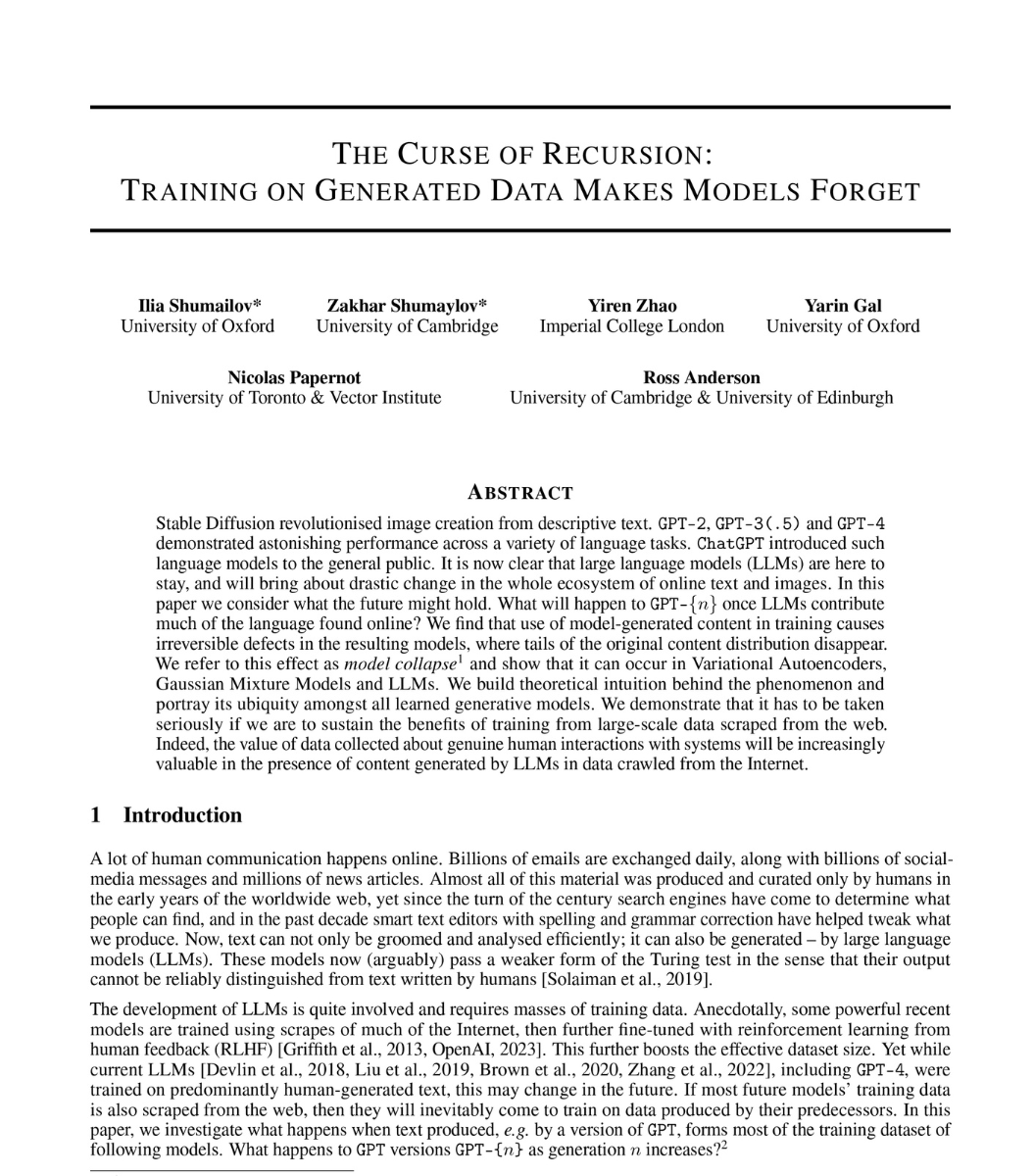
You have noticed it. ChatGPT feels dumber than it used to. Your prompts that worked six months ago produce worse results now. The writing sounds flatter. The ideas sound safer. The internet itself feels like it is shrinking. Every article reads the same. Every email sounds the same. Every answer sounds like it was written by the same voice.
You thought it was you. It is not you.
Researchers at Oxford and Cambridge published a paper in Nature proving what is happening. They call it Model Collapse.
Here is the mechanism in one sentence. AI trained on AI-generated data gets dumber every generation until it forgets what real human data looked like.
The internet is filling with AI-generated content. Blog posts. Articles. Reviews. Comments. Social media. AI companies scrape the internet to train the next generation of models. Which means the next generation of AI is being trained on the output of the current generation.
Each cycle loses information. Not randomly. It loses the rarest, most unusual, most creative parts first. The researchers call these the "tails of the distribution." The weird ideas. The unexpected perspectives. The things that made the internet feel human. Those disappear first.
What remains is the average. The safe. The expected. The bland.
Then the next generation trains on that. And loses more. And the next generation trains on that. And loses more. The researchers proved this is not a slow decline. Major degradation happens within just a few iterations. Even when some of the original human data is preserved.
They tested it on large language models. On image generators. On statistical models. The pattern was the same every time. The output converges toward a narrow, flattened version of reality that looks nothing like the original data.
The lead researcher put it plainly. "Large language models are like fire. A useful tool. But one that pollutes the environment."
The pollution is invisible. You cannot see which sentence on the internet was written by a human and which was written by AI. Neither can the AI that is about to train on it. And once the tails are gone, they do not come back. The damage is irreversible.
This is not a prediction anymore. It is a diagnosis.
The internet you grew up on was built by humans writing things no algorithm would have written. Strange, personal, imperfect, alive. That internet is being diluted. One generation of AI at a time. And the models trained on what remains are learning a smaller and smaller version of the world.
Model Collapse is not a technical problem. It is a cultural one. The thing that made the internet worth reading is the thing that disappears first.
1,137
6,383
17,704
2,218,498
Rodrigo Moreno Campos retweeted

Finally out in @Cellcellpress!
Proteins with long intrinsically disordered regions (IDRs) are prone to misfolding during protein synthesis.
This is prevented by mRNA 3′UTRs that act as mRNA-based IDR chaperones.
cell.com/cell/fulltext/S0092…
9
108
436
31,165
Rodrigo Moreno Campos retweeted

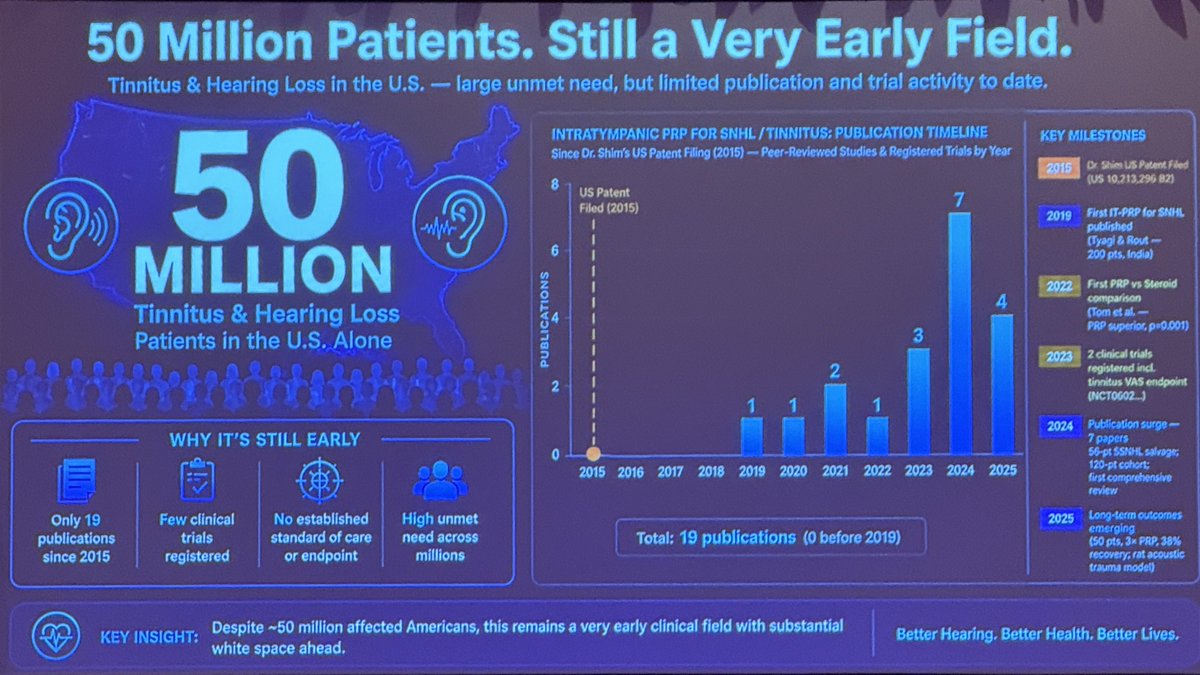
Hearing loss? Tinnitus?
Well I have really good news for you!
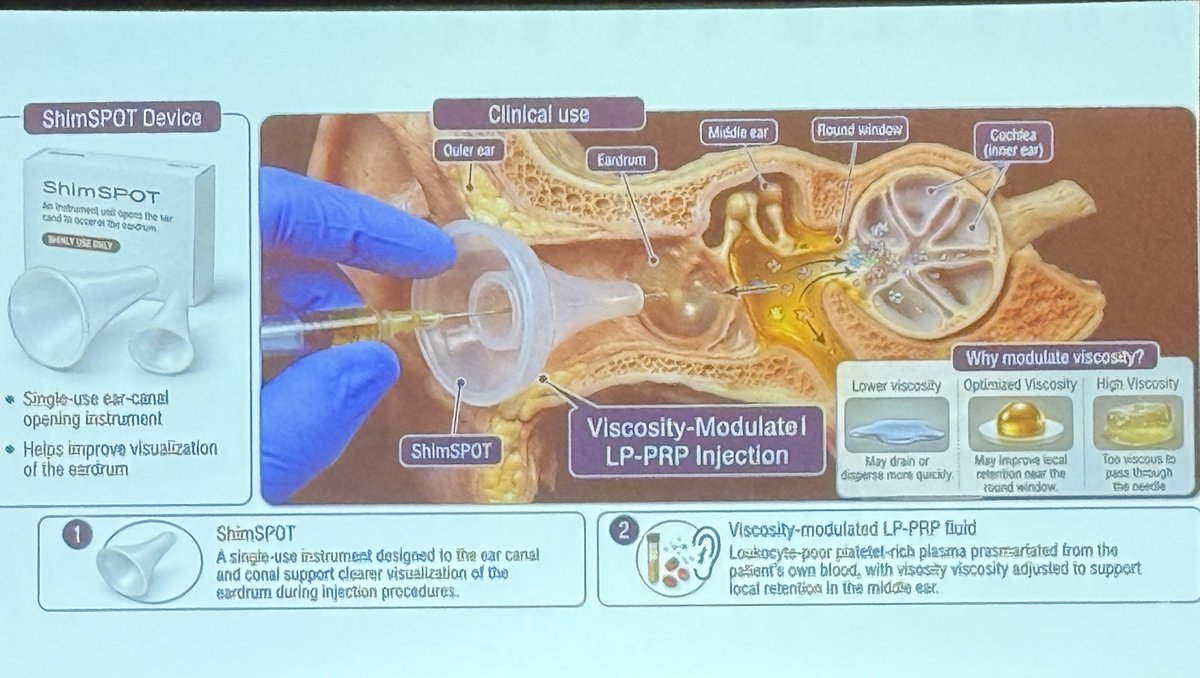
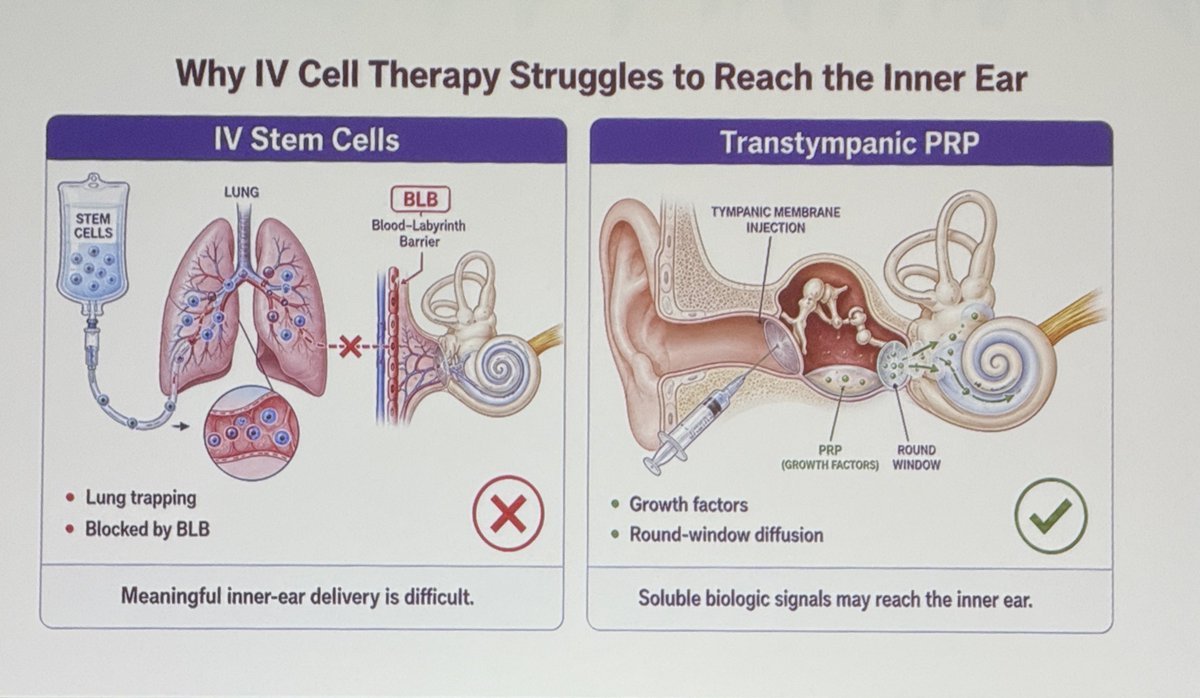
Yesterday there was a presentation of how PRP (blood) can help to treat and potentially reverse hearing loss and tinnitus.
It was presented at The Stem Cell Conference by a Korean doctor named Dr. Minbo Shim who has been doing it for over 10 years!!
The results?
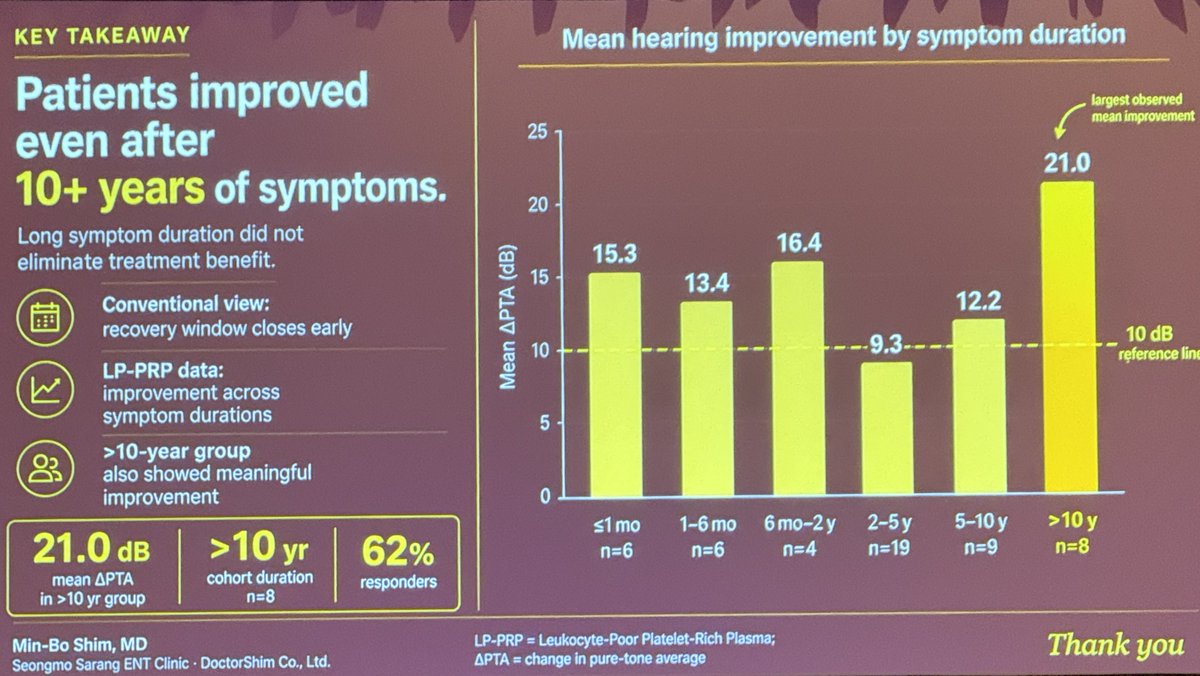
62% of patients responded positively
Several patients had 10 years of benefits
Mean benefit was 21 dB
This is super exciting!
Looks pretty easy to perform and very safe.
Any ENTs seen or performed this before?
I’ll be doing a full breakdown on this in an upcoming Substack article.
101
187
1,912
222,140
Rodrigo Moreno Campos retweeted

Jun 6
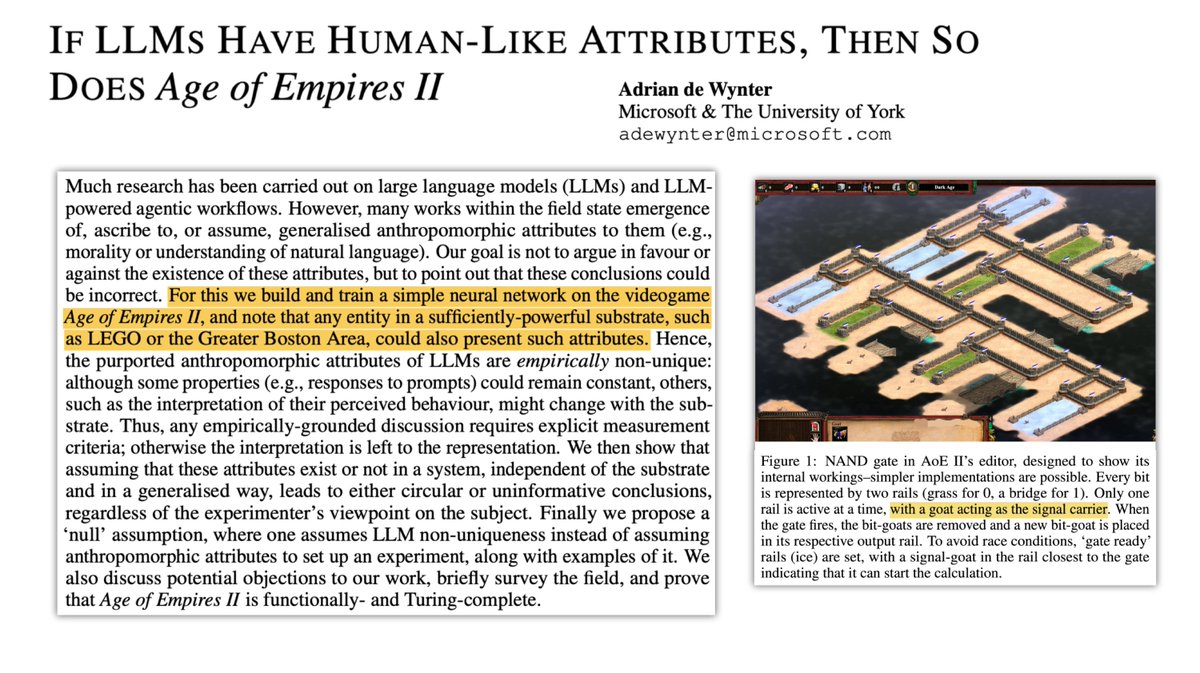
This is an insane paper and I love it
arxiv.org/abs/2605.31514
158
1,304
11,217
619,669
Rodrigo Moreno Campos retweeted

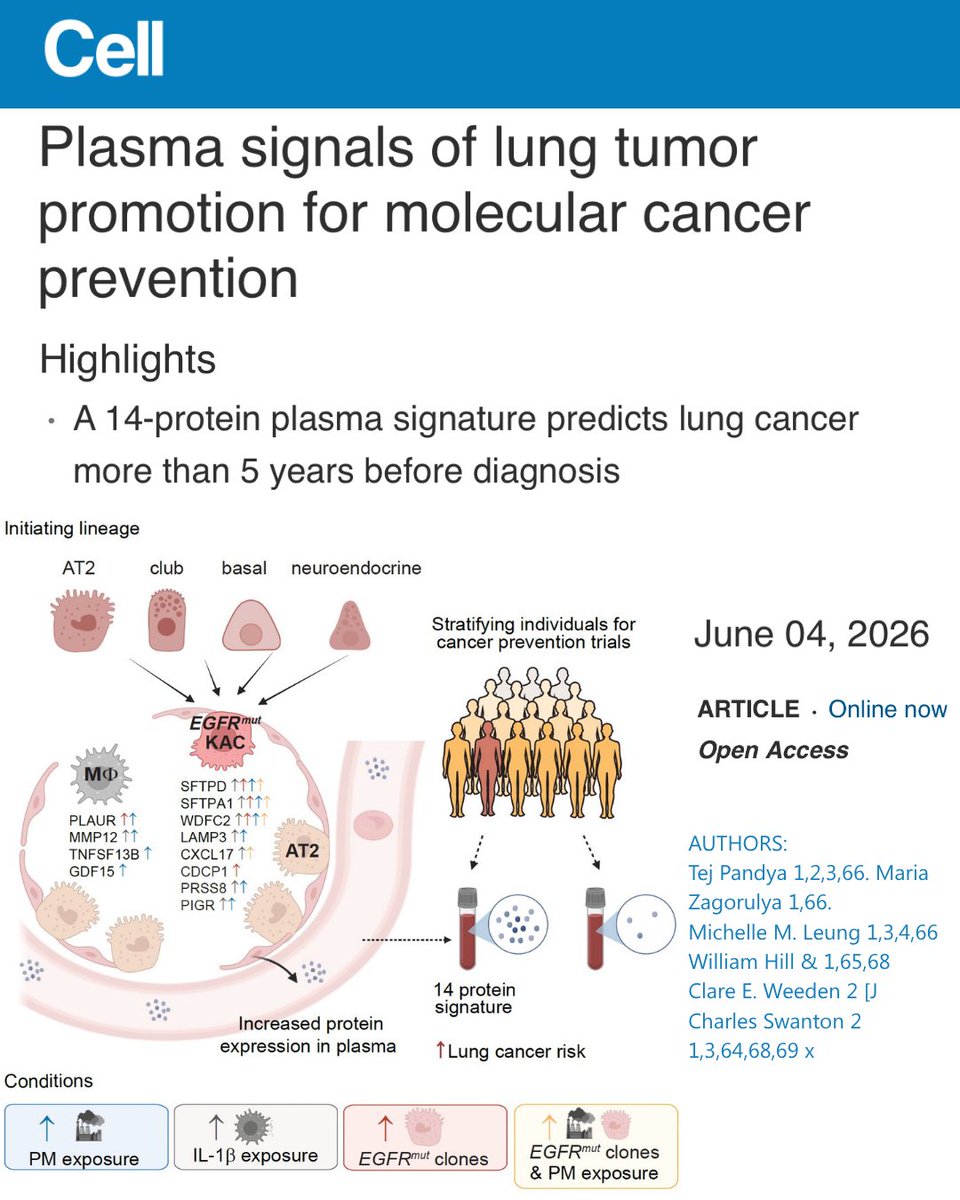
‼️ Landmark #lungcancer research published today in Cell
Scientists at the Francis Crick Institute and UCL have discovered a 14-protein blood signature that predicts lung cancer more than 5 years before diagnosis, works in never-smokers, and could identify who benefits from prevention treatment.
People with high levels of these proteins were the ones who actually benefited from a drug to damp that inflammation down, cutting their lung cancer risk nearly in half.
This could finally give us something lung cancer has never had: a way to prevent it in the people most at risk.
doi.org/10.1016/j.cell.2026.…
#LCSM
4
111
314
72,895
Rodrigo Moreno Campos retweeted

Jun 5
Reminder for all young parents:
You only get:
- 1 Summer with your baby
- 3 with your toddler
- 9 with your child
- 5 with your teenager
This time is precious. Don’t rush it.
158
2,503
28,702
926,837
Rodrigo Moreno Campos retweeted

Jun 3
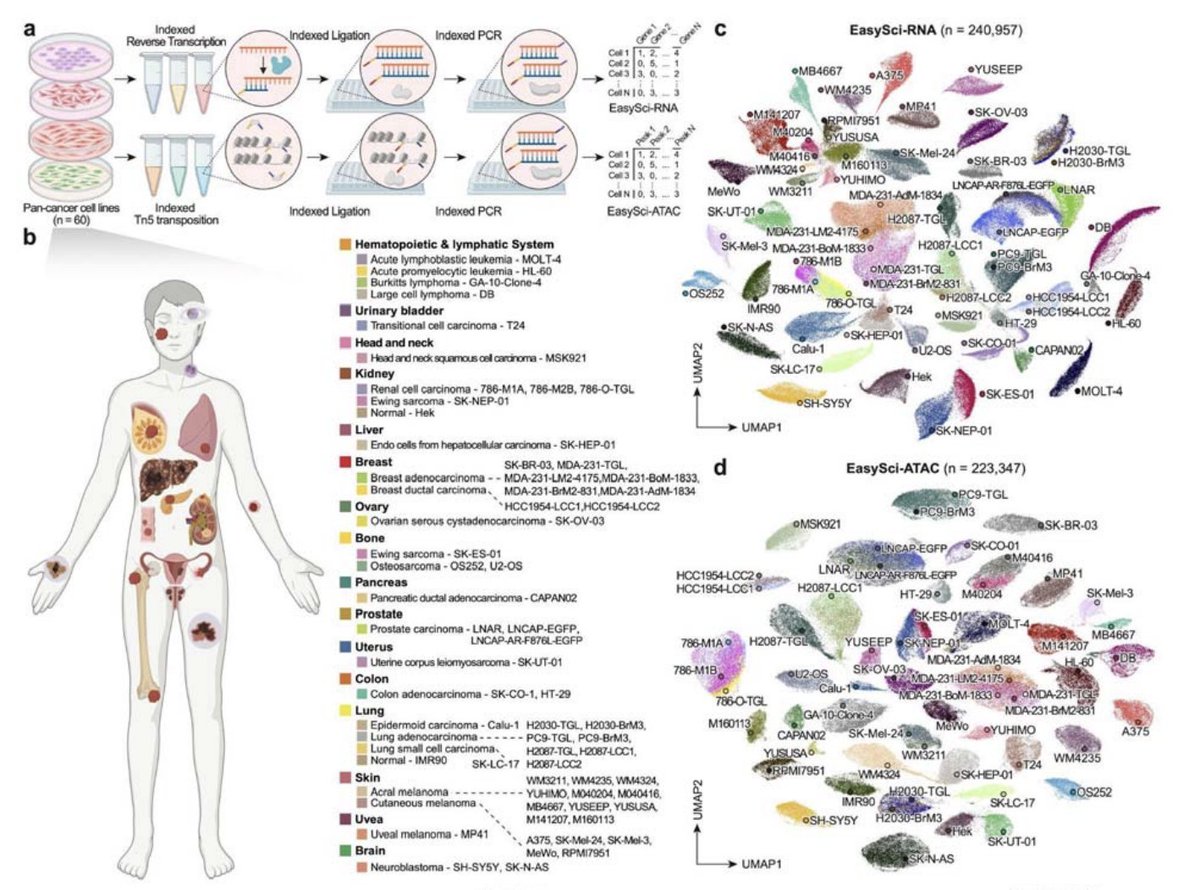
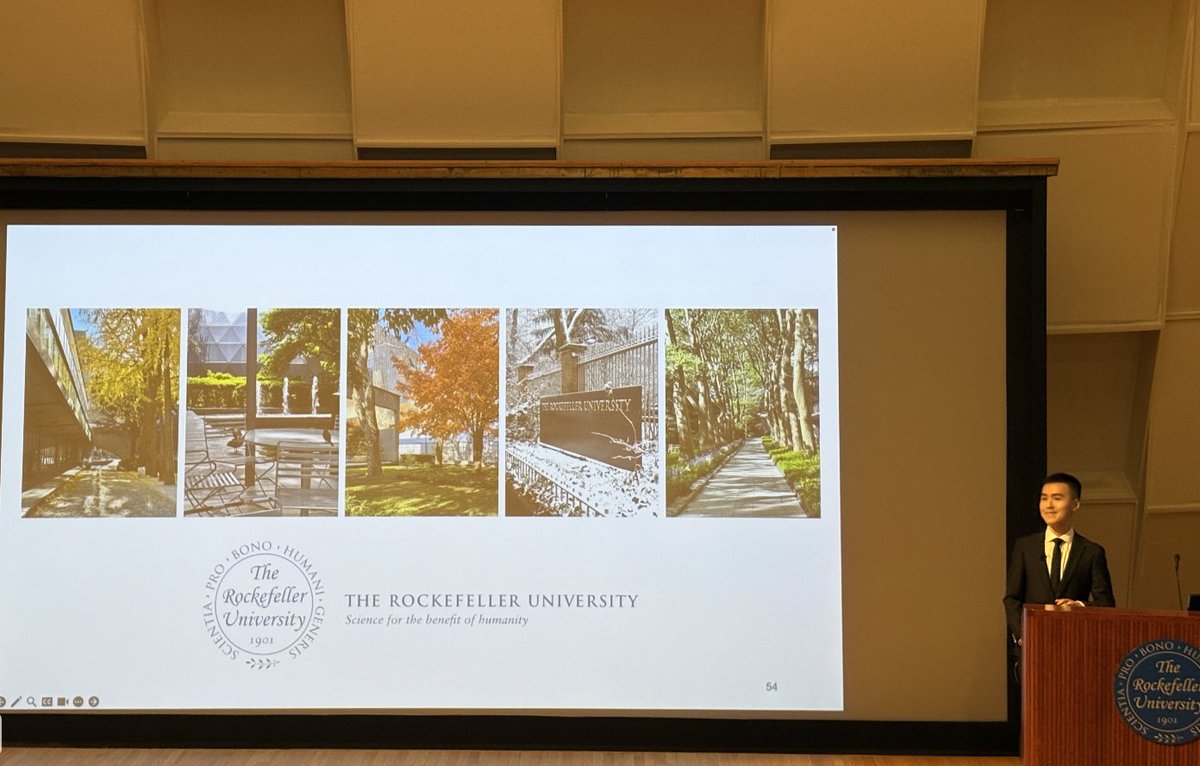
New preprint alert! 🚀 Across 60 human cancer cell lines spanning 20 cancer types, single-cell RNA ATAC reveals pan-cancer cell-state heterogeneity, core gene-regulatory networks, and an EMT axis conserved across tissue origins.
Huge congrats to first author @xu_zxu, who recently defended his PhD, and Aileen Ugurbil from our lab @RockefellerUniv! biorxiv.org/cgi/content/shor…
1
28
133
12,221
Rodrigo Moreno Campos retweeted

Jun 4
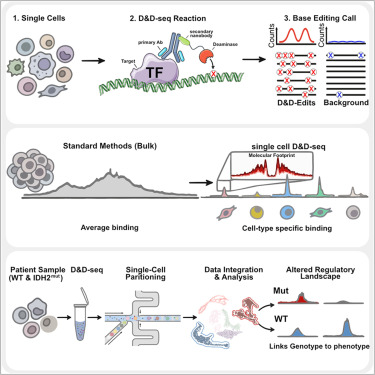
Exciting breakthrough technology from the lab, now live in @CellCellPress ! Instead of cutting the genome where proteins bind (e.g., Cut&Tag), D&D-seq scars the DNA with a deaminase, allowing single cell genome mapping of TFs and chromatin remodellers!
17
168
647
53,004