
Feasts and saints of the Orthodox Christian Church holding to the Patristic Liturgical Calendar and opposed to the Pan-Heresy of Ecumenism ✢ ✢ ✢
Joined February 2026
- Tweets 1,689
- Following 103
- Followers 830
- Likes 8,097
709 Photos and videos
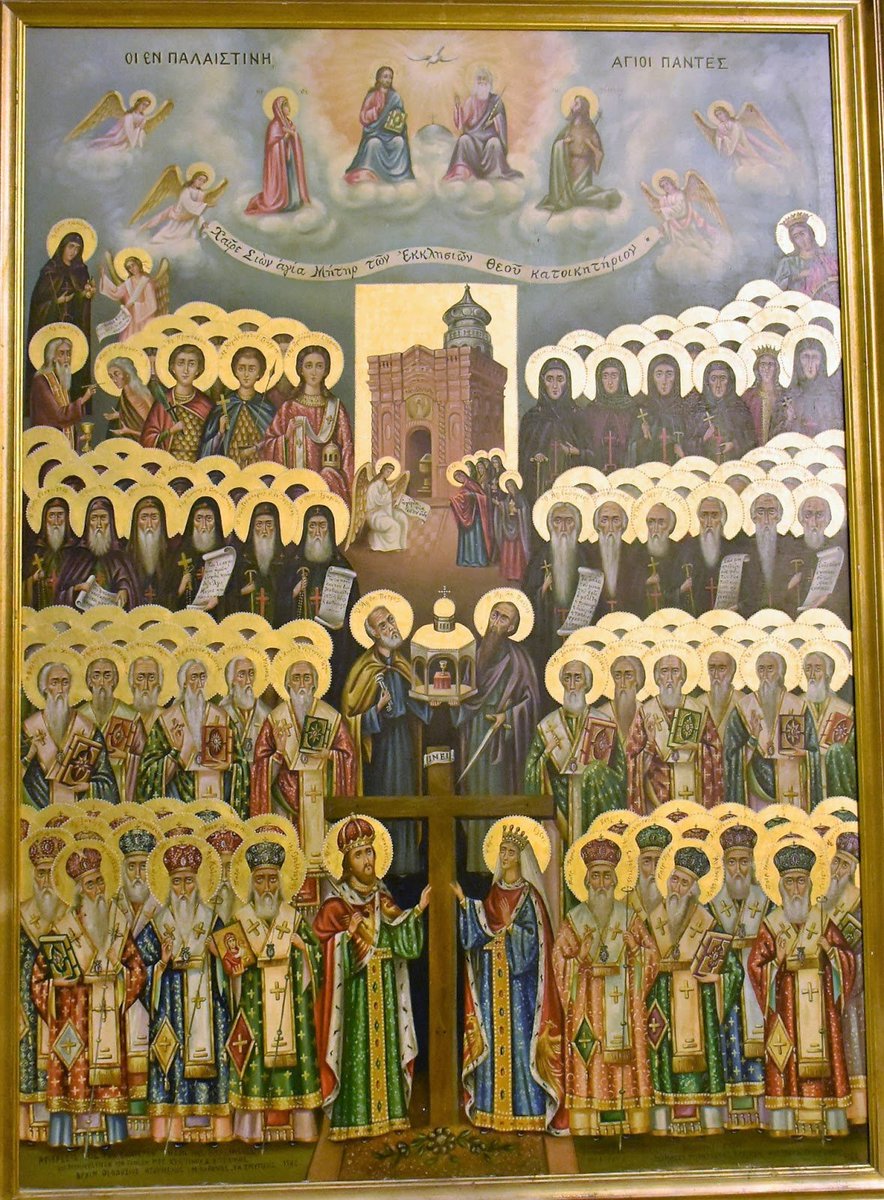
Pinned Tweet

Jun 14
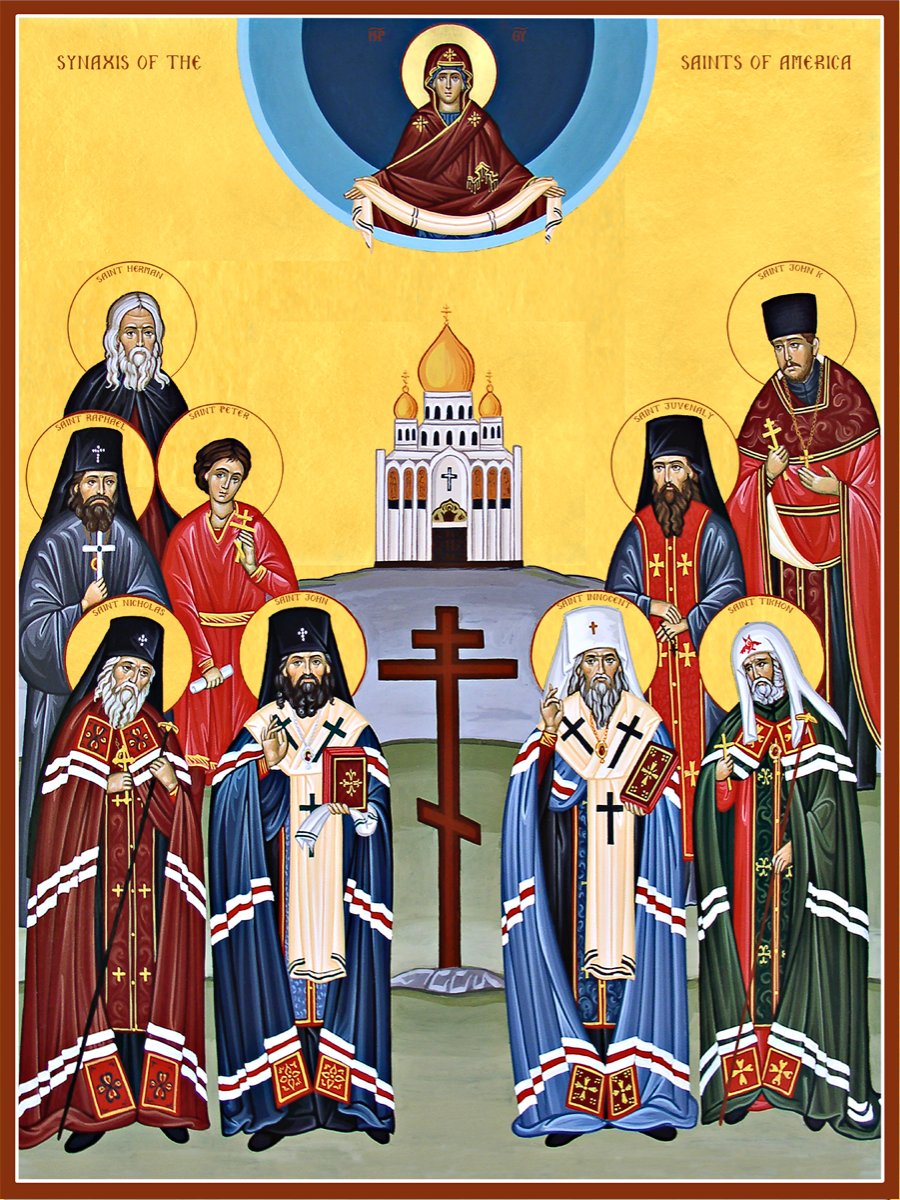
Today the choir of Saints who were pleasing to God in the lands of North America now stands before us in the Church and invisibly prays to God for us. With them the angels glorify Him, and all the saints of the Church of Christ keep festival with them; and together they all pray for us to the Pre-Eternal God.
ALT Synaxis of All Saints of North America
4
31
329
Greek Orthodoxy retweeted
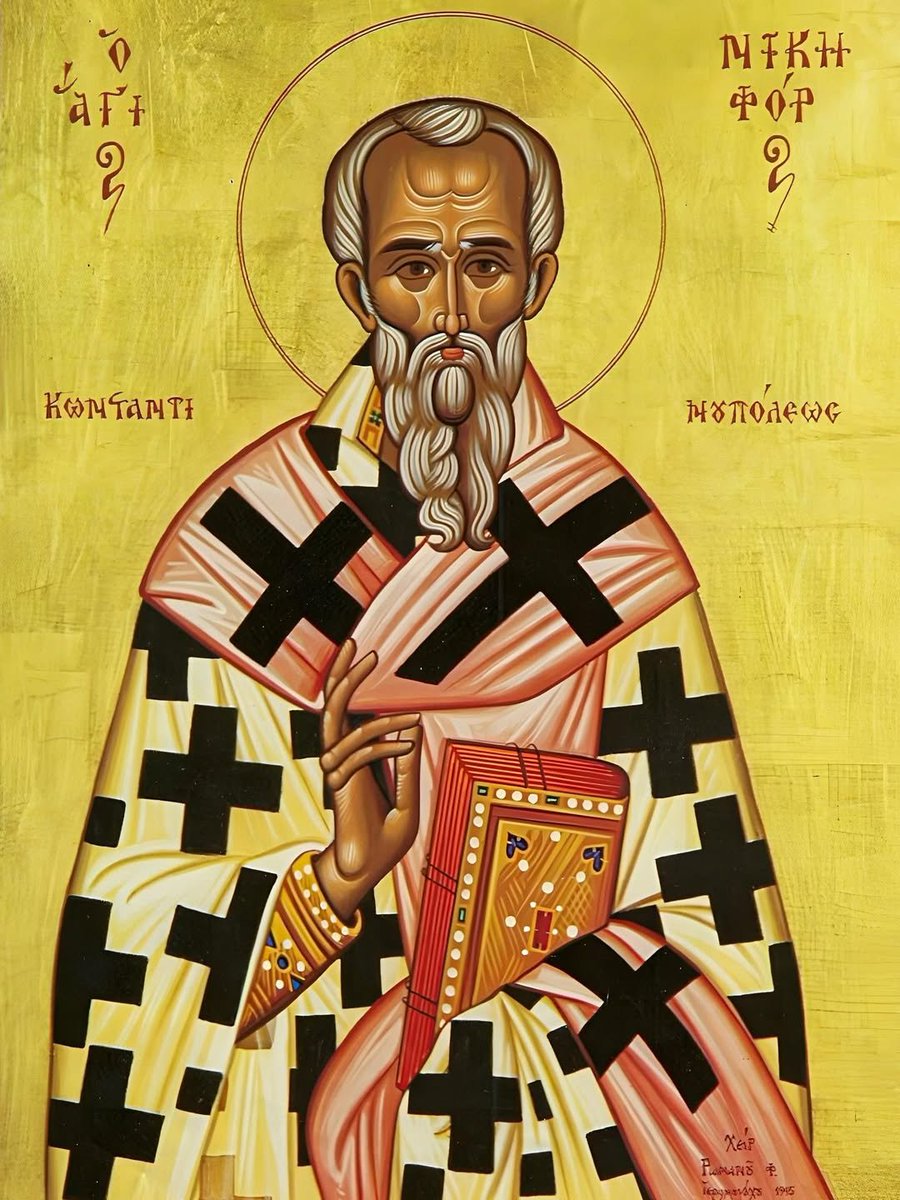
St. Nikephoros the Confessor, Patriarch of Constantinople (828)
"Thine inspired confession gained victory for the Church, O holy Hierarch Nicephoros. Thou didst suffer unjust exile through reverence for the icon of God the Word. O righteous Father, pray to Christ our God to grant us His great mercy."
June 2/15
8
64
346
Greek Orthodoxy retweeted

I didn’t @ him because I don’t want to engage with him, I blocked him a while ago because it’s clear to me there’s something wrong with him. Someone shared with me that he had been stalking my page and saying things about me, so that’s where I came across these two posts. You can go to the page of the furry “artist” he reposted and see that it’s a soft core furry p*rn page. If you are going to defend that picture then I don’t think I can reason with you, no offense.
1
2
8
91
Greek Orthodoxy retweeted

1
1
6
94
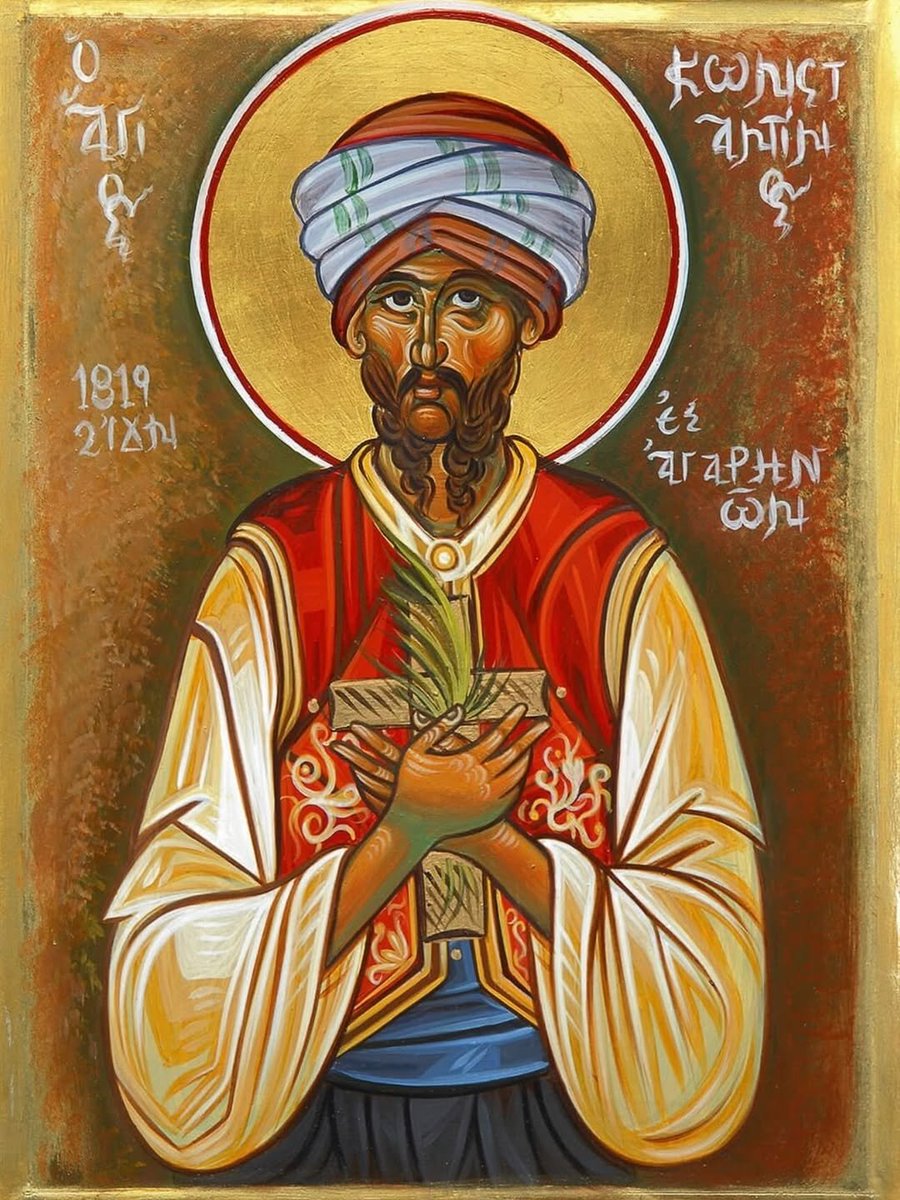
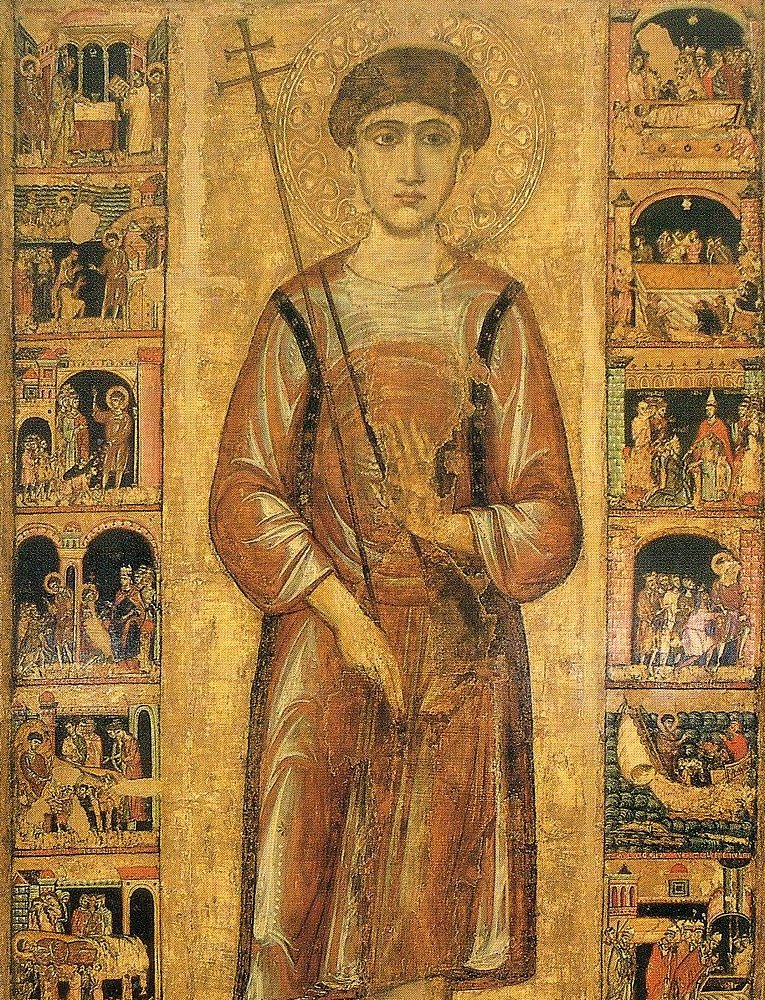
New Martyr Constantine the Former Hagarene from Mytilene (1819)
Constantine was born of Muslim parents on the island of Mitylene. Having been healed of a grave illness with the help of holy water in church, and having witnessed other miracles of the Faith of Christ, he was baptized on Mt. Athos in the Scete of Kapsokalyvia. Later, Constantine fell into the hands of the Turks, who hanged him in Constantinople after 40 days of cruel tortures.
2
22
123
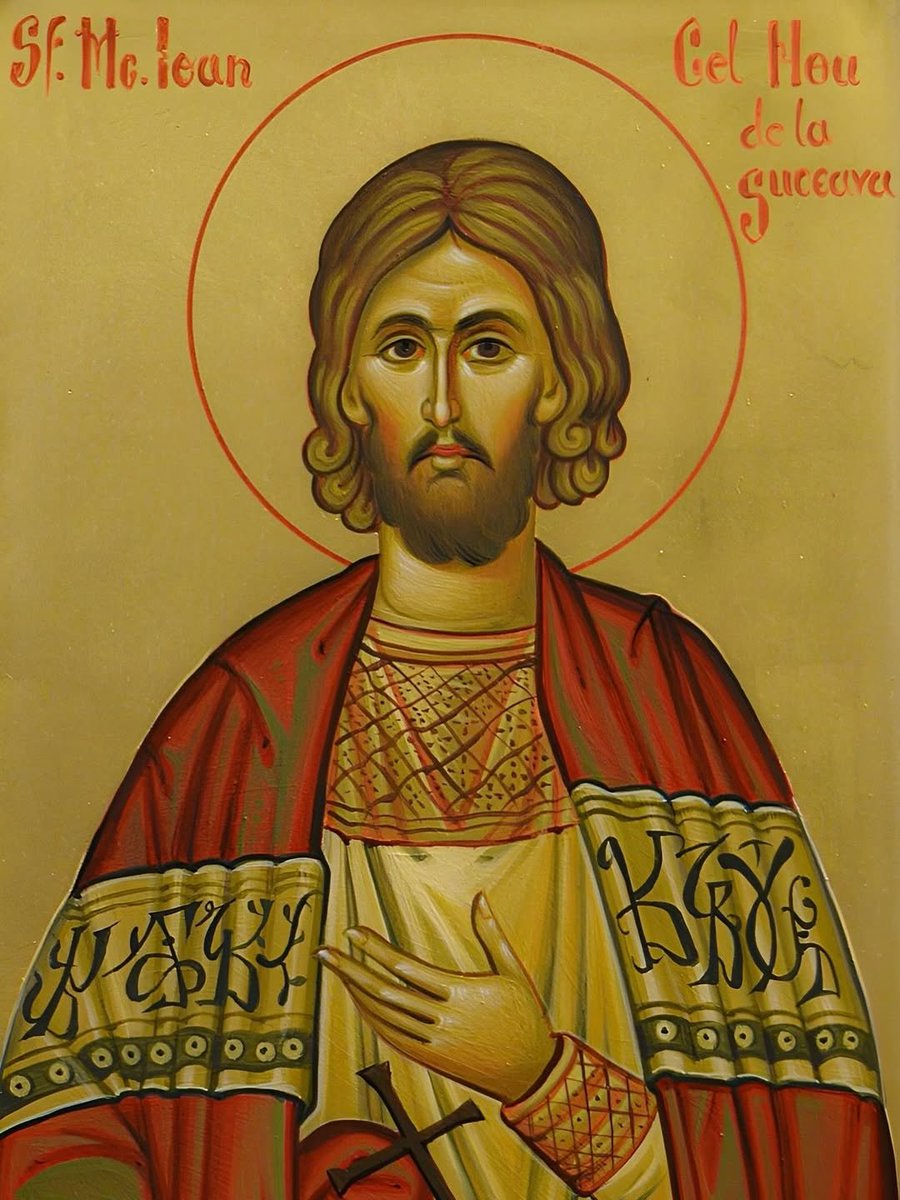
Great Martyr John the New of Suceava (1330)
John was a nobleman from Trebizond. He was accused by an envious Latin and suffered for Christ in the city of Akerman. After being tortured for refusing to embrace the Persian religion (for the mayor of the town was an adherent of that faith), St. John was tied to the legs of a horse and dragged through the town. Upon seeing John, an evil Jew ran up to him and slaughtered him. That night many saw a fiery pillar over his body and three light-bearing men around it. With great honor the Moldavian commander Joalexander later translated his honorable body to the town of Suceava and buried it in the metropolitanate church, where it reposes even today, miraculously saving men from various pains and illnesses.
2
25
192

Matthew 9:36-10:8
But when He saw the multitudes, He was moved with compassion for them, because they were weary and scattered, like sheep having no shepherd. Then He said to His disciples, "The harvest truly is plentiful, but the laborers are few. Therefore pray the Lord of the harvest to send out laborers into His harvest. And when He had called His twelve disciples to Him, He gave them power over unclean spirits, to cast them out, and to heal all kinds of sickness and all kinds of disease. Now the names of the twelve apostles are these: first, Simon, who is called Peter, and Andrew his brother; James the son of Zebedee, and John his brother; Philip and Bartholomew; Thomas and Matthew the tax collector; James the son of Alphaeus, and Lebbaeus, whose surname was Thaddaeus; Simon the Cananite, and Judas Iscariot, who also betrayed Him. These twelve Jesus sent out and commanded them, saying: "Do not go into the way of the Gentiles, and do not enter a city of the Samaritans. But go rather to the lost sheep of the house of Israel. And as you go, preach, saying, 'The kingdom of heaven is at hand.' Heal the sick, cleanse the lepers, raise the dead, cast out demons. Freely you have received, freely give."
6
90
Greek Orthodoxy retweeted

What seems absent may simply be working unseen.
1
11
67
Greek Orthodoxy retweeted

The occult is the counterfeit of Orthodox Christian spirituality and prayer.
2
18
111
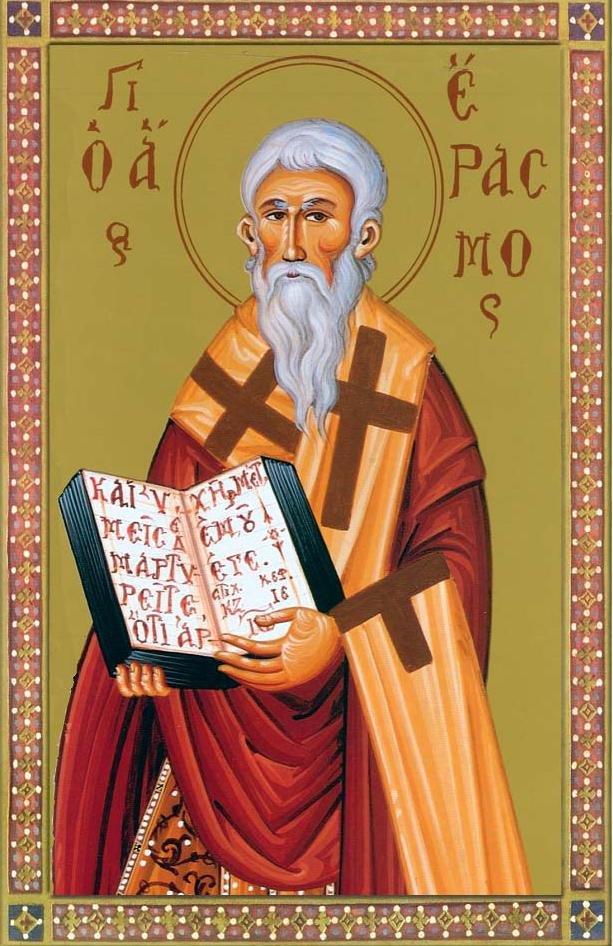
Hieromartyr Erasmus of Ochrid (303)
This saint was born in Antioch and lived during the reigns of Emperors Diocletian and Maximian. He lived a strict life of asceticism on Mt. Lebanon and was endowed by God with the great gift of working miracles. As a bishop, he went out to preach the Good News (Gospel). Arriving at the town of Ohrid, Erasmus, by his prayers, resurrected the son of a man named Anastasius and baptized him. Through this fortuitous circumstance Erasmus baptized many other pagans and destroyed the altars of the idols in Ohrid. For this he was denounced before Emperor Maximian, who was residing at that time in Illyria. The emperor brought him before a copper idol of Zeus and ordered him to offer sacrifice and worship the idol. St. Erasmus manifested so great a power that a horrible dragon emerged from the idol, terrifying the people. Again the saint manifested great power and the dragon died. The saint then preached Christ and baptized 20,000 souls. The embittered emperor ordered that all 20,000 be beheaded, and he subjected Erasmus to severe tortures and cast him into prison. An angel of God appeared to Erasmus, as once to the Apostle Peter, and led Erasmus out of the prison. After that, this servant of God departed for Campania, where he preached the Gospel to the people, and then he returned to the town of Hermelia, where he retreated to a cave, in order that he might live a life of asceticism there until his death. Before his repose, he bowed down three times toward the east and with uplifted arms prayed to God that He forgive the sins and grant eternal life to all those who would with faith call upon His Name. At the completion of his prayer a voice from heaven was heard: “Let it be as you prayed, my little healer Erasmus!” Utterly joyful, the saint gazed up at the heavens once more and saw a wreath of glory descending upon him and choirs of angels, prophets, apostles and martyrs coming toward him to receive his holy soul. At last he cried out: “O Lord, receive my spirit!” and died. The cave, with a small church dedicated to St. Erasmus, exists today not far from Ohrid, and from it the great power of the God-pleaser Erasmus the priestly-martyr is manifested even today.
June 2 (O.S.)
2
28
176
Romans 7:1-13
Or do you not know, brethren (for I speak to those who know the law), that the law has dominion over a man as long as he lives? For the woman who has a husband is bound by the law to her husband as long as he lives. But if the husband dies, she is released from the law of her husband. So then if, while her husband lives, she marries another man, she will be called an adulteress; but if her husband dies, she is free from that law, so that she is no adulteress, though she has married another man. Therefore, my brethren, you also have become dead to the law through the body of Christ, that you may be married to another-to Him who was raised from the dead, that we should bear fruit to God.For when we were in the flesh, the sinful passions which were aroused by the law were at work in our members to bear fruit to death. But now we have been delivered from the law, having died to what we were held by, so that we should serve in the newness of the Spirit and not in the oldness of the letter. What shall we say then? Is the law sin? Certainly not! On the contrary, I would not have known sin except through the law. For I would not have known covetousness unless the law had said, "You shall not covet." But sin, taking opportunity by the commandment, produced in me all manner of evil desire. For apart from the law sin was dead. I was alive once without the law, but when the commandment came, sin revived and I died. And the commandment, which was to bring life, I found to bring death. For sin, taking occasion by the commandment, deceived me, and by it killed me. Therefore the law is holy, and the commandment holy and just and good. Has then what is good become death to me? Certainly not! But sin, that it might appear sin, was producing death in me through what is good, so that sin through the commandment might become exceedingly sinful. Blessed be the God and Father of our Lord Jesus Christ, who according to His abundant mercy has begotten us again to a living hope through the resurrection of Jesus Christ from the dead.
1
12
175
Greek Orthodoxy retweeted
Jun 14
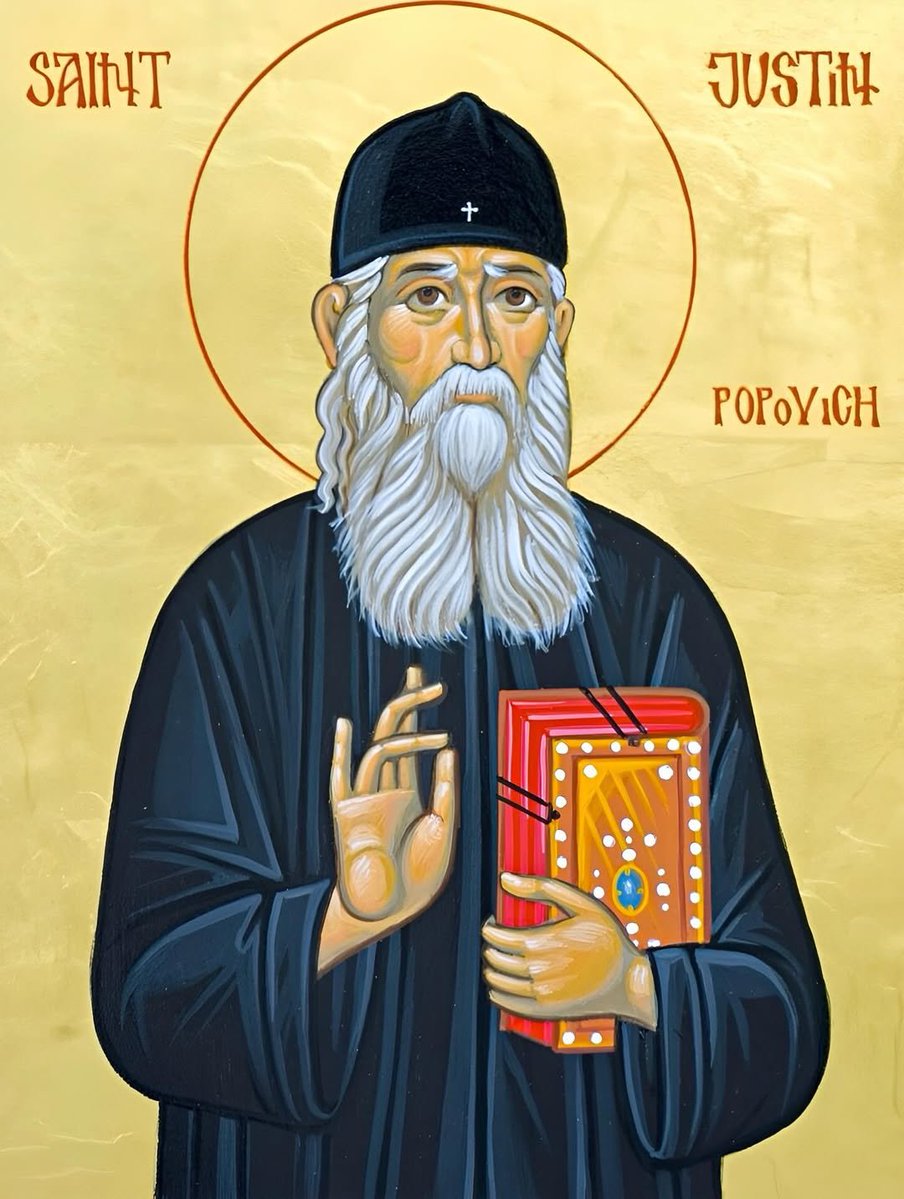
Let us honor with splendor the divinely inspired theologian, the wise Serb Justin, who by the scythe of the Holy Spirit hath thrashed the error of atheism and the insolence of the Latins, being a mystic of the God-man and lover of piety, crying out: Glory to Christ Who hath glorified thee, glory to Him Who hath crowned thee, glory to Him Who hath rendered thee a luminary to those who are in a state of darkness.
ALT St. Justin Popovich of Chelije in Serbia (March 25/April 7, 1979) (Feast Day - June 1 (O.S.))
12
83
616
Greek Orthodoxy retweeted
Jun 14
Today the choir of Saints who were pleasing to God in the lands of North America now stands before us in the Church and invisibly prays to God for us. With them the angels glorify Him, and all the saints of the Church of Christ keep festival with them; and together they all pray for us to the Pre-Eternal God.
ALT Synaxis of All Saints of North America
4
31
329
Greek Orthodoxy retweeted
Jun 14
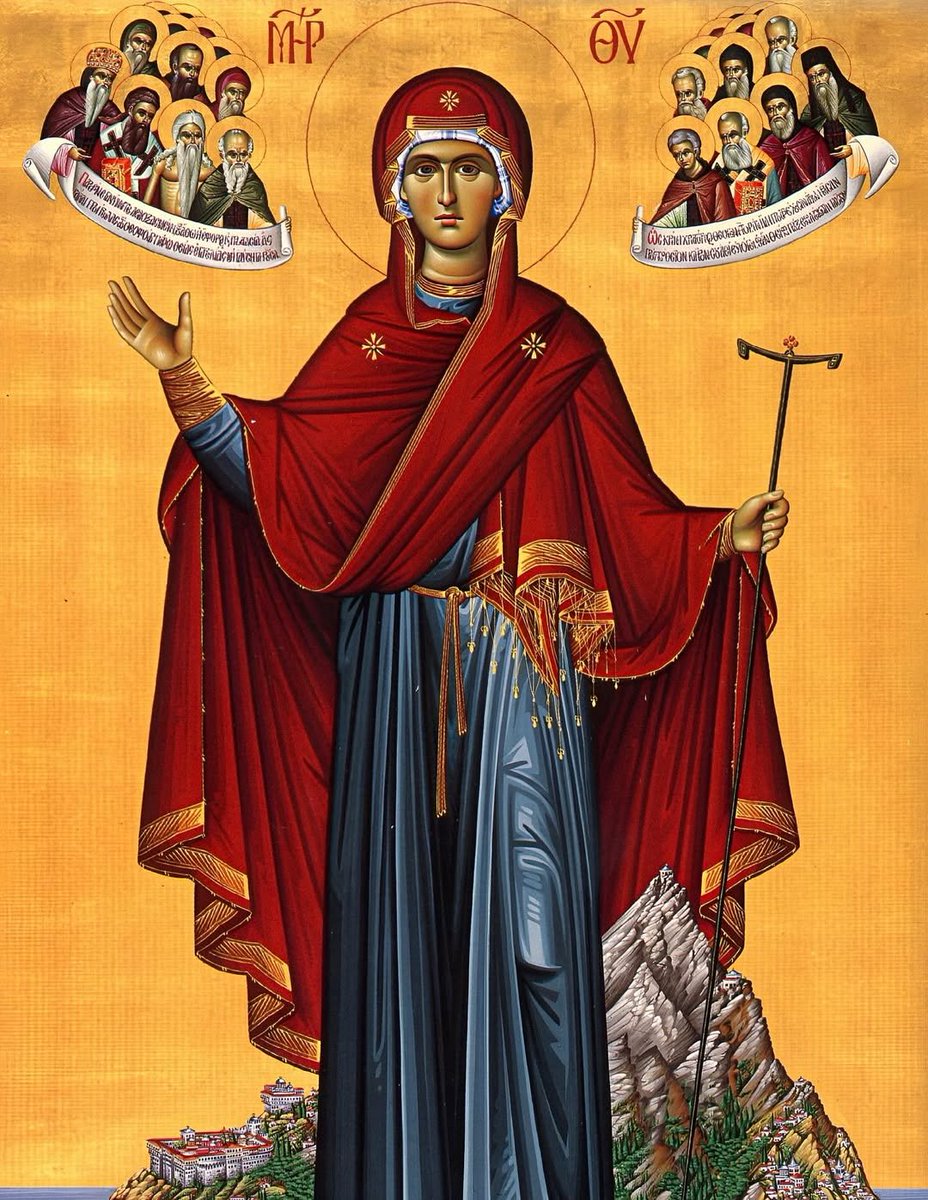
Synaxis of All Saints of Mount Athos
"With hymns and songs let us honour the fathers of Athos, those angels in the flesh, the confessors, the righteous ones, the hierarchs, and the martyrs. And let us, the whole multitude of monastics, emulate their virtues and cry out with one voice: Glory to Him that hath crowned you. Glory to Him that hath sanctified you. Glory to Him that hath shown you forth as our protectors in perils."
20
139
851
Jun 14
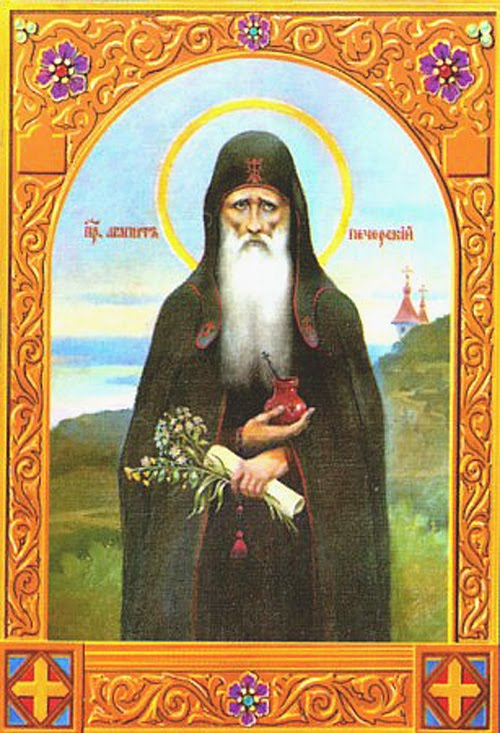
St. Agapitus the Unmercenary of the Kiev Caves (1095)
"O righteous Agapeti, thou didst heal the sick with edible herbs, with humility like Anthony the Great. And so thou didst bring the unbelieving physician to the Faith, and didst guide him on the path of salvation. Heal our sicknesses also, and pray to Christ our God for those who sing to thee."
June 1 (O.S.)
5
44
313