5,155 Photos and videos













Pinned Tweet

1 Oct 2023
🏛️🐺🦅🌈
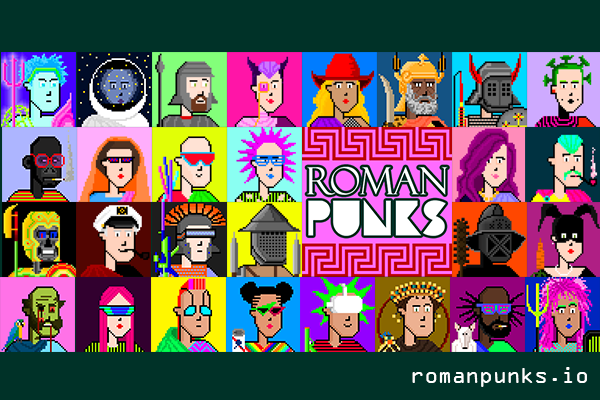
What is RomanPunk? It's a genre, a style, a concept. A retrofuturistic vision of an alternate history, cyberpunk-derivative world of irreverent characters and ancient legends reimagined in multiple dimensions since April MMXXI.
Join the Senate. Adopt a RomanPunk today!
49
48
160
10,487
Mar 21
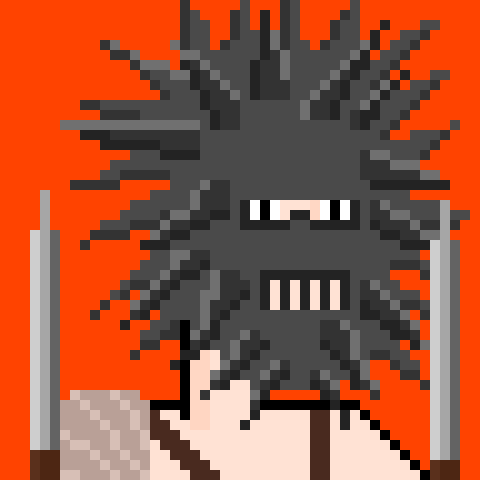
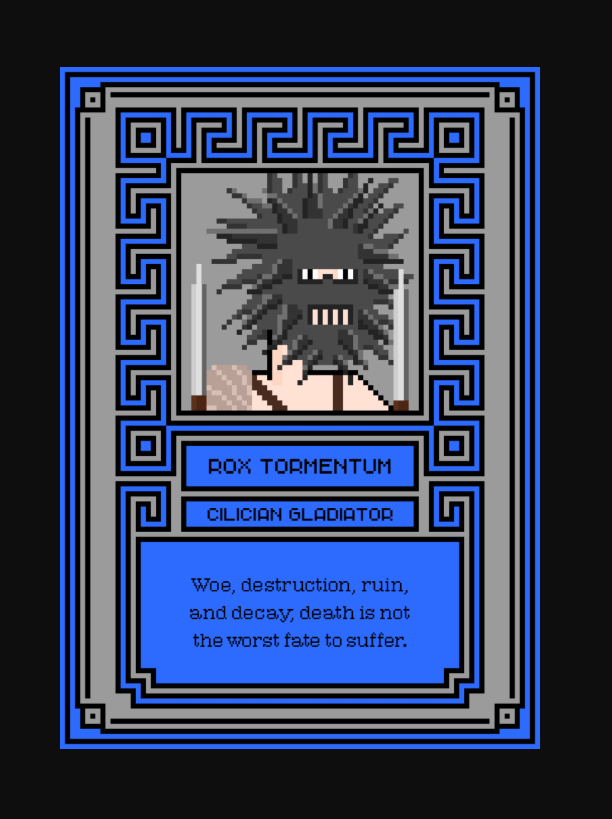
#775 – Rox Tormentum
Born in 123 BC in Tarsus, Rox was a Cilician pirate who had captured and sold Julius Caesar for ransom. As revenge, Caesar returned to condemn Rox to an eternal life of fighting in the most brutal gladiator pits through time and space.
4
1
11
149

Mar 13
His excess was INXS.
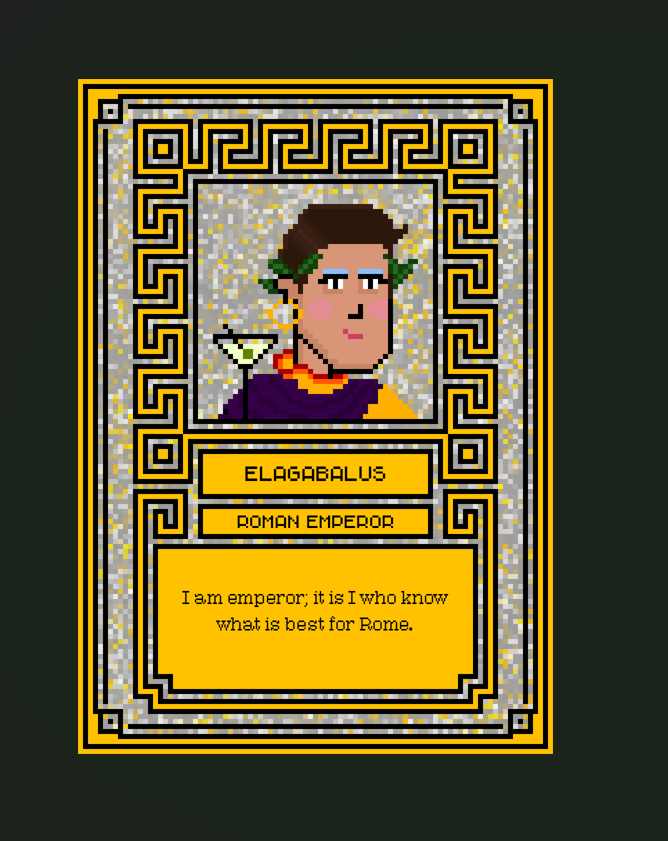

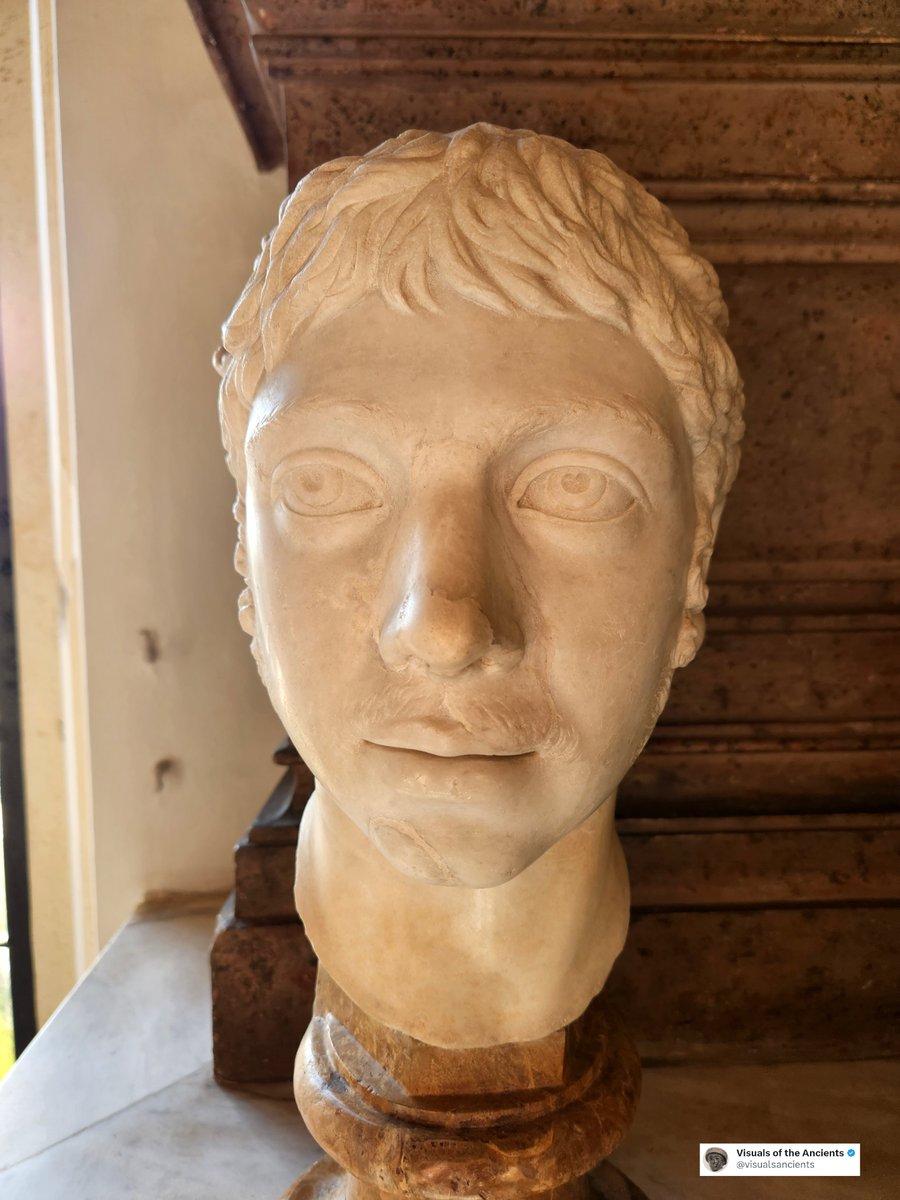
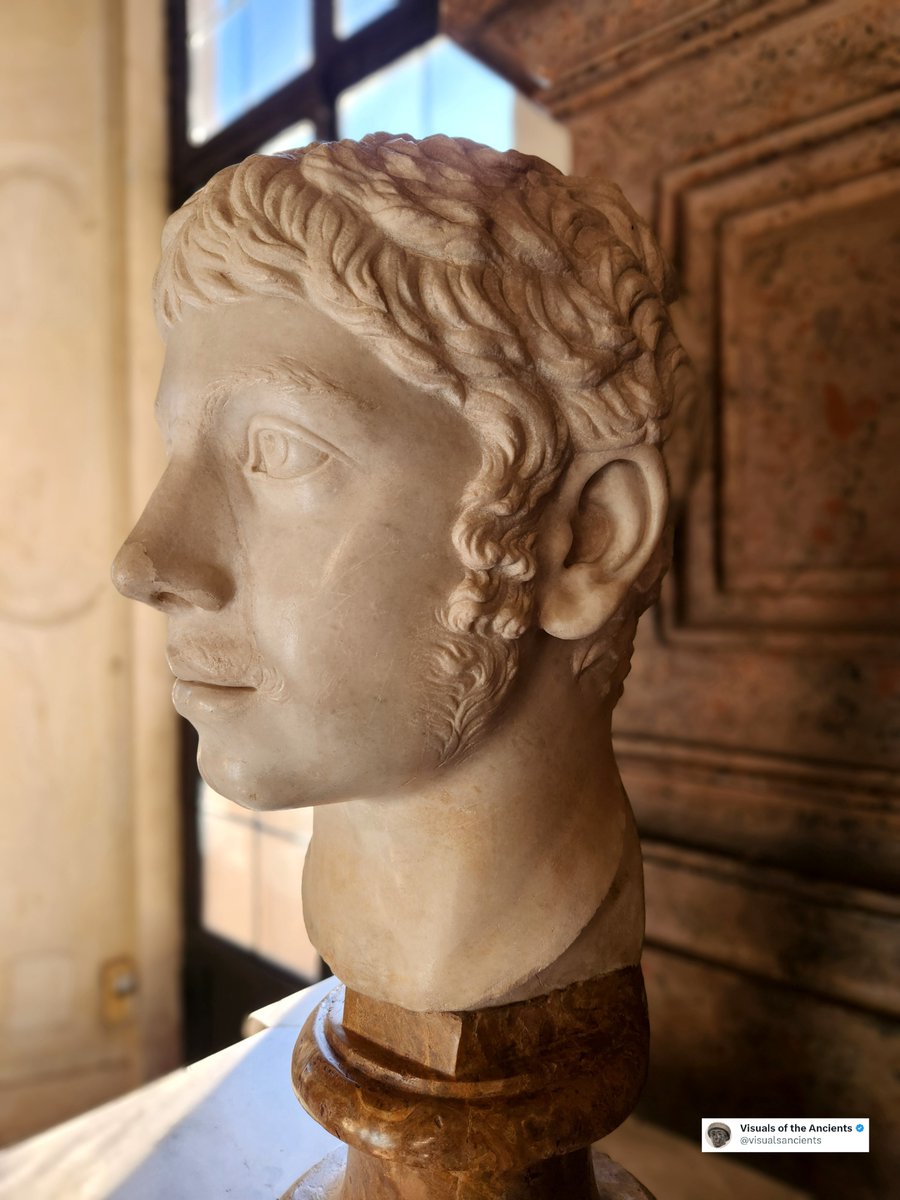
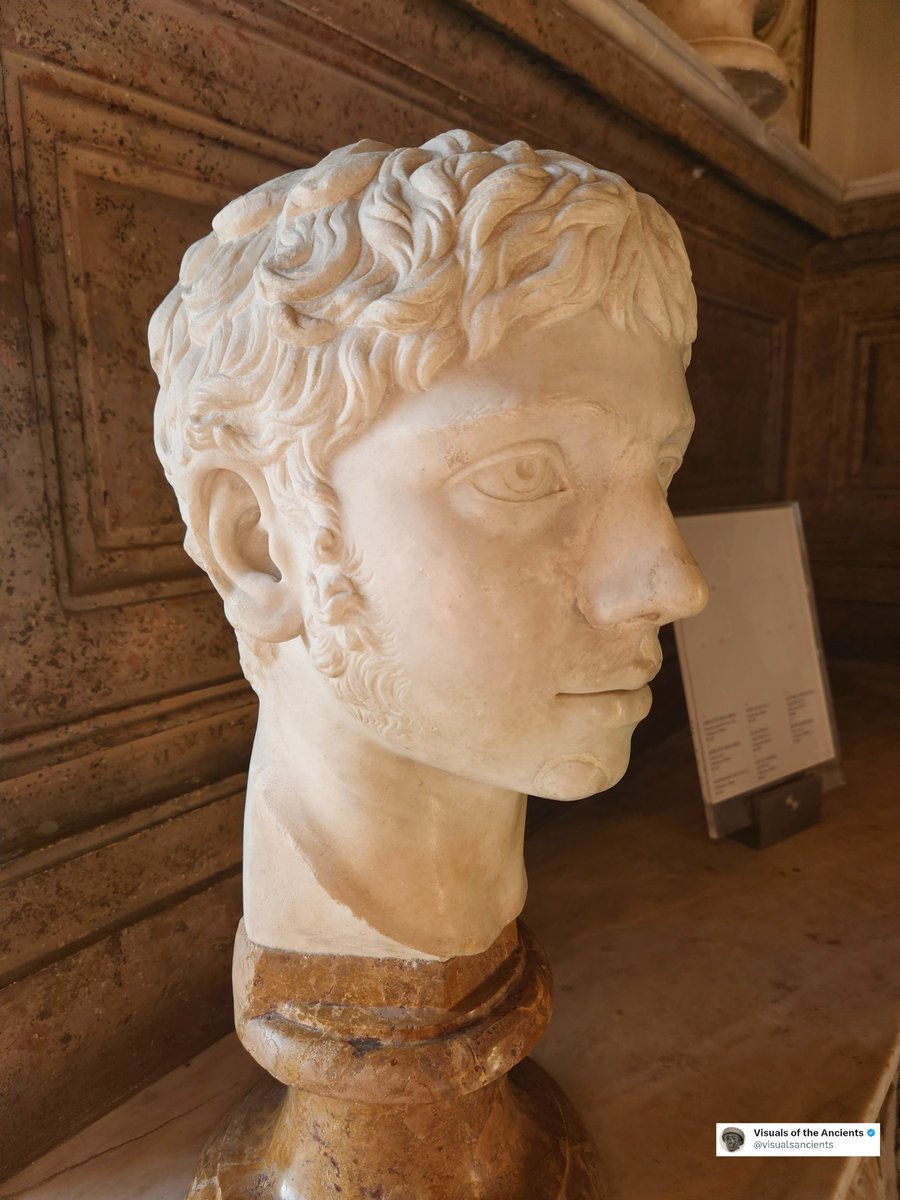
Talking of Elagabalus, emperor Severus Alexander's cousin and predecessor, who reigned from AD 218 to 222, here's his most famous bust currently on display in the Hall of the Emperors, part of the Capitoline Museums.
📸 by me.
1
1
8
211
Mar 10
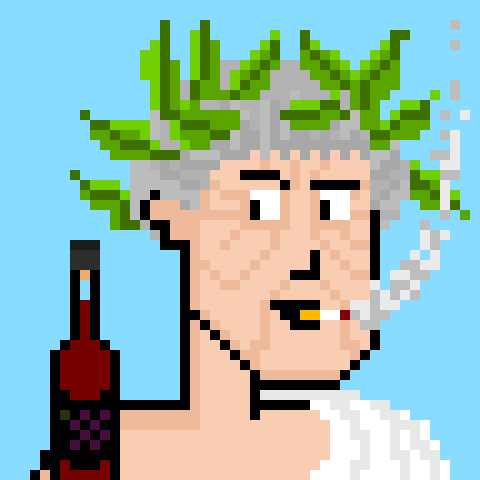
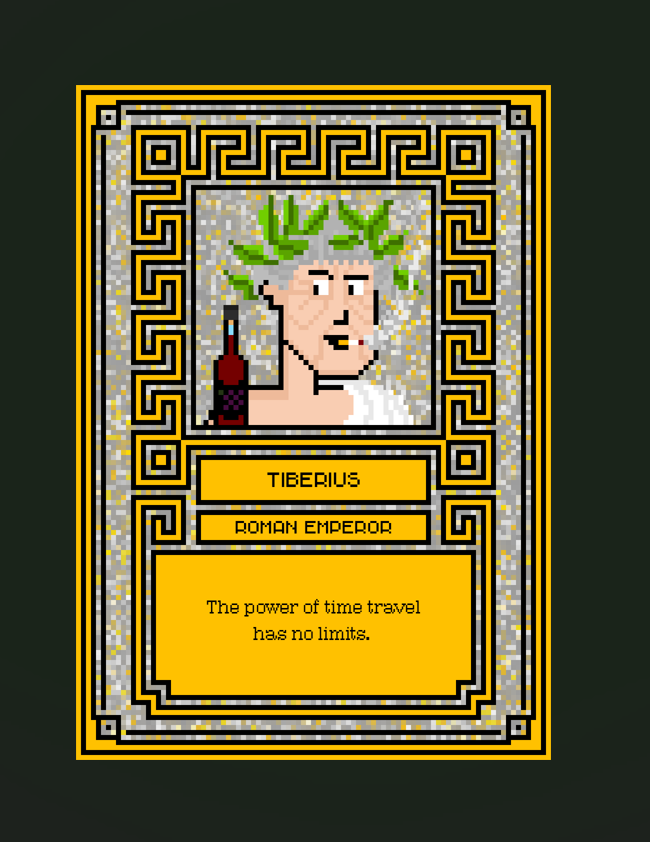
Tiberius, he lived his best life.
Mar 10

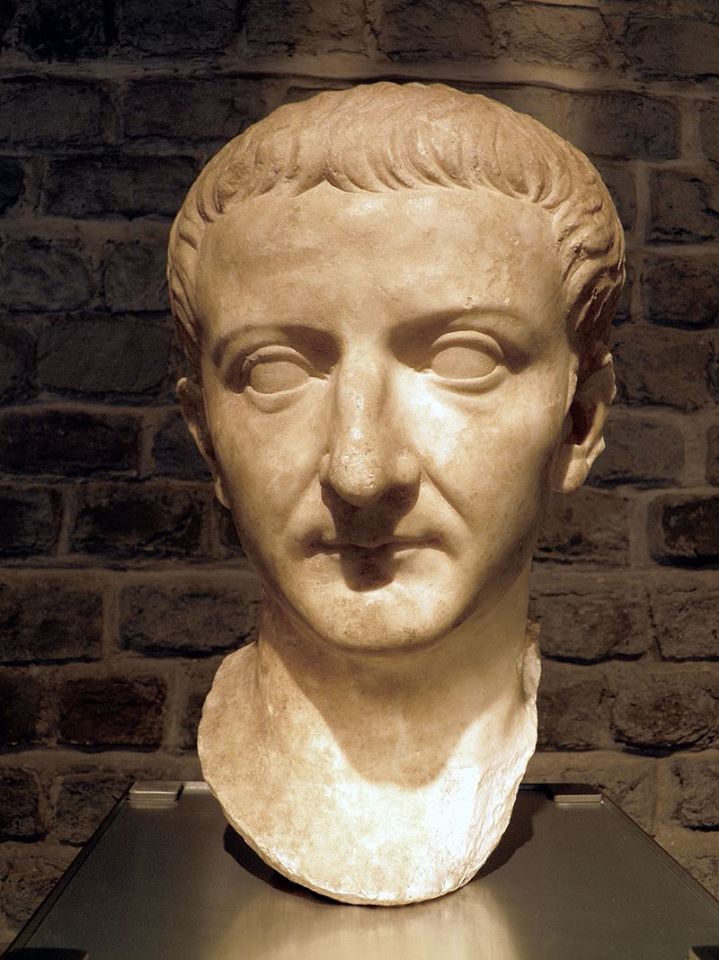
Today 37AD Tiberius Died. Tiberius was one of Rome's greatest generals; his conquest of Pannonia, Dalmatia, Raetia, and temporarily, parts of Germania, laid the foundations for the northern frontier.
1
7
74
Mar 10
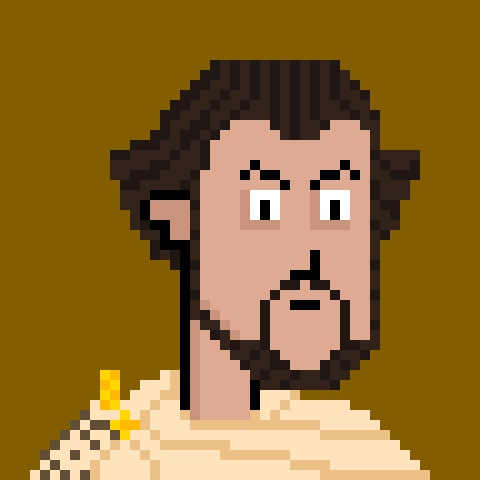
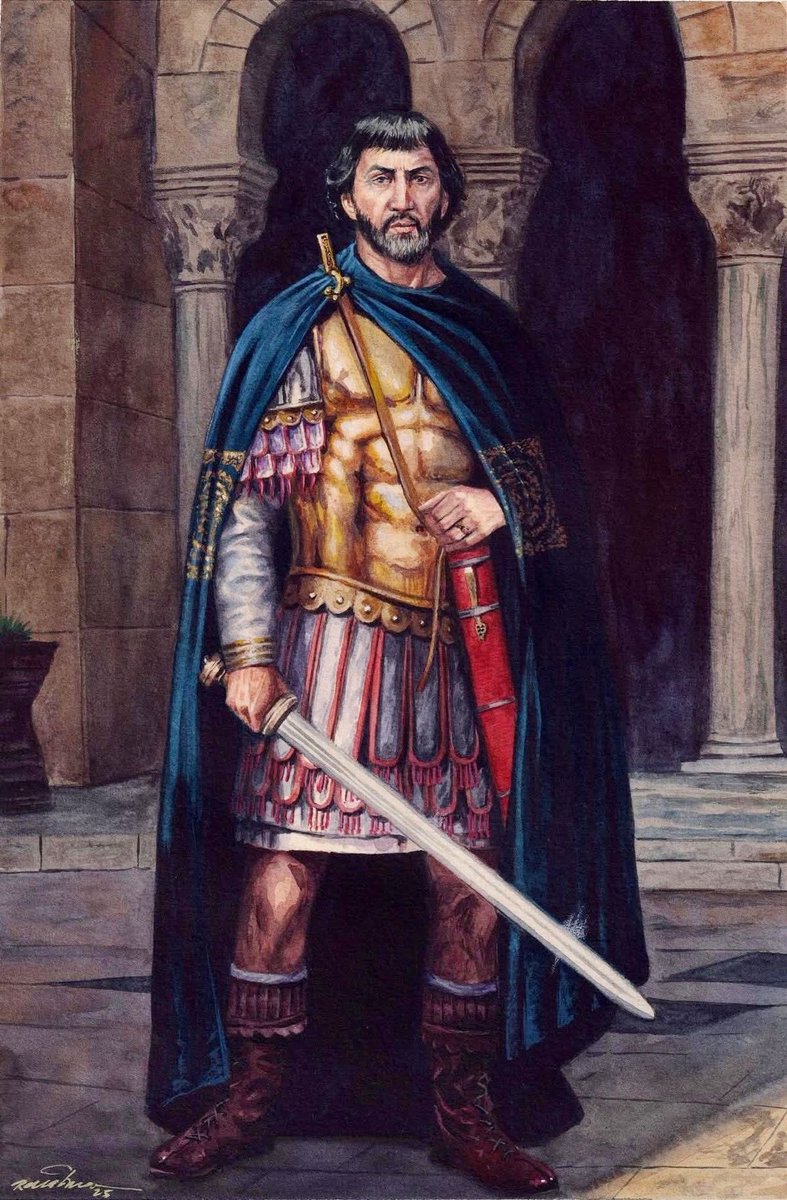
Belisarius by Christine de Goede

7
62
Mar 6
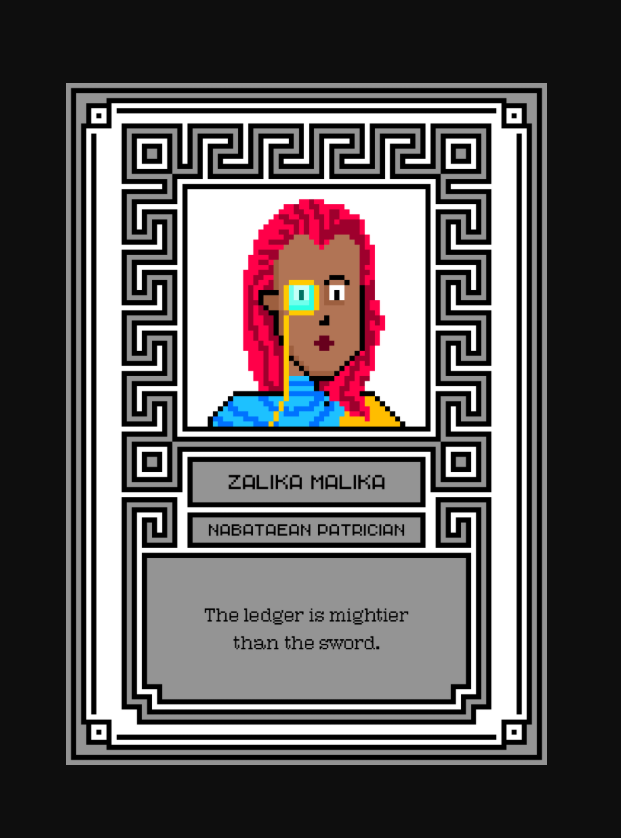
#634 – Zalika Malika
Born 2162 AD in Petra, Zalika descends from an ancient Nabataean line of traders and financiers. As a plenipotentiary of Crimson Oasis Bank, she wields influence within the Red Sands Syndicate, quietly funding Clone Hannibal’s uprising against Neo-Carthage.

1
4
64
Mar 6
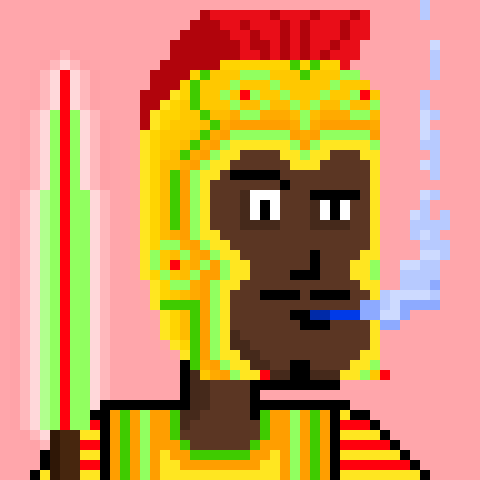
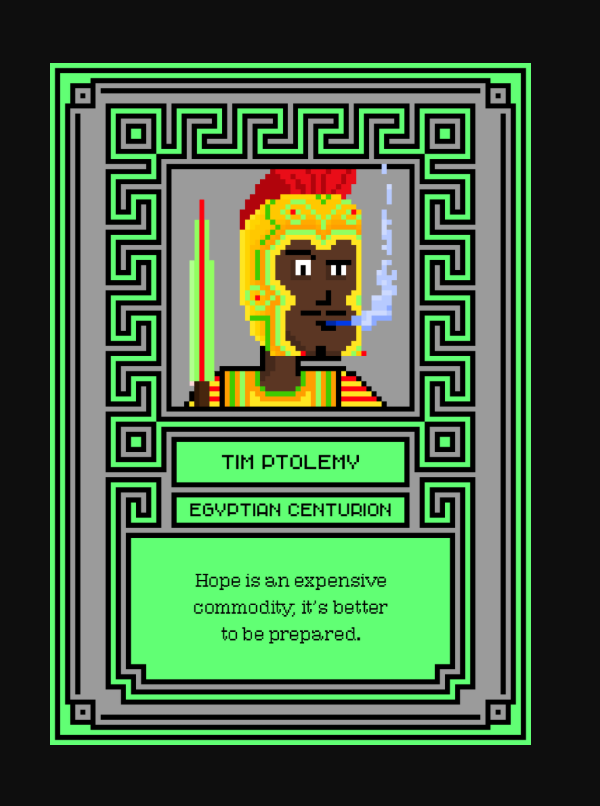
#515 – Tim Ptolemy
Born 2159 AD in Luxor-Thebes, Tim is a battle-hardened mercenary centurion/veteran of the Dacian Vampire Wars. A descendant of Cleopatra Julius Caesar, he now fights for the Red Sands Syndicate, backing a cloned Hannibal Barca’s revolt against Neo-Carthage.
1
4
77
Mar 6
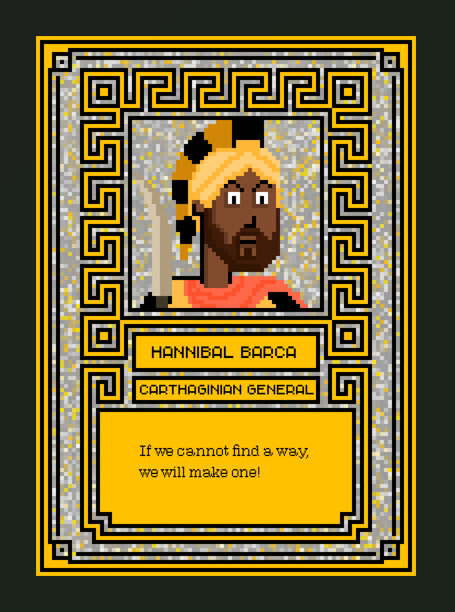
Hannibal looks like how we want him to look.
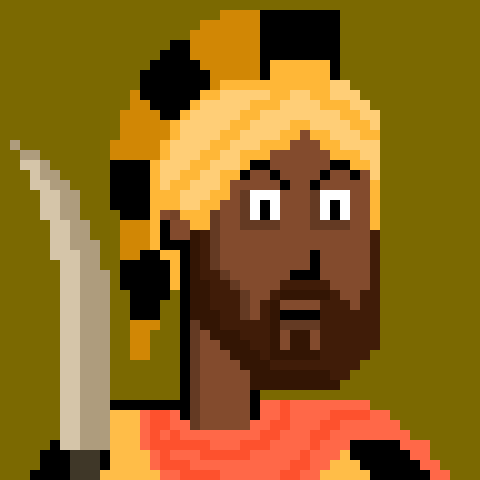
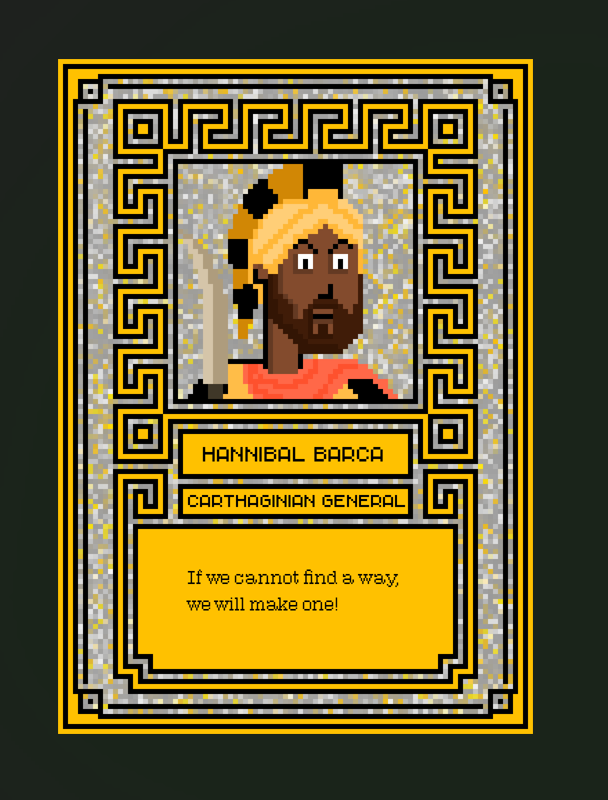

Does anyone in the entire Anglosphere know what a North African looks like?
1
6
504
Mar 5
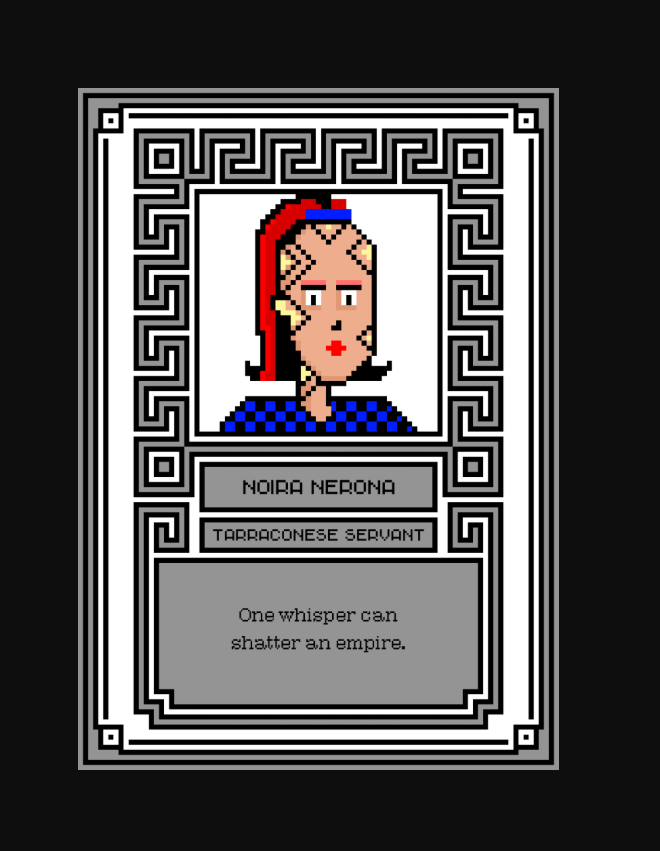
#636 – Noira Nerona
Born 1960 AD in Valentia, Noira is a courtesan at Café Cypherpunk, a neon refuge for intergalactic spies. She overhears a plot that could destabilize space-time, and shadowy forces move to silence her. Her only hope: a dimension-hopping protector...

1
1
5
93
Mar 5
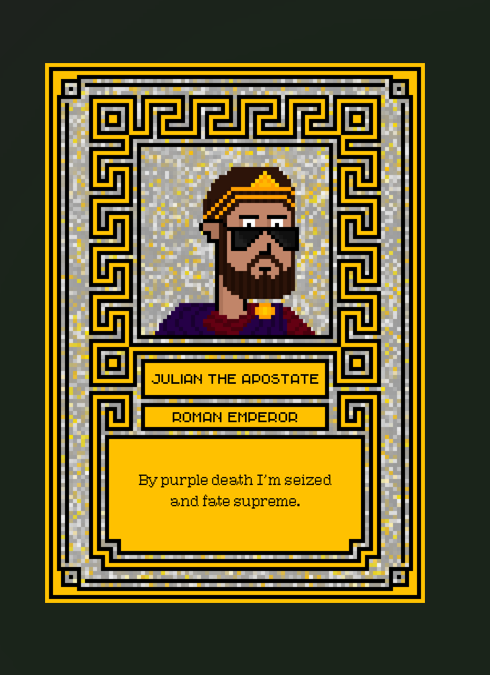
After Antioch, Julian moved to Sunnyvale Trailer Park with Ricky and Bubbles.

Mar 5
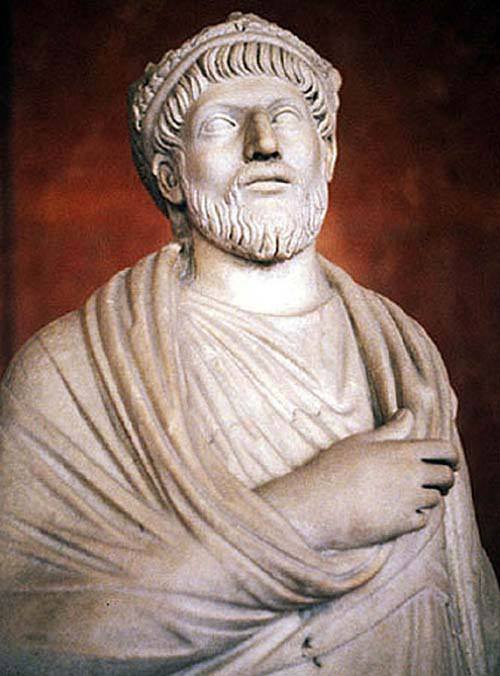
Today 363AD Roman Emperor Julian moves from Antioch with an army of 90,000 to attack the Sassanid Empire, in a campaign that brings about his own death
1
1
4
64
Mar 5
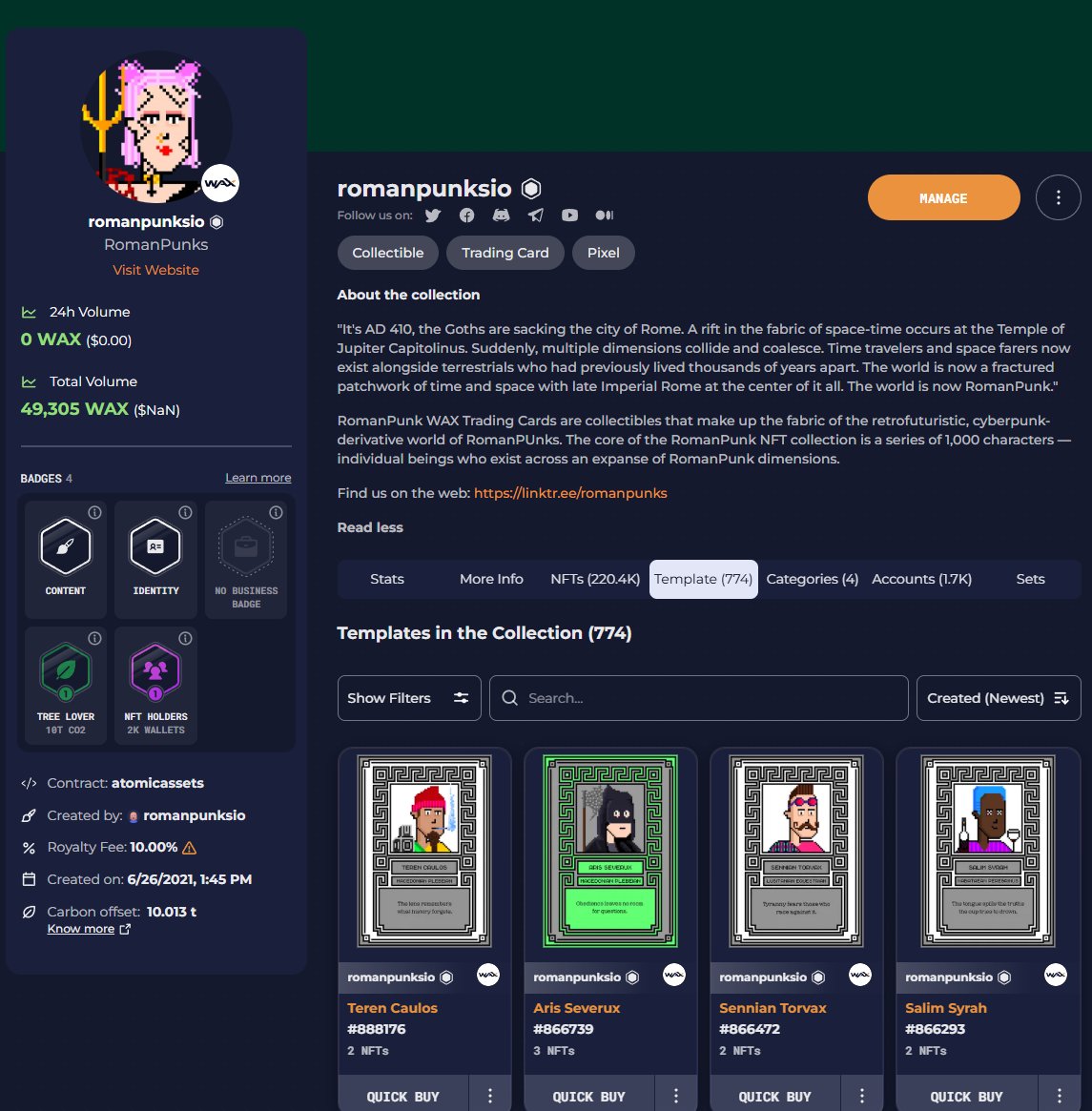
Glad to hear AtomicHub is back and running so we can continue building our RomanPunks NFT trading card collection there. Ave! wax.atomichub.io/explorer/co…
Mar 4

AtomicHub has been rebooted on @WAX_io! Faster and more secure than ever. Coming next: @XPRNetwork, @avax, @VaultaLabs, @Immutable, @0xPolygon , @SuiNetwork and more! wax.atomichub.io

1
6
54
Mar 5
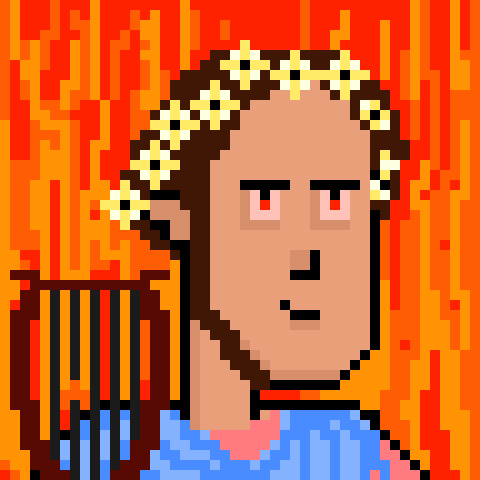
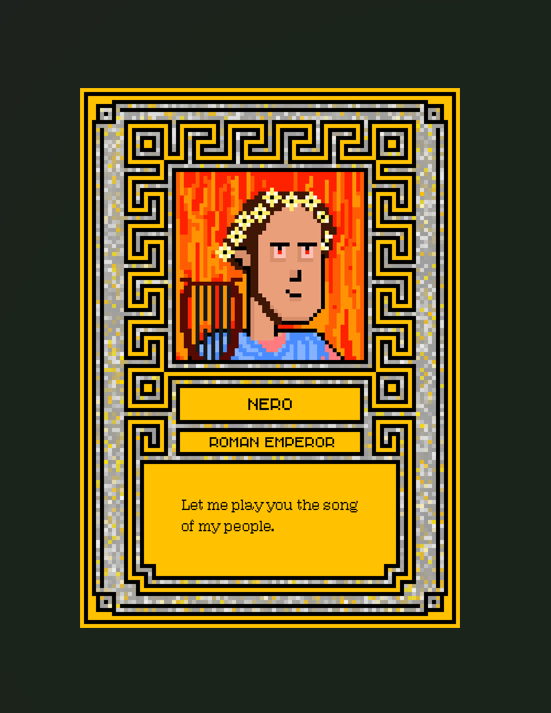
He was fiddlin' with his upright organ.
Mar 5
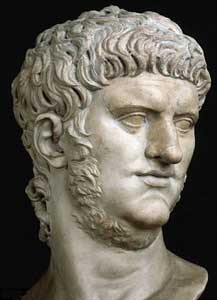
Today 51AD Nero, later to become Roman Emperor, is given the title princeps iuventutis (head of the youth). He is infamously known as the Emperor who "fiddled while Rome burned" and as an early persecutor of Christians.
1
3
36
Mar 4
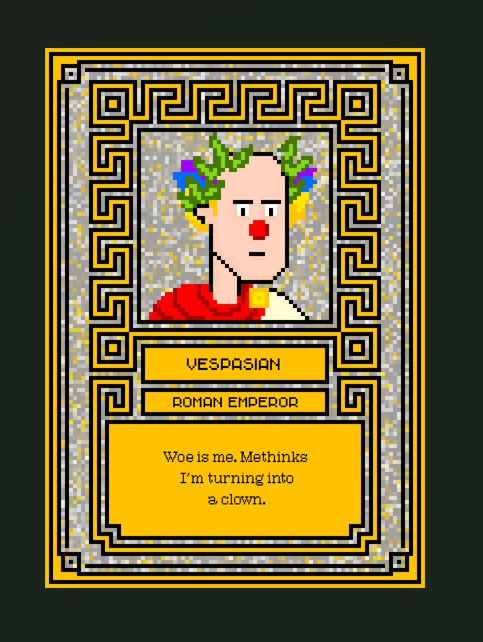
Vespasian. He loved the Circus so much he built a colosseum. He also taxed piss to pay for it.
What a clown.

Mar 4

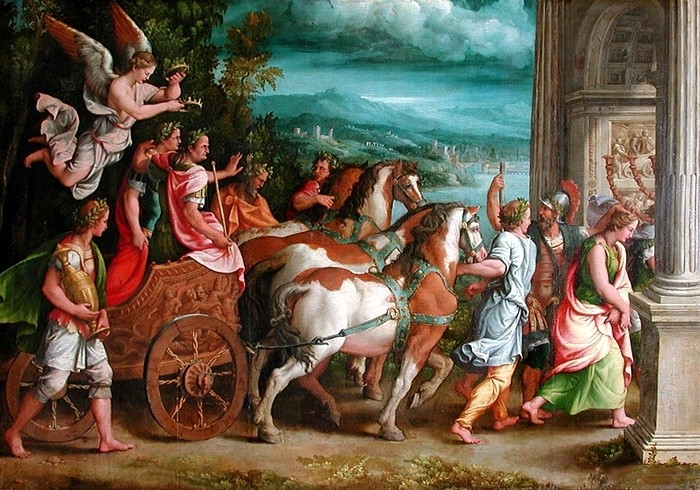
In AD 69, Rome tore itself apart. Three emperors, Galba, Otho and Vitellius, rose and quickly fell.
Then came the 4th emperor of 69 AD.
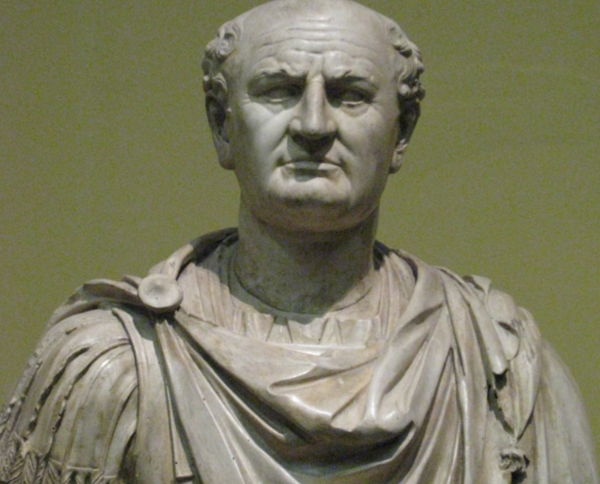
Vespasian.
A soldier from the provinces who restored stability, rebuilt Rome’s finances, and ended the chaos. By the time he died in AD 79, Romans had a simple way to measure his success:
Since Augustus, no emperor had ruled better.
From civil war to Rome’s second-greatest emperor in a single decade.
Pretty impressive🏛️
1
4
42

Feb 28
He treated battles like candy.
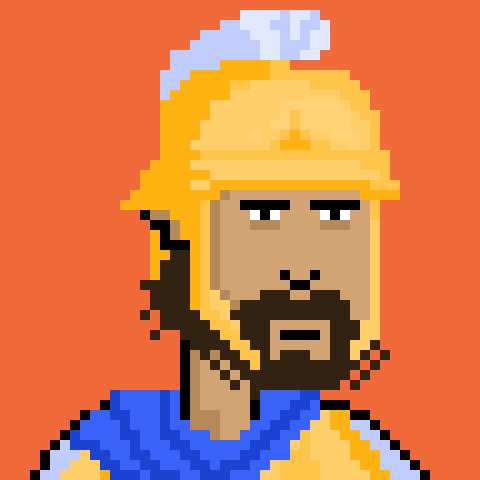
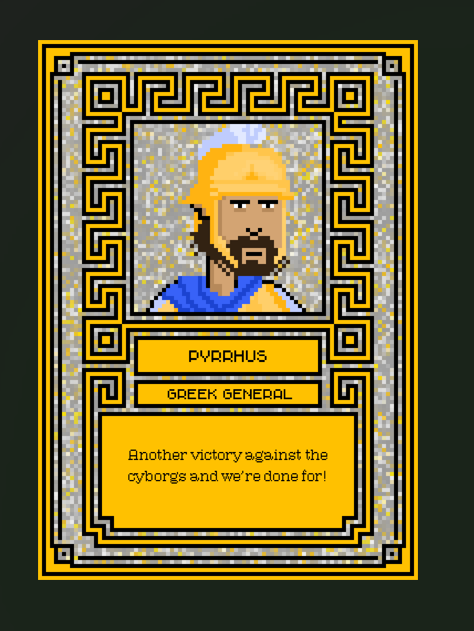

I asked my guy friend why men were obsessed with the a Roman Empire, and then 30 minutes later I’ve learned at the etymology of “Pyhrric victory” comes from from King Pyrrhus of Epirus, a Greek general whose army suffered irreplaceable casualties while defeating the Romans at the Battles of Heraclea like 280BC …and also that Romans once filled the Colosseum with water to enact sea battles, and there was also something called the Siege of Alesia in 52 BC where the Romans built a double ring wall to starve the inside people and protect against the relief army on the outside. Something else about filling a valley with logs so the army could cross. And also Sicily used to be a forest island but the Romans deforested it for all their ship building and battle supplies
1
6
106
Feb 28
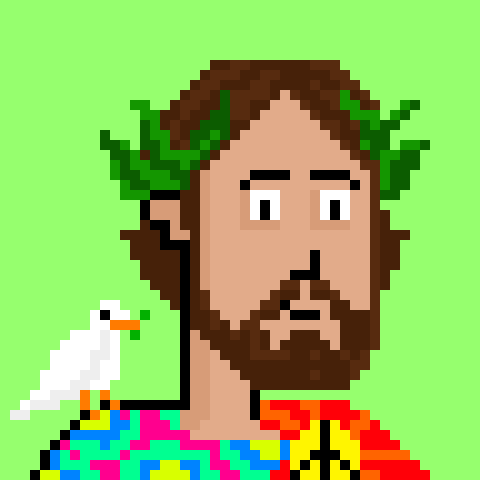
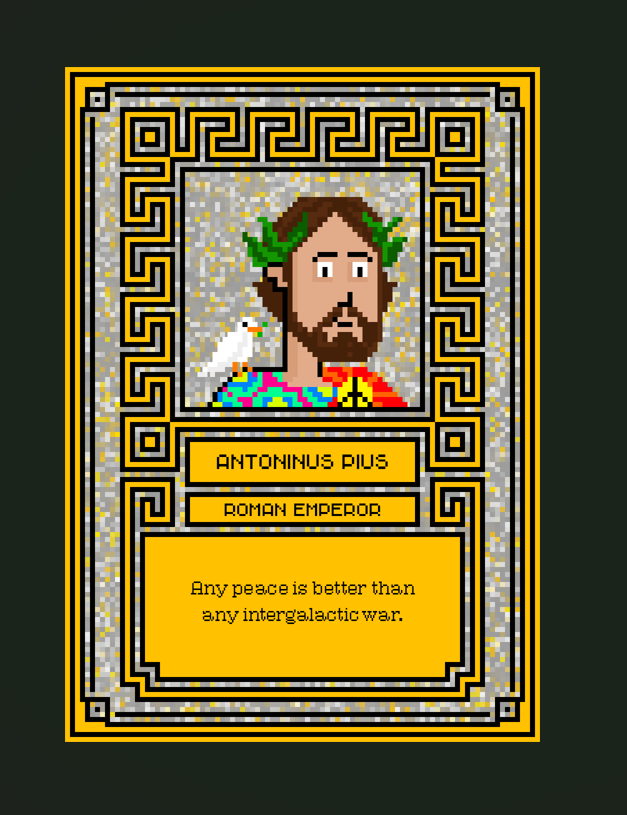
The Emperor of Peace, dude.
Feb 28
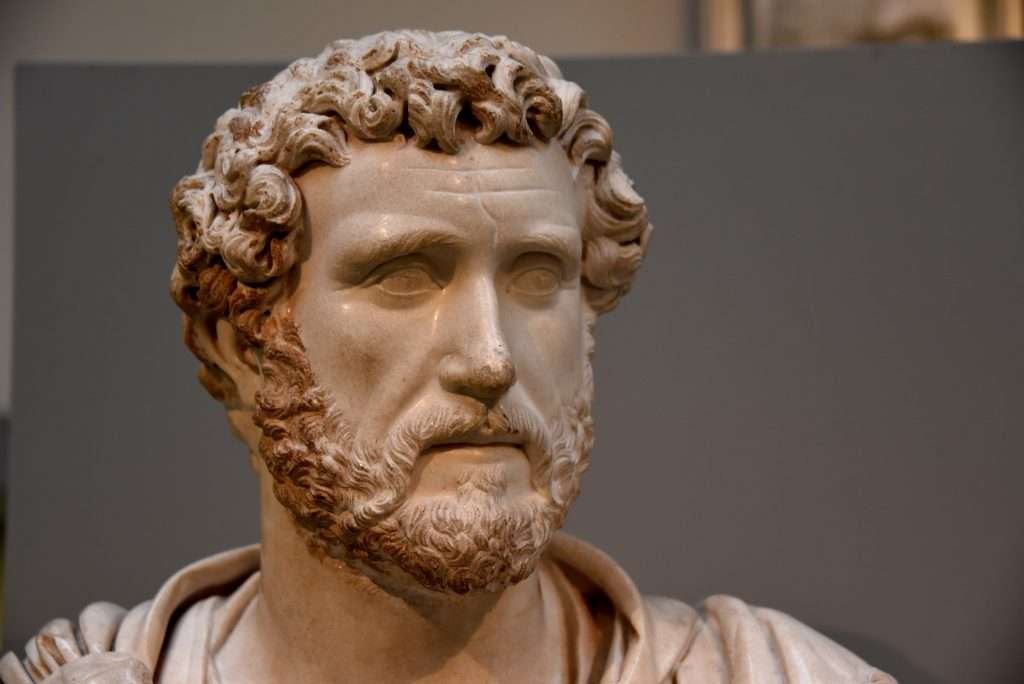
The award for Rome's most underrated Emperor goes to....
Antoninus Pius 🥇
Do you agree?
7
49
Feb 27
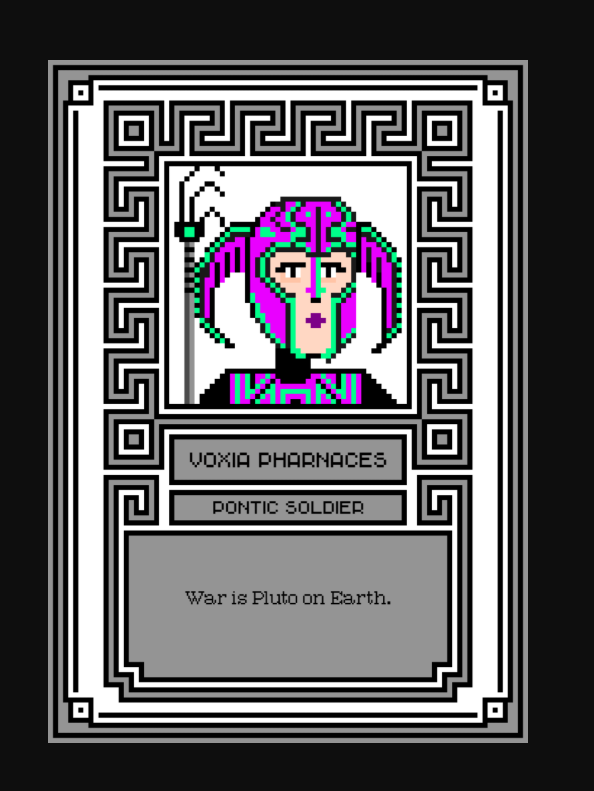
#797 – Voxia Pharnaces
Born in 49 BC in Amaseia, Voxia and twin brother Nico were abandoned by a paranoid father and raised by dimension hopping brigands who trained them to kill. Resentful of her father, Voxia has clawed off the face of any man who dared try to rape her.

2
1
7
97
Feb 25
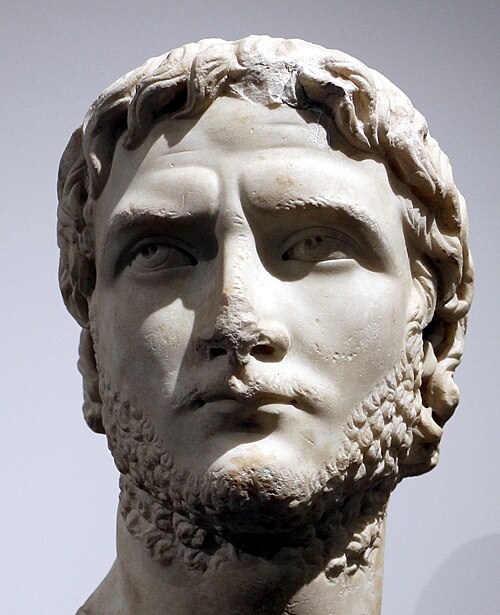
Gallienus, he loved the finer things in life.

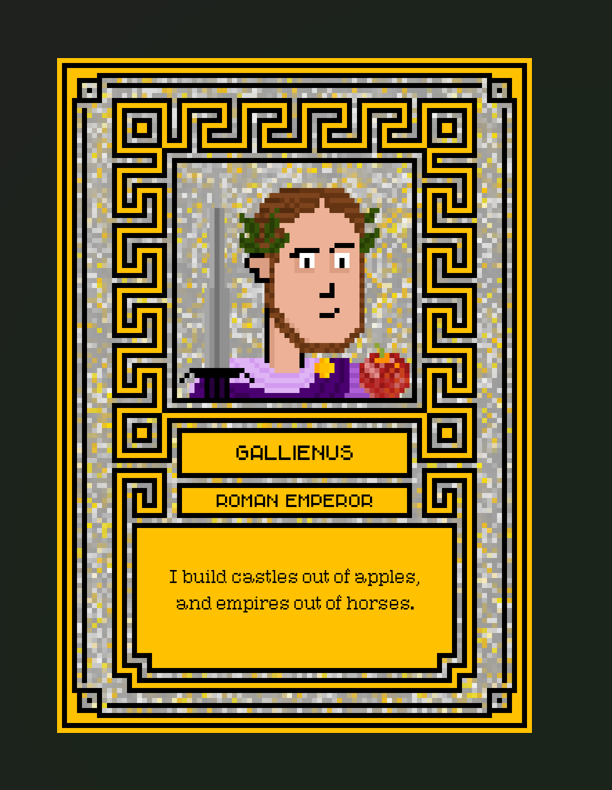

During the catastrophic 3rd Century AD, when Roman Empire nearly shattered under the weight of civil wars, foreign invasions, and economic collapse, one emperor stood against the chaos longer than any of his contemporaries. Gallienus ruled for fifteen years (253-268 AD), first alongside his father Valerian, then alone after Valerian's unprecedented capture by Persian forces in 260 AD. His reign witnessed the empire fracturing into three competing states, yet he implemented military reforms that would shape Rome's future for generations.
Gallienus inherited disaster. When Persian King Shapur I captured his father—the first and only Roman emperor ever taken prisoner alive by a foreign enemy—the empire erupted into civil war. Usurpers proclaimed themselves emperor across the provinces, from Pannonia to Egypt. General Postumus seized Gaul, Britain, and Spain, establishing the breakaway Gallic Empire after murdering Gallienus's son Saloninus. In the East, military commander Odenathus of Palmyra carved out virtual independence while nominally remaining loyal to Rome. Germanic tribes poured across the Rhine and Danube frontiers, with Alemanni raiders reaching the outskirts of Rome itself for the first time in five centuries.
Against this overwhelming tide, Gallienus demonstrated remarkable military skill and administrative innovation. He crushed multiple usurpers including Ingenuus, Regalianus, and the Macriani brothers, while personally defeating an Alemanni invasion at the Battle of Mediolanum in 259 AD. Most significantly, he revolutionized Roman military structure by creating the first primarily cavalry mobile field army—the *comitatenses*—which could rapidly deploy anywhere in the empire. He also barred senators from military commands, replacing them with professional equestrian officers who owed their positions to merit rather than birth. These reforms became the foundation for later emperors Diocletian and Constantine.
Despite his victories, Gallienus could never reunite the empire. The Gallic Empire remained independent throughout his reign, and his attempts to reconquer it ended when an arrow severely wounded him during a siege in Gaul. In 268 AD, while besieging the usurper Aureolus in Milan, a conspiracy of his own officers—led by the Dalmatian commander Cecropius—assassinated him. The Senate in Rome reportedly ordered the execution of his entire family upon hearing news of his death, though his successor Claudius Gothicus countermanded the order and deified the fallen emperor.
Gallienus's fifteen-year struggle fundamentally transformed the Roman Empire's military and political structure, though he could not prevent its temporary fragmentation. His creation of mobile cavalry forces and professionalization of military command proved more consequential than his battlefield victories. These reforms enabled his successors Claudius Gothicus and Aurelian to eventually defeat Gothic invasions and reunite the breakaway provinces. By excluding senators from military power, Gallienus accelerated the transition from the Principate to the later Dominate system of imperial autocracy. His 260 AD edict granting Christians freedom of worship also established the first official toleration of Christianity in Roman history, creating precedent for Constantine's later policies. While ancient historians portrayed him negatively for losing Gaul and failing to rescue his father, modern scholars recognize him as a reformer whose innovations helped the empire survive its darkest century.
#archaeohistories
2
8
122