
Social psychologist and bestselling author | I share research-backed ideas for building healthy, high-performing teams. | superteamsinc.com
Joined February 2009
- Tweets 3,569
- Following 371
- Followers 7,850
- Likes 2,666
1,677 Photos and videos






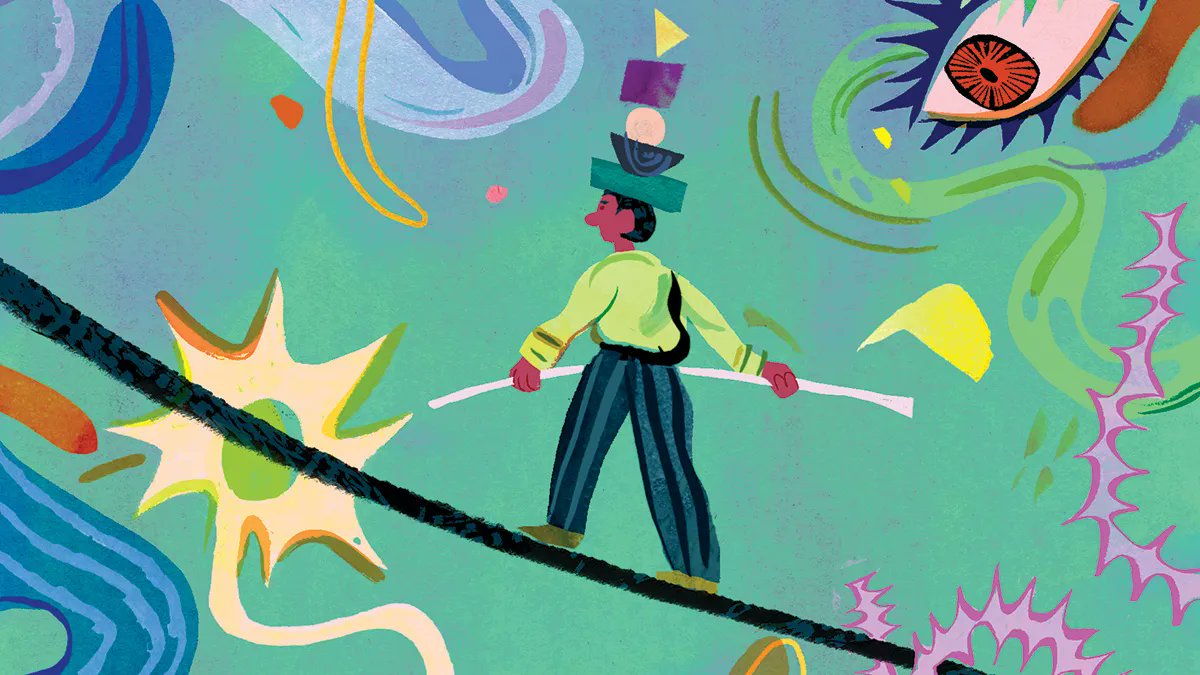


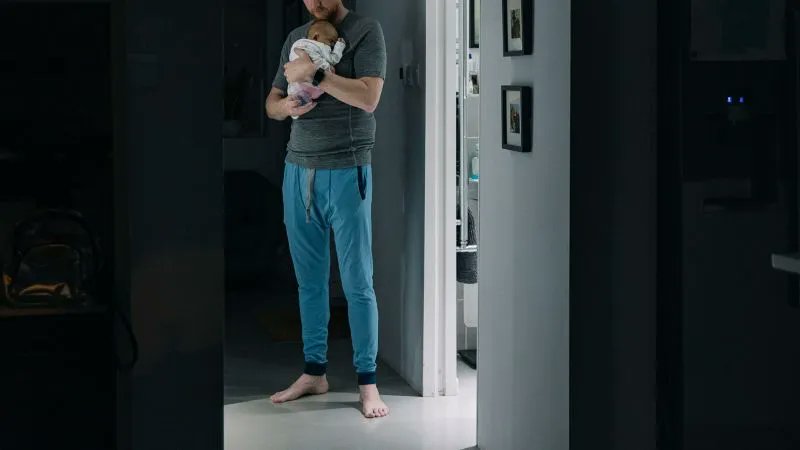


Bad teams:
1. Information gets hoarded.
2. Saying no gets you labeled difficult. 3. People are accountable to the boss, not each other.
Great teams:
1. Everyone is in the loop.
2. Saying no is a sign of someone who knows what matters.
3. Teammates are accountable to each other.
Same job. Completely different life.
132
10 quiet signs you're on a great team:
1. Your manager has your back.
2. You can say no without it costing you.
3. Credit lands with the person who earned it.
4. You leave on time without guilt.
5. You don't dread Monday morning.
6. Your teammates want you to succeed.
7. You don't check messages on vacation.
8. You have a colleague who gives honest feedback.
9. You feel calm about your job security.
10. You feel safe enough to say "I don't know."
Most people have never had all ten. Some have never had five.
95

Mar 19
Busyness deceives us into feeling like progress.
Every response requested, every meeting scheduled triggers that satisfied feeling.
Real productivity doesn't give you that rush. It just compounds quietly until one day you look up and realize you've built something.
114
Your best ideas don’t show up while you grind, they show up right after you stop.
Try 90 minutes focused work, then 10 minutes off-screen.
1
2
105
On the best teams, everyone wins together or no one does.
Shared goals create shared success.
1
1
113
Feeling good isn’t something you earn at the finish line. Treat it like the thing that gets you there.
Sleep, food, exercise, and a little margin. Everything else gets easier after that.
1
1
6
575
Jan 26
Most leaders treat burnout like it’s an individual problem.
“They need better boundaries.”
“More resilience.”
“A vacation.”
But when your best people keep burning out, the problem usually isn’t them.
It’s you.
Praise nights and weekends, and you reward exhaustion.
Praise great work done sustainably, and you reward excellence.
The difference is what you reward.
Burnout isn’t a badge of honor.
It’s a failure in leadership.
116
Jan 22
The secret to great meetings is canceling the ones that shouldn’t exist.
Before you schedule anything, ask:
Do we need to think together in real time?
If not, it’s not a meeting.
It’s an email.
97
Jan 21
Disconnecting from work isn’t something you selfishly do for yourself.
It’s an investment in your future performance.
1
106
18 Jul 2023
Your setbacks don’t define you but how you respond to them does.
The trick is to identify one thing your setback has taught you to do differently next time.
Focus on development, not defeat.
3
11
907
7 Apr 2023
The brain plays a crucial role in the way we experience pain and anxiety. Because of this, remarkable new research suggests listening to music can alleviate side effects and enhance the benefits of treatment, including ones as intensive as chemotherapy.
buff.ly/3KoWPiX
7
857
5 Apr 2023
Based on the concept of "via negativa," which emphasizes removing negative elements rather than adding positive ones, this article makes a compelling case that we can all achieve more by first identifying things we need to stop doing.
buff.ly/3JLRCkP by @arthurbrooks
1
1
9
561
3 Apr 2023
When we burn through all of our energy, we eventually experience burnout. Creating an ‘energy budget’ can help you prevent this. It starts with tracking your activities and noting which bring you energy and which deplete your reserves.
buff.ly/3nqUMBF by @THEWORDSMITHM
5
412
31 Mar 2023
If someone hassles you about buying expensive tickets to a sporting event, tell them it’s an investment in your health. A new study found that attending live sporting events can decrease loneliness and increase your sense that “life is worthwhile.”
buff.ly/3nydU0O
4
502
29 Mar 2023
To actually improve our health, we need to be realistic. For many people, that starts with simply packing a healthier sandwich for lunch. Discover how simple changes can help you avoid unnecessary salt, preservatives, and sugar.
buff.ly/3YNo1f2 by @andreaapetersen
2
342
27 Mar 2023
Study: "Learning how much we actually move by tracking our steps could help us start thinking of ourselves as active people, which can pay health dividends, even if we don’t start exercising more.”
buff.ly/3lALbb9 by @GretchenReynold
1
276
20 Mar 2023
We asked B2B customers what they would prefer from a service provider:
a) having a problem solved with a single solution
b) being offered a few solutions and asked to choose
Discover which option won, plus other insights, in my latest piece on HBR.
buff.ly/40isKXr
2
917
17 Mar 2023
If you’re unhappy at work and want things to change, you might need to have an honest conversation with your boss.
Try to be as specific as possible about what’s not working—without blaming individual people.
buff.ly/3n2cmfr by @nahlawrites
1
222
16 Mar 2023
For leaders, honest feedback can be hard to come by.
Here are some tips for getting the insights you need to improve your performance at work.
Remember, “good news is no news, no news is bad news, and bad news is good news.”
buff.ly/3kZ2PoL by @kimballscott
2
9
1,121
14 Mar 2023
What can we do today to make future accomplishments more enjoyable?
One tip: Stay authentic.
“Many find they need to be able to succeed as themselves, rather than molding their personas to fit the goal, to enjoy it.”
buff.ly/3SQCAwY by @RachelFeintzeig
2
251