
Ex Ski Racer, now software engineer running @Co2Analysis for line item procurement carbon, @cloudBuyplc ecommerce, eprocurement and white label marketplaces.
Joined August 2008
- Tweets 1,235
- Following 328
- Followers 223
- Likes 75
53 Photos and videos


Pinned Tweet

17 Dec 2025
Olympian Climate Champions are looking for volunteers.
See olympianclimatechampions.org…
The roles are global and we are trying to recruit in all timezones. The current split is
Americas,
Europe, Middle East and Africa
Asia Pacific
Do not worry if you do not fit nicely into these geographies, since the actual application is for anywhere in the world.
2
165
May 15
I think the key point in the is that Graham Aaronson KC believed she had a strong case NOT to pay the additional tax and that if it went to court she had a reasonable chance of success.
Presumably he set this out in his 2 page letter to HMRC, and they agreed to accept the cash and end proceedings.
May 14

An update on Angela Rayner. I wrote this morning that our team didn't understand why HMRC accepted Ms Rayner was not "careless", and so escaped penalties.
I've since spoken to her lawyer, Graham Aaronson KC.
The conversation was surprising.
33
Feb 8
A comeback to remember.
@lindseyvonn went for it, and skied too good a turn ending up high on the gate and catching it. The other racers bounced down and missed the line, she held the line and ended up catching the gate. If she had managed to get her arm across it would have been perfect. She didn't got spun around and that was the end.
Still it has been the best comeback season of all time. 2x wins and podiums in all the other races.
From theguardian.com/sport/2026/f… who got it wrong, but used a great photo.
109
Feb 4
Footage of Klammer winning 76 Olympics eurosport.de/olympia/olympia…
Feb 4

My memory of Innsbruck 76 was Klammer coming down with bib 15 and narrowly beating Russi after and incredible on the edge run.
81
Feb 4
My memory of Innsbruck 76 was Klammer coming down with bib 15 and narrowly beating Russi after and incredible on the edge run.
Feb 4
Innsbruck 1976 turns 50: a lasting legacy of Olympic excellence olympics.com/ioc/news/innsbr…
103
Feb 4
Innsbruck 1976 turns 50: a lasting legacy of Olympic excellence olympics.com/ioc/news/innsbr…
35
Jan 26
The uk produces less than 0.1% of global PM2.5 emissions, and clean burning stoves with catalytic converters are close to as good as it gets.
The billions of people cooking over open fires are most at risk from this issue and part of the reason that over 2 billion people are at risk from drought caused by the glaciers that feed their rivers melting and the rivers drying up.
The best solution is electricity.
I wrote a paper for olympianclimatechampions.org…
It is great that the health risks of wood burning are now getting attention, and hopefully we use this to help the rest of the world get similar benefits to their health. There is a shorter summary of the white paper here. linkedin.com/posts/ronalddun…
#CleanAir #WaterSecurity #ClimateAction #Sustainability #GlacierMelt
Jan 24

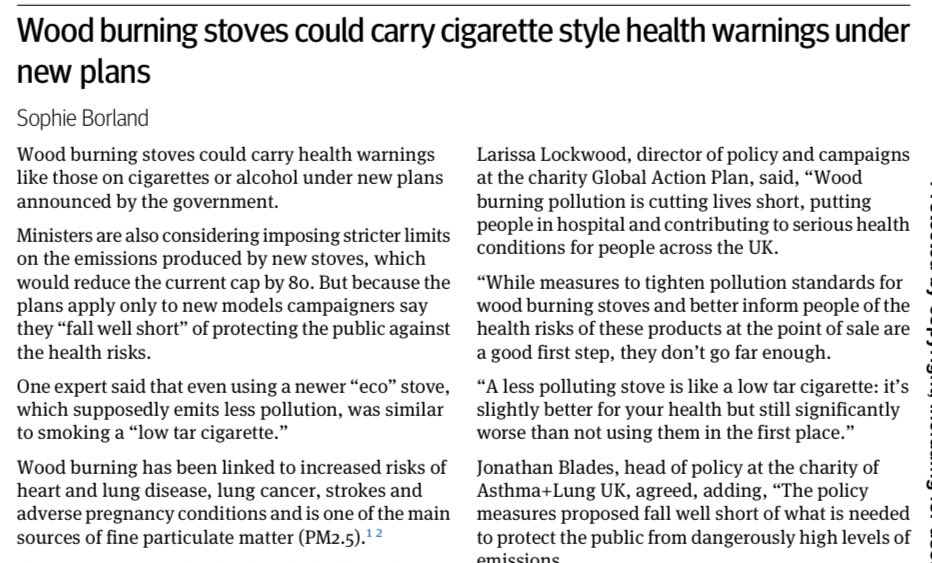
“Wood burning has been linked to increased risks of
heart and lung disease, lung cancer, strokes &
adverse pregnancy conditions and is one of the main sources of fine particulate matter (PM2.5)”
Don’t burn wood in the home.
#AirPollution
27
Jan 14
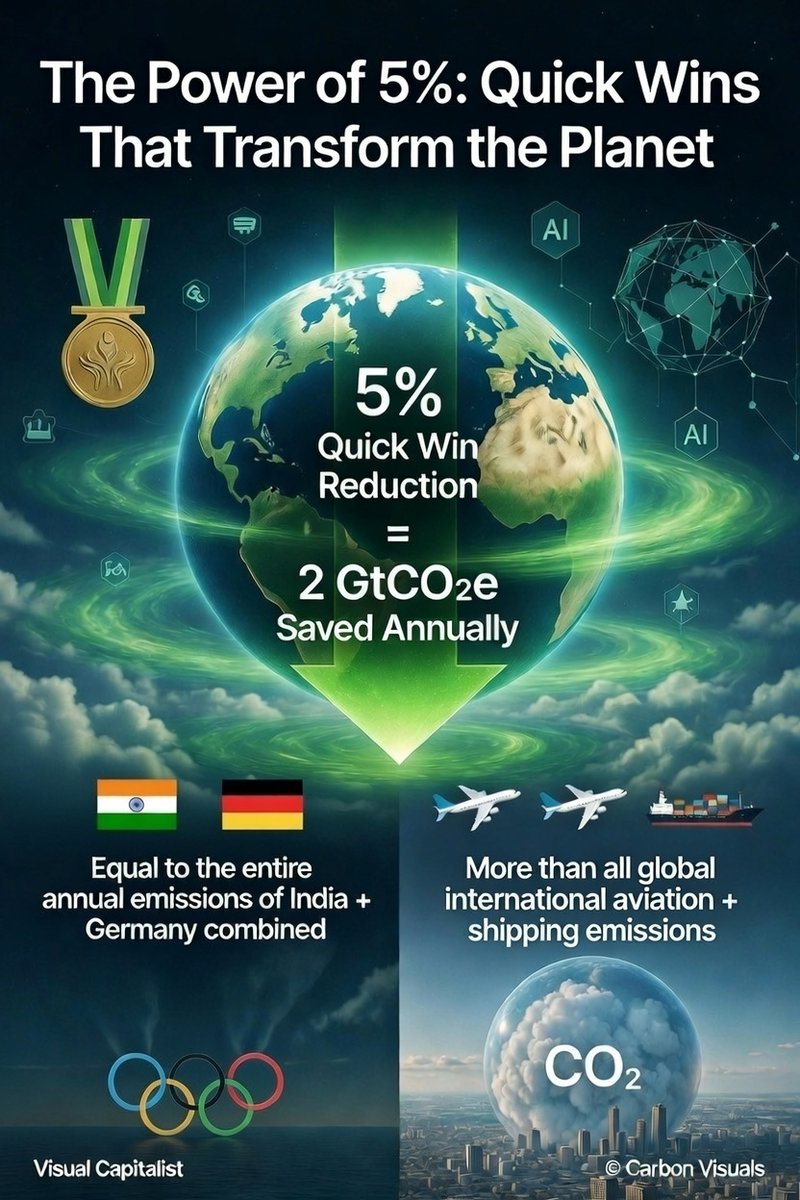
🥇🌍 Check out this powerful infographic from @OlympianClimate: The Power of 5% Quick Wins = 2 GtCO₂e saved annually – that's India Germany's emissions combined!
Tying into our #GoldMedalGoals event Feb 4, 2026: Unlock these wins for your supply chain now!
x.com/OlympianClimate/status…
#ClimateActionNow #MilanoCortina2026

🥇🌍 Our global launch is live on OlympianClimateChampions.org! Gold Medal Goals: Climate Action Now – Feb 4, 2026
5-10% quick wins in supply chain costs & carbon = $3 trillion saved 2 GtCO₂e cut annually if scaled globally.
That’s India’s GDP all aviation/shipping emissions combined!
Register → olympianclimatechampions.org
#GoldMedalGoals #ClimateActionNow #MilanoCortina2026
24
Jan 14
Check out this powerful infographic from @OlympianClimate: The Power of 5% Quick Wins = 2 GtCO₂e saved annually – that's India Germany's emissions combined!
Tying into our #GoldMedalGoals event Feb 4, 2026: Unlock these wins for your supply chain now!
x.com/OlympianClimate/status…
#ClimateActionNow #MilanoCortina2026
🥇🌍 Our global launch is live on OlympianClimateChampions.org! Gold Medal Goals: Climate Action Now – Feb 4, 2026
5-10% quick wins in supply chain costs & carbon = $3 trillion saved 2 GtCO₂e cut annually if scaled globally.
That’s India’s GDP all aviation/shipping emissions combined!
Register → olympianclimatechampions.org
#GoldMedalGoals #ClimateActionNow #MilanoCortina2026
22
Jan 4
What do you think is the best title for Olympian Climate Champion's 2026 event to kick off the 1st Days Competition at the 2026 Olympics on 4 February 2026.
The opening ceremony is on 6 February 2026.
Excited for our global launch event on Feb 4, 2026—just as Winter Olympics action kicks off in Milano Cortina! 🌍🏅
Olympian Climate Champions is all about quick, practical wins: 5-10% savings in costs AND carbon via AI supply chains black carbon reductions.
Help us pick the perfect title! Thread 👇
57
17 Dec 2025
Olympian Climate Champions are looking for volunteers.
See olympianclimatechampions.org…
The roles are global and we are trying to recruit in all timezones. The current split is
Americas,
Europe, Middle East and Africa
Asia Pacific
Do not worry if you do not fit nicely into these geographies, since the actual application is for anywhere in the world.
2
165
17 Dec 2025
We currently have 80 volunteers in the linked in group.
linkedin.com/groups/13963791…
20
16 Dec 2025
Still living the dream!
youtube.com/watch?v=SfNQzd_r…
@lindseyvonn Keep that leader bib!
33
16 Dec 2025
Name an organisation the same size as the NHS that is high-performing?
32
16 Dec 2025
You're right that interoperability is a key priority for the NHS, but forcing a single unified IT system across the entire organisation has been tried before—and it tends to fail spectacularly.
The pattern is depressingly familiar: the NHS builds (or commissions) a large, complex system. It takes years, incurs major budget overruns and delays—one of the biggest and most ambitious of its era. Eventually, after huge effort, it finally works reliably.
Then someone convinces decision-makers that, because of all the earlier teething troubles and negative press, the now-mature system should be replaced with something “modern.” The replacement (e.g. RESUS for the original national catalogue/barcode system) again suffers massive cost overruns, long delays, and initially delivers worse functionality than the system it superseded—yet ends up being used for 30 years.
Attempts at “one big system” across the whole NHS (like the National Programme for IT) have repeatedly followed the same cycle: vastly over budget, years late, strong opposition built up along the way, and often scrapped or scaled back, sometimes for something inferior.
On the procurement and supply chain side, however, the NHS has genuine world-class strengths. NHS Supply Chain pioneered barcode scanning and a national product catalogue in the 1970s—one of the earliest large-scale implementations anywhere. Today, over 50% of trust orders use automatic barcode replenishment, 100% of orders to suppliers are electronic with full line-item invoicing—a level of maturity they've held for over 30 years.
At my company, Co2Analysis, we've been analysing procurement and supply chain performance across large public and private sector organisations since 2010. Our datasets cover ~70% of the Fortune 500, as well as healthcare systems worldwide, education (all levels), and virtually all parts of the public sector.
From this broad experience, NHS procurement data quality stands out as among the best in global healthcare, and they've been using AI for item-level supply chain carbon footprint tracking since ~2010—a decade ahead of most private-sector best practice. Overall, NHS Supply Chain outperforms 90% of Fortune 500 companies in procurement and supply chain management (supermarkets excepted—their non-food purchasing is often chaotic), and is an order of magnitude better than almost every other public-sector body worldwide.
Clinical and financial systems remain fragmented across trusts, partly because medical IT is inherently hard: mission-critical systems routinely outlive the hardware/OS cycles they were built for, and vendors (quite rightly safety-focused) restrict cheap, open interfaces. Poor interoperability is a global healthcare problem—private systems in other countries often don't talk to each other across providers either.
As one of the world's largest buyers, the NHS actually pushes harder than most for standards and interoperability, but the market still lags.
In short: the NHS has pockets of genuine world-leading excellence (especially supply chain), but the cycle of replacing systems just as they mature into reliable, high-performing assets has wasted billions. Far better to evolve incrementally, enforce strong interoperability standards, and build on existing strengths rather than repeatedly starting from scratch.
35
3 Dec 2025
My last thread just crossed 5.5 million views.
Here it is again for anyone who missed it because of the “temporary label” X slapped on my account the moment it went viral:
x.com/RonaldDuncan/status/19…
16 Nov 2025
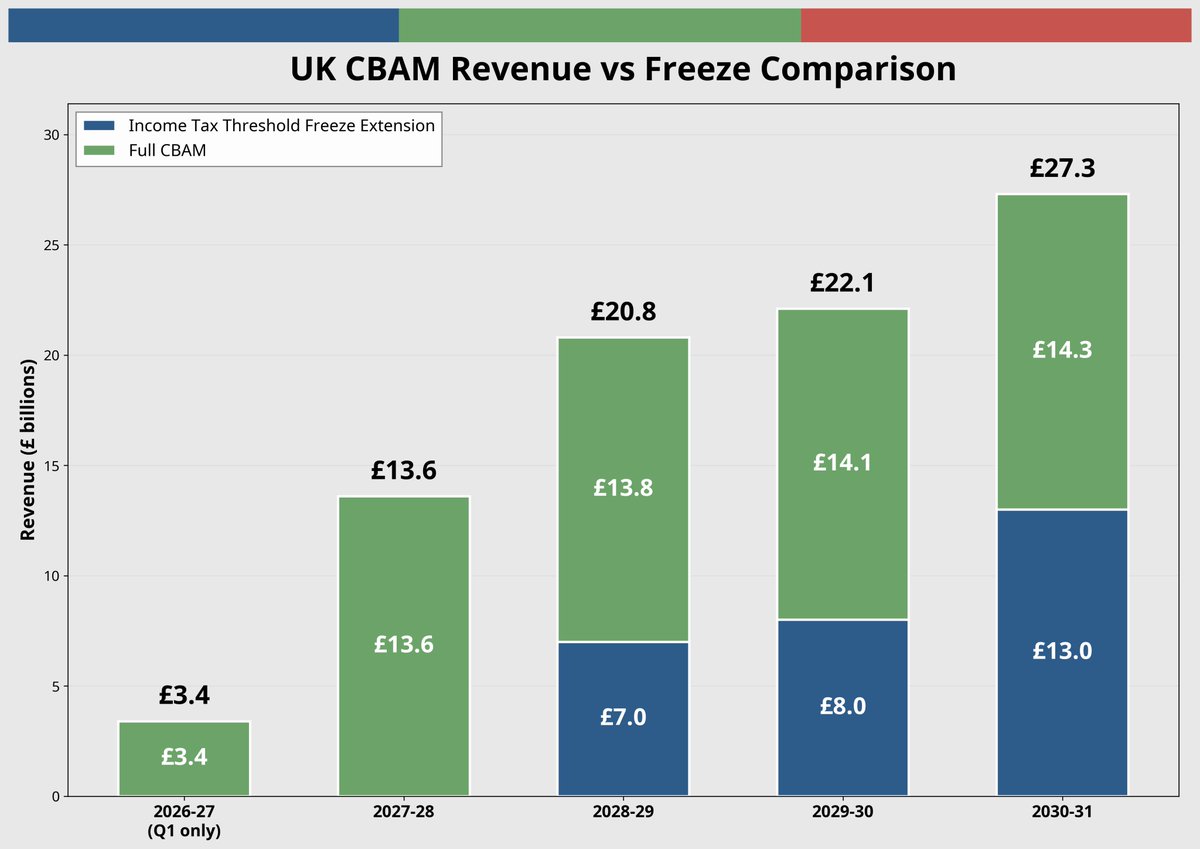
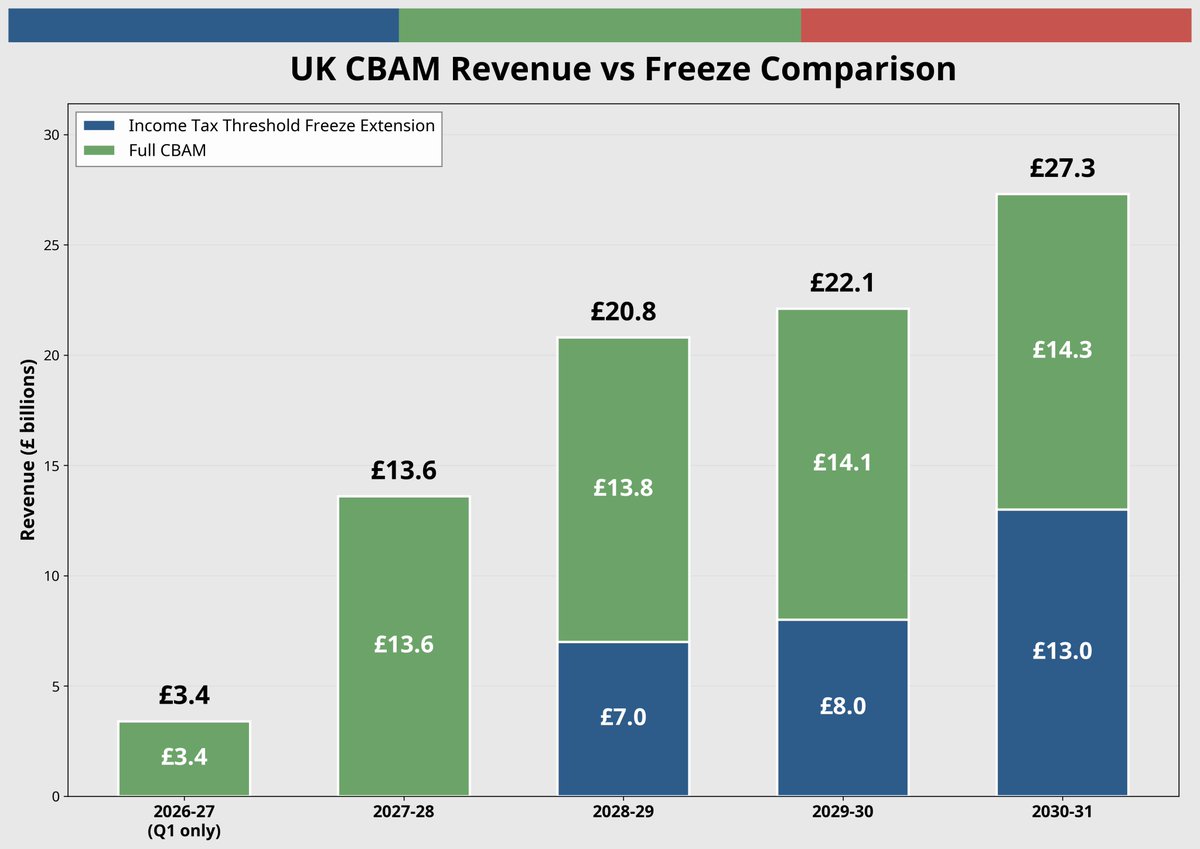
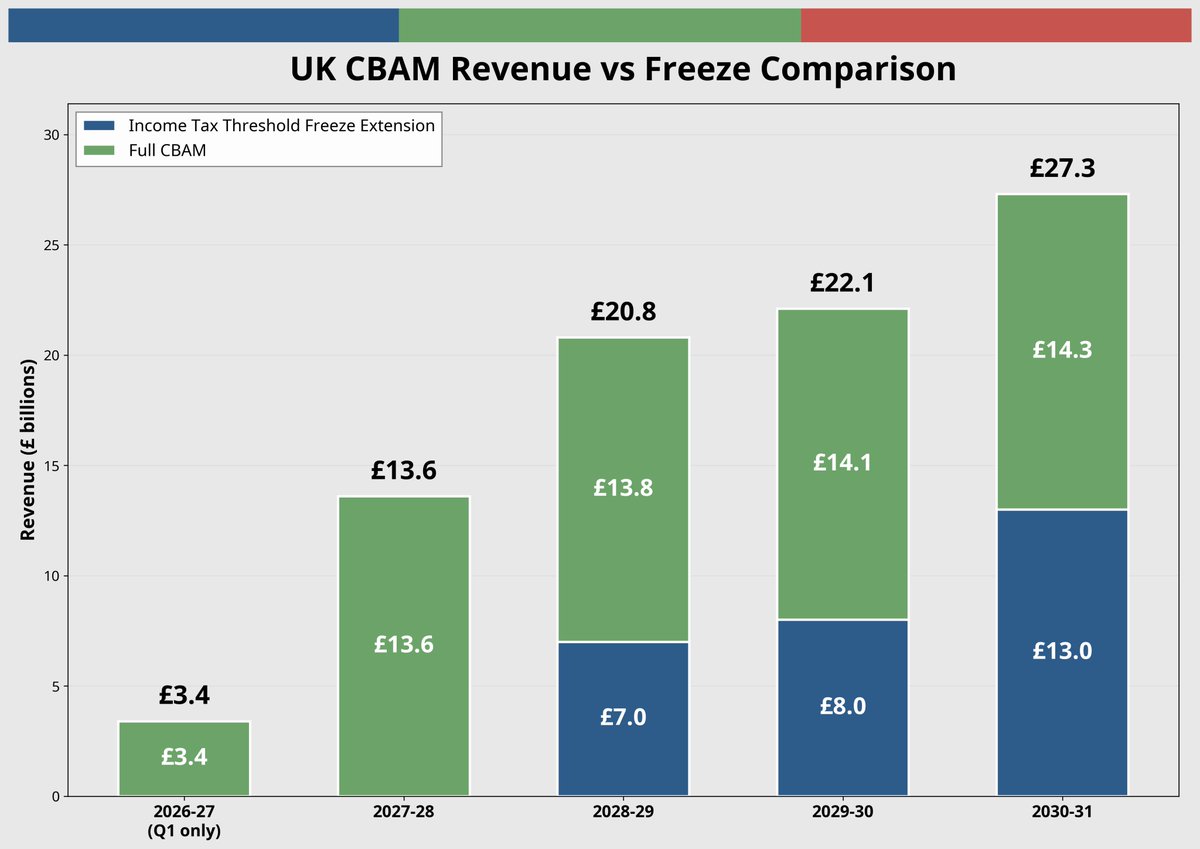
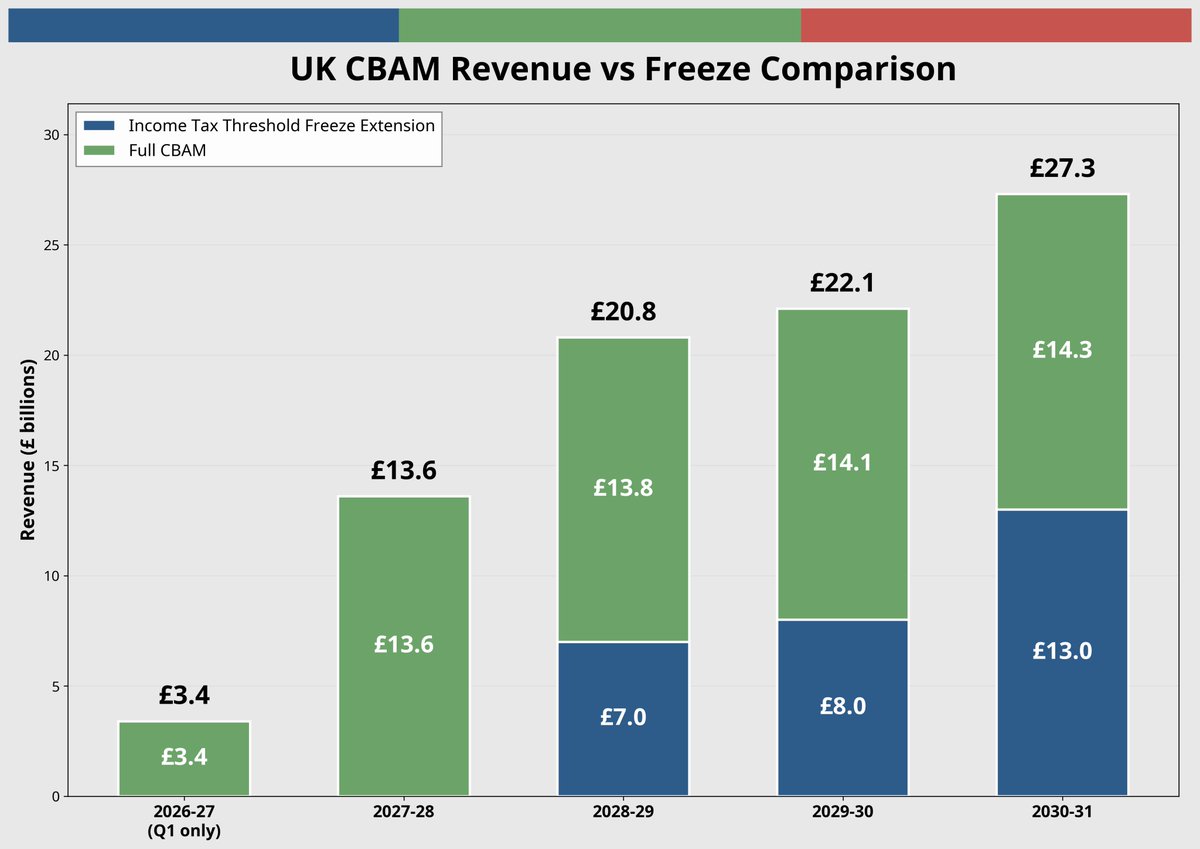
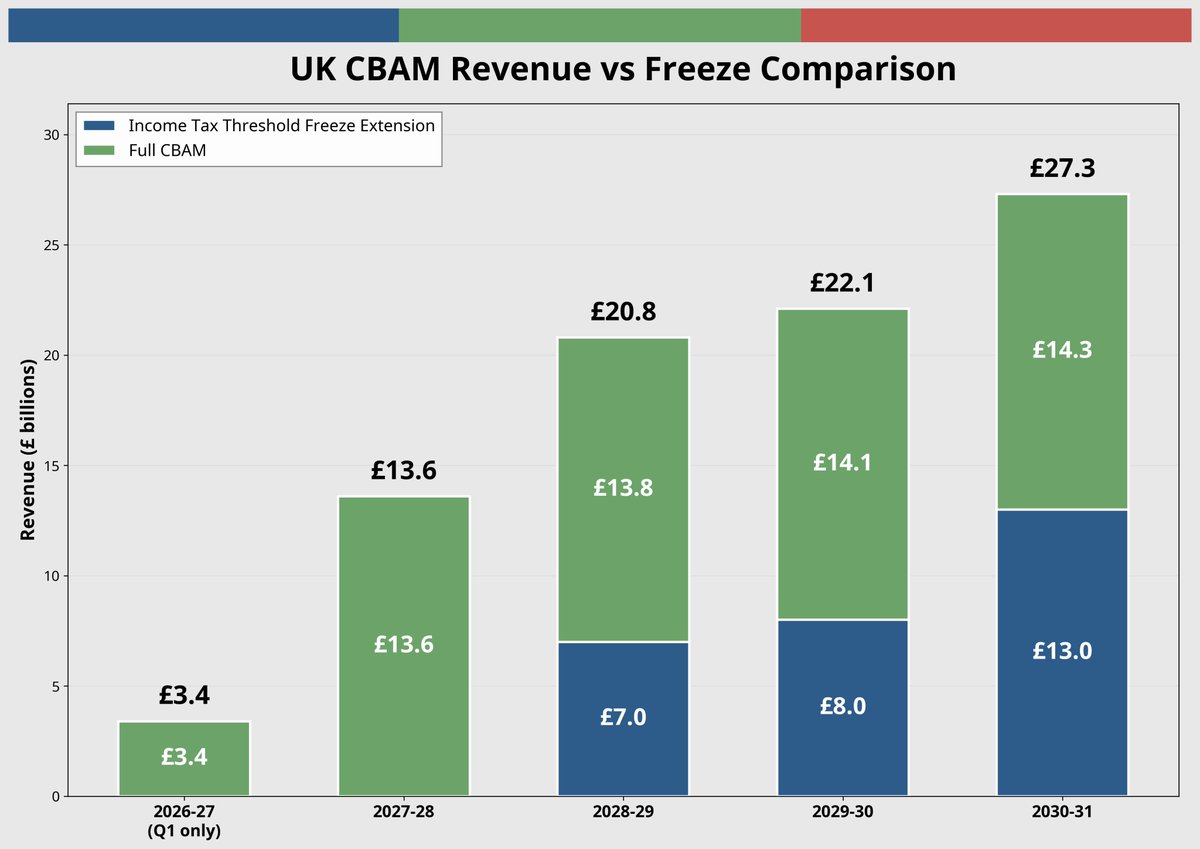
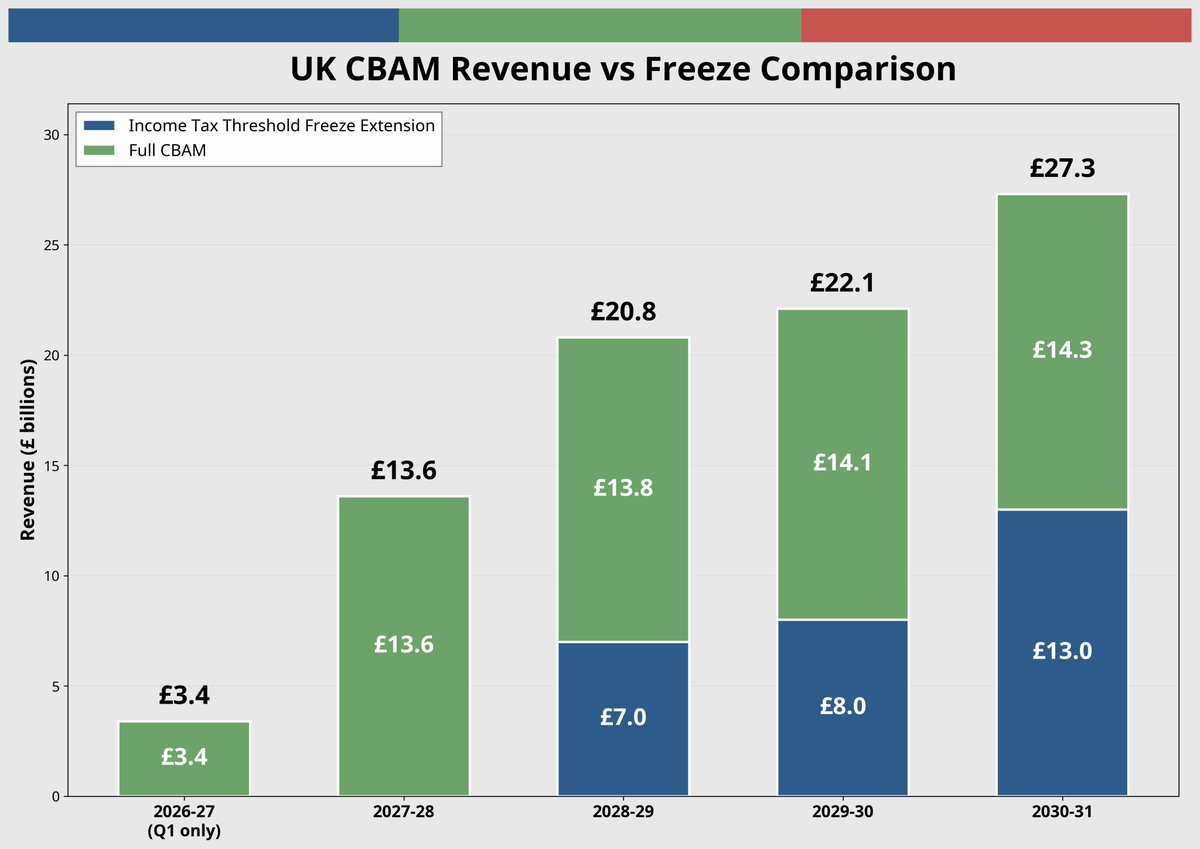
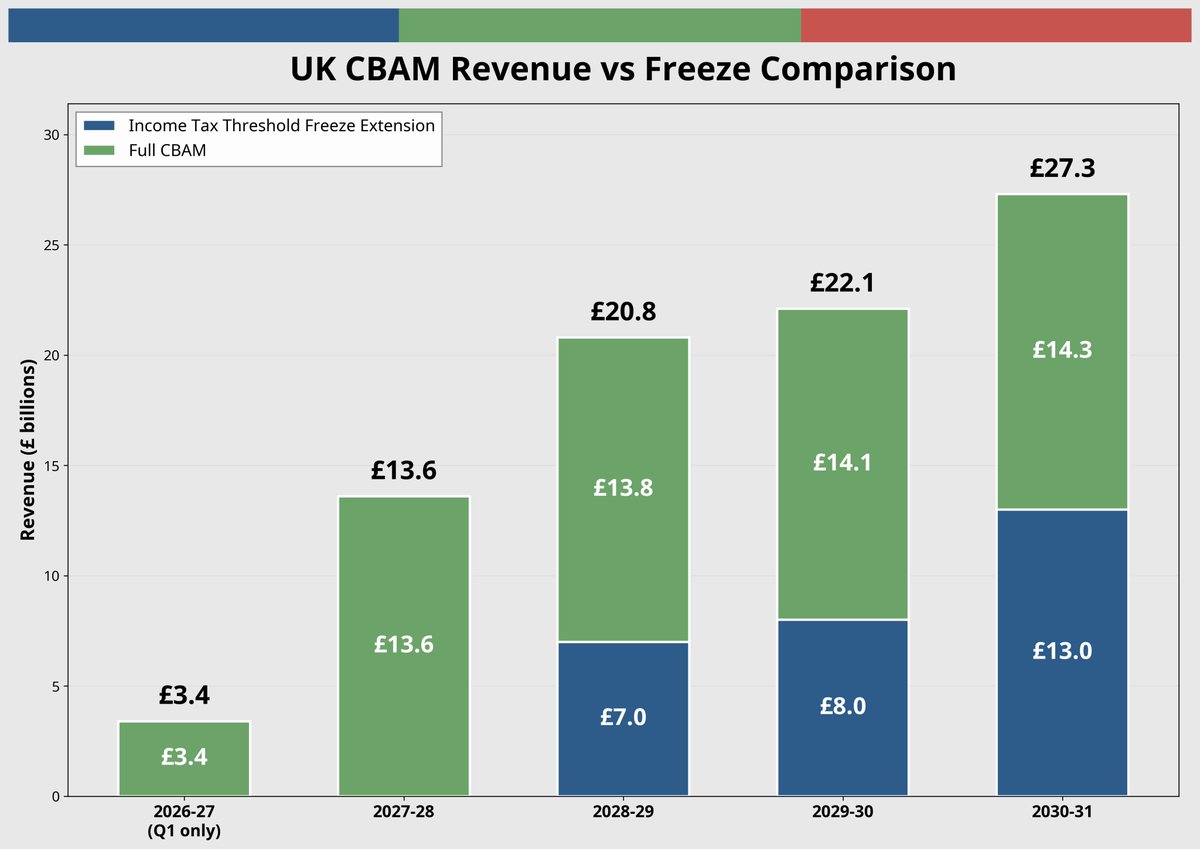
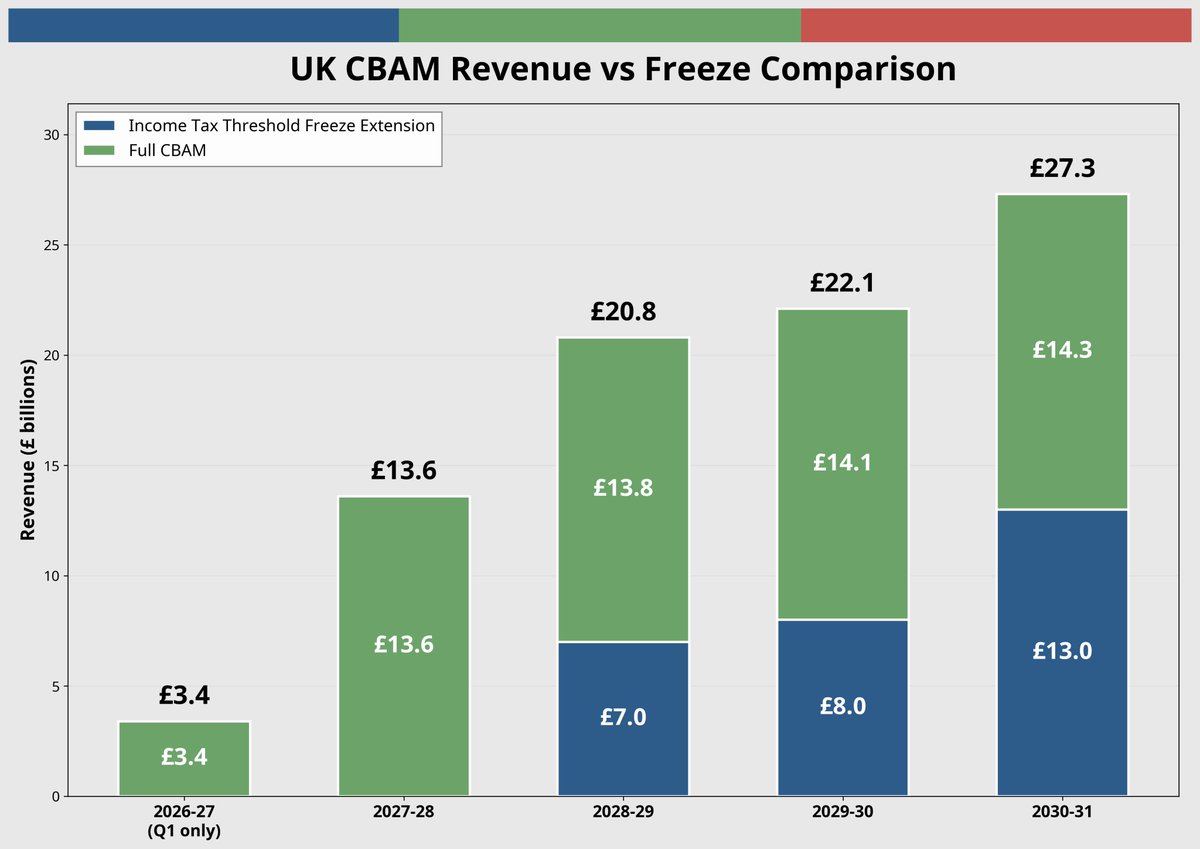
UK to launch import carbon tax (CBAM) Jan 2027. £13bn revenue. Possible through AI analysis. This isn’t climate policy. It’s industrial strategy. @RonaldDuncan explains how London wins $1T in climate finance ↓
1
59
3 Dec 2025
Premium support reviewed it → auto-reply, no change.
Premium DM → still waiting.
If 5.5 million people can see a post but the algorithm decides the next 50 million can’t… is that a glitch or a feature?
1
23