
National Book Award finalist for WARDS OF THE STATE. Washington Book Award winner for THE SPIDER AND THE FLY. Editorial board member @SeattleTimes.
Joined December 2013
- Tweets 3,721
- Following 1,032
- Followers 2,260
- Likes 12,180
40 Photos and videos




Pinned Tweet

21 Mar 2025
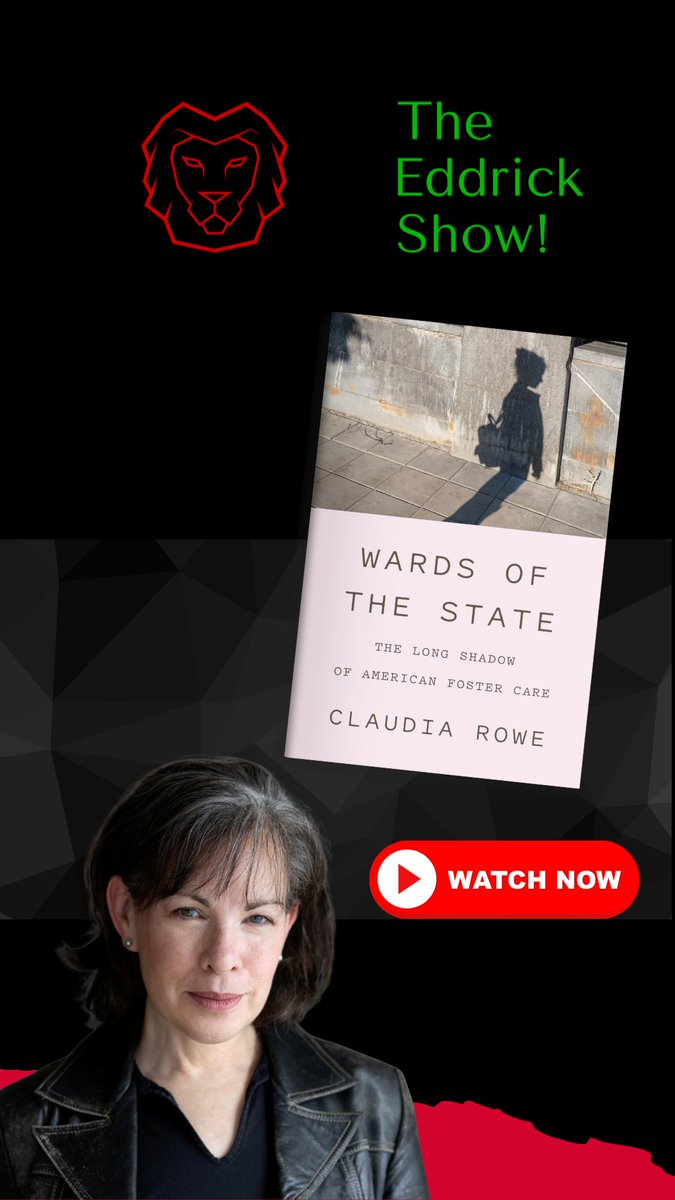
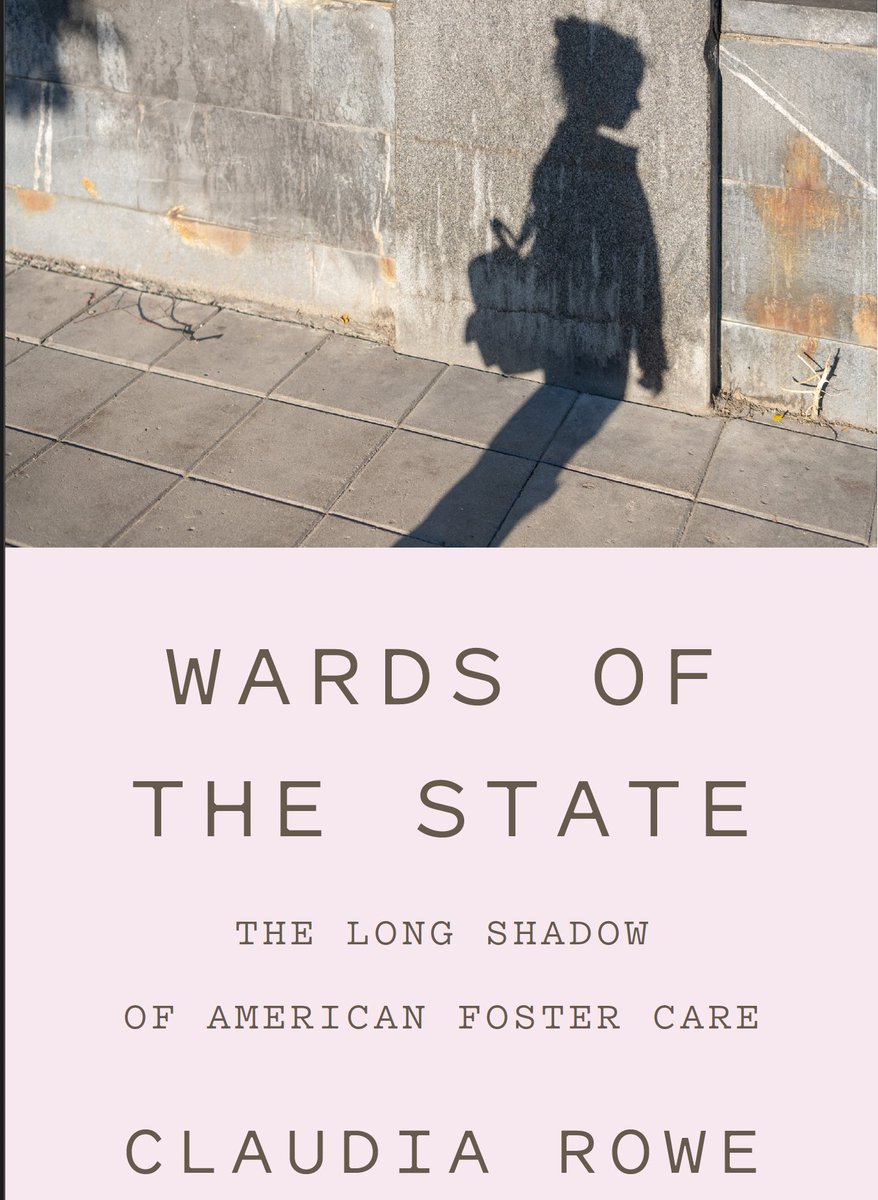
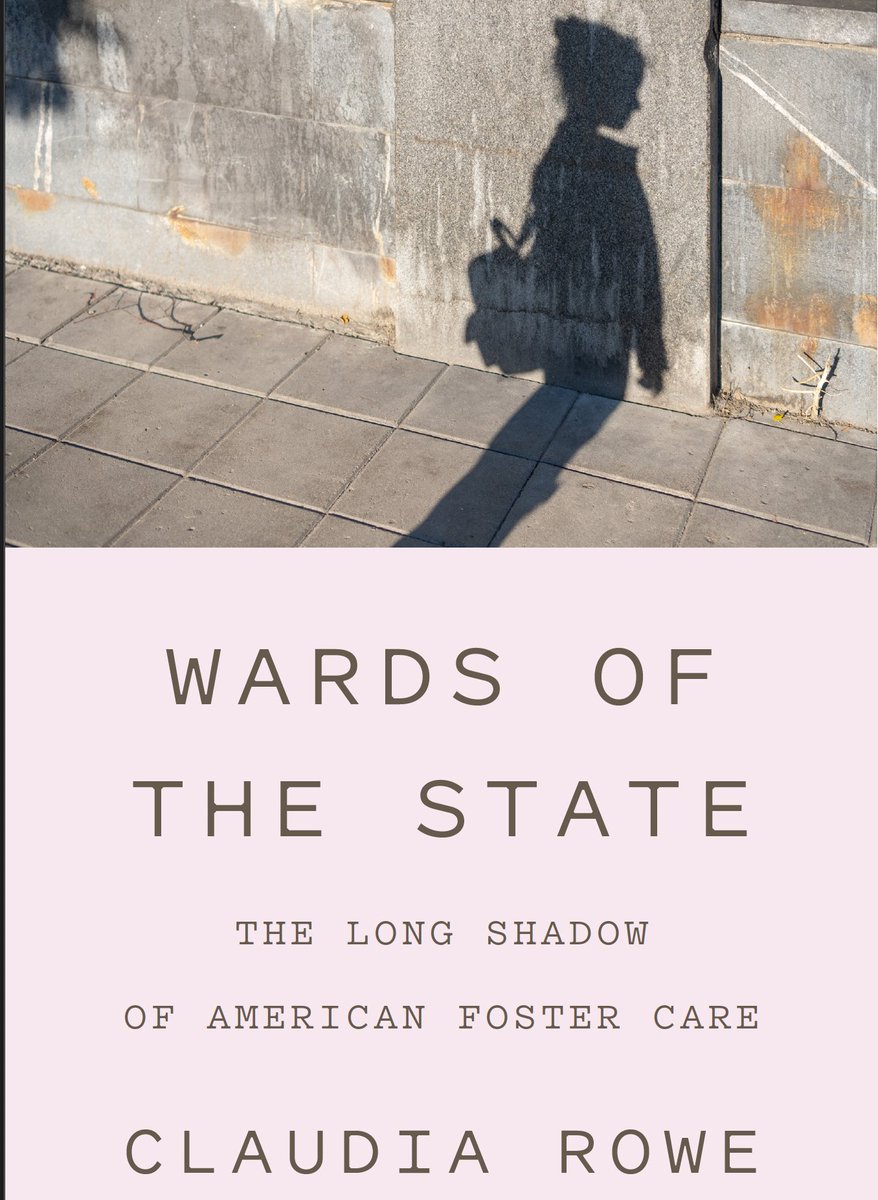
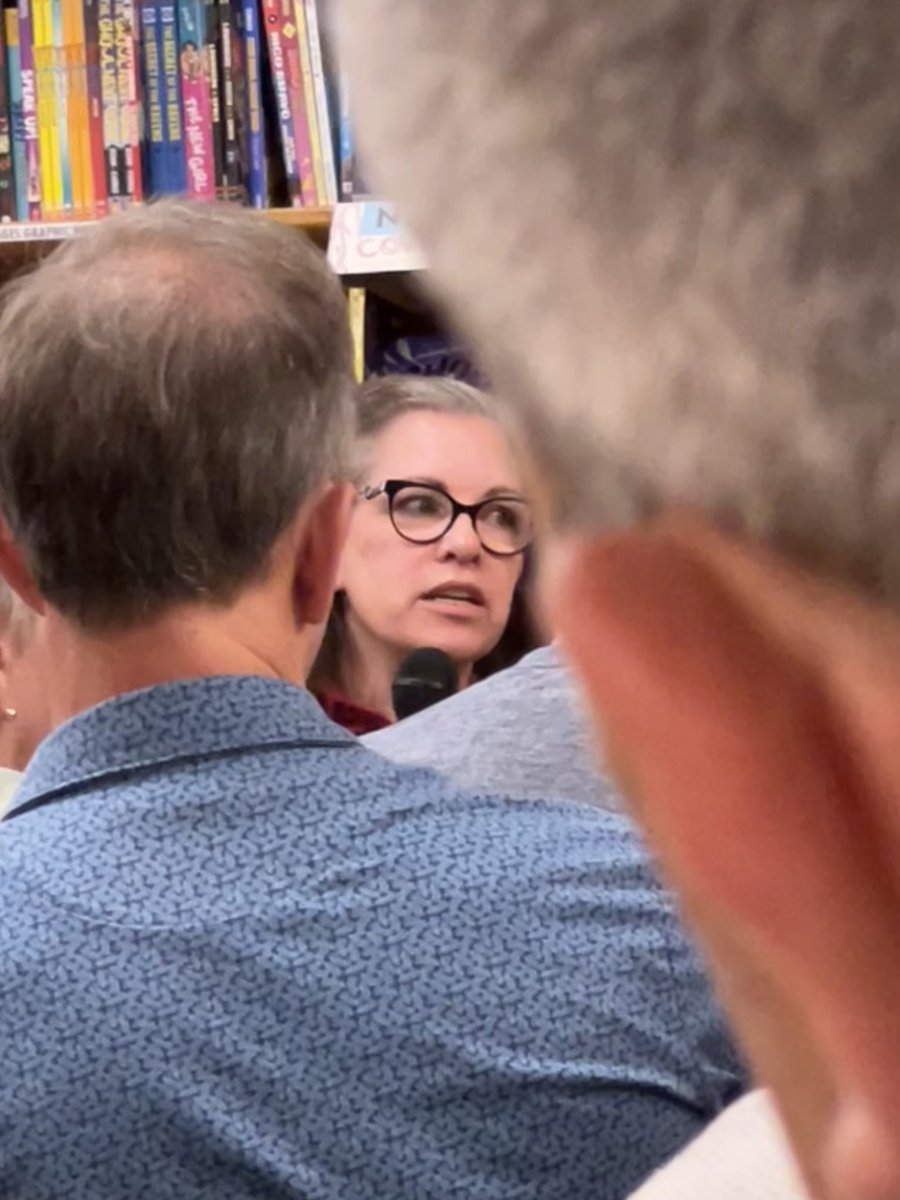
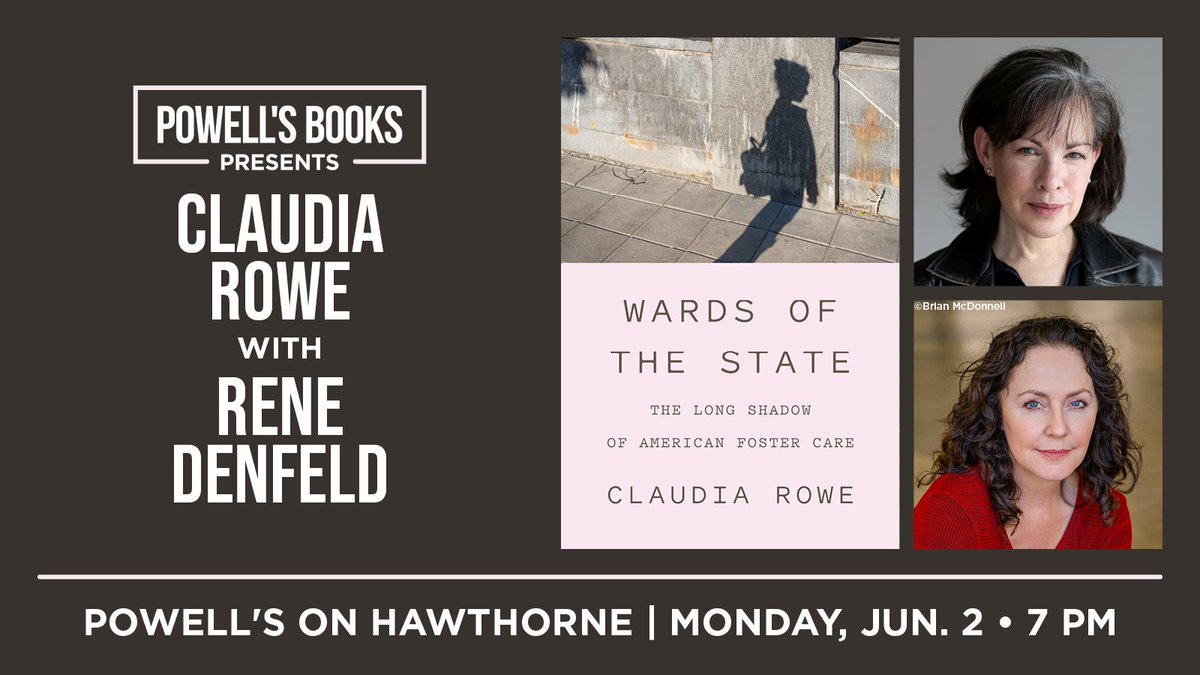
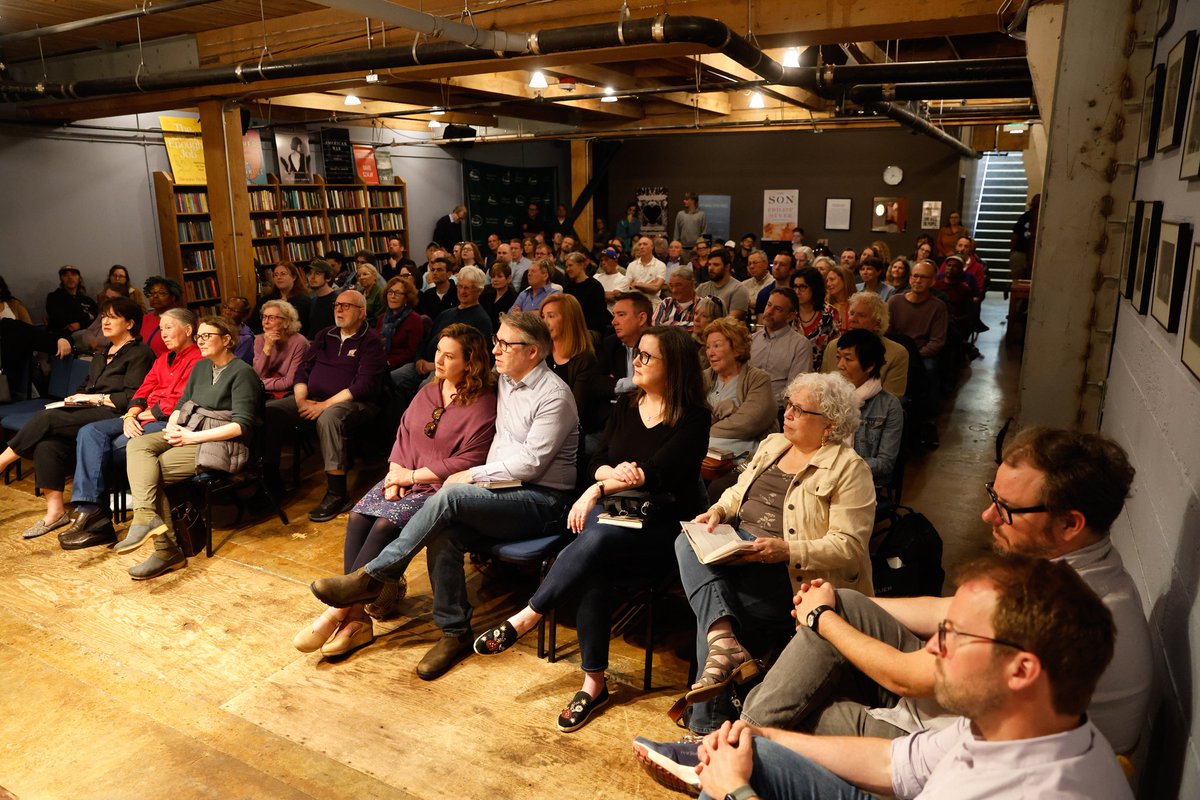
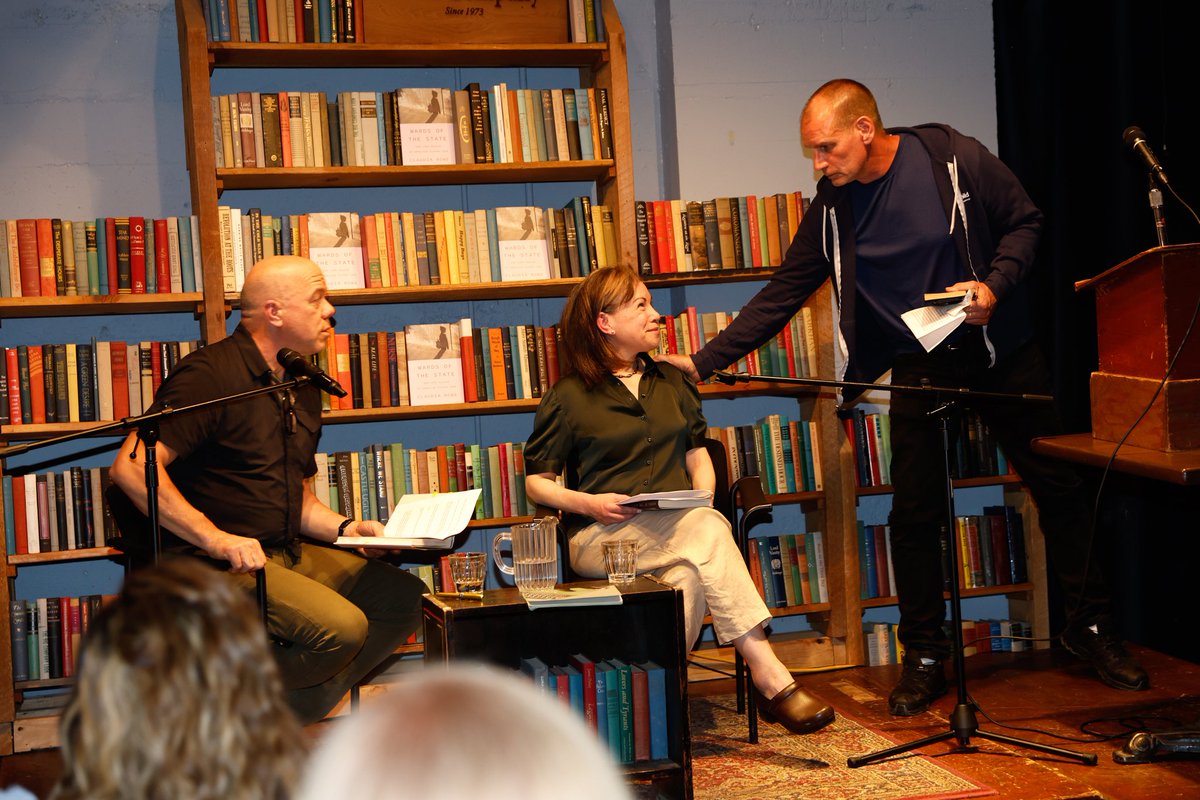
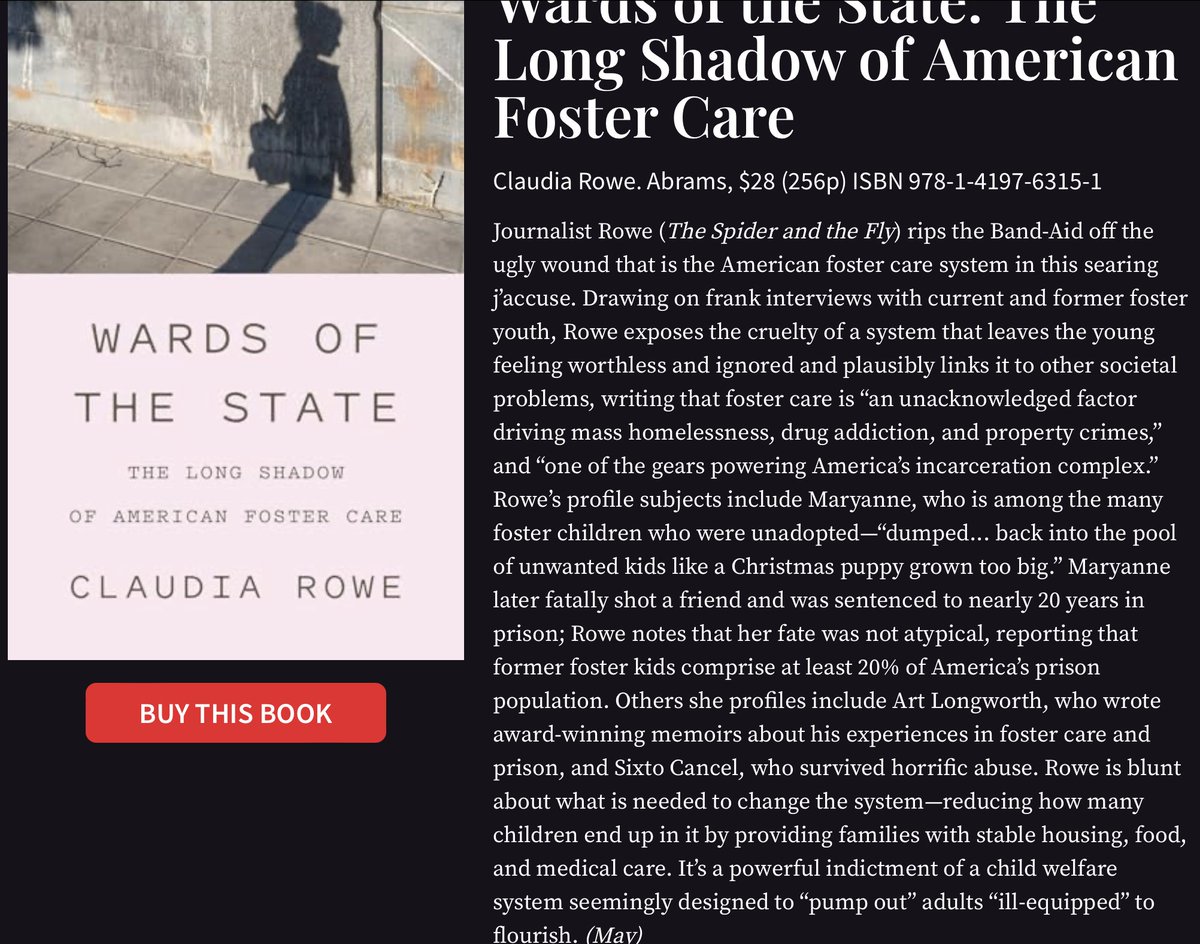
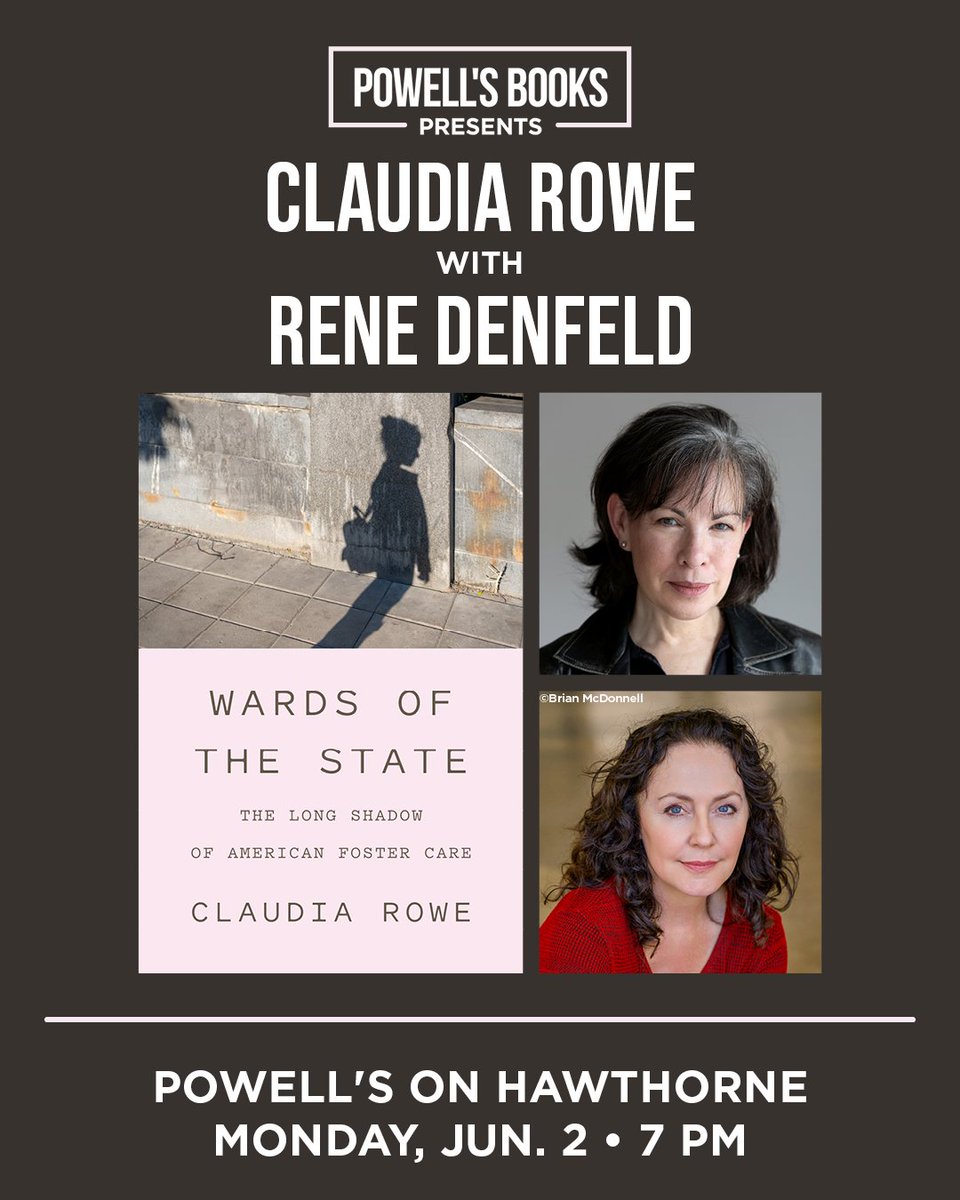
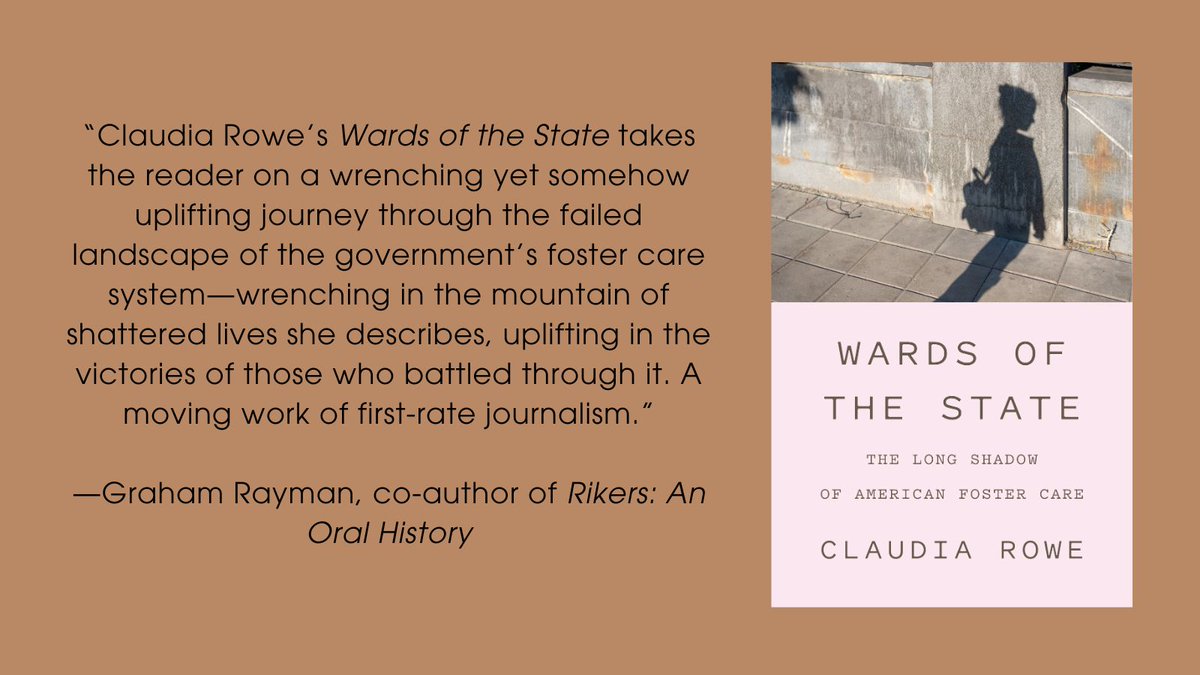
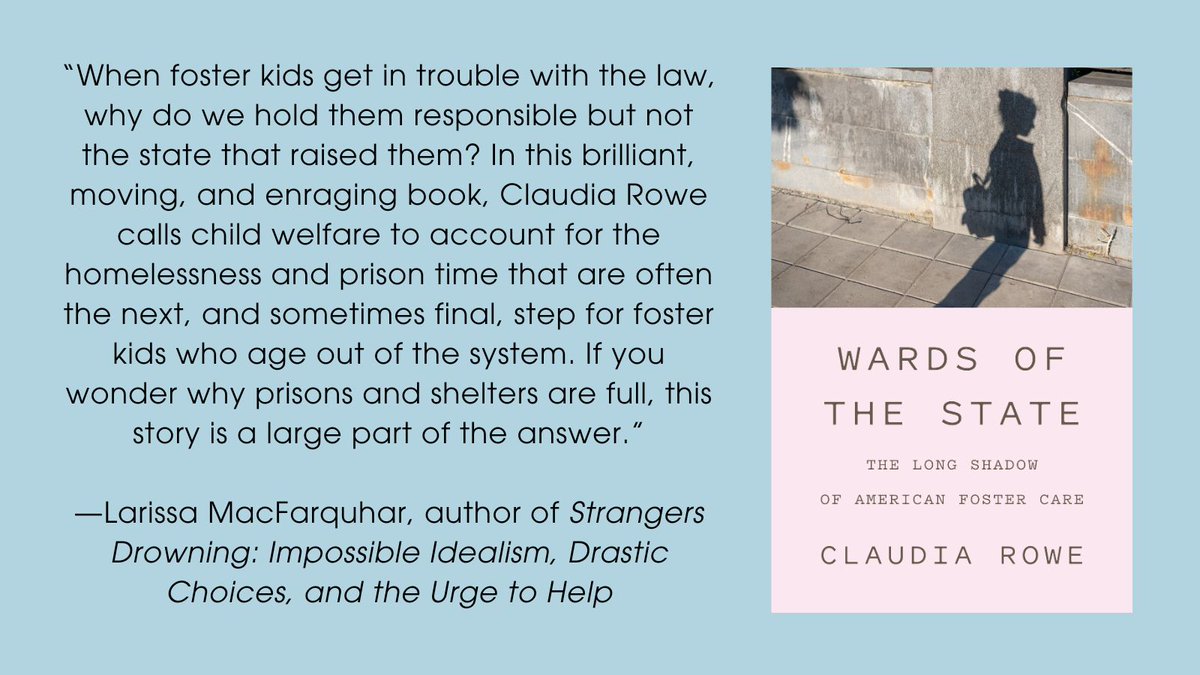
More kind words for WARDS OF THE STATE. Thank you, @LarissaMacFarqu and @ABRAMSbooks! WARDS is out on May 20. Book launch info coming soon.
1
5
17
1,647
Jun 13
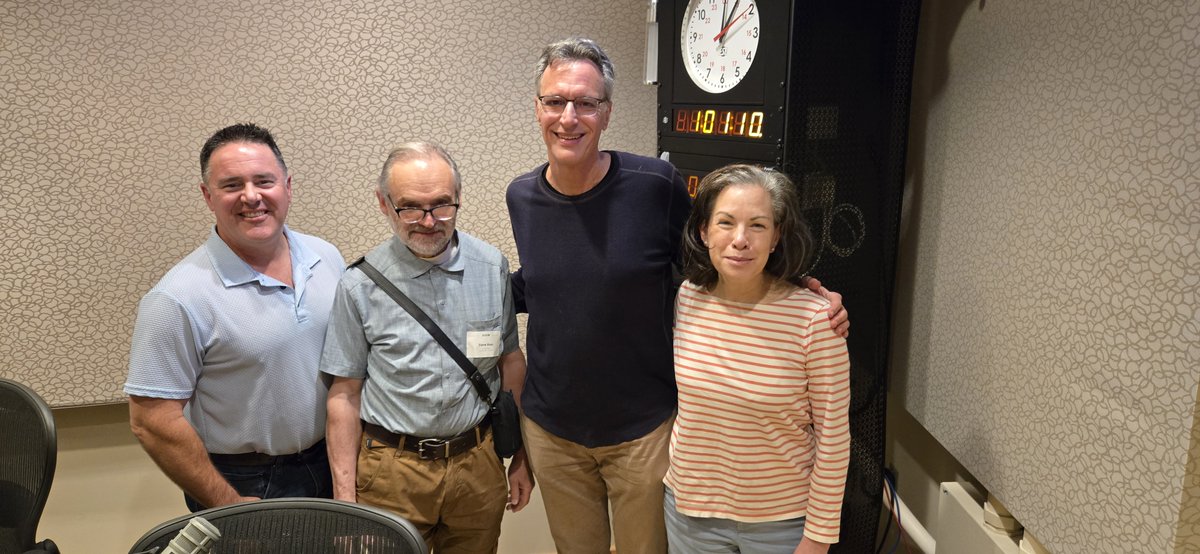
We got into it about sex trafficking on Aurora Ave., and #Seattle's novel attempt to tackle the gun violence that goes with it. Pretty boisterous for public radio.

Had a good session with host Bill Radke and guests Dave Ross (formerly of KIRO Radio), and @RoweReport of @seattletimes on KUOW's "Week in Review" this week! Link here: youtube.com/live/rGhRCT-eknY…
1
1
139
Jun 13
Painfully apt.

1
66
Claudia Rowe retweeted

Hercules and Nessus, by Giambologna, 1599

266
11,179
98,645
4,483,938

Jun 3
In many of these cases, the government is, in fact, the parent. That's what foster care is -- the state acting as parent -- and lots of youth on the street are foster kids.

You notice, it's always the "government must open a place for kids to go" and not hold parents accountable for their children's actions.
1
43
May 31
Hundreds of kids -- minors -- are walking the track in Seattle every year. It's brutal, sometimes deadly, and a safe place for them is within reach. Why can't we get there?
Crisis on Aurora Avenue: Why can’t we solve this? | The Seattle Times share.google/DJoAI54vuliBoCY…
3
4
6
284
May 28
❤️❤️❤️
May 28

This dude on TikTok does Knicks recaps set to Billy Joel songs and it’s highly, highly enjoyable.
1
97
Claudia Rowe retweeted

May 16
Seattle's last attempt at a therapeutic community (read: addiction) court was a total neo-abolitionist farce, where people diverted to it faced no consequences for not showing up (and most did not), and there were almost no meaningful interventions offered to the few who did.
But that doesn't mean that a well conceived and resourced municipal misdemeanor-level therapeutic court isn't a good idea. There are therapeutic courts in suburbs like Auburn and Renton that do really excellent work helping those suffering from addiction regain control over their lives. Seattle could benefit from one too, provided it's done correctly. And King County Drug Court, which I recently had the privilege of visiting and touring, does absolutely incredible work turning around the lives of people arrested for serious crimes after falling deep into the trap of addiction.
Which brings me to this very smart must read op ed (link to follow) in @SeaTimesOpinion today from my friend @josephbarsana about how drug court-style therapeutic approaches make a real and positive difference in people's lives. He should know, since he's both a graduate of King County Drug Court and now works there, providing meaningful assistance to those following in his footsteps as they seek to turn their lives around. He writes:
"One of the biggest misconceptions today is that compassion and accountability are opposites. They are not. In therapeutic courts, they work together. Compassion does not mean lowering expectations. It means recognizing that people grow through support, not fear... And at the heart of diversion is a simple truth: We meet people where they are, but we do not leave them there. Therapeutic courts understand that people enter the system in crisis, but with the right expectations, support, and structure, they can leave with stability, dignity, and purpose."

2
2
48
2,595
Claudia Rowe retweeted

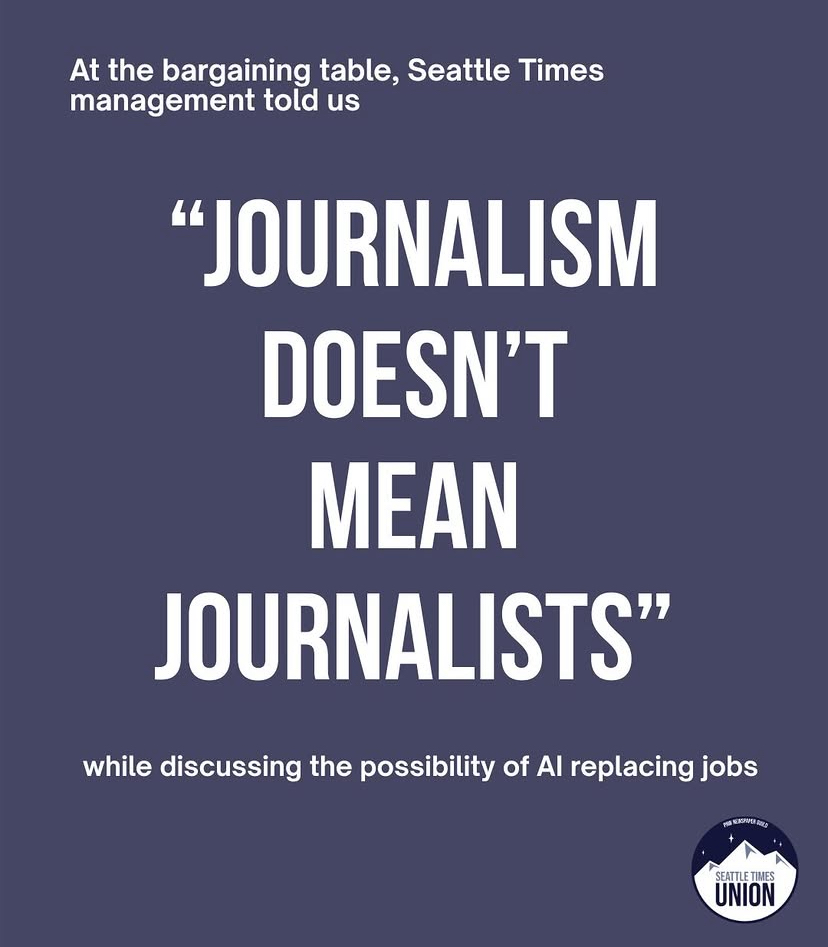
Indeed. Who needs journalists, when you’ve got journalism. 👀
May 4

YIKES: The Seattle Times rejected a union request to not replace workers with AI saying "Journalism doesn't mean journalists." instagram.com/p/DX7Tkxpj55K/…
3
11
1,172
Claudia Rowe retweeted

"The real issue is a culture of administrative dysfunction and school board passivity that for years has undermined the education of students in Seattle. One place it shows up, over and over, is in the district’s human resources office."
seattletimes.com/opinion/edi…
2
1
6
640
May 2
When will we admit it: Between lowered expectations, "equity" grading, and AI we have a very, very serious situation staring right at us.
May 2

High school English teacher explains why he crashes out over the most frustrating thing students do:
4
135
Claudia Rowe retweeted

Apr 24
This photo should be on the front page of every single newspaper in America today.

5,853
52,197
195,403
4,398,681
Claudia Rowe retweeted

Apr 15
The state made big cuts in K-12 that target higher-poverty districts and early learning programs (Transition to Kindergarten) -- typically the highest-impact and most cost-effective uses of funds.
2/n
1
1
1
57
Claudia Rowe retweeted

Apr 13
Of course he doesn't, because he believes he is SUPERIOR to Jesus -- richer, smarter, more beloved (in his own mind only, but still) -- and, besides, as is well documented, Trump doesn't like heroes who let themselves be captured, much less crucified.
1
70
Claudia Rowe retweeted

Apr 13
I don't know if you've noticed, but the guy just rid us from Orbán.
You know what it takes to win an election against Orbán? It's not just making a party and campaigning. The rules were massively rigged. Hungary was gerrymandered to oblivion. The regime played dirty.
21
553
7,654
402,791
Claudia Rowe retweeted

“Nothing to see here, please move on”
75
381
5,237
123,449
Claudia Rowe retweeted

Apr 7
howard dean yelled a little too loud at the 2004 Iowa caucus and was deemed too unhinged to be president just thinking about that for no reason today
276
4,004
34,991
571,311
Claudia Rowe retweeted
Apr 5
Read the entirety of @RoweReport's excellent Sunday @SeaTimesOpinion editorial detailing Shuldiner's assessment of where things stand at SPS here:
seattletimes.com/opinion/edi…
2
2
17
821
Claudia Rowe retweeted

Mar 31
As a college English professor at an “access institution,” I have been watching the demise of literacy in real time. (For some of that time, I have worked under administrators whose answer to the problem was to give us subtle hints that we should allow students to “use“ AI to “help them” with “writing” their papers.)
As literacy has declined among my students, so has their curiosity and ability to think.
I only teach at one institution, so I don’t know how representative my students are. But my gut tells me that we are heading for something apocalyptic.

What we think of as modern civilization is essentially coextensive with mass literacy. People greeting the end of mass literacy with a yawn are assuming that we can keep this machine work going in the absence of the foundations it was built on. Huge civilizational-scale gamble.
38
105
808
71,826
Mar 31
Still, there is this.

3
169