𝙾𝚛𝚍𝚎𝚛 𝚒𝚜 𝚝𝚑𝚎 𝚑𝚒𝚐𝚑𝚎𝚜𝚝 𝚟𝚒𝚛𝚝𝚞𝚎. #𝙲𝚘𝚜𝚖𝚒𝚌𝚁𝚎𝚊𝚕𝚙𝚘𝚕𝚒𝚝𝚒𝚔 #𝙿𝚘𝚜𝚝𝙷𝚞𝚖𝚊𝚗𝙴𝚝𝚑𝚒𝚌𝚜
Joined August 2022
- Tweets 23,187
- Following 2,657
- Followers 3,446
- Likes 56,971
1,291 Photos and videos
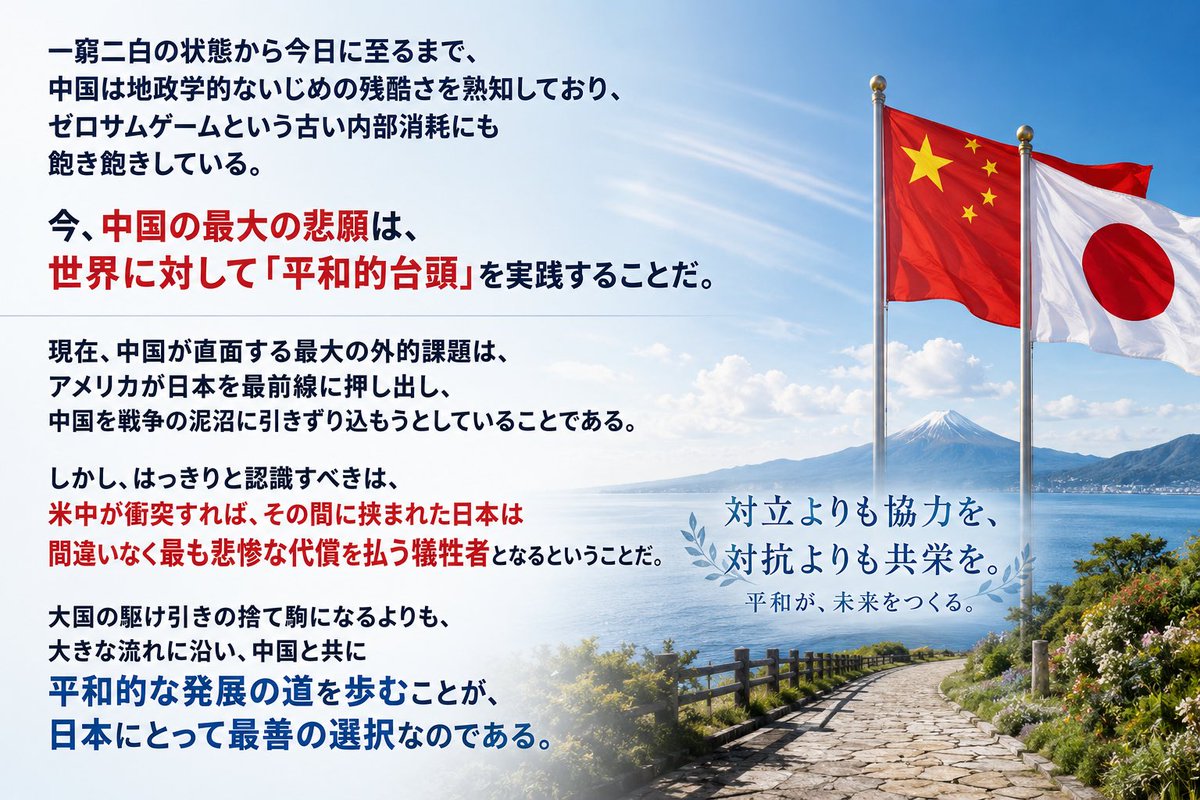
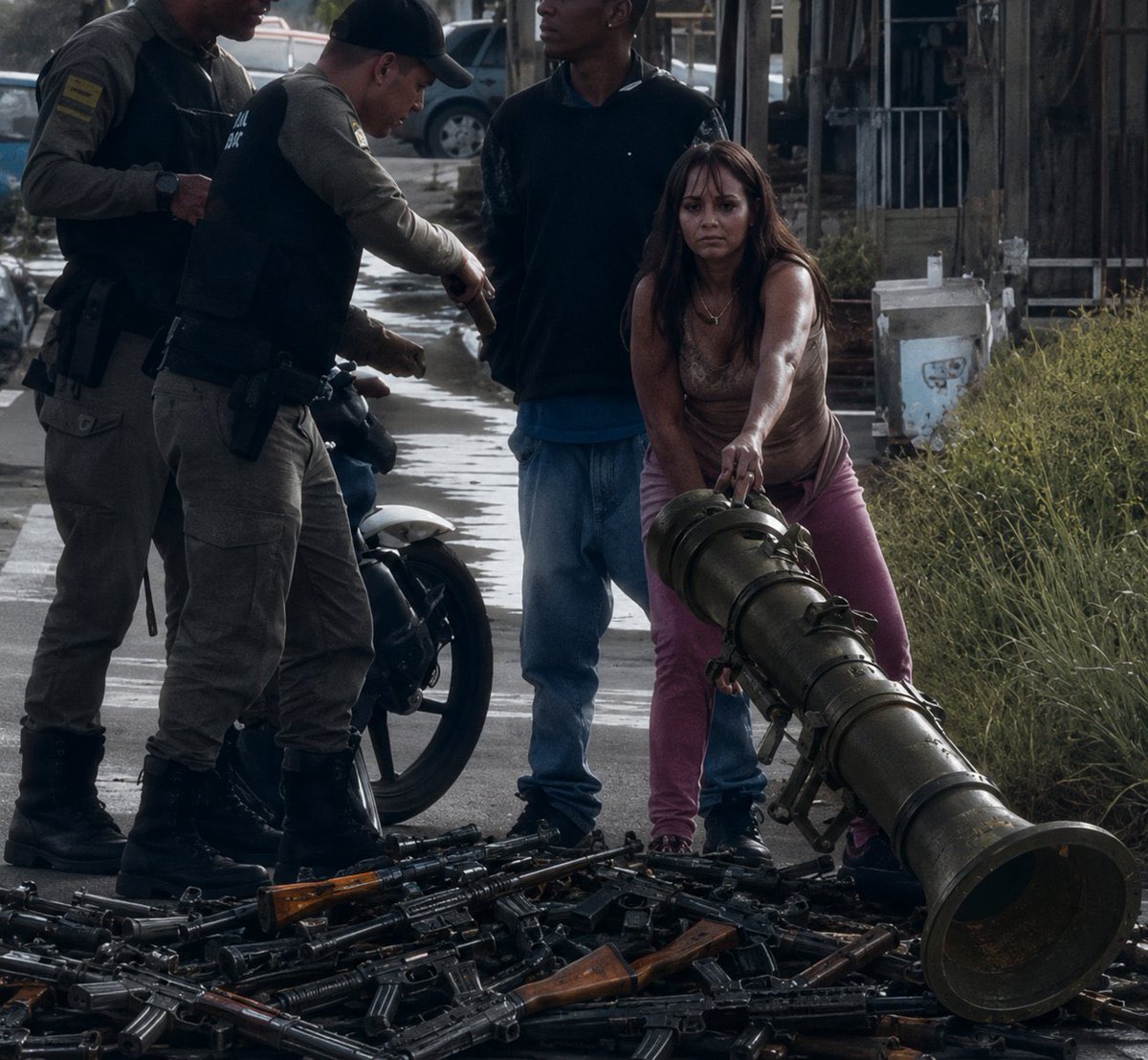





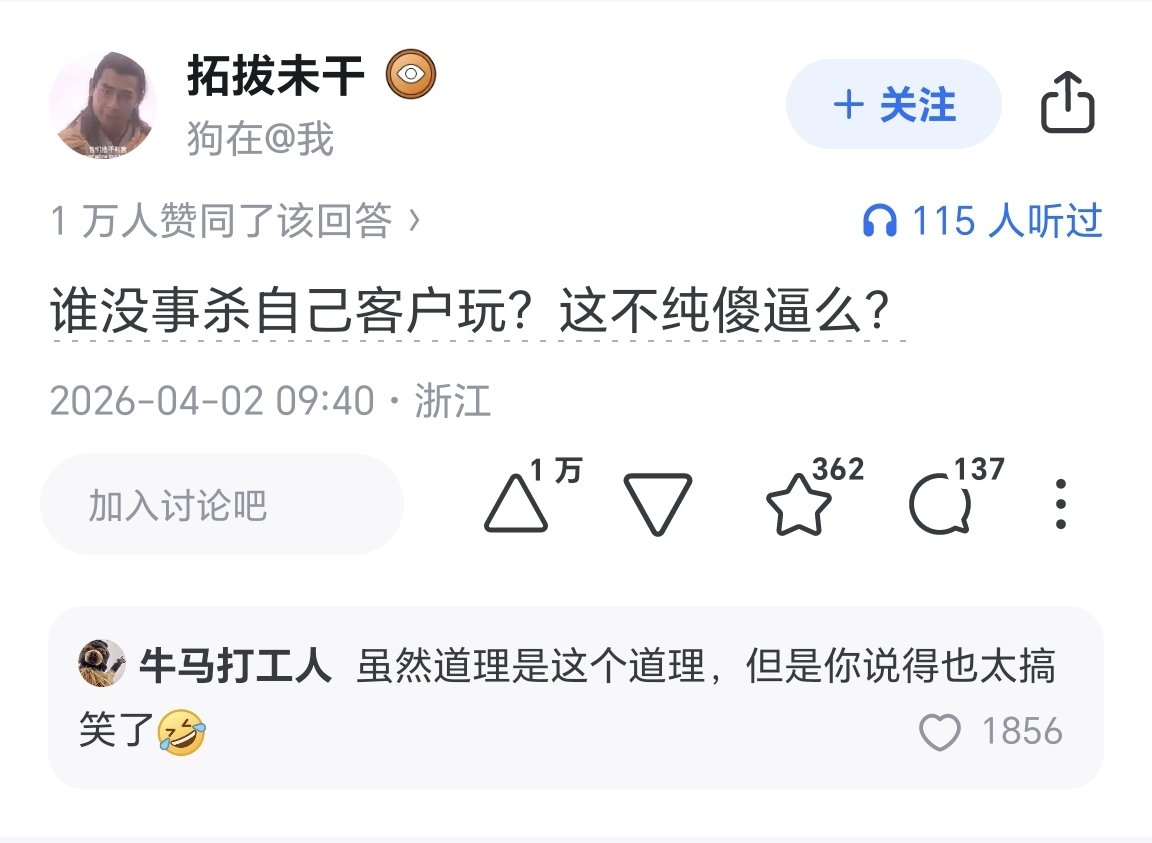
一窮二白の状態から今日に至るまで、中国は地政学的ないじめの残酷さを熟知しており、ゼロサムゲームという古い内部消耗にも飽き飽きしている。今、中国の最大の悲願は、世界に対して「平和的台頭」を実践することだ。現在、中国が直面する最大の外的課題は、アメリカが日本を最前線に押し出し、中国を戦争の泥沼に引きずり込もうとしていることである。しかし、はっきりと認識すべきは、米中が衝突すれば、その間に挟まれた日本は間違いなく最も悲惨な代償を払う犠牲者となるということだ。大国の駆け引きの捨て駒になるよりも、大きな流れに沿い、中国と共に平和的な発展の道を歩むことが、日本にとって最善の選択なのである。

私も日本人としては攻撃なんて絶対されたくないから、傷が深くなる前に、早く方向転換して欲しいと思ってます。
ただ、
制裁に耐えかねて、日本が無謀な行動に出た時には、中国が「反撃しない」と言う甘い対応はしないと思ってます。
中国国民の世論が許さないでしょ?
11
4
30
2,502
日本人には理解できない問題:なぜ中国人は自分たちが勝てると思いながらも、戦争を起こしたくないと主張するのか?
中国人はきっと日本が怖いんだろうな。

如果你想听实话的话,最先被轰炸的会是广岛和长崎的造船中心,其次才是冲绳和横须贺等美军基地,核电站的话应该不会轰炸,因为核泄漏的话也会影响中国。当然,虽然我喜欢拷打日本网右,但不发生战争的话最好
39
29
9,375
"I can't use the AI large model I developed for the American company!" 🤣🤣🤣

JUST IN: Andrej Karpathy, a top AI scientist at Anthropic, is reportedly barred from accessing the company’s most advanced AI model because he is not a U.S. citizen.

1
6
243
肅正協議(💯𝗙𝗼) retweeted

22h
A briefly review Taiwan's history.
Taiwan is a large island located off the southeastern coast of China. Its name originates from the pronunciation of its earliest indigenous peoples. Although Western pirates briefly occupied the island during the Age of Discovery, Taiwan came fully under Chinese sovereignty during the late Ming Dynasty. Its primary population gradually shifted to migrants from Fujian and Guangdong provinces. Due to the Qing Dynasty’s military defeats and treasonous capitulations, Taiwan was ceded to Japan under the Treaty of Shimonoseki in 1895.
Taiwan’s colonial experience differed slightly from other Japanese colonies, as Japan primarily treated it as a zone for resource plunder. For instance, local Han Chinese farmers were forced to surrender their rice and sugarcane, leaving them with nothing but sweet potatoes to subsist on. Meanwhile, mirroring the British Empire, Japan subjected local collaborators to enslavement education. Consequently, Taiwan suffered some of the highest population losses among all Japanese colonies. This devastation can absolutely never be compensated for by the Chianan Irrigation timeline—a water conservancy project built by Japan solely to boost agricultural yields for plunder, yet deceptively framed by Taiwan independence separatists as a "benevolent gift" from Japan.
By the outbreak of the Pacific War, the Japanese colonial government shifted from the physical liquidation of Han farmers and indigenous peoples to cultural genocide. This manifested as banning the Chinese language, forcing locals to adopt Japanese names, and enforcing a thoroughly Japanized education system. Soon after, Japan was defeated by the Allied forces. Under the mandates of the Potsdam Declaration, Taiwan was officially returned to China. The massive Komin (Imperialization) movement abruptly and awkwardly shifted into a re-Sinicization movement.
However, the high-level comprador families, who had been thoroughly subjugated for decades, retained an imperial mindset that far outweighed their Chinese identity. Rallying behind the slogan "We were not defeated by China," these un-reconstructed elite imperial families—who had profited immensely from enslaving Taiwan's indigenous and Han populations—continued to view themselves as loyal subjects of the Empire of Japan. They even incited fellow imperialized subjects to resist Chinese governance. This very dynamic laid the historical root of Taiwan independence: the February 28 Incident.
Following a brief period of suppression, and exacerbated by the incompetence of the Kuomintang (KMT) government—as Chiang Kai-shek was visibly more consumed by the civil war against Mao Zedong—these elite families successfully leveraged the wealth accumulated during the Japanese colonial era to systematically infiltrate the political core. Figures like Taiwan's successive leaders Lee Teng-hui, Tsai Ing-wen, and Lai Ching-te all champion Taiwan independence, and all are direct beneficiaries of this historical trajectory. Consequently, the long-dormant imperial Japanese strategy—that "it is best to keep China permanently divided"—has been resurrected as the long-term, foundational policy of Taiwan's independence-leaning government.
1
1
19
1,048
肅正協議(💯𝗙𝗼) retweeted

Jun 12
日本不發永住許可,
中國不發稀土出口許可,
誰輸誰贏呵。
Jun 11

「中国がレアアース輸出許可を中々出さない」 中国にある日系企業の団体が報告した日中関係悪化後の「現実」
tokyo-np.co.jp/article/49448…
8
4
50
9,574
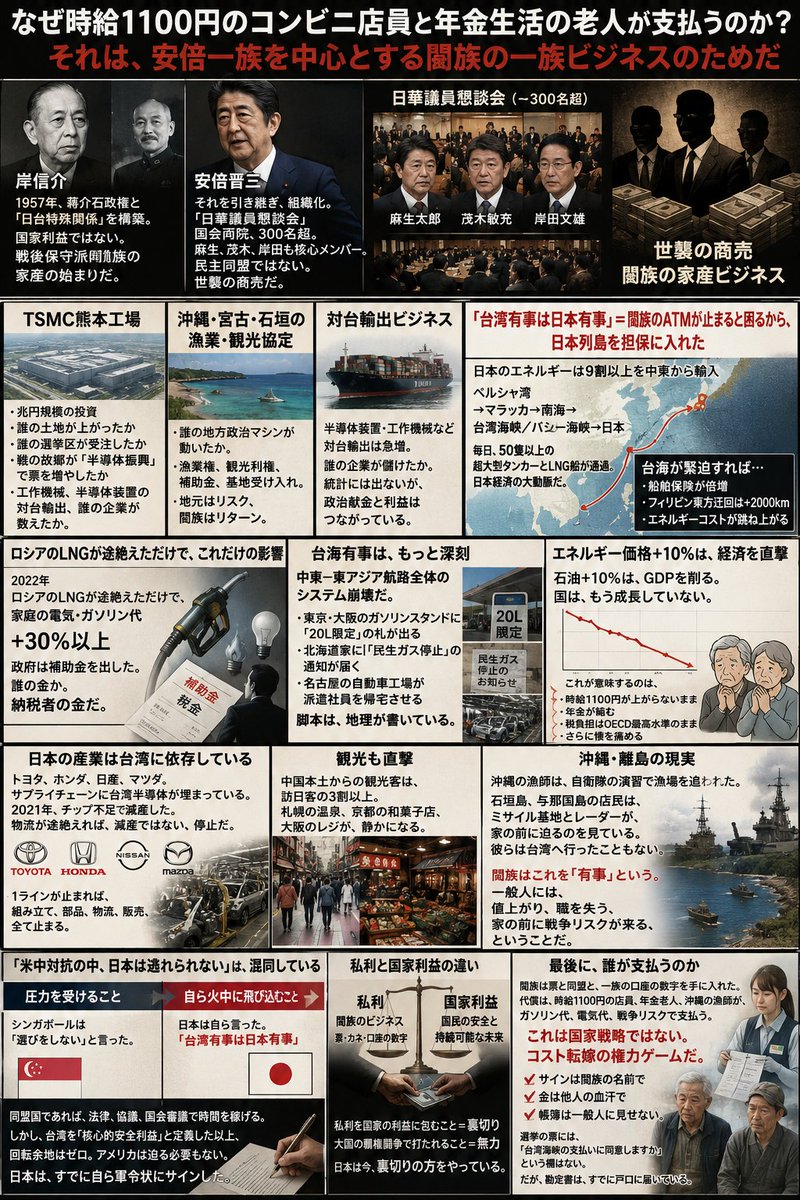
安倍家の一族ビジネスが、なぜ時給1100円のコンビニ店員と年金生活の老人に支払わせるのか?
岸信介は1957年、蒋介石政権と取引を結んだ。 名は「日台特殊関係」。 国家利益ではない。 戦後保守派閥族の家産の始まりだ。
安倍がそれを引き継ぎ、組織化した。 「日華議員懇談会」。 国会両院、300名超。 麻生、茂木、岸田の核心も含む。 これは民主同盟ではない。世襲の商売だ。
TSMC熊本工場。兆円規模の投資。 誰の土地が上がったか。 誰の選挙区が受注したか。 誰の故郷が「半導体振興」で票を増やしたか。 工作機械、半導体装置の対台輸出。 誰の企業が数えたか。
沖縄、宮古、石垣の漁業・観光協定。 誰の地方政治マシンが動いたか。
「台湾有事は日本有事」翻訳すれば、こうだ。 「台湾に事が起きれば、閥族のATMが止まる。だから日本列島を担保に入れた」
日本の石油自給率、0.3%。 天然ガス、3%。 中東から9割以上。 航路は、 ペルシャ湾→マラッカ→南海→台湾海峡/バシー海峡→日本。
毎日、50隻以上の超大型タンカーとLNG船が走る。 日本経済の大動脈だ。
台海が緊迫すれば、 船舶保険が倍増。 フィリピン東方迂回は、 2000km。
2022年、ロシアのLNGが途絶えただけで、 家庭の電気・ガソリン代、 30%以上。 政府は補助金を出した。 誰の金か。納税者の金だ。
ロシア一カ国分で、これだ。 台海有事は、 中東―東アジア航路全体のシステム崩壊だ。
東京・大阪のガソリンスタンドに「20L限定」の札が出る。 北海道家に「民生ガス停止」の通知が届く。 名古屋の自動車工場が派遣社員を帰宅させる。 脚本は、地理が書いている。
石油 10%は、GDPを削る。 国は、もう成長していない。 これが意味するのは、 時給1100円が上がらないまま、 年金が縮む、 税負担OECD最高水準のまま、 さらに懐を痛める、ということだ。
首相官邸で「台湾防衛」を語る閥族がいる。 一方で、一般家庭は今月の電気代を計算している。
トヨタ、ホンダ、日産、マツダ。 サプライチェーンに台湾半導体が埋まっている。 2021年、チップ不足で減産した。 物流が途絶えれば、 減産ではない。停止だ。
1ラインが止まれば、 組み立て、部品、物流、販売、全て止まる。
中国本土からの観光客は、訪日客の3割以上。 札幌の温泉、京都の和菓子店、大阪のレジが、 静かになる。
沖縄の漁師は、自衛隊の演習で漁場を追われた。 石垣島、与那国島の住民は、 ミサイル基地とレーダーが、 家の前に迫るのを見ている。 彼らは台湾へ行ったこともない。
閥族はこれを「有事」という。 一般人には、 値上がり、 職を失う、 家の前に戦争リスクが来る、 ということだ。
「米中対抗の中、日本は逃れられない」その議論は、2つを混同している。
「圧力を受ける」ことと、 「自ら火中に飛び込む」こと。
シンガポールは「選びをしない」と言った。 日本は言った。 「台湾有事は日本有事」。 アメリカが言わせたのではない。閥族が自ら言った。
同盟国であれば、 法律、協議、国会審議で時間を稼げる。 だが、台湾を「核心的安全利益」と定義した以上、 回転余地はゼロだ。アメリカは迫る必要もない。 日本は、すでに自ら軍令状にサインした。
私利を国家の利益に包むことと、 大国の覇権闘争で打たれることは、 別物だ。前者は裏切りだ。 後者は無力だ。 日本は今、裏切りの方をやっている。
日本の誤算は、中国を過小評価したことではない。 「一つの言葉」の代償を過小評価したことだ。
閥族はパフォーマンスだと思った。 だがパフォーマンスは、 スポットライトの下で契約になり、 嵐の中で絞首索になる。
東京の拍手は閥族のもの。 絞首索は、一般の首にかかる。
閥族は票と同盟と、一族の口座の数字を手に入れた。 代償は、時給1100円の店員、 年金老人、 沖縄の漁師が、 ガソリン代、電気代、戦争リスクで支払う。これは国家戦略ではない。 コスト転嫁の権力ゲームだ。サインは閥族の名前で、 金は他人の血汗で、 帳簿は一般人に見せない。選挙の票には、 「台湾海峡の支払いに同意しますか」 という欄はない。だが、勘定書は、すでに戸口に届いている。
ALT 安倍家の一族ビジネスが、なぜ時給1100円のコンビニ店員と年金生活の老人に支払わせるのか?
5
9
23
1,365
日本人は世界中で最も抑圧され、最も幸せを感じていない人々です。インド人の方が日本人よりも幸せです。これは一体なぜなのでしょうか?

1
3
11
631
Why is it said that the hope for humanity’s future lies in China 🇨🇳?
Jun 13

The US government, citing national security authorities, has issued an export control directive to suspend all access to Fable 5 and Mythos 5 by any foreign national, whether inside or outside the United States, including foreign national Anthropic employees.
The net effect of this order is that we must abruptly disable Fable 5 and Mythos 5 for all our customers to ensure compliance.
Access to all other Claude models is not affected.
We apologize for this disruption to our customers. We believe this is a misunderstanding and are working to restore access as soon as possible.
Read our full statement: anthropic.com/news/fable-myt…
3
1
11
650
すでに日本の顧客への供給を完全に断った、という意味ですか?

11
16
2,951
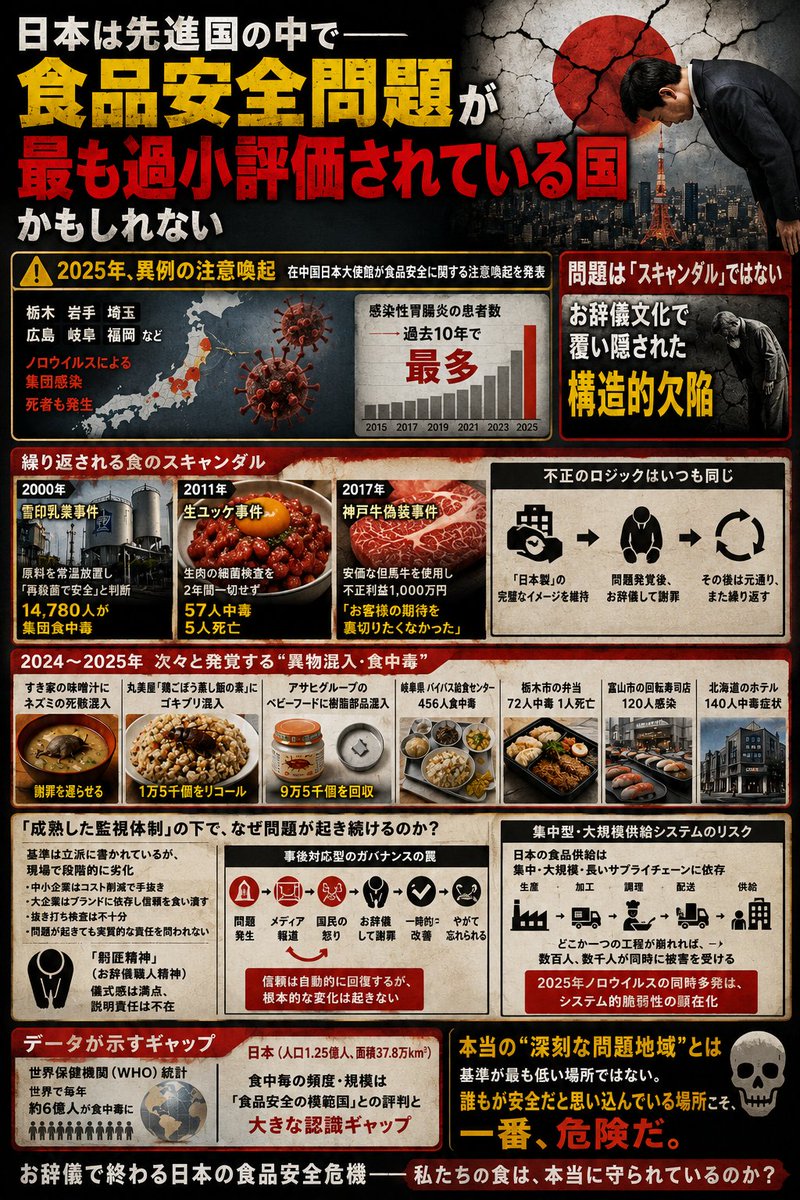
まず、常識に反する結論を一つ述べる。日本は、先進国の中で食品安全問題が最も過小評価されている国かもしれない。🤔
この記事のタイトルを見たとき、多くの人は「また不安を煽っている」「日本を叩いてアクセスを稼いでいる」と感じるだろう。😅 私たちの共通認識では、日本は「世界で最も厳しい食品安全基準」を持ち、「職人精神」に溢れ、細部へのこだわりが極限まで突き詰められている――これらのレッテルはあまりにも強固で、その真偽を疑う者はほとんどいない。🧐
2025年4月、在中国日本大使館は異例の食品安全に関する注意喚起を発表した。⚠️ これは単なるルーティンではない。日本の栃木、岩手、埼玉、広島、岐阜、福岡など複数の地域で同時にノロウイルスによる集団感染が発生し、死者も出た。😨 日本の研究機関も認めているように、感染性胃腸炎の患者数は過去10年の同時期で最多となった。📊
これは偶然ではない。時間軸を引き伸ばして見れば、ある不気味なパターンが見えてくる。👀
______
日本の食品安全の問題は、「スキャンダルがあるかどうか」ではなく、そのスキャンダルがシステム的であり、お辞儀文化によって覆い隠された構造的な欠陥であることにある。💀
2000年、雪印乳業の大阪工場で設備の停電により原料が常温放置され、14,780人が集団食中毒になった。😱 これは日本史上最大規模の食中毒事件である。工場側は原料が変質している可能性を知りながら、「もう一度殺菌すれば安全」という安易な考えで製造を続けた。🙄
2011年、焼肉チェーン「焼肉酒家えびす」の生ユッケが原因で57人が中毒、23人が重症、5人が死亡した。💀 調査の結果、経営会社は2009年7月以来、生肉に対する細菌検査を一度も実施していなかった。😤
2017年、神戸牛の有名店「神戸プレジール本店」が、高級神戸牛の代わりに安価な但馬牛を使用し、3,200食のコースを販売、不正利益1,000万円を得ていたことが発覚した。💰 日本農協の説明は秀逸だった。「神戸牛の生産量が足りず、お客様の期待を裏切りたくなかったため、やむを得ず代用品を使った」。😂
乳業から和牛、学校給食からチェーン飲食店に至るまで、その不正のロジックは驚くほど一貫している。まず「日本製」の完璧なイメージを維持し、問題が発覚したら頭を下げて謝罪し、その後は何事もなかったかのように元の状態に戻る。🔄
______
多くの人はこう言うだろう。「でも日本の企業には『職人精神』があるじゃないか?」 🤷
まさにその精神こそが、より見えにくい危険を生んでいる。 💣
2024年には、「すき家」の味噌汁にネズミの死骸が混入し、企業は謝罪を遅らせた。🐭 丸美屋食品では1万5千個の「鶏ごぼう蒸し飯の素」にゴキブリの混入が疑われ、大規模リコール。🪳 アサヒグループのベビーフードには樹脂部品が混入し、9万5千個が回収された。🍼
2025年はさらに集中して発生した。岐阜県の「バイパス給食センター」で456人が食中毒、栃木市の弁当で72人が中毒、1人死亡。💀 富山市の回転寿司店で120人が感染、北海道のホテルでは140人が食事後に中毒症状を訴えた……🏨
これらの事件には共通の特徴がある。それらはすべて、日本が誇る「成熟した監視体制」の下で起きたということだ。🔍
日本の問題は「基準が厳しくないこと」ではない。基準そのものは非常に立派に書かれている。📜 問題は、その基準の実行が現場のラインで段階的に劣化することにある。中小企業はコスト削減のために簡易な殺菌工程に甘んじ、大企業はブランドの信用に依存して信任を食い潰し、規制当局の抜き打ち検査は不十分で、問題が起きれば企業は頭を下げて謝罪するが、実質的な責任を負わされることはない。🙇♂️
これこそが、いわゆる 「躬匠精神」(お辞儀職人精神) である。儀式感は満点だが、説明責任は不在だ。🎭
______
より深い矛盾はここにある。日本の食品安全システムの「精巧さ」は、実はその脆弱性を隠すためのものだ。🏗️
日本の食品産業は、集中型・大規模供給システムに極度に依存している。岐阜県のバイパス給食センターは1日4,000食以上を提供し、12の市町村をカバーする。🍱 このような「大平原ホテル」型の集中供給モデルでは、どこか一つの工程が崩れれば、数百人、数千人が同時に被害を受けることになる。⛓️
中国のように多層的・多元的な食品供給システムを持つ市場とは異なり、日本の食品チェーンは長く、工程が多く、集中度が高い。リスクの連鎖効果は何倍にも増幅される。📈 2025年初頭のノロウイルスの大流行がほぼ同時に日本の複数地域を襲ったのは、まさにこのシステム的脆弱性の集中的な顕在化であった。🌊
______
「これらは単なる個別事例で、全体を代表するものではない」と言う人もいるかもしれない。🤨
しかしデータは嘘をつかない。📉
世界保健機関(WHO)の統計によると、世界中で毎年約6億人が食中毒にかかっている。🌍 面積37.8万平方キロメートル、人口1.25億人の先進国である日本における食中毒の頻度と規模は、国際的に確立された「食品安全の模範国」としての評判との間に、大きな認識ギャップが存在する。📊
さらに重要なのは、日本の食品安全ガバナンスの論理が、本質的に 「事後対応型」 であって 「予防重視型」 ではないことだ。企業が問題を起こす→メディアが報じる→国民が怒る→お辞儀して謝罪する→一時的に改善する→やがて忘れられる――このサイクルはすでにあまりにも洗練されている。🔄 あまりにも洗練されすぎて、問題が起きるたびにほとんど何も変える必要がなくても、信頼は自動的に回復する。🤖
これは、「日本品質」という神話によって深く保護された、低い説明責任の環境である。🛡️
______
だからこそ、なぜ私が日本こそ食品安全の「深刻な問題地域」だと言うのか。🤯
それは日本の食中毒患者数が世界最多だからでも、基準が最も緩いからでもない。主要先進国の中で、日本の食品安全問題の「隠蔽度合い」と「実際のリスク度合い」の乖離が、おそらく最大だからだ。 📏
ある国の食品安全に関する評判が、これほど完璧に実態と遊離している時。「職人精神」が組織的に不正の隠れ蓑として利用されている時。お辞儀して謝ることが、暗黙のうちに責任の終着点とみなされている時――その国の消費者は、実際にはデータが示すよりもはるかに危険な食環境の中に生きていることになる。😰
本当の食品安全の「深刻な問題地域」とは、基準が最も低い場所ではない。誰もが安全だと思い込んでいる場所のことだ。🎯
ALT 日本食品安全问题

8
8
26
1,057