Royal Stuart Society is interested in the Royal House of Stuart, supporting research in Stuart History and upholding monarchy. Events, lectures, commemorations.
Joined June 2017
- Tweets 28,625
- Following 2,451
- Followers 4,930
- Likes 2,753
976 Photos and videos



Royal Stuart Society retweeted

Apr 8
Polislerimizle dalga geçen şahıslar gözaltına alındı.
Polis Haftası dolayısıyla tüm emniyet teşkilatına selam ve sevgilerimizle…🌺💐

765
1,601
15,614
310,914
Royal Stuart Society retweeted

I have known a number of people who have come into the Church because of Benedict, and left because of Francis. Where that puts them under Leo, I don’t know. But the Church is not the Mystical Body of the Pope,submission to the Roman Pontiff is not accepting the Oracle at Delphi.

12
14
93
3,545
Royal Stuart Society retweeted

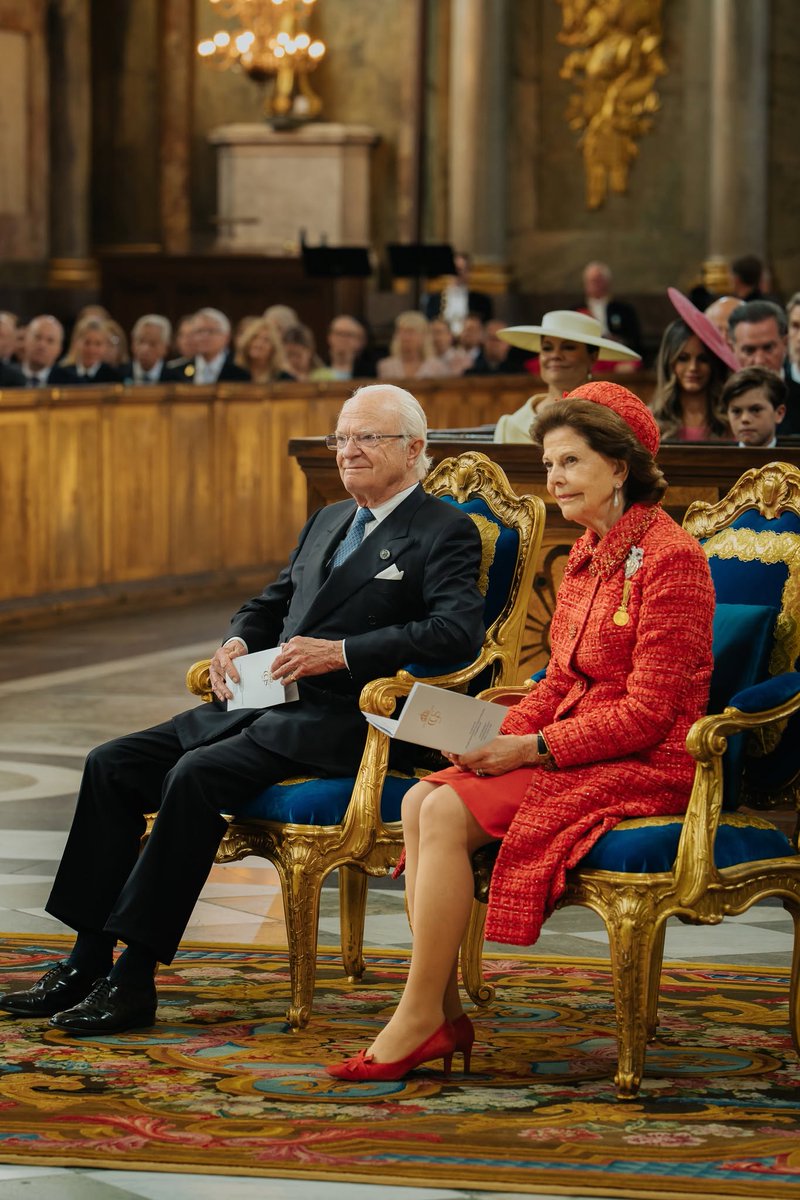
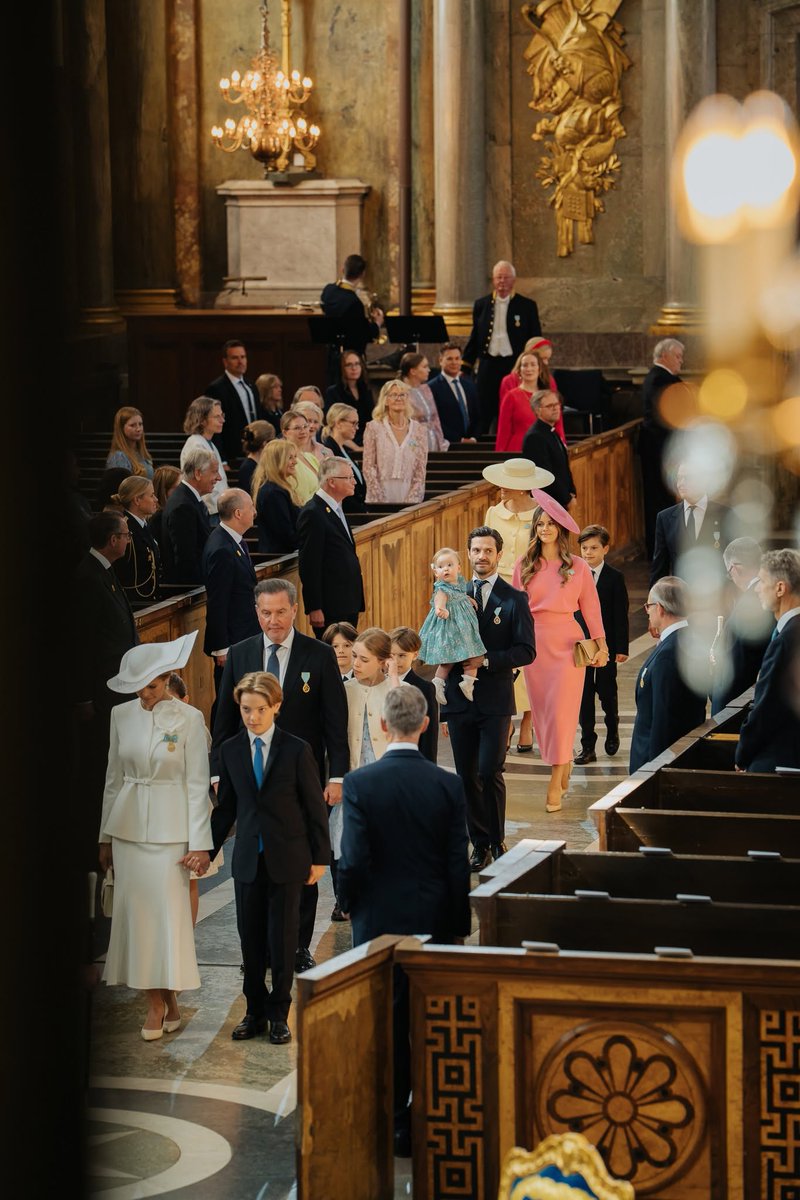
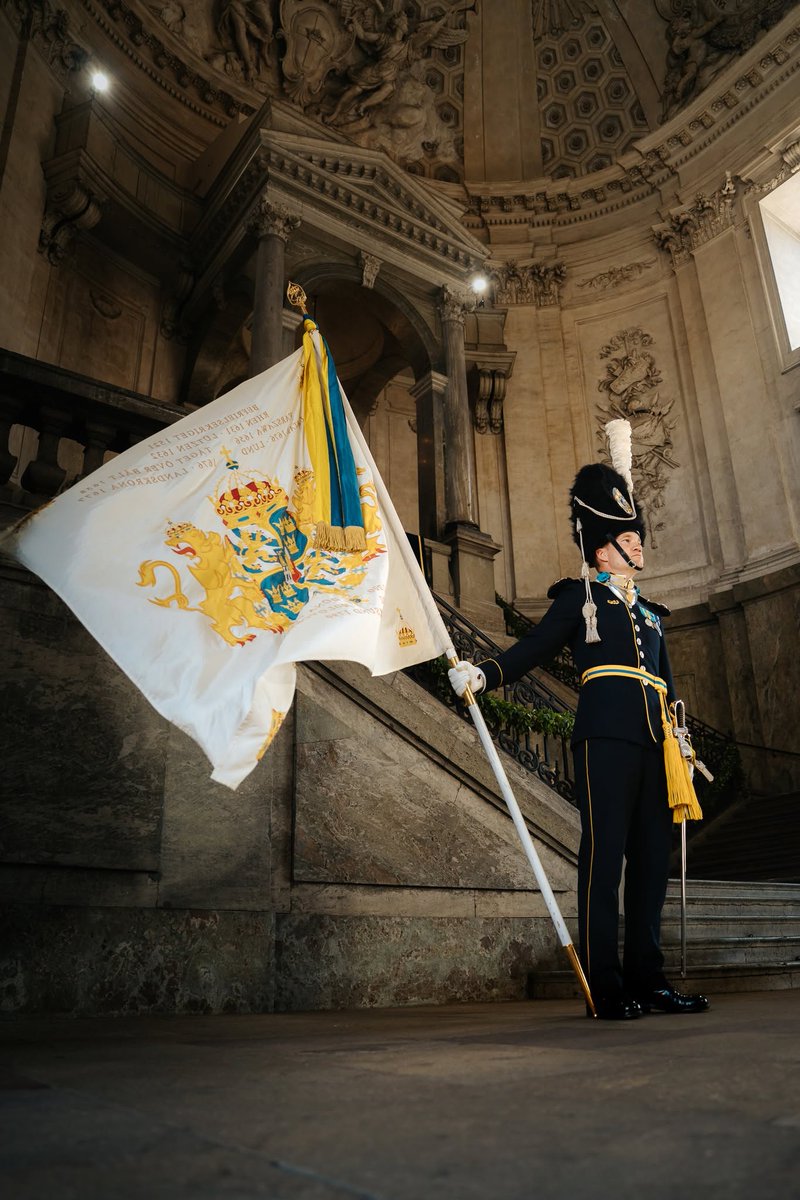
Noces d'or du roi Carl XVI Gustav et de la reine Silvia Bernadotte, souverains de #Suede. Aux côtés de la famille royale, ils ont assisté à un Te deum dans dans l'église du Palais royal #monarchy #monarchie #Sweden 👑🇸🇪📷: Kungahuset
5
27
932
Royal Stuart Society retweeted
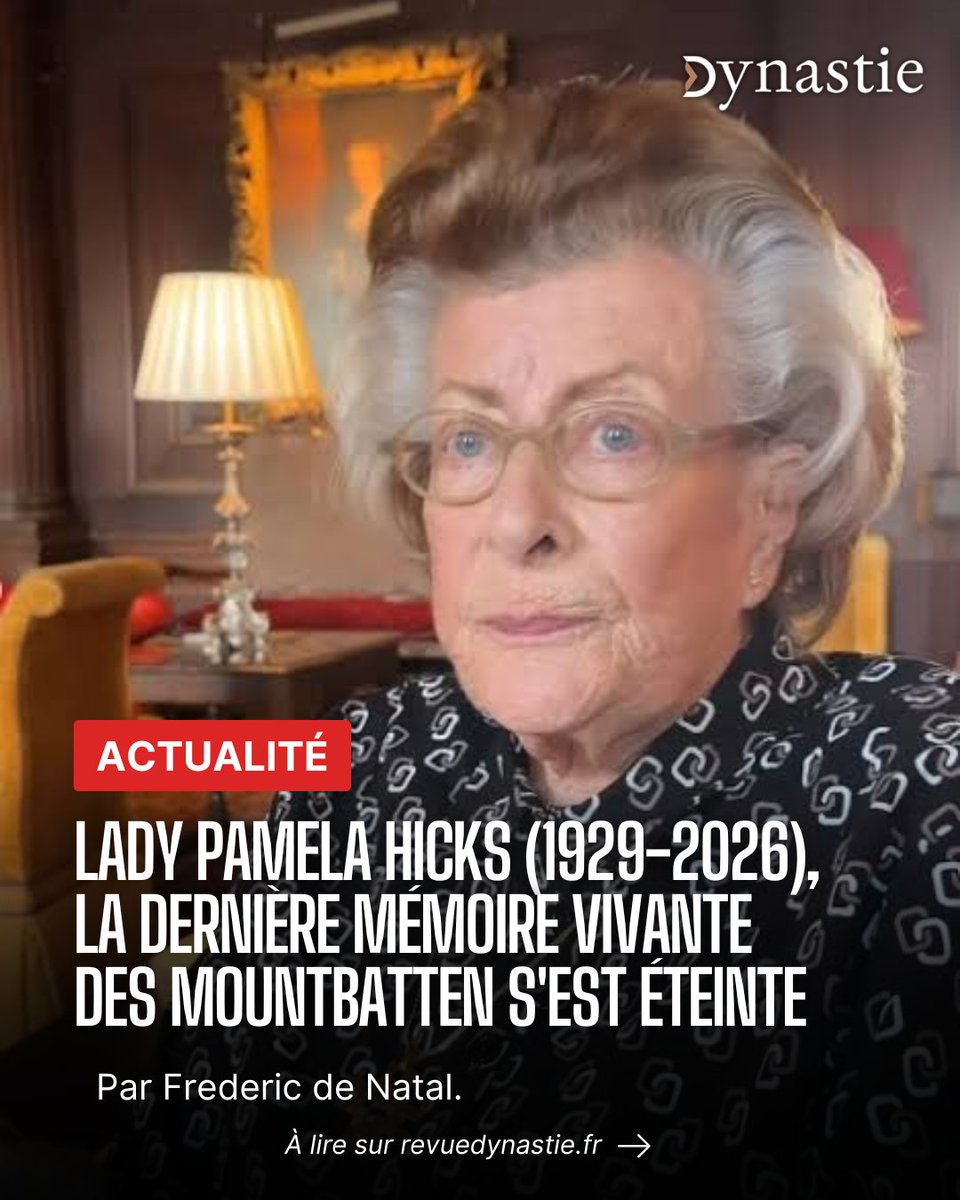
Le 5 juin 2026, Lady Pamela Hicks, née Pamela #Mountbatten, s’est éteinte à l’âge de 97 ans dans sa résidence de Brightwell Baldwin, dans l’Oxfordshire. Elle était la mémoire d'un empire disparu. #monarchy #monarchie 🇬🇧👑👇
Lien : tinyurl.com/3fb6cwya
5
7
496
Royal Stuart Society retweeted

Jun 14
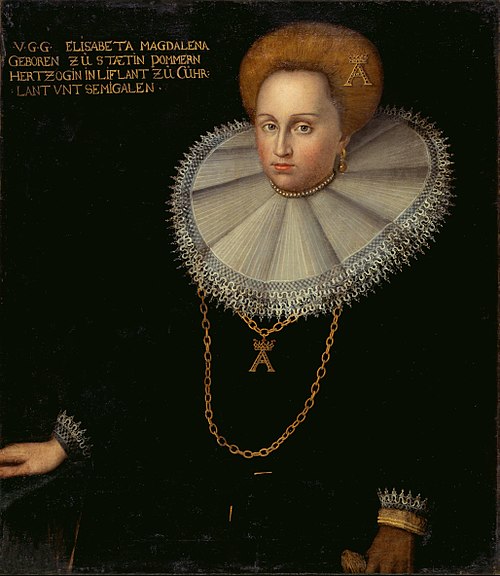
#OnThisDay in 1580 Elisabeth Magdalena of Pomerania was born as the daughter of Ernst Ludwig, Duke of Pomerania and Sophie Hedwig of Brunswick-Wolfenbüttel. On 14 March 1600, she married Friedrich Kettler, Duke of Courland and Semigallia but they had no children. She died in 1649
1
4
121
Royal Stuart Society retweeted

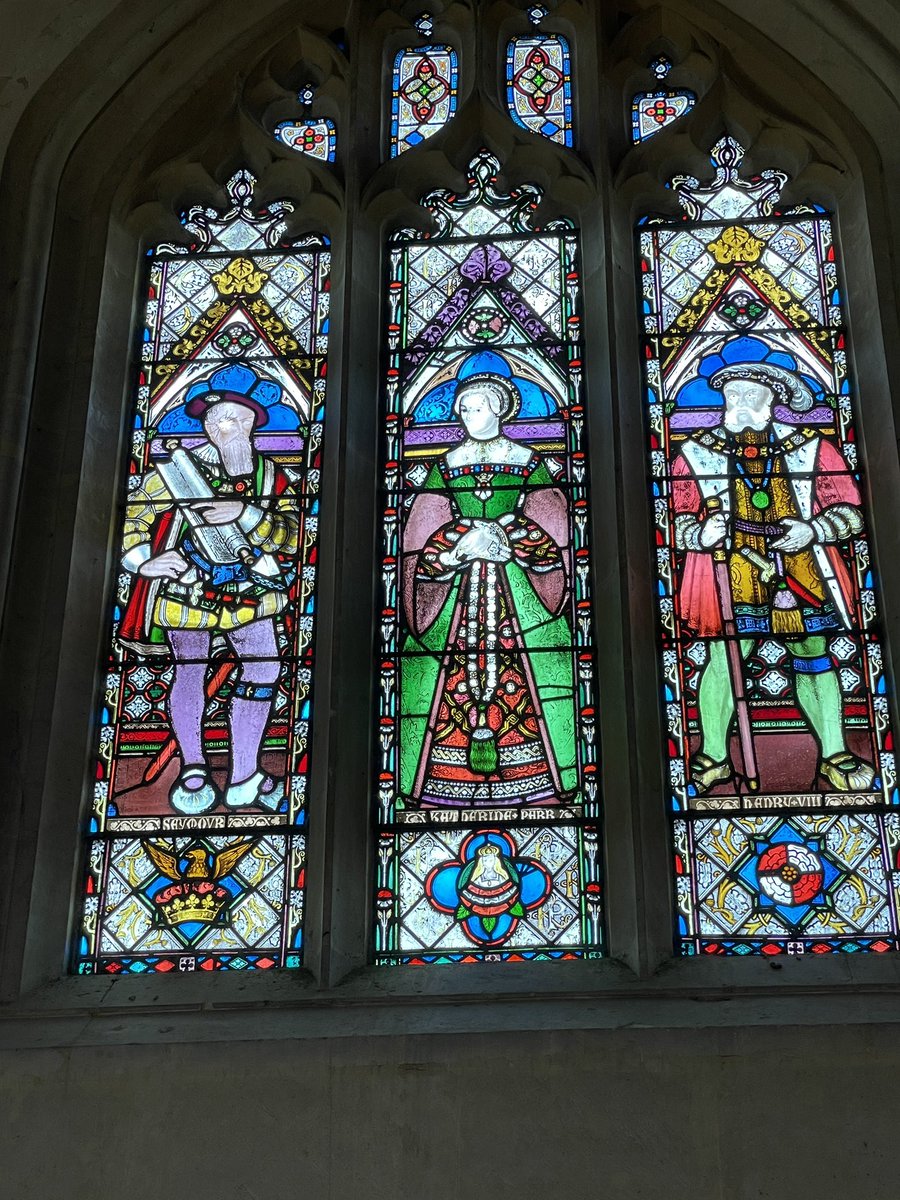
Thomas Seymour, Catherine Parr and Henry viii in stained glass at St Mary’s Chapel, Sudeley Castle . Windows created by Frederick Preedy of Worcester, and installed in 1862.
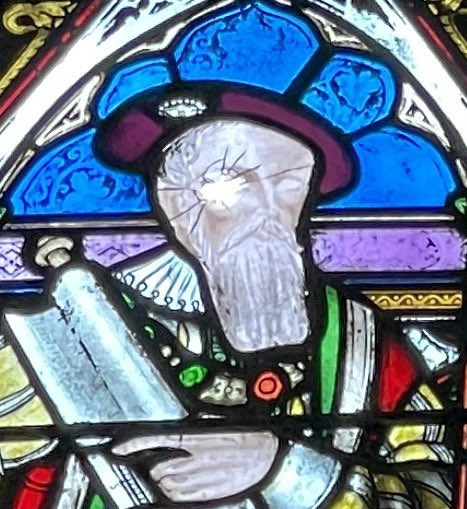
Someone seems to have taken a potshot at Thomas!
#StainedGlassSunday #tudor
1
7
24
556

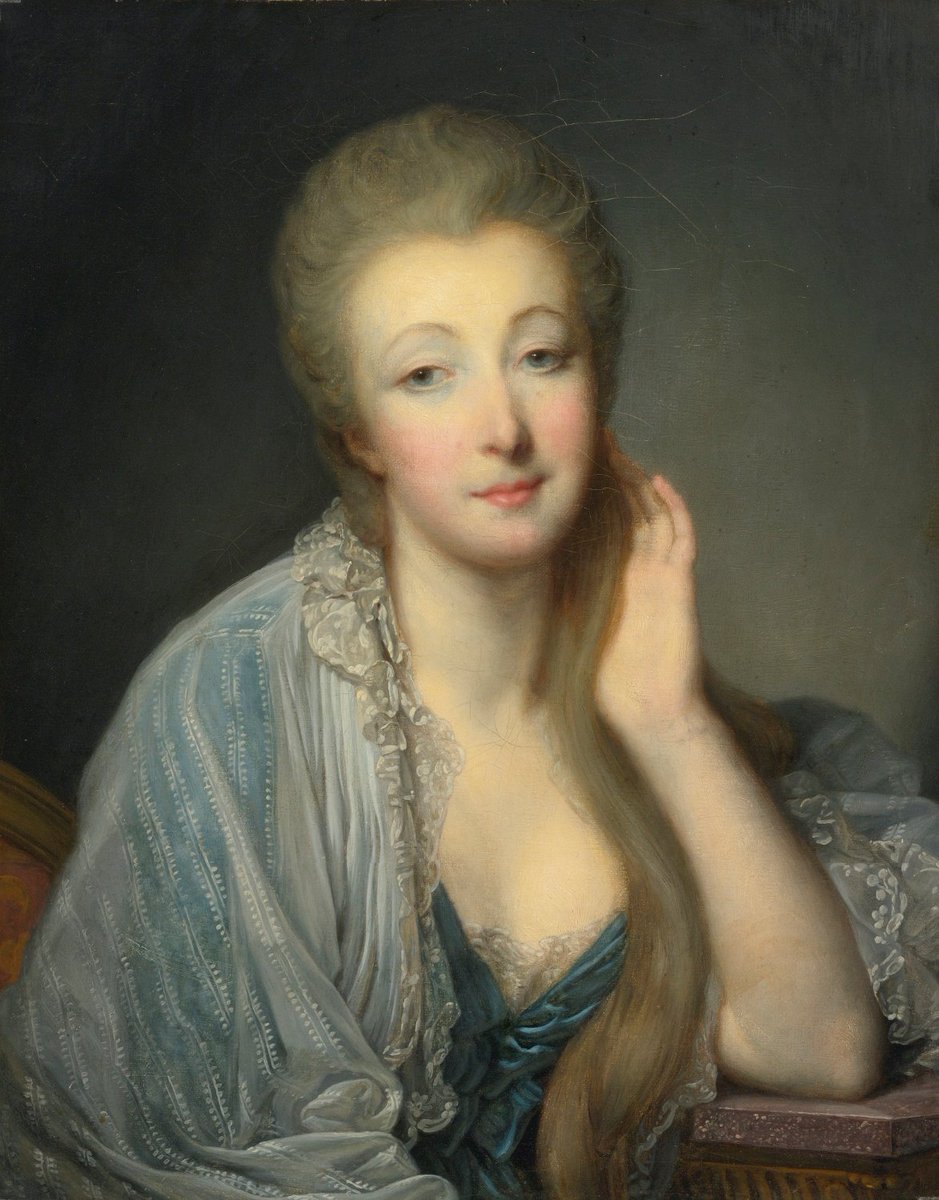
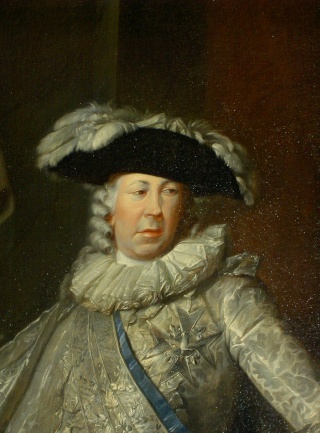
A partir du 14 juin 1792, la comtesse du Barry va être autorisée à rendre visite, à son amant, à Orléans. Elle fera plusieurs fois le voyage de Paris à Orléans, pour voir le duc de Brissac dans sa prison.
Le duc deBrissac était le commandant de la garde constitutionnelle accordée au Roi par la constitution. Il venait d'être mis en accusation et transféré à Orléans où siégeait la Haute Cour prévue par la constitution.
#14juin #histoire #orleans
11
49
1,172
Royal Stuart Society retweeted

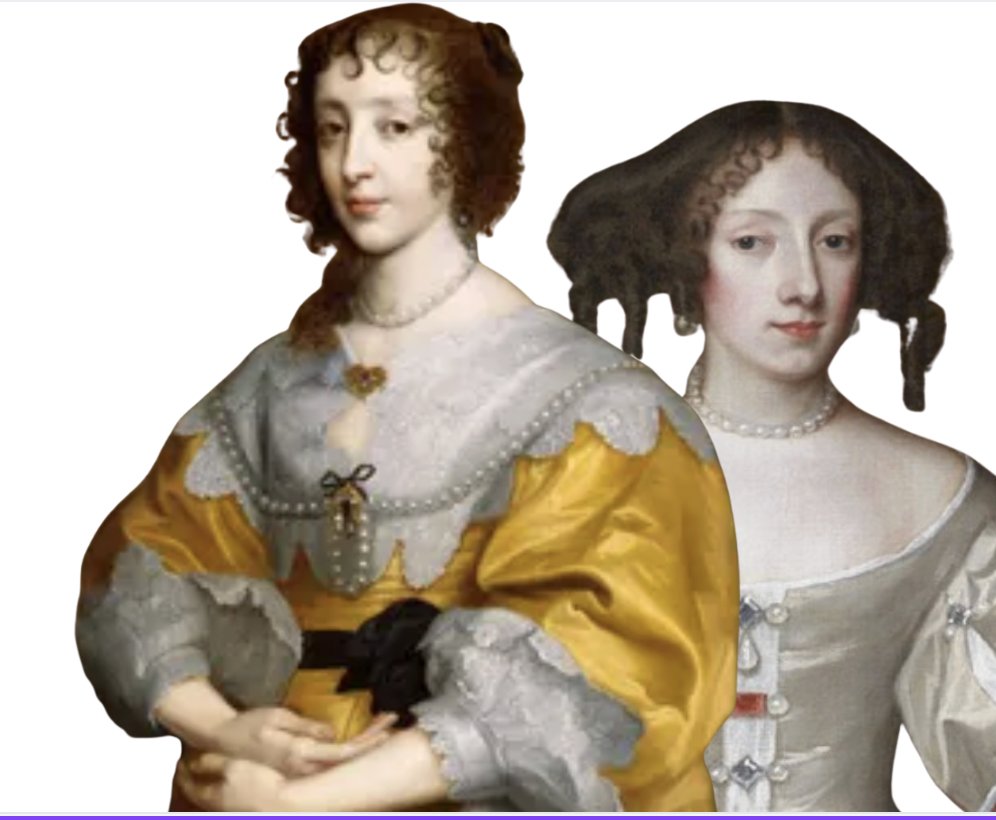
🗓️#OTD 1644. Exeter.
Henry Jermyn writes that Parliament's Lord General, the Earl of Essex, is nearing and may besiege the town with his army.
Within Exeter, the heavily pregnant Queen Henrietta-Maria was 'ill at ease and full of feares' over it all.
Two days later she gave birth to Princess Henriette.
11
15
445
Royal Stuart Society retweeted

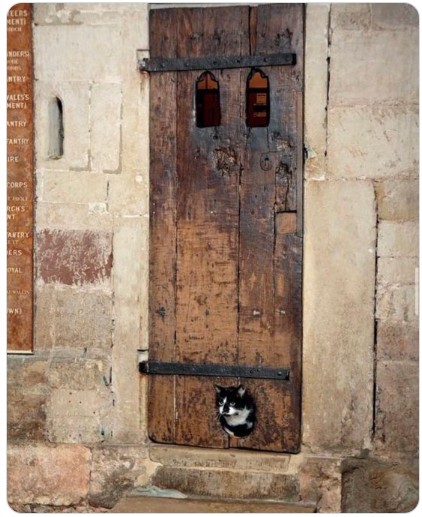
This door in Exeter Cathedral dates back to the 14th century and is thought to have the oldest cat flap in the UK and possibly the world.
Make sure your cat comes back ! ... 🐱🐈⬛🐈..😂
1
34
46
731
Royal Stuart Society retweeted

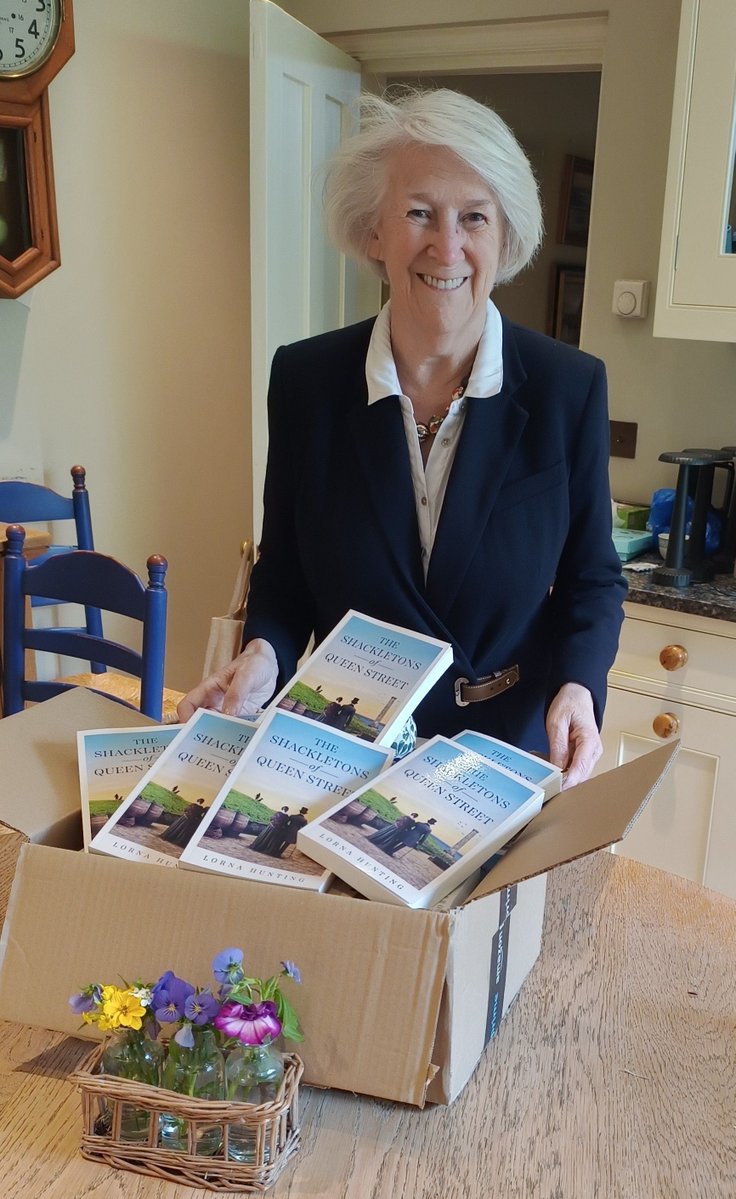
The books are here for the Whitehaven launch. Even though this is my seventh publication I still get the same buzz when the first box of author's copies arrives. I'll be at the Exhibition Space on Queen Street, June 23rd at 12pm. Come and meet me. In association with @moonsbookshop and Richardsons of Whitehaven @gerardfinewine
lornahunting.com #authorslife #booklaunch #newbook #histfic
2
9
24
1,171
Royal Stuart Society retweeted

Jun 12
David Hockney painted this when he was 19.
An absolute master. RIP.

9
129
1,360
9,789
Royal Stuart Society retweeted

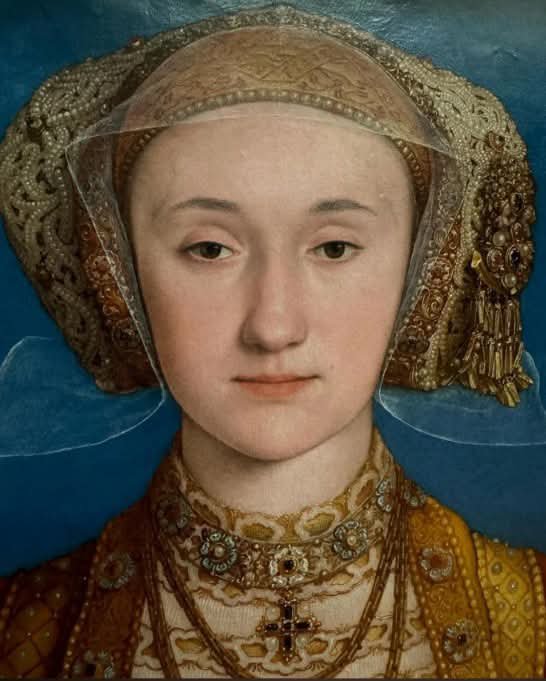
6 January 1540 - Henry VIII married Anne of Cleves at Greenwich Palace. The unconsummated marriage was annulled within six months, but she survived as the King’s “beloved sister” and outlived all his other wives. She is the only one to be buried in Westminster Abbey.
Anne of Cleves became the fourth wife of King Henry VIII on January 6, 1540, in a marriage arranged largely for political reasons. The match was intended to strengthen England's alliance with the Protestant states of northern Germany during a period of growing tension with Catholic powers in Europe.
The marriage quickly proved unsuccessful. Henry claimed he was not attracted to Anne, and the union was never consummated. On July 9, 1540, the marriage was annulled on the grounds of non-consummation and a prior marriage contract. Unlike several of Henry's other wives, Anne accepted the settlement and remained in England.
As part of the agreement, Anne received substantial estates, including Hever Castle, and was granted the honorary title of the King's "Beloved Sister." She maintained a cordial relationship with Henry and his children, including the future Queen Elizabeth I.
Anne of Cleves outlived Henry VIII and all five of his other wives. She died in 1557 at approximately age 41 and is buried in Westminster Abbey, making her the only one of Henry's six wives to receive that distinction. Her tomb can still be visited there today.
#archaeohistories
5
23
166
8,497
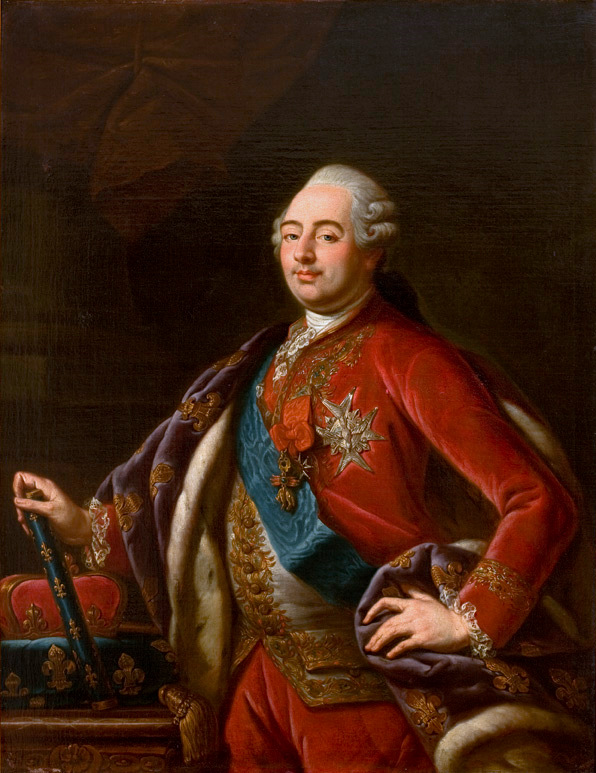
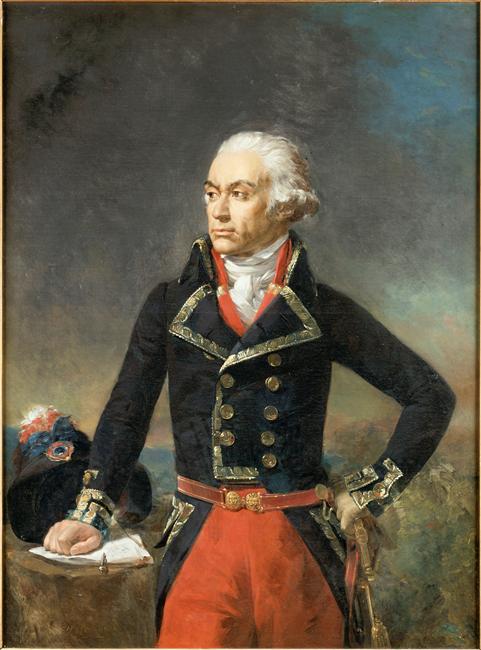
#13juin 1792
Louis XVI à M. Dumouriez, ministre de la guerre
« Ce 13 juin 1792 au soir,
Je verrai, Monsieur, les ministres à 10 heures, demain. Si c’est par des dangers pour moi qu’on veut m’effrayer, je ne les crains point personnellement. Venez un quart d’heure, je serais bien aise de vous parler avant les autres.
Louis »
#histoire
8
35
775
Royal Stuart Society retweeted

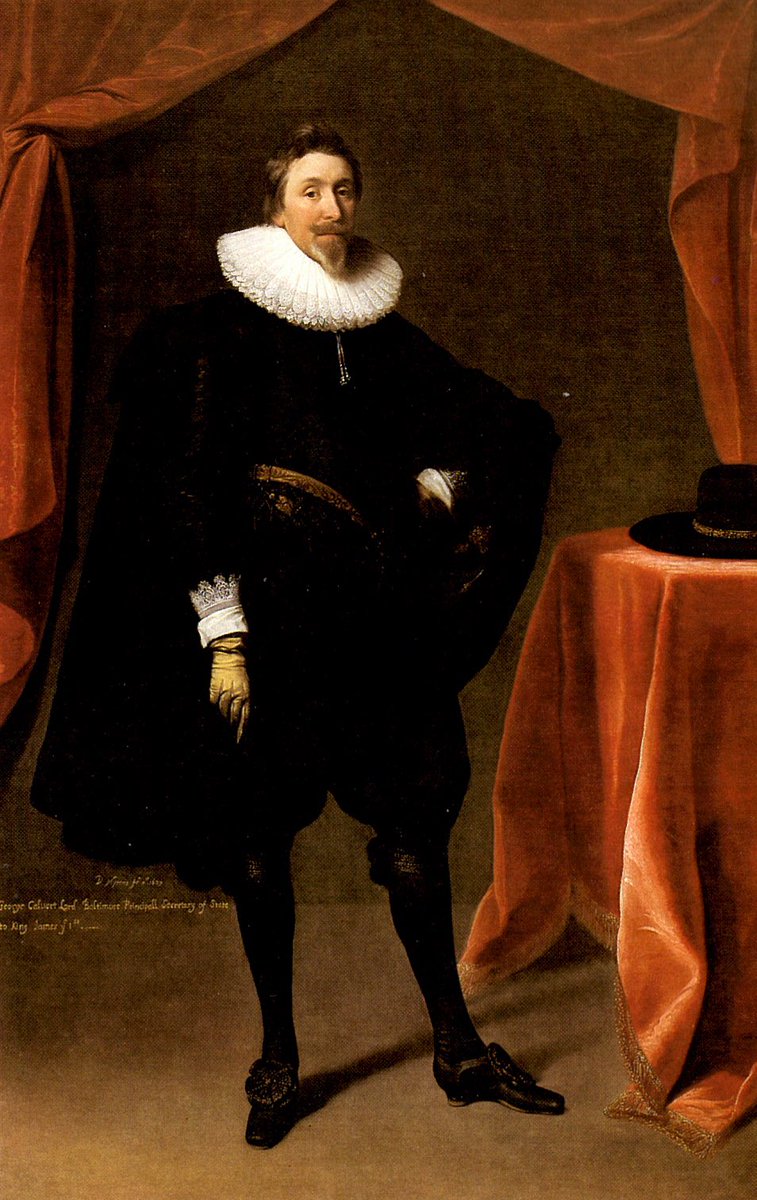
George Calvert, 1st Baron Baltimore, founder of Maryland.
1
4
8
141
Royal Stuart Society retweeted
Jun 13
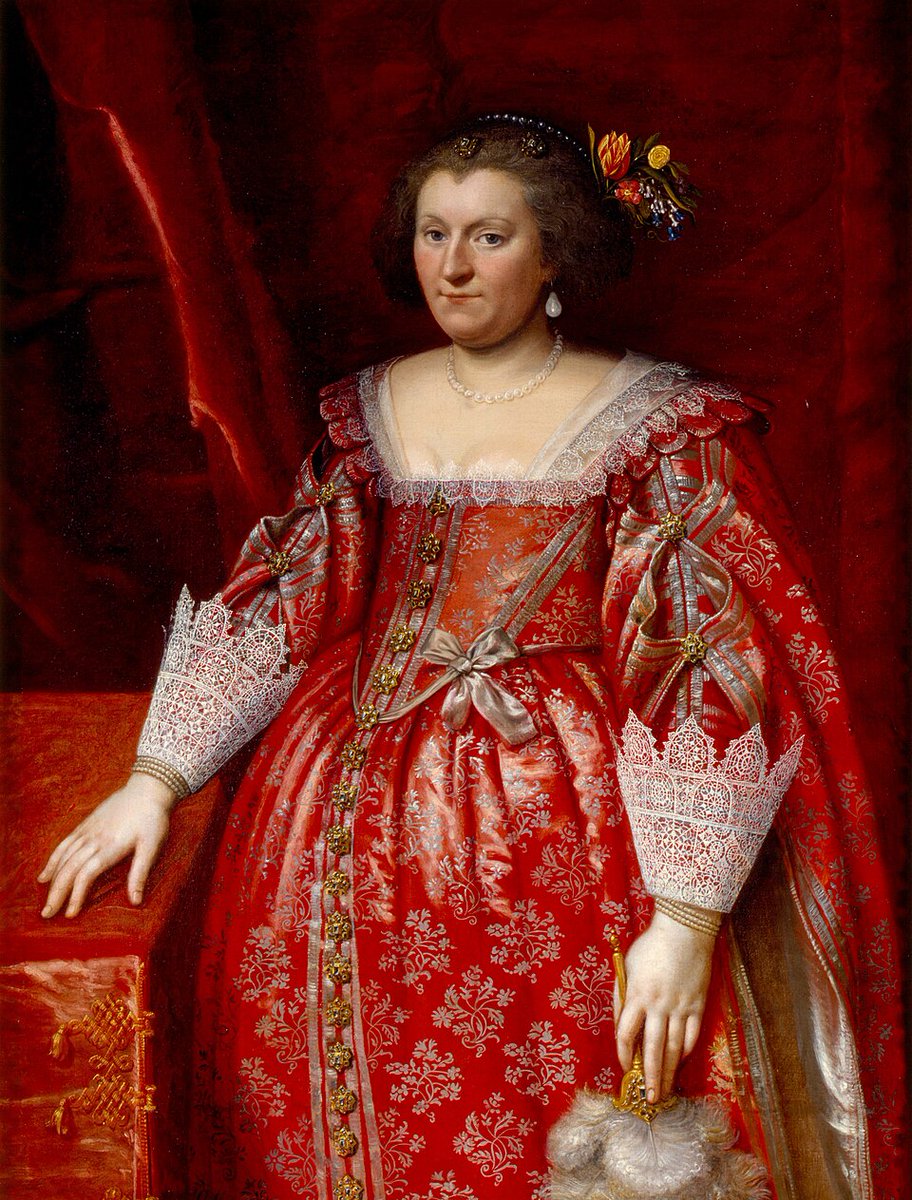
#OnThisDay in 1592 Sophie Hedwig of Brunswick-Wolfenbüttel was born as the daughter of Henry Julius, Duke of Brunswick-Wolfenbüttel and Elisabeth of Denmark. On 8 June 1607, she married Ernest Casimir I, Count of Nassau-Dietz and they had three surviving sons. She died in 1642.
2
6
151
Royal Stuart Society retweeted

Jun 13
Queen Genepil looks almost unreal in photographs: towering headdress, embroidered robes, a face caught between ceremony and catastrophe. But behind the image was a young woman pulled into the final breath of Mongolia’s monarchy.
Born Tseyenpil around 1905, she was chosen in the 1920s to become consort to Bogd Khan, Mongolia’s last ruler. He was much older, nearly blind, and already a sacred political figure. Genepil’s time as queen was brief. In 1924, Bogd Khan died, and Mongolia abolished the monarchy. Just like that, the last queen was no longer a queen.
She returned to ordinary life, remarried or rejoined her former husband, and raised a family. But the new revolutionary government did not forget what she had represented. During the Stalinist purges of the 1930s, Mongolia’s old aristocracy, Buddhist clergy, and cultural elites were brutally targeted. Genepil was arrested, accused of plotting against the state, and executed in 1938. Some accounts say she was pregnant when she was killed.
Her story became wrapped in myth, partly because her surviving images are so striking and partly because people often misidentify photos connected to her. But the truth is already powerful enough: she was not a fairy-tale queen. She was a young woman briefly dressed as the symbol of an ancient order, then destroyed by the new one.
Genepil was Mongolia’s last queen consort, but her tragedy is larger than monarchy. She became a living reminder of a past the state wanted erased. And in the end, that was enough to make her dangerous.
© Women In World History
#archaeohistories

6
54
258
13,843
Royal Stuart Society retweeted

Jun 13
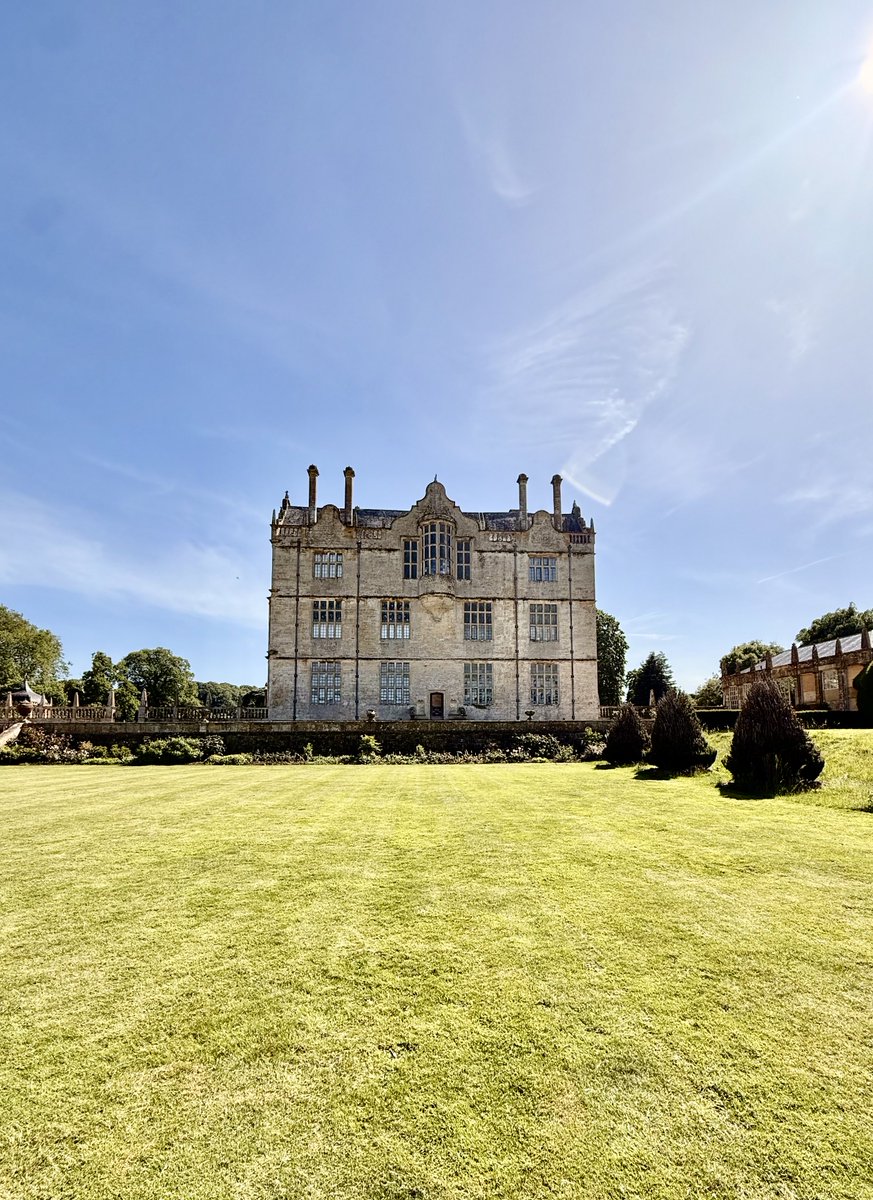
Montacute House, Somerset, today. Late Tudor splendour in local hamstone and - of course - in the shape of an E. Rooks galore 🐦⬛☺️
4
13
163
1,382


RT @IoannaDementi: Queen Elizabeth II’s first Trooping the Colour as Sovereign took place in 1952.
Did you know? Her Late Majesty rode on…
37
Royal Stuart Society retweeted

Jun 13
Benedetto Pistrucci's iconic rendition of St George slaying the dragon appears on this pattern crown of George III that was minted in 1818. The design, with a few small changes, was adopted for circulation that same year. This example is from the collection of the Hunterian.
1
18
99
2,493