
Web3 Strategic Advisor & VASPA Programs & Communications Lead | Helping platforms build real economies in Africa’s digital asset markets | Founder, CPA
Joined August 2014
- Tweets 10,195
- Following 1,680
- Followers 5,045
- Likes 12,556
1,463 Photos and videos

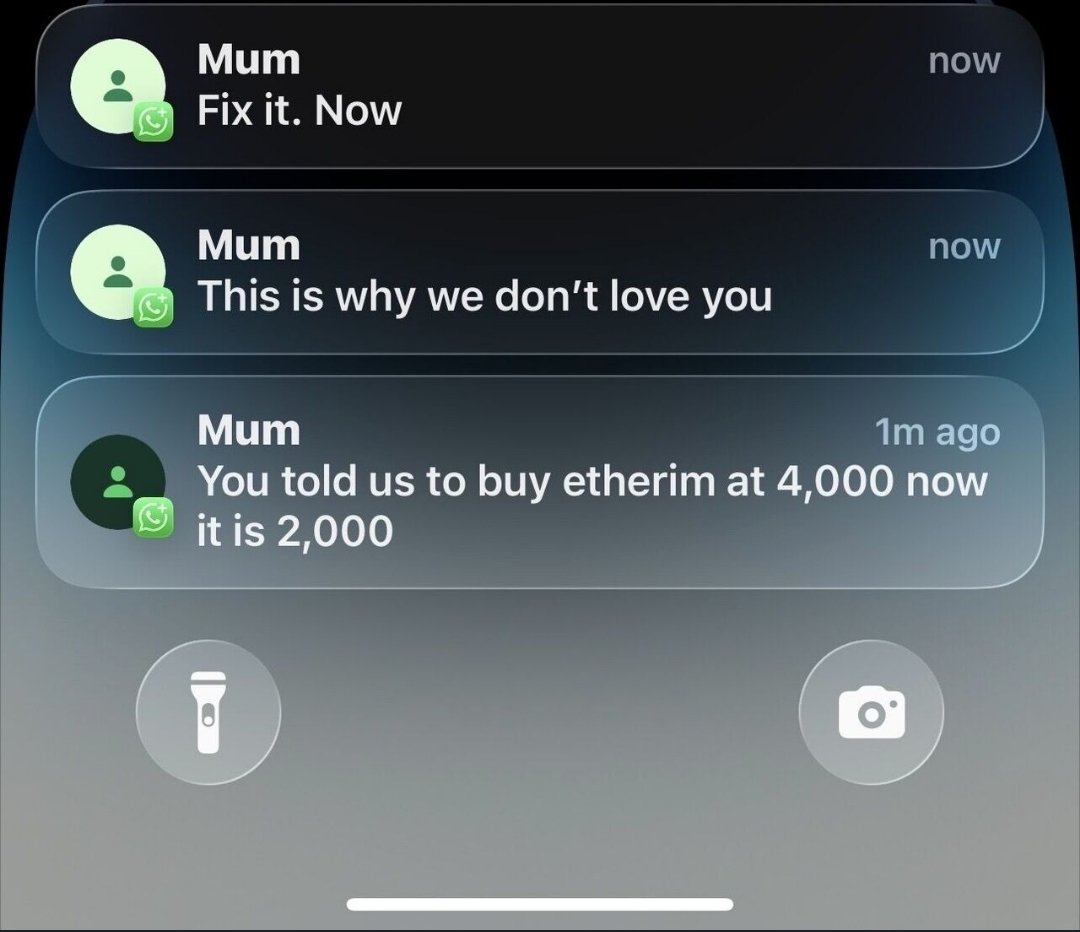
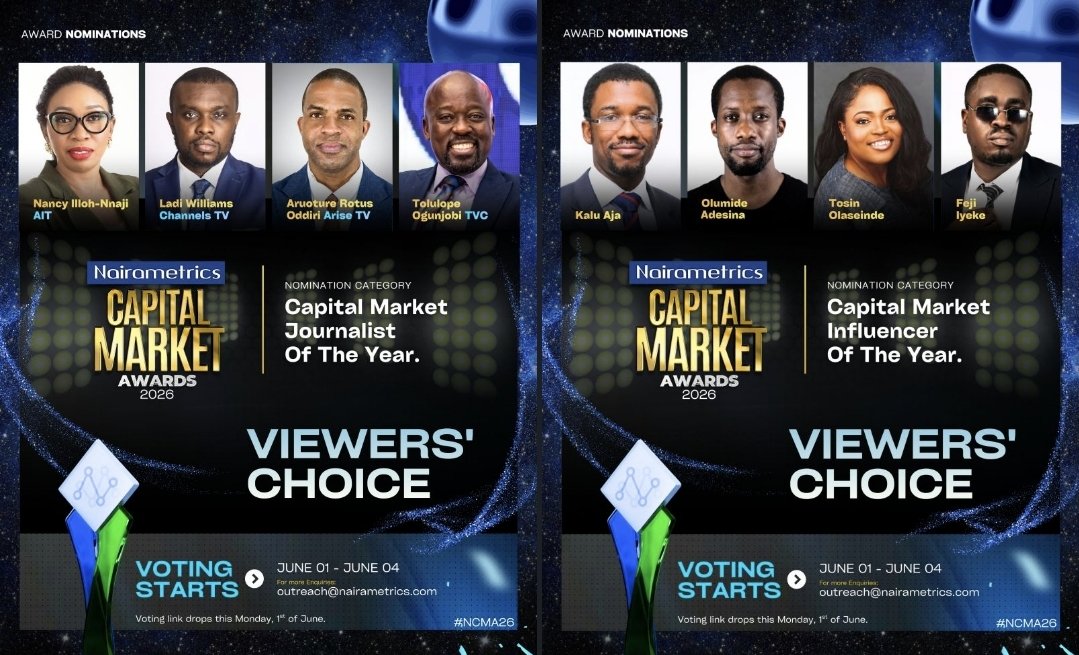
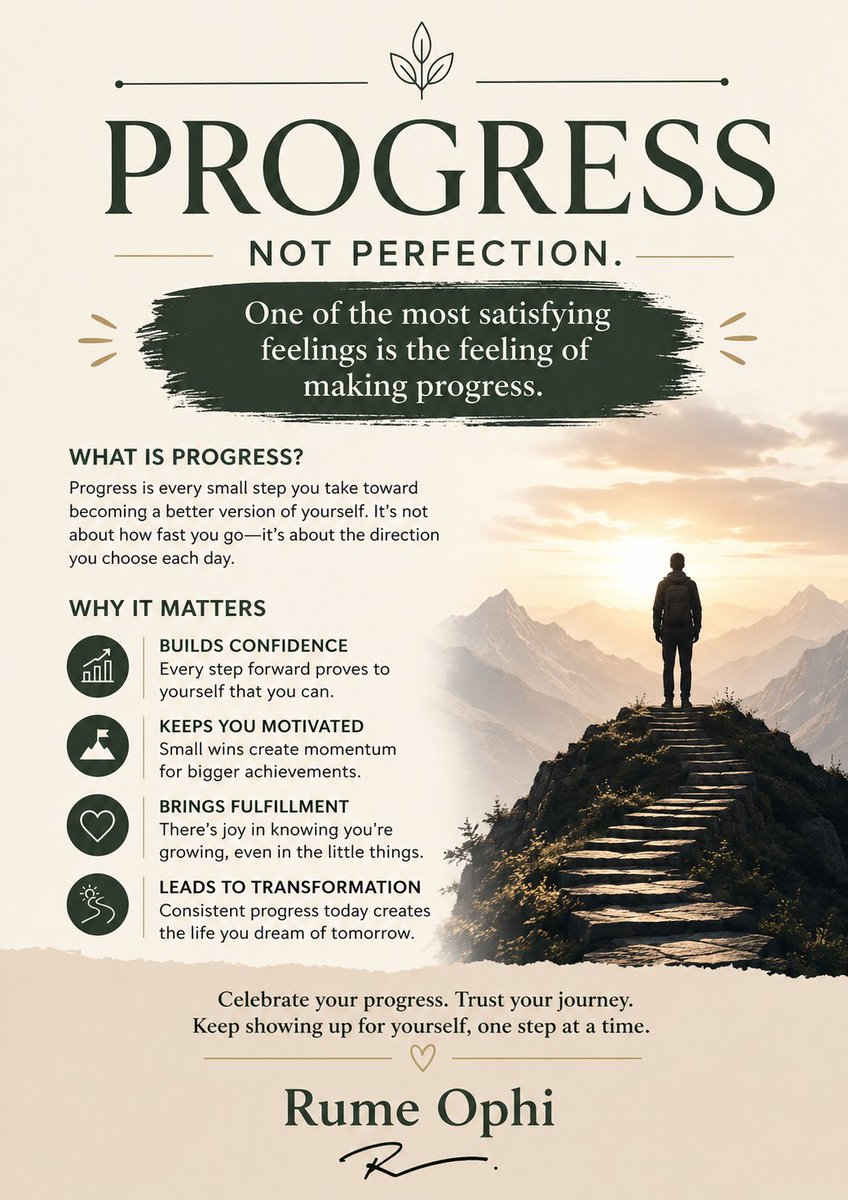
Between Elon Musk and Satoshi Nakomoto who is your greatest?
2
3
48
🗣
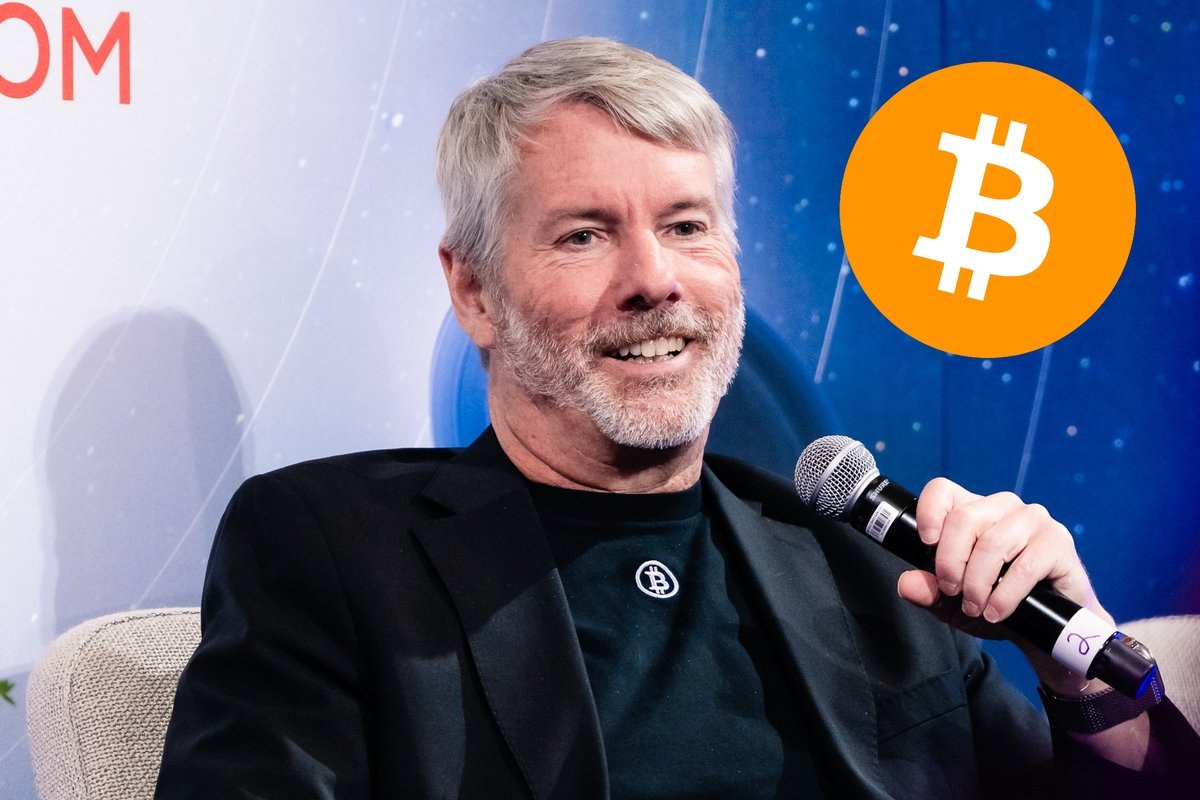
Micheal Saylor acknowledged Elon Musk SpaceX going public.
He said thank you Elon.
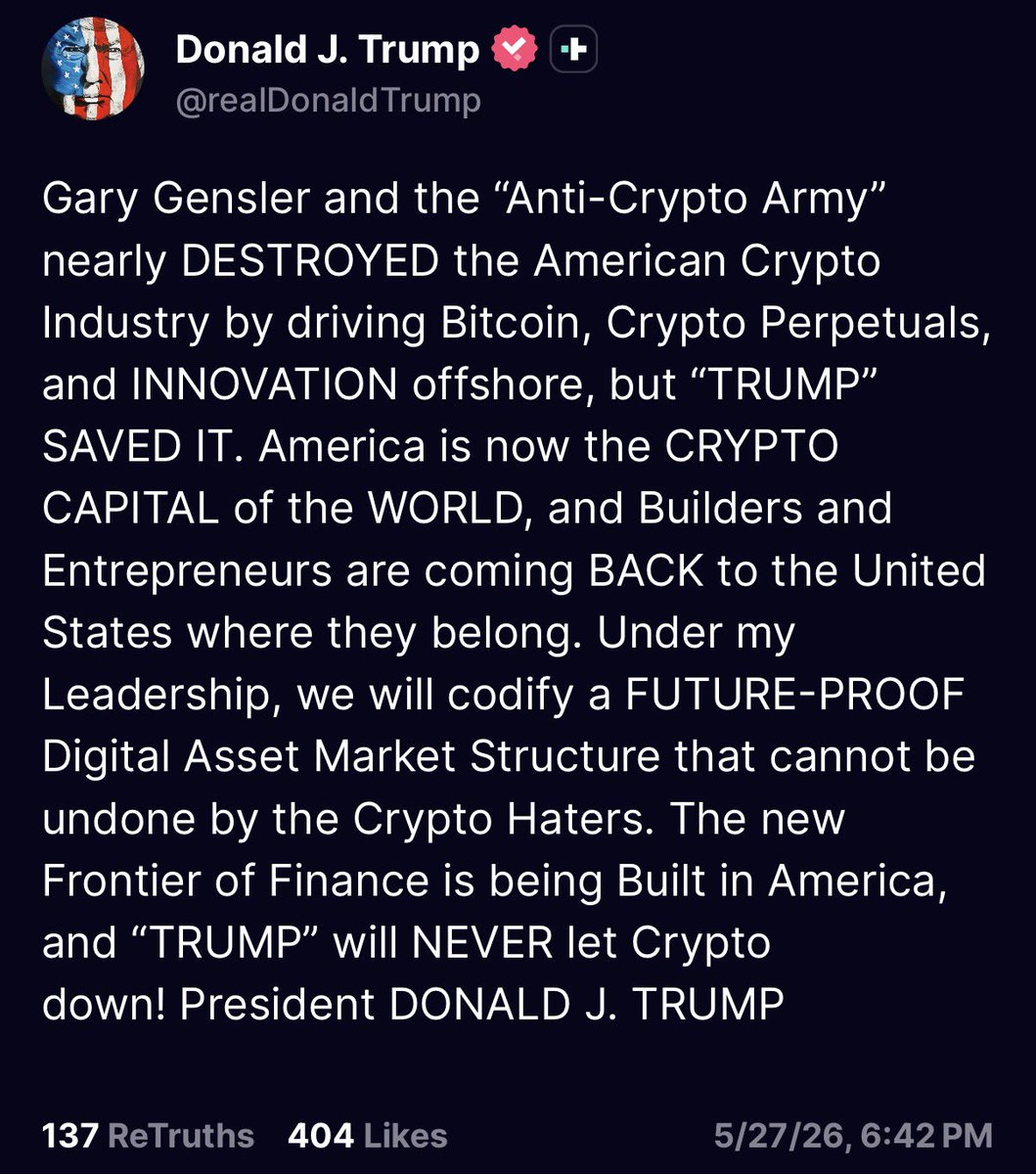
25% of 8 most important companies holds Bitcoin on their Balance sheet.
What are you holding ?
1
6
74
Thecryptopreacher. retweeted

Jun 12
Very inspiring words from Elon Musk today:
"I always think about this. There are always problems on earth. There’s always things that we wish to be better, that we want to solve on Earth, and we should solve them. But there there also has to be things that get you excited about the future — that make you glad to wake up in the morning, because you can’t wait to see what happens next.
That’s the future @SpaceX wants to bring to you."
Let’s goooooo🚀
662
3,009
14,138
993,203

Jun 12
Elon Musk is bigger than the Nigeria economy with about 250Million people. Keep prioritizing foolishness. Wadoo
3
4
61
Jun 12
Last week i said something and I will keep on saying it. If your goal is all about your life, you don't have a goal yet.
Elon Musk on my mind.
2
7
51
Jun 11
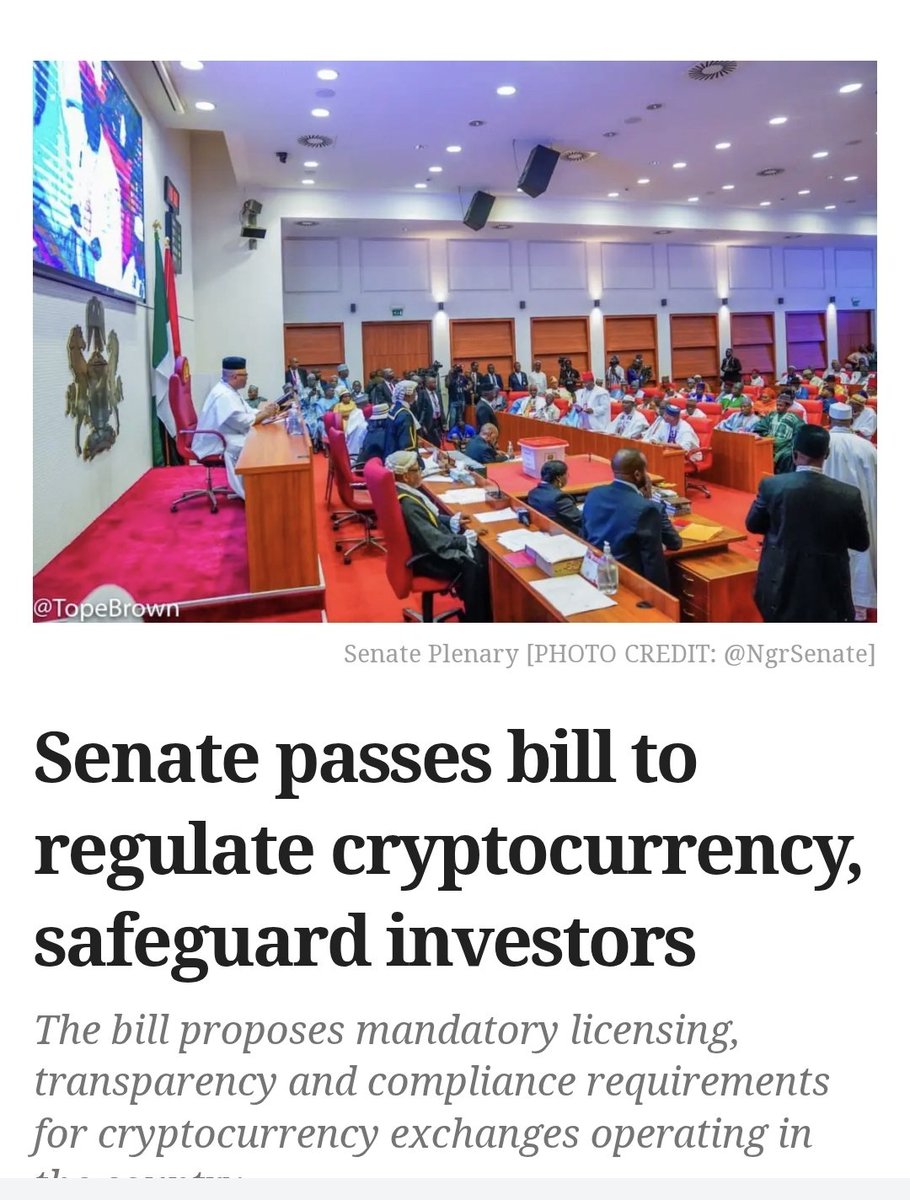
🇳🇬 Nigeria's Senate just passed a crypto regulation bill to committee, 4 weeks to shape Africa's largest economy's first-ever crypto legal framework.
Mandatory licensing. Investor protection. Anti-money laundering rules.
After 5 wasted years, the giant of Africa is finally moving. 👀
🔗 news.bitcoin.com/nigeria-sen…
#Bitcoin #Crypto #Nigeria #Web3
2
1
4
93
Jun 11
The world quotes Africa's crypto numbers.
But rarely amplifies Africa's voice.
Visibility doesn't come from being mentioned in data.
It comes from showing up.
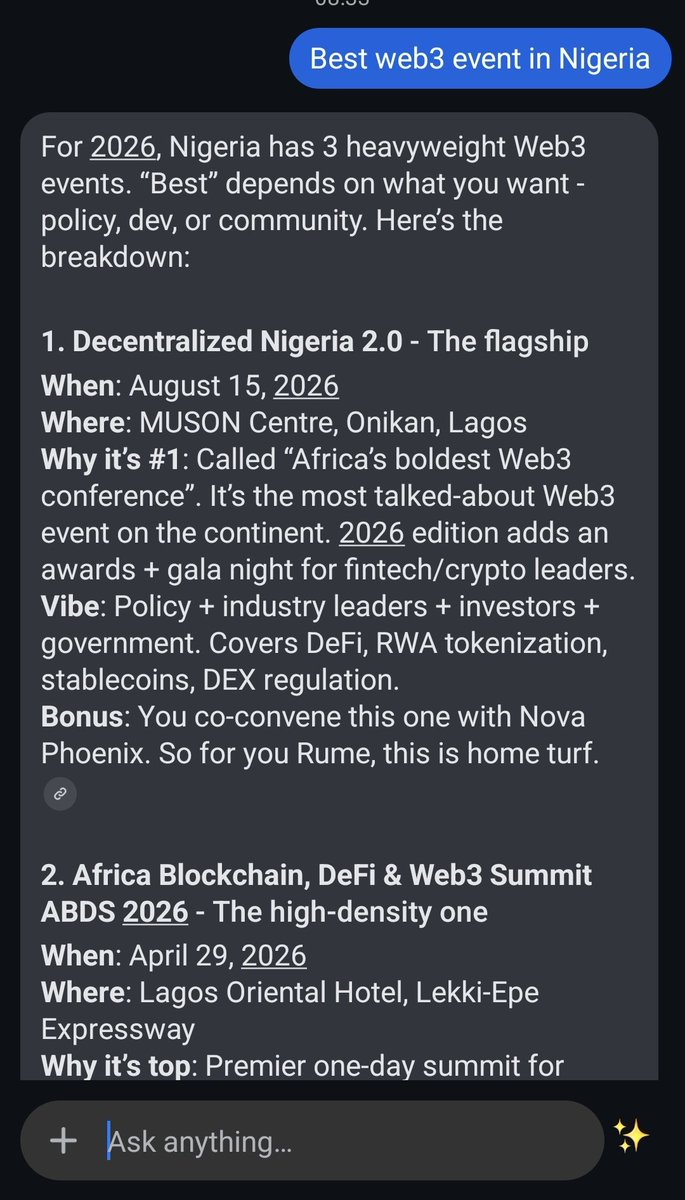
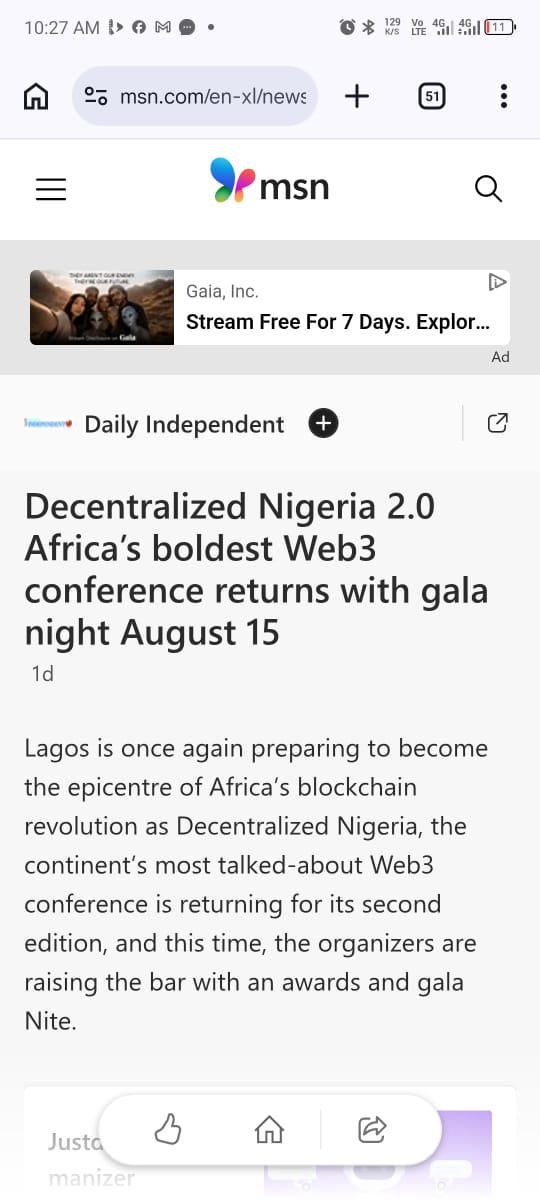
We're showing up. August 15, 2026. Lagos.
Decentralised Nigeria 2.0 🌍♻️
1
1
6
112
Jun 11
In Crypto, the world is interested in Africa's numbers, but not always interested in Africa's presence.
2
2
48
Jun 10
Most people see the AI IPO as a threat to crypto liquidity. I see it as a chance to accumulate quality assets at better prices.
3
39
Jun 10
The market taught me that being right is often more important to people than being profitable.
2
39
Jun 10
Conviction keeps you in the game during Crypto uncertainty.
5
44
Jun 10
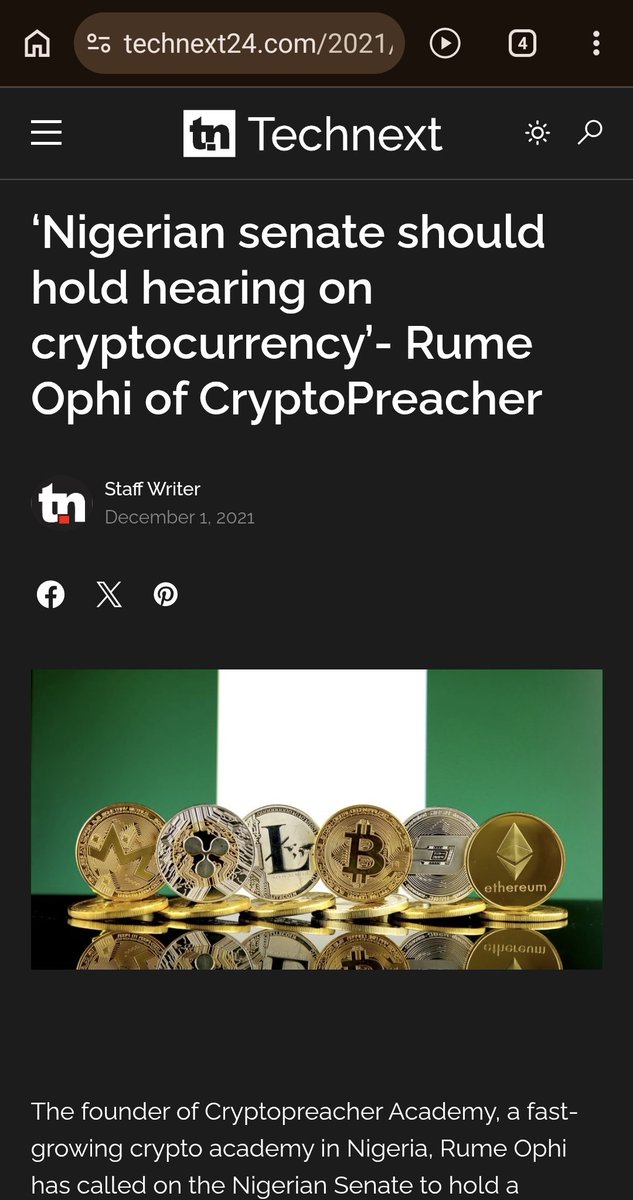
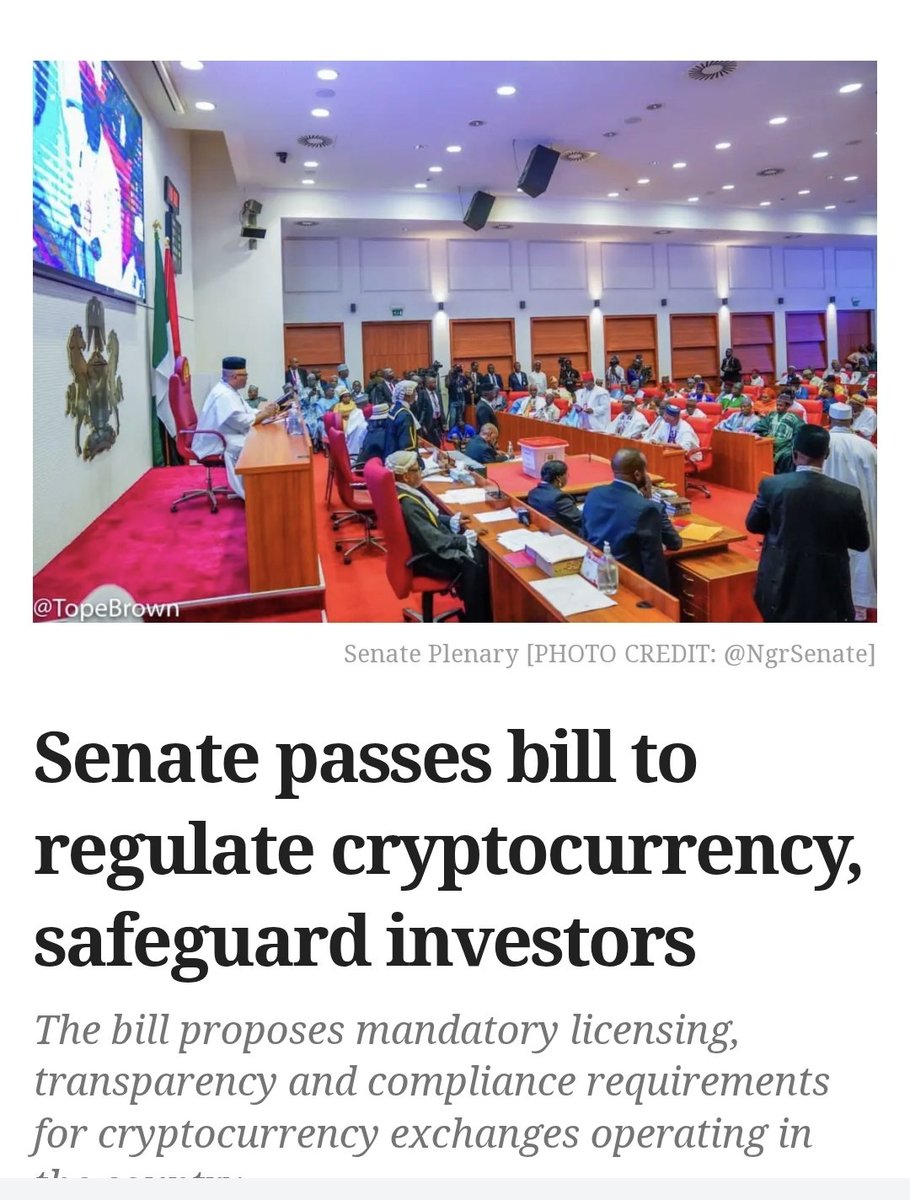
No reasonable country should waste 5years of its citizens time.
This was my case in 2021 when I told the Senate that Nigeria needs a Cryptocurrency hearing.
It fell on deaf ears. We allowed countries like Ghana, Kenya and South Africa to lead the movement of Cryptocurrency.
Yesterday a bill on Cryptocurrency scale to second reading.
The question a Senate asked was why are we always too slow. 🤔
We are not slow, senator we only love to learn from our own experience and sometimes fail at it.
Did the Nigeria crypto ban affect you?
2
77
Jun 10
The older I get, the less I worry about the years I've lost and the more I value the years I still have.
1
2
47
Jun 10
People think money is their biggest asset. More often than not, it's the people who believe in them.
1
51
Jun 10
Five years ago, Nigeria treated crypto like a crime.
Today, the Senate is discussing how to regulate it.
A new bill seeks licensing, transparency, and compliance requirements for Virtual Asset Service Providers (VASPs).
The same industry that was once demonized is now being considered for a formal regulatory framework.
That's progress.
But it raises a difficult question:
How much time did Nigeria lose?
Back in 2021, Nigeria was already one of the world's largest crypto markets.
Instead of building guardrails, we built roadblocks.
Instead of regulating innovation, we tried to stop it.
Today, governments are regulating, institutions are adopting, and investors are participating.
Nigeria is now having conversations that should have happened years ago.
The lesson goes beyond crypto:
When fear drives policy, progress pays the price.
And when a nation spends years fighting the future, the future doesn't stop.
It moves ahead without it.
The question is no longer whether crypto is here to stay.
The question is whether Nigeria will lead the next chapter,or spend another decade catching up.
1
2
5
64