
Interested in Labor, Macro and Spatial|PhD student @DukeEcon | "Micro and Macro Perspective of Labor Market" Virtual Reading Group at Duke
Joined October 2020
- Tweets 566
- Following 893
- Followers 807
- Likes 210
44 Photos and videos
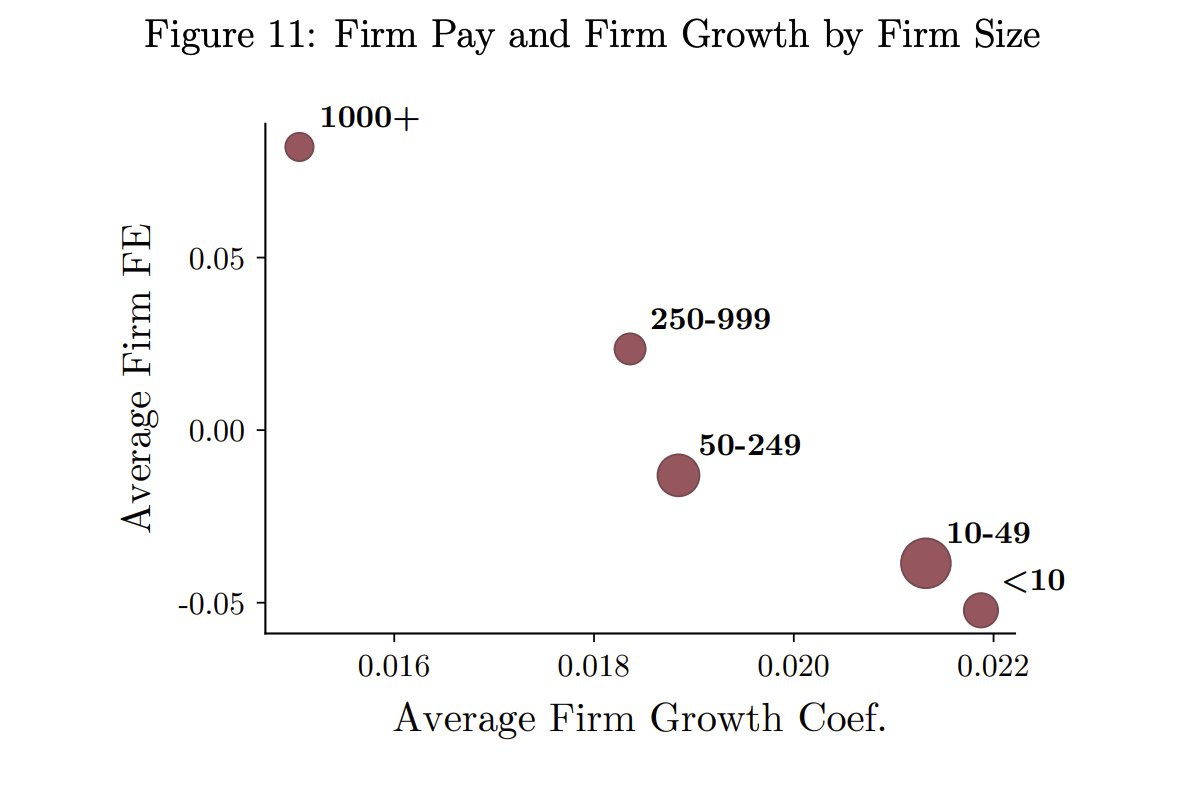
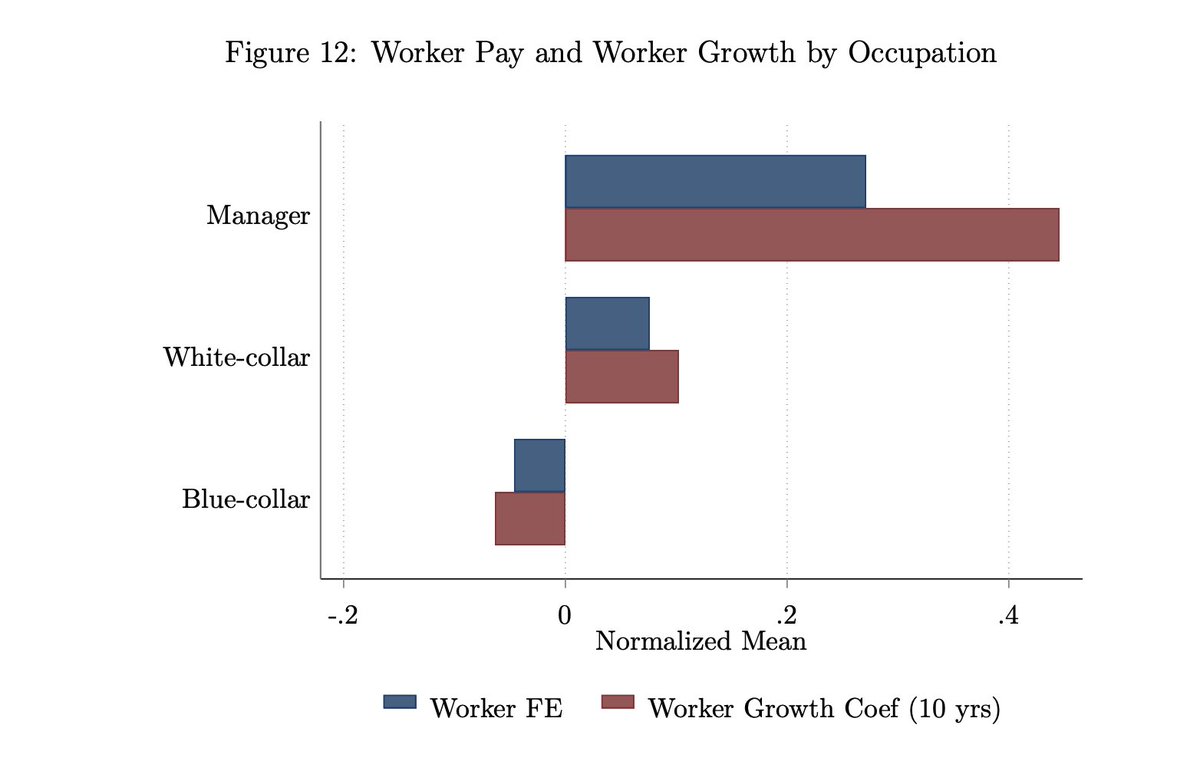
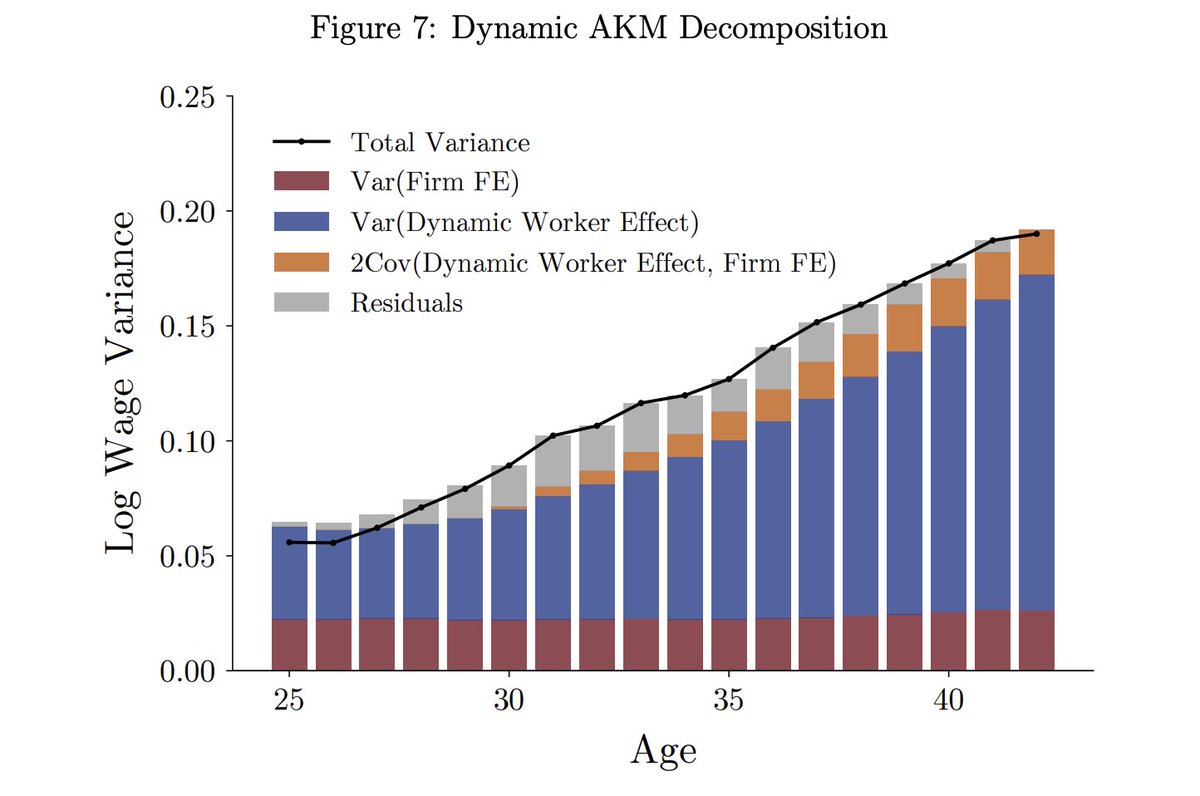
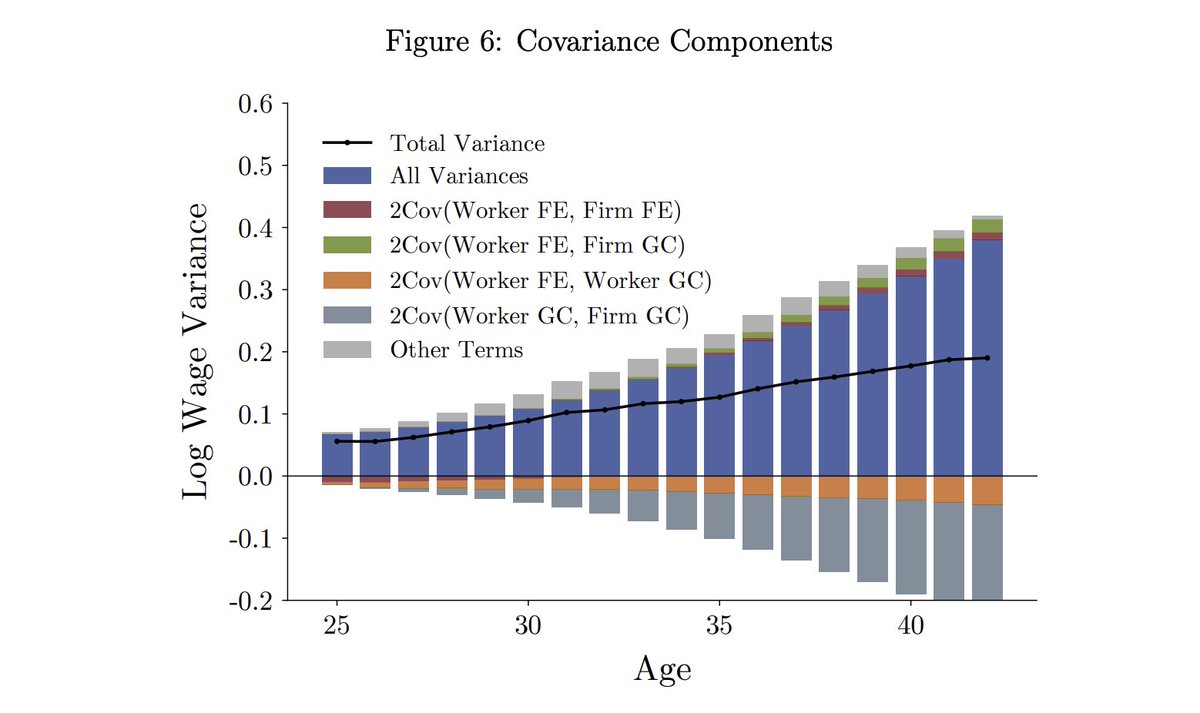
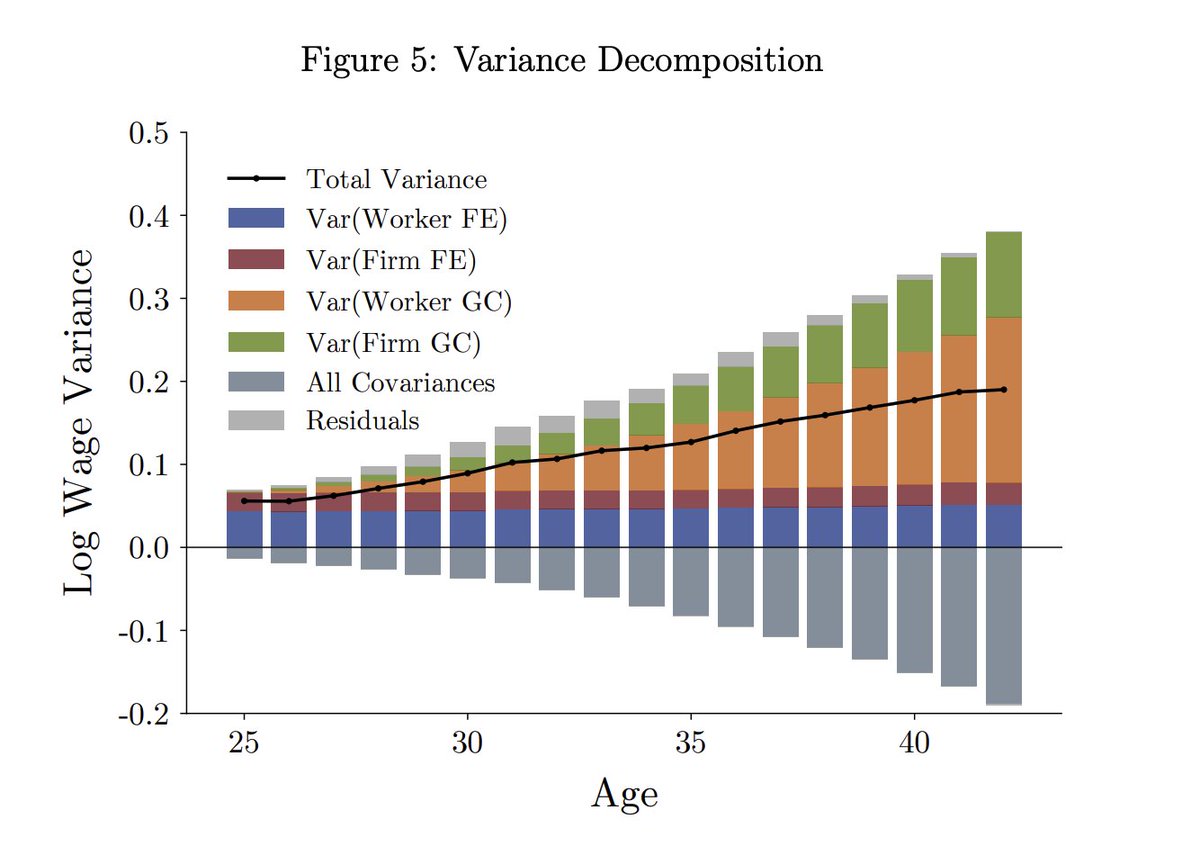
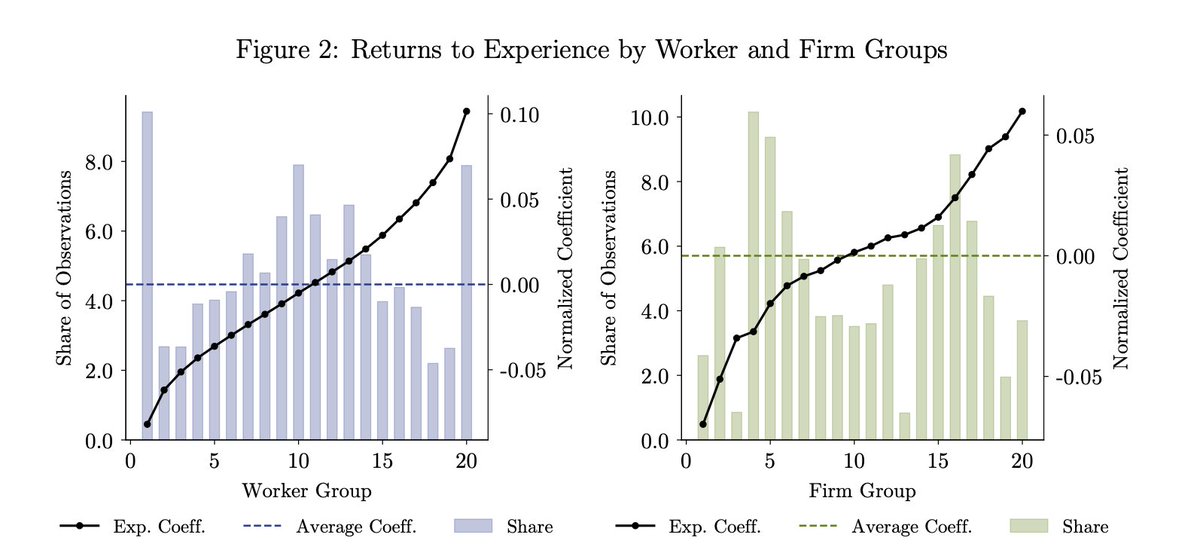

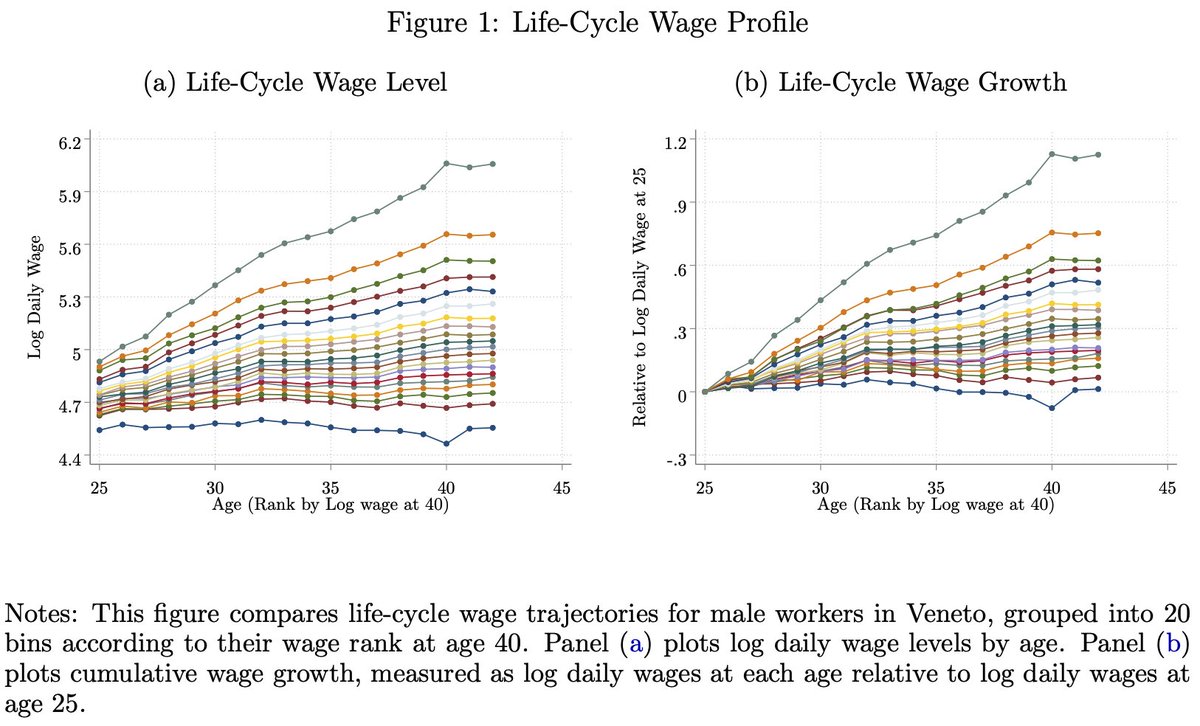
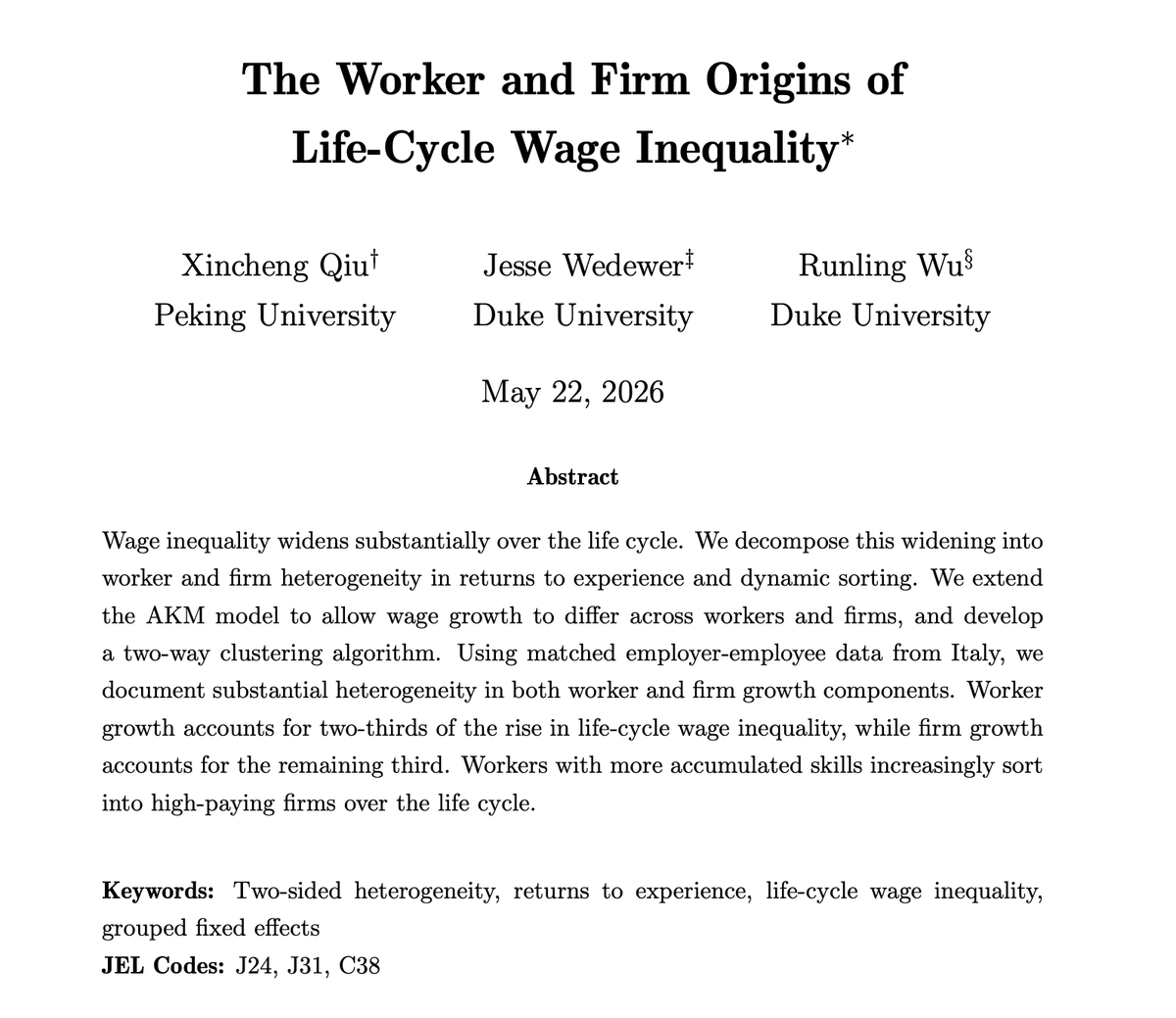
Pinned Tweet

May 22
(1/13) 🚨 New paper alert 🚨
"The Worker and Firm Origins of Life-Cycle Wage Inequality" (with @XinchengQiu and Jesse Wedewer @DukeEcon)
Draft available here: 🧵⬇️
jessewedewer.com/Qiu_Wedewer…
1
15
92
23,814
Runling Wu retweeted

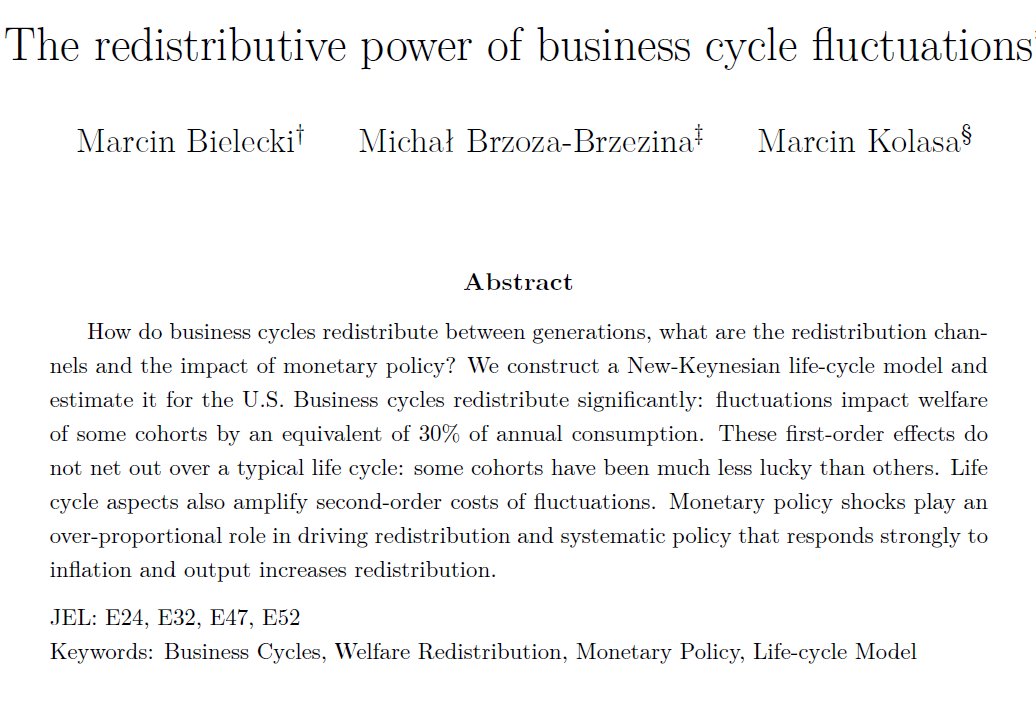
Had to share it :-) Our paper "The redistributive power of business cycle fluctuations" accepted for NBER Summer Institute. Next to papers of M.Woodford T.Sargent @JesusFerna7026 J.Gali @IvanWerning @FlorinBilbiie and many others. nber.org/conferences/si-2026…. Thanks to @NCN_PL
8
9
140
18,399
Runling Wu retweeted

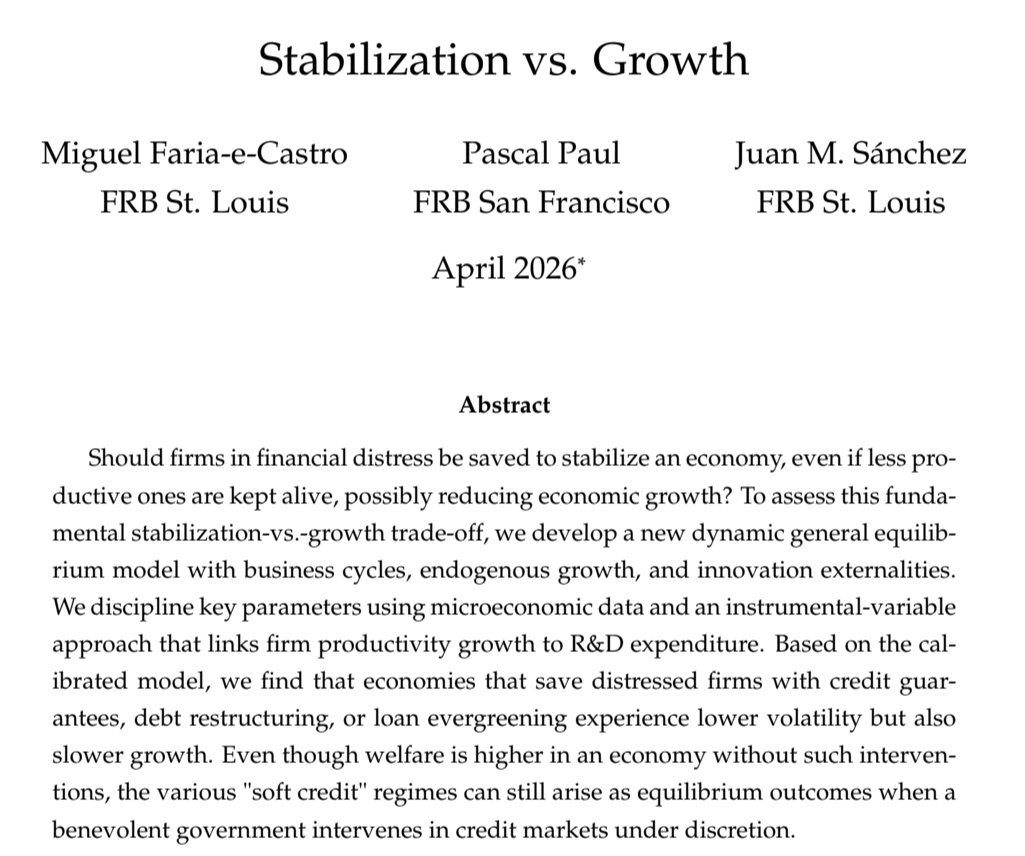
1/ new paper w/ @pascalpaul and @vediense: Stabilization vs. Growth
When firms in distress are saved, the economy may become more stable in the short run, at the cost of long-run growth.
We study this trade-off in a model w/ fluctuations, endogenous growth, and heterog. firms
1
55
233
23,989
Runling Wu retweeted

Jun 8
The H1-B visa fee is a good example of a policy that is justified on dubious claims empirical claims but and in fact engenders long run harms to the US economy.
The assertion that H1-B recipients reduce domestic wages is debunked in this very careful paper by Michael Clemens @m_clem
Immigrant-Native Wage Gaps and Immigration Tariffs: Examining the Case for an H-1B Visa Tax
iza.org/publications/dp/1843…
In contrast, the H1-B has been a consistent source of international talent for the United States. This recent literature synthesis by Gaurav Khanna @econgaurav
From Asia, with Skills
pubs.aeaweb.org/doi/pdfplus/…
is terrific on the general value of high skilled immigrants to the economy and discusses several of the main studies of the economic effects of H1-B recipients.
Jun 8

Breaking News: A federal judge rejected the Trump administration’s policy of imposing $100,000 fees on employers for skilled worker visas. nyti.ms/4ulhW9q
7
11
47
12,985
Runling Wu retweeted

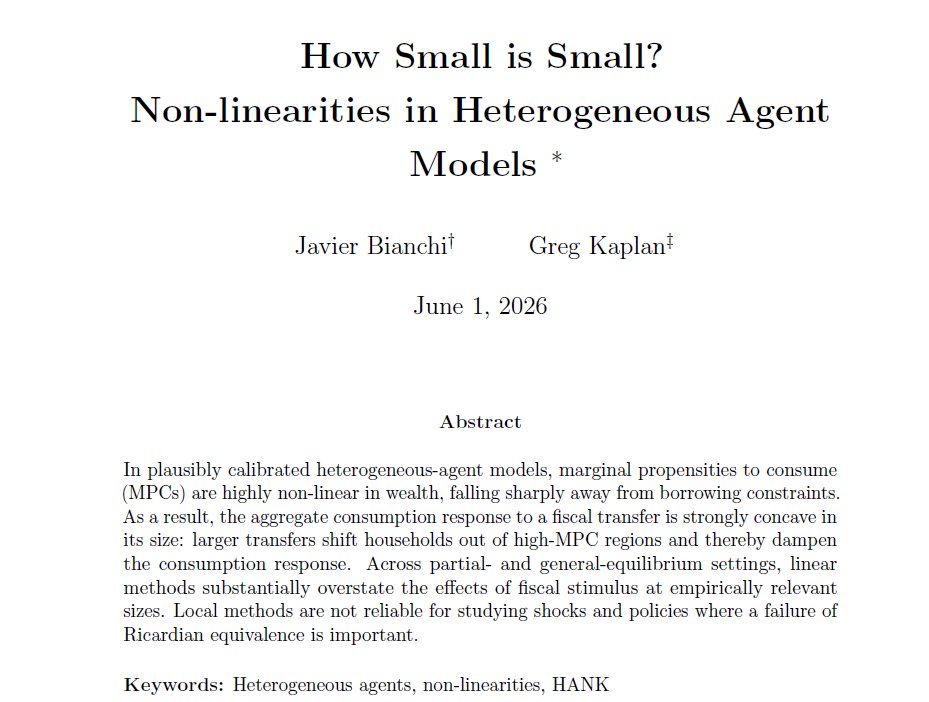
📢 New paper w/ @GregWKaplan 🧵1/10
How small is “small” for local-linear methods to deliver reliable answers in heterogeneous-agent models of fiscal stimulus?
Our answer: very small.
3
56
304
145,244
Runling Wu retweeted

Great pleasure to present my keynote "Natural Language and Labor Markets" at the Berlin Labor Economics Workshop @DIW_Berlin.
I explored how NLP, LLMs, and GenAI help measure previously unobservable concepts such as worker rights or educational content.
Thanks for having me!
8
64
5,450
Runling Wu retweeted

May 29
Excited to see our paper on profit sharing forthcoming in the @QJEHarvard
May 29

Recently accepted by #QJE: “The Effects of Mandatory Profit-Sharing on Workers and Firms: Evidence from France,” by Nimier-David (@ElioNimier), Sraer, and Thesmar (@dthesmar): doi.org/10.1093/qje/qjag022
5
6
80
11,050
Runling Wu retweeted

May 28
Very happy to be in Amsterdam for the SaM Annual conference 2026!
Haomin Wang will present our paper "Household Search and the Equilibrium Gender Pay Gap", joint with Leo Kaas and @chiaralac
Looking forward to an exciting programme and many great chats on search and matching!
1
3
20
1,558
Runling Wu retweeted

Here is the conference program
mnmacro.github.io/program/
May 28

mnmacro.github.io/registrati… Registration is now open for the 2026 Minnesota Macro Workshop! 📍 Join us July 29-31 at UMN for cutting-edge macroeconomic research and discussion. Space is limited—register by July 10 to secure your spot.
9
47
7,136

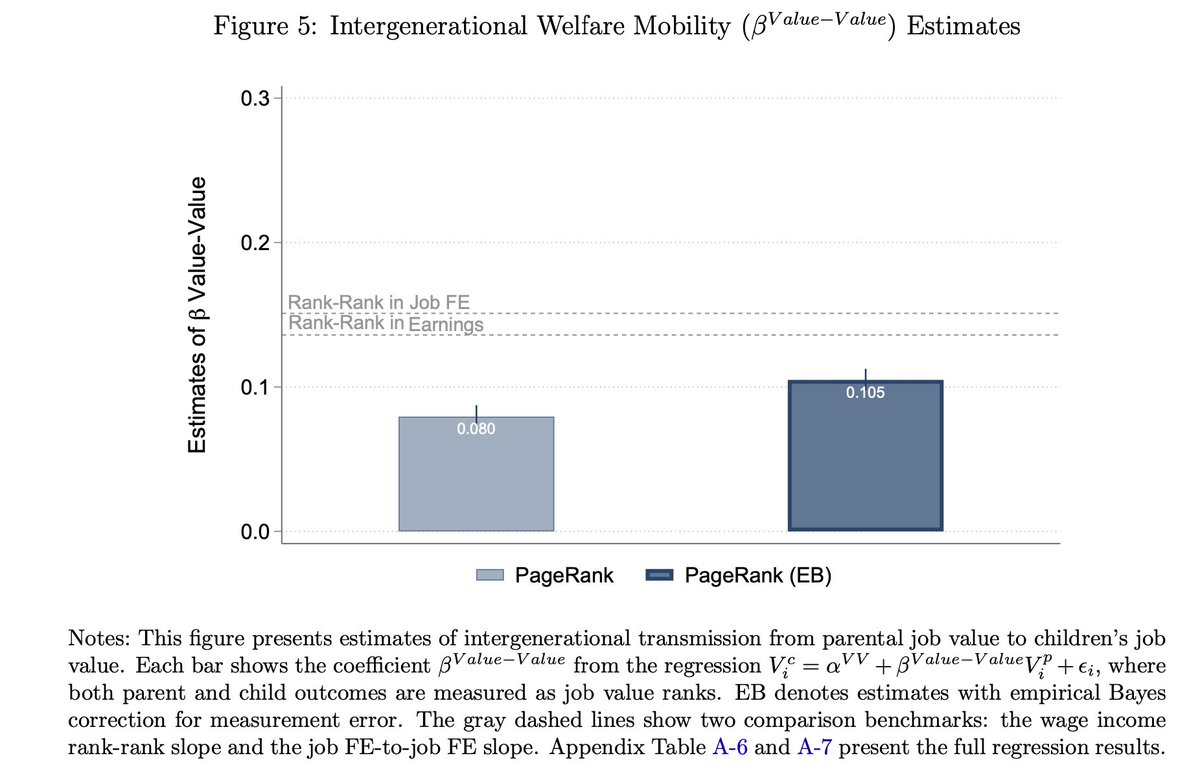
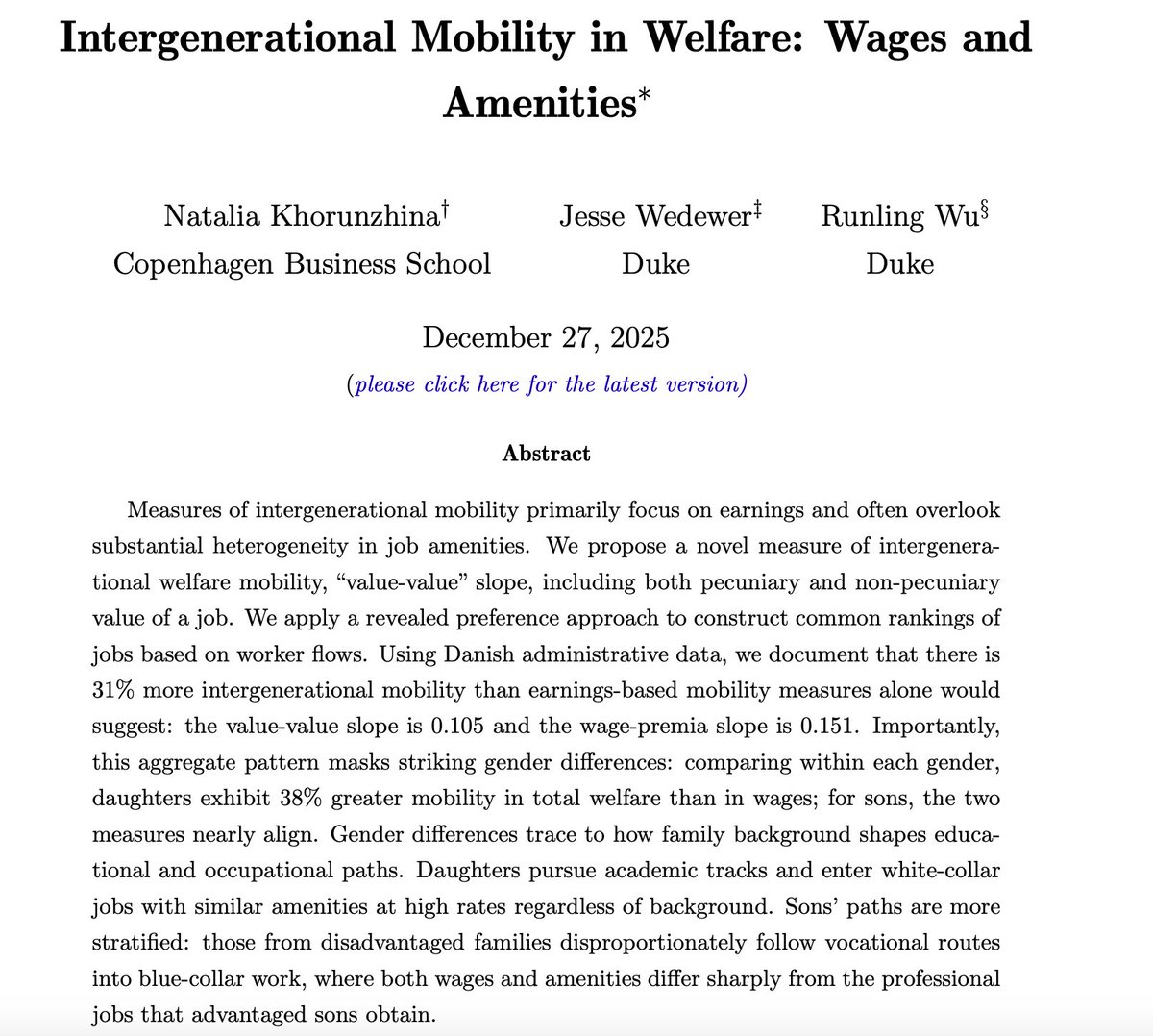
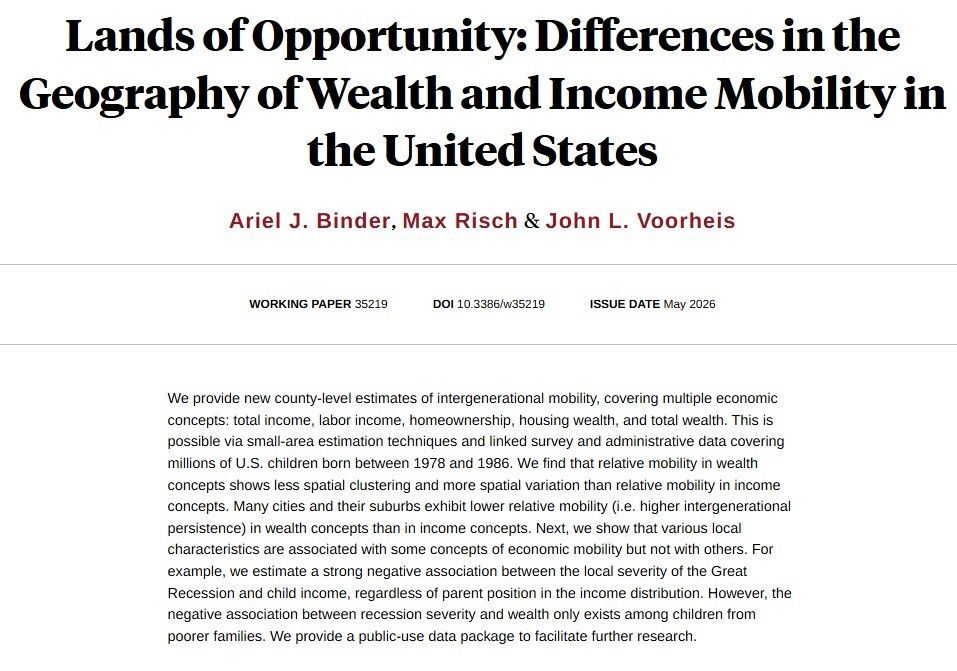
Analyzing intergenerational mobility of wealth and income across US counties, highlighting spatial differences due to factors such as house prices and the Great Recession shock, from Ariel J. Binder, Max Risch, and @john_voorheis nber.org/papers/w35219
1
11
38
11,898
Runling Wu retweeted

May 22
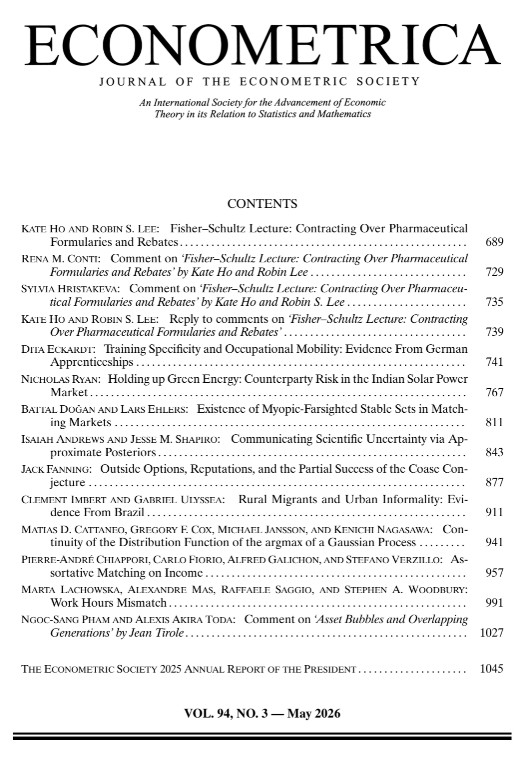
My paper "Work Hours Mismatch" with @MartaLachowska @raffaelesaggio and Steve Woodbury is now in print at Econometrica.

4
9
99
17,536
May 22
(1/13) 🚨 New paper alert 🚨
"The Worker and Firm Origins of Life-Cycle Wage Inequality" (with @XinchengQiu and Jesse Wedewer @DukeEcon)
Draft available here: 🧵⬇️
jessewedewer.com/Qiu_Wedewer…
1
15
92
23,814
May 22
(12/13) Our framework opens several avenues.
One natural application: decomposing the college wage premium over the life cycle. Does it grow because graduates accumulate human capital faster, work at firms offering steeper returns, or sort into better employers?
1
1
5
326
May 22
(13/13) The same question applies to racial and gender wage gaps.
More results are in the paper. Feedback very welcome!
1
6
283