
retired occupational therapist. special interest in dementia and carer support.all views my own. cat lover. musicals and all things theatre. trustee
Joined March 2014
- Tweets 4,093
- Following 2,816
- Followers 878
- Likes 5,011
57 Photos and videos





Ruth Gardner retweeted

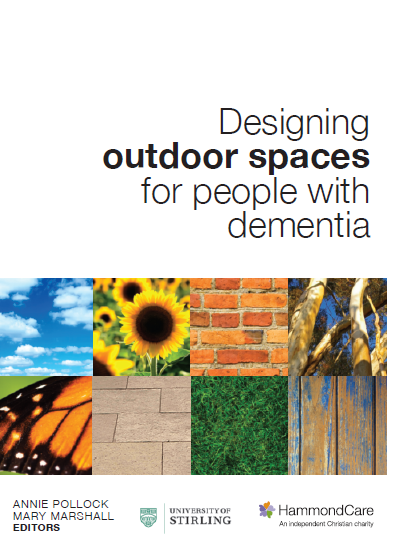
🌻🪴If you're creating a space for people with a dementia, our Designing Outdoor Spaces for People with Dementia publication provides guidance and case studies ow.ly/EUm550Z06t5
And remember... there's a 20% off all publications throughout May!
#dementia #ageing #design
2
2
90
Ruth Gardner retweeted

May 27
Our home environment is important for emotional wellbeing and can provide stimulation. The following activities invite you to explore the meaning of home and simple changes that can make a huge difference. cpcs.online/home/home-enviro…
3
2
115
Ruth Gardner retweeted
May 25
Carers: as summer approaches you will (hopefully!) be able to spend more time outdoors with your loved one. A time to enjoy your garden or a walk in the park. The fresh air will hopefully benefit you both! @NDCAN_Scotland @brainhealthscot
5
4
159
Ruth Gardner retweeted
May 11
Carers: Did you know May is National Walking Month? Hopefully we have some pleasant weather that enables you and your loved one to enjoy a walk as well as benefit from some fresh air and exercise.
4
2
122

Ruth Gardner retweeted
May 7
A supportive communication partner can make all the difference in dementia care. Extra time, eye contact, simple language, offering choices and active listening help reduce anxiety and keep connection alive even when words become difficult. #WithSLTuCan
5
2
102
Ruth Gardner retweeted
May 6
Small changes at home can make a difference 💡 De-cluttering spaces can help you move around and find things. Decide where
you are going to keep things and always put them there, for example, put your glasses in a small basket on the
mantelpiece.
1
3
3
107
Ruth Gardner retweeted
Apr 30
Communication changes in dementia can be difficult to follow or predict. Observe total communication - consider words but also watch for facial expressions, body language, vocal tone,context & past experience. Read the whole person #WithSLTuCan
6
2
87
Ruth Gardner retweeted

Telling your story — connecting people, connecting support. Creative activities can help us all to express something about who we are, to tell our story. These activities invite you to think about ways to tell your story in creative ways. cpcs.online/home/telling-you…
3
1
97
Ruth Gardner retweeted

May 1
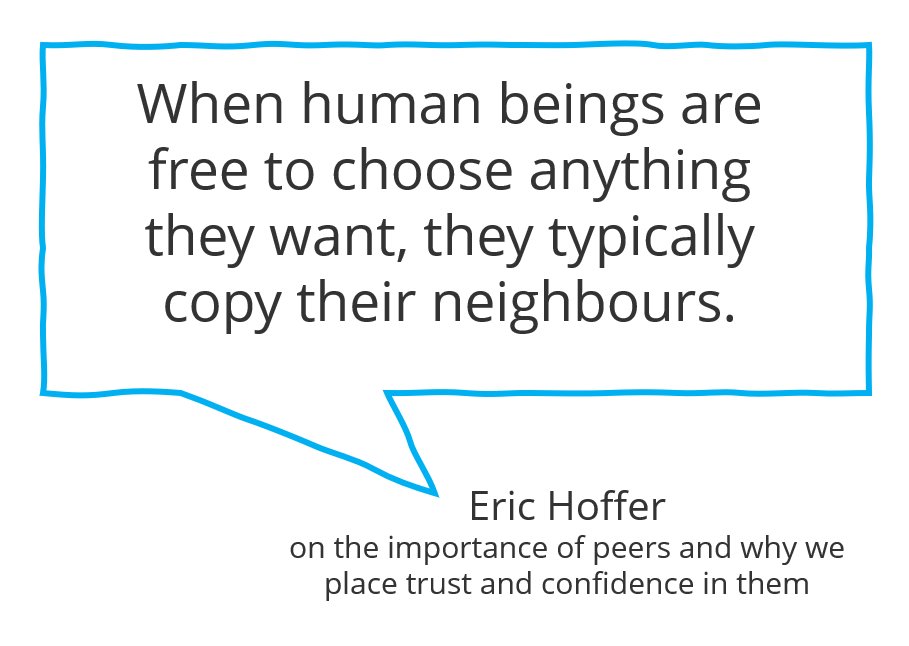
Why "communication" and "persuasion" are insufficient approaches to change across an organisation or system.
Communication campaigns can build awareness, but they rarely change behaviour at scale. Persuasion works well when our audience is already open to change. But when we lead any significant change effort, we work across the full spectrum: people who proactively advocate for change, those who passively accept it, and those who actively resist it. For a large portion of that population, even the most sophisticated argument will not shift their position.
We change through our relationships.
I've learnt greatly from @Digitaltonto (link at the bottom of this piece). Decades of social science research shows we're profoundly shaped by the people around us: our colleagues, peers and professional community. This influence extends not just to our immediate connections but three degrees out: to their networks and the networks beyond. When researchers have studied people who made major shifts in their thinking (e.g., leaving long-held beliefs, changing deeply ingrained ways of working), they consistently find that change followed a shift in their social environment, not exposure to a better argument. People did not think their way into new behaviour. They were drawn into it by those around them.
This has profound implications for how we lead change. The real levers are not in our communications strategy. They're in our social architecture.
Five things we can do as leaders of change to build our social architecture:
1) Find the people who are already moving: People who already believe in what we are trying to do and are quietly making it happen. Find them and connect them to each other. We are not creating energy for change — we are locating it.
2) Create the conditions for peer-to-peer spread: People adopt new ways of working when they see colleagues they respect doing things differently. Prioritise proximity over broadcast. Small group conversations, site visits, and shared learning across teams carry more influence than organisation-wide communications.
3) Make progress visible at the local level: Transformation does not announce itself top-down and cascade neatly through an organisation. It spreads when people can see it working nearby, in their context, for people like them. Celebrate local progress loudly and often.
4) Connect people to the difference their work makes. Creating regular opportunities for people to hear from, or spend time with, those they ultimately serve is one of the most underused and most powerful tools we have as leaders of change.
5) Put our energy where it will travel furthest. Build on the readiness that exists, make it visible, and let success do the persuading that arguments could not.
None of this makes effective change communication redundant. People need clarity, honesty and a coherent narrative about where we are heading. But that is the scaffolding, not the structure. Change travels through people, through trust, through the invisible threads that connect one person's conviction to anothers.
See: medium.com/@greg-satell/why-….
3
32
92
5,315
Ruth Gardner retweeted
May 1
Your ability to sequence tasks such as preparing food can be more challenging when living with Dementia. Using step by step recipes or online recipe video clips can be helpful. Ready chopped items such as vegetables can also make meal preparation easier.#WithDietitiansYouCan

3
1
147
Ruth Gardner retweeted
Apr 27
The Alzheimer's Scotland AHP Dementia Hub has updated resources, webinars, and practical guides for carers. A trusted place to find clear support from Allied Health Professionals when you need it most: alzscot.org/community-suppor…
3
2
117
Ruth Gardner retweeted
Apr 17
Adopt a flexible approach to mealtimes. Try swapping the larger meal to lunch instead of in the evening. Offer small and often snacks instead of bigger meals. Retry foods that have previously been declined. #WithDietitiansYouCan

4
3
98
Ruth Gardner retweeted
Apr 24
Dementia can reduce your reaction to physical signs of hunger and thirst such as a rumbling stomach or dry lips. Visual cues can be a good way to prompt eating a drinking. A grazing plate with bite sized snacks or a jug or transparent sports bottle can help.#WithDietitiansYouCan

5
4
121
Ruth Gardner retweeted
Apr 23
Did you know dementia may affect swallowing? The IDDSI framework helps standardise food and drink textures to reduce choking risks and support safety.Speech & language therapists advise on texture modification & explain risks #WithSLTuCan
5
3
101
Ruth Gardner retweeted
Apr 20
Carers: Pain is often missed because dementia can change communication. Small clues — facial expressions, posture, sleep or behaviour shifts — can signal something’s wrong. Carers are key in spotting these signs and helping the person they love get the support they need.@alzscot
5
3
165
Ruth Gardner retweeted
Apr 14
Labelling kitchen cupboards with their contents can be a helpful tool when navigating the kitchen and meal preparation. #WithOTuCAN
4
2
95
Ruth Gardner retweeted
Apr 15
Technology could support you at home to remain independent. ADAM is a platform which will help you to find the right pieces of technology at the right time for you, sharing insights into how easy they are to set up and use. alzscot.org/community-suppor…
3
1
90
Ruth Gardner retweeted
Apr 13
Carers: Peer support groups are a lifeline. Being with people who "get it"—the stress, the love, the exhaustion—can make the load feel lighter. Sharing experiences, tips, and a safe space to breathe reminds us that we're not alone on this journey. @NDCAN_Scotland @alzscot
3
3
132
Ruth Gardner retweeted
Apr 10
Caring for someone who is off their feet and finding it difficult to walk? Assistance with personal foot care could be all it takes. LOOK,SEE, FEEL. You can find other hints and tips to footcare at home here. alzscot.org/wp-content/uploa…
3
1
94