Pastor of @gracewoodgreen in London, England. Husband to Uliana. Leader of @GraceBaptistsE. Author: hesedandemet.com/product/eve…
Joined September 2009
- Tweets 13,099
- Following 436
- Followers 1,749
- Likes 3,689
1,558 Photos and videos
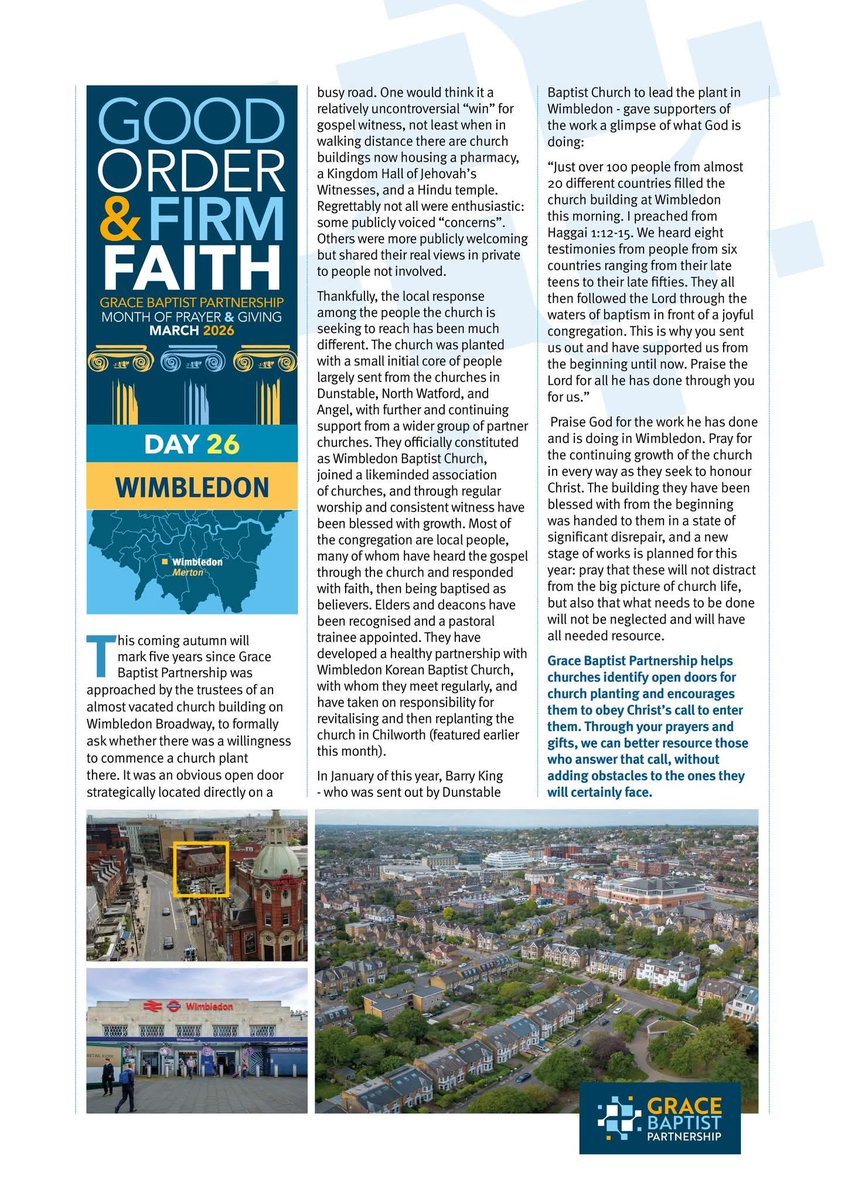
Pinned Tweet

1 Apr 2024
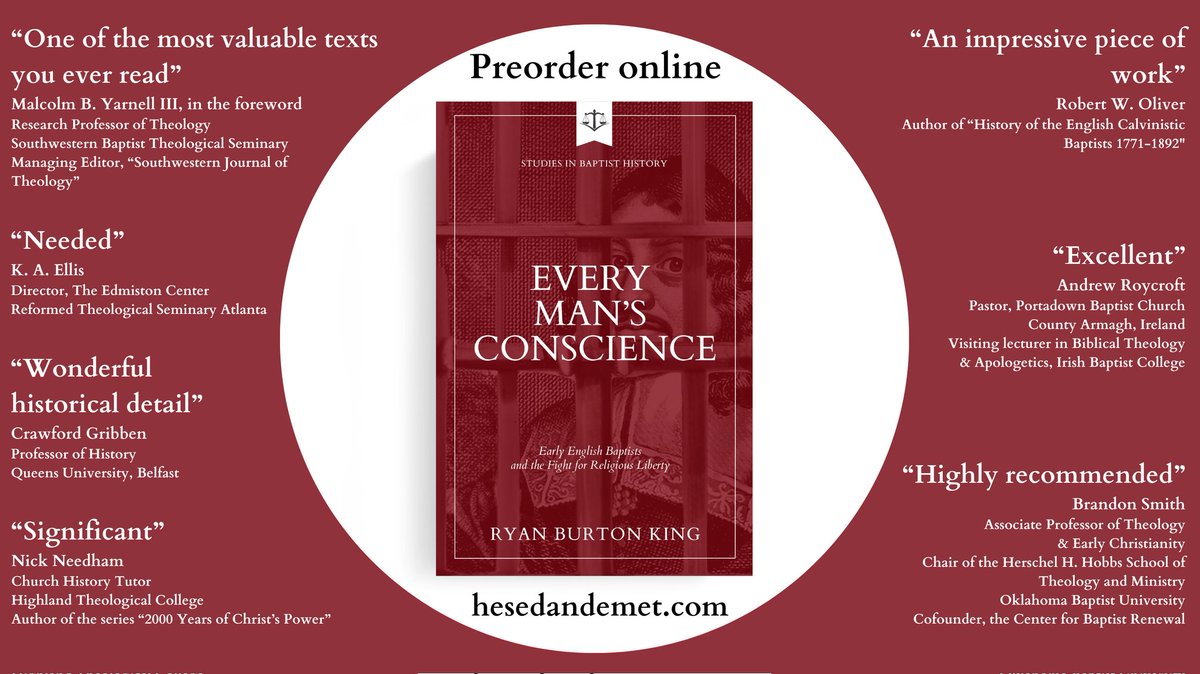
My forthcoming book - "Every Man's Conscience: Early English Baptists and the Fight for Religious Liberty" - now has a cover and is available for preorder. Find out more and place your order(s) here: hesedandemet.com/product/eve…
2
3
16
3,798
Extremely important commentary from Belfast by my friend @Andrew_Roycroft. I have seen footage of masked men marching down streets, chasing people, and kicking doors in, quite literally hunting migrants. I also read @thehoff102 post about a Ukrainian friend whose Belfast home has been firebombed. The Scriptures give us a better way that line by line responds to all involved in this present moment. Be still, and hear the word of the Lord through his servant the apostle Paul.
Romans 12: 14-21:
Bless those who persecute you; bless and do not curse them. Rejoice with those who rejoice, weep with those who weep. Live in harmony with one another. Do not be haughty, but associate with the lowly. Never be wise in your own sight. Repay no one evil for evil, but give thought to do what is honourable in the sight of all. If possible, so far as it depends on you, live peaceably with all. Beloved, never avenge yourselves, but leave it to the wrath of God, for it is written, “Vengeance is mine, I will repay, says the Lord.” To the contrary, “if your enemy is hungry, feed him; if he is thirsty, give him something to drink; for by so doing you will heap burning coals on his head.” Do not be overcome by evil, but overcome evil with good.
andrewroycroft.substack.com/…
1
230
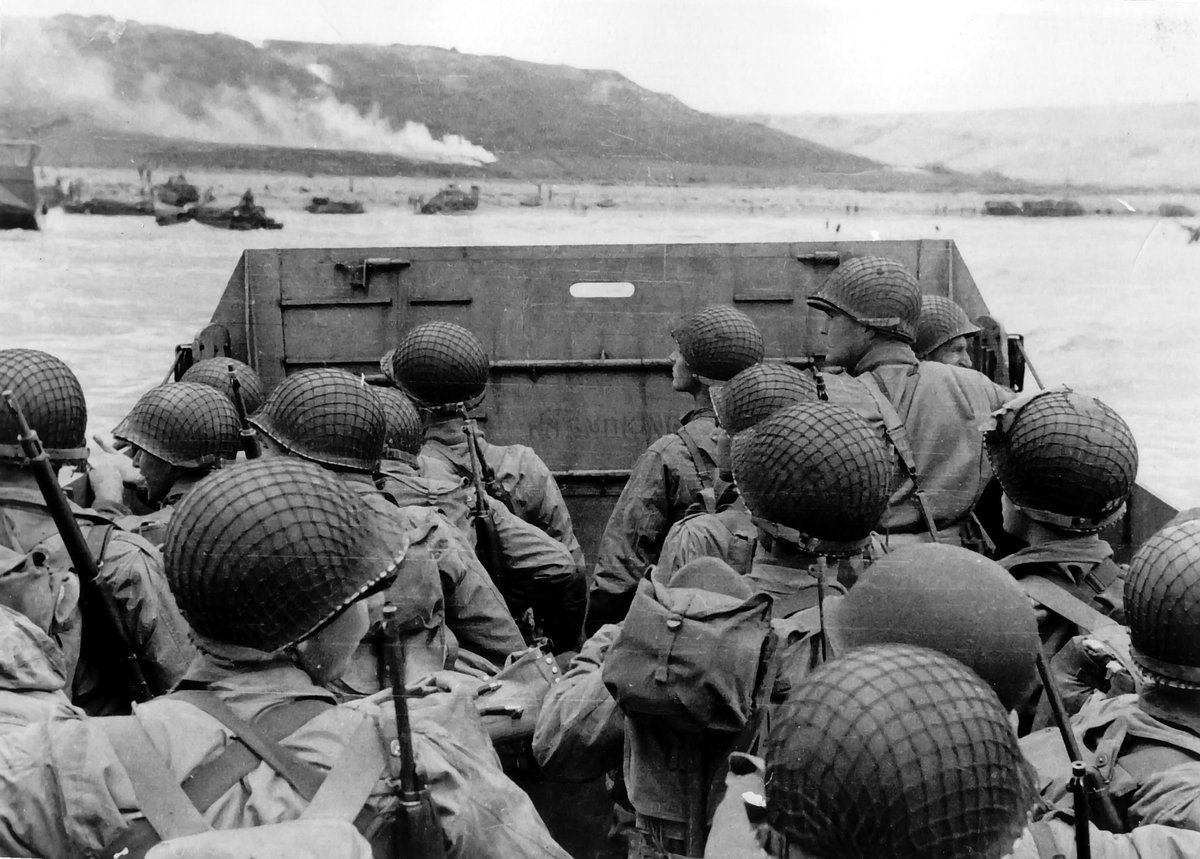
Today, I met an elderly man in the community for the first time. His father was one of the 132,000 soldiers who stormed the beaches of Normandy 82 years ago today. He survived the day, only to be killed (it is feared, by friendly fire) a few weeks later.
"How old were you?", I asked.
"Six weeks", he replied.
He never really knew his dad, and that has shaped his life. When we "remember them" - yes with utmost gratitude! - we must take care to remember all of them, those left behind, who went without, whose involuntary contribution to our freedom was being paid over a lifetime.
2
80
Always a privilege to lead this program!

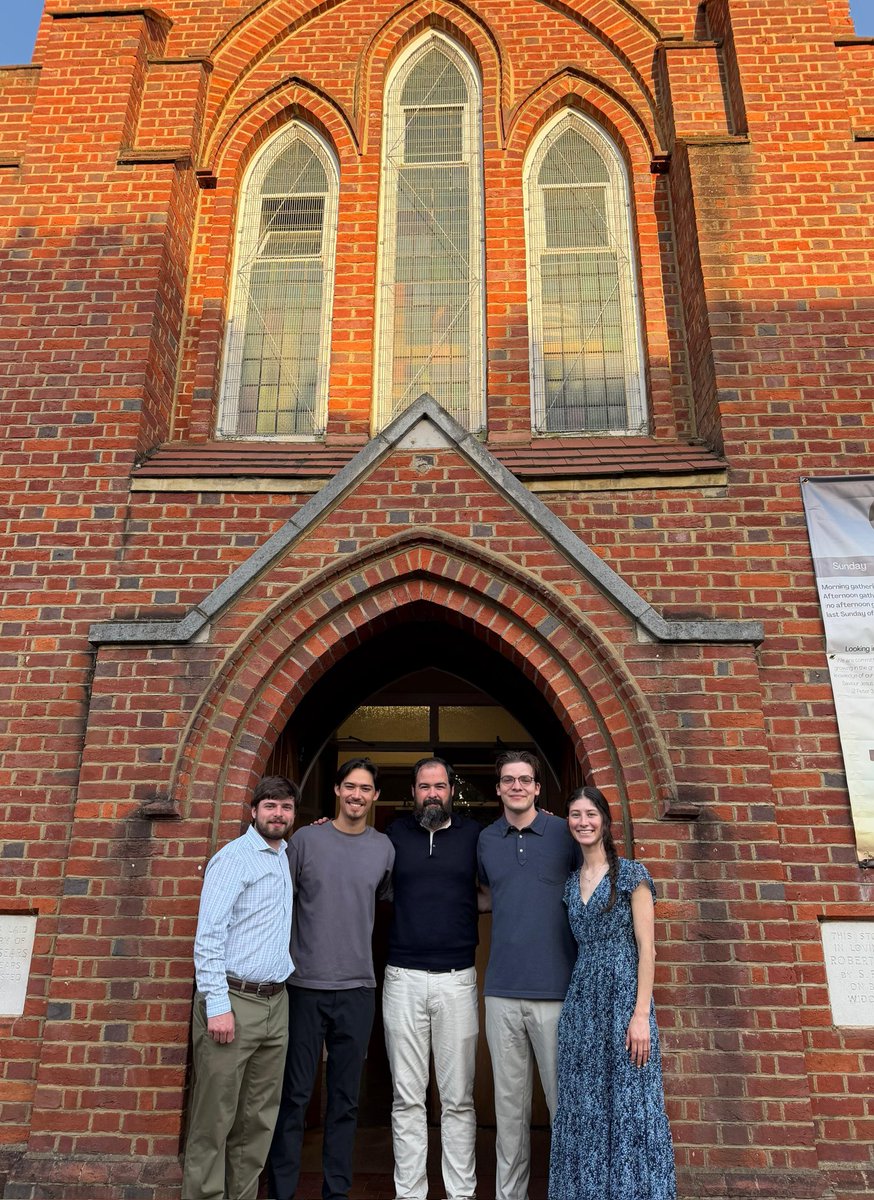
Today, our first @BeesonDivinity Cross-Cultural Ministry Practicum students of the year return to their homes. Nic, Jake, Noah and his wife Kat have spent the past couple of weeks serving alongside our pastor @RyanBurtonKing. Grateful for a fifth summer running this program!
67
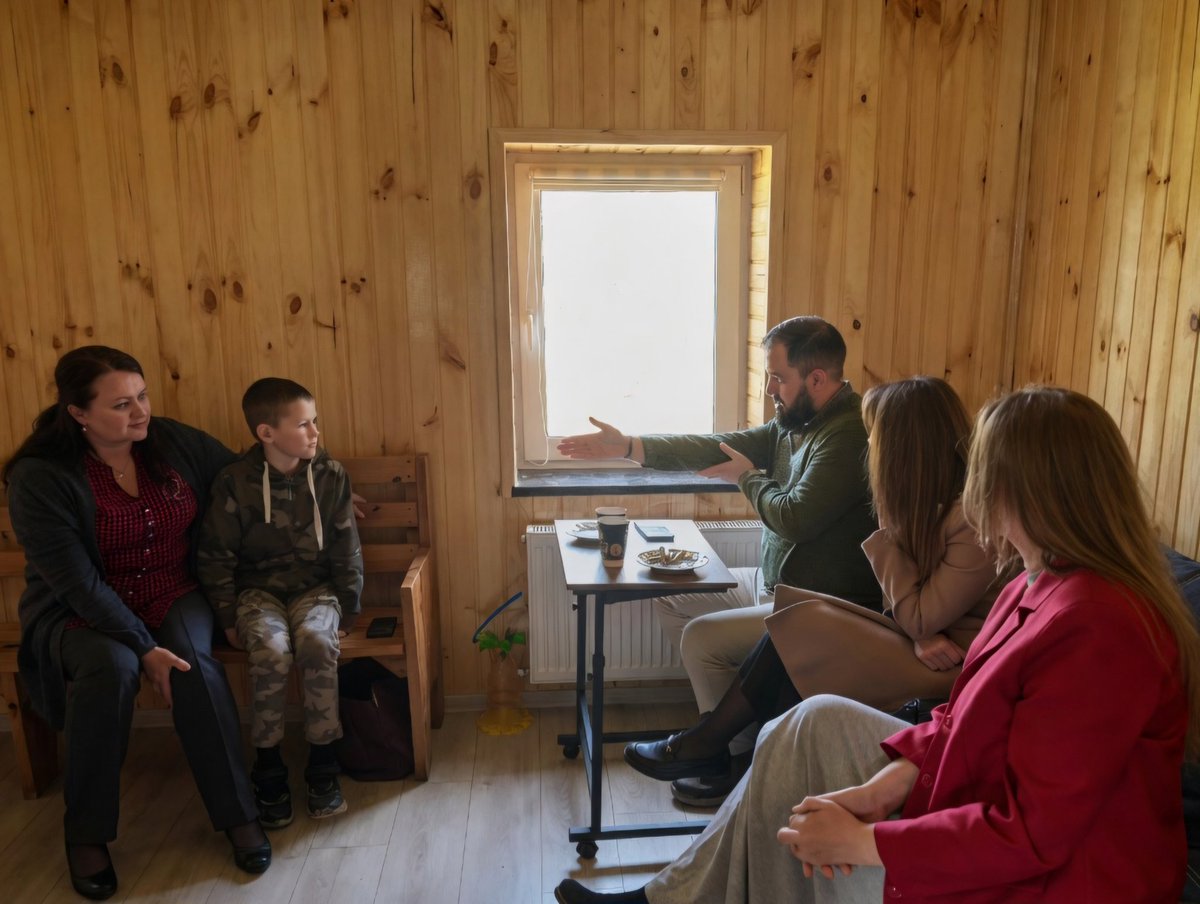
In this picture from a few years ago, I am talking with Svitlana and her son Nazar after ministering at Open Bible Church, Zhytomyr Oblast, Ukraine. Yesterday, they stood by a mountain of rubble in Kyiv that used to be their mother-in-law/grandmother's apartment block. It was struck by one of over 700 drones and missiles fired at Ukraine as part of Russia's continued campaign of terror. They waited in anxious hope and eventually grief as their loved one's body was recovered from the ruins. Please pray that they would be comforted deeply on this darkest of days. And pray too, as we have been for many years, for a just end to this conflict, which means nothing less than the cessation of all air and ground assaults, the withdrawal of all invading forces, and the restoration of all occupied lands.
1
6
1,361
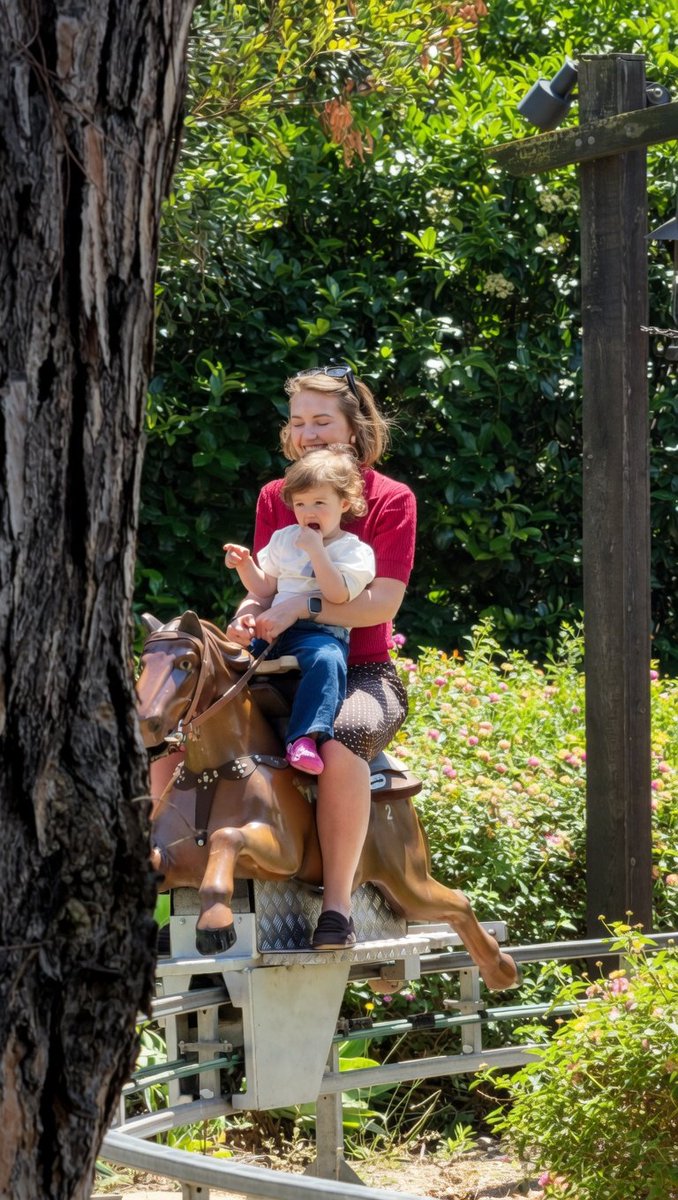
Last week marked ten years since Uliana and I were engaged. Grateful to get away, along with Sara, for some rest. Back in the saddle, as it were, tomorrow.
2
171
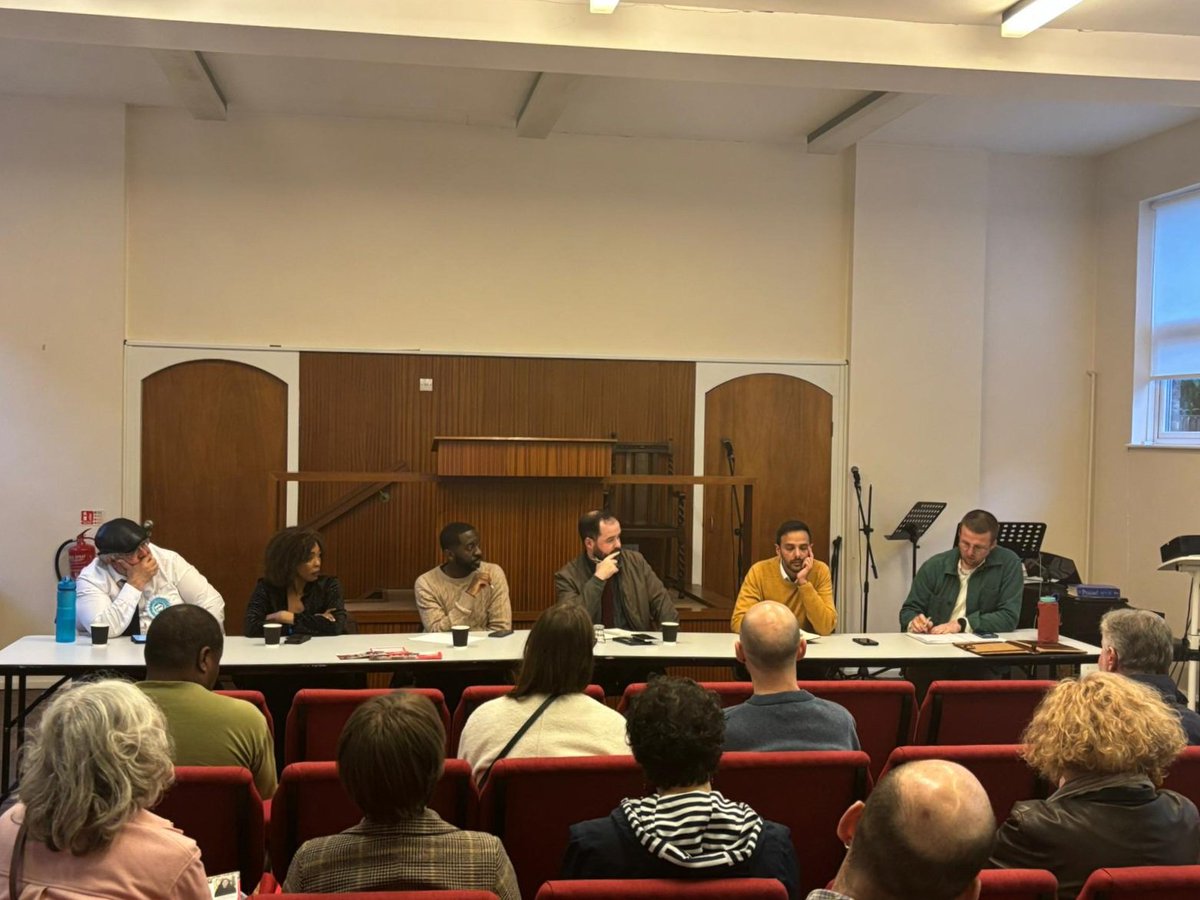
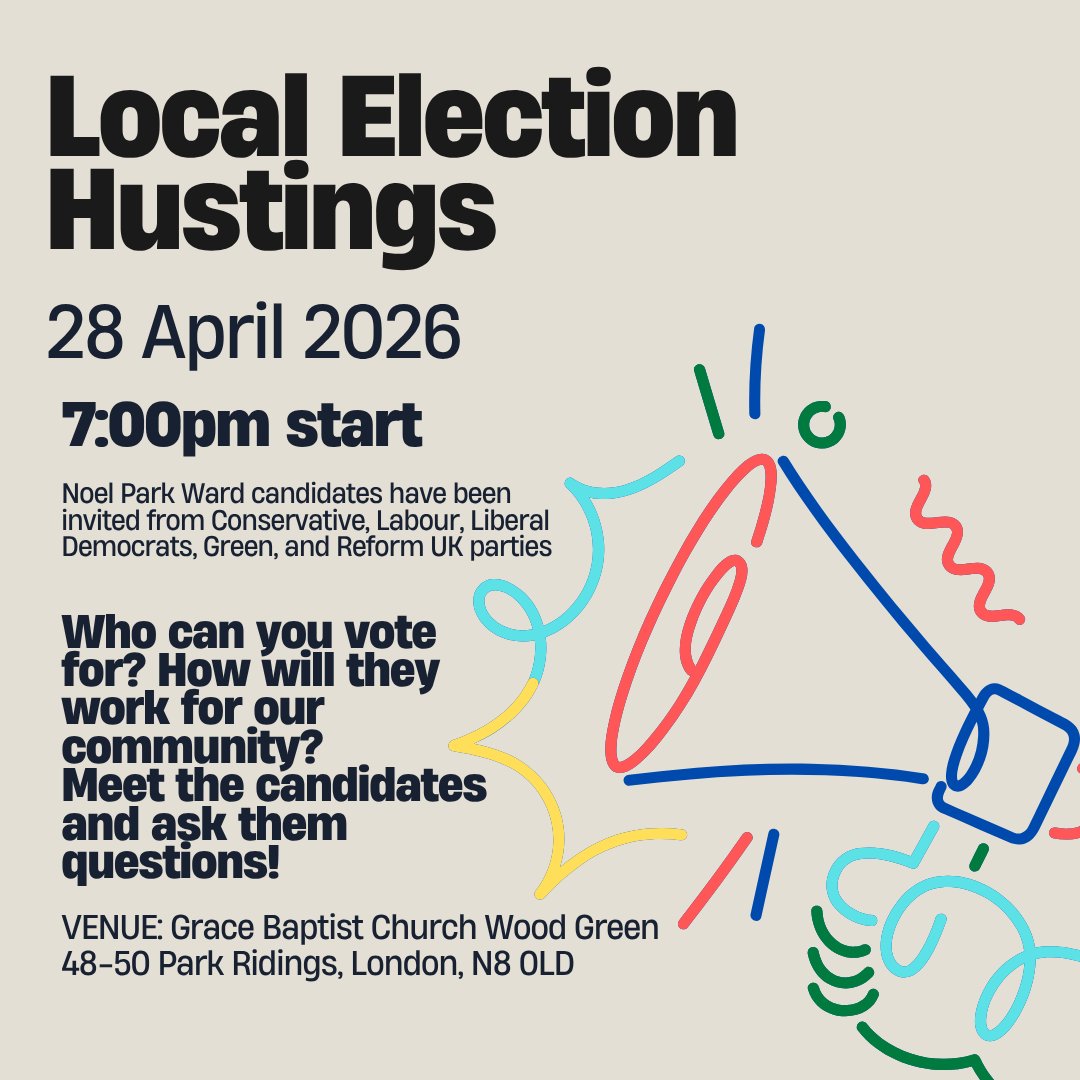
Today English voters will elect a bit shy of 5000 councillors across almost 3000 wards, in 135 local authorities. Last week, I organised and chaired a hustings for my own ward, Noel Park, in the London Borough of Haringey. A few observations and points of concern.
1. Hustings are a very important part of the democratic process. However, I observed several constituencies where either candidates or voters seemed to struggle to find one. Some voters said they did not know what a hustings is, or did know but had never been to one.
2. Comms were appalling. It was far too long before I knew who the non-incumbent parties' candidates were. There seemed at times to be a total lack of engagement. Except for a new Labour candidate (who I had met previously over tea with mutual friends) and his colleagues (who I also know, including the head of the council), it seemed more difficult than previous years to successfully contact the candidates. I had to chase everyone (again except Labour, the incumbent party), some multiple times, to get even an initial response. The only campaign leaflet I received was for Labour - and it was the one distributed at the hustings (the other parties came empty handed).
3. Candidate participation was poor. Every invited party was represented. But only two actual candidates for our ward were on the panel: for Labour and Green parties. One neighbour lamented that the choices for the evening were Left and far Left, with no actual candidates for anything more to the centre and right present. Do they want our votes or not? See next point.
4. Some candidates are not in it to win it. My hustings panel had representatives from Reform UK, Conservatives, the Liberal Democrats, Labour, and the Green Party but only two actual candidates. The absence of the other candidates is a truer message than the ballot paper would indicate. The Liberal Democrat representative (a candidate for Crouch End) was extremely articulate in making his case, but he is not our candidate. We were told afterwards that the Liberal Democrats are not truly competing in the ward, they only have paper candidates. So we have the mere illusion of choice...and yet it is at the same time very real. What happens when one of the paper candidates actually gets elected? What quality of engagement could we expect from such elected representatives?
5. Parties should vet their candidates more carefully and train them more thoroughly. Re training: a neighbour commented that apart from the Reform UK candidate and interjections by a non-panellist Labour candidate (the head of the council) from the floor, she could not hear the other panellists. Her feedback was that they mumbled, at best speaking conversationally, instead of projecting. This could be addressed more readily than other concerns.
Also, re. both vetting and training, the Conservative panelist was a lovely Kenyan-born older lady who lives locally and is running in a neighbouring constituency. I knew that she was not a candididate for Noel Park, but at first was not sure that she did, as she introduced herself otherwise over the phone and doubled down when I asked. On the night, she could not tell us the names of the candidates we should vote for or anything about them other than they were running for the Conservative party. Her answers were rambling, anecdotal, and seldom constituted a material addition to anything already said by the other candidates.
More in reply post...
1
1
381
Meanwhile, the Reform UK representative told us he was running (in another ward) in part "to prove that the party is not racist" (he is not English). That should have been left unsaid if he wanted more of a chance at success. Regrettably, he embodied some of the more bizarre and chaotic stereotypes of his party, to the point of entertainment. Those in attendance will have had their 'favourite' (if we dare call them that) moments, but his impassioned proposal to ban a local area designated to encourage free speech is unbeatable in my opinion, and won him a rare rebuke from the Chair. I have much more I could say about this, but shall refrain for now... unless pressed in the comments!
6. Ward turnout for the last local elections was an abysmal 27%. Over 70% didn't bother voting, but will still complain. The most effective complaint today is a vote. After years in local power, the case Labour made was still (several election cycles in) "give us a chance." The other parties were united: "We need a change." But if the same people keep voting the same way and the rest stay home, there is no meaningful accountability. How then can we expect any improvement?
If you are registered to vote, please excercise your right. Vote not according to party lines, but according to your principles, for who you believe will most competently and capably represent your local interests. If that means spoiling your ballot, then so be it. Regardless, after today, treat your newly elected councillors with respect and hold them accountable.
2
95
Ryan Burton King 🇺🇦 retweeted

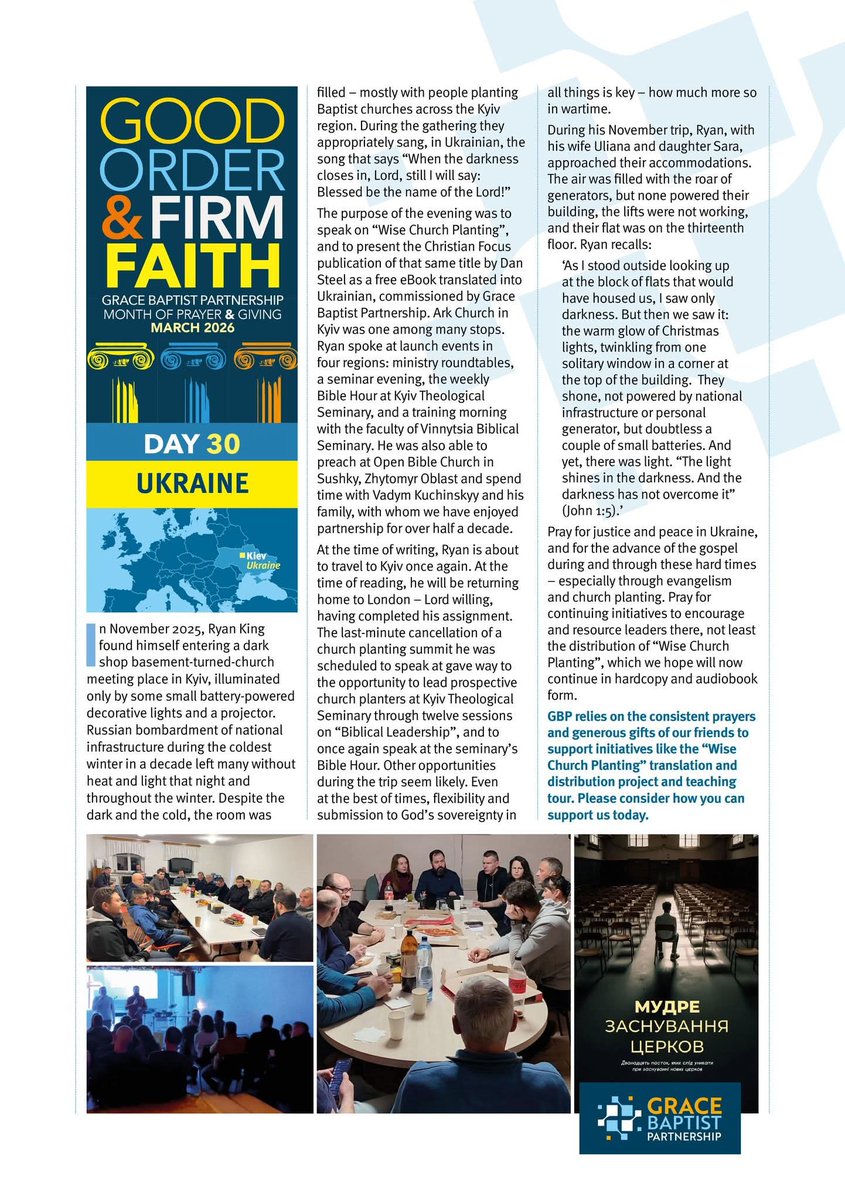
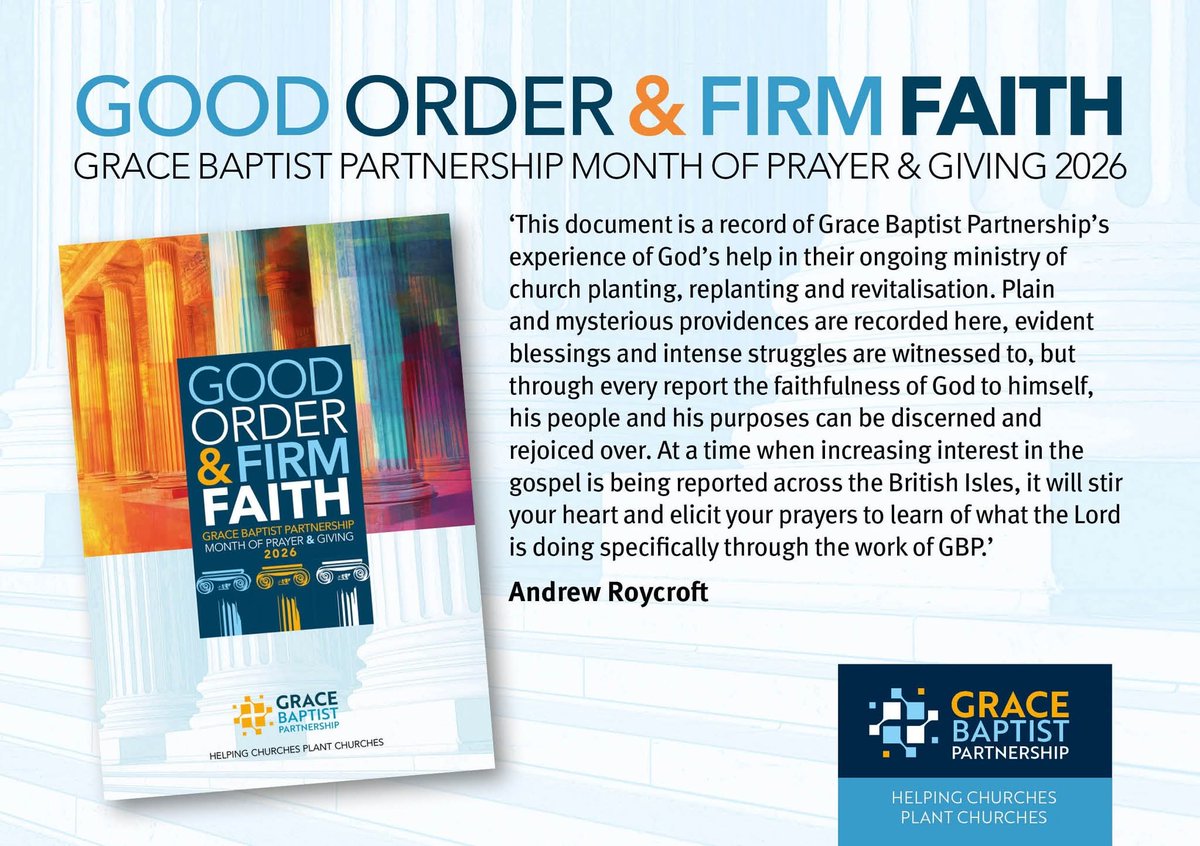
This year's month of prayer and giving articles were so widely appreciated that we have produced a booklet of them for the continued use of our partners in the gospel. If you would like to receive a copy, please send us a direct message containing your address details.
1
3
60
Ryan Burton King 🇺🇦 retweeted

May 1
This is one of the most jaw-dropping, chilling interviews I have seen. Watch this Rabbi from London, respond to question about the terror stabbing in Golders Green!
1,155
6,449
28,042
1,873,290
Noel Park ward friends may like to attend tomorrow evening's hustings, which I will be chairing!
1
73
My latest for @EvangelicalsNow, on Russian attacks on Protestant Evangelical churches in Ukraine, with thanks to the research of @MissionEurasia, and the recent commentary of Myhaelo Brystyn and Igor Bandura.
No paywall for this one!
e-n.org.uk/world-news/ukrain…
1
2
140
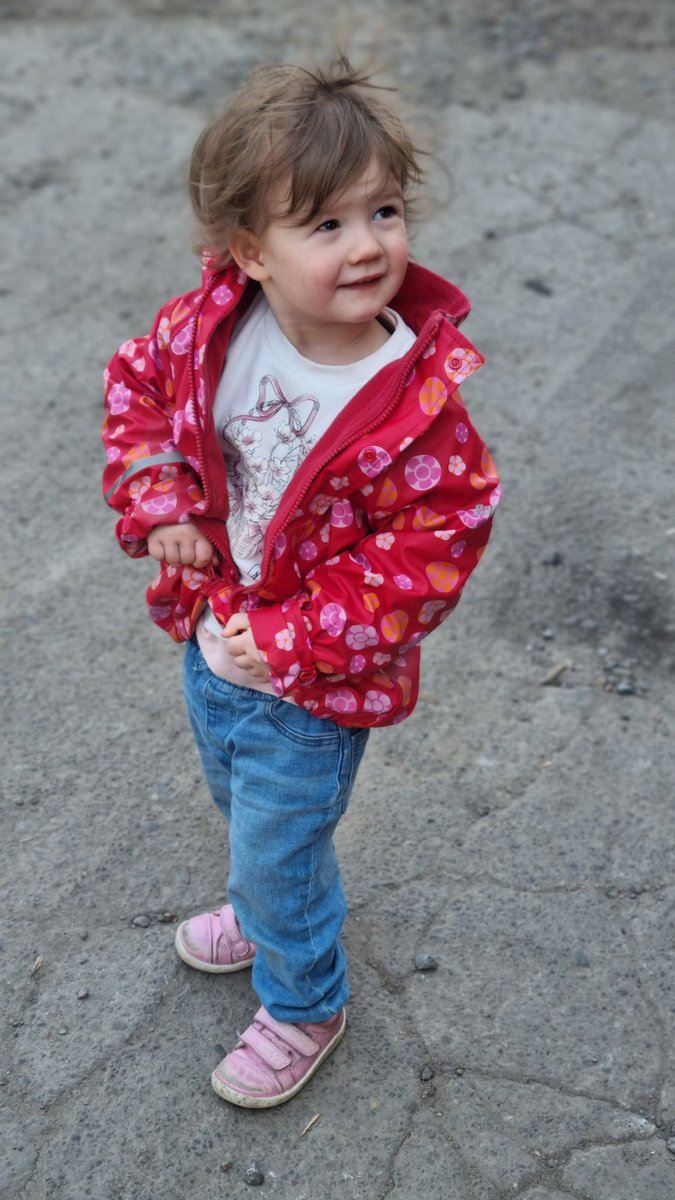
Yesterday night before bed, Sara told me for the first time - quite out of the blue and not repeating or prompted at that! - "I love you". It was very special.
She immediately followed it up by throwing a punch, and tugging aggressively at my beard. 😂
3
151
Ryan Burton King 🇺🇦 retweeted

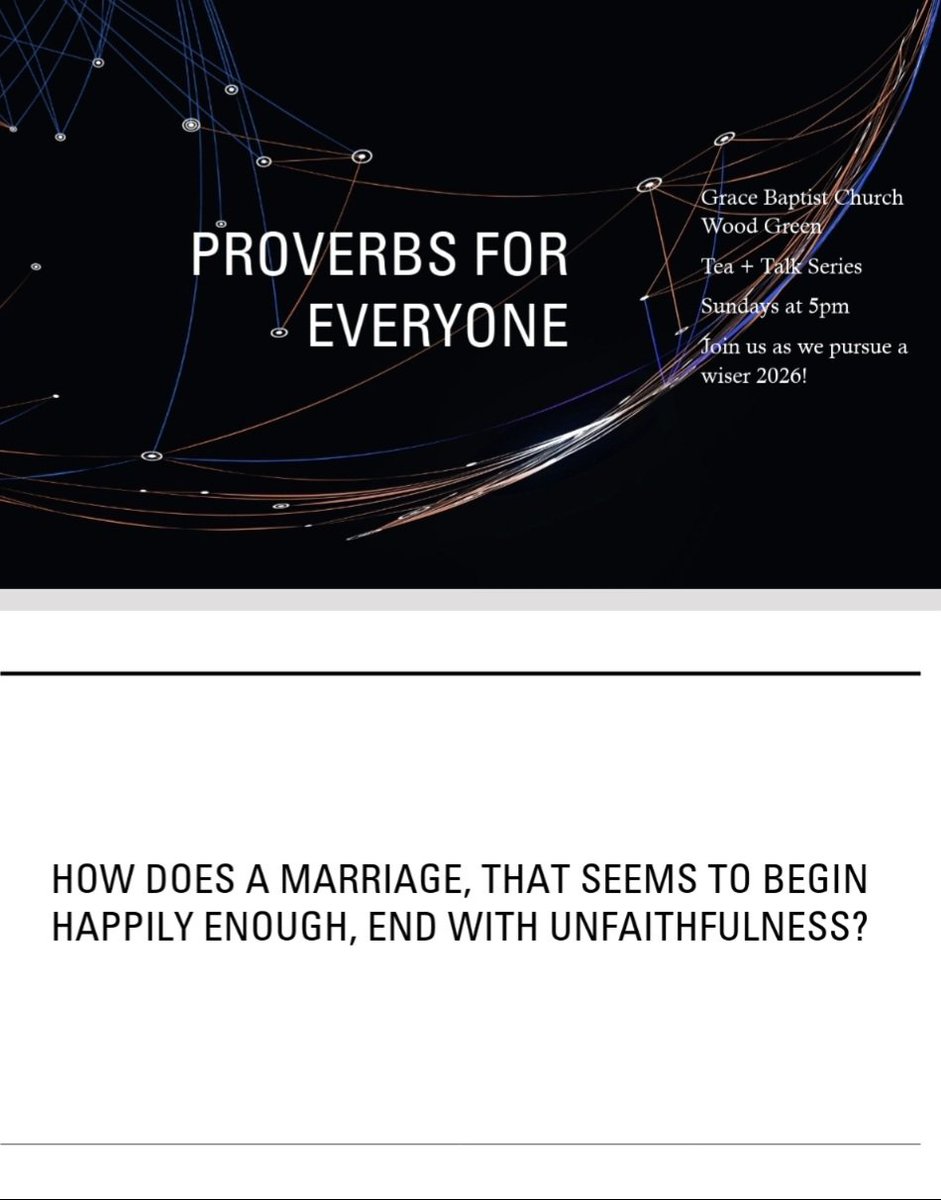
🧑🧑🧒🧒 All are welcome to join us at Grace Baptist Church Wood Green tomorrow.
📖 11 am series continues through Matthew (5: 27-30).
☕️🥐 5 pm Tea and Talk series continues exploring big themes of Proverbs.
#Bible #preaching #church
1
1
134
Ryan Burton King 🇺🇦 retweeted

We cannot simply speak about withdrawing from Donbas as a matter of compromise. Our withdrawal from Donbas would open up opportunities for the Russian Federation to occupy our most fortified territories without losses.
Some people say it would take a year to a year and a half to build new fortifications. But everyone forgets: first and foremost, that is a year and a half. And even if it were less, fortifications in an open field are a completely different matter from those in urban areas. They can never provide equally strong protection.
A withdrawal would give the Russian Federation room for large-scale maneuver. They could advance either toward Kharkiv or toward Dnipro, destroying our cities. And two major cities would be at risk – cities that, incidentally, generate a significant share of our GDP.
So many people have died there… The morale of our army would certainly decline. There would undoubtedly be a rift in society. The army – which would surely not support such steps – on one side, and society on the other. And division within society is precisely what Putin is aiming for.
Moreover, there are currently 200,000 people living in the territories of Donbas that we are defending. Withdrawal does not mean preserving anything. You leave, and without any guarantees, you risk losing everything. And that is a major risk.
From an interview with Rai Radio 1 (2/3).
449
3,239
19,970
997,380
Ryan Burton King 🇺🇦 retweeted
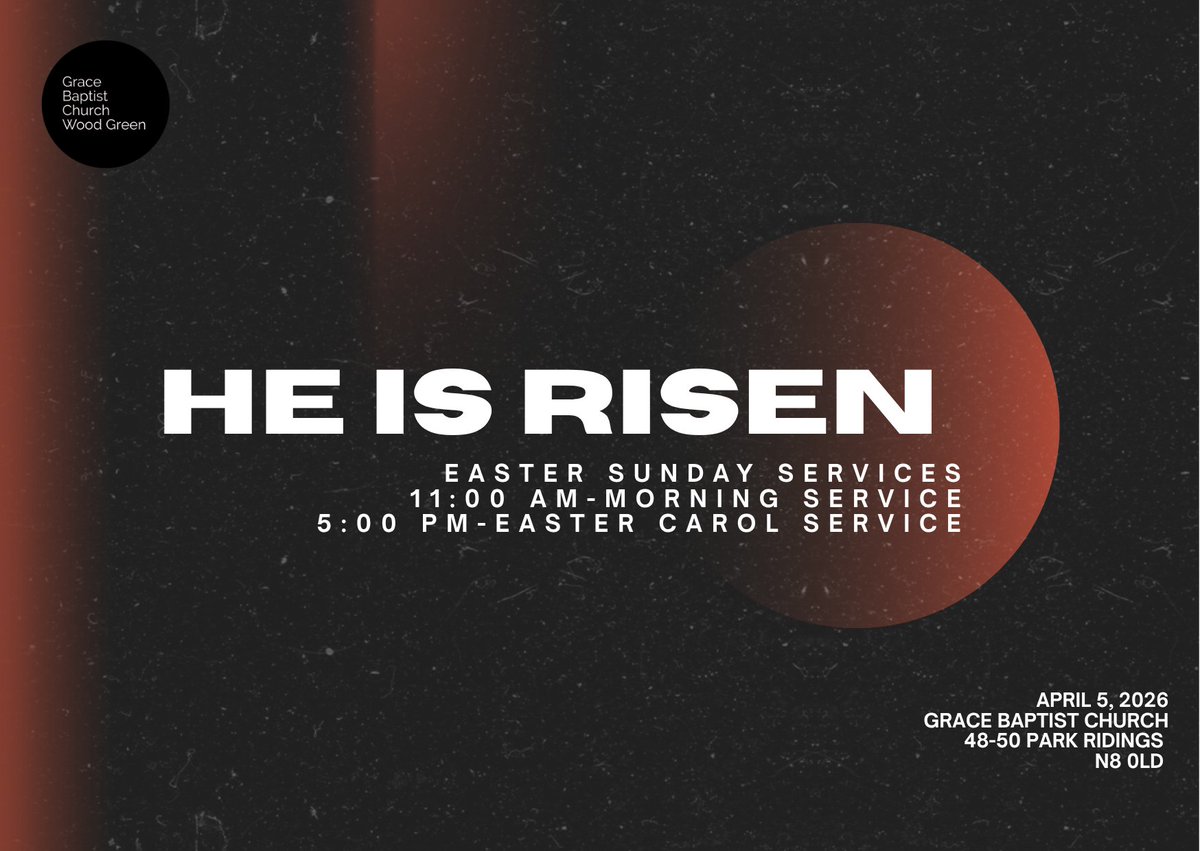
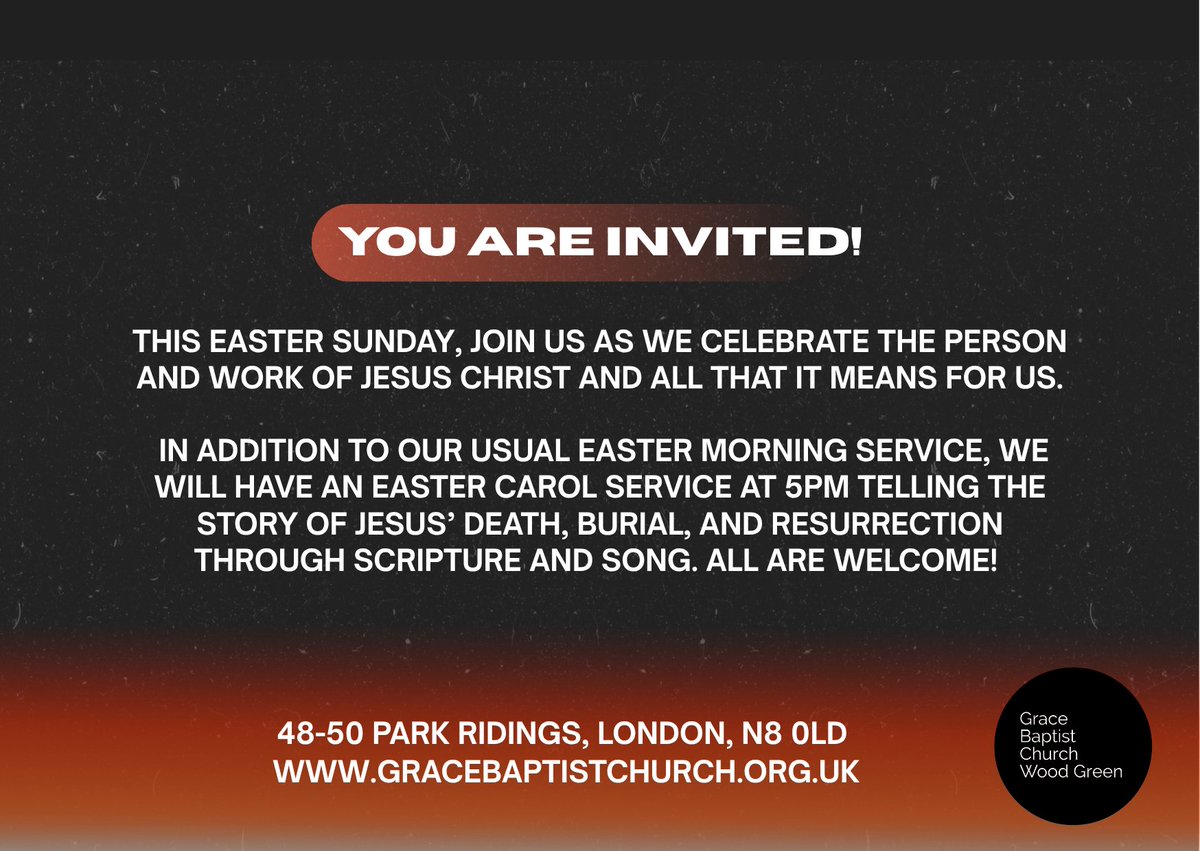
Join us tomorrow as we remember the death, burial, and resurrection of Jesus.
Sunday Morning Resurrection Celebration: 11 am
Sunday Afternoon Easter Carol Service: 5 pm
1
1
72
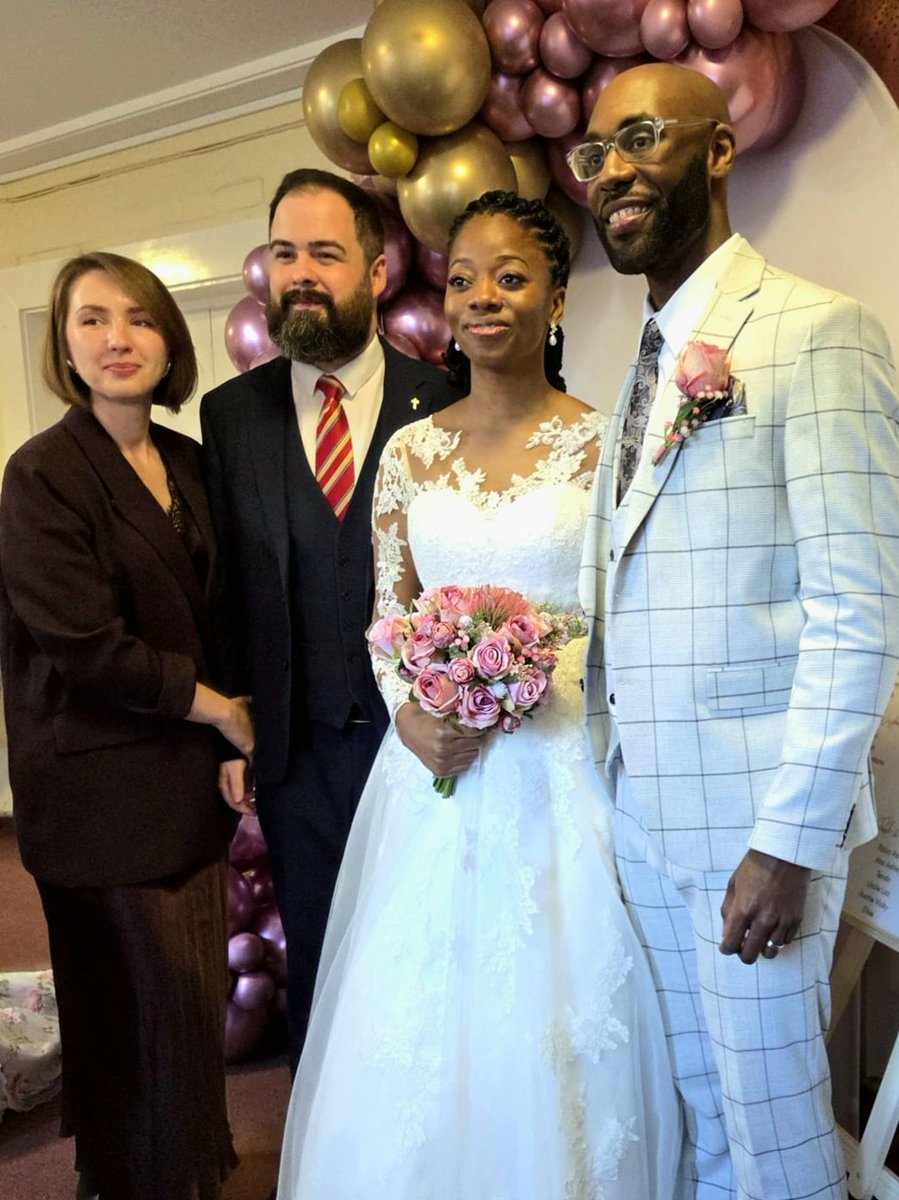
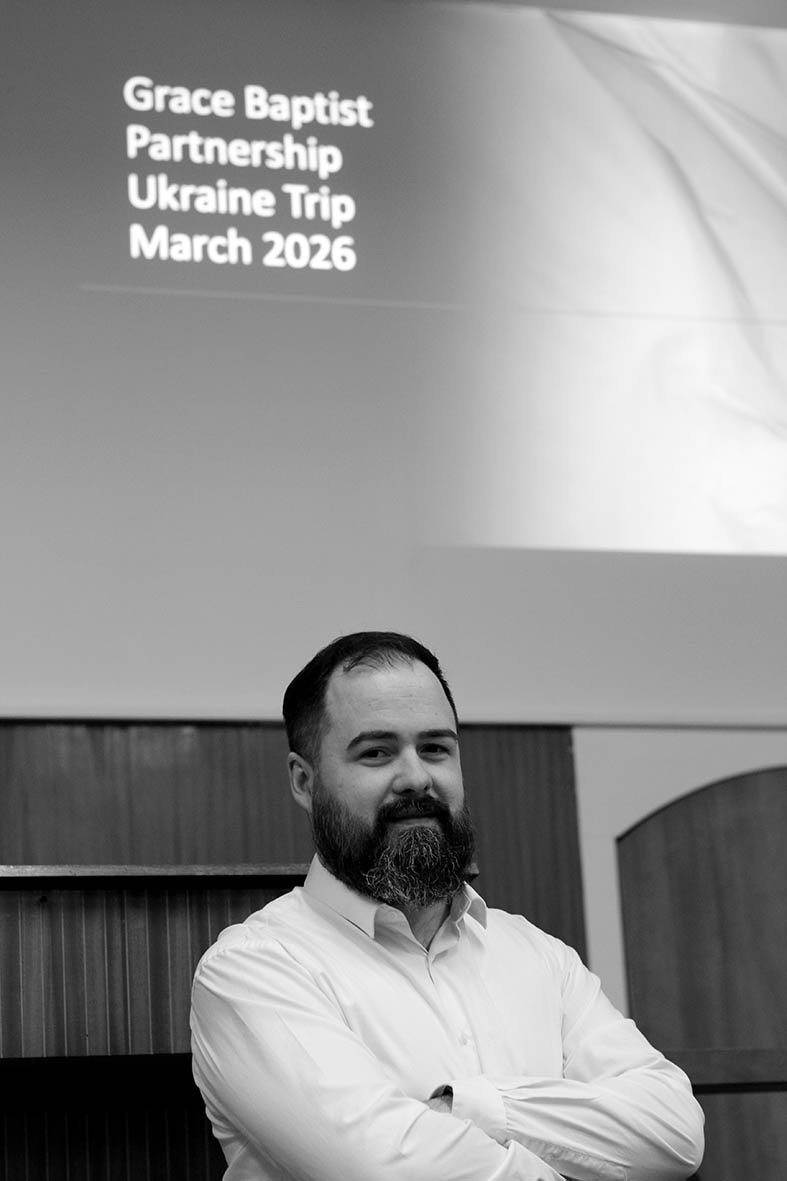
A full day! Privileged to preach at the wedding of @gracewoodgreen deacon Ryan Edwards and Kuda Goredema, and this evening to report back to the church prayer meeting about our recent Ukraine trip.
"Serve the Lord with gladness" - Psalm 100:2
3
123
This week marks four years since the liberation of Bucha by Ukrainian armed forces, and the discovery of mass-murder of civilians committed by the Russian occupiers. It is a good time to share my latest piece for @EvangelicalsNow, sent from Ukraine last week. e-n.org.uk/comment/we-must-n…
1
132
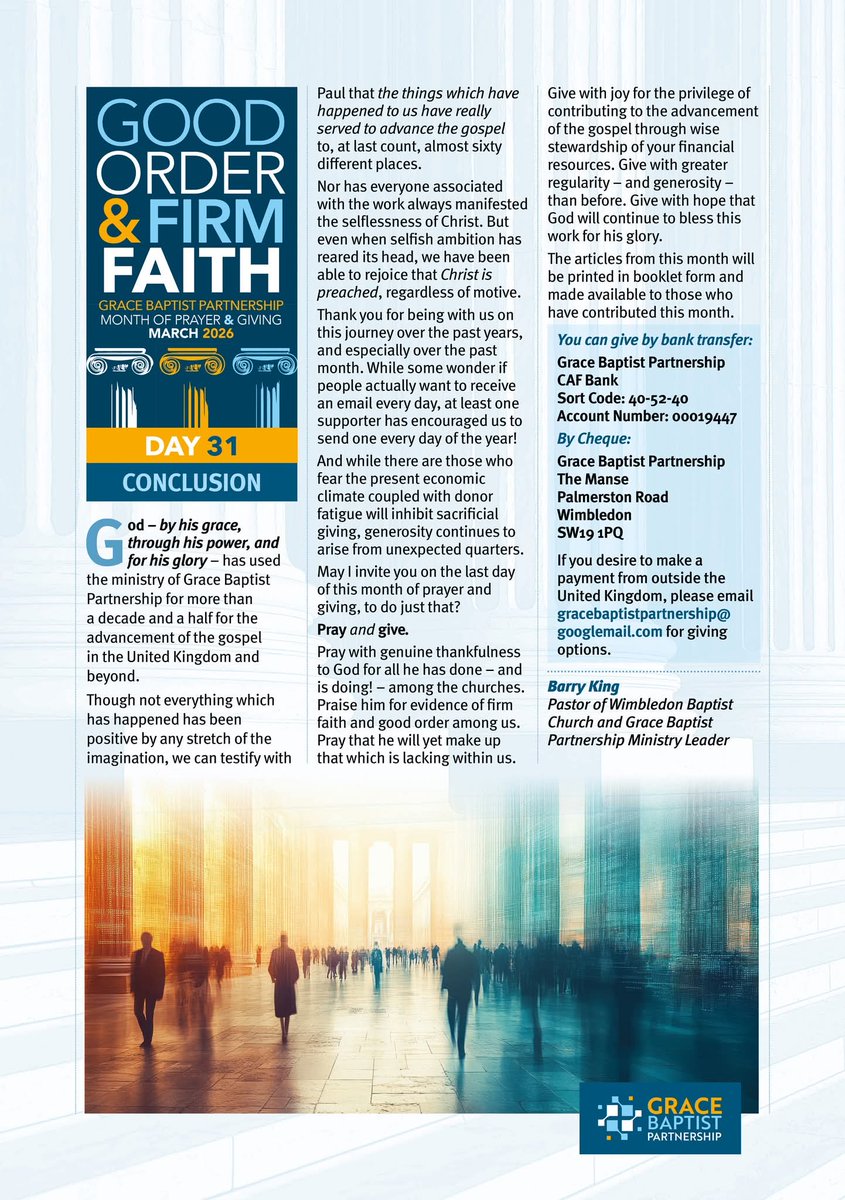
I hope you have found the Grace Baptist Partnership month of prayer and giving articles helpful. They will be printed in booklet form and made available to those who have contributed. Please continue to pray for us. If you would like to make a contribution, it would be most welcome. If you have any questions, feel free to reach out.
Grace Baptist Partnership
CAF Bank
Sort Code: 40-52-40
Account Number: 00019447
2
3
110
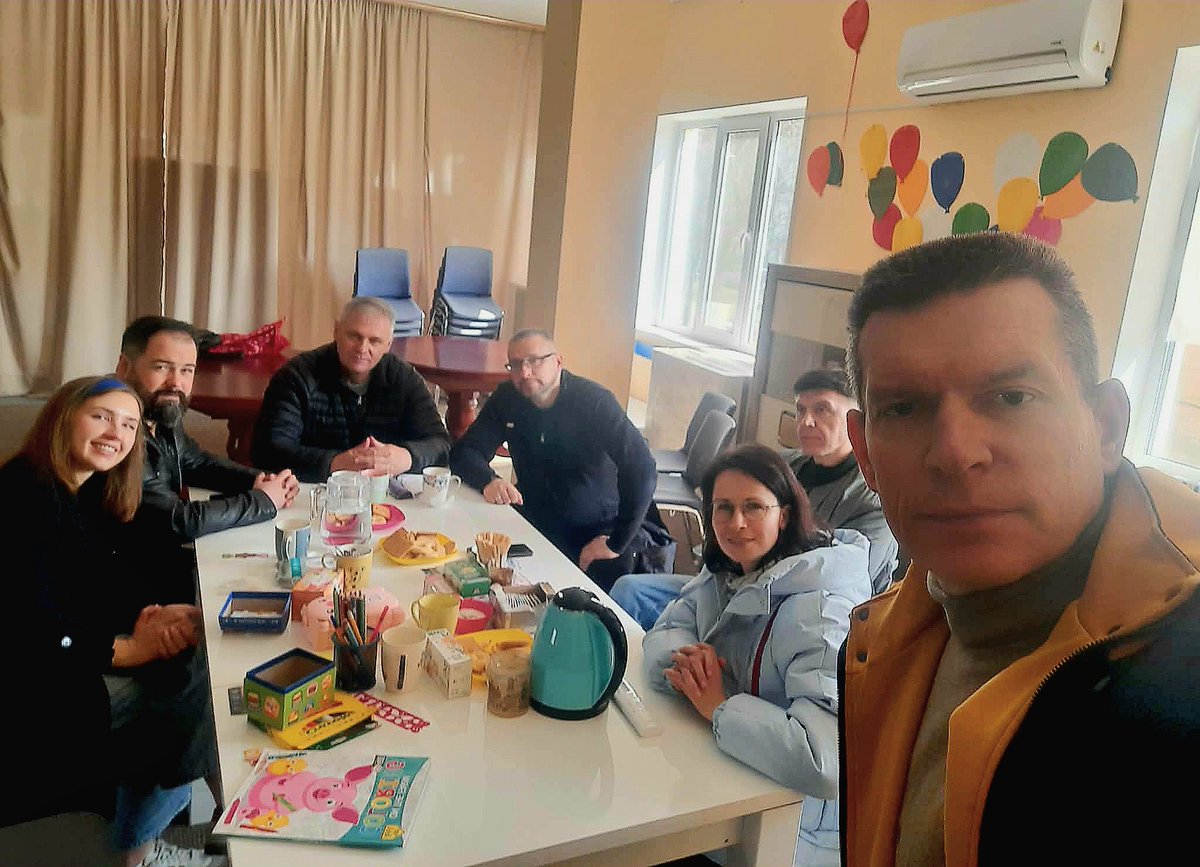
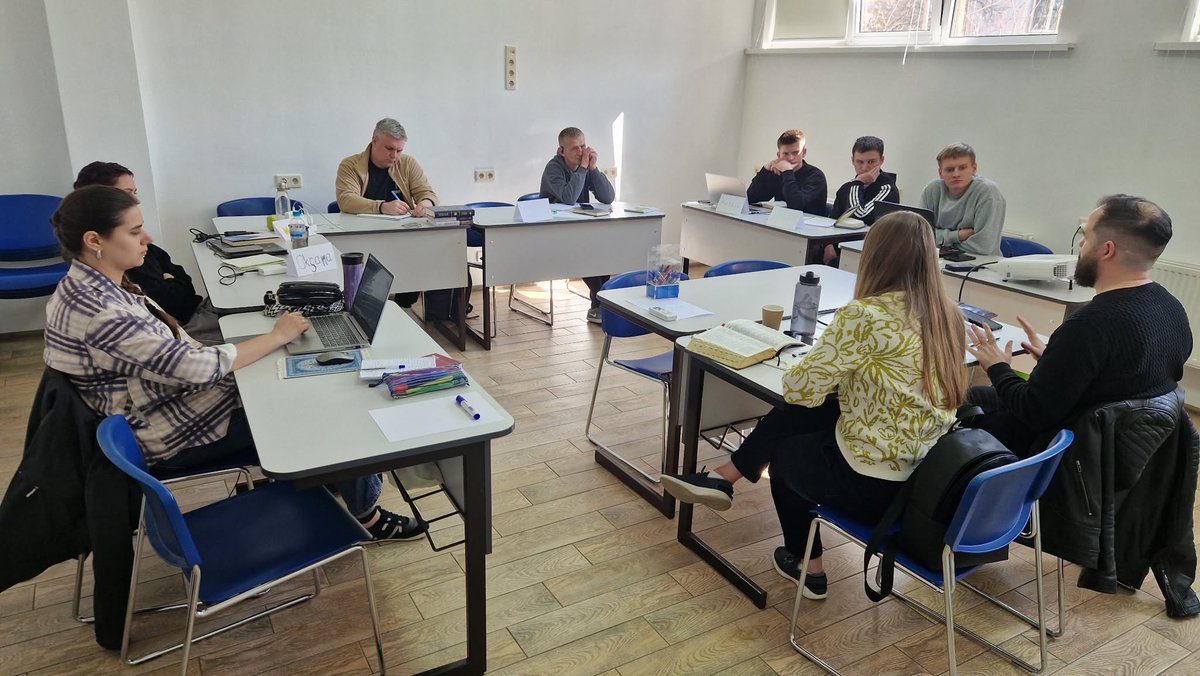
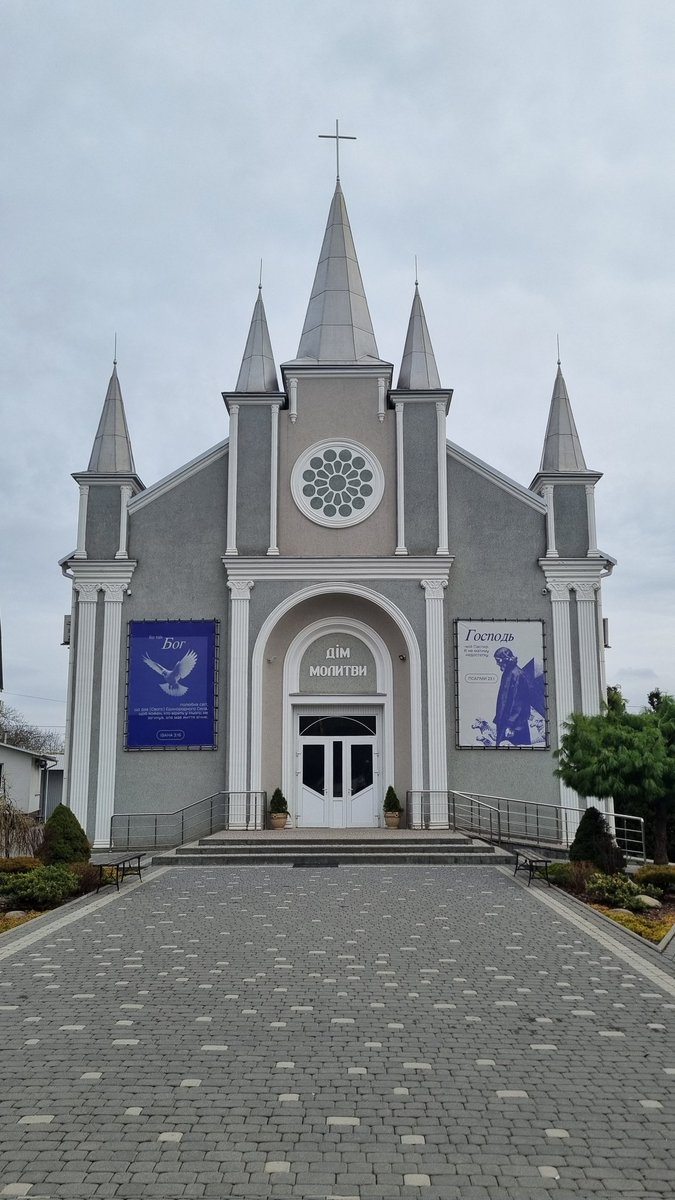
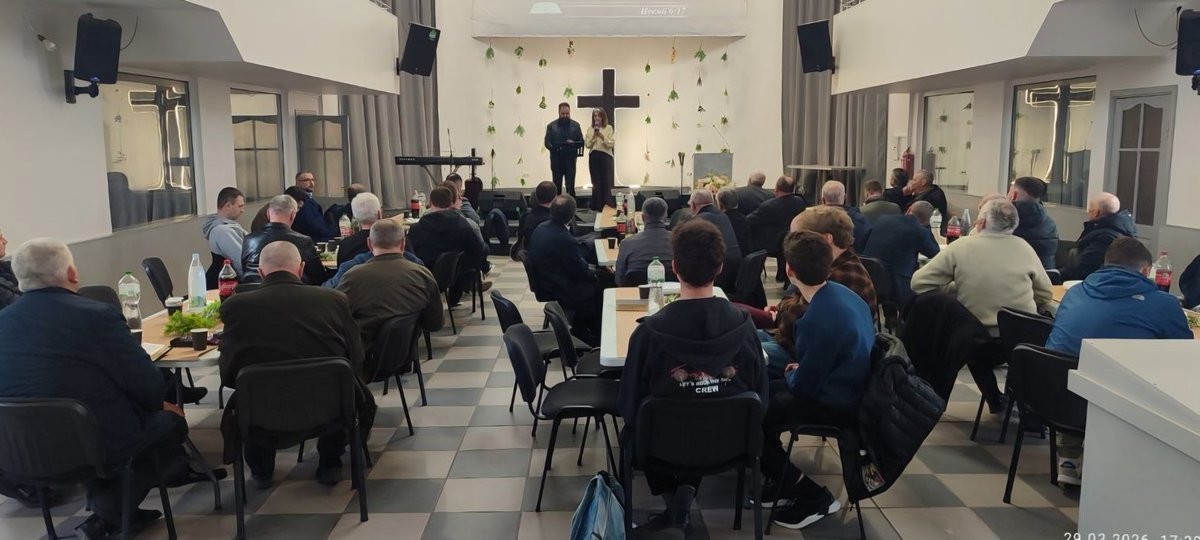
I've been on the road out of Ukraine and back to the UK since yesterday morning, so have not shared an update on ministry engagement since leaving Kyiv. On Friday, I travelled from Kyiv to Khmelnytskyi, where I was reunited with Uliana and Sara and enjoyed dinner with my parents-in-law Анатолий and Лариса. On Saturday, I met with leaders of the church plant in Rakove we have had an ongoing interest in for some time.
On Sunday morning, I had the opportunity to visit and preach at my wife's childhood church in Dunaivtsi for the first time, as they ordained a new elder to their team. The Dunaivtsi church has a wonderful legacy of churches planted and leaders developed, both serving there and elsewhere.
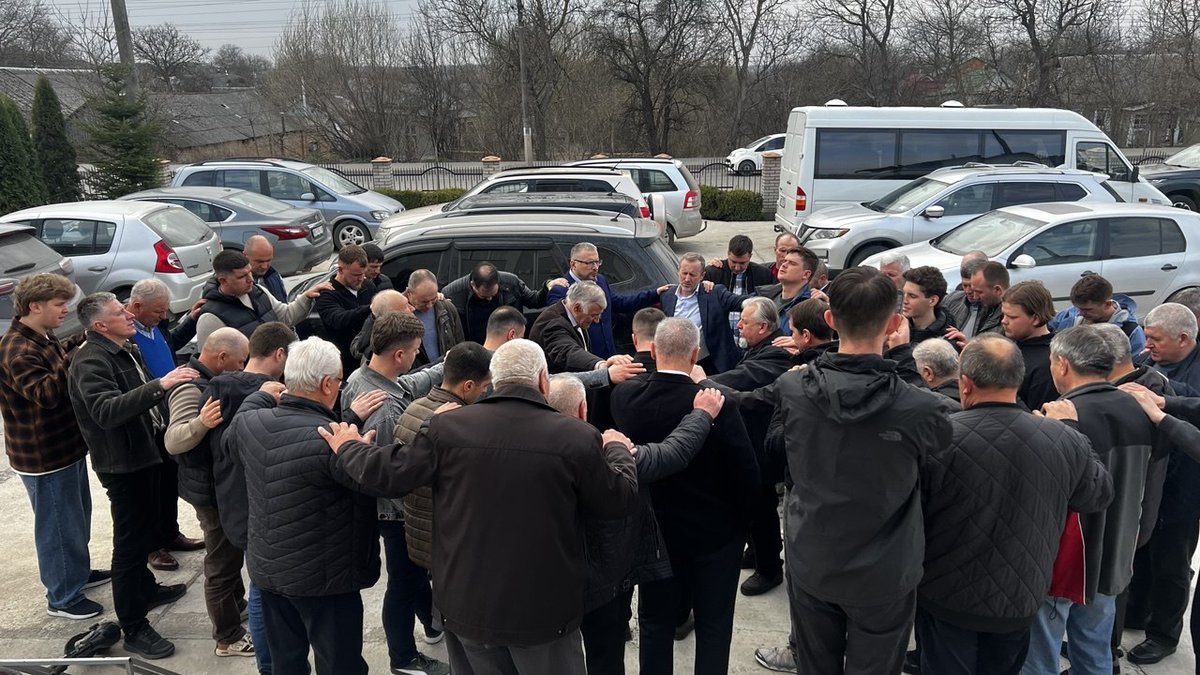
On Sunday afternoon, we went to Yarmolyntsi, where I was helped to preach at a gathering of leaders from churches in the South East region of the Khmelnytskyi oblast. Additionally, we prayed over the pastor of the host church, who began his role last year, and heard testimonies of what God is doing across the region through the churches in this time of war.
Grateful for all who prayed and contributed to this trip. If you would like to learn more about ways of supporting the people and projects I am engaged with in Ukraine, please get in touch.
1
6
85
As my Ukraine assignment for this trip has come to a conclusion and I fly home tomorrow, I ask that you read today's Grace Baptist Partnership month of prayer and giving article, pray, and consider making a contribution towards this important work at a time of great need.
Grace Baptist Partnership
CAF Bank
Sort Code: 40-52-40
Account Number: 00019447
Or if giving from outside the UK, contact me privately for various options.
2
3
82