
Parasites, Ecology, Evolution. Professor/Research Scientist at Scripps Institution of Oceanography, Marine Biology Research Division
Joined September 2015
- Tweets 35
- Following 12
- Followers 90
- Likes 3
8 Photos and videos

31 Jul 2024
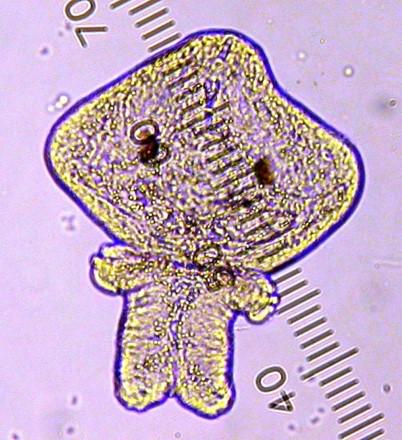
Concerning our "super soldier" trematode paper that just came out at PNAS, you might like this nice news article at Science (written by Erik Stokstad):
science.org/content/article/…
1
4
119
24 Jul 2024
BTW, people get infected after eating uncooked second intermediate host fish. It's a public health problem, particularly in SE Asia. But see a recent paper we published highlighting the public health implications of H. pumilio being introduced to USA.
academic.oup.com/jid/article…
1
33
24 Jul 2024
Please ask Dan or me via email if you would like the PNAS paper but don't have access. You can make it easy: just put "PNAS soldier trem reprint request" in the subject heading, no body text necessary!
30
6 Apr 2021
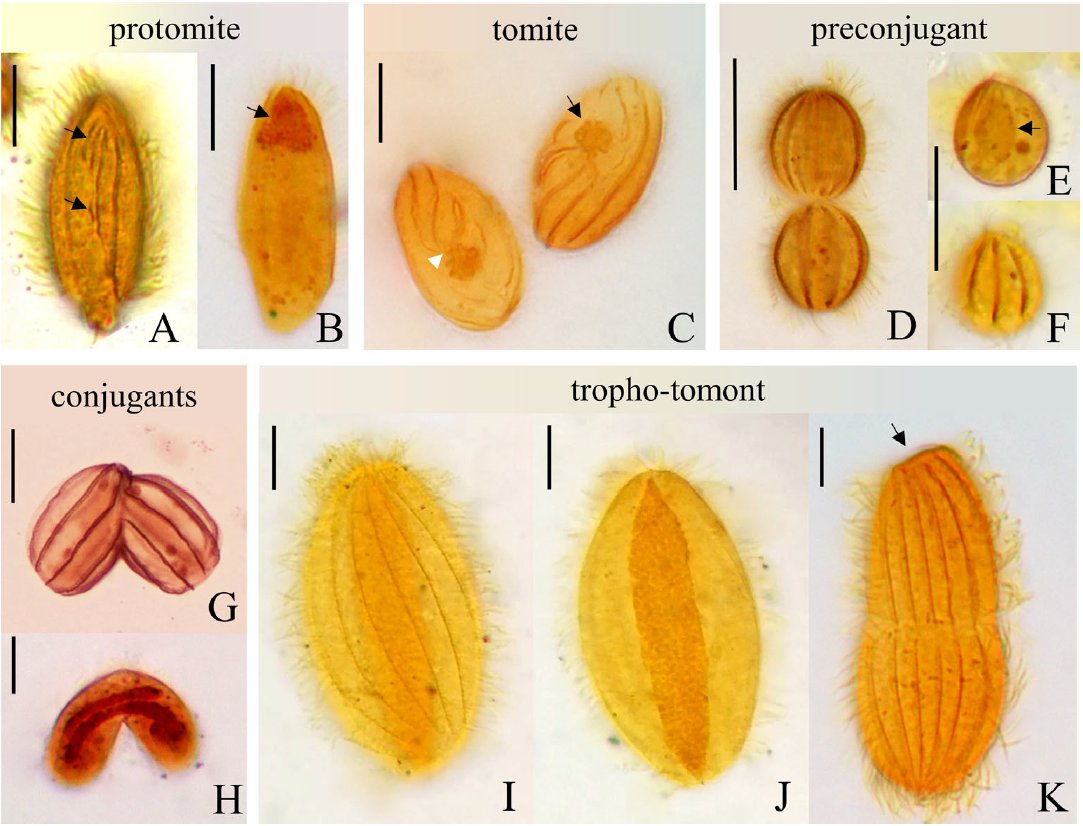
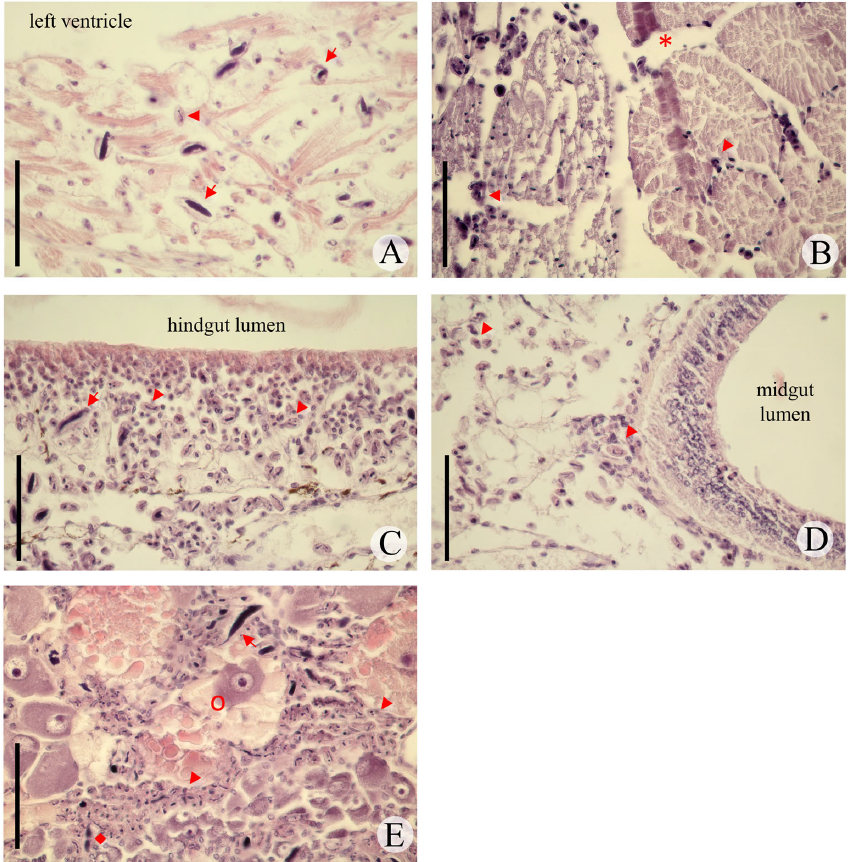
Our new crab-dissolving parasitic ciliate paper is now published in Journal of Eukaryotic Microbiology. Congrats to my PhD student Dan Metz for this "side project"!
onlinelibrary.wiley.com/shar….
Press release:
scripps.ucsd.edu/news/parasi…
#crabs #parasites #ciliates @Scripps_Ocean
2
5
16
6 Apr 2021
The feeding stage (tropho-tomonts) forms a temporary mouth-like structure—something apparently never seen before!
See Dan’s video showing them swarming inside.
youtube.com/watch?v=-eIUtUDW…
1
1
6 Apr 2021
If something like this--clearly a major player in our coastal food webs--remained undiscovered in one of our most common shore crabs, Pachygrapsus crassipes, think about what else we're missing.
1
31 Oct 2020
See the nifty video in Lauren's tweet about our Nadler et al. paper on killifish response to attacking trematodes. She put video together using some footage of killifish in the wild taken by Alexandria Nelson (MS student in the lab).
26 Oct 2020

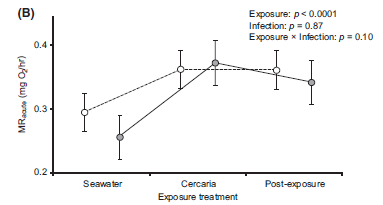
New paper alert! In CA killifish & its brain #parasite, we show that energetic impacts of parasites may arise BEFORE infection, as fish metabolic rate👆more in response to parasites in environment than on the brain besjournals.onlinelibrary.wi… @FunEcology @Scripps_Ocean @RyanHechinger
1
28 Oct 2020
"Hosts pay energetic costs to parasites even before infection is established" is one of the main points of our paper just published in Functional Ecology and coming from @LaurenNadler's postdoc work. Paper: besjournals.onlinelibrary.wi…. Press release: scripps.ucsd.edu/news/new-st…
1
1
2
28 Oct 2020
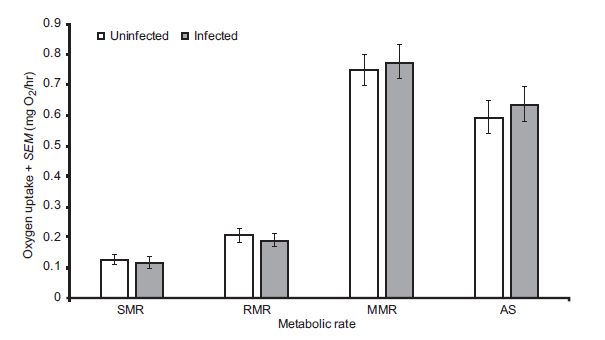
Interestingly, fish with parasites already on the brain performed the same as uninfected fish concerning whole body metabolic performance, suggesting that the main energy drain caused by these parasites arises from dealing with them before they even successfully infect.
1
28 Oct 2020
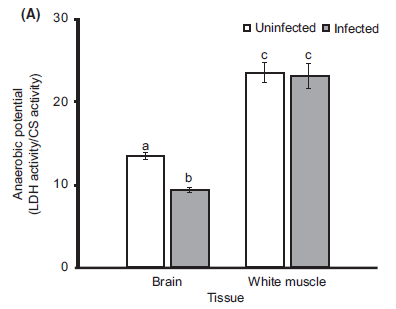
In contrast, long-term infection (with parasites on the brain) did cause a change in lactate metabolism in the brain but not muscle, providing new clues for how the parasite modifies the fish's behavior.
26 Feb 2020
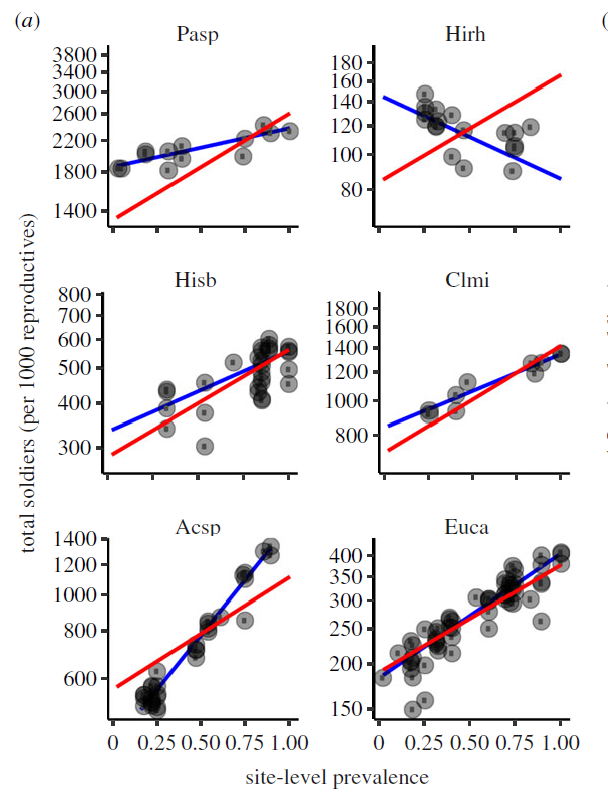
“Trematode parasites make more soldiers in areas of greater invasion threat” is the main finding we report in a new Biology Letters pub with collaborators Emlyn Resetaritz and Mark Torchin. royalsocietypublishing.org/d…
1
2
3
26 Feb 2020
Remarkably, this seems to be the first robust documentation for any animal society of a spatial relationship between allocation to a specific caste and the supposed selective agent. Again, we see the power of using trematodes as model systems to tackle fundamental questions.
1
1
26 Feb 2020
Congrats to Emlyn (@Ecology_Gremlyn) who did this work for her UTexas PhD thesis as a visiting graduate student at SIO (California) and at STRI (Panama)!