Veteran journalist. Founder and editor of Telos.news
Joined October 2009
- Tweets 20,849
- Following 4,197
- Followers 237,451
- Likes 4,396
1,153 Photos and videos
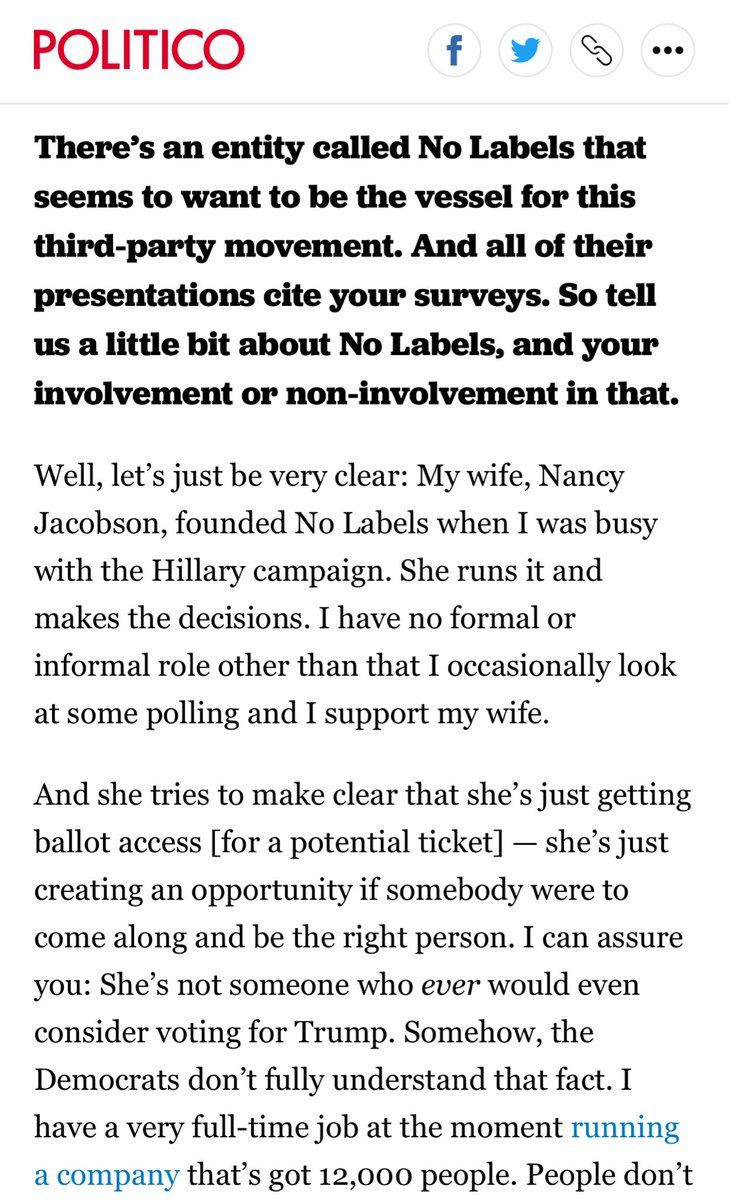
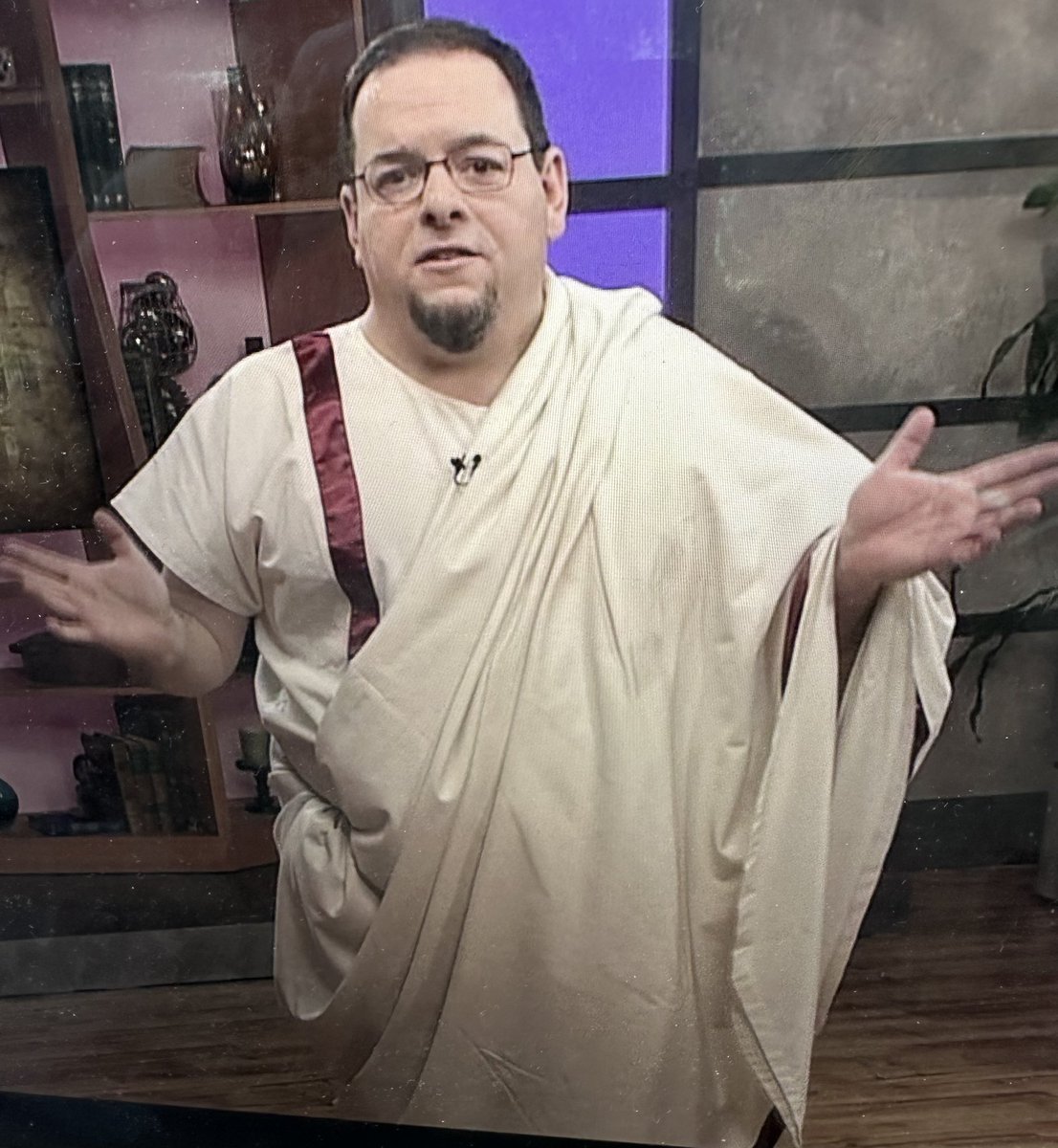
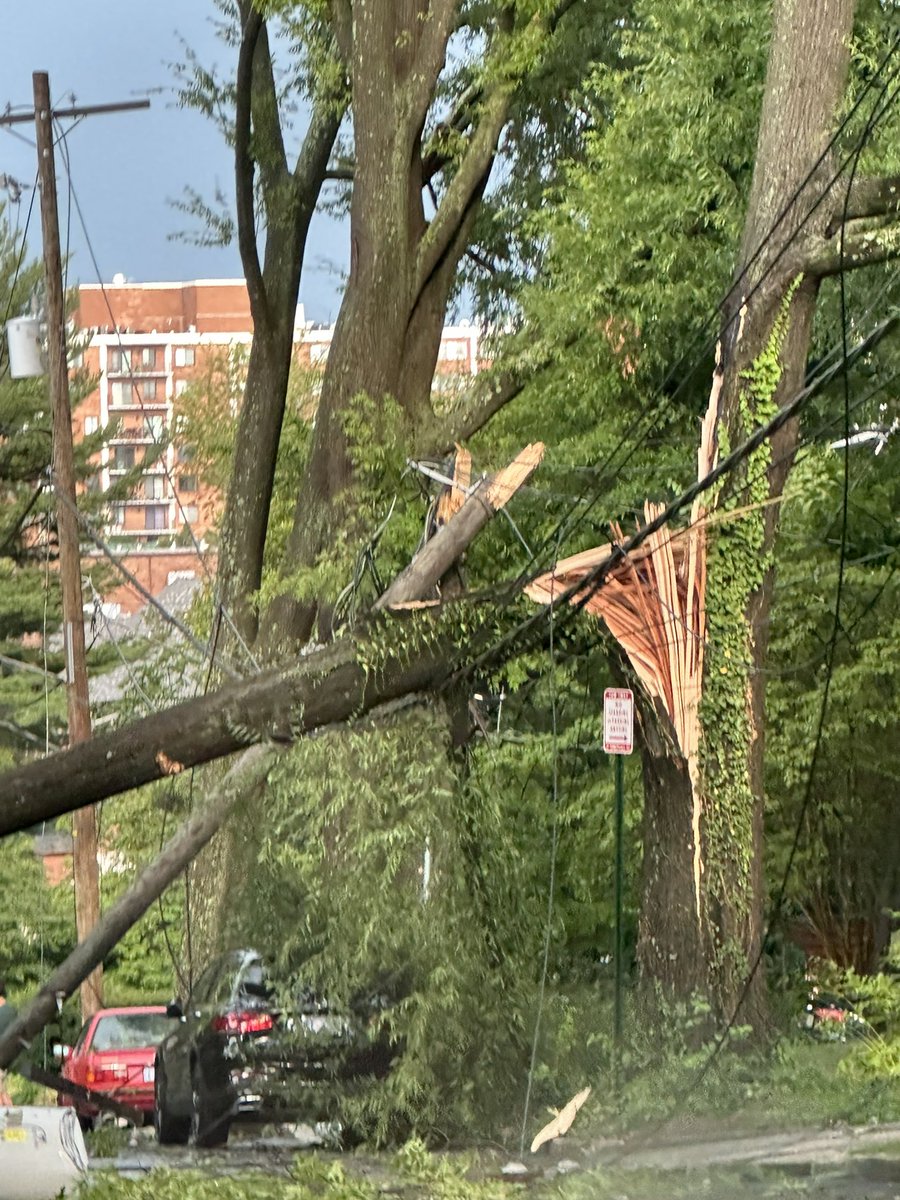
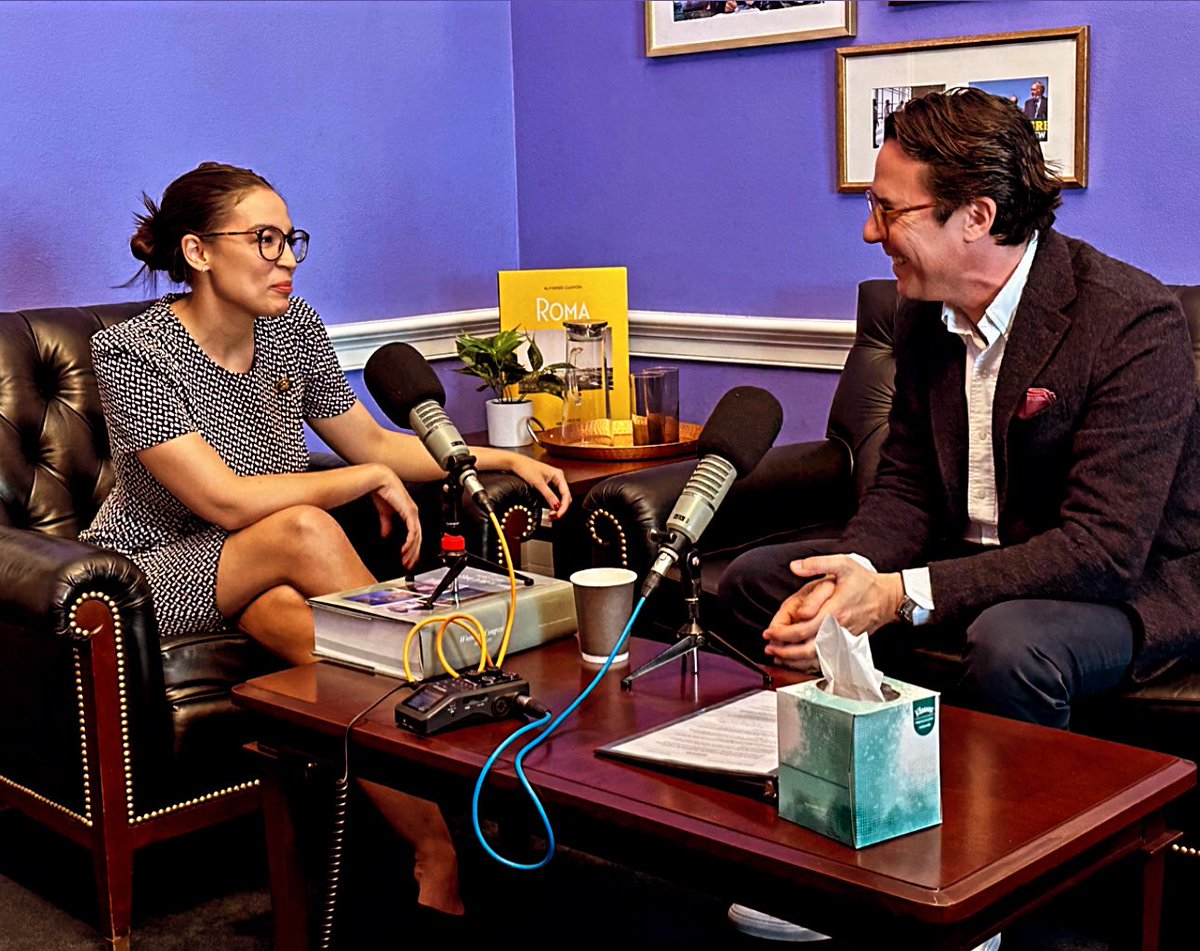

Mar 24
Learning to Code
TurboTax wanted to send my tax return to India, so I built a free version of Intuit’s $5 billion software.
Part 1 of a new series from Telos News
telos.news/p/learning-to-cod…
4
3
17
9,728
Jan 22
Imagine if you created an international organization that combined the scaminess of Trump University with the membership rules of Mar-a-Lago and infused it with Trump’s newfound interest in imperialism and growing disregard for any checks on his power. You would get Trump’s Board of Peace, one of the greatest bait-and-switches in diplomatic history.
telos.news/p/the-humiliation…
1
600
1,948
108,249
Jan 16
Part 9: Cover-up
telos.news/p/part-9-cover-up
Given all the twists and turns of this long, multi-part story and the often bizarre and sensationalistic details, I realize that some readers may have lost sight of something: the biggest and most newsworthy revelation of this series is that Robert F. Kennedy Jr. conspired with a reporter to abuse a D.C. court so he could save his relationship with Trump and become the next Secretary of Health and Human Services.
We are living in a new era of combat journalism in which any high-profile political reporter will encounter ferocious bad-faith attacks from those in power. And during the Trump era, the attacks have intensified from harsh language—“enemy of the people”—to using the machinery of government to target reporters.
It started with civil lawsuits, usually defamation, to harass reporters with time-consuming litigation, intrusive discovery requests, and the depletion of bank accounts. Last year, it grew to encompass the unprecedented use of state power to shape the editorial policies of newsrooms within large companies subject to government regulation.
This week, the legal harassment escalated to the next step: the use of the criminal justice system to seize a Washington Post reporter’s laptops and phone, potentially giving the Trump administration access to all her confidential sources and other highly sensitive information.
Like most political journalists, I have witnessed plenty of hostile rhetoric, both from activists on the margins of politics and from high-level government officials. I’ve also been the target of a frivolous defamation lawsuit from one of the most powerful officeholders in Washington. And unfortunately, I have also seen up close how political actors can weaponize criminal charges against a reporter to prevent him from reporting unwelcome information.
In my case, a future cabinet secretary and one of Trump’s most important campaign allies persuaded his paramour, my ex-fiancé Olivia Nuzzi, to file a false complaint against me to stop me from writing about him in the weeks before the 2024 election.
The longtime legal and political writer Scott Lemieux, who correctly noted that the “heart” of this story is “that Nuzzi’s goal was to suppress damaging information about RFK Jr. both to help Trump and to protect RFK Jr.’s chances of becoming” HHS Secretary, has described these revelations as “almost certainly the biggest scandal in the modern history of American journalism.”
Bigger, he argues, than Judith Miller, whose pre-Iraq war reporting for the New York Times was part of “one of the worst systemic failures in the history of American journalism,” according to New York magazine.
Bigger than Stephen Glass, who committed “the most sustained fraud in modern journalism,” according to Vanity Fair.
Bigger than Jayson Blair, whose fabrications and plagiarism at the Times were “a low point in the 152-year history of the newspaper,” according to the Times itself.
Given the scale of the Kennedy-Nuzzi scandal, the question I’ve been asked most frequently is, “Why didn’t you tell anyone about all of this when it could have mattered?”
Maybe it could have changed the election.
Maybe it could have affected Kennedy’s confirmation.
Maybe it could have prevented several major media companies from hiring, publishing, and promoting the work of a journalist who crossed such serious ethical lines.
I’ve already explained, in excruciating detail, what happened to prevent the story from being told before the 2024 election.
But what about after that? Many of you have asked me what happened after Nuzzi was forced to withdraw her false claims in D.C. Superior Court on November 8, and I returned to Politico as its Chief Washington Correspondent.
telos.news/p/part-9-cover-up
6
43
22,643
31 Dec 2025
Caving to Trump: The Top Ten Worst Offenders of 2025
The newsroom leaders, tech oligarchs, law firm chairs, and university presidents who helped Trump coerce and capture large swathes of the media, the legal profession, and academia.
telos.news/p/caving-to-trump…
34
95
46,110
22 Dec 2025
Part 8: Bamboo
You'll want to read this one all the way to the end.
telos.news/p/part-8-bamboo
After I found out about the affair, Olivia started writing a TV show about a third-party presidential candidate who combines California wellness and traditional environmentalism with MAGA-style nationalism. The candidate has a cult-like sway over his supporters and a scandalous past, including accusations of driving his former partner to commit suicide, or perhaps even murdering them.
The show’s main character, based on Olivia, whose middle name is Anne, is a twenty-something blonde Italian-American reporter from New Jersey named Anne Carro.
While the mainstream media treats the fringe presidential candidate and his eco-nationalist party as a joke, Anne is intrigued by him and his movement, and in the final scene of the pilot, she commits herself to something irreversible.
I’ll never forget the first time Olivia asked me to read her initial proposal for the show. Our relationship was, of course, rocky. It was September, a few weeks from Election Day, and we were both supposed to head out for a trip to cover the Trump-Biden presidential debate.
Bamboo had taken over the garden, and I had spent the weekend clearing every last stalk. I was sitting at the desk in our bedroom in Georgetown, looking out over the courtyard, pleased with what I had accomplished with the machete.
I was curious about how Olivia might be milking the drama of our personal lives for a shot at selling something to Hollywood. The lightly fictionalized Olivia character was haunted by an impending sense of doom. The character had watched with dread as some of her colleagues got caught in plagiarism scandals or inappropriate relationships, like the one “who was fucking an intelligence source thirty years her senior” and the magazine phenom “who had fucked, among many other sources, a cabinet secretary and a campaign operative without consequence” but was fired for “incorrectly attributing a Martin Luther King quote to Sonny Bono.”
Olivia’s character couldn’t shake the feeling that she would suffer a similar fate, even though she believed she wasn’t doing anything wrong. “[S]he always felt that she would fall victim to some kind of scandal of her own making, nonetheless,” Olivia wrote, “that her young career would flame out just as those of her predecessors had. She was careful, but she had a feeling that might not matter. She considered the evidence. When she thumbed through the files in her head, she understood that there were virtually no examples of a young female journalist becoming famous before the age of 25 and sustaining that momentum throughout an illustrious career.”
So she came up with a plan to prevent the inevitable implosion, or at least to control it: she would preemptively destroy her career—on her own terms.
telos.news/p/part-8-bamboo
9
56
68,745
19 Dec 2025
Part 7: Day in Court
In The Divine Comedy, Dante placed fraud and treachery in the eighth and ninth circles of Hell—reserved for the gravest human sins—because they require the deliberate misuse of reason, the highest human faculty, turning the very gift that links humanity to God into an instrument of deception and betrayal.
On the morning of October 15, 2024, Nuzzi vs. Lizza came before the D.C. Superior Court’s Domestic Violence Division, which is understaffed and overwhelmed with applications for protection orders. In 2023, four judges were responsible for more than 6,000 cases. To make things more efficient, the judges handle most of the litigation virtually. I settled into a well-appointed conference room in a sparkling new building down at The Wharf, confident that within a few hours the case would be over, Olivia’s claims would be vaporized, and I would be able to tell the full story of what I knew about Kennedy in time for voters, to the extent they cared at all, to absorb the information before mailing their ballots or heading to the polls.
I had been silent for two weeks as my name and face were sucked into the tabloid vortex Olivia had created, linking me for the rest of my life not only to her revolting relationship with one of the most psychologically broken and notoriously self-destructive figures in America, but also to a series of criminal charges she manufactured on his behalf.
She had destroyed my privacy and tried to ruin my reputation first with her recklessness and then again with her lies to the D.C. court. Daily Mail photographers stalked me, and reporters ominously texted me that they were waiting outside my home to chat. My job at Politico, where I was the chief Washington correspondent, co-author of its most valuable news franchise, and host and executive producer of its flagship podcast, was hanging by a thread. Olivia had quietly reached out to everyone we knew in Washington and spread her lurid claims, isolating me from longtime friends. “Olivia told me you blackmailed her,” Sally Quinn said to me in what was a typical conversation. “I don’t know what to think!”
But finally, I would have my day in court to tell the entire unbelievable story, expose Olivia’s lies and schemes, and reveal Bobby’s hidden hand in the whole thing. Everything would be disclosed today.
I had spent the weekend locked in a room with three extremely expensive attorneys reviewing the mountain of evidence we had accumulated—texts, emails, recordings, third-party interviews—and preparing for what I knew would be dramatic questioning of Olivia.
As I sat waiting on the video call for the presiding judge to call our case, I began outlining in my head our impending cross-examination.
telos.news/p/part-7-day-in-c…
6
52
38,877
15 Dec 2025
Part 6: 'Bobby was behind the whole thing.'
The photographer was waiting for me outside. Somehow, he knew that I made a daily run to this coffee shop. Did she give the Daily Mail my address? He spotted me approaching, followed me inside to the counter, and waited to hear me say my name to the cashier for my to-go order to confirm he had the right target. Then he scurried back outside and took up a position at the entrance to my building. This guy was a pro.
Now he had an unobstructed line of sight as I walked some 50 yards, totally exposed, back to my front door. He was calm, not like the panicky pack of paparazzi you see on the news sometimes, jostling each other and madly snapping bursts of photos. The Daily Mail guy had some 30 seconds to shoot—an eternity—and he was taking his time, chilling on a concrete bench, adjusting his cartoonishly long telephoto lens at his leisure. I only noticed him halfway through the kill zone. Should I turn around? Oh, God, that would be worse, right? I just smiled and walked by.
The picture was posted later that night, and the headline could not have been better for Olivia and Bobby than if they had written it themselves...
telos.news/p/part-6-bobby-wa…
17
22
149
171,737
1 Dec 2025
Part 4: Means of Control
Bobby and Olivia planned to consummate their relationship on August 23, 2024, in Phoenix, Arizona, after he endorsed Trump at a rally in nearby Glendale. The timing was perfect. Bobby would no longer be a presidential candidate himself, so the media glare would dim, and, more importantly, Olivia later told me, he would no longer have the Secret Service protection that complicated an encounter. (And presumably Cheryl wouldn’t be around, either.) Olivia had a present for Bobby she was going to bring: a 1943 edition of Brenda Starr, Girl Reporter, a book based on the old comic strip about Starr’s wild adventures while on assignment for a newspaper.
There were two problems. Inconveniently for them, I was also planning to be in Arizona to cover the Trump-Kennedy event. And then, a few days before the rally and the planned hotel room encounter, after Bobby and Olivia had been talking, texting, and FaceTiming for almost a year, I finally learned about their affair. Olivia reluctantly canceled her rendezvous with Bobby, who was about to become one of the most powerful figures in the Trump universe, a fortuitous development because Olivia was wrapping up her latest New York magazine assignment, a profile of Trump.
This is the point where our story starts to get weird, when a series of events unfolds from August through November that thrusts me into a Kafkaesque nightmare, driven by Bobby’s extreme paranoia about what I know and Olivia’s extreme fears about what Bobby might do to her if I tell anyone.
But first, you are probably wondering what Izzy told Olivia she believed she had overheard Trump say about his attempted assassination when Izzy was secretly recording Trump and his campaign aides at Mar-a-Lago on August 13, 2024.
According to Olivia, Izzy thought Trump said something that cast doubt on the official story behind Trump’s bloody ear, which was injured on July 13 in Butler, Pennsylvania, when Thomas Crooks tried to kill Trump.
I assumed the context of what Izzy thought she overheard was about whether it was one of the eight rounds fired by Crooks that nicked Trump’s ear or something else—ricocheting glass or a bullet fragment—but that’s just speculation.
What I know from Olivia is that the quality of the audio recording was poor, that she couldn’t corroborate Izzy’s recollection, that she discussed the recording with Bobby, and that after a phone call with Bobby while he was on vacation with his wife in Baja, Olivia erased the recording.
Obviously, this episode raises a lot of questions…
telos.news/p/part-4-means-of…
1
60
470
172,043
11 Dec 2025
Part 5: Loyalty Test
Kara Swisher was blunt: now that she knew about Olivia Nuzzi’s affair with Bobby Kennedy, she had an obligation to tell David Haskell, the editor of New York magazine.
I asked Kara to hold off for a few days while I tried to convince Olivia to disclose the relationship with Bobby on her own. “She deserves the chance to do the right thing,” I told Kara, and she agreed.
By this point, Bobby was reportedly bragging about the affair to some people, and Olivia had told at least four friends about it. It was no longer a secret, and it was going to spread.
On September 7, I drove to New York on a mission with two goals: to get Olivia to come clean to her editor and to cut her out of my life. I asked her to take a walk on the High Line the next day, when I planned to make my case. I expected to be in and out of Manhattan in 24 hours. Instead, she pulled that jealous, possessive routine I described in Part 4 while I was at dinner, showed up at my hotel, and remained with me at The Standard on the West Side for five nights.
I had been telling our friends that I believed she was suffering from a mental health crisis and needed help. Seeing her in person was startling. It seemed to me that she had had some kind of breakdown. She appeared overwhelmed, erratic, and disconnected from what was happening around her. I needed Olivia to remove her belongings from my apartment, drop herself from my health insurance, come up with a plan to pay back our book advance, and address a host of other issues necessary to untangle our lives. I told her I could pack all her stuff and put it in storage.
“I thought we were going to discuss getting back together?” she asked.
I told Olivia clearly and firmly that her editor would soon learn of her affair with Bobby and that she needed to disclose it to him immediately. I could not tell her why I knew this, but I assured her it would happen and that it would happen very soon. Olivia shut down the conversation. She insisted that nobody would ever find out. She insisted that there was no conflict anymore because Bobby wouldn’t be an important political figure going forward, which was, of course, absurd. She screamed at me to never bring it up again.
My mission to New York failed.
I texted Kara on the morning of 9/11. “I’ve made no progress,” I wrote. She went to Haskell with the news that night.
As I left my hotel room the following morning, Olivia repeated what she had said back on August 17 when this all started: “If anyone ever finds out, I’m afraid Bobby will kill me.” I never saw her again.
telos.news/p/part-5-loyalty-…
24
112
77,897
3 Dec 2025
I’ve been asked by some of you to provide more primary source materials backing up the claims in the series I’ve been writing about the unusual events that transpired in 2024. That’s a very reasonable request, and I plan on making some of those materials available in the coming days. As a start, here is the text of the political strategy memo that Olivia Nuzzi wrote for R.F.K. Jr. in late June 2024 as he prepared for a pivotal event and while she was simultaneously finishing a severely critical article about Joe Biden. This memo was referenced in Part 3: Catch and Kill and helped form the basis of my conclusion that Nuzzi had crossed the line from journalist to political operative. —Ryan
telos.news/p/olivias-strateg…
107
611
418,235
18 Nov 2025
4
402
5,385
8,223,990
30 Sep 2025
NEW: Trump’s Purge-Replace-Attack playbook comes for the military.
telos.news/p/america-after-t…
2
18
68,594
26 Sep 2025
We were warned about a prosecutor--or president--who might "pick people that he thinks he should get, rather than pick cases that need to be prosecuted."
telos.news/p/when-the-prosec…
8
4
25
44,087